THE MONTHLY DIGEST OF ACCUMULATED NEW MUSIC; THE SOCIAL INTER-GENERATIONAL/ECLECTIC AND ANNIVERSARY ALBUMS CELEBRATING PLAYLIST; AND CHOICE PIECES FROM THE ARCHIVES.

_____/THE NEW
Ainon ‘Within’
(We Jazz) 6th September 2024
A pastoral suite from the Helsinki-residing “avant-garde chamber jazz” Ainon ensemble, Within is an expressive rites and abstracted conveyance of nature, the environment and the elements. This is the quartet’s second album for the reputable Finnish label We Jazz, following on from their 2020 Drought debut.
Enhancing and honing their craft live in recent years, they’ve managed to both beautifully and exploratively match various jazz forms and influences with the classical, the instruments of saxophone with woodwind and strings. Led by cellist Aino Juutilainen and flanked in a constant movement on all sides, at all angles, by Merimaija Aalto on violin, viola and lofty diaphanous airy voice duties, Milo Linnovaara on saxophone, clarinet and flute, and Joonas Leppänen (who you might recognize from fellow We Jazz travellers Alder Ego) on drums and various percussive tools, apparatus, the Ainon ensemble find inspiration from the beautiful avant-garde taciturn and textual jazz cellist recordings of Abdul Wadud and the often cool West Coast free improvisations of the much underappreciated swing veteran with a romantic sentimental lean, Jimmy Giuffre.
Amongst the undergrowth and fauna, and through the “komorebi” Japanese ideal of sunlight filtered through the leaves of a tree, both of those influences permeate every corner of the ensemble’s musicianship. Expanding further, the melancholic pain of Eastern European classical music, the more pleasing suffused gravity and evergreen pastorals of Vaughn Williams and the woodland magic, the animal clops of Prokofiev are bonded with the waddled and geese-like pecked avian impersonating, resonating, reedy and more fluttered sax, clarinet and flute of Roscoe Mitchell, Anthony Braxton and Jeremy Steig, and the percussion of the Art Ensemble Of Chicago (I’m sure there’s a typewriter dinging away in there somewhere; just one of the many hidden percussive sounds and evocations that don’t seem to have come from an actual instrument).
Bendy and dreamy, detuned and mournful, aspects of the landscape, whether imagined or real, are conveyed in an abstract manner, yet evoke a sprung suite of outstanding beauty and sensory elements. The ensemble match the avant-garde, with the blues (for there is a subtle touch of it to be found throughout), freeform jazz and the classical to find a perfect balance and harmony, yet stretch the perimeters.
Jan Esbra ‘Suspended In A Breath’
(Spirituals) 30th August 2024
A Colombian in Brooklyn, the guitarist, composer and improviser Jan Esbra amorphously merges worlds and a sense of release on his third solo album Suspended In A Breath.
Finding an “emotional outlet” during a time of inner most reflection, Esbra’s daily practice of personal growth was translated into an ambient language of prompted feels, near lunar and unspoiled vague geography and cloud gazing. Fed through the multi-purpose box of tricks known as the Organelle (a toy-like looking combination of synth, sampler, drum machine, sequencer, effects unit and looper), guitar lines and hidden musical sources are transduced and transformed into vapours and the biomorphic.
Within a Venn diagram of early electronic experimentation, the ambient and new age, there’s an echo of Laraaji, Boards Of Canada, Eno, Terry Riley, Beaumont Hannant and, as referenced in the PR notes, Manuel Göttsching’s iconic and highly influential E2-E4 – an album that set a catalyst and template, informing early techno through such progenitors of the form as Carl Craig, who famously remixed Göttsching’s signature.
Over near misty primal coasts and swamps, where old ancestral creatures roam in a lost world, glassy bulb-shaped notes dance and crystalized forms take shape. Various passages of liquid, of water, can be heard in and outside the resonating and gleamed metal tank, feeding softened blossoms as the stars barely shine from above, through a thin gauze of cloud cover. In a liminal zone between the synthesized and organic the merest application of a filter, an enervated loop iteration, satellite data broadcast, loom or oscillation can set a contemplative mood; can prompt thoughts on such subjects as the artificial and human; and can conjure up imaginative locations.
A equilibrium of a kind is found, as Esbra morphs his source material and compositions into something that’s as calming as it is searching and probing. Each subsequent listen reveals more subtle layers, more melodic touches; a slow release of inventiveness.
David Vickers & Sergio Mariani_MRN ‘New Dawn’
(Audiobulb Records) 24th August 2024
A placeable union between the Gloucestershire bred but Seoul-based composer, guitarist, producer Daniel Vickers and Argentine but living in the USA for the past thirty-odd years composer and producer Sergio Mariani (appearing here with the attached underscore _MRN tag), the New Dawn release evokes fourth world visions of ambient America’s interior, its borderlands with Mexico and night time desert vistas.
The most subtle of mirage bendy, tremolo-like trembles and waning arching guitar, obscured field recordings, synthesized glassy gleams and undulations, and toy twinkled xylophone shape moments of time, the sense of a vague panorama and the elements. It’s like setting up a transformed sonic documentation of a quiet, unspoiled environment; the devices picking up the passing of time in a particular landscape.
There’s no getting away from the Americana campfire feels and desert mysticism contours of Ry Cooder, and yet, the tine-like picking, the sound of softened metallic textured rhythms and water carrier, jug-poured percussion denote vague Southeast Asian influences: even Japanese environment music.
Following the day, from dawn until a final night time scene back home, with the shower running in the background as mellow, melted ambience stirs up subtle collected thoughts, Vickers and Mariani describe and emote normally unrecorded daily routines and places for a peaceable, empirical Daniel Lanois-style meditation. New Dawn is a successful collaboration between two artists articulating a sense of “latent” and “natural” with adroit understatement.
Aidan Lochrin ‘Ritual Incantation’
(Submarine Broadcasting Company)
Through unidentified coastal currents and waves and the transformed field recordings taken at both Queens Park in Glasgow’s South Side and Kelvingrove Park in the city’s West End, Aidan Lochrin conveys an abstract, emotive and ghostly veiled sense of the ephemeral on a new album of ambient, minimalist techno and electronic psychogeography and meditative atmospheres.
Written during the year’s “dark winter” months – the Scottish summer thus far will have done little to abate the winter blues – in a period of aimless “ennui”, Ritual Incantation deals with faded memories and past lives through transportive vapours, hidden, or at least barely recognisable, instruments, tools, the captured activities and movements of those in a gauzy background scene and machinery (sounding at times like Popol Vuh’s debut album generators and chambers, and at one point, like fluttered strips of paper being blown about by an air conditioning unit), and spells of Iberian-reminiscent classical guitar and tubular percussion.
Mirage, hallucinations and the near paranormal, each suite is like a Fortean shipping forecast, or ebbing movement of either soothing shadow-gazing or the uneasy. And amongst the filaments, fizzles and fuzzy static, tangible stirrings of Basic Channel, Forest Swords and Mills emerge until once more enveloped or dissipating into ether.
Lochrin is supported by the Glaswegian artist Jude Norton-Smith on the city parks prompted ‘In The Ruins Of No Specific Place’, the Dunfermline composer Somer on the opening seascape of ringing, bobbing buoys and seagull hovering ‘Fragments’, and Christopher Manning on the Tbilisi twinned with Glasgow transmission ‘Mercy IV’. I’m not entirely sure, but on the latter it sounds like there’s a shivered, pained and mournfully bowed violin, viola or cello at work that’s slightly reminiscent of Alison Cotton or perhaps Simon McCorry.
There’s much scope as Lochrin ties together all the various threads of sonic and music from his oeuvre – the Glasgow-based artist mentions both the “noises” and “harsher” sounds of The Death Of Arcadia and the softer synths of that album’s sister Chalkydri in an artist’s statement. And so you find the most minimalist ambient touches and shades of kosmische sharing space with what can only be described as hauntology Baroque on the submerged light bearing antiquarian ‘Divine Sunlight’ – imagine a supernatural transmogrification of Handel by Wendy Carlos or Belbury Poly.
In coastal and abandoned settings, in machine workshops and more alien scenes, Lochrin conjures up the erasure and the half-recalled, the traces of what once existed or what or who passed through this way, with an ephemeral statement of subtle engineering, reification and meditative spiritual pastoralism.
Michèle Bokanowski ‘Cirque’
(Kythibong) 23rd August 2024
It’s a seldom-shared fact, or piece of trivia, but way back in the late 18th century ex-cavalryman and attributed progenitor of the modern circus, Philip Astley, worked out the optimum diameter (42 feet) needed for balancing atop of a horse as it galloped round the circus ring – it’s all to do with centrifugal forces; an inch either way and you’d probably end up being thrown into the audience.
With that mathematical nugget of circus lore in mind, let me bring the Nantes-based label Kythibong’s re-release special of Michèle Bokanowski’s 1995 Cirque LP to your attention; an experimental suite of movements that transmogrified, looped, cut-up and transported the French composer’s various field recordings of the circus – both inside and out of the big top – during a five-year period between 1988 and 1993. All the fun of the fair, the wild excitement and applause of the circus theatrics, clowning buffoonery, high wire suspense was passed through Michèle’s music concrete practice to create juxtapositions of shade and light, fun and the unsettled: imagine Degas circus impressions merging with Ensor’s more disturbing, often macabre, carnival imagines to the serialism composed spectacle of the recognizable and surreal.
Before we move on, a little context and history is needed. For much of her life, living and working out of the French capital, Michèle’s formative years were spent in Cannes: born into a household of music and writing. Although originally imbued by and studying the classical, at the age of twenty-two she ventured into the experimental world of music concrete, inspired by the teachings, writings of such luminaries of the unbounded form as Pierre Schaeffer and René Leibowitz. It was through the Polish and French composer Leibowitz that she was opened up to the iconic progenitor of serialism, Arnold Schönberg.
Michèle would go on to serve a two-year internship in the study of sound synthesis, under the direction of Schaeffer at the famous ORTF Research Department in the early 70s. At a similar time, the burgeoning composer would also study music computing at the Faculty of Vincennes. Periods in the company of Ellane Rodigue led to a pathway in electronic music. But the CV is expansive, with concert intended compositions (including Cirque) appearing alongside pieces for theatre, dance productions and cinema. Collaborations are also numerous; from working with Catheringe Dasté to the choreographers Hideyuki Yano, Marceline Lartigue and Bernardo Montet, and her film director husband Patrick Bokanowski – namely on the score for his art-house film The Angel.
And so, with all those reference points the Cirque album sets an avant-garde mood. The central or recurring feature of which, across a number of classical musical entitled speeds and feels (“Allegro”, “Andante” and “Scherzo”) is a reverberated saw dust kicking horse that gallops into view, emerging out of a loop: vanishing back into an eerie darkness once it has passed us by on a lap of the ring. From the darkness, the shadows, an audience of delighted children and adults shower the performers with applause, whistles and near operatic shrills. But those same sounds are gradually changed and transformed into loops and iterations more maniacal and strange: like a hiccupping cuckoo, a hallucinatory hoot, and in one case, near orgasmic.
A snare roll announces an impressive acrobatic feat to climatic cheers, but a second phase morphs everything into a freak show hall of mirrors. In a whirl, a cylindrical lantern show, real sounds and the generated coalesce in an unsettling and dizzying experiment of magic and illusion; a removed vision of the familiar reactions of an audience caught out in an entirely different kind of sonic experiment. The circus as you’ve never heard it before, but just about recognisable, takes on whole “other” properties under Michèle’s inventive compositional hand; setting the colourful spectacle of the circus in a unique timeless realm.
__/THE SOCIAL PLAYLIST VOLUME 89

Anniversary choices this month are in the form of tracks from Another Side Of Bob Dylan (a staggering 60 years old this month), Portishead’s decade defining trip-hop masterpiece, the Dummy LP, a throwdown from the horrorcore Gravediggaz power team (the Prince Paul, RZA, Frukwan, Poetic supergroup with countless additional pop-ups of hip-hop’s finest) and their 6 Feet Deep LP, and Merchandise’s After The End album from 2014. Re-released, resurrected if you like in 2014, and although it isn’t officially an anniversary, I’ve chosen to include a cut from ZED’s, aka Bernard Szajner, Visions Of Dune LP – my original review from 2014 can be found in the Archive section below.
From across eras, borders and genres the rest of this month’s playlist features recentish additions from Khalab (a remix by Admiral of ‘Drone Ra’) and Lewis Spybey’s Dead Voices On Air project (‘Gray Bay Play Watch’), another revived soundtrack fill from the cult Italian composer Piero Umiliani (‘Basso Nuovo’), and inter-generational tracks from Neuschwanstein, Mad Flava, Koko, Halasan Bazar, Creation Rebel, Renaldo & The Loaf and more…
TRACKLIST:
Koko ‘Grama Graphtos’
Rättö ja Lehtisalo ‘Viisi ystävää’
Pipes You See, Pipes You Don’t ‘Karaoke Free’
Shelagh McDonald ‘Look Over The Hill And Far Away’
Blackburn & Snow ‘Yes Today’
Bob Dylan ‘Black Crow Blues’
Halasan Bazar ‘Live Without Love’
Merchandise ‘Green Lady’
Cee-Rock ‘Linden Boulze’
Gravediggaz ‘Constant Elevation’
Mad Flava ‘From The Ground Unda’
Khalab ‘Drone Ra (Admiral Remix)’
Roland Haynes ‘Kirstn’s Place’
Neuschwanstein ‘Intruders And The Punishment’
Bernard Szajner ‘Harkonnen’
Linear Movement ‘Hydrogens’
Tom Dissevelt, Kid Baltan ‘Vibration’
John Tchicai, Cadentia Nova Danica ‘Fodringsmontage’
Brian Davison’s Every Which Way ‘The Light’
Creation Rebel ‘Conspiring’
Portishead ‘Biscuit’
Dead Voices On Air ‘Gray Bay Play Watch’
Piero Umiliani ‘Basso Nuovo’
K.K’s No. 2 Band ‘Ninim Saa Ka Akyi’
Brahim Izri ‘A Wid Ur N Ehric’
Dschinn ‘I’m In Love’
Donatella Bardi ‘Perche Dovrei Credere’
Renaldo & The Loaf ‘Hambu Hodo’
The Molesters ‘I Am’
Hagar The Womb ‘Dressed To Kill’
___/ARCHIVES

From the vast archives of the Monolith Cocktail, two choice picks from August of 2014; the first, Tampa Bay’s lost boys Merchandise and their album After The End, and the second, Andy Votel’s resurrected release of Bernard Szajner’s 1979 homage to Dune, Visions of Dune.
Merchandise ‘After The End’
(Mute) August 2014
Moping around the darkened swamplands and back lots of a southern sunshine state in existential, switchblade, angst, Tampa Bay’s lost boys once again shift closer to a subtler, rounded and cerebral pop ascetic.
Despite all the talk of their DIY punk and hardcore roots – living and recording together in communal bliss – Merchandise have always flirted with a Howard Deuth and John Hughes vision of 80s adolescence. On their latest transmission from the margins they effortlessly slip between the intellectual aloof alternative rock – the Athens, Georgia scene in particular – of that decade’s college radio stations, and the ray ban donned pop of more recent times as they peruse an imaginary teen doom film set.
Since their inaugural baptism with the mostly applauded 2012 album, Children Of Desire (depending who you listen to, their first album proper), the band have pulled a few surprises from their kit bag – the skulking panoramic moiety of ‘Begging For Your Life/In The City Light’, from the beginning of the year, sounded like Chet Baker teaming up with Gene Vincent at a Velvet Underground happening Boho -, making it difficult to either venerate or write them-off: prone to procrastination and sulky indulgence at times.
Their last hurrah, 2013’s Total Nite, marked the end of another cycle, as the group left their last label to sign with 4AD (home to Scott Walker, tUnE-yArDs and Deerhunter), expanding their ranks in the process and enlisting outside help from producer Gareth Jones. Presumably Jones was picked for his work with the lords of morose, Depeche Mode (moving to the iconic Hansa Berlin studio and recording the bands Bowie mirrored trilogy of Construction Time Again, Some Great Reward and Black Celebration), and for notable duties carried out on albums by Interpol, These New Puritans and, the lighter and disarming Grizzly Bear.
With a far more patient, effortless and breezy demeanour, those maladies remain less intensive, drawn-out from a mostly melodic envelope of multiple guitar tracks. A case in point is the rattlesnake tambourine accented and Gothic Talk Talk piano spanked title track, appearing as the penultimate, frayed emotional downer. At the opposite end of the spectrum, Merchandise adopts – and the jury’s out on this one – a palm tree patterned short-sleeved wearing Mott The Hopple guise for the kooky ‘awaiting on a call’ love sick phaser-beamed ‘Telephone’. A most peculiar, almost old-fashioned vernacular roll back, that once again recalls some hazy 80s high school drama (more Rumble Fish than Ferris Bueller).
But the pulse mainlines a sophisticated accentuated blend of The Smiths (languidly lost in a protestation merry-go-round on ‘Looking Glass Waltz’), the Psychedelic Furs (on the richly melodic, interplaying acoustic and electric guitar, pretty in pink, ‘Enemy’ and broody heart pranged ‘True Monuments’) and early REM. There’s even a quasi-bass line and twisted lick from Bowie’s Scary Monsters period on the group’s most dynamic and catchy standalone, ‘Little Killer’.
As pop becomes the default setting, even for many alternative bands, Merchandise lend it a certain introspective swoon and quality; they may lounge around in moody reflection, but they know how to write a meandering congruous melody.
Not quite as adventurous as their label mates, Deerhunter, or even Bradford Cox’s – though both frontmen share the same surname, their vocal delivery couldn’t be more different, the Merch’s Carson Cox curl-lipped with a subtle southern drawl, sounding like the Tampa Springsteen – solo Atlas Sound side project, the two bands have returned to a harmonic abstract form of rock’n’roll.
Regulated to a point, toned down and spaced evenly throughout, After The End demands repeated plays and attention, before it unveils its multilayers of nuanced and deftly touched craftsmanship. Far from a leap of faith for the ever evolving and experimental band, the move isn’t as drastic or bombastic as we’ve perhaps been led to believe; the hype and numerous interviews and band quotes harking towards a dramatic plunge into the unknown. Like many before them, that progression, both musically and ambitiously from DIY to, potentially, populism, without fatally compromising the spark that set you apart in the first place, has been on this occasion a successful one.
ZED aka Bernard Szajner ‘Visions Of Dune’
(InFiné Music) August 2014
Sealed with an excitable descriptive, cosmic dreamy, forward and minimix teaser by DJ and renowned anthropologist of the most odd and obscure music from across the far flung reaches of the globe (and sometimes, so out there as to sound from another dimension), Andy Votel, a case is enthusiastically made for the resurrection of the French artist, inventor and composer Bernard Szajner’s 1979 homage to Dune.
Esteemed by Votel as a ‘Gallic-magnetic conceptual synth-pop classic’, Szajner’s manipulated Oberheim sequencer led flights of fantasy was essentially a work in progress, its creator self-taught, learning on the job so-to-speak. Under the neon-flickered, Boorman-esque, mystique of ZED, Szajner’s visionary series of loops were produced in a short timeframe: reliant to a point on borrowing equipment from friends, originally requiring an Oberheim for eight days along with a Revox two-track tape recorder, and when that had to go back or had served its purpose, was replaced with an Akai four-track. Transforming his intuitive sense of exploration and experimentation further by introducing the prog-acid-rock journeyman drummer Clément Bailly and Magma’s vocalist Kluas Blasquiz to the mix, the minimalistic Krautrock style synths and vaporised sizzling sonics moved into the realms of space rock and futuristic jazz.
Spending his formative years both designing and performing lights show spectaculars for The Who, Gong and the already mentioned Magma, the conceptual artists Szajner couldn’t help but absorb and channel some of their spirit, though he would also find a certain affinity with the cerebral ambient soundscapes of Brian Eno too.
Remastered by the adroit specialist Rashad Becker from the original tapes (of course), Visions Of Dune conceptually occupies the space between the lunatic Chilean auteur Alejandro Jodorowsky’s epic, if messy, unrealised film version and David Lynch’s mid-eighties space operatic/esoteric soap opera effort.
Of course, we only have one of these soundtracks, though Jodorowsky’s surrealistic magnum opus envisioned a soundtrack that would feature bands such as Pink Floyd. Lynch chose, rather bizarrely, Toto to compose his soundtrack; compensating by offering Eno a solitary and suitably soul-searching ambient ‘Prophecy Theme’ to break up the agonized pomp rock and classicism.
Szajner’s epic was sourced from Frank Herbert’s Dune trilogy of sci-fi novels: a metaphoric futuristic paradigm of Lawrence Of Arabia’s instigated Arab revolt, the Bible and Koran, Zen Buddhism, the fight for resources (oil replaced by the made-up spice mélange, though the sanctity and scarcity of water is echoed in the stories central and most important location, the desert planet of Arrakis) and the all too obligatory intrigues of competing Empires. A subtle amorphous theme is created for the stories most important characters – be it the House Atreides who spawn a messianic liberator or the miscreant maleficent led House Harkonnen -, rituals and notable plot lines, whilst a repeating desert theme permeates throughout.
An almost uninterrupted soundtrack, each passage bleeding into the other, only demarcated by the track titles themselves, the main electro gliding, whooshing magnetic charged foundations signpost Tangerine Dreams own nebular voyages – especially their acid-trance elegiac Phaedra. The opening quartet of ‘Dune’, ‘Bashar’, ‘Thufir Hawat’ and ‘Sardauker’ flow from ponderous exploration via the retro/futuristic generator pulses of the Forbidden Planet powered soundscape, used to represent the foreboding Imperial Guard, to the staccato style rolling drum breaks that kick-in as we’re introduced to the calculative super brain Mentat.
By the end of the first of two acts the mood alters, growing ever more ominous as the spice world of Arrakis’s monstrous sized ‘Shaî Hulud’, sand worms, prompt a squirming and looming otherworldly response. The fateful ‘Duke’ is accorded a shadowy, almost ghostly eulogy style augur of impending doom; his eventual fate alluded to by a hidden snarling beastly presence.
Act two continues with wave after wave of algorithms and arpeggiator patterns, tubular chimed rings but adds menacing alien breaths (Blasquiz’s distorted and masked vocals no doubt) and Goblin style horror show prog.
Tamed and enervated by a flood of similar sequencer-manipulated soundtracks, both before and after Visions Of Dune, it beggars belief that Szajner’s label, Pathé Marconi/EMI, were worried that two of these tracks (the previously mentioned ‘Duke’ and ‘Spice’), were ‘too futuristic’; a crazy reaction, even for in the 70s. Initially left off the original pressing, they’re both included for the first time in this new repackaged, adorned with ‘reimagined’ artwork by Barcelona-based designer Arnau Pi, classic.
Obviously resonating with the recent attention and re-examined Jodowsky project and arriving, perhaps a little too soon, before the 50th anniversary of Herbert’s novel in 2015, Visions Of Dune is certainly a more favorable soundtrack than anything that has gone on before or since, faithful to the wondrous, and sometimes trippy, mystery and evil present in the interstellar epic expansive plot without the bombast and over-indulged operatics.
Hi, my name is Dominic Valvona and I’m the Founder of the music/culture blog monolithcocktail.com For the last ten years I’ve featured and supported music, musicians and labels we love across genres from around the world that we think you’ll want to know about. No content on the site is paid for or sponsored and we only feature artists we have genuine respect for /love. If you enjoy our reviews (and we often write long, thoughtful ones), found a new artist you admire or if we have featured you or artists you represent and would like to buy us a coffee at https://ko-fi.com/monolithcocktail to say cheers for spreading the word, then that would be much appreciated.
Archive spots and now home to the Monolith Cocktail “cross-generational/cross-genre” Social Playlist – Words/Put Together By Dominic Valvona

A new thread, feed for 2023, the Digest pulls together tracks, videos and snippets of new music plus significant archival material and anniversary celebrating albums or artists -sometimes the odd obituary to those we lost on the way. From now on in the Digest will also be home to the regular Social Playlist. This is our imaginary radio show; an eclectic playlist of anniversary celebrating albums, a smattering of recent(ish) tunes and the music I’ve loved or owned from across the decades.
The August edition includes anniversary celebrating spots for both the Rolling Stones 1973 classic Goat’s Head Soup and Faust’s IV albums. There’s also volume 79 of the Social Playlist, with smatterings of class cuts from the late Jane Birkin (this month’s cover start) and Sinéad O’Connor, more anniversary albums and a mix of newish and older choice tunes from every genre possible and corner of the globe.
The Social Playlist #79
Anniversary Albums And Deaths Marked Alongside An Eclectic Mix Of Cross-Generational Music, Newish Tunes And A Few Surprises
Repeating myself, but if this is your first time here, first of all, welcome, and secondly here’s the lowdown on what the Social is:
Just give me two hours of your precious time to expose you to some of the most magical, incredible, eclectic, and freakish music that’s somehow been missed, or not even picked up on the radar. For the Social is my uninterrupted radio show flow of carefully curated music; marking anniversary albums and, sadly, deaths, but also sharing my own favourite discoveries over the decades and a number of new(ish) tracks missed or left out of the blog’s Monthly playlists.
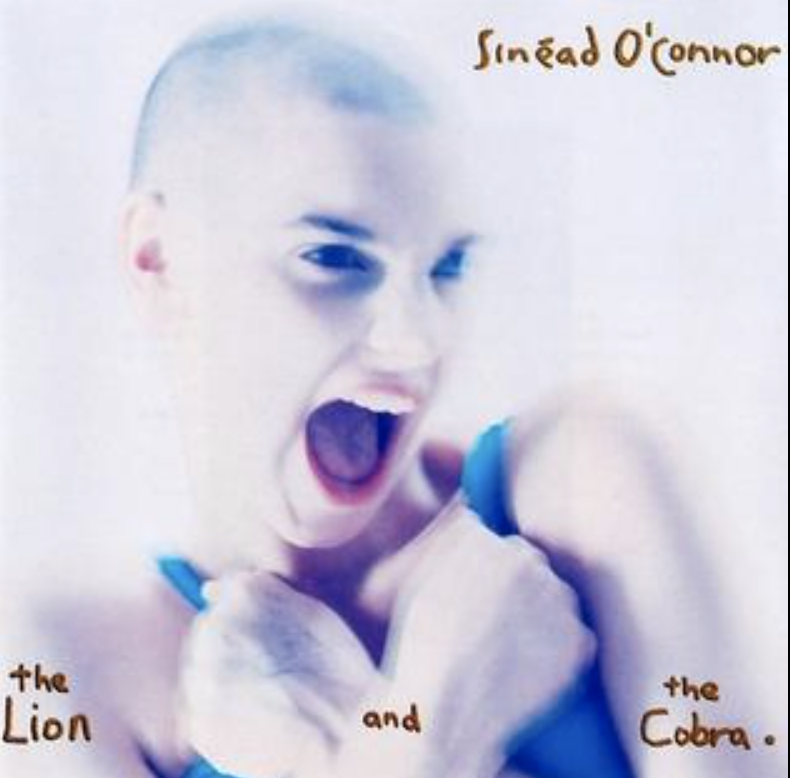
We start of course with the twin tragedies of loss, and the passing of two of the most enigmatic, idiosyncratic and individual artists, Sinéad O’Connor and Jane Birkin. The former, never lost for words and causes, could channel Yeats whilst haranguing the Pope; pontificate on the Irish famine and sing ethereal tenderness like no one else. Sinéad didn’t always get it right (and has said some right old rubbish in her time), but whatever ire was raised her cause and protestations, actions had an impact; her music incredibly moving and evocative. So astonishing a talent, she managed to rile Prince to a state of jealous incandescent (and allegedly) and physical rage after the Irish singer-songwriter covered and pretty much owned the Purple One’s ‘Nothing Compares 2 U’. I never understood her conversion to Islam – what with all its own problematic ideals, scriptures and general feelings towards women – but that was Sinéad, always plowing her own pathway in the world, carrying a lifetime of travails and baggage, pain and anger. The latter of the two, Jane Birkin, was something else entirely. Pretty much destined it seemed and more comfortable with the culture and lifestyle of her adopted France, the coquettish muse enraptured the country’s supreme talent, Serge Gainsbourg – and John Barry before that – , and pretty much became a French deity. A polymath of a sort, from film to of course performing both with Serge and a solo career, she was a fashion icon to generations but above all, eccentrically unique: a true individual in every sense of the word. Both artists leave a great legacy of material behind, of which I’ve merely chosen a smattering of personal favourites.
Anniversary wise, and featured below in more detail, there’s tracks from The Rolling Stones Goats Head Soup and Faust IV. Alongside Stevie Wonder‘s glorious Innervisons, they all celebrate the big 5-0 this year. Alongside them are 40th anniversary nods to Cabaret Voltaire‘s The Crackdown and The Chameleons View From A Hill, plus a 30th acknowledgment to Amorphous Androgynous‘ Tales Of Ephidrina.
Newish tunes this month in the Khalab, Saigon Blue Rain, Laura Agnusdei and Zeus B. Held sit alongside older eclectic tracks from The Nuns, Family Band, Motion Man, Erica Pomerance, Fapardokly, Trends Of Culture, Kuumbia-Toudie Heath, A.B. Crentsil, Bonnie Koloc, Felius Andromeda and more…
ARCHIVE/ANNIVERSARY
Goats Head Soup: recipe for distraction
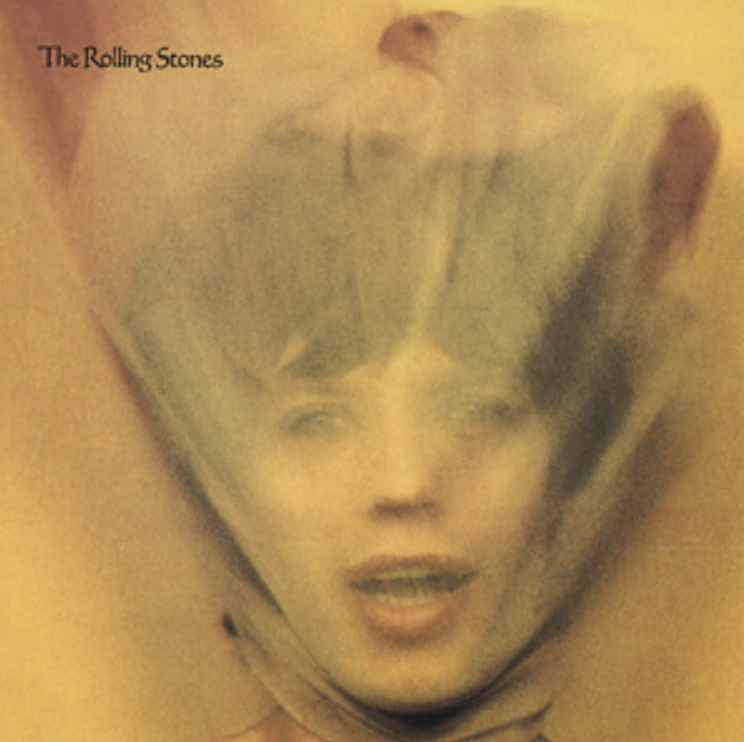
Taken out of storage, from my original potted history of The Rolling Stones series, another chance to read my concise summary of Goats Head Soup, which is of course 50 years old this year.
As the first Rolling Stones tenure drew to a close and a new epoch approached, the now appellate “Greatest Rock ‘n’ Roll band in the world” could look back proudly on a fruitful career – despite the smack, in-fighting and tragedies of course (namely the loss of Brian Jones). From 1962 to ‘72 they’d released ten, mostly, omnivorous and stunning albums and a staggering forty-five singles; many of which didn’t appear on the albums.
Their next stormy chapter would mark the end of their most productive period.
Sounding like a playful allusion to Satanism (again!) or a sub-Saharan delicacy, Goats Head Soup is a strange heady brew that has more in common with Beggars Banquet and Let It Bleed than with their last magnum opus, Exile On Main St.
In an exile funk, arguably of his own making, Richards’ options of residency were limited. Booted-out of France, non-grata for tax purposes in the UK, and out-staying his welcome in the States, it was either the “yodel-leh-hee!” skiing ranges and mountains of Switzerland or…the pleasurable oasis of Jamaica. Yep, Richards and his debacle settled in that winter of 72 upon the island, setting up base at Kingston’s Dynamic Sound Studio.
Remarkably, the evident aroma of the local intoxicates didn’t seem to upset the bands flow; if anything, they wrote and recorded far too many tracks. The old magic returned as Jagger settled down and began strumming the opening chords of the Gram Parsons-esque Winter; a number first conceived during sessions for Sticky Fingers.
Hustling that now synonymous Louisiana drawl and salacious swagger, the album opens with a voodoo raunchy skulk across a St. Louis cemetery on Dancing With Mr. D. Heard crackling and seeping through in a state of efflux, the chiming funk-fried presence of Billy Preston can be heard playing the clavinet on both this nod to mortality and the rest of the LP. Recalled for a second time, alongside Richards’s right-hand sax man and friend BobbyKeys, he joined an exotic mix of percussionists to add a certain reverent tone and mood that sways between the reflective beguilement of 100 Years Ago, and the “urban R&B”Doo Doo Doo Doo Doo (Heartbreaker); a song in which Jagger interweaves the tall tales of a boy mistakenly shot dead by US cops, and a 10 year-old girl who dies of a drug overdose in a sleazy back alley.
Faust ‘Faust IV’: 50 years old and still the sound of the future.

Taken from my original Krautrock series meander through the back catalogues of Popol Vuh, Can, Guru Guru, and of course Faust. Written around 16 years ago.
Nestled snugly in the quaint Oxfordshire countryside, the 16th century converted recording studio known simply and synonymously as The Manor, is up for sale.
This reputable legendary grade 2 listed building has been home to a right motley bunch of bands over its almost forty-year history, and seen some right old carry ons, including a naked Keith Richards running away from an aggrieved shotgun wielding husband, and countless Hieronymus Bosch like depictions of debauchery.
In 1971 Richard Branson brought this country pile and set about renovating it to accommodate a full-on state of the art studio with overnight rooms for bands to decamp, as part of his vision to change the way albums were made.
Up until this time most musicians had to travel to the major cities and record in workman like three-hour sessions, in much the same way that classical musicians did. Branson thought this was all a bit un-rock’n’roll like and arcane, he’d rather send off his bands to more tranquil and inspiring pastures far from the confines of the inner city, somewhere they could work 24 hours on their music without any worries or distractions, with a bed to lay the weary heads upon only a crawls length away.
One of the first artists to record at The Manor, was the rather green 19-year old Mike Oldfield, whose Tubular Bells new age classic single handily bankrolled the entire Virgin Label. Alongside him were groups such as The Bonzo Dog Do-Dah Band, Tangerine Dream and of course the mighty Faust. Later on Queen, XTC, Black Sabbath and Radiohead would all pass through its doors to record singles or LPs.
In 1973 Faust had a sort of partial success from the release of their Faust Tapes album, which carried the publicity stunt ’49p’ mark-up, and sold in abundance, though a whole swathe of the public who purchased it remained bewildered by it. A collection of cutting room floor outtakes and burgeoning ideas, roughly collaged together for release as a sort of interregnum between albums, the Tapes was a buffer for the groups next release proper, Faust IV – the true successor to So Far.
Faust began sessions in the spring, with the band haphazardly jamming new material, racing through ideas at a great speed, yet finding it difficult to settle on any specifics.
In fact a deep dragging feeling of ennui had taken hold, with cracks starting to appear in the dynamics and leadership. Recent touring had jaded them, especially Péron, as they were encouraged to keep to a similar set list of tracks and to tone down the more outrageous behaviour.
Faust weren’t normally used to repeating a performance, having had the luxury of being able to experiment at will, and also being lavished with their very own studio back in Wümme, where they could produce anything they wanted and change when the mood took them.
No. Faust were not used to conventions, which led to the albums sessions being fraught with tension and lethargy, and with Sosna repeatedly calling for his antagonistic fellow band members to slow down and relax a little.
If anyone needed any evidence of their short attention span then you’d only have had to have seen them live, with all their props including a load of TV sets, that may have indicated by their presence as being apparatus for some actionist performance art, but were in fact for the sake of the band in case they got bored – sometimes Zappi would mic them up if anything interesting did come on, jamming along to it in a kind of impromptu sampling session.
Frustrated at a lack of progress after months of work, and feeling constrained, they promptly reverted back to their old ways in antagonistic behaviour and began to waste Virgins money as quickly as they did Polydor’s. Yet it must be said that they did manage to create some really evocative and startling tracks in the village green picturesque landscape of The Manor, with the hypnotic ‘Jennifer’ and raucous ‘Giggy Smile’ amongst them, which both encapsulated the multifaceted angles of the bands sound to that point.
In fact IV is arguably the most balanced and complete LP in their catalogue, with its almost greatest hits sampler conclusive feel and well-rounded overall sound, it brings together the cut-up vignettes from The Faust Tapes and the best song based moments from So Far.
Their time at The Manor wasn’t entirely wasted.
Eventually they managed to produce at least the remunerates of an album, though they still needed a few tracks to finish off. With time running out, they included two good old recordings from the Wümme days, the trance heroics of the affectionately mocking entitled ‘Krautrock’, which had already been played on the John Peel radio show, and the German released single ‘It’s A Bit Of A Pain’. They also reworked the minor segue way ‘Picnic On A Frozen Lake’ from So Far, this time in the guise of an extended assemblage piece and sporting the added suffix of ‘…Deuxieme Tableux’, to finally put a lid on it.
Before it was released to the general public, compatriots and fellow sympathetic musicians had often dropped in to see what was afoot, eagerly looking forward to hearing this new material. Members from the Anglo/French trippers Gong – who shared the billing with Faust for a few concerts – and also Henry Cow – who were inspired by the group – both shared a perplexed and disappointed criticism of the album, feeling it lacked lustre.
Many critics only liked the second side, preferring its more welcoming and polished tones, writing off, as they saw it, the befuddled ‘Krautrock’ and dirge acid haze of ‘Jennifer’.
On the other hand, some fans were very vocal in criticising the record for not being radical enough, and for the more conventional leanings found on some of the tracks.
Faust IV failed to carry on the momentum of their last Virgin release, which sold an impressive 100,000 plus copies, though most people who owned a copy soon wished they hadn’t. Though not a failure, it hardly set the world alight, with its sometimes Pink Floyd psychedelic folk tones and vague lyrical drug fuelled floating excesses, as well as the blank music sheet artwork and workman like title, it did little to inspire.
But hey, lets not be too ingenuous, as it is a remarkable record full of some epic moving moments, and genius ideas – apart from maybe ‘The Sad Skinhead’, which seems to be an exercise in Germanic humour at our expense.
Uwe and the boys soon frustratingly packed their bags and left old Blighty for the Fatherland, where they booked into a Munich studio to record their next album, again the brain storming sessions for album titles can’t have been up to much as they called it Faust V.
Both Irmler and Sosna were supposed to produce this album of improvised recording sessions, but those cracks between the members started to really pull proceedings apart, with tensions running high both in the group and with the label.
Péron and his cohorts booked themselves into a luxury hotel, using the good old ‘We’re with Virgin’ excuse to pass the check-in desk.
After running up an extortionate bill, they decided to do a runner, with the repeat offender Péron acting as getaway driver. Unfortunately the hotels foyer entrance had a concrete post with an attached metal barrier, which they promptly drove straight into. They were then apprehended by the local plod and slung in jail. A rather embarrassing phone call to their parents eventually got them released, but not before a bill for 30,000 DM was flung in their face – they often joked that they’d never ever managed to pay it off.
The eventual album that emerged from the this chaos, was ceremonially turned down flat by Virgin, and only existed as a promotional tape for years, though you can find various versions on CD nowadays.
Faust and Uwe became disillusioned and decided to call it a day, splitting into two factions, who both went on to spasmodically release albums over the next thirty years, and occasionally tour.
The ‘drum and bass’ combo version of Faust, which featured Zappi and Péron, released a seminal return to form album in 2009, to favourable reviews – making it into my very own top albums of 2009 list.
They still manage to show those pesky kids a thing or two, with their uncompromising theatrics and forty plus years of anarchic grizzled moodiness, though there’s always a twinkle in their eye.
REVIEW
Faust waste no time with introductions, instead leaping straight into the twelve-minute throbbing minor opening opus of ‘Krautrock’, which languishes in its profound moniker and delivers on its bombastic arrogance with a snide oft-hand touch of heavy caustic jamming.
Flange and delay bounce around with about being reigned in; creating a dreamy psychosis that draws the listener in with faint promises of reaching some undiscovered and unattainable higher level of knowledge – they wish!
Huge swathes of backward effects and layers of phasered guitars, tambourines and biting bass fall all over the swirling off-kilter timing, which obscures where one bar begins and another ends.
This electric soup of an instrumental is penetrated on all sides by static, blips and radio interference for over seven minutes, before an organ is totally thrashed and Zappi barges his way through the mire with the first sign of drums crashing in on a signature roll.
‘Krautrock’ continues at a pace, with barrages of humming white noise, whilst the backing fades in and out, fooling with our tiny minds.
Faust waste no time with introductions, instead leaping straight into the twelve-minute throbbing minor opening opus of ‘Krautrock’, which languishes in its profound moniker and delivers on its bombastic arrogance with a snide oft-hand touch of heavy caustic jamming.
Flange and delay bounce around with about being reigned in; creating a dreamy psychosis that draws the listener in with faint promises of reaching some undiscovered and unattainable higher level of knowledge – they wish!
Huge swathes of backward effects and layers of phasered guitars, tambourines and biting bass fall all over the swirling off-kilter timing, which obscures where one bar begins and another ends.
This electric soup of an instrumental is penetrated on all sides by static, blips and radio interference for over seven minutes, before an organ is totally thrashed and Zappi barges his way through the mire with the first sign of drums crashing in on a signature roll.
‘Krautrock’ continues at a pace, with barrages of humming white noise, whilst the backing fades in and out, fooling with our tiny minds.
Our voracious crew turn their hand to reggae next, on the track ‘The Sad Skinhead’, albeit a version of the genre that’s uniquely German.
Coming across like Television ironically discovering the attributes of Kingston’s second finest export via a squat in the downtown New York district of Soho, Faust bumble their way through in an embarrassing whiter than white mocking style.
They of course inject some of their very own brand of squelch like cosmic sounds and slightly off-beat rhythms to the song, even going as far as to throw in an indulged burst of insane solo guitar chatter and delightful twinkling away xylophone.
The song’s lyrics further pour scorn on the subject material, taking a barely disdainfully hidden pop at those shaven headed miscreants, whose gestures, choice of street wear and haircut hardly seem to resonate with the music of Jamaica –
‘Apart from all the bad times you gave me,
I always felt good with you.
Going places, smashing faces,
What else could we do?’
Side one closes with, perhaps, one of Faust’s finest recordings, the ethereal chimerical and hypnotising ‘Jennifer’.
A diaphanous pulsating chorus of dreamy biting effects and a series of tom rolls beckon in assiduous waves of floating drifting synths, as a delicate soft toned Syd Barrett, or even Donovon, swoons a quite moving Beatlesque ode amongst the truly startling layers.
The almost acid fueled lyrics consist of only a few lines, yet somehow manage to convey more then enough and make sort of sense –
‘Jennifer your red hairs burning,
Yellow jokes come out of your mind’.
As the track moves into the chorus, of sorts, a descending run gives the flange absorbed backing and timing a slight kick, then returns to that familiar oscillating repetitive echoing theme.
After proceeding along at a numbing intoxicating pace, which sends you off into a relaxed state, the song changes into a more crunching distorted instrumental, that picks up a whole myriad of manic sounds on its journey to shaking us from our stupor.
It all ends with the arrival of an old fashioned barrel organ, that plays some traditional Bavarian tavern tune from a passed epoch in time, before slap dashingly stepping out of synch and exploding in a blaze of fuzz.
Side two opens its account up with the broody, looming and swaggering bass/drums combo introduction of ‘Just A Second’, strutting out from the stereo uninvited and ready to inflict some pain.
Wüsthoff picks out some unremitting piercing notes and displays a care free attitude, by unloading some killer deft guitar riffs of the heavy loaded variety and dropping chords wherever he sees fit – very cool.
Again as with most of these tracks, the mood shifts as swarms of galactic swamp insects converge on the studio, their dangerous white noise buzzing sucking the very life out of the band.
Esoteric atmospherics soon boil over, with a piano being launched down a flight of stairs and into the nightmarish caustic sea of ungodly spirits, whilst the rest of the band are drowned by some lurking macabre atavistic life forms, who emerge from the pool of asperity intent on dragging their prey with them.
Due to some mislabelling confusion, the next track should really be ‘Giggy Smile’ instead of ‘Picinic On A Frozen River, Deuxieme Tableux’ – this mix up appears on the CD versions and may also affect download versions too. Also it must be pointed out that Faust themselves use a different track list on their own site, for reasons of clarity I’m using the version I purchased in 2000.
‘Giggy Smile’ strides along, bouncing on a pumped up constant strafing bass line, which evokes those late 60’s west coast jazz-rock heads.
The vocals are pretty much quaint and jovial, seeming to play around with references to naked Germans and Burroughs own starkly bare lunch, as the guys wax about a certain tease, whose ‘giggy smile’ sends them overboard.
They shift the tempo and go all out on a redolent burst of Cream – if they’d been born in Munich – whilst punctuating the mood with just the merest hint of David Axlerod’s old worldly charm heroics.
A solo spot is reserved for the saxophone, that squeals and blows itself out by taking a chaotic detour, whilst Péron leads the band into another gear change, with merrily contorted rundowns and impressive feats of twiddling freeform bravado.
Percussive backing turns us onto an almost hurried dash through some whimsical medieval carry-on, as Wüsthoff strangles his guitar into submission.
The band find themselves unceremoniously cut-off in their prime at the end, as if the meter had run out on them.
‘Picnic On A Frozen River, Deuxieme Tableux’ begins with some studio banter before a romanticised acoustic guitar strums a wistful sonnet.
Tambourine, handclaps and laidback drums tap out a pleasing pulchritude love tryst, to the mid-tempo calm contemplative melody, that invokes images of J.A Waterhouse’s Victorian period Arthurian maidens.
Soon a lyrical prose is poetically crooned in the language of love – French of course – and a violin/flute combination waltz together, flirting with each other in the background and accompanied by a mouth organ, that sends the mood towards a Morricone film score.
An undulating low moody synth, or, organ slowly builds up an ambient atmospheric Eno type soundscape on the introductory tones of ‘Laüft…Heisst Das Es Laüft Oder Es Kommt Bald…Laüft’ – which doesn’t actually translate well, but loosely comes out as ‘run is called that it run or it comes soon run’.
Indolent and inspiring, waves of extra subtle sound are added, which leads to the distant echoes becoming louder, before melting away.
Some brief distorted harsher hums are added for just a moment before elegantly being subdued again.
Gently strummed acoustic guitars return to play out the final track, sounding evocative of Ziggy’ era Bowie, on ‘It’s A Bit Of A Pain’.
Nick Drake tones influence the vocal direction, as our protagonist repeats the same few lines of resigned indifferences to his plight-
‘It’s a bit of a pain,
To be where I am.
It’s a bit of a pain,
To be where I am,
But it’s all right now.’
A chanteuse of mystery takes over the vocal duties, reading out, rather then singing those same lyrics, though in a semi sultry German style.
Garbled flange assisted guitar sticks a fist into proceedings, signalling some sort of alert, every time it gets too comfortable and soulful.
Barely three minutes long, this relaxed ditty finishes the album on a highly accessible success.
It’s been said, that Faust IV manages to encompass and coalesce all the work that came before. Merging all those cut and paste heroics, experimental vignettes, epic freewheeling behemoths, startling laid bare nuances, anarchic scrapes and unworldly segue ways into one album, Faust quite possibly recorded their most serene volume of work.
 Monolith Cocktail Blog