BOX SET REVIEW/PURVIEW
Dominic Valvona
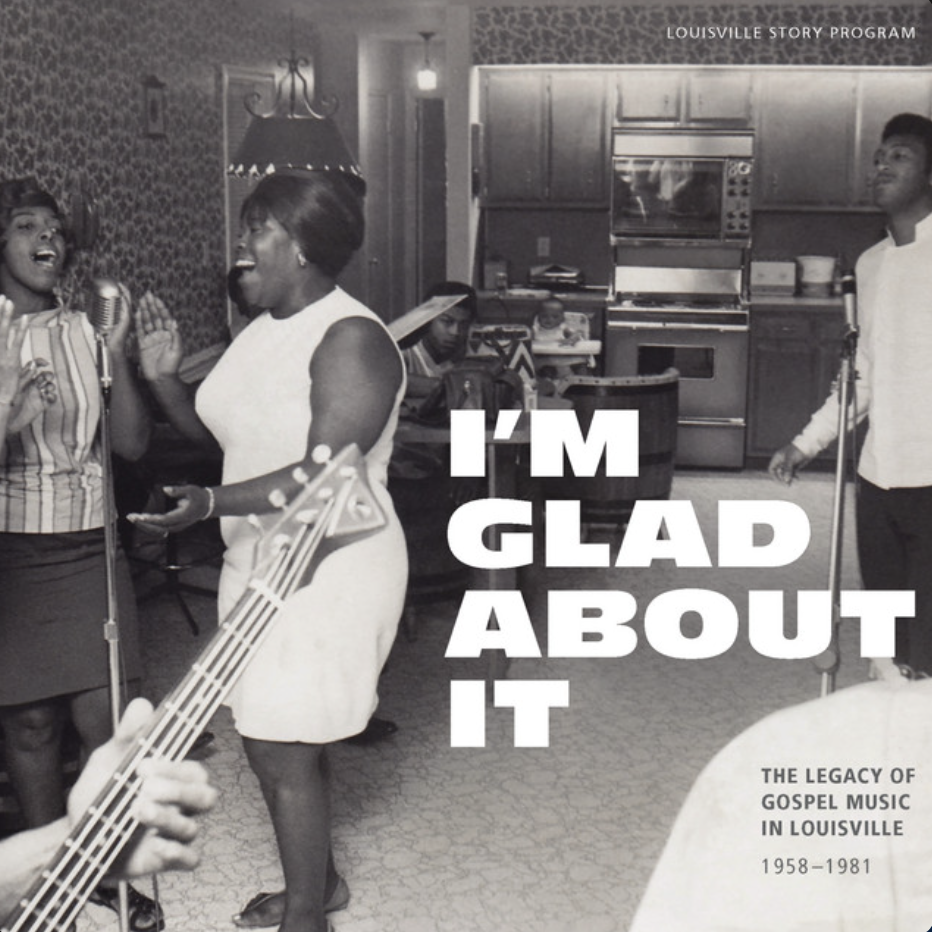
Various Artists ‘I’m Glad About It: The legacy Of Louisville Gospel 1958 – 1981’
(The Louisville Story Program/Distributed Through Light In The Attic)
When Ben Jones, one of the many voices of authority and leading lights of the Louisville gospel legacy, enthuses that the talent at every Black church during the golden years chronicled in this ambitious box set was akin to witnessing and hearing “ten Aretha Franklins at every service”, he’s not boasting. Jones’ contributions, as outlined in this multimedia package’s accompanying 208-page full colour booklet, lays down the much unrepresented story of a thriving, enduring scene. Alongside a host of reverent members of the various Evangelist, Pentecostal, Baptist and Apostolic churches, artists, instigators and custodians, his informative, animated and passionate words draw you into a most incredible cross-community of afflatus bearers of the gospel tradition. For the Louisville scene was and continues to be every bit the equal of its more famous and celebrated rivals across the American South. And that Aretha quote is no exaggeration, as you will hear some of the most incredible voices and choirs to ever make it on to wax, or, in some cases, make it onto the various radio stations and TV shows that promoted this divine expression of worship. 83 songs, hymns and paeans of assurance, great comfort, tribulations and travails from a gospel cannon of pure quality, moving testament and joy.
‘I’m Glad About It: The legacy Of Louisville Gospel 1958 – 1981’ is an unprecedented example of just how to display and facilitate such a multifaceted project of documentation and archive – in the package I received there were links to a brilliant visual timeline and archive of some 1000 songs recorded by 125 different gospel artists. A labour of love and recognition, taking over three years to put together, The Louisville Story Program has not just set out to preserve but also equip the communities they serve with a genuine platform which can be added to overtime. But importantly, they’ve brought in a number of inspiring voices to help build a concise story of legacy and continued influence of the city and gospel music in general – Ben Jones citing Drake and Kayne unable to find a beat that they didn’t hear in church.
Louisville, one of the oldest American cities west of the Appalachians, is settled in the northeast corner of the state of Kentucky, a stone’s throw from bordering Indiana. Serving the great Ohio River, the city grew in importance and influence over the centuries, since its foundations during the American Revolution of the late 1700s (named after the King Louis XVI, in recognition of French support during the war against the British): mainly unloading and moving the river commerce before it met the famous Ohio Falls. Off the backs of the enslaved African Americans who provided the labour, Louisville expanded its economic influence and position as a major port. It was a jump off point to relative freedom for those escaping to the free state of Indiana during the Civil War. And although Union troops were stationed on mass in the city and greater state of Kentucky, making sure it didn’t secede and join the Confederacy, in the aftermath of the Civil War the city was dominated politically by those that fought on the losing side.
The next century was no kinder, especially with the zoning codes that segregated and designated where the Black community could live – eventually overturned through activism and the Supreme Court. And yet on some levels, Louisville was considered relatively progressive compared to its Southern neighbours. But it has been said that the supremist, segregated practices of Jim Crow were not maintained by law so much as observed as a custom.
As the city boomed a greater number of people would flow into the city from the country to work in the factories and blossoming industries, with numerous churches set up to accommodate their beliefs. This bolstered an already thriving gospel scene, thanks in part to a great mix and talent pool, some of which had been drawn from the deep south and further out east; lured sometimes by the affordable studio rates that another key figure in the Louisville gospel story, Joe Thomas, offered through his Sensational Sounds label – one of the many iconic labels, platforms that proved vital in spreading the good word.
Another leading voice, Raoul Cunningham proves enlightening in summing up gospel lore; his observations and authoritative teachings illuminating the change once emancipation came from the more sombre songs of the spirituals to gospel – the iconic figure of Thomas Dorsey first adding a touch of jazz and rhythm to pull the solemn scared songs of another century towards what we now know as gospel music. Cunningham opines that when freedom came the Black community wanted to forget their past and no longer identified with Africa. They stopped singing the spirituals and changed the name of their churches in the process.
As much a testament to the endurance and continued influence of gospel music on every subsequent generation coming through – every generation, that is, finding some kind of solace, a belief, a message and even purity and truth in the teachings as performed through the most beatific and soulful of voices -, the songs, hymns and paeans on this remarkable box set speak of assurance and a great comfort, but also of tribulations and travails. Some of them even rock “Zion” to its very core, causing the walls of Jericho to come tumbling down in defeat to such dynamic choral performances and electrified outpourings of devotion.
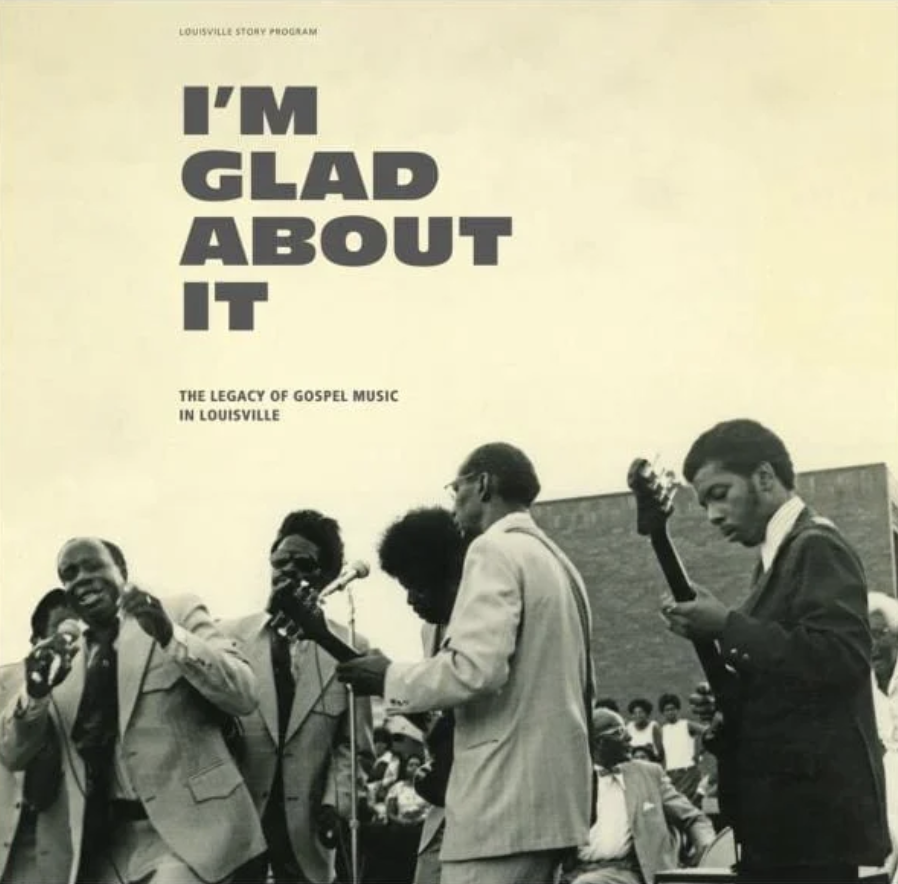
But where do you to start on a survey that more or less encompasses every change, every variation on the gospel signature, from the opening Golden Tones a cappella pull of bass and near falsetto voiced ‘Just A Closer Walk With Thee’, to Rev. Tommy William & The Williams Family’s Ray Charles-like bluesy ‘I Want To Thank Jesus’, and, the already mentioned, Joe Thomas’ and his stained glass lit and beautifully plaintive Percy Sledge and Sam Cooke delivered ‘I Won’t Mind’.
Just to show the diversity of background and the movement of travel – as outlined in the accompanying booklet, which features a history and information on every artist involved -, The Golden Tones roots lay with their Mississippi founder Leroy Graves, who relocated after military service to Kentucky and the First Baptist Church in Elizabeth Town. They started off as a cappella group before incorporating instruments, a practice that so many of the groups on this collection followed; in part down to certain churches hostility to electrified music or instruments of any kind other than the church organ, being used to embellish or even distract the purity of the choral voices. This number was recorded for the Grace label – one of many iconic labels mentioned and poured over in the accompanying booklet -, released in 1971. The group sang together for fifty years.
Rev. Tommy William & The Williams Family is more of a mystery however, with this 45” on the WMS label believed to be their only known release. Thomas, perhaps one of the most repeated names in this story, was a noted church organist, music teacher, composer, arranger, record engineer and label owner: a one-man industry. Likely the most prolific collaborator in the Louisville gospel community through his BJ Sounds studio, he would sit in on most recordings.
Four discs, 83 tracks, we really are spoilt for choice. Just taking a cursory glance, naming a mere smattering of delights, I loved both The Travelling Echoes entries: ‘He’s A God’ from 1959, released on the Avant label, and ‘Looking And Seeking’ from 1960, released on Tye. The former reminded me of the revived gospel soul queen Naomi Shelton and a little of Aretha, being emotionally exalted over a tremulant organ and near swinging R&B rhythm. The latter, a little closer to Dorthey Love Coates and The Staples Singers and the school of gut rousing delivery.
Completely different, the award-winning soloist, who started young (from the age of seven, which is not uncommon in the gospel community), Joe Robinson makes a moving case for God’s magnificence on the harpsichord-like flange organ divine ‘How Great Thou Art’. If you wanted to dig a little deeper, this song was released on his only album, Joe Robinson Remembers, which he recorded in memory of the great gospel icon Mahalia Jackson after she died in January 1972.
Other notable (though there isn’t a single track without merit and quality: the perfect compilation in other words) entries include the Atlanta-based The Echoes Of Zion’s B-side cut ‘Just A Closer Walk With Thee’, another gem recorded at Joe Thomas’ Sensational Sounds set-up. The vibe is strangely not too dissimilar to Monty Young’s ‘James Bond Twist’ from the Dr. No soundtrack, but with a walking bassline and lilt of rock ‘n’ roll. Rev. William H. Ryan’s ‘There Is Someone To Care’, released in 1967, sees the Salem Baptist Church pastor channel Otis Redding and Solomon Burke in exalting God’s grace, whilst the highly gifted Beatrice Brown and her singers (another entry in the Sensational Sounds stable of acts) merge marimba Afro-sounds with a Meters backbeat on ‘You Are Special’. The intergenerational The Religious Five Quartet prove their worth and importance with four entries, some of which were recorded from performances on Bishop Cliff Butler’s gospel variety TV show, Lifting Jesus. One of which, retold by the grown-up lad himself in the booklet, included the young drumming prodigy Nathaniel ‘Peewee’ Brown, who was eight at the time when he made his TV debut with one such incarnation of the group. The most memorable of their contributions includes the playful ad-lib Calloway-like routine on cheating lovers – featuring door rapping effects -, ‘Running For A Long Time’.
On what feels like a journey, we meet some remarkable characters, with remarkable back stories and connections. Take Jimmy Ellis for example, son of a pastor and longtime member of the Riverview Baptist Church’s Spiritual Singers. An accomplished boxer, who softened the blows thankfully when it came to pining redemptive gospel soul and Godly embraces, Jimmy’s fame grew as a friend of Louisville’s most celebrated sporting icon, the “Louisville lip” Muhammed Ali, and for holding the World Heavyweight title during Ali’s conscientious objection to the Vietnam War in the late 60s. Once Ali was stripped of his title, the World Boxing Association staged an eight-man tournament to determine a new champion. Ellis won, holding it for two years. From then on out The Riverside Spiritual Singers became known as Jimmy Ellis and The Riverside Spiritual Singers.
And what about Rev. Charles Kirby, the country-born son of sharecroppers, who formed his own church in the mid 50s after moving to Louisville from the sticks. In between Civil Rights marches, boycotts, the setting up of a free food store, Kirby was renowned for his singing prowess. He sounds like a bluesy pulpit Wilson Pickett on the familiar sounding ‘Lord Come On’ – recorded live at Southern Star for the Cincinnati label Vine.
And I can’t not mention gospel music’s Jackson Five, The Junior Dynamics. “Pre-teen prodigies” with a fervour for the good book, they’re represented by the astonishing live performance recording of ‘God Is Using Me’. Recorded at the Lamentations Baptist Church in 1968, these vehicles of the Lord begin with testified seriousness and more dour suffused evangelical suffrage before upping the tempo and building up to a crescendo of soul power gospel ye-ye.
The cast of this carefully curated box set is numerous, the background information truly enlightening. This project’s partners have invested a huge amount of time and effort into setting the scene, making sure every detail is correct, and that not only the music but the accompanying booklet and liner notes are just as inviting, riveting and extraordinary. Everyone benefits from what is a gold standard in not only celebrating but educating an audience eager to learn and consume some of the greatest gospel music ever recorded and performed.
Louisville has so much to offer still, and future generations will thank the organisers, the researchers and custodians behind this epic retelling of a community previously overlooked, overshadowed.
Without doubt The legacy Of Louisville Gospel 1958 – 1981 is one of the best things I’ve heard in years: it truly made a believer out of me. I’ve learnt so much, and enjoyed a whole day of gospel heaven listening to all four discs in one go. I’d be amazed if it doesn’t make all the end-of-year lists: disappointed too. Because it certainly makes mine. And that is as good a recommendation as you can get. In short: nothing less than an exceptional example of how to showcase music history, one that is still ongoing and thriving.
 Monolith Cocktail Blog