Archive spots and now home to the Monolith Cocktail “cross-generational/cross-genre” Social Playlist – Words/Put Together By Dominic Valvona

A new thread, feed for 2023, the Digest pulls together tracks, videos and snippets of new music plus significant archival material and anniversary celebrating albums or artists -sometimes the odd obituary to those we lost on the way. From now on in the Digest will also be home to the regular Social Playlist. This is our imaginary radio show; an eclectic playlist of anniversary celebrating albums, a smattering of recent(ish) tunes and the music I’ve loved or owned from across the decades.
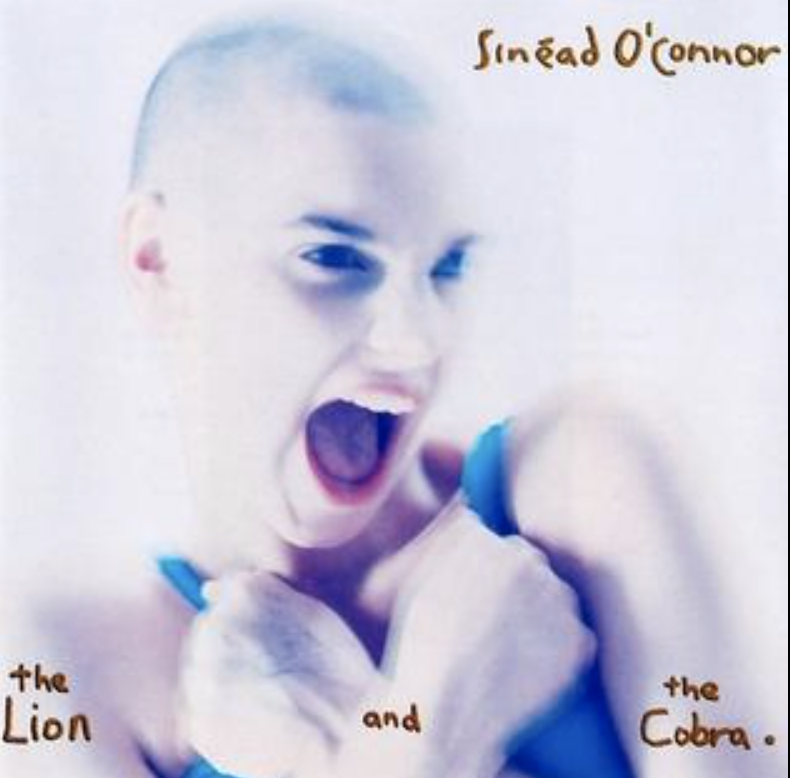
The August edition includes anniversary celebrating spots for both the Rolling Stones 1973 classic Goat’s Head Soup and Faust’s IV albums. There’s also volume 79 of the Social Playlist, with smatterings of class cuts from the late Jane Birkin (this month’s cover start) and Sinéad O’Connor, more anniversary albums and a mix of newish and older choice tunes from every genre possible and corner of the globe.
The Social Playlist #79
Anniversary Albums And Deaths Marked Alongside An Eclectic Mix Of Cross-Generational Music, Newish Tunes And A Few Surprises
Repeating myself, but if this is your first time here, first of all, welcome, and secondly here’s the lowdown on what the Social is:
Just give me two hours of your precious time to expose you to some of the most magical, incredible, eclectic, and freakish music that’s somehow been missed, or not even picked up on the radar. For the Social is my uninterrupted radio show flow of carefully curated music; marking anniversary albums and, sadly, deaths, but also sharing my own favourite discoveries over the decades and a number of new(ish) tracks missed or left out of the blog’s Monthly playlists.
We start of course with the twin tragedies of loss, and the passing of two of the most enigmatic, idiosyncratic and individual artists, Sinéad O’Connor and Jane Birkin. The former, never lost for words and causes, could channel Yeats whilst haranguing the Pope; pontificate on the Irish famine and sing ethereal tenderness like no one else. Sinéad didn’t always get it right (and has said some right old rubbish in her time), but whatever ire was raised her cause and protestations, actions had an impact; her music incredibly moving and evocative. So astonishing a talent, she managed to rile Prince to a state of jealous incandescent (and allegedly) and physical rage after the Irish singer-songwriter covered and pretty much owned the Purple One’s ‘Nothing Compares 2 U’. I never understood her conversion to Islam – what with all its own problematic ideals, scriptures and general feelings towards women – but that was Sinéad, always plowing her own pathway in the world, carrying a lifetime of travails and baggage, pain and anger. The latter of the two, Jane Birkin, was something else entirely. Pretty much destined it seemed and more comfortable with the culture and lifestyle of her adopted France, the coquettish muse enraptured the country’s supreme talent, Serge Gainsbourg – and John Barry before that – , and pretty much became a French deity. A polymath of a sort, from film to of course performing both with Serge and a solo career, she was a fashion icon to generations but above all, eccentrically unique: a true individual in every sense of the word. Both artists leave a great legacy of material behind, of which I’ve merely chosen a smattering of personal favourites.
Anniversary wise, and featured below in more detail, there’s tracks from The Rolling Stones Goats Head Soup and Faust IV. Alongside Stevie Wonder‘s glorious Innervisons, they all celebrate the big 5-0 this year. Alongside them are 40th anniversary nods to Cabaret Voltaire‘s The Crackdown and The Chameleons View From A Hill, plus a 30th acknowledgment to Amorphous Androgynous‘ Tales Of Ephidrina.
Newish tunes this month in the Khalab, Saigon Blue Rain, Laura Agnusdei and Zeus B. Held sit alongside older eclectic tracks from The Nuns, Family Band, Motion Man, Erica Pomerance, Fapardokly, Trends Of Culture, Kuumbia-Toudie Heath, A.B. Crentsil, Bonnie Koloc, Felius Andromeda and more…
ARCHIVE/ANNIVERSARY
Goats Head Soup: recipe for distraction
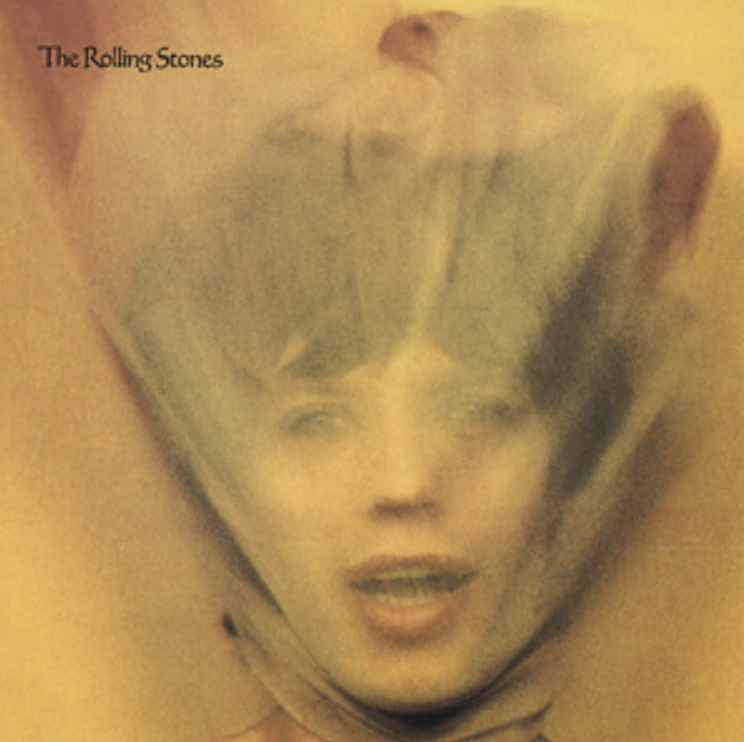
Taken out of storage, from my original potted history of The Rolling Stones series, another chance to read my concise summary of Goats Head Soup, which is of course 50 years old this year.
As the first Rolling Stones tenure drew to a close and a new epoch approached, the now appellate “Greatest Rock ‘n’ Roll band in the world” could look back proudly on a fruitful career – despite the smack, in-fighting and tragedies of course (namely the loss of Brian Jones). From 1962 to ‘72 they’d released ten, mostly, omnivorous and stunning albums and a staggering forty-five singles; many of which didn’t appear on the albums.
Their next stormy chapter would mark the end of their most productive period.
Sounding like a playful allusion to Satanism (again!) or a sub-Saharan delicacy, Goats Head Soup is a strange heady brew that has more in common with Beggars Banquet and Let It Bleed than with their last magnum opus, Exile On Main St.
In an exile funk, arguably of his own making, Richards’ options of residency were limited. Booted-out of France, non-grata for tax purposes in the UK, and out-staying his welcome in the States, it was either the “yodel-leh-hee!” skiing ranges and mountains of Switzerland or…the pleasurable oasis of Jamaica. Yep, Richards and his debacle settled in that winter of 72 upon the island, setting up base at Kingston’s Dynamic Sound Studio.
Remarkably, the evident aroma of the local intoxicates didn’t seem to upset the bands flow; if anything, they wrote and recorded far too many tracks. The old magic returned as Jagger settled down and began strumming the opening chords of the Gram Parsons-esque Winter; a number first conceived during sessions for Sticky Fingers.
Hustling that now synonymous Louisiana drawl and salacious swagger, the album opens with a voodoo raunchy skulk across a St. Louis cemetery on Dancing With Mr. D. Heard crackling and seeping through in a state of efflux, the chiming funk-fried presence of Billy Preston can be heard playing the clavinet on both this nod to mortality and the rest of the LP. Recalled for a second time, alongside Richards’s right-hand sax man and friend BobbyKeys, he joined an exotic mix of percussionists to add a certain reverent tone and mood that sways between the reflective beguilement of 100 Years Ago, and the “urban R&B”Doo Doo Doo Doo Doo (Heartbreaker); a song in which Jagger interweaves the tall tales of a boy mistakenly shot dead by US cops, and a 10 year-old girl who dies of a drug overdose in a sleazy back alley.
Faust ‘Faust IV’: 50 years old and still the sound of the future.

Taken from my original Krautrock series meander through the back catalogues of Popol Vuh, Can, Guru Guru, and of course Faust. Written around 16 years ago.
Nestled snugly in the quaint Oxfordshire countryside, the 16th century converted recording studio known simply and synonymously as The Manor, is up for sale.
This reputable legendary grade 2 listed building has been home to a right motley bunch of bands over its almost forty-year history, and seen some right old carry ons, including a naked Keith Richards running away from an aggrieved shotgun wielding husband, and countless Hieronymus Bosch like depictions of debauchery.
In 1971 Richard Branson brought this country pile and set about renovating it to accommodate a full-on state of the art studio with overnight rooms for bands to decamp, as part of his vision to change the way albums were made.
Up until this time most musicians had to travel to the major cities and record in workman like three-hour sessions, in much the same way that classical musicians did. Branson thought this was all a bit un-rock’n’roll like and arcane, he’d rather send off his bands to more tranquil and inspiring pastures far from the confines of the inner city, somewhere they could work 24 hours on their music without any worries or distractions, with a bed to lay the weary heads upon only a crawls length away.
One of the first artists to record at The Manor, was the rather green 19-year old Mike Oldfield, whose Tubular Bells new age classic single handily bankrolled the entire Virgin Label. Alongside him were groups such as The Bonzo Dog Do-Dah Band, Tangerine Dream and of course the mighty Faust. Later on Queen, XTC, Black Sabbath and Radiohead would all pass through its doors to record singles or LPs.
In 1973 Faust had a sort of partial success from the release of their Faust Tapes album, which carried the publicity stunt ’49p’ mark-up, and sold in abundance, though a whole swathe of the public who purchased it remained bewildered by it. A collection of cutting room floor outtakes and burgeoning ideas, roughly collaged together for release as a sort of interregnum between albums, the Tapes was a buffer for the groups next release proper, Faust IV – the true successor to So Far.
Faust began sessions in the spring, with the band haphazardly jamming new material, racing through ideas at a great speed, yet finding it difficult to settle on any specifics.
In fact a deep dragging feeling of ennui had taken hold, with cracks starting to appear in the dynamics and leadership. Recent touring had jaded them, especially Péron, as they were encouraged to keep to a similar set list of tracks and to tone down the more outrageous behaviour.
Faust weren’t normally used to repeating a performance, having had the luxury of being able to experiment at will, and also being lavished with their very own studio back in Wümme, where they could produce anything they wanted and change when the mood took them.
No. Faust were not used to conventions, which led to the albums sessions being fraught with tension and lethargy, and with Sosna repeatedly calling for his antagonistic fellow band members to slow down and relax a little.
If anyone needed any evidence of their short attention span then you’d only have had to have seen them live, with all their props including a load of TV sets, that may have indicated by their presence as being apparatus for some actionist performance art, but were in fact for the sake of the band in case they got bored – sometimes Zappi would mic them up if anything interesting did come on, jamming along to it in a kind of impromptu sampling session.
Frustrated at a lack of progress after months of work, and feeling constrained, they promptly reverted back to their old ways in antagonistic behaviour and began to waste Virgins money as quickly as they did Polydor’s. Yet it must be said that they did manage to create some really evocative and startling tracks in the village green picturesque landscape of The Manor, with the hypnotic ‘Jennifer’ and raucous ‘Giggy Smile’ amongst them, which both encapsulated the multifaceted angles of the bands sound to that point.
In fact IV is arguably the most balanced and complete LP in their catalogue, with its almost greatest hits sampler conclusive feel and well-rounded overall sound, it brings together the cut-up vignettes from The Faust Tapes and the best song based moments from So Far.
Their time at The Manor wasn’t entirely wasted.
Eventually they managed to produce at least the remunerates of an album, though they still needed a few tracks to finish off. With time running out, they included two good old recordings from the Wümme days, the trance heroics of the affectionately mocking entitled ‘Krautrock’, which had already been played on the John Peel radio show, and the German released single ‘It’s A Bit Of A Pain’. They also reworked the minor segue way ‘Picnic On A Frozen Lake’ from So Far, this time in the guise of an extended assemblage piece and sporting the added suffix of ‘…Deuxieme Tableux’, to finally put a lid on it.
Before it was released to the general public, compatriots and fellow sympathetic musicians had often dropped in to see what was afoot, eagerly looking forward to hearing this new material. Members from the Anglo/French trippers Gong – who shared the billing with Faust for a few concerts – and also Henry Cow – who were inspired by the group – both shared a perplexed and disappointed criticism of the album, feeling it lacked lustre.
Many critics only liked the second side, preferring its more welcoming and polished tones, writing off, as they saw it, the befuddled ‘Krautrock’ and dirge acid haze of ‘Jennifer’.
On the other hand, some fans were very vocal in criticising the record for not being radical enough, and for the more conventional leanings found on some of the tracks.
Faust IV failed to carry on the momentum of their last Virgin release, which sold an impressive 100,000 plus copies, though most people who owned a copy soon wished they hadn’t. Though not a failure, it hardly set the world alight, with its sometimes Pink Floyd psychedelic folk tones and vague lyrical drug fuelled floating excesses, as well as the blank music sheet artwork and workman like title, it did little to inspire.
But hey, lets not be too ingenuous, as it is a remarkable record full of some epic moving moments, and genius ideas – apart from maybe ‘The Sad Skinhead’, which seems to be an exercise in Germanic humour at our expense.
Uwe and the boys soon frustratingly packed their bags and left old Blighty for the Fatherland, where they booked into a Munich studio to record their next album, again the brain storming sessions for album titles can’t have been up to much as they called it Faust V.
Both Irmler and Sosna were supposed to produce this album of improvised recording sessions, but those cracks between the members started to really pull proceedings apart, with tensions running high both in the group and with the label.
Péron and his cohorts booked themselves into a luxury hotel, using the good old ‘We’re with Virgin’ excuse to pass the check-in desk.
After running up an extortionate bill, they decided to do a runner, with the repeat offender Péron acting as getaway driver. Unfortunately the hotels foyer entrance had a concrete post with an attached metal barrier, which they promptly drove straight into. They were then apprehended by the local plod and slung in jail. A rather embarrassing phone call to their parents eventually got them released, but not before a bill for 30,000 DM was flung in their face – they often joked that they’d never ever managed to pay it off.
The eventual album that emerged from the this chaos, was ceremonially turned down flat by Virgin, and only existed as a promotional tape for years, though you can find various versions on CD nowadays.
Faust and Uwe became disillusioned and decided to call it a day, splitting into two factions, who both went on to spasmodically release albums over the next thirty years, and occasionally tour.
The ‘drum and bass’ combo version of Faust, which featured Zappi and Péron, released a seminal return to form album in 2009, to favourable reviews – making it into my very own top albums of 2009 list.
They still manage to show those pesky kids a thing or two, with their uncompromising theatrics and forty plus years of anarchic grizzled moodiness, though there’s always a twinkle in their eye.
REVIEW
Faust waste no time with introductions, instead leaping straight into the twelve-minute throbbing minor opening opus of ‘Krautrock’, which languishes in its profound moniker and delivers on its bombastic arrogance with a snide oft-hand touch of heavy caustic jamming.
Flange and delay bounce around with about being reigned in; creating a dreamy psychosis that draws the listener in with faint promises of reaching some undiscovered and unattainable higher level of knowledge – they wish!
Huge swathes of backward effects and layers of phasered guitars, tambourines and biting bass fall all over the swirling off-kilter timing, which obscures where one bar begins and another ends.
This electric soup of an instrumental is penetrated on all sides by static, blips and radio interference for over seven minutes, before an organ is totally thrashed and Zappi barges his way through the mire with the first sign of drums crashing in on a signature roll.
‘Krautrock’ continues at a pace, with barrages of humming white noise, whilst the backing fades in and out, fooling with our tiny minds.
Faust waste no time with introductions, instead leaping straight into the twelve-minute throbbing minor opening opus of ‘Krautrock’, which languishes in its profound moniker and delivers on its bombastic arrogance with a snide oft-hand touch of heavy caustic jamming.
Flange and delay bounce around with about being reigned in; creating a dreamy psychosis that draws the listener in with faint promises of reaching some undiscovered and unattainable higher level of knowledge – they wish!
Huge swathes of backward effects and layers of phasered guitars, tambourines and biting bass fall all over the swirling off-kilter timing, which obscures where one bar begins and another ends.
This electric soup of an instrumental is penetrated on all sides by static, blips and radio interference for over seven minutes, before an organ is totally thrashed and Zappi barges his way through the mire with the first sign of drums crashing in on a signature roll.
‘Krautrock’ continues at a pace, with barrages of humming white noise, whilst the backing fades in and out, fooling with our tiny minds.
Our voracious crew turn their hand to reggae next, on the track ‘The Sad Skinhead’, albeit a version of the genre that’s uniquely German.
Coming across like Television ironically discovering the attributes of Kingston’s second finest export via a squat in the downtown New York district of Soho, Faust bumble their way through in an embarrassing whiter than white mocking style.
They of course inject some of their very own brand of squelch like cosmic sounds and slightly off-beat rhythms to the song, even going as far as to throw in an indulged burst of insane solo guitar chatter and delightful twinkling away xylophone.
The song’s lyrics further pour scorn on the subject material, taking a barely disdainfully hidden pop at those shaven headed miscreants, whose gestures, choice of street wear and haircut hardly seem to resonate with the music of Jamaica –
‘Apart from all the bad times you gave me,
I always felt good with you.
Going places, smashing faces,
What else could we do?’
Side one closes with, perhaps, one of Faust’s finest recordings, the ethereal chimerical and hypnotising ‘Jennifer’.
A diaphanous pulsating chorus of dreamy biting effects and a series of tom rolls beckon in assiduous waves of floating drifting synths, as a delicate soft toned Syd Barrett, or even Donovon, swoons a quite moving Beatlesque ode amongst the truly startling layers.
The almost acid fueled lyrics consist of only a few lines, yet somehow manage to convey more then enough and make sort of sense –
‘Jennifer your red hairs burning,
Yellow jokes come out of your mind’.
As the track moves into the chorus, of sorts, a descending run gives the flange absorbed backing and timing a slight kick, then returns to that familiar oscillating repetitive echoing theme.
After proceeding along at a numbing intoxicating pace, which sends you off into a relaxed state, the song changes into a more crunching distorted instrumental, that picks up a whole myriad of manic sounds on its journey to shaking us from our stupor.
It all ends with the arrival of an old fashioned barrel organ, that plays some traditional Bavarian tavern tune from a passed epoch in time, before slap dashingly stepping out of synch and exploding in a blaze of fuzz.
Side two opens its account up with the broody, looming and swaggering bass/drums combo introduction of ‘Just A Second’, strutting out from the stereo uninvited and ready to inflict some pain.
Wüsthoff picks out some unremitting piercing notes and displays a care free attitude, by unloading some killer deft guitar riffs of the heavy loaded variety and dropping chords wherever he sees fit – very cool.
Again as with most of these tracks, the mood shifts as swarms of galactic swamp insects converge on the studio, their dangerous white noise buzzing sucking the very life out of the band.
Esoteric atmospherics soon boil over, with a piano being launched down a flight of stairs and into the nightmarish caustic sea of ungodly spirits, whilst the rest of the band are drowned by some lurking macabre atavistic life forms, who emerge from the pool of asperity intent on dragging their prey with them.
Due to some mislabelling confusion, the next track should really be ‘Giggy Smile’ instead of ‘Picinic On A Frozen River, Deuxieme Tableux’ – this mix up appears on the CD versions and may also affect download versions too. Also it must be pointed out that Faust themselves use a different track list on their own site, for reasons of clarity I’m using the version I purchased in 2000.
‘Giggy Smile’ strides along, bouncing on a pumped up constant strafing bass line, which evokes those late 60’s west coast jazz-rock heads.
The vocals are pretty much quaint and jovial, seeming to play around with references to naked Germans and Burroughs own starkly bare lunch, as the guys wax about a certain tease, whose ‘giggy smile’ sends them overboard.
They shift the tempo and go all out on a redolent burst of Cream – if they’d been born in Munich – whilst punctuating the mood with just the merest hint of David Axlerod’s old worldly charm heroics.
A solo spot is reserved for the saxophone, that squeals and blows itself out by taking a chaotic detour, whilst Péron leads the band into another gear change, with merrily contorted rundowns and impressive feats of twiddling freeform bravado.
Percussive backing turns us onto an almost hurried dash through some whimsical medieval carry-on, as Wüsthoff strangles his guitar into submission.
The band find themselves unceremoniously cut-off in their prime at the end, as if the meter had run out on them.
‘Picnic On A Frozen River, Deuxieme Tableux’ begins with some studio banter before a romanticised acoustic guitar strums a wistful sonnet.
Tambourine, handclaps and laidback drums tap out a pleasing pulchritude love tryst, to the mid-tempo calm contemplative melody, that invokes images of J.A Waterhouse’s Victorian period Arthurian maidens.
Soon a lyrical prose is poetically crooned in the language of love – French of course – and a violin/flute combination waltz together, flirting with each other in the background and accompanied by a mouth organ, that sends the mood towards a Morricone film score.
An undulating low moody synth, or, organ slowly builds up an ambient atmospheric Eno type soundscape on the introductory tones of ‘Laüft…Heisst Das Es Laüft Oder Es Kommt Bald…Laüft’ – which doesn’t actually translate well, but loosely comes out as ‘run is called that it run or it comes soon run’.
Indolent and inspiring, waves of extra subtle sound are added, which leads to the distant echoes becoming louder, before melting away.
Some brief distorted harsher hums are added for just a moment before elegantly being subdued again.
Gently strummed acoustic guitars return to play out the final track, sounding evocative of Ziggy’ era Bowie, on ‘It’s A Bit Of A Pain’.
Nick Drake tones influence the vocal direction, as our protagonist repeats the same few lines of resigned indifferences to his plight-
‘It’s a bit of a pain,
To be where I am.
It’s a bit of a pain,
To be where I am,
But it’s all right now.’
A chanteuse of mystery takes over the vocal duties, reading out, rather then singing those same lyrics, though in a semi sultry German style.
Garbled flange assisted guitar sticks a fist into proceedings, signalling some sort of alert, every time it gets too comfortable and soulful.
Barely three minutes long, this relaxed ditty finishes the album on a highly accessible success.
It’s been said, that Faust IV manages to encompass and coalesce all the work that came before. Merging all those cut and paste heroics, experimental vignettes, epic freewheeling behemoths, startling laid bare nuances, anarchic scrapes and unworldly segue ways into one album, Faust quite possibly recorded their most serene volume of work.
 Monolith Cocktail Blog