THE DIGEST FOR SEPTEMBER 2024: New Music/The Social Playlist/And Archives
September 23, 2024
THE MONTHLY DIGEST INCLUDES A CLUTCH OF ACCUMULATED NEW MUSIC REVIEWS; THE SOCIAL INTER-GENERATIONAL/ECLECTIC AND ANNIVERSARY ALBUMS CELEBRATING PLAYLIST; AND CHOICE PIECES FROM THE ARCHIVES.

____/THE NEW
Holy Matter ‘Beauty Looking Back’
ALBUM 4th October 2024
Bathed in a new diaphanous light, Leanna Kaiser steps away from her ambient shrouded Frances With Wolves duo (albeit with an embraced cast of familiar faces and musicians) to take up the soloist guise of Holy Matter.
Following up on a tapestry of enchanted and dreamy singles, woven from gossamer threads of fairytale and fantasy, the musician, songwriter and filmmaker now unfurls an entire beautiful album of nostalgic imbued troubadour-folk, softened psychedelia and country woes, sad lilted resignation, solace, reflection and pathos.
Using a poetic license inspired by Leonard Cohen (that new moniker lifted straight from the pages of Beautiful Losers, and one inspiring mantra from that same book, “I change; I am the same”, can be read as this album’s slogan) and the Ukiyo-e style artworks of Hishikawa Moronobu as an illustrated mirrored metaphor, Beauty Looking Back explores the personal, environmental and seasoned changes in Kaiser’s life. Namely her move to L.A. from St. Louis, and the relationships either left behind or maintained through the framing of memorable weather and atmospheres.
On the surface a most magical, wisped and tubular bells chiming yearning, and at times full of moving regret and the evocations of the Laurel Canyon and Riot On Sunset Strip eras, there’s a real depth to the lyrics, musicianship and reference points. Moronobu’s iconic Beauty Looking Back painting for instance, features sartorial readings of status and the changing of fashions and traditions in Edo period Japan; the muse, subject of this work embellished in the striking red kimono decorated with chrysanthemums and cherry blossoms of the wealthy and yet to be married. To keep a relative peace during an epoch of conservative but prosperous Shogunate rule, an age of pleasure was ushered in with the building of designated walled areas inside Japan’s cities, put aside for the growth of tea houses, brothels and Kubuki theatre. Artists such as Moronobu were on hand to paint and depict the new “free-flowing nature of urban life”.
Seeking both comfort and reassurance from a nostalgic haze however, Kaiser, together with her former bandmate foil Andy Kahn on keys, guitar and bass, her partner Matt Popieluch (of Big Search note) on classical, near Iberian and South American-flavoured guitar, 12-string and violin, Kate Bellinger on backing vocals, and producer David Glasebrook, who also brings in drummer Raphi Gottesman and upright bassist Josh Housh, convey a mirage shimmer and fey delicate trace of Judee Sill, Sibylle Baier, Jewel, Marina Allen and The Unknown Mortal Orchestra. The vampiric Laurel Canyon ‘Eve’s Hollywood’, apart from its magik and scene-setting lyrics, has a touch of a laconic and knowing Nancy Sinatra about it.
Gazing both lamentably and in sighed resignation from metaphorical fairytale towers and vantage points emphasised by poetic weather patterns, Kaiser gently exudes a longing sense of wistful pulchritude. The past is always near, inescapable and worn like a comfort blanket; moulded to Kaiser’s desires, sorrows, reflections and duality. Holy Matter proves an interesting alluring and enchanting creative progression for Kaiser, her debut solo a refreshing take on the familiar and the tropes of time.
Scarla O’ Horror ‘Semiconductor Taxidermy For The Masses’
ALBUM (Not Applicable)
We could be here all day if I listed the various musical achievements, the actions and the cross-fertilisations and creative fraternizing of this London-based collaboration of jazz (in all its many guises) players and explorers. Within the Scarla O’ Horror’s sphere of influence, in-demand tenor saxophonist, bass and clarinettist James Allsopp has worked with such notable pioneers and shakers as The Last Poets, David Axlerod, Mulatu Astake, Kit Downes, and picked up awards for innovation and the best album from the BBC over the course of a twenty-year thus career. His foils in this quartet include the no less talented and renowned producer, performer and, on this album, trumpet player Alex Bonney, who you may recognize from such groups as Leverton Fox, Brass Mask, lightbox and both Olie Brice’s Quintet and Octet; the multiple award-winning prodigy drummer Tim Giles, who’s credits include collaborations with Allsopp, Riaan Vosloo and Ben Lamdin; and the electronic trick noise maker, sound artist, software developer and composer Sam Britton, otherwise known as Isambard Khroustaliov – Monolith Cocktail readers will definitely recognise this name, as San has appeared under that non de plume a number of times on the site over the years.
An enviable dynamic grouping of talent that’s ready to push the boundaries, react and counteract to the environment, situation and conditions of the studio setup, the quartet pool their resources and experience into another experimental free form and avant-garde extemporization. Dissection, taxidermy, semi-conductors…what’s that all about? Well, sound wise those prompts unleash a supernatural, data and robotic calculus off-world soundtrack of tremulant, tooted, straining brass, rolling and scrabbling drums, near avant-garde classical clarinet strains and synthesized mirages, illusions and gleaming, glinting and searing alien technology. It all begins with the lead-in, introductory ‘Racoon With A Wound’, which reimagines some kind of mysterious, near extraterrestrial fusion of Esa Helasvuo, cult Italian horror soundtracks, Walter Smetek, Don Cherry and Kinkajous.
We then hit the main event, with two uninterrupted improvisations of far out Fortean radar, and ghost freighter free jazz. The first, ‘The Rats Of Gilet Square’ is inspired by the group’s observation one night of rats having a whale of a time scurrying around and “plundering” the rubbish bins outside the Vortex Jazz Club. Sound wise, you can pick up elements of Sun Ra, Kaleidoscope Ornette Coleman, Anthony Braxton, the Art Ensemble of Chicago, BAG, Sam Newsome, Bendik Giske and Marja Ahti. The second long form piece, ‘Ermine Chowder’, reminded me of Chet Baker wandering a futuristic space version of the Mary Celeste. The atmosphere is sifting almost, with peaks and sci-fi, György Ligeti, Khroustaliov’s In The Gloaming album collaboration with Lothar Ohlmeier and Rudi Fischerlehner, Lynch, Eric Dolphy and Daniel Carter’s collab with Jim Clouse.
Untethered responses to a method, of a kind, and process, Semiconductor Taxidermy For The Masses opens up possibilities, spaces and expands horizons further. Concentrated, yet free, exploratory jazz at its finest, the quartet chalk up another illusionary and paranormal, sci-fi and near ominous performance.
Banco de Gaia ‘Trauma’
ALBUM (Disco Gecko)
Has it really been eight years since Toby Marks last made a record under his trance global alter ego Banco de Gaia moniker. Apparently so, as the latest digital and compostable bio-wrapped coloured vinyl LP Trauma follows on from his 2016 set of peregrinations The 9th Of Nine Hearts. And from that title, and period of travails, there is a lot to unpack: climate change, Brexit and an ungovernable land, war, a pandemic, economic disparity, divisiveness on a scale not seen before, the advent of AI….the list goes on and on and on.
For those unfamiliar with Marks Banco de Gaia project and label, next year marks the thirtieth anniversary of his highly influential trance and techno marker Last Train To Lhasa. On the cusp of Britpop, hung-over from grunge, guitars were about to once again dominate whilst house and techno music in all its many guises had reached superclub status; the underground movements fractured and broken up into a myriad of smaller tribes. Ambient and trance, usually the preserve of after hours clubbing or allocated space in the “chill out” zones had already blossomed into its own industry. That unfairly and often fatuous “chill out” idiom used to sell everything from nirvana relaxation and transience to any ‘new age” missive. Never new, until progress and technology made it easier and offered more options, the core ambient ingredient had already been in existence for decades. And despite what you may have read, Eno may have given it a name, but he certainly didn’t invent it. In this evolving stage of dance music, Marks went to town, sitting on a fluffy cloud, hovering between trance and techno.
Last Train To Lhasa’s suffused panoramic station-to-station soundtrack was different. Sharing some of the peaceable beautiful nephology of The Orb and Air Liquid but with the satellite guided twinkle and kinetic rhythms of Orbital, the album sounded every bit as organic as it did electronic. And despite the heavy Tibetan reference, the album and sound was global, taking in samples, sounds from Africa, the Middle East and Orient.
Expanding that unique universe, Marks has built up a discography of eclectic experiments over the decades. And now, in 2024, he’s decided to unload his concerns, worries about the state of the world across eight tracks (the digital versions include two extra tracks, the trauma channelling and pained Natacha Atlas-like, dub-ricochet shot ‘Endure’ andthe Philip K. Dick meets Adamski and Coldcut-up exotic whomp and whooped ‘Electric Sheep’) of varying moods, timings and influences. On an album of, as Marks himself points out, ‘juxtapositions’ the opening serene spacy ‘Mir’ plays of both the Russian translation of that title, “peace”, and the name of that nation’s orbiting space station. Looking down on Earth before re-entering the atmosphere, the Floydian saxophone space bird plaints and enormity-emotional stirrings of guest Matthew Jenkins serenade a prog-ambient yearn. Sparked by a bee sting – the poor crash-landed bee on the album’s cover I’m assuming -, ‘A Bee Song’ features said hive humming buzzes and sense of earthly nature. The first signs of the Banco global samples appear alongside the insect accompaniment, with a recording of a traditional hand and wood clapping song/dance from Namibia. When such ethnic strands meet with electronica and trance, the new age and breaks, it sounds like Real World Records fusing with Gary Numan, System 7, Saafi Brothers and Children of the Bong.
The read-out Cymraeg poem of ‘Draig Ddu’ is a vehicle for Welsh nationalism but is also used here as a process for grieving and loss. An air of mystery wraps itself around this ratcheted-up 90s techno-trance plaint. ‘War is self-explanatory. The frustrations, the breakdown in international dialogue and onset of violence, are transduced into a heavier slice of techno and EDM, with missiles and projectiles and various questioning and resigned spoken samples laid over a production that’s part The Prodigy, part The Orb and part Ammar 808.
Borders, or maverick circumnavigations of them and government control, are the feature of the next track, ‘My Little Country’. To a dance like mix, you can hear the voice of the late radio ham Roy Bates being interviewed on his self-declared Sealand principality and famous former sea fort turn pirate radio station, Roughs Tower; a convoluted story of evading the censorship and draconian broadcasting rules of the 1960s in Britain that needs far more room and space to regale in full here – but look it up.
From the Irish for “my god”, Marks looks at the near religious awe of space exploration, the universe and all that, on the talking head satellite orbiting, Massive Attack and Lisa Gerrard-like ‘Mo Dhia’. But by the “dying light”, the insect chatter has returned, and a sense of universal worth and levity is invoked with a cosmic uplift and bathing light beams. Through it all, Marks finds himself transcending the traumatic breakdowns of communication and umpteen different disasters that threaten to tip civilisation over the edge into total disaster, finding solace and escape routes, ideals and joy despite it all to a soundtrack of trance, EDM, techno, new age, trip-hop, breakbeats and vapour synth conjured moods.
Unicorn Ship Explosion ‘There’s A Rhinoceros In The Mega Church’
ALBUM (Sound Record) 4th October 2024
Refreshingly self-deprecating in their own skills as musicians, despite their listed achievements (of a sort) and obvious knowledge and experiences with juggling around with a multitude of styles and influences, the Unicorn Ship Explosion duo of Rob (who apparently did attend jazz school at least, whatever that is, and is “near the final chapter of piano lessons”) and Sash (a “great guy” we’re assured, but “average musician”, who gets by on tinkering around with modular synths whilst making the odd sound design pitch for designer brands) unleash their debut album of cross-pollinated sounds upon the general public.
Where to begin on an album that seems to pack a lot in, fusing countless genres into a discombobulating and atmospheric playful hybrid that AI would find beyond its capacity to emulate. Just the opening account of ‘All Things Everywhere’, which gives us a clue to this method, traipses over borders, timelines and inspirations to sound at any one time like a limbering Tony Allen, Ethio-jazz, Melt Yourself Down, Embryo and pylon buzzed electricity.
By track two we’ve already shifted the pitch by being introduced to the drawled, questioning and confrontational performative voice of sometime collaborator Agnieszka Szczotka – a Polish cross between Gina X, Saâda Bonaire’s Claudia Hossfeld and Little Annie -, who in lingering and almost dismissive style inhabits the nighttime and dances with identities on the celestial edges primal space bound ‘Agi Took The Choo Choo Train’. Szczotka, a former Royal Academy student of conceptual art, is used sparingly, and only appears again with the Freudian mothering sexual analogy of “cum” and spit loaded poetics ‘Bloody Bastard (Like Mother)’ – there’s many connotations to unload from that one.
The influences, the combinations expand further than that though, with hints of Library music, sci-fi, dark jazz, fusion jazz, percussive passages that sound like the missing link between Tibet and Valentina Magaletti, Battles, Holy Fuck, Jan Hammer, Portico Quartet, International Pony, floppy disk experimenting Sakamoto (listen to ‘Yeah But’ and get back to me if I’m wrong) and Rave At Your Fictional Borders. It’s a mad roll and round kit demonstration of drums and electronic apparatus in full breakbeat, electro, funky, otherworldly and metal pots and pan rattled splash mode. The album bends between playful fuckery and reconfiguration, free of artifice and dullness. Put it this way, they don’t take themselves too seriously: even if there are obvious loaded references, a pun here and there that suggests unease, protestation and that all is not well in the state of the world. Enjoyably familiar at every turn, the duo and their foil partner in this escapade fuse various mood music and energetic performances together to make anew.
ShitNoise ‘I Cocked My Gun And Shot My Best Friend’
ALBUM (Cruel Nature Records)
Shit noise. Shit house. Shit shitty world. Shit outcomes for one and all. Yes, as rats fester on our decline and the parasitic spectres of autocracy, divisive ideologies and malware bleed into our craniums, you can always rely on someone or some group, in this case a duo, to channel such bleak outcomes into a riling torment of mania, hysterical, resigned and frothing near daemonic expression. And ShitNoise dine out on a veritable feast of outrageous indignation, piss poor behaviours, and the problems that grind many of us down each day. But some rats eat out better than others and being down and out in Monte-Carlo is better than most places. Hailing from that Rivera paradise, the duo’s Aleksejs Macions (on vocals and guitar) and Paul Albouy (on drums) can see, experience a near unparalleled division between the casino, the F1 jet set and those eking out a living from the morsels drip fed from those bulging crypto, old money, asset rich digital wallets. There are worse places to be for sure, but a killer to witness all that luxury during an age of such misery and despair.
This brings us to the duo’s latest and third album thus far, I Cocked My Gun And Shot My Best Friend, which is framed as a more polished and mature departure from their more noise-crushing signature. I can hear that. But as someone who is very new to the duo, it still sounds intensely dissonant, grinding and full of barraging, barrelling and head-kicked-in drum bashing. However, it does have melody, and it does have some tunes too. I also believe there are points in which you can even dance to it. They’ve widened their influences, and brought in a little more shade and light, changed the tempos and had a go at knocking the shit out of and repurposing a haul of bands from the punk, metal, alt rock, no wave, noise, grunge, doom and industrial scenes. Although, ‘Hashish (The Yelling Song)’ features UFO oscillating take-offs and Itchy-O ritual magik. It’s like Mudhoney brawling with the Sea Hags one minute, Nitzer Ebb in a knife fight with Ministry and Lightning Bolt the next. And I do believe they are having a lot of fun doing it: despite the crushing blows, dread and yelling!
It gets less noisy as the album progresses; the trajectory between the opening cranium screams and angle grinding industrial punk scrawl of ‘Ho-Ho! (No More)’ and the closing alt-rock late night bar room knockabout chorus affinity of ‘The Ballroom Brawl’ is congruous but worlds apart. The former, sounds like the Revolting Cocks, Spanish underground tape culture of the 80s and CUNTROACHES in some unholy union, whilst the latter, is a more lolling drinking game between Swans and The Heartbreakers, with David Bowie’s Hansa saxophone serenading and coiling round the bar tab. The vocals meanwhile have a range that takes in the Occult Character, the indescribable, the resigned, the sulky and menacing.
Playing hard and loose with the noise, the duo have moulded frustration and protestation into a hacked-off thrashing, barracking and distorting maelstrom of various funnelled music channels and organised chaos.
Leisure FM ‘Illuminated Manuscript’
Single
Like some Gothic fairytale from Eastern Europe, the Szymanek twins materialized a while back in Southeast London, via time spent in the lyrical Wales of Dylan Thomas. From the English capital’s warehouse scene of recent years and a monthly RTM Radio spot, Milena and Weronika progressed to conjuringuphallucinatory imagery, dejection andfate under their later ego, Lesuire FM. Receiving a favourable review by me, their fables EP set an atmosphere of Eastern European morose, magic, demons and cathartic relief.
Loaded with the Catholic imagery and theatre of their Polish homeland, the twins of woozy struggles of the heart turn their chthonian and weary poetic gaze on the fatalistic Greek myth of Icarus with a new single, ‘Illuminated Manuscript’. Flying too close to the sun, his wings clipped and burned and crashing to his death, the tragic parable of that sorry tale and all its connotations are whittled down into a modern resigned plaint that balances the ecstasy of freedom and escape with the agony of falling out of the sky to one’s death, and the devastating consequences of not heeding instruction, advice in the pursuit of big rewards and high risk: in Icarus’s case, ignoring the advice of his sagacious dad Daedalus. This sorry tale plays out to a misty veil of chugging and flange-like Banshees guitar, trip-hop drums and swirled Tom Arnold thriller-like strings, sounding at times like Lomi MC singing over Delerium, Switchblade Symphony, the Tara Clerkin Trio, SU and Propaganda. But in short, thematically, poetically and fatalistically, imagine a Hellenic Lyudmila Petrushevskaya conspiring with Dylan Thomas.
The B-side (in old money) is a guest remix version of the title-track from the twin’s 2023 EP fables. The chosen candidate Kourosh Oliver Floyd Adhemy casts a phantasmagoria spell over the original, adding his very own misty filters, near demonic voice effects, vapours, tabla-like tripsy beats and bulb shaped notes. Together, both tracks atmospherically waft around in Gothic trip-hop revelation, caught between worlds.
Elea Calvet ‘Trigger (Acoustic)’
SINGLE (Mahogany Records)
After artfully captivating listeners with the sighed adroit wistfulness of ‘Sinuous Ways’ earlier this year, the burgeoning enchantress Elea Calvet now breathes an almost knowing southern gothic air of doomed bleak mystery and trauma into the subtly dramatic ‘Trigger’.
Triggering a sublime duality of the diaphanous and noirish, of malady and allurement, of the pained and unbound, Calvet’s vulnerability is matched by her strength in conveying abstract feelings of the bittersweet and identity.
Entirely self-produced over the course of one inspiring weekend at her “overcrowded home studio”, ‘Trigger’ can be imagined as a misty and near supernatural country cinematic hunger of Anna Calvi, PJ Harvey and Amanda Acevado.
We’ve been assured that another single is on its way next month, but in the meantime take in the magical torment and achingly writhed quality of Calvet’s growing songbook.
____/THE SOCIAL PLAYLIST VOLUME 90
The Social Playlist is an accumulation of music I love and want to share, tracks from my various DJ sets and residencies over the years, and both selected cuts from those artists, luminaries we’ve lost and those albums celebrating anniversaries each month.
Running for over a decade or more, Volume 90 is as eclectic and generational spanning as ever. Look upon it as the perfect radio show, devoid of chatter, interruptions and inane self-promotion.
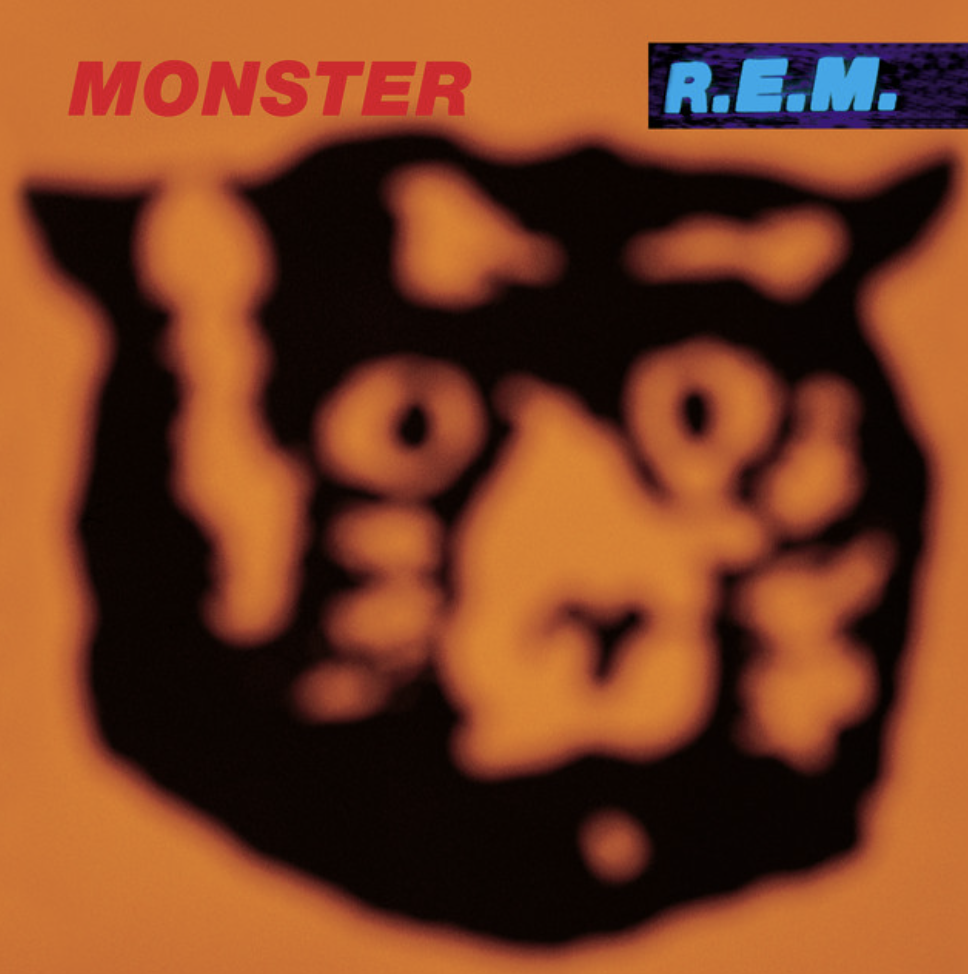
This month’s choice tracks include a bundle of anniversary albums from John Lennon (Walls And Bridges ’74), David Bowie (Tonight ’84), R.E.M. (Monster ’94), Cluster (Zuckerzeit ’74) and Gudrun Gut and Joachim Irmler (500m 2014). I’ve gone for something a little different with the first of those two selections; choosing to kick off the playlist with the TV Personalities rambunctious gnarly version of Lennon’s ‘Whatever Gets You Thru The Night’, and Icehouse’s sympathetic take on Bowie’s ‘Loving The Alien’. I’ve also chosen a live cut of one of my favourite tracks from R.E.M.’s Monster, ‘Strange Currencies’.
There’s a small selection too of newish tracks – those that have been released in the last couple of months that I either missed or didn’t get room to place in the Monthly Playlist selections. In that camp there’s Jay Cue, Conjunto Media Luna, Dr. Walker, Reymour and Vox.
In between those selections I’ve scattered a smattering of music from Bad Dream Fancy Dress, Son Of Noise, Ms. Melodie, Baseball Furies, Tal Rose, Antonino Riccardo Luciani and others. There’s also a cap doffed in respect to the late Herbie Flowers, who passed on earlier this month, with the inclusion of Sunforest’s ‘Where Are You’, just one of many such album session Flowers played on over the years.
tRaCkLiSt
Television Personalities ‘Whatever Gets You Thru The Night’
Flora Purim ‘Stories To Tell’
Cossa Nostra ‘Nuestra Cosa’
Poobah ‘Watch Me’
Reale Accademia di Musica ‘Macumba Hotel’
Azar Lawrence ‘Novo Ano’
Conjunto Media Luna ‘Doombia del Agotamiento’
Dogbowl ‘Love Bomb’
Nicolas Greenwood ‘Hope And Ambitions’
Reymour ‘Sleepy time’
Bad Dream Fancy Dress ‘Lemon Tarts’
Icehouse ‘Loving The Alien’
Jay Cue ‘Hyperbolic Time Chamber’
Dr Walker ‘Was ist Dad Rap?’
Son Of Noise ‘Down With Son Of Noise’
Ms. Melodie ‘Remember When…?’
This Kind Of Punishment ‘Some More Than Others’
Baseball Furies ‘Ain’t Comin’ Home’
Bass Drum of Death ‘Left For Dead’
Tal Ross ‘Green and Yellow Daughter’
R.E.M. ‘Strange Currencies (Live at the BBC)’
Lee Baggett ‘All Star Day’
Appaloosa ‘Tulu Rogers’
Sunforest ‘Where Are You’
Antonino Riccardo Luciani ‘Eclisse lunare’
General Strike ‘Next Day’
Cluster ‘Rotor’
Michael Garrison ‘Theme to Onday’
Vox ‘Metaphysical Back Alley’
Gut und Irmler ‘Chlor’
____/ARCHIVES
Albums decades apart, both released originally during this month, there’s another chance to read my review of Bowie’s Tonight LP from 1984, and Gudrun Gut and Joachim Irmler’s dizzying altitude 500m collaboration of 2014.
Tonight (EMI)
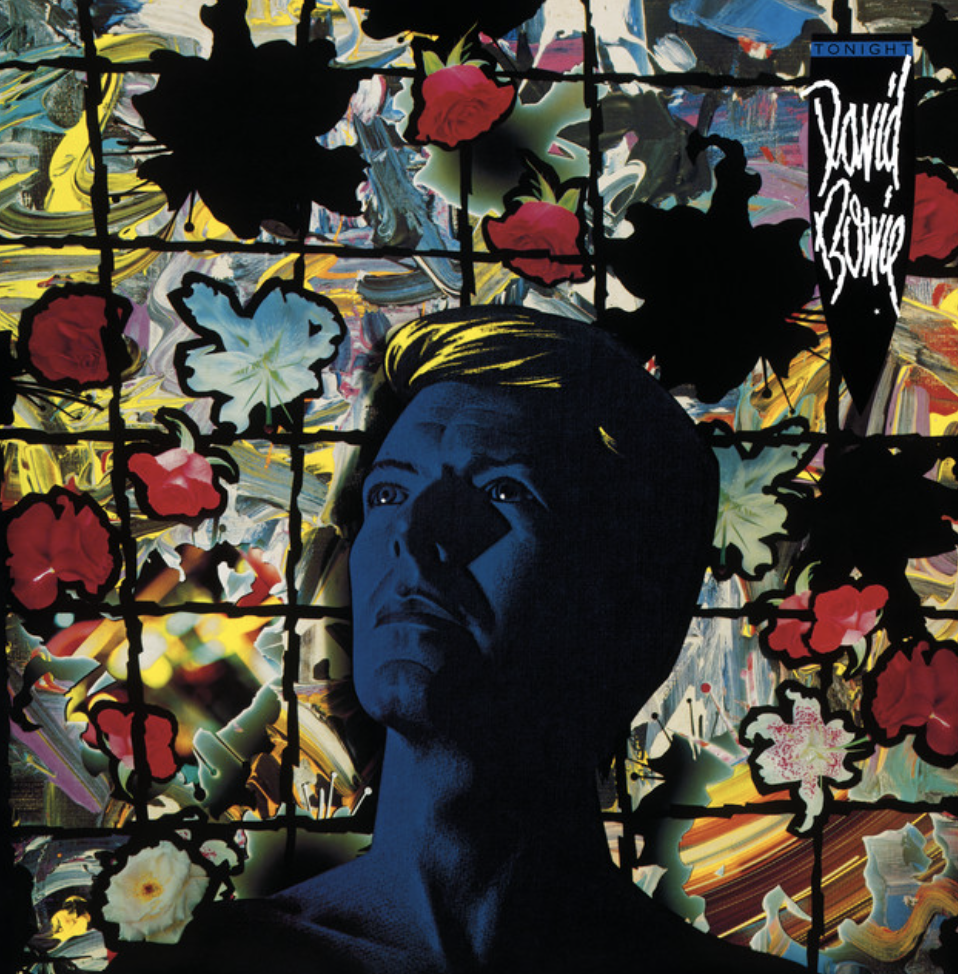
‘Keeping his hand in’ so to speak, Bowie kept up the pop-lit pretence with Tonight. Arriving straight off the back of his Serious Moonlight world tour, and with the very same backing group – including the Borneo horns troupe – the follow-up to his massively successful Let’s Dance showcase was a far patchier affair.
A filled-out, skiing obsessed, pastel shaded crooner, long since divorced from his moiety Angie, and now in custody of their child Zowie, he was less concerned with previous concepts and play acting and more interested in growing pains and heart-strung romantic indulgence.
Of course, every time ‘Davey Jones’ sported new garbs and ventured out on the road he was always acting a part. But the burgeoning film career, which began with The Man Who Fell To Earth through to his stage roles in Baal and The Elephant Man on Broadway, allowed a new avenue of total immersion for Bowie. Channelled then via celluloid, the previous year alone saw him star as a forlorn ageing vampire in The Hunger, and as the English prisoner-of-war ‘Strafer Jack’ Celliers in Merry Christmas Mr. Lawrence: that exuberant theatrical spirit was missing for the most part from his music.
However, Bowie did get to indulge himself on the ‘Blue Jean’ (perhaps Tonight’s saviour from total disaster). Well, the video/mini-movie at least, directed by Julian Temple, and stretched out to twenty-minutes, featured the singer adorned with a makeshift turban and piled-on make-up.
A new production, the largely untested Derek Bramble, and Hugh Padgham tried to mix things up, but instead lost their way as Bowie made a pig’s ear of things. The fact that his knock-about ‘comrade-in-arms’ Iggy Pop pitched in is almost irrelevant, as all the edge is erased by a fuzzy saccharine mush. Using a maudlin calypso and faux reggae backing he teamed up for countless misfires; duetting with Tina Turner on the dawdling title track (originally sung by Pop on his second solo LP, Lust For Life): ruining all his erstwhile partner’s contributions. “God Only Knows” what he was thinking by covering Brian Wilson’s (lyrics by Tony Asher) beatific masterpiece, and you also must question the addition of Jerry Leiber and Mike Stoller’s gold standard, ‘I Keep Forgettin’: thrown in as a so-called return to rock’n’roll? Hardly!
Luckily ‘Saving The Alien’ was on hand to at least stop the spread of rot. ‘All the gear and no idea’, Tonight paved the way for Labyrinth, Bowie’s forked tongue and sardonic protestations all but muted so that his crossover, inter-generational appeal could now reach even the youngest sections of society.
Gudrun Gut and Joachim Irmler ‘500m’
(bureau b) Released 8th September 2014
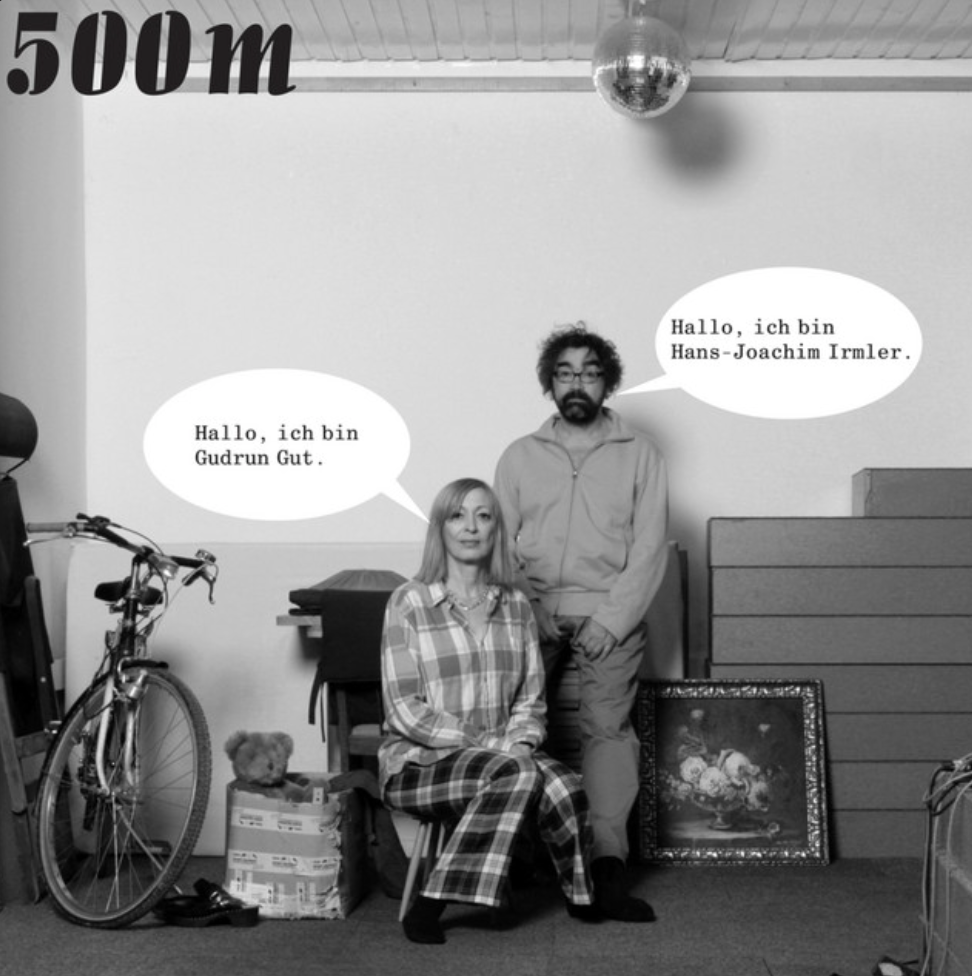
Doyens, and for that matter mavericks, of the more cerebral and avant-garde boarders of the German music scene, otherworldly evocative organ grinder Hans-Joachim Irmler and his visual artist musical polymath siren, Gudrun Gut, join forces for a mesmerizing electronic trip.
As a founding member of the mighty irritant, heavy mentalists Faust in the 70s, Irmler’s keyboard hovered ominously between the alien and sublime. Continuing to bear the name – existing in a disconnected alter-dimensional timeline with an alternative Faust that features fellow founder members, Jean-Hearve Péron and Werner ‘Zappi’ Diermaier – Irmler founded an eponymous named studio, used by a who’s who of the German and beyond experimental electronica and classical scenes: from Cluster to the Modern String Quartet. Whilst the man himself has collaborated both wide and far, recently releasing the Flut LP with Can’s drum titan, Jaki Liebezeit on his own label, Klangbad – set up 15-years ago to originally release continuing Faust projects, but since expanded into a full-on label and festival, duty bound in ‘nurturing’ ‘genre bending’ music.
Gudrun, no less active, moved to Berlin in the mid 70s. An early member of the industrial strength Einstürzende Neubauten, Gudrun would go on to appear in and help form a number post-punk and electronic bands, including Mania D, Malaria!, Matador and also bring out a solo debut effort, I Put A Record On, in 2007. She is also head honcho at the labels Monika Enterprise and Moabit Musik.
Together, both artists create a collection of transient progressive techno moods. Developed in two stages, the congruous collaboration first improvised at Irmler’s lightheaded inducing Scheer, Baden-Württemberg located Faust studio – the name of the album alluding to the giddy effecting altitude of the studio, 500 meters above sea level, which gave Gudrun a constant sense of dizziness – before Gudrun refined and added her own techy, scuttling and nuanced drum loops, back in her own space. These recordings would then once again make their way back to Irmler for further exploration and tweaking.
Billed as a merger between Irmler’s ‘meandering, wistfully psychedelic organ sound’ and Gudrun’s ‘reverb-laden, whispering, breathy voice’, the results of this union obscure and abstract both. Loaded instead with vapourous and metallic waltzing veils, interchangeable programmed drum patterns (mostly caustically trebly but cut with pinpoint accuracy and among some of the most sophisticated I’ve heard in ages) and esoteric percussion.
Succinctly entitled, each track is both simultaneously a concomitant lead into the next and an individual self-contained, evocative story of its own. Not that those titles give much away, but on occasion they allude to a rectification of some vague theme. For example, ‘Traum’, translated as ‘dream’, has a magical Freudian hallucinatory quality, and festive wintery charm broken up by a freakish raspy and squelching noise, underfoot.
‘Noah’ on the other hand may or may not bare any relationship to the Biblical flood survivor and great God hope for the future, being more of a ritualistic gaze at shooting stars and passing satellites. However, Irmler adds some extemporized gabbling speech, delivered by a remote transmission affected, introverted megaphone – you can even hear Gudrun off mic, laughing or encouraging Irmler, from the sidelines.
‘Früh’ translates as ‘early’, but early for what exactly we can’t quite tell, the rotor-bladed intro cylindrically bringing in a chain-reaction of busily interchanging particles and tight delay mechanics, all heading down a highway marked ‘the future’.
Always moving somewhere, either skywards from a subterranean vault or as with ‘Auf Und Ab’, ‘to and fro’ between the kinetic beats of Detroit techno, circa Rob Hood’s Metroplex days, and a sort of moody decadence. Upward and onwards then, 500m travels on the solar winds and elevates from a reverent esoteric organ produced sanctum into another great mystery.
 Monolith Cocktail Blog