The Perusal #64: Marshall Allen, Trupa Trupa, Helen Ganya
February 10, 2025
A WORLD OF SONIC/MUSICAL DISCOVERIES REVIEWED BY DOMINIC VALVONA

PHOTO CREDIT: AYANA WILDGOOSE
Marshall Allen ‘New Dawn’
(Week-End Records) 14th February 2025
It’s timely and says a lot about the intentions and feel, the mood music, that the debut-led album by the centenary-celebrating alto saxophonist, flutist, oboist, piccolo player and Electric Wind Instrument synthesist Marshall Allen is set to be released on Valentine’s Day. Having led the late Saturn cultural ambassador Sun Ra’s Arkestra since 1995, and before that, been a creative foil to the celestial and Afro-jazz futurist progenitor since meeting in the late 1950s, Allen bathes in the sentimental romanticism of his former teacher’s vision with a love letter to the cosmos.
It’s staggering to believe that Allen has only just, in his hundredth year, been invited to record his inaugural bannered album. Sure, Allen’s name is synonymous with that of Sun Ra’s, but since serving his time in the army overseas in France, where the action was at, during the 1940s, and then taking up the alto sax and studying in Paris, he hung out with such notable talent as Art Simmons and James Moody, and been side man to such luminaries as Terry Adams and Paul Bley, featuring on untold recordings or in concert. And so, there’s a sizable catalogue to explore.
But this must be a record, perhaps the oldest musician to ever achieve this unbelievable milestone of releasing your first solo-headed LP when reaching such an age. I’m not even sure how he has the energy, nor more importantly the breath. This is itself an astounding achievement. Not to mention that with over seventy years of experience the sagacious freeform, improvising and adventurous player-artist is still pushing – if at a more sedated and leisurely pace – and learning; still experimenting, or at least switching things up.
And yet, near spritely at a hundred as he ushers in a “new dawn”, Allen emits universal love and celestial spiritualism, whilst also flexing and bristling with Earthlier Chicago smokestack skyline, Latin and Big Band jazz of another era.
He’s backed in this endeavour by a group of fellow Sun Ra acolytates and other worthy musicians of the idiom and beyond, many of which have served on the Arkestra, or at least orbited that space age swinging cosmology of the interplanetary and Egyptology. That roll call includes a name that many Monolith Cocktail readers may recognize, Knoel Scott, who invited Allen to appear on his 2023 album, Celestial, and featured on the site with a glowing review. Made for the Night Dreamer project-label, that debut Scott studio performance was a perfect example of the Sun Ra ethos and legacy. Reed specialist, bandleader and composer Scott initially auditioned for the Arkestra troupe back in 1979. He’s joined by fellow Ra members, at one time or other, Michael Ray and Cecil Brooks on trumpet, guitarist Bruce Edwards on guitar and George Gray on drums. Rounding out the ensemble is Ornette Coleman side man – principally the thumb slapping bassist in the Science Fiction legends Prime Time 80s project -, soloist and leader in his own right, Jamaaladeen Tacuma.
Outside that key unit, there’s a host of facilitators and well-wishers taking part, plus an appearance by Neneh Cherry, who proves to have found her voice as a jazz singer on the purposefully romantic and spiritual Benny Goodman-esque inter-war ballad style title-track. Cherry’s voice melodiously flows like a cross-between Anita O’ Day and Nancy Wilson and shows a real talent for this sort of courting sentiment. The guitar, which apes at one point the sound of a piano, harks back to the age of Django Reinhardt and Wes Montgomery, whilst the trumpet is a cornet-style that Miles and Don would have recognised back during their apprenticeships in the early 1950s. Edwards’ nimble guitar playing is exceptionally detailed but free, with bursts of incredible skill that evokes the blues, Latin-American, the Southern Pacific archipelagos and the lunar – those cosmic nibbled looms, bends and arcs that set a space age scene alongside beeped communicating satellites and sputniks, the stars and rings of Saturn.
The album opens with the introductory ‘Prologue’ short, which features a part Oriental/ part heavenly celestial harp in the style of Alice Coltrane, Ashby and Alina Bzhezhinska, but builds towards an accelerated oscillated take-off into astral realms. We are then introduced to the serenading warm soft anointed tones of ‘African Sunset’, which marries an essence, a reverberation of Afro-Latin influences to melodious touches of Stitt, Paul Desmond and Joe Pass and hot breeze drives along sunset-bathed coastlines evoked scores from US cinema in the 60s and early 70s. Almost comforting at times, Allen’s sax is gentle and pleasing: his sax almost hovers in places, whilst, what I think is a piccolo, mimics starry lunar dust caught in the slowly waking sun rays of a new age and day.
‘Are You Ready’ has the legacy of both Chicago and New York running through it, with suggestions of early Chess Records blues, Sun Ra’s big band origins, Bernstein, Cab Calloway and the burgeoning skyscraper sets of Dos Pasos put to music by Coleman, Albert Ayler and the Jazz Messengers. Great guitar licks and mimicking again as Edwards manages to deftly conjure up a sound that resembles the marimba. ‘Sonny’s Dance’ however, is more in the freeform or at least fusion style of bristled reeds, registered breathes through the mouthpiece and pipes ala Rivers and Braxton, and harder squalls and shorter squawks. Tacuma provides a moving and sliding, near funky bass, whilst drummer Gray conjures-up percussive and cymbal shimmered mirages.
Lalo Schifrin San Fran and Spanish Harlem is twinned with Africa on the soulful ‘Boma’, a track or version of which, I believe, appeared on the Allen “directed” Arkestra live album Babylon. Here it sounds like Hugh Masekela and Cymande sauntering to simmering percussion, hand drummed rhythms and soulful Afro-jazz vibes. And as a couplet of Sun Ra imbued material, the dawn awakened album closes on ‘Angels And Demons At Play’, a version of which, credited to Allen and double-bassist Ronnie Boykins from 1960, appears on the collected studio performances gathered together for 1965 LP of the same name, released under the Sun Ra and his Myth Science Arkestra. In this space, at this time, it has a certain dub-like twilight quality and lunar loop of blown tubes and funk grooves but remains in a subtle orbit around the spiritual and loving.
At what should ordinarily be the very twilight of an artist’s career and trajectory, is just the first steps on Marshall Allen’s new dawn pathway. His debut fronted album is imbued by a rich legacy that opens its heart to kindness, tenderness and the serenaded but also offers passages and dances of more electrifying freeform expression that sound instantly fresh and prompted by his gifted ensemble of inter-generational players. Here’s to the next one hundred years of the Marshall Allen spirit.
Trupa Trupa ‘Mourners EP’
(Glitterbeat Records) 21st February 2025
The urgency, abrasive and energy of punk and post-punk is matched by Eastern European intelligentsia, dream-realism psychedelia and erudite literary influences once more as the Polish underground outfit of Trupa Trupa continue to build on their growing reputation as one of the continent’s leading bands of recent years.
Not to keep on repeating myself, after reviewing and sharing countless posts about the recently parred down trio, but the sound they produce, broadcast and fill the space with is an intense and cerebral psychodrama of dream revelation, the hypnotic and propelled, and a succinct expressive art and psychedelia locked-in conjuncture of history and wiry Gdańsk industrialism. This is all underpinned by the poetically lyrical, atmospherically charged events, legacy and activism both personal and collective that continues to shape their city and greater homeland. For their city famously faces out into the Baltic seas as a vital and important centre of trade and industry, whilst also being coveted militarily for its strategic positioning by various competing empires over the millennium. In a perpetual tug-of-war for dominion with its Prussian, then German neighbours, Gdańsk became a sort of geopolitical bargaining chip. The city and much of its surrounding atelier of villages were turned into the Free City state of Danzig after WWI, partly as a compromised result of the Versailles Treaty in 1919. Under Nazi German control two decades later, it acted as a transportation point to the death camps for the city’s Jewish community. But even in eventual defeat, Nazi Germany’s grip was only replaced by that of Soviet Russia, who extinguished or at least tried in every way to oppress a nationalistic identity – of course, Imperial Russia, stretching back to Catherine the Great, had already invaded and occupied Poland on numerous occasions, or, when Poland was either united with or itself absorbed against its will into Commonwealths and empires, usually at odds with its neighbour.
An integral inspiration, and hence why they find it difficult to gain traction in their own country, is the country’s links to the Holocaust with its numerous concentration camps, and its active role amongst a minority of the population to aid the Nazi regime. Fuelled in recent times by Polish nationalism of a more hostile kind, there has been a concerted effort to, literally, pave over that history. With Russia’s invasion of the Ukraine and Donald Tusk’s victory in recent elections that wave of right wing rhetoric has been headed off to a degree: Poland now looking more and more likely the next frontline and NATO bulwark against Putin’s destructive push westwards into the heart of Europe; in my opinion, the plan being to reinstate or rather sculpt from barbarity and death a new version of the Warsaw Pact, and to bring down another Iron Curtain.
Trupa Trupa’s music, filled with a psychogeorgaphy, travails and activism, goes further than just sonically encompassing the past and present. Band member and spokesman of a kind, and my first port-of-call and pen pal of a sort, Grzegorz Kwiatkowski is not only a musician but a published poet/writer, academic and local activist. Feeding into all these roles, Grzegorz has managed to successfully petition the authorities of his home city to mark Gdańsk’s former Jewish ghetto with a special memorial plaque. Housed as it was in the Old Red Mouse Granary on Granary Island in the city, this stain on the city’s reputation was eventually bombed by the Allies in 1945. The grandson of a concentration camp survivor himself, Grzegorz campaigned with others towards building a permanent link, reminder to a mostly “forgotten” part of the Polish city’s history.
He’s also helped to uncover half a million shoes left to decay near the infamous Stutthof concentration camp. In a secluded, marshy, and wooded area 34 km east of the city of Gdańsk in the territory of the German-annexed Free City of Danzig, this camp was originally used to imprison Polish leaders and the intelligentsia and was the first such camp constructed outside Germany itself: the last to be liberated by the allies. Roughly 65,000 poor souls died there, either through murder, starvation, epidemics, extreme labour conditions, brutal and forced evacuations, or lack of medical attention. A third of that number were Jews. Many were also deported from that heinous crime scene to other death camps (estimated to be 25,000). Grzegorz has fought to have it preserved and recognised officially as a site of memory, which at this point in geopolitical turmoil, with antisemitism at record levels not only in Europe but across the world, and the increasingly depressing divisive nature of politics and activism in the X/Twitter/tiktok sphere, is needed more than ever.
A man in-demand, Grzegorz has been invited by several institutions to lead workshops, complete a residency or lecture: from Harvard and Oxford to an artist’s residency spot at Yale. The latter is an incredible opportunity, and furthers his poetic and musician roles, tying them together with his chosen speciality in amplifying the voices and testimonies of Holocaust survivors. Combing research and archival accounts from the University’s famous Fortunoff Video Archive, Grzegorz will fashion new poems and bring in his foils from Trupa Trupa to create new art. The results will be exhibited both at Yale and in his home city.
Away from the academic, although inseparable from the Trupa Trupa cause, 2025 marks a new and second chapter for the group after settling into a trio. Joining Grzegorz on joint-vocals, guitar and lyrics is drummer Tomasz Pawluczuk and co-vocalist and bassist Wojciech Juchniewicz.
Off the back of critically acclaimed and applauded albums for Sub Pop and Glitterbeat Records (the latter a much better home for the band) and with a burgeoning reputation live, Trupa Trupa have gained a lot of momentum and traction, championed (most importantly) by me and Iggy Pop. Festival appearances are growing alongside a trio of sessions now for 6Music.
It’s with this positive acceleration of fortunes in mind that the trio have managed to fall under the favour of the much in-demand British producer, composer and engineer Nick Launey – he of Nick Cave and the Bad Seeds, Anna Calvi, BRMC, the Yeah Yeah Yeahs and Arcade Fire fame, and before that, at the centre of the UK’s post-punk explosion in the late 70s and early 80s (you name it, he was there, whether it was PiL, Gang of Four, the Killing Joke or The Slits). You can hear a lot of those bands and reference points on this latest release, the Mourners EP. Balancing the taut with the loose, elegiac poignancy and remembrance with the grinded, the repressed with confrontation, and darkly lit gravitational pull of the chthonian, the underworld with the illusions of a dream world in which Syd Barret fronted The Pop Group, they pull off a post-punk-psych-poetic dare of the psychedelic and industrial.
Mourners in metaphorical and real terms, the EP kicks off with the lead single of 2024, ‘Sister Ray’. Borrowing both that title and a lo fi hardliner rock ‘n roll, bordering on post-punk, spirit from the Velvet Underground the band’s echoey repeated “A line of idols, to the horizon” is beefed-up with a broody dose of snarled trebly bass and a shot of growled throbbing sinewy knotted impetus. The stripped-down, determined, and raw trio channel The Killing Joke, The Fall, Elastica, Banshees, Archie Bronson Outfit and Wire (especially the band’s Colin Newman and his solo work) on this slab of surreal attitude.
The opening is followed by ‘Looking For’, which is a post-punk and baggy cross between Renegade Soundwave, XTC, the Banshees and Von Südenfed. Searching disaffection to a sharp cymbal invert, minimalist filtered megaphone lyrics and slinking broody groove, the trio seem to occupy a relaxed yet ruffled liminal border. ‘No More’ meanwhile, bounds in with barracking drums and a slow guzzled, trebly bassline and chimed guitar; the vocals between the gothic and narrated, a story of Orpheus, absence and the death of a close friend, taken far too young in a landscape so evocative it materializes from the speakers into your living space. Could be The Gun Club and Colin Newman (I’m thinking of his A-Z album especially) working up a vivid momentum of remembrance with Brian Reitzell. The words are prompted, or use, Grzegorz’s Decree and Combustion poems to mine the sorrow, the grind of mourning those dearly departed souls and the loss, the absence (once more) of common bonds and friendship in a cruel, unforgiving landscape.
Once more referencing the underworld, the Magazine, Fugazi, Gang of Four vortex growled, and punk-spiked ‘Backward Water’ features an accelerated Eastern European vision of Mark E Smith. There are dips into more hallucinated breaks as the action seems to counter the raucous attitude and energy with more spaced-out and far out lunar and cosmic drifts into the abyss.
The title-track switches things up with a change of style and pace. Sounding like an imaginative filtered and wildly shirked and called-out dream in which we are all pulled through the mirror into a world in which the Tom Tom Club, Carlos Alomar and Phoenix meet the Phantom Band, Archie Bronson Outfit and Syd Barrett, the trio translates American and French no wave funk and psych into an idiosyncratic dream-realism of laidback but prescient keening.
Mourning songs and elegiac poignancy run through the grind, abrasive and changeable attitude of post-punk and punk, whilst opening-up to ever more evocative chapters of disturbing history in a poetic form as the band continue to embody the subjects, politics and geography they both inhabit and rile against. Below the surface illusions lies disturbing chapters with a gravitational pull towards the underworld and tragedy. And yet, a light of a kind can be found, and the barricades thrown up against the forces of disruption and violence. Trupa Trupa have an intelligence sadly lacking in most music these days, and an angle that offers something new and different – namely that Gdansk legacy, the wounded traumas of past and present wars and genocide, but also the political disturbances of recent times in the region. Post-punk/punk, call it what you will, has seldom offered anything so important and erudite, expressive or worthy, nor mined such an important history, which is why this trio are vital. This EP will only further cement that appeal as their star continues to rise.
Various ‘Wagadu Grooves Vol. 2: The Hypnotic Sound Of Camera 1991 – 2014’
(Hot Mule) 14th February 2025
Continuing to dig into that back catalogue of, and to shed light on a rarely told story, the second compilation from the Paris label Hot Mule goes further in unfolding the backstory and “hypnotic” sounds of Gaye Mody Camara’s iconic Franco-African label; a story that encompasses, primarily, the West African Soninke diaspora and their legacy. The entrepreneur turned label honcho and umbrella for those artists both from the mainland French migrant community and from across swathes of what was the atavistic kingdom of the Soninke ethnic groups’ Wagadu, Camara, through various means and links, helped create a whole industry of music production in Paris during the 80s, 90s and the new millennium.
Gaye Mody Camara, who lends his name to the successful label he set up in the French capital during the later 70s, built up his own little business empires amongst the diaspora communities that left West Africa.
The story of his ascendance on the music scene is laid out in the liner notes of the first volume, and far too lengthy to outline here in full. But during the course of his stewardship Gaye would rub shoulders with various iconic figures (such as the internationally renowned Guinean musician and producer Bonkana Maïga and owner of the Syllart Records label and the main distributor of tapes at the time, Ibrahima Sylla) on the scene as he moved between originally buying releases from others to resale in his own chain of establishments to producing and setting up his own cassette tape production facilities.
In-house and a label in its own right, the Camara imprint broke new Soninke acts and artists from across a wide range of West African countries. And as you will hear, fanned a four-decade period of innovation and trends whilst still maintaining the essential essence and roots of tradition: Each and every one of the artists represented on this collection has a story to tell about how they were discovered or how they came to Gaye’s attention; from the migrant housing centre to hearsay, the word-of-mouth and the gentlemen who insisted that Gaye listen to his wife’s cassette tape recordings and take charge of her career.
Volume 2 in this saga showcase moves the timeline slightly, covering recordings made between 1991 and 2014, and homes in on the fusion cultures and music of the Wassoulou, a both historic and cultural region centred around the porous borders of Mali, the Ivory Coast and Guinea. Records of this vague allied society of villages set between the Niger and Sankarnni rivers are scant, but it was said to have been relatively decentralised and egalitarian. That was until much later, during the late 19th century, when the Malinka Muslim cleric and military strategist Samori Ture overthrow the previous state to create a Muslim Wassolou Empire.
But when referring to this region’s music, Wassoulou is said to be a root of the “sogoninkun” tradition of masquerade, a performance of fast tempo rhythms and singing accompanied by the “djembe” and large cylindrical dundun drums. This masked dance is centred around and named after the “the little antelope head”. It forms one of the various strands, the musical and traditional styles, the harvest dances of this compilation, which are then picked up and merged with the contemporary buzz of French housing developments to produce a hybrid.
The Wassoulou style is also a popular form of music performed predominantly by women, backed by, traditionally, the fiddle-like “soku”, djembe, “kamalen n’goni” (a six-string harp of a kind, but in this case the prefix means “youth” or “harp of a new generation”), the metal tube percussive “karinyarn” and four-stringed harp “bolon”. Empathetic and passionate in a call-and-response style, the music deals with recurring themes of childbearing, fertility and polygamy. In recent times modernity has added MIDI instrumentation, synths and autotune effects.
I am in no way an expert, and have only a cursory grasp of this style, but I think examples on this collection include Doussou Bagayoko’s light and pretty pop MIDI pre-set groove ‘Taman’, Bande Koné ‘s highly autotuned wobbled and spindled Afro-reggae pop lilted bounce ‘Togo’, Aïchata Sidibé’s smoky sax and desert blues guitar styled noir pop ‘La Vie Est Si Belle’, and Adja Soumano’s marimba bobbled and Fatoumata Diawara-esque ‘Dja Dja’. Taken from various cassettes and CDs, spread throughout the label’s cannon, this little assembled quartet of divas and expressive singers features the talented scion of legendary Mali singer Nahawa Doumbia and guitarist Nrgou Bagayoko, Doussou, who first came to notice when taking part in singing talent contests at a young age, going on to debut with the Sinabar album and then 2014’s Dayele, from which I believe this track is taken. She famously mixes the French Antillean originated style of “zouk” with that of the Wassoulou region.
You can find examples of the Caribbean-flavoured zouk elsewhere on the collection. A fast tempo percussive driven rhythm accompanied by loud horns, made famous and said have been pioneered in the early 1980s by Kassav’, this fusion of West Indies and African influences seems to be woven, with a lilted thread, into the very ease and sway of the MIDI brass and whistly fluted sauntered Havana evoked ‘Faalé Mokoba’ track by Abdoulaye Brévété – cast somewhere, to these ears anyway, between Fania and the Buena Vista Social Club. But you can also hear something decidedly Latin American on Djelikeba Soumano’s ‘Tougharanke’, which seems to pitch the idea of both Fela Kuti and Gilberto Gil in a summery masquerade of both mating calls and more volatile expressive pains.
Elsewhere, there’s star turns from Lassana Tamoura, with the kora spun and buoyant dipped tuning drummed and MIDI effected ‘Lassana Boubou N’kana Ké Kiye’, and Souley Kanté, with his Afro-pop 80s, Fairlight CMI Afro-pop ditty ‘Bi Magni’.
But every track is a revelation, with a music that bumps, bobs and, most essentially, grooves along to the electronic sounds of the urban and modern. Another successful dive into the Camera catalogue by Hot Mule and friends, who move the spotlight this time around, introducing us to unfamiliar fusions, dances and voices from the Wassoulou diaspora.
Helen Ganya ‘Share Your Care’
(Bella Union) 7th February 2025
Marking an embrace of her heritage after being previously put off by worries of fetishised Orientalism, the Scottish-Thai songwriter and artist Helen Ganya’s latest album is fully imbued by her Southeast Asian roots. Although rather tragically stressed and prompted by the death of her last remaining Thai grandparent, Ganya hurried to gather and record the family tree’s memories, conversations before absence and remembrance dissipated into the “ether”.
Share Your Care is however a record that wrestles dreamily, achingly and beautifully with a sense of both detachment and belonging; with the last physical trace to that heritage gone, recollection and recall is all that remains. In missing that connection, both empirically and emotionally, the Brighton-based artist feels adrift, caught between cultures. And so, she sets out on a musical journey in which family ties, rituals and cultural observations are married to an authentic and contemporary soundboard of Thai music and Western pop. It’s a refreshing take, because at least the artist’s ancestry is legit. And in making and producing this album alongside co-producer foil Rob Flynn, Ganya has brought in the trio of Thai musicians Artit Phonron, who plays the boat-shaped, cord suspended twenty-two wooden bars mallet struck ranat ek, the silky two-stringed bowed saw duang and hammered dulcimer-like khim, Chinnathip Poollap, who plays the traditional “pi” style Thai oboe, and Anglo-Thai artist John ‘Rittipo’ Moore, who performs on both the flute and saxophone.
Altogether, Viparet Piengsuwan, Omuma Singsiri, Chaweewan Dumnern and classical, traditional Thai music is melded into both an uplifting, colourful oasis and more poignant near plaintive hunger of new wave, art and synth pop. A radiant vision of sayonara-kissed blossoms, dreamily sailing on the South China Seas, and plaintive misty-eyed Mekong River-set balladry unmistakable oriental signatures are coupled with evocations of St. Vincent, Eerie Wanda, Weyes Blood and Dengue Fever. The lushly fanned and spindled pop reincarnation riffed ‘Fortune’ could be a meeting of Altered Images and Reflektor era Arcade Fire, with Ganya, vocally, channelling a more harmonic and melodious Yoko Ono – for some reason, this reminds me of Lennon’s Walls And Bridges LP too. The ‘Myna’ finale features the British-Nigerian producer and singer Tony Njoku standing in, as it were, for Ganya’s late grandfather on a sort of duet; his sympathetic soulful earthy baritone in this case reminding me a little of Murray Lightburn of The Dears. A good fit, Njoku has explored and grappled with similar themes of cultural disconnection, and conjures up the right, sensitive presence here; a reminder of “conversations left too late” and of absence.
‘Morlam Plearn (Luk Khrueng Surprise)’ takes a different turn, evoking a range of both mystical Arabian and Southeast Asian landscapes and sounding like a fusion of Thonghaud Faited, The Cure and The Banshees.
Bringing to life a rich heritage, excerpts or brief tape-recorded passages of memory, of walks and time spent in Thailand and Singapore respectively, are slotted in-between the album’s songs and sonic evoked geographical compass points: everything from Buddhist temples to the street and traffic bustle of the city and fauna. And despite being labelled and outsider of a kind, even by her own family (the only Thai language song on the album, the psych-coloured playful ‘Barn Nork’ is dedicated to this identity struggle), her attachment to those roots is both lifting and magical; a neon signed cherished embrace that turns grief, moments of sorrow and feelings of dislocation into a musical photo album, scrap book of captured touching memories as pretty as they are emotionally charged.
3 South & Banana ‘Tempérance’
(Some Other Planet/Symphonic Distribution) 14th February 2025
Receptors tuned to the fleeting, the poetic wistful observance of love, painting moods and sentiment with such peaceable dreaminess, Aurélien Bernard once more lightly bounces along to a laissez-faire backbeat of bouncy, relaxed snapped and little rolled drums, quasi-80s new wave/art-pop guitar, and swimmingly synths under the 3 South & Banana moniker. And now, on this latest album, Tempérance, you can add a sophisticated, snuggled and romantic saxophone to that musical makeup: a sax sound that’s reminiscent of the easy-going and 80s tuxedo donned music of such Japanese icons as Yukihiro Takahashi, and of the later indie-child, and highly influential, Shintaru Sakamoto.
Both of those inspirations can be heard throughout this Tarot card inspired album of eased poignancy, and dreampop psychedelic indie; that and an air of Nino Ferrer and Jaques Dutronic on the Franco-Japanese sparkle cruise along Akira Inoue’s freeway ‘Rear View Mirror’. And if you can imagine it, the flange-guitar and snozzled sax drifted, imaginatively described landscape of ‘Kinship’ sounds like a meeting between Gainsbourg and Barrett. The closer ‘Fugue’, which could either be a reference to the musical term or the loss of one’s identity, is an instrumental with more than a hint of Roedelius and Eno about it: a lovely – time signature wise – changeable, enchanted and clean synthesiser sound that takes turns to flow and bobble.
‘Blueberry Night’ seems somehow innocent, describing a muse in impressionist and unworldly terms. But musically it could, with its theremin-like aria and touching acoustic feels and nice naivety could be Donovan fronting Pet Sounds era Beach Boys. The purely instrumental break or deliberate breather before continuing further along this journey, ‘Six Eight’ (which might be just a reference to the song’s time signature) could be a neo-pop Animal Collective re-imaging a similar instrumental passage from that same Beach Boys LP.
Released on Valentines Day, this love album of playfulness (a date bonding with a romantical partner over ‘Mario Cart’) and more wistfully plaintive sightseeing ruminations of paradise (the Brazilian set ‘Lights of Minas Gerais’) uses the 14th (most usually) symbolic, divination guidance card from the Tarot deck to imbue a relaxed songbook of musing on the ideas of balance, reflection and connection.
The (again, usually) androgynous angel like figure of Tempérance pouring water from one cup, or water carrying implement, into the next, can be interpreted in many ways depending on who you seek out and ask. As one of the three “virtues” in the pack, most can agree that it signifies strength and justice. Famous British scholarly mystic and poet Arthur Edward Waite opined that it could also, after much research, represent economy, moderation, frugality, management and accommodation. And when reversed, multiple things to do with churches, religion, sects, the priesthood, but also disunion, unfortunate combinations and compelling interests.
The opening track, ‘The Fool The World’, which has musical echoes of Orange Juice, Peter Bjorn and John and Air, riffs lyrically on a reading, namechecking other iconic figures and omens from the Tarot deck. And yet, the symbolism is less hermetic and more whimsical: more a beautifully penned balance of sweet moments and call for some kind of guidance.
The easy-going nature of this album might well hide or disarm more despondent airs of melancholy and wantonness; the emotional turmoil smoothed over by the prettiness of the melodies and perfect subtle production, but there’s a sweet hint of wooing lovelorn hunger and disconsolation on this charming pop album. 3 South & Banana will grow on you with each listen, and soon become one of your favourite albums of the year.
Jupiter & Okwess ‘Ekoya’
(Airfono) 7th February 2025
In what turned out to be a blessing, the latest, and fourth, album from the electrifying Congolese band Jupiter & Okwess was conceived during one of the insufferable lockdowns of 2020. Stuck in Mexico during a tour of South and Central America, with time on their hands, the group and their lively instigator/bandleader Jean-Pierre ‘Jupiter’ Bakondji breathed in and embraced the local Latin American culture and sounds as they waited for the green light to return back to the Democratic Republic of Congo’s capital of Kinshasa; making a note to return when the time was right to record a polyglot album infused by the two continents. That time came a little later under the recording stewardship of Camilo Lara, the DJ, electronic artist, musical consultant and film/TV composer, who also created the Mexican Institute of Sound project, with the sessions spread between both Mexico City and Guadalajara.
Marking a change in sound, or at least a tweak and embrace of sounds and a feel carried from Africa across the Atlantic to Brazil and Mexico, the group weave Afro-Latin and indigenous Zapotecan voices, rhythms and vibes with a mix of funky riffs, soul, Afro-rock and sounds indigenous to the south of Africa and their DRC homeland.
But before we go any further, a very brief history of the lifeforce behind that outfit, Jean-Pierre ‘Jupiter’ Bakondji and his most enduring creation, Okwess International (the later dropped after a time of course to a more slimmed down moniker). The son of a diplomat, grandson of a traditional healer, Bakondji’s musical apprenticeship started early. Between playing percussion at various ceremonies and funerals of the faith by his Grandmother, and absorbing the latest soul and funk and R&B sounds through a transiter radio, he soon learnt to fuse international influences with those of Congolese soukous (in short, an offshoot of rhumba but faster in tempo and with longer dance sequences and brighter intricate guitar parts), the street scenes of the capital and the traditional ethnic signatures of the equatorial forest Mongo people. The later would inspire and form the backbone for his first band proper, Der Neger; formed whilst relocating behind the Iron Curtained East Berlin with his family after his father secured an ambassador role in the divided city.
At a later point in the 80s, Bakondji returned to the mega city capital of Kinshasa before travelling around the wider interior of the country, soaking up and engaging with all the various music scenes. It didn’t take him long to form a new band, Bongofolk, which lasted through the mid to later 80s. However, a new decade led to the creation of his most famous and lasting group. And despite civil war and the loss of band members who’d decided it was preferable to escape the ensuing horrific violence to find sanctuary in Europe, the band managed to pick up again when the fighting died down.
Although well-meaning, and despite neither seeking validation nor approval, and being already popular in their own lands, the group was catapulted into the Western spotlight by Damon Albarn as part of his Africa Express project. This would lead to a tour spot with the revived Blur. Massive Attack picked up on the vibe, and ended up remixing the band, whilst fortune and exposure followed with performances across all the noted Western festivals.
Now in 2024 they’ve extended a hand to a number of female performers whilst falling for the sounds of South America. Although still a recognisable Congolese vibe and groove of contemporary street music scenes, soukous, polyrhythmic township guitar, soul and funk, the goodwill and reflective gazes now have an added flavour of Latin America. Acclaimed Brazilian singer Flavia Coelho does much to bring a melodious and lucid rich taste of her homeland to the funky Franco-Latin ‘Les Bons Comptes’, and the confrontational no-nonsense Mexican rapper Mare Advertencia Lirika brings fire to the equally funky Afro-American ‘Orgullo’. The former encapsulates that fusion, with Coelho’s own effortless eclectic style of samba, bossa, reggae, ragga and even jazz effortlessly evoking the hot-tempo dances of the continent, whilst the latter, gives voice to Lirika’s indigenous Zapotec origins; the rapper voicing uncomfortable truths about the disrespect and prejudice shown to her people and machismo attitudes of men towards women in a country that deals daily with the violence and killings of the female population.
From the DRC itself, the album opens with a near exotic crowing and bird-call-like vocal contribution from Soyi Nsele, who joins Bakondji on an infectious shuffled funky and moving, sliding baseline number that blasts Pedro Lima, Franco and Papa Wemba into the present.
Through different moods, and now adopting that South American influence, the group and their leader move between the humbling and reflective to the excitable, and from the soulfully cooed and wooing to leaping funkified expressions of joy and energy. And so, you are just as likely to pick up hints of Niles Rodgers guitar licks as you are the iconic Congolese star Vercky’s. To these ears though, tracks like the near twinkled and warm emotionally cherished ‘Na Bado’ sound like a fusion of Koffi Olomide and Afro-Latin lullaby, whilst ‘Eyabidile’ could be an amalgamation of Afro-Cuban, Soweto and Zimbabwe influences.
It all gels perfectly together, producing a lively, harmonious and funky dynamic fusion of cross-continental riches that opens and expands the Jupiter & Okwess signature. But that’s because much of the music embraced here from Central and South American music is itself either influenced or built on the African rhythms and sounds that were brought to those shores via the slave trade. You could say there was an instant click, an understanding. And yet of course, the indigenous influences and styles and the Colonial Latin influences are all at play too, creating a multi-layered modern approach to cultural exchanges. Nothing can work as tight as this latest serving from the premier Congolese outfit, who blend all those elements effortlessly as they both rip up the stage and find time to ruminate with touching and more heartfelt messages whilst dwelling or gazing out across the lands they inhabit.
Sophia Djebel Rose ‘Sécheresse’
(Ramble Records/WV Sorcerer Productions/Oracle Records) 17th February 2025
Both vivid and more shrouded, ghostly invocations of time and place are conjured up by the Franco-Moroccan artist and activist Sophia Djebel Rose on the arid entitled Sécheresse – which translates as “drought”. Enacted atmospheres and sensory emotionally troubled and libertarian expressions from a free-spirited soul channel a well of recollections and despair to vapours, wisps and a deeper felt backing of tones, timbres and stirring tremulous instrumentation across nine-poetically prompted and more obvious themes mined from the North African and more mythological, fabled French landscapes of literature and conceptualism.
Uncoupled for a time now from the psychedelic-folk An Eagle In Your Mind duo, Sophia has chosen to the walk the solo pathway as an idiosyncratic artist marrying her North African roots to the avant-garde, folk, experimental and near gothic spheres of influence. And within that framework, you can add the influences of the French literary and poetic greats like Baudelaire, Eluard and Ferré, and the wordship of Leonard Cohen – especially the lyrics of ‘God is Alive, Magic is Afoot’, which was iconically covered by Buffy Sainte-Marie on her incredible, but until recent decades underrated, subtly synthesized game-changing Illuminations LP from 1969. That LP makes a mark here, with a similar use of synths and drones, and the sound of parallel visions, soundscapes. Only the topics, the history, concerns and magic are drawn from different sourced and experienced visitations, intimate projector screened home movies, and both Medieval and esoteric tragedy; the former playing out on one of the album’s few extended pieces, the lead single ‘Blanche Bicke’ or “white doe”.
Retrieving a 16th century French ballad based on an even older tale, in the style of Madame d’Aulnoy, Sophia retranslates the sorry tale and metaphor of omens, of shape-shifting females, of menstrual bloodletting into a contemporary statement on feminism and ecology. The original ballad told the tale of a woman who transforms into a white doe at night, only to be murdered by her own unsuspecting brother whilst out hunting in the evening and devoured at a banquet. Musically it sounds like a Levant version of The Doors and a spindled hermetic-style Velvet Underground and Stones fronted by an apparitional Paula Rae Gibson conjuring elemental tragedy and harmonium-like bellowed lament.
Moorish Spain and North Africa and the dark underground is woven into a mourning and mystical tapestry of literary orchards and symbolic literary referenced scenes, some from paintings and others from sorrowful conjured chthonian imaginings, on an album of ghosts, grief, hallucination, pleaded emotions, martyrdom and both beautifully sullen and more melodious tremulous torment.
From those archival passages of a more sedate nature, amongst a running spring and the almond trees, where childhood is relived, to the more tortured and tumultuous gothic atmospheres of pained experiences and protestation, there’s hints of Nature and Organization, Current 93, the Putan Club, Annie Anxiety, All About Eve and an avant-garde version of mystical Morocco in the shadow of minarets. Altogether, it makes for a very immersive experience; a layered album of mystery, uncertainty, the felt and troubled that channels real world misfortune and concerns and transforms them into a unique minimalist requiem trapped between the shadow world and horrors of reality. Highly recommended.
Mirrored Daughters ‘S/T’
(Fike Recordings) 21st February 2025
Bards, pilgrims of a kind on a road well-traversed, the Mirrored Daughters communion of the Firestations’ guitarist and singer Mike Cranny, the Leaf Library’s drummer Lewis Young and Matt Ashton, and the singular talents Hannah Reeves (on cello) and Marlody (vocals) gently meditate and in near weary plaint weave a parchment defence against the encroachment of the city sprawl on the pastoral fey landscapes and woodlands of Epping Forest in Essex.
Lightly as they go to a folksy-indie and near country-style soundtrack of dusting and brushed shuffling drums, sympathetically beautiful cello, progressive rather than jazzy saxophone, percussive elements taken from the pastures and the imaginary farmed and toiled smallholdings of olde England an age ago, and both held and near concertinaed and pumped bellows, the ensemble evoke visions of a mystical arcadia whilst lamenting the ecological realities of a disappearing lifestyle and community lost to the so-called forces of technological and concrete-pouring progress.
A world of dreams, a psychogeography of ley lines and old ghosts is invoked in a filtered bathing of venerated and more cosmic light, as new life is breathed into iron age ruins, streams and hallowed mystical nocks and crannies. All the while it seems illusionary, like being enticed into the magic mirrors of the titles, as the stirrings often merge the rural and forest canopy of idyllic of the rural with something approaching the alien, the otherworldly: As the familiar jangles and chimed traces of livestock, of cattle and flocks are shepherded around the scenery, oscillation dial turns and pulsations from a more hermetic or spacey dimension conjure up images of Popol Vuh or Sproatly Smith being dropped surreptitiously into the Essex countryside.
Imbued by both the real landmarks of this county’s ancient woodland – such as the hill fort remains of Ambresbury, the legendary last stand of Boudica against the Romans in 61 AD, but unfortunately proven to be utter rot historically – and literary references – the “lanthorn” light as featured in George William McCarther Reynolds The Magic Lanthorn of the World, an archaic word for a particular large lantern favoured by the Greeks, used much later as a light for rural and more darkened towns and villages and placed, it is said and speculated, in church belfry’s – the Mirrored Daughters spin a folklore of concern and wistfulness at on the edges of the London metropolis. Epping Forest amorphously spreads around the edges of the capital, a site of untold fables, tales, history and sanctuary. Across that loose, undefended and porous border peoples mix, old and new ways merge and cross. And so, it proves a fruitful inspiration.
Method wise, this inaugural album by the ensemble was put together remotely, with each participant applying their skill and musicianship imagination to the initial “quickly recorded acoustic guitar and bass pieces” dreamed up by Young. And yet, you’d have no idea, such is the beatified and harmoniously coalesced results.
Vocalist Marlody, who sounds at times like a cross between Dolly Collins, Sally Oldfield and Sharron Kraus, doesn’t just sing as woos and swoons folksy enchantment, forlorn and loss. Whilst familiar to those schooled in the English scenes of the 60s and 70s, Marlody can subtly change the pitch and tone effortlessly between mediated wanderings and deeper, lower near contralto register yearnings to sound idiosyncratic. Musically elsewhere, obvious references can be made to a haul of folk-rock, folk-indie inspirations, from Fairport to The Unthanks, Mellow Candle and The Incredible String Band. But on the pastoral bluesy and propheted ‘City Song’ there’s echoes of Fleetwood Mac and a vague American influence. The similarly acoustic guitar stroked, brushed and traced seasonal woo of despondent beauty ‘The New Design’ reminded me of Junkboy, and the plaintive metaphorical, allegorical doorways of ‘Unreturning Sun’ the Beta Band and Cocteau Twins. If you can imagine it, the delicate awakening, rebirth of an enriching landscape, giving nourishment and beauty to the world around, themed ‘Waiting At The Water’ could be a nostalgic halcyon meeting between Radiohead and the Fleet Foxes.
A diaphanous as much as lamenting wisp of veiled pastoral folk rich tapestry, Mirrored Daughters haven’t just evoked the landscape but blended right in with it, becoming part of the stories, the myth and dream realism of an iconic English woodland. The ensemble manages to inhabit many different ages of existence as they stage an intervention against urbanisation and the loss of wildling areas.
Many fans of the folk idiom, of the English school of folk-rock and bards and troubadours will feel very much at ease with this album, whilst presently surprised by the touches of the unearthly, of visitations and the near cosmic. A case of the familiar and yet, not so familiar. A good start to a new project.
Hi, my name is Dominic Valvona and I’m the Founder of the music/culture blog monolithcocktail.com For the last ten years I’ve featured and supported music, musicians and labels we love across genres from around the world that we think you’ll want to know about. No content on the site is paid for or sponsored and we only feature artists we have genuine respect for /love. If you enjoy our reviews (and we often write long, thoughtful ones), found a new artist you admire or if we have featured you or artists you represent and would like to buy us a coffee at https://ko-fi.com/monolithcocktail to say cheers for spreading the word, then that would be much appreciated.
Dominic Valvona’s Reviews Roundup
The Invisible Sessions ‘Echoes Of Africa’ (Space Echo) 29th January 2021
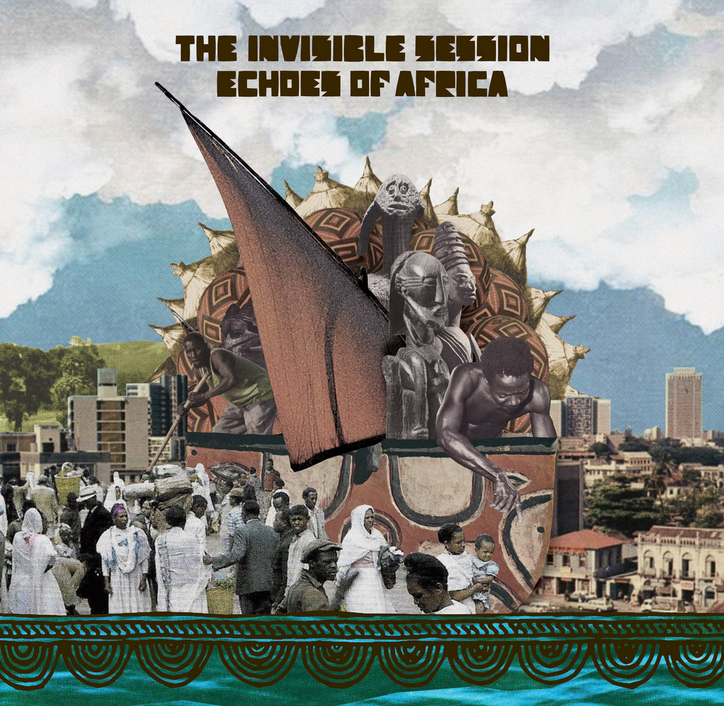
The very first sounds you hear on the long awaited follow up to The Invisible Sessions last album in 2006 are those of an aircraft touching down on the runway, somewhere between a straddled geography of Lagos and Addis Ababa. From then on in those compass points of inspiration permeate the collective’s first album for the newly launched Space Echo imprint.
An odyssey across the motherland, The Invisible Sessions instigator Luciano Cantone (also the co-founder of the Schema label) is joined by the multi-instrumentalist and trombonist Gianluca Petrella, poet, rapper/MC, lyrist Martin Thomas Paavilainen, and a host of respected players on this respectful homage to African music, culture and consciousness. A congruous display of riches, from Egypt 80 Afro-beat epiphany to trinket shimmering spiritual jazz, the extended ranks of this group benefit from the stirring spindled and spun weaving of the Gambian kora maestro Jalimansa Haruna Kuyatech and the rhythm setting Ethiopian drummer and percussionist Abdisa “Mambo” Assefato.
In the intervening years, busy with other projects, running a label and sow forth, Cantone has taken note of all the world’s ills and woes, from BLM to the climate change emergency: two themes that dominate what is a loose drift, limped and brassy heralding strut through the continent’s rich musical heritage. Ethio-jazz, and more specifically, the vibraphone spells, reverberations of the iconic Mulatu Astake inspire tracks like the bandy, bendy guitar lolloping reggae gait motioned ‘Journey To The East’, the more quickened, sprouted ‘Breathe The Rhythm’, and the Addis Ababa version of The Shadows casting dreamy vibrato and twanged shapes over the city ‘Entoto’. Elsewhere it’s a fluency of Kuti and Tony Allen that is suffused throughout the simmering upbeat ‘West Island’ and funkier, skipping, knowing ‘Pull The Handbrake’. Both of which also evoke hints of Orlando Julius and The Heliocentrics recordings.
It’s soul music that sumptuously seeps into the tunes with either a conscious stream of narration or repeated silkily voiced enforced message of social commentary action. In that mode there’s the Issac Hayes in Africa, or even a touch of Curtis Mayfield and The 4th Coming, echo-peddle dreamy ‘Ideas Can Make The World’, the Undisputed Truth affirmation, horns rising ‘People All Around The World Can Make It’, and Gil Scott-Heron (at a pinch), earthly plaint ‘Mother Forgive Me’. Paavilainen is joined in his loose style of spoken wake-up calls, despair and half-sung laments by fellow stateside vocalist Joyce Elaine Yuille, who shadows, harmonizes and wafts along.
A conscious ark of funk, jazz and soul; a homage and thank you to a continent that has heard, inspired Cantone and his sparring partners, Echoes Of Africa is a travelogue of protestation, spiritualism and love performed by a most impressive tight unit of African music acolytes.
Don Cherry ‘Cherry Jam’
(Gearbox Records) 26th February 2021
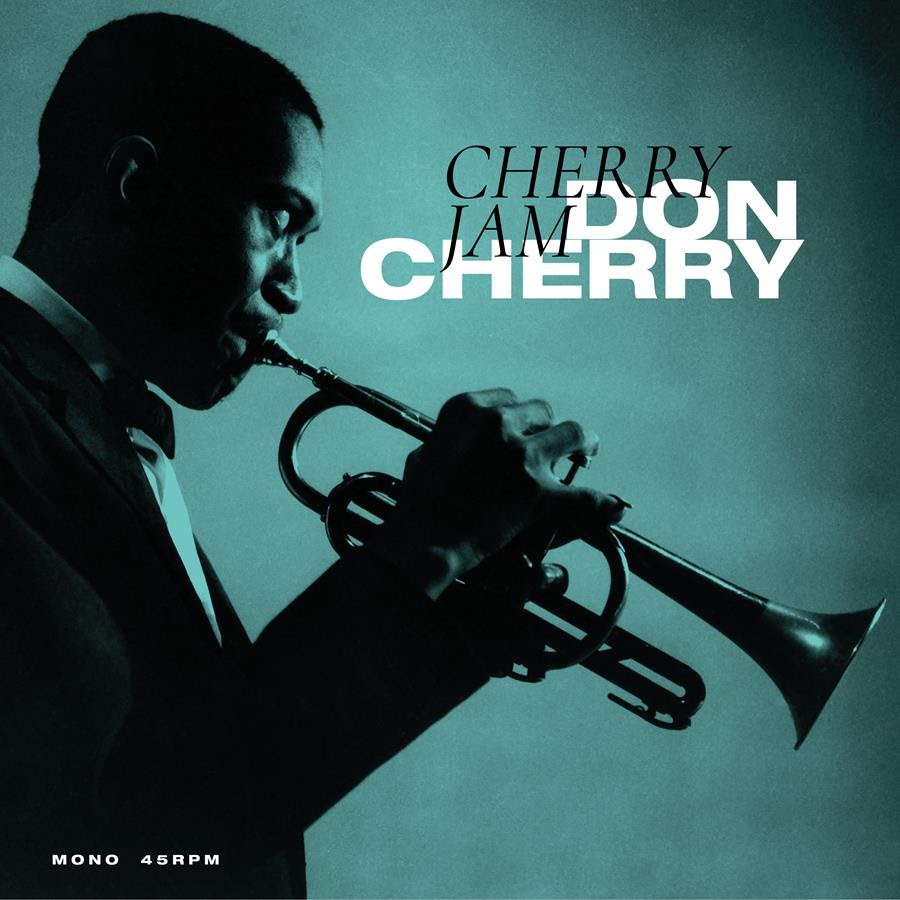
On his way to becoming the restless musical nomad of jazz lore, the mid 1960s Don Cherry was already well acquainted with Scandinavia, especially Denmark. The burgeoning trumpeter and cornet star played in the country’s capital of Copenhagen in ’63 with Archie Shepp, and in ’64 with Albert Ayler before returning in the pivotal year of ’65 to record a quartet of original and standard performances for Denmark’s national radio station. Though often dismissed by cats like Miles Davis for a lack of technical proficiency, Cherry’s constantly evolving visceral style had gained him an envious apprenticeship, partnering up as a foil to a litany of be-bop, hard-bop and free jazz doyens: from Sonny Rollins to John Coltrane and Ornate Coleman, appearing in the pioneer’s groundbreaking Shape Of Jazz To Come quartet of ’59.
Just a short time from releasing his first album as band leader – the “landmark” Complete Communion for the prestigious seal-of-approval Blue Note – Cherry once more found himself in the northern European hub of jazz, collaborating in a jam session mode with the Danish pianist Atli Bjørn. It was this set up and communal that attracted local attention, leading to the session recordings that until recently lay dormant in the radio station vaults: only ever heard when first broadcast over the airwaves in ’65.
Those sessions was collected together as the Cherry Jam EP by Gearbox Records;originally for Record Store Day. Now in 2021 and to tie-in with the recent opening of offices in the land of the jazz obsessive collector, Japan, the label is making this record more widely and worldly available – previously part of the Japanese Edition series that GB launched exclusively for the far east.
Mastered from the original tapes and showcased in the label’s customary well-furnished style and linear notes, this four track EP is neither wholly rehearsed nor spontaneous in the way it sounds; capturing as it does a still reasonably tethered Cherry, yet to completely immerse himself in those out-there traverses and world fusions.
Working with the Danish quartet of tenor saxophonist Mogens Bollerup, double-bassist Benny Nielson, drummer Simon Koppel and the already mentioned, and future Dexter Gordon foil, Bjørn on piano, Cherry toots, pipes, trills and spirals through a trio of his own compositions and the Broadway legend Richard Rodgers alternative, sassy stage ballad ‘You Took Advantage Of Me’.
In an expressive, playful mood Cherry and his troupe provide a disarming, bluesy rendition of ‘The Ambassador From Greenland’ – written by Cherry in his youth. Too light to be bumbling, there’s a certain hang low like noodling, descending feel to this one. The sax and cornet almost override, bump into each other at certain moments, with even a few muffed notes and a piano style that moves between stage and striking, struck high notes.
The second Cherry original, ‘Priceless’, has a bop-like swing to its jamming candor. Duel horns contort, swan and blurt as the drums bounce and double-bass runs away with it. Everyone gets at least a spotlight opportunity on a track that sends the listener back to NYC. ‘Nigeria’ is the most obvious example of Cherry’s Marco Polo spirit of embracing international sounds: a more freely flowing bluesy performance that saunters along to Afro-Cuban influences.
To finish it off, the cover of Rodgers stalwart theatre number is soulfully handled, the playing like a sort of mating-call serenade: a dinner jazz sorbet.
There’s nothing especially dynamic about this captured performance, but as a lost recording chapter in the development of Cherry’s time in Denmark and his craft it is an intriguing link in the story; and a testament to the icon’s abilities in the run-up to his first album as a band leader.
Omar Khorshid ‘With Love’
(Wewantsounds) 26th February 2021

It seems there were few styles the dashing and tragic Middle Eastern hot-trotting Omar Khorshid wouldn’t weave into his Egyptian imbued guitar-led music; from the cinematic to rock and roll, Arabia to the giddy spindled Hellenic chimes of Zorba the Greek.
As it would seem in the land of his birth, most of Egypt’s stars diversified as matinee screen idols, singers, musicians for hire, and Khorshid was no different; pursuing a career in the film business before dying in a motorbike accident at the age of only 36, in 1981 – apparently speeding down Giza’s El Haram Street, his pillion passenger, the third of four wives, Dina miraculously surviving the head-on collision with a pole.
Born in 1945 and wasting no time in picking up the violin and piano, it would be a third instrument, the guitar that would make him famous. By the mid 60s he had attracted wide attention as part of the Western-influenced, pop(ish) act Les Petits Chats, invited to play with fellow compatriot and legend Abdel Halim Hafez, who in turn led him to the country’s most celebrated, accomplished and rated of divas, Umm Kulthum.
A new decade brought civil and international strife for Egypt and its neighbours: war with Israel, the oil embargo. Khorshid upped and left the homeland for the Lebanon in ’73, where he began recording records for the Voice Of Lebanon and Voice Of Orient labels. As peace was finally agreed between Egypt and Israel later that decade, the Egyptian president Anwar El-Sadet invited the roaming guitarist to play at the celebrations that came after the famous Camp David peace treaty, taking part at the White House. For a brief time during that same period he hopped over into Syria, where he acted and soaked up even more musical influences, before once again returning to his roots in ’78: the year that this instrumental classic, now remastered and reissued for the first time on vinyl by those Arabian specialists Wewantsounds, was originally released.
A rich tapestry of Egyptian and extended Arabian fusions, With Love offers up a serenade and desert-romance camel led caravan of transformed timeless cover versions from some of the regions greats. Mohamed Abdel Wahab’s ‘Ahwak’ in the deft hands of Khorshid sounds like some undersea enchantment with its mermaid-like sung aria high quivers and submerged production. But then just when you think you have this song pegged, this beautifully ethereal composition suddenly comes up for air in a sort of Joe Meek version of Egyptian rock and roll.
An interpretation of Farid El-Alrache’s ‘Hebbina Hebbina’ (a favourite we’re told of Eno), with its tambourine trinkets, heavy flange and galloping tremolo, could be an Arabian Shadows. Whilst the Rahbani Brothers’ ‘Rahbaniyat’ slides towards rattled hand drums, synthesizer laser bobbing Arabian disco.
I’ve already referenced that famous Greek signature evocation, ‘Zorba’, which Khorshid plays with dizzying skill, spindling that original into a sort of mix of Anton Karas zither and an old fashioned fairground ride. Unfamiliar as I am with much of the remaining material, ‘Habibati’ saunters and trots between romantic thriller and a Wurlitzer matinee soundtrack, and ‘Beyni Ou Beynak puts vibrato siren like spooks amongst cult Italian 60s cinema.
Almost at odds with the times it was made, yet ahead in adopting subtle hints of synth and Western musical influences, this gift from the Egyptian icon swoons in and out of the decades that preceded it. With Love is a dreamy fantasy of balladry, surf-y twanged cult rock and roll and film scores; an Arabian adventure amongst the sand dunes and Cairo discothèques that serves as a showcase for an artists able to flip between Mambo, music hall orchestration, the blues and even psychedelic. A tribute to an Egyptian musical innovator that can now, at last, be yours to own.
His Name Is Alive ‘Hope Is A Candle: Home Recordings Vol.3’
(Disciples) 12th February 2021
His Name Is Alive with the sound of beatific abrasive reversals on the third such collection of untethered incipient sonic renderings from Warren Defever’s creative process archives. Part of a much wider survey of the prolific HNIA appellation Detroit artist, producer, engineer and remixer that now includes (with this latest volume) a trio of albums of home-recorded developing material, Help Is A Candle features much of the nucleus of music that was duplicated on the “infamous” tape that first caught the ear of Ivo Watts-Russell, leading to a seven album run for the 4AD label in the 90s. Elements of which were reworked for the album Livonia: the title a reference to his birthplace in Michigan.
Circulated in a bootleg form for many years, Defever now showcases this archival scrapbook of sonic ideas in a new light; remastered from the original tape reels so that the quality now shines through.
Guides, impressions and slowly, gently unfolding, the candle light is never in danger of blowing out as atmospherics and ascending tones emerge from blessed post-punk ambience and industrial, coarser reverberations. You’re going to hear many comparisons to both This Mortal Coil and The Cocteau Twins, and that’s more than fair. But much of this material remains cut adrift of either example, neither dissonant nor vaporous. Traces and lingers of familiarity offer a semblance of Daniel Lanois, Eno, and the collection’s most caustic, sharpened knife cutting reversal of dark matter, ‘Halo’, evokes a vision of a fuzztone Hendrix as lead guitarist in The Telescopes.
Murky, lurking moods sit alongside tingled enchantments and even country music ragas, as hints of rattled, transformed hand drums, spindled zither-like spiritual crystal shimmers, slapped and crying, waning bass guitar and mechanical tic-tocking devices resonate.
Envisioned as his very own Reichian Music For 18 Musicians, though falling short at the first hurdle having few friends let alone 18 to enact such a grand scale performance, Defever instead contributed to developing a rafter of music scenes off the back of his 80s home recordings. You can hear the seedlings, inspiration in the work of artists as diverse as Godspeed You! Black Emperor, Dean Blunt, Inga Coupland and Land Observation. It’s no wonder he was on Bowie’s radar and playlist.
Following on from All The Mirrors In The House and Return To Never, and part of a greater light shedding exercise in evaluating, elevating Defever’s formative experiments, Hope Is A Candle is subtle and minimal. This album points the way to some of the more developed pieces in the series. It works though as a showcase for the visions to come; tracks that you can take a lot away from; tracks that evoke; tracks to mull over.
Camera ‘Prousthuman’
(Bureau B) 19th February 2021

Third, fourth generation disciples of Krautrock, the decade-old Berlin instigators of “guerilla” tactic performance art-rock Camera once more shed band members for a new intake (well, partly) of idea-bouncing reciprocators on the fifth studio album, Prousthuman.
With all the connotations and baggage that title’s titan of prose holds, the newest conception of the trio thrash, jerk, limber and lollop through familiar influences in the Teutonic cannon. Anchored by the only original, remaining, founding member Michael Drummer, Camera moves away from the dual keyboard dynamics of the previous album (Emotional Detox) for a more squealing, flange and phaser swirled new wave, psot-punk and even C86 guitar suffusion. Drummer, who unsurprisingly is the band’s drummer, but also weighs in on the guitar riffs, ropes in the composer and musician Alex Kozmidid as a six-string sparring partner. To finish this trio off and informally first joining Camera for their 2017 USA tour as a performance and video artist, Tim Schroeder unveils a talent for the synth.
Locked down in self-isolation for at least some of the recording sessions and jams for this latest Krautrock replica, the trio’s methodology and process has obviously been affected by the raging pandemic. Rather then claustrophobic, the latest chapter contorts or glides out of confinement in the search for space, room. Even when coming on like the sound of Island Records ’79 new wave meets the Gang Of Four, Wire and Neu! on the opening guitar squall and no-wave disco hi-hat action jam ‘Kartoffelstampf’ (that’s “mashed potatoes” in English).
They’ve already changed the timings and mood style by the album’s next track, ‘Alar Alar’; bounding to a stretched quasi-dub gait that also features the drifting melodies of something Egyptian or Turkish: plus loads of dial bending Kosmische fun.
It’s a soundtrack that weaves motorik Klaus Dinger with the solo Kosmische scores of his brother Thomas; the Au Pairs with Sky Records’ greats; Dunkelziffer with Holgar Czukay; and Faust radio broadcasts with Cluster and early 80s Tangerine Dream soundtracks. Though at its most spiky, wrangling and fuzzy, tracks like the buzzy ‘Schmwarf’ mash NIN with Kriedler and Can. Skying in synthesized harpsichord mirrored circles, grinding out a submerged woozy and gauzy dream envelope, and tuning into old frequencies, Camera emerge from their basement studio and the pandemic with a brilliant and knowing post-punk-krautrock-kosmische trip.
Mapstation ‘My Frequencies, When We’
(Bureau B/TAL) 26th February 2021
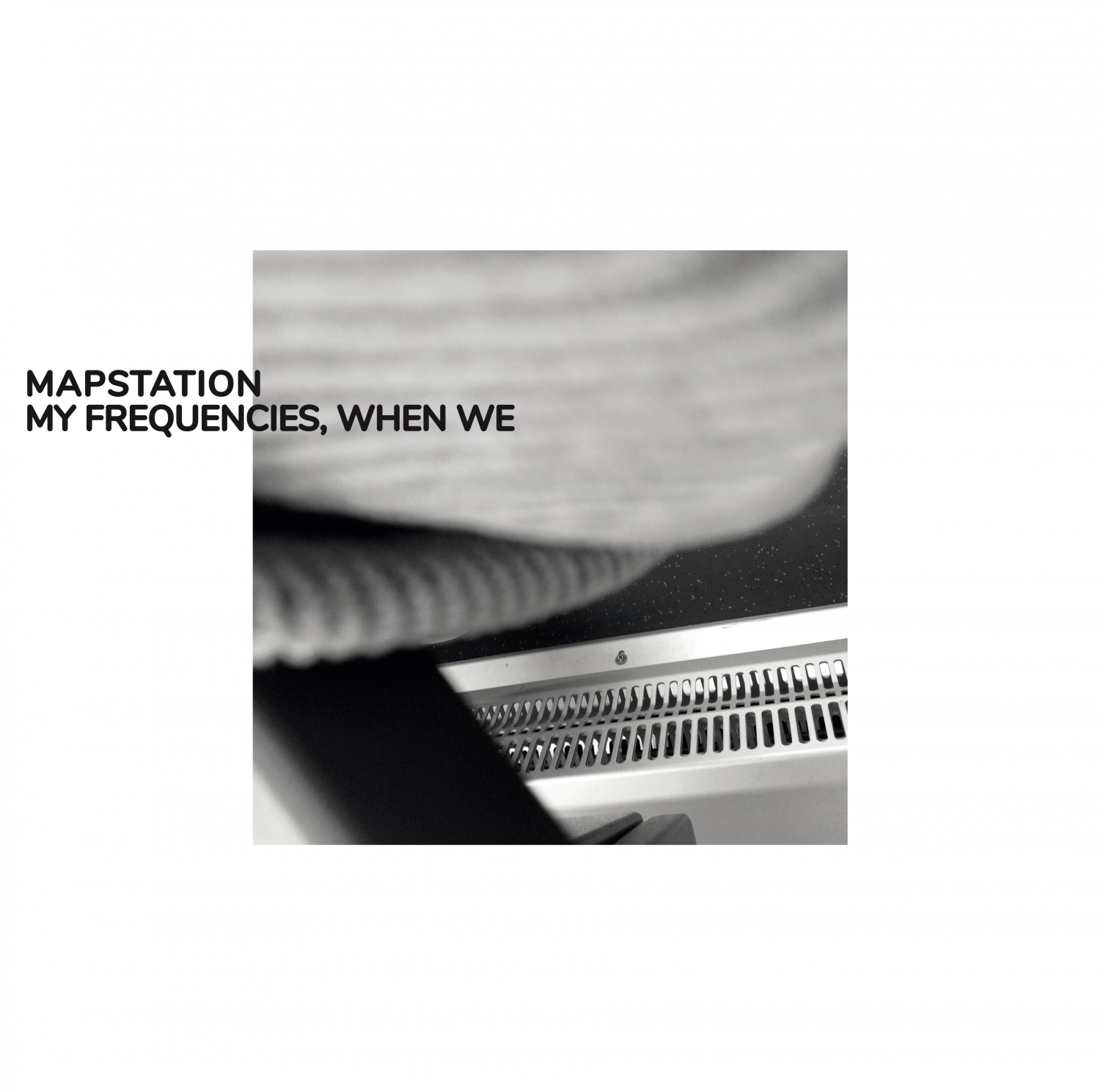
A second album on the Bureau B imprint roster this month that benefits from and taps into the Hamburg label’s ever-expanding catalogue of Kosmische and neu-electronica explorers: even some of the form’s progenitors, from Roedelius to his early foil Conrad Schnitzler. Both of these doyens can be heard permeating this, the 8th album under Stefan Schneider’s Mapstation alias, the former, prolific soloist and co-founder of the Kluster/Cluster/Qluster arc and mini Kosmische supergroup Harmonia, Roedelius even paired up with Schneider for an eponymous entitled collaborative album in 2011: A very congruous union as it turned out.
The Düsseldorf artist and label honcho (running the Tal label) channels that Kosmische first, and second, generation influence on a highly sophisticated minimalist traverse if Sci-Fi, futuristic and tubular metallic looping and warping environments. An album for the times we find ourselves in – at least methodology and production wise -, for the first time in years Schneider flies solo. This stripped down, undulated pulsing and rhythmic album is marked by an absence of collaborators and guests.
Simplification is key it seems, with Schneider aware that the intensity of some of his past productions may have got lost in the enthusiasm to add too many instruments and sounds. My Frequencies, When We then is very considered sparse production of lo fi futurism; rich with reverberations, signals, squelches and the chiming acid-techno rings of early Warp Records, 90s Seal Phuric and Kreidler; even touches of Matthew Dear and a stripped Boris Dzanck.
On the opening mused ‘No No Staying’ Schneider adds Eno-esque hushed voices to a pared down form of techno. Whilst tracks like ‘My Mother Sailor’ evoke images of Tangerine Dream standing in front of a large patch bay apparatus, plugging leads into various holes as gaseous and reversed loops swirl around them. Elsewhere you’ll hear the motor buzzing hum and throb of Affenstunde era Popol Vuh, synthesized bells, 808 drum machine pre-set percussion, slithered electronic magnetics and Schneider’s whispered underpass anxieties about the, now distant, movement, bustle of cities.
I’d suggest that Schneider has found a good balance in creating intensity, and setting moods with a more sparse, minimalist intelligent sound. Lean but just as expressive, this new Mapstation album might be amongst his most sagacious and sophisticated; a coming together of various strands in the electronic music sphere that soundtracks the current emptiness and unsure atmospherical moods of the present.
Julia Meijer ‘The place Where You Are’
(PinDrop Records) 26th February 2021

A consolidation if you like of recent singles and the self-titled song from the debut album, Always Awake, the Swedish singer-songwriter and guitarist’s latest EP seems a good opportunity to catch up with Julia Meijer’s tactile songbook.
From glacial enormity to the more intimate; the hymnal to indie-pop; Meijer has proved a very interesting artist over the last few years, and this showcase offers a full oeuvre.
The glimpse into a dream EP opener is sparse but full of depth and moving atmospherics. It’s a lushly conceived slice of folk and pop, with Kate Nash-esque tones and an air of Fairfield Parlour about it. Next we have the first of a couplet of singles to feature ex-Guillemot and regular foil Fyfe Dangerfield. ‘Under Water’ is submerged in a suffusion of both lulling and sighed harmonies, dreamy undulations (again) and splashes of cymbal. The song melts between two rhythm signatures on a snorkeling meditation beneath an aquatic expanse.
Scandinavian illusions are cast on the EP’s third song ‘Skydda Dig’; a song originally even more intimate, performed as a solo live that’s now given a steady and minimal augmentation by guests, guitarist Andrew Warne and bassist Jamie Morris, who actually turns to the keyboard for this recorded version. A protective plaint theme wise, Julia’s Swedish evocation resonates with haunted sorrow and almost otherworldly trembles as turns over a sort of late 80s, early 90s, American indie riff.
The finale, and second song to see Julie accompanied by Dangerfield, ‘The Place Where You Are’ expresses loss to an ebb and flow of subtle organ and Irish folk lament. Beautifully conceived as ever, flowing between a never world of dreams and indie guitar music reflections, Julia’s latest showcase serves her talent for experimenting without the loss of melody and songwriting craft well. I recommend you seek her back catalogue out.
Obay Alsharani ‘Sandbox’
(Hive Mind Records) 19th February 2021
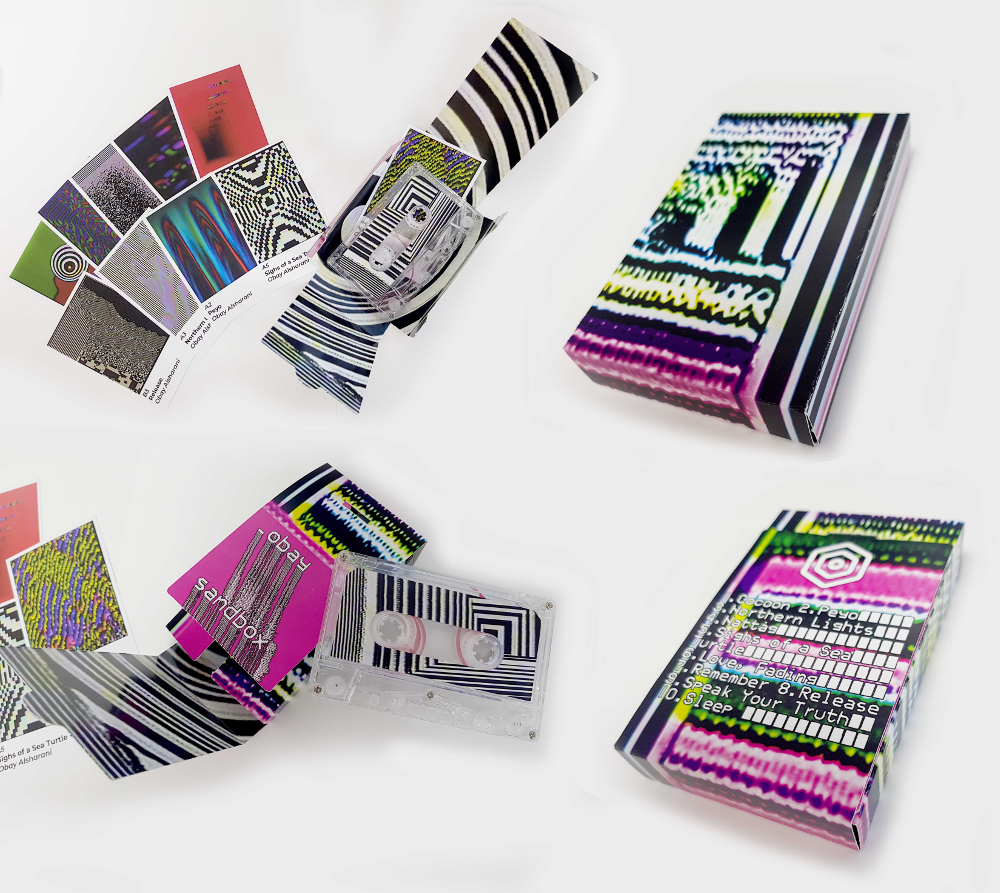
Finding solace and escapism in equal measures in the colder Baltic air of Sweden, Syrian migrant and beat-maker Obay Alsharani, forced to leave behind the chaos of an imploding homeland, takes in the awe and beauty of his Scandinavian refuge on the debut album Sandbox.
For despite a background in composing lo fi productions of dusty Arabic samplers under the Khan El Rouch moniker, Obay now reaches out into more glacier tonal ambient soundscapes; finding sanctuary in icy snow-covered and woodland gladded environments on an album geographically remote from the heat and sandy horizons of the Middle East.
It’s good to hear a success story in the convoluted tumult of the Syrian crisis. A decade on from the civil war that has now engulfed almost the entire region, and grown into the most complicated of proxy wars, Syria’s ruling Bashar al-Assad regime may yet collapse due to an economic fall out prompted by neighbouring Lebanon and the catastrophic failure off its government and banking crisis. As it stands, and now with the global pandemic just another tier of burden upon a region and population that’s suffered beyond any of our imaginations, Russia now has that foothold it always wanted on the Mediterranean coastline of Syria; Turkey has widened its own borders, unopposed in threatening the Kurds in the south, who are fighting for autonomy; and ISIL have been all but beaten, with fragmenting survivors scurrying away to spread panic and their death cult into Eastern and Central Africa. Those resistance groups that grew from the oppressive clamp down by the Syrian government remain in small clusters, holding on, whilst Iran without its nebulous mastermind and death-bringer general Qassim Suleiman, remain in the area holding up Bashir’s regime.
The fallout has resulted in eye-watering numbers of displaced people, with more than six million Syrians forced into neighbouring safe havens or further overseas into Europe and North America. Obay gained a lifeline himself through a scholarship in Sweden, leading to an extended period of stay in refugee accommodation in the far north of the country. After finally gaining a permanent residency, Obay was able to resume his music, whilst also experimenting with visual art (providing the colourful-feedback cover art for the limited edition cassette format of his debut album).
Branching out sound wise, Obay now captures the breath-taking spectacle and calmness of his new home. Literally, those breath-chilled winds of the far north can be heard channeled through often majestic, gliding and crackled static textured ambient suites: all of which evoke a certain stillness and sense of spaciousness. Less sandbox and more Artic, frozen tubular and piped notes, haunted but lovely church music and icicle-like droplets drip, drift and are cast across a snowy pine-covered land as the Northern Lights shimmer and play with the refractive light overhead. ‘Release’ evokes a far breezier scene though, out on the porch of some woodland cabin, with birds chirping away in the noisy movement of branches and leaves. Added to this weather recording are glassy piercing bulbs of synthesized music and what sounds like a lingering electric-organ. From coarser static grains and blowing, to soft bellows and concertinaed wisps, and even a bestial landscape of unidentified wildlife, Obay subtly creates a moving scenic and reflective study of a very different horizon to the one that he was forced to abandon. It sounds as if the Syrian beat-maker turned assiduous composer has at least sonically found a semblance of solace and a safe environment in which to reflect and heal. Music almost as therapy, Sandbox without any context is really just a deeply affected fine example of minimal and ambient mood music: A most beautiful conception.
Hi, my name is Dominic Valvona and I’m the Founder of the music/culture blog monolithcocktail.com For the last ten years I’ve featured and supported music, musicians and labels we love across genres from around the world that we think you’ll want to know about. No content on the site is paid for or sponsored and we only feature artists we have genuine respect for /love. If you enjoy our reviews (and we often write long, thoughtful ones), found a new artist you admire or if we have featured you or artists you represent and would like to buy us a coffee at https://ko-fi.com/monolithcocktail to say cheers for spreading the word, then that would be much appreciated.
 Monolith Cocktail Blog