THE MONTHLY DIGEST INCLUDES A CLUTCH OF ACCUMULATED NEW MUSIC REVIEWS; THE SOCIAL INTER-GENERATIONAL/ECLECTIC AND ANNIVERSARY ALBUMS CELEBRATING PLAYLIST; AND CHOICE PIECES FROM THE ARCHIVES.

____/THE NEW__
The Winter Journey ‘Graceful Consolations’
(Turning Circle) 31st January 2025
Never truly lost as such, The Winter Journey coupling of Anthony Braithwaite and Suzy Mangion’s Graceful Consolations songbook was originally recorded between the years of 2011 and 2014 with the producer Pete Philipson, but for various reasons more or less kept on hold, shelved until emerging nearly fifteen years later: a full eighteen years after the duo’s debut, This Is The Sound Of The Winter Journey As I Remember It.
It matters not, as their music and quality, their close beautified and more breezy, summery and continental-style filmic soundtrack “ba ba ba-da bas” harmonies are timeless. So timeless, or I should say absorbent and imbued by influences from across the centuries, that the title-track and single was recorded on an Edison phonograph: A turn of the century yearning from the ancestors, effected by the decaying scratchy crackles of a bygone age, the aching heart of yore proves felt and emotionally engaging in our hectic, technological gripped present. The familiar is slightly rendered a little more mysterious, enigmatic, and yet appeals to our sense of the recognisable tropes of ageing, and the time-old philosophical questions of remembrance and holding onto memories as age inevitably takes its course and dulls our senses and recall. What if those memories, for example, never truly existed but were only conjured up in our own magical imaginations? With a touch of melancholic resignation to the fates, the gaiety of innocence, the thrill of a “downhill” rush either on a sleigh or a bicycle – to freely play a game of racing without consequence – takes on the rusted hold of loss: in the case of the opening drum-brush and dusted and plaintive-turn-more-airy Michal Legrand Thomas Crown Affair-like soundtrack “ba’s” ‘Downhill’, the message could be ‘don’t lose that innocence, hold on to childish abandon’. Incidentally, as with their previous inaugural album, the scope of influences, the mix of styles is sophisticated and softly varied: from tapestry-woven and English troubadour folk to full-blown fuzzy indie, quaint tearoom spirituals, turn of the last century faded and sepia wax cylinder recordings played in a Victorian drawing room, cult(ish) soundtrack songs and moods from the 60s, and country music. And ‘Downhill’, to my ears anyway, has the air of Fairfield Parlour.
Creating stories, moods, their own elaborations on a familiar sounding landscape, playing with a timeless quality, harking back but then travelling forward into the present, the duo could be said to be putting to music the playful and elaborate storytelling of the iconic French writer Georges Perec. Borrowing the title of his most republished short story, The Winter Journey is a cofounding work, a novel within a novel, or “hyper-novel” if you will; an idea with multiple readings that has been elaborated upon and extended, and sent off on increasingly bizarre tangents by members of the loose French writers group, the Oulipo (an acronym of Ouvroir de Littérature Potentielle or “Workshop for Potential Literature”), of which Perec was the most famous and prominent member. Most recent editions have grown with these additional tangled fantasies, but the central story is set – at first – on the eve of WWII and recounts the discovery of a great literary masterpiece that conceals a scandalous secret at the heart of the whole of modern French literature. Every aspect of literary history will have to be rewritten. But the war eventually encumbers this task, and it is lost forever. Perec is a genius: no argument there. But I’ve been befuddled by his most famous work Life: A User’s Manual, gifted to me by my good friend Jeremy Simms – married to one time contributor to the Monolith Cocktail, Ayfer Simms. It is an incredible book, and must have been an influence on Wes Anderson, with its quirky inventiveness, encompassment of whole fictional life stories, systems and cyphers.
Whilst conjuring up an English setting – the only exception being the made-up town of Bedford Falls – the all-American set for It’s A Wonderful Life of course -, Anthonyand Suzy use some of those novelist tools and methods in occupying the scenes, the emotional pulled states and dreamt-up wistful and more heartachingly beautiful observations on life, remembrance and faded recollections. The picturesque Cornish cathedral city of Truro for example encompasses this poetic, literary device with a fragility and grasp of weepy romanticism and poignancy, to a twinkled and yearning sound that is one part Barque Rolling Stones, one part Chuck and Mary Perrin.
In the act of holding on to what can be recalled, they evoke traces of Noel Harrison, Serge Gainsbourg and Bart Davenport (especially ‘Billionaires’) on the disarming ‘The Way That You Are’, Mike Nesmith and Jerry Fuller on ‘Late Night Line’, and Mark Watson and Midwinter on the plaintive ‘English Estuaries’. But that doesn’t tell the whole story of this endearing and moving songbook, which feels like a musical version of a lost but thankfully retrieved photo album, for the harmonies alone are impressively ethereal, delightful and even at times bubbly, and the music, as sensitive and soft as it is (until reaching the more darkly-lit, low electric-guitar moody and esoteric ‘Bedford Falls’ and the geared-up, buzzy electrified and motorik ‘The Years’), really pulls at the heart strings throughout. Moving congruously between moods and musical styles, from brushed skiffle to Sister Adele Dominque, The Music Tapes, Tudor Lodge, Io Perry, Lal Waterson and Hands of Heron.
This is a work of art, an album that truly demands your full attention and immersion: for which it will pay dividends. Truly delightful and equally moody, poignant and emotionally charged, this subtle album was worth waiting all the time for: I can see it easily making (yes, I’m aware it’s only January) most end of year lists; it will certainly be in mine.
Christopher Dammann Sextet ‘If I Could Time Travel I Would Mend Your Broken Heart aka Why Did The Protests Stop’ (Out of Your Head Records) 7th February 2025
Statement issued, the burning question not really waiting to be answered – hence the absence of a question mark -, the Chicago bassist, composer and improviser of renown Christopher Dammann signals – if the critics and liner notes are right – his arrival.
Already well-established in the city, hot-housed and imbued with all it has to gift and offer in the mode of jazz, Dammann will be familiar to many as both a member of the 3.5.7 Ensemble and as the leader of Restroy. But it isn’t until now that he’s felt comfortable to put his name up front; leading out an aspiring sextet of congruous musicians from both inside and outside the Illinois area.
Vitally important to both his story and his scope of influences, Dammann’s sound can’t help but be shaped by the late great tenor sax Chicago luminary and progenitor, Art Ensemble of Chicago, Muhal Richard Abrams and Matena Roberts sideman and band leader Fred Anderson. Rightly anointed by the scene as both a pioneer and mentor, Anderson famously took over stewardship of the city’s Velvet Lounge, turning it into a bastion of free jazz and experiment, giving the spotlight to aspiring newcomers like Dammann, who was given a monthly slot at the club in 2009. Something must have rubbed off, because Anderson’s spirit and his membership of that most famous of Chicago institutions, the Association for the Advancement of Creative Musicians, is awakened on this debut album from Dammann’s assembled sextet. That and a hundred other possibilities of cross-generational time traveling embraces, with echoes, hints, invoked and transformed traces of smog-horned Chicago and NYC skyline jazz from the 60s and 50s, the sound of pleaded and aching, rising activism from the civil rights movement years of the 60s and 70s, and the collective sounds of the AEoC, the Pan Afrikan Peoples Arkestra, Albert Ayler (I’m specifically thinking of Change Has Come), Bill Dixon, Max Roach, Coltrane, Harold Land, Sunny Murray, Cecil Taylor and Coleman.
Taking double-bass strides, or flexing thickened thwacks, spanning between octaves, straining and even evoking a bowed cell at times, Dammann sounds like a mix of Gary Peacock and Niels-Henning Ørsted Pedersen across six serial pieces that counterbalance a range of possibilities with more placed, deep readings of the material.
Joined by the horn section of Edward Wikerson Jr. on tenor sax and alto clarinet (tuned to Eb I believe), Jon Irabagon on alto sax and James Davis on trumpet, and drummer Scott Clark and pianist Mabel Kwan, the action moves between near despondency, the plaintive and tumultuous and freeform. An incredible mix of abstract expressionism, the conscious, elegiac and pained, with resignation ringing in the titles, let down by the momentum of protest, overtaken by the next trend and cycle of worldly events that constantly knocks the previous fury off the radar. But these are desperate times, and evoking such idols as Sam Rivers, Sharrock, Sun Ra and Marshal Allen this concentrated effort of players sound a funeral march, quick, hot step across cracked pavements, and travel through the looking glass of time.
There really is so much going on at any one time. Which isn’t to say it’s ever cluttered or a mess or even too chaotic, as every instrument can be heard, every idea formed audible, and even when hitting a discordant plonk, plink, shrill, honk or squawk sounds far from hostile and abrasive.
With elements of free/hard/conscious/classic jazz, the blues and more avant-garde, If I Could Time Travel I Would Mend Your Broken Heart aka Why Did The Protests Stop reacts to the times, but also pulls on a lifetime of musicianship to create a mature and dynamic work of art. The wait it seems really was worth it, as Dammann makes the record with the band he always aimed and wanted to.
Joona Toivanen Trio ‘Gravity’
(We Jazz) 31st January 2025
Untethered from the Earth, suspended and hovering or floating in “zero gravity”, the thoroughly experienced and three-decades running trio of jazz pianist and bassist brothers Joona and Tapani Toivanen and drummer Olavi Loukivuori, build upon a sixth sense of synchronist discovery with their latest album.
Snatching time (just a couple of days) between dates on tour, the Finnish bred but Nordic scattered trio retreated to the Finnish country idylls located Lammaskallion Audio studio to reconnect and venture ever forward progressively with their artform of experimental jazz. Friends since childhood and musical foils since the late 90s and early 2000s, the trio could have either become jaded, a little grey around the edges, but in this evergreen if frosted and snow-covered (all so the weathered landscape that they imbue and channel at times sounds like) geography they both bound into the unknown and slowly, mindfully and descriptively find something new to say, to amplify and moodily conjure up.
Almost extemporised in method, and despite the years of growing accustomed to each other’s sound and instrument dexterity, they fold, manipulate and bend an unspoken, unwritten unified spirit into something challenging. And yet, nothing ever feels strained or out of place as they pick up a variety of different instruments and feel out a new or different explorative sound. After all, it can’t be easy to find something refreshing to sound out when your debut (Numurkah) was released twenty-five years ago.
Akin “to going through a diary that’s written at an extremely slow pace” is how Joona himself describes the compositions, or performances, on this incredibly intuitive album of possibilities, memory and environmental gazes, wonder and more bluesy-style ruminating. A dairy that seems to include entered stirrings of alien soups and lunar bends, mystery, a blue greenery, hallucinatory and airy. It all begins with a gust of wind blowing through the studio tubes, both neoclassical piano strikes and patters, shivered cymbals and the tinkling frosty essence of winter on the opening title-track. It’s reprised later as ‘Zero Gravity’, but with a feeling that’s dreamier and more drifting. Both tracks sound less jazz-like and more Kosmsiche. But the next track, ‘Static Model’, evokes a Spellbound Hitchcock vision of Cage performing with the Art Ensemble of Chicago and Gyula Csapó. A calculus, a pattern data that’s elastic is combined with a removed version of Stravinsky and metal textural percussion and long bells and utensils.
It could be Cecil Taylor on the sifting and splayed brush worked ‘Intersect’, and Oscar Peterson on the sticks drummed suspended-then-tumbled rhythmic and effected, filtered double-bass ‘Implications and Consequences’.
But some tracks make gestures towards subtle electronica, and the already mentioned Kosmische-like influences, with the current-charged ambient sounding ‘Horizons’ reminding me of both Simon McCorry’s experimental cello-electronic peregrinations and Andrew Heath’s “lowercase” Roedelius-like piano work. ‘Rotating Dust’ meanwhile, does little, title-wise, to evoke anything but an inconsequential observance but musically conjures up through the use of synth oscillations, drones and modulations the troubling drone and looming presence of alien craft. After a period, you can pick out the pull of bass strings and stark but tinkled piano motifs amongst the atmospherics.
Serious and yet playful enough to encompass more light breaks of toy piano – perhaps a reference to that trio’s shared history, meeting as they did back when they were just seven years of age – Gravity is an exemplary album of longevity and freedom, with a timeline reference that shifts between the past and future yet unwritten. On the strength of this record, they should make more music that’s spontaneously snatched during forced breaks. Already one of the finest jazz albums of the year.
Omar El Shariyl ‘Music From The East’
(WEWANTSOUNDS) 31st January 2025
As part of the WEWANTSOUNDS vinyl repress and reprised specialists’ revival of valuable and sought-after LPs from the 70s and 80s, another prized treasure from the Egyptology department is being made available for the first time. Following up on releases in the series from the land of the Pharaohs by such icons as Farid el Atrache, Warda and Omar Khorshid (in-between new acts and cult nuggets from Japan, the no wave scene of both Paris and NYC, and the Levant), the label takes another bite at the maverick and innovative worldly-Arabian hybrids of Omar El Shariyl.
The nom de plume of Egyptian legend Ammar El Sherei, under the Omar El Shariyl moniker the feted musician fused the traditional sounds, signatures and undeniably stirring landscaping of his homeland with Western influences and those of the Orient and beyond. You can hear this to great and playful effect on his Oriental Music LP, which WWS released back in 2020. Now four years on, and as a sort of loose companion to that shake and rattle of Arabia, the sands and Far East, you will soon be able to own the much-treasured remastered and repackaged Music From The East LP, which comes with original artwork and curated, anointed liner notes by the Lebanese-born Arabic music expert of note Mario Choueiry (from the Institut du Monde Arabe in Paris).
Hailing from the small Egyptian village of Samalot, born into a family of diplomates and MPs during the reign of King Fouad, Ammar took a very different pathway: against that family’s wishes it might be added. Blind since early childhood, he attended a special school in the Egyptian capital, where he quickly drew the attention of his teachers who recommended that he’d continue his studies, correspondence style, with the Hadley School for the Blind in America. During this time his love of music blossomed, and he learnt to play piano and several other instruments, going on to study at one point at the British Royal Academy of Music in London. From graduation to plying his trade and entertaining audiences in Cario’s bars and clubs, he quickly turned to writing for film, TV and a host of established Egyptian artists.
Originally released back in 1976 by the prestigious Egyptian label Soutelphan (founded in 1961), Music From The East marked a continued rise in fortunes creatively for Ammar. Having just signed to this favourable recording company that same year, the in-demand blind composer of over a hundred TV series soundtracks was in the mood to pay homage to fellow Egyptian legend Mohamed Abdel Wahab, a star of the screen as well as crooner, composer and songwriter, penning anthems for several of the country’s most revered icons and the national anthem for Libya (adopted between the years of 1951 to 1969, and reprised in 2011). Interpreting, in his own special way, the enduring legacy of the Cairo born innovator, Ammar used his curiosity and skills to gently marry Wahab’s original compositions with a luxuriant and sometimes playful dance of new technology; namely the Italian made, and very rare, Steelphon S900 monophonic analogue synthesizer, famously used to great effect on David Bowie’s Berlin trilogy of albums, alongside the iconic Farfisa, which graces the album cover – reminding me in part of the artwork for Hailu Mergia’s Tezeta and Tche Belew albums.
Wahab was renowned for evoking the patriotic and romantic in equal measures, a strong nationalist with rousing revolutionary verve, who, after trips abroad and stays in Paris, wove the sound of French cinema and rock ‘n’ roll with classical strains and the signature Egyptian evocations of the oud. Equally as inventive, following to some degree in his footsteps, Ammar took the same ingredients, forged with his use of keyboards and synths to further expand the scope of regional and worldly influences. One such ingredient, the use of burgeoning technology, makes for a very fun quiver, warble and theremin-like aria bendy and kitschy vibe that’s half Joe Meek and half Raymond Scott.
Once consulted by Yamaha for a project to produce synths that integrated a wide range of characteristic Arabian quarter tones, Ammar certainly knew his way around oscillators and noise generators. And at times it sounds like a stylophone being buzzingly run back and forwards over the Farfisa keys, and others, like a very subtle emergence of prog married to the trotted giddy-up and cantering shimmy and shake of the Arabian sand dunes and bazars.
I must point out at this point that the album is purely instrumental: apart from the less supernatural and more Star Trek-esque apparitional aria-like sounds on the opening Axlerod on the North African Med ‘El Kamh’.
Picking up on the rock ‘n’ roll influences, albeit brought back to Eastern Africa, ‘Abgad Hawaz’ could be a Ethio-jazz version of Bill Haley.
In a more classical vogue, ‘Maliesh Amal’ seems to fuse the Tango with the belly-dancing shimmered and trinkets shaking and hand drum percussion of Egypt, whilst ‘Eldonya Helwa’ conjures up the sword and sandal epic swoon of Alex North mixed with the Beaudoin.
The rest of the album embraces both a whimsy and romanticized musical waltz of Egypt and its outliner geography; conveying a sense of allure, dot-dash keyboard prodded and rattled goblet drummed dances, movie scenes and courtly reminisces and longing for the culture of his homeland.
The accompanying notes compare Ammar’s musical Egyptology to the work of no less a luminary and genius as Bernstein! And as someone who managed to cross cultural and class divides, appealing and able to mix with the poets, government officials and dissidents alike, Ammar’s music spoke of identity and progression. Right up until his death just twelve years ago, he supported change in the country, attending and meeting with young activists demonstrating in the capital’s Tahir Square during the initial revolutionary zeal of the Arab Spring. Far less a protestation, and a lovely melodious affable but deep reading of his fellow compatriot’s enduring themes, Music From The East is a fantastic, opulent album of hypnotising landscapes, aching hearts and Arabian dreams.
Clément Vercelletto ‘L’Engoulevent’
(Un-je-ne-sais-quoi)
They crepuscular long winged, but of short legs and a very small bill, Nightjar, is the inspiration for the luthier-made instrumental device used by the French experimental musician Clément Vercelletto on his new album of transformative nature and fluted effected forms and sounds of a more alien, amorphous and mysterious kind.
The French call it the “L’Engoulevent”, and the Welsh the “Troellwr Maws” or “big spinner”, so named for its “whirling sound”, the nightjar can be found in its many varieties throughout the landscapes of the world, offering up its own idiosyncratic call in the nocturnal hours. This whirly bird is evoked and transmogrified through the fluty flues of a unique portable organ (of a kind), made by instrument-maker Léo Maurel.
Made up of 24 outputs, each equipped with a solenoid valve that’s controlled voltage wise by a MIDI interface the device, mechanism of the album title is used to melodic transmogrifications of recognized sound sources whilst creating some strange parallel time dimension. The only prompts being the titles that reference gemstones and minerals brought back to Europe during colonial expansionist times (the multi mineral compounded “tourmaline” or “Ceylonese Magnet”), the French island of Hoëdic (which lies just off the coast of Brittany), an atavistic cultivated root vegetable (the “taro”) and art of making and production (“pieces/sewn”). Make what you will of them, for the most part the sounds, the oscillations, the filtered-like rays, the fluttered and tubular whittling and warbles conjure up a removed sense of simultaneously kinetic and naturalistic space music from off-world environments, or, more hazy and vague generated landscapes attuned with Tibetan mystique – see the bell toiled, kazoo-like chirped, soft gong resonating and dungchen-esque horn soundings of ‘Le Coeur Pourri Du Taro”.
At other times the patterns that emerge are crystalline and tactile – almost like ceramics on the rapidly speeded up dial delay tremulous ‘La Tourmeline’. And you can hear clockwork, or metronome aped measures and mechanics on the longer ambient formed ‘Hoedic Long’ – which could be the sound of emergence from low hanging wispy clouds upon the Island.
Amongst the spatial, the waves, the pulsations and synthesis the sound of swallows, thrushes and the nightjars make for a masked menagerie of voiced exotica and experimentation. Label facilitators Un-je-ne-sais-quoi’s inaugural release of the year is a curious experiment well worth seeking out.
____/THE SOCIAL PLAYLIST VOL.93___

The Social Playlist is an accumulation of music I love and want to share, with tracks from my various DJ sets and residencies over the years, and both selected cuts from those artists, luminaries we’ve lost and those albums that celebrate special anniversaries each month. You could call it the anti-algorithm equivalent of true curatorship, bringing you sounds that no sane person would usually ever attempt.
Running for over a decade or more, Volume 93 is the latest eclectic and generational spanning playlist come radio show from me – the perfect radio show in fact, devoid of chatter, interruptions and inane self-promotion.
Anniversaries wise this month, I’ve chosen tracks from LPs by The Rolling Stones (No. 2 is 60 this month), Bob Dylan (possibly one of the most complete albums of any era, Blood On The Tracks reaches the 50 milestone), Fela Kuti (Confusion is also 50 this month), Run-D.M.C. (King Of Rock is 40!), William Onyeabor (Anything You Sow is also 40 this year), and Panda Bear (Meets The Grim Reaper already a decade old).
I also had to pay homage to the late David Lynch, choosing a smattering of music by both the polymath of the surreal and weird himself with his many collaborators and from his many iconic, dream-realism and nightmarish visionary films and TV series.
That leaves room for a smattering of more recentish tracks from Nowaah The Flood, Thomas Dollbaum with Kate Teague, and Your Old Droog. Plus, cross-generational finds from Rino De Filippi, Thrashpack, Bill Wilson, Pedrinho, After Tea and more…
Panda Bear ‘Mr Noah’
Donovan w/ David Lynch ‘Gimmie Some A That’
Bob Dylan ‘Idiot Wind’
The Rolling Stones ‘Down Home Girl’
David Lynch w/ Karen O ‘Pinky’s Dream’
Julee Cruise ‘The Nightingale’
Your Old Droog ‘SUSPECTS’
Run-D.M.C. ‘Can You Rock It Like This’
Thrashpack ‘Kinda Cool in the Place’
Fela Kuti & Afrika 70 ‘Confusion (Edit)’
William Onyeabor ‘Everyday’
David Lynch w/ Alan R. Splet ‘Pete’s Boogie’
David Lynch w/ Angelo Badalamenti ‘A Real Indication’
Nowaah The Flood ‘On The Run In Roppongi’
Pink Industry ‘Enjoy the Pain’
David Lynch ‘I Know’
Thomas Dollbaum w/ Kate Teague ‘Do Me a Kindness’
Luis Vecchio ‘Arima’
David Lynch w/ Dean Hurley ‘The Air Is on Fire VII (Interior)’
Angelo Badalamenti w/ David Lynch ‘Audrey’s Prayer’
Chrystabell w/ David Lynch ‘The Answers to The Questions’
Rino de Filippi ‘Edilizia’
Bill Wilson ‘Following My Lord’
Pedrinho ‘Ei Se Vous Dance’
Skip Mahoaney & The Casuals ‘Town Called Nowhere’
Arnold Dreyblatt, The Orchestra Of Excited Strings ‘Pedal Tone Dance’
David Borden, James Ferraro, Samuel Godin, Laurel Halo and Daniel Lopatin ‘Just A Little Pollution’
After Tea ‘You’ve Got To Move Me’
The Mourning Reign ‘Tales of the Brave Ullysses’
Lion’s Den ‘Marching Church’
______/ARCHIVES____
Each month I publish a couple of older, relevant posts: whether its due to the passing of another icon or an anniversary celebrating album. This January I’ve decided to reshare pieces on all things Lynchian with a review of the reissued Twin Peaks soundtrack from some years ago, and a piece on Mark Frost’s The Secret History of Twin Peaks almanac.
Angelo Badalamenti ‘Twin Peaks: The Original Soundtrack’
Reissued on vinyl by Death Waltz Records

Originally aired, give or take, 25 years ago to an audience mostly left bewildered but hooked, the David Lynch and Mark Frost series Twin Peaks left an indelible mark on all those who tuned in to see it: and culture at large. Enjoying a resurgent reappraisal of sorts in the run-up to the third TV series, due to hit screens in the first half of 2017 (aired on Showtime), the most anticipated and welcome return of a cult is now presently being streamed online and the original unsettling, but beguiling, soundtrack has just hit the shops in the form of a vinyl reissue.
From the resurrection experts of many an obscure, left lain dormant, horror and supernatural schlock soundtrack, Death Waltz, a remastered version with new liner notes from its composer Angelo Badalamenti was released earlier this month.
The Internet rumour mill has gone into hyperbole as speculation mounts over the third instalment’s plot. Whilst information is drip-fed to the public – news of this return was announced way back in 2014 – it seems a connected storyline will link it to the original with some of the cast members from the first two outings making a return appearance.
Drawing from the Lynch’s surreal well of morbid and strange curiosity, Twin Peaks’ heart of darkness featured, depending on whether you took the psychoanalytic or supernatural path, a schizophrenic abuser vessel for a demonic entity, committing the most heinous of crimes, and a central femme fatale, laughing on the outside but crying in a pit of despair on the inside, whose only escape from her tormenter is death.
Throughout the series duality is key: As the plot arcs unfold, we learn that almost every character has their opposing opposite; some even have a doppelganger, others a foe; yet both make the flawed complete. Even the title itself screams it out loud and clear. Offsetting the esoteric dread, backward talking dwarf and cryptic clue hinting giant, sexual depravity, seedy crime and the kookiness is the humour. If the show wasn’t odd enough already, Lynch and Frost place faces from stalwart American daytime soaps and murder mysteries (most notably Columbo and Murder She Wrote; both shows me and Miss Vine adore) into the macabre daemonic world; their hammy and sometimes stilted performances turn Twin Peaks into the farcical throughout.
A dark comedy, a supernatural whodunit, Twin Peaks is many things. Yet even now it evades classification. Perhaps one of the most influential saviours of early 90s TV, the original two series continues to influence. Imbuing if not inspiring, its writing, esoteric meets American cherry pie closeted world themes and settings permeate throughout the TV schedules and film industry (most notably Fargo in recent years). Though running out of steam, and taken off air, it remains a standard bearer for quality and ambition.
But all of this would be unimaginable without the stunning evocative soundtrack; supplied by Lynch’s long-running musical foil Angelo Badalamenti, who entwined both the magic and horror into an often ethereal and ominous veiled suite.
Rightly applauded with a Grammy award in 1990 for ‘best pop instrumental performance’ for the main Twin Peaks theme tune, Badalamenti’s eerie and lush tremolo-echoed opening perfectly sets the scene of a beguiling haunted northwestern American everglade, teeming with omnipresent mystery. Gracefully poised and gentle, almost a lullaby, the main signature acts as leitmotif, made more melodramatic and chilling on ‘Laura Palmer’s Theme’. Part soap, part classical black key trepidation it passes over like a phantom miasma but also offers a plaintive release.
Channelling the maddening demon “Bob”, and other miscreant lost souls that inhabit the backwater towns twilight hours, ‘Night Life’ is the most unsettling with its low synth sinister drones and stalker pacing.
Far less creepy, the album’s light relief is found with the gumshoe noir cocktail and louche lounge brushed snare jazzy ‘Freshly Squeezed’, and the finger-snapping dreamy vibraphone suspense of ‘Audrey’s Dance’; piqued by arch quivers to denote caution and that something strange is afoot. Of course, many will remember the unforgettable breathless cooing vocals of another of Lynch’s collaborators, Julee Cruise. Almost like a vapour; a gauzy veil of a voice, Cruise has one of the most translucent vocals of any artist in recording history. She blows in on the beautifully dreamy doo-wop lament ‘The Nightingale’ like an angelic sweetened but damaged 50s throwback. She adds a delicate hymn like ethereal warning to ‘Into The Night’ and gives a whispery misty diaphanous performance on the closing ‘Falling’ love chaste. Originally written by the triumvirate of Badalamenti/Lynch/Cruise in 1989, ‘Falling’ appeared on Cruise’s debut LP Floating Into The Night before becoming the synonymous signature for Twin Peaks.
Bringing the various threads together ‘The Bookhouse Boys’ superimposes the different character themes and moods over each other to create a deft cacophony of suspense. All the angles are played out, from disturbing voyeurism and Laura Palmer’s morose sacrifice to the cool jazz shuffles that accompany the so-called guardians of the town and Agent Cooper.
Still just as evocative and stirring, even in isolation taken away from the TV series, as it was all those years back the Twin Peaks soundtrack will hopefully entrance a new generation. Released in its wake, Badalamenti’s score for the accompanying feature-length prequel Fire Walk With Me will also receive the Death Waltz resurrection on vinyl.
The actual film was met with catcalls and howls of derision on its release, though the soundtrack is a concomitant continuation of the previous series. Lynch attempted to expand, though many said at the time “cash-in”, on the Twin Peaks universe, bringing in even more characters and plot threads, whilst exhaustively dragging out the sorrowful demise of the chief protagonist, over the films two-hour duration. Only a third of the way into to the second series the writers, after finally outing the murderer, began to drift off into the paranormal, throwing in countless references to conspiracy theories, alien abduction and secret societies to ever-outlandish degrees until eventually running out of gas. Yet it always remained watchable, even though the TV network lost patience and cancelled it.
There’s bound to be more reverence in the run-up to the third series in 2017. For example, next month sees the publication of the spin off novel The Secret History of Twin Peaks (see below)by original co-creator of the series Mark Frost, which bridges the gap between the end of the second series and the third. Meanwhile lose yourselves in the soundtrack reissue in preparation for the most anticipated TV moments of recent times.
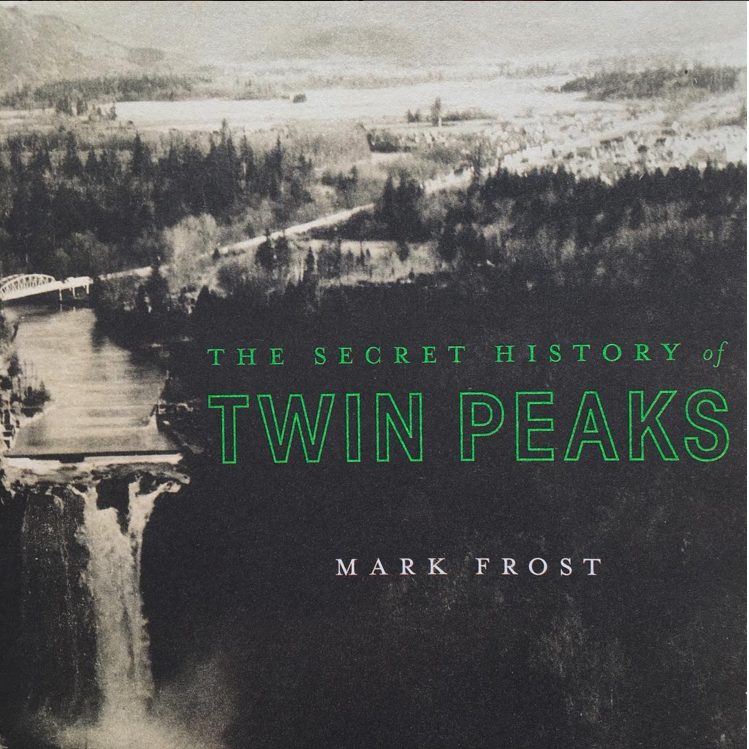
Mark Frost ‘The Secret History Of Twin Peaks’

Bridging the 25-year gap and obviously drumming up suspense and anticipation for the third series of Twin Peaks in 2017, Mark Frost’s unconventional “novel” seems to suggest the writer secretly hankered for a job on The X-Files during the fallow years in which the story lay dormant. Expanding the original show’s remit, which he co-wrote and conceptualized with David Lynch, Frost has elaborated on the history of the town, its characters and their backstories. But most notably he’s weaved an ever-larger cobweb of intrigue and conspiracy; all threads leading to the cover up of what might or might not be extraterrestrial activity.
Speculation has run riot, as it inevitably does; cast members announced, plotlines and narratives drip-fed over the Internet. We do know this for certain. The story will revolve around an unearthed mysterious purpose-built container and its archival contents; handed over to female FBI agent Tamara Preston along with all of agent Dale Cooper’s notes on the murder – that sparked the whole sorry tale – of Laura Palmer. Sanctioned by “Coop” and Preston’s superior Chief Gordon Cole (played by Lynch himself in the series), our investigator must pour over the rich display of concatenate notes, scribbling her own footnotes in the margin; authenticating, alluding to more information or admitting they’re plain stumped as to what the hell is going on. All the time we the reader must wait until the final reveal; kept guessing as to both the author’s identity and the person who added their own narrative and stored these files in the first place. The reader then, is a mere observer, a voyeur; this report on a report only ever meant for a selective few.
Transcripts, cuttings, reports, letters and various clues all pieced together in a chronological timeframe feature a loose plotline by this mysterious guiding hand. Written as a quasi-alternative history, Frost manages to embrace every one of the central tenants of the conspiracy theorem: the obligatory assassination of JFK, the Roswell UFO crash and, in this case, the centuries old struggle between an altruistic Freemasonry and its malcontent counterpart the Illuminati (incidentally symbolized by the owl) all making guest appearances. Tracing a psychogeography style story that stretches right back to the birth of America and pulls in the legendary explorers of the country’s undiscovered West, Lewis and Clark, real events are weaved into an intriguing tapestry; all of which originate from the unassuming Washington State pine wood hideaway of Twin Peaks.
Events of the last century however are, more or less, tied to the shady fortunes of Colonel Douglas Milford, one half of the incorrigible Twin Peaks Milford brothers. Fans of the series will have last seen poor Douglas sprawled out with a smile on his face after suffering a fatal heart attack on his wedding night. His betrothed, the extremely young intoxicative temptress Lana Budding (the “Milford widow”) if you remember kept the town’s menfolk in jaw-dropping awe, yet her backstory was never really explored; other than the fact this southern belle was probably on the make, her motives remained obscure, but after reading this novel may have been a lot darker.
From a brush with a strange owl-like figure in the woods as a scoutmaster in the 1920s to placing him at the scene of near enough every recorded and unrecorded “close encounter” and alien abduction, Douglas Milford crosses paths with the Aleister Crowley apprentice and important rocket fuel scientist Jack Parsons and the Scientology founder L. Ron Hubbard. A sort of investigator, prober and as it would turn out chronicler of these meetings, the outsider role that Douglas took on propelled him into the confidence of Richard Nixon, which opens-up even more clandestine portals into the mind-blowing chasm of secrets. Without spoiling the novel’s outcome, let’s just say Douglas is tasked with a deep cover assignment that eventually brings him back to his hometown: where it all began. The baton is passed on and destiny seems to anoint a successor, who will in turn take on the duties of manning the mysterious alluded to “listening post Alpha”.
As you’d expect, Frost builds an even greater expansive conspiracy; answering a range of longstanding queries and questions but posing a whole set of new “what the fucks?”. Fans however will discover just why the log lady, Margaret Lanterman, is so attached to her miniature pine chum; just what the hell did happen, back in the woods, with Major Briggs; the entire sorry saga of the Packard–Martell–Eckhart intrigues; Dr. Jacoby’s penchant for Hawaii and the purpose of those ridiculous red and blue tinted glasses he sports; and the fate of femme fatale Audrey Horne – last seen handcuffed to a bank vault door in protest as Andrew Packard, the aged eccentric bank-teller and Pete Martell unlock a safe deposit box only to find out it contains a bomb: the resulting explosion may or may not have leaving survivors.
Which brings us back to the events that triggered all this: the brutal murder of Laura Palmer, killed in the end but molested throughout her life by her father Leland Palmer’s evil malevolent spirit “Bob”. Here it is a mere sideshow, the original supernatural, fight between good and evil forces, driven plot moving on to even bigger and far-fetched conspiracies. Agent Cooper, previously leaving the second series on a cliffhanger after his doppelganger escapes the “black lodge”, leaving the real Coop in perpetual limbo, is mentioned only briefly, his whereabouts remaining an enigma. To be fair, Frost is leaving this strand until the third series itself airs in 2017, as it was confirmed early on that Kyle MacLachlan who plays the beleaguered FBI agent is making a welcome return.
In amongst the “Bookhouse Boys” reading list, the Double R laminate menus and Dr. Jacoby’s credentials (which stack up most impressively), Frost taps into the conspiracy theory phenomenon. Fact and fiction entwine, the lines blurred to regale a good yarn. Misdirection is of course key: for instance, being led down the garden path with another elaborate cover story for an even more disturbing secret. Suffice to say the author has further muddied the waters.
Extremely clever and adroit, Frost’s changing prose and style fits a myriad of character’s voices. Ambitious, intriguing, it promises a whole lot of hokum, but enthralling hokum, nonetheless.
For the last ten years or more I’ve featured and supported music, musicians and labels I and the blog’s other collaborators love, across genres from around the world that we think you’ll want to know about. No content on the site is paid for or sponsored and we only feature artists we have genuine respect, curiosity or love for. If you enjoy our reviews (and we often write long, thoughtful ones), found a new artist you admire, or if we have featured you or artists you represent and would like to buy us a coffee at https://ko-fi.com/monolithcocktail to say cheers for spreading the word, then that would be much appreciated.
Dan Shea’s Lynchian Lockdown Jukebox: Part Four
August 7, 2020
Fictions/Selection/Dan Shea
The Monolith Cocktail has coaxed a number of guest spot contributions from the impassioned and adroit musician/writer Dan Shea during the year. Roped into his family’s lo fi cult music business, The Bordellos, from a young age, the candid but humble maverick has gone onto instigate the chthonian Vukovar (currently working through a trio of ‘greatest hits’ packages here) and, with one part of that ever-shambling post-punk troupe, musical foil Buddy Preston, the seedy bedsit synth romantics Beauty Stab (who’ve just this week released their second single ‘French Film Embrace’, here)
An exceptional talent (steady…this is becoming increasingly gushing) both in composing and songwriting, the multi-instrumentalist and singer is also a dab hand at writing. For his debut, Dan shared a grand personal ‘fangirl’ purview of major crush, the late Rowland S. Howard (which can be found here), on the eve of Mute Records appraisal style celebration reissue of his highly influential cult albums ‘Teenage Snuff Film’ and ‘Pop Crimes’. This was followed by an often difficult, unsettling, potted with dark comedy, read on Dan’s friend and foil Simon Morris (of the Ceramic Hobs infamy; the piece can be read here), who took his own life last year.
Now, from his lockdown quarantine, Dan has been providing us with a weekly series of ‘imaginary film screening jukebox’ selections come loose horror and increasingly unfathomable Lynchian, cloaked autobiographical, fictions.
PJ Harvey – To Bring You My Love
I often wish I was PJ Harvey. Less now than when I was a teenager but every time I play this album I find myself wondering what it must be like to exist as that androgynous thug femme fatale archetype. Could any man, woman or anyone else resist me if I could step into that role? This Southern Gothic fog clotted with lust that spills out of my speakers.
I played it to Ronnie and she looked back at me blankly, a dog being taught a card trick. This was the first time she was alive. That mask of canine indifference infuriated me. This was the beginning of the cracks forming in our relationship.
I played it to Gretchen, sorry, Gersten. We danced in monochrome around the living room. Very slowly. I remembered just now. She’s not been in touch so I have to put matches out on myself. It’s not as satisfying a burn as cigarettes but I’m not buying cigarettes just to put out on myself. That’s a step too far.
“You know he’s gonna be here”
The voice cracks and strains. I close my eyes and imagine a mountain range. She atop it, undulating. She could cause an avalanche.
Selfish, Little folds her hands and the world disappears. She yawns in slow motion and lullaby chimes hang all around us. I bat away the weaponised nostalgia the monkey in my back clawing at my veins.
Endless futile arguments, drunkenness on trains.
The holes in the sky and the holes in my arms bleed out imagined futures but our bodies always lie.
The world was growing too loud for us. We had to escape into our record collections and the books we swapped between each other like holy texts. On a rainy afternoon, March 7PM, the world was ours.
“Bring you my love”
I dreamt of Simon last night. I was on my way to a fetish shoot in Brighton. I stopped in a pub in London and sat down with a pint of something dark and fruity (like me, hohoho) when he came over and nudged me, getting in my face in that way of his.
“Fancy seeing you here”
Tears pricked Dan’s eyes in the dream as he pointed out that Simon was dead. Simon offered a characteristically long winded and nonsensical explanation before bringing us over another drink. We had a few, chatting about the future of some band he’d been working with called Vukovar.
Oh yeah I know the singer too Simon
We also talked about Kate McCann’s book among other things. He gave one of his reading lists then said “I’ve got a short cut to where you’re going follow me!”. So we walked out the back of the pub down an alleyway and stepped into the back garden of the woman I’d intended to meet. I turned around to thank him and he was gone.
It’s another one of those dreams I prefer to my waking life.
6
2
1
HTRK – Rent Boy
An overhead shot of us, a rotating ceiling fan pan. My hallway, you should see it.
She’s next to me, head slumped on my shoulder. She sees only static but I’m watching the movie I told you about it even with my eyes open. She encourages me to dream with my eyes open. Saviour. Supplanter. Your film noir heroine, cock sucking seraphim.
Ellroy Steers was a good man. He’d worked for the Farrow corporation since school and had worked his way up in this Kafka-esque organisation to be head of pencil sharpening.
Pulaski told him about the incident. He’d found a cassette tape in a fridge in the alley behind his flat. He would transcribe the contents for Ellroy to feed back to Farrow.
A strange look of fear came over the older man’s face. He expressed an interest in having the contents delivered as soon as possible. He knew what was on the mixtape but he never let on. I couldn’t place the actor playing him but he looked an awful lot like Harry Dean Stanton. The same soulful crags in his hangdog face.
As soon as Pulaski left, Steers placed a pencil up each nostril and head butted the desk. It was to send a signal to Pulaski not to mess with forces he didn’t understand. The holes in the sky grew wider above a canine population and no one stirred at all.
Even though she couldn’t see the action onscreen G was enthralled. Damn, I’m a lucky man. I swear I REDACTED SUPPLANTER could give the whole thing up for her.
I pause the film and kiss her, the blood rushing in my veins. Like our lips were molten. My hands in hers. I want there to be tenderness in this. Not like it is with our clients or when we have an audience. My lips and tongue trace a map of desire over her milk white skin. I whisper my name into the depths of her. This is golden, this is molten. I want to melt into her.
It’s always going to be a little sordid. Do I want to be her or do I want to fuck her? It’s both as it is, for me, with most women. I want to purge myself of some of my toxic masculinity, but I feel every time we collide I sap some of their beauty from them. Their minds contain many rooms and I paint as many of them as I can. As Ellroy’s blood spills out of my TV and pools on the carpet I am whole.
I was telling you about the ritual last week, wasn’t I? Well to be exact that I don’t remember it. Just the whole incident when I was walking walking walking naked through a nightmare. Well I awoke in an invisible pool outside the HACK DOOR. Muddy fingerprints on the handle and a peculiar ashen scent. I turned and stepped in and there she was, sat in the living room. The prized forsaken angelangel returns.
Brian Eno – Sparrowfall
R was sat peacefully gazing at the switched off TV with a blank expression I read as a smile. No definition I can find
“But you’re dead. I’d dreamed of this. Are my dreams becoming my life? Did I succeed when I last tried? There must be more to that than this.”
She looked back at me. That same blank look that used to drive me nuts. I missed it. I gathered her up in my arms and held her to my somehow still beating heart and begged her never to die again. At least not until I had. I cried and cried a whole ghost. I missed her more than I understood and now she was back. I didn’t see the sense in her leaving the first time around and for her to return was more than any mortal mind could bear.
But then I looked at her and took in the dim light in her eyes like the light from distant ships. She smelled of ash, coagulant phlegm from eyes that may be my own, and stank of the second hand regret seeping from her pores. Towards the end how I’d resented her weakness.
She was my super hero. She had saved my life many times over. Held my hair when I was throwing up, soothed the knife point pain and helped remove the sting of the abuse I’d suffered. I hated her for needing help when she was the one I always turned to. I had nowhere else to turn.
“I can’t control these feelings if I tried”
My hand formed a fist in her hair. Her voice pure blurred sound. I think she said it yeah yeah yeah but how could you even tell the fucking difference? She just looked back at me not fully comprehending. But how I’d missed that body. No flesh but hers. No flesh but hers. Viva la muerte.
She could never respond properly, the dumb pony soldier. When she was alive it was apathy. Now it was a mute acquiescence but I’d made a vow. When I said til death do us part I’d meant mine not hers. Why else after she went a second time do you think I went after another woman who looked exactly like her?
The lullaby chimes spill from my unvarnished marble heart, out of the holes ever widening. They pulsate convey fluid through the infant city. Blood will wash blood away. Gemma, baby, how did we fall so far? The lack revealed is what gets me going. The humiliation of the aggressor, splayed open, begetting the dull rhythmic thud of masturbation.
“She would do something like this”
A colonialist simper. One finger in his mouth the other finger circling his nipple. Halting middle class closet case tones as he tells his beard wife all about the new breakthrough in the next quarter, that’s, like, rilly rilly good as I fantasise about garrotting him and sending a picture of his corpse to the idiot kids he spawned. I picture a piss stain spreading across his expensive beige slacks. Blood money.
“She would do something like this”
Where being rich and white is a license to go and fuck kids overseas. In the evening you all bathed each other’s kids. Your letter was only the start of it. One letter and now you’re a part of it. To the pure all things are pure. Images scroll through your head of the perfect little paper stitch twat torn apart.
You would say that about your own daughter you pig you waste you whore yawning for your price.
I hope come the revolution someone eats your stupid fucking useless eyes out of your “living” face while you’re still defending white supremacists and transphobes “valid concerns”. I hope your husband chokes on the dick of the next Grindr hookup behind your back and is deposited neatly on a dark street, just another hit and run. A punch in the face that smashed through to the other side, sculpting the play dough form into another vignette of my toxic masculinity. I’m ashamed of being ashamed.
Sha la la la man. Why don’t you slip away?
Rosie & The Originals – Angel Baby
30 years old her first hangover. I introduce her to the concept of the hair of the dog over a fancy veggie breakfast in Manchester. For once she’s drinking and I’m not. I’m a bad influence on this girl as she is to me: but she only got me into different strands of BDSM and ambient music and I’ve got her into something that rots your liver. I feel like I don’t deserve her but I feel that way about women most of the time. Men on the other hand – scum. I’m such a homophobe that I have in the past subjected gay men to the torment of being in a relationship with me.
Note – bisexual erasure is not just a neat phrase to describe the way bi people are treated but to describe the band Erasure.
Angel Baby is one of those solid gold pop records you can play on a loop and weep to with what is neither joy nor sorrow. It takes me to that diner on Ronnie’s 30th. The quiet booth in the corner where she’d tenderly take my hand and reassure me as the world kept growing louder. The concept of having fries with breakfast seeming impossibly decadent to my provincial Northern mind. The record wasn’t playing in the memory but as I write it it was. I dunno what was really playing I prefer to remember things my way.
There’s something romantic to me about impersonal concrete structures, the kind of rain you only really get in the North and the unpleasant humidity that subsides when you step into her bedroom and slide into her bed. You’ve earned the solace of her arms now. There’s no nobility in it but you can dream. You can even imagine yourself to be the Oscar Wilde of Fetlife.
When the vinyl warps and cracks through that ancient system I’m in Gonesville. The dreaminess of Rick singing Lonesome Town, Elvis singing Blue Moon or Barney singing Dream Attack. These are the songs that saved my life.
Kanye West – FML
First of all this is one of the biggest pop stars in the world sampling Section 25. That’s something.
Second of all, it’s one of the biggest popstars in the world discussing being bipolar. “You ain’t seen nothing crazier than this n***a when he off his LexaPro”.
This has nothing to do with Lynch just given my reference to him last episode I wanted to continue my support. Of this multi millionaire. Sickening. Nothing dates like sincerity.
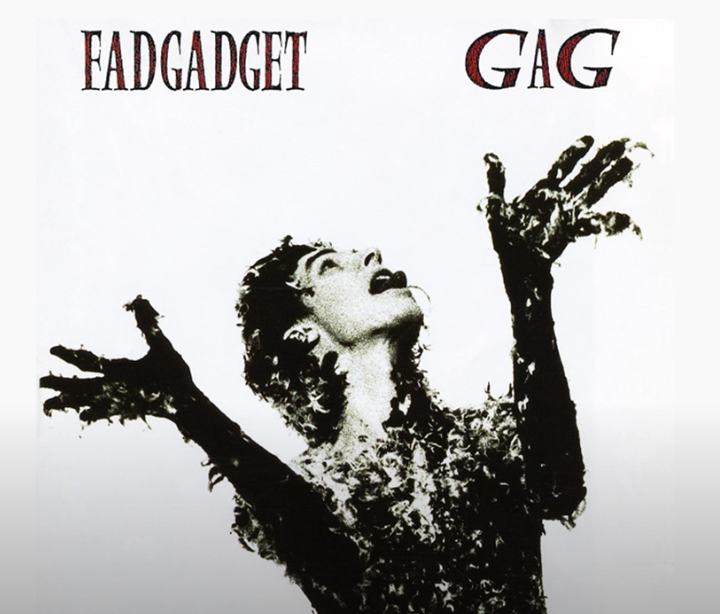
Fad Gadget – Ideal World
Oh yeah. The blood spilling out of my TV wasn’t so much of a worry. Worse things happen. I mean I’ve seen the much resented woman of my dreams disappear down a plug hole. The first time she left I knew she must have hated me.
You know I just found her. She didn’t even leave a note. Used to be she left a note if she just was going to the shop. So I know at that late stage she despised me. I don’t blame her. I was a waste of skin and teeth. She was in a better place so why did she return just to SPIDERCRAWL leave me again?
Me and her second incarnation watched Blue by Derek Jarman and ripple echoes of the old her I felt them. She always loved Jarman. She identified a lot with gay men. She loved queers like me. Her gaze at the ceaseless blue became less spectral. I looked into her eyes and l saw my own reflected in hers. Eyes. It’s always about eyes.
Sat in a field before I resigned from that job. I was very handsome. A grinning dog disappeared into a summer haze. A yellow dog with huge, ostentatious teeth. I don’t believe I hallucinated that disappearance into undergrowth. The yellow dog trailing the black dog. I finished my veggie burger and went back to the call centre I worked in that resembled a prison complex.
Back to the afternoon with the Mute book. Some very attractive Irish girls sat with me. I saw myself, handsome but childlike and non threatening, the way I did. Truth be told I envied the bench the blonde one was sat on. Then I went home and pissed Rotten sorry Ronett off.
I enjoy the hallways of buildings like that at night. The suicides they sweep under the rug echo back at me. I feel the whisper of the axe and the voices of dead I have loved. I smile at you, vacant. Ingratiating. Watch me jackknife the moon as I smile shaking into your breast. No one is unforgettable. But in a piss stinking basement in June 2018 we overturned the world.
Mr Bungle – Pink Cigarette
I’m going to see this woman in Blackpool and I don’t know why. I’m sat next to a very pretty red haired twink and thinking “I’d rather be hooking up with him”. Looking across the carriage there’s a guy who looks like a low rent low res Francis Bacon Pope, and as he gets off at Poulton le Fylde all those connections are made and I realise why.
I’m nodding off, day drunk on day dreams but he’s here. He’s the man behind the screen pulling the strings. If only he could offer me a shortcut out of my nightmares into someone else’s. Me and Dan the boyband singer met up again. I think he’s in love with me. How embarrassing for at least one of us. Handsome guy but he smells weird.
Imagine a version of Back To The Future where Marty McFly went back in time and molested himself as a teenager. Is that just masturbation? How do you punish the crime without blaming the victim?
If all Mike Patton’s back catalogue sounded like Pink Cigarette he’d be my favourite person. He does the Double R diner atmos really well. I slow danced with Gersten to this as well. Then a client showed up and my soul died a little more. I’m in negative equity as regards my soul at this point.
So I can’t help but see the parallels: Pulaski discovered a cassette in a fridge behind his flat and I did as well. It’s almost as if someone is watching me. Man, I need to block the windows and cover the mirrors again clearly. Wrap up the knives as well. Nothing reflective can be trusted.
“She would do something like this”
I’m. Not. A. Misogynist.
“Can you tell what it is yet?”
I’m just fashionably late.
“Your letter was only the start of it”
5
4.48
0.52
It ends when three reduce to one.
Pulaski and Sam walk off in the direction of a warehouse. Sam, prone to hand dance gestures and the chimes the chimes the chimes has no idea what’s in store for her. They walk past a disused Christian book shop. The continent is burning. The witnesses are burning. The world sighs, steeple red and blood dark.Precious Selfish Little yawns and me I’m in this dream place.
Imagine her spider crawl along YOUR ceiling. Would you be happy? Or would you lose your mind as I have?
Lingering in the Tragic Life Stories section of WH Smiths. The newspapers releasing artfully cropped photos of true depravity. They leave the rest to “their” imaginations. The sickest pornography you can buy in a petrol station or pick up for free on a bus. To the pure all things are pure. They are aware of the audience they garner, never forget these sick fucks run the country.
I‘m not tranquil. I am tranquilised. This rage will never cease. Let the animals tear themselves to death.
Blood oozing softly with a sub-bass pulsated from the bullet hole in Pulaski’s head after the shooting in the school. The snow fell, covering the nightmare. His head lay in the beloved lap of the man who would one day go looking for him.
I’ll let her speak with my voice. I’ll let her see through my eyes. I’ll devote the remains of me to ensuring I prevent as much harm against the innocent as possible. I would give it all up for her. Even if I have to die for it.
Previous Episodes
Part One
Part Two
Part Three
FEATURE/SELECTION/Dan Shea
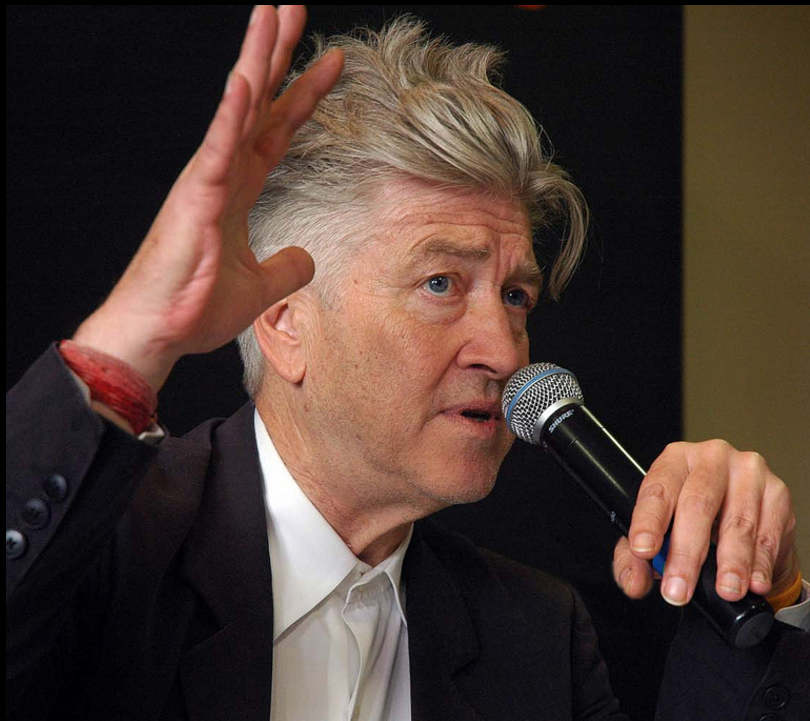
The Monolith Cocktail is ecstatic and grateful to have coaxed a guest spot contribution from the impassioned and adroit musician/writer Dan Shea. Roped into his family’s lo fi cult music business, The Bordellos, from a young age, the candid but humble maverick has gone onto instigate the chthonian Vukovar (currently working through a trio of ‘greatest hits’ packages here) and, with one part of that ever-shambling post-punk troupe, musical foil Buddy Preston, the seedy bedsit synth romantics Beauty Stab (who’ve just this week released their second single ‘French Film Embrace’, here)
An exceptional talent (steady…this is becoming increasingly gushing) both in composing and songwriting, the multi-instrumentalist and singer is also a dab hand at writing. For his debut, Dan shared a grand personal ‘fangirl’ purview of major crush, the late Rowland S. Howard (which can be found here), on the eve of Mute Records appraisal style celebration reissue of his highly influential cult albums ‘Teenage Snuff Film’ and ‘Pop Crimes’. This was followed by an often difficult, unsettling, potted with dark comedy, read on Dan’s friend and foil Simon Morris (of the Ceramic Hobs infamy; the piece can be read here), who took his own life last year.
Now, from his lockdown quarantine, Dan furnishes us with the first of his ‘imaginary film screening jukebox’ selections come loose horror fictions.
Surrender – Suicide
A Kenneth Anger motorbike gang, gay greasers checking their hair in the switchblade reflection. Using semen as Brylcreem. The homecoming queen dumped like so many empty bottles and cans.
Vega as Vegas.
The backing vocals drift in from a malt shop that was burned down by some queer bashers pre Stonewall and no one flinched. In a world where high school sweethearts go to a drive in to sneakily and fumblingly attempt autoerotic asphyxiation together as they watch Jayne Mansfield crash in slow motion.
When Vega sings, “I surrender to you”, it could be sex or God or just the voices shrieking through the tinfoil mirror of our synapses but aren’t all those things the same? Lynch would play this behind beehived girls in tight red sweaters first lesbian tryst behind a doughnut shop ran by Anton LaVey and Ricki Lake.
Which Way To Turn – Bryan Ferry
One of weird uncle David’s mystery blondes in trouble smiles from a smashed picture frame, a Stepford femme fatale. All the memory I can dredge up is here. Artfully hung and shot drapes blow in a late summer breeze. A heatwave desire and hungover regret. Blood on your lips, lipstick oozing out of your wounds. The plastic rum cups Mike gave us in the bar are overturned.
“I can’t control my feelings if I tried” sung with all the hauteur this high society Frankenstein can muster. Ferry is often spoken about as some style icon, ignoring how goofy he has frequently looked. See the Manifesto red leather suit, the Top of the Pops Jealous Guy Alan Partridge outfit or his giant shirt in The High Road. For ages I thought something was lost when he became the figure he started out parodying yet yearning to be on the first Roxy albums but that’s a lazy cliché.
This period is one of straw etching your initials in coke on a mixing desk, high-class session musicians playing three notes then disappearing. Some of my favourite stuff he did. The powder lasts an hour but the regret lingers eternal.
Lou Reed – Coney Island Baby
Lana Del Rey – Blue Jeans
The personal connections are all but overwhelming here. I band these two together as Lynch used Lou on a soundtrack and Lana IS Dorothy Vallens and Frank Booth and Sandy and Jeffrey. She’s not just the mystery woman in trouble but the architect of your demise. Lou, he’s the man behind the curtain. Whispering these tracheotomy hymns through a straw, through a hole in your wall into your sleeping mind.
I’d put these back to back to dehydrate myself: Lou’s choked murmur of “I could give the whole thing up for you” will never not crumple me. Send this one out to Lou and Rachel, the romantic ideal of my nightmares.
Lydia Lunch – I Fell In Love With A Ghost
I should’ve learned the lesson from Pet Sematary and Vertigo. I’d done all I could but she came back wrong.
She didn’t reply to anything I said, other than as a series of strangled groans. I heard “yes” where I wanted to hear yes. The first time I caught her crawling spider like along my ceiling, mournfully unaware how she got there should’ve been the tip off. Or the way there was nothing behind her eyes. But even though she’d died and she was now just a beautiful empty vessel, she looked the same. I imagined her side of our conversation the way I did when she was still dead.
Then she was in the bath. This was progress. She was able to wash herself. I supervised, to keep her safe and because I wanted to. She kept turning the hot tap. The bath water was boiling, smoke was rising and she was crying out pathetically. Water spilling over the edge of the bath. The screams got louder. I tried to turn the hot tap off and she lunged forward and head butted me with a force that sent me unconscious SPRAWLED.
I came around in a pool of bloody water in time to watch the love of my life disappear down the plughole.
Cocteau Twins – Musette and Drums
Dylan and Patrick meet in a side street. The snow is still falling lightly, flakes landing on their black leather jackets. They embrace knowing this is truly the last time. The sound of traffic is all but overwhelming but there is not a car to be seen.
They kiss and blood oozes from Dylan’s lips. He turns, walks away and disappears entirely into thin air. He is dragged out of the sea by trawlers, his arms tied behind his back and his eyes pierced by emeralds: “natural causes”.
Smoke enshrouds us as we reach the clearing. I take your hand and we kiss. The world is ending, the tiny grey pinpricks in the sky are opening up. Remember when I first told you I saw them? Be quiet, the ice is melting.
Xiu Xiu – Botanica de Los Angeles
Gersten Hayward is turning tricks now and I want her for her mind as much as her body. That’s okay. I’m turning tricks as well. You get a discount for hiring us as a couple. If you look like a young David Lynch then I don’t charge.
Her love is free to me and as for the whoring it keeps us in whiskey and hash browns. We watch Mulholland Drive together. She freezes, but not at the scene in the diner. Something suddenly clicks in her.
“Dan?”
“Yes darling?”
“I’ve got the incredible feeling that I’m not real”
“Gersten I’ve been dreading this conversation. It is true that you are fictional. I am unsure if I am also fictional.”
“How did my mother birth a fiction?”
I show her the clip from The Return where she is cradling her ODing boyfriend and gently tell her that because he was never born he can never die. This is why I am largely anti natalist. Then a client comes by.
SSQ – Anonymous
The party is over and we watch the nightlife crop itself shorter still through a haze of smoke. A mute TV shows static, like pictures in the fire I just about make out the image of a screaming man watching an emaciated woman disappearing down a plughole. He is entirely naked and smearing his genitals with lipstick.
Thankfully you / she steps in my way. A cigarette dangles from your drunken lips. You don’t even smoke. You in that black velvet dress. You turn around and bid me to unzip it, smiling at me.
Then I wake up in their living room. Where I first heard this record. I thought it was a synth pop revivalist record. Something like the Chromatics where it’s so fetishistically close to that mid 80s sound you think it could only have been made in the last ten years. No. It’s actually from the mid 80s and prefaces her hi NRG records.
The girl is real but she wants nothing to do with me. She probably doesn’t even own a black velvet dress. Gersten hasn’t been returning my calls. Maybe I should try ringing her number.
Scott Walker – Jesse
It’s a shame Lynch and Walker never worked together as this always makes me think of Episode 8. The slow motion Jailhouse Rock chords make me imagine the earth opening itself up to weep. The Penderecki strings that have ran through Scott’s work since as early as Plastic Palace People or It’s Raining Today.
The 50s he dreams of never happened. They are an autistic reflection in a fish bowl. Elvis was weirder than anything you could ever dream up. We don’t deserve rock’n’roll.
I dreamt you were crawling through a tunnel looking for me. My stuck needle entreaties and iconoclast drag. I watch her crawl across the ceiling. I, your supplanter.
Now I’m day drunk on daydreams on a train and an Indian man is shaking me. “We’ve terminated mate. The train is over”. My psychic next of kin I’d know you in my sleep. I, Supplanter.
Our Daily Bread 231: Mark Frost ‘The Secret History Of Twin Peaks’
November 28, 2016
BOOK REVIEW
Words: Dominic Valvona
Mark Frost ‘The Secret History Of Twin Peaks’
Bridging the 25-year gap and obviously drumming up suspense and anticipation for the third series of Twin Peaks in 2017, Mark Frost’s unconventional “novel” seems to suggest the writer secretly hankered for a job on The X-Files during the fallow years in which the story lay dormant. Expanding the original show’s remit, which he co-wrote and conceptualized with David Lynch, Frost has elaborated on the history of the town, its characters and their backstories. But most notably he’s weaved an ever-larger cobweb of intrigue and conspiracy; all threads leading to the cover up of what might or might not be extraterrestrial activity.
Speculation has run riot, as it inevitably does; cast members announced, plotlines and narratives drip-fed over the Internet. We do know this for certain. The story will revolve around an unearthed mysterious purpose-built container and its archival contents; handed over to female FBI agent Tamara Preston along with all of agent Dale Cooper’s notes on the murder – that sparked the whole sorry tale – of Laura Palmer. Sanctioned by “Coop” and Preston’s superior Chief Gordon Cole (played by Lynch himself in the series), our investigator must pour over the rich display of concatenate notes, scribbling her own footnotes in the margin; authenticating, alluding to more information or admitting they’re plain stumped as to what the hell is going on. All the time we the reader must wait until the final reveal; kept guessing as to both the author’s identity and the person who added their own narrative and stored these files in the first place. The reader then, is a mere observer, a voyeur; this report on a report only ever meant for a selective few.

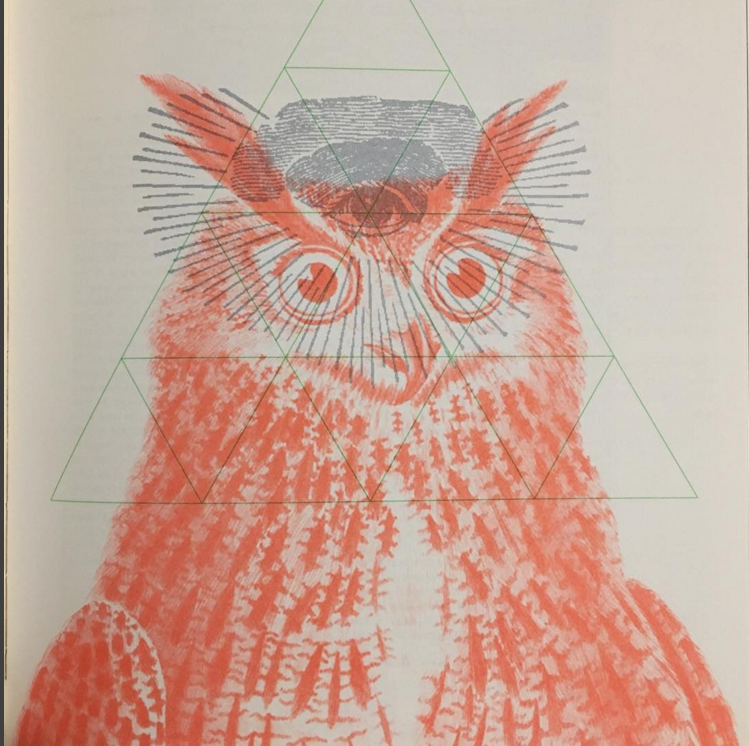
Transcripts, cuttings, reports, letters and various clues all pieced together in a chronological timeframe feature a loose plotline by this mysterious guiding hand. Written as a quasi alternative history, Frost manages to embrace every one of the central tenants of the conspiracy theorem: the obligatory assassination of JFK, the Roswell UFO crash and, in this case, the centuries old struggle between an altruistic Freemasonry and its malcontent counterpart the Illuminati (incidentally symbolized by the owl) all make guest appearances. Tracing a psychogeography style story that stretches right back to the birth of America and pulls in the legendary explorers of the country’s undiscovered West, Lewis and Clark, real events are weaved into an intriguing tapestry; all of which originate from the unassuming Washington State pine wood hideaway of Twin Peaks.
Events of the last century however are more or less tied to the shady fortunes of Colonel Douglas Milford, one half of the incorrigible Twin Peaks Milford brothers. Fans of the series will have last seen poor Douglas sprawled out with a smile on his face after suffering a fatal heart attack on his wedding night. His betrothed, the extremely young intoxicative temptress Lana Budding (the “Milford widow”) if you remember kept the town’s menfolk in jaw-dropping awe, yet her backstory was never really explored; other than the fact this southern belle was probably on the make, her motives remained obscure, but after reading this novel may have been a lot darker. From a brush with a strange owl-like figure in the woods as a scoutmaster in the 1920s to placing him at the scene of near enough every recorded and unrecorded “close encounter” and alien abduction, Douglas Milford crosses paths with the Aleister Crowley apprentice and important rocket fuel scientist Jack Parsons and the Scientology founder L. Ron Hubbard. A sort of investigator, prober and as it would turn out chronicler of these meetings, the outsider role that Douglas took on propelled him into the confidence of Richard Nixon, which opens up even more clandestine portals into the mind-blowing chasm of secrets. Without spoiling the novel’s outcome, let’s just say Douglas is tasked with a deep cover assignment that eventually brings him back to his hometown: where it all began. The baton is passed on and destiny seems to anoint a successor, who will in turn take on the duties of manning the mysterious alluded to “listening post Alpha”.
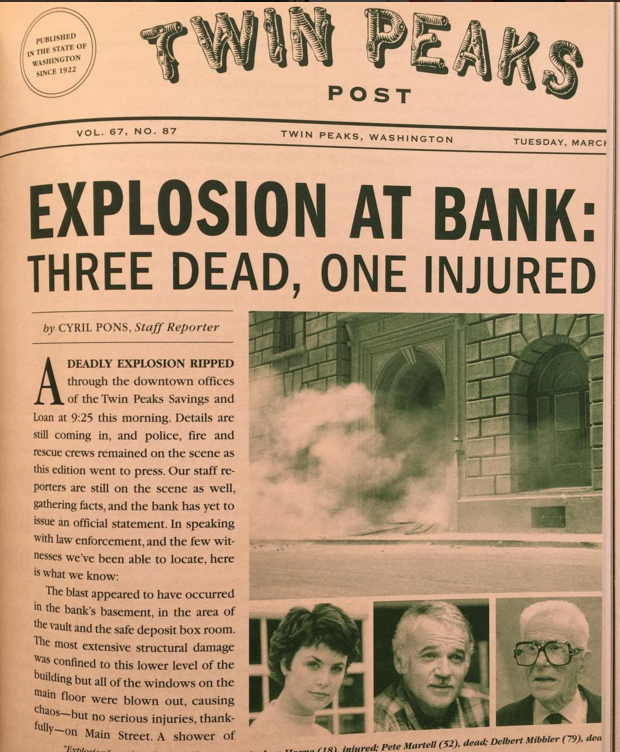
As you’d expect, Frost builds an even greater expansive conspiracy; answering a range of longstanding queries and questions but posing a whole set of new “what the fucks?” Fans however will discover just why the log lady, Margaret Lanterman, is so attached to her miniature pine chum; just what the hell did happen, back in the woods, with Major Briggs; the entire sorry saga of the Packard–Martell–Eckhart intrigues; Dr. Jacoby’s penchant for Hawaii and the purpose of those ridiculous red and blue tinted glasses he sports; and the fate of femme fatale Audrey Horne – last seen handcuffed to a bank vault door in protest as Andrew Packard, the aged eccentric bank-teller and Pete Martell unlock a safe deposit box only to find out it contains a bomb; the resulting explosion may or may not have leaving survivors. Which brings us back to the events that triggered all this, the brutal murder of Laura Palmer, killed in the end but molested throughout her life by her father Leland Palmer’s evil malevolent spirit “Bob”. Here it is a mere sideshow, the original supernatural, fight between good and evil forces, driven plot moving on to even bigger and far-fetched conspiracies. Agent Cooper, previously leaving the second series on a cliffhanger after his doppelganger escapes the “black lodge”, leaving the real Coop in perpetual limbo, is mentioned only briefly, his whereabouts remaining an enigma. To be fair, Frost is leaving this strand until the third series itself airs in 2017, as it was confirmed early on that Kyle MacLachlan who plays the beleaguered FBI agent is making a welcome return.
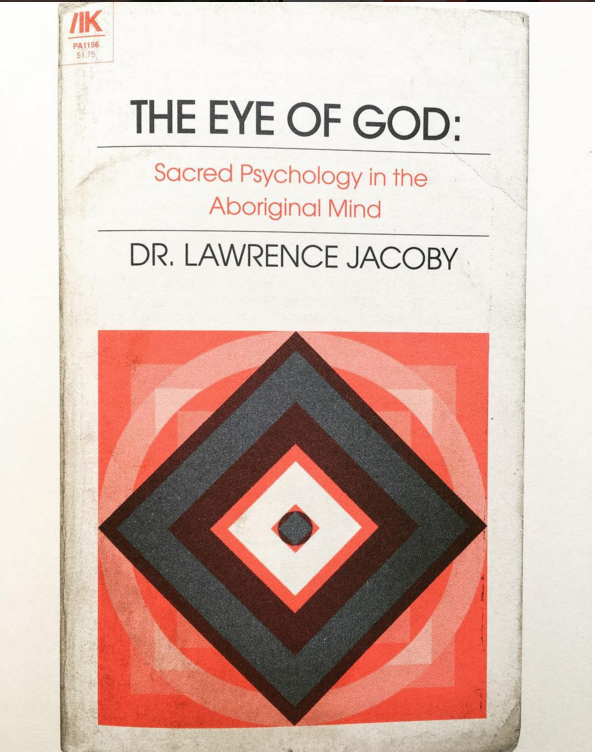
In amongst the “Bookhouse Boys” reading list, the Double R laminate menus and Dr. Jacoby’s credentials (which stack up most impressively), Frost taps into the conspiracy theory phenomenon. Fact and fiction entwine, the lines blurred to regale a good yarn. Misdirection is of course key: for instance, being led down the garden path with another elaborate cover story for an even more disturbing secret. Suffice to say the author has further muddied the waters.
Extremely clever and adroit, Frost’s changing prose and style fits a myriad of character’s voices. Ambitious, intriguing, it promises a whole lot of hokum, but enthralling hokum nonetheless.
 Monolith Cocktail Blog