Our Daily Bread 623: Tetsüo ii ‘Menagerie’
August 16, 2024
ALBUM REVIEW/ANDREW C. KIDD
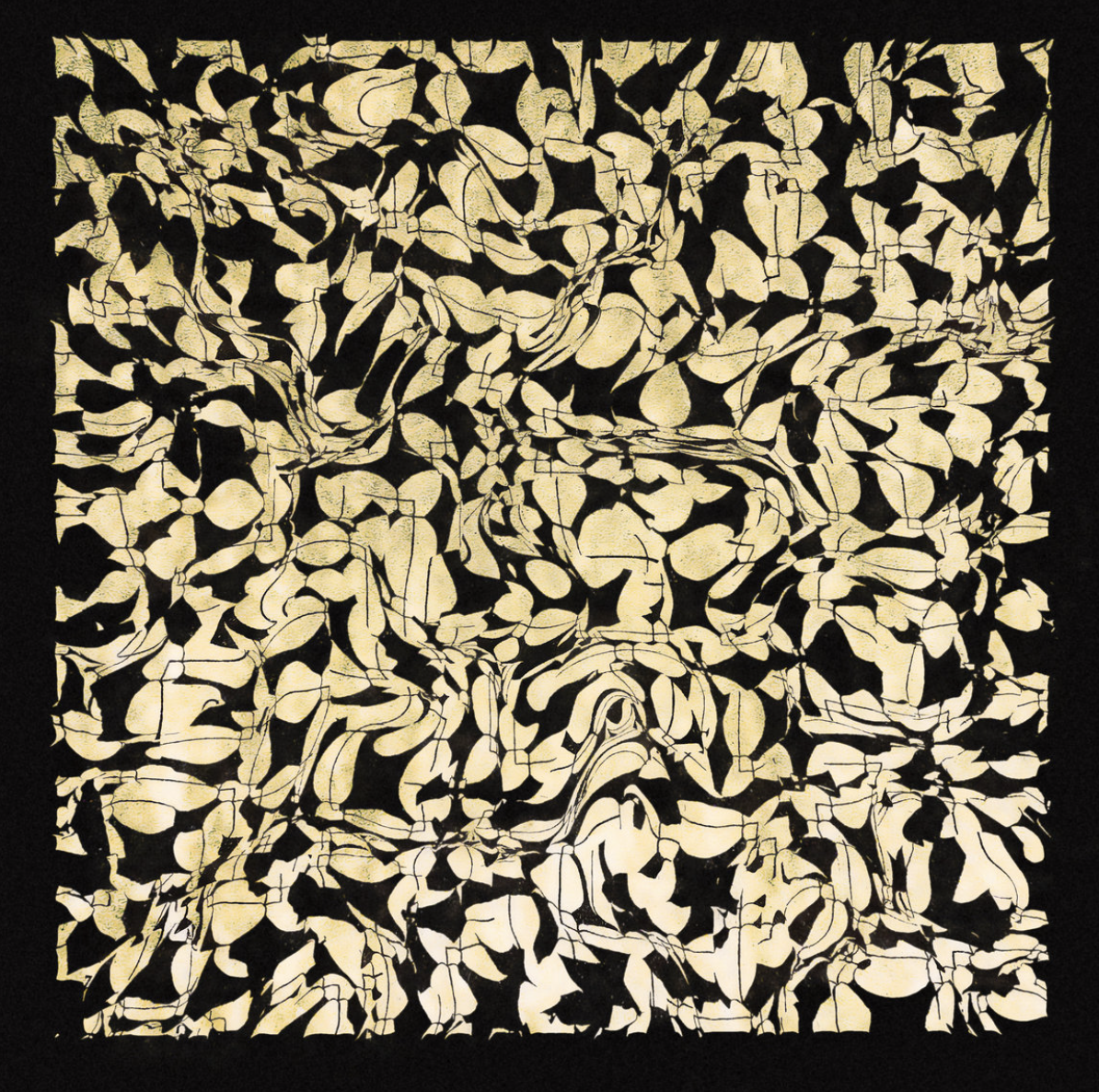
Tetsüo ii ‘Menagerie’
Available Now
You have emerged from a deep dive with eyes still blurry from the salt water. Silhouetted figures stand on a smoke-brimmed horizon. Rather than focusing on the outlines of the indistinct entities that come slowly into view, observe their shadows that coalesce into transient forms. Embrace the illusory. Meet the unperceivable as Tetsüo ii do. Sonically (and thematically), Dave Duval and Scott Saad reside in these foggy realms. Their musical introversions are often brief, but when listened to sequentially, each piece becomes part of a greater whole.
There are hallmarks of the duos previous works on Menagerie. Every semibreve, every cadence, every rest note is deliberate and measured. They continue to locate discreet spaces within the phonic interstitium. The synth patches are still carefully woven into a complex, three-dimensional quilt. The listener experiences synaesthesia on Summer’s Veil. Sustained pads play out on Getting Late. A lithe, piccolo-high melody aerates the beatless and breathy Pale Blue. The step-like, almost cinematic pattern that emerges on Heart of the Oak yields to a fixed tonality that cuts right through the piece, severing it in two. This funnelled distortion in the opening act serves to test the listener.
The experimentation continues on Whose Roots are Stars in the Human Mind (the title presumably inspired by the guttered glistening of the half-painted, half-photographic patchwork of images of Yggdrasill by avant-gardist filmmaker, Stan Brakhage). Here, Morton Subotnick meets LFO-circa-1995. There are: circling analogue sounds; minor key pseudo-melodia; glistening silver-like sounds. Akin to the Brakhage footage, I start to envisage static shots of sun glitter bursting out between the clouds.
The musical theme on Menagerie is not a melodious one. And neither is it confluent. One or two keyed synth notes sink and echo and play out in a repetitive refrain; each one is inkier than the last. The demonic horn on Molten Synapse (another nod to Brakhage) are future sirens. These are wavelengths that serve to warn. Perhaps they are the final sounds that enter the last auditory meatus there ever was. A similarly low-frequency waveband emerges between the swathes of CS-80-sounding pads that key a mournful melody on the title track. A strange electro-woodwind solo whistles. A whirling, grey-noise outro serves as an intermission.
What noises do clouds make when they move? Is there a symphonic kinesia? The undercurrent that rumbles and whirrs and distorts on Hungry Skies proffers one theory. The synth-work is arpeggiated, contrapuntal even. There is a reprise of Whose Roots are Stars in the Human Mind. Clangs and analogue splashes are perhaps indicative of precipitation. Where do these raindrops fall? The organ-inspired synths of Terra carefully bellow the longest melody of the album. And like organs, they expand and breathe. From the mid-way point on this piece, there is sonic diffidence. I imagine the droplets being absorbed into the earth, saturating the seeds that take root. In some respects, this mirrors the structure of the opening piece Heart of the Oak; yet here, in the deeper reaches of the album, there is no reprise of the organ that came before it. We are left in a cold place – a lightless space. Or perhaps we are simply deaf to the symphony of soil-concealed germination.
Coarse crackles like thunder introduce the The Swimmer. There is a bright, almost chromatic opening that edges upwards. The first sprouts peek out and gain height. Their stalks extend like limbs to touch an uncertain world. Bassy undertones provide rhythmic stability. Each stalk is anchored and made unmovable in their firmly-rooted positions. A deep synth note continues to play. The oscillating broken sounds – again, a little like a siren – would normally serve as a background; yet, at this point in the denouement of the piece, I concentrate on it almost entirely. Here, the listener is reminded that the fruits of the growing plants will eventually be threatened. As the wizened voice on the title track stated earlier in the album: “Even the most prolific species cannot be controlled by the sheer variety of life in the bush…and the variety of appetites they possess.”
Duval and Saad pen concept works. Menagerie is to be considered their ‘deep earth’ album, somewhat contrasting their previous ‘deep space’ releases (Tetsüo ii, released by Dagger Forest, and !!, self released, both in October 2023). Menagerie ends with Summer’s Veil (Reprise) which is a fragmented version of its former self. Nature seems to prosper here, but only temporarily. The light melody soon disappears into the umbra of the deep earth.
 Monolith Cocktail Blog