NEW MUSIC REVIEW
Words: Dominic Valvona

Featuring: Sergio Beercock, The Bordellos, faUSt, ANi Glass, Duncan Lloyd, Carlo Mazzoli and Mount Song.
Back from a recent sabbatical in Palermo and catching up with all the most interesting releases of the last month, this edition of my regular Tickling Our Fancy revue features an assortment of albums/EPs and tracks from both April and May. An unofficial sort of house band for the blog, St.Helens’ greatest lo fi, les miserable, export The Bordellos have featured on this blog countless times over the years, I take a look at their latest sampler EP, Debt Sounds. There’s also the latest art-attack protestation from the infamous faUSt, a vitriol extemporized road trip across the States with friends entitled Fresh Air, and the latest cathartic songbook from Jacob Johansson, under his latest moniker Mount Song, the second Duncan Lloyd outing, IOUOME, from the Maximo Park guitarist/songwriter, the latest EP from the Welsh siren of the most ethereal and danceable protest rousing electronic pop ANi GLASS, and two new showcase albums from Italian-based bards/troubadours Carlo Mazzoli and Sergio Beercock.
faUSt ‘Fresh Air’
Bureau B, 26th May 2017
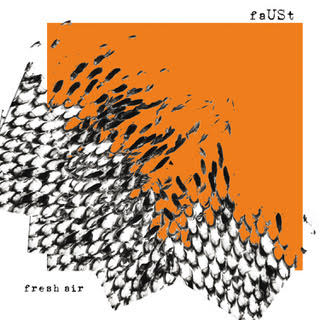
Belligerently sharing the Faust moniker, splitting into a moiety of founding member versions of the original group that so terrorized the 70s underground music scene, the glaring capital letter “US” in this incarnation is used by founding fathers Jean-Hervé Péron and Werner “Zappi” Diermaier.
Still banging the cement-mixer drum and manning the barricades after forty odd years in the business, the, at its most base drummer/percussionist and bassist-come-tormentor of sound, duo’s latest protestation is a sort of art-provocateur road trip of the USA, featuring an abundance of locals and internationalist artists and musicians, picked-up on the way through New York, Texas and California: A counter-cultural agitation travail from coast to coast.
Featuring the usual Faust totems and that workmanlike methodology of extracting sounds and evocations from machinery, found objects, debris and the architecture – even Péron’s front door hinges from home make an appearance – Fresh Air is an urgent gasp for relief from the polluted, choked, environment. It’s also a highly convoluted attempt at transforming geometrical forms and abstractions into a sonic score. Three of the tracks on this album take their inspiration from a faux-workshop at the highly regarded California Institute of the Arts. A session that includes the loony 23-second vocal exercise symphony Partitur – defined loosely as “a sort of Dadaist choir, a musique impressionniste’ by Péron –; the loose Slits do souk jazz, camel ride Chlorophl, which features Barbara Manning “sneaking” in word association sketches alongside Zappi’s own strange utterings; and the saxophone squalling, motoring Lights Flicker, which again features Manning, bridging the role of Laurie Anderson and Patti Smith, repeating an agitated mantra over a quasi art-dance backing.
From the east coast Jersey City leg of their travels, viola player Ysanne Spevack adds a stirring, Jed Kurzel like harrowed drone to the album’s title track. A seven and a half minute opus, building from the narration of a poem, written by a French school friend of Pérons, to a struggle for life, Fresh Air shows that the spirit of ’68 and hunger for transforming and tearing down the destructive political environment hasn’t diminished in all those years. It’s bookended with a soliloquy-like Péron narration on, among other tropes, the confusing, alarming change from childhood to young adulthood on the album’s curtain call, Fish. Tidal washes and suitable transitional analogies on the soul and growing pains profoundly roll over another viola drone and minimal bass drum accompaniment before entering a noisy cacophony of oscillations and sonic crescendos.
Passing through Austin, faUSt capture the Birds Of Texas, merging their crowing calls with a suitable enough mirage-y, Peyote-induced desert peregrination, and open up an interstellar box of tricks to create a space-funk, Teutonic swamp performance – not a million miles away from Can – on La Poulie.
Continuing with their signature agitation, often menacing, call-to-arms whilst also sonically turning the abstract into something audible, Péron and Zappi can still be relied upon to create provocative statements, five decades on from when the original Faust dynamic barraged audiences with the most confrontational and experimental sound ideas. Struggling like the rest of us, but finding a comradely with another generation of artists and musicians, they look for hope in the miasma.
https://soundcloud.com/bureau-1/faust-fresh-air-preview
Mount Song ‘Mount Song’
Suncave Recordings, 5th May 2017
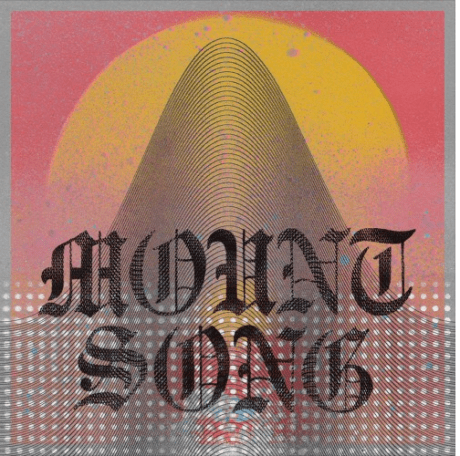
Previously garnering plaudits in his native Sweden for his debut album under the appellation of The Big Monster (no less heralded as the Swedish debut of the year in 2014 by the country’s biggest music publication), the longing singer/songwriter Jacob Johansson is back to contemplate all of life’s harsh lessons and trials on this latest venture, Mount Song.
This self-titled songbook of ambitious poetic campfire musings and inner turmoil spun yearnings is simultaneously both intense and intimate; mixing a catharsis of emotions with a soundtrack of acid-folk, country, psych and alternative pop. As the accompanying notes and music itself testifies, Johansson was “brought up on grunge.” And throughout the album this American export leaves its indelible mark with hazy languid lingering traces and washes of Pearl Jam, Nirvana and Dinosaur Jr. Far from slavishly recreating that grunge sound, our philosophical troubadour and his band merely hint at its presence and influence with a certain panache.
More to the point, it’s that 90s demigod of plaintive despair and torment, Jeff Buckley, who imbues Johansson’s vocals and sound the most. Most obviously and unabashed you can hear an unmistakable melody sequence three quarters of the way through the light and shade softened crescendo Here It Goes. As for that genius fluctuating vocal, from Latin choirboy to candid outpourings of grief, Johansson goes for it on the skipping backbeat psych-grunge Make Up with a falsetto and almost trembling howled vocal performance.
The opening melodrama Halo, which wells up from subtle jangled acoustic guitar to a deeply atmospheric synth and repeating thudding drum punctuation of sorrow, deals with one’s demons in the manner of a sober, more somber Jose Gonzalez and Bonnie ‘Prince’ Billy – two more important influences for Johansson.
Though there’s plenty of sadness and even wallowing, Johansson can hardly be accused of drawing copious amounts of melancholy from the well of self-pity. There is hope after all. And a certain, if naïve at times, call for peace, even a protest song of disarmament in the fashion of the Thunderclap Newman does New Radicals protest anthem, All Over The World.
You can’t avoid, sidestep the multiple political storm clouds amassing overhead, and with all those “inner demons” in tow, not feel anxious and dare say despondent. Though whether the sun will shine through the miasma is another matter, but Johansson handles all this swimmingly, in a gauzy sound space of dissipated crescendos and attentive melodies. Mount Song will take time to unveil its, often languid, subtleties, but is an album with more than enough push and direction.
Duncan Lloyd ‘IOUOME’
Afternoon In Bed Records, 26th May 2017
Seeing as I’d never previously had the inclination nor desire to listen to a Maximo Park record, finding not much of worth and interest in their second-generation Britpop with attitude sound, it’s hardly surprising that the solo career of one of the “driving forces” behind the Newcastle upon Tyne group, guitarist/songwriter Duncan Lloyd, has so far alluded me.
Cut loose of that band I’m happy to reveal that Lloyd has not only stepped out of the – if ever there was a poisoned chalice of validation – Mercury Music Prize nominated stars shadow but creatively blossomed on his own terms.
A fair weather friend, I’ve arrived late, Lloyd having already built-up a considerable catalogue of releases under numerous titles (Decades In Exile, Nano Kino) with various labels (Warp, PIAS, Crash Symbols Tapes). His latest solo outing (the second album released using his own name) is a melodic guitar led mix of gauze-y looseness and swimming longing.
With Maximo drummer Tom English in tow, the IOUOME album travels back further for its inspiration, recalling Postcard Records less fidgety and more hazy offerings, and the early 80s sound of Manchester. Candidly wistful nuanced twanged songs such as You Seem Confused’ bare traces of The Cure and even The House Of Love, underpinned with the limp gait of The Smiths, whilst the halcyon rays through a downpour Steel Pin Raindrops rumbles along to a Joy Division-esque toms beat and disheartened romantic synth. However, our cousins across the Atlantic can be heard on the loose but controlled enough and attentive Tomorrow Fires, as an imaginary Postcard era The Byrds share the melodic sonic landscape with early R.E.M and Midlake.
“Being Frank”, as one of the album’s song titles suggests, is what Lloyd is all about. Not so much a case of moping around in his softened layers and sprawling, relaxed but accentuated network of guitar riffs and lines, our protagonist faces all his emotional turmoil and strife with a songbook of composed observations and intimacy. Written on the road, usually at the end of the day, as ideas become less concrete and evolve instead into something more challenging, these yearnings on “ailing relationships, division and self-destruction” are executed well, both the songwriting and guitar playing subtle but memorable with a real depth of character.
The Bordellos ‘Debt Sounds Sampler EP’
Small Bear Records, Available now
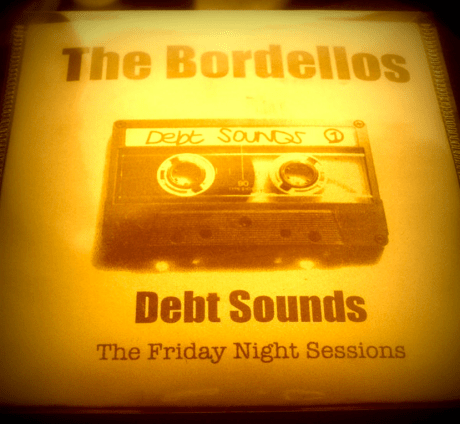
If sales and general acknowledgment amongst the masses is considered validations that a band is entering the general psyche, all my previous efforts to propel St. Helen’s greatest musical export The Bordellos beyond a small circle of appreciative followers and critics have failed dismally. Still mining the pit face of unashamed discordant lo-fi irritant indie after decades, The Bordellos is it seems fated to be forever ignored by the general public.
A hard act to sell granted; knocking out disgruntled low-key underground releases that barely register ad hoc style and keeping a creditable distance from the rest of the music industry. Like a band perpetually mourning the age before Spotify, plugged-in to a continuous John Peel session from a time when it seemed a group of miscreant family band members could take on the world, they seem totally adrift of the times they live in. And all the better for it: if “modern life” was “rubbish” the “tech age” is plain fucking awful.
Even cheaper than The Fall, the group’s tools of trade are usually brought from Cash Converters or Poundland. Their abundance of EPs and albums are created in a rush, often recorded in one take in the shabbiest of mockup home studios. Plucked from a 2009 LP, the group’s third full-length release, the four-tracks on this latest Bandcamp platform broadcast from The Bordellos demonstrate this method well.
Stripped down and raw, Debt Sounds originally vanished as soon as it appeared. Previously, for many obvious reasons, unavailable online, originally sold as a limited run on CDR and snubbed as unsalable by their label at the time, Brutarian, Debt Sounds is a 17-track encapsulation of moping romanticism fueled by late night drinking and whatever else did the trick sessions and self pity. Setting themselves the most restrictive and loony perimeters, including no overdubs and one-take vocals, each song on the album had to be recorded within the same week it was written – and at a nocturnal hour by the sounds of it.
A quartet of tunes, the strain of which helped to break up two relationships, are almost randomly taken from that album and collated under the Sampler EP suffix title; the first of which, Fading Honey sets the My Bloody Valentine on Mogadon, despondent love-sick, bordering on sinister, mood. In a late hour atmosphere of whining plugging-in amp socket hum and low emitting fuzzy static The Bordellos pour out their hearts.
A meeting of generations, the youngest member of this unhappy brood Dan was only seventeen at the time and elder statesman Brian considerably older and cynically wiser, Debt Sounds pits teen angst against a midlife crisis; both appearing to meld in the intimate shared, Inspiral Carpets on a budget, You Better Run and elsewhere.
Really flexing those “outsider” credentials, the next song, Seal Head, is a surreal melodica derangement that languidly emerges then submerges into a slumberous mad-hatter state of weirdness. The most ominous, stalkerish even, is saved until last. Honeypie is an unhinged, electric guitar thrashing and pumped-up bass line session on the psychiatrist’s couch, which features a druggy-drowsy female chorus that sounds like the protagonist’s girlfriend singing it is more captive than willing participant. A lost Jesus And Mary Chain grinder meets stoner garage punk malaise, Honeypie slumps over a sorry state of romantic affairs.
Re-released by the Isle of Man independent label Small Bear Records, you can now appreciate or ignore some lowlights from Debt Sounds album once again; a lost triumph from the band’s rebellious back catalogue that stakes a claim to the real spirit of rock’n’roll. It acts in any case as a bridge between new releases; The Bordellos threatening to release their next album this summer on the Welsh label Recordiau Prin. In the meantime get your lug holes around this underground lo fi down and out.
Sergio Beercock ‘Wollow’
800a Records, May 2017
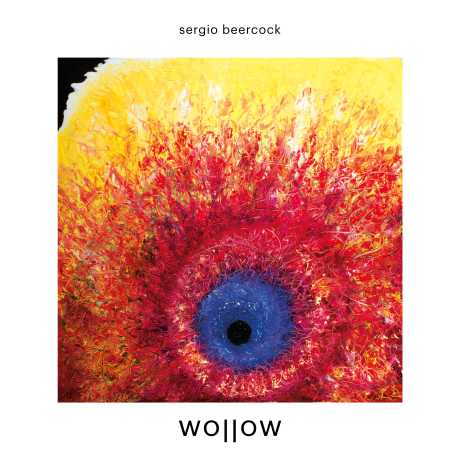
Quite by chance Sergio Beercock is the first of two artists in this revue to hail from Italy, or rather in his case the strongly independent minded Island of Sicily.
Enjoying a slow revival in fortunes; open for business and tourism after a tumultuous period of inter-war between the Island’s most destabilizing blot on the landscape and psyche, the costra nostra, a tough but fair mayor in the shape of Leoluca Orlando has over several terms in office transformed the capital of Palermo, putting away a huge swathe of Mafioso and funneling their ill-gotten gains into rebuilding the infrastructure and reputation of the city and Sicily as a whole.
Overshadowed for so many decades by this miasma, the capital of Palermo is enjoying a boom in visitors and interest, as I’ve seen firsthand myself after a recent holiday there. With much still to be done, the migrant crisis for one thing – Sicily’s position as a stepping stone between the north African coastline and Europe attracting record numbers – and the staggeringly high unemployment figures, especially among the young, there are still optimistic signs of a resurgence: culturally and musically. Recorded at the 800a collectives multipurpose Indigo Studios in the city, Beercock’s new minimal and bucolic switched-on folk meets acoustic-electro Wollow album is evidence of that optimism.
Half British, half Italian, the Kingston-upon-Hull singer/bard moved to his mother’s homeland at an early age. Working, quite successfully it seems, in both music and theatre the bi-linguist Beercock has built a name for himself in Italy. Wollow though has its sights firmly set on the UK market, with the troubadour presently promoting and showcasing his talent at a number of events and festivals across the country – only last week performing live on London’s Resonance FM and playing spots in Hull, Oxford, Liverpool and at the Wood Festival.
Almost entirely sung in English, except for the final stripped and stark a cappella version of the Argentine singer Pedro Anzer’s stirring Silencio, which is delivered in Spanish, the Wollow album is a pastoral, bordering on Elizabethan at times, and quaintly English “metaphorical journey” through the travails and sounds that have inspired Beercock. The opening gently-plucked entwining Reason – which introduces us to the bard’s impressive though peaceable vocal range -, reverent like misty veils of Canterbury Tor, guitar picked swirling beauty, Naked, and the tumble-in-the-fields-whilst-the-old-man’s-not-looking weary parable, The Barley And Rye, are all unashamedly submerged in the English tradition.
You could say the mix of song covers and original material is of a “timeless” quality. Redefining folk and the atavistic tales of forewarning and life in the manner of such artists as James Yorkston and many others.
Breaking it up however with more ambient instrumental soundscape passages and soaring evocations, Beercock also sails towards the Americas; using a Bolivian flute and the atmospherics of The Andes and Amazon to lift and elevate both An Exaggerated Song and Jester from the less than exotic and magical tempered atmospheres of Northern Europe.
Using a mostly acoustic range of instruments (and even his own body) and his voice – which sounds at times like a chamber-folk Jeff Buckley – our troubadour ups the ante on occasion with a few surprises, launching congruously throughout into energetic, twisting, stretching and straining cello and double bass slapping and avant-jazz like dance beat liveners.
Probably the first time many of us will have heard the Sicilian-based troubadour, Wollow is an attentively as any crafted showcase introduction to a burgeoning experimental folk talent.
Carlo Mazzoli ‘Avalanche Blues’
Available now

The second artist in this revue from Italy, the founding member of folk-rock band Dead Bouquet, Carlo Mazzoli branches out on his own with this self-produced solo effort, Avalanche Blues. Billed as the most intimate of his releases so far, this ambitious songbook flexes Mazzoli’s talents as a yearning blues songwriter and performer troubadour; equally at home romantically flourishing and cascading through a Freddie Mercury like rousing ballad on the piano, as donning the mantle of Neil Diamond and Springsteen on a steel-pedal waning Nashville love tryst.
Singing in English, influenced by a UK/US axis of blues, balladry, country, folk and 70s songwriting inspirations there’s no reference, except a hint in the burr, or signs of Italy to be found. This is after all an international affair musically and thematically, full of the age-old tropes of sadness and joy that are common to all of us.
If there were, however, a leitmotif, an aching bond of familiarity, it would be in Mazzoli’s penchant for the dusty old west trail. There’s certain overtures made to the stoic reflective journeyman and cowboy of that old west lore on Steel Rail Blues, on the rougher-hewn King At The End, and on the Dylan-esque, tremolo twanged love-pranged Goin’ Astray. Flirtations, executed impressively with attentiveness and lyricism, with the mosey-on down blues, Nilsson, Grant Lee and even Elton John – on the closing gospel meets 70s rock radio piano anthem On The Horizons.
From the cynical wells of despair and pity (“It might be the darkest place but it’s not the bottom of the sewer.”) to mountain climb metaphors, Mazzoli flows between crescendo splashes of anguish and saloon dive barreling swank throughout. The field is crowded but there’s more than enough talent and a certain unique style to set Mazzoli out from the legions on Avalanche Blues. As I’ve said before, this is an ambitious album, but also expansive, delving as it does into a myriad of musical styles with a certain ernest elan.
ANi GLASS ‘Ffrwydad Tawel’
Recordiau Neb

Credit: Ani Saunders
Part of a groundswell of artists and bands supporting the use, and by that preservation, of the Welsh language (and Cornish too, but that’s another story for another time), electronic siren, photographer and artist Ani Saunders, better know musically as ANi GLASS, uses what is a most phonetically poetic dialect beautifully. Even when it’s used as a rallying cry on the opening glassy-visage labour of love Y Newid, which weaves the lingering ruminants of a rousing speech by the Socialist activist and Labour councilor Ray Davis with Ani’s breathy defense of the trade union movement, her voice sails close to the ethereal. Echoing even the most amorphous exhaled sighs, utterances and vocal sounds alongside the pronounced, Ani’s Welsh protestations and longings for “change” always sound passionate but disarming.
The obvious impassioned themes of keeping the Welsh heritage alive, of reconnection with that heritage and country, and the hope of building a more stable fair society in the face of such hostile uncertainty runs deep throughout. Inspired by the use and mix of bleak colours and destruction by fellow Welsh contemporary artist Ivor Davis’ 2016 major exhibition at the National Museum Cardiff, Ani’s latest EP reflects that show’s despondent expositions of society in Wales. Later invited to perform with Davis as part of this extended vision, Ani’s resulting material can be heard channeled through the – perhaps most beautifully performed protest song of 2017 – lamentable panoramic closing track Cariad Cudd, which charts the “cruel” decline of Welsh industry.
Elsewhere on this six-track collection, she traverses Baroque new romanticism on the breathy echoing Y Ddawns – last year’s single included once again in this package -, Alison Goldfrapp whispery Dietrich candy strobe light meets Grimes on the cool reflective pulsing Dal I Droi, and a Valley-girl Madonna riding over sine waves on the Moroder-esque Geiriau. It all sounds quite Europhile – in fact Y Ddawns is a prime Eurovision entry in waiting – and glowing, straddling the serious with crystal synth pop.
Critics are always finding the most tenuous evidence and links for trends or movements in music, but Ani is the second former Welsh member of the twee doo-wop girl group The Pipettes to make the shift into electronic music, following her sister, the rising and critically lauded Gwenno, in honing a solo career. Both sisters arrive on a wave of a renaissance in Welsh electronica, with mostly unassuming artists and bedroom mavericks producing some of the best and interesting examples of the genre in the last five or so years; from the avant-garde and techno of R. Seiliog and the Cam o’r Tywyllwch radio show to the Ritalin-starved hyper sample electro-punk of The Conformist.
Ani Saunders is another impressive advocate of the Welsh spirit and artistic confidence, producing some of the most danceable and evocatively politically, socially charged electronic pop in 2017.
Rapture & Verse May 2017:
May 18, 2017
THE ESSENTIAL HIP-HOP REVIEW
Words/Selection: Matt Oliver
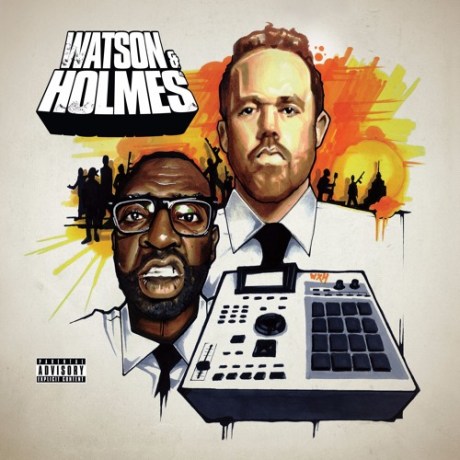
Rapture & Verse has always considered itself worldly wise, but is always open to education, learning this month that if Ja Rule offers you a flyer, do not take it. Similarly, if Bow Wow promises you a trip in his flying machine, check the Ts and Cs first. If like Lil Yachty, you’re still rubbing real heads the wrong way, best believe Joe Budden will come for you. And on a happier note, that if you have faith in Jazzy Jeff and The Fresh Prince reuniting and playing live again, it will happen. The touring Main Source, House of Pain and Kool G Rap might see a joyous flurry of dust from old cassettes kicked up as well.
Singles/EPs
A dream team delivered years late, DJ Shadow & Nas’ ‘Systematic’ is an effective treaty of ziggy, in-out loops and notable Queensbridge keenness. Forget what you know about breath control and syllable practice, ‘Freedom Form Flowing’ has Gift of Gab, AFRO and RA the Rugged Man trying to outdo one another in the art of the lung crumpling cipher, with only a honky tonk piano for company. While Stu Bangas chisels boom bap out of icicles that’ll take your eye out, Blacastan teams with Tragedy for the front foot stomp ‘War Crimes’. Old skool representation with a fitted to the fullest is to be found on new material from MC Eiht (‘Represent Like This’), Showbiz & AG (mini-album ‘Take It Back’) and Kool G Rap (‘Wise Guys’).
The anxiety attacks of Bisk’s ‘Yasuke’ EP offer sordid disaffection and some serious warnings pushing wigs in reverse, in a warped Lee Scott-produced wonderland that suddenly snaps into action. No case of mistaken identity when Eric the Red demands to know ‘Who’s That Kid’, splattering the mic across unruffled familiarity from Ilinformed on an ear-catching bout of good versus evil. Pop polish and personal plain English from Charles Edison makes ‘I Can’t Hear Them’ and the ‘Waking Up’ EP reflective and living in the real world with a strong shrug of South East attitude.
On Madison Washington’s distinctive ‘Code Switchin’, Malik Ameer is on wheat/chaff sorting duties with a gravelled larynx unafraid to put it on the Ritz, with thatmanmonkz planing down a double bass on the boards until it’s dagger sharp. The sound of smooth dejection comes from FYI – ‘These the Times (Don’t Judge)’ is up in arms with life, but slinks through the spot on its tiptoes. Ill Gordon’s ‘Super Gordo’ superpower is giving off a death stare vaporising all before him, watching the drama unfold poker faced while comic book fanfares rain down. Endemic Emerald, Skanks, Shabaam Sahdeeq and Kasim Allah promise ‘You Gone Learn’, using their own version of celestial enlightenment to spark you out the pulpit.
Albums
We always hoped these two kids would get back together: DJ Format & Abdominal re-rendezvous and do what they do best on ‘Still Hungry’. Stacked with their respective specialities of funk to beat down jumped up punks, and tongue lashings upon lashings of rhymes to buddy up with, the UK-Canada connect keep on flexing the knowhow as strong as a B-boy squad to the power of ten. Try sticking a fork in ‘em, and you’ll find that these boys are never done. Plus they’re taking merchandising to unprecedented, post-marigold levels.

It’s probably disingenuous to label Brother Ali as a gentle giant, but his aura continues to swell on ‘All the Beauty in This Whole Life’, dispensing prudence and political provocation, vulnerability and the ability to lay you out. To the tune of arm-linking assurances and music to light candles by from Atmosphere’s Ant with designated overground overtures, it’s not the all-singing-all-dancing festival of some of his peers that you might expect him to have evolved into, but a triumph of crowd gathering words to the wise meets devil’s advocacy, guaranteeing end of term honours.
Cynical old Rapture & Verse approached KRS-One’s ‘The World is Mind’ as one of those all-timer emcee projects trying to uphold a reputation threatening to eat itself (including one slip of the tongue from the Blastmaster, later rectified). Predictably getting a spectrum of boom bap from a host of willing, occasionally over eager producers (the project was mixed and recorded on Merseyside, obviously), when the going’s good, particularly when on a political footing, he can still send mic manufacturers fleeing.
The Petrelli Brothers’ ‘Ghost Diaries’, making noise that’s coming from inside the house, packs the lyrical bluntness of freshly bloodied weaponry, reeling in shadowy fate-sealing beats. Fans of Bristol’s Split Prophets won’t mind one little bit that Germany’s Samadee has remixed a clutch of the collective’s heaviest hitters, akin to an extra layer of lead pushing speakers over. Kyza’s second act of ‘Miverione’ comes with rolling free-flows, jarring wile’outs, emotional recollections and all round 100% blood sweat and tears. Not so much the bit between his teeth, Mr Sayso only deals in terabytes between his gnashers (wordy BS that the man himself would never indulge in).
In a bid to tease out some sunshine in amongst the valley of the shadows, try sending Kuartz’ ‘Shurikens’ into the atmosphere, a jazzy instrumental how-to of ill discipline with plentiful low end theory to hustle you out of a standstill. A dust-covered dozen of loops that are all boom-bapped out, Peace586’s collection of ‘Pine Tar’ offers brass tack treasures; travel-sized jazziness that you can roll on at your leisure, giving ears convenient first aid.
Aiming for made man status with a mixture of calculation and recklessness, Daniel Son’s ‘Remo Gaggi’ is made by Giallo Point’s beats left for dead in the middle of Italy – all arid strings and expensive twangs smothering the need for a kick drum. Toasting the high life and low lives, it’s gangster rap bearing honourable intentions; the second UK-Canada connect to keep an eye on this month. While Roc Marciano’s production looks over his shoulder as a gangsta sensei, Therman Munsin never rests on ‘Sabbath’, making offers you’re bluntly advised not to reject in a grudge match headlining the obituary pages. Charged by amplifier hum and creating a frattish moshpit, Cas One & Figure’s ‘So Our Egos Don’t Kill Us’ is switched on and trying to kick as much as dust as its digital enhancements allow. Not everyone will find the punk-ish bro-bap energy infectious, but if you’re planning a vengeance-dictated road trip from the outback to the big city, here’s your soundtrack.
Turkish Dcypha helps himself to the Stones Throw catalogue, flips it inside out, comes up with the cunningly titled ‘Throw Stones’, and creates a remix album tipping the scales at roughly a ton. He’s obviously done his homework, as the label’s premier lyricists – Guilty Simpson, Percee P, Charizma, MED – all sound most at home in their new surroundings appreciative of the label’s ethos. Bump it out your glass house right now. Proving that the mash-up album remains in reasonably good health, D Begun takes it upon himself to scale the length and breadth of Nas and Madlib’s back catalogues for the ‘Nasimoto’ project, an odd couple made good with supreme synching skills unearthing a kindred spiritedness worth getting to the bottom of. Boutique bootlegger Tom Caruana puts voodoo chilli back on the menu with a re-up of his Jimi Hendrix versus Wu-Tang Clan soundclash: ‘Black Gold’ skilfully sews both dynasties into a Shaolin sky-kisser with the utmost respect.
Mixtapes
On similar terms, an anniversary mix of Outkast from mix king of kings J Period is the cream of ATL now rubbing shoulders with Slick Rick, Redman, Coldcut, Booby Shmurda, Jay-Z and Goodie Mob. ‘Re:Fixed’ is an utterly wicked mix that has got absolutely everything, honouring the Southern players with skills fit for a Cadillac straight out the showroom.
Unable to kick the reviewing habit for what is now the best part of fifteen years, Matt Oliver has gone from messing around with music-related courseworks and DIY hip-hop sites to pass time in sixth form and university, to writing for/putting out of business a glut of magazine review sections and features pages in both the UK and the US. A minor hip-hop freak in junior school, he has interviewed some serious names in the fields of both hip-hop and dance music – from Grandmaster Flash to Iggy Azalea – and as part of what is now a glorified hobby (seriously, every magazine he used to turn up at bit the dust within weeks), can also be found penning those little bits of track info you find on Beatport and Soundcloud, or the notes that used to come with your promo CD in the post. Despite all that the Monolith Cocktail has welcomed him into its fold, and is now the official home of Oliver’s essential Hip-hop revue, Rapture & Verse.
Playlist: The Monolith Cocktail Social #28
May 17, 2017
A PLAYLIST FROM OUR IMAGINERY RADIO SHOW OR ‘SOCIAL’
Chosen by Dominic Valvona
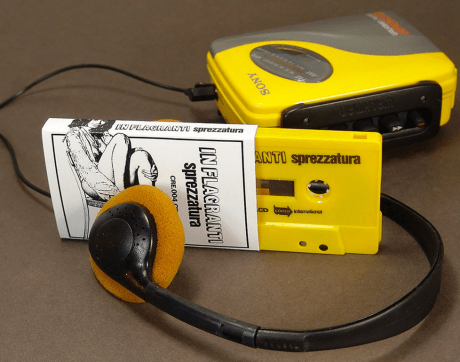
In case you don’t know the drill by now, previously only ever shared via our Facebook profile and on Spotify our regular Monolith Cocktail Social playlists will also be posted here on the blog itself. With no themes or demarcated reasoning we pick songs from across a wide spectrum of genres, and from all eras. Reaching edition #28 and eclectic as ever, this latest playlist chosen by the blog’s founder, Dominic Valvona, features magical Indian peregrinations from Ariel Kalma, deconstructed, only to be rebuilt in their vision, Wu-Tang soul from the El Michels Affair, early hand jive saxophone shenanigans from Scott Walker and Italo disco Afro soundtrack funk from In Flagranti, plus many more.
Tracklist:
Ariel Kalma ‘Almora Sunrise’
Sunbear ‘Let Love Flow For Peace’
Ikebe Shakedown ‘Road Song’
El Michels Affair ft. Lady Wray ‘You’re All I Need’
The Intruders ‘Turn The Hands Of Time’
Alice Coltrane ‘Om Rama’
Freestyle Fellowship ‘Inner City Boundaries’
Stetsasonic ‘Talkin’ All That Jazz’
Scott Walker ‘Willie And The Hand Jive’
Orlando Julius ft Ashiko ‘Awade (Here We Come)’
Ayyuka ‘Gabor’
K. Leimer ‘Lonely Boy’
Spectral Display ‘It Takes A Muscle (To Fall In Love)’
Outlands ‘New Reptiles’
79.5 ‘Terrorize My Heart (45 edit)’
Laurence Vanay ‘Strange Moment’
Merrymouth ‘Wenlock Hill’
Billy Thorpe & The Aztecs ‘Get To Hell Out Of Here (Live)’
Rob Galbraith ‘Happy Times’
Boco ‘Smile’
Dead Moon ‘Johnny’s Got A Gun’
CAN ‘Turtles Have Short Legs’
Patemoster ‘Old Danube’
In Flagranti ‘And You Know What?’
Harvey Mandel ‘Snake Attack’
Mighty Shadow ‘Dat Soca Boat’
Joni Haastrup ‘Wake Up Your Mind’
Gary Bartz Ntu Troop ‘Uhuru Sasa’
Banda Los Hijos De La Nina Luz ‘Quiero Amanecer’
Tito Rodriguez ‘Yambere’
Barney Wilson ‘Sannu Ne Gheniyo’
Daily Bread 247: Tinariwen: Live in Istanbul
May 11, 2017
LIVE REVIEW
Words: Ayfer Simms

Tinariwen live Zourlo, Istanbul 2017
We sit, and wait. The lights are on, the stage is empty, there’s a glow but we are unsure where it comes from. The room, a sort of Amphitheatre dressed in red velvety fabric has the allure of a drama play setting, it is dressed for it, whereas it has witnessed some grandiose, yet intimate moments I shan’t say.
The public is young and energetic; this public can appreciate what is to come. The public in Turkey is not eclectic. You can cut it with a sharp knife, clean carving; you will most definitely not see any lines get blurry in the cultural arena. This crowd is educated, have a bit of money, and is relentless, perhaps in the light of the newish developments that have been occurring: the rise of power all trapped in one single man. Read between the lines, that is how much we can give without watching over our shoulder these days.
This public is thirsty for this music, rather than an easy escape, it is a sort of shamanistic experience that they/we call for. As if the need for leaving our body would somehow liberate us for a moment, of the unspoken troubled iron fist that tightens its grip on this particular youth- and everyone else if they care to notice- in this modern area of Istanbul, a bastion in the fight against bigotry and subjection. We wonder then how being seated will work for us, nailed to our chair while our chests are already glowing in the midst of the room, as one great energy swirling around, ready to combust. Our bodies will enter a weirdly autistic convulsion, and our legs locked and handcuffed will soon frantically shake, like stoners from the 60s, our chains eager to break free will chime like those of the slaves on a field. We smile. We lose our breath when they finally appear on stage, one by one with a cool sobriety.
They take us higher than we’d imagine, with their ever so cool blues and mystical presence. There they are, welcomed by the crowd as if they carried under their shiny djellabas the secrets of freedom. Trance, entrance, and slowly the rhythms pick up and, some break free in the crowd and out of the cuckoo nest gather in the empty spaces between seats and vales, march in tremor, taken by seizures of pleasure, and surf the notes to outburst in front of the blue lights, summed by the members of the band. Tinariwen didn’t bring the desert to Istanbul, as enticing and magical that may be, they brought an air of rebellious fever, quenching the thirst for freedom, for all the while that they played we felt hope, we lost fear, and we felt igniting in our core, the courage to fight back. We left the venue filled with a reinforced desire to defeat our own local demons, if not with our fists, at least with our art. And as long as these bands don’t abandon us, we will be alright.
Ayfer Simms is a Franco-Turkish author, Agatha Christie obsessive, martial arts practitioner and contributor to the Monolith Cocktail who lives in the ancestral family home of Üsküdar-old Scrutari in Istanbul, Turkey with her husband and daughter. Ayfer currently works for the Institute Francais in Istanbul; a role that has recently involved her organising musical soirees and helping to bring Mali’s desert blues doyans Tinariwen to Turkey. Ayfer is just putting the finishing touches to her debut novel.
ALBUM REVIEW
Words: Dominic Valvona

Ifriqiyya Electrique ‘Rûwâhîne’
Glitterbeat Records, 26th May 2017
I’m going to stick to my initial reaction, I first exclaimed on hearing the first two tracks from this extraordinary sound clash, Rûwâhîne, and once more reiterate that it sounds like the Funboy Three meets Einstürzende Neubauten in the southern desert regions of Tunisia. But for the purposes of a more insightful review I will expand on that one liner.
Capturing something quite unique, the collaborative industrial post-punk and avant-garde rock scenes of Europe clash head-on with the descendants of the Hausa slaves atavistic rituals styled group, Ifriqiyya Electrique, create an often unworldly chthonian conjuncture of Sufi trance, spirit possession performance and technology.
A film project and now immersive sonic experience, inspired by the important Banga music traditions and the accommodating, rather than exorcising, of spirits ceremonial wild dances and call and response chanted exaltations of the black communities – originally transported to the region from sub-Saharan Africa – in the oasis towns of southern Tunisia, this astounding meeting of cultures and history is anything but scenic. And don’t for one-minute use that, rightly maligned (insulting you could say), catchall term “world music”. This is far beyond ideal, misjudged categorization. After all, to paraphrase the words of Grammy-award winning music producer Ian Brennan, “all music is world music”.
Formed in the Djerid Desert, the idea forged by field-recordist and veteran guitarist of the politically-charged Mediterranean punk and “avant-rock” scenes, François Cambuzat, and bassist Gianna Greco – both of which occasionally join forces with that livewire icon of the N.Y. underground, Lydia Lunch, to form the Putan Club -, the Ifriqiyya Electrique spans both continents and time. The band name itself is a reference to the Medieval “entity” that contained present-day Tunisia and parts of Algeria and Libya; much along the African province boundaries inherited from the Roman Empire. On their part, Cambuzat and Greco provide the grind, industrial soundscape texturing, sonorous drones and flayed guitars, but mostly, the “electrique”. Offering a dialogue with the spirits and the tradition, Banga musician Ali Chouchen – joined in the live theatre by an expanded cast of fellow voices, krabebs and Tunisian tabla players from the community, which includes Tarek Sultan, Yahia Chouchen and Youssef Ghazala – provides peripheral sounding evocative echoed and esoteric vocals and equally haunting nagharat.
From the very start of this album we’re immersed in the strange cavernous atmosphere of the Banga’s Sidi Marzûq ritual, with summoned forth voices and drums emerging from oscillating winds on laa la ila allah; followed up with the first of many triple cycle entitled tracks qaadrii-salaam alaik-massarh, which travails a dusky, dusty landscape of industrial-strength clanging and anvil hammering and wild guitar lines that fluctuate between reggae, noise, dance music and Faust – incidentally, Cologne rivals, Can are mentioned in the press release as an influence, and you can hear echoes of their E.F.S. experiments on the track mawwel.
We find ourselves taking on the role of voyeur, interloper even, on the less intense and more stripped field recordings that dot this album. Personal, intimate conversations and channeling sound like they were caught on the wind or by passing by the humble abodes of those in communion. When the intensity returns, these voices get lost in the rhythmic cycles and turmoil and sound even more ancient, even ghostly and otherworldly: the “electrique” throwing the trance like union between the old and present into a spiraling chaos.
Spiritual conversations transformed and realigned with the machine age turmoil of industrial noise, Arthur Baker style rock and hip-hop production, post-punk and even Teutonic techno, Rûwâhîne is a rambunctious unique force.
Alongside the recent Bargou 08 release from the same label, Glitterbeat Records, both albums shed light on the often overlooked, if not unknown, music of Tunisia; focusing on an understanding and dynamic showcase for a country that often attracts attention for all the wrong reasons.
Our Daily Bread 245: Vieux Farka Touré ‘Samba’
May 4, 2017
ALBUM REVIEW
Words: Dominic Valvona
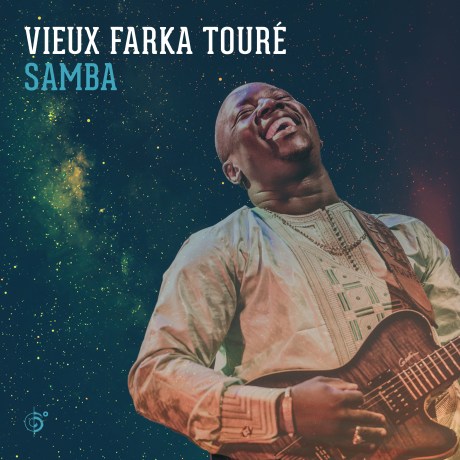
Vieux Farka Touré ‘Samba’
Six Degrees Records, 12th May 2017
Lucky enough to have witnessed firsthand the erudite guitar majestic skills of one of Mali’s leading artists last year, as part of Glasgow’s Celtic Connections Festival line-up, I still find myself decidedly jealous of the intimate small audience that were invited to Vieux Farka Touré’s Woodstock Session later that same year in October. A studio recording with a difference, played out and developed live in front of just fifty lucky people in Saugerties, N.Y., Touré’s latest blurs the boundaries between performance and the processes of making an album.
Ever the consummate maestro and backed by an equally accomplished band of musicians, there was some initial apprehension on Touré’s on allowing an audience in to the studio. Though we have the finished product, free of any mistakes, restarts and disagreements, it seems this audience far from unnerving the band, egged it on, with the results sounding effortless and natural. There were overdubs of course and one of the songs was recorded back home in Mali – the calabash driven Ni Negarba. But far from cutting corners or relying on the back catalogue, Touré has fashioned an entirely new songbook of vocal and instrumental material for Samba. Some of which amorphously touches upon unfamiliar influences, including reggae on the unapologetically roots-y swaying Ouaga.
Still a commanding presence, though he makes it look easy and so serene, emanating almost uninterrupted waves of phaser-effect guitar permutations and nuanced fretboard noodling, Touré continues to languidly merge his own lyrical form of worship and goodwill with the blues, rock and R&B. Often alluded to as some kind of Saharan Hendrix, his heritage and reputation is actually linked to the more urbane capital of Bamako in the southwest of Mali, which has its very own amalgamation of styles and unique history. Still, those desert blues styles, synonymous with the Tuareg especially, do crossover and can be detected in Touré’s music.
Touré is as the Songhai title of his new album Samba translates, the second son of the late Ali Farka Touré, a doyen of the Mali music scene himself who left an indelible mark. If we expand on the title’s meaning, “Samba” is a byword for “one who never breaks”, “who never runs from threats, who is not afraid”. It is even said that those adorned with the name are “blessed with good luck.” Inspired by his ancestry, imbued with three generations, Touré’s album is suffused with special tributes to his family. In the mode of a praise song, the spindly weaved heartfelt Mariam pays homage to the last born of the family, his youngest sister, but is also by extension a paean to both the women of the Peule and “all sisters of the world”. Samba Si Kari, based on a song Touré’s grandfather used to sing to him as a child, pays a reflective impassioned tribute to his parents. Expanding the goodwill further, to those outside the ancestral line, he’s also penned, what sounds like, a hoof-cantering percussive camel ride with celestial desert sky illuminations keyboard – courtesy of old pal Idan Raichel –, sweet dedication to his manager and friend Eric Herman’s daughter Maya. The press release offers a further subtext to this particular song, one of multifaith cohesion; Touré a Muslim and Herman a Jew, spreading a message of tolerance.
Outside the family sphere, Touré confronts both Mali’s recent Jihadist takeover – only stopped and defeated by the intervention of the country’s former colonial masters, France – on the radiantly rippling, chorus of voices, funky blues number Homafu Wawa, and environmental issues on the dexterously nimble-fingered bluesy rock, Nature.
The almost never-ending efflux, the constant lapping waves of textures that Touré plays, which offer a cyclonic bed on which to add the deftest licks, have never sounded so sagacious and free flowing. This ain’t no Saharan Hendrix at work, this is something else entirely, and better for it. This is the devotional, earthy soul of Mali, channeled through a six-string electric guitar.
Originally scheduled for 2015, the Woodstock Session would have still been a revelatory showcase and classic, but with that extra year, with the travails of being in constant demand on the road and the rapid turn of events Samba in 2017 makes even more sense, resonating with a message of respect, peace and tolerance.
Rapture & Verse April 2017: Murs, Mongrels, Joey Bada$$…
April 18, 2017
THE ESSENTIAL HIP-HOP REVUE
Words: Matt Oliver

Amidst the debate whether you’re pro-playlist Drake or give a damn about Kendrick, this is the real hip-hop bombshell. To quote Chris Rock: “love rap & hip-hop – tired of defending it”.
Within the ever turning reissue market and with the bun fight of Record Store Day upon us, some re-ups you may wanna check. Slick Rick’s ‘Children’s Story’ is now logically an illustrated volume for bedtime, Blockhead’s ‘Uncle Tony’s Colouring Book’ gets a reboot on wax, and DOOM & Danger Mouse’s ‘DANGERDOOM’ goes deluxe. More bizarre (and Rapture & Verse had to check it wasn’t April 1st), is the new Raekwon album that can be worn as a backpack, where the audio kind of works as a rumble pack for your body. True story.
Singles/EPs
IAMBENJI’s instrumental righteousness summons a headbanging vision of ‘Jesus Walks’ with ‘Its You’, chopping exultant soul into pulpit pressure: a true four minute warning. Korede’s ‘Humble Beginnings’, a smart mini-expo showing what he’s made for J-Live, has got a chunky drum-n-groove jangle to it like heavy jewellery. An impressive half dozen hangout between Juga-Naut and Micall Parknsun lobs ‘Six Bricks’, with Cappo and Scorzayzee adding extra mortar to a fortress built in Nottingham and with a strict policy on the fundamentals. The highly strung Smellington Piff and Sean Peng take solace under ‘Purple Trees’ in a bid to divert jazz cat, beret and goatee vibes, and the champion sound of Mongrels’ ‘Attack the Monolith’ is now an awesome remix movement. The ‘Attack the Megalith’ EP beams a bat signal to a big time octet, including Hashfinger sliding over a cop car bonnet and Third Person Lurkin going a grim-reapin’, to transform the Yorkshire supernovas second time around.
CunninLynguists’ fine ‘The Rose’ EP gets the barricade rocking with soul-stirring open letters eloquently asking questions and patiently waiting for answers. Aiming to make a difference as much as it whispers to bask in the sun, Maurice Brown & Talib Kweli’s ‘Stand Up’ is the epitome of peaceful protest, and something of a nice dilemma to have. Killa Kyleon’s well executed ‘Killing Over Jays’ is a nifty two-way that’s both cautionary tale and industry/cultural call out, to an oxymoron of smoothed out, box fresh trap. ‘Alone by Choice’ but with plenty to offer, Jango gives you a seven track pick n mix of sharp trap and plush roll outs with the flow to match; a GQ EP pretty much pinpointing what your ears need as and when.
Albums
Should you heed the call of Raekwon’s ‘The Wild?’ It’s not a bad shout, showing something close to vintage Wu-gambinoism, open to the conceptual (‘Marvin’, a fine biopic of Marvin Gaye with Cee-Lo; some alphabet aerobics alongside P.U.R.E.), and cajoling Lil Wayne into a decent verse for ‘My Corner’. The huntsman mentality pulls the album over the line just when the glossy crossovers airing his dirty Gucci laundry in public threaten to nullify the threat.
In a way the same can be said for Joey Bada$$’ ‘All-Amerikkkan Bada$$’, whose clear and effective state of the nation addresses come presented in funk and soul pageantry aiming for Chance the Rapper’s all rounder status. The appeal of the supple, easygoing beats, polished hooks and timely gathering together of everyone is obvious (2pac comparisons come easy as well), though it’s an album that settles into a groove and perhaps at times isn’t quite as hungry as the subject matter would welcome. Nonetheless, Bada$$’ development makes him a candidate for end of year honours.
Turntable ringmasters Boca45 and DJ Woody saddle up into the sunset again on ‘Carousel’, where you must be this fly to join the ride. In a myriad of needles, spins and samples, BluRum13 threatening to steal the show as mic anchor, breaks needing another belt notch, and energetic fun (not forgetting the obligatory electro pop-n-lock), technique and entertainment takes lesser DJs to clown school when these two go back to back. BocaWoody boss the big top like Barnum.
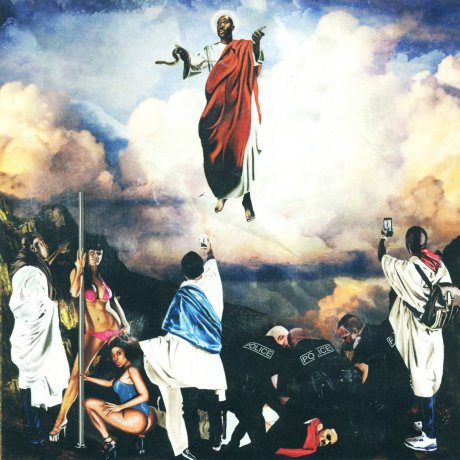
Indiana’s irresistible force Freddie Gibbs is someone not for dislodging. Like a Bond villain who doesn’t know what a P45 is, ‘You Only Live 2wice’ does grim low riding, lord praising, quiet storming and do-or-die roulette spinning, all the while Gibbs reads the gangsta gospel slash riot act with that swerveless flow of his going all in. At eight tracks long you’d be forgiven for thinking he’s left a lot in the locker, but it’s a pretty comprehensive, fluid body of work.
Renowned rhyme brawler Apathy cuts the mic adrift and goes instrumental for ‘Dive Medicine: Chapter One’, displaying sonic skills well in tune with his usual vocal rips. Soulful but with plenty of punch, as if Apathy will look you straight in the eye before rattling your ribcage, the sleeve may suggest boom bap kitted out for submarines, but the likes of ‘Scuba Groupie’ and ‘Subterranean Meditation’ are happier chilling in a deckchair amidst a bunch of mean, street-ready flexes. Re-upping straight bat boom bap from social media’s olden days, Sraw’s ‘Beat Weeks’ is the Scandinavian timetabling instrumentals that go bump in the night, jazzy foot tappers over coffee, and wheezing whacks to the loaf. Nice enough to take some time with. The mind expansions of Frenchman Al’Tarba look at instrumentals through a prism mounted atop a plasma ball, ‘La Nuit Se Lève’ the score to a film only streaming in flashbacks you haven’t experienced yet, caught in a cold-veined tailspin with dubstep choking on its exhaust.
Wired between confessional and eccentric wisdom explaining ‘How to Fake Your Own Death’, backwater hip-hop from Ecid unfurls a slow and precise, me-against-everything scuzz of discomfort holding up a mirror to the world in a typical Midwest post-malaise. One to be passed around huddles of the disenfranchised. They should then transfer to the occult of A7PHA, Anticon messengers Doesone and Mestizo delivering a dense, walls-are-closing-in distortion of reality “releasing heat so hot it disinfects metal”, and whose silhouettes make the ponderous and rabid unnerving bedfellows, reaching a crescendo/crisis point. A collection so strictly underground it should come with its own canary, Copywrite and Planet Asia are naturally all about taking care of business with ‘Unfinished & Untitled’; forget the title, these are prizefighters in all their pomp.
With the reserved flow of an all-seeing shaman, Zaire Black stamps the passport of DJ Drez’ global trip of simmering colours on the studious ‘Aficionados’, making work a mismatch of a slight vocal reticence and rich, probing production (check ‘I Will I Want’ for its range of unlikely samples, though ‘That DJ’ goes a bit EDM loco). A collection of remixes for Lessondary’s top drawer ‘Ahead of Schedule’ will do just nicely: ‘RE:Scheduled’ has twangy funk and head nod high noons from Jamie Cooley, Donwill, Jermiside and ZFTP slipping nicely into a support role going toe-to-toe with the quality of the original. The smoothness of Brooklyn’s ScienZe orders ‘Kind of Dessert’ to go with the nightcap he’s suggesting you come up for; cosmopolitan swirls, boho brainstorming, neo-soul niceness and vibes that wake when they want before hitting the ground running. Still one of the game’s surest things when it comes to storytelling, Murs as ‘Captain California’ drops you slap bang in the middle of the action, as well as walking you through tales step by step with simple start-beginning-end structures. Buoyant beats help Murs’ Mills-n-Booning no end, and his show-n-prove still ain’t bad either.
Mixtapes
Dishing out more mixtape pleasure, Donnie Propa goes to town on the play and record buttons for a second Masta Ace masterclass; a standard fix-up of classics, one-offs etc, ‘The Ace Tape volume 2’ won’t let a single beat, rhyme, cut or blend miss a step. A great DJ curates a great emcee.
Front and centre this month: Danny Brown’s must-see, Evidence’s latest weather report, The Last Skeptik going split-screen, and Bohze’s weekend attire.
Our Daily Bread 244: Alasdair Roberts ‘Pangs’
April 13, 2017
ALBUM REVIEW
Words: Ayfer Simms

Alasdair Roberts ‘Pangs’
Drag City
We would dance around a flame to a convivial, festive and bustling horde some centuries ago, we would be amid a budding ardent party with a Celtic twist, we would have a sense of freedom, and jubilation, the kind that swept across the 60s, we would raise our hands and let the flowing, upbeat, melancholic songs of Alasdair Roberts guide us through the path of some ancient relief’s concoctions.
We would feel the pain, striking and sharp, brought upon by the fear of some eerie creatures lurking in the dark forest and we would find comfort in being hurdled together singing Alasdair’s airs.
We’d wield our hands remarkably close to the sparks of the heat, at the center of things, to signify the greatness of human bonds, we would hold some electric guitars and add an era to those ancient rhymes, we would follow the wind’s direction and let the vocal chords vibrate like Alasdair’s haunting whispers.
His music awakens some long forgotten practices, some exalted moments between individuals, such as weeping of joy and mourning together in front of the invisible great black wolves aura nagging our psyches. With this modern folk music, the world seems forever colossal and our hopes even more heightened.
NEW MUSIC REVIEWS ROUNDUP
Words: Dominic Valvona
Roll Call: The Black Angels, Anna Coogan, Cotton Wolf, Happyness, King Ayisoba, Lake, Alex Stolze, Swamp Sounds/Uncle Pop & The Dumbloods, Vassals, Andrew Wasylyk.
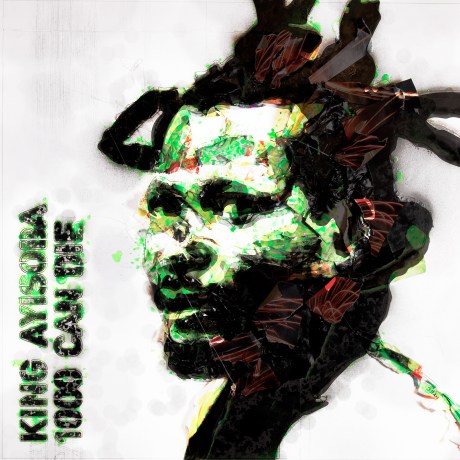
A mega edition of the regular tickling our fancy reviews roundup this month, before the Easter Break and the Monolith Cocktail’s week long sabbatical to Palermo, we take you on a whirlwind trip through some of the “choice” most recent and upcoming releases. Pleasantries aside. Let’s crack on…
King Ayisoba ‘1000 Can Die’
Glitterbeat Records, 31st March 2017

Credit: Jacob Crawfurd
Sounding the klaxon call in defense of his native Ghana, and Africa at large, on his inaugural LP for Glitterbeat Records, the striking King Ayisoba, from the roots up, uses his guttural earthy howl and atavistic kologo lute to great effect in demonstrating not only a raw anger but also a deep love for a much misunderstood continent.
From the very outset Ayisoba and his contributors Wanlov da Kubolar & Big Gad – just two of the many guest appearances on this album – rap, sing and stamp a slogan sentiment on the opening Africa Needs Africa of, “Let’s fight for Africa/Africa needs us.” Covering the North African diaspora, the boat people’s sorry saga, the colonial past and umpteen other issues that more or less shape the image that those observers from outside the continent believe is the only side to Africa – between a misplaced sentimentality and outright ignorance. There is protestation and indictment, but also a lively focus on the positives too; finding solutions through the medium of music and culture.
Though Ayisoba advocates the “power of tradition” and the primal thrust of instrumentation is one passed down from generation to generation, 1000 Can Die features an eclectic and electric fusion of musical styles. The homegrown Ghanaian “hiplife” – a mix of rap, electronic beats and traditional rhythms – rubs up against ragga, dancehall and dub; a grandee doyen of which, the inimitable Lee ‘Scratch’ Perry, appears postulating a herb-hazed wisdom on the album’s rustically plucked and enraged title track.
In-between the fiery, bordering on punk, clatter of guluku, dundun and Djembe drums and rambunctious electronic phasing beats there are more plaintive, yearning stripped-back moments: Grandfather Song, a toiled from the soil of tragedy lament, offers a more intimate knee-jerk from the full-on band sound, and Dapagara is sent off into a sweeping, wafting vista by the Nigerian legend Orlando Julius’ traversing, reedy accentuated saxophone.
Raw from the heart, highly evocative and rebellious, King Ayisoba’s songs of rage and vitality actually offer a kind of hope in the face of adversity. The future of Ghana’s music scene is in good hands at least.
The Black Angels ‘Death Song’
Partisan Records, 21st April 2017

If you were looking for a creative musical reaction to Trump and the anxious times we live in then The Black Angels beautiful apocalyptic melodrama, Death Song, must be one of the most anguished and daemonic of responses. The Austin psych-rocking overlords first album in four years was written and recorded during the miasma of the US elections after all: and doesn’t it show!
An emotionally charged despair and anger with moments of catharsis, carried out to a Byzantine flavored soundtrack of esoteric Amon Duul II and Far East Family Band psych, a vortex of 80s Goth inspirations – including The cult and Siouxsie and the Banshees – and the tolling chimes of doom and drone, Death Song is, as the title suggests, a heavy, but most excellent trip. It begins with one of the Angels heaviest productions yet; a dark arts pulsing bestial diatribe on the controlling influence of money, entitled Currency. From there we’re guided across choppy seas between brighter less cymbal crashing hypnotics and swaying macabre, through the metaphorical “killing fields” of the huntress (I’d Kill For Her); the enslaved intoxicant spell casting of enchantresses (Half Believing); and the upside down: the final Floyd and Amon Duul II-esque Orpheus-is-comfortably-numb-in-the-underworld opus, Life Song.
Brooding romantically in Gothic tragedy as the world continues to turn, undaunted by the prospects of universal uncertainty, The Black Angels spread their wings magnificently on what is, perhaps, one of their best albums yet. The leviathans of the psych-rock scene have learnt much and after a recording hiatus return with something sharper, refined but just as mystical and hallucinatory.
Anna Coogan ‘The Lonely Cry Of Space & Time’
28th April 2017
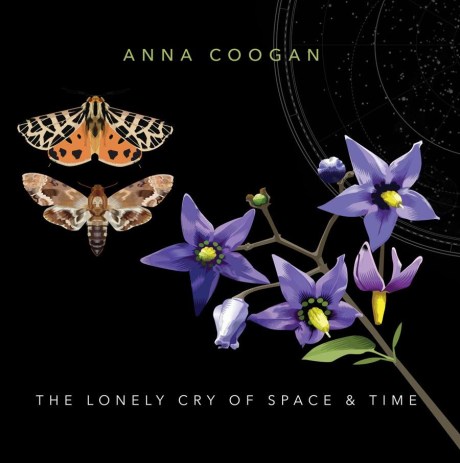
Not the easiest of bedfellows, difficult to love and often (rightly) condemned as indulgent and overblown, but the worlds of rock and opera do occasionally overlap in a congruous union. The unquestionably talented Anna Coogan for instance, mixes the two majestically, using her finely trained 3-octave soprano and classical background to offer fluttering siren-like arias that seem to surreptitiously manifest from, what is, an ever-changing metamorphosis of musical styles, on her latest album, The Lonely Cry Of Space & Time.
Spanning country, Ry Cooder desert meditations, Anna Calvi like trembled sensual emulations, PJ Harvey and even bubbly synth pop, Coogan together with musical collaborator Willie B – offering atmospheric Moog bass line undertones and drums – produce a wave (whether the gravitational kind, as serenaded and alluded to on the brilliant opening title track or, the metaphorical high seas kind, as referenced throughout) fixated lamenting and balletic travail.
Inspired by scientific discoveries, a “childhood listening to Puccini’s La Boheme”, the fateful poet Sylvia Plath, the tumultuous grave mistakes of intervention in the Middle East and, no surprises, the 2016 US elections Coogan’s ambitious suite of songs and instrumental evocations is far from lofty and classical. The operatic, learnt at the prestigious Mozarteum University of Salzburg, elements are transduced through a background of rifling through her father’s record collection of protest troubadours, and busking on the streets of Seattle, to leave only traces that appear naturally.
Occasionally rocking, most of the music has a cinematic more expansive touch, with three of the songs on this album originally composed to accompany the Soviet filmmaker Jakov Protazanov 1929 camp alien invasion/Russian revolution analogy Aelita, Queen Of Mars (the title track) and the French director Jean Epstein’s 1928 interruption of Poe’s classic, The Fall Of The House Of Usher (If You Were The Sun, A Wedding Vow).
Almost uninterrupted with each track flowing or bleeding over into the next, the album moves seamlessly between its musical and thematic influences. I could probably do without the romantic twinkled space helmet vocal synth pop Meteor, but overall this is an impressive performance, Coogan’s quivering wah wah and tremolo articulations matched equally by that heavenly, soaring voice.
Lake ‘Forever Or Never’
Tapete Records, April 7th 2017

Meant as anything but disingenuous, it’s surprising what the experimental pop group Lake get away with on their latest and eighth album, Forever Or Never. Remodeling an array of 70s/80s influences with a 21st century spin, they can turn some of the stalest MOR vaporous blue-eyed soul synth ballads and soft rock melodramas into something melodically enchanting but very poignant; analogies channeling the political and social maelstroms of our times, as most of the music coming out of the USA does in 2017.
Celebrating a recent tenth anniversary with perhaps the most exhaustive of performances, playing every song from their ninety-track back catalogue in an Herculean ten-hour set, Lake continue to submerge themselves in the Pacific Ocean Blue waters of nostalgia.
Finely attuned, lean and devoid of the superfluous, Forever Or Never is a mostly gentle, wistful breeze through yacht rock, Belle & Sebastian daydreaming romanticism, shoegaze and pop. Shared male/female vocals duties offer a constant variety that bears traces of Blonde Redhead, Harry Nilsson and The Pastels. And joining the betrothed founders Ashley Eriksson and Elijah Moore, and long-term band members Andrew Dorsett and Mark “Markly” Morrison before she passed away, the artist/musician Geneviève Castrée (for whom this album is dedicated) lent lush coos and backing vocals to the tumultuous Gone Against The Wind and bright, easy-going finale, Magazine.
Sometimes it’s like hearing Fleetwood Mac if they’d formed during the C86 phenomenon, and at other times, a strange transmutation of Captain & Tennille, and a vague stab at a post Sunflower Beach Boys jamming with Hall & Oates. Disarming and emotionally sophisticated throughout, with subtle, warm but diligent songwriting, Forever Or Never is a melody rich harmonious meditation on inner turmoil, forgiveness and mourning, that can’t help but also comment on the recent political landscape.
Alex Stolze ‘Mankind Animal’
Nonostar Records, 31st March 2017
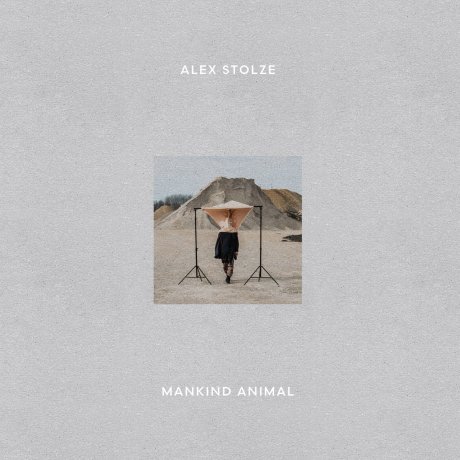
Transforming the traditionally entrenched sound and indeed reputation of the violin, German composer/producer Alex Stolze attempts to reanimate the instrument, “preserving” it, as he states, “for future generations, without being a conservative classicist.”
No stranger to reinvention, recently performing radical deconstructions of Bach’s Kunst der Fuge with the Armida Quartet, at Berlin’s Radial System venue, Stolze has gained a certain exploratory reputation for his work with the electronica acts Bodi Bull and Unmap (amongst others).
Concentrating the mind, finding a certain solace, the Berlin urbane stalwart has relocated to the German/Polish borders for a more pastoral life of contemplation; spending time on rebuilding an old ruin in the countryside but focusing on the vision for his solo work. Nothing short of guiding humanity towards a less destructive, more empathetic spirituality, Stolze attempts to bridge classicism and contemporary amorphous electronic music on his debut solo record, Mankind Animal.
Less Roedelius neo-classical, or for that matter Tony Conrad Dream Syndicate, and more John Cale inspired viola distortions and that titan of the German avant-garde Stockhausen and his electronic processing of orchestral instrumentation, the five-track Mankind Animal suite is surprisingly fluid and melodic. Conceptual and avant-garde in influence certainly, but far from a grueling or challenging experience.
A chamber ensemble mix of electro-acoustics, ambient traverses and, at times, kinetic beat undulating soul, this pan-Europa soundtrack often evokes transmogrified traces of traditional scores and folkloric music from central and eastern Europe: The articulate plucks, quivers, wanes and yearnings that emanate from Stolze’s five-string custom-made violin often sounding a link back towards the past, and ghosts of an old continent. Tradition is very prominent, but an intricate bed of low synth, contained sophisticated beats and mechanics bring it into the present.
Over the top of this score, Stolze’s succinct campfire lyrics of profound prose make allusive references to the here and now though again these concerns are often age-old: from, “where to start if you want to change the system”, on the lyrical resigned meander through the universal condition The Crown, to the more personable inner sage advice of “don’t try to be someone else/otherwise who would be you”, on the opening Don’t Try To Be.
From the cinematic Eraser to the softened timpani minor-overture Stringent, Stolze and his ensemble produce a considered postmodernist suite, both experimental in merging the classical with the contemporary, and yet a pleasurable, even soulful and thoughtfully poised listening experience.
Joji Hirota & The London Taiko Drummers ‘Japanese Taiko’
ARC Music, 28th April 2017

One of Taiko drumming form’s most prestigious of stars of the last forty years, Joji Hirota cements his sizable reputation with this latest collection, simply named Japanese Taiko. Literally, as is the case with most of these direct from Japanese translations, the ancient style of Taiko itself means “big, fat drums”, (which you can’t really argue with) and on this album features a number of these drum shapes and sizes, from the smallest, a “uchiwa tom”, to the behemoth sized “oh daiko” (again, literally a “big drum” that measures 140cms in diameter).
Inspired by the volcano piqued hot springs landscape of his native Hokkaido – Japan’s most northerly of main islands – Hirota, who started training at the age of eleven, merges majestic traditions with a unique modern approach: He was after all among the first of the Taiko practitioners to bring the style to the West, and has more recently lent his music to the soundtrack of Martin Scorsese’s latest martyrdom, Silence. Together with his four male and eight female strong London ensemble the maestro thunderously rolls through Taiko’s folkloric, Noh theatre, Kabuki, Buddhist and Shinto religious ceremony origins with agility and at times entrancing aplomb.
Building up pattering rumble evocations of the Spring Breeze or, stroking the drum skins to an atavistic Japanese flute accompaniment in ritual to a Harvest god (Kokiriko), this dynamic, though often monotonous, chorus of drummers is surprisingly melodic. A barrage yes, but the drumming wall of sound is often elevated by poetic vocals – usually in chorus, though there is a strange mix of call and response staccato rapping on Akita – and subtle mood and tonal changes; from wood clapping to finger bells and cymbal swells.
To experience live is something else: a synchronized art form of music and theater. But this showcase of tradition and experimentation, with half the compositions written by the man himself, is a great introduction to the form.
Cotton Wolf ‘Life In Analogue’
Bubblewrap Collective, 28th April 2017

As technology’s ever-domineering progress takes over and algorithms creep into the creative process it’s a relief to see and hear that the Kraftwerkian dream of complete immersion between humans and machines, with all music created by a computerized brainiac, is still a long way off. And though by its very democratized nature and access electronic music is obviously wholly reliant on tech, which is getting ever cheaper and easier to use, there are many artists who wish to (and excuse my trite cliché) put the soul back into the machine. The Cotton Wolf Welsh duo of “super producer” Llion Robertson and classically trained composer Seb Goldfinch are among those, “living in the analogue”, who leave an indelible human mark on electronic music.
Their debut album is an often sophisticated, downtempo, merger of small, organic Leaf Label like synthetic drums and tight percussion and subtle atmospheric waves and suffused strings – part of the symphonic quality and melody the duo wish to emphasis. With guest vocals from the attentive soulful Alys Williams, on the gauzy veiled Lliwiau, and calm fluttering siren Lois Rogers, on the softened Massive Attack-esque Future Never, Cotton Wolf omit for a sense of performance and humility.
“Unapologetically” Welsh, Williams for example sings in the dialect, the duo is rightly proud of their heritage. And they are in some ways in the middle of a golden resurgence, with countless fellow Welsh electronic artists, from The Conformist to R. Seiliog and Gwenno Saunders to name just three, gaining critical attention and flying the flag. But, apart from the language, there isn’t a common identity in the music itself. There is no such thing as a “Wales sound” in the genre. Life In Analogue is if anything a global soundtrack, with traces as diverse as Kosmische, EDM, Bonobo and even mellowed South American electronica all under one roof.
More than a little classy, electronica with a human touch, Cotton Wolf weave the symphonic articulately into an album with depth but also commercial appeal.
Swamp Sounds/Uncle Pop & The Dumbloods ‘ST’
Bearsuit Records, 24th March 2017
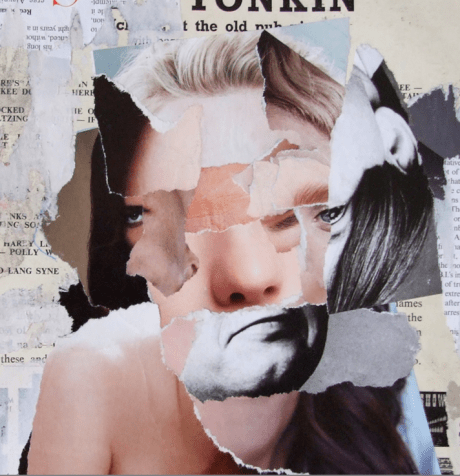
A split offering from the Edinburgh label of idiosyncratic experimental sonics and more lo fi indie pop fare, Bearsuit Records bring us an incongruous curious pairing of, mainly, electronic music mavericks.
From further up the Scottish east coast, Dundee artist/musician Douglas Wallace, under the strange Uncle Pop & The Dumbloods appellation, has fashioned an imaginary Hondo City futuristic soundscape that bares little relation to the track titles. With a backing of trebly crisp electronic percussion, tetchy cymbals, clean crystalized synths and trans mutated guitar wails, Wallace’s science fiction travails make ephemeral references to Murcof, Bowie’s Heroes peregrinations, Ryuichi Sakamoto and the sort of 80s vapour ice-misty synth soundtrack fare you’d find on the video-nasty, Shogun Assassin. Reverent at times, primordial at others (check the lost world of Song For Broken Singers), ole Uncle Pop’s contribution is a subtle, meditative counterpoint to his album companion’s ennui flitting Casio car-crash bombardment.
Hailing from Nagoya, Japan, experimental electronic music artist and founder of Sleep Jam Records, Yuuya Kuno flirts with a number of aliases including House of Tapes but for this label and in this capacity goes under the Swamp Sounds moniker. Chopped-up into a loopy soundclash of Casio pre-set schlock and drama, Kuno’s 80s meltdown collage is both ridiculous and yet full of interesting surprises. Tracks such as Skull Disco feed Daft Punk through a dial-up connection and grinder, and Houndstooth sends Atari Teenage Riot to a laser quest showdown.
Run of the mill for Bearsuit, who constantly release such curiosities, but for us the listener these experiments prove intriguing; bringing to our attention some unique artists, working on the peripherals of sonic reinvention and cut-up mania.
Andrew Wasylyk ‘Themes From Buildings And Spaces’
Tape Club Records, 28th April 2017

The second artist in my roundup to hail from the fair city port of Dundee, musician/composer Andrew Mitchell (nee Wasylyk) pays a moving sort of homage to his home on Themes From Buildings And Spaces. With the onus on the psychogeography of the architecture in Scotland’s fourth-largest city, its history as the capital of Jute production features heavily as a recurring theme; the ghosts and lingering traces of Tayside mills and the people who worked the oppressive Industrial Revolution machinery within them making their presence known on the reflective Lower Dens Work.
Memories both haunting and meditative are made concrete, prompted by the iconic images of the late, “father of Scottish modern photography”, Joseph MacKenzie and a mix of architectural markers – only ever seen in Scotland – from across time: stoic granite beauty to hard-to-love Brutalism. The very evolution of Dundee, over eight instrumental evocations, is lent both a melancholic and romantic soundtrack of lapping piano tides, gentle swooning colliery jazz brass, synthesized choral voices and peaceable textures. Sounding unique, even pastoral at times, these suites conjure up a Caledonian Air, yet at other times errs towards the ether, conjuring up those old ghosts and spirits.
Andrew sheds a new light in many ways on Dundee with the most reflective of timeless scores.
Happyness ‘Write In’
Moshi Moshi, 7th April 2017
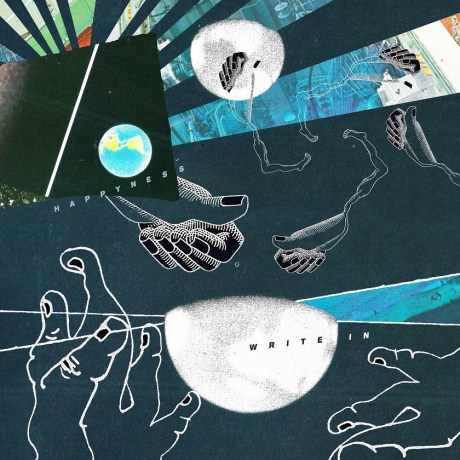
Ah…the sound of a band embracing the heartfelt warmth, accentuated dazed melodies and special feel of such 70s fare as Randy Newman, Harry Nilsson and Big Star, Happyness evoke the hazy fond memories and subtle sophistication of these and other complimentary artists on their new album, Write In.
Having previously covered and absorbed tootsie roll Beach Boys idyllics and the Athens, Georgia college radio rock of the obscure Club Gaga on last year’s Tunnel Vision On Your Part EP – the title-track of which appears alongside the drowsy-sighed pop spankler Anna, Lisa Calls on this, the group’s second LP –, and often drawn favorable comparisons to Wilco and Pavement, Happyness find themselves liltingly tuning into a more eclectic array of influences for their most melodious, engaging songbook collection yet.
The opening Falling Down gambit, with its radiant phaser guitar, conjures up the Scottish indie supremos (and fellow Big Star acolytes) Teenage Fanclub, whilst the pastel-shaded saddened tone of The Reel Starts Again (Man As Ostrich) sounds like a lost, ghostly remnant of a George Harrison and Jeff Lynne malady. A touch of the Brighten The Corners era Pavement permeates the band’s weary slacker muffled Uptrend/Style Raids, but by the time we reach the halfway stage of the album the lads are back to thrashing out a languorous grunge-y grind on Bigger Glass Less Full.
Subtle and confident, Write In is a halcyon, beautifully executed album with real depth and personality. Happyness have found their flow with loose but perceptively well-crafted gentle pop songs of a timeless quality: to be played as the “credits roll forever”.
Vassals ‘Halogen Days EP’
Post Fun, 7th April 2017

You have Audio Antihero’s indefatigable Jamie Halliday to thank for dropping this EP from Brooklyn misfits Vassals onto my radar. The backing band of Audio Antihero signing Magana, the trio’s latest release bandies between, as the press release puts it, a sort of “bleak beauty” and “chaotic minimalism” that strays into “slacker-rock ambivalence” and “post-punk cynicism”. I can confirm all of that, but would like to add the following if I may.
There’s more than a touch of the new wave on Halogen Days quartet of power-pop and grungy-romanticism. The slacker and grunge elements made brighter and indolently tuneful for it.
A run through of the EP then: We have the pendulous drum and echoed vocals of the opener Sea Spells, which sounds like a young Glenn Tilbrook fronting The Yeah Yeah Yeahs; the Moonless (“night”) build up swell of crescendos that evokes the Tokyo Police Club and Wampire; and the return to the source of inspiration with traces of The Pixies and Dinosaur Jnr on the stumbling SoHo. The finale meanwhile, Ghostwood, traverses Pavement and The Strokes (when they were something), on a peaks and lulls, heavy and accentuate crafted N.Y.C. indie resigned anthem, that literally spirals and pounds away until lifting off.
Bright hopes indeed and nowhere near as petulant as you’d expect. There is amongst that cynicism and effortless sounding despondency some real thought and musicianship, the lyrics actually far more aching and heartfelt than they might admit.
REVIEW
Words: Dominic Valvona
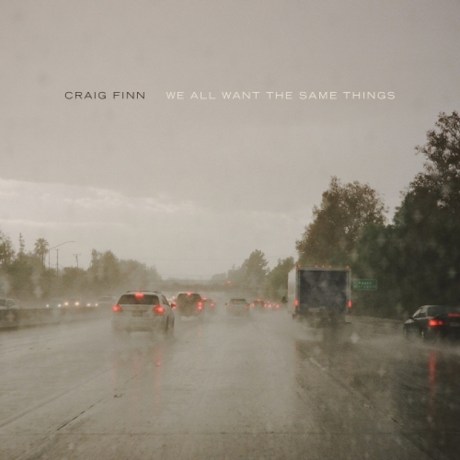
Craig Finn ‘We All Want The Same Things’
Released by Partisan Records, March 24th 2017
Occupying a rich postmodern American literary landscape, channeling such celebrated chroniclers as Bruce Springsteen and Vic Chesnutt, former The Hold Steady, and prior to that Lifter Puller, front man Craig Finn has in more recent years carved out a career as a successful solo artist. In true Springsteen style, though with far less guttural bombast, Finn brings a certain levity and importance to the lives of America’s “ordinary folk”, building a highly erudite diorama to stage the unfolding, and to outsiders, the often inconsequential dramas that are acted out across the States on a daily cycle.
Continuing to pass time in philosophical angst and contemplative lament, frequenting the bars of Minneapolis, or, triggered by mourning, heading out on a road trip with no plan but finding a fleeting connection, Finn populates his latest album, We All Want The Same Things, with a cast, “all trying to help themselves, trying to move forward, and in some cases trying just to survive.” United in there, and of course our, basic needs, under the darkening clouds of a changing political landscape, the bluesy troubadour finds a poignant commonality between the characters in his songbook. Finn himself, in his most autobiographical allusion, uses his own experiences of feeling adrift in a world that “didn’t seem to have a lot of room for me” after returning to the “Twin Cities” of home from college in the mid 90s, on the melodically breezy but lived-in gnarled saloon lament, Prelude.
Subtly tapping into the “liberal” creative psyche of America, one that’s still in a state of shock, but also the so-called “blue collar” America that put Trump in the White House, Finn doesn’t so much point fingers or berate as reflect the resignation of a cast on the peripherals of society.
Enriched with the graceful subtle presence and soaring vocal harmonies of Caithlin De Marrais (former Rainer Maria vocalist) and singer/songwriter Annie Nero, the keys of Sam Kassirer (Josh Ritter, Langhorne Slim), swaddling and lifting horns maestro Stuart Bogie (Arcade Fire, Antibalas), and longtime contributor from The Hold Steady, guitarist Tad Kubler, the musical backdrop is a mix of rolling Warren Zevon piano psychodrama, bluesy rock’n’roll and Ashbury Park period E Street Band brass. A solid performance and assiduous edition to the modern American songbook, Finn’s third solo album shows a full-bodied, sagacious artist at his pinnacle.
 Monolith Cocktail Blog