Jointly by Andrew C. Kidd and Ross Perry

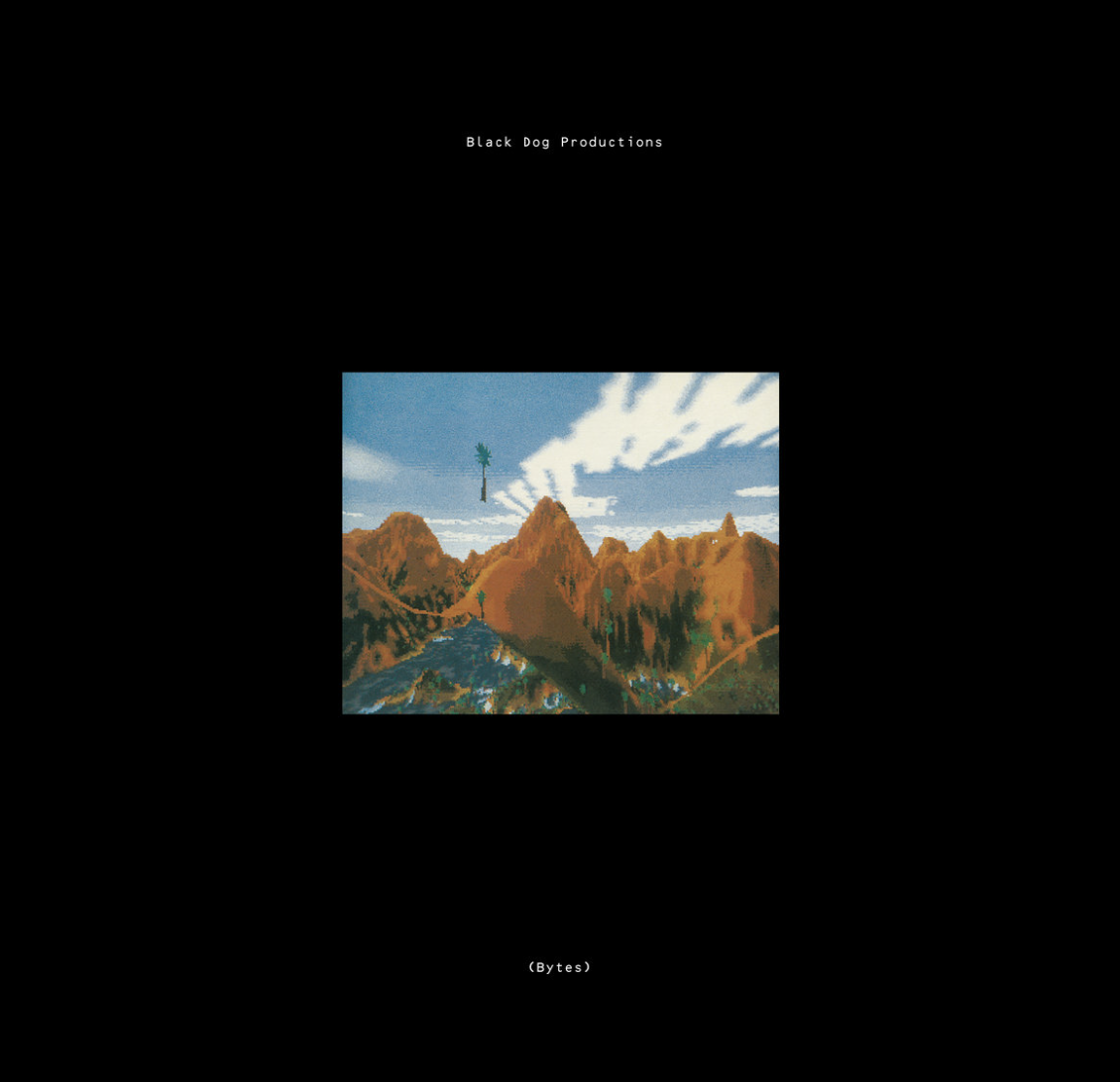
Black Dog Productions ‘Bytes’ [1993]
The Black Dog ‘Spanners’ [1995]
(Warp Reissues)
Intelligent dance music. IDM. A difficult-to-define genre (if it even was one). Experimentation in dance music? The awkward shoehorning of ambience and danceable music? Flawed nomenclature aside, pinpointing the start of the movement is an even trickier task.
To dance is to move rhythmically. Ussachevsky and Stockhausen were creating electronic music in the 1950s, albeit it is difficult to argue that their creations were ‘danceable’. There are danceable moments on Spiral (Vangelis, 1977) and Équinoxe (Jean-Michel Jarre, 1978). Then there was the electro-pop Kraftwerk and the danceable synth-pop sounds of the likes of OMD, Moroder, Numan and Cabaret Voltaire. Yet, the sound that we most associate with modern-day IDM probably arrived in the very early 1990s. Utd. State 90 by 808 State (ZZT Records, June 1990) is an early example of the abstraction which underpins IDM, albeit that album was palpably more familiar as a resident in acid house. Tricky Disco by Tricky Disco (Warp, July 1990), Frequencies by LFO (Warp, July 1991) and Analogue Bubblebath by Aphex Twin (Mighty Force, September 1991) were IDM pathfinders. The public were probably exposed to IDM through Accelerator by Future Sound of London in April 1992 (released on Jumpin’ & Pumpin’). Warp can take credit for the naming of IDM on the compilation album, Artificial Intelligence, in July 1992.
Bytes (originally released in March 1993) is one of the most influential works in the intelligent dance music scene (it is regarded by some as the seminal work of IDM). The first iteration of the track Clan (Mongol Hordes), the work of I.A.O, an early moniker of Ken Downie (one of three aliases used on Bytes), featured on Warp’s AI compilation. Although Bytes is a compilation album, it has always been more synergistic than that – a musical Megazord of sorts (if such an obviously ‘90s reference can be afforded!). It was the third album in the Artificial Intelligence series and is thirty this year. When it was first released, it was a promise of futurity. Akin to the golden age of science fiction, there was experimentation, and comparatively difficult-to-differentiate narratives – the listener is drawn in and out of various sequences, some real, others fanciful.
There is no doubting the influence of the Detroit techno scene of the mid-1980s and its dramatis personae: the joyful R-Tyme; the villainy of Suburban Knight; the realism of Model 500; and of course, Derrick May. Listen to the analog crunch and pulsing rhythm on the opening Object Orient (Plaid) – two hallmarks of that sub-genre. It railroads through the sonic journey with playfully synthetic melodies, slowing only occasionally for brief vinyl cuts. It is a deconstruction of what preceded it, like time folded up in slow motion. Similarly, the repetitive four-four chops on Merck are akin to a Mayday track; the keys, syncopated at times, improvised later, dance their macabre dance. The Phil 5 interlude that precedes Fight The Hits harkens back to The Art of Stalking by Suburban Knight; the same could also be said for Atypic’s masterpiece Otaku which sadly did not appear on Bytes – this featured on the Black Dog Productions E.P. released in May 1992.
Bytes is fantastically congruous. After Merck (Balil) fires off high-frequency plasma rifle shots in rapid succession, its latter half is mesmeric and glistens into the orchestral opening of Jauqq (Close Up Over)*. As the syncopated rhythm fades, a metallic beat enters, and the sound is progressed. Another fine example of this is Olivine (Close Up Over) – IDM in the definitive sense – and its light synths that dot around the checked squares of some strange sonic chessboard. Here, the rhythm progresses up and down like opposing rooks; the L-shapes of the syncopated synth are warring knights. The lithe ending is regal, and heralds Clan (Mongol Hordes) (I.A.O.)– queenly, like the multidimensional chess piece, it serves to take the rest of the board out. It is IDM ex-animo. Its movements pitch-alter. This is music from the soul. It sounds as genre-buckling now as it will have done in the early 1990s. The alarm-like initial melody initially hides the subtle breakbeat that builds into the piece. The 4-4 rhythm doubles up, almost rolling over itself. The four-key synth melody stirrups. The melody changes. A deeper bass commandeers.
Futurism: lasering zaps and string stabs on Caz (Close Up Over) and the steely undertones of Jauqq (Close Up Over). Sporadic canons also unload on Focus Mel (Atypic) in a manner that is not too dissimilar to early Subotnick and Nu-Sound II Crew (nearly a half-century later), or an A. Bertram Chandler hero travelling ahead to save us, the listeners in the present day. Its outro is an echoing aftershock from another place – the future is being told by Xeper as he knocks hard on the other side of the great glass door of time. The track preceding it – Carceres Ex Novum (Xeper) – underpins the experimentation which defines Bytes.
Fight the Hits (Discordian Popes) is an awesome percussive assault (similar to Polygon Window’s Quoth) which serves as a bit of a palate cleanser and a much-needed bridge between the chaotic Yamemm and Handley’s magisterial three-track denouement. Yamemm (Plaid) itself is fragmented and perhaps anomalous in this album†.
Bytes concludes with 3/4 Heart (Balil). The stock-heavy modulations are polyrhythmic. A Vangelis-esque synth is organ-like at points. The melody is snappy – danceable even! A half-clap effect – perhaps an imagined crowd – heralds the vocal line, “we must surf the universe”. The sound at this juncture is more refined, the narrative complex – the listener revolves around in a full-circle. Oneness is achieved.
At this point, it is worth mentioning how instrumental Ed Handley is to the legacy of Bytes as a groundbreaking album in IDM’s naissance. Atypic(Turner)’s Focus Mel is excellent, but it his only solo track on the entire record, and Downie’s three contributions are dynamic detours in their own right. Handley absolutely dominates this album with five solo tracks and two as part of Plaid. Whether it is Balil or Close Up Over, his mastery of clever arpeggios, countermelodies and otherworldly harmonic pads married with second-wave Detroit rhythms give the album a melodic heart, which beats all the way through from Object Orient to 3/4 Heart.
Bytes (and by extension, The Black Dog Productions moniker) also acts as an important milestone in Plaid’s evolution as a duo. Before it, we can hear on disc one of Trainer (Warp, July 2000) – an excellent compilation of Plaid’s early career output – that the group were more experimental, sample-happy, willing to genre-hop. Take the Latin-infused breakbeat stylings of Scoobs In Columbia, the jazz-tinged Slice of Cheese, or even the proto-jungle of Perplex (all these tracks were originally released from the oft-forgotten debut album Mbuki Mvuki, released on The Black Dog Productions label in 1991). Bytes on the other hand showcases a more focused pair, albeit a little lop-sided, that fills the record with top-tier ambient techno (which yes, will always get the IDM treatment!).
Spanners (originally released in January 1995), their first release on Warp, was the hit LP of The Black Dog – and for good reason. It is great to think that ‘way back then’ albums that clocked in at 75-minutes were charting (imagine that nowadays when albums are often sub-30-minutes). Admittedly, we live in a different time where attention spans are shorter. Most tracks on Spanners feel like a tug-of-war between Plaid as a duo and Downie as a solo artist. Plaid in 1994/95 had their more functional IDM/ambient-techno sound figured out, whilst Ken Downie remained somewhat of a wild-card: his trappings being more cinematic, sample-based and experimental, drawing from a much broader spectrum of influences. One of the elements we most enjoy about the output from the original Black Dog has been trying to surmise not only who did what in each track, but also which members were involved in certain outings. This is no more rewarding than on Spanners where some tracks seem like the work of a sole member (usually Downie), whereas other tracks feel like the work of a tag-team, either consisting of a Plaid member and Downie, or in the case of Tahr and Frisbee Skip, Plaid on their own. Frisbee Skip could very well double as a bonus track on the duo’s first (mainstream/Warp) full length, Not for Threes, released in October 1997.
The opening to Spanners is Raxmus, a classic in the downtempo repertoire; its sawing introductory synth leads into a horizontally relaxed beat. Raxmus feels like one of the more seamless tracks on the album, and we speculate that it is possibly a Downie/Handley duet: Downie providing the trip-hop template; Handley layering in his Balil-style harmonics.
The heavily-syncopated rhythm on Barbola Work (which disintegrates towards the end of the track) is interspersed with boings and hits and twizzles. It follows the formula that many of the early tracks on this album have: Downie providing the track’s introduction, throwing a wide range of vocal samples and/or exotic instruments at you, before Plaid build the track up with their infectious basslines, whirring clicks, zapping sound effects and magical synths. The Sugarhill Gang-laced explosion of an intro on Barbola Work is Downie through and through. Plaid then takes over to put down the melodic scaffolding and beat-work. The transition admittedly does not work quite as well on this occasion as it does on the proceeding track, Psil-Cosyin, perhaps coming off as a little dissonant.
Arguably the most cohesive three-track sequence (or four if one includes Bolt 3) follows. A major Locrian scale surfaces on Psil-Cosyin and scintillates in scaling brightness as the piece progresses. This is one of two clear highlights of the album where all three members of The Black Dog play to their individual and collective strengths and produce a definitive masterpiece. As an early Spanners track, the song structure is as described in the last paragraph. One can consider Psil-Cosyin as being composed of three suites: in the first, Downie arrests your attention with a mysterious intro of odd vocal samples and pipes; the second is signature Plaid with a slow and progressive build-up; the third is a roaring crescendo which serves as a climax. Here, all three members of the group function as a rare and perfect whole: Turner’s acid synths; Downie’s eclectic sampling; Handley’s Balil-esque angelic arpeggio. The concluding higher-rpm of the track serves perfectly to lead-in the membranophonic beat that anchors the light synth swathes on Chase The Manhattan, which may be a Downie solo venture or a collaboration between Downie and Turner. It is tribal-house-infused. The spacey pads are those that we often associate with Downie’s Xeper alias; Turner possibly contributes with acid licks and humming bass lines.
Tahr is an amalgam of the latter two tracks: a polymer-pungi weaves around a 4-4 beat. In this piece we hear a lot of Turner’s percussive sensibilities, addictive basslines and frantic trance-like synths (these can also be heard on Atypic’s Jolly on Trainer). Handley comes in later with another Locrian melodic flourish. Although Tahr is a short track, it is a great example of Plaid’s symbiosis.
One criticism we have of Spanners is its length. The 19 tracks are not an issue (the Bolt skits are sometimes only seconds long); rather, it is the occasional meanderings of the trio. Perhaps this is because thirty years have passed and listeners of the present day are used to more perfunctory albums clocking in at sub-30-minutes. Take Further Harm as an example. It is an expansive piece, one that stretches in and out, starting in the realms of downtempo, ending in synth-plopping abstraction. That said, it is one of the greatest examples of the stylistic fork-in-the-road (or tug-of-war) between Plaid and Downie. All three members are involved here, and the stop-start industrial breakbeat combined with the odd mantra of a vocal sample gives it a ‘train that is meandering down the track and picking up steam’ feel. More samples are layered in as well as all the sonics that Downie brings to the table, and then, two minutes in, the signature Plaid-synths, pads and basslines play out to give the track a melodic grounding that it did not have before. The hip-hop breakbeat is replaced entirely by a more industrial one in its later stages. As a piece that starts off travelling in one direction, Further Harm changes tracks, and an unpredictable journey ensues – it is a microcosm of Spanners.
Utopian Dream is similarly frequentative. It is one of the most leftfield pieces on the album. We have never heard anything like this from the Plaid members (was this a Downie solo?); imagine a harsher version of Boards of Canada’s Zoetrope on In A Beautiful Place Out In The Country (Warp, November 2000). The elegiac Nommo and its modulated synth stanzas and bassline climb their respective octaves – sequentially. It could have featured in a fictional Xeper album along Carceres Ex Novum on Bytes. Could the track idea have been consolidated, or even progressed like Olivine or Clan On Bytes? Regardless, Nommo remains cinematic.
The right balance between track length and monoinstrumention is achieved on Chesh, the other album highlight (it feels like more of a Handley solo piece, or mostly Handley with (possibly) Turner adding in a background layer). Pseudo-mythical modulations ascend and descend masterfully – imagine Ransom first exploring Malacandra (an Out Of This Silent Planet by C. S. Lewis reference), or the space sequence in the 1950 film, Destination Moon. There are echoes of Andreas Vollenweider too. The Balil style countermelodies and light airy synths interplay with the heavier reverb-laden keys – it is a magnificently poignant closer.
Spanners is a work of subtly in both melody and rhythm. Take the lithe key flourishes on Pot Noddle, ceilinged by the quiet clarion of higher synths; the guitar is indistinct, and the rhythm section almost organic. Fast forward to the sounds of Four Tet. The start-stop breakbeats we heard on Further Harm, albeit slower. The frantic ‘western saloon piano’ sample serves as a mid-point alarm clock. End of Time thunderously drums around penetrating synthetics. It is punchy, echoing the head nodding thrums of Fight the Hits (Discordian Popes) on Bytes. It is also trancey, and chaotically space-like (imagine the Starship Enterprise on an intentional suicide mission!). The time-warping synths are magnificent and reminiscent of early Black Dog tracks like Ambience With Teeth and Virtual, both released on the Virtual EP (Black Dog Productions, April 1989).
The skits Bolt 1 – 7 appear at varying intervals on Spanners. Some are simply white noise and filtered static, others almost wheezy. Their purpose is unknown – are they the voices of pulsars, or the sounds one would experience in the belly of an exploratory spaceship? Bolt 3 harks back at the Phrygian Psil-Cosyin and the chaotic goblet drum effect that thrums on Chase The Manhattan. Bolt 7 slides into obliquity, and onwards to Frisbee Skip. Listening to the Bolt skits again, their darker and more intense aesthetic share a similarity to Allegory 1 [Red], which Downie et al dropped in 2020. The third track on that release – Bar 331 – is metallic and off-key, an eerie transmission that has resurfaced 25-years later. Unlike the Phil interludes on Bytes, which serve as key intros and outros and transitions between certain tracks, the Bolt skits feel more like aural non-sequiturs. After listening to them again, they remind us of the more experimental segments of tracks we would hear on later Plaid albums such as Rest Proof Clockwork (Warp, June 1999) and Double Figure (Warp, May 2001).
Perhaps due to it being released on General Production Recordings rather than Warp, we consider it interesting that The Black Dog’s second album – Temple Of Transparent Balls – has not been reissued. It split their audience down the middle. We still enjoy listening to the ‘progenitor’, almost stock sounds that feature on that release. It had a machine-like quality, an insight into the deeper engineering works of IDM: a sonic forge with the anvil strikes on display.
On Spanners and Temple Of Transparent Balls, Downie’s approach and sound is definitely more unpredictable and harder to pin down than the Plaidsters’ experimentations and manipulation. We feel that the Plaid duo provide the two Black Dog albums‡ with less experimentation and a lot of the more conventional beat-work, basslines and melodic structure that would soon form the foundations of their Warp-era work, whilst Downie, the aforementioned wild-card of the trio, added in an off-the-cuff sample here, some industrial Meat Beat Manifesto-esque breakbeats there, or some bizarre and dissonant sound effects out of nowhere. He also seems to be the more cinematic of the three; his sounds are often themed on science fiction, and past and future landscapes.
So, in 2023, where do Bytes and Spanners sit in the pantheon of intelligent dance music? Well, Handley, Turner and Downie are rightly the archetypes of the IDM sound in the same way that Richard D. James (as The Dice Man), B12 (as Musicology), Autechre and Alex Paterson (as Dr Alex Paterson) are by their participation on the first Artificial Intelligence release. Having been forged out of the molten ambient techno and fiery rave scenes, the joy in returning to Bytes has been its rhythmic experimentation. Although not perfect, Spanners achieved what it set out to do. It is expansive, and labyrinthine – it washed away the harsh melodia of Detroit techno to toy with its listeners.
After the synergy, the separation. We are left with The Black Dog Mk.2 (Downie and the Dust brothers) and Plaid. The subsequent releases of The Black Dog marked a departure in sound in some regards, yet their output remains as heterogenous and experimental as it did all those years ago. The ambience of Music For Photographers (2021) is one for the musical aesthetes of this world; as an album inspired by the slab-grey brutality of the concrete architecture of Sheffield, it is wonderfully light.
The work of Turner and Handley continued as the dynamic Plaid. The duo would go on to become a permanent fixture with electronic giants Warp, starting with the ambitious and guest-heavy Not For Threes in 1997, consistently putting out records with the label to this day, a very impressive feat indeed. But how does Spanners fit in with Plaid’s break-away from The Black Dog? From what we can hear on Spanners, Plaid had become an almost-finished article with both members Handley and Turner comfortable in their respective roles. Handley clearly had already found his niche as the melodic heart of the group under his Balil alias on Parasight EP (Rising High Records, November 1993) and Bytes. We hear this consistently again and again on the most melodic segments on Spanners. By this point, Turner had also spread his wings under the Tura alias, switching to this from Atypic around 1994 (his work as Tura can be heard on the earlier-mentioned Trainer). This cemented his role as the more technical of the two: a master of infectious basslines, staccatic synths and dissonant zaps. Interestingly, Handley and Turner’s decision to move on as a duo also led to them re-embracing the genre-bending experimentalism that marked their earliest Plaid material, particularly Mbuki Mvuki. Nevertheless, no matter what sub-genre they would delve into on subsequent albums, Bytes and Spanners provided the blueprint for what would become Plaid’s core sound.
Those who listen to Bytes and Spanners in the present day will enter a sonic-time capsule: a time when a new world was burgeoned upon the drawing of the hip hop, electro and early Detroit techno influences of the late 1980s. This was a time of innovation, and deeply intelligent composition.
Footnotes:
* On the original Bytes release, this opening was actually an interlude titled Phil(7), the final of the Phil interludes. These interludes (mysteriously credited to Echo Mike, a handle to whom the identity has never been revealed) are not listed as separate tracks on the re-issue, yet they are vital elements ensuring that Bytes as an album works as a cohesive whole.
† This feels like something from Plaid’s 1989–1992 phase when they were experimenting with different sounds and styles, particularly hip-hop, early ‘90s industrial-breakbeat and house. These styles are also evident on the early EPs of The Black Dog.
‡ We are careful not to classify Bytes as a Black Dog album as it was released under Black Dog Productions, the name of their label, and a sort of holding company of all three members of the group’s respective aliases. We have also been careful in differentiating between this and The Black Dog which was the name used for their group efforts as a trio.
Première: Renato Fiorito ‘Medusa’
March 29, 2023
TRACK PREMIERE
Dominic Valvona
Renato Fiorito ‘Medusa’
Taken from the upcoming Lustra album, released on May 4th by Non Sempre Nuoce
A votive offering of gratitude and devotion to the city he calls home, Renato Fiorito’s personal vision of Naples is the subject of the upcoming symphony, Lustra.
Following on from the Neapolitan composer, sound artist, live performer and sound engineer’s site-specific sound installation ‘Straight/Wandering’, commissioned and premièred at the 2022 Le Guess Who?! festival, this new concept album pays a special sonic homage to both Naples’ rich afflatus and street musical theatre and the bustling lives of its people; merging and filtering collected field recordings from across the city with passing melodies, reverberations of fleeting song, exchanges and a production of stirring, congruous electronica.
Straddling the bay looking out towards the Gulf, a fertile fecund in part because of its precarious proximity to Mount Vesuvius, Naples has perhaps one of the most incredible histories of any important city: in fact, perhaps one of the oldest continuously inhabited legacies too, stretching back to its foundation by the Greeks in the first millennium B.C. Fought over in that time by untold invaders, part of a number of forced (and more welcome) kingdoms, the people have still maintained a strong independent identity: a unique marriage of turmoil, violence and the sublime. Fiorito calls it a “place of ashes, blood; place of flowers and wine”. Artistically and culturally ascendant whilst the undead still linger in catacombs below the streets, a busy modern society attempts to navigate an archaic metropolis.
With a saintly “voto” alter on every street corner; a shopkeeper’s aria and promenade serenade competing to be heard above the rigged mufflers of mopeds, Lustra, as its “illuminate” translation describes, lightens up Naples psychogeography, shining a lens on the daily sounds, the unplanned, uncloyed captured moments when the industrial and abstract comes into contact with the musical. This manifests as mere evaporations, mirages or vapoured airs of a time and place; mirages often suffused with the sound of the sea rolling ashore, a crackling fire or the non-musical rhythm of play, of tools working away on some project or other. Serialism woven into a fabric of engineered sine waves, refractions, ambience, metallic and minimalistic percussive beats, the familiar becomes mysterious, holy, even ominous; the ephemeral now caught and bottled for posterity.
From that album, the Monolith Cocktail is premiering the vaporous, patted-beat turn subtle circular wave ‘Medusa’. “Jellyfish” or a reference to the mythological gorgon immortalised by all the Italian greats, including Naples fleeting wanderer Caravaggio, there’s a sense of under-the-surface breathes beneath the building granular and lightly churned textures.
Released on May 4th Lustra sees Fiorito once more collaborate with his sonic partner and fellow Neapolitan Antonio Raia on the crackling fireside, faint melodic and reflective softly rasped saxophone memory ‘3694’. Fiorito and Raia previously created the similar conceived Thin Reactions soundscape during lockdown in 2021, for the same Naples boutique label Non Sempre Nuoce (a track from which we premièred). The album’s only other named guests, the notable Suonno d’Ajere trio, can be heard on the well-known transformed aria ‘Mmiez’ ‘o Ggrano’; emerging from a filtered dream like submersion, a ether of singing, wave forms and subtle beats, their signature serenade of Neapolitan song pulls focus on the city’s dignified street musician heritage.
A new language formed from the musical history of Naples; its loves, devotions, desires and day-to-day interactions take shape in a contemporary field of ambience and downplayed electronica. You can pre order it now.
Album Review/Matt Oliver
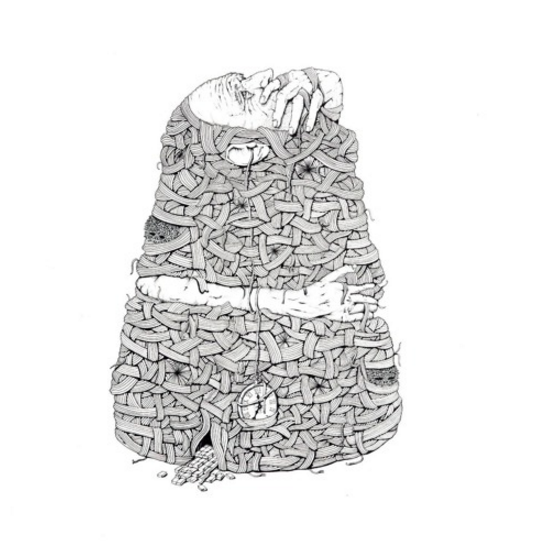
Telemachus ‘Boring And Weird Historical Music’
(High Focus) LP/Available Now
His involvement with everyone who’s anyone in UK hip-hop – Verb T, Ocean Wisdom, Kashmere, M9, The Last Skeptik, Jam Baxter and legions more – lead to The Guardian lauding Telemachus/Chemo as “one of those slightly obscure figures who has helped British hip-hop move along more than most people will probably ever know”. Unlikely as it is that his work there will ever be done, Boring & Weird Historical Music reinforces the producer’s perspectives that have been broadening since 2013’s In The Evening. Notwithstanding the casting of Roc Marciano and Jehst, it was a classy spreading of wings as exploration of textures through a lens took root.
A year later, the breakaway In Morocco continued a bid for calm and knowledge, gathering aromatic instrumental dialects from where the sun sets, for the consummate expedition while couch-bound and down. Album number three doesn’t need the reverse psychology of the title, but it does make definitive the promotion of Telemachus to adventurer and alchemist, simmering down soul, jazz, funk, indigenous rhythms and found sounds raised at the mercy of voodoo forces and meditative properties.
For those wanting sounds formed through and for sensory deprivation, ‘Disaster Enabled Vending Machines’ (the new, unofficial byword for chillout), the bassy ‘Beaten Gold’ and ‘Caroline What Is Wrong With You’ are pro-lockdown, promoting classic trip hop incubation to soothe and shield from the sun with. Depending on your energy levels, either use them to expand your mind from the horizontal position as attainable exotica, or just to provide companionship, setting a tone that puts a barrier between you and the dusky, dusty heat generated by the maddening crowd outside.
However, for all the measured, karmic twangs a la Khruangbin or Skinshape, perpetual percussion, synth lines that shapeshift in the ear of the beholder, and dubby, desert shimmer soaking up pressure before coolly exhaling, it’s that unshakeable but defined trepidation that becomes the album’s fulcrum. Opening track ‘Ungraceful Piano Sequence’ sets a fork in the road asking you to choose your own adventure, and ‘You Wanted a Handful of Sardines, Did You Not’ could well lead you to a boiling pot of cannibalism as you find yourself making your way through dimly lit undergrowth. On ‘I Am Delicious and Cute So I Will Buy Again’ and ‘Battle Sequence’, the tiptoeing on eggshells forces you to face your fears and not just cock half an ear, widening the album’s shrewd unpredictability as it looks both ways before ambling off the beaten track.
‘Greed’, overseen by Jerome Thomas, aims to cleanse souls with stark warnings in hushed tones, and ‘By the Moon’, teased by RHI, is another example of the album’s sequencing tersely tugging at the comfort zone you think Telemachus has laid on. The dark carnival of ‘Wickedest Ting’ featuring Killa P is an unsuspecting but no less welcome mantrap, the main difference being that it’s brought out into the open kicking and screaming, instead of attempting to hide in plain sight.
As a storyteller passing around rolling papers and whose travelogue bears no tall tales despite the signs indicating otherwise, Boring & Weird… is a groggy but high functioning experience – it has to be given that the wonder of taking in the surroundings is speckled with Telemachus’ pessimism, where the recommended reclining could lead you down the back of the sofa like quicksand. The flippant titles back the theory that for all the shadows cast and enlightenment he fulfills, Telemachus is still in the entertaining business, leading category makers a merry dance. Certainly on first listen the overriding sensation is of comfort and immersion, but soon you’ll be wanting Boring & Weird… to be the soundtrack to your insomnia, punctuated by the quotations of a sensei floating and fleshing out the fable as you take a fine toothcomb to the clues left by its enigmatic, noir-ish sage. The album’s conclusion, ‘Fools Gold’ starring Chris Belson, is suitably ambiguous – the instrumentation suggests happy ending, the vantage point vocals deem that the battle is nowhere near over.
The authenticity of Chemo’s darker-than-you-think epiphanies, producing as he lives it from his lookout post and switching up significance/fantasy and reality with invisible stitching, make it good for both under the stars and the duvet. With some inevitability, the enjoyment of what it means to be weird means the boring never transpires.
Matt Oliver
Unable to kick the reviewing habit for what is now the best part of fifteen years, Matt Oliver has gone from messing around with music-related courseworks and DIY hip-hop sites to pass time in sixth form and university, to writing for/putting out of business a glut of magazine review sections and features pages in both the UK and the US. A minor hip-hop freak in junior school, he has interviewed some serious names in the fields of both hip-hop and dance music – from Grandmaster Flash to Iggy Azalea – and as part of what is now a glorified hobby (seriously, every magazine he used to turn up at bit the dust within weeks), can also be found penning those little bits of track info you find on Beatport and Soundcloud, or the notes that used to come with your promo CD in the post (visit here for more details). He’s currently giving the twitter thing a go, so follow him at@brimupnorth.
Our Daily Bread 300: Kel Assouf ‘Black Tenere’
February 5, 2019
Album Review: Dominic Valvona

Kel Assouf ‘Black Tenere’
(Glitterbeat Records) 15th February 2019
Mirroring the borderless Nomadic freewheeling of the Berber ancestral Tuareg people, a loosely atavistic-connected confederacy (to put it into any kind of meaningful context) of diverse tribes that have traditionally roamed Sub-Saharan Africa since time immemorial, Kel Assouf channels a wealth of musical influences both historically and geographically into an electrified reworking of (as vague and over-used a term as it is) desert rock.
Headed by charismatic Gibson Flying V slinger front man Anana Ag Haroun, who’s own lineage takes in both the landlocked behemoth Niger and bordering Nigeria, the highly propulsive, cyclonic spiraling trio propel that heritage into the 21st century; thanks in many ways to the futuristic cosmic electronic and bass frequency production of the band’s rising innovative keyboardist/producer Sofyann Ben Youssef – a name that should be familiar to regular readers as the dynamic force behind the multimedia musical Pan-Maghreb Ammar 808 project (one of our albums of 2018) and member of the electric jolted Algerian borderlands Bargou 08.
Informed, if not driven, lyrically by Haroun’s Tuareg roots, the Black Tenere album wastes no time in drawing the listener’s attention to the violent struggles endured by the Bedouin in their fight for autonomy and survival. A diverse society of various people, grouped together in an age that demands definition and demarcation, even the term ‘Tuareg’ is highly contested: arguably brought into the lexicon through the language of European Colonialism, though etymology traces the term back further to multiple sources. Haroun would prefer we used the original ‘Kel Tamashek’. The elliptic soft lunging rhythmic desert canter opening ‘Fransa’ poetically, in earthy earnestness, encapsulates these struggles and travails:
“The war during the French colonization was won
by the swords, shields and spears of our ancestors.
How do you want potential allies to provide you with modern cannons and
missiles?
Do you see your sisters every day climbing the border mountains (Tassili),
clandestinely, exhausted, on their knees with bruised feet.”
Much is made of the past and ancestral rights, but the plight of the Kel Tamashek is ongoing. For now an uneasy truce exists between the various city-state governments and their rural and desert populations, especially in Mali, the Kel Tamashek uprisings that first kick-started a decades long fight for an autonomous state, known as the Azawad, in the north eastern desert regions of the Mali, began in the late 1960s; continuing throughout until more recent times when they made worldwide headlines as their struggle was hijacked spectacularly by Islamist insurgents – worryingly gaining ground as a Trojan Horse within their nomadic allies fight for independence; the destructive Islamist fascists horrified many when they took the ancient seat of West African learning and trade, Timbuktu, and preceded to demolish it like barbarians. Former Colonial masters France were forced to intervene, finally halting the insurgents progress before forcing all groups involved back to where they started, and many across the border. Far from ideal, the Islamist usurpers dissipated to a degree but then switched to sporadic acts of terrorism, carrying out smaller militia attacks in Mali’s capital.
In the bordering Niger, the Kel Tamashek have remained more obscure as they fight to maintain their lands and way of life, which is being eroded by climate-change and over-desertification (when relatively dry land becomes increasingly arid, losing bodies of water, vegetation and the wildlife with it).
Sonically given a dynamic but equally yearning, even romantic (especially on the gospel organ and mulling guitar accompanied ethereal-scenic paean to a virtual oasis, ‘Taddout’), boost to the nomadic heritage, they have a certain synthesized edge and twist missing from fellow desert rock groups such as Tinariwen (a major influence on Kel Assouf) and Tamikrest. Those familiar circling trance-y guitar riffs and camel-ride motions of the desert rock genre remain, yet the influence of heavy-hitters such as Hendrix, Deep Purple and Led Zeppelin blend with acid psychedelic rock and more languid stoner rock, ‘astral ambience’ (their words not mine) and even club beats, take it in new directions. Add to this bubbling stew Haroun’s absorption of the cross-pollinating international music of his hometown – for the last eleven years – of Brussels, and the inclusion of local Belgium jazz drummer Oliver Penu adding off-kilter swerve, bounce, shimmery cymbal crescendos and limber, and you have a truly exciting global sound that evokes tribal medicine man dances, ambient traverses, rockier elements of Funkadelic, the Muscle Shoals studio, Black Merde, Terakaft and labelmates Dirtmusic: Sonorous beats and various desert settings from Africa, Mid Western America and the Australian Outback are evoked at any one time in this blazing mix.
A stunning rock odyssey that draws its multiple sources together in both defiance and in the spirit of communication – the Kel Tamashek plight, as guardian-custodians of the desert, translated via the poetic heartfelt earthy soulful lyrics of Haroun – Black Tenere stretches the roots of nomadic rock and blues to reflect ever-expanding musical horizons as the global community grows ever-smaller and music becomes more fluid and spreads with ease. Kel Assouf are on another plane entirely; propelling rock music into the future.
Words: Dominic Valvona
Tickling Our Fancy 054: Oliver Cherer, Joss Cope, Gwyneth Glyn, Sad Man…
September 19, 2017
NEW MUSIC REVIEWS ROUNDUP
WORDS: DOMINIC VALVONA
A mixed bag, even for me, this month, with a triple haul of albums from the Kent estuary dreamers wishing to travel far, Gare du Nord. A trio of releases from Ian Button‘s pet project label includes a Pop-sike collection from Joss Cope, fairytale metaphor folk spells from Karla Kane and a ‘switched-on Bach’ like treatment of Vivaldi Baroque classics from modular synth composer Willie Gibson. We also have a new album of Victorian themed pastoral forebode that chimes with our times from Oliver Cherer; a brilliant experimental grunge, new wave and alt-rock experimental album from Martin Mânsson Sjöstrand; the debut album from Gwyneth Glyn for the new artist/label partnership Bendigedig; and finally, two chaotic avant-garde electronic music soundclashes from maverick artist Andrew Speckman, under his recently adopted Sad Man persona.
Read on….

Joss Cope ‘Unrequited Lullabies’ (6th October 2017)
Karla Kane ‘King’s Daughters Home For Incurables’ (6th October 2017)
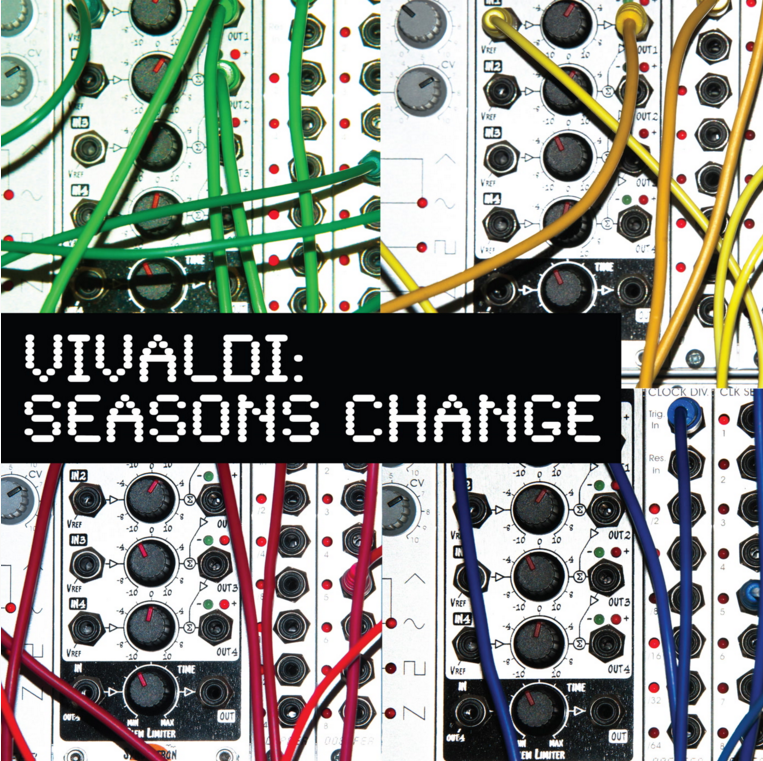
Willie Gibson ‘Vivaldi: Seasons Change’ (13th October 2017)
All three released on the Gare du Nord.
Absent from my review selections for a while now, estuary romantics Gare du Nord – Ian Button’s independent label, run from an HQ that sits on the edge of the metropolis of London and the pastoral pleasantries of backwaters Kent – have sent us a triple bundle of releases, all earmarked for release in the first half of October. This autumnal flurry includes a new album of psychedelic pop soft bulletins from Joss Cope; an Anglophile hushabye fairytale of folk from Californian sun-kissed artist Karla Kane, of The Corner Laughers fame; and a transduced ‘switched-on’ modular synth treatment of Baroque Vivaldi classics from, the non de plume of George Baker, Willie Gibson.
A real mixture you’ll agree, the first of which, Cope’s Unrequited Lullabies, is in the mode of classic 60s revivalism and 80s psychedelic pop.
Sibling to arch druid polymath of the ‘head’ community, Julian, brother Joss Cope shares an equally colourful CV; serving and rubbing shoulders during his formative years with a number of famous and cult figures from the Liverpool music scene, including Echo & The Bunnymen Les Pattinson, Wah Heat’s Peter Wylie and Spiritualized’s Mike Mooney. Not before fleetingly spearheading Bam Caruso label favorites Freight Train – releasing the modestly pivotal album Man’s Laughter in 1985 – before splitting and joining ‘rivals’ the Mighty Lemon Drops, Joss left Liverpool to be absorbed into the Creation Records mayhem of London. During his spell in the capital he played with Crash, The Weather Reports and Rose McDowell before carving out a solo career, releasing two albums under the Something Pretty Beautiful banner.
Inevitably Joss would at some point cross paths with his elder brother, contributing famously to the Fried and St. Julian solo albums; co-writing with both Julian and his former Freight Train band mate Donald Ross Skinner the album tracks Pulsar and Christmas Morning.
Before this becomes just a biography, Joss would form and play with many more bands during the 90s and noughties – The United States of Mind, Dexter Bentley and Sergeant Buzfuz among them -, balancing music with a careers as a video director for MTV, narrator for a children’s BBC animation series and an online producer/activist for Greenpeace.
This latest chapter in a checkered backstory of affiliations sprung from Joss’ regular sleepovers in Finland, home to his current partner, the cartoonist Virpi Oinonen. In 2016 he began collaborating with the guitarist Veli- Pekka Oinonen, bassist Esa Lehporturo and percussionist Ville Raasakka trio of Helsinki talent, and the (what must be the most Irish of Irish sounding names in history) keyboardist O’Reilly O’Rourke on what would become this album, Unrequited Lullabies.
Not quite as gentle as the title suggests, but still quite meandrous, peaceable and safe, the lullabies, coastal tidal ebbs and flows and metaphorical drownings include the full range of influences from Joss’ earlier output on Bam Caruso; namely the cult label’s Circus Days compilations of obscurities and novelties from the mostly kaleidoscopic afterglow music scene of English psych and pop-sike. At various times you can expect to hear traces of 70s era Pretty Things, House Of Love, Mock Turtles, early Charlatans, Robyn Hitchcock, Dave Edmunds, XTC, The Eyes, and most obviously (and prominent) Syd Barrett. Controlled with assured maturity throughout, those influences loosely flow between the pastoral, shoegaze, backbeat pop and acid psychedelia.
Yet despite tripping occasionally into mellotron steered mild hallucinogenics, there’s nothing here that ventures beyond the ‘calico wall’; no surprises or raw energetics; no teeth rattling scuzz and fuzz or melting chocolate watchbands. Unrequited Lullabies is instead an understated effort, erring towards gestures of love – as Joss himself rather poignantly and regretfully puts it about one particular song, “Love songs to the children I never had…’ -, with a side order of ruminations and the sagacious forewarning advice of a late generation X(er) on the ‘good and bad’ aspects of life ‘in this magical place’. All played out to a most melodic songbook of classic psychedelic pop.
Time-travelling off on a completely different tangent, the Willie Gibson alter-pseudonym of one-time British soul journeyman George Barker (playing trumpet back in the late 60s and early 70s with J J Jackson, Tony Orlando and Dawn, and the “sweet soul music” Stax legend, Arthur Conley) transduces the Baroque classics of Vivaldi via a range of modular synthesizers; ala a strange kitsch sounding combination of Wendy Carlos, stock 80s paranormal soundtracks and a quaint sounding Kraftwerk.
Moving from soul into post-minimalist electronica on the cusp of a new era in technological advances, Barker was among the first recipients of the iconic all-in-one multi purpose digital synth/sampler/workstation, the Fairlight CMI; using its signature sound to produce sound design and music for radio and TV commercials in the 80s, whilst also lending his skills on this apparatus to Madness and Red Box on a number of recordings during the same period. Under the Ravenwood Music banner, Barker has carved out a career for himself as a producer and music publisher of synth based composition.
Modulating a fine sine wave between ‘on hold’ call-waiting style background electronica classicism and cult retro-futurism, this latest treatment of the Italian genius’ most familiar and celebrated set of opuses – Opus 8, Il Quatrro Staginoni i.e. ‘the four seasons’ – certainly has its moments. The actual execution, made more difficult by Barker’s process of ‘un-creatable’ layering, playing one part at a time with no recall, but constantly evolving his set-up and expanding until all that remains is the ‘control data’ – like the written score itself – is quite clever.
Split into triplets of quarters, each section features a subtle fluctuation of changes and melodies. The first trio of compositions, La Primavera 1 – 3, features fluttering arpeggiators, heralded pomp and glassy toned spritely descending and ascending robotic harpsichord. It sounds at times like a 80s video arcade symphony from Stranger Things. Both majestically reverent and cascading patterns follow, as Barker conducts his way through a carnival four seasons and trilling Baroque sitting room recital. Later on however, the L’Inverno 1 – 3 suite sends Vivaldi towards Georges Méliès visions of space; bounding and mooning around on a nostalgic romanticized dreamy lunar surface.
A future cult obscurity, Seasons Change is a knowing, clever exercise in retro-modular synthonics; returning to the classical source to produce a well-produced and crafted homage.

The final album release of October from the label is in conjunction with the group that US troubadour Karla Kane leads, The Corner Laughers: all three band members including husband Khoi Huynh, who co-produces and accompanies Kane throughout, appear on this album.
A cross-Atlantic venture between the two, Kane’s debut solo, King’s Daughters Home For Incurables, unveils its true intentions and angst from behind an enchanting, lullaby-coated folksy and disarming veneer. Partly post-Trump diatribe fashioned to a rich metaphor of Grimm tale whimsy and a Lewis Carroll meets a lilting Ray Davis like meander through – what I interpret as – a sulky ironic vision of an old insular England and aside at those who voted for Brexit, this songbook, written under the comforting shade of a beloved oak tree in Kane’s California backyard, states a clear position; knowing exactly which side of the fence it sits.
An Anglophile of a sort, much of this solo debut is informed by Kane’s experiences touring the UK. Recordings from an idyllic pastoral England, courtesy of Richard Youell, imbue endearing lulls with birdsong and the friendly buzz of bumblebees. Also from this ‘septic isle’, the idiosyncratic Martin Newell of the cult favorites Cleaners From Venus fame is invited to add a narrated stream of British institutions and romanticized descriptions of eccentric foibles and pastimes in a sort of Larkin-style (“cricket matches seen from trains”).
Mellifluously sung and played, though on a few occasions pushed through with bit of intensity and swelling anger, Kane’s sugar-coated ruminations are deeply serious; touching as they do on feminism, immigration and the anxieties of motherhood in what can, especially in the demarcated political bubble of social media, seem like an ever more oppressive climate. Kane does hold out hope however; as the accompanying PR blurb cites, Kane has a deep desire to summon optimism and hope in a dark world. Something I can confirm she conveys extremely well on this, her debut solo album.
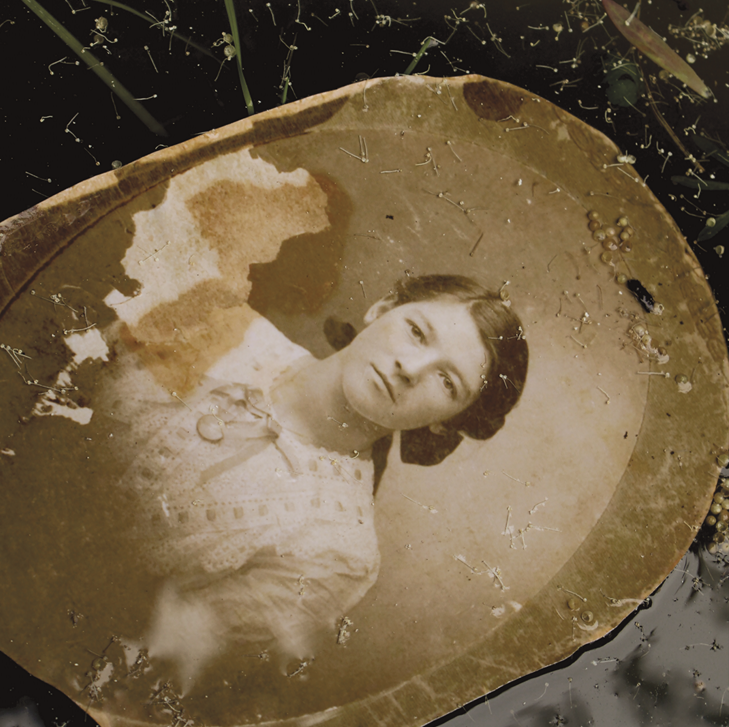
Oliver Cherer ‘The Myth Of Violet Meek’
Wayside & Woodland, 29th September 2017
Wayside & Woodland, home to haunting folk, conceived not under an old steadfast oak tree but the man-made pylon, and super 8 nostalgic field recordings, has been busy of late. A flurry of activity has seen a duo of albums – an appraisal collection of Home Electronics produced in the 90s by the Margate dreamers of ambitious electro and new wave pop, They Go Boom!!, and the Bedrooms, Fields & Houses compilation sampler of label artists – released in recent weeks. And now, following in their wake, and earmarked for a 29th September release date, is this latest brilliant travail from Oliver Cherer, The Myth Of Violet Meek.
Probably most recognized for his Dollboy persona, Cherer’s varied musical affiliations and projects also includes the big beat Cooler, Non-Blank and experimental popsters Rhododendron. Here, he drifts towards a hazy fictional reminiscent style of folk and pastoral psych, a musical vision pulled from the ether and a Bellows Camera captured past, on this poignant fantastical tale of Victoriana.
Set in the Forest of Dean, this lamentable concept album (billed as ‘part-fiction’ ‘part fact’) weaves the dreamy folkloric story of the tragic Violet Meek (a play on words of ‘violence’); mauled to death or not by the dancing bears of a visiting circus troupe in the twisted and, musically alluded ominous maybe magical, tree thickened woods. Based we’re told on a vaguely real event that happened in the 1880s, Cherer’s story isn’t just a vintage walk in the past and melodic indictment on the cruelty of Victorian society towards women, but draws parallels with the continuing issues of inequality, chauvinism and mistreatment still prevalent in our own times.
This album is also a homage of a sort to Cherer’s own formative years as a teenager spent in the Forest of Dean – the diorama setting for this sorry tale – and a troubled and plaintive denouncement of the suspicions and distrust of a small community; casting out the strange misunderstood and foreign. It is the treatment of Violet though, slurred by innuendo – sharing a similar kind of ‘horseplay’ sexual predilection of idle gossip, and immature sniggers that continues to still colour the reputation of Catherine The Great – that lies at the heart of and moves on this beautifully articulated collection of harmonious crooning, lulling laments and leitmotif instrumentals.
This is an unforgiving unflattering portrayal of England, a nascent nostalgic one with little room for equality and the presence of outsiders, which is every bit as revealing about the present. As lovely, often dreamily so, as the music is the 70s pastoral accompaniment is often trembling and quivering, the fiddles distressed and bewitchery, enticing us into a esoteric psychogeography that features a languid brushed backbeat and Morris Dancers like flourish around the maypole on one song, but finds evil in the idyllic scenery on another.
Traces of 70s era Floyd, Wiccan folk, the Super Furry Animals and Darren Hayman’s civil war opus The Violence fill my senses; though Cherer stamps his own signature confidently among the inspirations and influences. Dollboy fans will find much to admire in this understated, assured and beautifully put together minor opus, as will those familiar with the Wayside & Woodland label output. A most stunning and beautiful work.

Sad Man ‘S/T’ (OFF Records), ‘CTRL’ (Self-released)
Both released on 8th September 2017
From the harebrained imagination of garden shed avant-garde (and often bonkers) electronic music composer Andrew Spackman, emanates another of his personas, the Sad Man. Like an unconscious, untethered, stream of sonic confusion and madness, Spackman’s experiments, played and transmogrified through a collection of purpose-built gizmos – including remodeled and shunted together turntables -, combine art school practice conceptualism with the last thirty years worth of developments in the electronic and dance music arenas.
Acid, techno, trip-hop, breakbeat, UNKLE, DJ Shadow and early Warp (especially the Aphex Twin) are all channeled through the Duchampian inspired artist’s brain and transformed into an often rambunctious, competitive soundclash.
Featured on the Monolith Cocktail under his previous Nimzo-Indian identity, Spackman’s newest regeneration is an exploration in creating ‘the saddest music possible’. It is far from that. More a sort of middle age resigned sigh and sonic assault with moments of celestial melodic awe than plaintive and melancholic despair. Perhaps throwing even more into the Sad Man transformation than he did with the Nimzo-Indian, all the signature wonky squiggles, interchanges; quirks and quarks remain firmly in place, though heavier and even more bombast.
Usually found, and despite my positive reviews, by mistake, languishing on Bandcamp, Spackman deserves a far wider audience for his maverick mayhem and curiosity. This month he plows on with a duo of Sad Man showcases; the first, a generous self-titled compilation of released through the Belgian enterprise OFF Records, the other, a shorter self-released keyboard command inspired album, CTRL. The former, launched from a most suitable platform, features an idiosyncratic collection of obscure recordings, spread over a traditional 2xCD format. Full tracks of caustic, twitchy, glitches-out cosmic mayhem and internal combustions sit alongside shorter sketches and edits, presenting the full gamut of the Sad Man musical vernacular. CTRL meanwhile, if it has a concept or pattern at all, seems to be a more quantifiable, complete experience, far less manic and thunderously chaotic.
Kosmische, acid gargles, breakbeats, trip-hop and the trusty faithful speeded-up drum beat pre-sets of late 80s and 90s techno music wrestle with each other for dominance on this seven-track LP – each track named after a key command, all five combining for some imaginary keyboard shortcut. Struggling to break through a constant rattling, distressed and distorted barrage of fuzzy panel-beaten breaks are cosmic symphonic melodies, stain glass organs and tablas. And so, pummeled, punch bag warping ride over serene glimpse of the cosmos, and raspy rocket thrusters blast off into more majestic parts of the galaxy. A space oddity for sure, a tumultuous flight into the unknown lunar expanses, but also a soundtrack of more Earthly chaos, CTRL is essentially a mental breakdown yet strangely also packed full of lighter more fun moments.
Thankfully neither of the Sad Man releases live up to the central ‘saddest music’ tenet, though probably best experienced in small doses to be on the safe side. This duo of offerings will hopefully cement a reputation for eccentric electronic cacophonies, and showcase an interesting body of work.
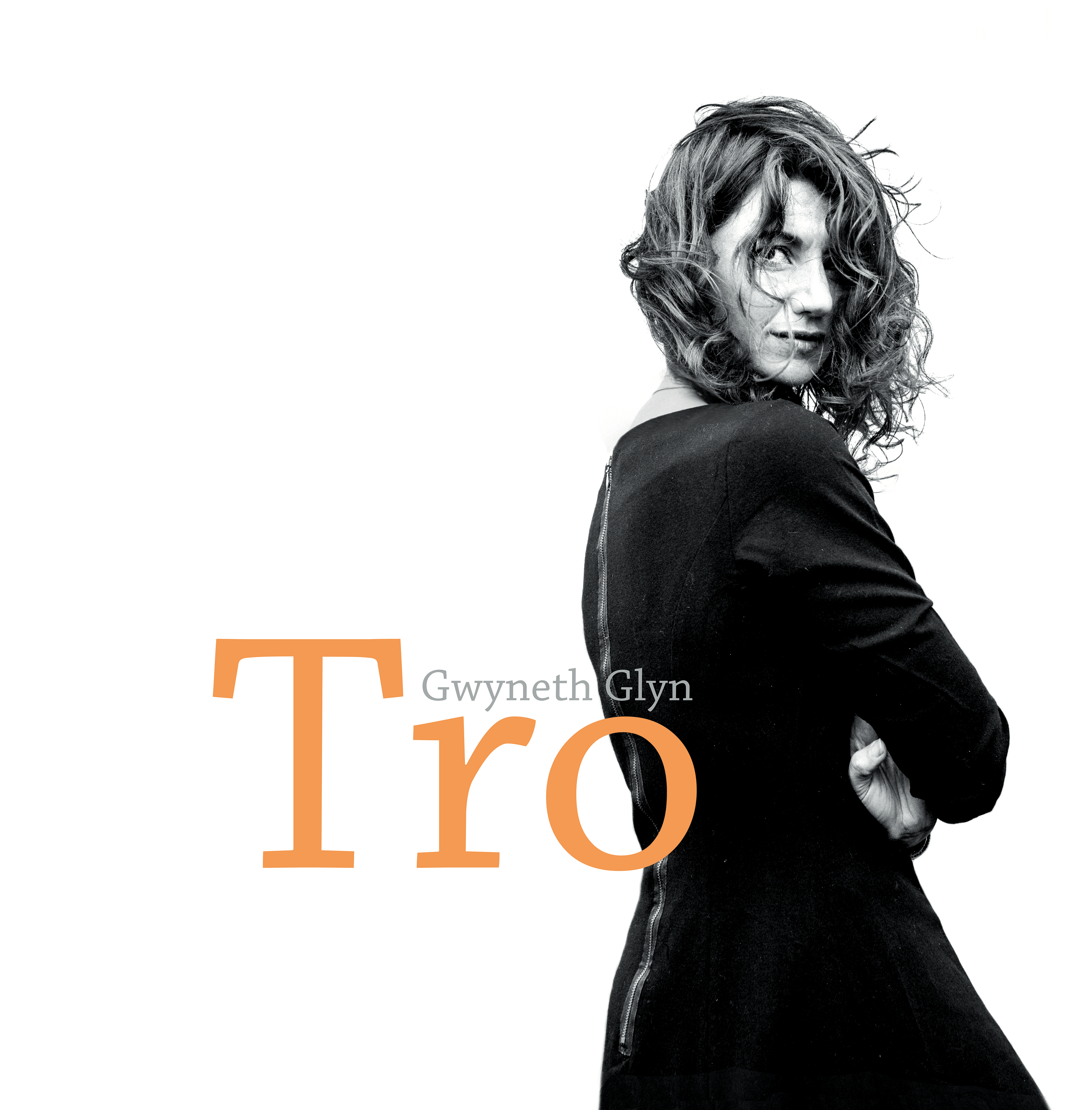
Gwyneth Glyn ‘Tro’
Bendigedig, 29th September 2017
Lighting the way for a new ‘integrated independent partnership’ between the Cardigan-based Theatr Mwldan, the polygenesis renowned ARC label, and artist, the first major solo album from assiduous writer, poet and songstress Gwyneth Glyn, effortlessly traverses the Welsh valleys, Scottish Highlands, Appalachian Mountains and West African landscapes with an assured earnestness and the most delicate of touches.
In what will be a long gap in scheduled releases – the next in line an album from Catrin Finch and Seckou keita won’t be out until April 2018 -, Glyn’s inaugural album of both Welsh and English language sung songs proves a wise choice with which to usher in the Bendigedig platform.
The Jesus College, Oxford philosophy and theology student and revue performer, with stints in the folk Americana group Coco Rose and the Dirty Cousins, was the Welsh poet laureate for children between 2006 and 2007, and it’s her native home to which she returns again on Tro. A journey back to Glyn’s roots in rural Eifionydd, after a five-year sojourn in Cardiff, Tro, or ‘turn’, is inherently a Welsh imbued songbook. However, despite ten of the thirteen odes, ballads, elegies and explorations being sung in the native tongue, Glyn’s transformations of universal and ancestral standards drift subtly across the Welsh borders into a Celtic and beyond inspired influence of sound and ideas.
Previous collaborations with Indian music artist Tauseef Akhtar and the already mentioned Senegal kora player Seckou Keita resonate on this ‘Wales meets the world’ self-styled album. Keita in fact adds a touch of plucked lilting Africa to many of the songs on Tro; joining the sounds of the metal tine African mbira, played throughout by Glyn’s producer and the multi-instrumentalist Dylan Fowler, who also performs on an array of equally exotic instruments from around the globe on Tro.
Dampened, often wafting along or mirroring the ebb and flow of the tides and shifts of both the ominous and changing prevailing winds, the backing of plucked mandocello, tabwrdd one-handed snare drum, bellowed shruti box and banjo sitar genteelly emphasis and pushes along the imagined atmospheres; moving from the Celtic to country genres, the Indian drone to the south of the equator music zones.
Glyn’s choice of cover material and her controlled but stirring, lingering vocals hint at America and Britain’s legacy of counterculture troubadour heroines, including Joan Baez, Vashti Bunyan, Joni Mitchell – a famous quote of Mitchell’s, ‘Chase away the demons, and they will take the angels with them’, is used as catalyst for Glyn’s music in the press release – and the not so political, more sedate, Linda Ronstadt. The train-like motion rhythm Ffair, – a translation of the Irish folk song She Moved Through The Fair – even sounds like a Celtic Baez, and the American/Scottish woe Y Gnawas (The Bitch) – an adaption of the old standard Katie Cruel – was first brought to Glyn’s attention via another revered voice of the times, Karen Dalton, who as you expect, made her own inimitable, unique mark upon the song when she covered it many moons ago.
Unfamiliar with the Welsh dialect as I am, I can only imagine that the lyrical tumults offer the usual fare of sad betiding’s and lament. Whatever the subject may be, she sings, nee swoons, with ease and comfort; the phrasing unforced, flowing but far from untethered. And so Glyn proves to be a singer of great talent and skill as she bares her soul across an age of pastoral, rural furrowed folk.
Ushering in the label/artist partnership on an adroit, though at times indolent, debut, Tro is a subtle refined encapsulation of the Bendigedig platform’s raison d’être; an enriching experience and showcase for an impressive singer. On the strength of this album alone that new venture looks set to be creatively rewarding.
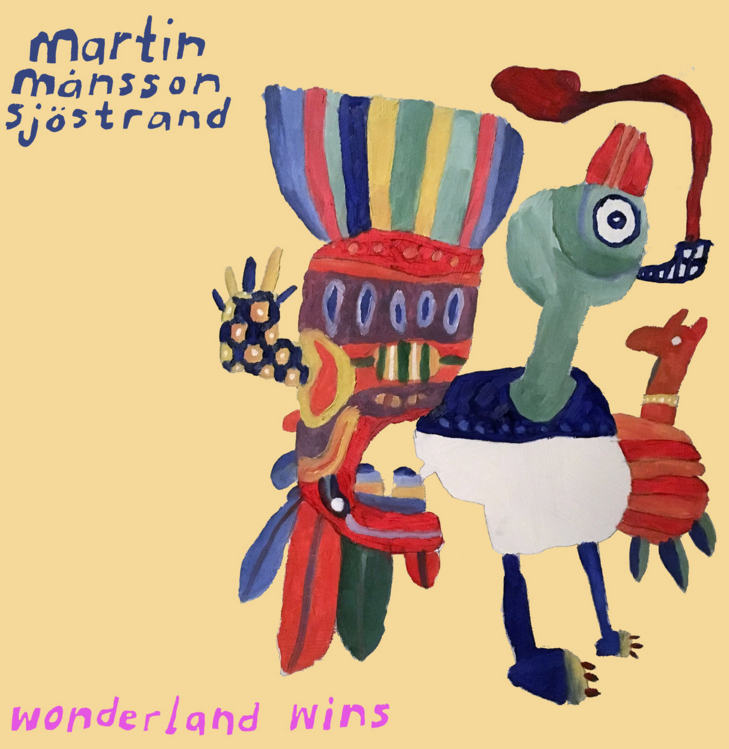
Martin Mânsson Sjöstrand ‘Wonderland Wins’
Jangle Nest, September 2nd 2017
Recording under a variety of guises over the years, including Dog, Paper, Submarine and This Heel, the Swedish songwriter and multi instrumentalist Martin Mânsson Sjöstrand uses his own name once again on this, perhaps one of his most, omnivorous of albums. Stridently changing styles at a whim, Sjöstrand has previously tested himself with lo fi, instrumental surf, prog and alternative rock, but now tries his luck with a mixture of grunge, indie and new wave influences on the recently released Wonderland Wins.
Those influences play out over a combination of shorter incipient doodles and fleeting meditations and more complete songs; Pavement on the garbled megaphone vocal lo fi strummed In the Orbit Of The Neutron and sunshine pop remix of Calla Lily, Weezer on Man Of Self Contempt, and Nirvana, well, everywhere else. But saying that, you’re just as likely to pick up references to Guided By Voices, Devo, The Residents, Flaming Lips and DEUS on an album that doesn’t really have a theme as such or musical leitmotif.
There is a sort of coherency here however with the album’s brilliant Archers Of Loaf meets Placebo power pop alt-rocker Waiting: a full on electric Yank-twanged vocal version opens the album, and a stripped-down more poignant and sad live version (Live At The Animal Feed Plant) closes it. Waiting for a myriad of cryptic endings and a release, this standout minor anthem sounds like a missing gem from the grunge era of the early 90s.
Sjöstrand also likes to experiment, and those already mentioned shorter excursions certainly head off on curious tangents. The most silly being the self-titled fairground organ giddy romp; the most plaintive, the acoustically picked romantic “last dance”, Myling; and the most ominous, the force field pulsing bassline warning and crackling heavy transmission, The Moon Is A Playground.
A quirky take on a familiar back catalogue of inspirations, playing with a number of classic alt-rock tropes, Sjöstrand’s Wonderland is a well-produced, confident album of ideas, and more importantly has one or two great tunes.
LABEL LAUNCH/SINGLE
Words: Dominic Valvona
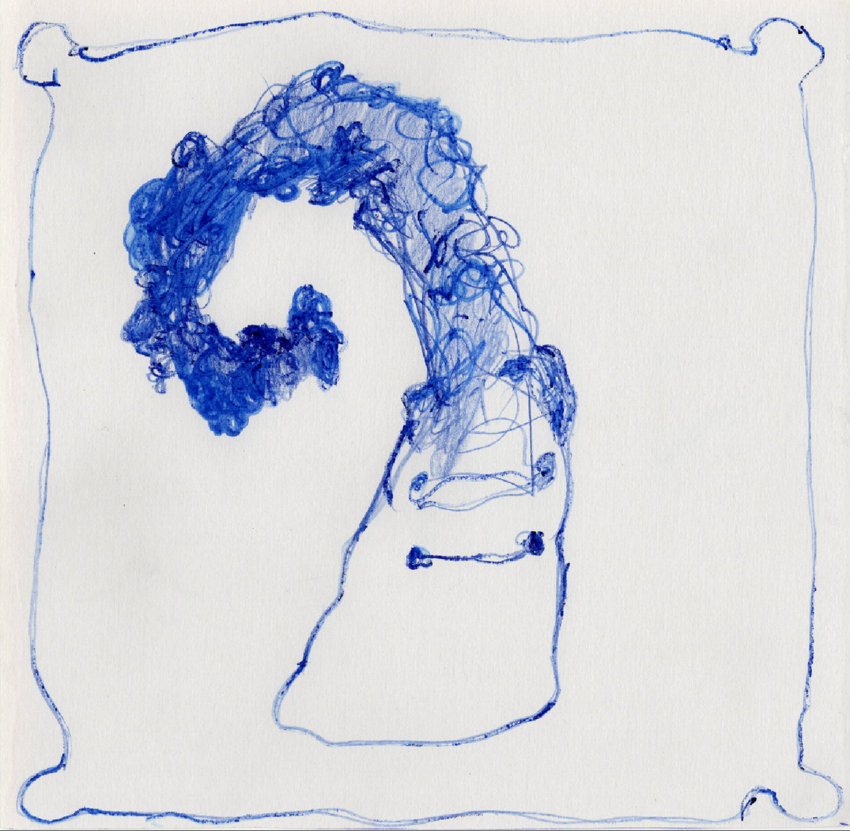
Jono Podmore & Swantje Lichtenstein ‘Miss Slipper/Lewes’
Released on Psychomat, 6th March 2017
Responsible for a stream of experimental electronic projects, both on the cutting edge of technology and vanguard of a return to the roots of analogue, and a member of the manifesto guided metamono trio, Jono Podmore has cranked-up the generator, punched in new coordinates and blown the dust off the dials to relaunch his influential 90s label, Psychomat.
Renowned for his cerebral collaborations with a number of luminaries from across the electronic music spectrum, but famously for his work with both Can’s Irmin Schmidt (together as the Kumo and Irmin Schmidt duo) and the late Jaki Liebezeit (Cyclopean), Jono’s inaugural label comeback pairs him with the Düsseldorf-based sound writer/performance artist Swantje Lichtenstein.
A conceptual meeting of minds, the duo’s upcoming Michaela Eichwald cover art adorned 7”, which is billed as an actual “work of art” in its own right, features two serialism performance-manipulations recorded at Jono’s on the day of the funeral of his friend, the publisher Felix Hiner, in 2014.
The first of these, Miss Slipper, is of all things, riffing off a piece of writing by Jono’s daughter. A spontaneous freewheeling interpretation of an innocent description of a school art teacher is pushed towards the alien by ring modulations and filter trickery. Obscured and transmogrified into something almost sinister, even daemonic, Swantje’s voice shifts between squelched and metallic strange tongues.
Lingering in the same atmosphere, beyond the stratospheric, the idyllic pastoral East Sussex town of Lewes slips into a parallel dimension of weirdness; the metamono sat-nav tuning into a beacon communal with unknown entities, somewhere yonder in the ether. Based on a set of directions given to the group for a gig in Lewes, this extemporized art-piece glitches, buzzes and chants its amorphous script until it becomes directionless; untethered on wave after wave of tubular ringing, echoed and chromed effects; disappearing into the torn fabrics of space.
Miss Slipper/Lewes is every bit as conceptual and experimental as you’d expect, and lays down the start of, what I hope, will be a fruitful union of art and sound work. We may not have to wait long though for the next installment, as a series of remixes from Pete Hope, Hairy Kipper, Inky Blackness, Bastard Status, Jono in his Kumo guise, and Professor Michael Ball (a colleague of Jono’s and a professor of electronic composition), will be released in the coming weeks and months.
 Monolith Cocktail Blog