Our Daily Bread 329: Holly Herndon ‘PROTO’
May 31, 2019
ALBUM REVIEW
Words: Gianluigi Marsibilio

Holly Herndon ‘PROTO’
(4AD) 10th May 2019
A digital kingdom in which it is possible to establish a pact between man and machine, a maternal connection that gives a precise identity to a record that becomes human, android, cyborg, consciousness.
A continuous and hypnotizing dialogue between Holly Herndon and Spawn (the name given to the digital creature) that lights up in PROTO through a vocal that uses the voice as “an instrument rather than a lyrical vessel”.
The characteristics of spoken words are deeply influenced by the human touch, deep or graceful, of a voice that communicates to us, through its confession, a state of mind. The reflection contained in the minutes of the duration of the record does not really deserve a review but an entire vocabulary, and not only from a musical point of view. There is a universe, a new ethical impulse that seeks new paths, in places where there are not yet beaten grounds.
In “Proto” there is a study, a flow built on a voice that doubles and accentuates its presence in a series of virtual choruses.
The idea of a vocal riff built by an AI is a perverse geometry that connects as much to the ideas of Mozart as to those of Radiohead or the Aphex Twin. “Proto” is a transversal work that focuses on a founding theme of the next, probably 100 years (except after our extinction).
The rationality, or rather the scientificity of the work, is submerged by the poetish spectrallity of songs like ‘Crawler’ or ‘Birth’.
The global regularity is an explosion of inventiveness that connects Holly Herndon to visionaries such as Steve Wozniak, Kevin Kelly, and links her to an artistic tradition that starts from a Space Odyssey and also a dialogue with Laurel Halo or Oneohtrix Point Never.
On the album there is a universe of reference: “Proto” is a cultural and germinal space that connects to the “Digital Stone Age” recalled by Krista Stevens in the New York Times.
The only flaw in this record is in the deep, perhaps extreme, hermetic syncretism of Spawn, which proves it can talk to each other, but still in Morse code. After all, Spawn is just an “AI Baby” who still needs to take some important steps before developing a clear and more complex language; meanwhile we have to rethink humanity and our idea of A.I.
In the beautiful book of Jeff Hawkins, concerning the theme of A.I., he reminds us how: “If a new song violates these principles – in reference to the common canons of western music -, you know immediately that something is wrong. Think about this for a second. You hear a song that you have never heard before, your brain experiences a pattern it has never experienced before, and yet you make predictions and can tell if something is wrong. The basis of these mostly unconscious predictions is the set of memories that are stored in your cortex. Your brain can’t say exactly what will happen next, but it nevertheless predicts which note patterns are likely to happen and which aren’t.”
Holly and Spawn don’t completely break the rules but they skillfully play with them in an artificial waltz.
Tickling Our Fancy 074: Society Of The Silver Cross, John Johanna, Mike Gale, Brickwork Lizards, GOATS…
May 28, 2019
Reviews Column: Dominic Valvona
Back after a short hiatus, my eclectic spread of recommendations and reviews features, as ever, a bumper edition of recent releases. There’s a suitably seasonal solo album from a Beach Boys imbued Mike Gale that wallows in the scorching rays, called Summer Deluxe; some live action from the Ottoman/Edwardian imbued period fusion of Arab and English music hall Brickwork Lizards, who’s new EP features a quartet of live recorded tracks from the St. Giles sessions; there’s a trippy psych peregrination hard sell from the Submarine Broadcasting Company in the form of a GOATS (not that one, this is another group entirely) cassette tape called Far Out; the latest beautifully, if despondently, articulated songbook from Oliver Cherer, I Feel Nothing Most Days; the musical suite in all its glory from Bethany Stenning’s multimedia conceptual art film The Human Project, released via the artist’s Stanlaey alter-ego. I review the fruits of a congruous union between Glitterbeat Records instrumental imprint tak:til and the ‘21st century guitar’ American label VDSQ Records, a new nocturnal hour suite from Chris Brokaw called End Of The Night; and there’s new album from the Benelux specialists Jezus Factory, the cathartic Wilderwolves rocker Inhale, Increase The Dose.
I also take a look at the latest album from the elasticated electro-pop and neo-Kraut Cologne-based Von Spar and friends, Under Pressure, plus singles from two afflatus acts, the Indian-imbued Society Of The Silver Cross (‘Kali Om’ and ‘The Mighty Factory of Death’) and Book Of Enoch, Judaic inspired John Johanna (‘Children Of Zion’).
Mike Gale ‘Summer Deluxe’
May 2019
Once more escaping the short days and dreary dampness of an English winter, the Hampshire-based polymath Mike Gale (notable for his work with the Americana imbued Co-Pilgrim) suns himself again in the dappled rays of lilted surf pop on his new solo album, Summer Deluxe.
Liberally splashing about in the efflux surf of The Beach Boys the much-prolific Gale (this is his fifth album alone in just five years) hides a certain sorrow, longing and yearn under the most colorful and dreamy of melodious harmonies. Sometimes it’s just the one Beach Boy who springs to mind when listening to this seasonal paean: Dennis Wilson, who flits about with McCartney and The Animal Collective on the breezy but deeply felt ‘Barecaraa’, and a filtered version of Pet Sounds era Brian – via Sparklehorse and the little known She Sells Seashells Expo homage project by the lo fi American artist John Lane. There’s even a hint of Surf’s Up noir Brian Johnston echoing around the tranquil summer abandon of ‘You Have A Way’. But you get the picture: that Beach Boys influence is prominent; something that is impossible to pull-off unless you have the talent, which Gale obviously has and proves here, no matter how unassumingly he does it.
A beautifully articulated songbook throughout, the best is saved until (almost) last with the hymnal-turn-diaphanous upbeat chorus of bubbly-synth and wafting saxophone anthem ‘Every Cloud Has A Cloud’. A comfort blanket wrapped around the repeating plaint of “You feel like nothing’s really working out”, this final vocal track sounds like the weight of the shoreline is burdening a wistful Gale as he plunges into the ocean depths to escape.
Dazed and hazy, a hushed mirage of summer, the leaf-turning breeze of autumn is never far away, its arrival denoting all the connotations and metaphors you’d expect, that fleeting optimism of the summer masks and makes all our woes seem far less burdening. Summer Deluxe is swimmingly brilliant in its indie slacker charm; a scion indeed of the Beach Boys spirit.

Von Spar ‘Under Pressure’
(Bureau B) 10th May 2019
Finding it all a bit much, in a society the Von Spar have coined as “surveillance capitalism”, the Cologne-based “modular system” (their description not mine) convey delusion and anxiety on their first LP in five years, Under Pressure.
Far from dour, defiant and angry the Von Spar and guests lift the miasma and mood with a most classy soulful electro-pop and neo-Kraut dance album; a sophisticated affair that even opens with a two-part dream sequence, the first part, featuring the float-y hushed coos of the Japanese singer/songwriter Eiko Ishibashi drifting to a House music rewired vision of Tony Allen drumming and bouncing refracted polygons, the second part, brings in the familiar enervated falsetto soul of Canadian polymath Chris A. Cummings with a more gliding Italo House beat; the plaint sentiment of both being “all is well until it is not”. Cummings sweet malaise and wistful tones as principle vocalist can be heard on a quartet of equally chic dance tracks; the Yellow Magic Orchestra synth Orientalism drifty ‘Happiness’, winding spiraled prog-suspense mirage ‘Better Life’, and Duran Duran meets bubbly cosmic synth ray ‘Not To Forget’.
Adding an effortless lifetime of sassy dub and reggae scholarship to the Slits-in-chrome and Grace Jones stalking ‘Boyfriends (Dead Or Alive)’, the grand dame of music writing and post-punk Vivien Goldmine characteristically turns vulnerability into a strength, dismissing a string of exes in the process towards self-realization. Other notable doyens and cult figures include Stereolab’s iconic Kosmische siren Laetitia Sadier, who liltingly adds her signature float-y tones to the motorik electro-pop ‘Extend The Song’, and prolific idiosyncratic lo fi genius R. Stevie Moore, who turns in an anguished Laurie Anderson as A.I. psychiatrist performance (an inquisitive “should I worry”, becomes ever more agitated) on the Jah Wobble goes arpeggiator, feeding the consumer machine, ‘Falsetto Giuseppe’.
On an album that spans and twists so many genres, it is the closing shifting-shards panoramic turn rhythm tumbling instrumental, ‘Mont Ventoux’ that travels the furthest, moving from progressive West Coast psych folk to shades of Popol Vuh, Cluster, Vangelis and video-nastie synth soundtrack: A epic, reflective way to finish.
Under pressure maybe, but it doesn’t show as the Von Spar and friends produce a constantly evolving sophisticated dance album of soulful yearning.

Chris Brokaw ‘End Of The Night’
(tak:til) 24th May 2019
Representing a union between Glitterbeat Records experimental international instrumental imprint tak:til and the equally expletory American VDSQ, two tactile delights from the “21st century guitar’ label’s catalogue have been given a European-wide release for the very first time. Both released at the end of May, Chuck Johnson’s 2017 Balsams album will be available for the first time on CD, whilst the nocturnal inspired Chris Brokaw suite End Of The Night is an entirely new album of attentive and placable musings.
Review wise, I’ve only had time to peruse the latter, a swoozy, atmospheric accompaniment to the Codeine and Come band members various moods, reflections and observation, framed within the pitched idea by VDSQ label boss Steve Lowenthal as the “existential” pondered ideal “last record of the night” – the results of Brokaw and Lowenthal’s late night record listening sessions. Taking up the offer, to record that perfect twilight hour album, Brokaw collected ideas for years until the opportunity arose to finally put thoughts to tape.
Joining him on these various traverses and nuanced concentrations is an ensemble of congruous musicians, some recommended by Lowenthal. Appearing in a myriad of combinations, from duo to trio and quartet, is the “Chet Baker” redolent trumpet-player Greg Kelly (Chet being a big influence on Brokaw), violinist Samara Lubelski (who’s briefly played with, like Brokaw, Thurston Moore), viola player David Michael Curry, cellists Lori Goldston and Jonah Sacks, bass-player Timo Shanko and on drums, Luther Gray.
Channeling many of the artists he’s worked with, Thurston Moore, Evan Dando and Stephen O’Malley, as he deftly picks out descriptive notes and builds up a swell of resonance, Brokaw both dreamily and moodily drifts through gestures of jazz, post-rock, grunge, tremolo-echo-y country and on the reverb-heavy vapour drift, ‘Blue Out’, a cosmic kind of blues music. Suspense, even mystery and narrative are handled with descriptive poise, with the guitar-playing evoking traces of Jeff Buckley, Jonny Greenwood and on the hushed brushed drums, dipping motion ‘His Walking’, the results of melding Chris Isaak with J Mascis.
Meditative and lingering for the most part, End Of The Night counters somnolent reflection with cerebral ponder to create the desired nocturnal atmosphere; at least a great record to finish any session on, if not quite the “perfect” one.

Oliver Cherer ‘I Feel Nothing Most Days’
(Second Language Music) 26th April 2019
An artist most lyrically out of time, full of removed observations, set to the most relaxed and wafting of stripped accompaniments, a wistful Oliver Cherer exchanges the part fact/part fiction Victorian Forest of Dean folkloric diorama of The Myth Of Violet Meek for the vague resonating traces of the 1980s on his recent despondent entitled I Feel Nothing Most Days album.
The third such impressive songbook from the prolific Hastings-based earnest troubadour to be released under his own name (previous alter-egos have included DollBoy, Gilroy Mere, Rhododendron, The Assistant) in as few years, this often dreamy affair, originally conceived decades ago – a very young Cherer putting his burgeoning ideas on to a Yamaha 4-track cassette recorder in 1983 -, is imbued by the lingering articulated drip-fed and amorphous cycles of The Durutti Column, but also a wealth of similar ethereal artists, borders on shoegaze from the late 80s epoch of 4AD.
Attuned to the Durutti first time around no doubt, Cherer, by some cosmic-aligned luck, found that he owned Vini Reilly’s Fender guitar (the one used on Morrissey’s first solo LP, Viva Hate as well). Put to good use then, as Cherer reprises his early 80s (what was left of them; when salvaged from the attic and played on a modern cassette-player that two of the original quartet of tracks came out at half-speed, the remainder, in reverse) recordings, the mood of this album is gauzy memory; music pulled from another time, an ether even – some of this down to the harmonies, choral and often atmosphere-setting guest vocals of an apparition cooing Claudia Barton and Riz Maslen.
Despite the drifting, mirror-y visage of washed troubadour, Talk Talk, C86, shoegaze and even Yacht-rock, a barely concealed rage at the divisionist-driven tensions that have sown so much caustic discord in recent years; throwing a proverbial, sacrificial “baby” out with the bath water to the wolves on the veiled Robert Wyatt-esque ‘Weight Of The Water’, in what could be a denouncement on Brexit, and the sophisticated rock with hints of The Pale Fountains ‘Sinners Of The World’ is no less gently scathing.
Elsewhere Cherer moons on the wistfully enchanted French fantasy, ‘Seberg’, a lamentable swaddled delight r-imagination of a scene, played out to a reference heavy lyricism about the aloof, Gauloise smoke cool New Wave cinema icon Jean Seberg (Cherer playing an unlikely role of Jean-Paul Belmondo), and pens a magically sad, Laurel Canyon, swoon to dementia, fading memory and age on ‘An Unfamiliar Kitchen’.
Beautifully articulated throughout, the shifting memories of time assembling just long enough to provide a vaporous soundtrack, I Feel Nothing Most Days is despite the malaise, anguish and sense of injustice a lovely, soulful songbook; another essential Oliver Cherer release.
Stanlaey ‘The Human Project’
(Stanlaey Art) May 2019
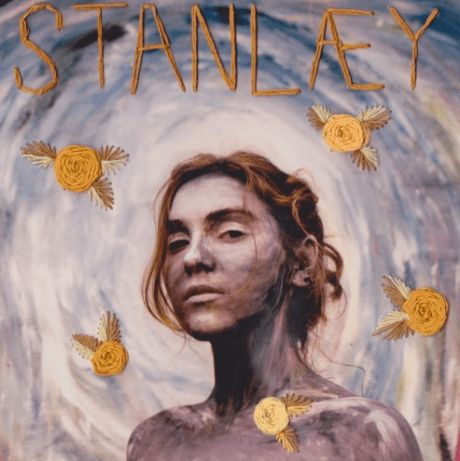
Two years after the premiere of Bethany Stenning’s ambitious multi-media The Human Project, the full-on immersive audio soundtrack from that film arrives in the form of a debut album; the first under Stenning’s amalgamated pseudonym of Stanlaey through her own imprint label. Featuring a cast of over seventy artists, actors/actresses, videographers and of course musicians, Stenning’s plaudit-attracting opus is heavy on the themes of both duality and juxtaposition; the myriad of twists and turns as the polymath artist studies our chaotic modern relationship with nature, symbolized visually and musically over a number of concept-driven performances.
Creating an alternative pastoral fairytale world, Stenning brings us a highly experimental beguiling soundscape that is often as bewildering as it is diaphanous and melodious. Untethered throughout, weaving amorphously between Earth Mother folk, jazz, R&B, Tricky-like trip-hop and the avant-garde The Human Project is in a constant state of movement as it attempts to articulate and phrase the seven elements that underpin it. Stenning’s distinct voice is itself difficult to pin down, fluctuating, soaring, meandering as it does in giddy childlike innocent wonder one minute, a ghost the next: Joanna Newsom, Bjork and Janelle Monae wrapped into one woodland sprite.
A quartet of conceptual video tracks from the album have already been drip-fed in the run-up to its release as an audio only experience – which works equally without its visual moiety as a whole new immersive experience -; the earthy winding Ghostpoet-esque ‘The Mountain Collector’, the bowl-pouring nod to antiquity’s poetic titan and striving yearn to escape an “Iron Age of destruction” for one of gold, ‘Ode To Ovid’, the breathy ethereal with Tibetan wind chimes metaphorical encapsulation of fluidity (elegantly portrayed by the harmonious display of acro-yoga in the video) ‘Properties Of Ice’, and the gauzy anguished forest spirit turns wild and intense lament to a brought-to-life mannequin wanting to escape their constraints, ‘Wooden Womb’, have already been doing the rounds.
This leaves the silvery moon pool serenade love song between a werewolf and ‘The Moon’, the Lamplighter meets Erased Tapes, dub-y ponderous flood of consciousness ‘Eldor’ (which features the rapping of Pedro DG Correia), and sonic splashed, undulated interpretation of water (its healing properties as much as a backdrop to Stenning’s emotions) ‘Aquarium’. There’s also, as a sort of extra unveiling, the angelic wafting through a void spell of ‘Orbs’, which originally was used to play out the end credits of The Human Project film.
Neither art, performance nor purely a soundtrack, this album is captivating and distinct, working on all levels: sound and music so often fails when brought into the conceptual field of creative arts, but Stenning has pulled it off wonderfully.
Brickwork Lizards ‘Live At St. Giles’
(Vyvyfyr Records) 17th May 2019
Plucked from the era of top hat and tails tea dances and the more rouge-ish double entendre romantically swooned crooning gin joints, the Ink Spots via Sublime Porte imbued Brickwork Lizards seem to have been lifted from an old His Master’s Voice label shellac record. A meeting of musical mind, the Oxford based troupe merge co-founder Tom O’Hawk’s penchant for clipped vocal harmony and the swing of the roaring 20s and early 30s with his musical foil Tarik Beshir’s romanticized and longing sounds of Turkey and the Orient to create a unique fusion.
Enjoying the spotlight that shines on this Arabic jazz ensemble, off the back of two albums (the second of which, 2018’s Haneen, was given the thumb’s up by myself on this blog) and joint-jumping live performances, the group’s vocalist, oud player and instigator Beshir was invited to work as a musical consultant on the new Disney Aladdin reboot; members of the Lizards even formed part of the Sultan’s palace house band.
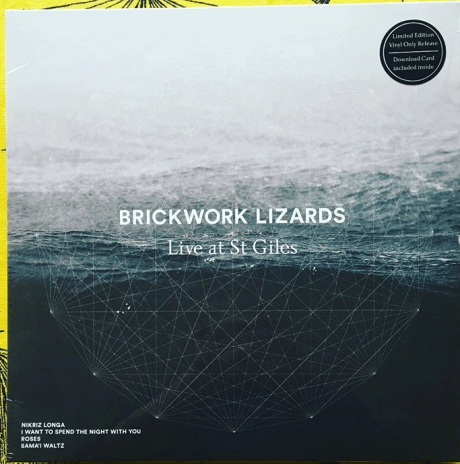
It is the live performance quality of the band that is celebrated for posterity on their latest release, a four-track EP recorded in front of an audience at the Oxford Jazz at St. Giles showcase. All new, even if they sound nostalgic, the St. Giles quartet of vocal and instrumental maladies, swoons and bounding dances features both original-penned compositions and re-imaginings of Ottoman bohemia, and an even older Arabic love poem They begin with one of these homage transformations, the Anatolian Tango suspense turn Balkan-rush treatment of the legendary Ottoman composer Tanburi Cemil Bey’s turn-of-the-20th century sweep of the bay ‘Nikriz Longa’ instrumental. On the final performance, Beshir yearningly improvises with an Arabic love paean to a weepy and complicated, but effortlessly played, 10/8 beat accompaniment on the Mowashah tradition inspired ‘Sama’I Waltz’.
With one foot in the Bonzo Dog Doo Dah Band camp, the Lizards pay respect to the racy sincerity of the doo-wop harmony group the Ink Spots on the jazzy crooned ‘I Want To Spend The Night With You’. And on their ‘Dream A Little Dream Of Me’ evoking serenaded idyllic punt down the river ‘Roses’, you can easily imagine the Lizards lounging on the Sultan’s palace rug, wistfully sighing sweet nothings to their muse.
With certain élan and flair, not forgetting a real commitment to their form, the Brickwork Lizards refine and reinterpret their nostalgic inspirations to produce a re-electrified fusion that transcends both its Ottoman and quaint Edwardian music hall legacies. Going by these St. Giles recordings they prove a great band to catch live in the flesh.
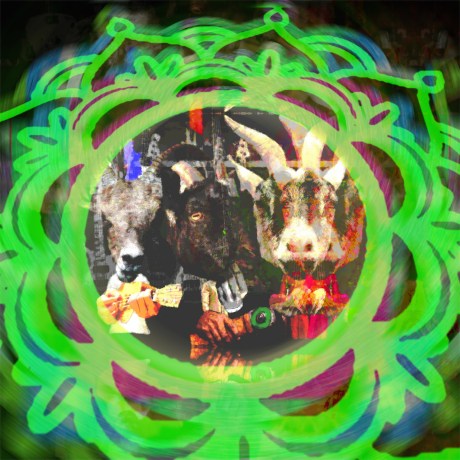
GOATS ‘Far Out’
(Submarine Broadcasting Co.) 16th May 2019
As if there weren’t enough Goat orientated bands already to contend with, here’s another. This collective rabble (not to be confused with that equally tripping, but African-imbued, lot from Sweden) of moonlight acid and experimental pseudo daemonic cult mind-bending is led by the brilliantly-named maverick Alan Morse Davis, with Jorge Mario Zuleta, Dec Owen and a list of pseudonyms to back him up.
Astral planning the nonsensical, channeling a wealth of acid-rock, hippie folk, Kosmische, Krautrock and avant-garde inspirations, these Holy Mountain(side) goats chew on the most lethal of intoxicating hallucinatory strength grass. Following up on their previous self-titled LP – which I’m told did some impressive sales – the GOATS latest wheeze, appropriately entitled Far Out, is one continuous forty-minute exploratory track of spliced sections, released on that most revived and limited of formats, the cassette tape.
Setting off through a reversal-heavy drug-y drone daze our navigators on this trip meander through an ever-changing soundscape of Incredible String Band commune ditsy childish folk, indigestion-hampered throat singing, early period Amon Duul II Gothic chorus of angels and Germanic myth, caustic confusion noodling, Spacemen 3 go baggy go Velvets psych-garage lo fi, and harmonium bellowed Indian fantasy mirage. That’s without mentioning the vortex sucking sample of The Creation’s ‘How Does It Feel To Feel’, the doodling melting evocations of the Acid Mothers Temple and the blown-out wafts of Kraut-jazz trumpet that get thrown in to what is a most experimental soundtrack; equally in search of hippie nirvana and free love aboard the Hawkwind mothership as amorphous fuckery.
Far Out is an often-ridiculous collage built around a few more thrashed-out, almost conventional, song ideas and meanderings. As ‘head music’ goes the GOATS have sown together a mind-melting rich peregrination of sketches, passing fancies, the afflatus and out-right weird to create their very own disturbed vision; a release that is more ennui, hard come-down Gong communing with Popol Vuh than Faust Tapes.

Wilderwolves ‘Inhale, Increase The Dose’
(Jezus Factory) 29th May 2019
From the Benelux alternative and experimental rock specialists Jezus Factory, and featuring a heavy-guitar rotation of guests and collaborators from the Angels Die Hard, Broken Circle Breakdown and Eriksson/Delcroix triangle of bands from that region, arrives the second LP of sincere anxiety and travail from the Wilderwolves. A vehicle for the songwriting of Alain Rylant, who also sings and plays guitar, the Wilderwolves lean towards introspective rage on the finely produced Inhale, Increase The Dose; though there’s a certain ambiguity in the lyrics, waiting to be decoded, and a lot of violence (metaphorical or not) meted-out and suffered in a number of moody love tussles.
Pitched then as an album about love, though with a side caveat that “it’s about everything” and “it’s about nothing”, all seen and experienced through the self-medicated haze of lethargy; Rylant attempts to rattle the listener (and himself) from a resigned stupor.
Full of the wrangling, sinewy, angulated and sometimes caustic guitar shapes we’ve come to expect from the label’s roster, the various cast of musicians on this album work their way through grunge, stoner, post-rock, Britpop and Americana. On the desperate sinking ‘Smoked’ and bloodied sinister ‘Tooth And Claw’ they brush-up against Placebo at their more refined, and on the post relationship fall-out of ‘Your Scars’ it’s a combination of Alice In Chains and Grant Lee Buffalo. The more relaxed, ambling ‘Underwater’ however, reminds me of an Arcade Fire song I’ve long since forgotten the title of.
A personal, candid offering that taps into the current need to share the sort of woes, stresses and anxieties usually left on the psychiatrist’s couch, in hope that it will somehow help, Inhale, Increase The Dose is a great cathartic indulgence that rocks.
Singles
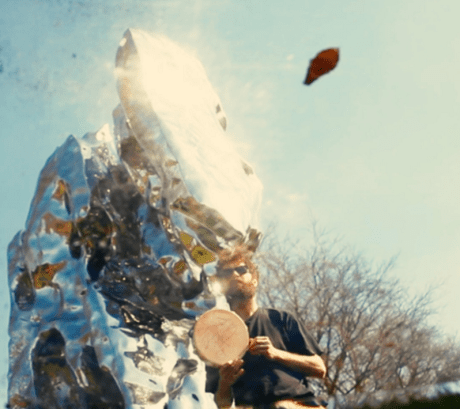
John Johanna ‘Children Of Zion’
(Faith & Industry) Out Now
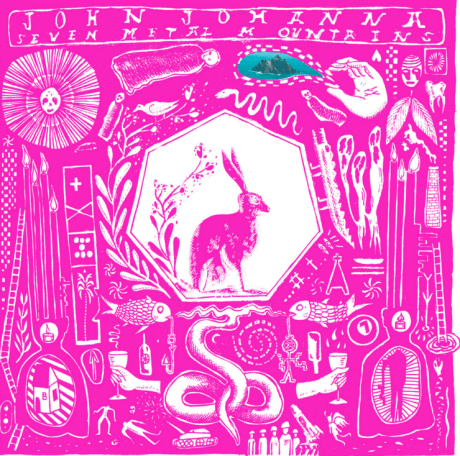
Ahead of a new biblical-inspired album in July, the first holy revelation from John Johanna’s upcoming Judaic apocalyptic Seven Metal Mountains opus is the lilting, cymbal resonating heavy, but deep, ‘Children Of Zion’.
Slightly lighter of touch, though just as steeped in religious liturgy, the latest single from the Norfolk artist once more traverses the Holy Land with a call-to-service melt of desert-blues, post-rock and psychedelic folk. Conceptually built around the ancient apocalyptic work laid down in the Book Of Enoch (the protagonist of that cannon being Noah’s grandfather, who’s visits to heavenly realms and augurs of doom are presented through visions, dreams and revelations), Johanna’s Seven Metal Mountains symbolize “the world empires that have successfully oppressed and controlled mankind”.
‘Children Of Zion’ has Johanna adopting a faux-reggae Arabian gait to deliver a message of worshipful defiance; throwing the moneylenders out of the temple, bringing down the towers of Babylon so to speak: “No politician gonna heal me/Only love and self control.” A return to Zion it is, the most venerated of sites; a return to the garden, Johanna has found his calling once more.
For those wowed and won-over (I previously included Johanna’s previous Afro-blues, gospel and rustic Americana rich mini LP, I’ll Be Ready When The Great Day Comes in last year’s ‘choice albums’ features), prepare yourself for another divine communion.
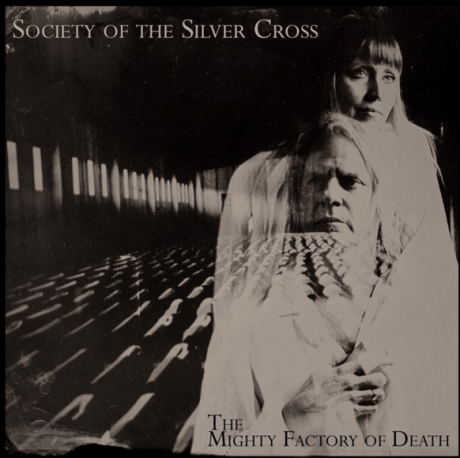
Society Of The Silver Cross ‘Kali Om’ and ‘Mighty Factory Of Death’
Both out now
Nothing less than a clarion call for an “awakening to the universality of all people and things”, the second single of enlightened cosmic pathos from the matrimonial Seattle band once more merges a spiritual penchant for India with grunge and the Gothic. The afflatus Joe Reinke and Karyn Gold-Reinke couple behind the dramatic sounding Society Of The Silver Cross have shifted their musical tastes and inspirations in recent years after travelling; taking a hiatus to the Indian subcontinent after the break-up of Joe’s Alien Crime Syndicate. Fully imbued, bringing not only the message but also the stirring sounds of holy innovation with them back to Seattle, the couple have embraced the use of the Indian autoharp (known as the “shahi baaja”), bellowed harmonium and a droning inducing bowed instrument called the “dilruba”.
Far more Gothic, darker even, than anything you’d hear in the divine rituals of those Indian inspirations, this conversion is often full of daemonic stirrings and gauze-y mists of shoegaze and grunge. ‘Kali Om’ being the second such mix of these influences is a song that once more features an effective if succinct message and musical leitmotif in it’s opening chimes that signals a continuation of their debut single, ‘When You’re Gone’. ‘Kali”, the great redeemer, “Om”, the universal sound of consciousness, is a suitably atmospheric evocation; rich with dreamy mantra, spindled and lush tones, hints of Moorish Spain and of course, the ethereal lingering voice of Karyn.
Following in its ebb and flow, the group’s third single offers a more stark, morbid outlook through its ‘The Mighty Factory Of Death’ title, yet is no less lush and ethereal, when it does break from its gong-sounding harrowed majesty and doom. From the pages of The Book Of The Dead, this Egyptology-ringing acceptance of the fates levitation-towards-the-light breaks from its heavy veil to find heavenly relief. Indian veneration communes with Cobain’s Nirvana and The Velvet Underground, the Society Of The Silver Cross magic up an evocative enough message with both their recent singles.
The debut album, 1 Verse, is due out at the end of June.
Words: Dominic Valvona
Playlist:::Dominic Valvona
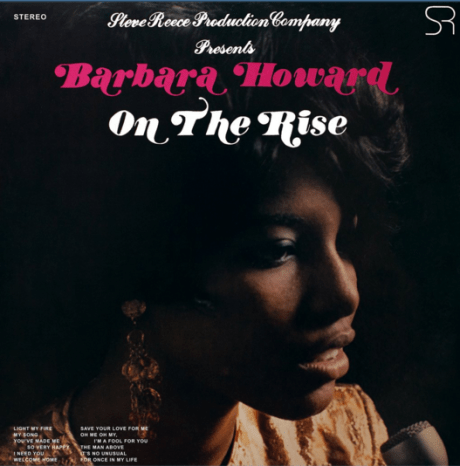
The Monolith Cocktail Social playlist is the blog’s imaginary eclectic radioshow, or DJ set, selection of throwbacks, missives, golden oldies and just cool shit; from across genres, timelines and borders. Expect to hear anything and everything.
Tracks:
Lalo Schifrin ‘Magnum Force Theme’
The Inmates ‘Bread & Water’
MC Duke ‘Miracles’
Tha Alkaholiks ‘Turn The Party Out’
Leaders Of The New School ‘Understanding The Inner Mind’s Eye’
Barbara Howard ‘Light My Fire’
The Move ‘Piece Of My Heart (Live At The Marquee)’
Chayns ‘Night Time’
Lotti Golden ‘Annabelle With Bells (Home Made Girl)’
Spike & Debbie ‘Seaport Town’
Alessandra Leao ‘Ai, Dende’
The Chefs ‘You Get Everywhere’
The Rakes ‘1989’
The Risin Sun ‘Pagan Bird’
Majid Soula ‘Yekker Oumenghi’
Loudon Wainwright III ‘A.M. World’
Why? ‘Into The Shadows Of My Embrace’
Chris Spedding ‘Video Life’
Esteban Copete y su Kinteto Pacifico ‘Abozaito’
Raf And O ‘Win’
Doris Day ‘Disney Girls’
Jon Tye & Ulrich Schnauss ‘Orange Cascade’
Radiohead ‘All I Need’
Daniela Casa ‘Third World Tango’
Mark Hollis ‘The Gift’
K-X-P ’18 Hours (Of Love)’
Bodkin ‘Three Days After Death (Part 1)’
Ancient Grease ‘Feedomn Train’
Parish Hall ‘Ain’t Feelin’ Too Bad’
Mayo Thompson ‘Venus In The Morning’
Pride ‘Proud Sorrow’
Rodrigo Gonzalez ‘Diva Francesa’
Fela Kuti And His Koola Lobitos ‘Ajo’
Clement Djimonge ‘Africa’
Armando Trovajoli ‘Bada Caterina’
John Compton ‘Lookout’
Extracts from Ayfer Simms debut novel, ‘A Rumor In Üsküdar’
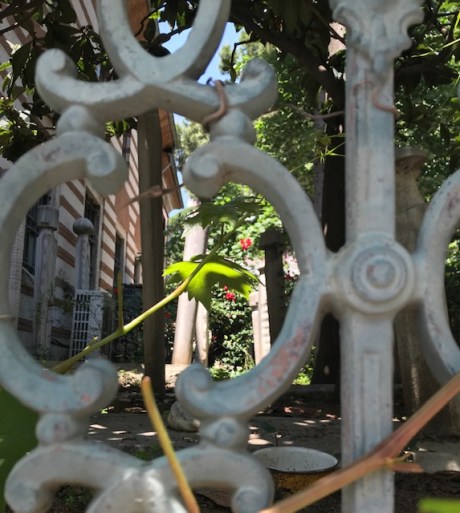
An integral part of the Monolith Cocktail team for the last six or more years, cosmopolitan writer Ayfer Simms has contributed countless music/film reviews (Ouzo Bazooka, Pale Honey, Gaye Su Akyol, Murder On The Orient Express, The Hateful Eight) and interviews (Sea + Air, The Magic Lantern) – and even appeared in the video of one of our featured artists (Blue Rose Code).
Taking time away from the blog to focus on her debut novel, Ayfer has spent the last 18 months busily working away at a story that encompasses not only the personal (including the death of her father) but the wider psychogeography and geopolitics of her native home of Istanbul.
Born in the outlier pastoral regions of Paris to Turkish parents, Ayfer spent her formative years in France dreaming about following in the travelling footsteps of her great literature love, Agatha Christie. After studying for a degree in literature (writing music reviews on the side), Ayfer moved to Ireland for six years before travelling aboard the famous Trans Siberian railway and settling in Japan. Initially visiting her sister, Ayfer not only stayed indefinitely but got married and had a daughter. Deciding to attempt a life in Turkey, where the family is originally from, they moved into Ayfer’s great-grandmother’s house in the Üsküdar district, on the Asian banks of the sprawling Istanbul metropolis.
A Rumor In Üsküdar is in so many ways autobiographical, the first chapter, which we previewed back in March 2019, and subsequent ones, including today’s chapter three extracts, are inspired by the death of Ayfer’s father a few years back. Part three, ‘The Old Man’, plays out a part soliloquy, part grieving monologue like imagined conversation between Ayfer and her late father, set to various Istanbul landmarks, one of which turns out to be a final resting place.
These familiar settings are given a slightly dystopian mystique and ominous threat by Ayfer, who reimagines the Üsküdar neighbourhood of the novel’s title being isolated and quarantined by the government, as they test out a piece of (propaganda orchestrated) news on the population.
That’s just the umbrella story though, within that framing we have the main character confronted by the country where she originated from imprisoned but ready to face it all and hoping for a wind of change.
Translated into English from the original French and Turkish language versions, an extract from chapter three, ‘An Old Man’, awaits.
CHAPTER 3
An Old Man
I go up the stairs looking at the time. All I can do now is to take the boat to reach the European shore. An old man blocks my way. I feel my irritation rise, as since this morning there seem to be too many obstacles.
– Help me daughter.
He is old. Too old to hurt me but I do not want to be disturbed. I imagine shaking him and feel satisfied that he is no threat. I weigh him up like I do every other person who comes up against me, just in case. Could I neutralize him with a twist of an arm? What do my years of training in martial arts serve me if I can not let some steam off mentally, if I cannot stretch my limbs and let others rush to it, break their balance whilst keeping my center, what do I care if they fall on me like comets from the stars?
– Sir, I do not have time, I say.
He is so wrinkled that I feel remorse. I change my phrase.
– What can I do for you?
– I live near the quarters of Ayazma. Put me on the right path, will you. I’m lost.
– It’s near my house.
He is polite, haggard.
Around us the rumor swells that there is no boat, the bridge is blocked. Taxis do not take travelers. I am stuck. I warn my teacher. He must think my excuse is a bit phony. Excuses are the martial artists’ enemy and downfall. Train at all cost.
– Times have changed, but I do not see very clearly. Where are the fig trees…?
He turns to me, the crowd is pouring over us, and he is waiting for me to react. I do not answer, I’m stuck, frozen and the words as usual are heaped in my throat. Because taken by surprise my Turkish sometimes takes odd forms.
– I’m dead my daughter. That’s why you have to help me.
– Don’t say that! You are in good shape.
– I died 120 years ago.
– Sorry?
He is a poet or he is crazy. However complaining about one’s health is not unusual in Turkey, the idea of old age settling early confers a vulnerability and respect that Turks bizarrely seem to enjoy. But already I believe him. He is a ghost.
There are helicopters in the sky. The titans are fighting and we hear the squeaky echoes of their metal armor. It is probably Veysel who tries to crush his opponents, they fight back, and it is their chase we hear in the starry sky. Or just patrols, special operations, special measures, a hunt for anything that moves, so called terrorists.
– I’m dead; I’m not any wiser though. I know nothing more than I knew in my lifetime. I realize it now that I am here. It’s a shame; death is useless in fact. A rest maybe, but since I woke up…
– Who woke you up?
– I would like to know … I feel like I have not learned anything since my death. The ignorant souls remain so too and that is a pity. A real pity. Disappointing in fact. Well, that does not stop me from being curious…and the absence of fig trees bothers me.
– They are around still.
– I do not know by what mystery I find myself here. God is great; I am the result of his miracle. The dead sleep peacefully in their bed. Their tomb says, “He was a person who loved kindness and justice”. At Karacahmet, Uskudar’s most treasured cemetery, we rest surrounded by trees in the breeze of the sea not far away; calm prevails. We are the permanent quiet residents under the hiss of the leaves, except at the time of visits, too numerous I should say, which force us to sink a little more in the ground, not to undergo the lamentations. The living pour out their anguish in the form of prayers. Yet already I am no longer. I am old, buried in the beautiful cemetery of Uskudar. I listen to the cry of the living, their desperate whispers, I see their patience rolling in their throats, they raise their hands to the sky to see something, because they find it difficult to bear. They have trouble breathing while me from my bed I feel the nature that lasts and the earth under my bones stretching to the center of the earth. I do not say that to defend death, I’m not crazy. I speak to the person that I was in my lifetime; I address the anxieties that I felt for years at the thought of silence and cold and especially the thought of loosing my loved ones. I fought day and night against those thoughts that sometimes made my life dreadful. But you must know that there is only peace later. Peace in the soul and in the body. The land feeds us. Good and evil blend in a nameless heap, the human veil spreads in the air so that it loses all meaning. It remains only shapeless hands underground, intertwined because the enemies of the past become our neighbours, in indifference.
So when our visitors arrive with their tears, the dead man turns in his hole, really.
He does not want to delve into the universe he has finally escaped. If the dead man is old, he does not have enough desire to remember wanting to live. If he clung to life, perhaps a young dead he probably worries about his loved ones, he does not want to see them in tears again. Why do we want to remember those whom our death has made suffer? Do we wish to stir painful emotions, to mop up the darkness or to see again sad faces, tears that bead in a wounded soul?
To revive these emotions means to revive a bygone era, to try to inject blood there, to release it from its natural pallor whereas when the ardours and the passions dry up it is not necessary to wake the dead.
The old man walks slowly forcing me to stand still. I begin to see it as the fruit of my unconscious still bereaved by the death of my father.
– Life is a constant unfolding of dramas. I was lucky despite everything, I will never pretend otherwise. But even the lucky ones have to say goodbye. There is no good way to die or to leave forever. To die is an enormous responsibility. I died without surprise. Old. A little tired. The mind does not always learn to cease to exist. My body could not take it anymore, but my soul? At the time of departure, I thought that my head no longer held. In my time I attended the departures of my family. I stayed in my neighborhood and faced their absence. They had vanished, yet still more alive than they were alive. On each wall I saw their face, or rather their “being” infused into the bricks. And for a long time I had the impression that their departure was only temporary. They would come back and we would laugh at those separate moments. How sad to say goodbye. It is better to hide the truth. Keep thinking vaguely that one day there will be a meeting.
– And sometimes it is possible?
– You are speaking to a dead person. Or…who am I? Why am I here? I do not know anyone, what’s the point of coming back? I do not feel in tune with anyone here. I do not even care about them. Those who have suffered from my absence are already underground. They shrug. The living have a great deal of trouble with the notion of death, and the dead are no longer living.
The old man does not speak anymore. The name of Karacahmet makes me shudder. My father often talked about death, joking about his own end, telling me “I’m going to finish in Karacahmet soon”. This cemetery, a terrible character, a monstrous beast between my French and Turkish village, remains like a suspension bridge. So is it any wonder that, finally on his deathbed, he refused to be buried there? He did not even pronounce its name again, he just said, “Do not burry me in Istanbul, they’ll lose me there.” He turned his back on me, doing me a favor without knowing it because I live near the Karacahmet cemetery. How did he understand? That he spared me, that I will not have to avoid this graveyard because of uncomfortable fits of sadness?
With this specter, I wander between the mosques of the sixteenth century, while it brews stories: century-old trees, Byzantine ruins, wells of another age…the ruins we brush against, under our steps, are tunnels and hot brick stones. He says “the well made of red lime under us leads to a buried archduke”. That the bizarre plant in my garden wriggling and breezing through the otherwise solid rock, its roots covered with small, seductive paws goes back his époque. This bizarre plant horrifies me in a way, I say.
With the ghost of this old man, my father seems far away whilst I am struck by the gap between them and us, the past and the present, the dead and the living, even if death does not mean anything, anything at all.
Words: Ayfer Simms
Album Review: Dominic Valvona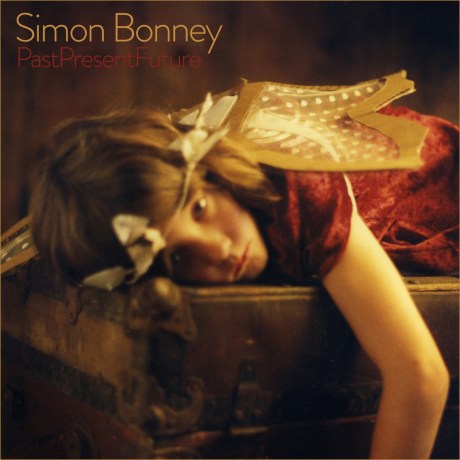
Simon Bonney ‘Past, Present, Future’
(Mute) 3rd May 2019
Arguably one of the great voices of Australian music over the last four decades, Simon Bonney is nothing if not proficient in taking hiatuses. Emerging from just the most recent one, five years after the release of the last Crime And The City Solution opus American Twilight – itself, the first album by the iconic alienated nihilists turn beatific augurs of country-doom in twenty years -, and twenty-odd years since the shelving of his third solo LP Eyes Of Blue, Bonney makes a welcome return to the fold.
Prompted by the decision of Mute Records to facilitate the release of that fabled last solo songbook, the Past, Present, Future collection is both a reminder, featuring as it does tracks from both the 1992 Forever and 1994 Everyman albums, and showcase for six previously unreleased tracks from Eyes Of Blue.
Caught in the industry merger machinations of the late 90s, the Detroit imbued-recorded Eyes Of Blue fell victim to the fallout of A&M Records, “dissolved” into the behemoth of the Universal Music Corp just as Bonney was agreeing a deal with them to release it. As a consequence, what would have been his third solo outing and the perfect bookend to a brilliant run of country blues inspired songbooks, instead sat in the vaults, waiting patiently to get released.
Not new material but a catalyst for projects going forward, this solo collection proves as prescient today as it did back then. Especially the beguiling cover turns homage (in light of the recent passing of Scott Walker) of the brooding maestro’s stately majestic lament to fading beauty and decadence, ‘Duchess’. Brought to Bonney’s attention during recording suggestions for Eyes Of Blue by his producer on those sessions, Dave Feeny, Walker’s sullen lyrical masterpiece proves a congruous fit for the Australian’s rich lap steel and Dobro resonator thumbed and waning country malady signature style.
The effects of time and the changing landscape are running themes in all of Bonney’s solo work. Echoing loudly with the ongoing divisive debate of the present, many of these beautifully articulated sad declarations feature a protagonist searching for their place in the world, set often to a kind of American West favoured by The Band, but also the Outback. Alienation is a given: Bonney’s own past travails richly mined; the teenage runaway leaving behind the vast rustic expanses of Tasmania for the city life of Sydney, via the Australian metropolis’s Red Light district and squats. It was of course where the fourteen-year-old outsider formed the first incarnation of Crime And The City Solution, one of four such phases, the next taking shape with a move to London in 1984 and including both Mick Harvey and Rowland S. Howard (alongside the equally notable Harry Howard and Swell Maps’ Epic Soundtracks), the third such version taking shape in Berlin (embracing musicians from the city’s post-punk and post-Krautrock scenes, such as Einstürzende Neubauten’s Alexander Hacke), and fourth, in Detroit.
The greatest panoramic opus, an unedited version of the Everyman LP’s leitmotif, is in three parts a grand sweep with military snap snares. Bonney in resigned fatalism almost, swoons “I’m looking for a life I can’t explain” as a full-on assault from all directions bombards him. ‘Ravenswood’, taken from the Forever LP, is in a similar Western mythos mode a hard worn thunder and rain-beaten plaints with the age-old “rain on, rain on, rain on me” yearn that sets our high plains drifter on a course for redemptive change. Following in its wake is a ran of highlights from both Forever and Everyman, including the Orbison plays twanged angel to the Lone Justice declaration ‘Don’t Walk Away From Love’, the Lynchian motel spell (complete with a bongo anguish) ‘There Can Only Be One’, and bowing Greyhound bust tour through Texas Rose country runaway ‘Where Trouble Is Easier To Find’.
Much of the Bonney songbook, delivered with earnest, deep timeless country-imbued veneration, aches, even worships, for a string of muses; an undying, unwavering love to both the unattainable and lost. One such elegiac object of such pathos-inspired yearning is Edgar Allan Poe’s famous Annabelle Lee –the metaphorical lamentable figure of the Gothic polymath’s last poem -, who appears on both the eponymous and title tracks from Eyes OF Blue. Lovingly conveyed, even if it marks the death of that lady, it proves symmetry to the album’s profound poetic loss of influence, desire and alluring surface beauty of Duchess. Eyes Of Blue, which makes up half of this collection, follows on from the previous solo works perfectly. A touch deeper, even reverent perhaps, but every bit as bathed in country suffrage. Salvaged at long last, that lost album offers a closure of a kind. Proving however, to chime with the present, far from dated, the Eyes Of Blue part of this collection is a perfect finish to a great run of epic, though highly intimate, solo opuses; the songwriting as encapsulating and grandiose, earthy as you would expect.
Bonney remerges just when we need him; back after many setbacks, but enjoying music again (he says). Past, Present, Future can also be seen as perfect compilation of that solo catalogue for both hardy fans of the artist and as an introduction to one of Australia’s outstanding talents.
Words: Dominic Valvona
Our Daily Bread 327: John MOuse, Sue, Delta Mainline, The Pinheads, Earth Tongue, The Blue Orchids.
May 16, 2019
Reviews Roundup: Brian ‘Bordello’ Shea
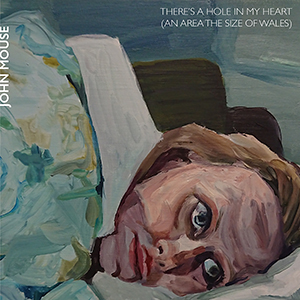
John MOuse ‘There’s A Hole In My Heart (An Area The Size Of Wales)’
(Keep Me In your Heart Records) 24th May 2019
John MOuse and the wonderfully titled ‘There’s A Hole In My Heart An Area The Size Of Wales’ is a rampant romp through the indie pop hills of blissful wanton love. A song that could bring the smile to the face and polish the soul of even the most miserable of curmudgeon gits: it made me smile anyway.
Orange Juice guitars and Neil Hannon like vocals erupt from the speakers to nudge radio programmers to add the ode to forthcoming playlists…if there is any justice in radio land that is. A fine pop single.
Sue ‘It Will Never End’
Out Now

Stooges and Sex Pistols riffs abound as Sue put in their claim for the for leaders of the wannabe kings of the new guitar movement – as there certainly are a number of fine guitar bands forming and releasing records at the moment, and Sue are indeed up there with a fighting chance of making their way To the top of the pile.
What gives Sue the edge is that they have a fine vocalist; he has the Lyndon sneer perfected, and when he screams “I gotta get outta here” in ‘Gotta Gotta Gotta’ you somehow believe him. This boy has soul. Anybody can scream but not everybody can scream with such style – he has a wonderful early Marc Almond quality too his voice (listen to Soft Cells Last Night In Sodom and see if you disagree).
I await with interest to see how this band develops and grows over future albums as they certainly show that they know how to knock out a decent tune and know their way around the art of songwriting, and am sure more influences will show as they progress with their career and yes they are indeed fine enough to have a career. Mark out as ones to watch.
The Pinheads ‘Is This Real?’
(Stolen Body Records) 24th May 2019

I love how the first track is called ‘Pure Hate’, it is a fine way to start a rock’n’roll LP and the song in itself lives up to its title; a song that has a subtle spite and fuck you quality that all the best Stooges tracks have. This is the sound of a band at the top of its game. The world, us, theirs, it’s there for the taking and the great thing about it is they know it is theirs.
It really is a joy to listen to guitar music as joyous as this: What is it about guitar bands that come from Australia they all seem to have a certain magic with a melody that we Brits seem to have discarded in a fit of generic apathy: maybe it’s the lack of sun. For this is what it sounds like to be young. Well, in a rock’n’roll road movie kind of way.
What I really love about this album is how it makes me want to be young again myself; it makes me want to experience hearing these riffs for the first time as they have been played so many times by so many bands over the years but when it is played with so much passion energy and enjoyment as this the pleasure spits itself out of the speakers. This LP should be forced into the lives of today’s teenagers and maybe then they will take their eyes off the screens of their fucking Smartphones and start listening to music and going to gigs and experience life instead of posting a “selfie” on instagram.
Is this real? is a fine LP, and indeed, is the real deal.
Earth Tongue ‘Floating Being’
(Stolen Body) 14th June 2019

Is Stolen Body Records quietly, or not so quietly, becoming one of the best record labels on the planet at the moment? It has not only just released the fine new LP by The Pinheads but also this wonderful album by Earth Tongue. [I wonder if they fancy releasing a Bordellos LP?]
If you have ever wondered what the sound of the d&a of the B52’s, Bongwater and the Cardiacs would sound like if they were melted down and stirred in a big rock n roll pot then purchase this fine album and find out, even if you haven’t ever wondered, still buy the LP anyway as at the time of writing it has stormed right into my 5 faves of the year already.
This is what real psych punk should sound like; distorted fuzz bass and guitar colliding with the chiming guitars with beautifully stomping drums. I never knew ethereal vocals could sound so enthusiastic, like an angel after drinking too much fizzy pop.
Floating Being is a beautifully produced rock’n’roll psych punk rock gem that could be destined for bigger things. I love discovering new exciting bands.
The Blue Orchids ‘The Magical Records Of The Blue Orchids’
(Tiny Global Productions) 7th June 2019
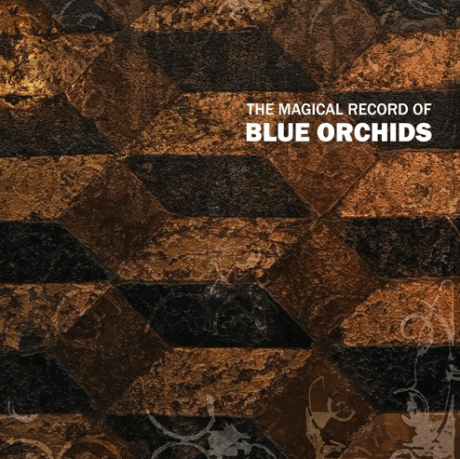
The Blue Orchids doing an LP of obscure 60s garage rock covers and an unrecorded song written with Mark E Smith, what is there not to like.
A quite beatastic affair in fact, I do like The Blue Orchids and am very passionate about 60s garage/psych music so it is pretty obvious I’m going to like it. It doesn’t matter that the versions are not quite as good as the originals as they are all performed with enough style and panache and love for the music for the album to be a huge success.
Something else I like about the album is that it sounds like all the songs could have been written by the Blue Orchids in one of their poppier frame of minds, and to hear Martin Bramah play garage rock riffs as sublime as these is quite heavenly, like for example, ‘Painted Air’, a stand alone wonder of a version.
This album is a nothing more or nothing less than a gem of a listen, go and give your ears a treat.
Delta Mainline ‘Bel Avenir’
3rd May 2019
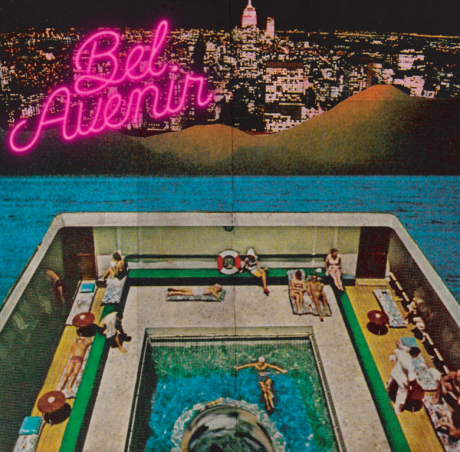
This is quite a pretty record at times, resembling a quite not as heartbreakingly dark or as special Sparklehorse – a band I have a deep love for -, and at other times, it resembles Wilco. Not that there’s anything wrong with that; it is a most pleasing way to spend forty minutes or so.
Bel Avenir is one of those albums I’d love to hear stripped right down to the bone; to take away as much of the production as possible and see if it would stand up on its own two feet, or whether it would wither and diminish. Production sometimes can be the enemy of song and I feel as well produced as this LP is and as commercial as it sounds it may actually take the genius away from the song: as they are all in fact, very fine songs.
Although I think the LP may flow more if it wasn’t interrupted by soundcloud ads for just eat and car insurance, but I am sure they will not appear on the compact disc or vinyl version, or maybe they will. If so, an original and groundbreaking money making idea selling advertising space on your album. But back to the album. Delta Mainline are a band that wear their influences on their sleeves, but wear them pretty well and with great style. For example, ‘Mountain Music’ is a fine country lament that brings Spiritualized to mind – my favourite track on the whole Album. Bel Avenir is an album I would recommend to all fans of the above mentioned in this review.
Brian Shea is the maverick patriarch bandleader of the infamous St. Helens family cult lo fi band, The Bordellos.
Photography:: Giorgio Lamonica

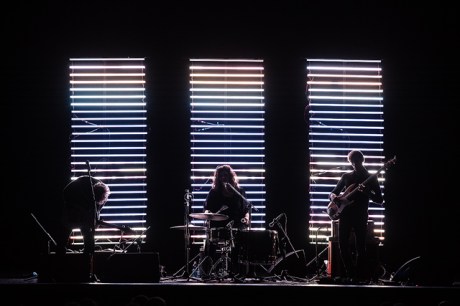
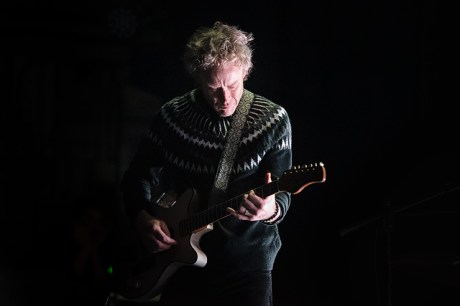
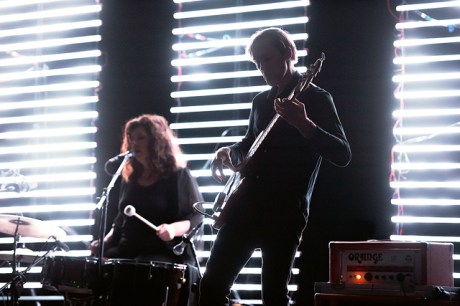
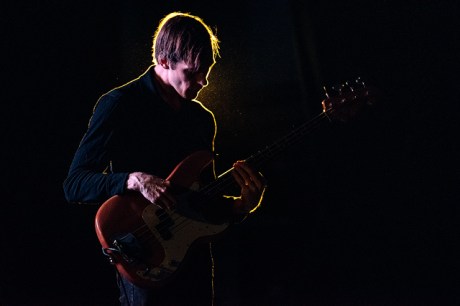
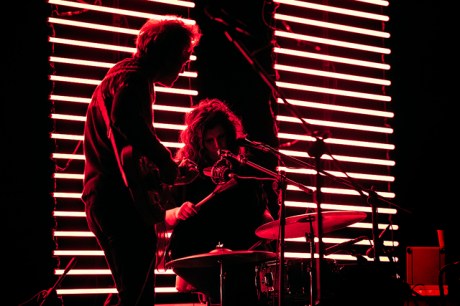
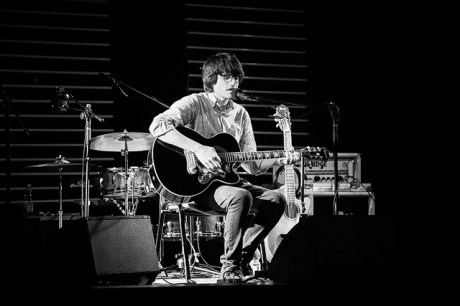
Continuing our running penpal-like exchange with the leading Italian culture site Kalporz, we are excited to share Giorgio Lamonica‘s photographs of the immensely popular Minnesota indie-rock titans Low and their support, Italian artist Lullabier; all of which are taken from the recent concert in Bologna.


Album Feature: Dominic Valvona
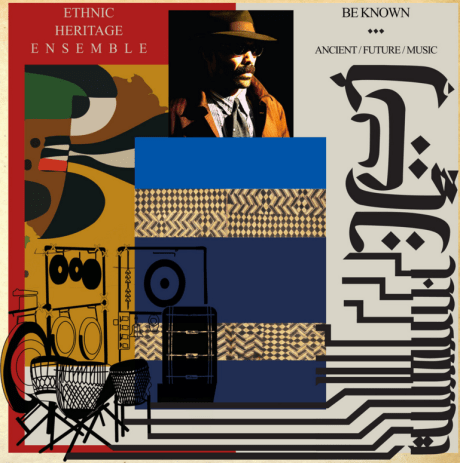
Ethnic Heritage Ensemble ‘Be Known Ancient/Future/Music’
(Spiritmuse Records) 21st June 2019
I’d readily admit I still find it a daunting task reviewing jazz, in all its different forms. Further along in my education of course, beyond the rudiments, but in no way an aficionado. I’m constantly discovering and exploring pieces in the jazz story. And yet, it seems almost unforgivable that such a doyen of the Chicago scene and alumni of that city’s famous hothouse of talent, the School of the Association for the Advancement of Creative Musicians, drummer/percussionist and bandleader Kahil El’Zabar has until now escaped me. Such is his vital contribution to Spiritual and African imbued jazz that he really shouldn’t have.
Renowned most notably for the ensemble he formed after graduating and still plays with, Kahil’s impressive CV also includes various roles playing with such luminaries as the great Pharaoh Sanders, Kalaparusha Maurice McIntyre and “Light” Henry Huff, and tour spots with titans, Dizzy Gillespie, Archie Shepp, Nina Simone, Stevie Wonder and Lester Bowie.
Leading a myriad of different lineups of the Ethnic Heritage Ensemble since their inception in the early 1970s, Kahil and the current troupe of Corey Wilkes (trumpet), Alex Harding (baritone saxophone) and Ian Maksin (cello) together celebrate a prestigious 45-year career whilst also, and always, looking forward on the latest collection Be Known Ancient/Future/Music.
Spanning live performances, recordings and even a track from the 2015 documentary that forms part of the title of this LP, Dwayne Johnson-Cochran’s exploration Be Known, Kahil’s ensemble once more explore the ever-developing Chicago rhythm that has marked this city out for its unique, often raw, take on R&B, Soul, Dance Music and of course jazz.
Atavistic with a modern pulse, improvising and riffing off repetition, the “ancient” in the title stands for the EHE’s African roots and inspiration; heard through the rustic waterhole evoked bottle pouring and wooden percussion, tribal drum patterns and Egyptology invocations. In theory, it runs throughout Western music, but is felt keenly in the ensemble’s floorless integrations here, which flow and adopt a wealth of genres: a Louisiana feel, be bop skip and dance hall swing on ‘Freedom Jazz Dance’, hints of prime Savoy label jazz, Cab Calloway and Dizzy himself on the homage tumbling drums take on Freddie Hubburd’s ‘Little Sunflower’ standard, and Hugh Masekela in his Hedzoleh Soundz phase, on the Serengeti shuffler ‘Wish I Knew’.
Looking back not only to the “ancients”, this album mourns the loss and pays homage to a catalogue of notaries and progenitors, including a host of jazz stars lost in 2018; a trio of which, Randy Weston, Jerry Gonzalez and Cecil Taylor, are given a nod on the opening peregrination ‘N2Deep’, a primitive House music meets gospel and deep serenaded saxophone bounce of a performance that imagines the Modern Jazz Quartet hooking up with a time-travelling Marshall Jefferson.
From Leon Thomas like pronouncements, shamanistic magic, arcane fiddles, elephant heralded honked baritone and spiritual yearnings, all the African bases are confidently covered.
The ‘future” that is shared in this album’s title, attached to Afro-Futurist, is represented by both the amorphous blending of sounds, from Swing to Hard Bop to Avant-garde, and in the freeform ease of improvised playing; built around repeating but constantly evolving rhythms and motifs. At times Kahil and his troupe soulfully pine over a stripped acoustic dance beat bordering on gospel-House music and at other times, cleverly merge two different distinct rhythms, one more elliptical the other off-kilter, together simultaneously until final syncopation.
Less cosmic than Sun Ra, and less out-of-the-park than the Art Ensemble Of Chicago, Kahil and the EHE tread a different path towards enlightenment; spreading the gospel of positive Afrocentric jazz to ever more dizzying and entrancing heights. Spiritual music with a message doesn’t come much better than this, the EHE showing no signs of waning after 45 years in the business. I’m off to hunt down and digest that lengthy cannon now and suggest you do too.
Our Daily Bread 325: Aldous Harding ‘Designer’
May 10, 2019
Album Review::Gianluigi Marsibilio

Aldous Harding ‘Designer’
(4AD) 27th April 2019
Escaping any form of classification with a measured and completely tailored style on the vibrations of your soul, “Designer” is the perfect creature of Aldous Harding.
In ancient Greece the poets who dealt with epics, took the stories of the incredible heroes and mixed their tangible existence with legend and fantasy. Aldous Harding has shaped a record that describes, tells and immerses us in an epic of pain, a bittersweet story of a unique artistic life. The singer-songwriter’s faith and hopes cannot be strengthened even in paradise. In three verses: “Breathe in and out/ Kissing The Doubt/ And Whisper softly” she hides the essence of a veil of Maya, still unbroken and that will remain there to make us contort by doubts. A narrated, sung and lived track in which the coordinates of being are lost.
Designer feeds on doubts and acts of faith, moments of contemplation and intellectual depth.
Everything goes hand in hand with a series of atmospheres that are cured and varied, with the incredible touch of John Parish, songs like ‘Treasure’ or ‘Weight of the Planets’ use a register that draws a way of writing songs that I would call “oneiric pop”.
Interestingly the record features the minimalist pinches of guitar and the simplest of Stornelli, both of which intersect in a definition of aesthetic research precision.
Women in music don’t need any #MeToo, the most beautiful and profound message of truth is given by powerful records like this or by the work of Weyes Blood, Stella Donnelly and Phoebe Bridgers.
Designer is a record that speaks and tells the creation on the one hand less mythological, less biblical. Aldous Harding is a wandering goddess who makes mistakes, collapses and precisely for this reason takes on dreamlike connotations, enriched by a deep humanity.
This record interacts in the closest way to a contemporary definition of creativity, in fact the explosion of sounds, ideas and atmospheres does not start from a pure idealization of a thought but rather from a profitable interaction with Parish, who with loads of loop stations, etheric sounds and dreamy voice, has drawn an imaginary, much more precise than in the past, on an artist who felt the need.
Despite the fact that the female author’s panorama is full of projects rich in contemporary and interesting sounds, a Gothic and slightly blacker chaos was missing. Designer is a record that corresponds to the description, philosophical, of formativity (“formativity”) that indicates “a doing that, while doing, invents the way of doing” (Un fare che mentre fa, inventa il modo di fare).
Everything is full of a creativity that rhymes with intimacy; Designer is a feminine universe that narrates a new genesis, a beginning.
Single review: Andrew C. Kidd

Selfless Orchestra ‘Eden is Lost’
(Mysteria Maxima Music) 8 April 2019
According to Selfless Orchestra, Eden, that fabled Mesopotamian garden, has been lost. The Australian decuple open their debut single with a light, Greenwood-esque electric guitar riff that is plucked atop indiscernible background garbles and groans. Violin, viola and cello slowly weave around a folksy counterpoint melody. The post rock on-button is pressed about a third of the way through the piece; the pace livens, the rhythm guitar flips into heavy distortion and there is lots more snare.
The piece is not progressive in the purest sense. There are no major key or structural changes, ‘prog medleys’ are not offered and the instrumentation remains the same throughout. The piece does, however, follow an ascending trajectory: the guitar that becomes gradually more distorted, the strings more frantic and the high-pitched female vocals all drive it towards a frenzied conclusion.
Selfless Orchestra describe themselves as a “post rock orchestra”, a blend of Mogwai and Sigur Rós. I would even add a drop or two of Dirty Three and Pure Reason Revolution into that mix. They perform their compositions in the live setting accompanied by film presentations with the aim of engendering positive social change. Eden Is Lost has been launched with the proceeds of auctioned artworks and limited edition 7-inch vinyls of the single going to charities that support and protect the Great Barrier Reef. It is certainly a very noble and commendable enterprise.
 Monolith Cocktail Blog