Our Daily Bread 289: Acid Mothers Temple & The Melting Paraiso U.F.O. ‘Reverse Of Rebirth In Universe’
November 26, 2018
Album Review/Dominic Valvona
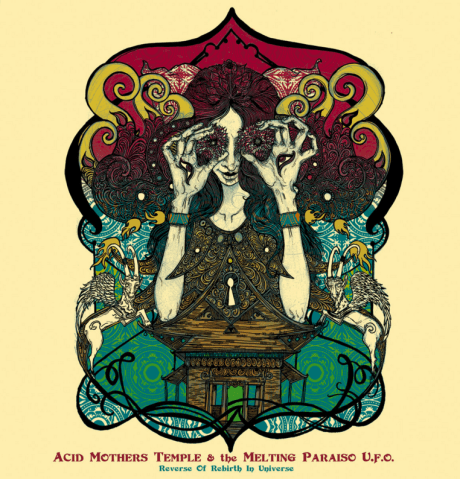
Acid Mothers Temple & The Melting Paraiso U.F.O. ‘Reverse Of Rebirth In Universe’ (Riot Season) 30th November 2018
As the title alludes, this is a rebirth; a new incarnation and phase in fact of the legendary acid-rock psychedelic transcendental freak out that is now in its 23rd year of cosmic operations. Founding instigators Kawabata Makoto and Higashi Hiroshi have in recent years welcomed a new intake of worthy disciples; adding vocalist and ‘midnight whistler’ Jyonson Tso, drummer from ‘another dimension’ Satoshimi Nani and the bassist, known only as, Wolf to its ranks. Their first task it seems is refreshing and transforming previous sonic stunners and rituals from the extensive Acid Mothers Temple & The Melting Paraiso U.F.O. back catalogue; part of an on-going repackage of the iconic troupe’s music that has recently seen, for the first time, a cassette tape release of both the In C and La Novia opuses by Kamikaze Tapes. Coinciding with a recent European tour, the Osaka outfits sprawling Reverse Of Rebirth In Universe album essentially breaks-in a new generation of collaborators.
Krautrock replicates, bowing in reverence at the temple gates of their German inspirations, but also carrying on the lineage of their native country’s own experimental doyens (groups like Les Rallizes Dénudés and the Far East Family Band), the Acid Mothers have carried the torch for acid-rock, the avant-garde and progressive when forbearers and contemporaries have faded or disbanded. Relighting the flame and going even more ‘cosmic’ (if that was even possible) the new recruits breath life once more into a trio (quartet if you have the bonus track version, which I’m reviewing) of moonage daydreams, Tibetan new age fantasies and wild psychedelic improvisations.
Transducing the entire Yeti and Wolf City Nepal esotericism and hippie magic of Amon Düül II into one monumentous caravan procession, the album’s opening epic anthem, ‘Dark Star Blues’, showcases the Acid Mothers signature occult cosmology. All at once hypnotizing, doom-y, melodious, trudging and noodling this far-out blues trip free falls into a wrestling guitar manic jazz jam after ten minutes of Byzantium universe soul-searching to reach a certain nirvana state of enlightenment. By contrast, though still untethered to earthy realms, ‘Blue Velvet Blues’ (about as far away from the blues genre that you can get) mixes tremolo Western echoes with the pining aching and waning guitar work of Ash Ra Temple and what sounds like Grace Slick yearning over a drowsy drum beat. Talking of vocals, the motorik driving ‘Black Summer Song’, sounds like a holy union of Nico and Damo Suzuki; ethereal and hauntingly wooing over a Future Days period Can meets Klaus Dinger’s Japandorf project backing.
The bonus, ‘Flying Teapot’, if you haven’t had the aural pleasure yet, leans more towards Embryo and Agitation Free; a progressive, acid-jazzy warp factor ten freeform trip of stargazing and druggy indulgence: A perfect finish in my book.
In a sprawling swirl of grooves and flailing, wilding display of guitar experimentation and oscillations, the Acid Mothers, boosted by the ‘next generation’, reinforce their reputation as one of the most out-there, influential and dynamic forces in cosmic rock. With a back catalogue that constantly keeps evolving they manage to push further and beyond the band’s past triumphs and freak-outs to deliver something energetically and dynamically refreshing. Here’s to the next phase in the Acid Mothers legacy; one that seems to show a promising glowing future of possibility.
Hip-Hop Roundup/Matt Oliver
Singles
A miniature singles round-up this month – blame it on the boogie – but a good pair of twofers all the same to kick off the latest referendum-ready Rapture & Verse. Ken Masters articulating like the clappers over a glitzy gala of a bossa nova loop is a very good thing indeed: hear now the sweet sound of ‘Fresh Air’. As part of the Badroaches team with Torb the Roach, he also sets sail on a mystic river as an ambassador of ‘Cosmic Viking Wizard Funk’, capable of administering bad juju. Open Mike Eagle continues to go from strength to strength, ‘What Happens When I Try to Relax’ a half dozen cracking open of his brick bodied skull that blasts arena-sized synths and shrunken beats equally projecting unique visions made gospel truth. Entertaining wordplay that’s as much about satisfying his own high standards in syllable practice. He then teams with Pan Amsterdam on the calmingly engrossing ‘No Snare’, a sharing and airing of respective kooks over a jazzy groove to be welcomed like a summer flashback.
Albums
Beneath the floorboards of ‘Mansion 38’, Jam Baxter orchestrates ‘Touching Scenes’, lo-fi gloom and scarred wit capable of exploding off the page. Appearances from Rag n Bone Man and Kate Tempest show the strength of Baxter’s blurred mind racing into HD – still no slouch when everything says otherwise – as he and Chemo on production ooze into every nook and cranny, handing you a surgeon’s blade to dissect the depth of their dark circles. A tightrope walk slumping against a pressure cooker.
Back in no time at all, Lee Scott continues to skewer the world, this time bringing the lung butter to the soiled surveillance camera sounds of Reklews as Hock Tu Down. Both exhibit punch-drunkardness on ‘Hock Tu 3’, like looking at the world through a spoon, yet are unputdownable: mind control by and for misfits and malevolent spirits – after all, “reality is what you make it, even if there’s no-one to corroborate it”. No need to read between the lines when CNT come to town, the Code Name Theory of Manage and Blitz insisting you cup an ear on ‘Sounds About Right!’ Beats and rhymes are soaked in honest Brit bitterness, mind’s eye doing double shifts on the beguiling ‘Need Guidance’, and the care with which they take their craft means their messages always carry in the right way.
‘The Post Apocalyptic Story Teller’ is a role where Chester P earns his golden handcuffs, casting end day tales and folk-angled parables fit for today’s diminishing civilisation. Long a master of vividly narrating from the no man’s land beyond the street corner, the mediaeval and the evil that men do will have you huddling round, but in full blast of a frosty Task Force reception. No slip-ups on D Tail’s ‘Happy Accident’, slick and swift grime-trained rhymes taking to hip-hop funk with impudence and asking some searching questions along the way. Toss a mic in his direction and he’ll always be ready to respond en masse: a final posse cut involving Ras Kass and Leaf Dog shows he’s got the goods. A compact cross section of instrumental despair and beats seeking emcees to bruise knuckles with, Nick Roberts dips into ‘False Consciousness’, with Dizzy Dustin, Pudgee tha Phat Bastard, Ash the Author and Cyrus Malachi taking advantage of when the producer isn’t longingly working the MPC with a wistful glint. No false moves made by anyone here.
Rugged but always smooth, Apollo Brown painting pictures with Joell Ortiz on ‘Mona Lisa’ is a great, late end of year candidate that’s reflective with a forked tongue and makes the stoop sofa-soft. Able to turn nasty on a sixpence (‘Cocaine Fingertips’ is as sharp as a Kruger manicure), there’s a lot of comfort to be taken from the union of two opposing authority figures exercising supreme quality control, transfixing you like you’re intimately eyeballing the pair’s much ogled muse.
Many parallels can be drawn from Masta Ace and Marco Polo’s ‘A Breukelen Story’, which save for tired skits piping up, is a similar exertion of concentrated strength. An immovable flow that has never let the former down, inimitably representin’, knowing the ‘ledge or reeling off what might have been, takes over production capitalising on a previous hook-up and taking in plenty of fresh, buzzing for autumn air, content on letting the words take the spotlight (even if Pharoahe Monch threatens to upstage everyone on final track ‘The Fight Song’).
The moreish ‘Pieces of a Man’ is Mick Jenkins knowing how to work a crowd. Powered by the woozy, a retreat nudging over into the club with keys constantly paddling, just when you think he’s coasting with the heat off, the Chicagoan plucks it out of the fire with a turn of phrase, concept, or one-liner more damaging than the casual ear can locate. “I be on my show and prove, not my show and tell” – persevere with it and the layers will reveal themselves. A mix of reluctant popstar, drifter hip-hop and traditional Midwest spin, deM atlaS tells the crowd to get lighters up in anticipation of jumping into them. Produced by Ant of Atmosphere, ‘Bad Actress’ is all showman, taming himself after exuberant opening exchanges. The wearing of multiple hats won’t be for everyone: the vulnerability, rap/rockstar/R&B whims, heart-to-hearts, including a remake of Mobb Deep’s ‘Where Your Heart At’, and development of a spectacle, could unlock a lot of new ears.
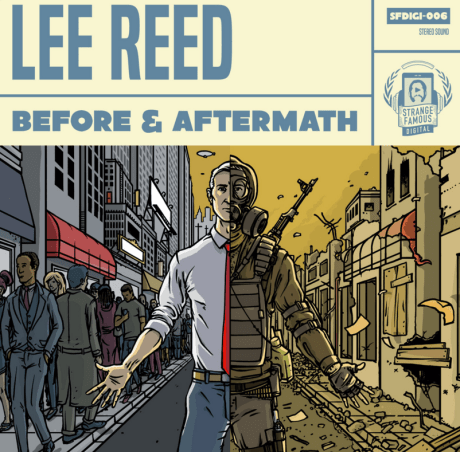
This month’s Ronseal album: ‘Grimey Life’ by Big Twins, a 15 track upkeep of realness delivered in shredded ghetto baritone. All the street consumption you could possibly ask for, flooded with blood, sweat and tears. Meanwhile in mid-apocalypse Ontario, Lee Reed’s ‘Before & Aftermath’ announces itself as a timebomb, an anti-establishment front row provocateur refusing to accept easy answers. Drums and funk kick down doors like the crooked figures in Reed’s crosshairs, with a twang dragging Your Old Droog and Vast Aire into the fire. Cherried by the all inclusive ‘Fuck Em’, you can’t spell renegade without the name Reed: burn speakers burn.
‘The Beat Tape Co-Op’ 10th anniversary compilation from 77 Rise rounds up 30 instrumental cameos and bite-sized boom bap bops, laced with soul slipping down the hourglass. The likes of Kuartz, Dr Drumah, Ben Boogz, Klim Beats and Profound79 put in the neck work and make their presence felt on a selection where it’s okay to touch that dial. ‘Dressed for CCTV’ by Aver avoids being a Hard-Fi tribute and gets knee-deep in instrumental murk glistening with a sharp film, dredging for drums and coming up with intriguing droplets of gold to create an atmosphere where emcees fear to tread, save for Cappo manning up on ‘Something from Nothing’. A classy retread of trip hop’s noir-ish particulars.
The spectre of the late Alias looms large on ‘Less is Orchestra’, enabling the supervillain flow of Doseone’s effusive battery acid gargles – scarier when he reaches dog whistle levels – with a cavernous, chrome-finished bunker of wires, pulses and logical mechanoid scurries. A game of good cap bad cop launching the Anticon equivalent of the bat signal.
Taking the street into the club and vice versa, Swizz Beatz’ strong ‘Poison’ brings the fuel, Lil Wayne, Giggs, Kendrick Lamar, 2 Chainz and Young Thug add the fire. It was never gonna be an album of modest contemplation (though quieter storms reserved for Nas and Pusha T don’t disrupt the sequence), but it’s still a pretty good, well condensed elbow sharpener with everyone on their game.
Look out for the Monolith Cocktail end of year album roundup coming soon, chock full of Rapture & Verse’s favourites from over the last 12 months.
Our Daily Bread 288: Refree ‘La Otra Mitad’
November 19, 2018
Album Review/Dominic Valvona
Refree ‘La Otra Mitad’ (tak:til/Glitterbeat Records) 7th December 2018
Recording in the field, catching both on-set and off the dialogue, conversations and even the spontaneous warbling song of a child, the lion’s share of the material on the renowned Spanish producer and film music composer (also solo artist in his own right) Raül Refree’s La Otra Mitad album was created for film director Isaki Lacuesta’s movie exploration of Flamenco, Entre dos Aguas.
Capturing both the essence and environment of the movie’s San Fernando location, and spirit of the non-professional cast, Refree’s often-reflective compositions and sketches represent his unique approach to conveying the abstract and visceral.
Representing at times what I, with my admitted ignorance of the form, recognize as the toiled, yearning and sometimes diaphanous flourishes of the highly-skilled Flamenco tradition, Refree performs the odd deft solitary passage but mostly reconfigures this signature Spanish style, remodeling it into an amorphous soundscape, or reversing it through a vacuum of suspense – ‘Dar a luz (Mix 1)’, which when translated into English means ‘giving birth’, and so makes sense as the sensation sounds like someone being rushed backwards out of a womb-like tunnel of both radiance and trepidation. Tracks such as ‘Barbacoa’ are literal, the composer recording the mood and conversation of the film crew and actors in their downtime at a barbecue; the results of which when edited in Refree’s in-situ studio sound intimate, yet like an ambient mirage. But sometimes the voices are in song, the Flamenco singers Rocio Márquez, Niño de Elche and Pilar Villa find their sonorous wails, lulls and beautifully expressed vocals sampled and turned into the ghostly and transported. Though the brighter, in praise, and less transformed ‘Cuando Salga El Sol (When The Sun Rises)’ is left to work its delightful Flamenco magic.
Lacuesta had in mind the relationship enjoyed by Neil Young and Jim Jarmusch on the collaborative score for the movie Dead Man, when approaching Refree. And in some way there is a semblance of that process; Refree pushing traditional sources into contemporary directions, his eclectic CV, which includes both co-producing and collaborating with Sonic Youth’s Lee Ranaldo (Electric Trim), and Spanish enigmas Silva Pérez Cruz and Rosalía, channeled through an experimental traverse of ideas; from the picturesque to tragic, fleeting to sobering.
Originally earmarked for a two-volume duo of instrumental-leaning 10” solo EPs, La Otra Mitad couples what was two separate envisaged projects together on one album. Volume Two, the soundtrack, I’ve already discussed; Volume One however is a different, but concomitant, proposition. Named after the guitars it was performed on, Jai Alai Vol 01 (as it was titled) featured a series of reflective pining, waning and timeless solo guitar compositions. The LGO played (is that even a guitar?) track features Flamenco gestures and resonating echoes of Ry Cooder country, but also, on the second of the ‘LGO’ performances, a hint of the Middle East permeates an intense to wound-down, heavy to light, ratcheted spring folksy rhythm. The moiety of ‘Ramírez’ experiments feature a plucked, harmonics twanging nuanced guided hand; both sounding classical and sad but transcending subtly their time and place.
An amorphous, removed album of guitar articulations, moods, location and voice that somehow seems simultaneously tethered to Spain yet peculiarly outside of it. An experiment in reification and the aleatory, capturing the essence but also transient, Refree creates an unusual aural experience that’s difficult to categorize; neither avant-garde nor world music as such, nor is it in the perimeters of rock, it is instead a most unique collection.
Our Daily Bread 287: R. Seiliog ‘Megadoze’
November 14, 2018
Album Review/Dominic Valvona
R. Seiliog ‘Megadoze’ (Turnstile Music) 30th November 2018
The Welsh producer’s most cerebral and tactile electronic evocations yet, Robin Edwards’ (under the mantle of his R. Seiliog moniker) new album subtly pushes out into the expanses of a naturalistic imbued void with a depth and patience seldom heard outside the fields of ambient and new age music.
Echoing the trance-y and controlled build-ups of techno’s burgeoning creative epoch in the early to mid 1990s – especially the likes of Seefeel, Sun Electric, Beaumont Hannant and, well, a fair share of the Warp and R&S labels output in that period – Edwards ‘ambisonic’ visions shift seamlessly between the mysterious and radiant; weaving together elements of Kosmische, minimalism, intelligent techno and even psychill into wondrous soundtrack of discovery.
Megadoze is in no way, as the title might suggest, one big somnolent snooze fest; even if there is a lot of suffused ambience to be found, and tracks take an unhurried amount of time to unfurl their brilliance and scope. The minimalist whispery, silvery and peaceable ‘DC Offset’ (a reference to ‘mean amplitude displacement’ too lengthy to discuss here) for example bears traces of The Orb and David Matthews, yet also features the sort of downplayed beats and rhythms associated with sophisticated dance music. In fact, no matter how gentle or languid, each track features constantly stimulating and evolving textures of metallic and crisp, whipped beats amongst the vapours, undulations, drones and waveforms.
A manufactured wilderness and cosmos, Megadoze sounds like Autechre rewiring The Future Sound Of London and Steve Reich: Imagine cascading waters, volcanic glass, the dewy lushness of fauna and awe of the constellations organically shining or ringing through omnipotent machinations and the itchy, pitter-patter of computerized, sequenced drums.
In many ways a 90s album thrust into the next century, produced on more sophisticated apparatus; Edwards’ brand of nuanced electronica is rich with the possibilities of both eras. His most ambitious work to date, Megadoze is alive with ideas and tactile sensibilities, a moody record that can, over time, open-up with wonder and radiant magic.
Our Daily Bread 286: Vukovar/Michael Cashmore ‘Monument’
November 12, 2018
Album Review: Dominic Valvona
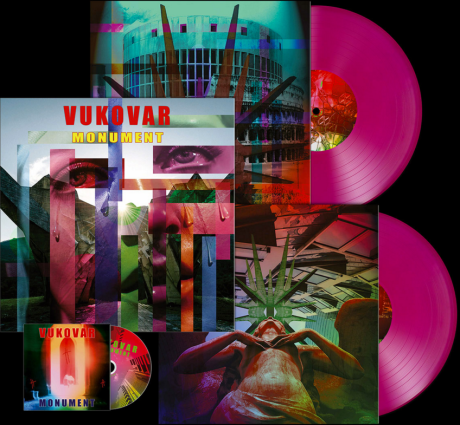
Vukovar/Michael Cashmore ‘Monument’ 16th November 2018
Another month, another three-syllable entitled grandly Gothic statement from Vukovar; on this occasion traversing the void with Current 93 stalwart and producer/composer Michael Cashmore, who appears under the guises of his Nature And Organization nom de plume.
A congruous in what is a melancholy harrowing romance partnership with the morbidly curious Vukovar, Cashmore leads with a vaporous, industrial and often godly (whichever God/Gods they be) brutalist swathe of sagacious moodiness and narration; adding to the already despairing lament that is Vukovar’s signature.
Deadly committed to the point of alienating everyone they work with, Vukovar’s fraught collaborations may end in acrimony, but the results musically are always first rate and dramatic; this latest breaking-of-bread partnership proving to be among their best work so far. It’s impossible to tell where Cashmore ends and Vukovar begin, and vice versa, and who’s album this actually is. Arguably inheritors of Current 93 and, even more so, Coil’s gnostic-theological mysticism and brooding venerable communions, Cashmore seems the obvious foil. Current’s The Innermost Light and Coil’s (and John Balance’s swan song as it were) The Ape Of Naples both permeate this conceptual opus.
As ever, reflecting the band’s reading material, monument is fueled by Hermetic occultists, despondent followers of Thelma, Dante’s visions of purgatory and redemption, and, to a point, architectural analogy. Inhabiting the concrete musically and materially, twisting post-punk, Kosmische, industrial and early British synth-pop, Vukovar and their partner in this gloomy trudge through the wastelands produce an apocalyptic hymn of gauze-y supernatural resignation and dreamy visages.
Straddling two slabs of vinyl, Monument’s indulgences are given ample room to haunt the listener. Shorter narrations and passages fade into more fully realized songs. Shorter pieces like the ‘This Brutal World’ feature a reading of a most despondent, mopey even, extract from Alice In Wonderland (the sad Walrus’ ‘sweeping away’ metaphor sounding even more plaintive read out in this setting) and fairytale surrealist, erring towards the unsettling, twinkled xylophone, followed by more expanded visions of yearning dark arts. When the band and their host do emerge from the ether, the Gothic experimentation features a more melodious, dare I even suggest catchy, quality; even in its most stark sleepless eulogy form, with a chorus like, “In a dream she’s always dying/One day she may awake”, taken from the Bauhaus swirling cathedral indie ‘Little Gods’, there is a certain surge of broody dynamism and anthem.
Vocally for the most part, both the voices of Vukovar and Cashmore’s dulcet, lower tones are layered over each other; some sung, though mostly spoken, uttered, howled and cried-out. On the middle section of the ‘Visions In Silence’ cycle (following the edict entitled nod to Rosicrucian championing physic and occult icon, Robert Fludd, ‘Utrique Cosmi Et Sic In Infinitum’) the “exist as I exist” mantra and ruinous decaying lyrical morose could be by Alan Moore, and the off-kilter jerking march of the no-wave ‘The Duty Of Mothers’ sounds like an unholy alliance between John Betjeman and Aleister Crowley.
From haunting melodrama to harrowing decay, unrequited love to radiant escape, the loss of innocence and youth to sagacious death rattles, Vukovar prove ideal torchbearers of the cerebral Gothic sound and melancholic romanticism. A meeting of cross-generational minds with both partners on this esoteric immersive experience fulfilling their commitments, Monument shows a real progression for Vukovar, and proves a perfect vehicle for Cashmore’s uncompromising but afflatus ideas to flourish in new settings, whilst confirming his reputation and status. Whatever happens next, this ambitious work will prove a most fruitful and lasting highlight in the Vukovar cannon; one that’s growing rapidly, six albums in with a seventh already recorded; another ‘momentous’ statement that affirms the band’s reputation as one of the UK’s most important new bands.
Our Daily Bread 285: Moulay Ahmed El Hassani ‘Atlas Electric’
November 2, 2018
Album Review: Dominic Valvona
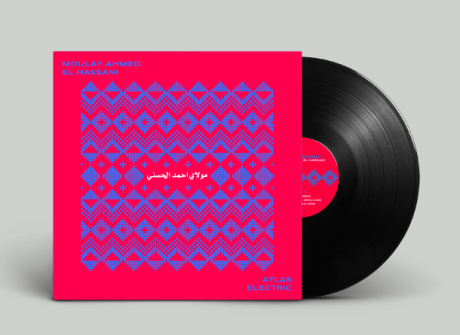
Moulay Ahmed El Hassani ‘Atlas Electric’ (Hive Mind Records) 30th November 2018
Returning to the stimulating landscapes of North Africa after a brief excursion to the visceral South American horizons of Rodrigo Tavares Congo, Marc Teare’s burgeoning tactile Hive Mind label rests in the shadows of the Titanic straddling Atlas Mountains with its third release, Atlas Electric.
Paying tribune to the atavistic folk music forms of the Amazigh people (the Izlan and Ahidous) of Morocco meets modern synthesized pop fusions of the celebrated Moroccan polymath Moulay Ahmed El Hassani, Teare’s latest labour-of-love repackages a double album’s worth of material that was originally released on Hamid’s own label, Sawt el Hassani, during a decade timespan between 2004-2014.
Relatively unknown outside his homeland, the prolific doyen of modern Moroccan pop music has knocked out over fifty albums (mainly confined to cassette tape and CD) during a thirty-year career. Though crate-diggers, samplers and admirers of cult Arabian music will know the name, this lavishly illustrated and compiled collection acts as an introduction for the rest of us: A showcase if you like.
A sprawling musical odyssey that immediately evokes the romanticized escapism and exotic fantasy of the Atlas Mountain landscape it was produced in, Ahmed’s swirling paeans and lyrical social commentaries trot and canter on air like a magical camel trail through the rugged canyon and desert terrains. Like the Bedouins, this electrified pop hybrid moves lightly and freely across an expanse, weaving the traditional with a taste of modernity: The dramatic, sauntering and gliding mirages of tradition, in this setting, are countered by Casio keyboard pre-set rhythms, fizzled drum pads and warbled auto-tune. This melding of forms, a bridge between generations, gives it a twist. Though undoubtedly the technology is lagging behind a little, elongated thumbed strings and psychedelic, Tuareg-like, blues guitar are undulated by 1980s style balladry synth and programmed drums throughout.
Joining Ahmed on this adventure is the richly voiced trio of dueting Arabic and Amazigh language sirens, Karima, Hind and Khadija, who lull, trill and accentuate the heavenly and romantic gestures of these delightful sonnets: Often sounding like the Arabian equivalent of a Bollywood musical.
Electrifying the landscape with a strange beguiling fusion of R&B and pop (the sort of sound clash M.I.A. soaks up), yet staying true to tradition, Ahmed’s Moroccan musical fantasies soar and flutter above the travails and toils of the modern world; representing, even if plaintive at times, the beauty and dreamy lovelorn desires of those who live in the shadows of the Atlas Mountain. It’s a marvelous release and an education.
Dominic Valvona’s review roundup of new releases
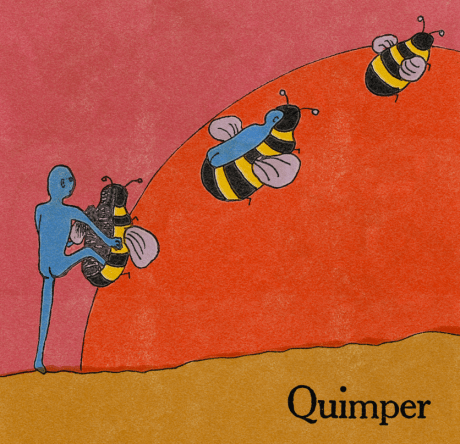
As ever, another fine assortment of eclectic album and EP reviews from me this month, featuring new releases from David Cronenberg’s Wife, Kid Kin, Jack Ellister, Paul Jacobs, Quimper, Spaciousness and Paula Rae Gibson & Kit Downes.
In brief: I take a gander at new EPs from the cinematic post-rock artist, composer and producer Peter Lloyd, who releases his swathes of guitar-electronica under the Kid Kin pseudonym, and the Autumnal songbook of self-deprecating, sardonic love trysts and illusions from London’s bastions of antifolk, David Cronenberg’s Wife.
Album wise there’s the beautifully penned troubadour psychedelic folk and scenery instrumentals of Jack Ellister’s Telegraph Hill – his first LP for the You Are The Cosmos label -; the barreling scuzzy garage and synth psychedelic lo fi magnificence of Paul Jacob’s Easy; the esoteric surrealist magic-realism of Quimper’s Perdide, a new age ambient compilation; Spaciousness, from London’s Lo Recordings that attempts to praise and explore the ambient musical genre, in what is the first in a series of collections from the label; and the first, and challenging, collaboration between the experimental siren Paula Rae Gibson and British jazz pianist Kit Downes, Emotion Machine.
Paul Jacobs ‘Easy’ (Stolen Body Records) 19th October 2018
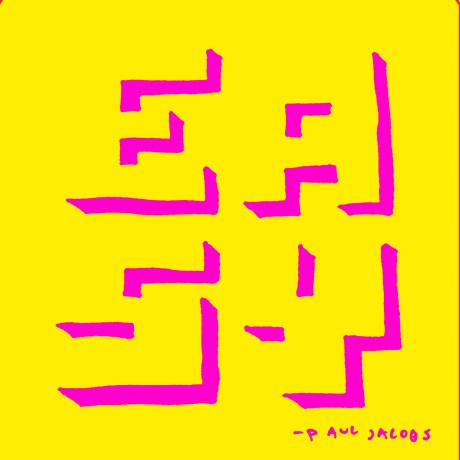
The very first sloppy collides of a track on this most fuzzy of hurtling and chaotic albums of vapour-wave pop, stonking garage and psychedelic twists and turns, could be, for all I can make out, a reversed bastardization of Bowie’s own ‘Holy Holy’. It certainly has the proto-Glam and strung-out rock’n’roll stomp of that record, but the maverick Paul Jacobs slurs and languidly warps, whatever it is, into a distortion-levels noisy Ty Segall.
Jacobs, who has already released eight albums of similar dizzying Kool Aid induced barrages (mostly on his own), indolently throws-up vague musical references throughout his latest album for the Stolen Body Records label; whether that’s turning on his best Lodger/Scary Monsters intonations and strutting messily but surely to an amalgamation of Liars and Blancmange on the cheque-cashing ‘Expensive’, or, whistling to the Native Indian backbeat of Adam And The Ants on ‘Laundry’, or, channeling PiL, the Killing Joke and Spiritualized on the Gothic spooked to deranged dreamy lullaby escape of ‘Trouble (Last Song)’. But you’re just as likely to hear passing shades of Sam Flax, Ariel Pink and Alan Vega swirling and bobbing about in the cycle wash of clattering sound clashes: It might all sound like a shamble. But it’s a most magnificent, bewildering and dynamic shamble.
Vocally Jacobs is masked under a lo fi mono-like production, which makes it difficult to catch what he’s on about at times. The odd whispered, crooned and melted lyric from these often mundane metaphorically entitled songs offer clues: a pop at the music industry here, soliloquy delivered anxiety, searching for purpose, there.
Layering a garage punk guitar with 1980s drum pad tom rolls, spacey chimes with vapours of post-punk, Paul Jacobs’ barreling, pummeling tunes are far more nuanced and sophisticated than I’ve described: Noisy of course, attuned as it is to a DIY sound, but brimming with riffs, hooks and splashes of radiant synth and psychedelic pop.
Cut from the same cloth as, the already mentioned, Liars, Ty Segall and Ariel Pink, Easy is an amazing record, a breakdown in motion, a racket that takes its core garage rock pretensions into the future.
Jack Ellister ‘Telegraph Hill’ (You Are The Cosmos) 27th November 2018
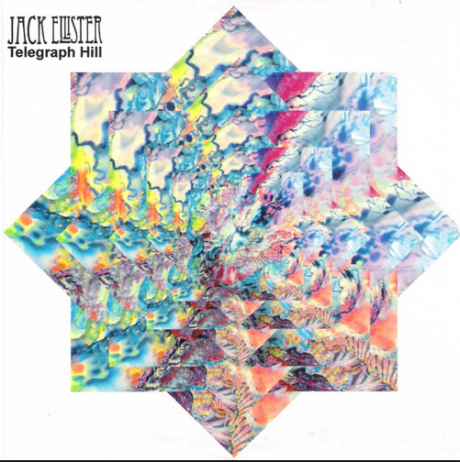
Penning a most placeable album, keeping it for the most part intimate, Jack Ellister’s latest collection of hazy troubadour balladry is turned down low and sweet, played out mostly on the acoustic guitar.
Normally associated with the Fruits de Mer label, releasing a string of singles and albums for them over the last six years, Ellister’s personable third album has found a new home on the You Are The Cosmos imprint.
An almost solitary affair, the multi-instrumentalist playing almost everything but the drums (played by long time collaborators Tomasz Helberg and Nico Stallmann), Telegraph Hill is an often lilted and twilled songbook of melodious psychedelic folk. The Telegraph Hill of that title refers to Ellister’s home studio in South East London, which can be read as an indication of his homely themes of belonging, of finding solace in the simple things and loved ones. The focus of many of these songs being the love-of-his-life muse, he expresses a joyful contentment throughout; wistfully and dreamily waxing lyrically like a lovesick Romeo.
Originally conceived as an EP bridge between albums, the nine-track Telegraph Hill is quite short in running time, and features a few instrumentals, two of which are more like passing interludes that seem to be added as padding; especially the final great American plains, Andes and Australian Outback merging, softened Native Indian stomp and gliding bird flight descriptive guitar peregrination, ‘Condor’. To be fair, the pastoral empirical ‘Maureen Feeding The Horses’, with its encapsulation of a rural scene (a moment in time) that captures a trapped kaleidoscopic sun shining through glass, illuminating this naturalistic aside, fits perfectly. ‘Icon Chamber’ however, seems an odd throwaway library music experiment from the laboratory in comparison.
Ellister is at his best when tenderly strumming a paean and singing; his fuzzy voice evoking a young Leonard Cohen on the Medieval chamber folksy ‘Roots’ (one of the album’s highlights), both Donovan and Tim Burgess on the trippy warbled flute-y and drum shuffling ‘High Above Our Heads’, and Syd Barrett on the Floydian via an enervated samba saunter ‘Mind Maneuvers’.
From pea-green seas of psychedelic nursery rhymes to 18th century inns, Ellister’s magical stirring atmospheres and folksy odes sound at any one time like visages of Caravan, The Incredible String Band, Fairfield Parlour, Spiritualized, Mike Cooper, Primal Scream and Roy Harper. Unobtrusive and unguarded, Telegraph Hill lays Ellister’s sensitive soul bare on what is, for the most part, a most assiduous halcyon earnest album of brilliantly crafted songs.
Kid Kin ‘Kid Kin EP’ November 2018

Never mind the worms the ‘Early Bird’ of the new EP from the Oxford multi-instrumentalist, producer, composer Peter Lloyd, has in this instance, caught the cyclonic glassy arpeggio rays of a multilayered crescendo instead. The third instrumental track from an EP of wide-lens anthemic post-rock visceral evocations, ‘The Early Bird’ features Lloyd’s signature ‘quiet/loud’ suffused climaxes and build-ups of various synth lines and descriptive, waning guitars.
Conceived as an encapsulation of his ‘connective’ ebb and flow live shows, Kid Kin is best experienced in its entirety, from beginning to end. Each track is separated – though ‘The Early Bird’ is followed by the Four Tet remix-esque radiant kinetic ‘Gets The Worm’, but in title split only – with no particular overlay or link. But squeeze them together into one continuous performance it would work well.
Saving his music from erring too close to Ad lands staple ideal of epic rock (U2, Coldplay), the opening ‘Jarmo’ vista sounds like a lost Mogwai soundtrack. The swelling, mindful but lifting towards the light ‘War Lullaby’ (which also features a strange 8-bit pinball ricocheting moment of electronica chaos) isn’t more than a fjord’s distance from sounding like Sigur Rós: a good thing in this case.
Confidently soundscaping post-rock panoramas, Peter Lloyd’s synthetic swathes and resonating layered guitar mini opuses are missing a documentary film. So descriptive is the drama and narrative. If immersing yourself in an ambient cinematic rock vision of moody and stirring expanses sounds right up your proverbial street; if you’re tired of post-rock’s old guard, then take a punt on the Kid.
Quimper ‘Perdide’ October 10th 2018
Curious oddities from beyond the ether and surface of Stefan Wul’s sci-fi paperback world of Perdide (the planet immortalized in the French author’s cult The Orphans Of Perdide) permeate the latest surreal musical séance from the beguiled Quimper duo.
A timely release for the bewitching hour, summoning up, as it does, vague vapours of Eastern European art house magical-realism, and imbued by both the 1970s library music and British horror soundtracks favoured by the Belbury Poly, The Advisory Circle and Berberian Sound Studios period Broadcast, Quimper once more occupy the esoteric heights.
Lynchian, peculiar, innocence turned into something otherworldly, the John Vertigen and his apparition vocalist foil Jodie Lowther (who also illustrates all their various releases) duo float, waft and shuffle around the most mysterious and kooky settings.
A whispery translucent cooed lullaby about the ‘Lovely Bees’, can eerily take on a most unsettling feeling, as Lowther’s vocals, or rather the most distant traces of them, channel a childish-like Japanese spirit to the accompaniment of a sinister dreamy sounding Roj. Elsewhere on this claustrophobic haunting soundtrack, Quimper imagine Mike Oldfield and John Carpenter communing, on the shivery spirit conjuring ‘Skin Without Size’; transduce an enervated vision of Richard James’ Polygon Windows through a ghost’s dissection, on ‘Vivisection’; dance to a mambo beat whilst a 1920s magic show opens a trapdoor to some snake god on ‘False Serpent Opens Doors’; and enact mellotron-mirage bucolic worship on, ‘Christ In A Field Of Caravans’.
They do all this from behind a gauze-y film of soft, wooing reverberation; only the essence, the air-y remains of what was once concrete, have been captured; broadcast, it sounds, through a Medium. Lynch should rightly love this stuff, especially Lowther’s untethered, so delicate and lingering as to not exist at all, nursery rhyme like siren calls. Perdide is one of the duo’s most interesting, realized albums yet, an illusionary surrealist world of creeping dreamscapes.
Various ‘Spaciousness: Music Without Horizons’ (Lo Recordings) 2nd November 2018
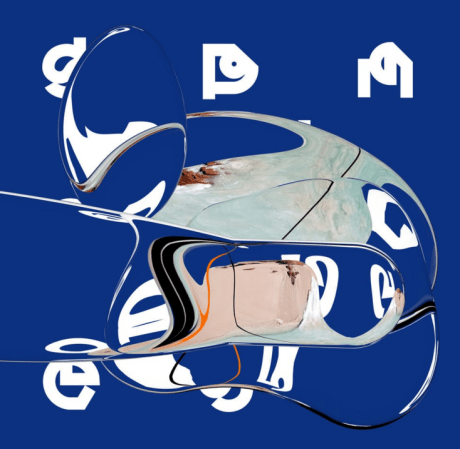
Tainted in part by its reputation for pseudo-hippie idealism and penchant for irritating whale song and the sounds of the rainforest – the soundtrack to countless holistic day spas -, new age music summons up a myriad of less than flattering connotations. Of course, as this first in a series of showcase purviews will prove, there’s actually much more to this often-maligned musical form.
In partnership with former Coil member Michael J York and musician/writer polymath Mark O Pilkington’s Attractor Press platform, Lo Recordings are here to celebrate its resurgence and more aloof, spiritual and philosophical highlights. As part of a wider project that will include writing, still and moving images and live events, the overlapping, multi-connective Spaciousness compilation provides an audio lineage; balancing peregrinations from both new age (but also embracing deep listening and post-classical) music’s progenitors and rising stars.
A leading luminaire, the divine styler of radiant transcendence, Laraaji, has by happy accident given this double-album straddling selection its title. Laraaji, who has himself, enjoyed a renewed interest in the last few years, especially for his ties to Brian Eno, and of course spiritual ambient quests, pops up partnering the Seahawks on the suitably aquatic undulated ‘Space Bubbles’ tribute to new age inspiration, dolphin-whisper, floatation tank and mind expanding drugs evangelist, John C Lilly. Another of the pioneers, Lasos, appears alongside the contemporary artist Carlos Gabriel Niño (one of the new guard, bridging the gap between the new age, the meditative, jazz and free form; signed to David Matthew’s – more of him later – expletory Leaving Records). The pair plays around with light on their majestic searing, glistening panoramic finale, ‘Going Home’. Lasos alongside another great doyen of the genre, Steven Halpern, were among the first artists to subvert and work outside the perimeters of the mainstream music industry; circumnavigating it by dealing direct with their audience through mail order cassettes.
Two of the already mentioned catalysts for Spaciousness, instigators behind Strange Attractor Press, also appear (under the Teleplasmite nom de plume) paying homage to a visionary muse, Ingo Swann. Propounding ‘remote views’, an artist and psychic, the duo construct a suitable Kosmische vaporous evocation on the roaming ‘Song For Ingo Swann’. Posthumous tribute is also paid to the late composer Susumu Yokota, with an ‘inter-generational span’ remix by DK of his dissipated ‘Wave Drops’ exploration; a soundscape of horse snorts, abstract saxophone, steam and Far East moorings.
The second wave of this new age movement is represented by artists such as MJ Lallo, who’s venerated, and equally expansive 2001: A Space Odyssey like, traverse, ‘Birth Of A Star Child’ is featured. Written originally for the Vatican in the 1980s, this version has been borrowed from a recent compilation of her home studio recordings, Take Me With You (1982-1997), this monastery in space choral eulogy was made by processing computerized drums, synth and Lallo’s voice through a Yamaha SPX 90 digital effects unit to produce an otherworldly, ageless sense of ominous awe.
Possibly one of the better-known figures of the last decade or more in his field, the renowned musician/producer and Tangerine Dream affiliate member in recent years, Ulrich Schnauss, partners with Lo Recordings founder Jon Tye on the jazzy desert wandering ‘Orange Cascade’. The duo’s diaphanous lulling visionary textures explore the intersection between live instrumentation (wafts of saxophone, sitar and flute in this case) and synthesized sound.
The most contemporary wave, so to speak, is represented by Matthew David’s (as Mindflight) Jon Hassell resonant stratospheric hymn ‘Ode To Flora’; Cathy Lucas’ ‘mating song of quarks’ primal soup bubbling and vague jazzy translucent ‘Chatterscope’; and Yamaneko’s ‘one big stare out of a bedroom window at 2 am’ sanctified, page-turning, mysterious ‘Lost Winters Hiding’. All these artists add to, or share, the vastness of space with their new ageism and cerebral ambient forbearers; a sign if any were needed that we could all do with a pause and a deeper purposeful meditative break from the divisive-ratcheted noise of our times.
In waves and cycles, the transcendent and deeply thoughtful search for peace and new horizons is gathering a pace. And what better example of its reach, scope and lineage (and future) than this inaugural Spaciousness purview; a collection that will do much to illuminate as push forward the limits of the new age and its various ambient sub genre strands and astral flights of fantasy. A great start to a wider investigation.
Paula Rae Gibson & Kit Downes ‘Emotion Machines’ (Slowfoot Records) 2nd November 2018
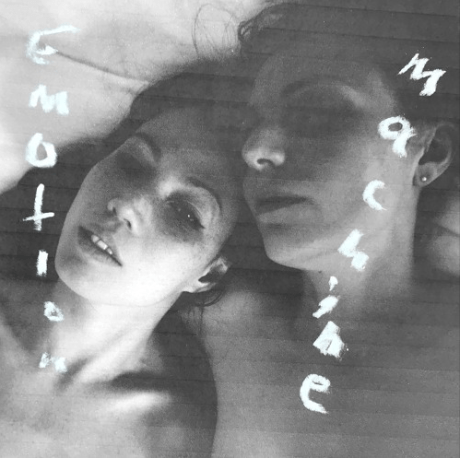
Amorphously set adrift into the abstract, untethered in compositional serialism, renowned photographer and experimental siren Paula Rae Gibson and collaborative foil, the acclaimed, award-winning British jazz pianist Kit Downes set out on a most challenging travail on the new album, Emotion Machine.
Already deconstructively – though also at times melodiously flowing – applying both equally stark and diaphanous vocals to a quartet of albums, Gibson’s minimal, but often striking, voice is in its element up against and submerged beneath Downes’ fine layering and often attenuate arrangements. Neither strung-out jazz nor avant-garde cabaret, the duo’s inaugural collaboration together is more conceptual sound design and dissonant drone than musical, with the odd flurry of neo-classical piano, some transduced cello and a splash of brushed-shuffled drumming offering the only traces or recognizable instrumentation throughout.
Re-translating their Delta Blues, Icelandic art-rock and early musical inspirations in a frayed somber and emotionally retching environment of uncertainty, they inhabit a miasma of toil and pained expression. In this gloom of uneasy, sometimes plaintive, surroundings the pauses, resonance and spaces are just as important as the minimalist instrumental accents and stripped-down-to-their-refined-essence-of-understanding fashioned lyrics: Gibson’s mix of concomitant couplets, stanzas and one-liners are left hanging in the expanses whilst Downes quivery, motor-purring snozzled and waned backing fades, dissipates or stops dead.
From the ethereal to the contralto, beautifully gossamer to ominously discordant, Emotion Machines is an efflux between the timeless and contemporary. Conceptually and artistically pushing the musical boundaries, as much a performance piece as cerebral exploration of the voice, Gibson and Downes interchange their disciplines to produce an evocative suite of poignant expressive heartache and drama.
David Cronenberg’s Wife ‘The Octoberman Sequence’ (Blang) 26th October 2018 (Download)/ 2nd November (Ltd. 12” Vinyl)
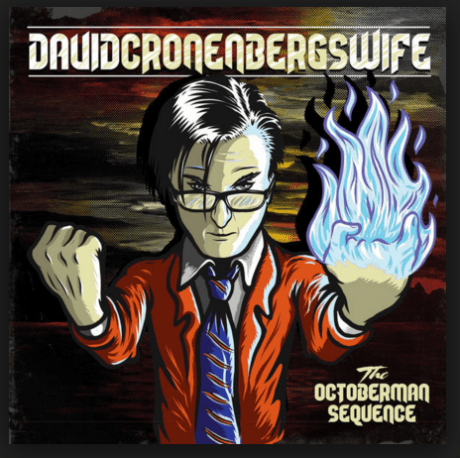
Weaponizing sardonic wit and despondency with élan, the antifolk cult London band, David Cronenberg’s Wife, offer up a signature serving of slice-of-life anxiety-riven and cross-signaled love derisions on their Autumnal EP.
Featuring a doublet of previously unrecorded resigned romantic numbers but fronted by the ‘live stalwart’ ‘Rules’ – two versions in fact; the single edit, a safe for the dour risk-averse airways, omits the only swearing word in the song: “Fuck around” -, The Octoberman Sequence is a most generous release from the DIY scenesters. ‘Rules’ itself is a galloping anthem that builds momentum and just keeps rolling on, pouring a hearty scorn on life-plans, the anguish life choices of the hand wringing middle classes, and Hollywood’s false platitude perfections as a strutting backing track of ? And The Mysterians/Sir Douglas Quintet organ stabs and proto Stooges (as fronted by Ian McCulloch) plows on. It’s easy to hear why this has become a live favourite. For one thing it dismembers the bullshit, spits out the unthinkable (the rules for s stress-free life, “Don’t marry”, tick, “Don’t have kids”, tick, being the first of the DCW’s seven-rule commandments), but above all, sounds great.
As for those previously unrecorded songs, the slumbered voice-over ridicule with lulled female accompanied ‘You Should See’ sets up our misdirected protagonist on a awkward date: So awkward in fact and indecisive, our lead’s inner monologue and own assured boastful knowledge of literature prompts him to spill the sexual predilections of Marcel Proust, before shuffling off home to “Masturbate over films made in the Czech Republic”. The other song, ‘The Dude Of Love’, is a 1960s good ol’ Freebird Southern boogie with a Kinks style chorus semi-stalker ditty. A rich, seedy, tableau of delusional creeps on the London Underground – one, a Lynyrd Skynyrd reject, the other, our awkward, but still egotistical, friend who seems to have totally misread the signals.
Nestled alongside these are the more serious intoned appendage love muscle punned ‘Love Organ’, and dour counterculture meets lamentable country blues troubadour ‘Song For Nobody’ – a kind of Dylan-as-pinning-cowboy paean turn disgruntled love rat finality that ends on a sour note.
Corralling the ditsy platitudes and unrealistic expectations of love in the age of #MeToo, DCW with wicked relish rattle and roll to their own unique post-punk, post-country and antifolk bombast on what is another clever and candid realized songbook of self-depreciation and protestation.
Rapture & Verse: October 2018: Atmosphere, Barney Artist, Cypress Hill, Little Simz, Homeboy Sandman & Edan…
October 24, 2018
Matt Oliver‘s essential Hip-Hop Revue

Singles/EPs
Rapture & Verse’s Halloween prep starts with the usual cutting of holes in a bed sheet, a liberal squirt of ketchup, and a splash of ‘The Tonic 2’ EP across the chops. Dr Syntax and Pete Cannon guarantee a minimum 24 hour protection, examining avenues few dare to visit: the self-explanatory ‘Workinout’ and ‘Facial Hair’ are modern day anthems, stared down by the solemn midpoint warning ‘Oh’. A livener in seven easy supplements. Another duo displaying a healthy sickness, Rack Mode and Elliot Fresh are married to the game ‘Till Death Do Us Part’. Toughened funk with devils horns poking out, and rhymes draining biros with quick reflexes, vow in unison to give you six of the best.
When Mistah Bohze has the ‘Momentum’, he’s hard to stop, twisting through a booming synth shunt before lifting the lid on ‘Pharaoh Dynamics’, delivering snake charming with a death grip. Following a headhunter’s thirst with time to chill, the Midlands’ perma-blunt Late rides again on ‘Elevationz’, making sure his tacks are the brassiest to the sound of Juttla lining the apocalypse with palm trees. Swatting away string orchestras and Hanna-Barbera getaways, competition is defenceless against the renegade steamroller that is Little Simz’ ‘Offence’, pedal pushed down just as hard on ‘Boss’.
A twin takedown from Cimer Amor and Side Effect won’t rest until punks are in their place, ‘Write That Down’ and ‘Gangsta Talk’ nicely to the point en route to causing front row mayhem. ‘Well, Well, Well’ by Bronx Slang styles out the concept of wanting it all, helping themselves to the individual strengths of uncle Tom Cobley’s extended family as a rewindable hypothesis; come for the namechecking, stay for the swagger. Winter’s icy grip is manoeuvred puppet master-style by Yugen Blakrok, part outlaw part cyborg breaking civilisation down into ‘Carbon Form’. Fiercely underground, intimidating, but creating fascinating parables as she goes. ‘The Bone Collector’ by V Don is pure law-breaking music while trying to retain a respectable air, six tracks of fair means and foul carried out by Westside Gunn, Crimeapple and more. “Shave the hair off their fingers so nothing gets stuck on hammers” is a gangsta credential to aspire to.
Albums
The hotly tipped ‘Humble Pi’ divided between Homeboy Sandman and Edan may only be a miserly seven tracks long, but is a banquet of slaps that will become one of your five a day, and ultimately year. Sandman as people’s champ, underground avenger and backpack laureate, and Edan tying an extra double knot in the Madvillain tapestry, are a sixth sense-powered twin threat, embroiled in their own battle royale with each other to reach the summit.
Because ‘Home is Where the Art Is’, the easygoing Barney Artist helps put feet up, but with a darker edge waiting in the next room. For want of a better phrase, his is a rapper next door persona making easy progress to eardrums enjoying a lie-in, deepened when his heart and head begin skirmishing, with appearances from Tom Misch, Jordan Rakei and George the Poet sealing an excellent album of broad appeal.
A quick follow-up to this year’s ‘No Brainer’, Coops’ ‘Life in the Flesh’ continues to look at the world through the blinds; late night but wide awake, survival instincts to the fore and maintaining the momentum of his previous profile that balances retreating wisdom and patiently lying in wait. A master of overlapping the effortlessly tense and the testily comfortable, this is both shelter of and from the streets.
The Madison Washington dossier of ‘Facts’ compiles the personal, intellectual, challenging and sometimes just plain funky. One way or another the US-to-UK pair are gonna light a fire under you with their outpouring of ideas. “Equal parts west coast funk and desert trip-hop” – thanks to great beats from top to bottom from The Lasso, the always lyrical Lando Chill makes his point as a continued threat from whatever angle he examines ‘Black Ego’, though perhaps because of the scenery behind him, a (positively) different proposition from ‘For Mark, Your Son’.
Smooth, slick and possibly dangerous to know, Boog Brown pushes her sophisticated self-titled album at a speakeasy on the low, manned by Tom Caruana. The immediate coffee shop connotations are much more treacherous and ultimately stirring than a simple after hours slam – the Atlanta-via-Detroit emcee and producer feed off one another to create a dusky work of art streaked with comforting light.
Twiddling the dial from left to right for the perfect score of chopped up loops, hardcore head nods, needle fluffers and sunny stop-start soul, Jansport J gets ‘Low’ but ends up with an instrumental album on high. Tweaks of Redman and Al Green are the highlights of a roadtrip where sunglasses and chill are compulsory. That well known fact that nothing rhymes with ‘orange’ is good news for Chariman Maf’s ‘Ginger’, bounding in with a ten track instrumental set full of get-up-and-go and then smoothing it on out for headphone clientele. Funk and fun encourages biros to get scribbling if they’ve got the brio. It ain’t no fun if Illingsworth don’t get some, the some in question on ‘You’re No Fun’ being instrumentals laced with varying amounts of Detroit dustiness and leftism, and the occasional rhyme – Open Mike Eagle and Denmark Vessey temp on the mic – that flicks ears back into action.
A cracked, chainsmoked delivery between Jeezy and The Game seems ideal for Recognize Ali to enter the arid realms of suited and booting mobsterdom. The opposite is true, and ‘The Outlawed’ partly has the UK to blame – Farma Beats, Smellington Piff, El Ay and Da Fly Hooligan all contribute to his running wild into the china shop. Gradually the handbrake is applied, but Ali’s chokehold clamps down on all wannabe thugs and keeps squeezing. ‘Behold a Dark Horse’ by arch dehydrator Roc Marciano is in a similar bracket, a ride you should back once he’s “cocked a nine back like a hand jive”. For someone who claps on instinct – notwithstanding a dip into Chaka Khan on ‘Amethyst’ – he remains a deceivingly slippery character, transfixing you when weaving from ambassador reception to swinging 60s to street brawl.
Still holding the steadiest of lines for what seems like forever, Atmosphere load up on their indelible variables so ‘Mi Vida Local’ always offers something to cling onto. The persistent acoustic drizzle, the hope of cloud-breaking sunshine when an amp gets kicked up or a bottle smashes, the passive/aggressive set-plays modelled as passion/aggression – not to mention the downright sickly ‘Trim’ – preserve their position as both fulcrum and window to the world.
A tumultuous DJ Muggs on the boards, and B-Real and Sen Dog personifying cold-blooded calmness in the eye of the storm – or too stoned to be affected. Cypress Hill’s ‘Elephants on Acid’ is a psychedelic stampede magnified by hallucinations, incantations and Judgement Day dominating the calendar. Old habits obviously die hard – ‘Oh Na Na’ and ‘Crazy’ sound like ‘Insane in the Brain’ remixed by ‘Gravel Pit’ – but the saga that unfolds and breathes down the neck of their 90s heyday takes the band into a new dimension.
Looking good this month: Riz MC, Sa Roc and Shockwave with Andy Cooper.
Our Daily Bread 284: Fofoulah ‘Daega Rek’
October 18, 2018
Album Review: Dominic Valvona
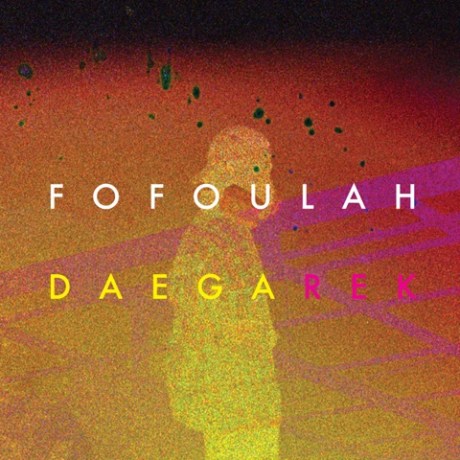
Fofoulah ‘Daega Rek’ (Glitterbeat Records) 9th November 2018
Bustling onto the transglobal London and Bristol scenes in 2014 with their earthy and urban bombastic fusion of Wolof African culture and dub electronica rich debut LP, the Fofoulah ensemble laid down the template for the a unique adventurous sound. Though taking its time to materialize, four years on, the follow-up album hasn’t just moved on but supersonically zoomed into the experimental void; even an esoteric, spiritual one at times. And in many ways this is down to the production.
Daega Rek, ‘the truth’ when translated from the Wolof language of coastal West Africa, sees Fofoulah’s saxophonist, keyboardist and producer Tom Challenger transmogrify the original Gambian talking drum of the group’s shamanistic rapping lead Kaw Secka and the accompanying percussion and propulsive drumming rhythms of his band members. (All of which were laid down at the Real World studios). Secka would then reappear in post-production to record his half spoken/half-rapped protestations and observations; the results all re-shaped into a ricocheting lunar-tropical bounding dub cosmology.
After a short introductory vignette of mysterious churned tetchy and dampened crunchy beats, the ode to a family’s first born (Secka’s notes emphasis not only the importance but heavy responsibility laid upon the first child; the ‘star’ or in Wolof, ‘Taaw’, must above all set a good example to his siblings), ‘Ndanane’, opens up the music box of effects; languorously swirling in an Afro-dub diaspora; evolving and stretching with interlayered limping beats towards a less zappy Ammar 808 vortex. Continuing with a similar message of responsibility, urging leaders of the country (especially Gambia’s very own president, Adama Barrow), from the very top down to the community, to remember their moral obligations, ‘Njite’ is a sound clash of Lee Scratch Perry, PiL and the On-U sound label. It also envisions an alternative moment in history; a sputnik space launch from Jamaica!
Skipping and skittish in motion; pushing the envelope as they pay tribute to lost brothers (‘Kaddy’ pays 2-Step rhythmic eulogy to the late photographer Khadija Saye who died in the Grenfell Tower disaster), the visceral taste of home (‘Chebou Jaine’ dedicated to Secka’s cousin, who cooked the best national Gambian dish) and search for the truth, Fofoulah lunge into the electrified dub ether.
On the ensemble’s most out-there of experimental dance albums, vague echoes and passing reverberations of R&B connect with roots, hip-hop with drum’n’bass, and the tribal with post-punk synthesized music as rhythms both rapid and chattering flutter with slower slurred ones and synthetic melodic atmospheres. Not to put it any better than the band, Daega Rek embodies the ‘spirit of morphing and connectivity’, and can be read as a sonic attack on the ‘fortress mentality’ and dangers of shutting down borders.
This album proves a congruous fit for Glitterbeat Records, and shares a bond with the musical explorations of their label mates Ammar 808 and Ifriqiyya Électrique, but remains tethered to its own sonic imaging. A great album that improves on the debut, progressing as it does into new fields of dub and beyond experimentation.
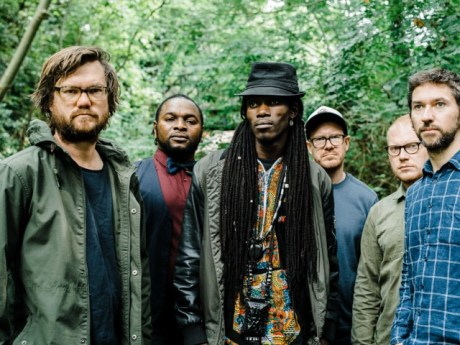
Fofoulah band photo courtesy of Alex Bonney.
Our Daily Bread 283: Qluster ‘Elemente’
October 15, 2018
Album Review/Dominic Valvona
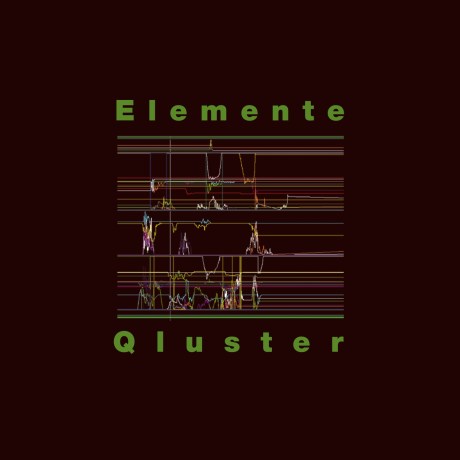
Qluster ‘Elemente’ (bureau b) November 2nd 2018
Transforming through the decades, as contributors to the Hans-Joachim Roedelius and (late) Dieter Moebius navigated unit have joined and left, the Kluster/Cluster/Qluster arc has taken on various forms over the last five decades. A founding pillar of the Kosmische sound in the late 1960s and early 70s, originally taking shape from experimental performances at the legendary Berlin club they helped found, the Zodiak Free Arts Lab, the first incarnation of this amorphous partnership featured Joseph Beuys disciple and electronic music progenitor Conrad Schnitzler; the music, almost dark, Lutheran and hymn like, an early modulation of piano, organ and guitar, fed through an array of homemade effects, that made its debut on a label sonorous for its stoic church organ music.
Many ‘head music’ fans will be enamored or at least familiar with the second phase, as Kluster interchanged its capital letter to a C and Schnitzler left (for the first time). Releasing some of the most sublime peregrinations and odd candy coated pop electronica under the Cluster banner, their most formative period during the early to mid 70s remains their most famous and influential. This brought plenty of admirers and fellow sonic travelers to their Forst located woodland glade studio retreat. Most famously Brian Eno and Michael Rothar of Neu! Both of which would join Roedelius and Moebius to form the (a)side project supergroup Harmonia.
Apart from a dormant period during the 80s, as Roedelius and Moebius pursued both solo and collaborative careers (many of which would overlap), Cluster survived well into the next century. Finally calling it a day in 2010: For this version of the partnership anyway. Dropping the C for a Q, Roedelius found a new collaborative partner in the sound installation artist and like-minded sonic explorer keyboardist Onnen Bock. After a number of albums together the duo expanded to a trio when bass player virtuoso and (another) keyboardist Armin Metz joined the ranks. In the last few years the Qluster trio have been drawn to Roedelius’ neo-classical piano compositional improvisations and sketches; the previous suite Tasten was built around a trio of them, and the more electronic offering Echtzeit, though far less so, also seemed informed by it.
In many ways following on from the last album together, making a return to the warmth and traversing heavenly space sounds we have come to associate with all things Kosmische, the golden epoch of that genre fills our ears once more on Elemente. Once again meeting in the unassuming hamlet of Schönberg to perform an unhurried series of improvisations, later distilled to shorter passages with the odd melody, beat and effect added in post-production, the instrumentation has changed to accommodate sequencer triggered loops for the first time. The piano is enervated, removed almost entirely, replaced by the wondrous sound of the ARP2600, a Farfisa organ and Fender Rhodes, all of which are filtered through various lunar and otherworldly effects. The results of which are both expansively mysterious and often diaphanous in their celestial transcendence.
As the title suggests, the opening continuum ascendance of ‘Perpetuum’, and forevermore gliding spacescapes of ‘Infinitum’ both promise an unending voyage into the interiors of the universe and mind. The first of which recalls the Tangerine Dream and the Baroque cosmos of Sky Records, the second, the dreamy visions of Novalis. The possibilities of these arpeggiator style space-dusting, aura-anointed bookend tracks seem endless.
When not echoing through deep space Qluster, using that dream-melody maker, the ARP 26000, float close to the Adriatic cascades and mirages of Vangelis and Xaos on ‘Zeno’ (a reference I assume to the Greek philosopher and his confounding paradoxes); lift the lid up on the inner workings of a piano and pluck out a Japanese like sprung-y melody on ‘Xymelan’; and introduce a flattened beat to the Techno-bordering-on-Acid ‘Tatum’.
Tubular droplets, rapidly calculating algorithms and chemical elements interplay with overlapping, transformed organ and electrified piano melodic wafts throughout this most thoughtful sound map. The reification, the feelings of awe-inspiring expanse and discovery are subtly set in motion and made visceral. On the cusp of his 84th birthday, Roedelius shows no signs of retiring let alone resting as he leads his troupe to infinite possibilities.
https://soundcloud.com/bureau-1/symbia?in=bureau-1/sets/qluster-elemente
 Monolith Cocktail Blog