Our Monthly Playlist selection of choice music and Choice Releases list from the last month.

We decided at the start of the year to change things a little with a reminder of not only our favourite tracks from the last month but also a list of choice albums too. This list includes both those releases we managed to feature and review on the site and those we just didn’t get the room for – time restraints and the sheer volume of submissions each month mean there are always those records that miss out on receiving a full review, and so we have added a number of these to both our playlist and releases list.
All entries in the Choice Releases list are displayed alphabetically. Meanwhile, our Monthly Playlist continues as normal with all the choice tracks from July taken either from reviews and pieces written by me – that’s Dominic Valvona – and Brian ‘Bordello’ Shea. Our resident Hip-Hop expert Matt Oliver has also put forward a smattering of crucial and highlighted tracks from the rap arena.
CHOICE RELEASES FROM THE LAST MONTH OR SO:
Alien Eyelid ‘Vinegar Hill’
(Tall Texan) Review
Darko The Super ‘Then I Turned Into A Perfect Smile’
Eamon The Destroyer ‘The Maker’s Quilt’
(Bearsuit Records) Review
Ike Goldman ‘Kiki Goldman In How I Learned To Sing For Statler And Waldorf’
The Good Ones ‘Rwanda Sings With Strings’
(Glitterbeat Records) Review
Headless Kross/Poundland ‘Split Album’
(Cruel Nature Records) Review
John Johanna ‘New Moon Pangs’
(Faith & Industry) Review
The Last Of The Lovely Days ‘No Public House Talk’
(Gare du Nord) Review
Lt. Headtrip & Steel Tipped Dove ‘Hostile Engineering’
(Fused Arrow Records) Review
Pharoah Sanders ‘Love Is Here – The Complete Paris 1975 ORTF Recordings’
(Transcendence Sounds)
SCHØØL ‘I Think My Life Has Been OK’
(GEOGRAPHIE) Review
Tom Skinner ‘Kaleidoscopic Visions’
(Brownswood/International Anthem) Review
Theravada ‘The Years We Have’
Ujif_notfound ‘Postulate’
(I Shall Sing Until My Country Is Free) Review
Visible Light ‘Songs For Eventide’
(Permaculture Media) Review
THE PLAYLIST::
Star Feminine Band ‘Mom’lo Siwaju’
A-F-R-O, Napoleon Da Legend, PULSE REACTION ‘Mr Fantastic’
Pharoah Sanders ‘Love Is Here (Part 1) (Live)’
Tom Skinner ‘Margaret Anne’
Holly Palmer & Jeff Parker ‘Metamorphosis (Capes Up!)’
Matt Bachmann ‘TIAGDTD’
Darko the Super, Andrew ‘The Bounce Back (Heaven Bound)’
Verb T, Vic Grimes ‘Anti-Stress’
Cymarshall Law, Ramson Badbonez ‘Emerald Tablet’
Datkid, Mylo Stone, BVA, Frenic ‘Poundland’
Verbz, Mr Slipz ‘What You Reckon?’
Theravada ‘Doobie’
The Expert, Buck 65 ‘What It Looks Like’
Lt Headtrip, Steel Tipped Dove ‘0 Days Since Last Accident’
Ujif Notfound ‘Postril’
Lael Neale ‘Some Bright Morning’
Alien Eyelid ‘Flys’
John Johanna ‘Justine’
Ike Goldman ‘Land Of Tomorrow’
Ananya Ashok ‘Little Voice’
Rezo ‘Nothing Else’
Howling Bells ‘Unbroken’
The Good Ones ‘Kirisitiyana Runs Around’
Jacqueline Tucci ‘Burning Out’
Dyr Faser ‘Control Of Us’
The Last Of The Lovely Days ‘Runaway’
Frog ‘SPANISH ARMANDA VAR. XV’
The Bordellos ‘The Village People In Disguise’
The Jack Rubies ‘Are We Being Recorded?’
The Beths ‘Ark Of The Covenant’
SCHOOL ‘N.S.M.L.Y.D’
Neon Kittens ‘Own Supply High’
ASSASSUN ‘The Sons Of The United Plague’
Pelts ‘Don’t Have To Look’
Visible Light ‘Purple Light’
Wayku ‘Suchiche’
Here’s the message bit we hate, but crucially need:
If you’ve enjoyed this selection, the writing, or been led down a rabbit hole into new musical terrains of aural pleasure, and if you able, then you can now show your appreciation by keeping the Monolith Cocktail afloat through the Ko-Fi donation site.
For the last 15 years both me and the MC team have featured and supported music, musicians and labels we love across genres from around the world: ones that we think you’ll want to know about. No content on the site is paid for or sponsored, and we only feature artists we have genuine respect for /love or interest in. If you enjoy our reviews (and we often write long, thoughtful ones), found a new artist you admire or if we have featured you or artists you represent and would like to say thanks or show support, than you can now buy us a coffee or donate via https://ko-fi.com/monolithcocktail
The Digest for September 2025: New Music/The Social Playlist/And Archives
September 22, 2025
The monthly Digest includes a clutch of accumulated new music reviews; the social inter-generational/eclectic and anniversary albums celebrating playlist; and choice timely pieces from the archives.
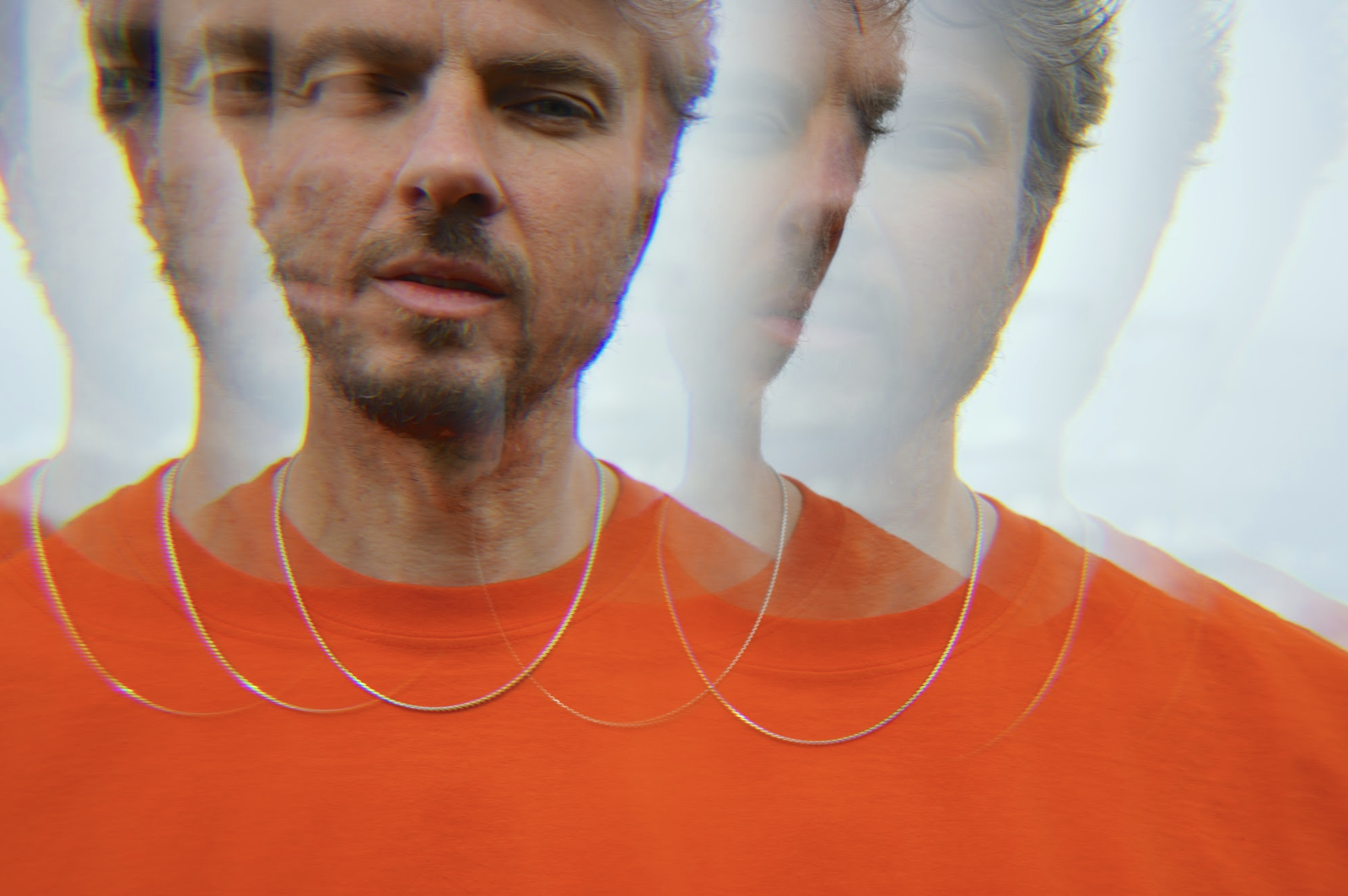
Tom Skinner photograph courtesy of Jason Evans.
___THE NEW___
Group Modular ‘The Tunnel/Lonely Pylon’
Reissue Special Released 19th September
The first transmission (or rather a retransmission if you like) from the Group Modular duo of Mule Driver and Marky Funk in three years, marks the inaugural chapter in a new series of special 7” releases “powered” by the duo’s alter ego Confused Machine and Delights labels. Those lucky enough to have grabbed original copies (sold in separate splits editions, both sold out almost immediately) of ‘The Tunnel’ and ‘Lonely Pylon’ will know that the former was part of Norman Records’ 2021 25th Anniversary split release by Polytechnic Youth, and that the latter was recorded exclusively for the third instalment in Russian Library’s L series of split 7” EPs back in 2022.
Back on the radar, with the chance to own these hauntological sci-fi suites and dramatization soundtracks, the self-described “Outer space sounds from Jerusalem-Tel Aviv route” library music makers reacquaint us all with their brand of analogue period cult space age influences and their taste for atmospheres and theme tunes that emit something that’s near supernatural. ‘The Tunnel’ is a curious Pietro Grossi like rocket ship steam and gas fusion of soft timpani, Roy Budd and Greg Foat-esque barque sci-fi harpsichord, and d ‘n’ b like dub beats. And the electric field throbbed ‘Lonely Pylon’ is a Library music imbued psychogeography of paranormal nature and unnerving children’s sci-fi TV of the 70s and early 80s – imagine Brian Hodgson, Sapphire and Steel and bygone public broadcasted information warnings resurrected by The Advisory Group or My Autumn Empire.
Hopefully this latest 7” series will prove a catalyst for more new recordings from the duo, who haven’t released anything together since Per Aspera Ad Astra in 2022. You’d better be quick, as I have a feeling it will sell out pretty sharpish.
Lt. Headtrip & Steel Tipped Dove ‘Hostile Engineering’
(Fused Arrow Records) 23rd September 2025
The gristle, outpoured thoughts, observations, protestations and glue between the oppressive urban structures of our dysfunctional, unworkable society both poetically and rhythmically twist and flow over a counterculture haunted psychedelic-prog, Krautrock and jazz-soul production on this debut project collaboration.
From the experimental, leftfield platform of Fused Arrow Records and its stalwart producer, engineer, beat maker and artist in his own right, Steel Tipped Dove, a new partnership with rapper, producer and instigator Lt. Headtrip.
Dove’s production and various studio skills can be heard on releases from such notable talent as Fatboi Sharif & Roper Williams, billy woods & Messiah Musik, Darko The Super, MC Paul Barman and Zilla Rocca. He’s also collaborated with the most dope and pioneering Dose One. The Lieutenant’s CV is no less impressive, setting up the ‘we are the karma kids’ label, organizing projects and events in the Brooklyn, Manhattan and Queens areas, and either collaborating or sharing stages with Armand Hammer, Open Mike Eagle, Quelle Chris, Beans, Backwoods Studioz, Reservoir Sound and Uncommon Records.
A magic combination of old hands from the underground scene then, the Hostile Engineering environment that engulfs them is twisted, churned, inhaled and transformed into a sometimes gothic, sometimes industrial, and sometimes more soulfully halo-lit arena for the spoken and rapped lyrics; the cadence of which reminded me at any one time of the Antipop Consortium, Rob Sonic, dalek, and when humorously and from a self-aware but confident in their own skin way, addresses the issues of sexuality, sex and the tired old tropes of rap machismo on the smoochy drifted saxophone and crunched drum beats produced ‘We Got The Sugar’, comes across a little like Homeboy Sandman: a sample of the lyrics being, “last week I was helpin’ his girl find her panties. This week I’m his bro’s new daddy. Just cause I can rap along to Liquid Swords don’t mean my dick’s boring.”
There’s more than enough clever ideas here, with samples I’ve yet to recognize, and an atmosphere that seems to channel all kinds of musical influences; from zappy Kraftwerkian synth and drum pads electro to the Floydian, Roy Ayers, Soul cuts, cult soundtracks (of suspense, horror and sci-fi futurism), heavy rock and prog – I think I’m overthinking it, but alongside what could be a sample from Sabbath or their ilk, it sounds like a short miraged shiver of cymbal resonance and slow drums from Neu!’s ‘Weissensee’ on the automation for the people, insurance servitude and dead-end careers themed polemic ‘0 Days Since Last Accident’.
Bot factories, the nightmarish promises of constant bodily cosmetic regeneration and the self-absorbed legacies that go with hanging on to the bullshit zenith of eternity, high anxiety, and on the repurposed halcyon soul Kayne-Jay-Z-Biggie fantasy “money, money, money” ‘Fund Don’t Stop’, a backslap to rampart consumerism and unsignifying spectacles of Black Friday (“We been shoppin’ since we bought that serpent’s product in the garden.”) – a lifetime of spending, from the womb to the tomb.
At thirty minutes long, there’s no fat on the bones, and yet plenty of tempo, musical changes, and a fresh rap style that neither preaches nor sits back in a nonchalant pose. A really successful pitch, bringing both talents together to fuse and articulate the present depressing miasma of the times in which we all live; glued to this rock, with no anchor, no compass, attached to the screen and validation culture of social media and its puppet masters. One of the freshest hip-hop releases of 2025.
Tom Skinner ‘Kaleidoscopic Visions’
(Brownswood/International Anthem) 26th September 2025
Reaching the midlife point, the UK drummer and composer Tom Skinner finds time to reflect and take stock with a mature kaleidoscope of culminated visions pulled and drawn from a highly prolific career and enviable CV of performances, collaborations and recordings (from Sons of Kemet to The Smile, David Byrne Floating Points…. the notable list goes on).
Arriving a few years after Voices Of Bishara (an album inspired by the American jazz and classical cellist Abdul Wadud and his seminal privately pressed cult masterpiece ‘By Myself’), the follow up weaves the former into a rich, often cinematic, psychedelic and floated meditation and dialogue of jazz, neo soul, cult soundtracks and the contemporary classical. At 45 years of age, the time felt right for such an undertaking. A culmination of experiences, of influences now coming together; a bond that embraces not only Skinner’s vaguely Middle Eastern entitled Bishara live band but a number of congruous international collaborating foils: neo-soul doyen, and right acclaimed, award-wining polymath (but you can list the main qualifications as singer-songwriter, poet and bassist) Meshell Ndegeocello; the self-described multifaceted Charleston musician, score composer, film and radio programmer and vocalist Khari Lucas, otherwise known as Contour; London born and raised but now Berlin-based keyboardist and vocalist Jonathan Geyevu, aka Yaffra; and on electric guitar for a couple of tracks, Adrian Utley of trip-hop luminaries Portishead.
That group of friends is split between two sides of a traditional vinyl format: a moiety of instrumental material and vocalist starring peregrinations, with side A featuring the electric-chamber-jazz Bishara quartet of bassist Tom Herbert, cellist Kareem Dayer, and woodwind and reeds players Robert Stillman and Chelsea Carmichael, and Side B, a cosmic mirage of sung and spoken discourse, soliloquy and healing. Described as “distinct sonic landscapes”, both parts are harmoniously conjoined, with leitmotifs, recurring sounds and an overall feel that draws upon a cosmology of Afro, spiritual, conscious, spacey, psychedelic and experimental jazz.
It begins with the promise of comfort; a putting of the mind at ease so to speak. ‘There’s Nothing To Be Scared Of’ begins with an incipient jingle-jangle and stirring drones of woodwind and the cello before hitting a peak of what can only be descried as Lalo Schifrin meets Bobby Hutcherson and Lonnie Liston Smith and the Cosmic Echoes on a 1960s filmset. From then on out, this jazz-chamber match the flighty, craned and fantastical with amorphous hints of Nicole Mitchell, Village Of The Sun, Kibrom Birhane, the Ancient Infinity Orchestra, Coltrane, Matana Roberts and Sven Wunder. You could call it a cross-generational sound, with the first half of the album feeling itself out across an evocative landscape and more abstract metaphysical space full of reflections on emotional states and those people held either dear or inspirational. That includes the late New Jersey born and raised novelist, writer, memoirist, poet and filmmaker Paul Astor (author of the loose New York Trilogy, Moon Palace and The Music Of Chance), and Skinner’s mother, the former classical concert pianist and victim of the arts misogyny, Anne Shasby.
There are some beautiful moments captured amongst the often-slow momentum, and the gander and bird-like flexes; a sense of the mellow and unfurled: the soulful too. And yet there’s a certain drama to be found, and even mystery to this section of instrumental description, of roots and spiritual emotions.
The second section features the vocal talents and essences of Skinner’s collaborative foils; starting with the soul, funk, jazz, hip-hop, reggae and rock spanning polymath Meshell Ndegeocello, who soulfully and dreamily oozes and woos a sense of both the ancestral therapy and a mirage feeling of homely comfort. Ndegeocello’s voice emerges from a hallucinatory wilderness, floating across a nine-minute cosmic-soul and R&B jazz suite of horn snozzles and soft burbles, glassy bulb vibraphone notes, and gentle plucks.
Taking a sadder, more pained discourse-like tone, Contour’s R&B neo-soul voice aches and yearns on the bluesy chamber-jazz piece ‘Logue’. The language is one of rise and fall, trauma and endurance, survival and striving in a ruthless landscape. And yet, again, there is a kind of near diaphanous beauty about some of the music, the flutier parts and delicate bulb-like notes that seem to float around in a slow ponderous rhythm. It’s the feeling of being drained, and the attempts to break free of the malaise.
The finale, ‘See How They Run’, features the soulful poetic spoken tones of Yaffra both responding to a secondary voice and speaking out loud his thoughts, enquires to the promise of eternal enlightenment, in an almost winding, untethered fashion. It reminded me in part of Andy Hay, Diggs Duke and even Tricky, playing out over another neo-soul leaning dreaminess.
Informed and prompted by middle age (a youthful middle age of experience rather than depressing aging pains), Skinner offers a retrospective pause whilst looking towards a creative future. Cross-generational concerns, references, influences converge in a mature work of feelers, reflections and freedom. Consolation in an age of accelerated isolating atomisation and introspective anxiety.
Water Damage ‘Live At Le Guess Who?’
(Cardinal Fuzz in Europe/12XU in N. America) Released 5th September 2025
In the venerated surroundings of the Medieval city of Utrecht, the religious epicentre of the Netherlands (or so it is said), as part of the Le Guess Who? Festival lineup, the Water Damage ensemble preached their own unique fire and brimstone of monotonous locked-in drones, the wailed and frayed, the squalled and resonant.
Whilst following no recognisable domination on this plane, the Austin collective of like-minded acolytes to all things underground, invoked some kind of near religious sonic experience as they went to work on the opening track, ‘Reel 28’, from their most recent album, Instruments (released back in May of this year). Without a break or let-up, they relentlessly, but slowly, created a mesmerising lumber of the avant-garde, of Motor City, Jap, Kraut and Doom rock. Enslaved to the rhythm you could say, for a full 45 minutes both the group and their audience are caught in the hypnotic flay and sway of the scuzzed and intense bowed needling and sawing momentum that is created.
Absorbed into the core for that performance, guests Ajay Saggar (a serial offender, featured untold times on this site over the years under various collaborative and solo guises: Bhajan Bhoy, Deutsche Ashram, King Champion Sound and University Challenged) and fellow astral traveller Patrick Shiroishi (the Japanese-American multi-instrumentalist and composer, based in L.A., last appeared on this site playing foil on saxophone to Dave Harrington and Max Jaffe on the Speak, Moment collaborative album) take up the mantle on guitar and “free-reeds”. Their contributions are equally as mystical, magical, intense and droning; with Shiroishi especially summoning both a Mogadon Hawkwind and Sam Rivers simultaneously.
With the “Maximal Repetition, Minimum Deviation” motto and mantra, they conure up a monster; a ceremonial rite; even, as the accompanying press release describes it, an exorcism. And yet it is quite melodic. Reference points, for me, would be Tony Conrad and Faust’s seminal Outside The Dream Factory, but also Tony’s Transit Of Venus collab with Hangedup, Glenn Branca, La Monte Young (these last two actually referenced by in the press release), Earth, Boris, Swans, Hala Strana, France, Smote, Pharoah Overlord and Amon Düüls I and II, and The Black Angels. But like the old city that played host to the festival and the Water Damage performance, there’s an almost otherworldly summoning of the Medieval: a sort of mythologised or transmogrified evocation of an abstract atmosphere from that period; it sounds at times almost like a hurdy-gurdy is being wound up like some kind of ancient transmitter; plugged in to a mystical and harrowing age.
I must add, for once, the sound is really good. You can hear every part, every contribution, and even the bass line (you wouldn’t believe how few recordings ever get the bass right, or let you hear anything more than just a mumble of bass; live recordings are often even worse, almost bass free). The bass here is integral to keeping up that never ending rhythmic sway; and despite its repetition, is such a great little riff that is never grows tired. Compliments to the sound engineer, and who ever mastered this performance, then, for instead of a block intensity of lost instruments you get a clear production, with every cog, every drone and note audible.
I’d say an improvement on the album track, and a really intensive yet hypnotic hermetic experience that feels untethered to any particular time, age or period.
___/The Monolith Cocktail Social Playlist Vol. 101___
For the 101st time, the Social Playlist is an accumulation of music I love and want to share, with tracks from my various DJ sets and residencies over the years and both selected cuts from those artists and luminaries we’ve lost on the way and from those albums celebrating anniversaries each month.
Last month we celebrated the 100th edition of this series, which originally began over 12 years ago. The sole purpose being to select an eclectic and generational spanning playlist come radio show, devoid of podcast-esque indulgences and inane chatter. In later years, I’ve added a selection of timely anniversary celebrating albums to that track list, and paid homage to some of those artists lost on the way. In the former camp this month, and to tie in with the Archive spots on Bowie and CAN, there’s a 30th anniversary nod to 1. Outside – a tour I actually witnessed, I kid thee not: Wembley Arena if you must know – and 50th nod to Landed. Joining this celebration there’s also tracks from Kate Bush’s Hounds Of Love (40 this year), The Fall’s This Nation’s Saving Grace (also 40), Blur’s The Great Escape (30), Dexter Gordon’s One Flight Up (60), Wolf Parade’s Apologies to the Queen Mary (20) and Mew’s And The Glass Handed Kites (also 20).
Each month I also like to add a number of newish/recentish tunes (more or less anything from the last year): those that either missed out on the regular Monthly Playlist of brand-new music releases, or only just come to my attention. We have Monde UFO, Lukid, the El Maryacho team up with Nowaah The Flood, Penza Penza, the Tone Of Voice Orchestra, Elkotsch (thanks to blog friend and supporter Andy Haas for recommending this one) and the triumvirate collaboration of Phew, Erika Kobayashi and Moebius. Oh, and something not so much new but surfaced from Dylan this week.
The rest of the playlist is an anything goes selection of stuff I’ve accumulated, loved, treasured, wanted to own or played out during my sets over the decades. In that category there’s music from the Walker Brothers, the Jazzpoetry Ensemble, Mother Lion, Garybaldi, A Tent, The Barrino Brothers, Departmentstore Santas, Gene Martin, and Akofa Akoussah.
Track List:::::
Wolf Parade ‘Shine A Light’
Butterglory ‘She Clicks The Sticks’
Blur ‘Entertain Me’
Mew ‘The Zookeeper’s Boy’
David Bowie ‘We Prick You’
Kate Bush ‘The Big Sky’
Garybaldi ‘Maya desnuda’
The Fall ‘I Am Damo Suzuki’
CAN ‘Vernal Equinox’
The Jazzpoetry Ensemble ‘Motherless (Live)’
Dexter Gordon ‘Darn That Dream’
Polyrhythm Addicts ‘Big Phat Boom’
Akofa Akoussah ‘Sumga Ma Bacci’
El Maryacho & Nowaah The Flood ‘SOAPS’
The Barrino Brothers ‘Born On The Wild’
Tone of Voice Orchestra ‘Tourist at God’s Mercy’
Penza Penza ‘Dusty’
Los Darlings De Huanuco ‘Lobos Al Escape’
Elkotsh ‘Da’a Adeema’
Monde UFO ‘Sunset Entertainment 3’
Phew, Erkia Kobayashi & Moebius ‘Katherine’
The Detroit Escalator Co. ‘Manuel Transmission’
A Tent ‘Seven Years – part 2 (Abundance)’
Lukid ‘The Secret of Bell Making’
Bob Dylan ‘Rocks And Gravel (Solid Road)’
Mother Lion ‘Simple House’
The Walker Brothers ‘Walkin’ in The Sun’
Departmentstore Santas ‘Play in the Sun’
Gene Martin ‘We Shall Be Like Him’
The Hitchhikers ‘Feel A Whole Lot Better’
___/Archives___
From the exhaustive Archives each month, a piece that’s either worth re-sharing in my estimates, or a piece that is current or tied into one of our anniversary-celebrating albums.
This month there’s my previous pieces on CAN’s Landed (50 this year) and Bowie’s 1. Outside (30 years old this month).
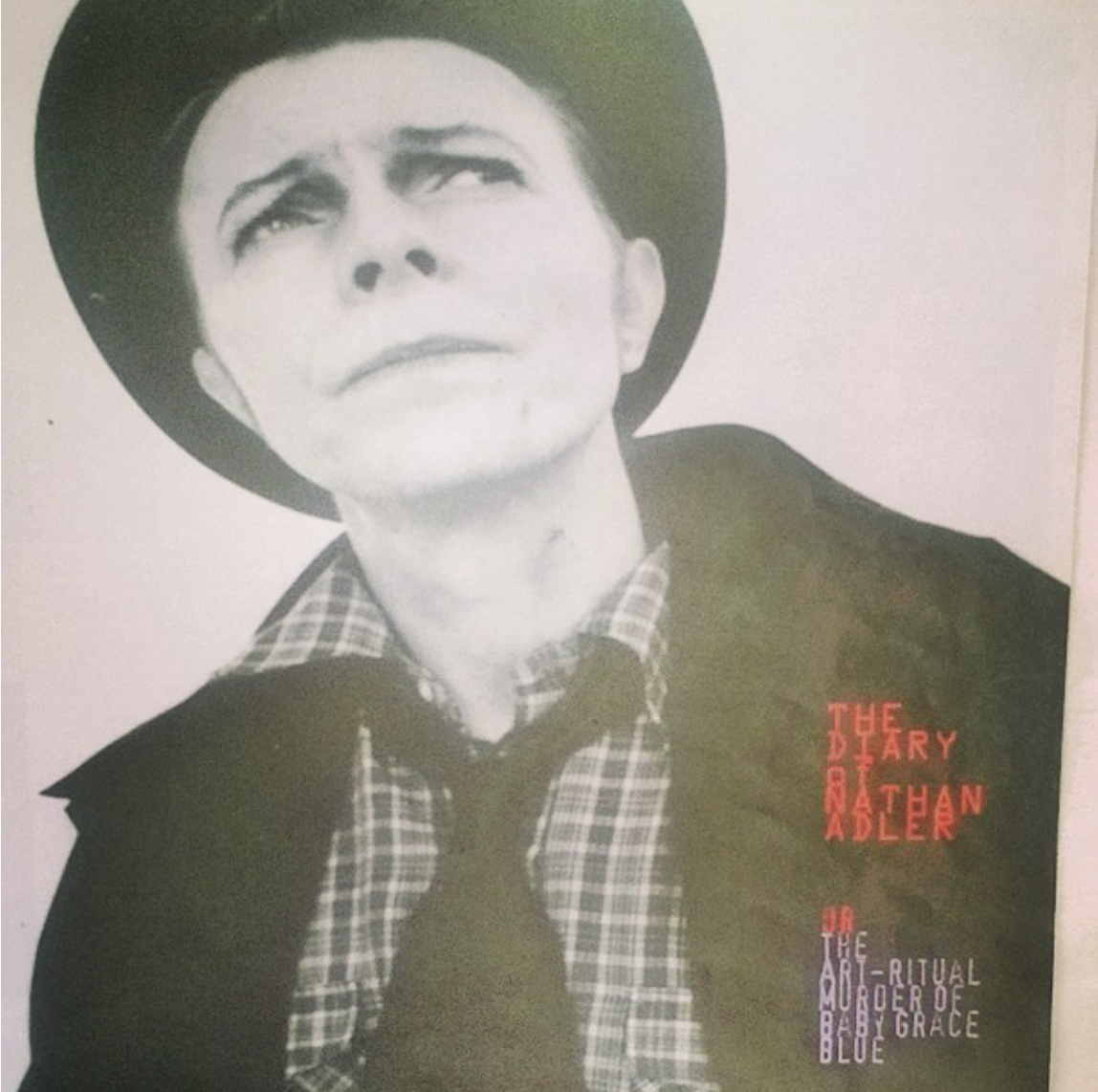
David Bowie 1.Outside (Arista/BMG) 1995
With ‘five years’ remaining until the new millennium, Bowie, tapping into the anxiety and quest for spiritual relief, returned to his first passion: contemporary art.
Back with his most innovative collaborator, Brian Eno, he dredged the bottomless pit of morose and despair. Dreaming up a morbid tale of future sacrificial performance art gone wild and taboo breaking cybernetics he narrated a woeful diegesis through a series of ‘verbasier programmed’ characters.
Disturbing to say the least, our ‘cracked actor’ pitches an avant-garde ‘whodunnit?’, set in a parallel bleak world where the self-mutilated gestures of Günter Brus (the patriarchal figurehead of body art) and ‘the orgiastic mystery theatre’ of Hermann Nitsch have been taken to new, hyper, extremes of bloodletting.
Led by the investigative diary of art crime detective Nathan Adler, a cryptic cut-up of Burroughs/Burgess language is used to not just explain the circumstances that befell the poor victim Baby Grace, but also delve into the collective psyche.
Out on a limb musically, Bowie’s home life may have been content, yet something suddenly propelled him to bravely create a depressive requiem. Easily the best, if not most original, material since Scary Monsters, 1.Outside was entirely written in the studio as the band extemporized: motivated by Eno’s synonymous oblique strategy cards.
Scott Walker lost in cyberspace; the industrial melancholy is at its most anguished on ‘A Small Plot Of Land’ (a version was used on the, Bowie as Warhol starring, tragic biopic of Basquiat directed by Julian Schnabel), yet a more revved-up, pummelling bombastic variant is used on ‘Hallo Spaceboy’ and ‘The Heart’s Filthy Lesson’ (perfectly playing out David Fincher’s Seven).
Leaving many fans bemused (as I myself witnessed on the Outside tour, the baying audience pleading for the greatest hits package), the philosophical snuff opus seemed puzzling to those familiar with the pop-lite Bowie. Thankfully Bowie cut loose the shackles of commerciality for a contemporary blast of shock and dread.
CAN ‘Landed’ (Virgin) 1975
Richard Branson’s pastoral record label Virgin hooked our Cologne ‘seven-day sonic avant-garde evangelists’ in early 1975, tempting them away from the clutches of their former masters United Artists, whose relationship with the band had been tenuous at best. They now joined the hippie-idealistically run, free thinking label of choice – at least that’s how it appeared to the onlooker-, sharing the stable with both fellow countrymen Faust, Tangerine Dream and Slapp Happy, the psychedelic progressive band Gong, and the million zillion selling Mike Oldfield, Virgin’s biggest selling artist by miles – whose Tubular Bells behemoth had reined in a load of money and success, paving and paying the way for most of the roster.
Branson may have looked like he’d stepped off the cover of a Jethro Tull album, but he turned out to be a shrewd businessman. After all, he managed to propel Faust into the album charts with their Faust Tapes mesh-mash classic: albeit that the said album was put on sale for a paltry 49p and probably didn’t actually net the group much money, but hell, it sold over 100,000 copies, so they became a household name in the head community for a while at least.
Business wise, sister label Harvest – equally rich in allusions to the Woodstock ethos – would distribute CAN’s records in their homeland, whilst EMI, who owned both labels, would just count the cash it hoped would now roll in. One of the stipulations in the Virgin contract was that the band would have to use superior recording equipment for their next album. A multi-tracking desk was delivered to their own sacred Inner Space studio HQ, which they were still allowed to use though the records would now be mixed elsewhere. Unfortunately, a deep sense of forlorn began to creep in, mixed with paranoia, the arrival of the new technology now making it possible for the band to record their parts separately if they so wished. Until this point Holger Czukay had masterminded all the recording and editing on just a two-track recorder. He had also always encouraged the group to play together in the spirit of improvisation. But now, the band could successfully overdub and add parts at a higher quality then had previously been possible before, taking a more insular approach to recording.
In scenes not too far removed from the Beatles fractured shenanigans on the White Album, the group began to play some of their own parts in secrecy, the thought of being scrutinized and criticized by their fellow band members filling them with dread.
Again, like The Beatles, they invited an outside musician into the studio to lift the tension and scrutiny. This fortunate man was Olaf Kubler, who had served as producer on both Amon Duul and Amon Duul II albums, although he dramatically fell out with one of AD II’s bandleaders John Weinzierl, who made his feelings towards him pretty clear in recent interviews. Kubler was called in for his saxophone prowess, being asked to lay down some cool sultry cuts on the track ‘Red Hot Indians’ for what would be the Landed LP.
Sessions for what would be the band’s Landed album began in the first few months of 1975, in-between tour commitments, which included a couple of gigs with the troubled American folk troubadour Tim Hardin, who it’s rumoured was asked to join the band full time.
Hardin didn’t really front CAN in these gigs, instead, he would merely leap on stage to perform one of his own tunes, usually something like ‘The Lady Came From Baltimore’, and maybe front a couple of the groups own tracks before exiting stage right. Whether he ever considered seriously joining the band, Hardin’s deadly heroin habit put a damp squib on things, finally getting the better of him in 1980 with one overdose too many.
Anyhow, Karoli had so far done a good job of semi-fronting the band, going on to lead all the vocals on this album; delivering some softly inspired dream like performances throughout.
Landed in some ways directly follows on from their previous effort Soon Over Babaluma, especially in the sound collage experiments of this album’s ‘Vernal Equinox’ centre piece and ‘Unfinished’, both of which re-work similar themes and threads found on ‘Chain Reaction’ and ‘Quantum Physics’. The rest of the LP consists of far rockier progressive tones, with allusions to their contemporaries, particularly Pink Floyd. To a point there is also an attempt towards the glam-rock of both Roxy Music, Bowie and Mott The Hopple – all influences CAN’s peers, Amon Duul II, also breathed-in on the 1974 album Hijack, though to a less successful degree.
‘Full Moon On The Highway’ and ‘Hunters And Collectors’ relish in the glow of these new influences, though remain slightly more conventional compared to CAN’s usual free roaming exploratory material. Most of the seven tracks now run in at under six minutes and sound much more formulated, the exceptions being the already mentioned two saga driven soundscape pieces, which combined, make up three quarters of the overall albums running time.
The lyrics themselves seem to be full of references to mysterious alluring women, clad in leathers, who turn up at ungodly hours on celestial described highways. Analogies run riot, the open road acting as a metaphor for following certain paths, Karoli constantly encouraging the listener to cut loose and float away. Journalist and friend to the band, Peter Gilmour, co-wrote both ‘Full Moon On The Highway’ and the lazy sedate ‘Half Past One’. Peter would also go on to write CAN’s biggest hit, the disco chugger ‘I Want More’.
Many critics have panned Landed, seeing it as the beginning of the end for the group. It does seem a slight exaggeration. Certainly, the dynamics were slowly ebbed away, the production becoming much more polished, though it suffers from some very messy trebly moments at times.
Footage of them performing ‘Vernal Equinox’ on the Old Grey Whistle Test at the time sees Irmin Schmidt wearing a fetching bondage inspired chain mail waistcoat whilst theatrically commits Hari Kari on his keyboards, whilst Czukay, all ten-yard stare, sports white gloves and a sheriffs’ badge. A mid-life crisis beckoned with all this new pomp and strange fashions, turning off many fans, including the disdain of Julian Cope who states that this act of regalia wearing extravagance ended his relationship with the band. So, in a way CAN did seem to be heading over the precipice, the best days behind them, but this album is viewed way too harshly.
Landed for what it’s worth is a decent album, with enough ideas and demonstrations of superb musicianship, Karoli alone performing some of his most sublime guitar work yet.
The albums artwork, by the curiously alluding Christine, displays a collection of passport photo sized images of the band. Each individual photo is covered in graffiti or scribbled on, lending silly moustaches, cartoon glasses and an array of comical hats and hairstyles to the now light-hearted looking band. Peering out from under the heavy de-faced images they pose in a manner that lets us know they still have much to give- also, am I imagining perhaps a Carlos the Jackal type reference here, the many disguises and such.
CAN shifted back towards the Afro-beat and World music styles on their next couple of releases and also brought in ex-Traffic members Rosko Gee on percussion and Reebop Kwaku Baah on the bass to great effect. Czukay moved away from his bass guitar duties so that he could explore radio short wave editing and cutting up techniques in greater detail. He would of course go on to leave the band in 1977, leaving Liebeziet, Schmdit and Karoli to carry on for a while before everyone split for good to pursue their own solo projects, a reunion in 1989 included Malcolm Mooney and resulted in a new album titled Rite Time.
The year is 1975 and CAN have laid down their 7th album, after being together for nearly eight years. To get this far they have travelled an etymological musical odyssey, that has taken in the dark esoteric voila seeped mood of The Velvet Underground, the psychedelic spiritual enlightenment of America’s west coast, the African dance style rhythms of Nigeria and Ghana, the dreamy hypnotic Turkish flavored folk music, the otherworld tour of the nebula emitted from Hendrix and the lessons learnt from Stockhausen and Von Biel. CAN had surpassed all their peers and become possibly one the greatest assembled bands of musicians that the west has ever seen – seriously these guys could out play anyone, though they never had time to wallow in ego and always looked towards experimentation rather than dwelling on their skills.
There now follows a run-through of the album:
Dropping in with an up-tuned arching guitar fuzz and treble heavy hi-hat, ‘Full Moon On The Highway’ leaps straight into action. Jaki Liebezeit sets down an incessant workman like beat, hammering away on the bass drum as Michael Karoli casually begins his salacious vocals –
‘I made it hard today,
For I had to do it to me.
And if it’s only to hold her,
She’s gonna get it today’
A certain sense of portend fear hangs in the air, Karoli in his full Germanic romantic disdain rattles off omnivorous statements about taking to the highway, where star crossed lovers may unlock some inner meaning and truth.
Rock hard screaming lead guitar hooks run rampant, exercising no sign of restraint and sprinting ahead as though in a 100-meter sprint. Piano flourishes and honky tonk bravado light up the mood as those bawling guitars and Alpha 77 effects wail away like banshees. Czukay takes his bass on free roaming tour of run downs, slides and felicitous infused funk workouts, never staying put in one place for too long, always running his fingers all over his instrument. An intense burst of exuberant searing drums, keyboards and clashing turmoil all culminate into a finale furore, that threatens to end in a mess but is saved by the rallying cry of Karoli riding in on his gleamed-up guitar. He transposes glam via Pink Floyd to produce something unheard, a riff from the other side.
Taking a more serene path, ‘Half Past One’ begins with some archaic ethnographically seductive Spanish guitar and heavy tub tapping drums. A dozy laid-back vocal pronounces –
Over the beach,
Into the sun,
Wake again by half past one,
Alright’
The last word being some kind of reassurance amid the strangely relaxed drug induced soirée, that peers at some snapshot of the protagonists’ relationships, a casual affair on the beach in this case.
Schmidt interjects with some delightful mandolin sounding oscillations and yowling alarmed synths, whilst Czukay adds some chuggering engine bass lines, sliding around the neck as though revving it up.
The general breathless ambiance begins to wash ashore, like a lapping tide, meandering its way towards some welcoming gypsy encampment. Quacking wah-wah and folk tale violins add to the general malaise, building towards a newfound intensity as the song picks up momentum: The final 30 seconds bathing in the now pressured final crescendo.
Now steps forward the ambiguous and genre dodging ‘Hunters And Collectors’, with its almost glam postulations and Afro- funk grooves, this four minute Floyd gesturing dose of mayhem ducks any formal categorisation.
A doom-laden piano emphasis each intro chord, like an operatic indulgence. Karoli in magi pose announces the chorus –
‘Hunters and collectors, all come out at night.
Hunters and collectors, never see the light’
The song now kicks in with some sky rocketing theatrics. Dense melodies of climbing synth lines and evocative sexed up Teutonic choral backing adding to the melodrama. Czukay and Liebezeit cook up a fine jumped-up funky backing, with double shimmering hi-hat action and posing bass guitar. They all soon break down into a more stretched out segue way, taking in the early years of Parliament and some Afro highlife.
Karoli now dabbles with the vocals, as they take on some added menace; he conjures up images of leather clad biker gangs, savage sexual degradation and drugs –
Thirty leather kids, on the gang ban trail,
Get your big brown man with the snakes in bed.
Dirty bother me now, it soaks into a cup,
She says “if you don’t start at all, you never have to stop”.
Other worldly radio signals and snippets of conversation from the ether add to the esoteric atmosphere that is entrenched in seedy tales of chemical indulgences.
The opera swoops back in before what sounds like the set-piece breakdown brings the curtain down, as strange broken cogs, ratchets and springs all produce a comical ending, just before the swept in majestic intro of ‘Vernal Equinox’ is brought in.
As the ambivalent last track on side one, ‘Vernal Equinox’ continues the dynamism and piano melody from the previous track, but runs rough shot and fancy free, producing an eight-minute omnivorous jam or epic narrative.
It all begins with a search light introduction of space age doodling, with a chorus of sonar equipment and lasers shooting off in all directions, all played out over a heavy laden piano, hurtling towards a cacophony of destruction.
Rabid lead guitar rips into the track, Karoli literally plays for his life in a fit of feverish exhaustion, running through the full collection of riffs and chord rushes that he’s picked up over the years.
Flailing drums explode like a barrage of mortars, as UFO’s crash land all around, Czukay finds some cover and rattles off his defensive bass.
That Alpha 77, the exulted secret box of tricks, spits out havoc. Crazed wrecking layers of multiplying textures take the drama back to the cosmos soul searching of Soon Over Babaluma, but with a now more invigorated pumped-up stance. The raging narrative falls into one of those accustomed breakdowns. Liebezeit and his meteoric rhythm accompany arpeggiator sonic waveforms and metallic sounding drips during this break in the pace. The full swing returns in style, turning the jamboree into a jazz funk quest, as what sounds like Robert Fripp battling it out with an alien horde from the planet of Sun Ra, delivers a belting finale of elation.
Side two opens with the bongo tribal reggae of ‘Red Hot Indians’, a jaunty slice of infectious pigeon-toed dance rhythms and cool wistful chant like grooves. Karoli goes all faux-Caribbean with his laid-back vocals, he casually lays down some lines in an almost staccato fashion –
‘It’s the DNA song, DNA song, it’s the DNA song.
Strike mess, hole mess, shadow mess’.
Kubler Olaf blurts out an effortlessly uber cool prompting saxophone melody, liberally peppering the track, whist Liebezeit just reclines back on his sun lounger, knocking off some tom rolls and sipping a pina colada.
Mixing in some more African highlife and even-tempered down Roxy Music, this track flows along in its own serenity. The second wind of extra rhythms start to sway in an hypnotic motion, like some kind of mantra as Karoli mumbles recollection of some cryptic halcyon memories –
‘Then you took me back, steam machine.
Dreamt my way into a daydream.
Let me vanish into yesterday,
And my night drops fade away’.
As though to ratify the shambling theme, the song naturally fades out on its own breezy demeanour.
We now come to the soundscape behemoth of ‘Unfinished’, which by its title remains to be determined by the listener as to whether or not this maybe the case.
A set piece of sound cutting and masking that harks back to Future Days, with its reverential cinema scope builds and gliding synths this track could just yet be one of CAN’s finest moments.
Opening with what sounds like an orchestra tuning up, we hear a noisy interlude of violins, strings, brass and unfamiliar instruments all preparing themselves for the performance. That looming ever-present box of tricks, the Alpha 77, fires up and screeches over the top of our orchestra pit, launching bolts of lightning along with the odd spark of lush melodic wonder.
Breathing in the same aroma found on their soundtrack piece ‘Gomorrha’ and the melodic beauty of ‘Bel Air’, our macabre galactic Schmidt now unleashes some welcoming felicitous doses of extreme perturbation, underpinned by some humbling broody but magisterial bass.
All of a sudden, a series of gory effects and sounds enters the stage, as the demonic bound trip to the nebula goes all pants messing chaotic. Squealing guitars, that evoke the sounds of distressed souls pleading, cut through the heightened tense mire.
Factory steam powered machinery like the sort found on the Forbidden Planet, is ratcheted up, bashing away and powering up some monstrous life form. Some tumbling toms are given a swift kicking, the occasional crash of a cymbal unsettling the air as Liebeziet desperately tries to carry on playing whilst his space craft flies into the sun: holding on for dear life he is soon saved by his comrades who now work towards an uplifting final stretch.
Whistling sounds fly overhead, and gongs gently shimmer in the background, Schmidt throws in everything even the studios sink, as a build towards some sort of journey to the upper echelons of the solar system begins.
Escapist melodies and angelic ethereal guitars all scale the dizzying heights, like the dark side of the moon played by Stockhausen and backed by Ornette Coleman. A dream- like vaporous empyrean utopia opens out as our Cologne astronauts now proceed to save the best till last. Pulchritude swathes of divine beauty flow with delight as a lavishly rich melody of heavenly choral opulence raises us to some higher plain. The final few minutes being amongst the most sublime that CAN ever laid down, a spiritual guiding stairway to the universe.
Here’s the message bit we hate, but crucially need:
If you’ve enjoyed this selection, the writing, or been led down a rabbit hole into new musical terrains of aural pleasure, and if you able, then you can now show your appreciation by keeping the Monolith Cocktail afloat through the Ko-Fi donation site.
For the last 15 years both me and the MC team have featured and supported music, musicians and labels we love across genres from around the world: ones that we think you’ll want to know about. No content on the site is paid for or sponsored, and we only feature artists we have genuine respect for /love or interest in. If you enjoy our reviews (and we often write long, thoughtful ones), found a new artist you admire or if we have featured you or artists you represent and would like to say thanks or show support, than you can now buy us a coffee or donate via https://ko-fi.com/monolithcocktail
Kalporz X Monolith Cocktail: The Top 7 Suede Songs
September 18, 2025
Our continuing partnership with the leading Italian culture/music site and platform Kalporz. This month, an editorial special on Suede.
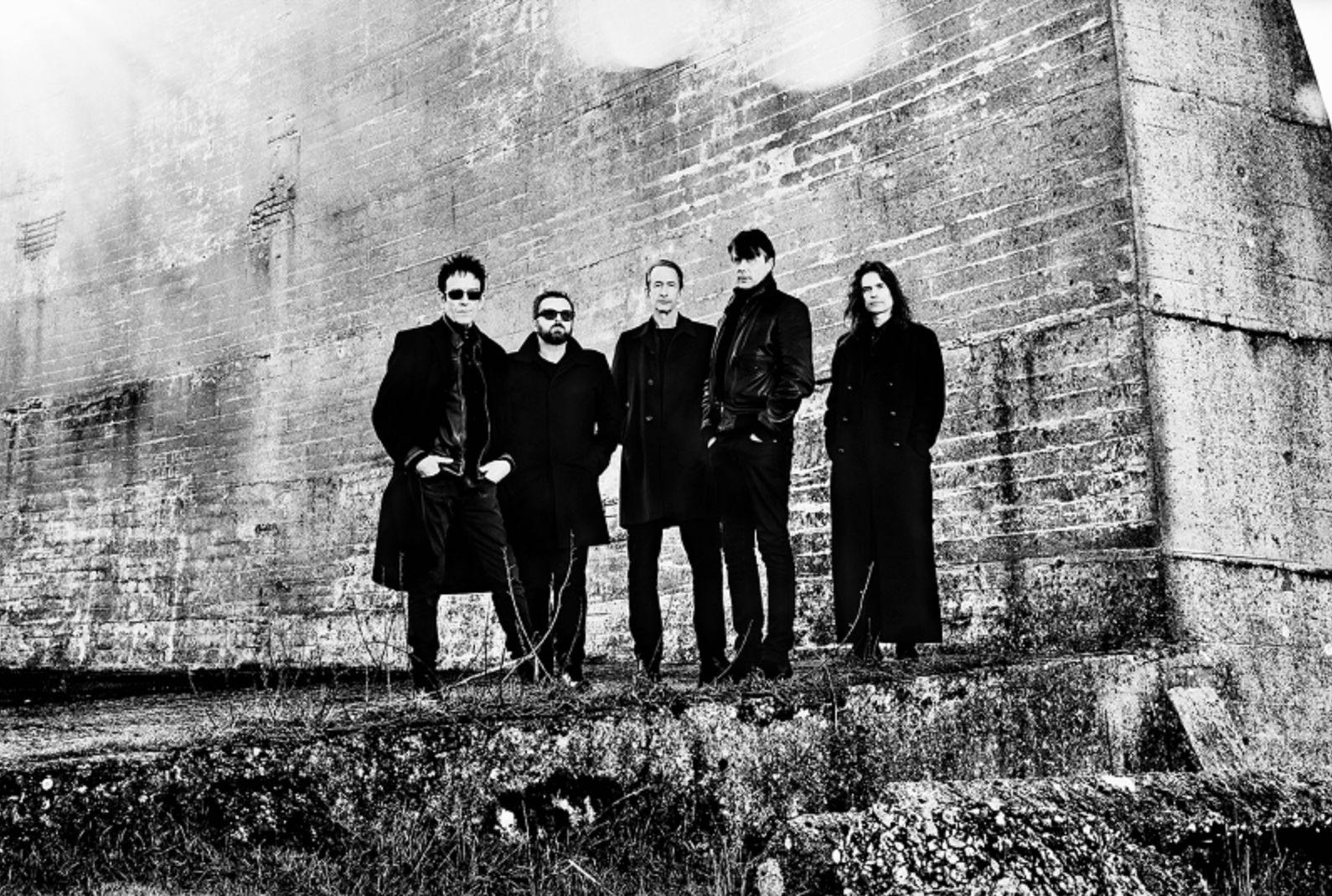
At regular points during the year the Monolith Cocktail shares posts from our Italian pen pals at Kalporz. The site recently celebrated its 25th anniversary – more or less coinciding with our very own 15th anniversary. Here’s to longevity, which isn’t easy in the unstable online world.
For September the editorial team pick and plead their case, selecting a magnificent seven from Britpop darlings Suede, who have just released their tenth album, Antidepressants, this month.
Suede is riding high: their latest album “Antidepressants” was released on September 5th via BMG (a review coming soon), while a few days ago they announced a live show at the Fabrique in Milan, scheduled for Friday March 27th, 2026. It was necessary to draw up a #top7 to establish some fixed points in their career, for the benefit of those who don’t, perhaps, know them fully.
7. “The Only Way I Can Love You” (from “Autofiction”, 2022)
It must be admitted that it was difficult to draw up our top seven, as the material from Suede’s “second life” is as valid as that of the 1990s: songs like “Hit Me”, “Outsiders”, and “Life Is Golden” could be among the best from any other British rock band. Yet I hadn’t yet found the beauty offered by their last two albums, released amid lockdowns and inconclusive wars. The songs become the very blood galloping through our veins, speaking of attachment to life, the importance of the future, and…, yes, human weakness. The frailties of everyday life that, once recognised, would make us feel better. I’m exaggerating they would guarantee world peace. “The Only Way I Can Love You”, track number four on Autofiction, in its splendid four minutes of catharsis and tears, sums up all these feelings: “I pretend I don’t adore you, but I’d take a bullet for you/Yes, it’s a sweet and bitter love”; “I’ll love you as I’m capable of doing it”, I’m not a hero at work, a social media idol, a politician holding the fate of the world in my hands. I have my limits, which are my strength. Today, art and music breathe in a song like this. (Matteo Maioli)
6. “Barriers” (from “Bloodsports”, 2013)
“Barriers” is the first single from Suede’s second half, after their 11-year hiatus, and the opening track on “Bloodsports”. It’s a comeback anthem, epic, triumphant. That’s why it’s so important. It’s a song about “leaping over barriers” because Suede probably needed to dive back into the fray with a song like this, which in terms of pomp has nothing to envy of songs like U2’s “Where the Street Have No Name”. With a comeback like that, the band could only have a radiant rebirth. (Paolo Bardelli)
5. “Trance State” (from “Antidepressants”, 2025)
As Maioli said above, Suede have truly outdone themselves on their last two albums, achieving a quality and clarity of expression that many bands of their era no longer possess: either they’re still sitting on their laurels, touring without any albums coming out (Oasis and Radiohead, the reference was all too easy), or they continue to put out stuff without many ideas (Manic Street Preachers?). Suede, on the other hand, have taken a new path for themselves, that of a darker sound than usual and tending towards the post-punk sound of Joy Division, and “Trance State” is a clear example. A song about alienation, drugs, and emotional survival is supported by a bass so beautiful it could be played by Simon Gallup. What stylistic perfection, guys! (Paolo Bardelli)
4. “Pantomine Horse” (from “Suede”, 1993)
“Pantomime Horse” is one of the most intense moments on an album that introduced Suede to the world. The glossy, glam Britpop of the opening minutes suddenly gives way to a ballad that is a metaphor for fragility, a confession of a constructed, uncertain identity, the tale of a (sexual) awakening that causes a mask to fall. It is also the second longest track on the album (after “Breakdown”), probably the least immediate: a tormented mood permeates the slow pace of a sound with gothic overtones, Brett Anderson’s singing is suspended between falsettos, whispers, and the sensation of a lament that could erupt into tears; Bernard Butler’s guitar expands the sounds and gently distorts them, and in those layers we glimpse the shadow of an almost orchestral crescendo that culminates with the mantra-like question “Have you ever tried it that way? ” The Londoners give in to their darkest and most vulnerable side, giving us a fascinating interlude like few others in their discography. (Piergiuseppe Lippolis)
3. “The Wild Ones” (from “Dog Man Star”, 1994)
The Anderson/Butler wonder duo lasted only two albums, their debut and this, “Dog Man Star”, and not even fully (Butler left before the entire album was finished). One of the most iconic and languid songs on this second, much-loved effort by our guys is this, “The Wild Ones”, which – coincidentally – is about a breakup, but one between lovers not between bandmates.
“And oh, if you stay
I’ll chase the rain-blown fields away
We’ll shine like the morning and sin in the sun”
It’s an evocative piece played as if on Mars, while Anderson’s interpretation is inspired by Scott Walker, Edith Piaf, Frank Sinatra and Jacques Brel, “people with the emotional and musical range to turn a song into a drama. That’s what I wanted for “The Wild Ones”: for it to be a timeless piece of melodic beauty that people would marry and share their first kisses to.” A later released version of this song clearly demonstrates the differences in arrangement between the two, and so you can decide for yourself whether you prefer the original or the variant with Butler’s four-minute solo (! )
2. “Animal Nitrate” (from “Suede”, 1993)
Suede made their recording debut between 1992 and 1993 with a series of killer singles, of which “Animal Nitrate” undoubtedly represents the pinnacle. Brett Anderson’s melodic, feverish vocals draw heavily from Bowie and new wave, while Bernard Butler’s guitar delivers one of the most memorable riffs of the ’90s: chromatic, sharp, and at the same time irresistibly catchy. And to think that the guitarist’s stated inspiration came from an innocuous clarinet-based British TV theme song from the ’70s, transformed here into a murky, sinful theme. Because the song, between allusions to sex and drugs and the suburban atmosphere of the video, transports us to rooms in London suburbs where we imagine all sorts of depravity and repressed desire. The result is a dazzling song, a manifesto of their decadent aesthetic, destined to remain forever among the absolute pinnacles of the British band. (Saverio Paiella)
1.“Beautiful Ones” (from “Coming Up”, 1996)
“Beautiful Ones”, which for the danceable (and tipsy) me will always have “The” in front of it, is Suede’s tenth single and their third—along with “Stay Together” and “Trash”—to land in the UK top ten. I’m not mentioning these other songs randomly, but to highlight the shift in strategy that became necessary with 1996’s Coming Up: catchy melodies, aimed at making inroads on the radio and the charts, introduced by simpler riffs, thanks to the addition of guitarist Richard Oakes, the replacement for Bernard Butler, who was not even twenty at the time. The affinity between the two lies only in their haircut: Bernard was the leading lady, the latter an honest but talented follower. “Beautiful Ones” became the London group’s hit par excellence, fusing the glam drive of T. Rex with the magnetism of David Bowie; I agree with Ricky Jones of Clash Magazine, who describes it as ” a jangly masterpiece with one of the most melancholic sing-along choruses Britpop would ever produce“, and it’s true; the guitar sounds as much like Johnny Marr as it does Mick Ronson. Thirty years on its shoulders, carried magnificently, a hymn to youth. (Matteo Maioli)
Our Daily Bread 646: Alien Eyelid, Eamon The Destroyer, Frog, Pelts…
September 15, 2025
Brian ‘Bordello’ Shea’s Reviews Roundup – Instant Reactions. All entries in alphabetical order.

Alien Eyelid ‘Vinegar Hill’
Album (Tall Texan) 5th September 2025
Psychedelic country-soul is a rather beautiful thing, especially when performed with such heart and soul. Alien Eyelid have a wonderful laidback all-consuming warmth with a hint of baroque-ness that at times remind me of the wonderful Left Banke, especially on beautiful psychedelic ballad “Blue”. The title track “Vinegar Hill” could have walked straight from Basement Tapes with its Dylan and The Band feel, until it goes all early King Crimson on us, and is one of those rare things, a ten-minute track that does not overstay its welcome.
This Alien Eyelid debut is a gem of an album, and one of the finest things I have had pleasure to listen to this year.
The Beths ‘Straight Line Was A Lie’
Album (ANTI-)
I seem to be writing a lot about indie guitar music at the moment; there has certainly been an influx of the stuff appearing in my inbox and long may it continue if it is all of the quality of this quite lovely album of guitar indie pop/rock. The Beths of course write songs of verve and heart, and this new album is no different. Straight Line Was A Lie is an album ram jammed with catchy choruses and heartfelt lyrics all wrapped in fine melody and radio friendly hooks and jangly guitar chimes, as all good indie pop/rock should.
Eamon The Destroyer ‘The Maker’s Quilt’
Album (Bearsuit Records)
You can never be disappointed when a new release by Bearsuit Records appears. There is always a tinge of adventure, as you know it is going to be a trip hop and skip and a jump of musical exploration. The Maker’s Quilt is no exception; an album that brings together dance, psych, 60’s like spy soundtracks with a tinge of folk and rock/pop… all sometimes in the same song. At times it reminds me of what the Wicker Man soundtrack might have sounded like if it was set in the late 80’s early 90’s in a village just outside Manchester when the acid house explosion was happening. There is a joy and a magic and a melancholy madness that is just impossible to resist and resist you shouldn’t.
Frog ‘Bitten By My Love Version XI’
Single taken from Album The Count (Audio Antihero) 19th September 2025
“Bitten By My Love” is a rather lovely single, but what else could you expect from the marvellous Frog. Six minutes of undiluted late summer breeze love, a heavenly stroll through the textures of late-night radio; a song that sends my mind spinning back to the days when songs like this would haunt and confuse and engross in equal measures. A sexual healing for the social misfit.
The Jack Rubies ‘Are We Being Recorded’
Single (Big Stir Records) 19th September 2025
I don’t think I have written about any releases on Big Stir Records for a while. So here I am putting it right, for here we have the new single by The Jack Rubies, a band that once again takes me back to my youth. The days when I spent the hours of 9 to 5.30 working (or not working) in various record stores, and I remember The Jack Rubies album Fascination Vacation being unloved and unsold in the record racks, which is a shame as I remember it being not a bad record. And thirty-seven years down the line here I am listening to the latest release by same band. And how little changes for once again it is indeed not a bad record and sounds like it could have well been released back in the days when the pubs shut at eleven o’ clock. It has the air of a record that thinks a lot of itself, and that always appeals to me…call me strange. Link (no examples available yet to hear).
Ike Goldman ‘Kiki Goldman In How I Learned To Sing For Statler And Waldorf’
Album, 10th September 2025
I love this album so much that I’ve just bought a copy on CD: do I need say more. Well, I will, apart from it having the best album title I have come across in a long time, it’s such a lovely beautifully happy/sad album full of melancholy and magic. It may be the closest one can get to rediscovering the joy of The Beach Boys Friends and Smiley Smile era without actually listening to the said albums. Plus, anyone who mentions Stephen Sondheim in his influences is certainly someone who deserves giving a listen to, and once you have given a listen to downloading or streaming or buying his CD.
Noisy ‘Grenadine’
Single
“Grenadine” is a song that is swathed in a beautiful melancholy, a melody that will haunt and play bellringers pontoon with your heart; a pure and unadorned example of why pop music can save your life and make even the bad times bearable. One of the only plus points about growing old is that you have the joy and innocence of your youth to look back on, and this single brings that joy flooding back with a tearful smile and fading caress.
Pelts ‘Swimming’
Single (Fika Recordings) 10th September 2025
Here we are again with a track of post-punk indie-guitar-pop: Am I becoming a man who only reviews indie post punk guitar meanderings? Am I revisiting my teenage years of being totally enamoured with the indie scene of the 80s, or is it just that I am being sent loads of fine new alternative guitar pop/rock? Well probably a bit of all the aforementioned. For the Pelts ‘Swimming’ is indeed a fine tuneful guitar thrust of angular melodious alternative pop skew wifferty (not to be confused with 60’s psych cult band Skip Bifferty). Yes indeed, another fine track and one you will find on their forthcoming 4-track EP, released on the excellent Fika Recordings label. So, seek and buy my old chums or forever hold somebody else’s codpiece.
SCHØØL ‘I Think My Life Has Been OK’
Album (GEOGRAPHIE)
There are a few questions this debut album throws up. One, are they a French band that sings in English? So do they, in rehearsals, talk to each other in French and then sing the songs in English or to get in the mood? Or do they talk in English? Also, when they play in France, do they sing the songs in French or English? Apart from those burning questions this is actually a quite catchy album of alt guitar rock/pop and very late eighties and early 90’s indie rock: early Blur, Ride, Chapterhouse and the like all spring to mind. I would certainly advise any indie guitar music fans out there to give this a listen, as it is very good indeed.
If you’ve enjoyed this selection, the writing, or been led down a rabbit hole into new musical terrains of aural pleasure, and if you can, then you can now show your appreciation by keeping the Monolith Cocktail afloat by donating via Ko-Fi.
For the last 15 years both me and the MC team have featured and supported music, musicians and labels we love across genres from around the world: ones that we think you’ll want to know about. No content on the site is paid for or sponsored, and we only feature artists we have genuine respect for /love or interest in. If you enjoy our reviews (and we often write long, thoughtful ones), found a new artist you admire or if we have featured you or artists you represent and would like to say thanks or show support, than you can now buy us a coffee or donate via https://ko-fi.com/monolithcocktail
The Perusal #71: Matt Bachmann, John Johanna, Johnny Richards & Dave King, The Good Ones…
September 8, 2025
A world of sonic/musical discoveries reviewed by Dominic Valvona. All entries in alphabetical order.
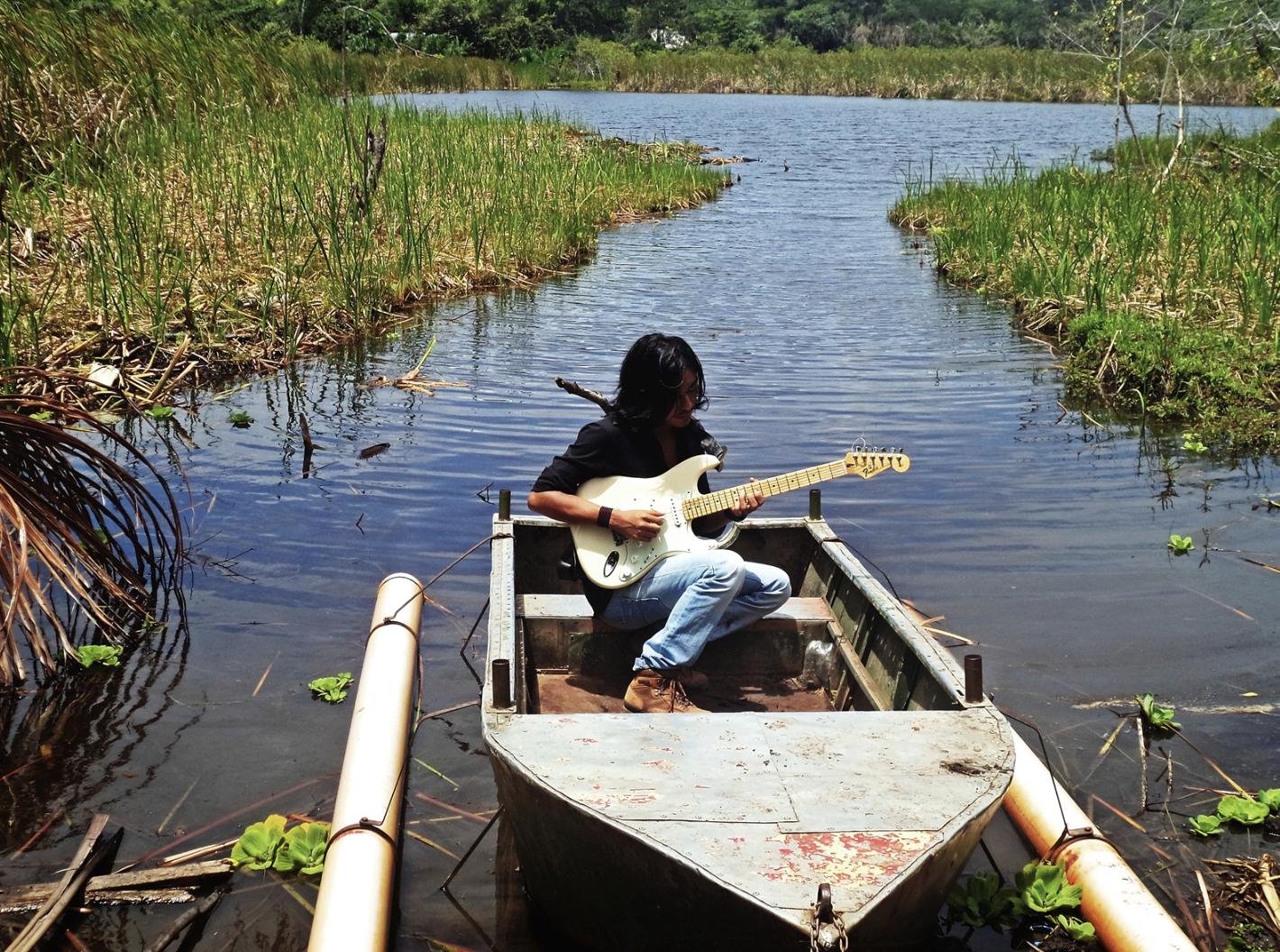
Image of Wayku courtesy of Jesús Flores
Matt Bachmann ‘Compost Karaoke’
(Orindal Records) 12th September 2025
Imbued and driven by a creatively successful obsession with film scores and incidental musical pieces, Matt Bachmann draws away from the earthy for something far more dreamy, escapist and calming. As if to illustrate, the artist, bassist, keys and various assorted instrumentalist soulfully, and low key, yearns “I don’t want to talk about the news” on the smooched and duck-billed saxophone accompanied dreamy if bluesy ‘Long Road’. And yet tied in part to reality, the dread and anxieties of our times, there’s an attempt to break new ground with music for a movie of life that doesn’t yet exist.
Leitmotifs and a recurring intimate ensemble appear throughout this latest near untethered cinematic-leaning album, but each composition, vignette of a kind, and song can be heard in isolation and apart from the rest. For the majority of the time, on an album mostly made up of instrumentals, with just a couple of tracks featuring Bachmann’s near meandered, contour ascending and descending peaceable vocals, there’s a trio core of longtime foils and ‘confidents’: Derek Baron (of Reading Group Records note) both on drums and a little woodwind; Jeff Tobias (Modern Nature, Sunwatchers) on alto saxophone and bass clarinet; and James Krichenia (Big Thief) ‘gumming’ up the groove (as it’s put) on hand drums and percussion. There’re further contributions from Roberta Michel on flute, Cory Bracken on vibraphone and percussion, and Kyle Boston on guitar. Sometimes altogether, or separately, this ensemble is subtle and attentive but moving freely and near lucid when alongside Bachmann’s carefully placed piano, synth, chime manipulations and bass parts and leads.
Emotions swim or cast adrift in a beautifully conveyed movement of suite-like arrangements, the near minimalist, field recordings, and bursts of music – the opening grasp, tangible hold of ‘Summer’s Last Grab’, is a short burst of spontaneous-like bounding seasonal change; almost like a freeform crescendo, with instruments pulled in from various points and angles. Much ground is covered musically and influence wise, and yet there’s no specific or easy to recognise reference or evocation of filmic composers, expect for Sakamoto, who’s 80s contemporary classical reinventions and scores, his synthesized and real Bamboo music clogs and shutters and tubular chimes can be heard suffused throughout the album’s ten tracks. You can also hear subtle hints of Sakamoto’s oft UK collaborative icon David Sylvain; touches of Japan’s former frontman turned prolific foil’s Rain Tree Crow and Nine Horses.
Japan, the country that is, seems a key inspiration. Amongst the vague Shinto temple bells, rung on a cold crisp day on ‘Autumnal Cycle’, are recalls of Yasuaki Shimizu, Ichiko Aoba, and the piano work of Masakatu Takagi and Akira Kosemura; the latter’s own craft set in motion as a therapy.
Added to that set of reference points, the music and sounds, with ease, amorphously shift and reshape using a palette of chamber music, the classical, jazz, Hassell’s fourth world peregrinations, Afro-Latin and the spiritual. For instance, the Star Trek catch phrase inspired ‘TIAGDTD’ (paired won by Bachmann into an acronym, after the famous Klingon defiant and fated line, “Today is a good day to die”), is a dance, a ceremony almost of Afro and clacked, snuzzled, waddled and mizzled saxophone, fourth world music and Finis Africae influences. The title track could be a horizon gazing and shifting communion of later Alice Coltrane, Keith Jarrett and Nicole Mitchell.
There’s much to admire about this album, from its near choir boy venerable holies, its vibraphone bulb notes meditations, its escape from the clutches of despair, its untethered melodious adaptions of diverse musical inspirations, and its filmic evocations of languid endurance and prevail. A lifeline as Bachmann puts it, this project has allowed for a new freedom of creativity and something more collective, more diaphanous, elusive and mysterious, at a key stage in a life of big changes (career wise, becoming a certified social worker and therapist in NYC); a healthy compost analogy mix of “both greens (food scraps) and browns (dead leaves, cardboard, etc.)”. As intimate as it is full of builds, a little drama and bombast, Compost Karaoke is a shared experience, an open project; the very opposite of Bachmann’s more isolated conceived and produced expressions.
The Good Ones ‘Rwanda Sings With Strings’
(Glitterbeat Records) 29th August 2025
The recording location this time around may have changed, but once more in spirit returning to the rural farmlands of a genocide scarred Rwanda, producer polymath Ian Brennan presses the record button on another in-situ, free-of-artifice and superficial production. The fifth such album of unimaginable stirred grief, heartache, and reconciliation from the country’s nearest relation to American Bluegrass, The Good Ones embrace, for the first time ever, the sound of strings. Accompanied, without any prior meeting, by the musicians Gordon Withers on cello, and Matvei Sigalov on violin, a sense of Americana, country and the beautified, ethereal sounds of Van Morrison’s Astral Weeks, of early Leonard Cohen and Nick Drake are brought to the Rwandan duo of Adrien Kazigira and Janvier Havugimana’s unique style of truthful roots music.
This could arguably be called The Good One’s American album: their American adventure. A result of travelling to the USA to appear, in part, on NPR’s notable Tiny Desk showcase, the duo were snapped on the same iconic Greenwich Village block that sports the cover of The Freewheelin’ Bob Dylan LP from 1963 – though Brennan informs me that this wasn’t in any way intentional, as the duo hadn’t even heard of Dylan before being photographed for their own album cover, with a casually draped arm across the shoulder, a tambourine in the other, standing and observing the leafy surroundings of one of New York’s most legendary folkloric talented hothouse neighbourhoods. In a hotel room, with Brennan and their new foils, they created a bridge between their own Rwandan backyard dirt music and that of a countrified, bluesy, traditional and folksy America.
The American theme continues of course with both the addition of Withers and Sigalov, two noted players with extensive CVs, making a name for themselves on the American East Coast. New Yorker Withers, as both a rock cellist and guitarist, has played with the J Robbins’ band, New Freedom Band and Betwixt, and the Russian-born, Washington D.C. based guitarist, violinist, producer and arranger Sigalov has a wide range of experience either playing or recording with Les Paul, Patti LaBelle, Issac Hayes, Ben Monder and Vinnie Colaiuta, amongst others. “The With Strings” part of the title is an intentional reference to records of the same name and of a certain vintage by such icons as Ella Fitzgerald, Frank Sinatra, Chet Baker and Charlie Parker.
I feel at this point that it would be beneficial to the reader, to have some context; a little background; a brief history if you like of the duo’s (parred down in recent times from a trio) direction, of the catalyst that set them on the path of making music.
Triggered, its argued even to this day, by a history of tribal warfare, insurrection, civil war, foreign interventions (rival European powers vying for influence in the region backed, trained or armed one side or the other, but failed to intervene once the bloodshed started) and the assassination of the then president Juvénal Habyarimana, the events of that three month period in 1994 saw a sudden death cull, ethnic cleansing of Rwanda’s Tutsi minority at the hands of the majority Hutus: though even moderate Hutus, along with Rwanda’s third main tribe the Twa were also far from safe, with many caught-up, trapped in the ensuing bloodbath.
Barbaric beyond any semblance to humanity, victims were brutalized, raped, cut to ribbons or herded together in buildings, churches, and schools and burnt alive. Unlike so many previous genocides however, most of those victims were murdered by hand with machetes, rudimental tools, weapons and gallons of Kerosene.
No family was left untouched, with both The Good Ones dual earthy vocalist set-up of Kazigira and Havugimana both losing loved ones, siblings and relatives in the horrific purge.
On the remote hilltop farm where he was born and still continues to work, but record too, Kazigira managed to hide and survive. But Havugimana lost his older brother; a loss felt considerably by the duo who looked up to him as an early musical mentor. Though not appearing this time around, oft third member Javan Mahoro and his foils, all represent one of Rwanda’s main three tribes: Hutus, Tutsi and Twa. And so, bring each culture together in an act of union, therapy and as a voice with which to reconcile the past.
Instantly drawn to the band during a research trip in 2009, Ian recorded their debut international album and the subsequent trio of records that followed: 2015’s Rwanda Is My Home, 2019’s Rwanda, You Should Be Loved, and 2022’s Rwanda…You See Ghosts, I See Sky. Ian’s wife and longtime partner on both this sixteen-year recording relationship and countless other worldly projects, the filmmaker, photographer, activist, writer Marilena Umuhoza Delli, was the one to instigate this Rwanda field trip: Marilena’s mother herself ended up immigrating for refuge to Italy, her entire family wiped out during the genocidal massacres.
In between numerous productions in dangerous and traumatized spots (from Mali to Cambodia and Kosovo) the partners recorded the fourth volume of Glitterbeat Records Hidden Musics series in Rwanda (back in 2017); bringing the incredible stirring songs, performances of the country’s Twa people (or pygmy as they’re unfortunately known; bullied and treated with a certain suspicion by others) to a wider audience.
The focal point, the inspired spot so to speak, throughout is Kazigira’s farm and haven, and the valley in which it is located; from which, a vantage point looks out to all the known world, or at least, the world that has importance, the surroundings that impact with the lives of the duo on a daily basis. It is here that they produce such incredible music and poetry; a sound and vocalised delivery that’s separated from all external influences.
Already receiving accolades aplenty in the West, working with an enviable array of admirers, from Wilco to TV On The Radio, Fugazi, Sleater-Kinney and MBV, it’s extraordinary to think that these earthy harmonic songs were produced in an environment without electricity; music that’s made from the most rudimental of borrowed farm tools, and from the detritus that blows in or litters the landscape.
On various occasions I’ve called this the true spirit of diy, of unfiltered raw emotion. The Good Ones speak of both love and the everyday concerns facing a population stunned and dealing with the effects of not only that genocide but cultural customs and the ongoing struggle to survive economically. Although in recent times, Rwanda has made the headlines as an alternative holding ground, a third-party processing centre for deported migrants from Europe. Whilst still in office, the Conservative government in the UK, after much criticism and protest, decided to fly those migrants denied a right of stay in the country to Rwanda. Only a few volunteers ever boarded such plane rides – and were paid for it too – before the Conservatives were voted out of office, replaced by the Labour party who reversed the policy almost immediately. Copping much international outcry, it soon turned out that other countries had already used Rwanda to dump their own migrant overspills, and that even Germany were seriously considering it.
Existing almost in its own musical category, its own world, The Good Ones play a real raw but also melodic, rhythmic roots music that sways, resonates with vague threads of folk, bluegrass, rock, punk and even a touch of the Baroque. Brennan, a man with an enviable catalogue of productions behind him, from every region of the globe, considers Kazigira ‘one of the greatest living roots writers in the world, in any language’. That’s some praise; one I’m willing to believe and repeat. It’s one hell of a voice, made even better and emotive, near spiritual or stirring when accompanied by percussionist and harmonising foil Havugimana.
On their fifth album, recorded 100% live in a hotel room without overdubs, in single takes, and without much preparation (if any), The Good Ones’ beautifully and plaintively redress various hardships and loss, whilst also evoking the landscape of Rwanda; all now lifted and stirred further by the sound of attuned, sensitive, yearned, tremored, mourned, plucked and touching cello and violin – which also on occasion sounds like a rural American folk fiddle, alongside a guitar, which on occasions similarly evokes a rustic, traditional essence of country and bluegrass banjo. Toil is made almost seamlessly ethereal and near sweet, with songs that despite their titles, often embody a sense of levitation: of hope too. At every atmospheric turn the sound of the Americana campfire, of folklore, the East Village, the sound of a stripped back Band, of Cohen, Drake and especially Van Morrison are entwined with the sweeter touching balladeers of Congo, of Mali and, especially when near a cappella, South Africa – it really reminded me in places of Amadou Diagne too, especially the ‘Freedom’ song.
Hardly rudimental, although The Good Ones duo is only really bringing the most basic of instruments – a springy resonating guitar, the rhythmical sound of finger clicks, an empty paper cup, plastic wrapping, a bucket, a couch cushion and pair of old boots – the sound is impressively alive, and full of feeling. Not so much an exciting, dynamic feeling, but a sensitive one attuned to sorrow, eulogy, pain, experiment and life; the horrors witnessed; the love lost; the ambitions still dreamt; Rwandan customs (doweries, marriage proposals); the theft of land; and the observance of village life.
Rwanda Sings With Strings is yet another incredible songbook, free of over production, and just left to develop. It was indeed an inspiring idea to add a subtle use of strings; one that doesn’t lose any of that homely rural bluesy signature and earthly soul but if anything, further emphasises the unintentional but obvious links to the sound and music brought across to America through African slavery an age ago. Two sets of musicians find true commonality and instantly synch to create something very special. Perhaps one of their best efforts yet; a definite addition to our choice albums of 2025 list.
John Johanna ‘New Moon Pangs’
(Faith & Industry) 12th September 2025
Revivalist songs from across a wide timespan that say as much about present societal woes as they did about the injustice, ruinations and toil of England in the 16th, 17th, 18th and the 19th centuries, are food for John Johanna’s latest, and returning, songbook. Not by name, except in the accompanying track-by-track notes, Johanna (actually the nom de guerre of one of Norfolk nature’s sons, Ben MacDiarmid) is drawn politically and societally towards the ideas of Distributism; a more achievable and perhaps practical philosophical compromise between carefree, devil-may-care Capitalism and hardline Socialism, and the idea that the world’s productive assets should be widely owned rather than concentrated. Favouring small independent craftsman and producers, or co-ops, member-owned and mutual organizations over state or big business monopiles, one its most famous cheerleaders was the famous G.K. Chesterton. It’s Chesterton’s works and their evocations of a particular poetically stirring England of both shambolic spiritualism and everyday mysticism that are tied together with a psychogeography through the age’s style road trip along an atavistic road well-travelled, that makes for a Dylan-esque harmonica-backed and skiffle-like ring of the past, on the album’s ‘The Rolling English Road’ meander. An inebriated greased old England of sextons, squires, drunken road workers, off-the-beaten-track detours of famous landmarks, battlefields and towns, and a history littered with references of the Romans and Bonaparte, is recalled from the folk tradition and given a new impetus.
Finding a middle road, Johanna now turns away (in part, but not totally forgotten) from his previous gospel-blues-raga-meets-Radio-Clash Testament references for the sound of poetic acoustic folk-rock. The tinged with painful emotions New Moon Pangs is Johanna’s ‘first fully fledged studio album’ in this mode; recorded with Faith & Industry label foils James Howard on electric bass, Ursula Russell on drums and Kristian Craig Robinson as both the ‘chancer on silver spoons’ and a more substantial role as producer. Recorded over two days at London’s Total Refreshment Centre, but finished at Johanna’s more rustic Norfolk home studio, IMZIM, the new album is both a breath of fresh air, and a bridge between his electrified spiritual Gambian EP collaboration with Sefo Kanuteh and his scriptures and Torah trip Seven Metal Mountains album (which made our choice albums of the year in 2019). Carrying over that afflatus, that divine providence, there’s still a big influence of hymns and psalms: even a mention of the Israelites -, as Johanna both recites near verbatim from that 18th century English Baptist minister and hymn-writer Samuel Medley (the opening reference to that antiquarian city of the Seleucid Empire, Antioch, is harmonised, double-tracked with Georgian England and adulation, praise for the redeemer) and reworks the same language of faith, of the spiritual into songs about grand days out in the Scottish landscape (Johanna and his family’s 2021 escape from the pandemic back to awe inspired nature and the Outer Hebridean geography of the Isle of Lewis and across from its Gallan Head mountain top the Seven Hunters islands, otherwise known as the Flannan Isles), seeking a creative rebirth, and the realisation that the rural life is where he belongs (inspired by the first half of the 20th century poet laureate John Masefield and his famous ‘London Town’, the original words ring true even now, but led Johanna to a concur, that after spending a decade in the capital himself, he really wasn’t a city lad).
Despite this being a thoroughly English tapestry, the influence stretche to the Southern Spirituals, and foundation myths of enterprise, industrialization in an expanding burgeoning America of the 19th century and early 20th., and to Chile and one of its most famous and celebrated composers, singer-songwriters, folklorists, ethnomusicologists and visual artists Violeta Parra. The hell’s ‘Fire’ blaze against avarice tycoons and ‘world dominators’ is another sermon made Dylan-esque (between Blood On The Tracks and Desire) and urgent, and was inspired in part by Johanna’s read-up on William
‘Devil Bill’ Rockefeller Sr., the patriarchal seed of the Rockefeller dynasty, father to Standard Oil’s founders. Variously described as a huckster, con man, ruthless capitalist, and accused of rape (ring any bells with our present shower of leaders and industrialists), Rockefeller was a man of his times, taking whatever he could get away with to eventually build one of America’s wealthiest dynasties. ‘A Dream of Violeta Parra’ meanwhile, is a tribute to the progenitor of Nueva canción Chilena (Chilian New Song); a record of who’s Johanna picked up twenty years ago in Berwick Street, its cover art drawing him in to the world of social-political traditional revivalist Latin America. As a tribute, Johanna weaves Parra’s notable poetics and language (the blossom mingled with mud; the dirt and ethereal) into another of those Dylan-esque whistle-blowed harmonica storyteller’s odes.
The rest of the album is inspired by such ethnomusicologist delights as the Norfolk farmhand come singer of traditional English song (‘Adieu to Old England’), Harry Box and a prison ballad from the days when gruel really was punishing; the drive home from a Chubby and the Gang gig in a blizzard, and the resulting songwriting workshop with pal and artist Harry Malt (‘Justine’); and an anonymous Jacobian/Stuart period broadsheet that despite its historical language could have been written for the sorry state of inequality that plagues us all now (‘The Poor Man Pays For All’).
Musically lilting, melodious there’s a real warmth and lovely feel to this album’s production as it vaguely echoes the sentiments of Terry Bush, the folk-rock of Pentangle, Fairfield Parlour and Steeleye Span, 1970s Fleetwood Mac, child of the Jago meets Thackery Mekons, Cat Stevens, XTC, The Strawbs and more contemporary artists like Paul Winslow and Valentino DeMartini.
The old is rejuvenated, and found relevant, stitched together in a loose Norfolk tableau. The rural lad does good once more, with nothing less than one of the best albums of 2025.
Isambard Khroustaliov & Ben Carey ‘Field Recordings From Other Constellations’
(Not Applicable) 12th September 2025
The award winning, and far too qualified, electronic and sound composer, software developer and researcher Sam Britton is at it again, fusing the generative and interconnective with the human and machine; this time around, pairing up with Australian foil, the equally qualified composer, improviser and educator, Ben Carey.
A serial offender in this department with the notable Long Division and Fake Fish Distribution experiments and through collaborations with such lauded operators as the Aphex Twin (via the Remote Orchestra project) and Matthew Herbert (New Radiophonic Workshop), and has a co-founder of the very platform this latest release is being facilitated by, the artist collective Not Applicable, Britton, under the Ismabard Khroustaliov nom de guerre, hooked up an impressive apparatus of ARP 2600, Buchla 200e, Destiny Plus 16 Psyche, Make Noise Strega & Morphagene, Moog ONE, Oberheim OB-X8 and Sequential Prophet 12 enabler equipment to venture beyond dimensions and space with his willing sonic partner. Carey, who is one half of the voice and electronic duo Sumn Conduit and has collaborated with such notable company as the JACK Quartet, Sydney Chamber Opera, ELISION Ensemble, Joshua Hyde, Chris Abrahams and Marin Ng, seems a fitting cosmonaut volunteer on this untethered and unbound trip, which has been edited down from a much longer, expanded live performance at Coda to Coda in London on the 3rd of July 2023.
Influential Eastern European science fiction and philosophical enquiry meet on this four-track visitation of alien organic matter, metallics, strange leviathans, machines and codes. Inspired by that genius titan of 20th century sci-fi and future prophecy, the Lviv born Polish writer Stanislaw Lem, and one of his most beloved (so it’s said) works, The Cyberiad, two prolific trick noise makers and manipulators of oscillations, wave forms and patches construct an atmospheric soundscape and journey into both satirical, ominous and mysterious space.
The book, or collection of short stories, follows two ingenious constructers (or robots of a kind) travels through a strange Medieval universe, where they encounter such oddities as a machine that is capable of creating anything, as long as it starts with the letter N, kings who oppress their people with parlour games and PhD pirates. Ahead of his time in so many ways, and in in so many different fields (nots just sci-fi), Lem wrote another famous work, the Summa Technologiac, in 1964, about the moral, ethical and philosophical consequences of various futuristic technology: predicting virtual reality (called “phantomatics” in the book), search engines, AI and singularity. Intellectual as it all might be, much of his actual fictional work is quite humorous in tone.
Here, it is transmogrified and transduced into a constantly developing scan and probe across synthetic and alien technology and off world destinations. A soundtrack in a manner, for a film yet to be made (as far as I’m aware of all of Lem’s cannon, it is only the most famous work, Solaris, that has ever been adapted for the big screen), it feels like a navigation at times, a mapping of extraterrestrial technology. But also, a twisting of reality itself and the fabric of the universe.
This is the near classical meets analogue sci-fi, the non-musical and techno minimalism, with centrifugal movements, fizzles, the sound of switches and mechanisms, electrical currents and static, calculus, pattered and padded rhythms, shocks, UFOs, elevators and accelerations. There are certain hints of the recognisable amongst the squirmed and scrawled alien liquids, especially when the sheet metal punch bag timpani pounds in on the Soviet era mirage ‘Discovering Alonta’. And the opener, ‘The Computerised Bullfrog’, recreates the title’s amphibian through said computerised effects: an artificial reality, the living mimicked through tech. But for the most part this is an ambiguous use of sounds and instruments.
If I was going to use any reference points, perhaps orbiting a similar universe as Tangerine Dream, Moebius, Cabaret Voltaire (also Richard H. Kirk’s uncoupled work), Basic Channel and East European experimental sci-fi.
A very atmospheric performance, bringing Lem’s space oddity philosophical quandaries and explorations to life, Field Recordings From Other Constellations builds a real imaginative as well as foreboding and uncertain world from codes, textures and soundboards.
Johnny Richards & Dave King ‘The New Awkward’
(False Door Records) 5th September 2025
Setting new challenges for artists, the restrictions imposed during the various Covid lockdowns, four or five years ago, meant many were forced to work in isolation or apart. And so, collaborations were largely created by participants working remotely and at a distance (sometimes considerable) from each other; sharing and sending results mainly over the Internet. This made for some intriguing, exciting and inventive results. I understand many musicians would rather work in the same room as their foils and partners, but personally, despite the distances, none of projects made during those trying times seemed to really suffer in quality or creativity. In fact, it made for some challenging surprises.
One such exchange of ideas, a sort of transatlantic partnership between the notable and acclaimed UK pianist and composer Johhny Richards and US-based drummer of equal note Dave King, ended up as untethered and genre-defying experiment in ‘impossible music’: or that which is near impossible to recreate, at least live; a response to certain conditions, certain prompts produced during a particular process that involved a bit of toing and froing between the two musicians. It’s Richards’ prompts that come first in this experiment. His piano, whether treated or untreated, adapted with various materials and objects (from screws to Blu-tack and a knife), and his transformance of the very workings, the guts, the hammers, pins and the action, were sent to King, who recorded his reactions, before once more travelling back to Richards to receive further overlayed parts.
The skilful anarchic (yet never too wild and unchained as to run away with itself, to get lost in chaos or totally lose the plot) style of piano which has served Shatner’s Bassoon so well, is once more unleashed. Unburdened by restrictions, sent out into the serialism ether, and without any preconceived ideas of how his drumming partner would respond, the connection and intuitive nature of this collaboration proved as frenzied as it did dramatic. It’s as if they both unknowingly created a score at times, and at other times, a simultaneously mischievous, playful, and avant-garde merger of off-kilter, kooky jazz, electronica, performance art, transmogrified classical music, the Duchampian, La Monte Young, cartoons, math rock equations, fusion and gamelan. It sounds also like a largely acoustic recreation of Warp Records (as mentioned in the briefing, Warp is cited as an influence and direction of travel) output; an experimental electronic record made without much in the way of the electronic.
Muscle memory from King’s impressive haul of instigated groups and ensembles (from The Bad Plus to Happy Apple) can’t help but turn up. But this album of variously paced and cryptic tracks, brilliantly matches random passings of Herbie Hancock, Tim Berne, Bach, Zappa, Mr. Bungle, Radiohead, Matthew Shipp and Cecil Taylor (I’m thinking of the recently released Taylor and Tony Oxley piano-drums combo experiment Flashing Spirits). It makes for a tumultuous balance between re-wired jazz-fusion, the near leapfrogging and frenzied, and the more serious atmospherically framed offerings – ‘False Doors’ with its heavy piano rumbles of a weather and thunder, and distant strike of a buoy out at sea, obscured by a prevailing fog, really sets a moody scene; almost esoteric in part before developing into a jazz-breaks, splashing of ride and crash cymbals and a near thriller or mystery piano dotting of notes-like soundtrack.
From being pulled through the fantastical mirror backwards to the unsettled and skewwhiff, much ground is covered. Starting from nothing, an incipient partnership of effected, pulled, chimed, chopped and string-like plucked piano workings and both dampened bass-y and more recognisable, if near unmanageable, notes seem to run independently of the drums. And yet the shuffles, breaks, spidery skirts and rattles around the kit, and drills, its free from movements, somehow stick to produce a remotely made piece of dynamic art, playfulness and moody observance. A very successful partnership.
Ujif_notfound ‘Postulate’
(I Shall Sing Until My Country Is Free) 9th September 2025
With no end in sight, and yet another deadline from Trump crossed, Putin’s barbaric invasion of the Ukraine depressingly drags on. Three and half years in – although the real flashpoint came in 2014 and the annexation of the Crimea – and Russia continues to pound away at an already devastated ruinous landscape. Casualties may have reached the million mark, as whole generations fill the mass grave sites on a scale rarely seen outside the scenarios of both World Wars.
In these horrific times it falls upon labels such as the electronic artists Dmyto Fedorenko and Kateryna Zavoloka’s I Shall Sing Until My Land Is Free to spread the sound of the sonic resistance. A soft power, a cultural emissary of that country’s experimental scene, the profits from its roster of artists, which includes both its founders, are donated to several self-defence and humanitarian foundations and local volunteer activists.
The latest release on that platform sees the noted Ukrainian multi-disciplinary electronic sonic, media and visual artist Georgy Potopalsky channel the apocalyptic horror, the destroyed and twisted concrete and steel scarred geography of his homeland to create a pulverised industrial and force field electrified work of conflict and brutalism. Under the Ujif_notfound alias, and with the artist’s usual themes that draw upon the volatility and dynamics between man and the machine, between user and interface, there’s now a focus towards, what the PR description describes as, ‘blasted soundscapes, frenetic breaks and bristling guitar noise’.
In practice this amounts to heavy meta(l) meets the electrifying bounce and fractures of techno and the gears and torqued industrial granular effects of machines (both the coded and the weaponized). Fizzling and warping, with ring outs of both contorting grindcore and repetitive guitar, the coarse and corrosive, an ominous presence is always near at hand; an alienness almost, and yet sense of war and its physical effects permeate the scorched earth. And yet, as pads are drilled with tight delay, or spiked, rotations spiral out the influence of Basic Channel, acid techno and breakbeat, there’s a danceable aspect, a dynamism of alive circuitry that gives some of the tracks a buzz.
The grains of acid rain, of filaments and detritus of weapons, missiles, rockets and drones appear like sonic drizzle though. But at the very end, a peaceful coda is reached; something approaching the ambient and Eno-esque, channelled once more through tubular metallic effects.
At any one time I’m hearing hints of Alberich, Cabaret Voltaire, Cosy Fanni Tutti, Atsushi Izumi, Brian Reitzell’s American Gods score, Autchere and Einstürzende Neubauten collectively pulled into a heavy set of the magnetic, pulsating, grinding, crushing, and shuttered. As sonically shocking as it is bouncing and charged, a full immersion that conjures up a full multimedia experience from one of Ukraine’s most prolific and creatively stimulating artists.
Visible Light ‘Songs For Eventide’
(Permaculture Media) 19th September 2025
Marking in a visceral, beatific, and sometimes plaintive manner, both seasonal changes and our relationship to the environment, the Visible Light musical partnership between experimentalist cellist and improvisor Amy McNally and multi-disciplinary artist and composer Matthew Hiram is deep in ecological study, philosophy and reflection.
Described as a “chamber-ambient” project, imbued and led by the environment and elements that surround them, the Visible Light vehicle has a both serious and meditative purpose. Hiram, as a “certified Minnesota Water Steward” and active contributor to nature conservation (and public art) initiatives and his foil create a quintet of suites from an atavistic but living and breathing nature. Their debut long-form release, Songs For Eventide, is not only released on the sustainable ecosystem themed Permaculture Media platform, but released in time for the Autumn Equinox this September.
The whole cycle of the seasons, from the awakening blooms of summer to the darkened, colder and more uninviting, even sad, drawing in of winter, are articulated graciously, purposefully, imaginatively and magically through the effected and processed sounds of the cello, flute, drones, vapours and a sustained mysterious bedding of electronic produced atmospheres. From blossoming wildflower carpets to the frozen elegy of the Boreal age – a reference, in technical terms, to the North or most Northern, but also the first climatic phase of the Blytt-Sernander sequence of northern Europe, during the Holocene epoch; its climate characteristics being long winters and short, cool to mild summers), long drawn strokes and bows, the occasional spaced out short pluck of cello, the willow and evergreen flute, sounds of tubular rings, and both ambient and new age electronic elements conjure up evocations of each studied season alongside classical American folk and rustic traditions, the classical, the pastoral, the Oriental (the cello on the opening ‘Bloom To Bloom’ sounds almost like a Southeast Asian dulcimer or something of that nature) and Celtic: both Irish and Scottish.
Each suite is an incredible observation of patterns, of language and a spectrum of natural light. Recorded beneath the canopy of nature, you can hear the soft downpour of rain pelting the tarpaulin that covers those musical observers – or so it sounds like on the chamber-trance and environment captured ‘Boreal Shift’.
The duo mention Sarah Davachi and Harold Budd, amongst others, as reference points. Both good calls, but I’d perhaps add Jeff Bird, Anne Muller, Alison Cotton and Simon McCorry to that loose sphere of influences. In all though, a thoroughly impressive adroit, stirring and near stained glass anointed eco system soundtrack of the reflective and magical.
Wayku ‘Selva Selva’
(Buh) 18th September 2025
Astral mirages, shamanistic dream ceremonies, and festive dances await the listener on this new album from the Peruvian guitarist, researcher and ethnomusicologist Percy A. Flores Navarro. Some of the ideas, the conceptions of these tracks may go back years, but this jungle menagerie and musical map of the abstract atmospheres, the psychogeography, the ancestral traditions of the Peruvian Amazon is a new venture under the adopted Wayku moniker. More or less flying solo, uncoupled from his Motilones de Trarpoto band, it’s the guitar that does most of the talking; channelled through various effects, adopting various meters, Peruvian and greater indigenous and Latin American styles whilst also evoking traces of rock ‘n’ roll, the more frantic and adroit displays of rock guitar soloing, jazz, and surf music.
A really skilful, attuned and expressive guitarist, Percy’s craft is given room and space to perform the articulate, joyful, mysterious and supernatural, bolstered or underlined by the use of synths, the bass and drums. At its heart, rejuvenated and refashioned, is an electrified version of the popular festival genre Pandilla; a more uplifting and celebratory community style that emerged from the Peruvian Amazon. Alongside a diverse range of rhythms, of traditions and more contemporary disciplines, it makes for a rich album of the nimble, playful, mystical, cosmic, otherworldly and infectious: you’ll be dancing along to at least a third of these mostly instrumental affairs.
Steeped in local colloquies, with references to ceremonies, to places and spirits named by the Quechua and even further back, there’s a story behind every track. Originally from the famous Amazon cloud forest city of Tarapoto (sitting in a valley between two rivers, located in the San Martín region of northern Peru, this large epicentre is often referred to as the “city of palms” for its abundance of the plant), which is itself full of myth and magic, Percy encapsulates the unseen forces and the feel of those lands that lay beneath the rich canopy of jungle, and live off and by the sides of the Amazon river in Peru. This porously spills over into bordering Brazil at times, picking up some of the Amazonas (the largest in all of South America) state’s indigenous sounds en route. There’s also, as I mentioned earlier, a certain tremolo-like turnpike wave and twang of coastal South American surf music, ala Dick Dale, to be added to the mix. Perhaps the sound of such Peruvian pioneers as Los Ranger’s de Tingo Maria, Los Zheros and Fresa Juvenil De Tarapoto via Mexico and Brazil propelled into a cosmology of supernatural, mythological and historical gravitas.
Educational in spirit and full of references to the prevailing economic and political disconnections that have separated the city from the interior and its various indigenous societies, Selva Selva is teeming with relevant messages and ethnographical context. The album came with plenty of notes, and plenty of relevant personal connective anecdotes and stories by the artist. Every track has a purpose, is well-thought out and planned. And, depending on how much the listener wishes to expand their understanding of the subject, can go as deep as they like into the interior of Percy’s studied forms.
From the sprinkling of magic and the amazon’s natural medicine cabinet – the wisdom of the ancients – to the short-lived autonomous jungle states and their founders (nods to Guillermo Cervantes’ proclaimed Third Federal State of Loreto in the 1920s, and Emilio Vizcarra’s Selva Nation in the late 19th century), a whole world of panther-like deities and ugly squatted spirit guardians, festival celebrations and fieldwork await as Percy reclaims his home’s legacy with verve and deft musicianship. An outstanding album from an outstanding guitarist.
If you’ve enjoyed this selection, the writing, or been led down a rabbit hole into new musical terrains of aural pleasure, and if you can, then you can now show your appreciation by keeping the Monolith Cocktail afloat by donating via Ko-Fi.
For the last 15 years both me and the MC team have featured and supported music, musicians and labels we love across genres from around the world: ones that we think you’ll want to know about. No content on the site is paid for or sponsored, and we only feature artists we have genuine respect for /love or interest in. If you enjoy our reviews (and we often write long, thoughtful ones), found a new artist you admire or if we have featured you or artists you represent and would like to say thanks or show support, than you can now buy us a coffee or donate via https://ko-fi.com/monolithcocktail
 Monolith Cocktail Blog