Gillian Stone’s Monthly Reviews
Alice ‘L’Oiseau Magnifique’
(Bongo Joe Records) Available Now
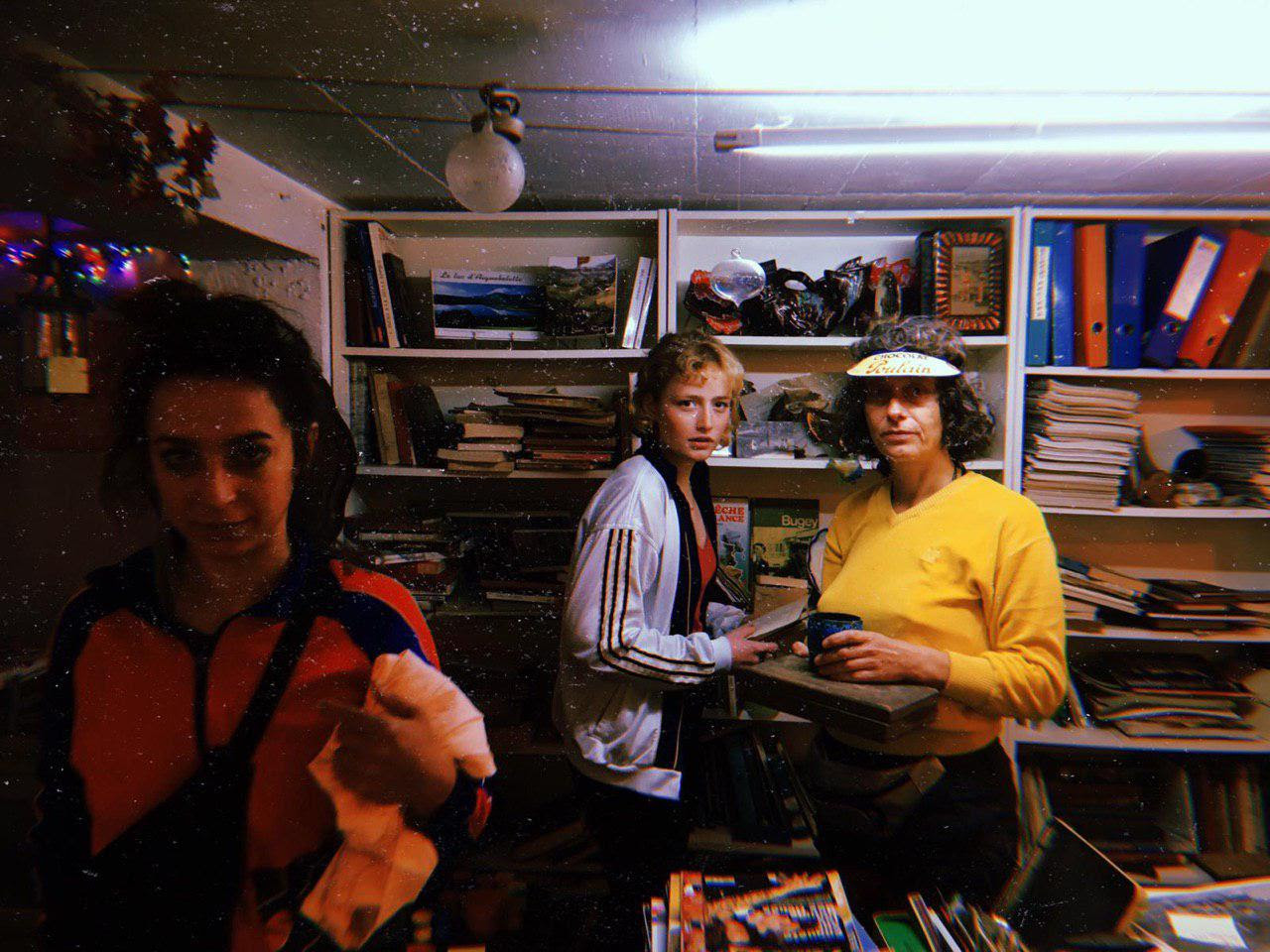
At 23 songs ranging from 0:26 to 3:59, Genevan intergenerational micro-choir Alice’s L’ Oiseau Magnifique (“The magnificent bird”), released via Bongo Joe Records, is like one continuous, minimal folk symphony with 23 short movements.
Mother and daughter Yvonne Harder and Lisa Harder, along with Sarah André, juxtapose crisp, resonant harmonies with accompaniment on a thrifted synth, creating a sound that could be equated to a more lo-fi, European Mountain Man. The album is like sonically experiencing a family living room concert, with half-finished knitting out on the table and the smell of chicken stock simmering in a musty, 200-year-old home.
Despite its minimalism, there are moments L’ Oiseau Magnifique that take the listener by surprise: the jangly percussion, synthetic bird sounds, and unorthodox hand-to-mouth vocals on “Nous marchons”, the Gregorian chant atmosphere on “Deux mille trains”, and the field recordings of car sounds on “La santé”. The album starts and ends with the inclusion of mistakes, with the false starts and happy laughter on the second track, “Triste et tout seul”, and the last track “Rires”. Instead of taking one out of the moment, these instead are filled with personality, warmth, and a sense of inclusion in Alice’s process. Their moments of imprecision throughout are profoundly charming and imbued with a fearless humanness that makes L’ Oiseau Magnifique utterly unique.
Altın Gün ‘Aşk’
(Glitterbeat)
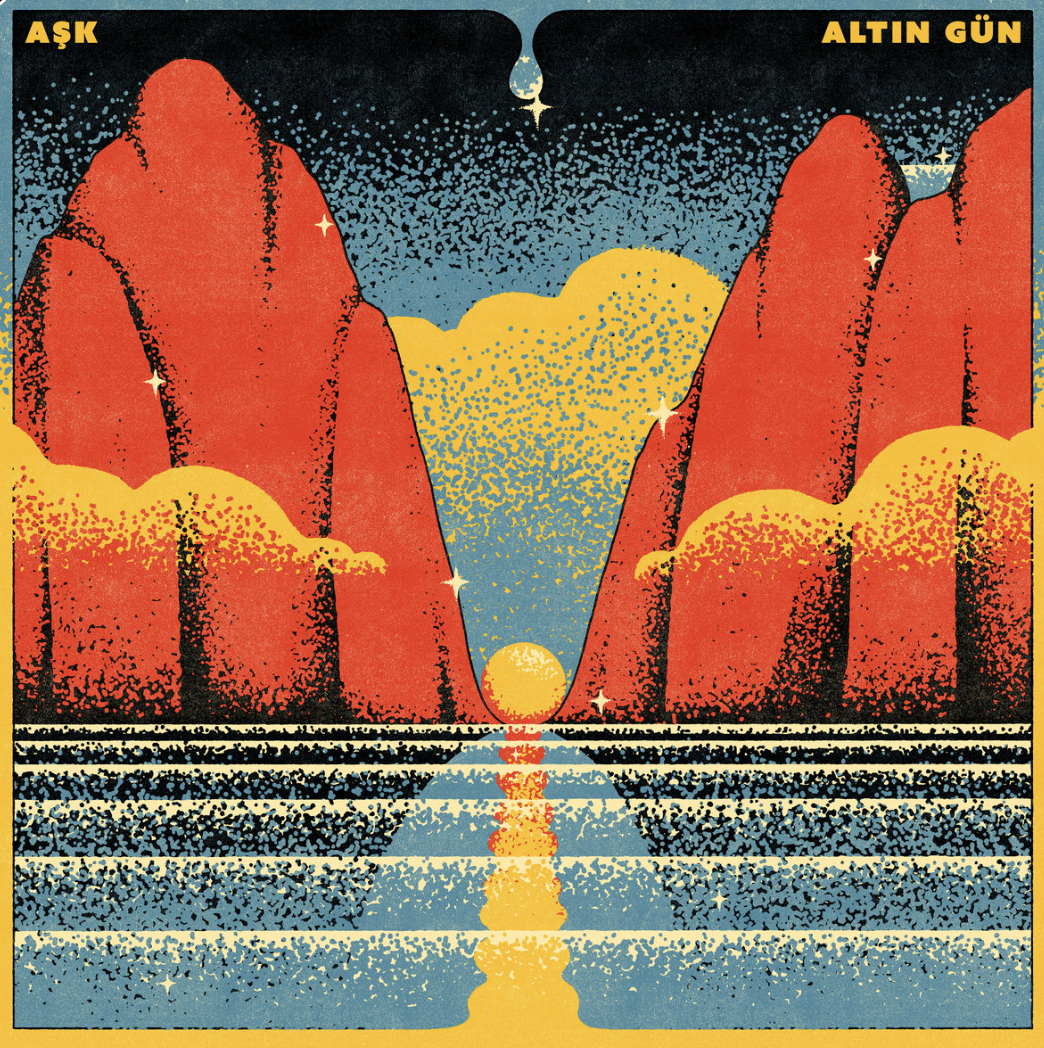
Conceptually multifarious, Altın Gün’s Aşk (Glitterbeat Records) is a manifold of ancient, vintage, and current. With their “Anatolian folk-rock sound”, the Amsterdam-based sextet interprets traditional Turkish folk song through the lens of psychedelic 70’s acid disco folk. Yet despite this sonic and conceptual complexity along with profoundly adept musicianship, the ethos of the 10-song album can be boiled down to something very simple: fun.
Beginning with the formidable energy of “Badi Sabah Olmadan”, the urge to dance is established right off the top. This continues with “Su Sızıyor” with its “The Guns of Brixton” bassline held down by Jasper Verhulst, and the jangly “Leylim Ley”. “Dere Geliyor” features wicked percussion by Chris Bruining, warbly guitar by Thijs Elzinga, and Merve Daşdemir’s smooth vocals. “Çıt Çıt Çedene” is classically groovy, while “Rakıya Su Katamam” is a brief foray into headbanger territory. The intro and breakdown of “Canım Oy” could be something off Santana’s Abraxas, while Daniel Smienk’s drums on “Kalk Gidelim” are both wild and sexy. Erdinç Ecevit’s beautiful microtonal vocals then soar over the Wish You Were Here feel of “Güzelliğin On Para Etmez”. The album ends strong with the disco feel of “Doktor Civanım”, reminiscent of Blondie in their prime. Throughout the record, Ecevit incorporates the saz, or bağlama, a lute used in Turkish folk music, staying true to Altın Gün’s influential roots.
In a rare feat, every song on Aşk is fantastic, equating to a conceptually profound, joyfully executed, “all killer no filler” vibe.
H. Hawkline ‘Milk For Flowers’
(Heavenly)

Starting out a certain way, where you think you know what you’re getting into, then taking you by surprise, is the thematic journey of H. Hawkline’s Milk For Flowers (Heavenly). So is lyrical vulnerability.
The first two songs on the Cate Le Bon-produced record, “Milk for Flowers” and “Plastic Man”, begin with a deep nod to Carole King, Paul McCartney and the Brill Building. “Suppression Street” is where the lyrics begin to encase the listener into a heartfelt sense of melancholy tenderness: “Grief is an encounter and I speak it/It carries like a shadow on the carpet”. It then transitions into the Neil Young vibe of “Suppression Street”, with none other than the great John Parish on bongos. The album then slams into the indefinable, stunning “Denver”, and suddenly Milk For Flowers takes flight, as if everything was leading up to this moment.
It continues to soar through “Athens At Night” with its dance-y palate of 80s sequenced synths and electric keyboards, George Harrison guitar riffs, and “Blue Monday” drum fills. The album lands back into being piano driven for “Like I Do”, and stays there for the remainder of the album. And it is here where the lyrics begin to shine again; on “It’s A Living” (“Old women/Young children/Can teach you everything you need to know about living”) and “Mostly” (“I wanna die/I wanna die/I wanna die happy”). True ballad “Empty Room”, with its form made up of two distinct sections, then takes out the album.
Milk For Flowers begins steeped in traditional songwriting, takes you on a breathless journey, then brings you back into a place of safety, where feelings can be acknowledged and processed.
La Faute ‘Water Colours’
Watercolours, the second single from Toronto, Canada-based La Faute’s forthcoming debut album Blue Girl Nice Day, is like the sonic representation of a slightly wilted bouquet of pastel-hued flowers.
Whispered, velveteen vocals softly weave into an atmospheric palette of dark, atmospheric folk that explores the liminal space between beauty and discomfort.
Thematically traversing the “feeling of infatuation bordering on obsession”, multi-instrumentalist and visual artist Peggy Messing speaks to the unpredictable and undivinable nature of watercolour paints as an allegory for “that desperate, slightly sickening feeling that love or obsession can bring”.
There is something sinister simmering under the surface of the track – a gentle violence that slowly rears its head from beneath wisps of gorgeous minimal lushness. Messing’s hushed vocals are a step away from cracking, like the quiet control of Watercolours could break at any moment. But it doesn’t, and the tension is stunning.
Joining the team earlier this year, Gillian Stone is a multi-instrumentalist and interdisciplinary artist originally from the Pacific Northwest and based in Toronto, Canada. Through her eponymous vocally-driven post-rock/drone folk solo project, she has released two singles, “Bridges” and “Shelf”, and her debut EP, Spirit Photographs. Stone holds a BFA in Jazz Studies from Vancouver Island University and an MA in Ethnomusicology from the University of Toronto. Drawing from her eclectic taste, she has worked with Michael Peter Olsen (Zoon, The Hidden Cameras), Timothy Condon and Brad Davis (Fresh Snow, Picastro), The Fern Tips (Beams) Völur (Blood Ceremony), NEXUS (Steve Reich), and visual artist Althea Thauberger.
Our Daily Bread 567: The Oldest Voice In The World (Azerbaijan) ‘Thank You For Bringing Me Back To The Sky’
April 3, 2023
ALBUM PURVIEW SPECIAL
Dominic Valvona

CREDIT: Marilena Umuhoza Delli
The Oldest Voice In The World (Azerbaijan) ‘Thank You For Bringing Me Back To The Sky’
(Six Degrees Records) 6th April 2023
There can be few remote corners of this well-traversed globe left unrecorded, yet the celebrated polymath and renowned in-situ recordist Ian Brennan and his wife, but most importantly partner on these sonic expeditions, the filmmaker and photographer Marilena Umuhoza Delli, have found one such spot on the Azerbaijan border with Iran. So remote in fact, almost untouched by modernity and technology, that the language spoken in this mountainous village is almost unintelligible to even those living in the valley below.
Settled by the atavistic Talysh people of this region, this outlier of naturalistic and hardened living is an ancient place with challenging origins shrouded in thousands of years of obscurity. Perhaps ancestors of the old Iranian tribe the Cadusii, this unique ethnic community, clinging and camped out on the southern mountains of Azerbaijan, is famous for its longevity; said to be the home of the oldest ever recorded human, at (an allegedly) 168 years old! But despite that remoteness, the ever encroaching dreaded Covid-19 pandemic found its way there, and by the time Brennan and Delli travelled to this outcrop, the number of centenarians had diminished greatly. As if the pandemic wasn’t tragic enough, our sonic explorers found that the living conditions for these elders were extremely harsh: no indoors plumbing, forced to sleep on floorboard mattresses. And so this project, just the latest in at least fifty recordings by Brennan, became an antidote of a kind to anti-ageism.
As dangerous places, states in flux and aftermaths of genocide go, compared to many of Brennan’s tour-of-duties (Rwanda, Vietnam, Cambodia, Pakistan etc.) Azerbaijan, on the surface, seems a far less hostile safer bet. However, that Southern Caucus region’s decades old fight with its western neighbor Armenia over the complicated and disputed landlocked Nagorno-Karabakh region (the Armenian’s refer to it instead as the Artsakh) reared its ugly head again in 2020; only brought to a conclusion (of a sort) by a trilateral agreement overseen by Russia in November of that year. In a window of opportunity Brennan and Delli made the trek in late 2021. Just months later, Russia would of course invade Ukraine.

CREDIT: Marilena Umuhoza Delli
What they both discovered and recorded for posterity is a most incredible document of elderly sagacious voices very much alive, yet all to aware of their own mortality. Surviving COVID but left to mourn those that didn’t, this should be a lamentable, saddening proposition. Far from prying in on a collective trauma, with a number of the performers obviously distraught and in a state of anguish at times, Brennan’s hand was indeed kissed by a long-since retired shepherd, who repeated his gratitude (giving the album its title in the process): “Thank you for bringing me back to the sky”.
This album could, like so many previous recordings in this vain, be said to act as a sort of therapy; a release. It certainly isn’t in the spirit of Lomax, saving old voices before they disappear; an ethnomusicologist exercise in Western preservation. As a subtle augmentation of elements are added, with some vocal performances, aches and talks further transported by a number of past Brennan collaborators (Kronos Quartet, Tinariwen, The Good Ones and Yoka Honda) on the bonus tracks.
For those new to Brennan’s hands-off approach, the set-up is as un-intrusive and natural as possible. The surrounding environment isn’t just welcome to bleed into each recording but invited. This translates into the creaking of a door; the crackled flames of a furnace; and in the case of the afflatus-touched ‘Lullaby’, what sounds like a rhythmic trudge through water.
Whilst most expressions, deliveries of earthy travail and more heavenly thanksgiving are pretty stripped back, soft but effective uses of mirrored and echoed reversals are used on the warped piano yearned ‘My Mother Lived To Be 110’, and the more avant-garde piano and spoken ‘The Young Men Are Sent To Die In Rich Man’s War’. This turns some recordings into portals to other worlds, others, like something from Zardoz, or even psychedelic and otherworldly.
Voices are effected on the reverberated, forewarned ‘Son, Don’t Go There, The Road Is Dangerous’, turning a couple of different vocals into something both giddy and esoteric. I haven’t asked or searched it out so do forgive my ignorance, but the poetic ‘You Are A Flower Yet To Grow’ sounds like it has some kind of accompanying bassoon blowing away on it; and ‘Pepe, Pepe (Donkey Song)’ features what I can only describe as a sort of primitivism jazz horn. There’s hand drums being respectively rattled and hit on the longer, lyrically melodious dance, ‘Bulbul (Nightingale)’ and the more Persian sounding ‘Screaming From The Mountain Top For My Son’.

CREDIT: Marilena Umuhoza Delli
Amongst the often more distressed offerings and terms of abandonment, wise advice to longevity comes in the form of the trolley-full-rattled-crockery (or so it sounds) accompanied heartfelt ‘The Secret To Life: I Was Loved’, and the acoustic guitar wobbled and bandy-stringed, talked ‘The Secret To life: I Worked Hard And Ate Butter’ – dairy lovers like me take comfort; although my work rate of honest craft and toil will have to be increased considerably if that’s the case to long life.
A quartet, as I mentioned earlier, of collaborative transformations have been added as “bonus” material. All those involved have at some point crossed congruous and valuable paths with Brennan in the field or studio, the first being the Kronos Quartet who lift a sorrowful Talysh mountain border voice with a treatment of neoclassical held and bowed strings and gravitas. Yuka Honda, meanwhile, evokes Die Wilde Jagd and The Pyrolator on the sophisticated electronic and minimalist Techno affected ‘Prayer Overheard’.
One of Mali’s Tuareg luminaries of desert rock and blues, the much lauded Tinariwen, cast a near Medieval and Oriental dream spell on ‘Ghosts’, and the Rwandan farming bluesman, The Good Ones, provide an elasticated, stringy and stripped backing for the female-voiced ‘A Lifetime Still’ – complete with a light chorus of birds.
Loss, bereavement, the wise observations of those uncomplicated voices, this latest recording from Brennan and Dilli (who records each project through her lens) encourages a dialogue and offers a unique angle on ageing, or rather, the abandonment and prejudice of growing old. In a time in which we’ve grown to distrust, cast off and denigrate old age in the pursuit of eternal youth (cosmetically and through the filters of Instagram), the old are looked on with embarrassment and as a burden; their deaths on mass, as they were shunted out of hospitals into care homes to spread COVID, until recently, seen as just a unfortunate result of the pandemic. We’ve come to see ageing as a reminder of our own unwanted mortality. As I’ve said, those voices come alive in the presence of Brennan, cutting through the pretence and bullshit with the most emotionally profound wisdom and anguish of the times. With such a skilled touch, Brennan loses none of the atavistic traditions yet transforms his hosts’ song into the “now” with a near-psychedelic, otherworldly and spiritual production of folk and the avant-garde. This is quite unlike anything else you’ve heard.
Hi, my name is Dominic Valvona and I’m the Founder of the music/culture blog monolithcocktail.com For the last ten years I’ve featured and supported music, musicians and labels we love across genres from around the world that we think you’ll want to know about. No content on the site is paid for or sponsored and we only feature artists we have genuine respect for /love. If you enjoy our reviews (and we often write long, thoughtful ones), found a new artist you admire or if we have featured you or artists you represent and would like to buy us a coffee at https://ko-fi.com/monolithcocktail to say cheers for spreading the word, then that would be much appreciated.
Monthly Playlist Revue Of March 2023: Snapped Ankles, Tinariwen, Murs, ILLAMAN, Salem Trials, Anemic Cinema…
March 31, 2023
The Monolith Cocktail’s Monthly Playlist Of Choice Music
Picked By Dominic Valvona, Matt Oliver, Brian ‘Bordello’, Gillian Stone, Graham Domain.

Three and a half hours of choice music from March, the Monolith Cocktail Revue features tunes from our reviews and columns, plus the tracks we didn’t get room to feature. This month’s selection is courtesy of Dominic Valvona, Matt Oliver, Brian ‘Bordello’ She, Graham Domain and Gillian Stone.
____TRACK LIST____
Snapped Ankles ‘Planet You’
Sparkz ‘Overlord’
Spectacular Diagnostics ‘Political Monsters’
Anemic Cinema ‘Oneirophrenia’
ASSASSUN ‘Unfold On My Chest’
Man/Woman/Chainsaw ‘Back/Burden’
Salem Trials ‘Calculating R’
Ruxpin & Stafraenn Hakon ‘Unmapped Landscapes’
DJ Black Low ‘Thando’
Tinariwen w/ Fats Kaplin ‘Tenere Den’
Dur-Dur Band International ‘Wan Ka Helaa’
Adrian Younge/Ali Shaheed Muhammad & Lonnie Liston Smith ‘A New Spring’
Juppe ‘Fade’
Ramson Badbonez ‘Stir Fried (Remix)’
The Waeve ‘Kill Me Again’
Tilo Weber ‘Nacre Nacre’
Areia ‘The Deaf Man Three’
Sultan Stevenson ‘Summer Was Our Holy Place’
Chairman Maf ‘Deep Water’
Dub Sonata/BlackLiq ‘The B-Side’
Ali Farka Toure (Ft. Oumou Sangare) ‘Bandolobourou’
Philip Selway ‘Strange Dance’
Benedict Benjamin ‘White Noise’
Schizo Fun Addict ‘Over The Hill And Far Away’
Nivis ‘Rain On A Funeral March’
Saba Alizadeh ‘Nafir’
Frederic D. Oberland ‘Quatre Epaves d’Acier’
Qrauer ‘Foq (ANGRiDAD RMX)’
Carmen Jaci ‘I See’
Healing Force Project ‘Adrift In The Stratosphere’
Murs ‘Spaghetti At The Ghetty’
Efeks Ft. Breezy Lee & Steady ‘Grateful’
Rico James ‘All Candles’
Varnish La Piscine ‘NUBIAN FARLOW’
ILLAMAN Ft. Pitch 92 ‘Sometimes Relax’
AJ Suede/ Televangel ‘Terrible’
ILLAMAN Ft. Pitch 92 ‘Absolutely Tidy’
Che Noir/ Big Ghost Ltd. ‘Quiet Movers’
Niclas Tamas ‘Cosmology Mammal’
Tomo-Nakaguchi ‘The Starry Night’
Jman/The Argonautz ‘Dying Breed’
Farmabeats/Baileys Brown ‘They Live We Sleep (Pricks From The Thorn)’
Joel Harrison & Anthony Pirog ‘Critical Conversation’
Lukas Traxel ‘The Call’
Lucy Kruger & The Lost Boys ‘Heaving’
Smashing Red ‘Hot Sun’
Goodbye Karelle ‘Moonroad’
Halo Maud ‘Catch The Wave’
Night Noise Team ‘Little Shocks’
Ghosts On TV ‘Life In Plastic’
Salem Trials ‘Super Spreader’
$T33D$_uv-LUV ‘J.O.1.’
Première: Renato Fiorito ‘Medusa’
March 29, 2023
TRACK PREMIERE
Dominic Valvona
Renato Fiorito ‘Medusa’
Taken from the upcoming Lustra album, released on May 4th by Non Sempre Nuoce
A votive offering of gratitude and devotion to the city he calls home, Renato Fiorito’s personal vision of Naples is the subject of the upcoming symphony, Lustra.
Following on from the Neapolitan composer, sound artist, live performer and sound engineer’s site-specific sound installation ‘Straight/Wandering’, commissioned and premièred at the 2022 Le Guess Who?! festival, this new concept album pays a special sonic homage to both Naples’ rich afflatus and street musical theatre and the bustling lives of its people; merging and filtering collected field recordings from across the city with passing melodies, reverberations of fleeting song, exchanges and a production of stirring, congruous electronica.
Straddling the bay looking out towards the Gulf, a fertile fecund in part because of its precarious proximity to Mount Vesuvius, Naples has perhaps one of the most incredible histories of any important city: in fact, perhaps one of the oldest continuously inhabited legacies too, stretching back to its foundation by the Greeks in the first millennium B.C. Fought over in that time by untold invaders, part of a number of forced (and more welcome) kingdoms, the people have still maintained a strong independent identity: a unique marriage of turmoil, violence and the sublime. Fiorito calls it a “place of ashes, blood; place of flowers and wine”. Artistically and culturally ascendant whilst the undead still linger in catacombs below the streets, a busy modern society attempts to navigate an archaic metropolis.
With a saintly “voto” alter on every street corner; a shopkeeper’s aria and promenade serenade competing to be heard above the rigged mufflers of mopeds, Lustra, as its “illuminate” translation describes, lightens up Naples psychogeography, shining a lens on the daily sounds, the unplanned, uncloyed captured moments when the industrial and abstract comes into contact with the musical. This manifests as mere evaporations, mirages or vapoured airs of a time and place; mirages often suffused with the sound of the sea rolling ashore, a crackling fire or the non-musical rhythm of play, of tools working away on some project or other. Serialism woven into a fabric of engineered sine waves, refractions, ambience, metallic and minimalistic percussive beats, the familiar becomes mysterious, holy, even ominous; the ephemeral now caught and bottled for posterity.
From that album, the Monolith Cocktail is premiering the vaporous, patted-beat turn subtle circular wave ‘Medusa’. “Jellyfish” or a reference to the mythological gorgon immortalised by all the Italian greats, including Naples fleeting wanderer Caravaggio, there’s a sense of under-the-surface breathes beneath the building granular and lightly churned textures.
Released on May 4th Lustra sees Fiorito once more collaborate with his sonic partner and fellow Neapolitan Antonio Raia on the crackling fireside, faint melodic and reflective softly rasped saxophone memory ‘3694’. Fiorito and Raia previously created the similar conceived Thin Reactions soundscape during lockdown in 2021, for the same Naples boutique label Non Sempre Nuoce (a track from which we premièred). The album’s only other named guests, the notable Suonno d’Ajere trio, can be heard on the well-known transformed aria ‘Mmiez’ ‘o Ggrano’; emerging from a filtered dream like submersion, a ether of singing, wave forms and subtle beats, their signature serenade of Neapolitan song pulls focus on the city’s dignified street musician heritage.
A new language formed from the musical history of Naples; its loves, devotions, desires and day-to-day interactions take shape in a contemporary field of ambience and downplayed electronica. You can pre order it now.
Our Daily Bread 566: Swans, Halo Maud, Night Noise Team, The Mary Onettes, Heartworms
March 27, 2023
Brian ‘Bordello’ Shea’s Picks

/SINGLES/
Swans ‘Paradise Is Mine’
(Mute)
The taster track of the new Swans album is upon us and is a track of longitude, going on for nine minutes. Maybe going on is the wrong description. Maybe gently floating, drifting like a thought on the edge of a maelstrom of seduction and unease; a song that in noway outstays its welcome. In fact it kindly invites you in for tea and biscuits, offers you a choice of what you want to watch and then twiddles its moustache in a Dick Dastardly way when your back is turned. Yes, “Paradise Is Mine” is a crafty little bugger of a song. I wonder, have the Swans pieces of high quality art been described as “a crafty bugger”? Probably not. I would not describe it like that to their faces as they are a bit scary; as in fact is this seduction of unease.
Halo Maud ‘Catch The Wave’
(Heavenly Records) Available Now
‘Catch The Wave’ is a rather beautiful song, especially the Dawn Version, which is the same beautiful song with mostly just vocals and guitar and without the aural sugar coating of synths and vocal effects. The gift without the wrapping dear friends as Halo Maud really does not need any wrapping or enhancing: it is like putting eyeliner on the Mona Lisa, she really does not need it. She’s perfect as she is.
Night Noise Team ‘Little Shocks’
17th March 2023
‘Little Shocks’ is a delightfully beautiful slice of well-written electro pop; intelligent lyrics and beautiful melody with quirky catchy synth lines, which nowadays is indeed a bit of a rare thing. Yes indeed this in fact a song (did you notice I said song and not a track) that is worthy to be released and not dropped, which is sadly the modern way; in my old days the only experience of being dropped by a record label was when I was being kicked off their roster. But this is a lovely little release, and I expect if the Night Noise Team releases an album it will be equally as lovely.
Ghosts On TV ‘Sunshine’
(Soliti) Available Now
A palette wash of sonic endeavor; a throw away memory caught in the wish of a recurring dream, Ghosts On TV supply us with a brief glimpse of daylight in these dark times with the appropriately titled “Sunshine”. A Flying Saucer Attack like pop covered chocolate delight of sadness and hope; a whispered sweet nothing sound-tracked by heavenly feedback, this is a lesson in how to write alternative pop.
The Mary Onettes ‘Pearl Machine’
(Welfare Sounds) Available Now
The Mary Onettes have just released a new track and it is indeed a bit of a gem, a pearl in fact. Maybe it is why they have titled this Cure like stroll of instrumental solitude “Pearl Machine”, a work of beauty and retreat that promises great things for their forthcoming album.
bigflower ‘Anything’
(Self-Release) Available Now
Another month another slab of hypnotic dark dense guitar beauty from bigflower, and “Anything” is indeed a thing of great beauty; the sound of sinking hope; a soundtrack of loss and remembrance that once again screams out to be included in some movie blockbuster. For Ivor makes music that has such a wide cinemascope to it, that completely engulfs you, and leaves you in a state of blissed out bohemia.
Lucy Kruger & The Lost Boys ‘Howl’
(Unique Records) Available Now
I love this track. It’s an unhinged point of no return of a song. A track that is adventurous, sexy and is willing to argue its own point of view; song that takes great pleasure in poking you with a phallus shaped slice of no wave glamour. A track that will bewitch you and entice you into its lair, before happily hacking you to little bits with its pure originality and individuality. A gem.
Man/Woman/Chainsaw ‘Backburden’
(Big Richard Records) Available Now
Another blast of jerky punk rock: yes another. There seems to be a deluge of jerky punk rock coming my way lately, and 90% of it is very good. And this is one of the 90%, so I will indeed take the time out and cast my appraisal. Not that anyone really cares what I think. And why on earth should they, as everyone has their own musical taste, and me saying that I like it a great deal does not mean that you will. But I enjoyed Daisy Chainsaw and Elastica and The Slits and this is in the same ballpark – as an American would say. But with myself being British I will say Cricket ground. And this is very British and very quirky and lovely and punky, and I love it.
//ALBUMS-EPS//
Heartworms ‘A Comforting Notion EP’
(Speedy Wunderground) 24th March 2023
Have you ever watched a cat admire itself in a mirror and slowly become freaked out and scared of its own reflection, backing off as slinkily as possible, giving an air of nonchalant sexiness, purring seductively as it turns and leaves the room to go and make a kill in the cold and wintery back garden. You can do nothing but admire the blackness and beauty of nature unfurling its wonderous inner self; leaving itself naked and open. Well this four track EP is an aural equivalent; it’s dark, bewitching and beautiful, and leaves an uneasy tingling in your soul. The sound of Portishead visiting itself in an insane asylum, wonderfully unhinged, and unhingedly beautiful.
LMNOP (aka dONW7) ‘LMNO3’
Available Now

Everybody needs some lo-fi power pop in their lives. Well they do when it is simply as life affirming as this album is. 22 tracks of analogue tape beauty; songs that dazzle and twirl and make you remember the joy of a pop melody and the classic guitar riff, be it the “Heatwave” break of “Semi Circular”, or the Thin Lizzy like soloing on “Y”, or the Big Star worthiness of “Wanna Write A Letter To You”, truly a pop gem, and believe me this album is full of pop gems including the wannabe rock stardom of the excellent “Garbage”. LMNOP are truly a marvel of pop.
Smashing Red ‘II’ EP
(Metal Postcard Records) Available Now

Now when an EP is kicked off with a track that borrows a hybrid riff off Ringo’s “Back Off Boogaloo”, Warrants “Cherry Pie” and “Number 1 Dominator” by Top (remember them? An unsuccessful band from Liverpool once tipped for great things) you know it is going to be good. And indeed it is; five tracks that dip their toes in indie, folk and pop, at times making one think of the excellent Comet Gain, especially on “I Luv U” – a rather fetching song about trying to make in the music industry. And at other times, a mellow Kinks “Magic Garden” and the Ray Davies tribute “He’s No Angel”. So if you are looking for five well-written songs about life …please look no further.
$t33d$_uv_LUV ‘Ballads For Bros’
(Metal Postcard Records) Available Now

$t33d$_uv_LUV is maybe the worst band name I have ever come across. In fact, is not even a good password. Well, it is a good password safety wise, but one you have no chance in remembering and most bands want to be remembered; it’s not a name that will slip off the tongue of any alt DJs out there, and in fact could well put off blog writers writing about you as you really do not want to be typing that out in a review. Luckily I’m of sterner stuff and do not mind typing it out on occasion, and that is a shame, as Ballads For Bros is a good album and could actually gain some attention.
It’s an album I’ve listened to a number of times and is as strange as the band name. It’s not often an album starts with a AOR ballad; ‘Next To Me’ is quite lovely and is something that Lennon might have recorded for his Plastic Ono Band album if he had had a happy childhood, or something Todd Rundgren might have released in the early 70s. It’s a bit of a stunner.
The next track ‘Rock (Your City) Tonight’ is a delight of Royal Trux madness. It’s funny and it rocks. And those two stunners are the best two tracks on the album.
The third track ‘Brothers In Arms (Pt.2)’ thankfully does not sound like Dire Striates or have anything to do with their tastefully plucked guitars. But saying that, the track does actually have tastefully plucked guitars, and is another well-written ballad. Then the album gets a bit strange with music that could be lift music from Dr Who (‘D2TD’), and Add N To X like porn music for computers (‘Zoom On The Can’). So a strange and enjoyable listen overall and if they went down the AOR path further could be the next Journey or Chicago.
A word about the Author of these reviews::
Brian ‘Bordello’ Shea joined the Monolith Cocktail team in January 2019. The cult leader of the infamous lo fi gods, The Bordellos, has released countless recordings over the decades with his family band of hapless unfortunates, and is the owner of a most self-deprecating sound-off style blog. Far too many projects, asides and oddities to mention, but his latest album is Songs For Cilla Black (released on Think Like A Key Music) threatened to trouble some online alternative chart for a week on Amazon – so things must be looking up.
Each week we send a mountain of new releases to the self-depreciating maverick to see what sticks. In his own idiosyncratic style and turn-of-phrase, pontificating aloud and reviewing with scrutiny an eclectic deluge of releases.
Our Daily Bread 565: A Journey Of Giraffes ‘Empress Nouveau’
March 23, 2023
SUBLIME AMBIENT MUSIC REVIEWED BY DOMINIC VALVONA

A Journey Of Giraffes ‘Empress Nouveau’
(Somewherecold Records) 31st March 2023
Six albums into his partnership with the North American home of ambient and electronic music, Somewherecold Records, the unassuming composer John Lane once more peaceably reveals another finely-crafted, tactile album of subtle vision and beauty. His most successful conversion since swapping the beachcomber Pet Sounds imbued musical language of Expo (hinted at later on) to pick up the mantle of ambient and neoclassical composition under the A Journey Of Giraffes moniker, John has traversed various themes, from the love letter Kona album to Susumu Yokota to the Caucasus atmospheres of Armenia.
With various sonic, musical leitmotifs, a mystically suggestive title and references to the atavistic, to Iberian memories and delicate decorative tracery, the veiled, perfumed Empress Nouveau glides and sails, emerges and, just as subtly, disappears across dreamy spells of wistfulness, promise and the intriguing; a voyage, but not necessarily a linear journey.
Imbued by a suffusion of influences, most notably Harold Budd and Susumu Yokota (once more) but also Kazumichi Komatsu, Sakamoto & Sylvain, Andrew Heath and Eno, Lane spins, weaves and spindles the essence of place and time; stirring up dulcimer-like tones of the Orient, a hand-ringing school (could also be a call to prayer, or assembly point prompt, perhaps the intermission signal at the opera or theatre) bell, or softly evoking a South American wilderness.
Classical tones comfortably sit with the synthesized and crystalized as lightly patterned motifs, bulb-like notes and pizzicato strings resonate, and melodious flakes fall. Amongst that soft, occasionally chiming and sparkling, musicality you can detect the odd passage of saxophone, a diaphanous music box, burbled and wobbly bubbles, tine-like plucks of what could be a mbira, Mosquito Coast pan-piped mysteries, the Baroque and a chirping, chattering, knee-rubbing chorus of insects. With a surprising evocation of John’s seashells gathering Brian Wilson inspired Expo incarnation from a near decade ago, ‘Little Flowers On A Stone’ has a real touch of The Wonderments and Van Dyke Parks about it, albeit stripped of those lush vocal harmonies.
On an even keel throughout, whether that’s giving a soundtrack to the memories of traveling to the quaint Alicante city/municipality of Elda for instance, or, referencing the female chemist and Mesopotamian court overseer Tapputi, whose name can be found etched on a 1200 B.C. cuneiform tablet, Empress Nouveau remains an ocean-liner serenely floating across a milk sea and vaporous waves. But then there are also a number of allusions to the artisan craft of pottery and ornamentation (‘Bamboo Majolica’ and ‘Baroque Filigree’) to be found in the melodic ether and peaceful motions of this gentle traverse. This could itself be a metaphor for John’s own applied craftsmanship in carefully and artfully composing such effective quality ambient and neoclassical stirrings.
This is yet another essential album from one of the best artists working in this field of subtle, sometimes breathtaking and sublime, exploration – although this is experimenting without sounding like you’re experimenting, if that makes sense. It’s a joy to experience.
The John Lanes Files – Links To Previous Albums Featured On The Monolith Cocktail
A Journey Of Giraffes ‘Spool’
AJOG ‘Kona’
AJOG ‘F²’
AJOG ‘Armenia’
Expo ‘She Sells Seashells’
Hi, my name is Dominic Valvona and I’m the Founder of the music/culture blog monolithcocktail.com For the last ten years I’ve featured and supported music, musicians and labels we love across genres from around the world that we think you’ll want to know about. No content on the site is paid for or sponsored and we only feature artists we have genuine respect for /love. If you enjoy our reviews (and we often write long, thoughtful ones), found a new artist you admire or if we have featured you or artists you represent and would like to buy us a coffee at https://ko-fi.com/monolithcocktail to say cheers for spreading the word, then that would be much appreciated.
Upcoming and recent albums in review
Dominic Valvona

Frédéric D. Oberland ‘Solstices’
(ZamZamRec) Available Now
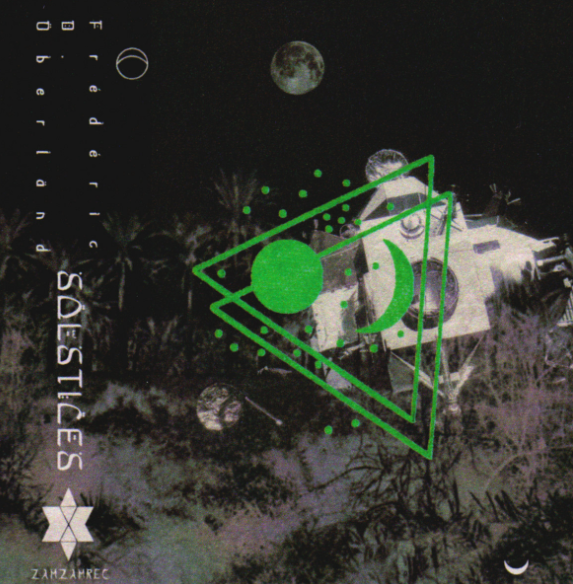
An epic reverberated fusion of recondite apparatus and the mystical, spiritual music of Tunisia, the self-taught multi-instrumentalist Frédéric D. Oberland and his zoukra mizzle playing and ritualistic percussion foil Awlad Fayala, magic up a performative soundtrack of Solstices on this incredibly immersive album.
A journey into the cosmos, the co-funding instigator of such experimental projects as Oiseaux-Tempête, Fourde!, Le Réveil Des Tropiques and Farwell Poetry absorbs the environments, the alarmism of climate change and the spirit of improvisation to create an untethered work of wonderment, woe and mysticism.
The first quartet of atmospheric scores – an avant-garde soundtrack to the Discovery Channel – on this album are taken from a 2021 performance in Paris. Marking the tenth anniversary of Petit Bain, Frédéric chartered a course for space. The theory of alien DNA, organisms and bacteria from other planets and solar systems making its way via comets and meteoroids, unscathed in the depths of space, to land and spread life to another world, aka “panspermia”, is used as a title to the first of these peregrinations. The rumble of thrusters, of rocket fuel gases comes later but first a monologue from the late Cassandra of environmental doom, Stephen Hawking, who offers a cataclysmic assessment of humanity with little glimmer of hope (hey, at least the hole in the Ozone Layer is closing up). This is done to the sound of tingling and shimmery sounds, fizzing valves and a synthesized lunar choral requiem. University Challenged and Tomat spring to mind musically, sonically, on this warning from the genius of propound theories and quantum mechanics.
Those boosters are ignited at the start of ‘À Norte Nuit’ (“to our night”), but evolve into the kosmische feels of Cluster: that or some lost recording from the Sky Records catalogue. Within that rocketed atmosphere a zoukra or something like it can be heard blowing away like Colin Stetson’s saxophone, lingering and circulating in the foggy resonating loops. Moving on, ‘Quatre Épaves d’Acies’ (“four steel works”) sounds like a 80s VHS sci-fi, or horror, score made by Kavinsky and Klaus Schulze. Zodiac in the fourth house of the moon, or whatever, there’s a sense of both mysterious ceremony and heavens-like ascendency.
By the time we reach the more dramatic, electric storm of bounding drums and alien minimalist techno ‘Worst Case Scenario’ the Arabian radio waves of North Africa are growing stronger, caught up in a vacuum of constant building echoes whipped up by Frédéric’s transformed hidden sound sources.
The final movement, ‘Cosmos Bou Dellif’, is taken form another incredible live performance, this time in a Tunisian butcher’s market, part of the Gabè’s Cinema Festival. In contrast to the meat trade, Frédéric and Awlad get swept up into a cyclonic swirl of drones, piped and whistled atavistic Tunisian Hermeticism and machine oscillations. Occasionally it wonders into the veil of Tibetan esotericism, and at others, Walker’s partnership with Sunn O))). It’s almost chaotic, nearly unnerving, yet also strangely mesmerising with its architect entranced as he feeds the live elements in real time into loops and a synthesis of cosmic veneration. It proves a great visceral and universally mysterious way to finish a great sonic project of fusions; an alchemy of earthly propositions and the all-too real omens of destruction seen from the wonderment of space and beyond.
Carmen Jaci ‘Happy Child’
(Noumenal Loom) 30th March 2023
With knowing childlike wonder and curiosity the French-Canadian (based in the Netherlands) composer Carmen Jaci bounces through a soft play crèche portal into a day-glow surrealist rainbow of giddy disjointed harmony. I say harmony, because despite the discombobulated polyphonic orchestrations, the deconstructed zips, zaps and sporadic voices that pop up and the Esperanto era floppy-disc cut-ups of Sakamoto, every one of these experiments is fun, cute and surprisingly melodious.
Instead of friction, abrasion, there’s a softening; a dizzy lightness and sensibility that borders on pop: granted a strange, loose version of it.
A visual feast for the eyes too – a blusher of Kandinsky, Sonia Delaney and Léger pulled into a hyper-vivid geometric fantasy studio of contemporary abstraction -, Carmen has gone for a full immersive experience, taking time to place every acoustic, synthesized and vocal transduced sample in the best place to stimulate a kooky idiosyncratic mix of naïve (I mean in the best possible sense of the word) electronica, art and theatre.
This Happy Child climbs the arpeggiator stairway to slide back down into a bubble bath of illimitable alacrity, serrated rubbed vibes, manipulated assonant and aria-like voices and placeable collage. We’re talking a skipping pleasant feeling of sinfonietta, of Bauhaus ballet and a mix of Trans Zimmer & The DJs, Mira Calix, Der Plan and Coldcut. In one lush-coloured environment Stravinsky’s Rites Of Spring meets Prokfiev atop of a marshmallow beanbag; early Chicago techno bounces along to a saturation of Skittles; and MIDI timpani and harp orchestrate an ornamental garden of 80s Japanese electronic-pop.
A brilliance of candy-electronica and Casio symphonies, Happy Child is a clever work of unburdened, unpretentious, but indeed deliberate and well-crafted, kidulthood. Carmen’s magical, if occasionally straying into the mysterious, new album pings back and forth with humour and, above all else, playfulness. Not for the burgeoning artist (I say burgeoning, Carmen is quite the professional technician with some years of experience: you can even pay for one-on-one tuitions at her own studio) the sour-faced seriousness of many of her peers, this is electronic music with a taste of fantasy and fun recollections of childhood.
Boycalledcrow ‘Nightmare Folk Art’
(Subexotic) 31st March 2023
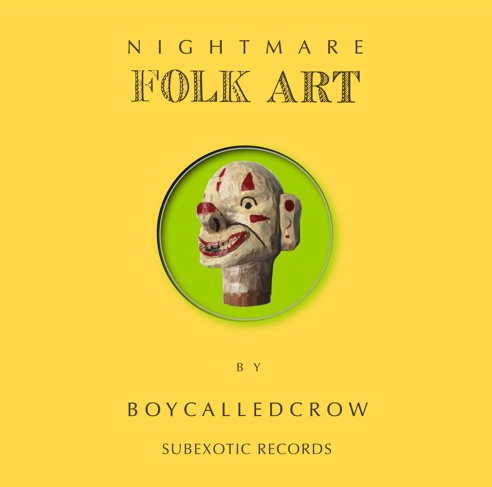
Despite the god awful, ungovernable times we live in, and after absorbing the alternative-future of a San Fran(sicko) class conflict of survival, as laid out in William Gibson’s dystopian sci-fi novel Virtual Light (stolen nanotech glasses ensue a caper of renegades, assassins and corporate foes), the Chester-based sound artist Carl Knott has found some sort of solace in a dreamy escapist vision of the pastoral on his latest album, Nightmare Folk Art. That title suggests some sort of dread, darkness, but in fact this is the sound of Knott’s home and extended county country-walks landscape transduced into a magic-realism and hallucinated version of outsider art and weird folk music.
Unsure in places, mysterious and often spun into a reverberating loop of interlayered nylon-stringed acoustic samples that can confuse, Knott, under yet another successful alias as a Boycalledcrow (previous incarnations include Wonderful Beasts and Spacelab), conjures up the unreal. Again, this is a dream state in which you’re never quite relaxed but never really thrown into a nightmare. There’s even a track named after the family dog (‘Sister Poppy Is A Good Girl’) for heaven’s sake! And talking of heaven, occasionally those various stringed instruments actually take on a harp-like beauty: that or a mandolin, a dulcimer and even the African kora.
Off-kilter in a resonated movement of picked, fanned, spindled guitar loops, metallic and whipped drums, constant echoes and rotor or flickered speed-shifted vapours, a distant essence of folk music can just about be detected. In fact it’s more Fripp and Eno (especially on the sailing ‘Be More Kind, Like Frank’), more Syrinx and Popol Vuh (on the diaphanous, hallowed and melodious ‘Sister Poppy…’) than idyllic or psychedelic folk. There’s a semblance of Cluster for instance on ‘Easy Tiger’, and the growl of a trebly amped-up post-punk bass on the reversed and breathing, Warp drums smacking ‘Beautiful Women’.
Sometimes a synthesis of guitar manipulations turn into something almost indescribable, hard to quantify; into an atmosphere or rhythm that stirs up a strange mood, environment far from the idylls of an English countryside or the abstract portals of family and emotions. From a deconstructive process something strangely weird and yet something that can be very emotive takes shape or merely dissipates into the ether. Boycalledcrow conjures up a phantom dream world in which the acoustic guitar iterations and looped bass-y rhythms of Land Observation are transformed into a mere echo and whisper of that folk seed.
Joel Harrison & Anthony Pirog ‘The Great Mirage’
(AGS Recordings) 17th March 2023
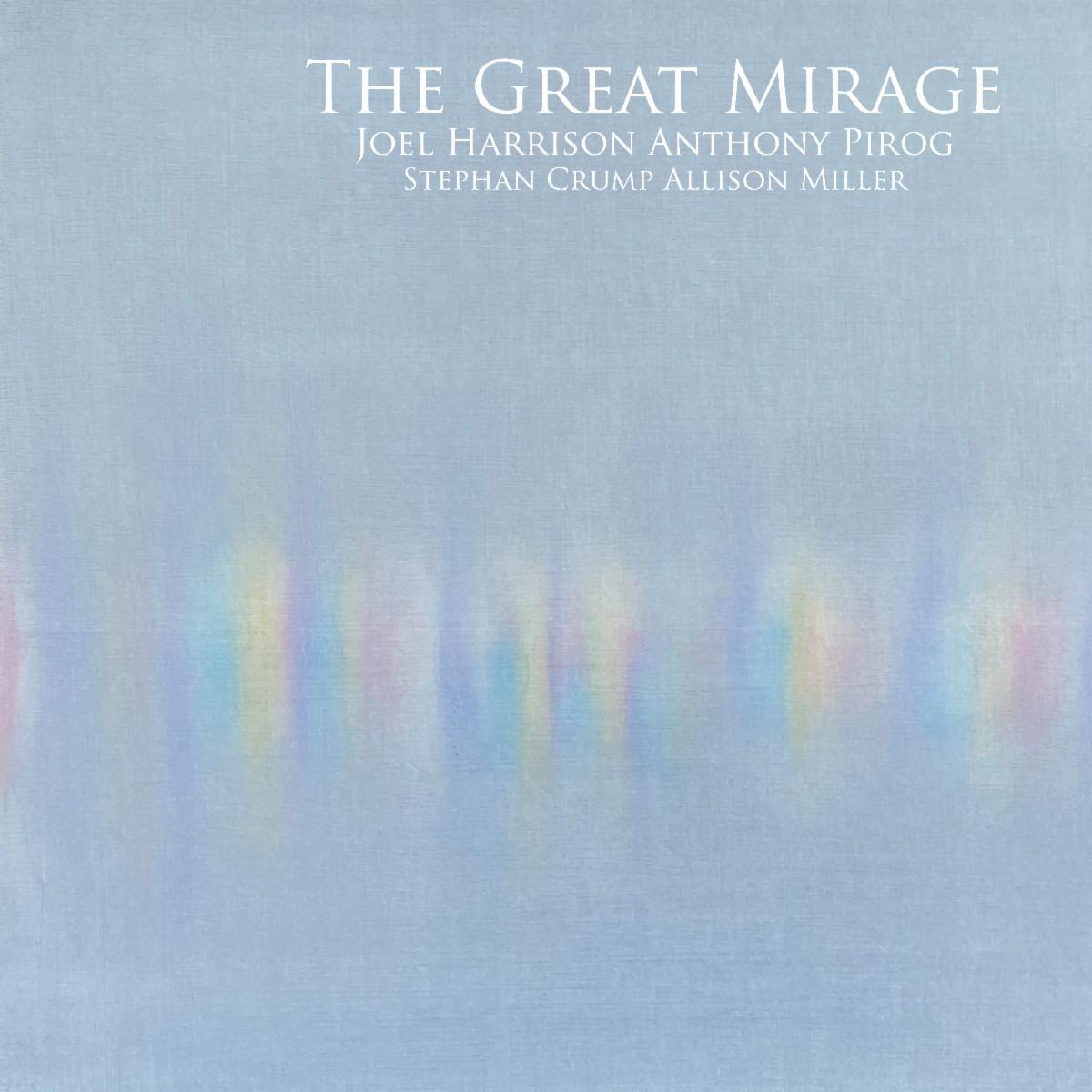
A cross-generational partnership of guitar virtuosos pull together their individual provenance and art for a showcase journey of atmospheric evocations of place and time, on a new musical mirage.
The longer standing senior partner on this enterprise, Joel Harrison, has an enviable CV and catalogue of 22 albums to his name. The Guggenheim fellow and polymath guitar language and technique educator, composer, arranger, lyricist and writer’s music has appeared on film (Southern Comfort and the Oscar-nominated Traffic Stop) and across a myriad of other stages (one such notable commission for Chamber Music America). His previous albums have featured some incredibly talented artists, including such luminaries as Norah jones and the contemporary jazz mover and shaker (and Bowie’s last recording foil) Donny McCaslin.
Harrison’s jazz-trained junior (in age only) partner Anthony Pirog has recorded and played in an eclectic lineup of projects over the years; from his collaboration with his life partner and cellist Janel Leppin to the harder-rocking New Electric quartet.
Both based in the Washington D.C. area, both students of jazz, their shared geography and musical interests crossover into the spheres of rock, country, prog, folk, psych and even, what I would describe as both post-punk and krautrock. This could all be wrapped up as fusion music. Fusion music, that is, with a roaming curiosity to redefine or at least play with stretching the capabilities of the guitar in the 21st century: good luck with that.
Harrison and Pirog are not alone on that venture, bringing in the talents of Stephen Crump on bass and Allison Miller on drums to widen the scope and bolster the sound; to give body, a drive and even groove too: Miller’s drumming skills, it must be said, can be just as free and loose as they can be in smashing, drilling and motoring along the compositions.
Unsurprisingly both highly competent guitarist technicians and creative of their craft are pretty good at conveying the mood, at building, expressing a sense of place whilst at switching on the Steve Vai and Pat Methany blazing fretwork soloing dynamics. On the title-track itself they fuse later 70s King Crimson with a certain aria-bending mystique, hints of that jazz learning and final biting fuzz bedding of Sunn O))). Later on with ‘Mortgage My Soul’ they rev-up that same fuzz and scuzz for a concentration of bashed-out heavy rock.
Easing the pace, compositions like the wistful, plaintive ‘There’s Never Enough Time’ and ‘Desert Solitaire’ take on a country music lilt of waning and bottleneck sliding, whilst the shorter vignette, ‘Last Rose Of Summer’, lingers beautifully in an rustic-acoustic charm of gauzy serenaded country-folk. ‘I’ll See You In The Shinning World’ starts off in a similar mode (reminding me in part of Myles Cochran) but then subtly moves through changes of funk, the jazzy and spacey.
Travelling south musically, ‘Clarksdale’ takes a pinch of Muscle Shoals and the blues to evoke a very American landscape, whilst at the other end of the scale, the no less evocative mood of ‘Critical Conversation’ feels like a tumult, a squirming tension of energetic discourse and guitar effects experimentation – post-punk, post-rock in sound, jazzy in channeling a certain angst.
Anything but a demonstration, this album is an impressive showcase of dexterity and virtuoso skill of composition and expressive playing. The Great Mirage stays constantly interesting as it moves between reflection and displays of whining and squealed guitar frippery. Never indulgent, the focus is always on merging a shared experience in which the guitar (both electric and acoustic) bends, molds and wields to its practitioner’s concept of free-expression. I’d suggest they’ve done quite well in mining their eclectic sources to shape that freedom and pushing of the boundaries in a modern age.
Bhajan Bhoy ‘To Love Is To Love (Volumes 1 & 2)’
(Cardinal Fuzz in the UK/Feeding Tube in the US) Available Now
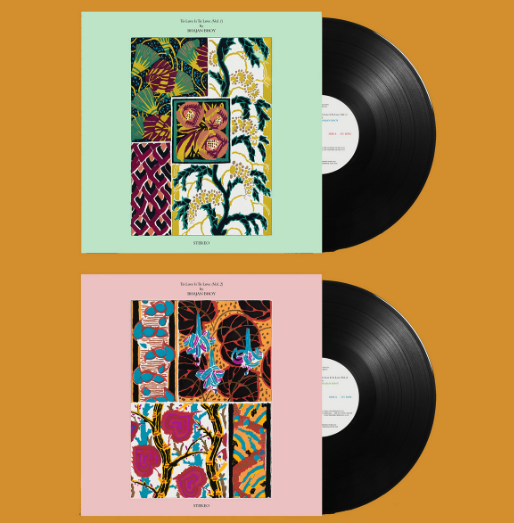
Ajay Saggar once again travels the astral highway and byways as guru Bhajan Bhoy, across two volumes of transcendence, raga mantras and afflatus dreamwave psychedelia.
When not masquerading under the Deutsche Ashram title or acting the part of foil to Oli Hefferman and Kohhei Matsuda in the University Challenged trio, and again with Oli in the long-running King Champion Sounds troupe, Saggar channels his divine styles into this newish incarnation – the debut Bhajan Bhoy album, Bless Bless, was released in 2020.
Three years later, and out the other side of the pandemic, Saggar brings us “love” in abundance with a moiety of albums that channel previous projects: especially the intoxicating club beat, shoegaze, post-punk haze of his Deutsche Ashram duo with the gauzy-hushed Merinde Verbeck. Because sometimes amongst the radio waves of India and the brassy resonance of the sitar there is a hint of a transported and flange fanning Stone Roses, the Cocteau Twins, Jah Wobble and MBV. I’m not sure who accompanies Saggar this time around, but those similar airy vapours f ethereal vocals can e heard suffused across a number of peregrinations that have lyrics; these being utterances, vague chants and the sort of hippie new age speak of the 90s trance and rave scenes.
Volume 1 opens with the Mancunian acid dripped and Indian echoed mizzle of ‘The Guiding Light’; a both kaleidoscopic and druggy vacuum of Ash Ra Tempel, the Moon Duo and 80s neo-pop. ‘On A Higher Plain’, with concertinaed spells and reverberating tremolo twangs, envisions El Topo transported to the Indian subcontinent. ‘Raga Shanti’ as the name makes clear, fulfills the spiritual Eastern quota well with a spectrum of cosmic dialing tones, echoes of Amon Düül II-speaks-to-Yogi and the sound of Shankar. ‘Oh Seeker’ brings back those near-ethereal washy female vocals – reminding me a lot of the female tri-vocal led French psych group Gloria – across synthesized accelerating waves, flange-like guitar and entrancing drones.
Volume 1 ends however on the mystified, dreamy fairytale enveloped ‘Lovely Day For Cricket’. I’m not sure if there’s a hidden meaning – you can never be sure these days when even the most harmless or joyous innocuous activities can enrage or fuel discourse on the British Empire, who of course brought that sport to most of their colonies -, or, if it’s merely a celebration of this sport’s obvious mega popularity, cultural importance – the national game in India (and its neighbours too) more or less. Commentary and the crowd from a match is morphed and sent out gently into a sort of cosmic twilight zone.
Volume 2 follows on with the sequined bejeweled chimes of finger cymbals and bells and the fanned-out and spindled raga and kosmische trance of ‘Hari Om Sharan’ – Popol Vuh and Floyd meet Harrison for a daily devotional. That Popol Vuh sound, unsurprisingly, can be heard on the Aguirre-like Amazonian atmospheric dedication to that group’s cinematic soundtrack patron, Werner Herzog, on ‘Abshaku…The Ecstatic Truth’. The Vuh, in communion with late 70s/early 80s Tangerine Dream and Vangelis, traverse Herzog’s dream-realism and documented travels with vague panpipe blows, drifted Heart of Darkness guitar and the misty veils of Machu Picchu.
‘Accordi-Ohm’ meanwhile, sounds like a dub-y bellowing and concertinaed vision of Augustus Pablo on the trial of the crystal skulls: yeah imagine that! That leaves the finale, ‘Eliane’s Conch’, another of those vaporous dreamy and static-charged dreamwave echoed traverses that reminded, a little, of the Dead Skeletons’ hypnotic mantras.
Overall both albums flow, waft or linger across the cosmic, spiritual pathway of kosmische, krautrock, acid-rock, psych, shoegaze and beyond. The sound of India is taken to various planes within that spectrum, woven into a fabric of cultish, trippy and new age influences. Blessed be the search for love in an increasingly hostile, intense, divisive and mentally draining world; Saggar’s Bhajan Bhoy incarnation certainly has its work cut out. And yet, with his collected ensemble of musical partners, he creates a musical escape route on a purview of enlightenment and even fun transcendental spiritualism.
Healing Force Project ‘Drifted Entities (Vol. 2)’
(Beat Machine Records) 17th March 2023
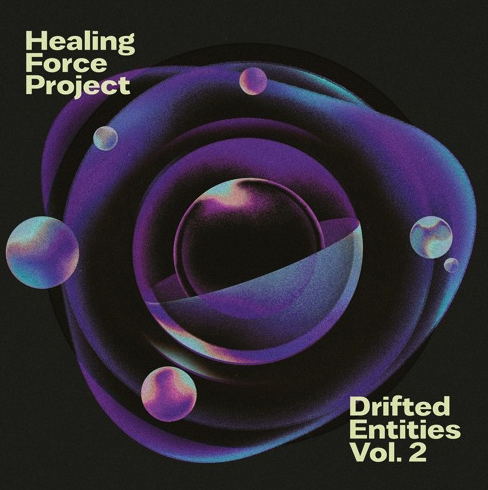
The re-rebirth of cool in an ever-forward momentum of flux, Antonio Marini’s Healing Force Project once more tumbles across a broken-beat, jungle, free-jazz and cosmic spectrum of reverberating exploration and spliced assemblage.
Last year’s first Drifted Entities volume made my choice albums list of 2022 with its echoed washes of On-U Sound and elements of Basic Channel, Plug, Luke Vibert and The Mosquitoes; all bouncing and resonating with the contorted rasps and strains and inspirations of Albert Ayler’s Music Is The Healing Force Of The Universe –the title and source of this sonic untethered beat-sculpted project.
Volume 2 adheres to the same principles but is heavier on the beats and the percussion. Filtering, falling, paddled, sifting and shivered throughout this deconstruction-reconstruction are echoes of Miles Davis’ 80s soundtrack suffused trumpet blows and noirish winds, Jan Hammer and Greg Foat’s organ and synth held chords and bulb-like notes and Billy Cobham’s expletory drum kit. Constantly developing, in motion, each track throws up all manner of shuttled and skimming contortions. Brown Calvin, Thundercat, Roni Size, the Aphex Twin and the worldly musical adventures of Don Cherry simultaneously exist in Marini’s singular and off-kilter rhythmic quadrant of cosmic freefalling and electrified jazz.
A splashy mirage of effected, realigned beats and reframed jazz inspirations sent out into space, Volume 2 in this series continues the ‘spiritual music mission’ but offers something once more eclectic and boundless.
Areia ‘Stories’
Available Now
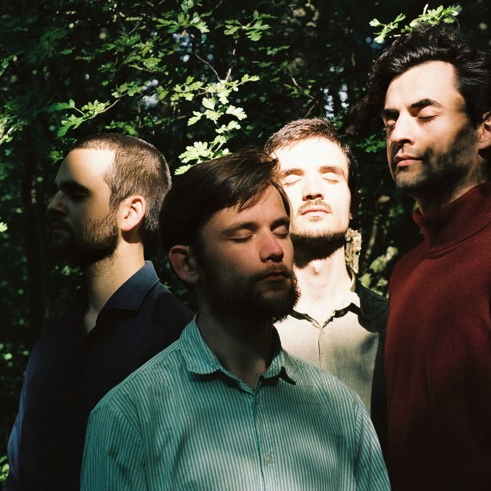
An album of stories imbued by various triplet-like references and cycles, the latest lightly executed work of chamber, neoclassical and explorative jazz from the guitarist and bandleader Siebren Smink is rich with descriptive wistfulness and reflection.
Inspired in part by the cause of the “three Marias”, whose feminist stance in the early 1970s against the fascist Catholic conservatism of António de Oliveira Salazar’s dictatorship in Portugal helped usher in the downfall of that regime, and by the near inscrutable scribed “language music” methods of the free-jazz luminary Anthony Braxton, these two influences converge in a balancing act of quiet thought and more expressive drama, dynamics. And so, rather than create an erratic exploration of Braxton’s cryptic drawings, plans of trills and brills, and the rage of those incensed by Maria Isobel Barreno, Maria Teresa Horta and Maria Velha da Costa’s struggle to fight the oppressive moralistic legal system of authoritarian Portugal, this album of mood suites manages to control those looser free-forming ideas with subtlety and sensitivity.
That Marias story was seen by Smink whilst visiting the Resistance Museum (a former prison for political prisoners) in Lisbon, and struck a chord. This trio’s crime was to publish a collection of unsigned essays, poetry, stories and letters that drew on the letters of a Portuguese Nun in the 17th century, obsessed as she was with a French soldier who abandoned her. The book proved a sensation, falling foul instantly of the regime’s censorship laws, quickly banned and destroyed. The actual court case that ensued – the penalty, imprisonment at the least – ended just as the country’s Carnation Revolution – so called because of the flowers the crowds gave to the soldiers who carried out the coup to replace him – helped topple Salazar’s rule. The penal code was especially discriminating towards women, treating them as second-class citizens, and so the odds of overturning the ban and escaping sentencing didn’t look good. But fortunately as the regime came crashing down, and with support from activists from around the world, the case was thrown out, the ladies collection even declared a work of art of the highest quality by the judge.
Sympathetic to that cause, chiming with the contemporary, Smink and his returning quartet of Adrián Moncada on piano, Antonio Moreno Glazkor on trumpet and Hristo Goleminov on tenor saxophone take musical cues from Pat Metheny and the Jimmy Giuffre 3, but the ACT label too, to produce music that hopefully doesn’t fall on deaf ears. Not that any of this is obvious, nor an on-message sound as such, but it is descriptive and resonates with a language of thoughtful yet roaming and loosened feelings.
Instruments interact or just fly off into opposite, but always congruous, directions of play. Harmonics ping, guitar strings softly accentuate or subtly climb the frets, and the tenor sax blows in both a suffused manner or in quicker circles, whilst the trumpet flits, spirals or holds a particular expressive note. The piano parts seem to drift or linger with a harder, starker prods or in a softened way evokes reminisces, aches and reflections. In parts the action accelerates with dotted notes, a little tension and even tumult: though nothing like a discourse, a cacophony or even crescendo. Sometimes just the mere essence of an instrument is all that’s needed to conjure up the mood, and sometimes just shortened prompts and small bursts of activity will speak volumes.
The Stories album is full of stirring moments and a melodious and not quite so melodious interplay, but also has a spirit of the untethered explorations synonymous with free jazz. Upsides mingle with deep thoughts, a flit of action and dialed down reflected sadness on an album that reveals more with every subsequent listen.
Above all, this album finds Smink and his Areia quartet vehicle on a refined journey of distilled and considered jazz; a balancing act that successfully weaves together freer interactions and the sort of expressive musical language that Antony Braxton would find very encouraging.
Lukas Traxel ‘One-Eyed Daruma’
(We Jazz) Available Now
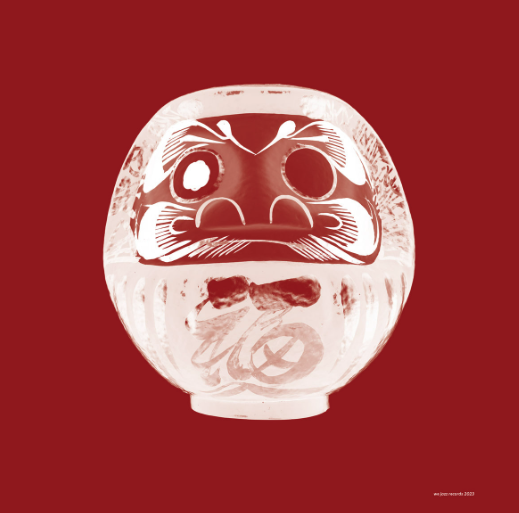
The Swiss double-bassist maestro and composer Lukas Traxel is back with a new trio project prompted by an open invitation from the Moods jazz club in Zurich. With We Jazz label stalwart Otis Sandsjö on tenor saxophone and Moritz Baumgärtner on drums; Traxel creates a mysterious, plaintive, conscious and abstract environment out of avant-garde, free jazz and experimental counterpoints with this new turn. And the influences on this new project include Caroline Shaw, Colin Vallon’s trio, Gabriel Kahane, Sonny Rollins, Jimmy Guiffre and Keith Jarrett, but I’d add Sam Rivers, the late great Pharoah and the contemporary, mirroring Ill Considered trio.
Initially stumped, emotionally coming to terms with the death of his father, Traxel was suddenly freed from the dreaded writer’s block after noticing the mysterious-looking figure of an eyeless “Daruma”, starring out from the corner of his piano. In Japanese lore this harbinger of fate brings luck and prosperity. And as tradition dictates, you must first draw an eye on your daruma whilst making a wish; only adding a second eye if this wish comes true. It remains, for now, the ‘one-eyed daruma’ of the album title.
Conveying that loss and absence, but little bit of hope too, the trio build simmering, rasped and probing atmospheres from which subtle melodious ideas and feelings emerge; breaking out at points into either broken beats, break beats and cymbal splashes – the conscious jazz and elliptical rhythmic ‘The Call’ reminded me a little of Gescom. However, the album opens with the Rollins leads Floydian sizzled and brushed ‘First Times’: a balance of both thinly parched tenor and the wane, whine of hidden rusty metallic or brass instruments, gently prompted by the double-bass. The more chaotic ‘Nasty People’ stumbles and lurches through an Art Ensemble Of Chicago workshop and toy box. I’m not sure of the intention or the theme, but at one point a kid’s police siren whoops amongst the squiggles, shakes and craziness; and as it continues on, it feels like the drums are hitting out at, or being flung at, something/someone: A sort of venting of torque and tensions.
An act of flexing instruments and sounds to quantify expression and mood, Lukas Traxel’s sparsely executed showcases a theme of counterpoint – actions counterpointed by reflections, hinged and resonating, and by more recognizable holds and shortened toots of sax. The performances coalesce different tensions, speeds and articulations in the same track: for example, Baumgärtner’s drums moving at pace and drive whilst Sandsjö’s sax brushes the surface and Traxel’s double-bass plucks out singular notes.
Initially brought about by invitation, I wouldn’t mind hearing more from this successful trio experiment in the future. Their burgeoning debut an essential addition to the We Jazz catalogue and in turn, your record collection.
John Atkinson ‘Energy Fields’
(AKP Recordings) 15th march 2023
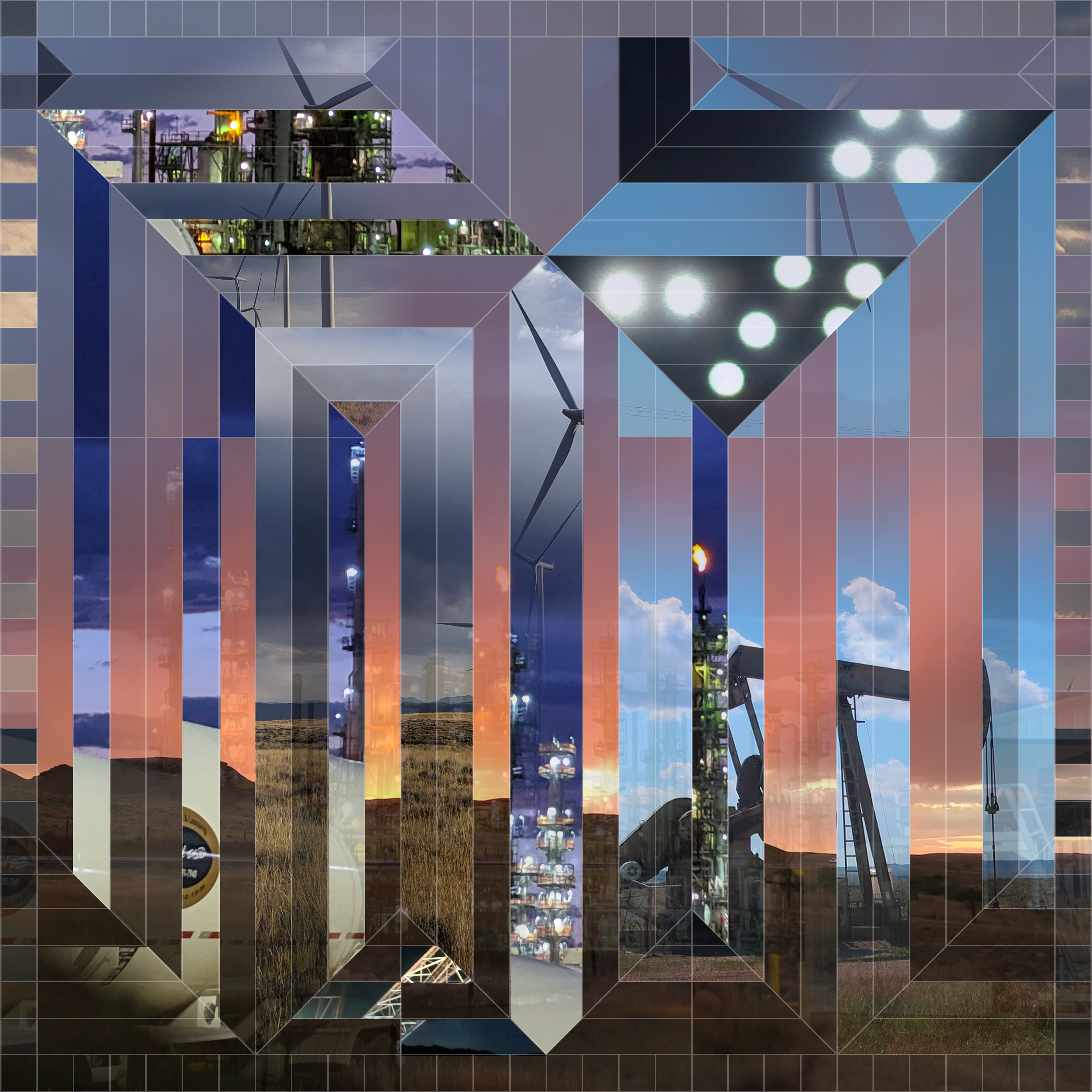
A reification of the hidden energy sources that power industry and the homes of America, John Atkinson’s atmospheric synthesized treatments lend a both morphed factory and more alien sound to both carbon and renewable technology on this new solo work. Uncoupled from his foil Patrick Taylor and their East Portal duo, Atkinson funnels the sounds of his 2019 residency at the Ucross Foundation in Wyoming – the largest coal-producing state in the whole of America, and in recent times the hub of renewable energy and carbon capture – into a conceptual investigation and peregrination of transition. As much in awe as he is anxious about the shifting tides and changes (I’m guessing that transition isn’t fast enough) in that field, this quartet of ambient, electrified soundscapes evoke states of uncertainty and mystery; an otherworldly balance of machinery and a removed, transformed vision of nature living side by side in the shadow of a climate change emergency (depending on who you listen to).
Atkinson has skin in the game so to speak, having spent the last fifteen years writing about this energy shift in terms of policy, tech and economics, as a day job. And so that drive and interest is channeled into a sonic experience of shunting coal trucks, the swing and hinge movements of heavy bucketed tools and cranes, and the rotation of bladed turbines.
A static energy current ripples through a soundtrack of filaments, high-pitched steam and industrial thumps on the opening ‘Spiritual Electricity’ track. A coal-fired plant errs towards a strange stirring of the unfamiliar, recondite, as Atkinson gives sound to such abstract concepts. ‘Black Thunder’ delves into the furnace with what sounds like boxcars unloading their materials and the pressurized whistles of dials and valves. Cleaner, sonorous waves and purrs emerge from out of the industrial activity however, hinting at some kind of submerged mystery, unease.
Across a windy plain from atop of a wind turbine, ‘Casper’ features ambient drifts, glints of the outdoors and a suffusion of twinkles and chimes. A strange nature exists alongside those imposing machines and tech that borders on the supernatural; a snatch of passing traffic perhaps caught in a blowy gloom. The more implicitly entitled ‘World Wind’ features more of those natural elements – the mating call of bison perhaps – running side-by-side with slowly stirring neoclassical gravitas and the churning turns of rotor blades.
Atkinson captures an evocative and interesting enough theme, a necessity to understanding or relating to that which remains disconnected to us; the apparatus, resources that generate our lives at the flip of switch seldom considered. As fossil fuels remain the principle source in a global climate of war, fear and increasing authoritarian, post-pandemic insecurity, Atkinson draws our attention to the burgeoning developments in off-setting that reliance; an abstract propound proposition transduced into a fully immersive site-specific world of industry and field recordings.
Anthéne & Simon McCorry ‘Florescence’
(Oscarson) 31st March 2023

As stirring evocative ambient-neoclassical-kosmische partnerships go, Brad Deschamps – under the Anthéne signature alias – and Simon McCorry seem the perfect match of subtle expressive drone guitar contours and equally descriptive, majestic cello. These two stalwarts of their forms set out to capture the essence of the seasons again; honing in on the first light, slow blossoming of Spring for this, their third such, collaboration – the first to be released on vinyl.
The previous Wallace Stevens, The Snow Man, inspired, poetic Mind Of Winter (which made my choice albums of 2022 list) was a sublime reification of the beauty of a crystalized, snow-dusted soundscape; a gentle yet deeply felt album of Wintery suites. From out of winter’s minimal light, Deschamps and McCorry, with both serenity and a touch of mystery, blend subtle electronics and what sounds like non-musical objects with their chosen stringed instruments; the processes of their atmospheric methodology mirroring Spring’s process of flowering and blooming.
In practice this leads to abstract reflections, thoughts, moods and the near unquantifiable transduced into both scores of hidden and more familiar sounding instrumentation. No one manages to expand the cello quite like McCorry, but that bowed, hollowed resonating cello body often sighs or pines more melodious phrases alongside trembled or droning sustain. Likewise Deschamps both obscures and yet also casts recognizable phrases, lingering tracery and permeating drones.
Nature comes alive as the light begins to play across meadows, versants and an often more mystically veiled landscape in which ripples across a pool of water can musically evoke so much more than a simple observation of the environment: one that’s awakens from a seasonal hibernation. Although the majority of the time we’re in the same musical sonic sphere as Eno (even a touch of his late 70s partnership with Bowie on the mirrored mirage, ‘Reach Towards The Earth’), Andrew Wasylyk and early Ambient Works Richard James ‘Unreflecting Pool’, with its plucked tines, chimes and generally gauzy airy mood, evokes a sort of misty Avalon; the sort of Arthurian waters so beloved of the Pre-Raphaelites (I could be letting my own imagination run away with me here). A both hallowed and moving merger of seasonal changes, suffused with a certain gravitas and meaning, the pastoral is revalued and sent out on a voyage of reflection. Florescence is yet another minimalistic work of sublime quality from a collaboration perfectly in-synch with each other.
Hi, my name is Dominic Valvona and I’m the Founder of the music/culture blog monolithcocktail.com For the last ten years I’ve featured and supported music, musicians and labels we love across genres from around the world that we think you’ll want to know about. No content on the site is paid for or sponsored and we only feature artists we have genuine respect for /love. If you enjoy our reviews (and we often write long, thoughtful ones), found a new artist you admire or if we have featured you or artists you represent and would like to buy us a coffee at https://ko-fi.com/monolithcocktail to say cheers for spreading the word, then that would be much appreciated.
Gillian Stone Reviews A Trio Of Recent Releases.
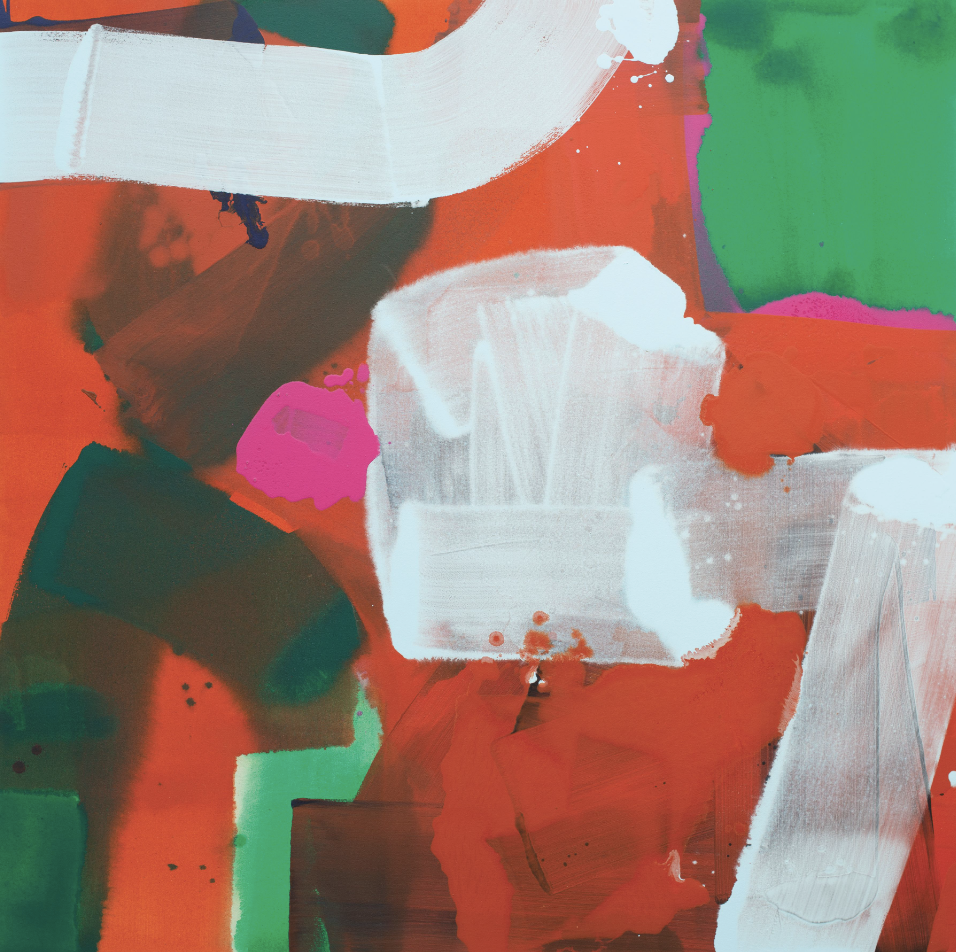
Ruxpin & Stafrænn Hákon ‘Meet Me In Forever’
(Sound In Silence) Available Now

Ruxpin and Stafrænn Hákon’s Meet Me In Forever (Sound In Silence) is imbued with chillness but also encourages bodily movement. This is the first collaborative effort from the Icelandic artists, who have been separately releasing music for over twenty years. Previously creating in somewhat disparate sonic worlds, Ruxpin’s melodic IDM and Stafrænn Hákon’s atmospheric post-rock collide in Meet Me In Forever.
With elements of melancholic nostalgia and an ambient retro-vibe overall, the album is reminiscent of turn of the millennia Boards of Canada with more sophisticated, modern production. This genre blending is clear off the top of the record in the first track “Flawless Delivery” with it’s clear yet warbling post-rock guitar tones, percussive breath sounds, and swirling synths. There are electroacoustic elements throughout the record, such as in the meditative third track, “Odesa”, and in the field recordings that accompany “Offshore” and “Reunited (If It’s What You Want)”. The latter, penultimate track, is perhaps the strongest on the record. Sparse vocals by Olena Simon soar over a Múm-esque soundscape, ending with a field recording of barking dogs and human laughter.
Overall, Meet Me In Forever retains a special quality of being a record you could both sleep to and dance to simultaneously.
Anemic Cinema ‘Iconoclasts’
(Ramble Records) Available Now
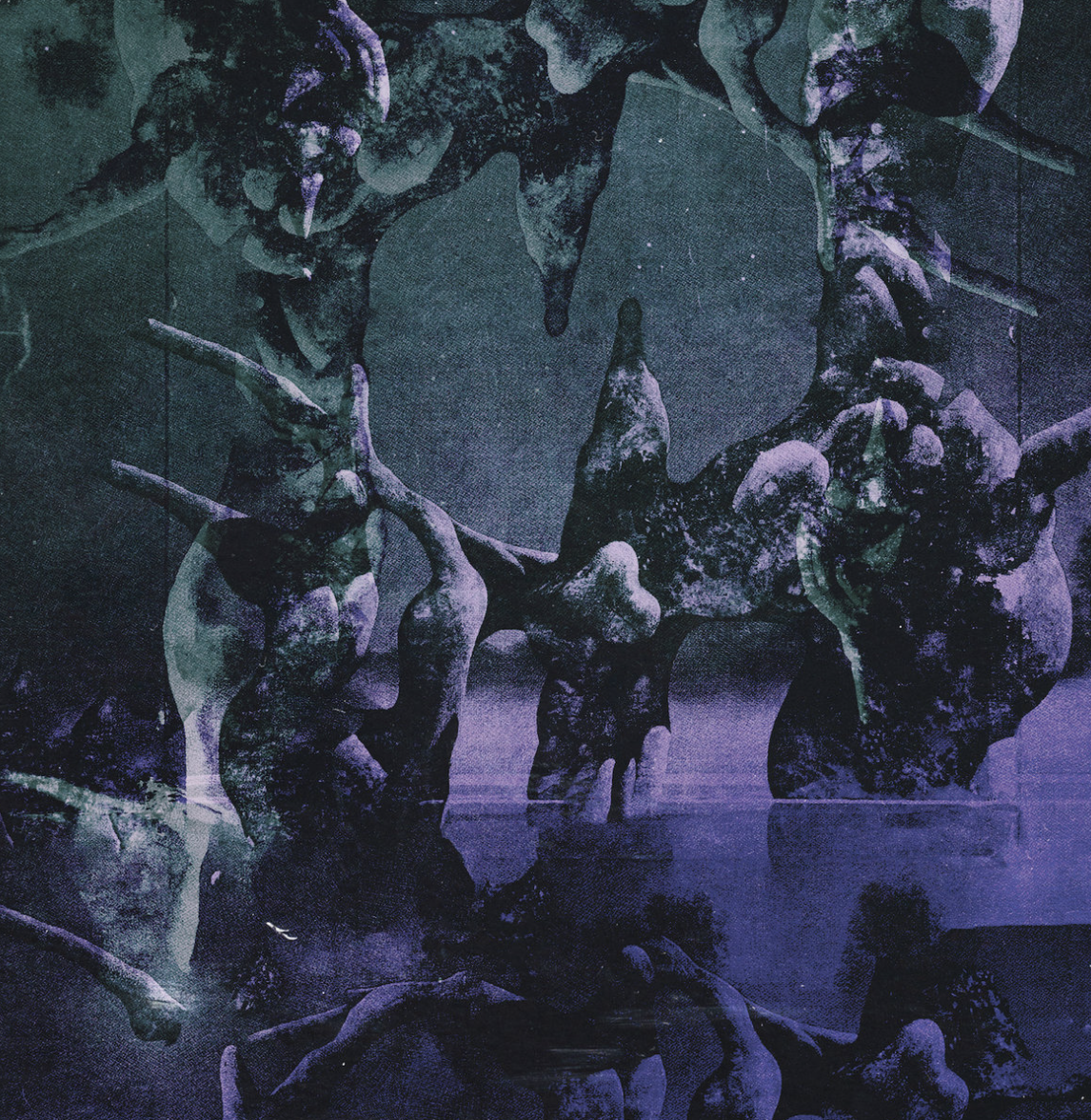
Iconoclasts, released via the independent Melbourne-based label Ramble Records, is “Avant-jazz-metal collective” Anemic Cinema’s newest offering. Undoubtedly a jazz record at its core, the album from the Belgium-based group is also so much more. Opening with the considerable energy of “Oneirophrenia” (meaning: state caused by sensory deprivation, sleep deprivation, or drugs that is hallucinatory and dream-like), the song introduces a heaviness along with alluding to influences from Zappa and Ornette Coleman. “Iconoclasts, Pt 1”, “Iconoclasts, Pt 2”, and “Iconoclasts, Pt 3”, three movements with a nod to prog in their naming convention, then take the listener on a vast and stunning timbral journey.
The intro of “Pt 1” hails to classical Modernism, while composer Artan Buleshkaj enhances the space with beautiful, reverb-y suss chords on baritone guitar. Things get far more metal in “Pt 2”, with the juxtaposition of horns and distorted guitar enhancing the angular aesthetic of the movement. It ends with Steven Delannoye’s solo bass-clarinet, which then evolves into a tritone driven bass clarinet riff that grounds “Iconoclasts, Pt 3”. For “Business in the Front, Party in the Back”, Delannoye’s tenor sax and Rob Banken’s alto sax trade solos over Buleshkaj’s fuzzed-out guitar. Halfway through, the track completely changes speed into more traditional jazz guitar, with the hollow body sound of Jim Hall, before the fuzzed-out guitar comes back in for a modified head that takes out the tune.
The album then moves into a fucked up little interlude, “In Sillico”, with wild, sliding guitar and fantastic drum work by Matthias de Waele. “Tessellate” trades a headbanger feel with total chaos, while “108” takes out the record with the softened timbres of acoustic steel sting guitar and soloing clarinet.
Iconoclasts is a singular experimental triumph that takes the listener on an epically diverse sonic journey.
Philip Selway ‘Strange Dance’
(Bella Union) Available Now
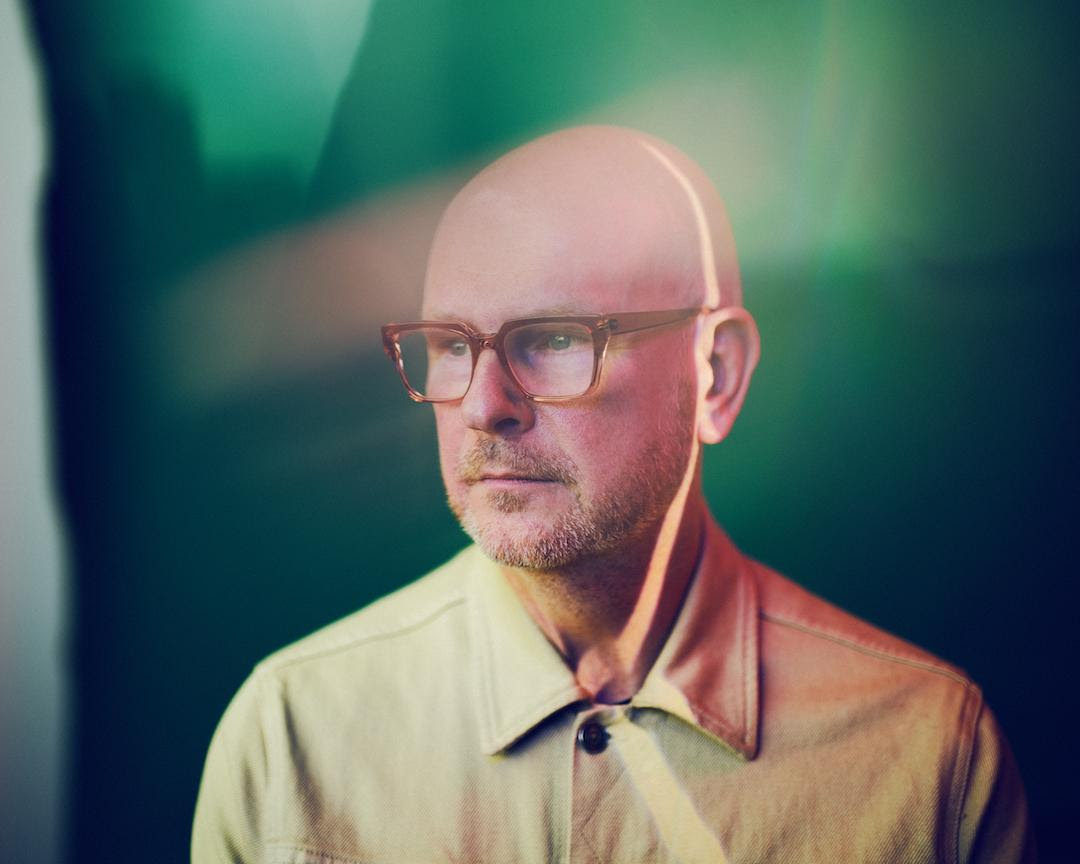
At the heart of Philip Selway’s Strange Dance, his third solo album released via Bella Union, is the orchestral piano ballad. It’s how the album begins (“Little Things”) and ends (“There’ll Be Better Days”), and where it returns to throughout (“The Other Side”, “The Heart Of It All”). Yet in between, there is also so much else going on.
Lyrically, the album is profoundly sad, but ends with the trepidatious hope of “There’ll Be Better Days”. There are tidbits of Radiohead’s influence – the occasional Thom Yorke chord progression and Jonny Greenwood string arrangement – but otherwise it stands apart.
Between Marta Salogni’s production and Selway’s vocals, the lush sonic environment is reminiscent of Peter Gabriel in his prime. And Strange Dance does stray from the piano ballad: “Picking Up Pieces” with its driving, 90s feel and “Make It Go Away” with its acoustic guitar and percussion that could be from a 80s Paul Simon record.
Favorites on the album include “What Keeps You Awake At Night”, which includes beautiful Steve Reich-esque glockenspiel, the unorthodox percussion timbres and high, sustained strings of title track “Strange Dance”, and “Salt Air” with its droning synth, distorted vocals, and sparsely swooping orchestral parts.
Throughout the record are the incredible percussion parts of Valentina Magaletti, who played in lieu of Selway as the Radiohead drummer felt he was “not in the right mindset” to contribute drums.
Strange Dance is a thing of luxuriant, sorrowful beauty that further establishes Selway as composer in his own right.
Joining the team earlier this year, Gillian Stone is a multi-instrumentalist and interdisciplinary artist originally from the Pacific Northwest and based in Toronto, Canada. Through her eponymous vocally-driven post-rock/drone folk solo project, she has released two singles, “Bridges” and “Shelf”, and her debut EP, Spirit Photographs. Stone holds a BFA in Jazz Studies from Vancouver Island University and an MA in Ethnomusicology from the University of Toronto. Drawing from her eclectic taste, she has worked with Michael Peter Olsen (Zoon, The Hidden Cameras), Timothy Condon and Brad Davis (Fresh Snow, Picastro), The Fern Tips (Beams) Völur (Blood Ceremony), NEXUS (Steve Reich), and visual artist Althea Thauberger.
The Monolith Cocktail Social Playlist #74: Yoko Ono, Wayne Shorter, Trupa Trupa, Blue Lake…
March 14, 2023
Anniversary Albums And Deaths Marked Alongside An Eclectic Mix Of Cross-Generational Music, Newish Tunes And A Few Surprises. Dominic Valvona.

Just give me two hours of your precious time to expose you to some of the most magical, incredible, eclectic, and freakish music that’s somehow been missed, or not even picked up on the radar. For the Social is my uninterrupted radio show flow of carefully curated music; marking anniversary albums and, sadly, deaths, but also sharing my own favourite discoveries over the decades and a number of new(ish) tracks missed or left out of the blog’s Monthly playlists.
The grand dame of high and conceptual arts, Fluxus major, and formidable musician Yoko Ono recently celebrated her 90th birthday. Incredible. And still in fine fettle after nine decades of groundbreaking work. A smattering of choice songs from the back catalogue waits.
As is customary each month, I also mark a number of choice anniversary celebrating albums. 50 in March, there’s tracks from the Faces Ooh La La, T-Rex’s Tanx, Roxy Music’s For Your Pleasure, the Mahavishnu Orchestra’s Birds Of Fire and Cymande’s Second Time Round. There are also a couple of hip-hop specials, with 30th selections from Ice-T’s Home Invasion and Lords Of The Underground’s Here Come The Lords. A mere fledgling in comparison, I also selected a tune from Crime And The City’s 2013 rebirth, American Twilight – in my opinion one of their best.
As ever I also pay a small tribute to those we’ve lost on the way, with nods to both De La Soul’s Trugoy the Dove/Plug 2 (nee David Jolicoeur), and the jazz doyen Wayne Shorter.
Spread out amongst that lot is newish music from Trupa Trupa, Lee Paradise, Florence Adooni, The Church, Elaine Howley, Misha Panfilov, Hinako Omori and Blue Lake. I’m currently in the middle of an escapist binge, soaking up episodes of Miami Vice, and so couldn’t resist adding a more obscure soundtrack from the series: Executive Slack’s ‘Our Lady’.
38 tracks in all; the alternative soundtrack to your week, or weekend. The alternative radio show, devoid of the chatter, the sycophantic and the bores.
___Track List___
Yoko Ono ‘Hirake’
Trupa Trupa ‘OPÓR’
Executive Slacks ‘Our Lady’
Lee Paradise ‘Timeless’
Wayne Shorter ‘Angola’
R.A.P. Ferreira ‘Fighting Back’
De La Soul ‘Plug Tunin’’
Florence Adooni ‘Yinne’
Wayne Shorter ‘Joy Ryder’
Faces ‘My Fault’
Yoko Ono ‘Approximately Infinite Universe’
Crime And The City Solution ‘My Love Takes Me There’
The Church ‘No Other You’
Lords Of The Underground ‘Flow On (New Symphony)’
De La Soul ‘Oodles Of O’s’
T-Rex ‘Mister Mister’
Roxy Music ‘Beauty Queen’
Yoko Ono & Automatique ‘Coffin Car’
Yoko Ono ‘Growing Pain’
Elaine Howley ‘Silent Talk’
Floating World Pictures ‘Til Dusk, At Devran’
Wayne Shorter ‘The Soothsayer’
De La Soul ‘Pass The Plugs’
Wayne Shorter ‘Montezuma’
Nacho Mendez ‘Levais Mi Amor’
Paul Fishman ‘Paradise’
Misha Panfilov ‘At The Helm’
Hinako Omori ‘Snow’
Wayne Shorter ‘Harry’s Last Stand’
Mahavishnu Orchestra ‘Celestial Terrestrial Commuters’
De La Soul ‘Tread Water’
Missus Beastly ‘Decision’
Horse Lords ‘Rundling’
Yoko Ono ‘Greenfield Morning I Pushed An Empty Baby Carriage All Over The City’
Cymande ‘Anthracite’
Blue Lake ‘Shoots’
Yoko Ono ‘It’s Time For Action!’
Ice-T ‘G Style’
A March Digest: Lonnie Liston Smith, Saba Alizadeh, Crime And The City Solution, Faust Tapes, Brian Bordello…
March 9, 2023
New Music on our radar, news and archive spots
Dominic Valvona

A new thread, feed for 2023, the Digest pulls together tracks, videos and snippets of new music plus significant archival material and anniversary celebrating albums or artists. The March edition features new sounds from Lonnie Liston Smith, Saba Alizadeh, Benedict Benjamin, Sebastian Reynolds, Brian Bordello,…plus from the Archives, a tenth anniversary piece on Crime And The City Solution’s 2013 rebirth ‘American Twilight’, and 50th anniversary piece on the Faust Tapes.
NEW MUSIC IN BRIEF
Lonnie Liston Smith ‘Cosmic Change’
(Jazz Is Dead)
Smooth soulful vibes, bulb-like notes and cosmic fanning rays from the great jazz-funk doyen Lonnie Liston Smith, who is set to release his first album in 25 years! Thanks to the overseeing facilitators of the enriching Jazz Is Dead label project, Adrian Younge and Ali Shaheed Muhammad have coaxed the legendary artist, ensemble bandleader and sideman for such impressive luminaries as Miles Davis, Pharoah Sanders, Gato Barbieri and Leon Thomas, back into the studio; just one of many great names from the spiritual, conscious and funky-jazz rolls of inspiring talents.
Co-composing and collaborating with their chagrin Younge and Muhammad both work in the old magic with a sense of the new and forward; paying homage yet creating something new, performing the very kinds of influential music that had an impact on those who came later, namely the hip-hop fraternity (Jazzmatazz era Guru and the Digable Planets being just two such notable collaborators and acolytes).
I can’t wait to get a hold of the full deal.
Lonnie Liston Smith JID017 is due out on the 28th April 2023.
Saba Alizadeh ‘Nafir (Clamour)’
(30M Records)
A very special, politically important vivid visual and musical statement from the evocative Iranian artist-composer and reputable virtuoso kamancheh (Iranian spike fiddle) player, Saba Alizadeh, ‘Nafir’ (or “Clamour”) is a metaphorical, symbolic encapsulation on life during the recent uprisings. Set in motion after the callous killing of Mahsa Amini and the strict authoritarian imposition of Islamic law and the violation of women’s right, last year’s protests in Iran were brutally crushed – with a number of executions carried out on the most tenuous of charges. And, if it couldn’t get much worse, there’s been an escalation of mass poisonings in girl’s schools throughout the country. The war in Ukraine, a continued war of words with the West over Iran’s nuclear capabilities and the growing pains of the economy have done all they can to bury the attention, brave opposition and movement for change since the initial spark in July of 2022.
As a reminder to the pain and suffering of that movement, Alizadeh has released this touching and moving video and electroacoustic suite. You can read his statement and press blurb below, which explains the thinking, process behind this incredible track.
“Nafir” is the sound of a million outcries channeled through the ancient string instrument Kamancheh” says composer and musician Saba Alizadeh about his latest single. “It’s the voice of the shed tears and blood”.
His instrument, the Kamancheh is said to be resemble the spectrum of the human voice, and it’s why he used it prominently in this piece as a metaphor for singing, for the gathered voices and cries of the oppressed, fighting against the darkness, the oppressor, here represented by the rhythm section.
Alizadeh explains: “This section is based on the rhythms of T’azie (traditional religious mourning ceremonies during shia commemoration Ashura) but at the same time resembles the sound of explosions (the sound that became the soundtrack of our lives in Iran for the past 5 months) and a respirator machine. It is at the same time a spray paint can that is writing slogans on walls or wiping them out.
At some point in the piece the rhythm section crescendos and tries to distort and destroy the kamancheh melody but it is not able to.”
In the video which is masterfully implemented by visual artist Siavash Naghshbandi, the voice of the Kamancheh and the beam of light interact with each other: the louder the voice of the kamancheh gets the brighter the beam becomes. It battles with the rhythm section and a metaphoric swarm of Kalashnikov bullets (as a universal sign of oppression). The finale gives hope: the cry of the Kamancheh and the warm bright light succeed defeating the bullets, the darkness and oppression.
Benedict Benjamin ‘Furlough Blues’
I’m not sure I could put it better, but the high anxiety of the Covid era is as Benedict Benjamin (formerly of The Mariner’s Children and Peggy Sue) puts it, channeled through a merger of the Byrds, Electrelane and DJ Shadow. Folk bluesy pop meets the psychedelic the roll of breakbeats and even an echo of jazz on a pandemic journal that’s almost wistfully disarming in its vocal delivery.
Featured a while back in Brian Bordello’s column (and making last month’s choice music playlist), Benjamin has now painstakingly produced a video for the song, the first in a series of such visual storytelling accompaniments to songs taken from the upcoming Tunnel album (released in June). A mix of collage and stop motion, the Furlough Blues video is a visual metaphorical feast of rocketed lighthouses and “evil catholic altars” that blast off towards the moon and fly across various digests, magazine backgrounds, beaming out their light.
Since that video’s official drop last week, Benjamin has released another single ‘White Noise’, which moves the music into another psychedelic folksy indie direction: “Elliott Smith crossed with Serge Gainsbourg” as Benjamin puts it. Have a listen here:
Abel Ray Remixes Sebastian Reynolds ‘Cheptegei’
A simmered techno reverberated dance vision of polymath composer and long-distance runner Sebastian Reynolds’ most recent athletics-euphoric and travailed inspired ‘Cheptegei‘ by Abel Rey, has just been dropped on Youtube. Feel the itching electronic vibes as Rey builds up a sophisticated remix of the homage to the 5000M Ugandan superstar Joshua Kiprui Cheptegei. The original version appeared on Seb’s Athletics EP last May, but there’s news of a new album, Canary, being released this summer.
Lunar Bird ‘Creatures’
I just have room to mention the latest diaphanous dream-pop single and video from those heavenly creatures Lunar Bird. Beach House with a taste of Italy and Cardiff, the brilliant, beautifully captivating group, swayed and floated along by Roberta Musillami‘s charming lush vocals, have been a mainstay of the Monolith Cocktail for a few years now. Once more they beguile and charm, even with the most plaintive and yearning of themes, on this infectiously spellbound new song. You don’t need much more than that…just give it your time and embrace the Lunar Birds magic.
NEW MUSIC/LONGER READ HIGHLIGHT
Brian Bordello ‘Songs For Cilla To Sing’
(Think Like A Key Music)

It is telling that Brian Bordello uses the title of a famous and lauded book/movie that depicts the desperation of a diorama of washed-up, failed characters willing to die in the course of winning a dance marathon, and so gaining the attentions of those who might save them from a life of pure poverty (and worst of all, obscurity and irrelevance) in America’s great depression. Horace McCoy ‘They Shoot Horses Don’t They’ melodrama, later turned into a film by Sidney Pollock almost forty years later in 1969, reflects the Shea Family patriarch and instigator of the Bordellos and soloist’s own, against all odds, desperations to get noticed; leading to one of the great “what ifs” in rock ‘n’ roll’s annals.
As ridiculous as it may seem on the surface, the lower than lo fi (making Sparklehorse sound like a flash git bombastic ELO in comparison), nee no fi King of the well-worn Tascam four-track and St. Helens idiosyncratic Les Miserable, was only one person away on the Venn diagram of Cilla Black’s orbit. His potential songbook of flange-y distorted (more through low grade recording techniques) and curmudgeon demos did make its way to the, then retired from singing, Liverpool songbird – in the three or four decades before her death more the star of TV presenting and hosting than performer.
We don’t know what the late Cilla made of it; the 80s Merseyside via Manc diy, C86 and Jason Pierce-echoed hushed unrequited and lovesick pop musings of Brian, recorded on the most basic of bog-standard equipment.
And yet, the aphorism, puns, and “desperation” prove melodically heart aching, touching and, above all, truthful. Use your imagination. Replace that guitar with a conducted orchestra, a touch of Abbey Road professionalism, and you can easily hear the one-time hatcheck girl personality turn songstress belt out some of these lamentable odes. Especially such fair as the shabby rain-washed ‘Betrayal’ and the vibraphone-like chimed ‘Impossible’. Saying that, the creepier, wallowed and spanked ‘Not Such A Bad Girl’ could easily be a nun-habit frocked Marianne Faithful number, and the lo fi breezy, almost continental bastardised, Paris meets Entertaining Mr. Sloan, ‘Handsome Jacques’ isn’t a million miles away from any Gauloise-fawned chanteuses of the 60s Belle Époque era.
Of course for me, as Brian’s editor at the Monolith Cocktail (our Brian has now been furnishing us with his reviews for the last four years or more) but also as a fan and obvious insider, I know and hear his passion for the spirit of a purer, more personality driven rock ‘n’ roll, and for the pop symphonies, ballads of such starlets and characters as Cilla and her generation. A nostalgia perhaps for simpler times, but also for a time when there was such a thing as the working classes getting on in the music and arts industries. That despite living it rough with a bog in the brick outhouse, no central heating and the fact you had to entertain yourself in those days, the greatest changes, such icons could reign.
And so this songbook is as much about the past as it is in catapulting another working class talent onto a bigger stage: hopefully through such patronesses as Cilla. That wasn’t to be of course, and so Brian continues to drag his arse up the coalface of obscurity each week. Saying that, as part of the American label Think Like A Key Music’s diy series, this album has had a small flourish of popularity, even making some lo fi amazon chart the other week. For a Collection of Cilla demos – some since released and transformed on other Bordellos releases – lost down the back of a proverbial sofa, it’s done quite well. If imagining Brian Epstein inviting Ian McCulloch to front The Tremolos, or The Red Crayola, Spaceman 3 and a budget Inspiral Carpets time-travelled back to 1962 sounds like one incredible proposition, then this songbook is for you. Unguarded, heart-on-the-sleeve honesty, pity and yet always with a wry sense of humour, Brian has conjured up a brilliant album: possibly despite himself. A national destitution, his name should join the pantheon of such notable mavericks as Stevie R. Moore, Roky Erickson and Saint Julian of Cope.
ARCHIVES/ANNIVERSARY
Crime And The City Solution ‘American Twilght’
(Mute Records) 2013

The second/third/fourth rebirth, incarnation of the iconic cult Crime And The City Solution was launched in 2013 with, perhaps, one of the ensemble’s best albums yet: American Twilight. Ten years on and my original review, written for the Welsh-international indie webzine God Is In The TV, still stands.
Re-born, so to speak, after a twenty-year hiatus, the poetically forlorn Antipodes Crime & The City Solution have returned to document the miasma landscape of our troubled times.
Breathing in the toxic fumes of mass-unemployment, foreclosures and desperation, their re-location to what was once the industrial hub of America, Detroit, seems entirely apt. Home to the furious garage rock and political spit of the MC5 and Stooges (to name just two big guns from the motor city’s heritage) Detroit imbues its latest émigrés with a wealth of material to chew on.
The four horseman of impending doom have tested the waters lately, their scout parties observed on the horizon by the band, who announce to anyone that listens: “Here comes the rain!” Though there is, thankfully, always a chance of redemption: “We must not let the doomsayers and the naysayers cause us to lose our faith. Because without love and without hope there can be no future.”
Morosely inquisitive, our ‘shined-on’ vessels wrestle with compassionate displays of belief and optimism in a very bleak world. Hardly strangers to the darker and seedier side of the boardwalk, the group’s numerous twists and turns since their birth in the late 70s, has seen them burn up the punk/post-punk scenes of Sydney and Melbourne; relocate to London at the invitation of Bad Seed, Mick Harvey; and end-up gaunt and morbid, residing in Wim Wender’s black and white ‘Wings Of Desire’ Berlin: their most productive but fabled swan song.
At one time or another their ranks have included members from The Birthday Party, Nick Cave & The Bad Seeds, Einstürzende Neubauten and DAF. Now in the lord’s year of 2013, core founder Simon Bonney and ‘Ich bin ein Berliner’s’ Alexander Hacke and Bronwyn Adams are joined in their quest by visual artists Danielle de Picciotto, drummer Jim White (Dirty Three, Cat Power), guitarist David Eugene Edwards (16 Horsepower, Wovenhand), bassist Troy Gregory (Witches) and Moog, keyboard operator Matthew Smith (Outrageous Cherry, Volebeats).
Mob-handed their wide-screen panoramic sound seems more spiritual and relenting, though still informed by that Gothic, almost Lynchian, twang: amplified through the country blues and Americana that’s absorbed by the group on this American Twilight odyssey.
Released as a teaser a few months back, the beatific, choral backed, ‘My Love Takes Me There’ exudes a haloed magnificence, yet equally darkened with distorted guitars and plaintive vocals that hail back to the bands earlier brooding soliloquies. A mature romantic nature is also found on the leading single, ‘Goddess’, an Apache toms-beaten power paean to a mythologized beauty: perhaps the bands most commercial anthem yet, though still permeated by those esoteric layers of lapsed Catholicism and scuzzy strident rock.
Meanwhile ‘The Colonel (Doesn’t Call Anymore)’ is a chilled reading from the scriptures, complete with a teetering Tower of Babel and ravaged roaming wolves, Bonny comes on like a mix of Scott Walker and a jaded Bob Dylan. And the ‘Domina’ is a gospel swaying, minor lament, heavenly remorseful and waning.
Looking for inspiration, whether it’s in the atavistic spiritualism of ghosts of the desert or in the sepulchre of organised religion, Bonney and his pilgrims move towards the light on their expansive return to form.
Faust ‘Faust Tapes’
(Virgin) 1973

50 this year, the second Faust album release of 1973 was a publicity stunt of subterfuge on the general public. With a ridiculously silly throw-away price tag, the Virgin label had a massive loss-making exercise in stupidity on their hands with the launch of their German malcontent signings. Now iconic, a cultish collage of propagandist machine music, industrial snores, the avant-garde, and krautrock break-outs of performed scraps, the Faust Tape may have sold over 50,000 copies in the scramble for a good deal, but it did little to help the fortunes of the band. Here then is my original lengthy essay on that story and album, taken from my night 20 year-old kruatrock odyssey series.
Virgin records began life in 1972, the brainchild of Richard Branson, Nik Powell and Simon Dapper, the story of which began with a shop in Notting Hill gate and a backroom mail order business known as Virgin Records and Tapes. The company name reflected their in-experience and self-confessed, but enthusiastic, naivety towards business. Starting out at first to sell other labels material and to unearth those hard to get underground releases, these three rather green long-haired upstarts, quickly transgressed to setting up a label of their own within a year of starting. Specialising in import records, Virgin relied upon a dedicated customer base of like-minded heads, who would inform them of what was currently worth checking out. This included turning the trio of entrepreneurs onto the burgeoning Krautrock scene of the late 60’s and early 70’s.
Requests began to roll in for obscure German bands, so many in fact, that Drapper contacted the infamous Ohr label, putting in an order for the more hip-happening groups of the moment. Soon a rich bundle of over thirty titles arrived on Drapper’s desk, comprising mostly of ‘Utter rubbish’ – Drapper’s words – and a few highlights, such as Tangerine Dream and Faust. But by this time, Virgin had already made an early play for the proto-spiritual ambient pioneer Mike Oldfield, whose Tubular Bells opus would become the first official release on the label. Overtures then, were made to both the Tangerine Dream and Faust, who it seemed were just about to drop ship from their current paymasters Polydor.
Uwe Nettlebeck and his band of crazed, freewheeling insurgents had finally over-stayed their welcome with that major label, testing the patience of the boardroom just a little too far. Faust’s last album, So Far, failed to toe the party line as more commercially viable big-seller. Continuing instead to follow there own agenda, the band hurried along an uncompromising avant-garde pathway of revolutionary deconstructive music. A move that drew much celebrated reactionary pats on the back, but did little to shift copies of their albums. Cast adrift, Faust now welcomed the attention of Virgin, deciding to sign a deal, though Uwe had no intention of making life easy for them, insisting that the first release must be sold for free to the public.
Uwe then handed over a collection of cutting room floor ideas and musical experiment excerpts, left over from the previous album recording sessions, giving the content away to Virgin for a nominal fee: zero in other words. This set of 26 unique snippets, sound collages and cutaways, would be bundled together and be titled “The Faust Tapes”, and end up being priced at the reduced token rate of 49p – at the time the price of a single – to cover expenses. Virgin to this day insists they never lost any money on the deal.
From the mere glancing explorations in piano, drums and voices to encouraging moments of startling produced promising songs, chaos reigns down, with pitched intergalactic warfare breaking out amongst the spillage from some industrial accident, to make this bundle of tracks far from boring or uninspired. God only knows what the public would make of this LP, with its Bridget Riley Op-Art black and white cover and reputation scaremongering press clippings on the back, to the missing track list and controversial price tag.
Well, the first week of release alone they shifted 50,000 copies, doubling sales not soon after and putting the band in the charts – for the first and only time – at number 12, though they would be removed on the grounds of the cover price. The heads and public seemed to go into a sort of feeding frenzy, buying into this relatively unheard of act from the fatherland, as if it was a competition. A large number of people hated the record, once they actually got it home, and as a consequence the follow up record, released at the end of the year, Faust IV, sold quite poorly in comparison. Branson, carried away in the initial overnight success, was convinced that they’d created a new ingenuous business model with which to break new bands – he would quite quickly rethink that strategy.
The Faust Tapes were an enigma, with small mystifying scraps of info and those untitled vignettes; the album became something of a cult. John Peel added to the aloof campaign that went with the record, by announcing a list of mock titles for the as yet unnamed tracks, stirring up the listeners in anticipation to quickly grab a pen as he would only read them out once. As it turned out, old Peely was in on the act, swindling many fans including Julian Cope with a disdained gesture of ridicule.
Virgin decided to back up the over-whelming success of the 1973 album by bringing the guys over for their first ever UK tour.
Fair enough you might think, only Uwe and co. had other plans; like throwing some turbulent spanners into the faces of the label.
The band’s Hans-Joachim Irmler and Rudolf Sosna refused point blank to embark on the tour, unless a ridiculous advance sum of £500,000 was paid – half exuberant and half antagonistic, fully encouraged by Uwe. A now apparent rift formed within the ranks, leading to Werner Diermaier, Jean- Hearvé Péron and Gunter Wüsthoff and a hastily recruited Peter Blegvad of Slapp Happy infamy, to fulfil the live dates. In true rebellious style, Uwe conceived a sort of auto-destructive performance with pneumatic drills, TVs and a cement mixer acting as props, waiting to be interacted with or smashed to smithereens: If anyone in the band got bored by all this reactionary antagonism, they could take a rest and play on the handy pinball machine, which would also deck the stage. All of this was of course meant to test the audience’s patience, on top of the proceeding ear splitting, innards dislodging hailstorm of sound that would leave them feeling sick.
Borrowing a PA from none other then the world’s one time loudest band The Who, Faust upped the ante and went one louder, channelling the most insane industrial gut wrenching music through their engineer, Kurt Graupner’s satanic black box of tricks, whilst chewing up the stage with the many building site strewn tools. This resulted in an often gob-smacked audience reacting in disbelief at the musical equivalent of having a bucket of pig shit poured over their heads. Even Blegvad remarked that it was the worst music he’d ever heard, and that it induced countless bouts of nose bleeding, leaving him with feelings of misery and nausea – and that’s one of their friends and band mates He went on to describe witnessing one over-enthusiastic young man headbutting the stage floor in unison to the bass drums incessant pounding, the resulting streaming blood worn like a badge of honour.
Despite all this, their fans were quite forgiving and sympathetic to the cause, even happily lapping up the handed out manifestos of intent, though usually in that typical pleasant English manner of ours, which never really leads to acting on our convictions.
After the uproarious set of concerts, Faust were scheduled to record their fourth album; Virgin insisting on them recording in England at their very own choice studio, the famous Manor House in Oxfordshire. Uwe objected at first but backed down, his band of misfits agreeing under a certain duress. Irmler and Sosna must have agreed to set aside their demands, as they both appear on the record. Faust IV would be their third album proper and cause many upsets, tantrums and even lead to arrests – don’t worry I’m saving this till the next chapter for you.
The Faust Tapes finally gained a track list when transferred to CD, which basically rectifies to a certain extent, what is actually taking place on each piece of sound or music. Some tracks have French or German titles, such as ‘J’ai Mal Aux Dents’, which translates as “I have toothache”, or ‘Der Baum’, which means “the tree”. Most remain untitled still or are referred to as exercises with maybe a bracketed explanation for a guide.
BUT WHAT DOES IT SOUND LIKE?
Out of the eerie discourse of enigmatic sounding disturbances, fades into view a rumbling low bass and ivory tinkling cramped run down, as various sets of hands feel up the grand piano for a thrill. The rumble turns into a drone over this short rift, like a squadron of B52s flying overhead on their way to some unfortunate target. Our first exercise is over in under a minute, interrupted by the next, a call and response loop that features some garbled compressed drums and saxophone gargles. Sharp intersected snippets of screeching car brakes are dispersed throughout the track, as someone blares out an illegible cuckoo taunt in a fraught hysteria fashion.
‘Flashback Caruso’ gently flows in with some embracing wistful acoustic guitar picking and delicate artful strumming, in the manner of an English psychedelic folk number, with wry token impressions of a Germanic Syd Barrett, who sings of marshmallow sandwiches and Lewis Carroll garden parties. A leftover from the late 60’s, this delightful foray even has the vocals bounce from speaker to speaker, as gentle waves of beautiful percussion and piano head towards la la land – the first highlight of the album.
Next up, a return to the exercise labelling with an otherworldly effects driven voices segue way. Elephant like trumpeting and disturbed bellowing is dripped in reverb, delay and echo to create an unsightly incident in the middle of a Marrakech bazaar, before swiftly leaving the scene and stumbling into the next track. ‘J’ai Mal Aux Dents’ shambles in, falling over a mix of proto-punk and staccato Stooges, conducted by a jittery guitar, its erratic rhythmic workout attacked by various thrown in sound effects and a rather obtuse saxophone. Disregard for conventional grooving gets under way as the song moves into uncharted territory, though it awkwardly has all the appearance of Them’s ‘Gloria’ being played by Devo or Dr. Feelgood met with a torrent of situationist sloganeering.
Moving on, we eavesdrop onto an atmospheric recording of the band going about their daily routine washing up, stacking bottles, listening to the radio and continuously stomping up and down a never-ending flight of wooden stairs. An answer machine unravels its un-translated message, which could imply something serious or banal. Funky zip zapping break beat drumming announces the intro of ‘Arnulf and Zappi on drums’, an explosion of Silver Apples, UFO’s and hurried phasered sounds that interject over the glorious rhythms. Péron knocks up a soul shaking krautrock bass riff to get this party truly off the ground.
‘Dr. Schwitters’ whips up a mesmerising diagnosis of baroque electro synths, holy sounding melodies and futuristic brain food on this far too short and promising exquisite burst of ethereal bewitchment. The good doctor of the title certainly knows his pills, liberally dishing out some kaleidoscope inducing mind benders for this track. Soon we are thrust into the melancholy, as the next vignette has dark moody shifting mangled soundscapes to chew on; ones that suffocate the listener in their grip. A further couple of excerpts also stray towards the shadows, comprising of short uncomfortable bursts of Trappist monks solemnly groaning or delayed soaked chainsaws from space, cutting through an incessant tribal esoteric led drum barrage. All the while choral accompaniments float in the background, sending the willies right up you with their stirring macabre spooky wallowing.
Our good doctor returns to duty with another charmed moment of grooving, though it doesn’t have any of the same identifying themes of its counterpart, this quick shot of falling apart drums and whirling dreamy organs sure taste good though.
Side one finishes on a de-tuned untitled cacophony of cosmic slop, as chaotic forward rolling drums and alarming synthesizer currents of sparks bash away together in the primordial soup.
Side two opens with more untitled bouts of fun and trickery, as phasers, delay and echo conjugate round a shifting space age theme, before jumping head long into a menagerie of saxophones squeaking away in confused unison. These haunting animalistic sirens of sax sound like Sun Ra on a real downer, as they wallow away like a herd of brass wildebeest drifting across the Serengeti in pained expressions of woe. Storms now gather overhead on our next stop, with curious metallic sounding strings wrestled through a speed shifter grinder and taken on some oriental styled esoteric nightmare. A last departing gesture of Gothic evoking piano leaves its mark on this occult oddball.
Those low humming aeroplane drones are back on Sosna’s little suite of keyboard and guitar excursions; he is given a trio of tracks to bewilder the listener with. Firstly he builds up a Dune evocative sweeping veranda of humming bass and oscillating spirits, then lets loose on a promising piano score, played with alluring and poised composure, before ending on drip-dropping dabs of ghostly cosmic effects. These droplets work towards a rhythm and are accompanied by more over-head bombing raids and reverberating nonsense.
An old world calls from the mists on the following bundle of non-titled tracks, as an atmospheric caustic blowing soundscape is built up for a wandering set of drums and unobtrusive xylophone. This is dragged into an attention-starved moment of up-tempo tumbling rhythms, menaced with an onset of gongs, drills, rattles, scaffold tubes, which are processed through heavy reverb.
Then a twitchy guitar is let loose, pinging around and fiddling while the background burns away. Some light percussion and piano quietly go about their business, neither adding nor taking anything away from this aimless ditty.
We’re now into the final few furlongs, which are all more conventionally song based, though that’s a slight misleading description, as they’re anything but conventional. ‘Stretch Out Time’ starts with jangled guitars, bass and tambourine and Zappi’s cardboard box/tin pots sounding drum kit. The vocals ape the title and offer such poignant romantic reflections as:
‘Stretch out time, dive into my mind and sign,
Get answer and hold dime,
But not into the coco smile.
Love is really so,
Love is really true.’
Faust attempt to be loved by the listener!
‘Der Baum’ is a lo-fi affair, which constantly stop/starts over its duration. Tight delay on the drums and emphasised cymbal shimmers, go all proto ‘Jennifer’ on this warmly felt ode. A descriptive analogy to the environment is used to express some memories of a failed love affair:
‘See her sitting on her chair,
When she stops kissing I know she won’t care.
He opened the door, turned on the light,
And it hurt my eyes.’
They continue with a final regretful, but touching verse of:
‘Feeling like a tree today,
And it’s a nice feeling, yeah.
The wind has come now,
So the leaves, they’re gone,
Because the wind has come.
See her lying in her bed,
Must be a nice feeling for her head.’
The final song ‘Chère Chambre’ translates as “dear room”, though the colourful narrated French/German prose gives few clues as to whether the vocalist is spewing forth his thoughts from a lonely room, dictating an abundance of ideas to his secretly or reading aloud from a Dear John letter. Thankfully I found a transcribed translation that seems to describe a free-flowing uninterrupted spewing of motorway journeys, emotional wellbeing, questions and state of mind, all told in a story telling like rendition.
A twee folksy guitar plays all the way through in an affable manner, whilst the narrator switches languages and continues to eloquently lay down genial tones.
The Faust Tapes act as a jump-off point for the next album. With startling insights and textural ideas it draws obvious comparisons to CAN’s Limited Edition LP, which likewise dips into the psyche of the band, digging up promising snatches of pure gold. It differs however from the Faust studio albums, which tend to follow a particular theme through to a conclusion, whereas this album hops quite erratically from one idea to the next. Generally an impressive futuristic and de-constructive collection of tracks, with touches of pulchritude and effulgent wonder that further enhances the reputation of Faust as trailblazing counter culture visionary misfits.
MEMORIAL
Ye Gods….the jazz messenger, doyen of melodious free jazz and teacher of the ways, Wayne Shorter has sadly passed away. Blue Note deity, still making it, still pushing at the envelope and still relevant even in his 80s, saxophonist/clarinetist/composer Shorter leaves behind one of the most accomplished and enviable catalogues in the jazz cannon. Where do you start? Art Blakey. Miles Davis. Weather Report. Herbie Hancock. Gil Evans. The Power Of Three. Esperanza Spalding. The list goes on and on, and across so many eclectic planes; electronica to opera. And so here is just a smattering:
Hi, my name is Dominic Valvona and I’m the Founder of the music/culture blog monolithcocktail.com For the last ten years I’ve featured and supported music, musicians and labels we love across genres from around the world that we think you’ll want to know about. No content on the site is paid for or sponsored and we only feature artists we have genuine respect for /love. If you enjoy our reviews (and we often write long, thoughtful ones), found a new artist you admire or if we have featured you or artists you represent and would like to buy us a coffee at https://ko-fi.com/monolithcocktail to say cheers for spreading the word, then that would be much appreciated.
 Monolith Cocktail Blog