BOX SET REVIEW/PURVIEW
Dominic Valvona
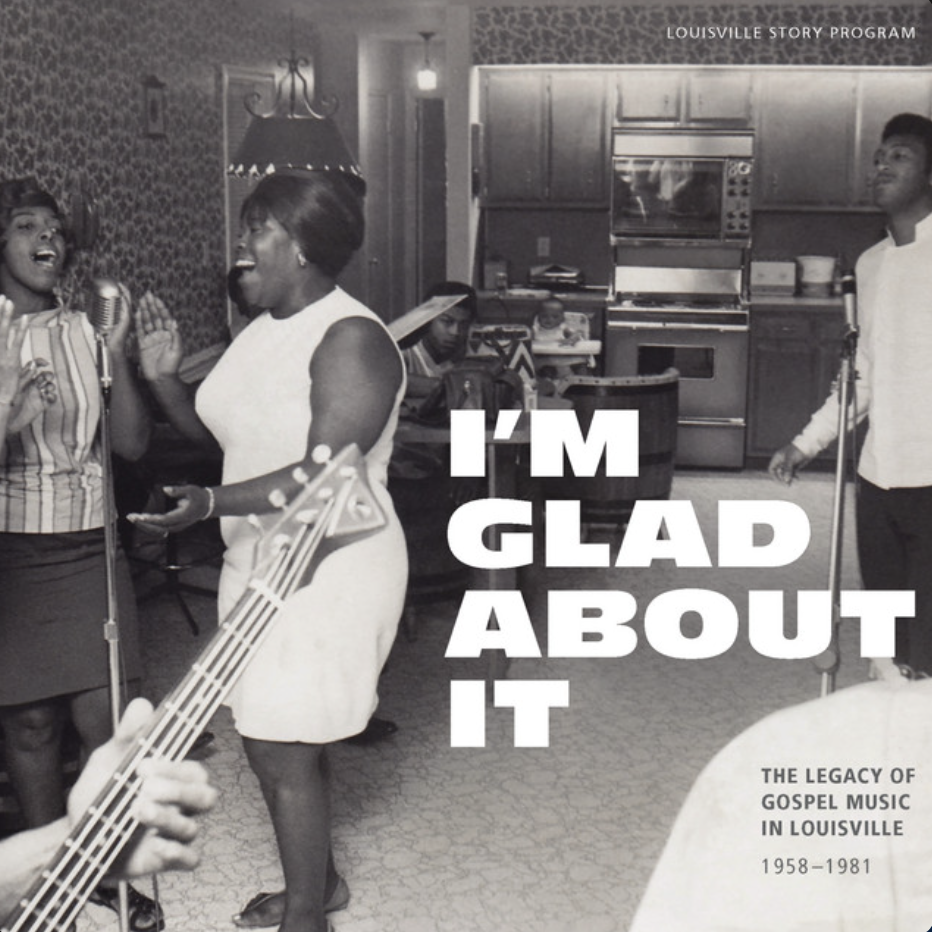
Various Artists ‘I’m Glad About It: The legacy Of Louisville Gospel 1958 – 1981’
(The Louisville Story Program/Distributed Through Light In The Attic)
When Ben Jones, one of the many voices of authority and leading lights of the Louisville gospel legacy, enthuses that the talent at every Black church during the golden years chronicled in this ambitious box set was akin to witnessing and hearing “ten Aretha Franklins at every service”, he’s not boasting. Jones’ contributions, as outlined in this multimedia package’s accompanying 208-page full colour booklet, lays down the much unrepresented story of a thriving, enduring scene. Alongside a host of reverent members of the various Evangelist, Pentecostal, Baptist and Apostolic churches, artists, instigators and custodians, his informative, animated and passionate words draw you into a most incredible cross-community of afflatus bearers of the gospel tradition. For the Louisville scene was and continues to be every bit the equal of its more famous and celebrated rivals across the American South. And that Aretha quote is no exaggeration, as you will hear some of the most incredible voices and choirs to ever make it on to wax, or, in some cases, make it onto the various radio stations and TV shows that promoted this divine expression of worship. 83 songs, hymns and paeans of assurance, great comfort, tribulations and travails from a gospel cannon of pure quality, moving testament and joy.
‘I’m Glad About It: The legacy Of Louisville Gospel 1958 – 1981’ is an unprecedented example of just how to display and facilitate such a multifaceted project of documentation and archive – in the package I received there were links to a brilliant visual timeline and archive of some 1000 songs recorded by 125 different gospel artists. A labour of love and recognition, taking over three years to put together, The Louisville Story Program has not just set out to preserve but also equip the communities they serve with a genuine platform which can be added to overtime. But importantly, they’ve brought in a number of inspiring voices to help build a concise story of legacy and continued influence of the city and gospel music in general – Ben Jones citing Drake and Kayne unable to find a beat that they didn’t hear in church.
Louisville, one of the oldest American cities west of the Appalachians, is settled in the northeast corner of the state of Kentucky, a stone’s throw from bordering Indiana. Serving the great Ohio River, the city grew in importance and influence over the centuries, since its foundations during the American Revolution of the late 1700s (named after the King Louis XVI, in recognition of French support during the war against the British): mainly unloading and moving the river commerce before it met the famous Ohio Falls. Off the backs of the enslaved African Americans who provided the labour, Louisville expanded its economic influence and position as a major port. It was a jump off point to relative freedom for those escaping to the free state of Indiana during the Civil War. And although Union troops were stationed on mass in the city and greater state of Kentucky, making sure it didn’t secede and join the Confederacy, in the aftermath of the Civil War the city was dominated politically by those that fought on the losing side.
The next century was no kinder, especially with the zoning codes that segregated and designated where the Black community could live – eventually overturned through activism and the Supreme Court. And yet on some levels, Louisville was considered relatively progressive compared to its Southern neighbours. But it has been said that the supremist, segregated practices of Jim Crow were not maintained by law so much as observed as a custom.
As the city boomed a greater number of people would flow into the city from the country to work in the factories and blossoming industries, with numerous churches set up to accommodate their beliefs. This bolstered an already thriving gospel scene, thanks in part to a great mix and talent pool, some of which had been drawn from the deep south and further out east; lured sometimes by the affordable studio rates that another key figure in the Louisville gospel story, Joe Thomas, offered through his Sensational Sounds label – one of the many iconic labels, platforms that proved vital in spreading the good word.
Another leading voice, Raoul Cunningham proves enlightening in summing up gospel lore; his observations and authoritative teachings illuminating the change once emancipation came from the more sombre songs of the spirituals to gospel – the iconic figure of Thomas Dorsey first adding a touch of jazz and rhythm to pull the solemn scared songs of another century towards what we now know as gospel music. Cunningham opines that when freedom came the Black community wanted to forget their past and no longer identified with Africa. They stopped singing the spirituals and changed the name of their churches in the process.
As much a testament to the endurance and continued influence of gospel music on every subsequent generation coming through – every generation, that is, finding some kind of solace, a belief, a message and even purity and truth in the teachings as performed through the most beatific and soulful of voices -, the songs, hymns and paeans on this remarkable box set speak of assurance and a great comfort, but also of tribulations and travails. Some of them even rock “Zion” to its very core, causing the walls of Jericho to come tumbling down in defeat to such dynamic choral performances and electrified outpourings of devotion.
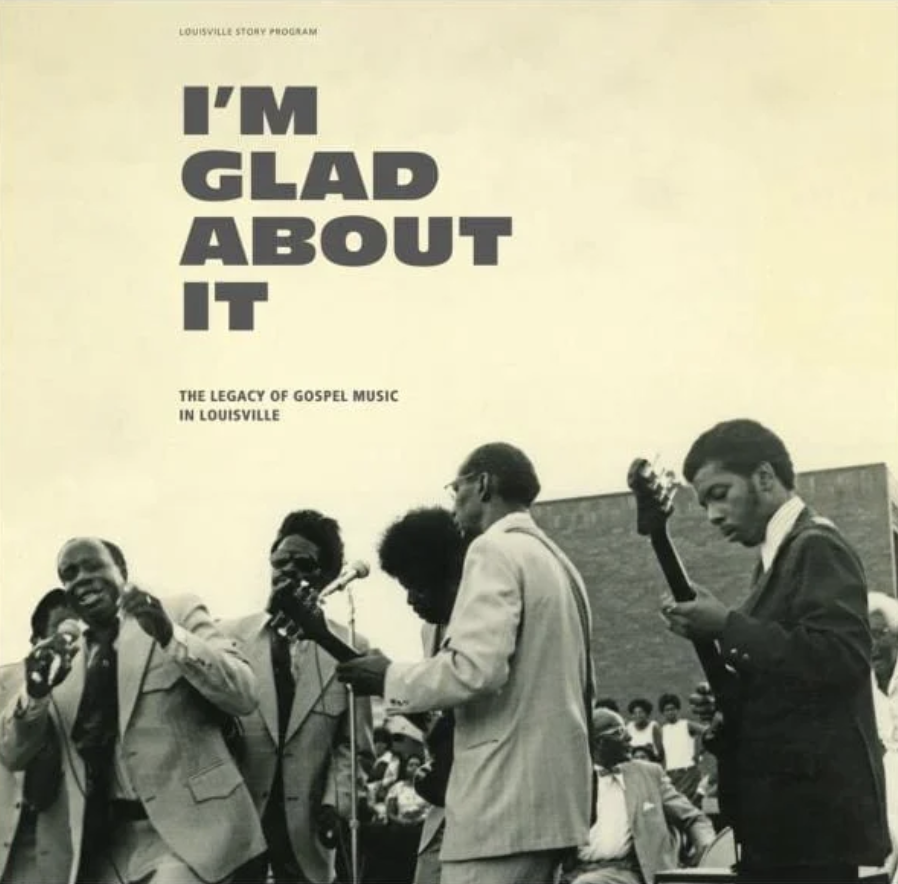
But where do you to start on a survey that more or less encompasses every change, every variation on the gospel signature, from the opening Golden Tones a cappella pull of bass and near falsetto voiced ‘Just A Closer Walk With Thee’, to Rev. Tommy William & The Williams Family’s Ray Charles-like bluesy ‘I Want To Thank Jesus’, and, the already mentioned, Joe Thomas’ and his stained glass lit and beautifully plaintive Percy Sledge and Sam Cooke delivered ‘I Won’t Mind’.
Just to show the diversity of background and the movement of travel – as outlined in the accompanying booklet, which features a history and information on every artist involved -, The Golden Tones roots lay with their Mississippi founder Leroy Graves, who relocated after military service to Kentucky and the First Baptist Church in Elizabeth Town. They started off as a cappella group before incorporating instruments, a practice that so many of the groups on this collection followed; in part down to certain churches hostility to electrified music or instruments of any kind other than the church organ, being used to embellish or even distract the purity of the choral voices. This number was recorded for the Grace label – one of many iconic labels mentioned and poured over in the accompanying booklet -, released in 1971. The group sang together for fifty years.
Rev. Tommy William & The Williams Family is more of a mystery however, with this 45” on the WMS label believed to be their only known release. Thomas, perhaps one of the most repeated names in this story, was a noted church organist, music teacher, composer, arranger, record engineer and label owner: a one-man industry. Likely the most prolific collaborator in the Louisville gospel community through his BJ Sounds studio, he would sit in on most recordings.
Four discs, 83 tracks, we really are spoilt for choice. Just taking a cursory glance, naming a mere smattering of delights, I loved both The Travelling Echoes entries: ‘He’s A God’ from 1959, released on the Avant label, and ‘Looking And Seeking’ from 1960, released on Tye. The former reminded me of the revived gospel soul queen Naomi Shelton and a little of Aretha, being emotionally exalted over a tremulant organ and near swinging R&B rhythm. The latter, a little closer to Dorthey Love Coates and The Staples Singers and the school of gut rousing delivery.
Completely different, the award-winning soloist, who started young (from the age of seven, which is not uncommon in the gospel community), Joe Robinson makes a moving case for God’s magnificence on the harpsichord-like flange organ divine ‘How Great Thou Art’. If you wanted to dig a little deeper, this song was released on his only album, Joe Robinson Remembers, which he recorded in memory of the great gospel icon Mahalia Jackson after she died in January 1972.
Other notable (though there isn’t a single track without merit and quality: the perfect compilation in other words) entries include the Atlanta-based The Echoes Of Zion’s B-side cut ‘Just A Closer Walk With Thee’, another gem recorded at Joe Thomas’ Sensational Sounds set-up. The vibe is strangely not too dissimilar to Monty Young’s ‘James Bond Twist’ from the Dr. No soundtrack, but with a walking bassline and lilt of rock ‘n’ roll. Rev. William H. Ryan’s ‘There Is Someone To Care’, released in 1967, sees the Salem Baptist Church pastor channel Otis Redding and Solomon Burke in exalting God’s grace, whilst the highly gifted Beatrice Brown and her singers (another entry in the Sensational Sounds stable of acts) merge marimba Afro-sounds with a Meters backbeat on ‘You Are Special’. The intergenerational The Religious Five Quartet prove their worth and importance with four entries, some of which were recorded from performances on Bishop Cliff Butler’s gospel variety TV show, Lifting Jesus. One of which, retold by the grown-up lad himself in the booklet, included the young drumming prodigy Nathaniel ‘Peewee’ Brown, who was eight at the time when he made his TV debut with one such incarnation of the group. The most memorable of their contributions includes the playful ad-lib Calloway-like routine on cheating lovers – featuring door rapping effects -, ‘Running For A Long Time’.
On what feels like a journey, we meet some remarkable characters, with remarkable back stories and connections. Take Jimmy Ellis for example, son of a pastor and longtime member of the Riverview Baptist Church’s Spiritual Singers. An accomplished boxer, who softened the blows thankfully when it came to pining redemptive gospel soul and Godly embraces, Jimmy’s fame grew as a friend of Louisville’s most celebrated sporting icon, the “Louisville lip” Muhammed Ali, and for holding the World Heavyweight title during Ali’s conscientious objection to the Vietnam War in the late 60s. Once Ali was stripped of his title, the World Boxing Association staged an eight-man tournament to determine a new champion. Ellis won, holding it for two years. From then on out The Riverside Spiritual Singers became known as Jimmy Ellis and The Riverside Spiritual Singers.
And what about Rev. Charles Kirby, the country-born son of sharecroppers, who formed his own church in the mid 50s after moving to Louisville from the sticks. In between Civil Rights marches, boycotts, the setting up of a free food store, Kirby was renowned for his singing prowess. He sounds like a bluesy pulpit Wilson Pickett on the familiar sounding ‘Lord Come On’ – recorded live at Southern Star for the Cincinnati label Vine.
And I can’t not mention gospel music’s Jackson Five, The Junior Dynamics. “Pre-teen prodigies” with a fervour for the good book, they’re represented by the astonishing live performance recording of ‘God Is Using Me’. Recorded at the Lamentations Baptist Church in 1968, these vehicles of the Lord begin with testified seriousness and more dour suffused evangelical suffrage before upping the tempo and building up to a crescendo of soul power gospel ye-ye.
The cast of this carefully curated box set is numerous, the background information truly enlightening. This project’s partners have invested a huge amount of time and effort into setting the scene, making sure every detail is correct, and that not only the music but the accompanying booklet and liner notes are just as inviting, riveting and extraordinary. Everyone benefits from what is a gold standard in not only celebrating but educating an audience eager to learn and consume some of the greatest gospel music ever recorded and performed.
Louisville has so much to offer still, and future generations will thank the organisers, the researchers and custodians behind this epic retelling of a community previously overlooked, overshadowed.
Without doubt The legacy Of Louisville Gospel 1958 – 1981 is one of the best things I’ve heard in years: it truly made a believer out of me. I’ve learnt so much, and enjoyed a whole day of gospel heaven listening to all four discs in one go. I’d be amazed if it doesn’t make all the end-of-year lists: disappointed too. Because it certainly makes mine. And that is as good a recommendation as you can get. In short: nothing less than an exceptional example of how to showcase music history, one that is still ongoing and thriving.
ALBUM PURVIEW/CONTEXT: DOMINIC VALVONA
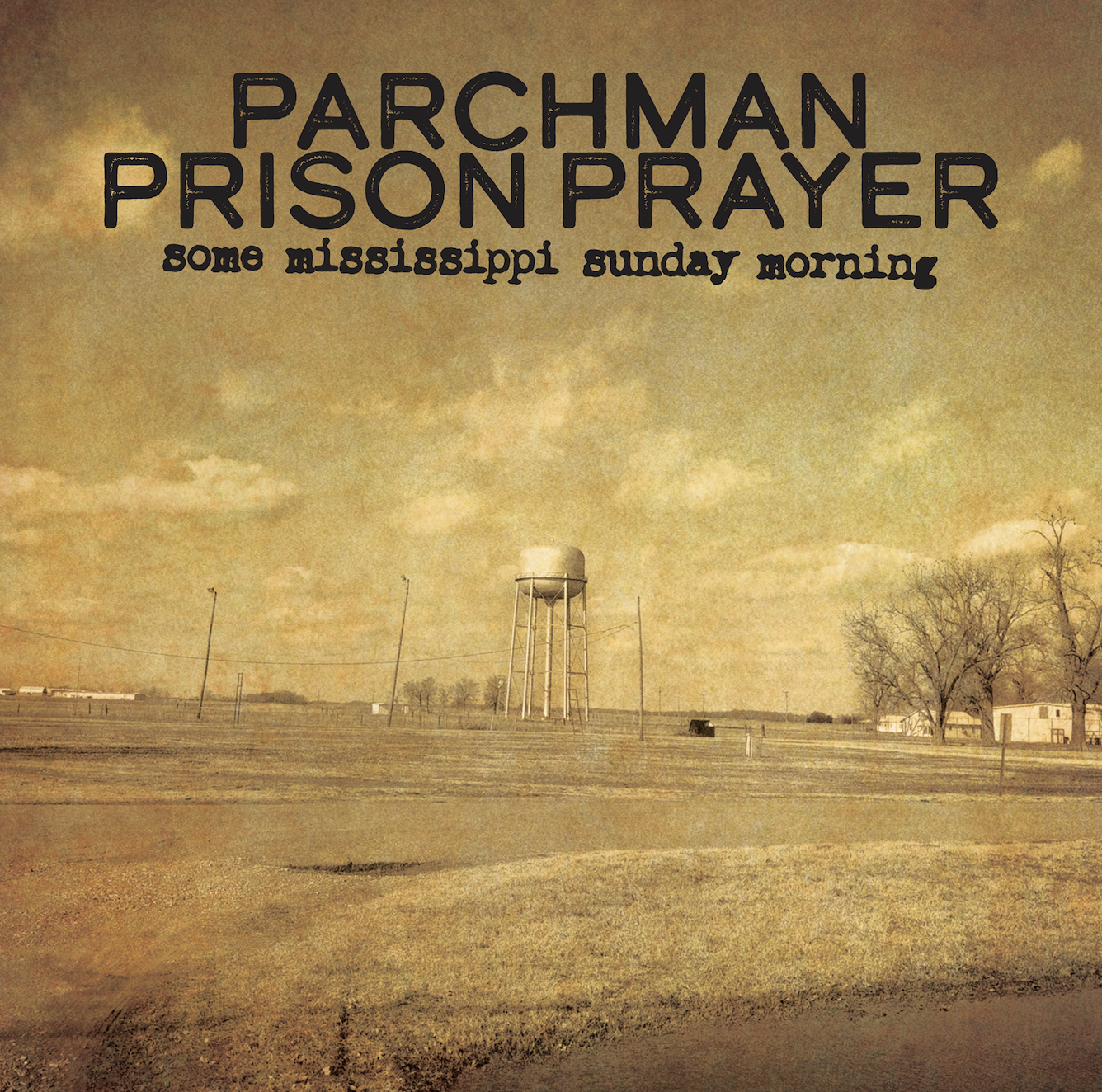
‘Parchman Prison Prayer – Some Mississippi Sunday Morning’
(Glitterbeat Records) 15th September 2023
Back in the state penitentiary system, the producer, author and violence prevention expert Ian Brennan finds the common ground once more with another cast of under-represented voices. Eight years on from his applauded, Grammy nominated Zomba Prison Project, Brennan, thousands of miles away from that Malawi maximum-security facility in the deep, deep South of America, surprises us with an incredible raw and “uncloyed” (one of Brennan’s best coined interpretations of his production and craft) set of performances of redemption and spiritual conversion.
On the surface, what connects that Zomba experience and this Sunday service communal at the infamous Parchman Prison in the Mississippi Delta is less a somber woe me sense of bitterness at incarceration, but a documentation of endurance and spirit. In fact, the inmates of Parchman seem, or the individuals put on tape and prosperity, to face up to their crimes, misdeeds; a self-realisation you could say. Most of this is down to finding religion; in this setting, and with the history, it’s Christianity – although no actual denomination is mentioned, its fairly obvious we’re talking the Baptismal, Evangelical kind that fires up the soul and glorious magic of Gospel music in the Black communities of America. In many ways, with suspicion and well-founded doubt, this paean, celebration of God and Jesus is routinely sniffed at or dismissed; the premise of salvation mocked even, and constantly skewered to certain groups, individuals own selfish purposes. Musically, this tradition has undeniably given birth to some of the greatest sounds and voices in the American music cannon; a sanctuary to find understanding and guidance in the face of oppression and racism. It’s difficult for many of us to understand faith, but there’s no way you can’t be moved by Arthea, the Staple Family and Sam Cooke (to name just a few of those hot-housed in the church). And although we’re not told of their crimes, their sentences (remember this is a prison that includes both a men’s and women’s death row), you can’t help but be moved by the inmates on this testament to spiritual salvation.
For some context, Parchman squats across 28sq miles of unconventional farm-like enclosures near to the uninhabitable swamps of the Delta, but also within shouting distance of the Blues map of iconic landmarks and civil rights flashpoints. In the former camp, the birthplace of Muddy Waters, Ike Turner and Sam Cooke (in nearby Clarksdale), and the place where Bessie Smith breathed her last and junction where Robert Johnson signed over his soul to the Devil. In a nutshell, the very birthplace of Blues as we know it. And if we go even further back, the conjuncture of at least two First Nation routes across the South. In the latter camp, Parchman is a “hop” and “skip” away from the gruesome, evil racist torture and murder (eventually lynched) of Emmett Till in 1955. That’s some psychogeography right there.

PHOTO CREDIT: Marilena Umuhoza Delli
The inmate population of the prison is mixed, with racial tensions resulting in some forms of segregation. Statistics wise, its ranked as one of the worst prisons for mortality rates and rioting. Improved, depending on who you listen to or read (Jay-Z was moved and enraged enough to back and file a class action suit against the “barbaric conditions” of this prison not all that long ago), Parchman was once run more or less like a private fiefdom, with prisoners routinely worked to near death; the Black inmates picking cotton, back in servitude and chains as if emancipation had never happened. This was Jim Crow country after all. A bleak environment to put it mildly, it formed the backdrop to Bukka White’s (one in a long line of Bluesman, Rock ‘n’ Rollers, Bluegrass and Country luminaries that spent time there) forewarned ‘Parchman Farm Blues’, to Faulkner’s The Mansion (christened with forebode by the author as “destination doom”) and Jesmyn Ward’s award-winning 2017 novel Sing, Unburied, Song. They based prisons in both Cool Hand Luke and O Brother Where Art Thou? on it too.
Whilst Brennan, as part of his ongoing acclaimed series of “in-situ” recordings around the world (mostly in some of the globe’s most dangerous and remote locations) with his filmmaker, photographer and activist partner Marilena Umuhoza Delli, hones in on just one such scandal hit prison, he’s shining a light on America’s entire prison system; its laws, sentencing and the disparity in incarcerating those from the Black population. Funds from bandcamp pre-sales for example went towards the NAACP Legal Defense Fund.
In answer to the intergenerational strife of racism in America, the voices on this album turn to the Gospels; guided by the prison’s chaplains, although services are in some cases segregated: but not here.
It took three years of bureaucracy to unlock the cell doors, and much apprehension, but Brennan’s skills in diplomacy eased the way for candid, pure performances; both a capella style and with the accompaniment of instruments from the prison chapel. And as ever, with minimal fuss the he captures some stark epiphanies, afflatus revelations and paeans from a cast of both partially identified and anonymous prisoners. The oldest of which, the seventy-three year old former rock ‘n’ roll singer turn chaplain, C.S. Deloch, who offers one of the most poignant quotes: “You’ve got to get out of prison while you’re still in prison”. That former life comes in handy as Deloch leads the congregation on the Muscle Shoals gospel (via Jamaica) ached ‘Jesus, Every Day Your Name Is The Same’, and the final group effort, hallelujah clapping with Fats Weller piano jangling, ‘Lay My Burden Down’.
Past lives for the most part are kept secret, but as you listen to those unfiltered (ok, the odd bit of echo here and there) humbling songs it becomes apparent that there isn’t any distinction or difference in quality to those professionals on the outside. The twenty-nine year old L. Stevenson, stripped back to nothing, has such a soulful reverence on ‘Open The Eyes Of My Heart, Lord’. And on the handclapped, iterated ‘I Gotta Run’, he performs a brilliant doo-wop-esque turn, complete with lower frog-like register bass. One anonymous participant sounds like John Legend, on the beautifully yearned love paean, ‘I Give Myself Away, So You Can Use Me’ – a real highlight that if buried on any compilation would have been assumed to be from some pianist-singer R&B troubadour of repute.
You could hear L. Brown’s ‘Hosanna’ litany being used as a hip-hop sample by Jay Z or the dodgier Kayne West – who’s had is own flirtations with the good book and gospel music.
Surprisingly, the only actual proto-rap inclusion on this album is the Robinson and A. Warren collaboration ‘Locked Down, Mama Prays For Me’, which combines a sympathetic soulful hum with a spoken word walk through of shame. There are rumminations on the hurt caused, and the machismo that comes with the territory, plus a special heartfelt apology to his mum.

PHOTO CREDIT: Marilena Umuhoza Delli
The sixty-three year old N. Petersen wades in the waters on the Holy Land baptismal Galilee, transferred to the Mississippi bayou, ‘Step Into The Water’, whilst A. Warren’s second appearance, ‘Falling In Love With Jesus Was The Best Thing I’ve Ever Done’, has a real Willis Earl Beal vibe. The most unusual recording is by the sixty-year old M. Palmer, who’s deeper than deep throaty baritone is almost mystical on ‘Solve My Mind’; especially with what appears to be a reverberated otherworldly drone accompaniment.
There’s music, song and litany that would be recognizable to inmates from the turn of the last century, whilst others, tap right into the modern age. The Gospel’s message runs deep in the Southern realms, and encouragingly seems to motivate even those with little hope of being released. Hard times are softened by belief and redemption on a revelatory production. Returning to America after a myriad of recordings throughout the world’s past and present war zones, scenes of genocide and remote fabled communities, Brennan finds just as much trauma and the need for representation back home.
Hi, my name is Dominic Valvona and I’m the Founder of the music/culture blog monolithcocktail.com For the last ten years I’ve featured and supported music, musicians and labels we love across genres from around the world that we think you’ll want to know about. No content on the site is paid for or sponsored and we only feature artists we have genuine respect for /love. If you enjoy our reviews (and we often write long, thoughtful ones), found a new artist you admire or if we have featured you or artists you represent and would like to buy us a coffee at https://ko-fi.com/monolithcocktail to say cheers for spreading the word, then that would be much appreciated.
Premiere: John Johanna ‘Prodigal Son’ video
August 27, 2019
Premiere
Words: Dominic Valvona
Invested with the powers of the Zion cosmological, the afflatus Norwich-based troubadour of psychedelic folk and gospel liturgy John Johanna turned Judaic augurs into a sublime songbook of post-punk, dub, indie, and Krautrock on his most recent, and well-received, LP Seven Metal Mountains. Using the mountain allegories and metaphors, as laid down by Noah’s grandfather in the vision-dream-revelatory Book Of Enoch as inspiration, Johanna crafted a gospel-raga-blues and Radio Clash prescient Biblical work of art.
The latest single/video to be released from that fine album, ‘Prodigal Son’, arrives just before Johanna’s next performance, supporting alongside the Ursa Major Moving Group ensemble, Faith & Industry labelmates Champagne Dub at the Folklore in Hackney.
The most swimmingly wavy and translucent undulated soulful psych-synth – with just the most vague tinges of South America and Africa – cooing track from that album, ‘Prodigal Son’ is, as the title makes clear, inspired by the atavistic parable. If you need a quick recap on that old adage, it goes something like this:
A father has two sons. The younger son asks the father for his inheritance, and the father grants his son’s request. However, the younger son is prodigal (i.e., wasteful and extravagant) and squanders his fortune, eventually becoming destitute. The younger son is forced to return home empty-handed and intends to beg his father to accept him back as a servant. To the son’s surprise, he is not scorned by his father but is welcomed back with celebration and fanfare. Envious, the older son refuses to participate in the festivities. The father tells the older son “you are ever with me, and all that I have is yours, but thy younger brother was lost and now he is found”
The neo-colourful stop-motion paper cuts sequenced video that accompanies it was created by Studio Kissu, a London based French creative studio. They explain the motivation, themes and methodology thus:
“I wanted to make something joyful and colourful to illustrate love between beloved in a family, and I played with abstraction as the idea of leaving and find yourself somewhere else. I used words to illustrate the strong feelings of missing home while geometry comes to draw the sadness, illustrating human being facing their limit and finding strength in love”.
John Johanna says “ I am overjoyed with Studio Kissu’s video for ‘Prodigal Son’. It far exceeds the bounds of my own visual imagination but I couldn’t have hoped for a more sympathetic treatment of the song! It’s a haunting, strange and delightful exploration of the meanings in the lyric”.
Monolith Cocktail Social Playlist: #XXXVII:
July 15, 2019
PLAYLIST
Dominic Valvona
Cool shit that the Monolith Cocktail founder and instigator Dominic Valvona has pulled together, the Social playlist is a themeless selection of eclectic tracks from across the globe and ages. Representing not only his tastes but the blogs, these regular playlists can be viewed as an imaginary radio show, a taste of Dominic’s DJ sets over 25 plus years. Placed in a way as to ape a listening journey, though feel free to listen to it as you wish, each playlist bridges a myriad of musical treasures to enjoy and also explore – and of course, to dance away the hours to.
Volume XXXVII pays a small homage to two recent lost brothers, the Prince of ‘Orleans, the ragtime-mardi-gras-R&B-soul-funk-cajun-swamp-boogie titan Dr. John, and 13th Floor Elevator operator of the third-eye, Roky Erickson. Not intentional, but this latest volume also seems to have taken on an afflatus mood, with many paeans to this and that lord, a plateau of gods and that deities. For your aural pleasure, music from as diverse a collection as Carlos Garnet, Compost, Tuff Crew, OWLS, Zuhura & Party, The Electric Chairs and Moonkyte: 36 tunes, over two and halfs.
Tracklist:::
Carlos Garnet ‘Chana’
Purple/Image ‘What You Do To Me’
Compost ‘Take Off Your Body’
The Braen’s Machine ‘Fall Out’
I Marc 4 ‘Dirottamento’
Black Sheep ‘The Choice is Yours’
The 7A3 ‘Coolin’ In Cali’
Tuff Crew ‘Drugthang’
Boss (Ft. Papa Juggy) ‘Deeper’
Brand Nubian ‘Claimin’ I’m A Criminal’
The Avengers ‘The American In Me’
OWLS ‘Ancient Stars Seed’
The Electric Chairs ‘So Many Ways’
Sam Flax ‘Another Day’
New Paradise ‘Danse Ta Vie – Flashdance’
Rick Cuevas ‘The Birds’
Roger Bunn ‘Old Maid Prudence’
Verckys & L’Orchestre Veve ‘Bassala Hot’
Extra Golden ‘Jakolando’
Zuhura & Party ‘Singetema’
Brian Bennett ‘You Only Live Twice’
Roky Erickson ‘I Walked With A Zombie’
Jim Spencer ‘She Can See’
Sapphire Thinkers ‘Melancholy Baby’
Roundtable ‘Eli’s Coming’
Madden And Harris ‘Fools Paradise Part 2’
NGC-4594 ‘Going Home’
Ruth Copeland ‘The Music Box’
Chairman Of The Board ‘Men Are Getting Scarce’
Bill Jerpe ‘You’ll Get To Heaven’
The Apostles ‘Trust In God’
Johnnie Frierson ‘Out Here On Your Word’
The Brazda Brothers ‘Walking In The Sun’
Moonkyte ‘Search’
Dr. John ‘When The Saints Go Marching In’
The Move ‘Feel Too Good’
Albums of 2018: Part One: Idris Ackamoor to The Moonwalks
December 3, 2018
Selected by Dominic Valvona, Matt Oliver and Gianluigi Marsibilio.

The decision making process:
Being the exhaustive and eclectic set of features our (choice) albums of the year are, we know you probably don’t need to or want to dally about reading a long-winded prognosis of our judgement process. But here it is anyway.
Continuing to shy away from fatuous rating systems and ‘best of lists’, the Monolith Cocktail endeavors to offer a more visceral and personal spread of worthy ‘choice’ picks, with no album dominating or holding any particular numbered position – unlike most of our contemporaries lists, stuck with the ridiculous task, for example, of explaining why one album is more deserving of their fatuous numbered spot than another.
With no hierarchical order, we’ve lined our album choices up alphabetically; split into two features – A (Idris Ackamoor) to M (The Moonwalks), andN (Thomas Nation) to (Thom Yorke) Z.
All of our favourite new and reissued albums and EPs from 2018 are of course considered to be the most interesting, vibrant and dynamic of the year’s releases. But the best? Granted, to make this list you have to have made some sort of impact, but we’d never suggest these entries were categorically the best albums of 2018: even if that might be true. Instead our list is an indicator of our amorphous tastes, rounding up another year in the life of the Monolith Cocktail, and we hope, introducing you to titles and artists/bands that may have dropped below the radar or got lost in the noise of more commercial better promoted releases.
All selections have been made by me (Dominic Valvona), Matt Oliver and Gianluigi Marisibilio.
A.
Idris Ackamoor and The Pyramids ‘An Angel Fell’ (Strut Records)
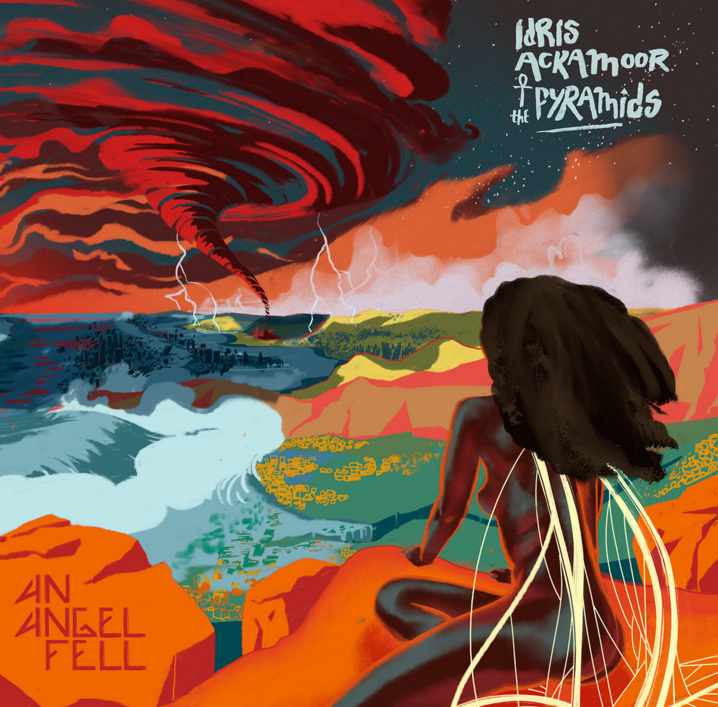
Serving a worthy musical apprenticeship from and imbued by the masters Coltrane, Rahsaan Roland Kirk and Cecil Taylor, the polymath musician, activist, director of The Pyramids ensemble and torchbearer of spiritual and Afrofuturist jazz, Idris Ackamoor once more makes holy communion with the cradle of civilisation on the lamentable An Angel Fell. Imploring a unified message, a connectivity, a reminder that we can all trace our ancestry back to the same place, Ackamoor follows up on ‘We All Be Africans’ with an epic sweeping album of Afro-jazz 2-Step ‘Warrior Dances’ and plaintive primal jazz catharsis.
Walking through the Valley of The Kings; sailing aboard Sun Ra’s Arkestra; conducting the empyrean; evoking Kuti’s Lagos Afrobeat jive; Ackamoor and his troupe traverse the mismia of a broken, corrupt world, delivering cries of anguish and auguers aplenty. Whether penning requiems to the gunned-down black victims of the US Justice system (‘Soliloquy For Michael Brown’), or in radiant prayer (‘Sunset’), they effortlessly and wondrously summon forth the leading lights of each musical genre they inhabit. Afrobeat, gospel, spiritual, funk, blues, future-past-present all come together in one of the year’s most important, enlightening and defining opuses.
(Dominic Valvona)
Ammar 808 ‘Maghreb United’ (Glitterbeat Records)

Throwing the traditional unwieldy Maghreb, before it was demarcated and split into colonial spheres of influence, back together again in the name of progress and unity, Sofyann Ben Youssef fuses the atavistic and contemporary. With past form as one half of the Bargou 08 partnership that gave a modern electric jolt to the isolated, capitulating Targ dialect ritual of the Bargou Valley on the northwestern Tunisia and Algeria border, Youssef under the moniker of Ammar 808 once again propels the region’s diverse etymology of languages, rhythms and ceremony into the present, or even future: hopefully a more optimistic one.
Jon Hassell’s ‘possible musics’ meets Major Lazer, the traversing adaptations from the Gnawa, Targ and Rai traditions and ritual are amorphously swirled or bounced around in a gauze of both identifiable and mystically unidentifiable landscapes. Mixing modern R&B, dub, electro effects with the dusky reedy sound of the evocative gasba and bagpipe like zorka, and a range of earthy venerable and yearning vocals from Morocco, Tunisia and Algeria artists, Youssef distorts, amps up or intensifies a resonating aura of transformative geography and time.
Nothing short of visionary. Full review…
(DV)
Angels Die Hard ‘Sundowner’ (Jezus Factory Records)
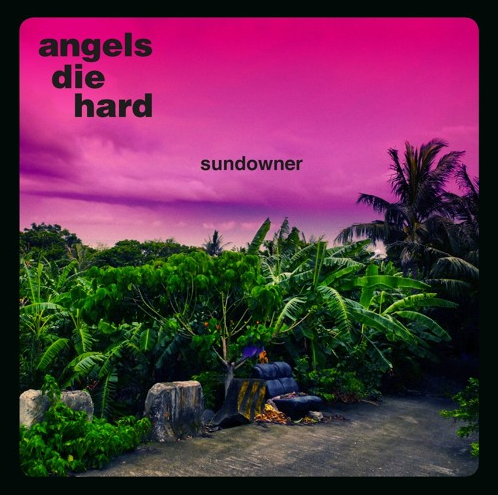
Admittedly taking some time to grow on me, the Angels Die Hard combo’s Monsterism Island meets Les Baxter ethnographic phantasm of a remote Southeast Asian archipelago instrumental concept album, Sundowner, has finely unfurled its full magic: just in time to be included in the annual albums of the year features.
Imbued with a legacy of progressive, alt-rock, psych, exotica and post-punk influences plus Julian Cope’s Krautrock compendium, the Angels transduce and channel a cornucopia of styles once more as they soundscape the tropical island of Andaman. An environmental clarion call as much as a progressive rocking exotica, Sundowner is dedicated, at least partially, to the environmental tragedy of the plastic-strewn oceans.
Beachcombing a radioactive luminous landscape of musical opportunity, from bummer downers to mind-expanding space rock jams, these Angels expand their horizons (literally), on the band’s best album to date. Some ideas work better than others of course, but when they do get it right they produce some fantastic opuses of amorphous abandon. Full review…
(DV)
Any Other ‘Two, Geography’ (42 Records)

The story of Adele Nigro (Any Other) is made of beautiful songs originating from a desire to subvert a rather conservative musical culture, just like the Italian one.
2018 has given us many beautiful pieces, of the most varied atmospheres, but to find a compact and complete album in each of its parts, touch refuge in Two, Geography (42 Records).
The numerous collaborations that Any Other has collected, as a musician, in recent years, have been invaluable to develop, refine and embellish her poetics.
The sonorities of the album are very distinct, and at the same time loquaciously soaked by all the experiences brought on stage (or in the studio) during the year that is inexorably past.
With Two, Geography, however, there is more, Adele coming out with her head held high, they are not only beautiful pieces that stand out for their immediacy and vitality, but also the international character of the project.
Any Other’s work was immediately presented as something else, for depth and acuity, starting from that ‘Roger Roger, Commander’ or from the same singles who announced Two, Geography.
The simplicity in intertwining linear arpeggios, bright rhythmic lines and a voice, both delicate and particular, makes us immediately think of the disc in a different way, we immediately understand that such a sound must be appreciated with attention and in its various nuances.
Since the first bars of ‘Silently. Quietly. Going Away’ (the first work of Any Other) you could see her skill in shaping a song form as a real opportunity for musical and textual speculation.
The song ‘Capricorn No’ is a monument of modernity that comes on, not only for its immediate and deep style, but because it plays with the atmosphere that you can hardly expect from an Italian artist.
The work as a whole is a challenge, a part of a musical resistance, a progressive push in the sea magnum of ideas that too often settle down, even in brilliant artists.
Any Other is the 2018, the beautiful and fundamental face to make us remember that, all in all, this year went well.
(Gianluigi Marsibilio)
B.
Anton Barbeau ‘Natural Causes’ (Beehive/Gare du Nord)

Ian Hunter via Robyn Hitchcock via Luke Haines via Julian Cope, wrapped inside an enigma, the Sacramento born, Berlin-based, Anton Barbeau changes his style of delivery repeatedly yet always maintains an idiosyncratic ingenuity in whatever he does. The results of an aborted project under the Applewax banner, made in the run up to the 2016 US elections, Natural Causes is the reflective, more open antithesis to what would have been a far darker and mournful proposition. Richly melodious and halcyon, this most brilliant new collection finds Barbeau both transforming some of the back catalogue (for the better) and penning new glorious sounding maverick pop songs: The quality of which are cerebral, memorable, melodic but also adventurous and inventive.
Barbeau and a congruous cast of guests lend a touching caress to a songbook of contemporary surreal lyrical musings and love songs. Unrushed, even breezy in places but hardly lacking intensity, there’s an air of nostalgia in homages to the radio stations and DJs that first sparked interest in the young Barbeau on the Hunter fronts Tom Petty band finale Down Around The Radio. And with a nod to one of the music cannons greatest ever records, The Beatles Sgt. Pepper kaleidoscope, a stab at a popsike hit (a missing link from one of Strange Days magazines 80s halcyon compilations) is made with a song that was originally written to be recorded at the venerated Fab Fours’ inner sanctum of Abbey Road, with the quirky Disambiguation.
Fans of Barbeau will be once again charmed by his unique songwriting abilities, and those still unfamiliar with the inimitable generation X artist of renown will find much to love about his psychedelic pop genius. Full review…
(DV)
MC Paul Barman ‘Echo Chamber’ (Mello Music Group)

“Potent politics, funky lounge lizard off-the-tops and bizarre hypotheses, burrowing its way through the toughest of leather bound volumes to have you picking the bones out for weeks on end” RnV May 18
In many ways this is the consummate Paul Barman album, but it bears repeating straight off the bat, while trying super hard to not sound incredulous, that ‘Echo Chamber’ features production from ?uestlove, DOOM and Prince Paul (funky/sidekick status, from stoop to playground), with additional contributions from Mark Ronson (upping the ludicrousness with a tweak of The Ronettes’ ‘Sleigh Ride’), Masta Ace and Open Mike Eagle. That’s some serious string pulling from an explicitly cult concern only reinforcing his standards in lewdness and a smart Aleck riot act both downplaying and toadying a racing IQ (his relocation to Mello Music Group keeps him in his own lane as well). Ridiculous as ever with the dictionary and remaining a brilliant observer – see ‘Youngman Speaks on Race’, and ‘Commandments’ going one better by taking the Decalogue to Sesame Street and Biggie’s Bed-Stuy – Barman carries on making the longest of long shots with battle raps that’ll bamboozle and WTF one-liners that Jackanory or congress will sadly never benefit from. Bigger, better and geekier than ever.
Bixiga 70 ‘Quebra Cabeça’ (Glitterbeat Records)
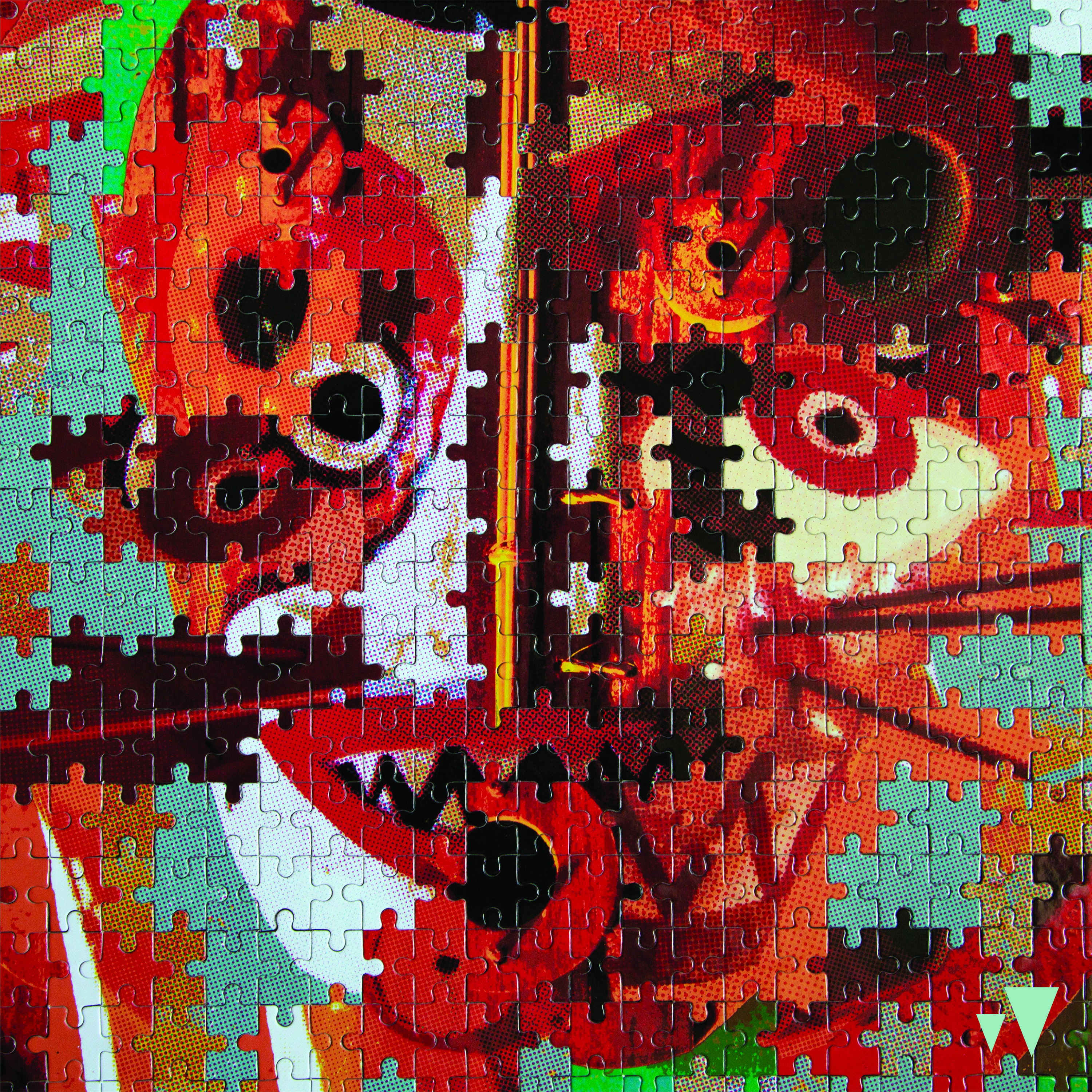
Translating as the ‘puzzle’, Bixiga 70‘s latest album is a full 360-degree panoramic evocation (both joyful and lamentable) of their homeland’s African roots. Translating those roots, an ancestry that runs through many of the band members (some individuals descended from the Africa-Caribbean religion of ‘candomble’ for instance), Bixiga are also inspired on this journey by some of the highly talented artists they’ve shared various stages with over the years. Artists such as the Ghanaian highlife singer Pat Thomas, the Nigerian sublime traversing saxophonist legend Orlando Julius and Brazilian octogenarian star João Donato. Incorporating the lot they merge their brass-y signature carnival funk and shaking Afrobeat sass with cosmic voodoo, Afro-jazz and sloping funk.
The quality as always shines through on every track, with the visions and evocations of both Africa and Bixiga’s city home of Sao Paulo articulated by an energetic but also ruminating soundtrack of the tribal, funky, cosmic, tropical, gospel and ritual. The slave portal of Benin, further outlying deserts of the sub-Sahara and busy rhythmic bustles of Nigeria are channeled via the melting pot hubs of Brazil on the group’s most epic, ancestral and geographical straddling album. It only remains to see just how great it will sound live on stage. Full review…
(DV)
The Bordellos ‘Debt Sounds’
Brian Bordello ‘The Death Of Brian Bordello’ (Metal Postcard Records)
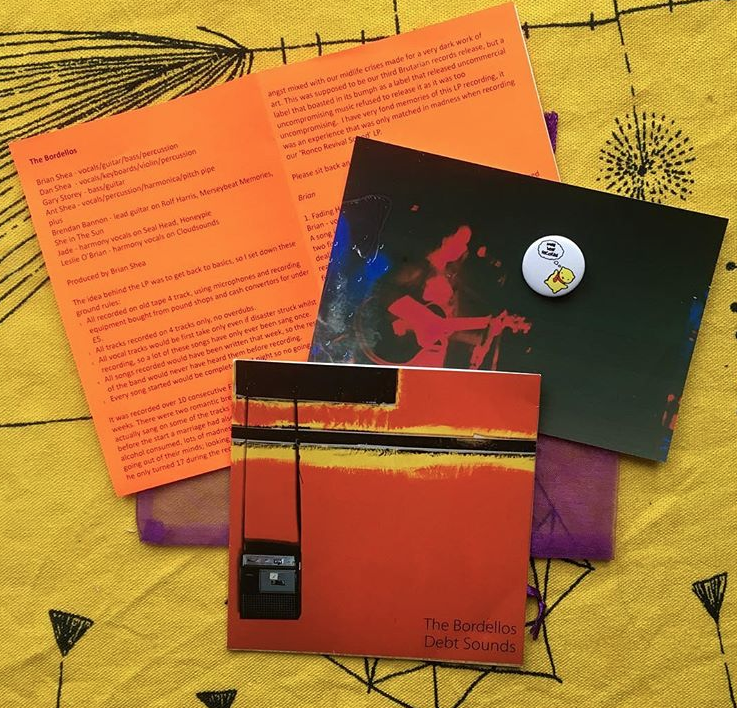
In a parallel universe the Jesus And Mary Chain never left East Kilbride; Julian Cope never formed the Teardrop Explodes; and Brian Wilson was in fact born in St. Helens in the late 1960s, and recorded all his opusus on a Tascam four-track, inspired by Mark E Smith. This alternative world is one the dysfunctional family circle The Bordellos inhabit. Probably the best lo fi rock’n’roll-meets-post-punk-meets-the-Spaceman 3 hapless band you’ve never heard of, the prolific group, headed by the patriarchal masthead Brian Bordello, have been luridly, sinisterly, laughably and pessimistically knocking-out their brand of disgruntled alternative yearnings for a decade or more with little attention from anyone other than us loyal fans – who probably need our heads examined in all honesty. You either get them or you don’t. And you could find some of their more confrontational dark humour (songs about the BBC killing John Peel, still loving the musical cannon of Gary Glitter, and on this album, Debt Sounds, some sinister predatory sexual allured shclock about Rolf Harris) too unsettling, even perverse.
Debts Sounds, in the manner of a Half Man Half Biscuit play-on-words, is The Bordellos low cost Pet Sounds. That may not be initially obvious. But stay with me on this one. Fashioned and realised by Brian from the band members and even affiliates, girlfriends and whatnots various outpourings and late night sessions into a most epic song book of unrequited love, sick love, obsessed love, compromised love, salacious love, and even some tender love – they excel themselves on the laid bare and touching ‘Spirograph’ and quasi-Beatles ‘My Life’ meets the hardened north romanticism of ‘I May Be Reborn’ (Take this for a line: “Every smoking chimney my Statue of Liberty”), Debt Sounds is full of great maverick performances and songwriting, made in a period of crisis, anxiety and manic depression. Ok…so more Don Van Vliet than Brian Wilson, but still a valid comparison.
Whereas will you hear odes, homages and eulogies to Jimmy Campbell and Faron’s Flamingos to a back track featuring vague indifferent shades of Thom Yorke, Cope, Velvet Underground, Red Crayola, Joy Division and the The Seeds? Nowhere that’s where. Brian Bordello’s Track-by-track breakdown…
Knocking out records on a whim, it seems inconceivable that the leader of the Bordellos has never actually released a solo effort until this year (and only a few weeks from the end of 2018). Paring down, enverated, Brian Bordello steps outside the family unit on his debut solo, The Death Of... Not expecting many flowers on that graveside elegy of a album title, Brian takes a sort of reflective pause and looks back on a litany of tropes that have come to encapsulate his resigned fatalism. With only a clipped, rough and unguarded acoustic guitar and his trusted Tascam for company, Brian pays tribute to rock’n’roll icons Eddie Cochran (again) and Mark E Smith (who Brain thinks should be canonised as a saint); wears his heart on his sleeve cooing songs about lingering memories of bunk-ups, unrequited wooing gone wrong and lost kitchen sink romances; and languishly but candidly weary sonnets on depression.
As lo fi as it can get, Brian’s most intimate, personal performances yet strip away all the caustic dissonance and fuzz to reveal his most brilliant songwriting. The Death Of is an often beautifully morose songbook that lays bare the talents of a true uncompromising outsider.
(DV)
Brace! Brace! ‘S/T’ (Howlin Banana)

Producing gorgeous hues of softened psychedelia, new wave, Britpop and slacker indie rock, this young but sophisticated band effortlessly melt the woozy and dreamy with more punchier dynamic urgency on their brilliant debut album.
Squirreled away in self-imposed seclusion, recording in the Jura Mountains, the isolation and concentration has proved more than fruitful. Offering a Sebastian Teller fronts Simian like twist on a cornucopia of North American and British influences, Brace! Brace! glorious debut features pastel shades of Blur, Gene, Dinosaur Jnr., Siouxsie And The Banshees (check the “I wrecked your childhood” refrain post-punk throb and phaser effect symmetry guitar of ‘Club Dorothée’ for proof) and the C86 generation. More contemporary wafts of Metronomy, Mew, Jacco Gardner, the Unknown Mortal Orchestra and Deerhunter (especially) permeate the band’s hazy filtered melodies and thoughtful prose too.
A near-perfect debut album, an introduction to one of the most exciting new fuzzy indie-pop bands of the moment. Full review…
(DV)
Apollo Brown & Joell Ortiz ‘Mona Lisa’ (Mello Music Group)

“Rugged but always smooth, reflective with a forked tongue…there’s a lot of comfort to be taken from the union of two opposing authority figures exercising supreme quality control” – RnV Nov 18
This duo’s mutual will to only work with the elite – Joell Ortiz as a member of Slaughterhouse, Apollo Brown extending his collaborative run after shared albums with Skyzoo, Ghostface Killah, Ras Kass, Planet Asia – is head start number one. Yes these are extremely experienced experts in their field who shouldn’t drop the ball, but 12 tracks, one emcee and one producer, two guests maximum, and everything absolutely finely tuned is still the best advantage to press home. A steadiness to both performances has BPMs instantly finding their sweet point so instrumental richness can build, settle, simmer and seduce, and vocals slip straight into the pocket housing an imperceptible line between recognition and vengeance. The introspection of ‘Mona Lisa’ pays respects with a feeling that it doesn’t pay to dwell, that while everything may be upbeat and secure – visuals of sauntering down a street and coloured in something like a high definition sepia – slippery slopes, with ‘Cocaine Fingertips’ the album’s most rotten apple and situations like the bittersweet resonance of ‘That Place’, are always around the corner. Another win for the seemingly indefatigable Mello Music Group as well.
(Matt Oliver)
C.
The Cold Spells ‘S/T’ (Gare du Nord)
Esoterically gentle and wistful, The Cold Spells debut long player is a gauze-y organic and ambiguous (to a point) affair of undulating ‘moss covered’ circuitry, folk, quintessential English psych, paisley patterned hallucinogens and Kosmische.
Communing with the ether, connecting with the psychogeography of their chosen environment – from the soft Wiccan with forebode travail of Thomswood Hill to the alluded-to abandoned mental hospital waste ground near Hainault -, a host of spirits tune in and out of the continuous, though (as we’re told) not in a linear order, flowing suite of laudanum imbued Victoriana lyricism and Beatles-esque melody.
A surprise package, quietly unassuming, the trio’s encapsulation of an age of ghostly memories – the ancestors inhabit the band’s present to address the here and now concerns of a troubled, unstable world – is magical and gently lamentable; a perfect evocation of aicd folk and pastoral esotericism, as beautifully plaintive as it is ominous. Full review…
(DV)
D.
Die Wilde Jagd ‘Uhrwald Orange’ (Bureau B)
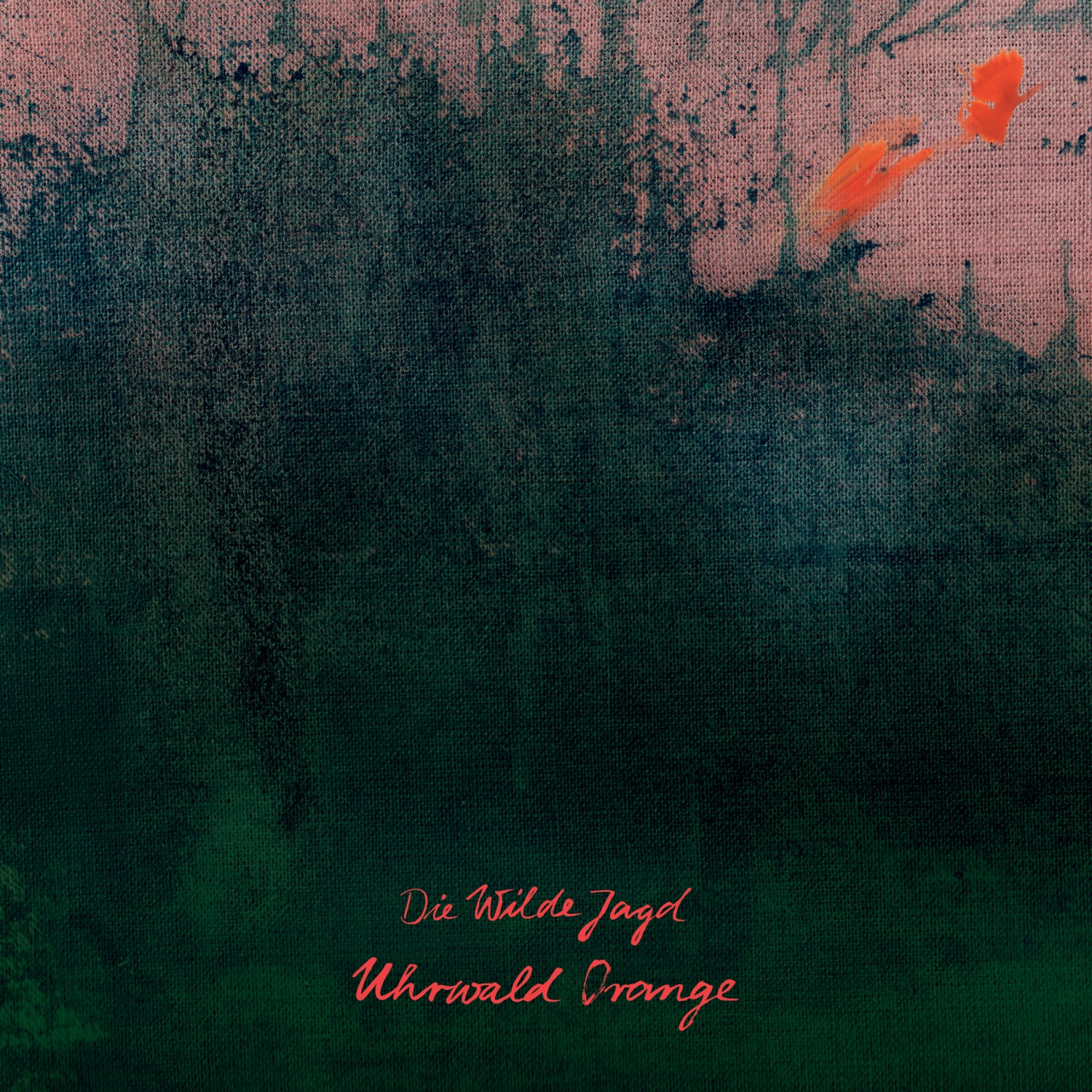
Fashioning a mysterious ‘Clockwood Orange’ world of Gothic and ominous dreamscapes, inspired by and named, in part, after the studio it was produced in, and by both the 17th century menagerie paintings of the Flemish artist Frans Snyder and the collected devotional Medieval period songs of the Llibre Vermell De Montserrat artifact, Die Wilde Jagd’s Sebastian Lee Philipp takes us on an eerie, cosmic and slinking travail through a throbbing sophisticated earthy electronic soundtrack. His musical partner on the group’s adroit debut self-titled experiment, producer Ralf Beck, is excused from the follow-up but lends out his extensive racks of vintage analogue synthesizers to Philipp, who transforms and obscures their banks of sounds into ghostly permutations, shadowy creatures and lurking, dancing and honking sonorous cries from a murky wilderness.
Uhrwald Orange is a classy imagined score, balancing cool, gleaming and aloof German electronica with menacing, nocturnal earthiness, yet also reaching for the celestial. One minute imbued with hints of Bauhaus, Killing Joke, Eno, Cluster, and Faust, the next slinking on to the Tresor club or Basic Channel dancefloor. In short: a most impressive album. Full review…
(DV)
Dur-Dur Band ‘Dur Dur Of Somalia: Volume 1, Volume 2 And Previously Unreleased Tracks’(Analog Africa)

A highlight in a catalogue of outstanding reissues from the Analog Africa label, intrepid crate digger Samy Ben Redjeb reprises the first two volumes of Somali fusion funk music from the legendary 1980s outfit, the Dur-Dur Band. Embodying a period in the decade when Mogadishu could boast of its cosmopolitan reputation – notably the European chic Via Roma stretch in the Hamar-Weyne district, a colonnade for café culture, cinema and of course music – the hybrid Dur-Dur Band moped up the polygenesis fever of their native city with effortless aplomb during their short heyday.
Saved from ‘tape-hiss’ and ‘wobbles’, remastered to sound the best they’ve ever sounded, these curious but above all loose-limbed nuggets successfully merged a myriad of Somalia traditions with a liberal smattering of disco, reggae (via the northern part of the country’s ‘Daantho’ rhythm style; an uncanny surrogate for Jamaica’s number one export), soul and funk. Mirroring a similar fusion thousands of miles away in New York, the Dur-Dur languidly produced an electrified no wave-new wave melting pot.
Split up across a triple LP and double CD formats the Dur-Dur Band’s first two albums proper, Volumes 1 and 2, and a couple of unreleased tunes feature on this, the first in a promised series of re-issues. Released originally in 1986, the first of these and the band’s debut album, Volume 1, has a rawer unpolished but snazzy sound that saunters, skips and grooves along with aloof coolness to sweltering laidback funk; opening with the wah-wah chops and a fuzzy organ stunner, ‘Ohiyee’ , which lays down a sophisticated but explosive spiritual dance floor thriller. Volume 2 by contrast seems a little brighter and tropical; beginning as it does with the dub echoed, Trenchtown pirate radio broadcast ‘Introduction’.
Going further than most to bring the sounds of Africa to a wider audience, the Dur-Dur Band release proved to be one of the label’s most difficult, as Redjeb tackled the geopolitical fall-out of a country devastated by civil war to bring us a most unique sounding and essential collection. Full review…
(DV)
E.
Elefant ‘Konark Und Bonark’ (9000 Records)

Emerging from the Belgium underground scene, with members from a myriad of bands, each one more obscure than the next, the Elefant in this room is a twisted agit-post-punk, boiler come forensic team suited troop of noise peddlers. Lurking around basement venues for a while now, the sludge metal and gallows Krautrock merchants have released a slurry of EPs but never a fully realized album until now.
For an album that grapples with Marilyn Manson, Swans, Killing Joke, Muse, industrial contortions and Germanic experimentation, Konark Und Bonark is a very considered, purposeful statement. Though things get very heavy, implosive and gloomy and the auger like ghosts in the vocals can sound deranged, there is a semblance of melody, a tune and hint of breaking through the confusing, often pummeling, miasma of artificial intelligence armageddon.
A seething rage is tightly controlled throughout, the sporadic flits and Math Rock entangled rhythms threatening to engulf but never quite reaching an overload, or for that matter, becoming a mess. Elefant’s prowling and throbbing sound of creeping menace and visions of an artificial intelligent domineering dystopia is an epic one. Arguably the band have produced their most ambitious slog yet and marked themselves out as one of Belgium’s most important exports of 2018. Full review…
(DV)
Bernard Estardy ‘Space Oddities: 1970-82’ (Born Bad)
‘Fragmented D’une Empreinte Magnétique: Rares 1966-2006’ (Gonzai Records)

Because sometimes you just can’t decide, I’ve chucked in two reappraisal celebrating compilations of the odd, curious, thrilling and kitsch flights of fantasy musical fragments/sketches/soundtracks/compositions from the late and most gifted venerated French composer Bernard Estardy. I can’t even claim that these are great collections, let alone the best albums of the year, but they’ve kept me smiling all year.
Nicknamed ‘The Baron’, the founder of the CBE recording studio (which he set up in 1966) collaborated with a host of famous French icons in his time (arranging, producing or sound engineering for Johnny Hallyday, Francoise Hardy, Nino Ferrer, Michel Sardou and Jean Guidoni amongst others), but found an unleashed creative freedom as the master of consoles on his own excursions and dream flights of curiosity. Enjoying a resurrection of a sort in 2018, in part down to his daughter Julie Estardy‘s biography ‘The Giant’, Bernard’s eclectic back catalogue, from the realised to cutting room floor, is being reissued or rediscovered by a new generation through a number of different labels, both in France and internationally.
Two such compilations swept me up in their bombast; the first an album that couldn’t be described any better than the title it comes with, Space Oddities, and the second, Fragmented D’une Empreinte Magnétique, a Gauloises hotbed of weepy venerated organ romanticism and salacious sleek soundtracks. The first takes library music to the stars and beyond on a sassy opulent voyage of esoteric cosmic discovery. Jazz meets deep space on a drum-heavy collection of mysterious thrillers, phantasms and exotic awe. Tracks such as the more romantic, flute-y glide in space blues ‘Slow Very Slow’ sound like they could have made it to the ears of Goldfrapp or Greg Foat. The second of the pairing frequents more Earthy realms, pitching gospel with Bacharach yearnings, sentimental laments (the torn love soliloquy ‘It’s A Lovely Day To Die’ sums it up perfectly) and the strangest of deep-chested sung French cowboy soundtracks (A very Parisian journey to buy your ciggies, ‘La Route Au Tabac’, is rerouted through a lonesome pine trail). Both are as brilliant as they are audacious; a refreshing escapism and proof of a unique talent.
(DV)
Evidence ‘Weather or Not’ (Rhymesayers)
“From the moment he draws first breath on ‘Weather or Not’, Evidence embarks on a masterclass” – RnV Feb 18
A meteorological masterpiece showing that it’s rarely sunny in LA, whenever it rains it pours, and that Evidence is always bringing the weather with him. Ever laconic but whose economy of words is always wisely directed and word association seems slight but cuts deep, Ev walks the streets with collar up and hands dug into pockets, seemingly always in search of a contentment whose elusiveness he’s fine with. This prolongs a character pairing the enigmatic with a spokesman calling it straight down the line (“things I never thought about, trying to be elusive in the process, get forgot about”), a wallowing wanderer with whiplash in the tale and forever in control of his destiny (feel the tempered triumph of the concluding ‘By My Side Too’). A spread of AM band forecasts, a splash of psychedelic epiphanies and head nodders that buck like a bronco from Premier, Nottz and Babu, plus some Step Brothers espionage from Alchemist, allow the Dilated Peoples man to find you: because ‘Weather or Not’, you can’t run, you can’t hide.
(MO)
F.
Flora Fishbach ‘À Ta Merci’ (Blue Wrasse)

The French music press we’re told have fallen hook, line and synth for the alluring contralto voice of Flora Fishbach, who’s 80s revisionist pop twist on chanson oozes with such sophistication that its difficult not to embrace. Fishbach picked up the album révélation award at the Le Prix des Indés for best independent debut LP, winning high praise and plaudits galore ever since. Looking to make a similar impact across the Channel, the ‘bohemian darling’ has just released a deluxe edition of her electro pop requiem À Ta Merci. That decision is more or less echoed in the album’s title, which translates as, “at your mercy”.
Featuring the original running order and a bonus septet of gorgeous live recordings, this aloofly chic, yet theatrical, and especially when performing, animated album recasts Françoise Hardy as a disco pop and electro swooned crooner. Effortlessly channeling the vaporous dreamy pining of Kazu Makino on the moon dust sprinkled fantasy title-track and ambient textured, synthesizer bass bubbling yearned lament ‘Un beau langage’, and a Gallic Alison Goldfrapp on the opening ice-y cool malady ‘Ma voie lactée’, Fishbach adds a French nuance and sensibility to the synthesized pop ascetic: a signature you could say that despite the revivalist backing of electronic drum pads, post-punk sass, Moroder arpeggiator, Rococo harpsichord and hi-energy is unmistakably contemporary and French.
With the momentum already building in France and with the recent runaway success of music press darling Christine And The Queens (who I personally find utterly dull) I’m sure the UK will embrace this sophisticated chanteuse. This is overwhelmingly a better, more fun record than Christine’s (or the name she’s now adopted, Chris). Fishbach has certainly impressed me enough – what’s not impressive about referencing the philosophical aloof quandary that is Rimbaud’s “Je est un autre” (“I am another”) on a tropical slinking crystalline pop song, Un Autre Que Moi (“Another Me”) – to recommend her as one to watch in 2019. Full review…
(DV)
Fliptrix ‘Inexhale’ (High Focus)

“‘Inexhale’ masters the art of knocking you down with a feather: the pugilistic psychoanalysis is untouchable” – RnV Sept 18
It’s a little disingenuous to say Fliptrix became the High Focus main man this year, given he’s the driving force behind the label and already has a back catalogue of textbook pen and pad amplification. What with the label’s ever bubbling pool of talent seeing Ocean Wisdom blazing all and sundry, Jam Baxter expanding his cult appeal and two late night smokers from Coops, ‘Inexhale’ could’ve played the holding role and sat in the pack. But with breath control putting a copyright on the title and not a single word wasted, it’s an album that will leave you levitating. Be that from his street level strain of spirituality – letting the sharp end of something herbal work him over, or thoroughly aware of the rights and wrongs of his surroundings – or from the velocity of what’s spat (‘Inside the Ride’ doesn’t and won’t ever flop). Then flipping what the surroundings suggest, and never getting lost in the haze even with eyes at the reddest, Fliptrix finds the perfect medium between headphone moments and smacks to the head.
(MO)
Fofoulah ‘Daega Rek’ (Glitterbeat Records)
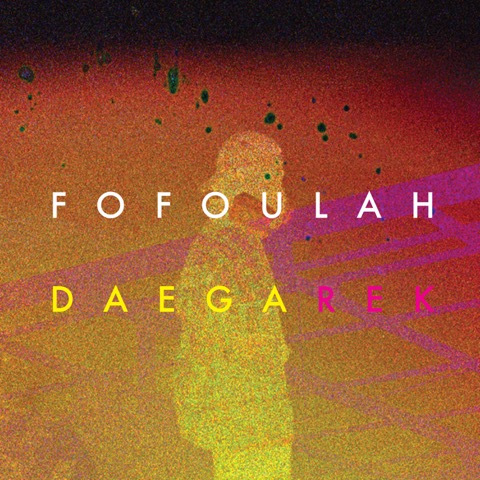
Bustling onto the transglobal London and Bristol scenes in 2014 with their earthy and urban bombastic fusion of Wolof African culture and dub electronica rich debut LP, the Fofoulah ensemble laid down the template for the a unique adventurous sound. Though taking its time to materialize, four years on, the follow-up album hasn’t just moved on but supersonically zoomed into the experimental void; even an esoteric, spiritual one at times.
Daega Rek, ‘the truth’ when translated from the Wolof language of coastal West Africa, sees Fofoulah’s saxophonist, keyboardist and producer Tom Challenger transmogrify the original Gambian talking drum of the group’s shamanistic rapping lead Kaw Secka and the accompanying percussion and propulsive drumming rhythms of his band members. (All of which were laid down at the Real World studios). Secka would then reappear in post-production to record his half spoken/half-rapped protestations and observations; the results all re-shaped into a ricocheting lunar-tropical bounding dub cosmology.
Skipping and skittish in motion; pushing the envelope as they pay tribute to lost brothers (‘Kaddy’ pays 2-Step rhythmic eulogy to the late photographer Khadija Saye who died in the Grenfell Tower disaster), the visceral taste of home (‘Chebou Jaine’ dedicated to Secka’s cousin, who cooked the best national Gambian dish) and search for the truth, Fofoulah lunge into the electrified dub ether of sonic adventure. Full review…
(DV)
G.
Goatman ‘Rhythms’ (Rocket Recordings)

An amorphous exploration of world ‘rhythms’ as transduced by one the mysterious Scandinavian GOAT band members through a an arsenal of filters, modulators and oscillations, the debut Goatman suite blends its polygenesis inspirations perfectly.
Offering up magical and scintillating rhythms galore, from Kuti’s compound Afrobeat to a tremolo and laser bouncing variant of RAM’s Haiti vibe, you can expect to hear the venerable tones of gospel, jazz, reggae, psych and pure ethereal acoustic Kosmische on this sonic flight of fantasy. Earthy yet light enough to soar, this impressive experiment side-project channels its influences perfectly to conjure up new musical ideas. Echoes of GOAT are never far away of course, yet this imaginative take feels more natural, more organic, and above all, more soulful. A fantastic debut.
(DV)
H.
Jack Hayter ‘Abbey Wood’ (Gare du Nord)
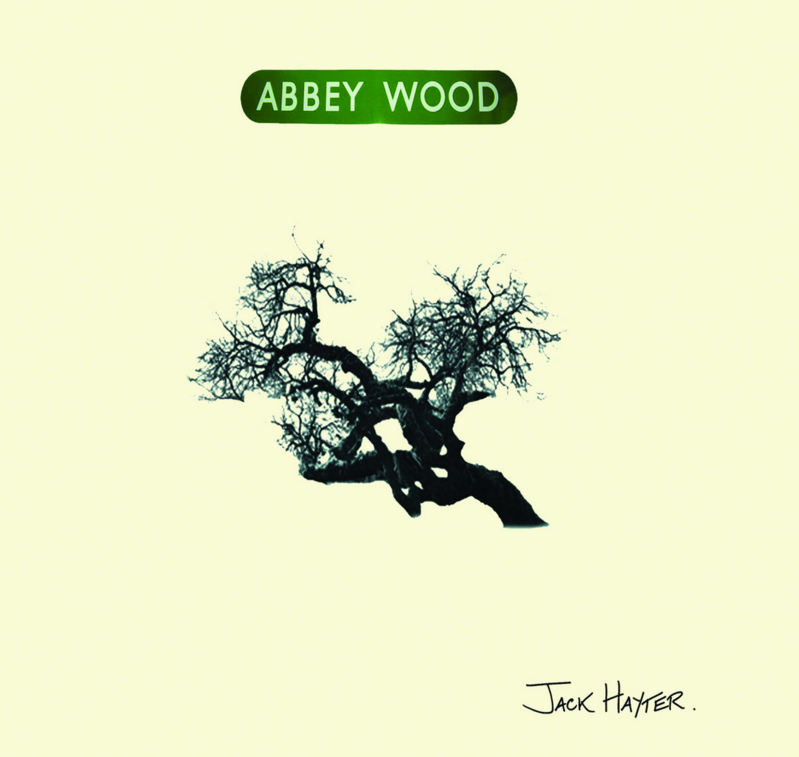
Bringing light, or at least opening up a psycho-geographical narrative dedicated to the very edges of a largely ignored London postcode – so far out on the South Eastern outskirts as to be part of Kent –, an earnest Jack Hayter composes a yearning lament to Abbey Wood on what is his first solo album in fifteen years.
Hayter’s deftly played, with twangs of bucolic and Baroque folk, blues, synthesized atmospherics, Americana and reverent chamber music, multilayered songbook connects with the psychogeography of his chosen location. From songs about the Abbey Wood diaspora and its position as a gateway to the world to laying cooing elegiac wreaths to those unfortunate victims of the WWII Arandora Star passenger ship tragedy, Hayter produces a lived-in musical novel, rich with references, landmarks and peopled by those who left an indelible, if at times fleeting, mark upon this much forgotten or passed over postcode: their ghosts, no matter how small the part they played in its story, never inconsequential; remembered and written about with a certain gravitas by the erstwhile troubadour, who performs the most accomplished and brilliant of testaments. Full review…
(DV)
Homeboy Sandman & Edan ‘Humble Pi’ (Stones Throw)
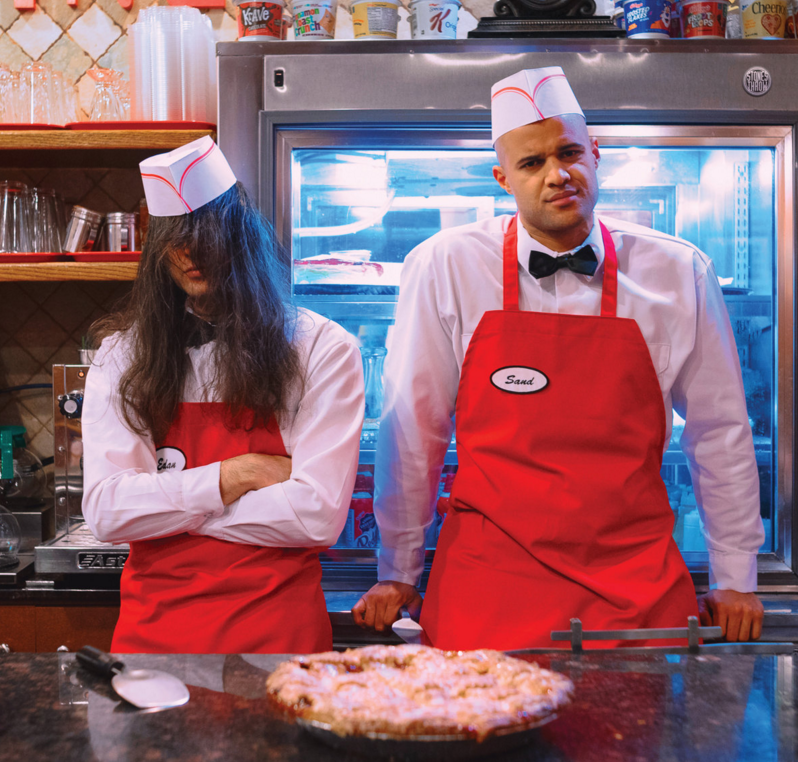
“A banquet of slaps that will become one of your five a day, and ultimately year” – RnV Oct 18
If seven or so tracks are good enough for Pusha T, Kanye etc, then they’re an ample fit for this elite underground swashbuckler of a showdown brought to us by the matchmaking Gods. Having flitted around the periphery for what seems forever, Edan returns with some of his best, ear-piercing archaeology to date as he shifts the B-boy-psych continuum once more; and Homeboy Sandman, both revelling in getting in the thick of it and firing off missives as he’s swept along for the ride, gets off the wall (“see me looking photogenic in the Book of Genesis, waving off medicines”), yet reels off some of the realest in recent times (it’s still, and shall remain, all about ‘Never Use the Internet Again’, which stylistically is actually a bit of a left-turn). The feeling pervades that the pair are proudly gladiatorial, indulging in friendly, unspoken competition as much as fighting the good fight as anointed hip-hop saviours. Let’s hope the sub 30-minute running time means the door is open for a second bout some time soon.
(MO)
J.
Juga-Naut & Sonnyjim ‘The Purple Door’ (Eat Good Records)
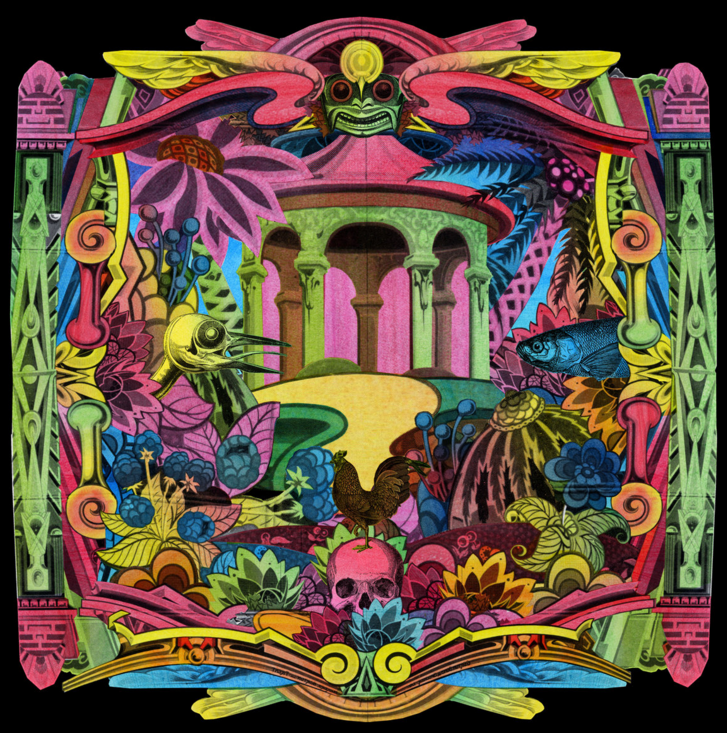
“Their usual, indomitable personas on the mic never skimp on Michelin-starred quality, and they still aren’t the ones to test if you think they’re pushing their luck” – RnV Aug 18
It’s an album largely based on elitist boasts, expensive trinkets and accessories and some pretty outlandish claims, but hey, these boys done good. Larger than life and living the playboy lifestyle making the ludicrous seem obtainable – you too can be a ‘Purple Door’ gold card holder – Juga-Naut and Sonnyjim transform the Midlands into St Tropez with a load of gala funk to make a red carpet entrance to, with just a hint of a twinkle in its eye like a felonious exile that has everyone’s backing. That said, you can’t live the life of a Rat Packer if you ain’t got the gab, and these two are no novices: the great suitability of their top table rhyme personas – Juga-Naut will have you believing every word he spits, Sonnyjim coming in dry and stonefaced yet smelling (and producing) like a million bucks – shares a love of all things gastronomic on the likes of ‘Duck Season’ that comes sweeping down a spiral staircase, while ‘Look Around’ takes a moment to act more tactfully, pledging family honour like a good fella. It might not be dining etiquette, but these two are pulling chairs from under the competition.
(MO)
Park Jiha ‘Communion’ (Glitterbeat Records)

Circumnavigating the globe to bring much-needed exposure to new sounds, Glitterbeat Records imprint tak:til gives a second wind to a suite of acuity serialism from Southeast Asia. Released originally in South Korea in 2016, the neo-classical musician/composer Park Jiha’s debut solo album Communion is given an international release by the label.
Inspiring what we’re told is a burgeoning Korean music scene (well, an alternative to the K-Pop craze), a chief progenitor of the movement Jiha alongside collaborative partner Jungmin Seo originally melded the country’s musical heritage with an eclectic range of contemporary sounds as the 숨[suːm] duo in 2007. Releasing the highly influential regional albums Rhythmic Space: A Pause For Breath (2010) and 2nd (2014), Park and Seo crossed the time zones to perform at both WOMAD and SXSW. Congruously putting the duo on hold to explore a more ‘personal’ and minimalistic ‘musical vocabulary’ as a solo artist, Jiha dexterously balances the air-y abstract breathes of the ‘piri’ double reed bamboo flute, the searing twang of the ‘saenghwang’ mouth organ and the softly paddled patter of the ‘yanggeum’ hammered dulcimer in what is a dialogue between a dulcet calm, the meditative and an entangled dissonance.
Transforming Korean traditions into a more experimental language that evokes the avant-garde, neo-classical and jazz yet something quite different, Park Jiha’s tranquil to entangled discourse evocations reach beyond their Southeast Asian borders both musically and metaphysically into something approaching the unique and amorphous. Full review…
(DV)
John Johanna ‘I’ll Be Ready When The Great Day Comes’ (Faith And Industry)
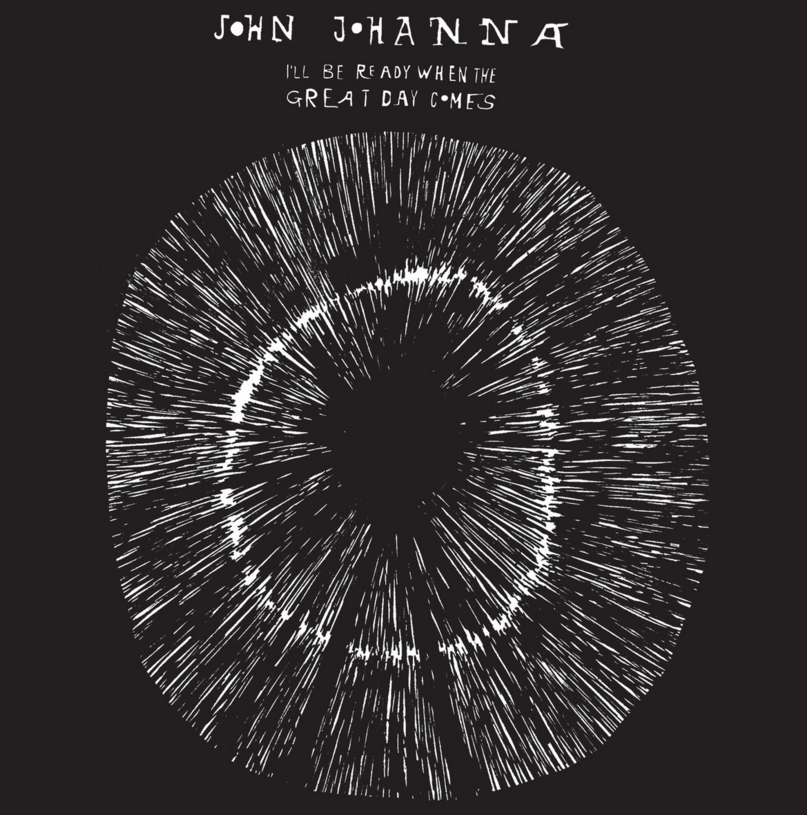
More a mini-album, even 12″ to be contrary, the beautifully cooed, warbled and ached venerable I’ll Be Ready When The Great Day Comes is nothing less than an afflatus anointed paean to a higher purpose. Informed by the mystical cosmology of the Eastern Orthodox Church, John Johanna‘s spiritual blues-y and gospel rock’n’rock hymns are both diaphanous and mesmerizing, even hypnotic; recalling visages of Morricone, Fleetwood Mac, Terakaft, Dirtmusic and Wovenhand as it wanders a picturesque but troubled soundscape.
On the devotional pilgrimage, the troubadour of the most evocative, stirring country burr, switches between aching falsetto yearning to lovelorn cowboy on the Andes romanticised cooing, and from the ethereal to fraught, as he makes communion.
No two songs are quite the same, as the wooing rustic sits next to (what can only be described as) the holy desert rock fusion of Native Indian and Afro-beat title track, and Bossa shuffle meets Yonatan Gat raindance. It all congruously comes together in one most divine service. A minor masterpiece.
(DV)
M.
Marlowe (L’Orange & Solemn Brigham) ‘Marlowe’ (Mello Music Group)
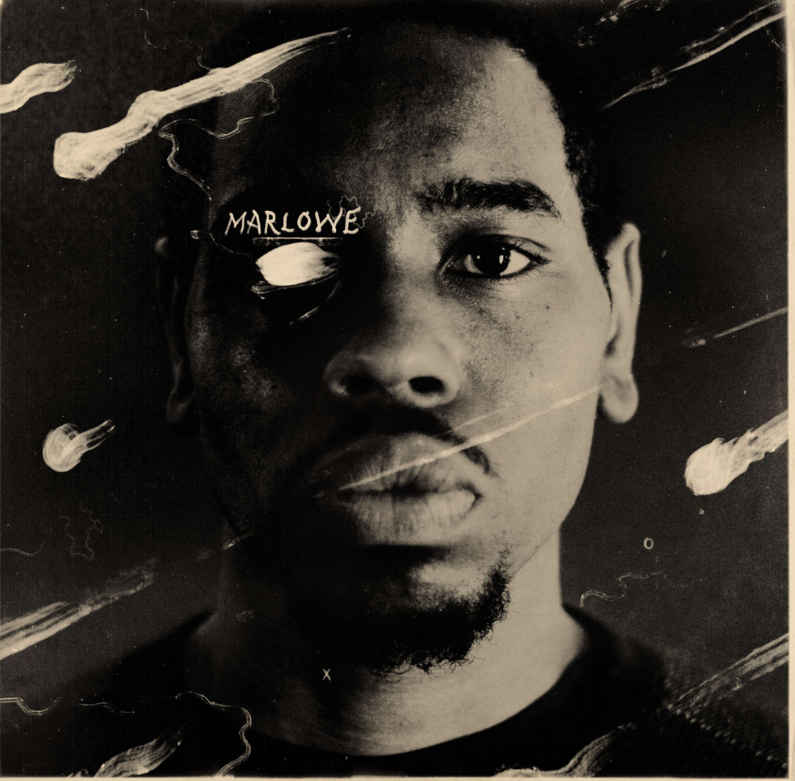
“Both excel in never revealing what’s steaming around the next corner, even when you’ve grabbed your toothcomb for the umpteenth time” – RnV July 18
Another yearly round up, another L’Orange inclusion. North Carolina stands up as latest collaborator Solemn Brigham rhymes his ass off: weirdly, without necessarily feeding off what the producer is trawling, and helping create something of an odd couple match made in heaven. L’Orange sets the scene, usually a funky hoedown, a sample-heavy brouhaha anticipating a stand-off or a psychedelic neck-snap. As is his wont, there’s a narrative to be spun, or some simple time-travelling to be done where no two bops are the same. Brigham on the other hand, blurbed as “summoning the holy spirit of Big L” without getting sucked into the danger zone, just jumps in with a garrulous B-boy stance and goes for it. Without L’Orange surrounding him in a world of imagination, give Brigham a park bench and a ghettoblaster and the results would be the same. What he does guarantee is that you’ll be going back to what he has to say, and whatever the variables, the energy and entertainment (grounded surrealism?) never dips. L’Orange may have found himself an emcee to keep on retainer.
(MO)
Hugh Masekela ’66-‘76’ (Wrasse Records)
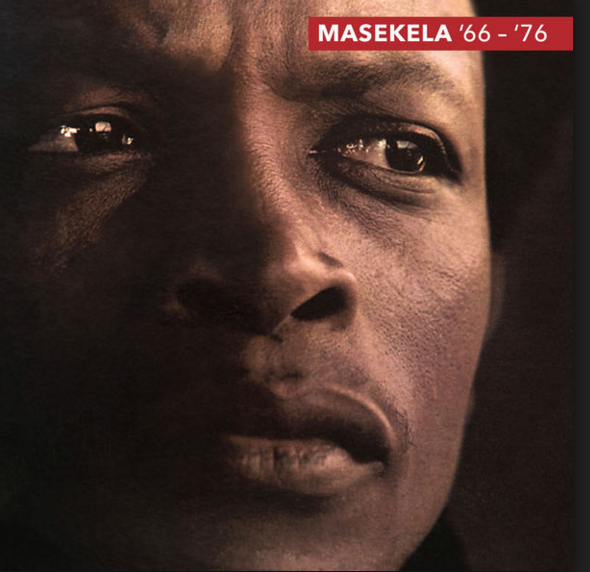
A most poignant and timely reminder of one of the true greats, the mammoth 66-’76 collection shows a multifaceted Hugh Masekela: The exile. The trumpet maestro. The bandleader. The activist. The colonial revisionist. The angry young man. But also the conciliatory. These are just some of the many faces of the South African titan of jazz and African musical fusions that can be found inside the latest essential collection of the late great polymaths’ back durable catalogue.
Put together especially by Masekela and his good friend, producer and collaborator on a number of projects together, Stewart Levine, just before he passed away at the beginning of this year, the three disc spanning collection features key tracks from many of his most iconic and experimental albums (two of which are included in their entirety). But what makes this especially appealing to collectors and fans alike, is that many of these albums were never officially released in the UK and Europe before. Progressing in the chronological order they were recorded, we follow Masekela’s journey not just musically but politically across his most formative decade and his partnership with Levine and collaborations with such legendary ensembles as the Hedzoleh Soundz combo. From the combined jazz and Township fusions of The Emancipation Of Hugh Masekela all the way to criss-crossing the transatlantic slave routes on Colonial Man, this collection is a sheer joy. Full review…
(DV)
(MO)
Brona McVittie ‘We Are The Wildlife’
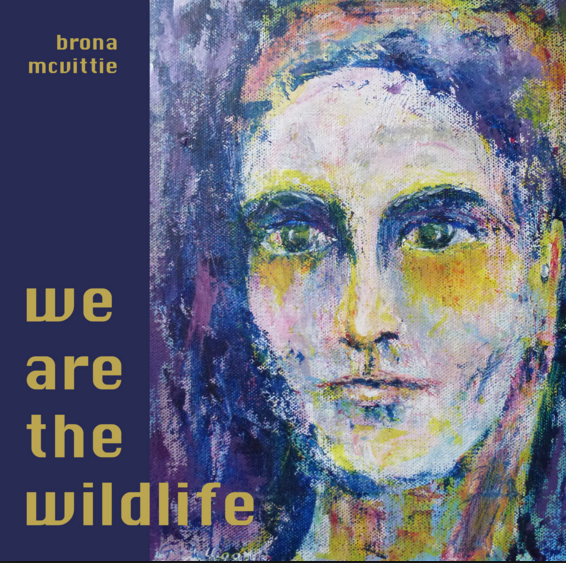
With the lightest, most deft of touches, Irish songstress and harpist Brona McVittie embarks on a voyage of ‘psycho-geographic’ inspired encapsulations of a mysterious, magical landscape and history on her debut album, We Are The Wildlife.
Tracing the sonic contours of London’s urban fringes and the rural landscapes of Mourne, McVittie pitches her fluttery diaphanous harp-led songbook somewhere between post-folk and the cinematic – helped along in part by the drifting trumpet evocations of film composer Hutch Demouilpied, who’s contributions sound at times like Miles Davis Dingo transported to an Irish peat bog.
Her ephemeral harp melodies and phrases often feel like a breath or just the merest hazy lingering presence of the instrument, which might in some ways be down to McVittie’s technique of playing them all on the guitar first before transcribing over. It certainly offers a different perspective and technique. And it certainly takes this heavenly traditional instrument into even more mystical, accentuate abstract realms, helped of course by an accompaniment of meadow flute (Keiron Phelan), sad bowed delicate strings (Richard Curran), searching fleeting slide-guitar and shuffling to full-on breakbeat drums (Myles Cochran). All of which amorphously pushes the often-ancient feelings and geography towards John Martyn and Bert Jansch one minute, towards the Incredible String Band or trip-hop the next.
Played with the lightest of touches, McVittie’s wildlife and Celtic inspired filmscape subtly crafts tradition into a cerebral suite of neo-classical and ambient folk. We Are The Wildlife is the most inviting and unique of debuts. Full review…
(DV)
Minyeshu ‘Daa Dee’ (ARC Music)

From the tentative first steps of childhood to the sagacious reflections of middle age, the sublime Ethiopian songstress Minyeshu Kifle Tedla soothingly, yearningly and diaphanously articulates the intergenerational longings and needs of belonging on her epic LP, Daa Dee.
Minyeshu left her native Ethiopia in 1996, but not before discovering and then learning from such acolytes as the doyen of the country’s famous Ethio-Jazz scene, Mulatu Astatke, and the choreographer Tadesse Worku and singers Mahmoud Ahmed, Tilahun Gessesse and Bizunesh Bekele. First moving to Belgium and then later to the Netherlands, the burgeoning star of the Ethiopian People To People music and dance production has after decades of coming to terms with her departure finally found a home: a self-realization that home wasn’t a geographical location after all but wherever she felt most comfortable and belonged:“Home is me!”
Evoking that sense of belonging and the theme of roots, but also paying a tribute and lament to the sisterhood, Minyeshu conveys with a sauntering but sorrowful jazzy blues vibe not only the burden and grind of daily life for many of her compatriots back home in the tumultuous climate of a fragmented and often chaotic Ethiopia, but also the joy of song and togetherness.
Not only merging geography but musical styles too, the Daa Dee LP effortlessly weaves jazz (both Western and Ethiopian) R&B, pop, dub, the theatrical, and on the cantering to lolloping skippy ‘Anteneh (It Is You?)’, reggae. Piano, strings and brass mix with the Ethiopian wooden washint flute and masenqo bowed lute to create an exotic but familiar pan-global sound. Minyeshu produces a masterful heartwarming, sometimes giddy, swirling testament that is exciting, diverse and above all else, dynamic. Her voice is flawless, channeling various journeys and travails but always placing a special connection to and emphasis on those special roots. Full review…
(DV)
Moonwalks ‘In Light (The Scales In The Frame)’ (Stolen Body Records)

At least geographically close to the spirit of the Motor City, if generations apart, Detroit’s Moonwalks brood in the shadows of the counterculture doyens that made it such an infamous breeding ground for snarling attitude garage, psych and acid rock in the 60s and early 70s.
Transitioning, so we’re told, from ad hoc abandon warehouse performances as a diy glam psych rock troupe to experimental space rock stoners, spiraling in a vaporous gauzy vortex of 80s British Gothic and acid shoegaze influences, the Moonwalks make a certain dynamic progression on their second full length album, In Light.
Sometimes they sound like a black magic rites Byrds and at others like a doomed The Glass Family on a bum ride. Their curtain call, The Joy Of Geraniums, is the most odd song of all; taking the Moonwalks into a whistling led peyote-induced trip to the Mojave Desert.
Vocally malaise the voices waft between Siouxsie Sioux, Bauhaus’ Peter Murphy and Slowdive’s Rachel Goswell. Of course it fits the nebulous cosmic doom and dreamy psych style of the group perfectly; ambiguously drifting through magical rites and sulky pretensions aplenty. Full review…
(DV)
Our Daily Bread 281: Malawi Mouse Boys ‘Score For A film About Malawi Without Music From Malawi’
September 12, 2018
LP REVIEW: WORDS: DOMINIC VALVONA

Malawi Mouse Boys ‘Score For A film About Malawi Without Music From Malawi’ 21st September 2018
The cheek of it, yet sadly all too common practice of the film and music industries I’m afraid to say, the authentic sound of the much-loved and acclaimed Malawi Mouse Boys was unceremoniously dropped from the first ever Malawi feature film; replaced by the music of an ‘experienced’ composer from outside the country. The location and story of impoverishment is one the Mouse Boys know only too well: a group if anything that after seeing footage from the film felt they were even poorer than the stories poverty-stricken protagonist, whom they felt was actually well off in comparison.
Though unconventionally discovered by the Grammy Award winning producer, instigator and field recording maestro Ian Brennan (no stranger to this blog) at the side of a Malawi freeway selling barbecued mice skewered on sticks as a fast food pick-me-up for passing motorists (hence the group’s, as it turns out, self explanatory if odd nom de plume), their earthy gospel blues vocals revealed, caught on tape and subsequently beamed to a global audience, the Mouse Boys lives changed it seemed for the better; the revenue from their first LP showcase with Brennan He Is #1 making things a little more tolerable; enabling them the fundamental comforts of an air mattress, as opposed to sleeping directly on the hard dirty floor, English lessons and a bicycle. Despite this they remain embedded in the same community, but resented by some of their compatriots for the little success they’ve had but destitute enough to have no access to a reliable electricity source or running water. And two of the core quartet that emerged out of an originally wider circle of mouse-hunters and coal-hawkers (slightly safer than catching mice in the snake infested dangerous wild bush) from the Sunday Church imbibed community, have through desperation fled across borders to find work in an increasingly hostile-to-incomers South Africa.
In a country where most of the population live on less than a dollar a day, the Mouse Boys have at least reached out beyond their impoverished state and received a small compensation for their unique gospel imbued talents: Not the first Westerner to discover this community of phenomenal rough-around-the-edges singers and players, the revered producer is the only one to keep to his side of the deal, returning to Malawi and handing over every cent they’re due.

Saving what could have been a major financial setback for the group after they forked out the money and time to produce the material for a soundtrack that wasn’t to be, Brennan, who’s done more than most to facilitate and bring the music of isolated communities to an international audience (often as part of a healing process after various traumas; see his work in Cambodia and Vietnam), has helped to salvage their spurned material; collating an alternative cinematic score, releasing it as the Mouse Boys fourth official album. Of course the title says it all; instead of abandoning what is a highly supernatural otherworldly but also earthy dusty sketchbook of vignettes, fragments and longer pieces of mostly stripped-down-to-an-essence vocal and Musique Concrete – the real sources used to create an almost esoteric sound environment deriving from water buckets, a broken spoke, beer bottles, an alpha monkey’s call, shovel scrapes and a machete – that fateful ghostly soundtrack lives on.
Raw and atmospherically in-tune with the film’s premise, it would have been great to experience the audio and visuals together. But we are where we are. And we are asked to experience the sounds and music in isolation; our imagination left to fill in the blanks.
Track titles describe what would have been the film scenes; from the distant sonorous booms and crackle of the opening ‘Power Lines’ to the tool-clanging and ad hoc rhythmic patterns that emerge from clambering over a ‘Tin Roof’. Those celebrated gospel choral vocals, when they do appear (spread out between the more experimental environment soundscapes), are transcendent, plaintive and venerable. Making an afflatus call on the beautifully yearned hymn ‘Hunger’, or, tongue-clicking and soulfully gathered in ‘Hope’, the vocal chorus is as heavenly as it is earthy and sad.
Experimenting like never before there’s plenty of strange, sometimes eerie, sounds being used to conjure up both the spiritually alien and all too real tragedy of survival in Malawi. ‘Dirt Floors’ for instance stirs up a spindly, twanging synthesis of rustic blues from striking, scraping and pulling at and running up and down the frets of a homemade amplified and distorted guitar, whilst ‘Ghosts’ appropriately features an apparitional looming scene, produced in part from a chirping chorus of jarred bugs.
The Malawi Mouse Boys first leap into cinema may have hit the buffers, but with Brennan’s help they manage to save what is a most unique soundtrack from total obscurity. Few albums will sound as raw, remote or strange this year as this truly haunting, as it is beautiful and experimental, score.
Words: Dominic Valvona
Tickling Our Fancy 053: Chicago Afrobeat Project, Deben Bhattacharya, Odd Nosdam, Širom, Nosaj Thing
August 21, 2017
NEW MUSIC REVIEWS
WORDS: DOMINIC VALVONA
This latest roundup of the imaginative, exploratory, venerable and refined musical discoveries includes a second collection of film and field recordings from the late legend ethnomusicologist Deben Bhattacharya; the third peregrination from Glitterbeat Records’ new imprint tak:tile, Širom’s Slovenian soundscape odyssey I Can Be A Clay Snapper; a rebooted soul-in-the-machine electronica collection from Nosaj Thing; and the latest ambient soundtrack from Odd Nosdam.
But first of all we have a reenergized Afrobeat collaboration between the genre’s doyen rhythm guru, Tony Allen, and the eclectic, protest driven, Chicago Afrobeat Project, called What Goes Up.
Read on…
Chicago Afrobeat Project Feat. Tony Allen ‘What Goes Up’
September 15th, 2017

Starting life as a shifting collective of musicians jamming in a artist’s loft, channeling the fervor of Afrobeat’s progenitor Fela Kuti, the Chicago Afrobeat Project initially covered the Nigerian icon’s back catalogue before developing their own variant style. Transducing the sound of downtown Lagos and the Afro-Spot nightclub via the rich musical heritage of their own native metropolis, the group, now settling with a regular lineup, open the studio doors to embrace the city’s famous blues, soul, R&B, jazz, gospel, house and hip-hop culture.
Expanding on and playing with the Afrobeat foundations but staying true to the roots of the African fusion that first merged the popular Ghanaian Highlife hybrid with funk and soul, the project members invite a number of vocalists and rappers from the area to enthuse, lead and prompt the music towards the political; reinforcing the main message and activism behind much of Kuti’s own, often dangerous, protestations and rebellious denouncements.
As if it wasn’t already enough, the Afrobeat ante is upped with the appearance of Kuti’s wingman and rhythm guru, Tony Allen. Showing those youngsters a thing or two, Allen brings certain levity, a craft and connection to the source, to this ten-track album. Flown in especially from his home in Paris, Allen, who’s also recently recorded a tribute album to Art Blakey (which he says fits in well with the Chicago Afrobeat Projects What Goes Up), doesn’t just turn up to add a roll and drum flair here and there, he plays on all the tracks, laying down the foundations, leading the way and rattles off his trademark polyrhythm shuffles, jazz timed syncopations and, most important of all, infectious grooves: the fight against injustice has never rarely so funky.
The elder statesman of Afrobeat, sounding almost effortless with his limbering and relaxed drumming, brings a sagacious quality to What Goes Up, though his comrades bring the bright and heralding horns, laser zappy synths, church organ and sunny Hammond sustained rays to the get-down.
Guests, of which there are many, on this sweltering and sauntering conscious album include a new jack swinging, bordering on gospel house style hook, protesting JC Brooks (Race Hustle and Sunday Song); an Igbo lullaby and Afro-futurist meets atavistic soul of Western Africa Oranmiyan (Cut The Infection, Must Come Down and Afro Party); the soulfully sassy, tumbling R&B songstress Kiara Lanier (No Bad News); and a metaphorical conversationalist style Rico Sisney and Maggie Vagle (as sparring partner) of Sidewalk Chalk (Marker 48).
As Rico Sisney puts it on the skit for environmental justice, Marker 48: “Something’s gotta change!” And over the course of the album the collective tackle every kind of current injustice filling up the newsfeed: from the alarming murder rate in the inner cities, including Chicago’s own widely publicized tragic rates and by extension the Black Lives Matter campaign; racial profiling and harassment; tensions between communities; and of course, Trump.
Speaking Kuti fluently, channeling the Afrobeat totems and the most hustling, hot footing rhythms, the Chicago collective offer a unique take on the genre under the watchful eye of Tony Allen. Bridging two generations, adding some fresh licks and eclectic sounds from their own backyard, they do more than most in reenergizing the Afrobeat blueprint.
Nosaj Thing ‘Parallels’
Innovative Leisure, 8th September

An urgent rewire; a forced reboot; the fourth album from the Los Angeles-based electronic producer/composer/performer Jason Chung, under his Nosaj Thing alter ego, focused the mind like no other project before. As a warning to us all that backing up your hard drive is not only vital and reassuring but also a security precaution, Chung lost three years worth of demos, sketches and compositions, many of which were destined for this LP, in a robbery whilst out on tour with Warp Record’s signing Clark.
Losing all his equipment and a number of precise hard drives, all of which were never backed-up or saved anywhere else, meant that Chung would have to start from scratch, and as it has proven, reexamine not only his methods of storage and quality control but also his process of creativity.
Parallels is in fact billed as some kind of “epiphany” for Chung; a journey into “uncharted territories” for an artist renowned for his collaborative fusions with Kendrick Lamar, Kid Cudi and Chance The Rapper. Changing direction and playing to it to his advantage, Chung uses this as an opportunity to explore deeper expanses. Far from wild and edgy however, Parallels is a quite vaporous but controlled soulful listening experience. Counterpointing various succinct philosophical questions (‘Dystopia or Paradise’, “Love or Regret?’) and themes (‘Emotions vs. Technology’, ‘Soul vs. Machines’) Chung’s electronic suffusions linger in a woozy sometimes haunting fashion between his many juxtapositions, yet always remains connected with a touch of humanity: from the resonating visages of a taped conversation with a security guard watching over the Picasso & Rivera: Conversations Across Time exhibition, to the trio of varying degrees of ethereal and soulful vocal contributions from guests Kazu Makino, Steven Spacek and Zuri Marley.
Emerging from the ether, Chung opens the album with a veiled drone rumble, piano arpeggiator and ring of articulate beats before hooking up with London producer/singer Spacek on the haunted broody lament, set to a Polygon Windows meets minimalist R&B pop, All Point Back To You. A precursor, a taster, of what you can expect to hear on the future Makino/Chung collaborative EP (released we’re told at some point later on in 2017), the breathlessly whispered cooed and chilled suffrage How We Do, adds a ticking drum beat and Japan style ice-y synth to the gauzy shoegazing Blonde Redhead signature. Nocturnal dreamy downtempo house, ambient meditations and finely-tuned kinetic soul-in-the-machine meanders follow, before reaching Marley’s rich soaring to lilting contour hovering past love affair ruminations on Way We Were.
Finely chilled, articulated electronica, amorphously floating between escapism and dystopia, Parallels never quite settles on either. And despite a number of equations that pitch technology and the machine against humans, Chung’s music has a real soul and yearning.
Odd Nosdam ‘LIF’
Sound In Silence

Few have changed the direction of hip-hop and modern ambient soundscapes like David P. Madson, the co-founder of both one of rap music’s most experimental outfits, cLOUDDEAD, and the seminal Anticon label. Forging a post millennium course with a number of collaborators, including Dose One, Yoni Wolf and Jel, Madson deconstructed, eviscerated and then rebuilt a more avant-garde, strung-out and expansive vision for hip-hop.
Under the Odd Nosdam title, inspired by the minimalist composers, and on this latest soundscape immersion, the degrading in quality traces and language of sound/video artist and composer William Basinski’s The Disintegration Loops IV, he delves ever deeper into the ambient sphere.
Informed by a prolonged spell of “nonstop rain” in his native Bay Area home, the LIF album transduces the West Coast of America’s winds and rains weather patterns into an analogue controlled, filtered and manipulated field of ebbing and flowing pulsing electricity. The capital three lettered titles (codes? Abbreviations?) fade in and out; like passing through a cloudy overcast or static resonating wave, which eventually dies out. Subtly alluded to, drizzling downpours are simulated, falling on glass, on the slight Japanese sounding RAI, and detuned TV set feedback accentuated moiety KEI I and KEI II. Whilst far gentler droplets fall like notes on the enervated rasping vignette AIN.
Prompts and themes of loneliness – and when listening to the varied ambient passages, you’ll find plenty of space to ruminate in isolation -, love and fear are key to unlocking, or at least perhaps deciphering, these ten mood compositions: articulated at times through subtle plucked out notation, bellowed harmonium, dreamy ascents above the clouds and floating lingers of melody. Refining emotion from a pylon hum, showers of rain or generators, Madson’s minimalist soundscapes traverse the Kosmische and ambient genres with a contemporary feel and movement.
Deben Bhattacharya ‘Musical Explorers: Krishna In Spring’
ARC Music, 25th August 2017
In praise of the field recordists, leading world music label ARC continues to champion the music and film recordings of the late ethnomusicologist Deben Bhattacharya in its latest series venture, Musical Explorers.
The project was launched back in June with Bhattacharya’s 1950s and late 1960s spanning Colours Of Raga, which included an introduction and illuminating set of notes from Songlines editor-in-chief, author of the “rough guides” to world music, Simon Broughton, who once again offers context and insight on this, the second volume in the series.
A self-taught producer, recording not only the sounds of his native India but also the Middle East, Asia and Europe, Bhattacharya travelled extensively cataloguing rare performances, bringing his exotic wonders to a his adopted British home and audience via various BBC commissioned documentaries and radio programs.
As the title suggests, Krishna In Spring is a paean of instrumentals, dances and venerable verses dedicated to, perhaps, the most venerated and famous deities in Hindu mythology. Demon vanquisher, protector of the common people, the mischievous incandescent blue portrayed god represents the “spirit for life” and for his tumultuous love affair with Radha. Said to have the common touch; never happier than when cavorting and leaping and springing about with milkmaids in his role as humble cow herder, Krishna is often depicted flute in hand, amongst the earnest folk. Almost every love song in the Hindu songbook is in his honour or at least references him. The diaphanous articulated Indian bamboo flute, the Bansuri, is even used as a colloquial signature and evocation of his presence.
Taking the full extended performances, seen and heard briefly on the soundtrack, from the title’s twenty-five minute documentary come public information film (first aired in 1969), Bhattacharya captures a panoply vision of the famous Holi Festival: the “festival of colours” that ushers in the Spring, dedicated to the deeds and spirit of Krishna, or as Bhattacharya himself puts it, “…to surrender oneself to the spirit of life. That is the message of Krishna in Spring.”
Humongous sized drums; bicycle-pump tie-dye abandonment; women browbeating their menfolk with broom handles, enacting Radha’s stormy love affair with Krishna; silky clothed flag carriers and joyful communion, the Holi Festival footage, even in its scratchy washed-out by time and quaintly narrated form, encapsulates a vivid, chaotic worship. It is a festival steeped in tradition and seems out of time with modernity, but as we are told in the album’s accompanying notes, continues to be practiced in the exact same way today.
Glimpses, as I said, of the evocative drones, syllabic ‘bols’ speak and poet exultations are played-out in their entirety on this collection’s eight sweet and beautiful audio recordings. Half of which feature the backing of R.K. Bharati laying down elegant melodies and drones on the short-necked Indian fiddle, the ‘sarangi’, Hidayat Khan taping out various coda and frenzied sophisticated patterns on the tabla, and Chiranjilal planting atmospheric brassy drones foundations.
Touched with the afflatus, there are fine examples of dusky hour pentatonic scale flightiness and serenaded flute pulchritude to Krishna throughout, including Suraj Narayan Purohit and Indermall Mathur’s Raga Bhupali, the adulating voiced incantation to the many names and trials of the beloved deity Devotional Song Of The Ballabh Sect In Praise Of Krishna performed by Amarlal, and the lengthy lyrical prose turn conversational drama, based on the late 14th century poet Chandidas’ original and the subsequent additional litany of poet contributions throughout the ages, Mathur, performed by singers from the Mitra-Thakur family.
Every bit as revelatory, especially to those unfamiliar with India’s multifaceted belief systems and extraordinary musical heritage, as the first of Bhattacharya’s collections in the Musical Explorers series, Krishna In Spring does however offer an even deeper and varied window on classical Indian music: A celebration of sounds that traverse Rajasthan, West Bengal but above all the holy.
Širom ‘I Can Be A Clay Snapper’
tak:til, 8th September 2017
With an unspecified, but as the name suggests, emphasis on the “tactile”, Glitterbeat Records new imprint label gives a welcome platform to entrancing experimental tonal performances (launched earlier this year with 75 Dollar Bill’s Wood/Metal/Plastic/Pattern/Rhythm/Rock and Joshua Abrams & Natural Information Society’s Simultonality albums) and sonic polygenesis traverses alike. In the latter camp is this Slovenian peregrination suite from the landlocked, Alps nestling country’s visceral sonic conjurors, Širom.
Evoking memories and feelings, both real and imagined, with a soundtrack thick with atavistic connections, the trio of punk and post-rockers turn experimental folk and acoustic instrumental cartographers convey a personal relationship to their homeland, on their second album together under the Širom banner.
Though part of a litany of Empires, including the Habsburgs, Italian and either through their own forced amorphous cultural, ancestral ties with neighboring regions and peoples, became part of the Croat-Slovenian and Yugoslavian annexations at one time, Slovenia has despite its size and battle for independence, maintained a distinct identity. In less glowing terms but pretty accurate, the writer Simon Winder in his Habsburg travel saga Danubia, described what we know as the modern Slovenia as being, “[…] stuck together from the rubble of the [Habsburg] Empire’s end, with its core made up from the Duchy of Carniola with bits of Styria, Gorizia, Istria and a small piece of the old Hungarian county of Vas.”
One of the central themes of I Can Be A Clay Snapper, and amongst the country’s most richly abundant resources, is water; the leitmotif of which appears throughout the album’s five odysseys, evoking mountain streams, lazy lowland meandering rivers and the mysterious vanishing water of Karst through a sonic transcription.
Revisiting a number of locations held dear, including some that proved very difficult to reach, Samo Kutin, Iztok Koren and Ana Kravanja travelled to locations as diverse as the bright yellow turnip rape fields of Prekmurje to the snowy mountain top of Kal above the village of Čadry to channel their inspirations and compose from improvisations this, often, meditative peaceable experience. As if the music didn’t quite signal the intentions and psychogeography well enough already, the trio have also made a film, Memoryscapes, to document this landscape surveying experiment: each, the album and the film, influencing and informing the other.
Though all three of Širom have different varied experiences to share, with both Kutin and Kravanja citing punk rock as a starting point, both playing apart in various bands in the Slovenian capital before eventually crossing paths at an improvisational music workshop and forming the kalimba-based Najoua duo, and Koren meanwhile, feeling a peculiar shame at listening to music during his childhood, but making it up for it ever since, serving in a succession of metal and post-rock bands, they manage to accommodate each other’s particular strengths, personalities and depth. Which can’t be easy especially when you glance at the scope of instrumentation used; each band member a deft practitioner of instruments as cosmopolitan and eclectic as the balafon, banjo, mizmar, lyre, ribab and as humdrum – but when put to good use and made into a impromptu device for making a rhythm or unusual sound – as common everyday objects such as a pair of drawers and household junk.
Yet whatever the backgrounds, traces of North Africa, Adriatic and the middle East, and individual influences, the performances sail scenically through a dreamy otherworldly representation of Slovenia: Oriental, alien and Balkan visions permeate the plucked, malleted, chimed and purposefully played compositions, which subtly and rather cleverly build up complicated layers and various overlapping time signatures during the course of their journey.
Theremin like siren voices drift in and out, enacting the myth and seraph, whilst on the watermill turning Everything I Sow Is Fatal Sun Ra travels with John Cale and Pharaoh Sanders on a pilgrimage to Samarkand. The most recurring sounds however pay testament to the Balkans ghosts. The folkloric stirrings, lulls and yearning of Slovenia’s past bordering both a pan-Europa of migration and grief – stretching back a millennia – are transduced into often haunted vistas and metaphysical passages.
Changing tact so to speak, following the first two and ahead of a fourth re-issue (a second volume of Jon Hassell’s pioneering Fourth World ambient evocations is to be released just a few weeks after Širom’s LP), I Can Be A Clay Snapper is the first tak:til imprint to meander into south central Europe. And what an impressive and expansive inaugural Balkans travail it is too; different from the previous two releases, yet keeping to the tactile, accentuate and imaginative remit; whilst conjuring up mystical new soundscapes.
ALBUM REVIEW
Words: Dominic Valvona

Tanzania Albinism Collective ‘White African Power’
Six Degrees Records, 2nd June 2017
If anyone is perturbed, fear not as the man behind this slightly ironically entitled White African Power album, guiding hand and producer extraordinaire Ian Brennan, puts us straight:
“As one of the most persecuted groups on the planet, when a member of the Albinism community in Tanzania – especially one who has been relocated by the government for his own physical protection – asserts his “power”, it should not be denied. And if anyone has earned the right for the use of irony, it is those that have suffered such atrocities and ostracism from birth, yet still manage to endure.”
In so many respects a “spiritual follow-up” to Brennan’s Grammy Award-nominated Zomba Prison Project and follow-on from the equally evocative and raw Hanoi Masters sessions, White African Power attentively and respectfully draws out the repressed voices of the Albino community in Tanzania. Brennan’s productions often serve as a kind of hands-off form of creative counseling and healing; helping people to overcome trauma, such as the survivors of Pol Pot’s genocide in Cambodia. He’s renowned for being the most inconspicuous of in the field and on location producers, letting the atmosphere and elements, the moment if you like, and even serendipity bleed into the performances he captures for posterity. And the production methodology used for this latest project, recording the songs of the standing Voice Community of Ukerewe, is no different.
As superstitions still prevail in many parts of east Africa, none more so than in Tanzania, the albino community are ghoulishly hunted down or ostracized. If they’re lucky, they make it to sanctuaries such as the Ukerewe Island retreat: dumped for their own safety by families and the government but also abandoned. If they’re unlucky than they will find a much more horrendous fate is in store for them, pursued, murdered and dismembered for their limbs by those who believe that an albino’s body parts have magical properties. However you look at it, albinos in Tanzania are shunned and persecuted: one of the most common insults being that they, “belong to the whites”, or worse, that they are demonic.
A safe haven, Ukerewe, where Ian travelled to in 2016 to document their plight, is the largest inland island in Africa, only reachable by a four-hour ferry ride. Its community is, hardly surprising, haunted by their experiences. Self-conscious, avoiding eye contact, it proved a difficult task for the producer to encourage his subjects to open up. But open up they did, and the results are often surprisingly melodious, poetic, and diaphanous if raw and emotional. Far from a harrowing catalogue of despair and pity, the 23 recordings on this collection prove illuminating.
Though sung in the “discouraged and censored” (following unification in 1964) dialects of Kikirewe and Jeeta, the English translated song titles will leave you in no doubt as to each one’s message and lament: from disbelief at their treatment, on the Casio keyboard preset backed alternative 80s, sweet but troubled, The World Has Gone Mad, and the double-bass trembled Stop The Murders, to the hope and calls for normality on the mysterious sounding electric-guitar blues I Will Build A Home, Someday, and the harp-plucked music box serenaded Happiness.
Another indictment if needed on those perpetrators and a population that have harassed and murdered them, other titles sadly reflect tragic insights into their lives: Stigma Everywhere, They Gossiped When I Was Born, Standing Voices (Once, I Was Abandoned). And as though any right-thinking decent human being needed it, there’s a jolting reminder that Disability Is Not A Curse.
Fitting no obvious style, these amorphous performances do however resonate both with the delta blues of Louisiana and the stark, stripped down and earthy blues of South East Asia. Touches of raw African dusty tradition do appear, ascending and descending alongside gospel and soulful voices, naturally echoed, sighed and open-heartedly sung with a pure vulnerability. They’re accompanied either by stark lo fi electric guitar performances, that range from scratchy, straggly proto-punk to slower scrabbly emotive twangs, or an acoustic backing of rubber-band and bottle shaking percussion. Standing out production wise though is the classical – imagine Brahms on harpsichord transferred to East Africa in the 80s – reverberating cradling deep soulful ballad, Never Forget The Killings.
Ian Brennan coaxes another startling, eye opening, set of recordings from the victims of trauma; one that proves every bit as impressive as it does plaintive and sad. The collective will astonish, if not surprise listeners, those suppressed voices, thankfully released and given an international platform, sound emotionally honest and revelatory.
Released just ahead of the U.N.’s International Albinism Awareness Day on June 13th, the voices of White African Power can also be seen at this year’s WOMAD festival this summer (July 27-30th).
 Monolith Cocktail Blog