The monthly Digest includes a clutch of accumulated short new music reviews, the social inter-generational/eclectic and anniversary albums celebrating playlist and a piece from the Archives.

Before you read on, and if by the end of reading this column you’ve enjoyed this selection/the writing, or been led down a rabbit hole into new musical terrains of aural pleasure, please consider donating to the Monolith Cocktail blog’s Ko-Fi donation account. We are pretty much a one-man show with no sponsors or affiliations, and have sworn to never use or platform AI artists or use this tool in our own writing or research. Curated in a manner, each post and column is entirely self-motivated and beholden to no one. Please enjoy this month’s Digest column from MC founder Dominic Valvona.
___/NEW MUSIC REVIEWS SELECTION___
(All entries in alphabetical order)
bu.re_ ‘seasons in migration’
(AKP Recordings) 21st August 2026
Lower-case absorbed observations and measures of the seasons, as distilled through a both softened and gently piqued dappled lens, the latest traversed set of recordings from the L.A. born producer and multi-instrumentalist bu.re_ builds upon a process, a foundation and methodology to produce near weightless evocations of a familiar and yet almost abstract visceral capture of the seasonal changes.
If we want to get technical and precise, the quartet of tracks on this latest release from AKP Recordings is actually built upon a 12-chord progression, divided into four groups of chords; each of one of which lines up with and reflects a particular phase in the yearly cycle of the said seasons.
Ambience, the new age and Japanese environmental music prove complimentary in capturing the unfurling buds of Spring to the arrival of light poured rains and the lasting, expansive and near nothingness of a “tundra” environment recording that shifts its subtleties over the course of a whole long form suite: starting with a sort of thrashing and sieving sound before developing into Suzanne Ciani and Fairlight CMI-like waves, snuggled and mizzle and airy saxophone purrs, expansive horizon gazing synthesized vistas, and the floated specks of crystallised pollen.
Marking perhaps deeper meaningful episodes in the artist’s life, a reification of feelings invoked by watching such phenomenon, each beautifully conveyed piece is brilliant in its mood music encapsulation of sweltering mirages, roll out of an environment waking from its winter stupor and sleep and the blowy breaths of the wind arriving from a cooler North.
Impressions of Ariel Kalma, my old pal John Lane (going under his A Journey of Giraffes guise I’m reminded of his own homage of a kind to Susumu Yokoto on the Kono album), David Casper, Park Jiha’s summery vibraphone twinkles, and on the static slow released and languidly sax-pipped ‘heat simmer’, Matthewdavid and a restrained, Pharoah Sanders. For across the synthesised and the bulb shaped notes that materialise and float from the electric piano, and over the amorphous soundings of the tubular and bamboo, bu.re_ also adapts both the sax and flute to swan, breathe, waft, flutter its feathery wings and near hallucinate.
Gathered samples from over the last six years are transduced and made evocatively touching, contemplative and inviting when combined with an apparatus of electronic and wind instruments, processes and effects. A most diaphanously touched and sincere mused form of the four seasons, bu.re_ manifests so much more than just the weather and the measuring of the Calander months as they leave their mark upon milestones and concerns of a deeper nature.
Enfo ‘Small Modernist House In Woodland Setting’
(Subexotic Records) 14th August 2026
Despite the personality, the life stories, travails and hopefully more joyful and escapist episodes embedded within this opus-like scale journey from Enofa, I’ve pretty much ignored the research and notes to let the sounds, sonics, tape manipulations and melodic sweeps and soars of this generous eighteen-track album to speak and unravel their sensibilities and captured moods and experiences to me. I’m sure every suite and action has an explanation or series of prompted connections to the artist’s growth, anxieties and meditations, but to embrace without any prior judgement Small Modernist House In Woodland Setting is a both mysterious hauntology and surprising concepted work of ambience, field recorded and snatched sampled collage, disturbances in the soundscape fabric, environmental music and the exotic.
A fourth world vision in many ways that takes in timelines and evocations of periods from across history; from the near courtly and banquet music of the Medieval age and a weird folkloric England to vague chants and ceremonies from what could be Africa, South America and the Far East and Java. More Robert Musci and Glove of Bones than Hassell, but with the amorphous signatures of porous border leakages and influences of bamboo music, the tribal, the jug poured waters of an exotic garden retreat, the bowl reverberations of Lhasa you could be simultaneously and subtly taking in the worldly and off worldly.
It begins with the lushly Japanese-esque ritual karmas and spindled dulcimer-like tones of ‘The Wormery’ (reminded me of both Walter Smetek and a trumpet-free Don Cherry), and then both flows and disjoints with either surface noises or the unruly into passages of shaken dried beans or rice and ghostly waves of wooden tubular pole building on the speaking insect foliage chorus of ‘The Whispering Forest’ and the peculiar Staraya Derevnya and Lotus Eater’s plucked and twanged folkloric guitar mystical ‘Earthfasts’.
The album (or rather double LP) has its own recurring themes and signatures yet constantly expands and takes in an abundance of sources and influences; everything from an astral Mosquito Coast of reverberating hollas and pipped rituals (‘Interstitial’, which reminded me in part of both Elve and Amorphous Androgynous) to starry ecological trance and space mulch (‘Life Flower Totem’) and a more childlike discombobulation of toy instruments and radio tunning (‘Siobhan And Roisin Dance A Ceilidh’).
Metallic pins rain down whilst a Boyd Rice-like voice intones a gothic post-punk esoteric poignancy; motors judder and voices, interactions, aggro and choral voices lie in the undergrowth or the tape ether. Zen meditations overlap with the supernatural; cloud surfing beauty breaks away from the ominous soundscapes of Ramleh. A balance is kept throughout, as Enofa pulls the listener into an extraordinary travelogue and diary of memories, abstracted feelings and life changes. Anything but indulgent, it’s still a lot to take in, and the ambience of it may surprise when it turns corners and undulates with an eclectic spread of sound, the atonal, the discourse and the mysterious.
Nonturn ‘Repeating Town’
(Audiobulb Records) 22nd August 2026
Underlying this often pleasant and understated rhythm of the concrete is the idea of “how the city can be made to function as music”. Beats and loops created from the environment and resonance of Tokyo’s famous “bohemian” neighbourhood of Koenji are repeated, layered and placed on a 96 BPM grid and used as the basis of sampled material, with the results being a most ambient and minimal soundtrack of kinetics, soft industrials, reverberations and the tubular.
The alias of Kanazawa-born and Tokyo-based electronic composer Nozom Yoneda, the Nonturn project utilizes everything from the tools of construction to the traffic and architecture of a well-known musical underground (especially punk rock it’s said) and retail district in the Western regions of that metropolis. And all of it without the use of instruments, nor the obvious or familiar sounds of a buzzing city; transformed from their sources into a low rhythm and groove and set of looped or sampled sonics and ambience.
Every track is interesting in its style and mode of rhythm; from cupping sounds to the ringing of metallic reverberations, swept motions, scaffold and the warbled oscillations and vibrations and the pneumatic drills of machines. With some exceptions it makes for a softened post club absorption of Boards of Canada, Kriedler, Japanese Environmental music, and the early Warp label.
Those exceptions however, can be found in the form of the camera-like shutter snaps hollowed-out tubed captures of ‘Fathom’, and on the psychogeography of the industrial and more supernatural sounding ‘Disrupt’ – I’m convinced that the spirits of the district’s original temples, of which it is named after, are invoked through the mystical and spirit sounds that prick the metallurgy of the slab concreted exteriors; something seeping through from the back alleys in which the old has been hidden and rebuilt. The peeling of layers, of the daily actions and converse of a city district come alive through attentive and subtle uses of sampling and the transduced to create a most immersive sound world that grooves and rhythmically finds a connection with the concrete.
Sly & The Family Drone ‘With Love’
28th August 2026
Are they taking the piss? That discombobulation of provocative, riled up, multi-limbed distortions and dynamics, Sly & The Family Drone have only gone soppy on us? Well, at least with the title and the artwork of their latest instigated power play of no wave jazz and space rock transmogrification it seems their originally framed Valentine’s Day project is packaged in Barbara Cartland pink lace, satin and velvet; a single gloved hand laying a singular rose on a love heart shaped box of unknown delights. So, to all intents and purposes a romantic gesture; a sentimental wheeze.
A love letter to their fans perhaps, there’s a limited edition of twenty individually cut 12”s up for grabs, (if you’re asking, cut no less “in real time” by Michael Lawrence at Bladed Flier!) and a less limited version on pink and grey vinyl to devour. But I for one am not buying this Barbiefication for one minute, and once on the turntable it’s a whole different matter or meta of sonic infusions.
On this particular occasion, in this particular zone, the troupe corralled the talents of mainstay trick noise maker of various hazardous and dissonance electronic effects, voice and percussionist Matt Cargill, drummer and electronics dial turner Kaz Buckland, another electronic instigator Ed Dudley (also credited here as voice), fellow trick noise conjuror and drummer Will Glaser, and tenor saxophonist James Allsopp. Attentive certainly to the forces in the room, this diverse cast of players and artists – their lives and projects criss-crossing with each other over the years, and too numerous and extensive to list here -, they group both send out feelers to the universal forces and concentrate their psychic antenna on the cosmic.
Not so dissimilar to their lunar evocations and Fortean dialled-up peregrinations and activities on Moon Is Doom Backwards, but somehow even more alien, and this time around seemingly evoking both Irmin Schmidt’s Alpha 77 switchboard and Gunther Wüsthoff’s box of tricks alongside Amon Düül II very own Yogi talks to the Interstellar Drive circular oscillations of acid-space take offs.
Yes, this is an intergalactic trip of varying fusions, with a constant prevailing presence of space zeppelin propellors (another nice ADII vibe), constant rattling rim and tribal forward momentum drums (think Battles and Art Blakey meets Jacki Liebezeit – especially his Cyclopean team up), transmitted crackles and electricity, and a blurting and skonking, far out use of saxophone (Donny McCaslin lands with the Pharoah in the backyard of Jon Hassell’s Fourth World).
Moonwalks in zero gravity and the wafted trippy Floydian synched up with the Wizard of OZ airs of ‘Somewhere Over The Rainbow’ drift across the fabric of space to bring the mood into an untethered slowdown of song Byrd impressions and astral traverses. But the action is mostly navigated towards portal tunnelled and magnetic spherical space rock jazz jams that escape out through one star gate and appear in another dimension.
Like Hawkwind and Agitation Free riding aboard the Chariots of the Gods whilst crashing Chris Corsano’s stage, With Love is a space sonic drama; the band projected to some alien craft heading through a psychedelic wormhole towards a rendezvous with the illustrated worlds of Chris Foss and Angus McKie.
Centrifugal forces are ripped and then slowly forced out into a space field of acid, no wave and cosmic cried jazz on this voyager around the solar system and beyond: even the inner space of the mind…albeit one cooked and fried on various red and blue pills. Now as for the love, well, there’s definitely some fun going on with a release of voices left to wail and echo in glee and silly mooning. A love-in with the astrophysics and the pursuit of cosmic uncertainty and beauty, all rolled into one incredibly organic-fed performance.
Marvin Tate ‘Controlled Burn’
(Amalgam Music) 29th August 2026
Not so much parred down or enervated as intimate, the maverick (idiosyncratic would be a good description) poet, author, performer, artist, radio host and songwriter polymath Marvin Tate lets loose and agitates a conscious and wise accumulated stream to the sonics and guitar sculptured fuzz and scuzz of the former Wilco multi-instrumentalist LeRoy Bach.
With a number of previous bigger ensemble collaborations under his belt, Tate now finds a more minimal, but no less atmospheric and evocative, sound board with his fellow Chicago foil. Although the close-tied combo is expanded to include both a cameo from the Chicago hot housed and international Anthem stalwart Ben Lamar Gay on synth flute – you can hear it on the purred tweet-y sounded fluted and organ bedded ‘Best Side’. An invitation is also made to another of the contemporary Chicago gumbo scene’s notable players, the drummer, composer and improviser Quinn Kirchner. Opening out the sound and dynamics a touch with his drums, Kirchner can be heard, just about, on the Eugene McDaniels flange and wavey keys unrequited split-up short ‘Love Bass (I Was Hoping)’; the drum pad slavishly lo fi and cymbal crashed electronic cLOUDDEAD meets TV on the Radio ‘Mosh Pit’ – the lyrics either a continuation or repeat of the metaphor used by Tate’s on Mike Reed’s 2023 The Separatist Party album -; and a scrunched near heavy rock-prog Sabbath via Iron Butterfly and hard jazz roll and thrash on the rock-out punky Bukowski ‘First You Hear’.
Tate’s inimitable loose phrasing, observations, deciphers, enigmas, questioning and street staged episodes of life in this hood or that comes across like a combination of Malcom Mooney, Amiri Baraka, Thomas Albert Fabio and a less naïve and goofy David Liebe Hart. Without the lecturing tone, nor on the attack, politics and social comments are delivered candidly with a visual description unlike any other. No one quite encapsulates a whole woeful episode from the life of hard knocks quite like him, whether its recalls back to his older brother with both a fondness but brutal ghetto honesty, or the travails and inherited traumas that continue to plague the mind set and daily interactions. And then there’s a lot of references, remarks, poetic beats about a love lost, a love pornified and a love that stills worthy long after it’s died on the vine of reminisce.
There’s actions and annunciations driven just as much by agitation and immediacy as by attentiveness and inquiry. From a Chicago set vision of Cain and Able to proving that he was listening all along, highlights includes amorphous crossovers into Southern country-spirituals on the near plaintive, resigned ‘Robin’; the “streets made him” and numerous great lines from the brotherly affection ‘Baller’; the near Krautrock electronic pulsed octave, signal fluctuating ‘Went For A Run’; and the Sunn O))) meets Craig Ward and Hendrix on a bad trip scuzzed and riled ‘ Darren’.
Can meets Bad Brains; a post-punk transference of blues-rock and Fluxus; the sonic and sound world that underlays each poetic entry is kept lo fi and stripped-back so as not to overpower or take anything away from Tate’s startling and descriptive prose and near hectors of both low and high art.
Vivid throughout, there’s no doubt as to the drive and creative spontaneity that arises and flows from Tate’s poetry book of realities and cultural flotsam; of the eternal struggles and implicit dramas and the colourful ensemble that make up the poet’s life.
___/THE MONOLITH COCKTAIL SOCIAL PLAYLIST VOL. 109____
Yes, the same introductory paragraph and moan from this month. Despite Spotify’s many attempts to piss me off and burry my numerus playlists, I’m still persevering with the platform: more fool me. You may or may not have noticed holes and a smattering of said playlists suddenly disappearing. I’m pruning. And to be honest, after compiling over 300 of them since 2012 I’ve slowed down and fucked up my account to the point in which it has become tiresome to use. So, I’ve trimmed out those less popular playlists, and the ones with holes in them – various copyrights being either removed or now out of date, labels and those responsible for said artists and tracks either leaving the site or for some other reason taking down individual tracks from their catalogue without any explanation; luckily I’ve never, and I hope way too good at what I do to have ever included anything AI in my playlists over the years or recently, so that doesn’t hold as a reason.
In case you were wondering, or haven’t seen it on Reddit, social media posts or on notice boards, Spotify has at least decided to act by clamping down on AI created music, with some hilarious results as arbitrator of what constitutes the artificial and what doesn’t. There’s a methodology I’m told, which has unfortunately caught some true boba fide artists in the net. However, it was Spotify in the first place that was inventing and predominantly lifting up AI artists in their own playlists and on the platform as a whole.
By the way, if you are having trouble finding me on Spotify, I’m there under my name: DominicValvona.
And so, we come to this month’s Social, and the same old template of new and old tunes, cult and anniversary celebrating album tunes alongside some more recent ones that didn’t make the site’s Monthly playlist.
This month we pay our respects to Liverpool drummer and Teardrop Explodes totem Gary Dwyer, who’s death was announced by his former band mate David Balfe on the 10th August. The co-founding mainstay of the legendary post-punk-art band went on to also play on Julian Cope’s solo debut LP and serve as an integral part of the Liverpool scene. Dwyer has a couple of writing credits on the early singles and Kilimanjaro tracks ‘Laughing Gas’ and ‘Bouncing Babies’, and the later ‘In-Psychlopaedia’. I’ve gone with the first of those tracks, and one of my all-time favourites: I was obsessed for years, including in untold DJ mixes and shows.
Moving on to this month’s (or thereabouts) LP anniversaries, there’s select tracks from The Beatles’ Revolver (60 this month), with covers of ‘And Your Bird Can Sing’ by Guadalcanal Diary and an all-out showtime version of ‘Got To Get You Into My Life’ by Jackie Trent. Sharing that sixtieth accolade, The Walker Brothers’ Portrait, and Larry Young’s Unity. Two decades on and Nick Cave And The Bad Seeds’ transmogrified covers/homage, Kicking Against The Pricks, is unbelievably forty years old this month. Moving forward another decade, and making me feel all my years, The Sneaker Pimps’ Becoming X is now thirty years old. A new century and The Dears’ criminally underrated Gang Of Losers and equally passed-over Arts And Crafts album by Black Neon are both twenty this month. Closer to home, from 2016, I’ve decided to mark David West’s Peace And Love (featured below in the Archive section) and Ian Brennan’s in-situ recordings from Cambodia – Khmer Rouge Survivors: They Will Kill You, If You Cry.
The remainder of this month’s playlist includes cross-generational treasures and craziness and sublimity and headcases from across the globe and genres, including Connie Kim, The Exkursions, Royal Servants, Greg Foat, Pam Amsterdam, Yeah Yeah Noh, YAZ-KAZ, Thee American Revolution and many, many more…
The Complete Track List Is As Follows:
The Teardrop Explodes ‘Sleeping Gas’
The Walker Brothers ‘Saturday’s Child’
Royal Servants ‘Someone to Be with Me’
Jackie Trent ‘Got to Get You into My Life’
Sophie Baker ‘Paradise Lost’
Connie Kim ‘Doan Nguoi Lu Thu’
The Exkursions ‘Third Eye’
Thee American Revolution ‘Electric Flame’
Guadalcanal Diary ‘And Your Bird Can Sing’
Sneaker Pimps ‘Walking Zero’
Larry Young ‘Zoltan’
David West ‘Dream on Dreamer’
Nick Cave & The Bad Seeds ‘Sleeping Annaleah’
Battre Lyss ‘Vidsel-Sthlm, Enkel’
Frutos Del Pais ‘Todo Se Termina’
Soun San ‘Pjanch Meah (Defeat the Giant)’
Alice ‘Les fleurs’
The Black Neon ‘TX81Z’
The Dears ‘Ballad of Humankindness’
Yeah Yeah Noh ‘Cottage Industry’
Vasco De Mento ‘Nightmares’
YAS-KAZ ‘Bone Knife’
Piero Umiliani ‘Rivoluzionari’
Neuro…No Neuro ‘Spare One For Another’
Greg Foat ‘Blob #4’
Alarmist ‘CGI Sky’
Band of Holy Joy ‘I Got This Job On the Brutalism E’
Pan Amsterdam, Spice Programmers ‘Cutlery’
Kobalt 60 ‘Kaos from Order’
Baby Berserk ‘Entertainment’.
____/ARCHIVES_____
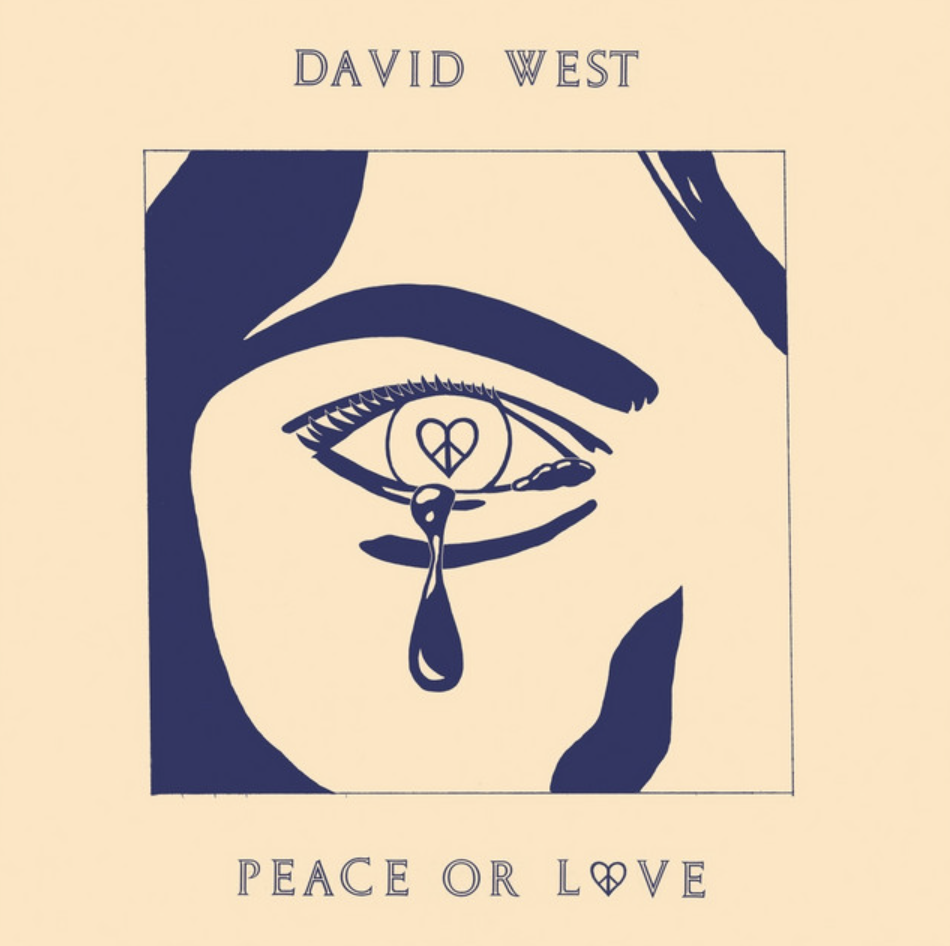
Plucked from the exhaustive archives’ sections of the site, released more or less a decade ago and reviewed on the site, David West’s languidly dreamy bedroom album, Peace Or Love.
David West ‘Peace Or Love’
Released by Tough Love, 5th August 2016
Languidly transducing his free and easy scraps of bedroom recordings into something resembling an album, the Pacific crossing maverick David West (based both in Australia and the USA) ties-down enough material to fashion eleven tracks for posterity on his latest release.
The follow-up to the Drop Out Of Collage cassette tape, Peace Or Love is a cornucopia of ideas, some fleeting others ambitious, delivered in the dreamiest gauze-y obscured way. Using a collage of samples, jams and more thought-out song suggestions, West sometimes meanders into somnolence, yet also stumbles into more fertile pastures.
His soft bulletins evoke a post-disco feel and groove on the funky keytar dance track, ‘Happiest Man In The Room’, and breezier, 99 Records meets Postcard ‘Au Contraire’. Somewhere between baggy indie and New Order, a synth pop 80s New York vibe is flittered with on the ‘heaven can’t wait’ poetic lilting ‘Dream On Dreamer’.
Purposely creating a lo-fi mood, West still hints at the bigger ideas. Strings (sampled I presume) can often be heard stirring throughout, lending either a plaintive note of mooning resignation or certain grandeur to proceedings. Vignettes such as ‘At Peace’ use them for a mixed emotional response: the title might suggest the comfort of death, and this bears out on the instrumental which is itself a mournful and ambient noise collage that features strange scrambled flickers of something from beyond the earthly realm.
Shifting genres, ‘Do You Miss Me Around’, with its overloaded noise gate distortions, sounds like a stab at No Age, and the first of a three-act suite, ‘Darkness In My Heart’ has an air of Wolf Parade. Touches, no matter how slight, of Tim Goldsworthy, ESG, Archie Bronson Outfit ‘Chunk’ period, Young Marble Giants and even Cabaret Voltaire all seem to make an appearance. And with contributions from an axis of San Fran/LA/Perth friends and West’s various stints with the Red Columns, Liberation and Rank/Xerox to expand and inspire the musical horizons, Peace Or Love is filled with some interesting hybrids and possibilities.
Tickling Our Fancy 060: Park Jiha, Hampshire & Foat, Rodrigo Tavares, Flights Of Helios, Perhaps, Flora Fishbach.
February 20, 2018
DOMINIC VALVONA’S ESSENTIAL REVIEWS ROUNDUP
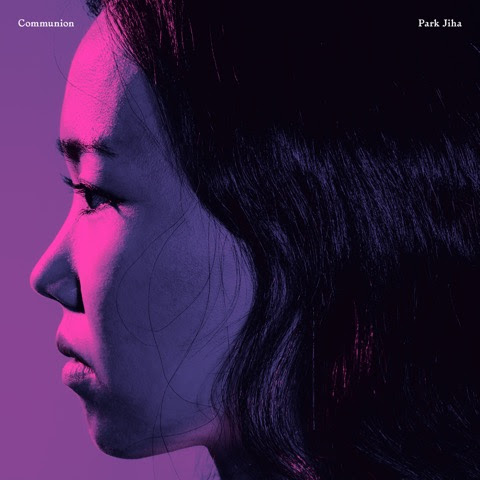
Reaching the sixtieth edition of my eclectic music revue – that’s roughly 500 albums over the last four years – I find an as ever eclectic mix of albums from around the globe; from South Africa to South Korea; from Brazil to Sweden and France.
Searching out the best or at least notable and interesting releases from the last month or so then, my latest circumnavigation includes the Brazilian composer/guitarist Rodrigo Tavares first album on the new Hive Mind Records label, the traversing amorphous road trip Congo, and the second soundtrack-like collaboration between Hampshire & Foat, the yearningly beautiful fairytale suite The Honey Bear. I also take a look at the ambitious debut album from the Oxford-based expansive indie pop and celestial electronic collective Flights Of Helios (Endings); the international debut release of Korean avant-garde, soundscape and minimalism rising star Park Jiha’s Communion; another numeral entitled free-jazz and Kosmische blowout from the USA trio Perhaps; the fourth album of matriarchal harmonious a cappella from the South African vocal group, the Afrika Mamas; a reissue of the obscure Swedish prog and heavy rockers Bättre Lyss’ 1975 private pressing Till Den Sträng Som Brast Än Att Aldrig Spänna En Båge; and the impressive ‘deluxe’ edition of the pop-revisionist chanson album À Ta Merci by French sensation Flora Fishbach.
Hampshire & Foat ‘The Honey Bear’ Athens Of The North, 28th February 2018

As with all fairy tales, the roots of these often enchanting stories lie in real psychological trauma and truths – forewarning metaphors aimed at finding happy endings, yet alerting to the dangers of a myriad of human failings: ones we all share by the way. The congruous partnership of jazz pianist/composer Greg Foat and ex-Bees multi-instrumentalist Warren Hampshire – both natives of the Isle Of Wight, which they use as a base, retreat and inspiration for much of the music on this their second album, as a collaborative duo, together – are ambiguous about the narrative that underpins the charmingly weaved The Honey Bear album, but the references and themes are all signposted well enough to be deciphered.
Based on an imaginative fictional children’s book, each instrumental track attributed to one of its chapters, The Honey Bear could be read in a number of ways; alluding as it does to sagacious rumination, the passing of time and seasons, innocence and of course the travails of addiction, the search for the magic elixir of life. You can substitute ‘honey’ for as many different substances and desires as you want; the kooky candy stitched honey bear that merrily jaunts into a magical if ominous woods on the cover may be all sweet and light, but that innocence is tested in the beautifully yearning bucolic soundtrack.
Foat – riding high creatively off the back of a stunning run of well-thumbed sci-fi novel and library music imbued jazz albums with the Jazzman label – and his Island compatriot Hampshire – no less accomplished, the former Bees band member turned in an equally adroit, articulate performance on the duos last highly praised collaboration, Galaxies Like Grains Of Sand – in what seems like no time at all, embark on their second peaceable relenting journey for the Edinburgh label, Athens Of The North. Always developing and exploring with each release, the duo take a romantic diaphanous traverse through the pastoral; a fantastical world of Ralph McTell folksy storytelling, Peter Ilich Tchaikovsky (Peter And The Wolf especially), both cult Eastern European dreamscape and Wiccan fable inspired English cinema of the 70s, the Jewish traditional music of Central Europe, and Kosmische (the fluctuating analogue synth whirling that undulates beneath the field recorded buzz of The Hive). An interplay that works well, featuring the string composed arrangements of Foat and Hampshire’s borderless guitar narratives, an album that was envisioned on the Jurassic coastline of Ventnor – about as far east as you can go in the UK – and added to in Edinburgh, travels well across national demarcations, picking up a myriad of inspirations on its 500 mile journey.
Following, what might be either a solace or (honey) trap, our lolloping protagonist starts this wandering album with a comforting patchwork accompaniment of gentle plush strings and the fluttery charming song of the flute; meandering towards the warbled and trilling bird call of a Brothers Grimm forest diorama – a certain ache and sadness subtly coming through a beautifully played suite. During an expedition to locate the honeyed prize, the listener is dreamily introduced to characters, the weather and metaphorical objects of desire and reflection.
Expressionistic pucks articulate the clawing scratch of Crow’s Feet – perhaps another analogy to ageing, for obvious reasons -, whilst the cliff or beach head environment – featuring real field recording sounds of seagulls, surf and of course a fly – of the wandering meditative beachcomber and his only companion in this isolated paradise, The Fly And I, feature the most subtle, minimal of acoustic guitar. Almost melancholic and heartbreaking in comparison, the stirring Winter Bound majestically sweeps in storm clouds, as the mood turns sentimentally mournful. Yet without doubt it is the album’s most painfully beautiful track. It doesn’t last long, this sadness, as the mood is lightened with the folksy down-the-rabbit-hole enchantment of Honey Dreams, and the entrancing evergreen Polynesian/South Seas floating The Elderflower. By the time we reach the closing Honey For A Penny, it feels like the clouds and sorrow have dissipated; the burden lifted, as we reach a sort of slow joyful release; played out to a fluttering ascendant flute and tranquil troubadour rhythm guitar.
Plush, often sumptuous, Hampshire & Foat continue to create beautifully articulated narratives and imaginary soundtracks for as yet unmade films. This children’s fairytale is certainly sweet and lilting, yet wise: analogy laden, waiting to be unpicked and interpreted. For Foat it proves a welcome escape from the jazz scene; a showcase for his arrangement skills – with the piano lid firmly shut on this project. For Hampshire, it is another gentle encapsulation of his wandering guitar compositions; unbridled free to roam where the mind takes him across cultures and time.
And to think, without the generosity of others via a crowd funder initiative this album might have never seen the light of day. Those who pledged have been well rewarded with a most gorgeous, yearning and evocative soundtrack.
Rodrigo Tavares ‘Congo’ Hive Mind Records, Available now digital release/Vinyl version 15th March 2018
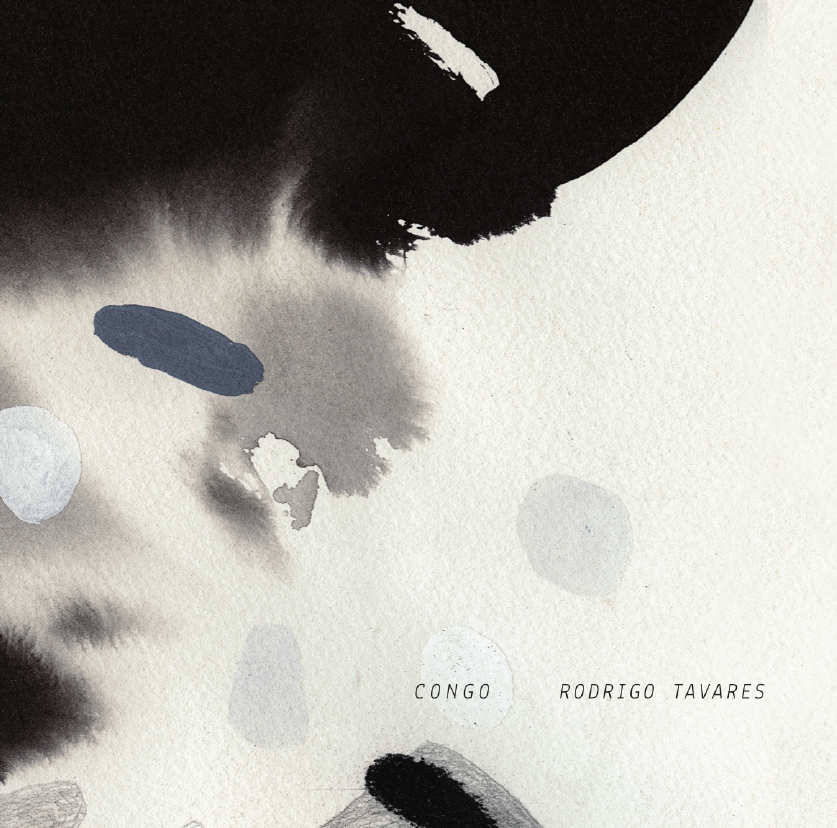
Far too early of course to define a burgeoning label with only two releases on its roster, but the new amorphous traversing post-rock and jazz travelogue from Brazilian guitarist/composer Rodrigo Tavares shares a similar meditative and spiritual yearn with Hive Mind Records inaugural Maalem Mahmoud Gania communion Colours Of Night.
The spiritual here is represented in Congo’s genesis; the catalyst for Tavares soundtrack inspired by, in part, a visit to the controversial ‘spiritual healer’ John of God – a medium, psychic surgeon of dubious repute -, who lives in the remote central Brazilian town of Abadiânia. The meditative, in this case, runs throughout the suggestive instrumental passages and vignettes that ponderously drift, cascade and ebb across a real and imagined borderless global soundtrack.
Tavares is joined on this ambiguous journey by a host of complementary musicians on accentuate sliding double-bass, brushed and sauntering drums, splashing, softly trickled percussion, octave ascending light Fender Rhodes, the subtlest of Ayers vibraphone notes, pining saxophone and a harmonic twanging, jazzy dreamy guitar.
Suffused throughout are lingering traces of ACT label jazz, minimalism, Tortoise post-rock, Brazilian legends Joâo Gilberto, Dorival Caymmi and Tom Jobim, and removed by quite a few degrees, a hint of the free-form untethered to any easy classification, evolving guitar experimentation of the Sun City Girls – as it happens a show in a remote former gay bar in Brazil by the same band was one of the stopovers on Tavares ‘transformative road trip’; the fruits of which and experience laying down the creative foundations for Congo.
Amorphous as I said before, though there’s no mistaking that South American influence, you could just as easily be anywhere along the Atlantic coastline splashing in the surf on the opening dreamy Rosa Rio, and be transported to Moorish Spain on the romantically mysterious sketch, Cidade Sol II. Still, there’s plenty of that Latin American vibe to be heard on these waterfall and mountain peregrinations; especially on the progressive movement A Raposa E O Corvo and the sauntering De Roda.
Truly transglobal, Tavares helps take Brazilian music – like his fellow compatriot Sentidor – into often trance-y, unburdened and unlabored directions. With few rough edges, this congruous soundtrack makes for a ruminating, thoughtful smooth journey.
Park Jiha ‘Communion’ tak:til/Glitterbeat Records, 2nd March 2018
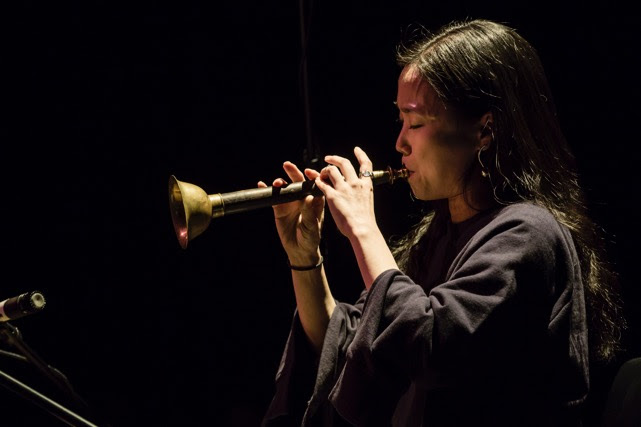
Circumnavigating the globe to bring much-needed exposure to new sounds, Glitterbeat Records imprint tak:til gives a second wind to a suite of acuity serialism from Southeast Asia. Released originally in South Korea in 2016, the neo-classical musician/composer Park Jiha’s debut solo album Communion is given an international release by the German-based label or repute.
Inspiring what we’re told is a burgeoning Korean music scene (well, an alternative to the K-Pop craze), a chief progenitor of the movement Jiha alongside collaborative partner Jungmin Seo originally melded the country’s musical heritage with an eclectic range of contemporary sounds as the 숨[suːm] duo in 2007. Releasing the highly influential regional albums Rhythmic Space: A Pause For Breath (2010) and 2nd (2014), Park and Seo crossed the time zones to perform at both WOMAD and SXSW.
Congruously putting the duo on hold to explore a more ‘personal’ and minimalistic ‘musical vocabulary’ as a solo artist, Jiha dexterously balances the air-y abstract breathes of the ‘piri’ double reed bamboo flute, the searing twang of the ‘saenghwang’ mouth organ and the softly paddled patter of the ‘yanggeum’ hammered dulcimer in what is a dialogue between a dulcet calm, the meditative and an entangled dissonance.
Each of these instruments represents a different voice: each one expressing certain sensitivity or a sharpened pique. Along with the equally expressive accompaniment of Kim Oki’s trilling, wildly intense tenor saxophone and yearned bass clarinet, John Bell’s gentle resonating vibraphone, and Kang Tekhyun’s tubular trickling and rattling atmospheric percussion, Jiha’s untethered compositions also articulate the solemn of a holy retreat – the monastery in Leuven, Belgium to be exact; a space used by Jiha’s band to rehearse -, the flow and cascading beauty of water, reverberations from the moon, and the passing of time itself – measured out on the fluctuating rapid movement of a seconds hand and the slower candor tick of an hour hand on the springs, cogs and coil microseism, Accumulation Of Time.
Quite tender in the beginning, each track builds a poetic minimalistic and avant-garde jazz interplay between all the numerous traditional instrumentation. It must be said that the tenor sax takes a leading role in piercing the serene and often majestically plucked performances of Jiha, pleading and occasionally pained, even squealing as it does in aching ‘communion’. Sometimes hypnotic, sometimes at a fever pitch of discordant beauty, a balance is cleverly struck between intensity and the attentive. At its most quiet and abstract, you can hear the most delicate of controlled breathing, blowing across the reed. At its most liberated, set free, those same breathes become harsh and attacking.
Transforming Korean traditions into a more experimental language that evokes the avant-garde, neo-classical and jazz yet something quite different, Park Jiha’s tranquil to entangled discourse evocations reach beyond their Southeast Asian borders both musically and metaphysically into something approaching the unique.
Afrika Mamas ‘Iphupho’ ARC Music, 23rd February 2018

Released in the year of what appears to be pique matriarchal fight back in the West, the gorgeous sounding 6-piece a cappella group Afrika Mamas remind us of the travails and hard won freedoms of women from outside the European and North American bubbles. In a year in which we rightly celebrate the achievements of the Women’s suffrage movement in attaining the ‘vote’, the indigenous women of South Africa would have to wait an age longer to not only get that same vote but to also overthrow the entire Apartheid system that had, until the 1990s, kept them segregated by race. Though Nelson Mandela rightly stands as the bastion of reconciliation and unity, the right leader at the right time as history would have it, it is the strong prevailing character and struggles of the country’s matriarch that deserves recognition now; celebrated and cherished on the Mamas’ fourth album together, Iphupho.
Mandela’s legacy can’t help but cast an omnipresent shadow over everything in South Africa; especially as his party have failed in many ways to build on his foundations, with talk of high-level corruption and a ruling government that over the past year has fought to remove the controversial President, Jacob Zuma – who as this goes live has since resigned and stepped down, replaced by the ANC candidate and Deputy President Cyril Ramaphosa, in the face of mounting opposition and an untenable position caused in part by his connections to the wealthy, Indian-born Gupta family. From the most beautiful soprano to the contralto bass, the all-female close-harmony group pays an almost effortlessly soulful paean to ‘Madiba’; Sister Zungu’s penned tribute, which borders on the gospel, touchingly thanks the late leader for bringing, amongst other things, free education to children in primary schools and for getting free school uniforms and food for those children from the most deprived families.
Iphupho meaning ‘the dream song’ is itself a reference to the Mamas’ own struggles and ambitions in bringing the Zulu heritage to a wider audience. Made-up of single mothers from Durban striving to make their way in a male-dominated industry, the ladies hope to emulate the success and reach of the four times Grammy award winners, Ladysmith Black Mambazo. Vocal wise they are sensational; perfectly pitched, pure and soothing.
The stories, anecdotes and themes of their songs highlight the daily lives and practicalities of survival in a climate of injustice and poverty; exasperated by the hindrance of the menfolk. Despite being tired in some cases of men – Ulwabishi (which means ‘rubbish’), penned by the group’s Sindisiwe Khumalo, makes a languidly cutting disapproval of those men who don’t support their families; instead hanging around, causing a nuisance and not looking for work, yet demanding their food on the table when they dictate – the group recorded this latest album at the famous Sibongiseni Shabalala co-founded United Rhythm Studio with top world music producer and maskandi tradition guitarist Maghinga Radebe. The lyrically named Shabalala is of course the son of Ladysmith Black Mambazo founder and former musical director Joseph – a group he himself joined. That influence can be felt suffused throughout Iphupho with the ‘a cappella’ style they’ve adopted, the ‘isicathamiya,’ a predominantly male vocal Zulu tradition. Those traditions, rolling back and forth from the lead call and backing chorus response are evoked on the lush veld-rolling lament to the plight of the KwaZulu dwellers of Natal on Lapha KwaZulu, and soothing lullaby heartache of ‘my mum is ill’, uMama Uyagula.
Enjoying a real momentum musically and culturally over the last decade, with South African artists as diverse as Die Antwoord, Dope Saint Jude, Spoek Mathambo, and scenes like the Shangaan Electro craze, a small but interesting touch of the contemporary makes its way into the Mamas more traditional rootsy vocal music with the guest appearance of leading South African beatboxer Siyanda Pasgenik Makhathini. He adds a down tempo sort of trip-hop meets R&B percussive rhythm to the Mamas’ graceful if ominously low harmony Ispoki – a song penned by group member Sibongile Nkosi about her father’s belief in the ‘bad spirits’ that make a nuisance of themselves outside his home at night. The only other accompaniment (the only actual instrumentation) is the jangle of percussion and a smattering of hand drums on Ulwabishi from Ayernder Ngcobo. Other than that it’s all down the clear lush, tongue-clicking and strong bass vocals of the ladies.
Highly impressive, articulated beautifully and at times spiritually soaring, the Afrika Mamas thoroughly deserve a place on the global stage. They bring a much-needed perspective, strong and defiant yet achingly blissful and majestic.
Flora Fishbach ‘À Ta Merci’ Blue Wrasse, Available Now

The French music press we’re told have fallen hook, line and synth for the alluring contralto voice of Flora Fishbach, who’s 80s revisionist pop twist on chanson oozes with such sophistication that its difficult not to embrace. Fishbach picked up the album révélation award at the Le Prix des Indés for best independent debut LP, winning high praise and plaudits galore ever since. Looking to make a similar impact across the Channel, the ‘bohemian darling’ has just released a deluxe edition of her electro pop requiem À Ta Merci. That decision is more or less echoed in the album’s title, which translates as, “at your mercy”.
Featuring the original running order and a bonus septet of gorgeous live recordings, this aloofly chic, yet theatrical, and especially when performing, animated, album recasts Françoise Hardy as a disco pop and electro swooned crooner. Effortlessly channeling the vaporous dreamy pining of Kazu Makino on the moon dust sprinkled fantasy title-track and ambient textured, synthesizer bas bubbling yearned lament Un beau langage, and a Gallic Alison Goldfrapp on the opening ice-y cool malady Ma voie lactée, Fishbach adds a French nuance and sensibility to the synthesized pop ascetic: a signature you could say that despite the revivalist backing of electronic drum pads, post punk sass, Moroder arpeggiator, Rococo harpsichord and hi-energy is unmistakably contemporary and French.
À Ta Merci is a warm album despite the clandestine thriller backing of songs such as the haunted, bell tolled theatre Feu; the soundtrack skipping and modulating through Clavinet boogie, Madonna (the earlier queen of MTV era), Chateau opulent disco, Air and even the fathers of French synth pop, Space.
The bonus material is by contrast, and for obvious reasons stripped of its cleaner production, more intimate with a harder edge. The title-track, recorded at the famous and fateful Bataclan in 2017, maintains a full backing but sounds purposeful; Fishbach sounding emotionally raspy and poised on a version of the original that features an almost venerable pause. Live Le Meilleur de la fête becomes a post-punk Bowie tangoing with Talking Heads. The venerability on these live performances is at the forefront, emotionally starker and raw.
In an industry burdened by a zillion synth-pap artists it will really take some effort from an individual voice to break through. With the momentum already building in France and with the recent runaway success of music press darling Christine And The Queens (who I personally find utterly dull) I’m sure the UK will embrace this sophisticated chanteuse. She’s certainly impressed me enough – what’s not impressive about referencing the philosophical aloof quandary that is Rimbaud’s “Je est un autre” (“I am another”) on a tropical slinking crystalline pop song, Un Autre Que Moi (“Another Me”) – to recommend her as one to watch in 2018.
Flights Of Helios ‘Endings’ Available now
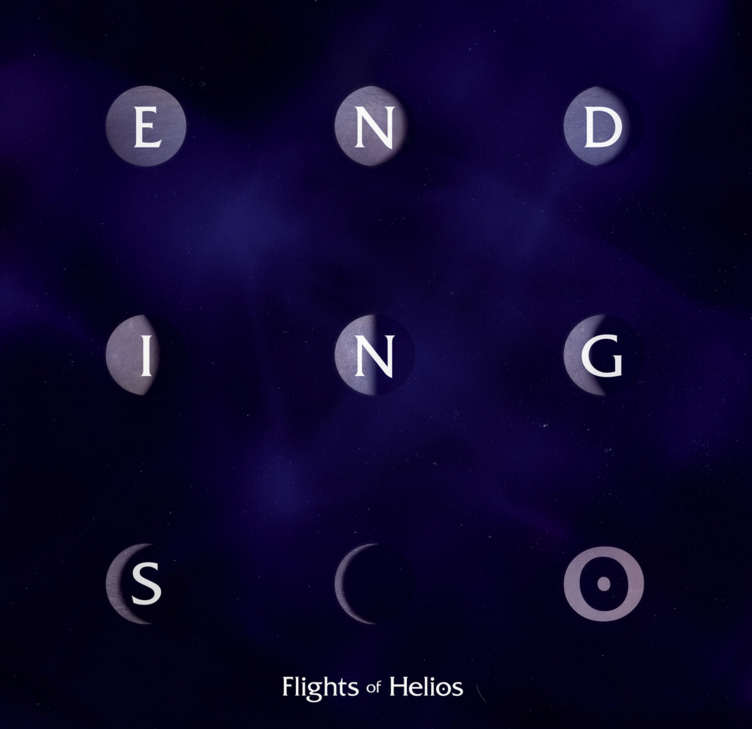
Full on expansive; up amongst the mythological heavens that have inspired the Oxford collectives Titan harbinger of the sun band name and lyricism, Flights Of Helios go deep and spatial on their debut album, Endings.
A credible Everything Everything. A space pop indie band with metaphysical intentions dreaming big, Flights Of Helios bring together a quintet of musicians, producers and composers with backgrounds in a wealth of genres: Seb Reynolds (no stranger to this site) on sonic layering and production duties, Phil Hanaway-Oakley on bass and vocals, Chris Beard on lead vocals, James Maund on guitar texturing and James Currie on drums.
Featuring both previous singles and new material, Endings flights of panoramic fantasy are certainly ambitious; an epic undertaking from a collective who’ve previously honed their balance of space rock, drones, indie and post-rock on a number of celestial transcendental remixes and projects. Far more interesting when touching on the venerable, alluding to spiritual, heavenly or otherworldly elements than when more grounded, the Helios sun worshippers sound like Kasabian on the motorik shuffled cyclonic Factory – a lyrical response we’re told to the Spanish auteur Alejandro Iñãrritu’s convoluted film Biutiful – and an esoteric Klaxons on the haunted, brooding implosion to the enchantress folkloric demons Succubus – who take, so the legend dictates, on the form of an alluring seductress to reel in their male prey. Both of these tracks, previous singles, have more of an urgency and thump about them, whereas the rest of the album’s quartet of, often vulnerable, opuses are allowed the time and subtlety to expand.
The opening twelve-minute Donalogue, a transmogrified version of the traditional a cappella Irish folk ballad, builds and builds. This oscillating cosmological hymn to spurned love introduces us not only to each of the collective’s individual components and the building blocks of the Helios sound, but also the angelic choral quality of Beard’s lofty vocals. Swooning, often fragile, and at times not even decipherable – uttering vowels and mouthed shapes instead of words – Beard stretches his range, helped by Hanaway-Oakley who also provides support.
Remodeling another key influence, alongside atavistic Celtic inspirations, they turn the Bleeding Heat Narrative’s Cartographer track into a hallowed ethereal eulogy. Lingering in a plaintive beauty of angel-kissed whispery synth, reverberated vocals and slow drums, this trance-y swansong sounds like I See You era XX, the Arcade Fire and A Dancing Beggar in a holy communion.
Lolloping in a constant swill of stormy tides and paranormal Gothic metaphors, one of the album’s most striking tracks, Funeral, pitches esoteric Americana and progressive electronica on the high seas. Bashing against the rocks in a barrage of swells, what starts out as Depeche Mode and Radiohead slowly builds like an improvised trip into energetic psych garage.
Evolving within the perimeters of each track, Funeral encapsulates the organic transformations that propel the group forward into such epic grand spaces, creating cerebral sensibility escapist music for a pop and indie audience. Rather than ‘endings’, Flights Of Helios have produced the sonic building blocks for a glowing future under this their most panoramic collective umbrella.
Bättre Lyss ‘Till Den Sträng Som Brast Än Att Aldrig Spänna En Båge’ Sommer, February 22nd 2018
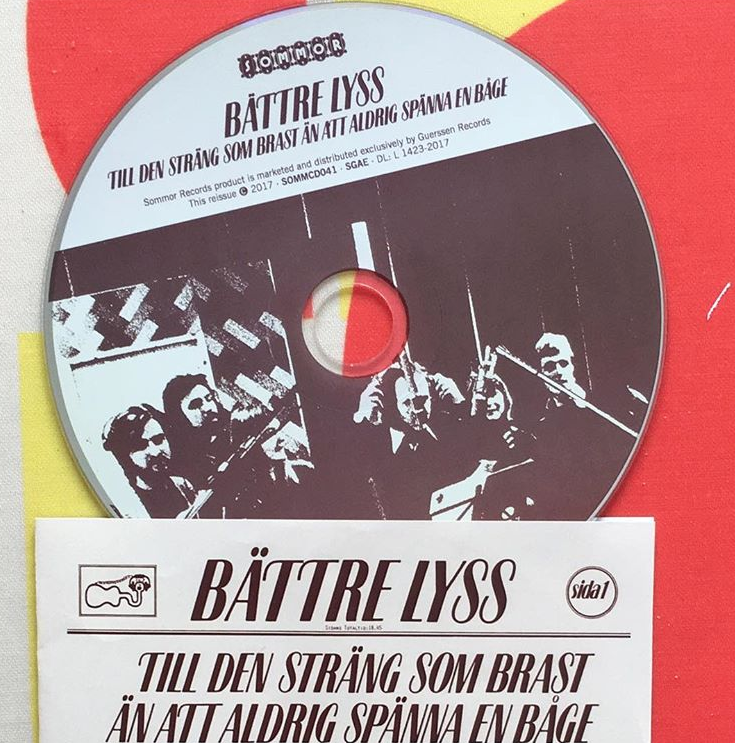
From a label I’ve previously had no experience with, another rarity from the 70s Swedish heavy and progressive rock vaults to drool over with the first ever reissue of the obscure Bättre Lyss group’s private pressing Till Den Sträng Som Brast Än Att Aldrig Spänna En Båge.
Notable for featuring guitarist Anders Nordh of LIFE fame (check out their highly impressive self-titled album from the early 70s) as an outlier member of the Bättre Lyss core trio of Rolf Hammarlund (vocals, bass), Christer Palmquist (vox, acoustic guitar, piano) and Rolf Johansson (drummer and songwriter), the group adopted a whole myriad of rock music influences on this rare find: the soft kind, the glam kind, the progressive kind and the American West Coast psychedelic heavy kind.
Formed during 1973-1974 by mutual friends Hammarlund and Palmquist, the duos first furors together were written in English. Johansson joined just after they switched to singing in the native tongue, and in time to record the group’s debut album, released a year later in ’75. Bolstered, as you will hear, by a number of talented extended pals on guitar, saxophone, flute and organ the group attempt in their own inimitable way to do justice to soft rock power balladry and epic rock outs. Sounding at any one time like 1st era Bee Gees cutting up rough with Spirit on the energetic opener Göta Lejon, or a Scandinavian Bread on the following heart-yielding Emma, or indeed King Crimson on the slightly menacing, slinking saxophone keen Vapnet, they seem to change the nuance and adapt their sound to each song. And so at times it sounds more like a collection of recordings than complete album. The only constant in fact is the often enervated, softly sweet vocals, which do, it must be said, occasionally soar and utter anguish.
Though I can’t fault the musicianship, and there are more than enough convincing, if sentimental, songs to grab you on this album, they can’t help but bare an uncanny resemblance to Blonde On Blonde, Savoy Brown, Forest, Humble Pie, Mott The Hoople, even Boston, throughout. There’s a total of four guitarist too, each one displaying telltale signs of riffage and refrains, bends and pleading lines from the era.
Lilting and flowing between troubadour piano and full-on progressive jamming, this more than competent Swedish slab of rock is well worth reviving. It also offers another look at the, probably largely unnoticed, developments in the Swedish head music scene; picking up what is essentially a rare marriage between the heavy stuff and a more commercial melodic sensibility.
Perhaps ‘V’ Cassette version available now via Important Records, Vinyl also available now, via Riot Sunset
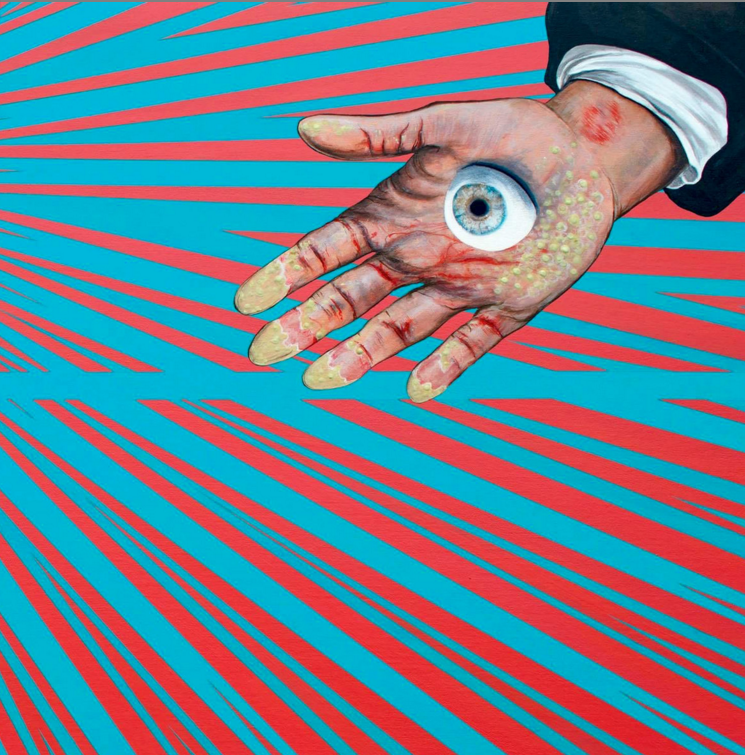
I can’t be expected to keep tabs on every exciting, mad or Kool-aid chalice glugging band from a scene that is over-subscribed with a landfill sites worth of promising, but quickly disappearing into obscurity, releases. Of course it doesn’t help that the psychedelic-Krautrock-Kosmische-whatever genre is also filled with the most unimaginative and cover-band like pastiches of groups that originally did it so much better. Yet once in a while, finding its way into my inbox, there is a rare find. For ‘head music’ aficionados then, a three-piece of Teutonic, free-jazz, cosmic explorers from Boston, Massachusetts known as Perhaps – an open-ended moniker, without a question mark in sight, that alludes to possibility.
Scant information is provided, only that their origins go back as far as the year of their debut album, Volume One, in 2012, and that the line-up comprises of ‘ringleader’ and bassist Jim Haney, drummer Don Taylor and guitarist Sean McDermott. Unsurprisingly picking up on a few inspired vibes during their collaborations and tours with the rambunctious Acid Mothers Temple and one-time shaman poet Can member Damo Suzuki, Perhaps go all out free-spirited psychedelic and Kosmische on their fifth numeral entitled album V.
The sole track of this album performance, Mood-Stabilizer is a thirty-seven minute continuous ebbing and flowing contortion jam of floating louche saxophone, fret scratching and tangled guitar, and stop/start drums that hints at the Acid Mothers (of course), Brainticket, Guru Guru, Embryo, Agitation Free and in one particular segment, a Mogadon drugged Amon Duul II.
From topographic submerged guitar pangs to tubular fuzzy vortexes and squalls, the trio travel via the primordial soup to gaze into deep space. Moving like a liquid and gaseous entity throughout a combined atmosphere of wafting, languid jazz and more dissonance fuzz frazzling waves of spiraling noise, it’s surprising to hear them meander, almost sexily, into slow jam Funkadelic territory in the first third of this meta space exploration. Whilst at their most heavy they slip into PiL.
Honing their own signature interpretation of the music that so inspires them, Perhaps’ oscillating heavy, Ash Ra commune trip shows a real depth and intelligence; a group sucked in the portal, taking their time to build a space-rock, free-jazz blowout of a journey. Enjoy hitching a transcendental ride into the deepest trenches of contemporary ‘head music’: no ticket required.

