Our Daily Bread 307: Royal Trux ‘White Stuff’
March 7, 2019
Album Review: Gianluigi Marsibilio
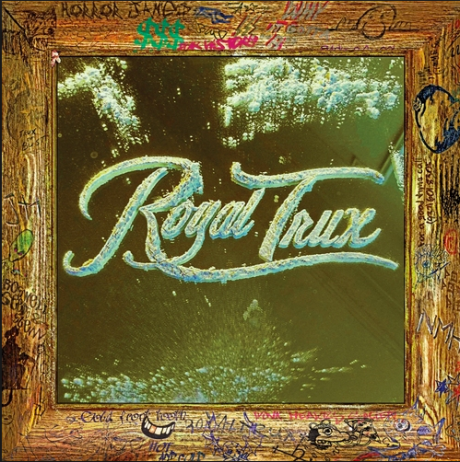
Royal Trux ‘White Stuff’
(Fat Possum Records) 1st March 2019
An underground civilization always develops thanks to the tunnels, the galleries and the sedimenting of a tradition capable of not seeing the light, even for two decades.
The Royal Trux have returned, without great proclamations and arrogance to put themselves to the test with a music scene completely revolutionized since the early 90s, in fact today we cannot talk about ghosts and institutions like Kurt Cobain or Frank Zappa.
The duo from New York, even today, is able to immerse Dinosaur Jr. in a strange psychic substance; they bring out a work that manages to be a right counterbalance to the word underground. The underground is a wonderful place where you can appreciate the purest soul of things and also of the duo, which while not having the same success as other bands, such as White Stripes or related stuff, has maintained a coherence, which after 20 years we feel deep flowing like lymph in “White Stuff”.
The Royal Trux have maintained the avant-garde drive and the desire to be something else, completely different from whatever the word Rock means today, because even if important projects such as The War On Drugs, The National or others are easily indicated in one vein, the Royal Trux remain other, but not only in terms of sound, their choice is an aptitude that deeply distances the duo from any other band.
“Twin Infinities” (1990) could be a good problem, such a monumental work of historical impact, can lead to comparisons, further comparisons, but in the end an album like “White Stuff” also touches important peaks in songs, like “Sic Em Slow” or “Under Ice”. The psychedelic progression is preponderant in tracks like “Purple Audacity #2”, and the dreamlike wandering that lasted about 20 years offers a solid and iconic cue. The Royal Trux live on their mythical image that is not cumbersome, on the contrary it manages to be decadently fascinating.
Hagerty and Herrema show that they can complete themselves extensively, but above all they can make up for each other at the limits of the other, hiding personal and non personal smears and imperfections: it’s clear that the tumultuous journey that ended in 2001 is an example of what it means to complete, wander and start again.
Words: Gianluigi Marsibilio
Interview: Stella Donnelly
March 6, 2019
Kalporz interviews Stella Donnelly

As we announced earlier this week the Monolith Cocktail and Italian publication Kalporz will be sharing and exchanging reviews, interviews and articles. The inaugural post from our Italian penpals is an insightful interview with the Australian musician Stella Donnelly, who’s debut album Beware Of The Dogs is being re-released this month ahead of a second LP later in the year.

Stella Donnelly is a revelation, a lightning bolt in the clear sky and her second album, coming in a few months for Secretly Canadian is already one of the most anticipated works of this season.
Due to her incredible frankness and disruption in her lyrics, we chose to interview her to get us to talk about the genesis of “Beware of the dogs”.
The image that came out is that of a record born in a universe extremely homemade and personal, but that manages to be very suitable to photographing reality, even in its darkest and most violent part.
– Hi, Stella. In the last year you have experienced a huge leap, you have finally
reached a much wider and international audience. How are you experiencing
this change? When such a thing happens, how do the priorities of an artist
change?
I’m taking every day as it comes and constantly pinching myself that I get to travel the world, meet amazing people and eat amazing food! My priorities haven’t changed, to me music is first and foremost about the writing, no matter how many people do or don’t hear that writing, it has to be honest and authentic to me.
– How has your approach to work changed since your first EP?
Other than having the resources to playing with a band, there hasn’t been any changes to how I write and do my work. In fact it’s even more important to me that I work with integrity and awareness of others around me in everything I do.
– You wrote and recorded the album ( if I’m not mistaken ) near home. How
does your city influence your work? Would you like to work in a foreign studio
in the future or do you need your local?
It was so nice to be able to record at home, the things that I was writing about felt so real because I was surrounded by the place where those experiences had or were currently taking place. It was magical. I would be open to recording somewhere far away in the future but for the purpose of this record, it was perfect to stay in Fremantle.
-What song in the record makes you think a lot about your city? Why?
The song Lunch is about the strange feeling when you’re trying to adjust your body to being away from home and then readjusting again when I return. I shot and edited the music video for this song myself because it really is such a personal and ‘home’ song for me.
– What signal do you see behind the choice of some festivals, such as
Primavera Sound, to completely fill the gender gap?
I think it’s amazing that massive festivals are stepping up their game when it comes to gender diversity, it has to be done now so that in the future it can be something we don’t even have to think about.
– Which song on the record did you write with the most anger and urgency?
Why?
Beware of the Dogs was written very quickly and I recorded it the next day.
– Important themes such as violence and discrimination, how do you prefer to
deal with them? How is the music changing from this point of view in these
years?
I deal with them by opening up a conversation in the songs, providing my point of view and hoping that people can learn from it. Music like this changes depending on what is happening in the world, when our governments don’t do anything about it, people need to find a way to speak out.
– What is the social responsibility of an artist today?
There are so many artists who live such different lives. My own personal social responsibility is to use my platform to help others but it cannot be expected of all artists to do the same, art would become very one-dimensional.
– You are very explicit in your lyrics. Which artist do you admire for their
sincerity in telling their stories?
I admire Billy Bragg, Janelle Monae, Courtney Barnett, Jenny Hval, Julia Jacklin, Solange.
-I read in an interview that you like very much to read. What readings have
accompanied you in writing the record?
I was reading Her Body and Other Parties by Carmen Machado
Flights by Olga Torkarczuk
Paradise Rot by Jenny Hval
and Dark Emu by Bruce Pascoe
– One project that fascinated me last year was definitely BoyGenius Would
you like to do, sooner or later, such a project? Do you already have some
artists with whom you often feel like collaborating?
There are so many artists I would collaborate with in heartbeat but I don’t want to say them in case the read this and laugh at me!!!!
– Stella, Im very afraid of dogs. How do you overcome this fear? (and fears in
general?)
There are so many people that should not own dogs so I understand your fear but my experience with dogs is that they just need love and care! I have a fear of flying that I overcome by getting on lots of planes all the time! Maybe find a sweet dog and spend some time with it!
Monolith Cocktail collaborates with Kalporz
March 5, 2019
News: Exciting Collaboration
The Monolith Cocktail in collaboration with leading Italian music publication Kalporz will be cosying up and sharing reviews, interviews and other bits from our respective sites each month. Keep an eye out for future ‘synergy’ between our two great houses as we exchange posts.
Our inaugural post has just gone up on Kalporz; a review of the upcoming blistering tumult from the Italian-Tunisian post-punk-meets-Sufi-ritual Ifriqiyya Electrique. Catch that review here…
The first Kalporz post will be published shortly. But first, here’s some background on Kalporz:

Album Review: Dominic Valvona
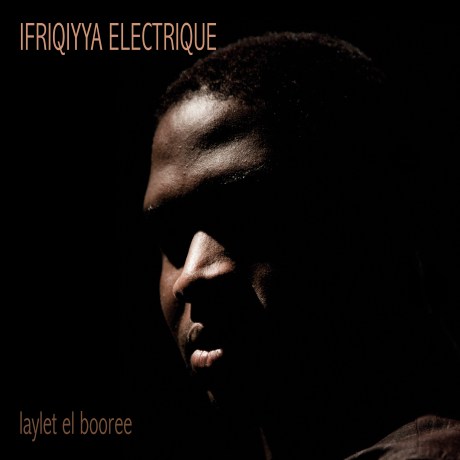
Ifriqiyya Electrique ‘Laylet el Booree’
(Glitterbeat Records) 5th April 2019
Once more into the furnace of voluminous excitations and ritual, the collaborative Ifriqiyya Electrique project that merges Sufi like trance and spirit possession performance from the atavistic mystical depths of Southern Tunisia with grinding deconstructive industrial post-punk from the West, builds on the foundations of the electrifying 2017 debut, Rûwâhîne.
With a slight change in personal, but still led by the musical union’s chief instigators Gianna Greco and François R. Cambuzat, the Electrique broaden the perimeters on their latest intense chthonian frantic exploration of the religious ritual ‘Banga’, Laylet el Booree. Joining the constant scrapped and rattling tin chorus of ‘tchektchekas’ hand percussion and shared exaltation chanting vocals new recruit Fatma Chabbi throws herself into the tumult storm that at times resembles an excitable communion between NIN, Einstürzende Neubauten, Tago Mago era Can and the Tunisian spirit world.
Redefining what it means to totally immerse oneself in exotic, often arcane mystical cultures, Mediterranean punk and avant rock scene stalwarts turn field-recording filmmakers Greco and Cambuzat – when not combining forces with the enigmatic Lydia Lunch under the Putan Club moniker – confront head-on the psychogeography and music of often volatile regions and cultures – previous excursions include the hotly-contested Kurdish regions of Southern Turkey, and the Uyghur region of China; the predominantly Muslim worshiping ethnic group have made the world news in recent months, a million or so of their community interned in the Chinese authority’s detention camps as the Communist regime seeks to ‘re-educate’ and remove any outside influence, culture or religious adherence from the population –, including the legacy of the original Hausa slave people who elevated the celebrated 13th century Sufi mystic Sidi Marzug to the status of venerated saint.
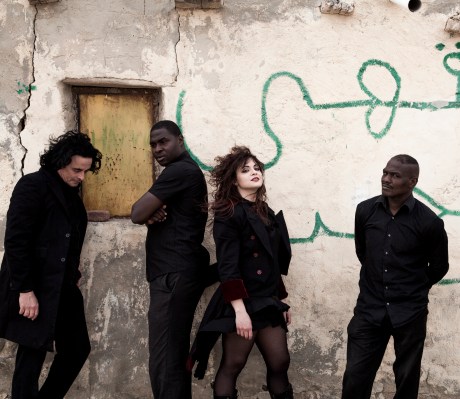
To this day the black communities of Tozeus, Metlaoui and Nefta honour their ancestor, who it is said had at his disposal a retinue, or, “diwan” (“assembly”) of “rûwâhîne” (“spirits”) as allies and servants to call upon through the ritual of Banga. Not so much an “exorcism” as an “adorcism” we’re told, this lively ceremony is meant to placate and calm the spirit who posses the participating initiate. Mesmerized by the hypnotic chanting, drumming dancing performances that accompany it, Greco and Cambuzat moved from bystander documenters to participates; joining the spiritual hubbub by adding a searing, abrasive fuzz, buzz and edgy sawing taste of guitars and effects to the already esoteric experience.
Worried how this hybrid and intrusion would look to the community of the Djerid desert in which it was instigated, the duo and their Electrique company of Hausa collaborators, Tarek Sultan, Yahia Chouchen and Youssef Ghazala performed their debut in the sacred town of Nefta, the sanctuary that holds the body of the “black saint” himself, Sidi Marzug. Though obviously nervous, the locals recognized a “shared music” when they heard it, giving their seal of approval; this baptism of fire inspiring the desired effect as the locals sang, danced, and even went into a trance. Free of hierarchy and structure the Electrique sits well within the untethered traditions of North Africa, yet this meeting of the brutal industrial sound palette and religious spectacle, though unique, also seems to have wowed and had the desired effect on Western audiences.
The second album, Laylet el Booree, which translates as the “night of the madness”, is just as electrifying, exotic and barracking. Mirroring the stamping, emotive and sometimes confusing hallowed intensity of the adorcist ritual from the Banga followers of Tozeur that this album’s title references, the troupe work themselves up into a fervor: this is after all the night when the spirits “actually” take possession of their initiate’s bodies.
Call-and-response chants and communion echo around in a vortex of rustic percussion, strange computer-generated sounds, static, sparks and two-speed rhythms throughout this equally powerful and heavily atmospheric album. Tracks such as the creepy piano prodded, galley-slave rowed Gothic ‘he eh lalla’ sound like Trent Reznor leading The Bad Seeds across an ominous sandy terrain, whilst the next evocation, ‘beesmellah beedeet’, goes ‘baggy’, and ‘moola nefta’ merges dub with snake-charmer Arabian saz mysticism.
Still locked-in to the trance-like venerations of spirit channeling, the Electrique integrate different rhythmic changes and timings; seeming to experiment even more this time around; pushing the envelope further without losing that original tumultuous barrage of bombarding drums/percussion and edgy growling grinding industrial guitar sounds. If anything they’ve unleashed the spirits to roam the amorphous sphere of exploration to draw on even more diverse musical inspirations, creating a highly unique invigorating sensory experience in the process. Industrial post-punk ritual leaves the furnace once more to cause an explosive cacophony.
Images: Renaud de Foville
Review: Dominic Valvona
Monolith Cocktail Social #XXXV: Roger Bunn, Yasuaki Shimizu, Don Muro, Black Savage…
February 28, 2019
Playlist: Dominic Valvona Selects
I haven’t put together one of these selections in a while; in fact this, Volume XXXV, is the first Social of 2019. But in danger of repeating myself, for newcomers to the site here’s the premise of my playlist selections:
The Monolith Cocktail Social playlist is the blog’s imaginary eclectic radioshow, or DJ set, selection of throwbacks, missives, golden oldies and just cool shit; from across genres, timelines and borders. Previously only ever shared via our Facebook profile and on Spotify our regular Monolith Cocktail Social playlists will also be posted here on the blog itself.
Enjoy…
Tracks:
Don Muro ‘Camel Ride’
Toncho Pilatos ‘Wait’
Lula Côrtes e Zé Ramalho ‘Maracas de Fogo’
Keni Okulolo ‘You Can Only Live But Once’
Willie Dixon ‘Bring It On Home’
Otis Redding ‘Shout Bamalama’
Black Savage ‘Rita’
Little Mell ‘Ain’t That Funky Monkey Fonky’
Vijay Benedict ‘Kasam Paida Karnewale Ki’
Beat Connection ‘Silver Screen’
Les Garçons ‘Les Deux Amants’
The Nerves ‘Sex Education’
The Goats ‘Do The Digs Dug? (Todd Terry Mix)’
FU-Schnickens ‘True Fuschnick’
Farm ‘Sunshine In My Window’
Maya ‘Distant Visions’
Los Dug Dug’s ‘Lost In My World’
Assagai ‘Telephone Girl’
Black Zenith ‘Shango Oba Onina’
Fear Itself ‘The Letter’
Hand ‘The Load’
Bix Medard ‘Tabi’
Bullion ‘The Age Of Self’
Yasuaki Shimizu ‘Mari-Chan’
Sensations Fix ‘Barnhaus Effect No.3’
Peace And Love ‘We Got The Power’
Bongos Ikwue ‘One United Nigeria’
Society Inc. ‘Disc Jockey Jam’
Bossa Jazz 3 ‘Outra Vez’
Bola Johnson And His Easy Life Top Band ‘Jeka Dubu’
Luli ‘Ballero’
Marconi Notaro ‘Fidelidade’
Peter Schickele & Joan Baez ‘Silent Running’
Chuck & Mary Perrin ‘You Knew All Along’
J. Jasmine ‘Broke And Blue’
Anthony Moore ‘Stitch In Time’
Roger Bunn ‘Gido The Magician’
The Kinks ‘Time Song’
Our Daily Bread 305: Whispering Sons, So Beast, Coldharbourstores, The Proper Ornaments
February 26, 2019
Album Reviews: Brian ‘Bordello’ Shea

Each week or so we send a mountain of new releases to the self-depreciating maverick patriarch of the dysfunctional cult lo fi Bordellos, Brian Shea, to see what sticks. In his own idiosyncratic style and turn-of-phrase, pontificating aloud and reviewing with scrutiny an eclectic deluge of releases, here Brian’s latest batch of recommendations.
The Proper Ornaments ‘Six Lenins’
(Tapete Records) 5th April 2019
The Proper Ornaments Six Lenins LP is an album of beautifully crafted guitar songs that deal with hope, loss, love and heartache, and John Lennon, a man who would no doubt applaud this LP, for although portrayed as the snidely sarcastic Beatle, we-in-the-know know that was all just a front and he was a big softy at heart, who would have admired the songs that deal with the beauty in sadness, and the sadness in beauty, that run throughout this fine album.
I can imagine Six Lenins being released in the late 80’s on Creation and being overlooked at the time: It has the qualities of a future overlooked classic, much like The Lilac Times Astronauts is or should be. In fact this LP at times brings to mind Ride when they were not in shoe gazing mode or the Spacemen 3 in their poppier moments, especially on the title track, when the beautiful organ makes a very subtle appearance. In fact the organ throughout is rather excellent and does not interfere with the overall sound of the LP but gives it a texture that ups the album a notch from being just another fine guitar record.
Six Lenins really is a beauty, and sounds like a proper ‘album’, not just a collection of songs huddled together in pretense, hoping no one will notice. And for that, if I were religious, I would say ‘Amen’.
Coldharbourstores ‘Vesta’
(Enraptured Records) 1st March 2019

Once again here I sit fingers poised on keyboards ready for the tunes to commence, and yes I am faced once again with the sound of dream pop, but lo and behold this is not your average everyday dream pop but a rarified form of dream pop, a much cooler form of dream pop, so much so it is in fact ice dream pop. In fact it is not dream pop at all but pop that is indeed dreamy; it’s like being caressed by the love child of Bob Stanley and Elizabeth Frazer; it’s like Saint Etienne after graduating from a Swiss finishing school.
Chiming guitars electric piano’s and drumbeats collide in a mass of pop seduction, a celebration of all that is missing from today’s daytime radio stations. But like all good pop music it has a dark undertow, an intelligence; music made by those who know that pop music is the highest form of art.
Quite wonderful.
So Beast ‘Fit Unformal’
(OhDear! Records) 2nd March 2019

I love this LP. It is both strange and beautiful and beautifully strange.
The intro track all sped up and cut up voices mixed with discordant synth and guitar leads into the wonderful ‘Fuzzlight’ – all Arabic piano and twangy guitar with lovely sultry vocals that sound like Haysi Fantayzee having a quiet word with themselves.
It really is nice to hear that bands have not lost the urge to try and make music that is both experimental and sexy; mixing cool Jazz with amusement arcade beats and raps with heavy guitar stabs, at times it reminds me of the wonderful Scott Walker’s later albums – heavy on the percussion with atmospheric sax.
These tracks are actually all over the place genre hopping in the same song; ‘Polar Magnet’ kicks off all Cardiacs’ riffs and then goes all Bjork on us, finishing with the singer coughing – there really is not enough coughing on records.
So Beast really should be applauded for Fit Unformal as it really is an unusual and highly successful stab at making an experimental alternative pop album.
Whispering Sons ‘Image’
5th April 2019
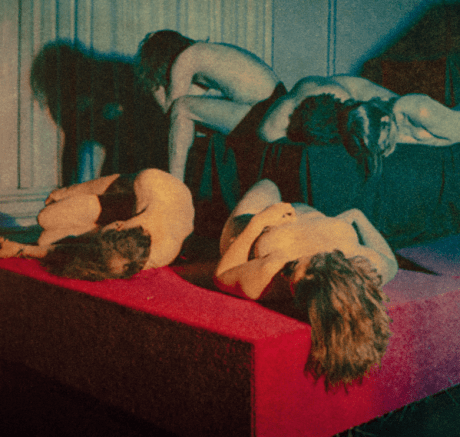
I was not quite expecting this. I was instead expecting a Joy Division and Interpol like noise but was presented with the image of the Sisters Of Mercy and The Mission, which to my ears is no bad thing, for I’m at the age when I lived through the golden era of Goth and enjoyed many Wednesday nights in the 80’s at the legendary Wigan Pier alternative night watching Goths charge eloquently to the dance floor ripping up beer mats and throwing them into the air pretending it was some heavenly like confetti as soon as the opening guitar run of the ‘Temple Of Love’ was aired.
This is rather very good indeed. The more the LP goes on the more I long for dry ice; the more my mind goes back to those carefree 80s days, for this could have easily competed with the many wonderful records of this variety that era produced. Not that I’m saying this is dated, as it is not. It’s actually quite a breath of fresh air to these ears and with the reemergence of Goth there is no reason that this album and the Whispering Sons cannot do very well. I would certainly recommend Image to any old Goths out there and to any of the younger generation wanting to know how it should be done and how it should sound.
Words: Brian ‘Bordello’ Shea
Rapture & Verse: February 2019: Czarface, GreenCryptoKnight, Bronx Slang
February 21, 2019
Hip-Hop Revue: Matt Oliver

Singles/EPs
A bouquet of beats, Cupid-sent cuts, and rhymes to make your headboard rock – it’s the post-Valentine’s instalment of Rapture & Verse for all you horndogs. Legendary London Posse rhymer Bionic returns as the GreenCryptoKnight, showing you never lose your superpowers as he tears into Jazz T and Zygote’s face slapping, emerald-vinyled ‘Superman’, before adjusting the slicked back specs and tie look on the sombre ‘It Set In Stone’. Circling the drain and enjoying the sensation of tenterhooks snagging the skin, Press1, Sylla B and Dr Syntax face up to the facts of ‘Smartphone Zombies’, far gloomier than the amusing title insinuates. Taking you to down to ‘Suicide City’, where the grass is decidedly not greener and you can decide for yourself about the girls, Onoe Capone turns on the rapid fire with nothing to lose as the “bad guy that’s misunderstood”.
Bonus heat from Nolan the Ninja on the quiet storm ‘IMG’ slickly goes from casual retrospective to show-n-prove tying you up in knots. On some grimy underdog biz, Lee Ricks grits his teeth fully aware that ‘Life’s a Bitch’, fired up by being fed up, peering over the edge to BigBob’s fatefully wistful nodder. Similar grit out of necessity is displayed by the granite-carved David May, right on time when grinding hard on ‘Black Box’ with Lake Indigo pairing Celtic wonder with bass pushing the reds. Yamin Semali passionately defining what it means to be ‘Immortal’ comes with strings leaping from the speakers and a banquet of soul food for thought. Nothing but honest energy on seven amped tracks from DJ Nu-Mark, Slimkid3 and Austin Antoine creates a ‘TRDMRK’. Beats and rhymes loosen the screws on your speakers and make the front row spring-loaded, with Guilty Simpson and Dillon Cooper coming through for the jump-ups.
Albums
Round four of the Czarface chronicles, this time with Ghostface Killah in the guest hot seat. There are times when an isolated Tony Starks feels like a fourth wheel/fifth Beatle – 7L & Esoteric 1, Wu-Tang Clan 0 – but compared to some of his more recent long players his appetite on ‘Czarface Meets Ghostface’ is well up. In amongst the usual play-your-position hurricane of uppercut-landing beats and career-ending 16s from the cipher to the comic book store, is confirmation of what an amazingly consistent emcee Esoteric is. Don’t expect Czarface to relinquish their infinite lives status any time soon.
The unquenchable thirst for blood that motivates Ramson Badbonez, makes ‘Mic Day the 13th’ a date to both revere and fear. RB’s considered decapitations, referencing all your favourite madmen, accomplish carnage with the level-headedness of a double agent whose shift changes under a full moon. While beats go bump in the night, a pokerfaced accomplice of the slasher going about his business, it’s a very British campaign of murder-murder-kill-kill.
You are about to witness the strength of street knowledge. The ‘G.A.W.D.’ complex of Joker Starr is his usual bustling style putting an F word to what you heard, hitting you with a bunch of robustly educational reducers set up by Micall Parknsun with a Blaxploitative nod on the boards. Jack Jetson and Illinformed are the ushers to ‘Strange Cinema’, tuneful head nodders galore until necks feel swollen, and an impactful flow with very little histrionics, even when “I lost my mind, now I found it, but it’s missing bits”: a watertight combination. The latest round of two minute warnings from Bisk, sticky, lo-fi claustrophobia from a peak NYC housing project, makes you squint through the abrupt ‘Gunsmoke’: an absolutely deadly spell of fully clipped relaxation.
Your neckline firmly in his sights, Pitch 92 runs a tight ship in representing ‘3rd Culture’ with a steady hand at the wheel. The Manchester producer must’ve sprinkled some sort of emcee catnip in the booth however, as he brings out some excellent performances from Jehst, Kashmere, Sparkz, Fliptrix, Foreign Beggars, the Four Owls and more. While there’s no doubting that the guests would have come through, you have to give credit to Pitch on the boards for giving them the right and clean balance of canvas to do so.
Seethingly succinct and planning your downfall at his most matey, Rick Fury isn’t quiet in giving his targets what for, signalling the ‘Death of Autumn’ from the North East. Expertly manoeuvring soulful strike-outs from DJ ADS, in tune with the changing colour of the leaves and cannily reworking a trance classic on the album’s finale, Fury intertwines the mutual exclusivity of a simmering glare and a playful bounce to his rhymes, suggesting that if you make yourself comfortable, don’t do overdo it. An emcee able to cancel all challengers.
Boom bap, original rap: Bronx Slang’s self-titled album systematically sorts the wheat from the chaff. On paper their method is foolproof: high protein funk prone to espionage (and from surprise sources), mic-crumbling rhymes, 11 tracks, tag team performance, concepts and comment, plentiful lines to rewind…if all of this sounds overly nostalgic at pains to keep it real, Jerry Beeks and Miggs are more sages than saviours, proving you don’t have to settle for what’s supposedly trending. Proper hip-hop citizenship.
How do you like your eggs in the morning? Jazzy, sunny side up and with plenty of snap? Remulak’s plate of ‘Scrambled Eggs’ gets a dusting down and offers an instrumental challenge to any plucky master of ceremonies, doing very nicely for itself when you’re taking a break from putting on the Ritz and wearing spats with a swoosh. Most dapper, and no faking either. A decade’s worth of Oliver Sudden in 46 minutes is a fine flick through the racks that sails down like the first pint of summer. The ‘10 Year Mixtape’, put together by Downstroke and featuring assists from Luca Brazi, Sam Zircon and Ill Move Sporadic, is guaranteed to remove all accumulated crud from your ears: pretty much unskippable.
Presenting old skool rules from Positive K and MC Lyte, and the greatness of the Train Robbers.
Words: Matt Oliver
Our Daily Bread 304: Alessio Bondi ‘Nivuru’
February 19, 2019
Album Review: Dominic Valvona
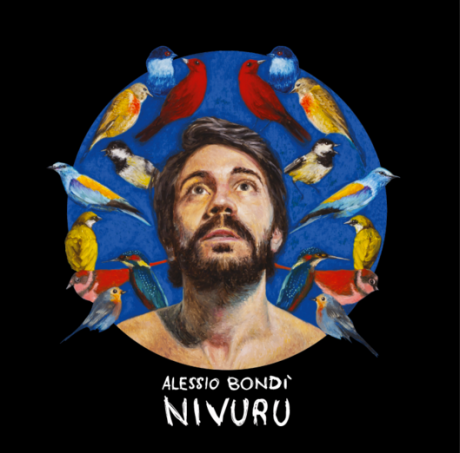
Alessio Bondi ‘Nivuru’
(800A Records) February 2019
The prodigal son returns: And not for the first time. Returning to the bejeweled Mediterranean oasis that is Sicily, after various adventures travelling across South America and Africa, the Sicilian troubadour, balladeer and romantic poet Alessio Bondi once more embraces his roots on a new songbook of heart-wrenched soul and pop.
It’s hard not to fall head-over-heels in love with the Island home of Bondi, despite its obvious dark history – though the grip of organized crime has been loosened in recent decades; Sicily breathing far more easily with a certain confidence, as it enjoys a rightful renaissance, and attracts more and more tourists -; a landscape enriched not scared by its conquerors; the various impressive architectural styles and monuments of the Greeks, Romans, Arabs, Normans and Spanish so ingrained as to be taken for granted by the locals strike a sense of awe and exaltation in the tourist. Having visited the cosmopolitan palmed metropolis capital of Palermo myself a couple of years back (making a return trip I might add in April) I was astounded, hypnotized by the film set like scale of it all: The incredible Triumphal and Porte Felice gateways that stand like titanic totems at either side of the Corso Vittorio Emanuele could have adorned the entrance to an MGM studios sword-and-sandals imagined Babylonian set.
Long ignored, unless for all the wrong reasons, Italy’s often discarded treasure is abundant with a culture and art scene far more polygenesis and open to outsiders than its official Rome-centric administered overlords. Rome pulls and sucks in those looking to escape the provinces in the same way most major capitals or cities of influence do. For example, even one of our hosts when we last stayed in Palermo was based there; the natural international draw for generations of Sicilians, including even Bondi, who moved to Rome to study theatre, graduating as an actor from the Accademia d’Arte Drammatica Corrado Pani.
Continuing to celebrate the melancholic malaise and, almost, sagacious pessimistic – but philosophical – language that runs deep in the Sicilian mindset and art, Bondi follows up his 2015 debut album Sfardo with an equally inviting lyrical collection of both yearning sonnets and more uptempo declarations of love.
The darker pained expression of torrid love affairs, love spurned heartache, the troubled mind and the uneasy relationship that exists between Sicilians and the active volcanic force of the omnipresent Mt. Etna are adhered to by the title of Bondi’s second album, Nivuru, which translates as “black”. Sung in the Sicilian dialect, which isn’t totally alien to those who know their Italian, but has a number of accents, turn-of-phrases and localized pearls of wisdom wordplays unique to the Island, Bondi’s lyrics emphasis a passionate attachment to the “black” miasma that has fueled so much of Sicily’s literature and music.
However Nivuru is predominantly a reference to the “nivi nivura”, the ‘black snow” by-product of Mt. Etna when it erupts. Bondi, channeling Jeff Buckley, pens an especially metaphorical poetic soundtrack to the volcano behemoth that looms ready to one day perhaps destroy the Island, but also nurtures it, on the song of the same title: “Eyes of onyx, ocean of anisette. A volcano’s sciara above me, volcano of flowers inside me.” Evidently, the “sciara” of those lyrics relates to the cooled-down lava when it becomes solid; a phenomenon that attracts tourists; best seen at night when incandescent and showing off its full palette of colours. I only know this because the artist includes footnotes throughout the booklet that accompanies this LP.
Elsewhere Bondi pays a paean of sorts to the Island on the drum shuffling, musing flute and trumpet serenaded ‘L’Amuri Miu Pi Tia’ (“my love for you”); running through a menagerie of Sicily’s natural inhabitants in a swooning declaration of love. But the album’s most heart-twanged lament, ‘Un Favuri’, features an imaginary conversation between Palermo’s famous Formula 1 legend Ninni Vaccarella and his ill-fated son Giovanni; the consequence, in this tale of following in the footsteps of a famous father, ending in tragedy.
The language quirks, expressions are all Sicily, but musically Bondi absorbs the musical influences of his travels to add an often-tropical lilt and rhythm to the earthy romanticism of the Island’s folk traditions. Geographically nestling at the toe of Italy, Sicily is actually a gateway historically, especially in recent years with the migration crisis, to the African continent. Less than a hundred miles from the Tunisian coastline and the next disembarkation spot after the tiny islet of Lampedusa – the first port of call for many migrants making the crossing from Africa to Europe -, Sicily has seen an untold cycle of arrivals. Taking a more practical, even welcoming approach Palermo’s most liberal of mayors, Leoluca Orlando, has attempted to help and integrate these vulnerable migrant arrivals; or at least keep them out of the clutches of the mafia, who he has successfully fought against, jailing in high numbers, confiscating their ill-gotten gains to the benefit of the public, and changing the attitude of locals by encouraging businesses to stop paying for protection (extraordinarily brave in the past, but growing in recent years, shops, cafes et al can even display a sticker in their shop window professing their refusal to pay); encouraging tourism and in the process as, arguably, the architect of Palermo’s renaissance – a city that only two decades ago resembled a war zone, with shoot-outs, explosives and hits carried out on a daily basis, in broad daylight by rival Mafioso clans. Bondi reflects all this by absorbing Afro-funk and fuzz and West African percussion (Djembe, Balafon) on such tumultuous heartbreak as ‘Dammi Una Vasata’ – though there’s an unmistakable air of The Balearics about this song too.
Bringing his signature South American lilt on Bolivian flute to the jazzy, metaphorical drinking-in atmosphere of ‘Café’, fellow Sicilian (well half, the other half being British) troubadour of note, Sergio Beercock helps widen the musical eclectic influences even further.
From a kind of sexy Curtis Mayfield funk vibe to musica popular do Brasil, smooth jazz horns to outright commercial pop, Bondi filters his various musical-peppered travels to produce a cosmopolitan sound: the very epitome of Sicilian culture itself.
Literally baring one’s soul, heart worn on the outside, Bondi is almost always the protagonist, though he shares his sons with a host of hot-blooded Latin stereotypes yet to sign-up to the #metoo agenda –some rather touchy-feely examples. A sensitive poet, Bondi even pens a strange searching requiem to the sisterhood on the starry and filmic ‘Si Fussi Fimmina’, which may lose something in translation (‘if I were a woman”) but is also quite a pained attempt at solidarity.
Guilt, loss, revelation and longing, the full emotional gamut is represented as Bondi, like a cross-between Devendra Banhart and St. Francis of Assisi, or, a penitent balladeer of Sicilian lore breaking bread with Jeff Buckley, channels the earthy soul of Sicily to produce an unguarded love letter to his Island paradise.
Words: Dominic Valvona
Tickling Our Fancy 072: Katie Doherty & The Navigators, Abdesselam Damoussi & Nour Eddine, 3 South & Banana, Günter Schickert…
February 14, 2019
Reviews Roundup: Dominic Valvona
Each month Dominic Valvona brings us the most eclectic recommendations roundups, with reviews of albums, singles and EPs from across the globe and genres.
This latest edition includes a brand new album of unsettling cosmic traverses from Krautrock and Berlin guitar legend Günter Schickert – working with Ja, Panik main man Andreas Spechtl – based around the concept of his home city’s transport system and a moth; the return of the peaceable voiced folk maiden Katie Doherty and her The Navigators pals; the debut album of Latintronica, psych, prog and Kosmische peregrinations from the Argentine artist Santiago Córdoba, ‘En Otres Lugares’; a trio of World Music showcases from the prolific ARC Music catalogue, with collections from the Vietnamese zither maestro Tri Nguyen, the co-production and musical Sufi mystical transforming partnership of Abdesselam Damoussi & Nour Eddine and traditional Thrace mythological imbued Rodopi Ensemble; the debut solo album of ‘attic noise’ from Benelux alt-rock scenester Heyme Langbroek; and the brilliant new album of sentimental dreampop from Toronto musician Charlie Berger, under his newest incarnation With Hidden Noise.
There’s also the upcoming playful psychedelic pop and tropical lilted dance around the Berlin architecture EP, Rooftop Trees, from Aurélien Bernard – under his 3 South & Banana alter ego; the latest in a line of singles from the Oxford-based Swedish angulated indie pop songstress Julia Meijer;and the profound afflatus elegiac opener, ‘When You’re Gone’, from the marital fronted Settle band Society Of The Silver Cross.
Albums
Günter Schickert ‘Nachtfalter’
(Bureau B) 15th February 2019
Notable progenitor of flanging echo-pedal guitar, free-jazz instigator of the traversing cosmic GAM, No Zen Orchestra and Arumaruma (among the least obscure succession of groups), the Berlin Krautrock legend Günter Schickert continues, like so many of his surviving WWII born and Boomer generation comrades, to circumnavigate the sonic unknown; probing for tears in the fabric, looking to penetrate new horizons.
An extension of Schickert’s previous solo flights of guitar exploration – the 1975 Brain label debut Samtvogel, and the Sky label follow-up of 1980 Überfällig – Nachtfalter features all the signature echo-y reverberations and waning searching guitar accentuations. Recorded back in the summer of 2018, in collaboration with Ja, Panik navigator Andreas Spechtl, who refashioned Schickert’s untethered live performances, adding his very own drum accompaniments and loops, this instrumental album evokes both the cosmic mysticism of Ash Ra Tempel and the more haunting, ominous deep space Kosmische of Tangerine Dream. Spechtl’s production, drum patterns and effects however, add a touch of tubular metallic sheen, futuristic tribal percussion and nuanced Techno to the otherworldly, often threatening, mood.
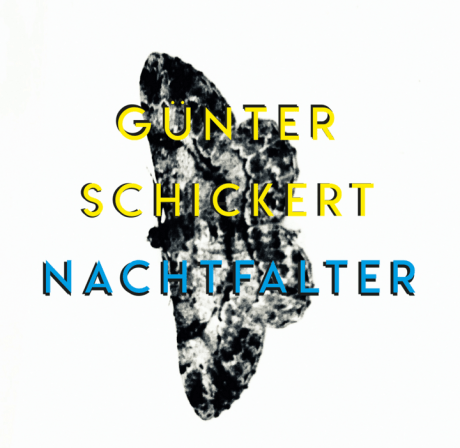
There are two inspirations at work on this LP; the naturalistic progress and presence, and then demise, of the moth that this album is named after (this said moth also features in the artwork) and the motion, rhythm of public transport in the city of Schickert’s birth. As the artist himself says, “I was born in Berlin and I am a true city child.” And like so many before and after, the city has left it’s indelible mark; the beat (not to be confused with the Dusseldorf birthed ‘motorik’ rhythm of Klaus Dinger) on Nachtfalter mirrors the industrious clang, rattle and cycle of Berlin’s metro and buses to an extent, though the northern European atmosphere of the city’s psychogeography attracts a more darker, eerie misaim throughout. The opening ‘Nocturnus’ (as the title might imply) is especially creepy with its Kubrick monolith pulse and unsettling conch shell horn – imagine Faust and Tangerine Dream invoking the arrival of a cosmic Viking long ship, emerging from the mists. The final all-encompassing merging of Schickert’s full gamut of guitar manipulations and strides, ‘Reflections Of The Future’, even evokes moments of John Carpenter’s synth-tracked horrors.
Despite the heart-of-darkness moods and craning instrumental eulogies to the moth that by happenstance entered the studio (clinging to the ceiling all night before dropping dead the next morning) during recordings, there are occasional bursts of energetic thumping rhythm: bordering on juddering Electro on the gliding, county bowed guitar arching and leaning ‘Wohin’ (which translates as ‘Where’: indeed where?!!). There are glimmers of light to be found amongst the darkened unknowing mystery, and far from suppressive and heavy, Schickert’s guitar roams freely, drifting, wafting and expansively has he accents the spaces before him.
An impressive cool transformation of the guitar innovator’s echoed enveloping signatures and traverses, Nachtfalter benefits enormously from Spechtl contemporary and energetic production. A dynamism and touch of modern electronica is added to the Krautrock messenger’s articulations to produce a most unsettling, interesting of musical experiences.
https://soundcloud.com/bureau-1/sets/gunter-schickert-nachtfalter/s-U0Dbo
Santiago Córdoba ‘En Otros Lugares’
(Sounds And Colours) 8th February 2019
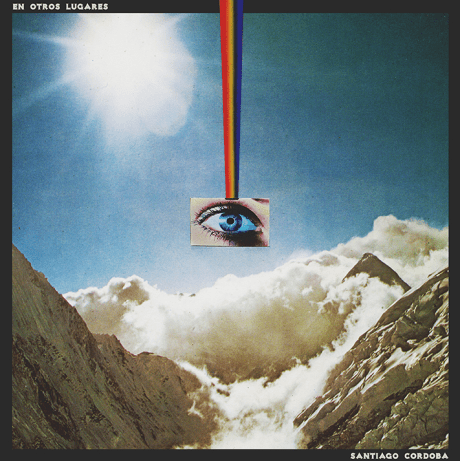
A gateway to everything worth celebrating (as much as it might also be confounding and a mystery to many) about the South American and Central American continent, the Sound And Colours hub, which includes one of the most in-depth of reference and news sites, guide books and events, has proved a rich essential source for me. Whether it’s through the site’s cultural, political and historical purview style series of accessible guides to Peru, Brazil and Colombia, or their considered catalogue of music projects, I’m kept up-to-speed and introduced to some of the continent’s most interesting artists and scenes. The latest of which is the emerging and burgeoning solo artist Santiago Córdoba, who releases his panoramic multi-city composed suite En Otros Lugares on the site’s in-house label this month.
ormerly a percussionist band member of the ‘revolutionary’ Tango outfit Violentango, the Argentine born Córdoba left his native home in 2016 for a ‘peripatetic’ life, moving from one place to the next; making a fleeting base of operations for himself in Madrid, Italy and Beirut. Backpacker travails and the sounds of each short-stay imbue this eclectic travelogue; though these often free-spirited peregrinations also stir up cosmic, magical and transcendental horizons as much as the Earthly: As the album title itself alludes, En Otros Lugares translates as “in other places” or “elsewhere”.
Both geographically and musically diverse, the opening panorama, ‘La Llamada’ (“the flamed”), traverses an amorphous Andean outback landscape, filled with ghostly echoes, arid hums and a trance backing, whilst Fuck Buttons meet School Of Seven Bells astral planning over the Amazon on the progressive psychedelic ‘A Dos Leagues’ (“two leagues”).
Post-rock influences merge with Latintronica, 2-Step, free-jazz crescendos, the Kosmische, Refree like harmonic plucks and brushed guitar, and radio transmissions tuned to poignant past figures of interest on a condor flight of fantasy and mystical voyage of thoughtful meditation.
The former Tango agitator expands his tastes and picks up a host of new instruments to fashion an impressive ambitious slow-burner of a debut album. Another brilliant South American export.
Katie Doherty & The Navigators ‘And Then’
(Steeplejack Music) 25th January 2019

Sidetracked, in a positive and inspiring way, by a detour into stage production, folk maiden Katie Doherty has probably taken a lot longer than she envisioned to release another album.
The award-winning songwriter released her debut, Bridges, to favorable reviews back in 2007 and went on to share the stage with such luminaries as Karine Polwart, the McGarrigle Sisters and Ray Davis on a giddying trajectory, before (as Doherty herself puts it) ‘life got in the way’. In that time Doherty, far from idle, took on roles as both a composer for a number of Northern Stage productions and as a MD for a Royal Shakespeare Company production. It is these roles, and ‘broadening’ of horizons that now inform Doherty, her Navigators (Shona Mooney on fiddle and vocals and Dave Gray on the button accordion melodeon) and wider backing group (which includes more chorus vocalists, a cellist, percussionist and double bassist) on the concertinaed pastoral theatrical And Then.
Three tracks specifically sound like they were plucked from the stage. And in a roundabout way they were; the peaceable air-y bellowed shanty dedication to ‘leaving a beloved city behind’ ‘Yours’ and gentle-building lulled symphony finale ‘We Burn’ were both originally commissioned by the November Club for ‘Beyond The End Of The Road’, and the enchanting picturesque scene-setting waltz ‘Heartbeat Ballroom’ was commissioned by the Wallsend Memorial Hall for the reopening of the town’s grandiose ballroom.
Marking ‘change’ in various forms and analogies Doherty’s themes encompass the change of the seasons, the life-altering change of bringing up a child in a changing society hooked-up 24 hours to, an often, poisonous internet, and the rapidly escalating changes in society as a consequence of the equality debate: Doherty, in the shape of an enervated ‘anti-apology’ framed protest, takes a dignified stance on the album’s title track, giving a more considered intensity to a R&B pop-folk backing as she reassures us that “This is not war music. This is not a fighting song.”
Such heavy important anxieties, such as the pressures of expectation (epically in our validation age of social media shaming, easy inflamed indignity and virtue signaling) and responsibility are woven into a lovely songbook, as Doherty’s lightly caressing vocals waft and dance to a mix of Celtic tradition, snow flurry landscape malady, buoyant sea motion affairs of the heart and Eastern European travails.
After years spent away from the studio, Katie Doherty emerges with a purposeful and composed reflective collection of distilled folk.
Heyme ‘Noise From The Attic’
(Jezus Factory) TBA
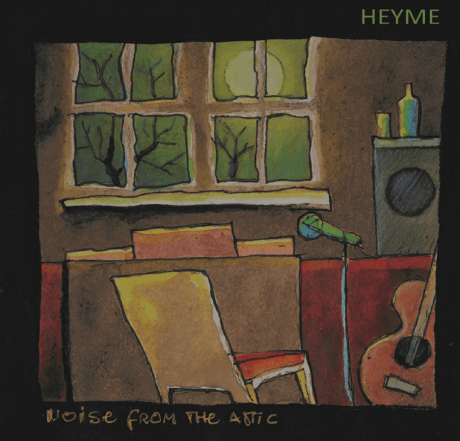
Spending much of his formative musical education in the Benelux, playing with a litany of alternative underground rock and experimental angulated Antwerp bands (Kiss My Jazz, IH8 Camera and Lionel Horowitz & His Combo), the Dutch-born musician Heyme Langbroek now sets out on a solo mission with his curious debut, and self-explanatory entitled, album Noise From The Attic.
Settling (for the last six years at least) in Poland Heyme puts all his past experiences into an understated album of songs and instrumentals created by the use of a loop station; Heyme using this unit to build a basic track which he then plays over the top of with various overlapping melodies, rhythms and improvisations. A quaint routine, Heyme’s attic noises, as the title makes clear, were all recorded in the said attic garret of his house, mostly on alternate Sundays. It might be nothing but by choosing the traditional day of liturgy worship to record his music on, it could be read as a metaphor for cathartic release; unburdening ideas, sentiments and regrets at the altarpiece of a home-recording studio.
Tethered to the past as much as moving forward experimentally, Noise From The Attic is imbued by many of the same performance recording techniques as used by the Antwerp collective of Kiss My Jazz; a group that Heyme served with alongside members from, perhaps Belgium’s most revered and recognized alt-rock group, dEUS. Heyme even reprises one of the band’s estranged songs, ‘Burn In Hell’; a woefully mooning ‘fuck you’ break-up submerged beneath a vacuum of Hawaiian rock’n’roll warbles. On the remainder of the LP he despondently wanes to a suffused template of Casio keyboard like presets, snozzled oozing Roxy Music and Hansa Studio Bowie saxophone, forlorn northern European melodies and chugging guitar. Within those perimeters the moody attic troubadour of alternative lo fi brooding pop does a Sparks, on ‘Klara’, evokes 70s era Floyd, on the mentally fatiguing ‘Paranoid’, adopts Blixa Bargeld’s tonsils and trans-European malady, on ‘Where She Goes (She Goes)’, and channels Eno’s ‘Another Green World’, on the far from discordant row, ‘Noisz’.
Showing the ‘proverbial’ Dutch courage, unloading worn, grizzled sentiments the solitary Heyme provides one of the year’s most peculiar reflective solo experiments. Fans of the solo work of the former dEUS guitar triumvirate of Rudy Trouve, Mauro Pawlowski and Craig Ward will find a fourth such inspired maverick to add to the list.
With Hidden Noise ‘Beside The Sea’
(Loss Leader Records) 18th January 2019
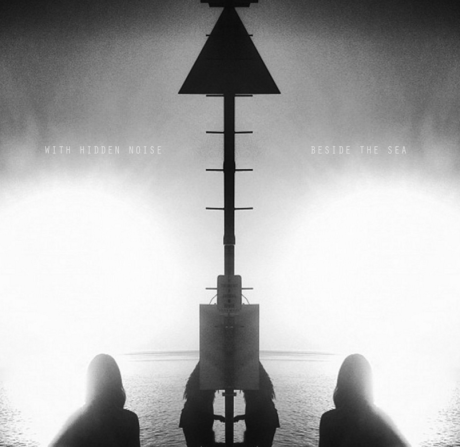
Rising with a certain languid tremble from the nocturnal wintery Canadian frontiers before dissipating back into the ether of a somnolent dreampop soundscape, Charlie Berger under the guises of his newest project, White Hidden Noise, wafts in and out of a fluxes state of pining and sighed romanticism.
Well versed in the dreampop, shoegaze and slowcore departments the Toronto musician-singer-songwriter’s diaphanous brooding album is a congruous continuation in a career that includes stints with Soft Wounds, Slowly and Tone Mirrors, and the launch of his own diy label, Loss Leader Records – of which this LP is released through. In that mode, with influences like Low (a huge influence in fact), Cigarettes After Sex and The Red House Painters lingering throughout the wistful fabric, the veiled Beside The Sea opus dreams big. Berger woos expansive heartache across the panoramas; meditating on the loss of memory to a considered purposeful backing that builds from suffused lulls to gradually built-up and swelled indie-shoegaze choruses.
The album title and gentle prompts, including the artist’s own guidance that this eight-track suite could be “moody late night driving music”, pretty much sets the listener up as to the mood, environment and sentiment. Amongst the bendy tremolo flanges and placid rhythms of the brushed cymbal and echo-y forlorn, the trio of songs, ‘The Other Korea’, ‘Close The Door’ and ‘Look’, placeably break out from their dreamy state into beautiful shoegaze-y Britpop anthems – hues of Slowdive, Gene and Sway drift around in the general absorption of influences.
It could just be me, but I can even hear a touch of early REM in the fanned-drift and soft pained harmony of ‘Further More’ and The Bends era Radiohead on the opening tenderly swooned ‘Window’ metaphor heavy plaint.
Berger’s yearned and pined ‘drive time’ soundtrack beckons the listener into a moody dreamy atmosphere of emotive outpourings; the subject of these songs remaining a lingering presence, lost, with only the traces of those memories remaining. Beside The Sea is a beautiful album – ok, some tracks do overstay their welcome – that reimagines Low as a British 80s dreampop combo.
Rodopi Ensemble ‘Thraki-Thrace-The Path Of Dionysus’
(ARC Music) 25th January 2019
Abdesselam Damoussi & Nour Eddine ‘JEDBA-Spiritual Music From Morocco’
(ARC Music) 25th January 2019
Tri Nguyen ‘The Art Of The Vietnamese Zither-Đàn Tranh’
(ARC Music) 22nd February 2019

Among the most prolific of world music and folk labels the ARC Music catalogue spans eras, genres and geography: In-depth surveys, collections and performances from the Welsh vales to Andean Mountains, from the South African veldts to Arctic Tundra. Probably sending us the most CDs of any label on a weekly basis, ARC’s diverse schedule is always worth further inspection, even if the cover art and packaging suggests the kind of CD you might pick up from a garage – filed under ethnocentric muzak. Far from it, each release is always a showcase of adroit musicianship with only the best examples of every style and tradition covered.
Usually built on the foundations of each respective artists or troupe’s heritage, these albums offer a contemporary twist on occasion: even a fusion.
Not so much randomly but just taking a trio of recent releases from the ARC stable we find three very different examples of this with the music of the atavistic recalled Thracian imbued Rodopi Ensemble, the masterful Vietnamese zither expert Tri Nguyen and Sufi-inspired advocates of Moroccan spiritual music partnership, Abdesselam Damoussi & Nour Eddine. All three commit a new energy to very old forms, and merge with influences outside their source material.
The first of this trio reverts back to the ancient moniker of what was straddling region that encompassed Southern Bulgaria, North West Turkey and the tip of Greece, Thrace; an area dominated by the 240 Km stretching mountain range behemoth that lends its name to this quintet’s ensemble, Rodopi. Steeped in Greek mythology, the Rodopi is synonymous for being the final resting place of Queen Rhodope and her husband King Haemus of Thrace; the lovers, so it is told in legend, rather unwisely offended the Gods Zeus and Hera, and were punished by being turned into the said mountain range.
Inspired by this homeland, Rodopi musically travel through Ottoman dervish, fluting Egyptian and Balkan folk on an erudite and immaculately performed collection of matrimonial, free form and scarf-waving giddy dances. Providing a swirling, but when acquired equally poised forlorn performance, the spindled spiraling lute and Kanun, heavy range of percussion (from the exotic ‘riqq’ to ‘dara-bakka’ and bendir’), swooned clarinet and weeping violin conjure up a vivid homage to a continuously changing landscape. In dual-language, songs and titles cross between Greek and Turkish; wrapped up in the obvious history of the two former dominant Empires: whether it’s in the traditional romantic flower and fauna metaphorical accompaniment of Asia Minors Greek refugees ‘Menexédes Kai Zouboulia’ (Violets And Hyacinths), or, in the tribute to the ensemble’s late clarinetist, Sol Hasan, on the improvisational ‘Roman Havasi’ (The Air Of Gypsies).
A wonderful dance of yearning remembrance and tradition, the music of Thrace is brought back to life with a touch of contemporary dynamism, flair and love.
Presenting the Vietnamese Zither, otherwise known as the sixteen-string Đàn Tranh, in a new light, ‘bi-cultural’ practitioner Tri Nguyen uses both his classical Western training and Vietnamese ancestry to delicately accentuate a collection of poetically brush-stroked scenes and moods. This congruous marriage of forms and cultures often results in moments and swells that evoke the gravitas of the opera or ballet, yet seldom drown out the light deft touches of the lead instrument.
Just as renowned for his adroit pianist articulations as he is for bringing the Đàn Tranh – a cousin of the Chinese ‘guzheng’, Japanese ‘koto’ and Korean ‘gayageum’ – to a wider international audience, Nguyen caresses a diaphanous web of descriptive quivers over classical strings and percussion on this latest showcase.
Emphasizing his native homeland and the countries that border it he mirrors the elements (the flow of a stream; the droplets of gentle rain), wildlife (the blackbird singing proudly; a galloping stoic horse) and moods (a contemplative sad refrain that ushers in a seasonal and metaphorical change; the joy of returning home after a sojourn spent away).
From lullaby to the Imperial, whether it’s a picturesque meditation or a tale from the time of China’s Three Kingdoms, the musical performances are beautifully immaculate. In truth, too classical and varnished for my taste, I have to admire the faultless musicianship.
Personally the more interesting for me of these three ARC titles is the co-production partnership of Moroccan composers Abdesselam Damoussi and Nour Eddine, who bring together a cast of authentic Sufi singers and musicians on the dynamic Jedba album showcase.
With backgrounds in everything from Hip-Hop to Jazz, Rock, Electronica, World Music and (in Eddine’s case) the Vatican’s vaults of Classical music, both musician-producers provide an exciting backing of bombastic percussion and hypnotizing rhythms to the venerable spiritual mystique of the Sufi tradition. Literally invited and transported into the studio from their impromptu performances in the famous walled marketplace of Jemaa el-Fnaa, located in the heart of Marrakech, a cast of mystics, poets and players from various tribes and disciplines gathered together for one collective exchange: The “Jedba” of the title referring to a collective dance in which people from multi faiths including Jewish, Christian and Muslim hold hands in a symbol of harmony and friendship; “united in love of the divine”.
The magic is in the fusion, as instruments as exotic and diverse as the wind equivalent of the Scottish bagpipes, the ‘ghaita’, rasps over a swanning break beat like percussion on the opening title-track, or, Arabian female tongue trills excitably warble in divine celebration over a dramatic filmic bounding accompaniment on the song-of-praise ‘Allah Hay’. Encompassing Berber desert rock, the adoring commanding vocals of Yemdah Selem (the ‘diva’ of desert music as Damoussi puts it), the solitary prayers of the bred and born Sufi and imam of a mosque in Tangiers, Said Lachhab, and giddy dance, the chants and exaltations of these Marrakech street performers is given a new dynamism and energy via the dual purpose of preservation and in beaming this entrancing mystical tradition to a new audience.
EPS
3 South & Banana ‘Rooftop Trees’
(Some Other Planet Records/Kartel) 1st March 2019
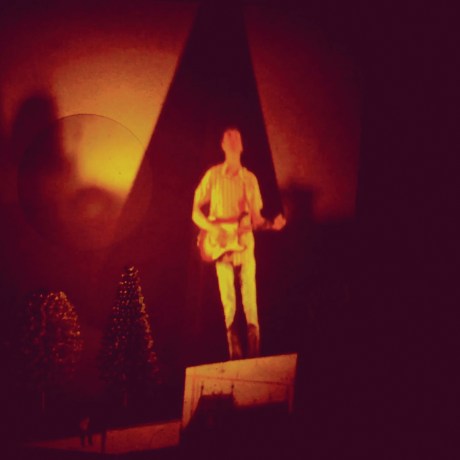
Stepping-out from the sunny-dispositional ranks of the psychedelic indie and tropical lilted London-based Cairobi – formerly, for a decade previous to the name-change in 2017, Vadoinmessico – the group’s drummer Aurélien Bernard follow’s up on his last two singles with a new EP of bright disarming soft-shoe shufflers.
The French-born but Berlin-based all rounder uses his adoptive home as inspiration, though musically the compass is pointing towards the tropical equator. The angulated skip and catchy opening track, ‘Magdalen Eye’, treats Berlin as a jump-off point; its architecture and history (where do you start?!!) echoing and reverberating in what sounds like a psychedelic dream pop with Nirvana grunge drop Ariel Pink. It also reminds me of the recent brilliance of fellow French new wavers, grunge and indie sensations Brace! Brace! The very French-esque float-y and whistle-y ‘Soleil’, sung in the native tongue, wistfully bids farewell to the long Berlin winter as the “first warmer sunny days of April” ease in.
Named after one of Bernard’s previous singles, the four-track EP includes 2018’s ‘Rooftop Trees’ and ‘Fake Jungle’ records. The first of which poses a meditation on the tensions between man-made and natural structures to a woozy psychedelic jaunt: Literally dancing to architecture, Bernard dapples the catchiest of psych and cool Gallic pop on a concrete environment. The latter, rather unbelievably, was inspired by a one-off jam session with James Brown (a throwback to Bernard’s days as a session drummer in Las Vegas), and sounds like a swimmingly Malian Syd Barrett produced by Nino Ferrer.
Light and jaunty but with a depth and sense of concern, Bernard’s oddly entitled 3 South & Banana alter-ego delivers a sumptuous cantaloupe lolloping EP of playful catchy brilliance.
Singles
Julia Meijer ‘Train Ticket’
15th March 2019

It seems almost obligatory, at least in the last decade, to affix the fatuous term of Scandi-pop to every single artist or band emerging from Sweden: whether they play guitars or programme synths. Native Swede songstress-musician Julia Meijer is no different. Even though she lives in Oxford her taciturn, slightly skewed angulated indie-pop sound falls easily into the Scandi-pop fold of classification.
With a string of singles behind her, Meijer is finding her feet; trying out new things on every one, with the only real consistency being quality and depth.
The latest, Train Ticket, is no different. A collaborative affair that features a couple of Guillemots in the ranks (Greig Stewart on drums and Fyfe Dangerfield on suffused low-ray burnished Hammond organ) and Oxford’s busiest polymath of the moment Sebastian Reynolds (Flights Of Helios, the Solo Collective, Mahajanaka project) on swallow undulated synth duties, Meijar’s musical partners construct a counterbalance between a Kate Nash fronted New Young Pony Club version of art school indie and looser, almost, quasi-Talking Heads African lilted mirage-y chorus.
Every bit as taut and tense as Meijer planned – reflecting the lyrical anxious sentiments of uncertainty, expectations and disappointments –yet bendy and supple when that same tension is lifted, the page-turning autobiographical Train Ticket proves to be yet another sophisticated slice of unsure protagonist yearned pop, and wrangled, just raw and edgy enough, indie.
Still adapting and evolving, Julia Meijer has laid down a quality series of singles thus far, all slightly different. We’ll be able to soon experience the full effect when she delivers that debut album, Always Awake, in May.
Society Of The Silver Cross ‘When You’re Gone’

Feasting out on the strength of their most afflatus (and only) single, ‘When You’re Gone’, the venerable marital-fronted Society Of The Silver Cross have built up quite a momentum and drawn some considerable weighty acclaim. Wafting on to my radar at the end of last year – included on the last Monolith Cocktail ‘choice’ playlist of 2018 – this bellowed harmonium and zither-droned esoteric profound elegy reimagines the Velvet Underground led by a lapsed-Catholic Kurt Cobain.
Achingly diaphanous despite its forlorn succinct wise cycle of lyrics (“When you’re gone, you’re gone, you’re gone. We’re only here for a while. We’re only here for a day.”), this humbled sea shanty-motion mystery was in part inspired by the band’s husband and wife protagonists’ travels across India; part of that Velvet imbued sound enacted by the Indian auto-harp, the shahi baaja.
With the spotlight drawn towards this Seattle outfit’s Joe Reineke and Karyn Gold-Reineke partnership, the Society Of The Silver Cross does also include a small but extended cast of enablers on an accompaniment that features the mellotron, accordion and host of similar evocative instruments.
Vividly dreamy in a plaintive humbled atmosphere filled with various visual references of haunting iconography, Society Of The Silver Cross’s inaugural single is a most sagacious opener; a stark but confident creation of real quality and depth that merges the underground with Gothic Americana. Brilliant.
Words: Dominic Valvona
Our Daily Bread 303: Beirut ‘Gallipoli’
February 12, 2019
Album Review: Gianluigi Marsibilio

Beirut ‘Gallipoli’
(4AD) 1st February 2019
A scratch in a forest of familiar sounds.
The new Beirut album is a freaky object, but in some details it revives the old fuses placed by the band on the battleground.
The shining of good past ideas is a necessary work to reaffirm the identity of the Beirut that are exalted in the Farfisa organ and in the galloping sections of winds, as in ‘Family Curse’.
This album follows in the footsteps of an album like March of the Zapotec, throwing us into an ocean of summer images, continental Europe still seen with an eye to the utopia of union. Zach Condon like Thomas More and his island of Utopia draws a world, even today, where contaminations flow and merge win on the walls, closures and fears.
Gallipoli is a bay where the Balkan folk, like Bregovic, can germinate and mix with the ideas of Condon, who uses a very similar instrumentation compared as to that of his previous masterpieces Gulag Orkestar and The Flying Club Cup.
Another peculiarity comes from the choice to capture the record in a fortress in Puglia (Italian region); to reflect by vibrations on the record are the walls of a castle that attaches Beirut not only towards geographical but also historical borders.
Overall, the work is able to light up in pieces like ‘Gallipoli’ or ‘When We Die’, but the feeling is of being in front of a rib, a sequence of the season and not a new and well focused chapter.
The danger of sound homogenization is strong, but with his head held high Condon’s ability to write songs on the thread of wool comes out, with a defined and precise register, a plot now well experienced by Beirut. To attenuate, however, the similarities of the work with the previous discography of the group there is the strong sound contamination that Gallipoli has suffered, while travelling in studios in Italy, Germany and New York.
The ukulele of the first works has disappeared, but the optimistic attitude of Beirut is reflected in background voices, in the raw keyboards and in the wind sections.
Gallipoli is a celebration of the talent of a musician with incredible ideas, so even if not everything is perfectly successful on the album, there is no room for disappointment, tracks like ‘When I Die’ or ‘I Giardini’ are worth it alone.
Words: Gianluigi Marsibilio
 Monolith Cocktail Blog