The monthly Digest includes a clutch of accumulated short new music reviews, the social inter-generational/eclectic and anniversary albums celebrating playlist and pieces from the Archives.
___/NEW MUSIC REVIEWS___
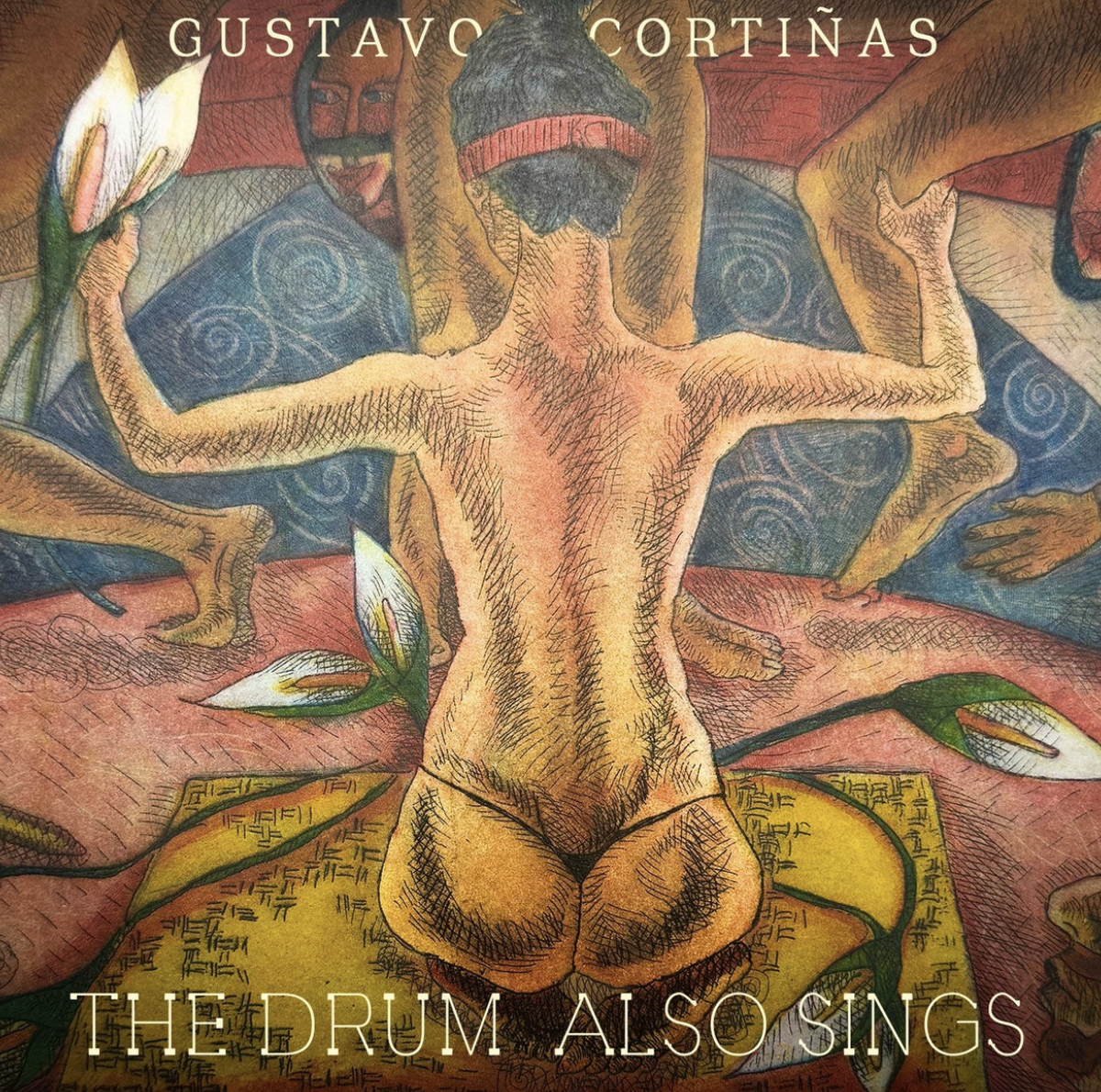
Gustavo Cortiñas ‘The Drum Also Sings’
Released 5th June 2026
Hot-housed within the great Chicago hothouse of influences but stretching way beyond to encompass and be imbued by the talking, communicating, expressive, storytelling drums that made their way across the Atlantic (to both North and South America) from Africa through the heinous slave trade, the latest album by the impressive and noted drummer polymath Gustavo Cortiñas does indeed sing but also gesticulates and splashing around in describing both the abstract and the visceral.
Exchanging rhythms and phrases with his peers, the Chicago-based (via a craft studied and at both New Orleans and Northwestern Universities) drummer extraordinaire, composer, producer and educator shares the studio with not only the living but the luminaries of jazz past: namechecking the rightly exalted and praised Max Roach, championing his famous melodic drumming style, but also at times during the more tumultuous but controlled parts the late great icon’s Absolution period. And via Roach, there’s also a reference to the late Blue Note anointed Chicago great, Big Sid Catlett on one of the album’s triumvirate of “dialogues”. Part II of that same communication with the past, bounded forward into the now, is a collective improvisation of a Papa Jo Jones phrase, the band leader and drummer famously who “anchored” the Count Basie Orchestra during the 1930s and 1940s.
With that much pioneering talent onboard Cortiñas expands the ranks to include the duo percussive and drumming dynamism of Dave King and Isaiah Spencer; the former of course a founding member of both the Bad Plus and Happy Apple, and the latter, the Chicago-born and active instigator of a much enviable exciting and groundbreaking scene both as a collaborator and as the band leader of his own sextet. Whether feeding off of their host, or pummelling away, or finding a secondary rhythm and counterpoint, or rustling and feeding their hand expressions through various snake-like and dry beaded percussive instruments, they match, entwine and often expand each performance across a healthy relay of styles and influences: from Afro-Latin to New Orléans, the carnival and the vine swings of Art Blakey, the big band swing too of the 1920s, and play of Baby Dodds.
But whilst the drums talk a parade of contemporary feminine voices reach back and forth across time, cultures and geography and meaning to sing or speak. The young Tzotzil poet Angelina Suyul, can be heard uttering in the Mayan phonetic across the textually scuffed, sieved, scrapped and constantly rolling, forward momentum expression of Roy Haynes and Anthony Williams-like ‘The Spontaneity Of Heartbeats’, whilst the Chilean singer-songwriter, visual artist and sculptor of electronic folklore, La Paula Horrera,lends a diaphanous lullaby turn fierce and phonetic-dancing plead to the barricade of emotions and swinging drumming and percussive attuned ‘Your Resilience Is Resistance’. Also hailing from the South American continent is the Argentinian vocalist Martya de Humahuaca; a voice that both moves on the air and convulses in an atavistic-like aria over stick-beaten tribal dance rhythms and lolloping rolls. From the much-loved, on this blog anyway, and praised Chicago label hub of International Anthem, polymath (by my reckoning the CV includes composer, improvisor, clarinettist, pianist, vocalist and educator) Angel Bat Dawid interprets Psalm 23 on the closing well of powerful litany and increasingly wildly and disruptive scripture. Reiterating certain lines (that’s the whole “My Lord is my Shepard”, and “Yea, though I walk through the valley of the shadow of death” speech) with ever more energetic and possessed hysterics, Dawid takes the Biblical via the American Spiritual for a tumultuous outpouring of the gabbled and pointed.
Tracing and improvising with the strong and enduring beat that drove jazz, swing, the big bands, the Latin and more, Cortiñas and his foils roll across a porous borders geographically, technically and rhythmically; experimenting with the litany but also with a rewilding of influences, inspirations whilst making expressive overtures and references to Roach and his peers (even those that in turn inspired that giant of the drumming world).
DJ Grzyb & The Make-Believe Ensemble ‘The Return Of DJ Grzyb’
(HUVESHTA RITUALS) Released 10th June 2026
Through a sonic and multilayered ricochet and echoed leitmotif of psy-dub, psy-trance and IDM, fantastical myths are tied together with amorphous cross-references to both Eastern European and Far Eastern folklore, the occult, the hermitic and supernature.
The return of Warsaw-based producer, DJ and live performer Tamten, under the mystically aligned club-sounds anchorite alias of DJ Grzyb, marks a collaborative sonic, rhythmic and absorbed geography of both mushroom induced invocations and new age mantras. Reeling in both a Polish and international cast of artists and musicians, playing a multitude of worldly instruments or using their voices to evoke the right mood, Tamten and friends embark on a sort of quasi-holy mountain rave-up, but one that’s been recorded at Lee Scratch Perry’s Black Ark and then transported to a supernatural and fabled terrain of dream-magic and half-realities. Step forward the roll call of Marysia Osu on lattice-worked and glistened harp; Silky Oolong (aka, we’re told, the later ego of Kaja Domańska) lending an almost mystically entrancing cyber voice whilst giving instruction to a majority of the tracks; Milo Kurtis multitasking with vocals, clarinet, ocarina, percussion and the oddly curious tine twanged zanaz; Sทา้ว หมาหยยุ on an assortment of Thai instruments, including the chuffed and blown Khaen, the thick finger cymbal chimed and rung ching and the traditional bamboo pi phu thai instrument; Andrzej Dudek-Dürer on the brassy resonating sitar and the long-necked tanpura; Otto Topola adding whispery poetics to the lunar shuttering beat trancey ‘The Big Red Moon’, Marysia Osu as a second harpist on a quartet of tracks; Naphta (the alias of Pawel Klimczak) putting down thick wobbled stringy guitar reverberations and plastic tubbed-like percussion on muffled and then galloping ‘The Three Deaths’.
Almost continuous, each track sems to lead into the next, or at least sit in its languid altered state of drugged-up ritual together like a sort of concept album for the raved-up spiral tribe. Left of field reports, mountain worship and tales of the psychogeography fuse with the sound of David Wojnarowicz being transformed via Amorphous Androgynous, the Dead Skeletons, Cosma and Cousin Silas And the Glove Of Bones. Oddities are thrown up by this club-like dream-trance of ideas and traditional transmogrified sounds: The pan-piped Shepard’s ‘The Matys Song’ sounds like The Golden Child score meets Banca de Gaia, whilst the Indian-entranced evocation of ‘Hall Of All Weather Gods’ sounds like something from David Ornette Cherry’s Organic Nation Listening Club.
Reality and myth converse on the pine forest (though it oftens feels musically like the rainforests of new age musical South America) dancefloor on an album that celebrates as much as mystifies and plays with Polish folklore, its history and geographical porous borders of extended fables and alternative worships. Probably sounds even better and makes more sense on mushrooms.
Kirigirisu Recordings Double-Bill
Autodetuned ‘Clutter’
Meadow Argus ‘Dreams Are Another Doorway’
Both released 29th May 2026
A double helping of abstracted tones and sonic atmospheres from former Audio Antihero label stalwart Neil Debnam (of Flying Kites note, and after an accident which put him out of action for a time, the more stripped back Broken Shoulder outlet) and his Tokyo-based platform. After neglecting the label for a fair time, I’ve added to just two recentish releases from the sporadic schedule.
First up and it’s the latest project from the Madrid-based sound artist Juan Cepas, Autodetuned. Eager followers of the genre and its adjoined nodes of influence might recognise Cepas for his improvised partnership with José Mª Pérez-Flor in the 500 Goats duo: first initiated during the Covid pandemic. “Tones over tunes” is the watch word for this solo exploration of concreate and alien industrial experiments.
With an apparatus of contact microphones, effects chains, reverberating trebly guitar strings, various unidentified and unknown metallic tools and objects, pitches and field recordings the results are akin to taking a fantastic voyage of the paranormal inside the very substances of concrete, stone and metal themselves: like a endoscope inside the textures and binding agents of amorphous materials used as foundation building blocks of the various chambers, chasms and more tubular corridors being investigated. Then again, it’s often more akin to the sci-fi, to off-worlds and the haunted presence of mysterious actors funnelling, whistling, stretching out and broadcasting from the Fortean TV set. Signals and communications from the fabric of this strange tonal world are charged with crispy electricity, the overspill of dust speckled rain and the gargle of curious amphibians moulded from cement.
Next, we have a hauntology of dream scenarios, wanderings, fragments that appear during the hours of sleep, problems or enquires that need to be worked out during those somnolent and relaxed hours, by Tynam Krakoff’s Meadow Argus sonic outlet.
The accompanying Bandcamp descriptive spill/part review in itself by Joe Posset kind of does my job for me (it’s a damn fine articulated description of the album for sure) and mentions Boards of Canda (when they were good) as a reference. Spot on with that observance.
But I guess I’d better add something of my own.
Dreams Are Another Doorway opens into a strange, near ghostly and unconscious state of disembodied snatches of dialogues and enquires on the brain. The miracle of thought processes, the retained snippets and incidents, the conversations and ideas that we mull over in that unconscious state are played out over scratchy films of old gramophone and radio broadcasts, ambient ebbs and a ghostly mirage of a sea shanty-like harmonium. Reminisces, the sound of shared laughter is blended with mysterious sound effects and enervated waves of the near ominous and untethered.
From seas of tranquillity to altered states of reality via vague echoes of Mo Wax, Leaf label, The Northern Lighthouse Board, the Orb and even a passing of jazz, Krakoff’s latest soundscape is an immersive experience that will do anything but send you off to sleep. There’s far too much, even in its most ambient and longform passages, to pick out and experience for that. This strange tape embodies an indolent and almost woozy experiment in entering a dreamlike state of inquisitiveness and also a clockwork satsuma of half-remembered interactions, broadcasts and information.
New York City Chapters vs Weird Shit U.S.A. 2 ‘Slow Diet Ketamine Era’
(Artetetra) 30th June 2026
Hallucinating tape spools and the corner ketamine dealer skits converge for a most warped generator of sound and vocal snippets and snatches on this discombobulating and transmogrified mix tape from the weirdo union of Aaron Anderson’s latest illusion-guise and the “sampledelia” and “digital feed hijacking” duo of New York City Chapters.
From dialling into the passing TV broadcasts from across the street vendor’s store to fucking with a stream of Meta and a drug-induced digestion of breaks, misplaces of jazz, the sounds and voices of New York City, the looping eccentricities of just fucking around with effects and speed shifts, and the slicing and spicing of a mental record collection, there’s much to unpick from the tape’s two sides of leftfield mind-bending clatter, clutter and looping lunacy. And yet, it makes sonic sense: in some ways. For using the city as a backdrop, a sound lab and lobotomy, they’ve made a sort of Matthew David vision of New York that filters but embraces its most crazy biomorphic extremities: from the reshaping of the architecture to a sudden appearance of Alica Keys most iconic if insufferable anthem and passages of hip-hop, jive talk and jazz. But then you also get a stream of consciousness that sounds like a Mogadon-induced cut-up of Odd Nosedam, Edan and Cities Aviv. There’s a loop of “I want to break free” Feddy Mercury against pop-like funk, 4 Tet, the Dream Warriors, Bowie and mizmar-horns.
Part 2 has a slightly different take, with passages more…well, only just slightly more melodic and not so manic. There’s a lot of growly cyber bass, but plenty of warped spells of tuneful reverberations, dub, no wave and more current electronic experimentation.
Together it makes for the craziest of sonic fever dreams; a kind of more energized and charged-up cLOUDDEAD if you like.
___/THE MONOLITH COCKTAIL SOCIAL PLAYLIST VOL. 107____
The Social Playlist is an accumulation of music I love and want to share; tracks from my various DJ sets and residencies over the years; and both selected cuts from those artists, luminaries we’ve lost and those albums celebrating anniversaries each month.
Running for over a decade or more now, Volume 107 is the latest eclectic and generational spanning playlist come radio show from me – the perfect radio show in fact, devoid of chatter, interruptions and inane self-promotion.
As with most months, I inevitably mark the passing of those artists we’ve recently lost, and as this is the first opportunity to do so, there’s a smattering of entries from the late genius of the jazz form and saxophonist extraordinaire Sonny Rollins. Going right back, almost to the beginning and the mid 1950s, I’ve gone for ‘Valse Hot’ from the Plus 4 LP with Clifford Brown, Max Roach, Richie Powell and George Marrow – an enviable lineup – then some action from Live At the Village Vanguard with ‘Old Devil Moon’, and finally something from the Freedom Suite.
From the world of art, creating a landscape that anyone with sense would happily walk into and never leave again, I’ve paid a little homage to the late painter David Hockney. Nico Muhly is inspired by a palette full of signature themes from the Hockney collection, but I’ve opted for one of the most obvious and celebrated, ‘Pools’. And I couldn’t leave the TV Personalities and their ‘David Hockney’s Dairy’ knockabout out.
My haul of Anniversary albums this month includes Bob Dylan’s Blonde On Blonde, which is sixty years old this month. But I’ve gone for covers versions rather than the originals to mix it up, choosing Julie Felix’s impression of ‘Sad Eyed Lady Of The Lowlands’, and Marianne Faithfull’s interpretation of ‘Visions Of Johanna’. Also celebrating its sixth this year is Aretha Franklin’s R&B and gospel showcase, Soul Sister, The Mothers Of Invention’s whackoo trip ‘Freak Out!, and Wayne Shorter’s Speak No Evil opus. Jumping forward another decade and there’s choice tracks from both La Dusseldorf’s eponymous LP of ’76, and the garage rock ‘n’ roll, Byrd’s psych, bubblegum revivalist new wavers the Flamin’ Groovies’ Shake Some Action.
From 1986, there’s nods to The Smiths’ The Queen Is Dead, Madonna’s True Blue, and The Fall’s Bend Sinister (trueful, I’m a bit early with this one as I’m sure it was released a little later in the year). Forward yet another decade and its tunes from Placebo’s self-titled debut LP and Beck’s Odelay. And finally, from the archive spots below, tracks from both Bowie’s Labyrinth soundtrack LP (released in 1986) and Spain’s Carolina LP (a mere decade old in June).
From my collection, and the ever-growing list of releases I wished I’d owned, a complete random selection with tracks from A Clean Kitchen Is A Happy Kitchen, A Dancing Beggar, La Shark, aCivilian, Adhelm, Screaming Urge, From Nursery To Misery, Selezione Naturale…
Complete Track List is as follows:
Sonny Rollins ‘Someday I’ll Find You’
Aretha Franklin ‘Can’t You Just See Me’
The Mothers Of Invention ‘Trouble Every Day’
The Fall ‘Gross Chapel – British Grenadiers’
A Clean Kitchen Is A Happy Kitchen ‘Yellow’
Screaming Urge ‘War’
Placebo ‘Bionic’
aCivilian ‘Cheat’
Le Shark ‘I Know What You Did Last Summer’
Television Personalities ‘David Hockney’s Diary’
Nico Muhly ‘Pools’
Marianne Faithfull ‘Visions Of Johanna’
The Smiths ‘Cemetery Gates’
Flamin’ Groovies ‘I Can’t Hide’
La Dusseldorf ‘La Dusseldorf’
Sonny Rollins ‘Old Devil Moon – Live At The Village Vanguard’
Adhelm ‘Swin’
Selezione Naturale ‘Ritmo Avanti’
A Dancing Beggar ‘Here Come the Wolves’
Julie Felix ‘Sad Eyed Lady Of The Lowlands’
Madonna ‘Live To Tell’
David Bowie ‘Magic Dance’
From Nursery To Misery ‘The Oak Tree’
Wayne Shorter ‘Wild Flowers’
Chance ‘Too High To Land’
Beck ‘Diskobox’
Spain ‘The Depression’
Platonica Erotica ‘Pawnshop’
Tim Hollier ‘Evolution’
Sonny Rollins ‘Valse Hot’
____/ARCHIVES_____
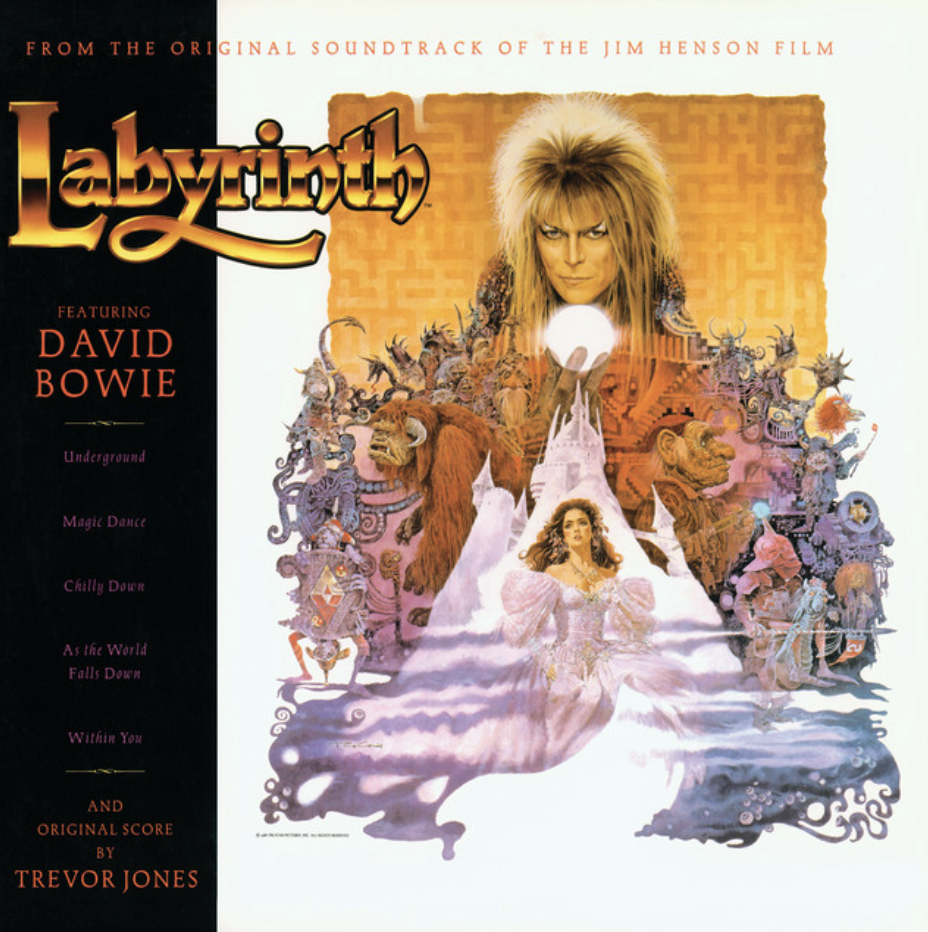
It was forty years ago since David Bowie donned his pantomime garb and took on the role of camp arch villain in Labyrinth; or rather, the soundtrack album was released to the general public. For better or worse, here’s my appraisal, plucked from part three of my Bowie homage, published over a decade ago. And from a mere decade ago, plucked from the archives for June 2016, my original review of Josh Haden‘s slowcore Americana Spain alias LP, Carolina.
Labyrinth (EMI) 1986
Dressed to kill as the pantomime dame in a pupated fantasy world, Bowie moons forlornly in the children’s movie of Labyrinth. Cast as the archetypal misguided villain Jareth, our cracked actor fulfils his need to sing and dance, from behind another façade.
For those expecting a whimsical affair, the Trevor Jones and Bowie soundtrack is itself full of both mellifluous romantic waltzes and ominous discordance. Of course, the South African composer of over fifty films, was used to scoring this sort of picture, having already done Time Bandits and The Dark Crystal. Bowie however offers up some pining laments, capturing the spirit of his conceited but lovelorn goblin king. In fact, though obviously directed at a younger audience, the vocal tracks have an instant commercial allure to a mature market too, tapping into the new fan base, which he picked-up on Let’s Dance.
In truth the fun-frolicking joyous ‘Magic Dance’ and gospel backed ‘Underground’ are better than anything off his previous release Tonight (with the exception of ‘Blue Jean’ and ‘Loving The Alien’). The slippery chameleon was however ‘losing his edge’, identified as a crooning balladeer in a sharp lapelled suit, devoid of new ideas. The next few years wouldn’t change that opinion.
Spain ‘Carolina’
(Glitterhouse Records) 3rd June 2016
With a poignant prompt, Carolina is the first album by Josh Haden’s musical project Spain since the death of his father Charlie in 2014. Amongst the most renowned and celebrated jazz bassists of the last century, working with such major heavyweights as Keith Jarrett and Ornette Coleman, the late Charlie was for obvious reasons a handy mentor to his son, contributing throughout with advice and even playing on the records. Tribute would be too strong a word, instead imbued by and referenced in a number of themes, Charlie’s spirit is omnipresent throughout.
It has however given Josh pause for thought: solace and reflection being the album’s key subjects. Though the very nature of the ‘slowcore’ music Josh, alongside other innovators of the genre such as Low and Willard Grant Conspiracy, has become renowned for is based on if not constantly paying homage to the great Americana songbook of the past two hundred years. Coming almost full circle, the literally titans of the 1929 great depression, both in fiction and reportage, chime with the events of 2008. Even when the protagonist of a beautifully descriptive lament eulogies an American victory in the 1777 campaign for independence on ‘Battle Of Saratoga’, Josh has his mind on the present: augurs for the future, compelled by events in the past.
Entrenched in not just the history of the expansive, pioneer spirit America but in its music too, the opening alt-country swoon ‘Tennessee’ absorbs the ghosts of Nashville and Memphis. A grand vista indeed that captures the American state in a tale of loss and escape – the protagonist losing land, trapped by history itself – ‘Tennessee’ has a plaintive quality of resignation. No less steeped in myth, ‘Apologies’ moves the action to Beverly Hills, Josh joined by a female counterpoint vocal on the repeating, “There was a witness” refrain, sings almost softly as though floating through or above the unfolding events.
Josh goes onto evoke both an air of The Band’s Rick Danko on both the stirring ballads ‘Lorelei’ and ‘Starry Night’, and a heavier alternative rock and blues, often reminiscent of a cowboy twanging Pearl Jam, tone on ‘For You’.
Life on the homestead, the American War of Independence, Steinbeck’s visions of the great depression, mining disasters and William Faulkner’s short sentence encapsulation of a time and events are woven into both Josh’s formative years growing up in Malibu, and a more contemporary setting to create a deeply moving album.
Here’s the message bit we hate, but crucially need:
If you’ve enjoyed this selection, the writing, or been led down a rabbit hole into new musical terrains of aural pleasure, and if you able, then you can now show your appreciation by keeping the Monolith Cocktail afloat through the Ko-Fi donation site.
Glitterbeat Records 5th Anniversary: A Celebration
March 22, 2018
Words: Dominic Valvona

If the Glitterbeat Records label had a remit, ‘a raison d’etre’, it would be all about transcending borders, whether it’s the physical, geographical or subconscious kind, to bring the most ‘vibrant’ and ‘committed’ of artists to a global audience. Finding existing and ‘possible musics’ (to borrow a term from the label’s own reissue of Jon Hassell and Brian Eno‘s iconic 1980 transformative soundscape experiment, Fourth World Volume One: Possible Musics) from across the world, the independent German-based sister label to Glitterhouse Records has in a short timeframe helped reshape and redefine what we know as ‘world music’ – a fatuous term in itself, still largely used to denote anything outside the comfort zone of Western commercial music.
Originally putting out a catalogue of sublime and obscure records from some of Malia’s most important, traversing desert blues and rock artists (from Ben Zabo to Tamikrest and the Songs For Desert Refugees compilation) on Glitterhouse, world traveler bluesman Chris Eckman of Dirtmusic fame (the labels unofficial in-house band) went on to co-found the Glitterbeat imprint with Peter Weber in 2013. The inaugural release on that label, now celebrating its fifth anniversary, was a 12″ remix of Ben Zabo’s Dana by Mark Ernestus (Rhythm & Sound, Basic Channel), released sometime around March 22nd, 2013.
From the already mentioned desert blues stars of Mali and ‘beyond’, Eckman’s ever growing roster of contemporary sonic adventurers hail from a number of other African countries, including Ghana, Mauritania and the Bargou Valley bordering Algeria. And has since gone on to expand its remit and reach out to include music from the Balkans, Southeast Asia, the Levant and South America.
As you can imagine, this global expansion encompasses a myriad of musical styles, many of which were in serious danger of disappearing into obscurity if not for the work of music ethnologists such as Paul Chandler and Grammy Award winning field-recordist/producer Ian Brennan (we were lucky enough to interview Ian a couple of years ago), who both recorded for posterity ‘lost voices’ and atavistic guardianship documented collections for the label under the Hidden Musics series.
So busy and bustling with potential releases, in the last couple of years they’ve set up a congruous imprint of their own, the tak:til scion: an extension and home for more transcendental, meditative and experimental material that doesn’t quite fit the main label. Featuring a mix of re-released and remastered iconic albums from the ambient, soundscape and devotional genres – including the already mentioned inaugural Jon Hassell and Brian Eno collaboration -, Tak:til has featured Širom‘s Slovenian odyssey I Can Be A Clay Snapper and 75 Dollar Bill‘s psychedelic desert rock and trance of the Maghreb, avant-garde, jazz and even swamp boogie delta blues transient W/M/P/P/R/R.
From handkerchief waving Albanian songs of sorrow to Istanbul dub; from hybrid collaborations such as Tony Allen‘s album with some of Haiti’s finest musicans, the Afro-Haitian Experimental Orchestra, to the electric griot psych of Noura Mint Seymali; from the Turkish pregriation and siren vocals of Gaye Su Akyol to the carnival funk of Bixiga 70; Glitterbeat Records has helped uncover a whole new musical world of discovery for people like me. It’s no surprise that they’ve won the WOMAX label of the year so many times, and attracted heaps of acclaim. I’ve more or less featured every single one of their forty plus releases, and seldom found a dud. And Glitterbeat Records have appeared more times than any other label in our end of year features.
To celebrate the label’s fifth anniversary, I’ve chosen both personal favourite releases and tracks from the back catalogue.
Lobi Traoré ‘Bamako Nights: Live At Bar Bozo 1995’ 2013
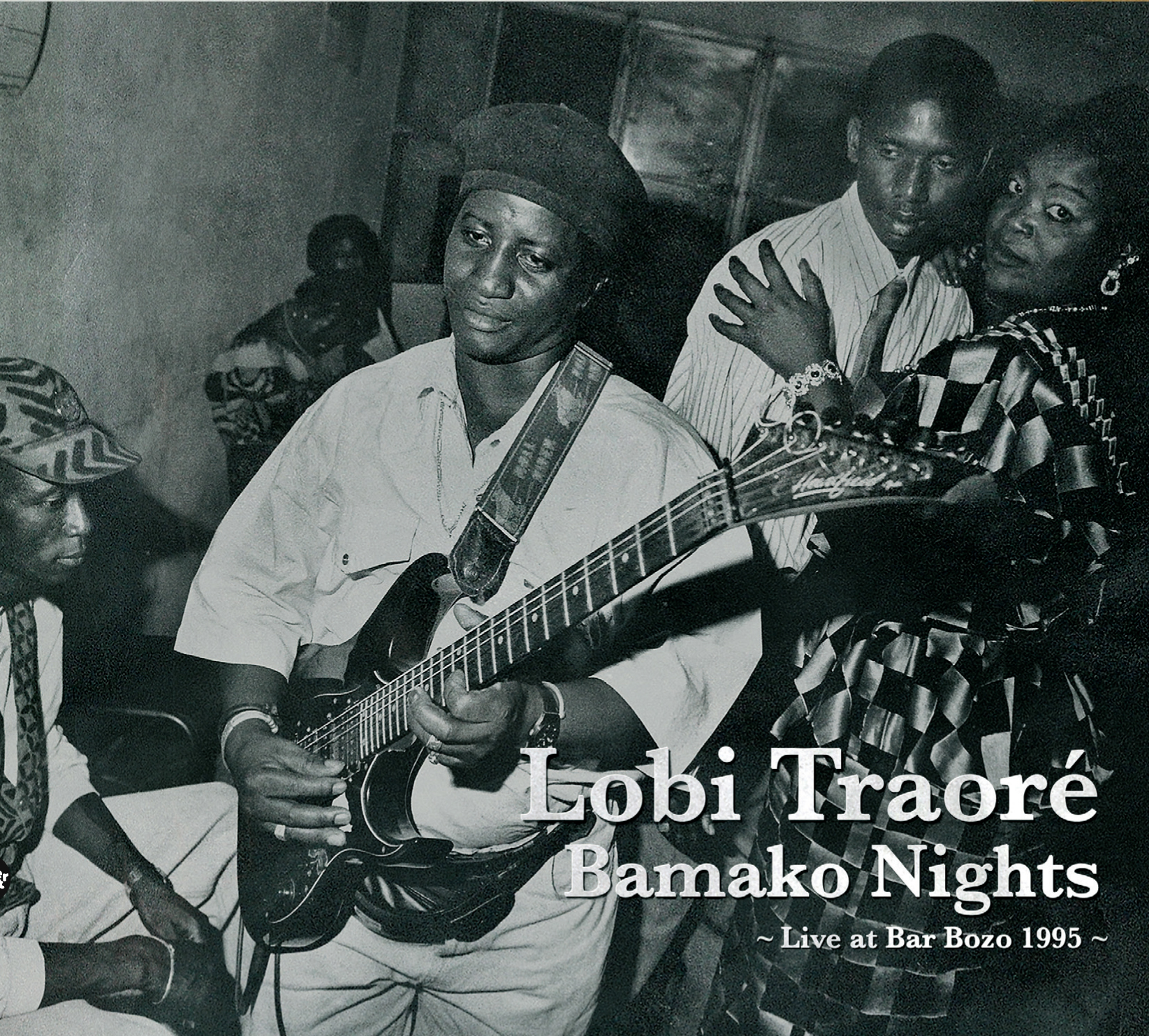
From the very beginning, one of Glitterbeat Records earliest releases, Bamako Nights captures the loose, almost extemporized sounding, drift of the late Malian legend Lobi Traoré (who died at the age of 49 in 2010); capturing one of his ‘packed-to-the-rafters’ live shows from the feted and iconic Bar Bozo. The singer/songwriter takes the crowd with him as he meditatively affects an adroit passage through Mali’s social and political pains. Attenuate guitar lines bolstered by flanger; licks powered by enveloping sustain; and a band whose steady yet often expletory solo spotted, bubbling bass and rapid percussion bind the nuanced accents together, all prove rhythmically hypnotic.
To have been a-fly-on-the-wall at one of these intimate, intense, shows must have been a magical experience; especially as Traoré kept the anticipation building; the appreciative audience either enthralled by every descriptive note and earthy toiled vocal or adding their own backing chorus of spiritual hollering and hand clapping: You’ll be hard-pressed to find a greater live experience and encapsulation of the atavistic West African blues.
Samba Touré ‘Albala’ 2013
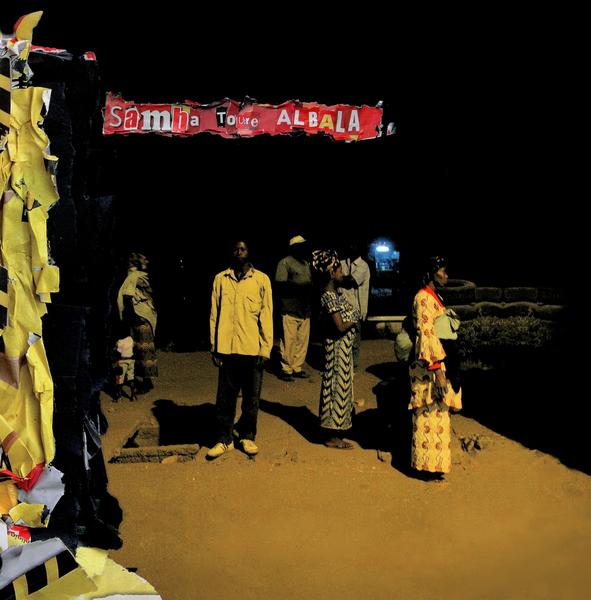
As Mali continues to exist in a fragile union after the recent Islamic hijacked insurgency (curtailed by former colonial masters France with additional support from the UK), a host of the country’s great and good (Bassekou Kouyate, Fatoumata Diawara, Baba Salah, Tamikrest to name just a few), compelled to speak out, have added gravitas to their praised sweet tribal blues in defiance of the regimes that would have banned or at the very least censored their music. Known for his work with the late Malian legend, Ali Farka Touré, Samba Touré is an amiable enough chap whose previous acclaimed albums, Songhaï Blues and Crocodile Blues, were more genial affairs, shows his disapproval with a grittier, riskier brand of protest on Albala.
Albala – translated from the Songhaï language as ‘danger’ or ‘risk’ – is a darker, albeit lamentably so, album. But so delicately melodious and nimble is the delivery that the cries of woe remain hymn-like and hypnotically diaphanous: the blues may have turned a deeper shade of forlorn yet still sways with meandrous buoyancy and restrained elegance.
A traditional accompaniment from Touré’s regular band mates Djimé Sissoko (on ngoni) and Madou Sanogo (tapping out a suitable candour on congas and djembe), with guest performances from celebrated ‘master’ of the one-stringed violin, the souk, Zoumana Tereta, and fellow Malian ‘neo-traditional’ singer Aminata Wassidje Touré is bolstered by effective guitar and keyboard layers from Hugo Race (The Bad Seeds, Dirtmusic, Fatalists). This subtle mix works wonders, giving the overall sound a mystical delta blues feel, resplendent with fuzz, wah-wah and wailing soul.
Aziza Brahim ‘Soutak’ 2014

Born in the hardened landscape of a Saharawi refugee camp on the border of Algeria and the Western Sahara, beguiled vocalist Aziza Brahim embodies the wandering spirit of her people; their settled, though often borderless and disputed lands, previously claimed by Spain, were invaded in 1975 by Morocco. Though made up of many tribes with many different goals the Saharawi people did mount a fight back. It was in this climate that Brahim was hewed.
Soutak, or ‘your voice’, is centered on just that. The backing is striped to a degree, so the poetic reverberated vocals can echo and warble soulfully without interruption. Though there is no mistaking that strong, robust and primal Saharan spirit, the congruous accompaniment is a mix of both Balearic and folk rock styles – especially the deep sleek bass guitar notes that slide and weave under Brahim’s distinctive voice.
Produced by Chris Eckman (of Dirtmusic fame), whose assiduous talents have done wonders with Malian blues rockers Tamikrest and Bamako Afrobeat artist Ben Zabo, Soutak was recorded live in Barcelona: the fluid lilting cosmopolitan sound of that city is unmistakable.
Serene and subtly sung, the choral, almost desert gospel hymns take time to unfurl their charms, so be patient. Once again Glitterbeat and Eckman have a classic world music crossover on their hands.
Dirtmusic ‘Lion City’ 2014

Connecting the ‘dirt music’ environment of an unforgiving Australian outback with the Cajun swamplands, desert and bustling African townships, Glitterbeat Records co-founder and producer of their awe-inspiring roster of world music greats, Chris Eckman, leads his nomad troupe across esoteric and meditative terrain soundscapes.
At times almost alien, their borderless approach to mixing rock, blues and (mostly) West African music in a seamless wash, creates something both mysterious and original. Recorded at the same time as their last album Troubles, in Bamako, Lion City couldn’t help but be guided politically and socially by the upheaval in Mali. A testament to the eerie developments and a lament that also offers hope, Dirtmusic and their guests (which include such luminaries as the Ben Zabo Band and Samba Touré) prove that you can work alongside African artists without succumbing to condensation.
Far more successful if not authentic than anything Albarn or indeed the ‘Radio’ polygenesis collectors The Clash could ever produce, these Westerners move serenely, blurring the cultural boundaries as they circumnavigate the psychogeography of the chaotic city and romanticized but often harsh sand dune landscapes of both West and North Africa. You could say it was a culmination of the entire Glitterbeat labels stock, condescend into one challenging soundtrack.
Noura Mint Seymali ‘Tzenni’ 2014

The technicalities, pentatonic melodies and the fundamental mechanics aside, nothing can quite prepare you for that opening atavistic, panoramic vocal and off-kilter kick-drum and snare; an ancestral lineage that reaches back a thousand odd years, given the most electric crisp production, magically restores your faith in finding new music that can resonate and move you in equal measure.
Hailing from the Islamic Republic of Mauritania, nestled in between Algeria, Senegal, Mali and the Western Sahara, with the Atlantic lapping its shoreline, Noura Mint Seymali keeps tradition alive in a modern, tumultuous, climate. Her homeland – run ever since a coup in 2008, by the former general Mohamed Ould Abdel Aziz, duly elected president in 2009 – was rocked by the immolation sparked Arab Spring and subsequent youth movement protests, all of which were violently suppressed by the authorities. Add the omnipresent problems of FGM, child labour and human trafficking to the equation and you have enough catalysts to last a lifetime. However, Noura’s veracious commanding voice responds with a dualistic spirit, the balance of light and shade putting a mostly positive, if not thumping backbeat, to forlorn and mourning.
Recorded in New York, Dakar and in the Mauritania capital of Nouakchott, Tzenni transverses a cosmopolitan map of influences and musical escapism. The original heritage still remains strong, yet the ancient order of griot finds solace with the psychedelic and beyond.
Jon Hassell/Brian Eno ‘Fourth World Vol.1: Possible Musics’ 2014
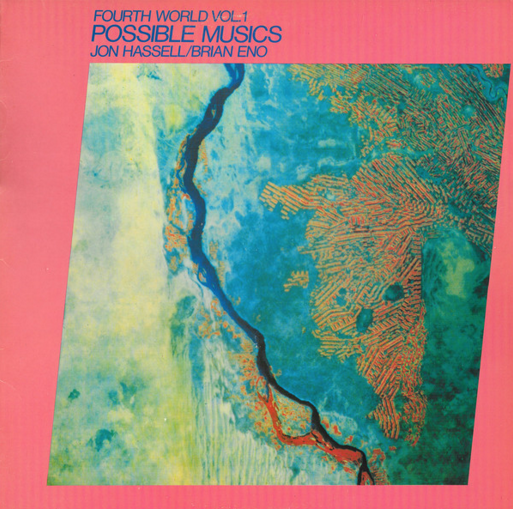
Already riding high on a crust of acclaimed production projects and numerous semi-successful collaborations and solo albums, when Brian Eno touched down in New York City in 1978 he would unintentionally help direct another important development in ambient and world music (and also end up staying for five-years). Absorbed in what the city had to offer him musically, Eno came across the stripped and atmospherically rich experiments of trumpeter/composer Jon Hassell, who’s own pathway from adroit pupil of Stockhausen to seminal work on Terry Riley’s harangued piano guided In C, encompassed an polygenesis of influences: a lineage that draws inspiration from avant-garde progenitors like La Monte Young, and travels far and wide, absorbing sounds from Java to Burundi.
Though a minor figure in the sense of worldwide recognition, and never one to brush with any sort of commercial popular appeal, Hassell irked out his own personal philosophy. With a handy masters degree in composition, he attempted a reification of what he would term the “fourth world”; a style that reimagined an amorphous hybrid of cultures; a merger between the traditions and spiritualism of the third world (conceived during the “cold war” to denote any country that fell outside the industrious wealthier west, and not under the control of the Soviet Empire) and the technology of the first.
Untethered to any particular landscape and age (though traversing for the most part the mysterious, veiled continent of a inter-dimensional Africa), geographical and environmental alluded titles act as points of reference; alluding both to such diverse subject matter as the traditional songs of the Central African pygmy tribes (Ba-Benzéle) and the latitudes and weather phenomenon of an undisclosed landscape or city (Rising Thermal 14° 16’ N; 32° 28’ E).
Moving at a similar pace throughout, the lingering vapours drift over and enclose the listener; hinting always at some mystical or miasma presence; steeping each composition in a sepia of low emitting foggy harbour like droning horns, plastic pipe sounding percussion, tape echo experimentation, panoramic glides over the savannahs and of course Hassell’s stripped bare, reedy and masked stirring trumpet.
An almost continuous set of transient movements, the mood varied from lightly administered rhythmically slow paced pieces to cerebral blankets of panoptic memory; a style coined as “future primitive”. Reissued by Glitterbeat Records under their visionary imprint Tak:til, this album can be read as a principle guiding light and inspiration for their roster and ambitions.
Various ‘Hanoi Masters: War Is A wound, Peace Is A Scar’ 2015
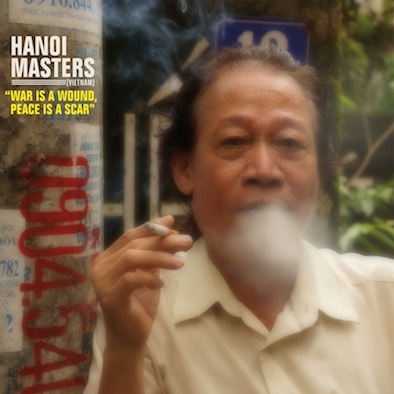
A side excursion, travelling due east to Asia and breathing in the evocative songs of Vietnam, Glitterbeat Records launched their new series of field recordings entitled Hidden Musics with the Hanoi Masters compilation. Finding a congruous musical link with their usual fare of West African releases, the label sent Grammy-award winning producer Ian Brennan (credits include, Tinariwen, Malawi Mouse Boys, The Good Ones) to Vietnam in the summer of 2014 to record some of the most lamentable and haunting resonating war-scarred music. Indelibly linked to what the indigenous population call ‘the American war’, the examples of both yearning and praise pay tribute to the fallen: delivered not in triumphant or propagandist bombast but in a gentle meditative manner, these survivors, forty years on from the end of the harrowing and catastrophic (the repercussion still reverberating in the psyche of the burned America and its allies) war, were still undergoing the healing process.
Tinged with an omnipresent lilting sadness these songs are imbued with battle scars (hence the albums subtitle War Is A wound, Peace Is A Scar), featured artisans and traditional music masters who had joined the cause, sometimes for the first time in years, allow their voices to be heard once again and recorded for posterity.
Considering the history and ill blood between cultures – though this has eroded as capitalism takes hold and the country opens up – it has in the past been difficult to investigate the serene and attentive beauty of the Vietnam music scene, but this earnest and adroit study into a world seldom covered proves enlightening and humbling.
Bixiga 70 ‘III’ 2015

Speaking Fela fluently with marked respect and reverence, going as far as to borrow part of the late Nigerian bandleader and doyen of Afrobeat’s backing group moniker, Bixiga 70 may be inspired and informed by Kuti but they do so much more with his high energy polyrhythms and feverish hot-footed anthems. The eclectic Sao Paulo band, who joined the Glitterbeat family in 2015, add even more flavour to the Afrobeat template on this their third album. Energised by their performances in the hotbeds of fusion, from North Africa to Europe, and working with a decentralised method of producing new material, the III album reaches out and embraces an even richer array of world sounds.
Incorporating the rhythms and dances of their own continental home, Bixiga shake and shimmy to the local customs of cumbia and the sensual hip movements of the carimbo on a trio of slinky paeans to the indomitable spirit of joyous release. Congruously they go, flowing from one source to the next deftly, passionately and with a raw powered energy, our Brazilian friends relationship with Glitterbeat has proved to be a sound move; an ideal home for the group’s ever expanding fields of sound and exploration.
Afro-Haitian Experimental Orchestra ‘A.H.E.O’ 2016
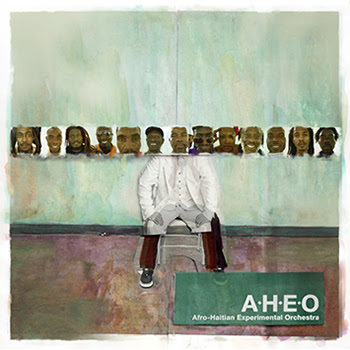
Progenitor and embodiment of the Afrobeat drum sound, still in high demand four decades after his explosive partnership with Fela Kuti, the much-venerated Tony Allen extends his infectious percussion style beyond the African homeland. Sharing an obvious entwined history with Africa, the shared Hispaniola Island of Haiti proves both an esoterically mysterious and congruous collaborative foil to Allen’s distinct drumming patois.
Invited to perform in 2014 by the French Institute Of Haiti’s director Corinne Micaelli, Allen’s visit would end with a public broadcasted concert in the main square of the capital, Port-au-Prince. Collaborating with Allen would be a cross-section of local percussionists and singers recruited by vocalist, dancer, ‘voodoo priest’ and director of the Haitian National Bureau Of Ethnology, Erol Josué; Josué would himself lend his sweet yearning and reflective tones to two of the tracks on this album.
The call went out and the great and good of the Haitian music scene came. Racine Mapou de Azor, the Yisra’El Band, Lakou Mizik and RAM. Another Monolith regular and one-time Port-au-Prince resident, Mark Mulholland was drafted in as the experimental orchestra’s guitarist, and as it would turn out, eventual legacy overseer. With only five days of studio rehearsal time to gel and work out their performance, the sessions proved both, as Mulholland observed, ‘chaotic’ and overwhelming’.
Elevating beyond the borders it was created behind, the Afro-Haitian Experimental Orchestra root foundations shuffle and shake free of their stereotypes to move freely in an increasingly amorphous musical landscape. You’re just as likely to hear vibrations and traces of Dub, native Indian plaintive ghostly echoes, Sun Ra’s otherworldly jazz and funk as to hear the indigenous Haiti sounds and Afrobeat pulse. Tony Allen is once more at the heart of another bustling, dynamic explosion in rhythm.
Various Artists ‘Hidden Musics Vol 2. Every Song Has Its End: Sonic Dispatches From Traditional Mali’ 2016

Though no less an achievement, the second volume in Glitterbeat Records “Hidden Musics” series offers the full gamut not just musically but visually too, and is a far more ambitious documentation of a troubled country’s lost tradition than the 2015 Hanoi Masters survey. Expanding to include 11 concatenate videos, Every Song Has Its End is the most complete purview of Mali’s musical roots yet. This is due to the project’s mastermind and architect Paul Chandler, who has documented Mali’s music scene for more than a decade.
Forgotten in some extreme cases, ignored or considered as Mali’s past by new generations, maestros of the 6-string Danh, such as Boukader Coulibaly, and the Balafon, Kassoun Bagayoko, are celebrated and interviewed for this collection. Whether it’s traversing the Gao region in the northwest to record the earthy desert pants of the female vocal ensemble, Group Ekanzam, or capturing a Sokou and N’goni love paean performance by Bina Koumaré & Madou Diabate in the heart of the country, this chronicle of the pains, virtues, trauma and spirit of the country’s musical heritage is an extraordinary love letter and testament to the country.
Bargou 08 ‘Targ’ 2017

Ahh…the sounds of a dusky reedy gasba flute; the tactile patted and burnished bendir drum; the rustic, earthy strung loutar, and the flowing, soaring scale vocals of the Bargou 08 project’s chief instigator Nidhal Yahyaoui, set an impressive atmosphere in the first couple of minutes of the album’s opening track, Chechel Khater. And that’s all you’d need, except there’s another eight equally evocative and thrilling tracks to hear.
The source of this sound derives from a relatively uncharted region that lies obscured between the mountains of northwest Tunisia and the Algerian border, called the Bargou Valley, which despite its barren isolation, has cultured a unique musical fusion, stretching back hundreds of years. Captivating and magical enough in its ancestral unchanged form, the songs of the valley, sung in the local Targ dialect (a language that is one part Berber, the other Arabic), are given a contemporary jolt that transforms the atavistic paeans, odes and poetry of yore into an intoxicating swirling rapture of electronic North African funk.
Filled with a legacy of turmoil and tension that goes back an aeon the album’s many themes, from describing a lover’s vital attributes on Mamchout to laments of alienation, resonate strongly with the growing unease of events, initiated six years ago by the Arab Spring. Tunisia itself is facing a struggle and teetering on the edge, with no guarantee that certain cultures won’t just disappear or be fragmented in the ensuing melee. Originally setting out to document his Bargou Valley home’s musical heritage before it disappeared, Yahyaoui has successfully and thankfully, with his musical partner, producer and the album’s keyboard player Sofyann Ben Youssef captured this rich mesmeric culture for posterity. And in doing so, produced a masterpiece that will endure.
Širom ‘I Can Be A Clay Snapper’ 2017
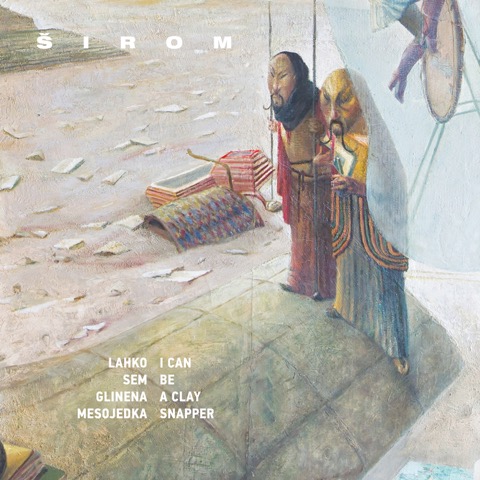
With an unspecified, but as the name suggests, emphasis on the “tactile”, Glitterbeat Records new imprint label gives a welcome platform to entrancing experimental tonal performances and sonic polygenesis traverses alike. In the latter camp is this Slovenian peregrination suite from the landlocked, Alps nestling country’s visceral sonic conjurors, Širom.
Evoking memories and feelings, both real and imagined, with a soundtrack thick with atavistic connections, the trio of punk and post-rockers turn experimental folk and acoustic instrumental cartographers convey a personal relationship to their homeland, on their second album together under the Širom banner.
Yet whatever the backgrounds, traces of North Africa, the Adriatic and the Middle East, the performances sail scenically through a dreamy otherworldly representation of Slovenia: Oriental, alien and Balkan visions permeate the plucked, malleted, chimed and purposefully played compositions, which subtly and rather cleverly build up complicated layers and various overlapping time signatures during the course of their journey.
Theremin like siren voices drift in and out, enacting the myth and seraph, whilst on the watermill turning Everything I Sow Is Fatal Sun Ra travels with John Cale and Pharaoh Sanders on a pilgrimage to Samarkand. The most recurring sounds however pay testament to the Balkans ghosts. The folkloric stirrings, lulls and yearning of Slovenia’s past bordering both a pan-Europa of migration and grief – stretching back a millennia – are transduced into often haunted vistas and metaphysical passages.
A most impressive and expansive inaugural Balkans travail; different from the previous two releases on this burgeoning new imprint, yet keeping to the tactile, accentuate and imaginative remit, whilst conjuring up mystical new soundscapes.
Tamikrest ‘Kidal’ 2017
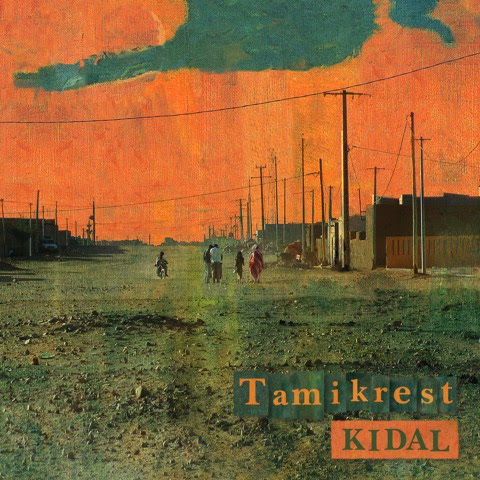
Still availed of a homeland, though now liberated from their draconian Islamist partners, the Tuareg are once again left as wanderers in their own land, the unofficial guardians and custodians of the Saharan wilderness. For now only a dream, best realized and protested through music, the rock’n’roll Bedouins Tamikrest emerge once more from the barren landscape with a message of “power and resistance” on their fourth, equally entrancing, album Kidal. Paying homage to the strategically and spiritually important cultural trading town of the title, the highly-acclaimed (and rightly so) Tamikrest exude both the sadness and suffering of the dispossessed people who cling to the southwestern Saharan hub that is Kidal: a town which has seen its fair share of fighting, fought over, conquered and reconquered over time, it remains a symbolic home to the Tuareg. This is after all the town that nurtured them and where it all began.
Assiduous, confident and articulate, the musicianship shows not so much a progression as a balance between the meditative and rock’n’roll spirit of the Tuareg musical resistance. Tamikrest are as brilliant as ever musically, and Kidal is, despite its plaintive and lamentable subject woes, a beacon of hope in an ever-darkening world of uncertainty.
Ifriqiyya Électrique ‘Rûwâhîne’ 2017
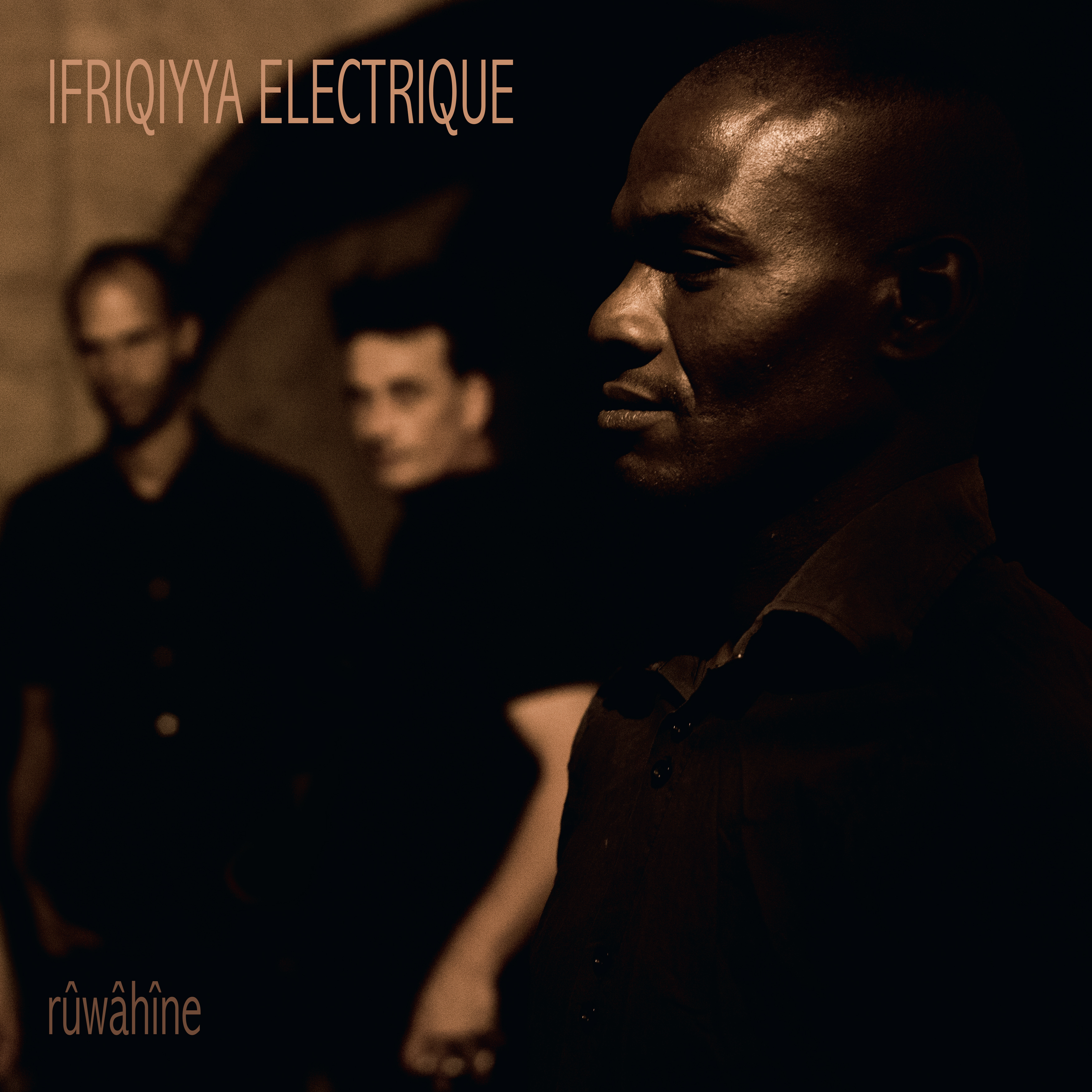
Capturing something quite unique, the collaborative industrial post-punk and avant-garde rock scenes of Europe clash head-on with the descendants of the Hausa slaves atavistic rituals styled group, Ifriqiyya Electrique, create an often unworldly chthonian conjuncture of Sufi trance, spirit possession performance and technology.
A film project and now immersive sonic experience, inspired by the important Banga music traditions and the accommodating, rather than exorcising, of spirits ceremonial wild dances and call and response chanted exaltations of the black communities – originally transported to the region from sub-Saharan Africa – in the oasis towns of southern Tunisia, this astounding meeting of cultures and history is anything but scenic.
Formed in the Djerid Desert, the idea forged by field-recordist and veteran guitarist of the politically-charged Mediterranean punk and “avant-rock” scenes, François Cambuzat, and bassist Gianna Greco – both of which occasionally join forces with that livewire icon of the N.Y. underground, Lydia Lunch, to form the Putan Club -, the Ifriqiyya Electrique spans both continents and time. For their part, Cambuzat and Greco provide the grind, industrial soundscape texturing, sonorous drones and flayed guitars, but mostly, the “electrique”, whilst, offering a dialogue with the spirits and the tradition, Banga musician Ali Chouchen – joined in the live theatre by an expanded cast of fellow voices, krabebs and Tunisian tabla players from the community, which includes Tarek Sultan, Yahia Chouchen and Youssef Ghazala – provides peripheral sounding evocative echoed and esoteric vocals and equally haunting nagharat.
Spiritual conversations transformed and realigned with the machine age turmoil of industrial noise, Arthur Baker style rock and hip-hop production, post-punk and even Teutonic techno, Rûwâhîne is a rambunctious unique force.
Park Jiha ‘Communion’ 2018
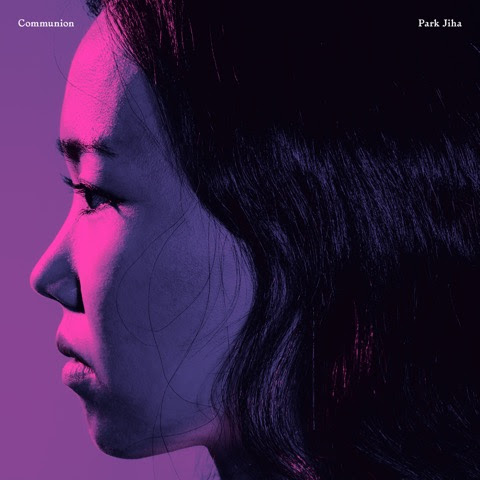
Circumnavigating the globe to bring much-needed exposure to new sounds, Glitterbeat Records imprint tak:til gives a second wind to a suite of acuity serialism from Southeast Asia. Released originally in South Korea in 2016, the neo-classical musician/composer Park Jiha’s debut solo album Communion is given an international release by the label of repute.
Inspiring what we’re told is a burgeoning Korean music scene (well, an alternative to the K-Pop craze), a chief progenitor of the movement Jiha alongside collaborative partner Jungmin Seo originally melded the country’s musical heritage with an eclectic range of contemporary sounds as the 숨[suːm] duo in 2007. Releasing the highly influential regional albums Rhythmic Space: A Pause For Breath (2010) and 2nd (2014), Park and Seo crossed the time zones to perform at both WOMAD and SXSW. Congruously putting the duo on hold to explore a more ‘personal’ and minimalistic ‘musical vocabulary’ as a solo artist, Jiha dexterously balances the air-y abstract breathes of the ‘piri’ double reed bamboo flute, the searing twang of the ‘saenghwang’ mouth organ and the softly paddled patter of the ‘yanggeum’ hammered dulcimer in what is a dialogue between a dulcet calm, the meditative and an entangled dissonance.
Transforming Korean traditions into a more experimental language that evokes the avant-garde, neo-classical and jazz yet something quite different, Park Jiha’s tranquil to entangled discourse evocations reach beyond their Southeast Asian borders both musically and metaphysically into something approaching the unique.
Playlist

