Perusal #78: Irmin Schmidt, Whitney Johnson, Lia Kohl & Macie Stewart, Golden Samphire Band…
April 13, 2026
A world of sonic/musical discoveries reviewed by Dominic Valvona. All entries in alphabetical order.
.at/on ‘ANTI-RAVE’
(Adventurous Music) Released 5th March 2026
The first of two experimental sonic releases from the Adventurous Music platform this month (see Lauré Lussier’s symphonic album featured further down the page), the mysteriously coded artist behind the .at/on guise has chosen to limit themselves, apparatus wise, with their newest release.
Building a sci-fi, alien sound world out of modified and abstracted component parts, steel works machinery, accelerated oscillations and bounced sheet metal Techno beats, .at/onmanages to create a whole universe out of the anti-rave named noise box/drum machine of the title. This free patching, fully modular synth in a compact form piece of kit is then sampled, re-sampled and processed until the desired effect is made: a sort of space-bound drifted vision of Bernard Szajner and Basic Channel.
The title by the way, and emphasised in the available scant info, in no reflects any political or musical stance on rave music; merely, as I’ve shared already, the name of the box of tricks used to produce this factory of the galvanized, the sometimes unsettling, and the magnetic.
From such minimal equipment a sonic universe is created, which often veers into stripped-down techno and even d ‘n’ b. From a prolific label and hub, another intriguing and cool experiment in the basics of electronic sound crafting.
Golden Samphire Band ‘Dream Is the Driver’
(Wayside & Woodland Recordings) 17th April 2026
For many years the brothers Hanscomb (that’s Mik and Rich) of Junkboy fame have idealised a triangular spread of counties, from Essex down to both East and West Sussex through their signature trade of harmonic poetic and descriptive lyrical forms of instrumentation. This soundtrack is embedded within a magical zen-like quality and an appreciation of English psych-rock, folk and the more exotic allure of Tropicália. The brother’s main creative vehicle has been augmented by the odd vocalised appreciation or encapsulation of these Southern English surroundings; that’s the pier dotted coastline of Brighton and its porous neighbours, the chalk figure decorated hillsides and valleys left behind by the Victorians and our more atavistic neolithic ancestors, and the mythologized woods and forests.
As an idyllic portal, or a form of escapism from the sorry state of the world, the mundane and divisive noise, the brothers weave more from that musical timeless palette with a new project. The Golden Samphire Band ordained trio ropes in former Junkboy foil Hannah Lewis, who’s soaring vocal range of folk-like arias and romanticized pleadings, and longed highs was last heard on the rightly applauded and well-received Littoral States album, back in 2023. Lewis’s range is allowed to a free reign and to wander on the trio’s debut songbook, with the ethereal, the pastoral, the near reverent (amplified by the undulations and foundations of stained class anointed organ and near venerated harmonies) and the sentimental.
Reflecting the wild coastal flower of the title, precariously clinging in full tufted bloom and beauty attached to sea cliffs or springing forth from salty marshes, the band wax both lyrical and in a sometimes more sombre mood about their various interactions with the landscape; from the sun-blessed pursuit of gardening to embracing the Japanese mindfulness art of Shinrin-yoka (in essence and translated into our own vocabulary as “forest bathing”; to take in the atmosphere as it were on a spiritual level). But the niggles and pains of the long commute, forced to live miles away from the job and places you grew up in because of affordability in one of the UK’s most expensive stripes of coastline, are drawn upon too; a disarming descriptive and beautifully conveyed point is made about this on the willowed and fluted, almost 90s-female-led indie hinted and Latin-soul lilted ‘(We Wunt) Travel Further’. Less a celebration of the age of steam and the electrified railways of an idealised England, and more a discontented poetic discourse on the commuter’s woes, plagued by a never-ending cycle of cancellations, engineering works and increased ticket prices. With more than a recurring use of shakers and such, the rhythm of the train is itself integral to the journey being made back and forth across the scenic borders. But if you want something truly sombre and inevitable, the album’s sympathetically and disarmingly handled eulogy to growing old and spending your last days in the care home system, ‘Bid Farewell’, brings a certain dignity, resplendent with some light strings and a Spanish flourish, to the crisis in caring for the elderly.
Elsewhere, aside from echoes of Hampshire & Foat, Tudor Lodge, Fortherringay, Pentangle, Judy Collins, Shelagh McDonald and Jerry Yester, songs like the opener ‘Chalk Space’, evoke eighties Athens, Georgia meets the pastoral backdrop of English folk-rock and Baroque-psych – imagine Peter Buck’s mandolin spells of Green, but also his hints of his jangle on earlier R.E.M. LPs from the mid 80s. There’s also a loose sense of early 90s-indie, and just a passing fancy of folk-inspired SFA to be detected.
But what really makes the album, lifts it, is Lewis’s rising scales, personification of each subject and ability to modulate her incredible range over the versants, the lines of woodland trees, the coastal pathways and lapping waves.
A truly dreamy combination that makes for a finely woven and articulated tapestry of South Coast mirages, soulful ruminations, self-help and natural bathing, the Golden Samphire Band excels on a debut stepped in topographical allurement, magic and sensibility. In my book, a resounding collaborative success story.
Whitney Johnson, Lia Kohl & Macie Stewart ‘Body Sound’
(International Anthem) Released 20th March 2026
A promising collaborative trio of experienced and multifaceted explorative players, pulled together under the International Anthem label banner, the potential of a Whitney Johnson, Lia Kohl and Macie Stewart project is always going to be one worth investigating and savouring. Between them more or less covering every nuance and expansion of the experimental and the avant-garde neo-classical scenes, the electro-acoustic and beyond, all three inspired players, composers and, in some cases, teachers pull together their talents and resources for a debut project.
But first, a run through of each participant’s CV.
Perhaps one of the most prolific collaborators of recent years, across several mediums, the multi-instrumentalist, composer, songwriter and artist Macie Stewart has come to represent a flourishing, explorative contemporary music scene with multitudes of connections and threads. Apart from projects with choreographer Robyn Mineko, Sima Cunningham, and the Pacific Northwest Ballet, Stewart has become a stalwart of the International Anthem family, contributing and helping steering releases by Rob Mazurek, Bex Birch, Damon Locks, Makaya McCraven and Alabaster DePlume. On top of this, Stewart has also collaborated in a duo project with Lia Kohl. Kohl proves a symbiotic foil in this latest project, having experimented within the spheres of sound art, sound installation and the extemporised through the use of the cello and an apparatus that incorporates synths, field recordings, toy instruments and radio. Projects are extensive and lengthy, with various works and performances at the Art Institute of Chicago, the Museum of Contemporary Art Chicago, The Renaissance Society, Union Station Chicago, Eckhart Park Pool, and Big Ears Festival. And she has also created sound installations for Experimental Sound Studios’ Audible Gallery and Roman Susan Art Foundation. The credits roll on and on.
Finalising the ranks of this trio is the equally prolific musical collaborator and music professor (currently assistant prof of Art and Technology/Sound Practices at the School of the Art Institute of Chicago) Whitney Johnson. Another Kohl collaborator on the Chicago scene, Johnson also goes under the pseudonym of Matchess, releasing music on the Drag City label. A violist equally adept at composing and performing on an apparatus of hardware, Johnson produces sound and music in the psychoacoustic idiom and beyond. The label website has the full CV, but it includes ‘recent performance-installations FIAT (2025, Indexical, Roulette Intermedium and 2023, Forecast Platform Berlin), The Tuning of the Elements (2023, Renaissance Society of the University of Chicago), Death in Trafo (or, The Crater) (2023, Logan Center for the Arts), Huizkol (2020, Lampo), and Fundamental 256 Hz (2019–2022, worldwide) which considers the possibility of brainwave entrainment, an alternative healing technique using binaural beats to induce relaxed or energized mental states.’
A multi-diverse lineup of possibilities awaits the listener, prompted by the shared couplet descriptive titles of the album; a language waiting to be deciphered across eleven strings-related deeply evocative suites: some sombre, others near esoteric and others lived. The impressions of these elemental titles and often droned or plucked interactions recall the neo-classical, the avant-garde, the descriptive, the near abstract but also melodious. An album of simultaneously thoughtful and mysterious meditations enquires and ruminations, the trio use both their signature stringed instruments and their voices to elicit abstract moods, descriptions, song and a rectification of the various moods they attempt to stir up.
Theatre, near veiled arias and sombre tones fill the space with ceremony, touches of the blues, the sublime and near folkloric ritualistic. For amongst the most beautiful qualities of these emotive, evocative pieces there’s passages or moments of the uneasy and fabric textural torn.
Reference points could well include the Velvet Underground, Cage, some Krautrock even, but also La Monte Young, Harry Patch, Morton Feldman, Fran & Flora and Alison Cotton. And yet, this is a unique draw of resources, experiences and articulation of mirages, feels, subjects and descriptions that is this entirely of the trio’s own making. A chamber set suites for our times. Every play uncovers more magic, more depth, more interactive intuition and playfulness. But essentially this trio have successfully aligned, making good on their inquisitiveness nature and abilities to score the most abstract.
Lauré Lussier ‘The Orphana Symphony’
(Adventurous Music) Released 26th March 2026
The strap line being the “Orphana Symphony does not plead: she moves forward”, Lauré Lussier’s middle section vision (part of an eventual finished triptych of such experimental suites) progresses (in a fashion) across a mysterious series of mythologised and alien ruins and misty veiled atmospheric mirages.
The second of two Adventurous Music releases to make my roundup this month – from an extensive list of explorations and avant-garde studies facilitated by the label hub -, merges the electroacoustic with both older echoes of the classics and the contemporary, but also makes stopovers within the fields of analogue, the Kosmische, the new age, the avant-garde, the scuzzed, the theatrical, and the operatic. High drama and suspense also play a part on the Quebec author and composer’s symphonic work of evocative and more still movements.
As I already said, this is the middle section of a triptych framed vision; although each album exists, it seems, in its own right: not a moiety but rather a close sibling. Eighty minutes in length, and split into two, these lengthy pieces are shaped over the course by various continuous sonic and more melodic changes; from the rolling thunderous timpani, the ziplines and cold winds that blow across tundra’s, the fogged ship’s horn, to moments of transformed Bach and Beethoven and the early synth work of Michael Hoenig, Peter Baumann and Suzanne Ciani, right through to more modern composers as Noémi Büchi and Brian Reitzwell. And yet that’s not nearly enough names to drop, or references to describe this incredible set of suites. For this would make an amazing film or operatic piece, perhaps even a ballet, with the foundations and repeated refrains of orchestra striking up from out of those mists to score moments of suspense. There are also sheet music dances aplenty, the concrete sounds mixed with elongated and tubular metals, hidden sourced instrumental scales and the more familiar sorrowed or esoteric sounds of Eastern European classical music, the Greco and more wild climatic drumming sprees of action and chaos.
Inspired I’m sure from myth, from some ancient source, and from the classical (those who know more about it than me will detect echoes of everything from avant-garde of the last century to the Baroque and Prokofiev I’m sure). As playful as it is mysterious and courtly, The Orphana Symphony is almost undefinable, and a score without a performance: Arcadia in turmoil. I look forward to hearing the as yet tbc third and final album in the series.
Irmin Schmidt ‘Requiem’
(Mute/Future Days Music (Spoon)) 24th April 2026
Hot housed in both the Stockhausen and Ligeti systems and the more starched schools of classical composition, the future titan of German innovation and experimentation Irmin Schmidt chose, early on, to lose himself in the burgeoning reverberations of the late 60s American counterculture. Whilst taking part in a compositional competition in New York, Schmidt took a detour via the Chelsea Hotel: seduced in a manner by a city that hosted a rich and seedy underworld of pop art and the Neo-dadaist high jinks conceptualism of Fluxus; the musical score supplied by the burgeoning Velvet Underground, Steve Reich, Terry Riley and John Cage (all of whom were introduced to Schmidt during his sojourn in the city).
Tuned-in to the generational divide that saw Schmidt and his compatriots reject Germany’s past horrors and fanaticism, he returned from the States with a new outlook and mission. Initially influenced more by The Jimi Hendrix Experience than the avant-garde, Schmidt helped form, what was essentially, the acid rock band Can. Their debut album proper, Monster Movie, was a feverish rolling totem: part psychedelic west coast part Velvet Underground east coast, those exploratory jams were held and concentrated around the strange beat poetic vocals of the American – ‘lost in a foreign land’ – sculptor, Malcolm Mooney. Not until Tago Mago would Can really venture into their own worlds; shaking off the shackles of music history, creating as they did a unique esoteric sound, totally adrift and bereft of any obvious influence from outside their own deranged and genius minds. An integral part of that experience – and all the Cologne-based group’s releases – would be their talisman organ, keyboards, effects magnet and composer Schmidt, whose databank of tricks and dials pumped out creatively warped textures and fluctuating soundscapes of otherworldly and mystical magnificence and horror.
Much more than just an acclaimed and respected Krautrock band, Can were and remain perhaps one of the most reverential landmark groups of gifted players in the music annals. But it is Schmidt’s solo work, away from that supergroup, which is being spotlighted by Mute and Future Days Music (Spoon), released now in his, unbelievably, eighty-ninth year – Roedelius perhaps the only other titan of that period, now tiptoeing into his nineties, still creating new music.
Schmidt’s CV is just as extensive and influential when spilt away from the band that first made his name. His collaborations are lengthy and legendary; either through the various scores and compositions he created for such luminaries of German film as Wim Wenders, his multiple projects with Jono Podmore aka Kumo, and his celebrated suite for Mervyn Peak‘s fantasy trilogy turned opera, Gormenghast.
Many of these works were gathered together thirteen years ago by Mute for the Villa Wunderbar compilation.Taking a sporadic journey through Schmidt’s back catalogue on the first CD of that collection, the label chose a mix of benchmark compositions and more neglected pieces, including the languorous drifting, jazzy Can-tastic, title track (from his 1987 LP, Musk At Dusk); esoteric Bavarian fairground of the damned, tongue-in-cheek castanet and wild strangled guitar ‘Le Weekend’ (a 1991 single); and the Miles Davis accompanied by a drum machine siesta, turn darker warped David Arnold Bond theme, ‘Kick On The Floods’ (from the 2008 Schmidt and Kumo collaboration project, Axolotl Eyes, album).
Popol Vuh had Werner Herzog, Can and to some degree in their incubator state, Amon Düül II, all had their own film auteur in the guise of Wim Wenders. A relationship which saw Schmidt score many of his film projects over the decades. Wenders curated and wrote the sleeve notes for that collection, picking another rich tapestry of Schmidt suites and extracts on CD number 2.
Following in its wake were 2018’s 5 Klavierstücke (a piano work using prepared and unprepared piano) and 2020’s Nocturne albums (a live album documenting his performance at the Huddersfield Contemporary Music Festival).
Years later, and when not still gathering what’s left of the Can archives and overseeing the release of a chosen curated schedule of live albums, or indeed being interviewed for various books on the subject, Schmidt spends his time reflecting on the garden space, and the natural surroundings of his home in Southern France.
A Requiem no less: but not in the grand sense of operatic scale; no grand dramatic choruses here, just the use of both prepared and unprepared piano plus the environmental recordings of nature, which seems to revolve a lot around a pond-like set of croaked-stretched and billing frogs, bird song and communication, and a distant (or what sounds like to me) baaing of lambs.
Separated into two lengthy suites or pieces, each recording embraces the elements: building up a sort of non-linear evocation, or settling up a meditative distraction, and at times even conjuring up Zen-like scenes of ritual and replenishment. There’s a sense of loss to that permeats certain passages of piano play and can sound near haunting as the act of reembrace and absence is conveyed through the merest of touches and tinkles. Whilst sometimes played or performed in the moment, a spontaneous reaction or even a lead, the piano parts have been further edited and helped along by Schmidt’s long-time foil René Tinner.Those parts increasingly become avant-garde in certain sections, with the sound of perhaps objects wedged into or hanging off the piano’s inner workings and stringed guts. You can hear all kinds of reverberations and resonated surprises from this experiment, including what sounds like a nodding or seesawing metal object being tipped up and down by the near continuous waters that either flow downstream or fall from the sky in sheets of rain. You could forgive yourself for being transported to either a Japanese garden of well-being, or to Java and even Tibet. Though the final minutes of the Part 2 sound like a trip through the dream portal into hallucinated mirages of a garden landscape left very far behind. Schmidt creates some both subtle and more deliberate, near struck sounds and abstracted dredges and plucks of transformed nature brilliantly and with a real curiosity; tying such observations, embraces and absorptions of the environment with contemporary ideas of classical experimentation, the avant-garde, the sounds of Walter Smetak, his old teachers in the movement and the imaginative. Not that I want to remind him, but in his eight-ninth year Schmidt continues to surprise and explore the very ideas and philosophical quandaries of nature’s soundtrack and its effects on the soul, body and mind.
The Three Seas ‘Antaḥkaraṇa’
(Earshift Music) Released 20th February 2026
In a fabled exchange of metaphorical, lyrical, poetic and geographical sea routes, and across various trails and caravan routes on land, the fusion ensemble that is The Three Seas interweaves various global creative references with their roots on what has been billed as their most “expansive” and “spiritual” album yet.
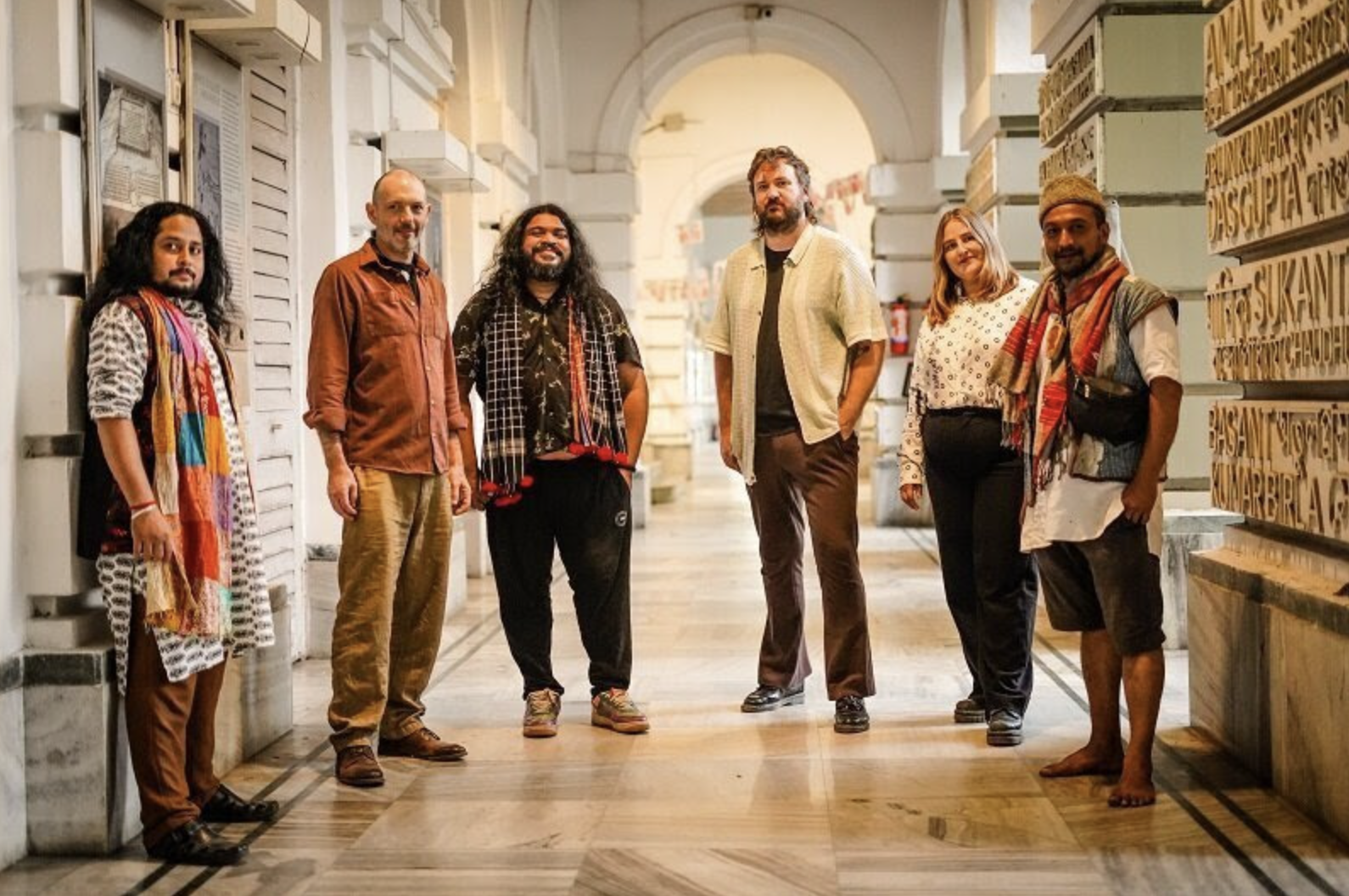
Formed around seventeen years ago in the Bolpur neighbourhood of Shantinketan in West Bengal by the Australian saxophonist Matt Keegan and locals Deo Ashis Mothey, Gaurab “Gaboo” Chatterjee and Raju Das Baul, the troupe’s fortunes have followed the times, especially during the Covid years. But revigorated by a residency at the Edinburgh Fringe Festival in 2022, the group managed to write and put together their newest album; a call and yearn for transglobal embraces fused with the poetry and mysticism of the Baul.
As a foundation, the age old Baul tradition of minstrels and troubadour shared Sufism and Hindu Vaishnava Sahajiya (a tantric focused on the Radha Krishna workshop, specifically developed in Bengal. The verses of the Baul are both spontaneous and mystical, stepped in lore and spiritualism.
With all this in mind, there’s a transformation of what sounds like Baul spirituals, their yearns, their calls of prayer and desire to seek, mixed with Baul-jazz, a form invented, or so I’ve read, by one of The Three Seas band member’s fathers. Gaurab Chatterjee’s polymath musician father Gautam Chattopadhyay not only instigated that Baul-jazz form but was also a pioneering force in Indian fusion, founding the prog rock group Moheener Ghoraguli in the process. Track four on this new album, ‘Prithibi’, was written by the highly influential singer-songwriter and guitarist and refers to one of the Sanskrit words for the Earth goddess: responsible for many things, but essentially fertility, stability and grounding in Hindu mythology. Updated perhaps for the contemporary ear with fx sounds and what sounds like the synthesized, this paean of a kind takes its religious origins into the realms of fusion and along the Iberian coastline, the vocals a near call and response of the most soulful and yearned.
Reflecting their transglobal embrace of musical and cultural references, classical Indian religious symbols fuse with a cross-pollination of both Hindu and Sufi themes and motifs that sonically and lyrically encompass the longed and the religious with jazz, sonic effects, Bedouin rock, prog, Latin grooves and on the album’s finale, ‘Real World’, a Fela Kuti vibe – Matt Keegan’s sax actually reminded a little of Shango era Peter King.
Recorded at Peter Gabriel’s world-famous Real World studio, and with a unifying framework of the devotional and mystical, Antahkarana conjures up an eclectic magic of the spiritual and the electric, with moments when the action seems to recall bands like Amon Düül II and Embryo, and at other times, Dirtmusic and Genesis.
Shamanistic, venerable, worldly and full of grooves and various musical fusions, Antaḥkaraṇa is a yearn, a yin and spirited unification of musical ideas, cultures, devotions and questions that gels seamlessly together for a both mystical and danceable experience.
Here’s the message bit we hate, but most crucially need:
If you’ve enjoyed this selection, the writing, or been led down a rabbit hole into new musical terrains of aural pleasure, and if you able, then you can now show your appreciation by keeping the Monolith Cocktail afloat through the Ko-Fi donation site.
Our Daily Bread 596: Junkboy ‘Littoral States’
October 12, 2023
ALBUM REVIEW/DOMINIC VALVONA
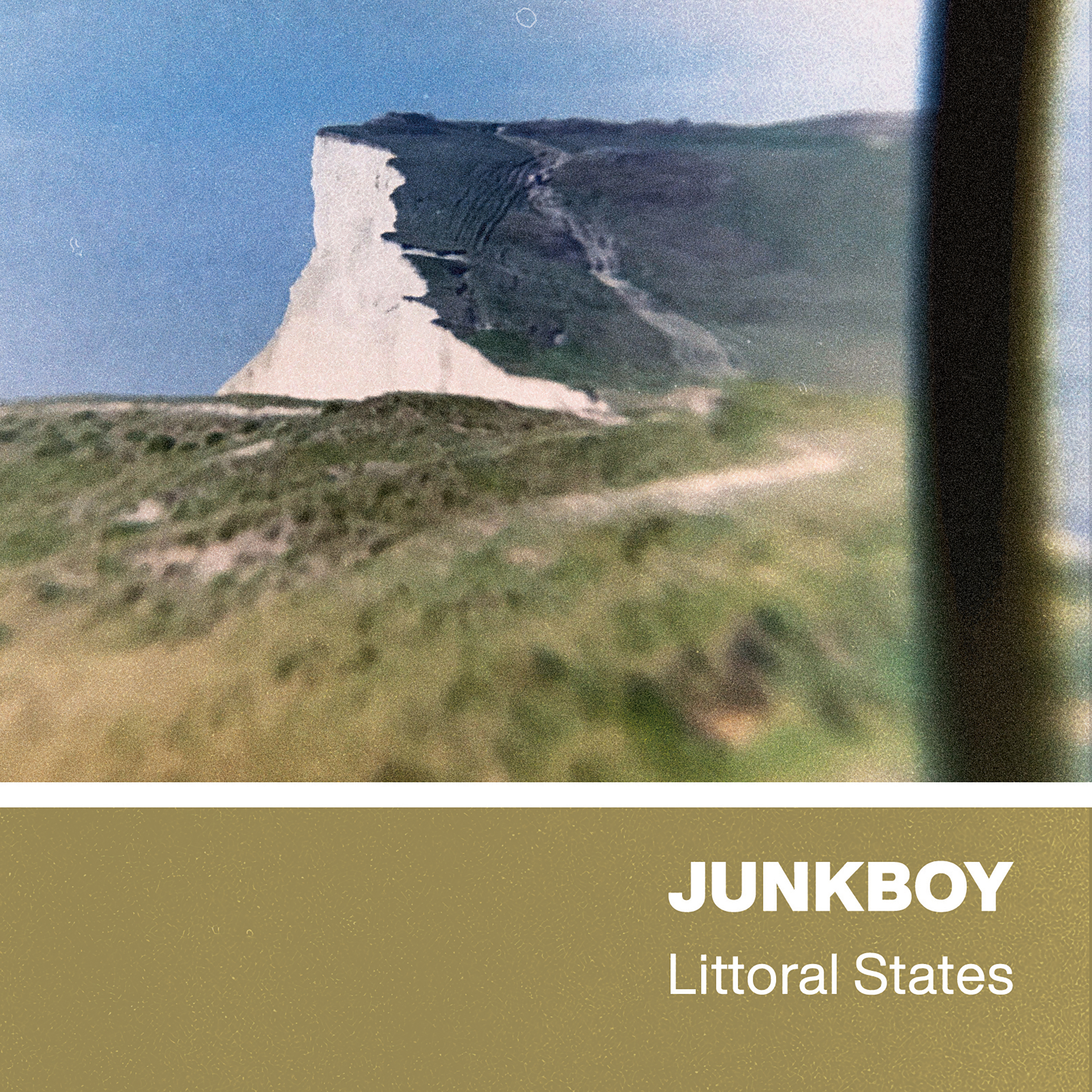
Junkboy ‘Littoral States’
(Wayside And Woodland Recordings)
Ah, the brothers Hanscomb have returned, and all is suddenly well in the world. Although the catalyst was sparked by the death of Mik and Rich’s father during the initial stages of the Covid pandemic, their latest album is a disarming love affair with the two moiety-tied counties that have offered them the most inspiration, space for ruminating and joy. For Littoral States takes a moving journey across the much romanticised, painted, photographed and literary rich coastlines and river ways of West and East Sussex – a landscape I’m very much aware of, my former playground before making the move north to Glasgow.
Drawn to this mostly idyllic part of England from Essex (the inland versant inspiration for the brothers’ 2019 memento, Trains Trees Topophilia; the “earth” companion piece to this album’s “water”) for a number of reasons, West Sussex and its seaside resort of Bognor Regis was the birthplace of the brothers father. It served as a concept of a gentle kind, as the Junkboy appellation duo conceived of processing that loss, of that connection, by musically and lyrically setting out from that holiday camp town and travelling through a number of notable, quintessentially English folkloric imbued spots and towns (and of course the city of Brighton & Hove) linked to water or the sea.
Toes have already been dipped in such fertile climes of psychogeography and scenic aspiration; the already mentioned Trains Trees Topophilia set in Essex but venturing out into both Brighton & Hove (its Hove affixed bedfellow the first meeting place between me and Rich, many moons ago) and picturesque Seaford (where Rich has lived with his family for a good few years now). The emphasis is now on a proto-pilgrimage of their settled homes (Mik down at the other end of the map, in Worthing, West Sussex; another well-known stop on the mainline for us commuters between Portsmouth and Brighton & Hove), taking in the scenic routes, coastal and river pathways in-between.

Read up and absorbing the myriad of either vivid or washed applied depictions of the two Sussex counties (from the brothers Paul and John Nash to the magical ruins watercolours of John Piper and charming quaint naïve port scenes of fisherman-artist Alfred Wallis), Junkboy have accepted the calling of the most congruous Wayside And Woodland Recordings label to fashion a beautifully emotive pulling album of the pastoral, bucolic and near mistily mysterious. As that label name suggests, musician Ben Holton’s burgeoning platform features landscape pieces prominently; from uniformed pylon fields to near faded recollections of hilltops and valleys via the work of epic45, Oliver Cherer, El Heath and My Autumn Empire – some of which, have influenced the brothers own sound over the years. And so it was a no brainer that this union would work out: almost effortlessly actually. Holton, a multitasking recording artist, label boss, is also a dab hand in the artwork department, providing the ‘aesthetic vision’ via the Sussex coastal photography of Jolene Karmen.
To that same vision, you can add a penchant for and an imbued influence of Sandy Denny And The Strawbs, Ultramarine, Forest and Joe Hisaishi. And of course, if not always obvious but sometimes just in spirit, the instrumental ‘elements’ suites found across the Beach Boys’ Pet Sounds and SMiLE LPs. If Brian Wilson was in fact born in Heathfield instead of Hawthorne then he might very well have turned out this album’s ‘Cuckmere River Rises’ vaped mirage – from the introductory French horn masquerading trumpet to the custom wobbled and flange fanned vibrato guitar.
Before that fast flowing river song, you can hear a hint of the Californian’s percussion on the eccentric English supernatural ‘Witch Of The Watery Depths’ – more in the style of a localized, wistfully dreamy musing on a Civil War era witch’s fate than scary Blair Witch Project fright. The ethereal, apparitional voice of the native Sussex singer Hannah Lewis wells up from the depths of a punishment ducking to not so much haunt but air a veiled, soaring lament. Sussex has its fair share of innocents’ accused of witchcraft, although there’s little evidence that many such victims were put to death; the exception being Martha Bruff and Ann Hoswell, ordered by the Mayor of Rye to be drowned – I’m not sure if this fate was carried out. Whatever the inspiration, this is folksy pastoral enchantment of English horror soundtracks, Hampshire & Foat, Sandy Denny, Sproatly Smith and Clannad’s airy mystical Sherwood Forest atmospherics.
Lewis is featured again on the seafarers’ plaint, ‘The Sea Captain’; the soaring voiced guest channeling Denny longingly casting out lovelorn hopes and promises in the hope of reuniting with a lost at sea lover: “I’d sell my soul to the waves below, to reach you”. Perhaps throwing herself into the tumult waters of the shipwreck coast (Seaford being, apparently, a renowned spot back when Tennyson’s penned such tragedies as the ‘The Wreck’; the locals, rather splendidly known as ‘Seaford shags’, had a reputation for swooping in like gannets on such disasters-at-sea), Lewis’ sorrowful yearns prove effective over the folksy music if Phantom Power era Super Fury Animals, C Duncan and Fairport Convention.
The brothers’ dual guitar signatures of the entwined, the picked and the brassy resonating have previously been expanded upon by a modest, softly orchestrated guest list of strings and additional instruments. In this case we have Will Calderbank on cello, Becca Wright on violins, Marcas Hamblett on trumpet and Owen Gillham on banjo ebow. With some recurring faces this quartet offer a complimentary, sympathetic and spiralling classical verve to the sound. However, the latter, Mr. Gillham, invokes an English version of Americana and country music wherever he pops up – a shade or Roger McGuinn. But going through the most musical changes, ‘So Breaks Tomorrow’ pictures the Archers Of Loaf through a psychedelic lens, whilst ‘An Easier Time’ travels back to the Tudor court as reimagined by a Blue Hawaii invoked Beach Boys, Fairfield Parlor and the Incredible String Band.
On the way across this seascape there’s a charmed dalliance with the mythical ‘Knucker’ water dragon of the sands of Lynminister, Binstead, Lancing, Shoreham and Worthing (named, I’m informed, after the holes this beast leaves behind); a birdsong rustic stirred imaging of the long abandoned mill hamlet of Tidemills; and, what sounds like, a motor-board powered lilted survey of the River Ouse, which runs alongside and through many of this album’s beauty spots, cutting through the South Downs.
A loving tribute, romantic cartography and healing process, Littoral States provides an alternative pathway from another age; a world away from the vacuous self-absorption of popular culture and the distractions of the internet. It’s a wonderful, magical, and for the most part reassuring, gentle gradient landscape that the brothers dream up; tailoring nostalgia and influences into something picturesque, peaceable but above all, moving. Folklore from a recent past is woven into much older geological layers, with the emphasis on the element of water; acting as the source, the road that connects the stopover on this West and East Sussex travelogue photo album. It’s good to have them back in the fold, so to speak, waxing lyrical and dreamily envisioning such beautiful escapism.
Junkboy Special: ‘Belo Horizonte’ Video & Tropicalia Playlist
September 4, 2020
Playlist/Video Premiere
Words: Dominic Valvona

Junkboy ‘Belo Horizonte’
Taken from the reissued/remasterd Sovereign Sky LP, released via Fretsore Records, 25th September 2020
Junkboy ‘Tropicalia Special’ Playlist
Available via Spotify
In the run-up to the release of Junkboy’s acclaimed 2014 cult album Sovereign Sky (released later this month), the Hanscomb brothers in partnership with Ian Sephton of Fretsore Records (who signed the boys back in 2019) have already shared the hazy-soulful Love-esque lapping tidal reflection single-video ‘Salt Water’ with the Monolith Cocktail’s followers, and now, furnish us with a second single of equally lush quality, the sauntering Brazilian psych lilt ‘Belo Horizonte’.
A culmination of Mik and Rich Hanscomb‘s experiments with a number of different styles, Sovereign Sky adopted a relaxed attitude to the pastoral, to cooing frat-folk, surf music, Britpop, the hip sound of Tokyo’s Shibuya Kei district and surprisingly, the languid sweltering rays of late 60s and early 70s Brazilian psych: otherwise known as “Tropicalia”. That album gave fair voice and a wistfully charmed backing of tenderly picked acoustic guitars, stirring strings and hushed, almost whispered, vocals to both the pains and loves of maturity. The brothers mellowed tones and introspection offered a mature observation on the world around them: especially, at the time, their relocated new home of Brighton. It’s a place in which Marc Eric meets Cornelius, and epic45 make friends with Harpers Bizarre; a place where Hawthorne, California and the beach samba saunter of Brasilia is transcribed to the English downs and seaside.
Not just to tie in with that forthcoming reissue release but also, as Mik Hanscomb offers, a reminder that “this is a music of resistance, and well, perhaps that spirit is needed now more than ever”, the brothers have also compiled a homage style playlist to their Tropicalia influences for us on Spotify.
It maybe the end of the summer, but the boys has provided the perfect comedown and ease into autumn. Enjoy.
The remasterd reissue of the previously limited Sovereign Sky is being released on the 25th September 2020 through Fretsore Records. You can read our original review in the link below, and also find previous Junkboy posts and premieres.
Junkboy ‘Salt Water’ Premiere (here)
‘Sovereign Sky’ Review (here)
‘Trains, Trees, Topophila’ Albums Of 2019 (here)
‘Waiting Room’ Premiere (here)
Premiere: (Video) Junkboy ‘Salt Water’
August 14, 2020
Premiere/Dominic Valvona

Junkboy ‘Salt Water’
(Fretsore Records) Download only single, released 14th August 2020. Taken from the upcoming digitally issued/reissued Sovereign Sky album, released on the 25th September 2020
Attracting a sort of cult status over the years since it’s initial release back in 2014, the Estuary soft psychedelic and pastoral beachcomber Hanscomb brothers’ unassuming Sovereign Sky album, it seems, was limited to only a select few despite its critical acclaim: especially by the Monolith Cocktail. A culmination of Mik and Rich Hanscomb‘s experiments with a number of styles, Sovereign Sky adopted a relaxed attitude to the pastoral, cooing frat-folk, surf music, psychedelia, Britpop and the hip sound of Tokyo’s Shibuya Kei district. That album gave fair voice and a wistfully charmed backing of tenderly picked acoustic guitars, stirring strings and hushed, almost whispered, vocals to both the pains and loves of maturity, the brothers mellowed tones and introspection offered a mature observation on the world around them: especially, at the time, their new found home of Brighton. It’s a place in which Marc Eric meets Cornelius, and epic45 make friends with Harpers Bizarre; a place where Hawthorne, California is transcribed to the English downs and seaside.
One such convert to that most peaceable of songbooks is Fretsore Records’ Ian Sephton, who signed the brothers back in 2019, releasing their South Coast topography imbued Trains Trees Topophilia album that same year. He suggested re-releasing the album on all digital platforms and on digipack CD; augmented with liner notes written by Parisian record collector, vinyl archivist and fellow believer, Quentin Orlean. The boys rightly jumped at that suggestion, as Mik explains: ‘We used this as an opportunity to go back to the tapes and improve the sound for digital release utilizing our home studio’s new outboard gear and tech acquired in the interim period. And the benefit of hindsight!’
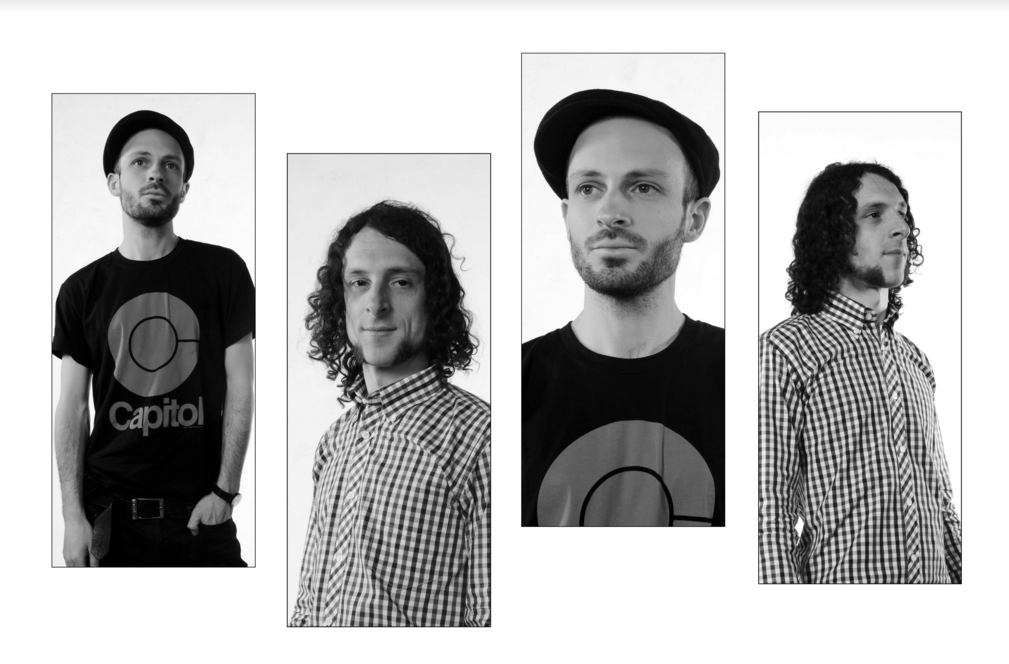
Sovereign Sky channels the kind of music Mik and Rich have listened to since their youth. A Thames Estuary take on the lo-fidelity, budget -baroque of the first Cardinal LP and the vintage mellifluousness of The Lilys. There’s also a healthy dose of British Romanticism – an imaginary Albion in their heads somewhere between the socialist utopia of William Morris and Bob Stanley’s Gather In The Mushrooms compilations- while their hearts lie sun-kissed and blissed in Southern California like a pair of burnt out troubadours in deck shoes sourced with meticulous discernment from the Shibuya Kei district of Tokyo.
‘And yes’ confirms Rich, ‘we were enamoured with so many (often) home studio cooked and lost West Coast psych records – A Gift from Euphoria by Euphoria, Save for a Rainy Day by Jan & Dean, Another Day, Another Lifetime by The David, Initiation of a Mystic by Bob Ray, The Smoke’s self-titled album, Marc Eric’s A Midsummer’s Day Dream, and anything by Merrell Fankhauser….’
Presented here in an enhanced format that manages to transcend even the original vinyl’s beauty, Sovereign Sky is a Nugget that deserves to be a little less lost and a lot more loved.
Taken from that revitalised album we have the video accompanied teaser, reminder, and downloadable single, the relaxed soulful Love-esque rhythm guitar played lapping tidal reflection ‘Salt Water’. A concise, post-sike ode to the soul replenishing nature of sea side town existence, the brothers made field recordings at Hove Lagoon, East Sussex and wove them into a song built around a circular riff Rich devised after he woke up from a dream in which a version of ‘Yacht Dance’ by XTC produced by American Beauty era Jerry Garcia was on the radio twenty-four-seven. Sweet dream, man!
For the video, the boys sought to juxtapose the gaudy, grim reality of Brighton beach with the soothing calm waves of neighbouring Hove by means of a gently psychedelic, deep chilled Zen trip undertaken by an origami boat: Music and visuals in perfect harmony. Lap it up while you can.
Related posts from the Archives:
Junkboy ‘Sovereign Sky’ Review
Albums of 2019: Junkboy ‘Trains, Trees, Topophilia’
Premiere ‘Waiting Room’
‘Fulfil b/w Streets Of Dobuita’ Review
Hi, my name is Dominic Valvona and I’m the Founder of the music/culture blog monolithcocktail.com For the last ten years I’ve featured and supported music, musicians and labels we love across genres from around the world that we think you’ll want to know about. No content on the site is paid for or sponsored and we only feature artists we have genuine respect for /love. If you enjoy our reviews (and we often write long, thoughtful ones), found a new artist you admire or if we have featured you or artists you represent and would like to buy us a coffee at https://ko-fi.com/monolithcocktail to say cheers for spreading the word, then that would be much appreciated.
Premiere: The new Junkboy single ‘Waiting Room’
July 5, 2019
PREMIERE
Words: Dominic Valvona
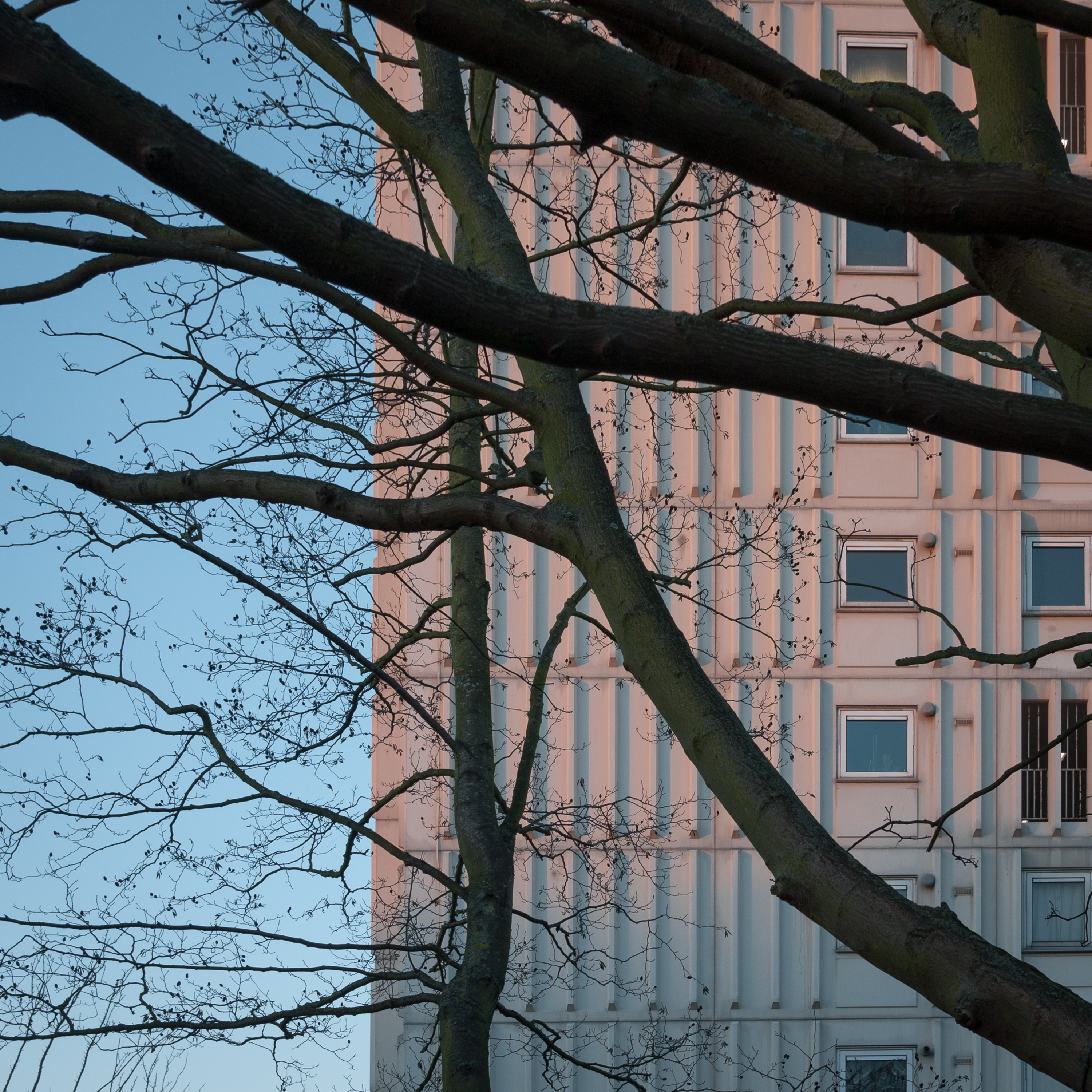
Junkboy ‘Waiting Room’
(Fretsore Records) 5th July 2019
As Rich Hanscomb, one half of this sibling duo of refined placeable folksy-psych and Beach Boys imbued dreamy 1960s pop, puts it Junkboy are “more a way of life as opposed to a career.” And yet life has a habit of derailing, if at best, delaying things. Highly anticipated, the Hanscomb brothers’ upcoming, and sixth, album Trains Trees Topophilia (released 2nd August) is their first since the well-received (especially by us) 2014 dreamy Sovereign Sky.
Thankfully then, once more beachcombing the East Sussex coastline and South Downs versant, Rich and his brother Mik are back making music together after an unofficial pause. And what a halcyon if gentle return to the fold it is too.
Inspired by the brothers move, years ago, from the Essex coastal town of Southend-On-Sea to the Brighton And Hove area in East Sussex, and the famous post WWI abstract pastoral artists that captured that idyllic topography (messrs Paul Nash, John Piper and Graham Sutherland), the new peaceable album is made up of empirical instrumental evocations imbued partly by a more idealized vision of gracious, contemplative scenery-dreaming rail travel: Not the less frustrating cancelled and late crammed Southern Rail commuter journey version many of us have made in torment, including me; where the thought of stealing away a minute to meditate and ruminate is spoiled when you’re forced to balance a laptop or notebook whilst you stand for your entire journey in heaving train carriages.
This idyllic vision could even be said to have a Zen like quality, as interrupted in the beautifully thematic greenery palette album artwork by Yumi Okuda.

Further artistic inspiration comes in the form of the duo’s photographer and pal Christopher Harrup’s decade-old self-published photo album Essex Topography, the landscape psychogeography of which is a personal one for the brothers as they transduce memory and feeling into both a psychedelic love letter and more mindful soft bulletin.
The boys are accompanied on this woozy evocative journey by Will Calderbank (Mumford & Sons) on cello, Becka Wright (Buffo’s Wake) on violin, Owen Gilham (Jeannie Barry) on banjo plucking duties, “frailing” e-bow and dappled Fender Rhodes and Dave Woodhead (Billy Bragg) on flugelhorn, whilst the prolific polymath Oliver Cherer (no stranger to this blog) has contributed the Paul Nash inspired ‘A Chance Encounter’. Adding to that rich woozy sound of psychedelic folk, baroque chamber and surf pop is a penchant for 90s Chicago post-rock and the green-and-pleasant poetic jazz of the late British pianist/composer Michael Garrick.
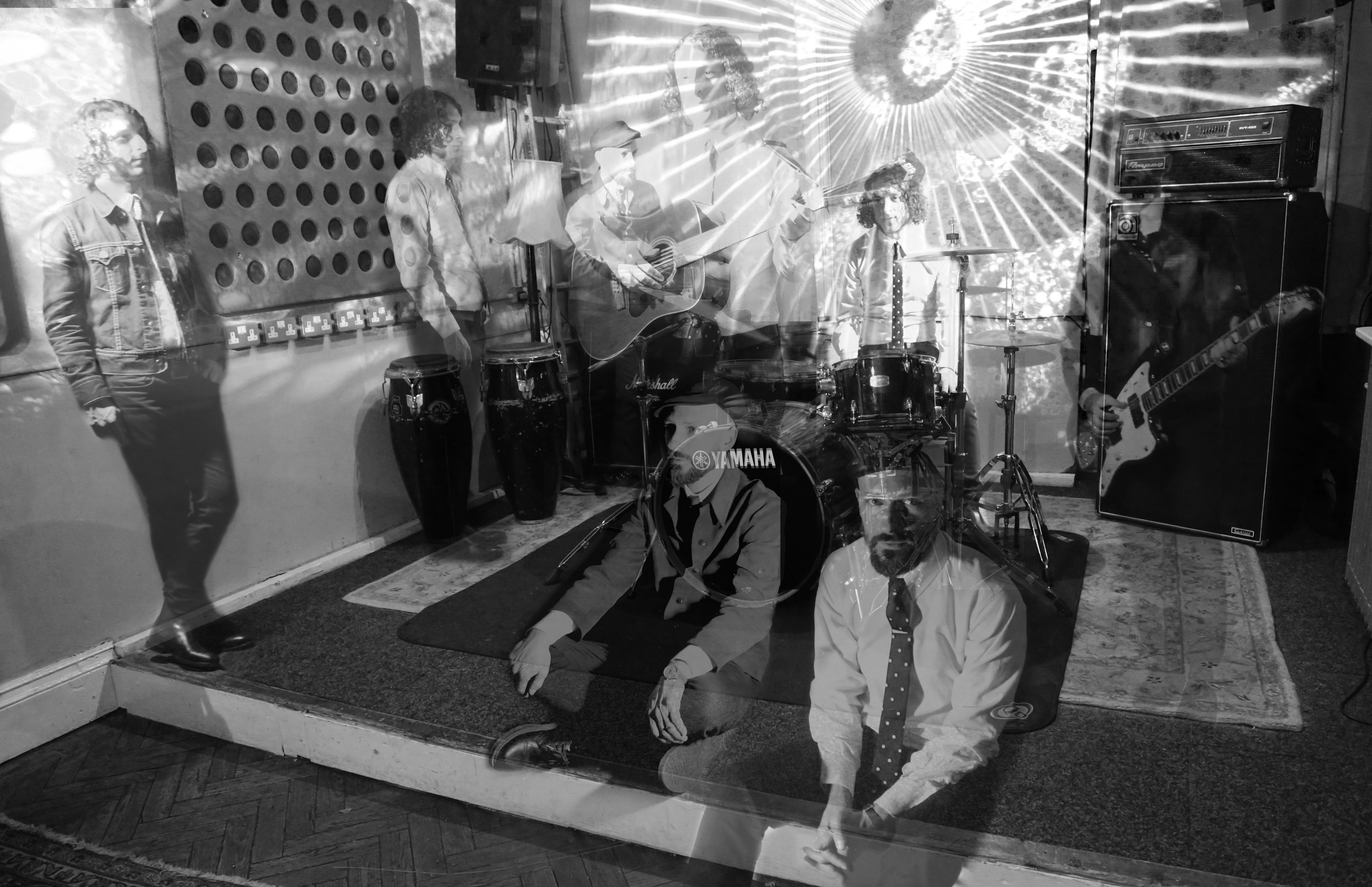
Taken from that album and premiered today on the Monolith Cocktail, the precursor ‘Waiting Room’ single is a swimmingly melodious, fanned vibrato pinged psychedelic delight that brings a piece of California’s Hawthorne and Laurel Canyon to the splendor of the commuter satellite towns of the British South Coast. Bathed in a certain glow both lilting yet tinged with rumination, the 12 and 6-string symmetry and rolling drums of this piece of Pet Sounds driftwood proves a bucolic introduction to what sounds like a promising album suite. Without further ado…. go and enjoy this thoughtfully etched part of the local South Coast topography.
Credits:
All the photography in this post was taken by Junkboy photographer Christopher Harrup.
Album artwork by Yumi Okuda.
Further Reading:
Sovereign Sky Review
Junkboy Special Playlist

