Kalporz X Monolith Cocktail: Nourished By Time
August 13, 2025
Our continuing partnership with the leading Italian culture/music site and platform Kalporz. This month, a briefing on Kalporz cover artist Nourished By Time.

At regular points during the year the Monolith Cocktail shares posts from our Italian pen pals at Kalporz. The site recently celebrated its 25th anniversary – more or less coinciding with our very own 15th anniversary. Here’s to longevity, which isn’t easy in the unstable online world.
This month, the editorial team give us a briefing on burgeoning R&B, soul house star Nourished By Time; the cover star and spotlighted artist on Kalporz this August.
Nourished by Time sounds like ’80s music, but it belongs to an alternate timeline, where Reagan’s opulence and carefree attitude give way to a more abrasive, convoluted, and disenchanted interpretation of time and things. Or perhaps it’s simply a highly accomplished postmodern reinterpretation of those sounds and that vast aesthetic—R&B, soul, house—with the curious paradox that the eclectic Baltimore musician never truly lived through that era.
Marcus Brown, the producer who gave life to the Nourished by Time project in 2019, is in fact just thirty years old, and with the release of his next work “The Passionate Ones” (XL Recordings), for which he earned the cover of our August issue, he is destined to make the big leap – the most attentive will have noticed his name among those already announced for the next edition of C2C , and this too must mean something.
But these mere CV issues aside, we’ve been won over by all of the artist’s recent releases, most notably his debut LP “Erotic Probiotic 2” from 2023 and the EP “Catching Chickens” from the following year, which contain timeless tunes like this , this , and this .
With the release of “The Passionate Ones”, scheduled for August 22nd , we can only expect great things. Even judging by the singles released so far, which show Brown in truly dazzling form. Judge for yourself.
THE MONTHLY DIGEST INCLUDES A CLUTCH OF ACCUMULATED NEW MUSIC REVIEWS; THE SOCIAL INTER-GENERATIONAL/ECLECTIC AND ANNIVERSARY ALBUMS CELEBRATING PLAYLIST; AND CHOICE PIECES FROM THE ARCHIVES

(Cover Star Macie Stewart. Photo credit Shannon Marks)
_____/THE NEW____
Macie Stewart ‘When The Distance Is Blue’
(International Anthem) 21st March 2025
Perhaps one of the most prolific collaborators of recent years, across several mediums, the multi-instrumentalist, composer, songwriter and artist Macie Stewart has come to represent a flourishing, explorative contemporary music scene with multitudes of connections and threads. Apart from projects with choreographer Robyn Mineko, Sima Cunningham, and the Pacific Northwest Ballet, Stewart has become a stalwart of the International Anthem family, contributing and helping steering releases by Rob Mazurek – who literally appears below this review with his foil Alberto Novelle -, Bex Birch, Damon Locks, Makaya McCraven and Alabaster DePlume.
Another foil, featuring in the intimate ensemble that plays on this Stewart’s first solo album for the imprint – the actual debut solo LP, Mouth Full Of Glass came out a few years back on another label -, is Lia Khol, a cellist and sound artist who already collaborates with Stewart in a duo. There’s also the addition of both the equally versatile artist Whitney Johnson (credits include the Verma band and the avant-pop lo-fi Matchess alias) on viola, and Zach Moore on double-bass. This is where those inter-connections must end, as I could just carry on regaling all the various entries from the bio and dedicate this review piece to one of the most enviable of CVs in the music scene. But we must not get distracted, and instead now look at the album.
When The Distance Is Blue could be read as…well, perhaps blue in mood. But this is an album that slips poetically in and out of consciousness, inhabiting, ruminating over and in some cases writing the aural equivalent of a love letter to the spaces in-between the tangible and the environment, with background passages of field recorded interactions taken from public places. For instance, the famous Tsukjii district of Tokyo, near to the Sumida River (reclaimed originally from lowland marshes) is referenced as the title for an atmospheric piece of recorded street side, market interactions. It carries on over and bridges the reverberating, sifted, swept and delicately plucked and vibrated opening suite ‘I Forgot How To Remember My Dreams’ and the near atavistic recalled, apparitional haunted voiced ‘Murmuration/Memorization’. The former of which features Khol’s clean cello and Stewart’s meticulously struck piano notes in a near forlorn but beautifully evocative mood. It reminded me of both Cage and Reich, of the Japanese school of contemporary classical music, and even a little of Sebastian Reynolds work with cellist Anne Muller. The latter, which is named, in part, after the stunning synchronised patterns of large groups of starlings as they come together in flight, seems to dial into something old or timeless; an elliptical dance of Tony Conrad like bows, Hellenic-like spirit voices rising and falling like their avian subjects, and the neoclassical.
The album title, and the underlying theme, is inspired, imbued by the American writer and activist Rebecca Solnit’s A Field Guide to Getting Lost book. I’ve unfortunately not read it, but the L.A. Times summarised the nine essay pieces that make up this work as: “An intriguing amalgam of personal memoir, philosophical speculation, natural lore, cultural history, and art criticism.” Elsewhere it’s been described as a wondering and lurching zigzag through history, politics and art, with the author described as a “Intellectual nomad” by The Guardian’s Josh Lacey when he reviewed it. But all can agree about the book’s themes of change and transformation. Of which Stewart taps into, recording the almost unnoticed; an essence of a particular time and place; a captured seasonal moment of rumination and episodes that left their mark. Across this a near perfect length album, a complete journey is sounded out through both attentive and deeply felt strings, piano, percussion, wordless voices and double bass. It’s a liminal sound that evokes Sakamoto, Cale, Alison Cotton and a sense of the Oriental slow movement, as it moves beautifully and moodily between pizzicato plucks, the cascaded, watered, resonated and bowed. I’ll say it again, as perfect a vision as you can get, everything about When The Distance Is Blue is just so right; every feeling, note, sensibility carefully pitched in a dreamy and ached, subtle and often mysteriously intriguing way.
Alberto Novelle & Rob Mazurek ‘Sun Eaters’
(Hive Mind Records) 28th March 2025
A moment in time; an afternoon’s encounter. The symbiotic alignment and then transformation of the improvised and layered, sonic and sound art foils Alberto Novelle and Rob Mazurek transduce timbral elements and textures into an amorphous act of existence on their collaborative release for the discerning internationalist label Hive Mind Records.
Created in a day, extemporised to a point, the Sun Eaters album, despite its rhythms, is a serialism of encounters and reactions to recognisable lines, soundings, echoes, flutters, melodic addresses, nature trial organic serenades, shakes, tingles, jangles and bleats from Mazurek’s trumpet, flute and percussion of bells. His partner on this exploration transforms these instruments into hallucinatory and playful electronic, modular and oscillated new atmospheres and ambiguous soundscapes that simultaneously evoke Jon Hassell’s Fourth World inventions, the collaborative work of Ale Hop and Laura Robles, the Aphex Twin, Carmen Jaci and King Champion Sounds.
When you address both participants extensive and envious CVs, you can only assume that together they will make something very experimental and unique, but not so academic and avant-garde as to create something dry, theoretical and impenetrable. Before we can any further, just a brief summary of the experience brought to the Dobialab studio that day in Northeastern Italy. I was only the other month referencing Mazurek in relation to Damon Locks and his List Of Demands LP. The cornetist and interdisciplinary innovator featured Locks in his Exploding Star Orchestra lineup, just one of the numerous groups the countercultural Chicago figure and influencer had instigated over the decades; most notably Isotope 217, the varied Chicago Underground ensembles, and one of my favourites, the Sau Paulo Underground offshoot. I could list umpteen other incredible collaborations (his work with Jeff Parker to name just one), and run-off a long list of influential labels that have carried his work (my friends at International Anthem for one) over the years, but you can get this all off the various bios circulating on the internet. His foil, Novello, often “repurposes found or decontextualised analogue devices to investigate the connections between light and sound in the form of contemplative installations and performances” under the JesterN guise – I borrowed that from his Bandcamp page by the way, hence the italics. He’s assisted such notable talent as Alvin Lucier, David Behman, Nicholas Collins and Trevor Wishart, and improvised with such luminaries as Evan Parker, Butch Morris and Karl Berger.
Combining these experiences, echoes of Don Cherry, Peter Evans and Miles casting shadows across an arid Latin sounded landscape are sampled and looped, turned into a language of abstract data, mechanics, transmissions, signals and pitch registers. There’s a buoyancy swimming below the synthesized beds that indicates a certain rhythm and movement. And yet at times the pair seem to be floating in the cosmos or lost in an illusion as they pull the AEoC through the mirror backwards and shake and rustle the cow bells of a herd heading for Tibetan shrines. Those bells by the way also ring out like tubular long pipes or like a sleigh ride into spiritual transcended. But I can’t help feeling there’s a lot of fun at play too on these peregrinations, especially on the Mexican wrestler referenced snake-rattled and mirage-esque ‘Luchadores Sudden Embrace’.
Taking a completely different direction, the fungi studied inspired finale, ‘A New Mycological Framework of Narrative’, is the sound of Richard H. Kirk’s wordless mewling and mantras, a touch of Kriedler and even Kraftwerk, and Finnis Africae being fed into a strange soundboard and apparatus of conductors.
A different kind of creation, this six-track reconfiguration seems to just be. Neither non-musical nor musical; neither avant-garde nor defined; the results are beyond simplified categorisation. Mood pieces? Sensory exploration? Textual exercises in ambiguity? Abstracted visions conjured out of an apparatus and range of acoustic instruments? All viable descriptions perhaps for an amorphous collaboration. Followers of both artists will be happy with the outcome.
El León Pardo ‘Viaje Sideral’
(AYA Records) 21st March 2025
A “sideral”, or celestial bodies related, “voyage”, the new inviting album from the Colombian brass, wind and multi-instrumental encompassing artist El León Pardo is imbued by pre-colonial Colombian magic and contemporary musical hybrids that fuse cumbia with the Afro-Caribbean and cosmic.
Noted for spreading the word and virtuosity of his chosen instruments and culture to the world through his work with Ondatrópica, Curupira and Frente Cumbiero, Pardo is imbued by the sound and symbolism of the “Kuisi” end-blown flute, and Sierra Nevada de Santa Marta mountain range in which its whistly trill echoed; the loose Colombian originated infectious rhythm of cumbia, which in more recent times has switched the European influence of accordion for electric guitar, but has been restyled and modernised throughout time to include the trends the day; and the ancient Pre-Colombian Zenu people of the Sinú River Valley and their atavistic flute.
Channelling all this to conjure up a dream realism peregrination, dance and wonderment, Pardo invites a number of Colombian foils to join him on a sometimes-surreal corridor to the stars. Taking up the offer is fellow eclectic polymath Edson Velandia, emcee N. Hardem of LNI and Soul Am Beats fame, and “nueva (“new”) cumbia” motivators Frente Cumbiero, who’s main instigator Mario Galeano is also a member of both the already mentioned Ondatrópicaand Los Pirañas groups. This trio’s contributions further expand the scope of influences and ideas, heading down into the lively Bogota barrios, or snake rattling and sauntering into a spellbinding oblivion of magic eye Colombia and the cosmos.
As the tile translates, there’s a relationship between the stars, the celestial spheres, playing out on Viaje Sideral. A both playful and deep immersion of universal mirages and dream states that simultaneously sound Andean and yet futuristic and cosmological, the album’s nine tracks use tradition and modern tech to build up an alternative reality. Analogue synths echo and modulate those space sounds: a representation of beamed astral planes and spectral rays, and travellers from other worlds landing in the mountain valleys of Colombia.
Whilst traditional instruments, the chuffed, short and longer, more drifting and circular convulsed flutes and pipes, both brassy and Latin trumpet, reference imaginative invocations of his homeland. Factor in some of that Afro-Caribbean influence and a touch of Mad Professor dub effects to this playful, inviting, danceable, percussive infectious, pop-y, soulful (there’s even some electric guitar parts that I would swear were Rhythm & Blues flavoured) and mystical, and you have a dreamt landscape brought to vivid, rhythmic life. El León Pardo isn’t however just about the magic, but by using the instruments he does, bonds with and sticks up for those pre-Colonial indigenous roots as a form of activism and conservation, education. This is nothing short of a great imaginative Colombian trip, equally at home under a menagerie canopy of exotic conjuring as it is in space.
Puce Moment ‘Sans Soleil’
(Parenthèses Records) 21st March 2025
Tuning in via the kosmische, new age, trance and ambient imbued modular electronic laboratory to the courtly and Imperial Gagaku tradition, the Puce Moment reconfigure purposeful Japanese ceremony, dance and music to conjure up an otherworldly, haunting and mystical soundscape under a “sunless” sky – if you directly translate that album title of “Sans Soleil”.
Travelling to the notable Japanese city of Tenri (the old capital of Japan, for a very brief period during the late 5th century rule of Emperor Ninken) in 2020 to record and work with the local Gagaku Music Society, the French duo of Nicolas Devos and Pénélope Michel recontextualised an old but continuous form originally performed for the elite. They expanded this exploration turn transformation further with the addition of the São Paulo born choreographer and dancer Vania Vanneau: furthering the soundscape project into dance, visual movement and performance art.
For those unaware of this Japanese form, Gagaku’s roots can be traced back to the 6th century, perhaps earlier, when Japanese delegates were sent to China to learn about its culture. They are said to have brought back a fusion of both Chinese and Korean music, instruments and dances to the Imperial court; to be performed at banquets for the elite. But some historical sources suggest that it was through the spread of Buddhism, making its way across from China to Japan. And one of the main dances, the “Bugaku”, involves the wearing of intricate Buddhist costumes and masks.
Familiar sounds of this form include the famous barrel-shaped wooden “taiko” drum, the “Koto” 13-string zither, the “Biwa” short-necked lute and the “Shō” wind instrument – used for one of the six titles of this peregrination and mood musical work. All of which, I believe, can be heard both in their recognisable form and morphed and woven into a modulated, generated, filtered atmosphere of electronic apparatus drones, fizzes, oscillations and amorphous mysticism.
Hinting at rips in the fabric, a misty geography and periods of historical meaning and reference, Sans Soleil summons ghosts, voices from the ether and the four winds and wisps of Jon Hassell, Hiroshi Yoshimura, Popol Vuh, Tony Conrad’s work with Jennifer Walshe and Ash Ra to magic up a sound world that sits on the border of the alien and cosmic, landscape and pure atmosphere: The word used is liminal. This convergence of trance-y, lucid synthesised sounds and voices on the air merges dreamily and spookily with Japanese tradition, ceremony and choreography to create something more akin to an experience, an immersion and dance.
Alessandro Alessandroni ‘Paesaggio Bellico’
(Four Flies Records) 18th March 2025
Like much of mainland Europe scared, brutally traumatised and worn out by WWII, Italy and its battle-ravaged population pretty much became risk adverse to war. Although eventually changing sides back to the Allies, the ill-fated bedfellows of the Nazi Axis alliance were, apart from the diehards/racists/antisemites/psychopaths, were always ill at ease goosestepping to the tune of Hitler. In fact, no matter how history has been warped, the Italians put down and made the butt of so many jokes, the country had some of the largest numbers of partisans fighting against the Fascist regime – percentage wise in all of Europe, Italian partisans were far more likely to be killed and murdered by the Nazis than anyone else.
Italy favoured internal civil war over the international: a war of ideologies, corruption, state and philosophy that rages to this day. Terrorism and organised crime concentrated the mind. But no one in Italy could turn away from the events that followed in the wake of WWII: the Iron Curtain and Cold War to Korean, Vietnam and so on. And that brings us to the work of the stellar talented and connected iconic and cult Italian composer Alessandro Alessandroni, who scored an impressive range of war themed documentaries and films during a career that spanned a good half of the 20th century.
Born on the release date of this latest battle, war and psychological collection (18th March), Alessandroni came of age during the rise of fascism and the events that would lead to the Allies invasion of first Sicily then mainland Southern and Central Italy, the horrific bloody battle of Monte Cassino and the brutal air raid bombardments that destroyed so much of the country – an agreement between both sides thankfully saved Rome and several other important cultural cities.
During a period between 1969 and 1978, the maverick and highly influential composer and multi-instrumentalist recorded a catalogue of scores and atmospheric pieces, suites that dealt with not only the military aspects but the trauma of war and its effects upon those who both fought and faced its wrath. After the smut and titillation of the Music From Red Light Films 1976-1980 collection, the Italian label Four Flies unearths an impressive and quality selection of these tracks, previously left dormant in the vaults.
A peer, foil, mentor and friend to such luminaries as Ennio Morricone, the Rome born maestro and artist first made a name for himself with his Spaghetti Western twang-y Duane Eddy signature guitar and whistling scores for the highly influential film director Sergio Leone. But Alessandroni also founded the wordless octet vocal group I Cantori Moderni (“The Modern Choristers”), which featured his wife Giulia De Mutiis, and went on to form the brief prog-rock-psych group The Braen’s Machine with fellow Italian cult composer Piero Umiliani.
During the late 1970s he was scoring more and more mondo trash, erotica and garish S&M horror – see Lady Frankenstein and Killer Nun. And yet, the quality of his work is never in doubt; often elevating such tawdry, amateurish affairs to cultish status by the music alone. Although far from serious, it seems Alessandroni’s craft is likened to playing with an amusement park of ideas, sounds and instruments: entertaining but also captivating in equal measures. With an ear attuned to the contemporary fashions, but the classical and traditional too, a lot of musical ground is covered in his compositions: from Italian folkloric standards to disco, library music and the salacious.
In turn, this package (the vinyl copy features 15 tracks, whilst the digital is expanded to include 29) channels much of that legacy, but with far more seriousness, artistic depth, emotion and compassion. Most of those familiar with his work will instantly recognise the signatures and the palette; from the spine-tingling chills and fears of his Giallo-like scores to the arpeggios, the twang and pick of his Wild West evocations – namely on the couplet of cloud hanging “Pattugliamento Aereo” (“Air Patrol”) pieces; although the second “Aereo” matches that with vague Alice Coltrane harp-like plucks and a subtle prog-esque organ.
Where sentimentality and a touching relief is needed, tracks like ‘Lettere dal Fronte’ (“Letters from the Front”) air towards Bacharach and Morricone, and feature that recurring Baroque chamber sound of harpsichord or clavichord that gives each occasion a sense of spindled timelessness. ‘I Sopravvissuti’ (“The Survivors”) is a lovely touching sentimental piece that evokes both the balletic scores of Aram Khachaturian (sounds uncannily like his suite from Kubrick’s 2001: A Space Odyssey) and wartime period classical music. Talking of 2001, with the use of the I Cantori Moderni ensemble of wordless voices both appearing like apparitions and spirits of lost and dead souls, or like some removed version of ecclesial requiem choristers, there’s also a semblance of the stirring visionary ominous fears and otherworldliness of György Ligeti.
Quite rightly, the ‘Dachua’ suite should evoke an enormity of horror, but this score is more in the mode of supernatural horrors from the crypt than genocide shock. It sounds like some lost silent film theme of haywire Baroque piano: a combination of devilment and madness, with one hand delicately lacing the keys, and the other, hitting near off-key jarred and out-of-key notes. And whilst sounding the most terrible aspects of war, from execution to the shelled-out ruins of a psychologically destroyed mind, the music strikes up the military snare, playing it like a spraying machine gun, or, building up an unsettling drama of pain and anguish: all managed beautifully, even when dipping into Library music, the hallucinating, dreamy and psychedelic.
Military timpani and drills aplenty amongst the plaintive recall of the acts and dogs of war, this survey features supernatural forces, cold chills, suspense, loss, remembrance and hope.
The suites, atmospheric pieces, scores and signature found on this Paesaggio Bellico are all far too good to be left undisturbed, languishing in the vaults of cult obscurity. Fans, heads and even those with a cursory interest should investigate.
___/THE SOCIAL PLAYLIST VOLUME 95
The Social Playlist is an accumulation of music I love and want to share; tracks from my various DJ sets and residencies over the years; and both selected cuts from those artists, luminaries we’ve lost and those albums celebrating anniversaries each month.
Running for over a decade or more now, Volume 95 is the latest eclectic and generational spanning playlist come radio show from me – the perfect radio show in fact, devoid of chatter, interruptions and inane self-promotion.
Each month I mark the passing of those artists we’ve recently lost, and as this is the first opportunity to do so, I’ve included homages to the last “doll” David Johansen, the soul music’s Carol King, Roberta Flack, vibes innovator and jazz fusionist Roy Ayers and troubadour Bill Fay.
Anniversary albums wise there’s tracks from Herbie Hanock’s Maiden Voyage (celebrating its 60th anniversary this year), Bob Dylan’s Bringing It All Back Home (also unbelievably 60 years old), David Bowie’s Young Americans (50 this month; see my short analysis in the Archives section below), Parliament’s Chocolate City (also 50), Sonic Youth’s Bad Moon Rising (40 this month), Radiohead’s The Bends (30 years old this month), Gene’s Olympian (another 30th) and Edan’s Beauty And The Beat (where does the time go…seriously! How can this LP be 20 years old this month?!).
As usual, I like to throw in a smattering of cross-generational tracks and some more recent ones – those that missed out on the previous Monthly playlists of new music. In the latter camp, we have a resurfaced (so not strictly new) live version of Throbbing Gristle’s ‘Convincing People’ from Volksbühne, Berlin, recorded on New Year’s Eve in 2005; an imaginative reverberating study, peregrination from Dorothy Carlos; and some mirage grunge indie from Raisa K. In the former, a number of oldies from Krumbsnatcha, 21. Peron, Stanton Davis’ Ghetto/Mysticism, Gloria Jones, Flutronix, Berlin Brats, Pete Dello and more… Expect no substitutes. Expect no algorithmic replicants. Expect no AI bullshit. All playlists are compiled without any external influences, totally conceived by whatever I wish.
IN FULL:
New York Dolls ‘Private World’
Gloria Jones ‘Cry Baby’
Roy Ayers ‘Ain’t No Sunshine’
Roberta Flack ‘Compared to What’
Parliament ‘Ride On’
Edan ‘Promised Land’
Herbie Hancock ‘The Eye Of The Hurrican’
21. Peron ‘Bes’
Bill Fay ‘Dust Filled Room’
Radiohead ‘My Iron Lung’
David Johansen ‘Heart of Gold’
Berlin Brats ‘(I’m) Psychotic’
New York Dolls ‘Don’t Start Me Talking’
Sonic Youth w/ Lydia Lunch ‘Death Valley ‘69’
Throbbing Gristle ‘Convincing People Live’
Dorothy Carlos ‘Balm’
Raisa K ‘Affectionately’
Roberta Flack ‘Some Gospel According to Matthew’
David Bowie ‘Can You Hear Me’
Roy Ayers ‘Pretty Brown Skin’
Stanton Davis’ Ghetto/Mysticism ‘Space-A-Nova II’
Krumbsnatcha ‘Closer To God’
King Honey w/ Hezekiah, Gos and Chief Kamachi ‘Trinity’
Georges Bodossian ‘Punching Bull’
Flutronix ‘Crazy’
Meridionale des cayes ‘Zanmi femme’
Bob Dylan ‘Love Minus Zero’
Bram Tchaikovsky ‘Robber’
Gene ‘Olympian’
Pete Dello and Friends ‘Arise Sir Henry’
___/ARCHIVES
Each and every month, I use the digest as a good excuse to once more retrieve congruous and related posts from the archives. This month, to tie in with the 50th anniversary of David Bowie’s “plastic soul” period, a short piece on one of the soul crooning pale duke’s best album’s Young Americans – well, in my opinion top three.
And from this time, near enough, a decade ago, another chance to read my review of Glitterbeat Record’s Hanoi Masters: War Is A wound, Peace Is A Scar album, raw and therapeutic sessions recorded by Ian Brennan and released during March of 2015.
Disingenuous to a fault, the cracked actor’s ‘plastic soul’ conversion, raised more than a few pencilled-in eyebrows and frowns.
Totally free of his carrot-topped mullet crown, he now hotfooted across the Atlantic to Philly, intoxicated by the city of brotherly love’s sweet, lovelorn soul music.
A new face in town, the burgeoning ‘thin white duke’ employed a cast of ethereal backing singers (including an as yet famous Luther Vandross) and kindred musicians (notably Bowie’s new lead-guitarist foil, Carlos Alomar) on his cocaine-fuelled pursuit.
Calling in the favours, fellow alienated Brit in residence, John Lennon, helped write the cynical snide ‘Fame’ (he plays on the recording and adds harmonies too) and let Bowie cover his stirring cosmological trip, ‘Across The Universe’ – much maligned, but I really dig this version, and even play it regularly in my DJ sets.
Reflective, sophisticated, Bowie and his detractors may have labelled him with derogatory terms, yet there’s no denying it’s another successful musical adoption: truly up there with his best ever work; a complete showman chameleon transformation. Even one of his most infamous haranguers Lester Bangs couldn’t help but admire it: the only Bowie LP he ever gave him credit for.
Decreed as the leading highlight’s of the album by the majority –
Young Americans (single), Win, Fame (single)
Pay attention to these often overlooked beauties –
Somebody Up There Likes Me, Across The Universe
Various ‘Hanoi Masters: War Is A wound, Peace Is A Scar’ (Glitterbeat Records)
A side excursion, travelling due east to Asia and breathing in the evocative songs of Vietnam, Glitterbeat Records launch a new series of field recordings entitled Hidden Musics. Finding a congruous musical link with their usual fare of West African releases, the label sent Grammy-award winning producer Ian Brennan (credits include, Tinariwen, Malawi Mouse Boys, The Good Ones) to Vietnam in the summer of 2014 to record some of the most lamentable and haunting resonating war-scarred music.
Indelibly linked to what the indigenous population call ‘the American war’, the examples of both yearning and praise pay tribute to the fallen: delivered not in triumphant or propagandist bombast but in a gentle meditative manner, these survivors, forty years on from the end of the harrowing and catastrophic (the repercussion still reverberating in the psyche of the burned America and its allies) war still undergoing a healing process.
Tinged with an omnipresent lilting sadness these songs are imbued with battle scares (hence the albums sub-title War Is A wound, Peace Is A Scar), as the featured artisans and traditional music masters who had joined the cause, sometimes for the first time in years, allow` their voices to be heard once again. Brennan’s notes are littered with these various connections to the war: ‘…a thirteen year old whose job was to sing to the troops to boost morale and provide solace. Another was a former AK-47 issued village leader who had not sung in over forty years and proved to be the most dead-on vocally.’
‘Un-mediated’ and as raw as you’ll ever likely to hear these fragile, half-forgotten songs without being there yourself, played on the most obscure accompaniment of moon-shaped 2-stringed and zither instruments – including the strange K’ni, a plucked instrument clasped between the teeth, the local dialectic language spoken through the single string to produce a weird otherworldly vocoder like effect –, each documented performance is a lingering trace of an old world. Industrialisation and technology it seems has no respect for the past, increasingly infringing on even the most remote and relatively atavistic traditions in the mantra of “progress”, replacing those indigenous songs with the cultural imperialism of their south east Asian neighbours (Japan and South Korea) K-pop and karaoke genres. Here then, before they vanish forever, Vietnam’s victors speak; from the sweetly yearned Phạm Mộng Hải eulogy to departed souls For The Fallen to the dew dropping off the blossom love paean to her homeland, Nguyễn Thị Lân sung Road To Home, each purposeful – with the occasional clanging up tempo surprise – song is a revealing glimpse into loss, exile and resistance.
Considering the history and ill blood between cultures – though this has eroded as capitalism takes hold and the country opens up – it has in the past been difficult to investigate for the serene and attentive beauty of the Vietnam music scene, but this earnest and adroit study into a world seldom covered proves enlightening.
Hi, my name is Dominic Valvona and I’m the Founder of the music/culture blog monolithcocktail.com For the last ten years both me and the MC team have featured and supported music, musicians and labels we love across genres from around the world: ones that we think you’ll want to know about. No content on the site is paid for or sponsored, and we only feature artists we have genuine respect for /love or interest in. If you enjoy our reviews (and we often write long, thoughtful ones), found a new artist you admire or if we have featured you or artists you represent and would like to say thanks or show support, than you can now buy us a coffee at https://ko-fi.com/monolithcocktail
BOX SET REVIEW/PURVIEW
Dominic Valvona
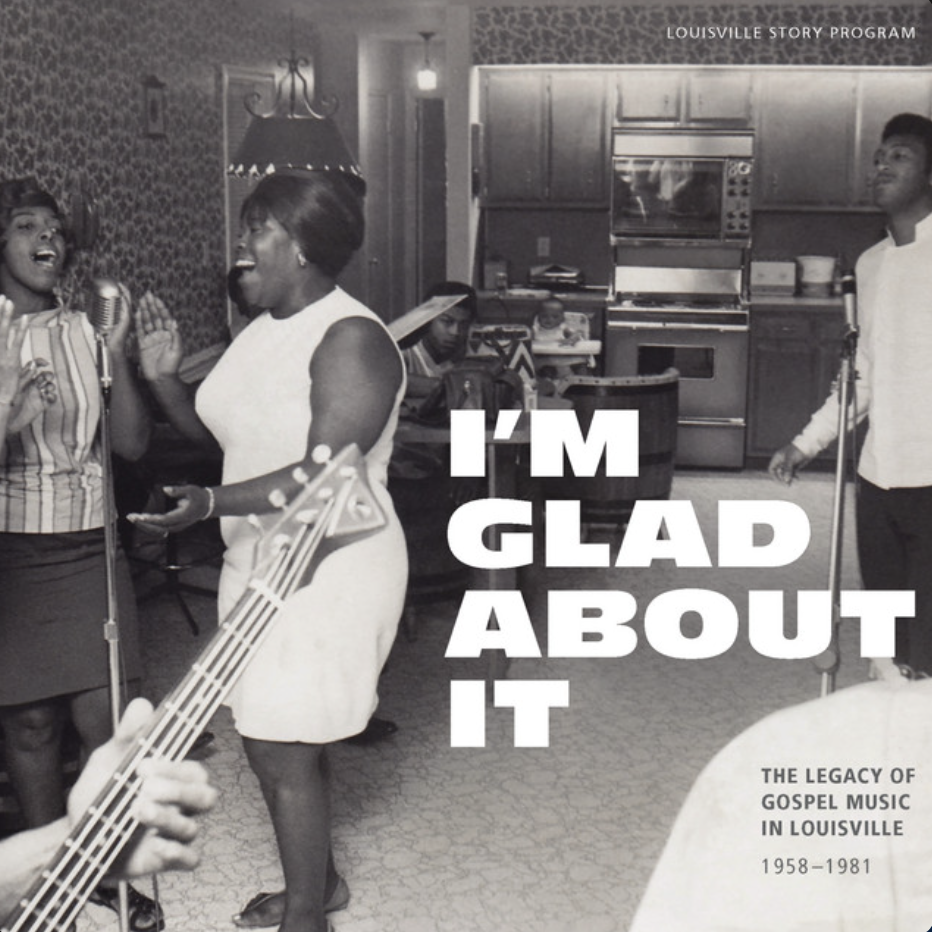
Various Artists ‘I’m Glad About It: The legacy Of Louisville Gospel 1958 – 1981’
(The Louisville Story Program/Distributed Through Light In The Attic)
When Ben Jones, one of the many voices of authority and leading lights of the Louisville gospel legacy, enthuses that the talent at every Black church during the golden years chronicled in this ambitious box set was akin to witnessing and hearing “ten Aretha Franklins at every service”, he’s not boasting. Jones’ contributions, as outlined in this multimedia package’s accompanying 208-page full colour booklet, lays down the much unrepresented story of a thriving, enduring scene. Alongside a host of reverent members of the various Evangelist, Pentecostal, Baptist and Apostolic churches, artists, instigators and custodians, his informative, animated and passionate words draw you into a most incredible cross-community of afflatus bearers of the gospel tradition. For the Louisville scene was and continues to be every bit the equal of its more famous and celebrated rivals across the American South. And that Aretha quote is no exaggeration, as you will hear some of the most incredible voices and choirs to ever make it on to wax, or, in some cases, make it onto the various radio stations and TV shows that promoted this divine expression of worship. 83 songs, hymns and paeans of assurance, great comfort, tribulations and travails from a gospel cannon of pure quality, moving testament and joy.
‘I’m Glad About It: The legacy Of Louisville Gospel 1958 – 1981’ is an unprecedented example of just how to display and facilitate such a multifaceted project of documentation and archive – in the package I received there were links to a brilliant visual timeline and archive of some 1000 songs recorded by 125 different gospel artists. A labour of love and recognition, taking over three years to put together, The Louisville Story Program has not just set out to preserve but also equip the communities they serve with a genuine platform which can be added to overtime. But importantly, they’ve brought in a number of inspiring voices to help build a concise story of legacy and continued influence of the city and gospel music in general – Ben Jones citing Drake and Kayne unable to find a beat that they didn’t hear in church.
Louisville, one of the oldest American cities west of the Appalachians, is settled in the northeast corner of the state of Kentucky, a stone’s throw from bordering Indiana. Serving the great Ohio River, the city grew in importance and influence over the centuries, since its foundations during the American Revolution of the late 1700s (named after the King Louis XVI, in recognition of French support during the war against the British): mainly unloading and moving the river commerce before it met the famous Ohio Falls. Off the backs of the enslaved African Americans who provided the labour, Louisville expanded its economic influence and position as a major port. It was a jump off point to relative freedom for those escaping to the free state of Indiana during the Civil War. And although Union troops were stationed on mass in the city and greater state of Kentucky, making sure it didn’t secede and join the Confederacy, in the aftermath of the Civil War the city was dominated politically by those that fought on the losing side.
The next century was no kinder, especially with the zoning codes that segregated and designated where the Black community could live – eventually overturned through activism and the Supreme Court. And yet on some levels, Louisville was considered relatively progressive compared to its Southern neighbours. But it has been said that the supremist, segregated practices of Jim Crow were not maintained by law so much as observed as a custom.
As the city boomed a greater number of people would flow into the city from the country to work in the factories and blossoming industries, with numerous churches set up to accommodate their beliefs. This bolstered an already thriving gospel scene, thanks in part to a great mix and talent pool, some of which had been drawn from the deep south and further out east; lured sometimes by the affordable studio rates that another key figure in the Louisville gospel story, Joe Thomas, offered through his Sensational Sounds label – one of the many iconic labels, platforms that proved vital in spreading the good word.
Another leading voice, Raoul Cunningham proves enlightening in summing up gospel lore; his observations and authoritative teachings illuminating the change once emancipation came from the more sombre songs of the spirituals to gospel – the iconic figure of Thomas Dorsey first adding a touch of jazz and rhythm to pull the solemn scared songs of another century towards what we now know as gospel music. Cunningham opines that when freedom came the Black community wanted to forget their past and no longer identified with Africa. They stopped singing the spirituals and changed the name of their churches in the process.
As much a testament to the endurance and continued influence of gospel music on every subsequent generation coming through – every generation, that is, finding some kind of solace, a belief, a message and even purity and truth in the teachings as performed through the most beatific and soulful of voices -, the songs, hymns and paeans on this remarkable box set speak of assurance and a great comfort, but also of tribulations and travails. Some of them even rock “Zion” to its very core, causing the walls of Jericho to come tumbling down in defeat to such dynamic choral performances and electrified outpourings of devotion.
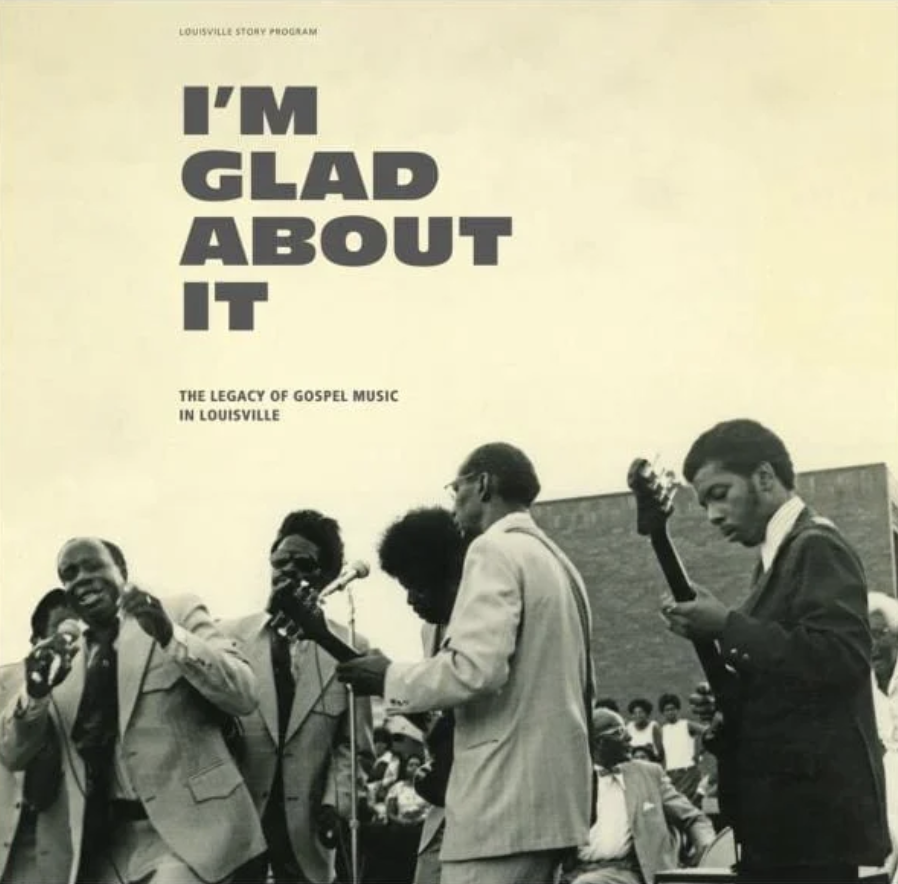
But where do you to start on a survey that more or less encompasses every change, every variation on the gospel signature, from the opening Golden Tones a cappella pull of bass and near falsetto voiced ‘Just A Closer Walk With Thee’, to Rev. Tommy William & The Williams Family’s Ray Charles-like bluesy ‘I Want To Thank Jesus’, and, the already mentioned, Joe Thomas’ and his stained glass lit and beautifully plaintive Percy Sledge and Sam Cooke delivered ‘I Won’t Mind’.
Just to show the diversity of background and the movement of travel – as outlined in the accompanying booklet, which features a history and information on every artist involved -, The Golden Tones roots lay with their Mississippi founder Leroy Graves, who relocated after military service to Kentucky and the First Baptist Church in Elizabeth Town. They started off as a cappella group before incorporating instruments, a practice that so many of the groups on this collection followed; in part down to certain churches hostility to electrified music or instruments of any kind other than the church organ, being used to embellish or even distract the purity of the choral voices. This number was recorded for the Grace label – one of many iconic labels mentioned and poured over in the accompanying booklet -, released in 1971. The group sang together for fifty years.
Rev. Tommy William & The Williams Family is more of a mystery however, with this 45” on the WMS label believed to be their only known release. Thomas, perhaps one of the most repeated names in this story, was a noted church organist, music teacher, composer, arranger, record engineer and label owner: a one-man industry. Likely the most prolific collaborator in the Louisville gospel community through his BJ Sounds studio, he would sit in on most recordings.
Four discs, 83 tracks, we really are spoilt for choice. Just taking a cursory glance, naming a mere smattering of delights, I loved both The Travelling Echoes entries: ‘He’s A God’ from 1959, released on the Avant label, and ‘Looking And Seeking’ from 1960, released on Tye. The former reminded me of the revived gospel soul queen Naomi Shelton and a little of Aretha, being emotionally exalted over a tremulant organ and near swinging R&B rhythm. The latter, a little closer to Dorthey Love Coates and The Staples Singers and the school of gut rousing delivery.
Completely different, the award-winning soloist, who started young (from the age of seven, which is not uncommon in the gospel community), Joe Robinson makes a moving case for God’s magnificence on the harpsichord-like flange organ divine ‘How Great Thou Art’. If you wanted to dig a little deeper, this song was released on his only album, Joe Robinson Remembers, which he recorded in memory of the great gospel icon Mahalia Jackson after she died in January 1972.
Other notable (though there isn’t a single track without merit and quality: the perfect compilation in other words) entries include the Atlanta-based The Echoes Of Zion’s B-side cut ‘Just A Closer Walk With Thee’, another gem recorded at Joe Thomas’ Sensational Sounds set-up. The vibe is strangely not too dissimilar to Monty Young’s ‘James Bond Twist’ from the Dr. No soundtrack, but with a walking bassline and lilt of rock ‘n’ roll. Rev. William H. Ryan’s ‘There Is Someone To Care’, released in 1967, sees the Salem Baptist Church pastor channel Otis Redding and Solomon Burke in exalting God’s grace, whilst the highly gifted Beatrice Brown and her singers (another entry in the Sensational Sounds stable of acts) merge marimba Afro-sounds with a Meters backbeat on ‘You Are Special’. The intergenerational The Religious Five Quartet prove their worth and importance with four entries, some of which were recorded from performances on Bishop Cliff Butler’s gospel variety TV show, Lifting Jesus. One of which, retold by the grown-up lad himself in the booklet, included the young drumming prodigy Nathaniel ‘Peewee’ Brown, who was eight at the time when he made his TV debut with one such incarnation of the group. The most memorable of their contributions includes the playful ad-lib Calloway-like routine on cheating lovers – featuring door rapping effects -, ‘Running For A Long Time’.
On what feels like a journey, we meet some remarkable characters, with remarkable back stories and connections. Take Jimmy Ellis for example, son of a pastor and longtime member of the Riverview Baptist Church’s Spiritual Singers. An accomplished boxer, who softened the blows thankfully when it came to pining redemptive gospel soul and Godly embraces, Jimmy’s fame grew as a friend of Louisville’s most celebrated sporting icon, the “Louisville lip” Muhammed Ali, and for holding the World Heavyweight title during Ali’s conscientious objection to the Vietnam War in the late 60s. Once Ali was stripped of his title, the World Boxing Association staged an eight-man tournament to determine a new champion. Ellis won, holding it for two years. From then on out The Riverside Spiritual Singers became known as Jimmy Ellis and The Riverside Spiritual Singers.
And what about Rev. Charles Kirby, the country-born son of sharecroppers, who formed his own church in the mid 50s after moving to Louisville from the sticks. In between Civil Rights marches, boycotts, the setting up of a free food store, Kirby was renowned for his singing prowess. He sounds like a bluesy pulpit Wilson Pickett on the familiar sounding ‘Lord Come On’ – recorded live at Southern Star for the Cincinnati label Vine.
And I can’t not mention gospel music’s Jackson Five, The Junior Dynamics. “Pre-teen prodigies” with a fervour for the good book, they’re represented by the astonishing live performance recording of ‘God Is Using Me’. Recorded at the Lamentations Baptist Church in 1968, these vehicles of the Lord begin with testified seriousness and more dour suffused evangelical suffrage before upping the tempo and building up to a crescendo of soul power gospel ye-ye.
The cast of this carefully curated box set is numerous, the background information truly enlightening. This project’s partners have invested a huge amount of time and effort into setting the scene, making sure every detail is correct, and that not only the music but the accompanying booklet and liner notes are just as inviting, riveting and extraordinary. Everyone benefits from what is a gold standard in not only celebrating but educating an audience eager to learn and consume some of the greatest gospel music ever recorded and performed.
Louisville has so much to offer still, and future generations will thank the organisers, the researchers and custodians behind this epic retelling of a community previously overlooked, overshadowed.
Without doubt The legacy Of Louisville Gospel 1958 – 1981 is one of the best things I’ve heard in years: it truly made a believer out of me. I’ve learnt so much, and enjoyed a whole day of gospel heaven listening to all four discs in one go. I’d be amazed if it doesn’t make all the end-of-year lists: disappointed too. Because it certainly makes mine. And that is as good a recommendation as you can get. In short: nothing less than an exceptional example of how to showcase music history, one that is still ongoing and thriving.
Monthly Playlist Revue: March 2024
March 28, 2024
ALL THE CHOICE MUSIC FROM THE LAST MONTH

From the discombobulated and sublime to the sound of AI in the death throes of a nervous breakdown, all tastes are covered, all borders breached on the Monthly Revue: Our chance to compile the best representation of the last month’s choice music, with tracks from both reviews and those we didn’t get time to feature but piqued our interest. Those picks come from myself, Dominic Valvona, plus Matt Oliver, Brian ‘Bordello’ Shea and Graham Domain.
Without further ado, here’s the link and full track list:::
Augusto Martelli & The Real McCoy ‘Calories’
Avalanche Kaito ‘Tanvusse’
Amateur Cult ‘Eyes’
Ill Considered ‘Linus With The Sick Burn’
Rosie Tee ‘Night Creature’
Circe ‘Blue Love’
Diamanda Galas ‘A Soul That’s Been Abused (Live)’
Madison McFerrin ‘God Herself (Tune-Yards Remix)’
Laetitia Sadier ‘Une Autre Attente’
Mark Trecka ‘New Dreaming Gestures’
Curling ‘Hi-Elixir’
NAH ‘People Lie And Suck’
Blu & Shafiq Husayn Ft. MED/THurz/YaH-Ra ‘We Bang’
Pastense & Uncommon Nasa ‘The Ills’
Cookin Soul/The Musalini/Tha God Fahim ’92 Olympics’
Ethnic Heritage Ensemble ‘Hang Tuff’
Mark E Moon ‘Daylight’
Renelle 893 & Bay29 ‘Art Thief’
Leaf Dog ‘Till I’m Clocking Out’
Dave Harrington/Max Jaffe/Patrick Shiroishi ‘Dance Of The White Shadow And Golden Kite’
Twin Coast ‘to feel (Donkey Basketball Remix)’
Cumsleg Borenil ‘exis-ANENCE-sixe, Exis Constraint’
Colin Johnco ‘L’air qui danse’
Lou Lyne & The Blue Almond Project ‘Saudade Tactia’
Luce Mawdsley ‘Latex Feather’
Charlie Risso ‘Good Track’
NCD Instigators ‘Shark Attack’
Felix Machtelinclx ‘Buwigabuwi’
Sinerider ‘Glowing’
Jonah Parzen-Johnson ‘What They Love’
Arushi Jain ‘You Are Irresistible’
Leonidas & Hobbes ‘Space Raga’
Regulat Henry (Moses Rockwell & Plain Old Mike) Ft. Dezmatic ‘Pedal Boat’
Homeboy Sandman ‘Do It Right’
Jynx716 & Che Noir ‘Second Impression’
Omniscence Ft. Toz Torcha ‘Stage Presence’
Mega Ran & Jermiside ‘Drop’
ZA! & Perrate ‘Steve Kahn’
Christian Wittman ‘Birth And Death Of An Unknown Star’
Andrew Heath & Mi Cosa de Resistance ‘Until We Meet Again’
Society Of The Silver Cross ‘Wife of the Sea – Temple Hymns Vol 1’
group O ‘ThickO/not thee brightest spark in ur Fukushima plant (37.3920666, 141.0749483)’
Alison Cotton ‘Crepuscule’
ALBUM PURVIEW/CONTEXT: DOMINIC VALVONA
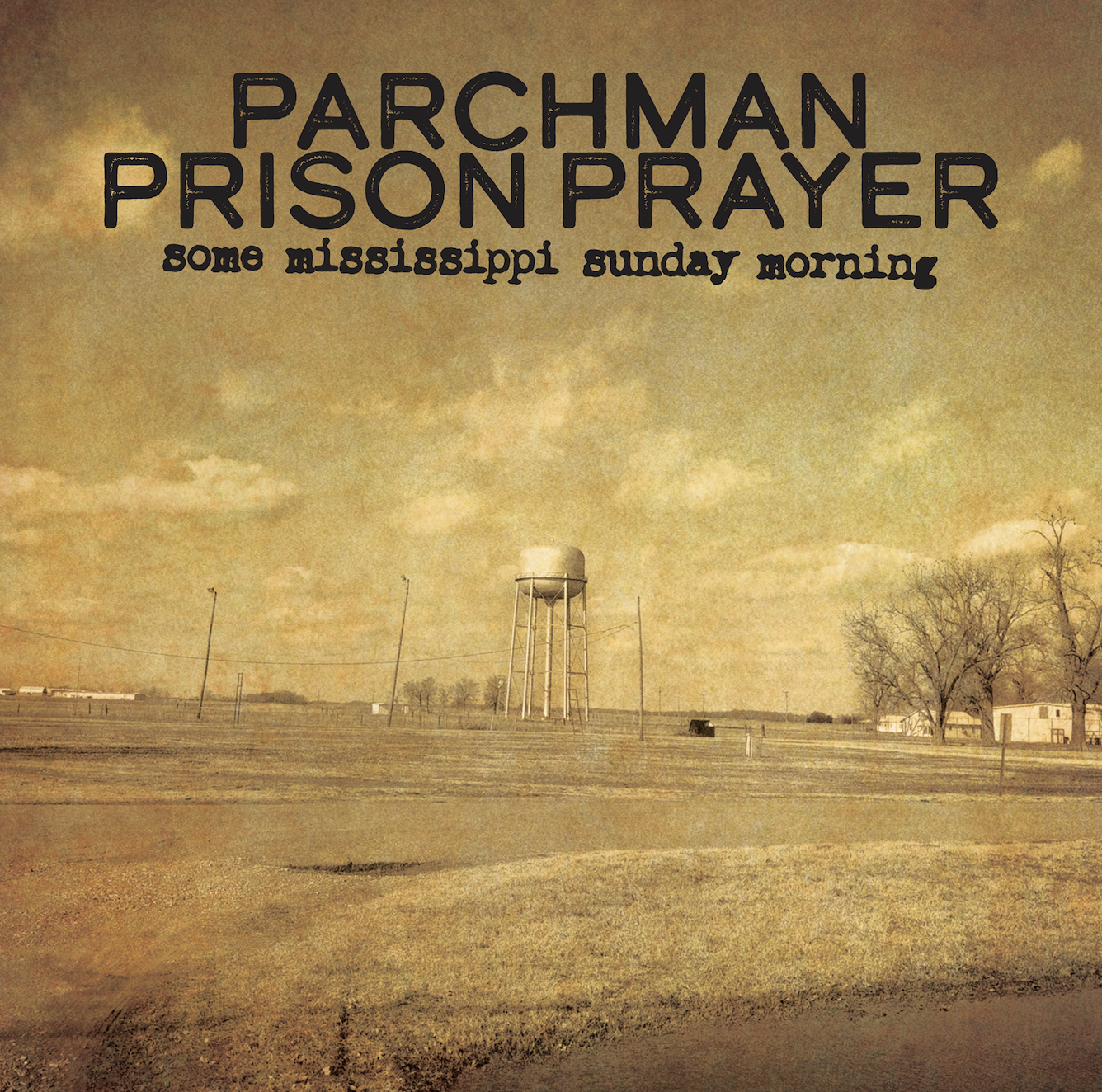
‘Parchman Prison Prayer – Some Mississippi Sunday Morning’
(Glitterbeat Records) 15th September 2023
Back in the state penitentiary system, the producer, author and violence prevention expert Ian Brennan finds the common ground once more with another cast of under-represented voices. Eight years on from his applauded, Grammy nominated Zomba Prison Project, Brennan, thousands of miles away from that Malawi maximum-security facility in the deep, deep South of America, surprises us with an incredible raw and “uncloyed” (one of Brennan’s best coined interpretations of his production and craft) set of performances of redemption and spiritual conversion.
On the surface, what connects that Zomba experience and this Sunday service communal at the infamous Parchman Prison in the Mississippi Delta is less a somber woe me sense of bitterness at incarceration, but a documentation of endurance and spirit. In fact, the inmates of Parchman seem, or the individuals put on tape and prosperity, to face up to their crimes, misdeeds; a self-realisation you could say. Most of this is down to finding religion; in this setting, and with the history, it’s Christianity – although no actual denomination is mentioned, its fairly obvious we’re talking the Baptismal, Evangelical kind that fires up the soul and glorious magic of Gospel music in the Black communities of America. In many ways, with suspicion and well-founded doubt, this paean, celebration of God and Jesus is routinely sniffed at or dismissed; the premise of salvation mocked even, and constantly skewered to certain groups, individuals own selfish purposes. Musically, this tradition has undeniably given birth to some of the greatest sounds and voices in the American music cannon; a sanctuary to find understanding and guidance in the face of oppression and racism. It’s difficult for many of us to understand faith, but there’s no way you can’t be moved by Arthea, the Staple Family and Sam Cooke (to name just a few of those hot-housed in the church). And although we’re not told of their crimes, their sentences (remember this is a prison that includes both a men’s and women’s death row), you can’t help but be moved by the inmates on this testament to spiritual salvation.
For some context, Parchman squats across 28sq miles of unconventional farm-like enclosures near to the uninhabitable swamps of the Delta, but also within shouting distance of the Blues map of iconic landmarks and civil rights flashpoints. In the former camp, the birthplace of Muddy Waters, Ike Turner and Sam Cooke (in nearby Clarksdale), and the place where Bessie Smith breathed her last and junction where Robert Johnson signed over his soul to the Devil. In a nutshell, the very birthplace of Blues as we know it. And if we go even further back, the conjuncture of at least two First Nation routes across the South. In the latter camp, Parchman is a “hop” and “skip” away from the gruesome, evil racist torture and murder (eventually lynched) of Emmett Till in 1955. That’s some psychogeography right there.

PHOTO CREDIT: Marilena Umuhoza Delli
The inmate population of the prison is mixed, with racial tensions resulting in some forms of segregation. Statistics wise, its ranked as one of the worst prisons for mortality rates and rioting. Improved, depending on who you listen to or read (Jay-Z was moved and enraged enough to back and file a class action suit against the “barbaric conditions” of this prison not all that long ago), Parchman was once run more or less like a private fiefdom, with prisoners routinely worked to near death; the Black inmates picking cotton, back in servitude and chains as if emancipation had never happened. This was Jim Crow country after all. A bleak environment to put it mildly, it formed the backdrop to Bukka White’s (one in a long line of Bluesman, Rock ‘n’ Rollers, Bluegrass and Country luminaries that spent time there) forewarned ‘Parchman Farm Blues’, to Faulkner’s The Mansion (christened with forebode by the author as “destination doom”) and Jesmyn Ward’s award-winning 2017 novel Sing, Unburied, Song. They based prisons in both Cool Hand Luke and O Brother Where Art Thou? on it too.
Whilst Brennan, as part of his ongoing acclaimed series of “in-situ” recordings around the world (mostly in some of the globe’s most dangerous and remote locations) with his filmmaker, photographer and activist partner Marilena Umuhoza Delli, hones in on just one such scandal hit prison, he’s shining a light on America’s entire prison system; its laws, sentencing and the disparity in incarcerating those from the Black population. Funds from bandcamp pre-sales for example went towards the NAACP Legal Defense Fund.
In answer to the intergenerational strife of racism in America, the voices on this album turn to the Gospels; guided by the prison’s chaplains, although services are in some cases segregated: but not here.
It took three years of bureaucracy to unlock the cell doors, and much apprehension, but Brennan’s skills in diplomacy eased the way for candid, pure performances; both a capella style and with the accompaniment of instruments from the prison chapel. And as ever, with minimal fuss the he captures some stark epiphanies, afflatus revelations and paeans from a cast of both partially identified and anonymous prisoners. The oldest of which, the seventy-three year old former rock ‘n’ roll singer turn chaplain, C.S. Deloch, who offers one of the most poignant quotes: “You’ve got to get out of prison while you’re still in prison”. That former life comes in handy as Deloch leads the congregation on the Muscle Shoals gospel (via Jamaica) ached ‘Jesus, Every Day Your Name Is The Same’, and the final group effort, hallelujah clapping with Fats Weller piano jangling, ‘Lay My Burden Down’.
Past lives for the most part are kept secret, but as you listen to those unfiltered (ok, the odd bit of echo here and there) humbling songs it becomes apparent that there isn’t any distinction or difference in quality to those professionals on the outside. The twenty-nine year old L. Stevenson, stripped back to nothing, has such a soulful reverence on ‘Open The Eyes Of My Heart, Lord’. And on the handclapped, iterated ‘I Gotta Run’, he performs a brilliant doo-wop-esque turn, complete with lower frog-like register bass. One anonymous participant sounds like John Legend, on the beautifully yearned love paean, ‘I Give Myself Away, So You Can Use Me’ – a real highlight that if buried on any compilation would have been assumed to be from some pianist-singer R&B troubadour of repute.
You could hear L. Brown’s ‘Hosanna’ litany being used as a hip-hop sample by Jay Z or the dodgier Kayne West – who’s had is own flirtations with the good book and gospel music.
Surprisingly, the only actual proto-rap inclusion on this album is the Robinson and A. Warren collaboration ‘Locked Down, Mama Prays For Me’, which combines a sympathetic soulful hum with a spoken word walk through of shame. There are rumminations on the hurt caused, and the machismo that comes with the territory, plus a special heartfelt apology to his mum.

PHOTO CREDIT: Marilena Umuhoza Delli
The sixty-three year old N. Petersen wades in the waters on the Holy Land baptismal Galilee, transferred to the Mississippi bayou, ‘Step Into The Water’, whilst A. Warren’s second appearance, ‘Falling In Love With Jesus Was The Best Thing I’ve Ever Done’, has a real Willis Earl Beal vibe. The most unusual recording is by the sixty-year old M. Palmer, who’s deeper than deep throaty baritone is almost mystical on ‘Solve My Mind’; especially with what appears to be a reverberated otherworldly drone accompaniment.
There’s music, song and litany that would be recognizable to inmates from the turn of the last century, whilst others, tap right into the modern age. The Gospel’s message runs deep in the Southern realms, and encouragingly seems to motivate even those with little hope of being released. Hard times are softened by belief and redemption on a revelatory production. Returning to America after a myriad of recordings throughout the world’s past and present war zones, scenes of genocide and remote fabled communities, Brennan finds just as much trauma and the need for representation back home.
Hi, my name is Dominic Valvona and I’m the Founder of the music/culture blog monolithcocktail.com For the last ten years I’ve featured and supported music, musicians and labels we love across genres from around the world that we think you’ll want to know about. No content on the site is paid for or sponsored and we only feature artists we have genuine respect for /love. If you enjoy our reviews (and we often write long, thoughtful ones), found a new artist you admire or if we have featured you or artists you represent and would like to buy us a coffee at https://ko-fi.com/monolithcocktail to say cheers for spreading the word, then that would be much appreciated.
Premiere: (EP) Abir Patwary ‘Atmosphere’
October 13, 2021
Premiere/Dominic Valvona
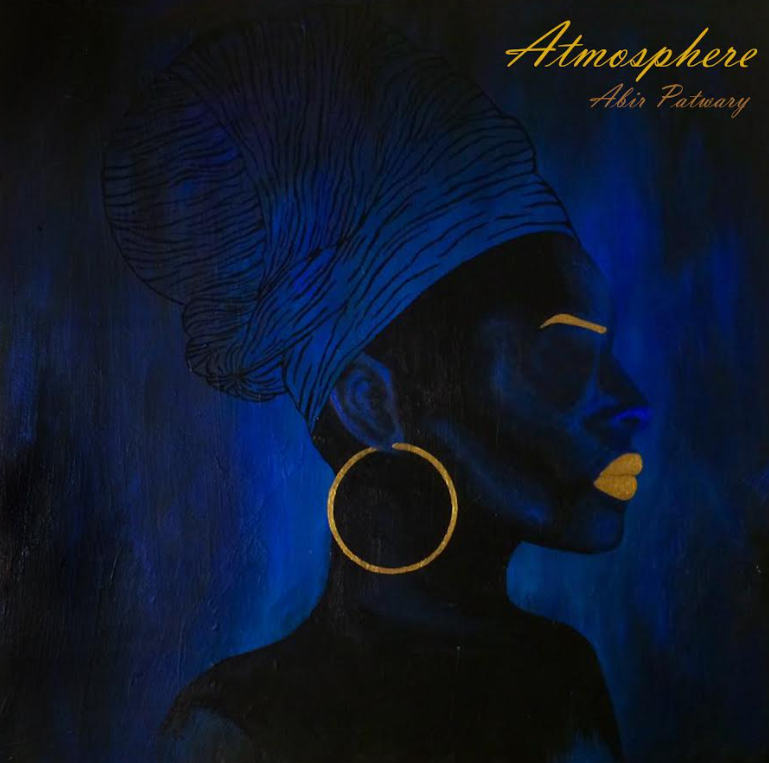
Abir Patwary ‘Atmosphere’
15th October 2021
Regular readers and followers alike will know that the Monolith Cocktail takes pride in showcasing burgeoning new artists. And so with today’s premiere/track-by-track preview we’re delighted to exclusively present the new EP by the Oxford-based Spanish/Bangladeshi singer Abir Patwary, who combines his South Asian and European roots with modern electronic R&B, soul and emotive swelled pop.
With production shared (almost) between the L.A. producer/songwriter Nick Nittoli and the ever reliable Oxford producer/musician Mike Bannard, Patwary’s five-track Atmosphere EP crisscrosses the Atlantic with a sound that’s further expanded by the talents of viola player Joshua Piero, vocalist Mel Austin and rapper André Jahnoi.
Driven by themes of isolation, belonging and connection, Patwary lyrically fluctuates between storytelling and an expressive pull of emotions: “music has been a way for me to express the truest version of myself. I have a deep connection with storytelling, and stories have always made me feel like I belonged and that I wasn’t alone.”
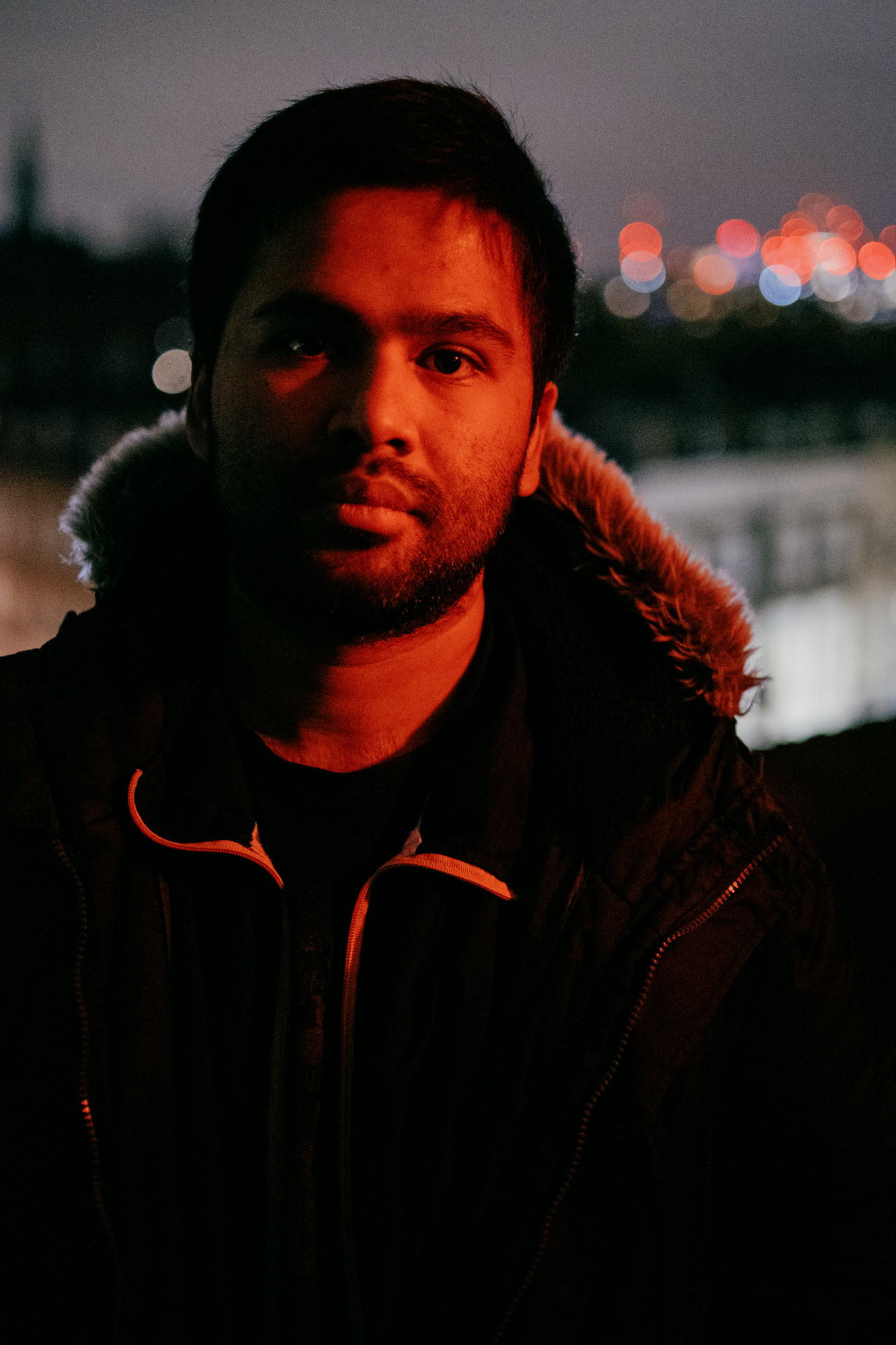
Here’s a track-by-track breakdown of that EP:
‘Never Do’ – Opening with this summer’s single, the slow-paced and purposeful, tune features the soft harmonies of Mel Austin, who shadows Patwary’s “laconic”, slightly warble effected lead. Inspired by the war themed, and revisionist fantasies, of The Man In The High Castle and Broken Sky trilogy, Patwary yearns whilst the music dips and sways.
And exclusive ‘extended’ version, with added Ghost Poet via toasting raga lines from the British/Jamaican artist André Jahnoi, is also included on the EP.
‘Avalon’ – No not a cover of Brian Ferry’s slow dance but a slice of “crisp” brooding R&B with South Asian melodies style single, produced by L.A. producer of note, Nick Nittoli. Lyrically longing for that magical destiny, ‘Avalon’ feature’s the artist’s recurring theme of belonging: finding one’s tribe. It’s also another song that includes Patwary’s storytelling mix of the mythical and earthy.
‘Heir’ showcases Patwary’s love for cinematic and orchestral music, featuring, as it does, the light but emotive chamber pop viola tones of Joshua Piero. Once more imbued with the lyrics of mythology and also referencing the “tribe”, he soulfully aches with a certain defiance over subtle, but deeply felt, electronic beats and a romantic(ish) filmic soundtrack.
‘Mun’: An “arresting song of redemption” that features a zombified metaphor, aimed at all our most cruel, mindless failings, ‘Mun’ incorporates both that cool L.A. vibe of giddy sped up effects, bump and thud bass, and the march of more militaristic drummed snare.
You can now hear the full Atmosphere EP for a limited time before its official release on Friday 15th October below:
Our Daily Bread 472: David Ornette Cherry’s Organic Nation Listening Club (The Continual)
October 4, 2021
ALBUM REVIEW/Dominic Valvona
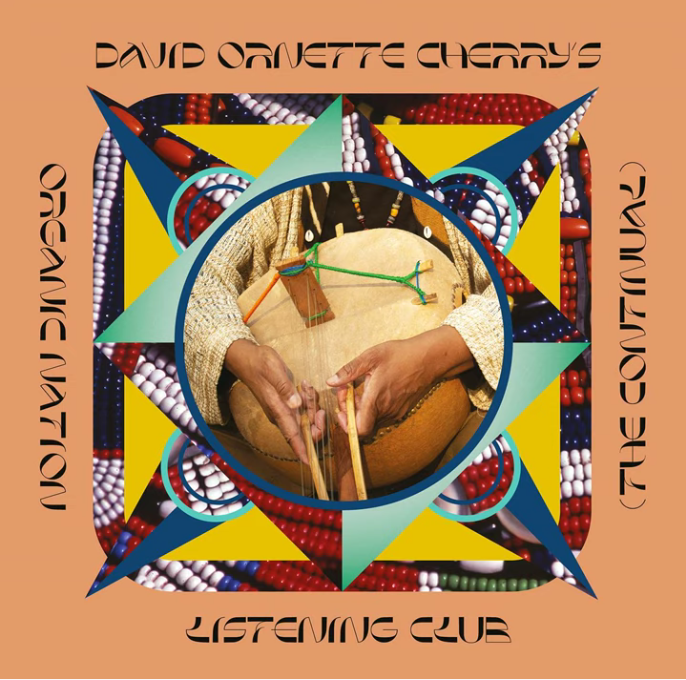
David Ornette Cherry’s Organic Nation Listening Club (The Continual)
(Spiritmuse) 15th October 2021
What providence. What two outstanding luminaries to live up to. David Ornette Cherry’s name marks the extraordinary point in time when his trumpet-pioneering father Don Cherry joined forces with jazz deity Ornette Coleman on the 1958 free jazz defining Something Else!!! LP. It was also the year the musical polymath David was born.
Thankfully taken under his father’s wing, nurtured with the same freewheeling ‘cosmic nomad’ spirit, this sagacious scion of an enviable lineage continues to tread a polygenesis pathway on his latest album of on-message peregrination and rhythmic dances. Attuned to the universal vibrations, channeling the ancients and both his father’s African-American and Choctaw roots, the Organic Nation Listening Club bandleader, prompter and navigator lays out an atavistic form of electronic body movement, echoes of Hassell’s amorphous ‘fourth world’ explorations, the astral and, of course, spiritual jazz on the parenthesis entitled The Continual journey.
David leads a fourteen strong ensemble of global instrument-playing musicians and voices, which includes his niece Tyson McVey (daughter of the no less famous musical sibling, Neneh Cherry) performing vocal soundscape harmonization and wandering siren duties on the diaphanous courtly Indian accompanied, part conscious, part mindfulness yoga session, ‘So & So & So And So’ (imagine Prince joining forces with Linda Sharrock and Brother Ah).
Almost meandering across continents, you’ll hear the resonated echoes, impressions, twine and spindled sounds of North and West Africa, the Asian sub-continent (a lovely brassy reverberation of sitar and the rhythm of tablas can be heard throughout), the Fertile Crescent and an 80s NYC melting pot on this spiritually enlivened trip. The keen-elbowed viola and tapping beat groove ‘Parallel Experience’, with its West African dun dun drum beat suggests that continent’s mood, yet also spreads its scope towards echoes of Farhot’s reimagined breakbeat visions of Afghanistan. The majestic mountain crust positioned ‘Eagle Play’ takes in musical views of not only the recurring spiritual Indian leitmotif but also Anatolia and Harilu Mergia’s Ethiopia (if put together by J Dilla that is).
Elsewhere David and his human, as well as nature’s chorus of ‘hummingbird’ singing cast embody the untethered soul of Don Cherry’s Om Shanti Om and Eternal Now works (and even a touch of the musical microbe calculus of building blocks and life that you’ll find on Don’s collaboration with Terry Riley, Köln). There’s also the fluted presence of Jeremy Steig, and with the more free jazz, almost improvised interactions between David and his drummer John L. Price, electric piano player Naima Karlsson and trumpeter Paul Simms, a touch of Sam Rivers and the Chicago Underground. Meanwhile, in what is an especially expansive field of instrumentation and influence, Gemi Taylor’s guitar straddles krautrock, jazz and drifted cries of a more ambiguous nature.
From the cosmos to the age of the Pharaohs, the garden of earthly delights to dancing through the tumult of our modern times, the rhythms of life merge with more avant-garde performances of serialism, free jazz and even the psychedelic.
All the while the mood is electric, both of the moment and the past; a both sporadic and flowing set of reincarnations existing in a timeless scene under the guidance of an outstanding musical traveller. Anchored in the history of jazz, but so much more beyond that, David lives up to the family name on another eclectic album of borderless healing and wisdom. Be sure to check in at the global retreat and take heed of the advice.
Our Daily Bread 403: Bastien Keb ‘The Killing Of Eugene Peeps’
October 7, 2020
Album Review/Dominic Valvona
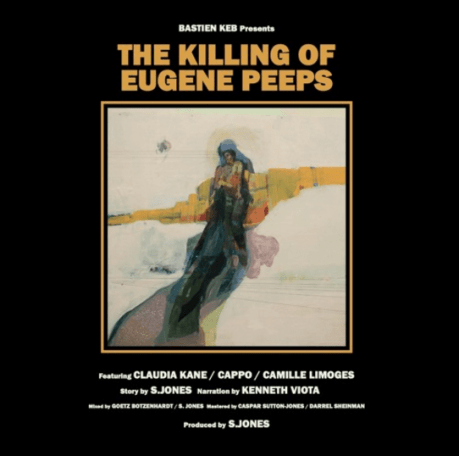
Bastien Keb ‘The Killing Of Eugene Peeps’
(Gearbox Records) 9th October 2020
The soundtrack to an American-noir-meets-Jackie Brown-meets-cross-continental-cult-60s movie that’s playing out in the head of Sebastian Jones, this ambitious suite of partly lulled and narrated cinematics, instrumentals and set pieces is as diaphanous as it is mournful. With a wide lens Jones (under the nom de plume of Bastien Keb) languidly drip feeds his fatigued melancholy, anxieties and deepest thoughts through a sorry tale of death and despair; as unveiled by a gonzo/Burroughs monologue style gumshoe, and sung, cooed by a fragile soul.
An ode we’re told to Italian Gallo paperbacks on screen, crime flicks of many other kinds and French New Wave cinema, The Killing Of Eugene Peeps mixes genres and influences up into a nostalgic opus that also has something to say about the draining mental stresses and indolent fatalism of the modern world too. Jones, using music as some kind of therapeutic outpouring, impressively managed to find the strength and will to create this impressive (if downbeat and aching) album whilst working a hard slog in a warehouse each night: The exhausting effects of which Jones says turned him into a zombie for a year.
The talented multi-instrumentalist, apart from guest spots by Kenneth Viota, Cappo and Camille Imogues, even played, recorded and produced this whole album single-handedly.
A work in three parts (the film score, soundtrack and incidental music), the dead-body-in-the-room Peeps is not so much told as a murder mystery but dissected in the form of soliloquys and resigned derisions on how this sad tragic event unfolded.
There’s plenty of title riffing on those crime flick inspirations, and musically Jones uses a leitmotif of nods to Lalo Schifrin, Issac Hayes, Alessandro Alessandroni and Krzysztof. A recurring San Fran/New York 70s detective movie and TV sound can he heard on the opening ‘Main Title’, which sounds like Hayes conducting an elegiac Corleone death march side-by-side with a New Orleans band, as a proto Tom Waits drawled figure narrates our city skyline information. Yet musically Jones moves on with the very next track, the soulful oozing pained ‘Lucky (Oldest Grave)’, which has an air of both a choral Clouddead (especially Yoni Wolf) and TV On The Radio about it. Sometimes the vocals are double-tracked, with one track being slurred as to sound almost drugged and lethargic. By the time we reach ‘Theme for An Old Man’ the brass and timpani detective noir is mixed seamlessly with jazz, soul and trip-hop (imagine Four Tet playing around with Portishead). And then the dreamy fluty gauze of ‘All That Love In Your Heart’ evokes some kind of 60s Italian or French flashback.
Echoes of dub, vibes, Ethno-jazz, Bernard Estardy, Miklos Roza, James Reese And The Progressions, Curtis Mayfield and hip-hop follow. Deft Nottingham rapper Cappo switches the narrative and sound, letting loose to a zappy 70s cult score with a consciousness left to roam freely flow on the ominous ‘Paprika’. A jazzy vision of Mike Patten and Jean-Claude Vannier’s creative partnership one moment, a wah-wah soul maverick cop score the next, Jones eclectic musicianship produces a modern noir both poignant and clever. All those various strands are pulled together for a sophisticated despair and eulogy, but also curiosity. This is a most beautiful, ambitious if often traumatic inquiry of a fully released drama, a filmic album of great depth and scope that has Jones channel his personal struggles to the soundtrack of poignant drama.
Kalporz X Monolith Cocktail: [Scoutcloud] The outside-the-box funk-soul of Karate Boogaloo
September 9, 2020
New Music Tip
Words: Monica Mazzoli
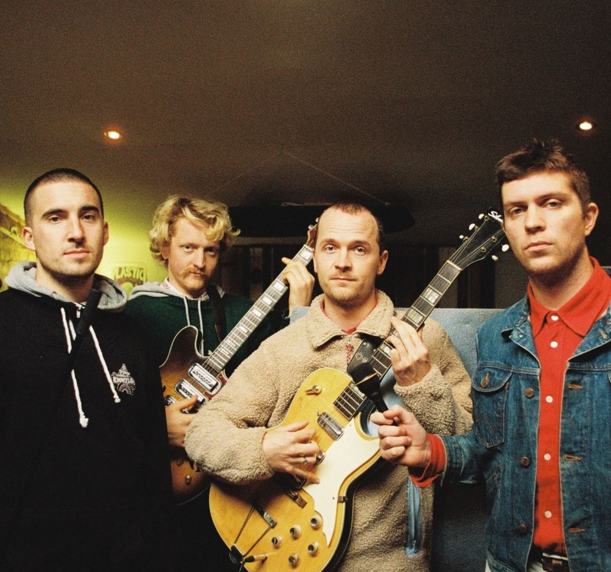
Continuing with our collaboration with the leading Italian music publication Kalporz a short summer break, the Monolith Cocktail will be cosying up and sharing reviews, interviews and other bits from our respective sites each month. Keep an eye out for future ‘synergy’ between our two great houses as we exchange posts.
This month Monica Mazzoli scouts out the Melbourne indie-funk-soul oddities Karate Boogaloo.
It’s “retromania” times: we know that. There are those who, however, in referring back to the past manage not to expire in the most pedantic revival. This is the case of the Melbourne funk-soul scene, which revolves around bands like Surprise Chef, Karate Boogaloo, Pro-Teens and a small totally DIY record label – the College Of Knowledge Records – founded by Lachlan Stuckey and Jethro Curtin (guitarist and keyboardist of Surprise Chef respectively).
The sound is obviously analogue, of course, of tape recordings, but the approach to making music is out of the box: the already mentioned Surprise Chef and Karate Boogaloo – the two bands that are the soul of the label – collaborate, exchange musicians, record tracks in the home studio (even the artwork of the records), do everything by themselves. They have a mentality open to any sound contamination and unconventional writing. In other words, Carn The Boogers – the first Karate Boogaloo album released in May 2020 – comes after two mixtapes (KB’S Mixtape No.1 and KB’S Mixtape No.2) in which the band had fun reinterpreting songs that have been sampled in classic hip hop and pop (to be listened to absolutely “Tour de France”).
On the new album the songs are all autographed, but the wanderer spirit of the groove continues: in the new tracks – all instrumental (as usual) – the band dances like a juggler on rhythm, without ever falling, always on the piece. The five minutes of ‘Space Language’ are perhaps the apotheosis of this musical trip. A funk-soul with surfing in the heart.
Monolith Cocktail Social Playlist #XLVIII: Wanderlea, Cavern of Anti-Matter, Cass McCombs, King Cesar…
August 24, 2020
PLAYLIST/Dominic Valvona
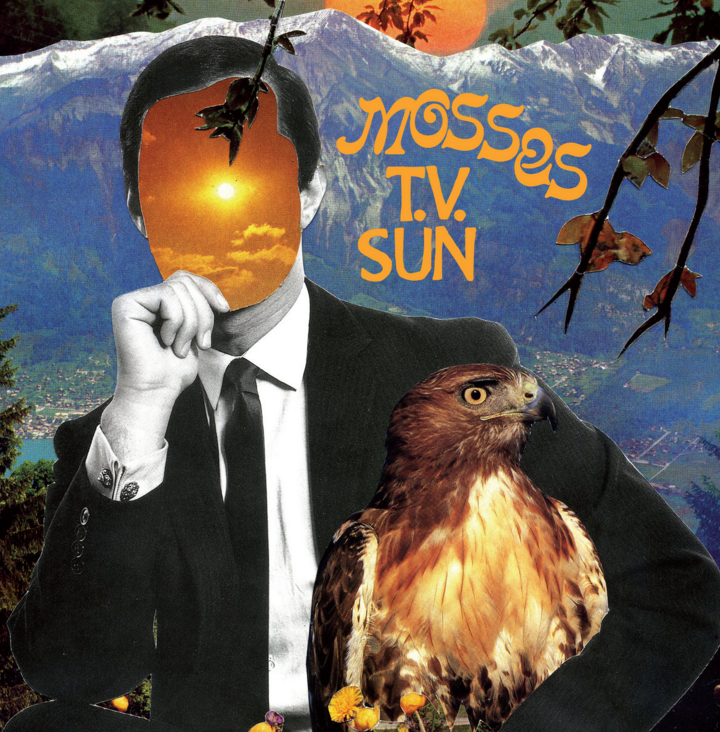
Welcome friends to another one of Dominic Valvona’s eclectic/generational spanning playlists; the Monolith Cocktail’s imaginary radio show. In practice this amounts to Dominic picking whatever he sees fit, including tributes to fallen idols and tracks from recent reissues, even newish releases. Joining him in on this journey, volume XLVIII, are Stained Glass, Jackson Heights, Irish Coffee, Suburban Lawns, William Shatner with Canned Heat, Pekka Pohjola, Mosses, Chiha, Renegade Soundwave, King Cesar, Foetus and 25 other eclectic, cross-border, cross-generational tunes.
Listen how you choose, but each playlist is curated in a special order.
As usual, for those without Spotify (or boycotting it, pissed with it, or whatever) you can find a smattering of videos from the set below the track list.
That full track list:::
Stained Glass ‘Soap And Turkey’
Wanderlea ‘A Terceira Forca’
Jackson Heights ‘Maureen’
The Troll ‘Satin City News’
Irish Coffee ‘Hear Me’
Primevil ‘Hey Lover’
Suburban Lawns ‘Intellectual Rock’
Cold Blood ‘Watch Your Step’
Darrow Fletcher ‘What Is This’
Los Datsuns ‘Ritmo y Movimiento’
William Shatner/Canned Heat ‘Let’s Work Together’
Pekka Pohjola ‘Armoton Idyli – Merciless Idyll’
Franco Battiato ‘Beta’
Cavern Of Anti-Matter ‘High Street Spasm’
Mosses ‘Tall Bearded Iris Speckled’
Ashanti Afrika Jah ‘Ntoboase’
Freedom ‘Cry Baby Cry’
Tucker Zimmerman ‘Left Hand of Moses’
Cass McCombs/Steve Gunn ‘Sweet Lucy’
El Alamo ‘I Cry’
Dana Gavanski ‘Catch’
Doug Firebaugh ‘Only A Dancer’s Dream’
Kikagaku Moyo ‘Ouchi Time’
Chiha ‘Healing’
Renegade Soundwave ‘Probably A Robbery’
Bacao Rhythm & Steel Band ‘My Jamaican Dub’
The Natural Four ‘This Is What’s Happening Now’
Lee Stone ‘What Is Life’
Dan Penn ‘If Love Was Money’
The Goats ‘Do The Digs Dug (Todd Terry Remix)’
Dream Warriors ‘Are We There Yet – Medley’
King Cesar ‘Bloody Knuckles’
Foetus ‘Calamity Crush’
Pigmaliao ‘Banzo de Muri’
The Devil’s Anvil ‘Besaha’
The Ousmane Kouyate Band ‘Miriya’
Video Selections::::
Hi, my name is Dominic Valvona and I’m the Founder of the music/culture blog monolithcocktail.com For the last ten years I’ve featured and supported music, musicians and labels we love across genres from around the world that we think you’ll want to know about. No content on the site is paid for or sponsored and we only feature artists we have genuine respect for /love. If you enjoy our reviews (and we often write long, thoughtful ones), found a new artist you admire or if we have featured you or artists you represent and would like to buy us a coffee at https://ko-fi.com/monolithcocktail to say cheers for spreading the word, then that would be much appreciated.
 Monolith Cocktail Blog