Our Daily Bread 488: Acid Mother Reynols ‘Volume 2’
January 24, 2022
ALBUM REVIEW/Dominic Valvona
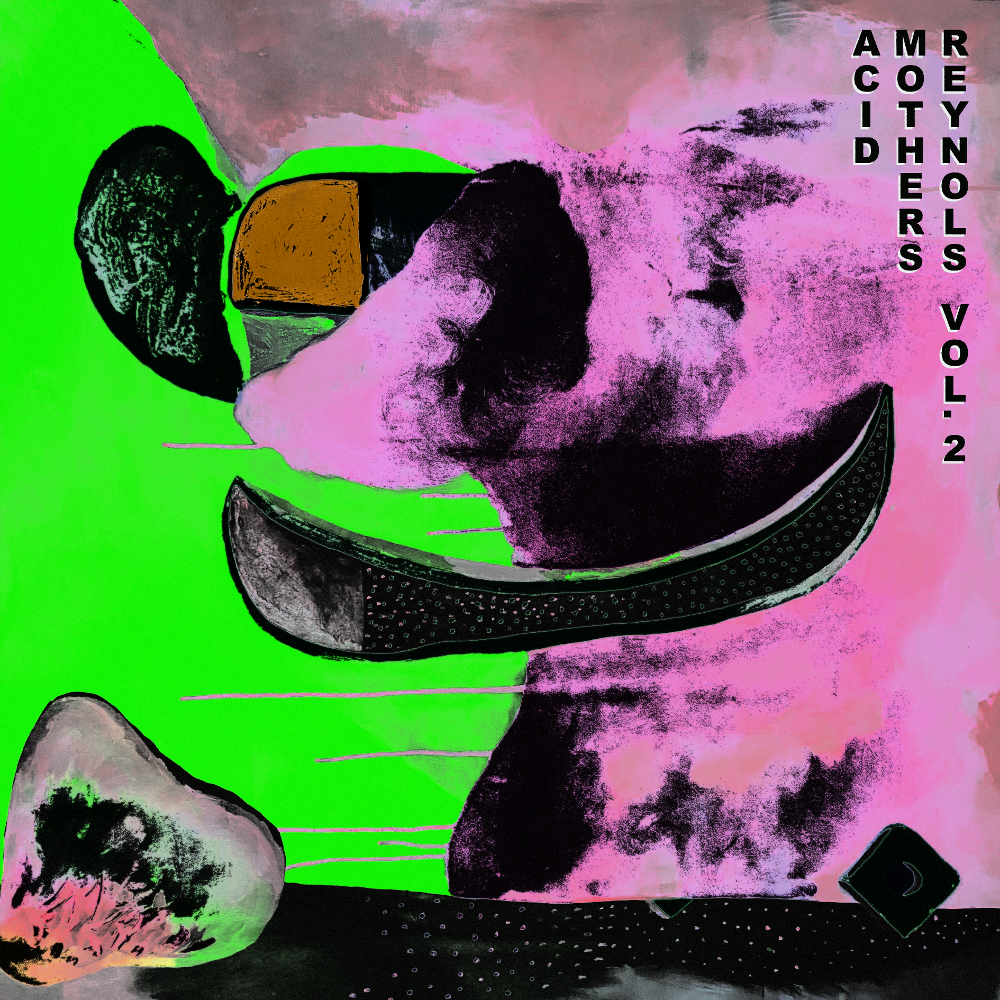
Acid Mothers Reynols ‘Vol. 2’
(Hive mind Records) 27th January 2022
Interstellar overdrive time once more as the long-standing Krautrock replicants, torchbearers Acid Mothers Temple join forces with the Argentine avant-garde rock leftfielders the Reynols for a second volume of mushroom incantation space, acid-rock psych and outer limits tripping.
The constantly regenerative Acid Mothers collective, who’s only mainstays, guides are the founding members Kawabata Makoto and Higashi Hiroshi (though it should be noted that one-time Boredoms founding guitarist, the Japanese legend and serial Acid Mothers offender Tabata Mitsuru appears on this invocation of the group), embarked on an extensive tour of the South American continent back in 2017. It was during this sojourn, a year before the Mothers 2018 Reverse Of Rebirth personnel change, that the collective also took time out to record and play shows with the Reynols, whose own haywire provenance dates back decades, with the group formulating their outsider credentials from the outset in 1993; dropping the original ‘Ensemble’ from their name three years later.
The fruits of this kool-aid venture fill up another record of enlivened experimenting, both groups coalescing into what sounds like a barely contained freak-out on untethered lunar surfaces of blancmange: an improvised communion in the light of a melted moonbeam primal soup.
Acid Mothers Temple fans won’t be surprised to hear that their contributions sound like the creeping stirrings of Phallus Dei era Amon Düül II, a bit of Guru Guru (who they have of course collaborated with in the past), the Cosmic Couriers, Xhol Caravan and Ash Ra Tempel. Meanwhile the Reynols loudest, most obvious contribution comes from Miguel Tomasín’s erratic and excitable, hard-hitting piano improvs. Sharing room on the piano stool with Anton Webren, György Liget, Cage. Mike Garson and Oscar Peterson, the free-range pianist goes to work in conjuring up the avant-garde, Fluxus and crashing chords show time Brecht on Broadway. This is all in contrast to the gravity-less atmospherics, more comfortable rhythm section and mumbo-jumbo mantra vocals on the second jam, ‘Antimatter-Sound Milkshake’ – I’ll order just the one of those please. Chaos is somehow kept together: although the drums occasionally seem to slip timings and lose the feel, preempting where this 18-legged beast is going.
Speedball rushes and highs are the order of the day as whistling shooting stars cross the astral charts and warped guitars provide a shifting mood of cosmic cowboy blues, space bird rock, post-punk, heavy meta(l) and of course Krautrock magnificence.
The Acid Mothers, more than willing to open up the sound and mind to let in this Argentine chapter of the universal acid avant-garde lodge to feast on the cosmic soup, trade blows with the Reynols who offer up piano mayhem, transmogrified flute and obscure sounds to an already fuzzed and gnarled hallucination.
The good folk at Hive Mind (yet to release anything that’s not essential in my opinion) have guided this one to vinyl. So, do yourselves a favour and add it to the psychedelic mind melt section of your collection.
From The Archives:
Acid Mothers Temple & The Melting Paraiso U.F.O. Ft. Geoff Leigh ‘Chosen Star Child’s Confession’ (2020)
Acid Mothers Temple & The Melting Paraiso U.F.O. ‘Reverse Of Rebirth In Universe’ (2018)
Acid Mothers Temple & The Melting Paraiso U.F.O. ‘In C’ & ‘La Novia’. (2018)
In these troubled times, with so much stacked against independent, unsponsored voices, you can help us to continue probing and delivering great new music:
Hi, my name is Dominic Valvona and I’m the Founder of the music/culture blog monolithcocktail.com For the last ten years I’ve featured and supported music, musicians and labels we love across genres from around the world that we think you’ll want to know about. No content on the site is paid for or sponsored and we only feature artists we have genuine respect for /love. If you enjoy our reviews (and we often write long, thoughtful ones), found a new artist you admire or if we have featured you or artists you represent and would like to buy us a coffee at https://ko-fi.com/monolithcocktail to say cheers for spreading the word, then that would be much appreciated.
REVIEWS ROUNDUP/Dominic Valvona
Longplayers/Extended
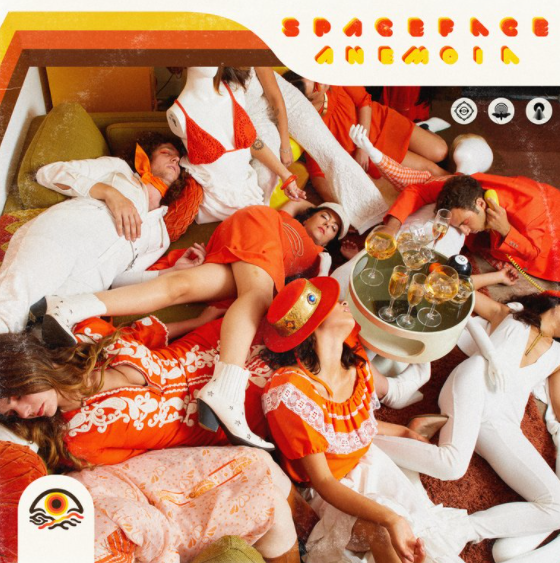
Spaceface ‘Anemoia’
(Mothland) 28th January 2022
Ushered in with a cosmic and exotic air flight announcement the latest disarming psychedelic pop trip from Spaceface brings the slick funk and disco party vibe to the stiff shirted cosmological experiments carried out at the CERN institute. With a vibrant sparkle and rainbow candy élan, the ever-shifting moon unit of past and present members from Flaming Lips and Pierced merge science-fact with groovy sunshine grooves on a smoothly universal album of goodwill.
Written before the pandemic at the Blackwatch Studios with producer Jarod Evans in the hot seat, Anemoia is a cocktail of good times rolled out to a soundtrack that at various points evokes MGMT, Swim Mountain, Tame Impala, the Unknown Mortal Orchestra, Sam Flex and International Pony. The halcyon funk wooed and Labrys guest spot ‘Long Time’ even comes with it’s own cocktail recipe and instructions (1oz each of Bourbon, Vermouth and Lynas, served with orange peel and on the rocks).
Guests appear in various guises throughout, from the brilliant Meggie Lennon (who recently appeared in our choice albums of the year lists) to Mikaela Davis and the sampled effects of the CERN’s scientist choir! Spaceface seem to be reaching beyond the usual themes of pop to metaphysical explorations and a sense of understanding the mind boggling theories of particle physics. It’s also seemingly all connected to the very on trend subject of identity and place in an increasingly dysfunctional uncertain world. Fear not as these concerns all melt away in a soulfully and bubbly millennial soundtrack of the cute, hippie and galactic; a plane of psychedelic pop and yacht rock funk pitched somewhere between a yoga retreat and cult space tour.
Roedelius & Story ‘4 Hands’
(Erased Tapes) 28th January 2021
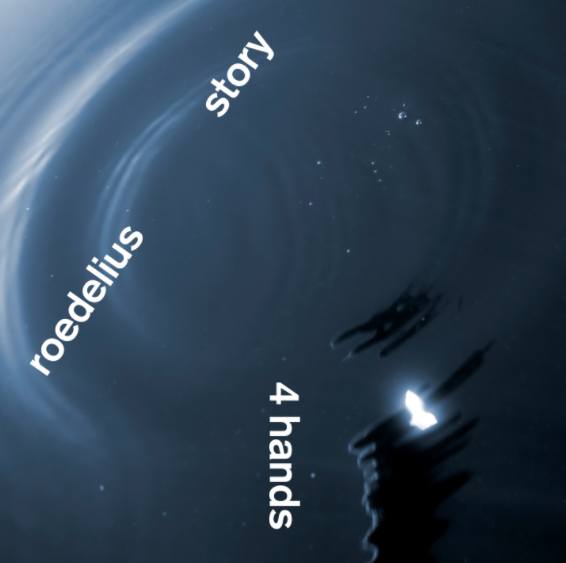
Incredibly now well into his eighties the kosmische and neoclassical pioneer Hans-Joachim Roedelius is still exploring, still intrigued and still, if peaceably, pushing the perimeters of his signature forms on the piano. When not collaborating under the Qluster umbrella (just the most recent three decades adoption of the original Kluster/Cluster arc) or flying solo across the keyboard, Roedelius carefully picks projects that offer stimulus or purpose.
In this instance the self-taught composer once again crosses reflective and experimental paths with the Grammy-nominated American composer and friend Tim Story; the fifth such exercise of its kind with Story since their 2003 album Lunz.
4 Hands proves better than two, with Roedelius laying down patient, fluttered and singular noted “etudes” for Story to harmoniously refine and swell, or, to add sophisticated congruous layers until both performers phrases and playing styles become so entwined as to prove impossible to separate. Hopefully as Story comments in the notes: ‘Because it was all recorded on the same piano, the result has a very appealing consistency of sound, and hopefully blurs our individual contributions into a single integrated voice.’ I’d say they succeeded with this interplay and balance of disciplines, which at times conjures up Chopin’s no.6 etude being transformed by Cage.
This transatlantic exchange between North American and European contemporary classical movements features compositions that seem to measure time and make allusions to various instructive linguistic phrases (the relatively immediate ebb and flow opener ‘Nurzu’ derives from the German encouragement to “go ahead and do it”) and a sense of place, mood. Tellingly the resonating serial 1920s suggestive ‘Haru’ is dedicated to the late great avant-garde composer and poet Harold Budd, who just before his death in December 2020 was played this timeless peregrination.
A forty-year friendship imbues every touch and even the spaces in-between each wave, trickle, glide and tingled gesture. The very workings of this shared instrument, the pins and softened hammers are transformed into spiralled tines and fanned percussive like rhythms – sometimes evoking the Far East. A mix of improvised contours, considered tensions and nodes crisscross and flow together in a complementary fashion throughout this album of entwined synchronicity, as both artist’s read each other’s thoughts with understated adroit perfection.
From The Archive:
Hans-Joachim Roedelius Interview
‘Selbstporträt Wahre Liebe’ Review
Qluster ‘Elemente’ Review
Cluster ‘1971 – 1981’ Review
Cephas Teom ‘Automata’
(METR Music) 28th January 2021
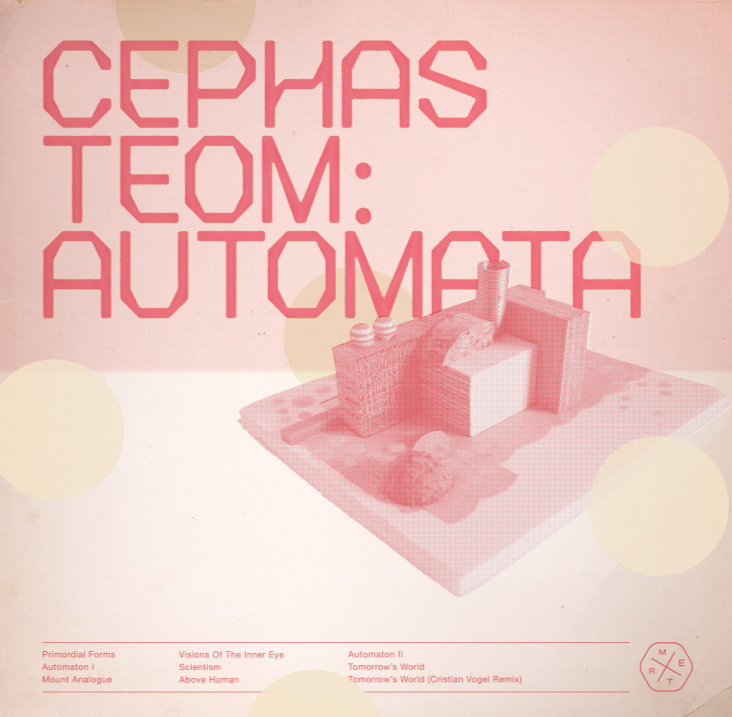
Less Kraftwerk’s “pocket calculator” and more vintage 1980s Japanese Casio digital watch, the debut album from Cephas Teom (the atavistic etymological alias of the West Country musician and producer Pete Thomas) swims and Tokyo drifts in a solution of nostalgic Far Eastern tech. From Japanese sound gardens to retro video arcades and driving across once promising neon lit city highways of the future, Thomas evokes touches of the Yellow Magic Orchestra, Sakamoto, Yukihiro Takahashi and House Of Tapes as he ponders the quandaries of an ever encroaching technology and the wonders of A.I.
Featuring the Monolith Cocktail premiered vaporwave single ‘Tomorrow’s World’ (aired back in November of last year), Automata weaves broadcasts of figures such as Jung and the coiner of ‘cymatics’ Hans Jenny with the fatalistic voices of those drawn to extraterrestrial savior cults (such as the mass suicidal Heaven’s Gate) to present a scientific-philosophical soundtrack of both unease and nostalgia: that’s nostalgia for a society not yet disenchanted with the promises of a brighter hi-tech, computerized utopia.
Skilfully constructed Thomas emulates both the handcrafted mechanisms of Jaquet-Droz automation curiosities from another age and the dreamy airs of a dawning integrated A.I. future. It begins however with the projector-clicked lecture come chimed baubles, zappy squiggled, deep bass throbbing Japanese Zen water feature ‘Primordial Forms’, before winding up with the clicks and movements of a Sakamoto twinkled mechanized but enchanting melodic ‘Automation I’. By comparison ‘Automation II’ sees nature’s son in more pastoral surroundings, still in that contemplative garden, serenaded by classical-like drops of piano and wind chime percussion. Oh the force of the electronic Orient is strong with this one, incorporating everything from subtle hints of bamboo music, a very removed bobble of gamelan and J-pop with intricate layering of Autechre wiring, lo fi 8-bit gaming and bit-crushed effects. Surprisingly Thomas takes a kind of liquid jazz-fusion turn on the psychedelic therapy mindbender ‘Above Human’.
Solar winds blow across a circuit board tundra as Tron-like glowed vehicles cruise to the sounds of acid, techno, Manga, Namco and Sega soundtracks, veiled augurs, virtual paradises and various 80s warbles, variants and equations. A wonderful world in which to contemplate all those delusions of an automated miracle – a world in which Eagle comic’s, the BBC’s long running Tomorrow’s World programme and Silicon Valley optimistically painted as a blissful, harmonious, work-free utopia, Automata explores the networks, nodes and grids of electronic music to navigate a tricky complicated philosophical debate.
From The Archive:
Cephas Teom ‘Feet Of Clay’ Premiere
Cephas Teom ‘Tomorrow’s World’ Premiere
Mondoriviera ‘Nòtt Lönga’
(Artetetra) Available Now

You know you’re getting old when today’s young musicians consider your formative years, back in the 80s, as “nostalgic”. And so it is with Mondoriviera’s recent envisioned ‘fragmented bedtime story’ meets ‘interactive’ supernatural styled soundtrack; one of the last releases of 2021 from the insane, discombobulating ‘mondo bizzaro manufacturer’ Artetetra platform.
For this is a 80s VHS graded score of Italian folk-horror and dream-reality wrapped up in an 8-bit fantasy of crushed Super Mario Bros. platform hopping, early Warp label Aphex Twin, Darrel Fritton and Speedy J, and the combined soundtrack and gaming elements of Takafumi Fujisawas, Akira Yamaoka and Andrew Barnabas.
Unless you read all the accompanying notes you’ll miss the psychogeography apsects of this score: the mysterious cloaked figure behind this glassy spherical mirage and Elm Street dream warrior spooked world invokes the arcane, one time seat of the Western Roman Empire and Byzantine jewel, Ravenna. Quite the historical stargate with its continuous pre-Middle Ages upheavals, reputation as an early centre of Christianity, glorious architecture and mosaics it’s the city’s darker corners, the abattoir and sinister that seeps into Nòtt Lönga’s soundscape.
Strange, eerie in places, this alternative plane of retro arppegiator and algorithms and virtual reality is a nocturnal spell caught drifting and gliding between ominous fairytales and the paranormal: even alien. A disturbed 80s-style electronic hall of mirrors that draws you in with the promise of languid floating, the synthesised melodies softly come in waves before glitching like the glass screen façade of some simulation engineered by a higher intelligence from another dimension. Mondoriviera dares the listener to dream in a soundtrack theatre of his cult imagination.
Sven Helbig ‘Skills’
(Modern Recordings) 4th February 2022
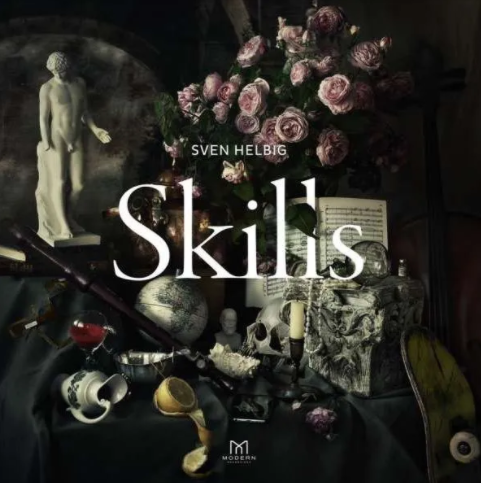
The versatile (from working with such diverse acts as Rammstein to the Pet Shop Boys) East German composer-producer Sven Helbig conducts an incredible suffusion of colliery meets a minimalistic Sibelius brass on his first statement of 2022. The craftsman’s/artisan’s struggles, ‘despair’ and creative processes go through ten stages of varying reflective and plaintive stirring driven drama on an album that draws together the classical and contemporary to create an almost timeless spell.
As timeless that is as the symbolic ‘vanitas’ still life tableaus of the Dutch master Harmen Steenwijck in the 17th century; Helbig’s own modernist take on that tradition of painting places a skateboard and mobile phone next to a mortality loaded allegorical skull: the inevitable death of everything, but in this case, a symbol for the dying art of a craft and ‘skills’. As one tradition perishes another is born so to speak. But this leitmotif runs deep, right back to a pre-unified Germany, when ‘diy culture’ and craftsmanship were a necessity to those unable to afford, or even have any of the luxuries enjoyed in the West. And so Skills is a sostenuto concentrated homage to that tradition, yet also a mood board reification of the passing of time itself: the time between toil and inspiration. In a kind of Lutheran atmosphere of earnest labour, with compositions that can evoke a candlelit garret or bleak workshop in Worms, Helbig’s brass ensemble and string quartet conjure up a most beautiful gravitas that can harmoniously set hardship with the near ethereal.
Straddling the neoclassical, operatic and cinematic there’s even room for the coarser, scrunched synthesized concrete textures and pulsations of the Chicago-based musician Surachai on the album’s sober but stunning unfolding ‘Repetition’ suite.
Tunnels of daylight fall upon mechanisms and cogs as they come to life in atmospheric settings. Baubles and floating dust particles tinkle and slowly cascade gently whilst both longer and shortened strings build the tension and a French horn sounds a low, almost misty-eyed, romantic note. Luminous and dreamy on the starry ‘Vision’, and evoking the avant-garde and a touch of Kriedler on the workbench clockwork diorama ‘Flow’, the Skills album is a measured, aching and brooding work of art; a moving testament to the élan and craft of an impressive composer who’s classical roots transcend the genre.
War Women Of Kosovo ‘A Lifetime Isn’t Enough’
4th February 2022

Never ones to shy away from the harrowing atrocities committed on communities across the world, the partnership of Grammy-winning producer & author Ian Brennan and Italian-Rwandan photographer & filmmaker Marilena Umuhoza Delli have continued to stripe away all artifice and sentimentality from those victim’s stories; recording for posterity some of the most vulnerable accounts of genocide, prejudice and sexual violence in countries such as Rwanda, South Sudan, Comoros, Vietnam, Ghana and Romania. Brennan’s no fuss, in-situ style of recording has brought us unflinching accounts: the onus being on under-represented women, the elderly, and persecuted groups within under-represented populations, languages, and regions.
No less candid in this regard, the partnership’s latest collection features those nameless victims of the horrific Balkan wars of the 1990s; namely the Kosovan community of women and children raped by the aggressors as both an act of subjection, revenge, and as part of a sanctioned campaign of terror and erasure of the region’s Muslim population. Far too complicated and beyond my grasp of history to recount here, the Balkans blew up into an inter-fractional, racial, religious conflict between neighbours once kept together under the iron fist of Tito in the Slavic block of Yugoslavia, and before that, the Ottoman Empire. Once that towering force died, and with the deterioration of Soviet Russia, the region was broken up and plunged into chaos, war. On the doorstep of a practically useless EU, and with little appetite to get involved the escalation of atrocities eventually spurred the UN and NATO into action, with one of the consequences being the formulation of a separate majority Muslim state, the Republic of Kosovo – formerly part of Serbia that was until the late 80s a semi-autonomous state within that country. Admittedly this is a very glib account of events during that decade – I would recommend for further reading trying out Misha Glenny’s Balkans tome.
In what is a subject very close to both Marilena and Ian’s hearts – her only two living Rwandan relatives were born of genocidal rape, whilst Ian’s life was irreversibly impacted by the sexual assault and near murder of a loved one – the voices of Kosovo’s rape victims are given a platform in what amounts to a healing process. The trauma weighs heavy for sure, undulated as it is with the minimalistic, earthy scene-setting sounds of bells, a thrum of lamented, grieving voices, rustic scraps and some obscure stringed instruments – though there’s also some kind of odd keyboard too and a chorus of traumatic sounds that threaten to engulf the listener at one point. The record even comes with a ‘trigger warning’ (just look at the titles); the language and sentiment of those courageous survivors impossible to not take in.
Not the easiest of experiences, but then how could it (and why should it) be. We need such projects to jilt us out of our obsessive virtual realities and comfort zones; to be reminded that in many of the people who will read this review’s lifetime such post-WWII atrocities were carried out in a closeted Europe. As much a piece of activism as a sonic and vocal reminder, A Lifetime Isn’t Enough is an essential plaintive cry from a recent past that needs addressing; the consequences of which are felt every day by the women taking part, to them though this isn’t history or a footnote but an ongoing collective trauma.
From The Archives:
Witch Camp (Ghana): ‘I’ve Forgotten Who I Used To Be’.
Sheltered Workshop Singers ‘Who You Calling Slow?’
Tanzania Albinism Collective ‘White African Power’
The Ian Brennan Interview.
Letters From Mouse ‘Tarbolton Bachelors Club’
(Subexotic Records) 28th January 2022

You can forgive most Scots for the dewy-eyed worship of the unofficial national bard, Robert Burns. After all, every tartan decorated rousing of nationalism, and every lowland toiled symbolic feature of Scotland is run through with the verses of the 18th century poet/lyricist. There’s even a secondary-like New Year type holiday in his name, celebrated up here in Scotland – Burns Night on January 25th.
All roads, threads and references certainly lead back to Burns on Steven Anderson’s latest typographic contoured and fantasised album, the Tarbolton Bachelors Club. The follow-up to his previous window view An Gàrradh album, released under the Burns inspired Letters From Mouse alias, could be described as a psychogeography that takes in prominent locations, the spaces and essence of the venerated subject without all the bagpipes and kilt adorned folklore. Instead, Anderson weaves a captivating, thoughtful ambient, trance and ambiguous electronic soundtrack, both dreamy and with a touch of gravitas: Not so Scottish, glinting and fanned radiant spokes are spindled with an air of the Far East – like a pastoral mirage Masami Tsuchiya – on the opening track ‘Elizabeth’.
Traces of Burns history, brought into our world through a portal, are suffused with a touch of mystery but also beauty: none more so, again, than on that opening softly majestic sentiment to Burns daughter ‘Bess’, the first illegitimate child he had after an affair with his family’s servant girl Elizabeth Paton. Bess appears most notably immortalized in her father’s famous poem, Love-Begotten Daughter as “Lily Bonie”, a line used later on as a track title.
The album title is itself a reference to Burns quasi-masonic gentlemen’s club; a haven for debate and discussion on all the hot topics of the day. There was even a token produced to commemorate this infamous lodge, as alluded to by Anderson on the golden breathed ‘Tarbolton Penny’. Tarbolton for those unfamiliar with the great bard’s locality is a village in South Ayrshire, a county in which the romanticist was born and spent much of his life roaming.
Of course, you can’t construct such an escapist soundtrack without featuring some of Burns actual words; ghostly emerging as they do from the esoteric folk wafts of ‘South Church Beastie’, a past reminder of Burns adoration and forewarning idealised social covenant with nature and classless egalitarianism. Almost in its full version, ‘A Man’s A Man For A’ That’ – a scornful in places stab at those unwilling to rock the boat, carrying on with bowing their heads and doffing caps to their pay masters, although he was one of them himself, the poetic farmer, landowner – is read out to the Eno-esque synthesised curtain call of the same name.
Echoes of Artificial Intelligence Warp, Charles Vaughen, Tangerine Dream, Bradbury Poly and Library music permeate a chimed soundtrack of map coordinates, scenes viewed from propeller powered aircraft, vacuums and walks as Anderson offers a semi-Baroque meets late 20th century abstract vision of a thoughtful, magical sonic historiography. Anderson proves that the ghosts of that period still have much to share; a resonating voice brought back from the enlightenment with an evocative soundtrack to match.
Compilations…
Various ‘Mainstream Funk’
(WEWANTSOUNDS) 28th January 2022

The specialist rare finds and vinyl reissue label WEWANTSOUNDS first release of 2022 is another dip into the vaults of the, crate-digger’s and breakbeat connoisseur’s favourite, Mainstream label.
Bob Shad’s original “broad church” imprint grew out of an already 30 year spanning career when it took shape in the 1960s; a showcase for prestigious artists, session players and Blue Note luminaries chancing their arm it the bandleader or solo spotlight. A musical journeyman himself, Shad (whittled down from Abraham Shadrinsky) began his producer’s apprenticeship at the iconic Savoy label, then moved to National Records before taking up an A&R role at Mercury, where he launched his own, first, label EmArcy. It was during this time that Shad would produce records for the venerated, celebrated jazz singer deity Sarah Vaughan, the Clifford Brown & Max Roach Quintet, Dinah Washington and The Big Brother Holding Company.
As a testament to his craft, Vaughan would go on to record eight albums on Shad’s Mainstream label, the next chapter, leap in a career that traversed five decades of jazz, soul, blues, R&B, rock, psych and of course funk. Mainstream’s duality mixed reissues (from such iconic gods of the jazz form as Dizzy Gillespie) with new recordings; with its golden era arguably the five-year epoch chronicled in this latest compilation. From the first half of the 1970s, WEWANTSOUNDS has picked out twelve nuggets of varying quality, starting with Vaughan who leads the pack with a classy, showy jazz-soul cover of one of Marvin Gaye’s career-defining classics, the downtown social commentary ‘Inner City Blues’. Oozing sophistication amongst a soft tangle of horns and funky licks, the rightly venerated jazz soulstress barely breaks a sweat. Following that icon is the “underrated” alto/tenor saxophonist Buddy Terry with the ten-minute plus jazz-funk exotic peregrination turn workout ‘Quiet Afternoon’, which proves anything but a gentle meander in the park. Probably of note for the appearance of Stanley Clarke, this burnished sun-lit turn changes signatures from the relaxed to a “pure” dynamic free fall of free bird flighty flutes, screaming horns and infused exotic jazz-fusions. An epic of the form this should prompt further investigation of Terry’s small back catalogue – that’s two albums for Mainstream, and not much else.
Many will recognize such names as Blue Mitchell, the former trumpet-player who honed his craft as a member of Horace Silver’s famed Quartet. Already a Blue Note alumni, Mitchell joined the Mainstream label in 1971, going on to record six albums for Shad’s eclectic imprint. On this compilation, taken from his 1973 Tango=Blues LP, is the sassy, San Fran TV detective soundtrack and funk version of Gato Barbieri’s sensual score for the controversial ‘butter wouldn’t melt’ Last Tango In Paris movie. With a dash of Mayfield, some gentle whacker-whacker guitar funk chops and lilt of South America, Mitchell turns a blue movie into the blues. Another former Blue Note acolyte, hard-bop and post-bop pianist LaMont Johnson, who worked with both Jackie McLean and science-fiction jazz progenitor Ornate Coleman, showcases a bit of “state-of-the-art-tech” on his kooky bendy futuristic ‘M-Bassa’ – taken from the 1972 album Sun, Moon And Stars. The rudimental phaser effects of the Yamaha EX42 analog synth augment quickening gabbles up the fretboard and echoes of spiritual jazz.
Moving on there’s a smooth, heartening and snuggled version of the rainbow nation Sly And The Family Stone’s ‘Family Affair’ by the saxophonist and flute prodigy (already able and serving his apprenticeship at the age of 13 in the Baltimore Municipal Band) Dave Hubbard; the original Muscle Shoals lit funky ‘Super Duper Love’ 45” – picked up by Joss Stone a generation later – by the sexed-up Willie ‘Sugar Baby’ Garner; the ridiculous salacious Zodiac chat-up soul-funk ‘Betcha Can’t Guess My Sign’ number (complete with Alvin the chipmonk helium backing vocals) by Prophecy; and a slick rattled percussive jazzy R&B pleaser from the saxophonist Pete Yellin entitled ‘It’s The Right Thing’.
A smattering of sampler’s delights, relatively obscure examples of jazz-funk fusions and more famous classics, Mainstream Funk is a classy and decent compilation to kick off the New Year with.
Various ‘Excuse The Mess Volumes 1 + 2’
(Hidden Notes) 4th February 2022
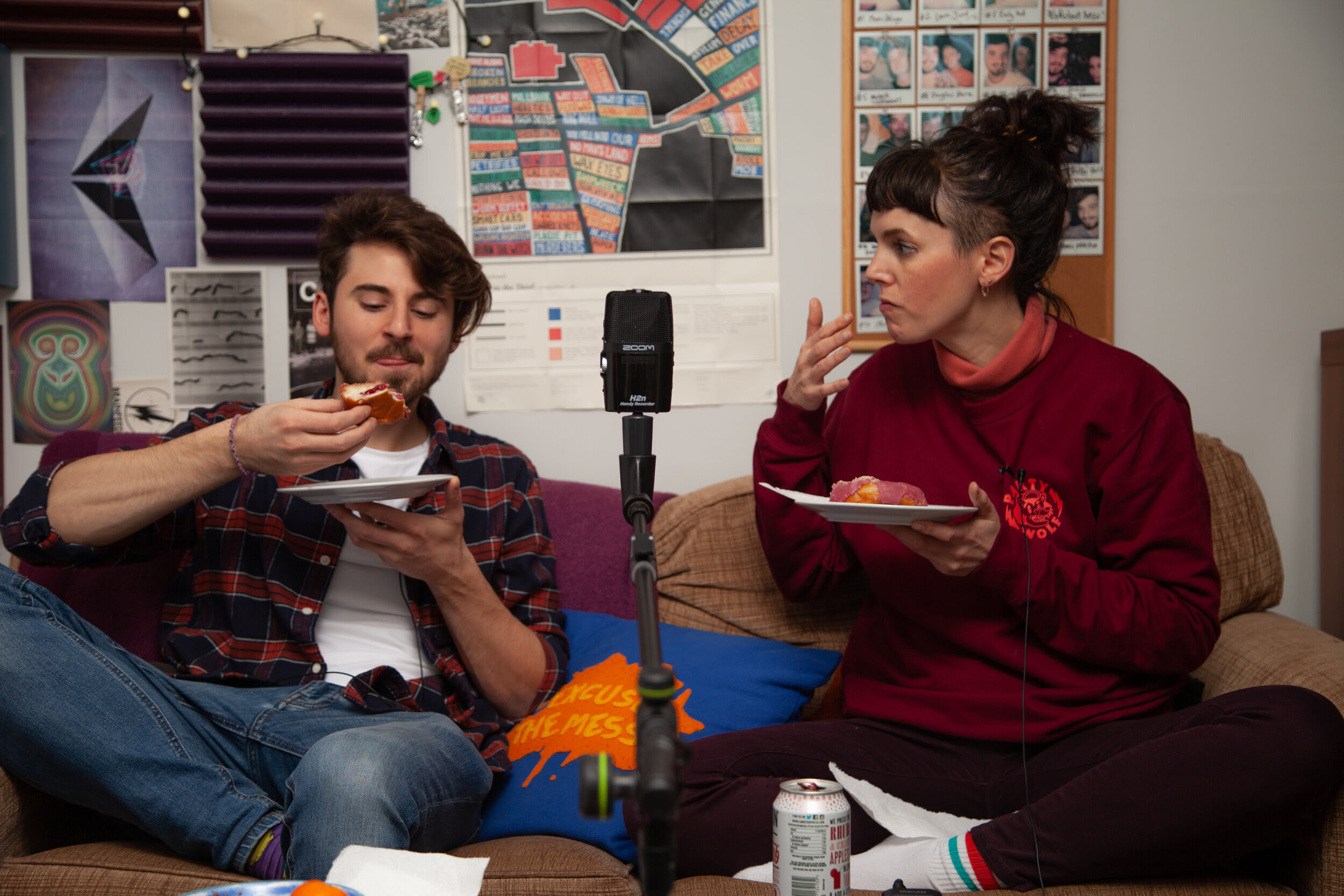
Across two albums of extemporized in-situ performances the great and adroit of UK-based contemporary classical and electronica experimentalism conjure up an imaginative mood board of compositions within the set perimeters of the Excuse The Mess podcast challenge. Invited for a chat in the personable surroundings of the titular space, each interview subject was asked to abide by the rules in creating a special something with the host, Ben Corrigan.
Created in that location, in that time there could be no pre-planning, no added electronic manipulations; each artist was allowed to only use a single instrument. Many of those taking part choose to use their signature instrument, others more obscured props; the most bizarre being the transmogrified ‘ice rink’ field-recorded ice-skating samples (figure-of-eight slushes and sliced ice-skate scrapes transduced into an abstract subterrain) used by the South African born multidisciplinary Warp label artist Mira Calix, and the tub patted oscillating and soft emerging techno rhythmic ‘pesto jar’ that MBE (no less) gonged electronic-acoustic composer Anna Meredith puts to good sonic use on Volume 2 closer ‘Oopsloops’.
More fathomable instruments can be detected however; for example, the renowned hand/steel pan and saucer shaped ‘hang’ player Manu Delago kicks things off by spreading his tapping fingers across his resonating percussive specialty to traverse an ambiguous cosmic atmosphere on the near-sublime ‘Collider’. Following in that peregrination’s wake is Dinosaur jazz quartet stalwart and acclaimed multifaceted composer-improviser Laura Jurd’s trumpeted ‘Copper Cult’ – a changeable vapour and march of soundtrack Miles Davis, Don Cherry and Yazz Ahmed.
In turn, the esteemed composer (pieces performed by the London Symphonic Orchestra and London Sinfonietta) Emily Hall tunes an electronic magnetic harp to ethereal heights; singer-songwriter and Erased Tape regular Douglas Dare, with just the use of his layered uttered, whispered a cappella vocals, magic’s up a dark romantic plead; and the Emmy-nominated composer and BBC 3 broadcaster Hannah Peel builds towards a shuttered clapboard rhythm and chorister-like wafted divine pirouette with just the use of a music box. Other notable inclusions (though every piece is stirring and intriguing in its own right) that piqued my attention were the fizzed and caustic frayed and slow-drawn violin evocations of the Kazakh-Brit improviser-collaborator-leader of the London Contemporary Orchestra Galya Bisengalieva – who seems to evoke Sunn O))), only with just a violin -, and the Canadian-born composer (scoring The Imposter) Anne Nikitan imagines an 8-bit Castlevania as transformed by µ-Ziq, funnelled into an early mute label version of ‘Da Da Da’.
A wealth of talent from the arts, theatre, classical and film score arenas appear on both volumes of this musical challenge: proving if anything, just how lucky the UK is to have so much talent working on its doorstep. The restrictions don’t seem to have narrowed either the quality or the originality. In fact, if anything, each artist has been creatively pushed to use their ingenuity in composing something anew, on the spot. A brilliant double-bill selection, ‘excuse the mess’ can only describe the accumulative space in which these tracks were created, and not the sounds or music, which are anything but. A novel criteria has resulted in some mysterious, spellbinding and often traversing experiments. The Hidden Notes platform ushers in a new year with a quality release package.
Brazen Hussies ‘Year Zero: An Anthology’
(Jezus Factory Records) Vinyl Version January 2022
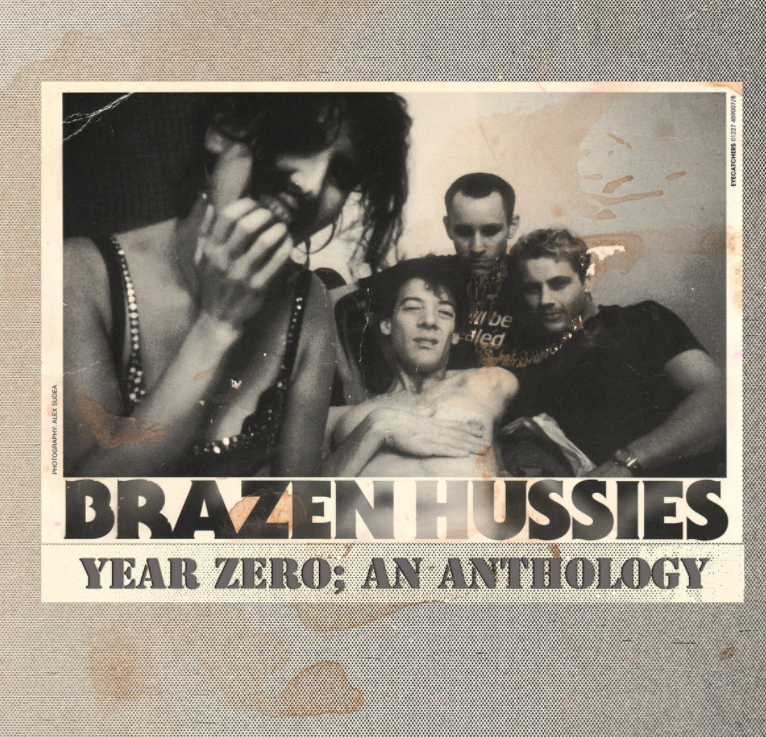
Despite the distain, rambunctious methodology and carefree attitude to making it in the lower levels of the music scene in the 90s and early noughties, the scuzzed and abrasive Brazen Hussies were far too knowing and artful than their shambolic, contrary myth would have us believe. Quite frankly that status is shambollocks!
For this ‘lost’ London group played loosely and quite skilfully with their influences, which ranged (by the sounds of it) to everyone from Richard Hell to The Monochrome Set, from The Pixies to the Nuggets box set. Anything but a complete mess they showed a certain élan for the pivot, for the light and shade as they transitioned from the needled and coarse gnarling for halftime downtime and even a bit of melody. Because out of the ramshackle punk, post-punk and cutting dissonance there was always some remnant, a semblance of a half-decent tune.
Simultaneously as courted as they were slagged off by a hostile music press during their apex in the late 90s, it’s hard to get a handle; difficult to tell if they deserve this anthology reappraisal, or whether it’s all just a scam: elevating fleeting losers from rock’s back pages. Actually they were quite bloody good, and at least (for the majority of the time) only ever recorded three-minute songs so as not to overstay their hobnail Dr. Martens boot on the throat welcome. Their farewell ‘Bridesville’ blowout is one of the few exceptions; running to a ridiculous insufferable 26-minutes of whined post Britpop and salon bar piano malcontent.
Fronted by the duel vocals of Dave Queen (a Canadian by god) and Lou McDonnell, backed by the ‘rhythm section’ of Lunch on trebly Bauhaus-Gang-Of-Four-Killing-Joke bass duties (proving anything but out to “Lunch”) and Russell Curtis on barracking and tom rolled drums, they sounded like a contortion of the Bush Tetras and Stone Temple Pilots on the scowling ‘Touch It’; like a flange-affected X-Ray Spex on the brilliant character assignation turn halftime concerned pathos riled ‘Thin Lips’; and like the Cowboy Junkies on the country-folk-punked counterpoint of squealed industrial shredded guitar and sweeter down-heeled sung ‘Kimberley’.
In between sporadic bursts of an early Manics (Dave sails close to a young, petulant James Dean Bradford), the Stooges, Slater-Kinney, The Fall and Essential Logic they turn in two highly contrasting covers. A more obvious Seeds homage is made with a cover of the acid-garage legend’s Nuggets stalwart ‘Can’t Seem To Make You Mine’ – a real shambles of a badly recorded demo – and an odd enchanted nod to the Beach Boys’ doughy-eyed California daydream ‘All Summer Long’. It’s as if an entirely different band turned up for the second of those: well I’ve since found out that the honeyed, almost Christmas-y, Beach boys take was recorded by a flying solo Dave.
With a bedraggled smattering of releases to their name and odd appearances on a myriad of compilations, what little success they had was never capitalised on. Instead, just as those in the press that saluted their brazen despondency, protests, even heralding them as “visionaries”, they drew just as much scorn and bile. Neither a piece of crap nor the second coming, the Brazen Hussies were a great controlled mess of punk and all its off-shoots, Britpop, garage, alt-rock and skag country: in fact, a very 90s band. Is it worth the plastics melted down to produce the vinyl (digital and CD versions released back in 2021) edition? I’d say so, and I think you’ll agree when you slap it on the turntable; finding a missing link from a decade that’s increasingly becoming the new “80s”.
Hi, my name is Dominic Valvona and I’m the Founder of the music/culture blog monolithcocktail.com For the last ten years I’ve featured and supported music, musicians and labels we love across genres from around the world that we think you’ll want to know about. No content on the site is paid for or sponsored and we only feature artists we have genuine respect for /love. If you enjoy our reviews (and we often write long, thoughtful ones), found a new artist you admire or if we have featured you or artists you represent and would like to buy us a coffee at https://ko-fi.com/monolithcocktail to say cheers for spreading the word, then that would be much appreciated.
Brian ‘Bordello’ Shea’s Reviews Column

The cult leader of the infamous lo fi gods, The Bordellos, Brian ‘Bordello’ Shea has released countless recordings over the decades with his family band of hapless unfortunates, and is the owner of a most self-deprecating sound-off style blog. His most recent releases include the King Of No-Fi album, a collaborative derangement with the Texas miscreant Occult Character, Heart To Heart, and a series of double-A side singles (released so far, ‘Shattered Pop Kiss/Sky Writing’, ‘Daisy Master Race/Cultural Euthanasia’, ‘Be My Maybe/David Bowie’ and All Psychiatrists Are Bastards / Will I Ever Be A Man). He has also released, under the Idiot Blur Fanboy moniker, a stripped-down classic album of resignation and Gallagher brothers’ polemics. His latest album Atlantic Crossing, a long overdue released collaboration with 20th Century Tokyo Princess’s Ted Clark, was released last month. Plus a new album entitled Cardboard Box Beatle will be released next month by Metal Postcard Records.
Each month we supply him with a mixed bag of new and upcoming releases to see what sticks.
The Singles.
The NoMen & The Blue Giant Zeta Puppies ‘The Meek Shall Inherit The Earth’
(Self-Release) 1st January 2022
The ideal start to the year is a tribute to the great Joe Meek with this two-sided wonder of Meek like madness from The NoMen and The Blue Giant Zeta Puppies; tracks that are filed with wonky guitars echo filled joints of smoked black fountains. Two tracks to make you feel that 2022 is not going to be that bad after all. Roll on the coming 12 months, and one can only hope it will be as magically wonky as this fine single.
bigflower ‘Bang Bang’
(Self-Release) 26th December 2021
bigflower is back with another cover. Yes, a dark and dense version of the 60s Cher classic ‘Bang Bang’. Once again Ivor Perry drenches the melodious with a swamp of becoming darkness that calls out to be used in some enigmatic black and white foreign subtitled film that one loses themselves in occasionally in the early hours of a Sunday Morning; a track that breaks hearts whilst stoking the embers of half remembered love affairs. Ivor’s bigflower is a band with a mission, a mission to cover this world with the magic of his spoken softly whispered beautiful guitar washes: a mission we should all encourage him in and publicize.
The Jazz Butcher ‘Running On Fumes’
(Tapete Records) 4th February 2022
This track my lovely cherubs is the first single taken from the new and posthumous album by the sadly no longer with us Pat Fish aka the Jazz Butcher, a band I loved and listened to a great deal in my indie pop loving late teen years. Yes, I soundtracked many a romantic interlude to the dulcet tones of the Jazz Butcher, their Live in Hamburg album was a particular favourite of mine, and I’m both pleased and saddened to say even after all these years Mr Fish never lost his way of writing a catchy melodious piece of guitar pop loveitude. He will be sadly missed by myself and many others: a great and talented songwriter.
treesreach ‘How it Seems’
4th February 2022
‘How It Seems’ is a lazy hazy piece of American indie rock with a lovely mixture of Sweet Jane guitar strums and an indie Boston like explosion of AOR melodeon tomfoolery: a rather lovely way to spend a few minutes. So I suggest you give it a listen.
The Albums And The EPs..
Colonial Skyway ‘Evening On Earth’
(Submarine Broadcasting Co.) 14th January 2022
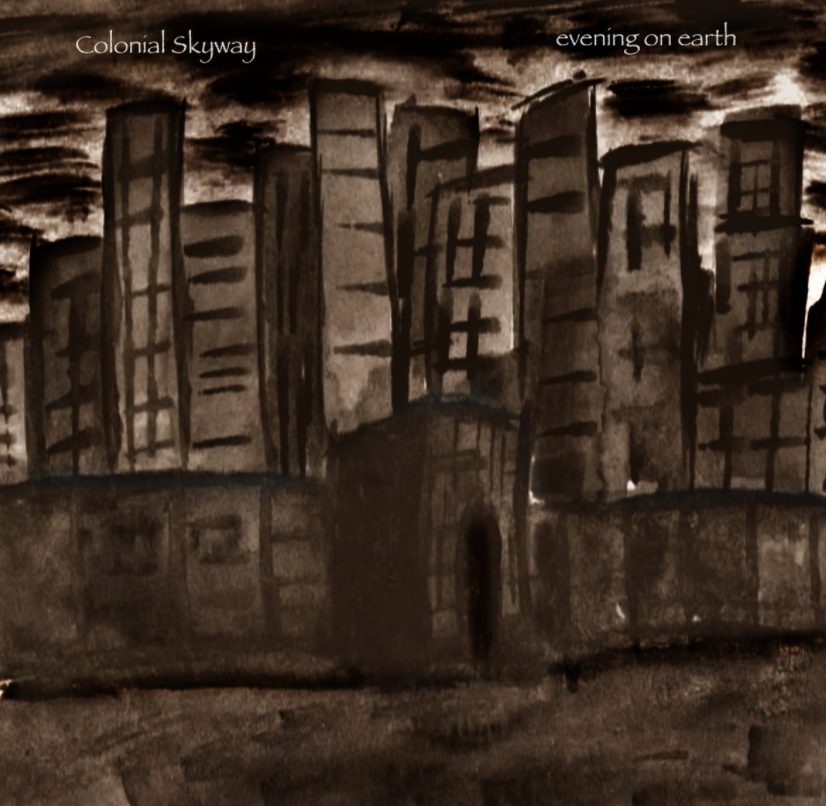
The silent hum of a city landscape keeping its dark secret from the prying eyes of the solitude, the indifference of the praying masses awaiting redemption from the cold bloodied imaginations of the dearly departed only a hop skip and a jump away from the black bird soaring high through the now clear skies as the empty factory puffs the ghost of the smoke from god’s great ash tray into the remembrance of the sky. This album is an aural sweep stake of memories yet to happen a delve into the subconscious a brief awakening of the dot in the centre of an old tv screen saying goodnight one last time.

Salem Trials ‘Something PRETTY DRASTIC’
(Metal Postcard Records) 10th January 2022
Oh, the post-punk joy this 4-track EP emits is tangible, it is eatable, you can catch the magic in a net and rub your face in it; it is pure spell binding: the opening track ‘Table Turning’ sends goosebumps down my arm. It’s like it’s a missing track from Orange Juices mini–LP Texas Fever: it’s pop in its purest form.
This four tracker is the sound of The Salem Trials at their most commercial: I can imagine every track at one point coming from the radio stuck on BBC 6 music after 7pm. As readers of the Monolith Cocktail know I am a huge Salem Trials fan and I will tell you why. It’s because I have good taste. And if there is any justice in this world it should take something pretty drastic to stop Something Pretty Drastic haunting your radio.
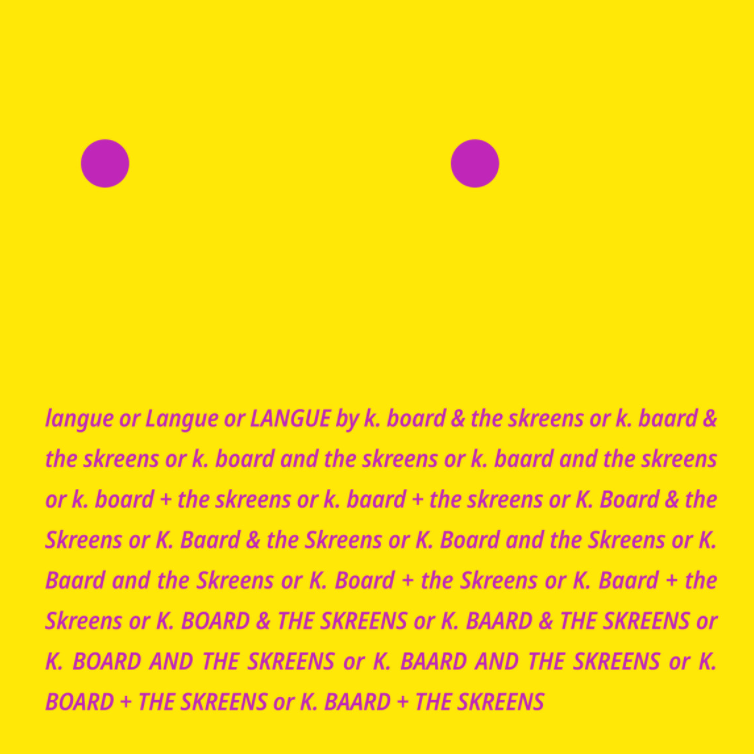
K. Board & The Skreens ‘Langue EP’
(Metal Postcard Records) 28th December 2021
Metal Postcard Records, the record label of 2021, kick of 2022 with another fine release; a five track EP that has one scrabbling around in early new year frenzy thinking where on earth have I put my Syd Barrett CDs. Yes, a five track EP that covers the Syd like ditties in electronic 8-bit bedroom magic, all funky whirls and drumbeats. 2022 style modern-day dance meets the magical past to explore the inner workings of musical deep thinking. Sci-fi minds, maybe a work of an evil Bond villainy…who knows or cares when the music is this much fun and original sounding.
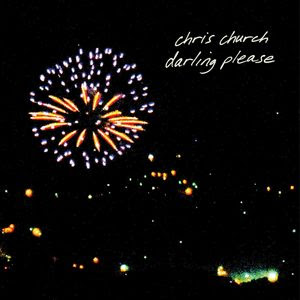
Chris Church ‘Darling Please’
(Big Stir Records) 21st January 2022
An album that kicks off with the sound of Quasimodo having a wank is not a bad way to start off an album of radio friendly guitar pop; it gives the album an air of darkness which I greatly appreciate. It is much better than being sugar-coated in platitudes of esteemed Mojo lite political correctness by jean wearing bingo hop bunned men who really should know better than to try and listen to his record collection of likeminded backward thinkers whilst his wife is not out scanning the racks of Sainsburys for the butter her mother’s best friend swears by.
Yes indeed, Chris Church has released an album of well written guitar pop rock that lovers of Mathew Sweet and the ilk will love and dream of being spoon-fed by Anthia from the Generation Game all those years ago: how did Brucie catch such a dish of the day we ask, and if we are not asking, we certainly should be…and as Brucie once said give us a twirl and I advise you guitar lovers give this album a twirl as it is not half bad.
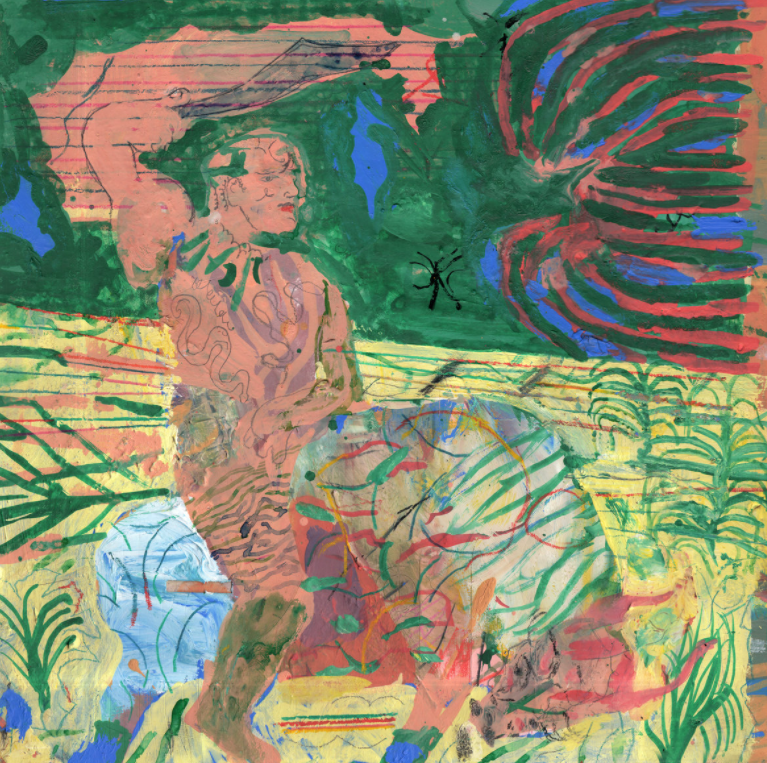
Claptrap ‘Adulting’
(Un je-ne-sais-quop) 28th January 2022
Claptrap by name but not by nature. No indeed, what we have here is an enjoyable a free-thinking adventurous album of original pop songs, an album that I expect the great Paddy McAloon might enjoy with its Prefab Sprout like sense of playfulness – especially on the opening track ‘The Rewrite’. And the playfulness continues throughout the album, recalling the days when music could and should be fun; an album that takes electronica, psych and eyebrow twisting like McCartney Ram era pop and invention to quite wonderful heights.
Adulting is an album that proves that here we are in 2022 and pop music can still be as a rewarding an experience as it was 50 years ago when everything was fresh and exciting, all that is needed is a fresh and exciting outlook on your art. Nice one Claptrap.
Hi, my name is Dominic Valvona and I’m the Founder of the music/culture blog monolithcocktail.com For the last ten years I’ve featured and supported music, musicians and labels we love across genres from around the world that we think you’ll want to know about. No content on the site is paid for or sponsored and we only feature artists we have genuine respect for /love. If you enjoy our reviews (and we often write long, thoughtful ones), found a new artist you admire or if we have featured you or artists you represent and would like to buy us a coffee at https://ko-fi.com/monolithcocktail to say cheers for spreading the word, then that would be much appreciated.
Our Daily Bread 486: (Album) Labelle ‘Eclat’
January 11, 2022
Words by Dominic Valvona
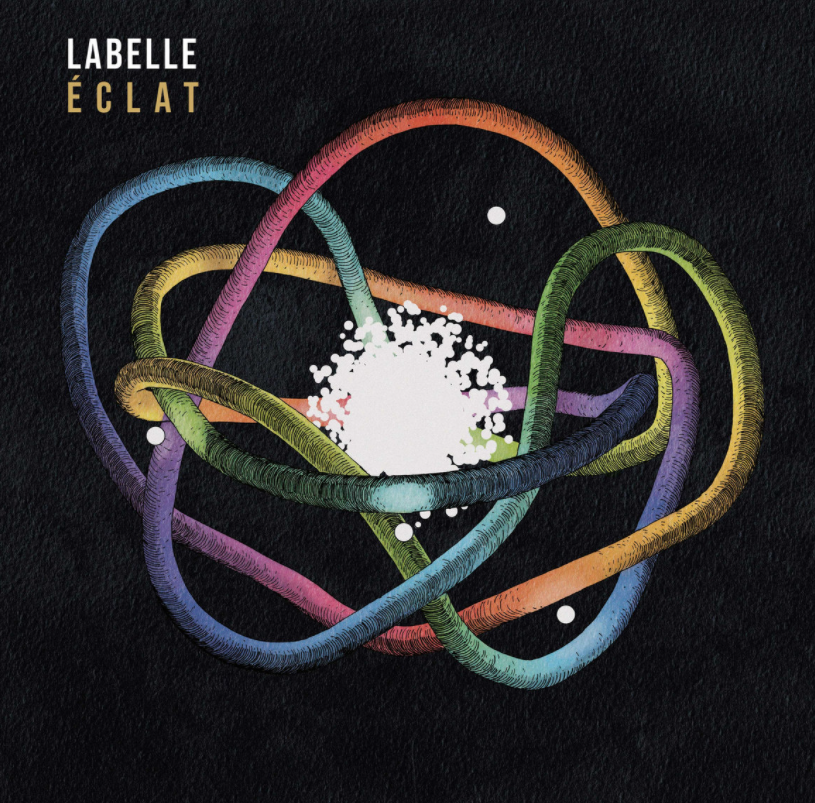
Labelle ‘Éclat’
(InFiné) 24th January 2022
Few have done more to both elevate and wed the distinct sounds of Maloy to a contemporary, often experimental, palette than the Réunion Island composer Jérémy Labelle. A traditional music, born in the 19th century as an outpouring for the suffrage, reverberations and lament of slavery that core inspiration – only found on Labelle’s island home – makes connections to the classical and to the rhythms of the East and the scratchy, hypnotic musical genre of Morocco known as Gnawa. The last of these can be strongly detected o both the dainty danced, retuned ‘Giant’ and the rattled and cosmically bandy suite it leads into, ‘Mes Mondes’. It’s no surprise to find that Moroccan venerable style works, as Labelle pitched up his signature Maloy fusion a quartertone to match it.
Forbidden as the entwined revolutionary music for Réunion’s indigenous population (mostly made up of those who arrived from Madagascar and the Indian Ocean’s atoll of islands) by the French colonial powers (still an official region of France that never achieved independence), Maloy was banned right up until 1981. One of the island’s two most popular ingrained styles it was nevertheless wrapped up in rituals, played at religious ceremonies; seen as an unwelcome occult influence by the French. Here it’s pushed like never before into an almost avant-garde direction, augmented and suffused with electronic music and transformed beyond measure.
Labelle’s known for transducing his original conceived compositions into something cosmic, universal and unique. That process, which was likewise successful on the previous critically acclaimed albums (Éclat marks his fourth studio album proper), led to a highly experimental set of pre-pandemic performances performed by a string quartet. What makes it so distinct though was that he set out to break all the rules of classical composition, writing music for a traditional rock band set-up but running it through an acoustic-electronic chamber ensemble. Adding another layer to the process, multifaceted London producer, composer, DJ an artist in his own right Hector Plimmer reshapes, cuts and put’s in congruous augmented effects. The results send this brilliant album suite towards jazz and techno whilst never losing its expletory post-classical roots.
Éclat (or “spark”, though in my translator searches it came out as “shine”) as its name makes clear sounds almost like the light above Labelle’s head suddenly switched on, prompting a sublime, yearning and pining contemplative/reflected counterpoint of Philip Glass. Max Richter, Nils Frahm, Simon McCorry and Kriedler.
More sustained, reverberated strings and atmospheric synthesized beds are layered with shorter, arched bows, warped snatches and arpeggiator-like pitter-patters. Ambient music transduced into subtle stirred violins and cellos undulate beneath emotive swells and moments of real intensity. Often these bowed strung instruments wail like an electronic guitar or sound more like a rusty saw biting into the fabric. On the quickened ‘RON’ those same strings are enveloped within a scrawled vortex; funneled through a black hole into a universal horizon reprise of Glass-like seriousness.
This record is incredible: already one of my highlights of 2022. The Maloy tradition and the classical are remodelled, sent out into an ever-more expansive cosmology of fusions. Éclat is every bit as dynamic, emotive and fresh as the previous albums, if not the most sophisticated and interesting yet.
From the Archives:
Labelle ‘Orchestre Univers’ (2019)
Hi, my name is Dominic Valvona and I’m the Founder of the music/culture blog monolithcocktail.com For the last ten years I’ve featured and supported music, musicians and labels we love across genres from around the world that we think you’ll want to know about. No content on the site is paid for or sponsored and we only feature artists we have genuine respect for /love. If you enjoy our reviews (and we often write long, thoughtful ones), found a new artist you admire or if we have featured you or artists you represent and would like to buy us a coffee at https://ko-fi.com/monolithcocktail to say cheers for spreading the word, then that would be much appreciated.
PLAYLIST/Dominic Valvona
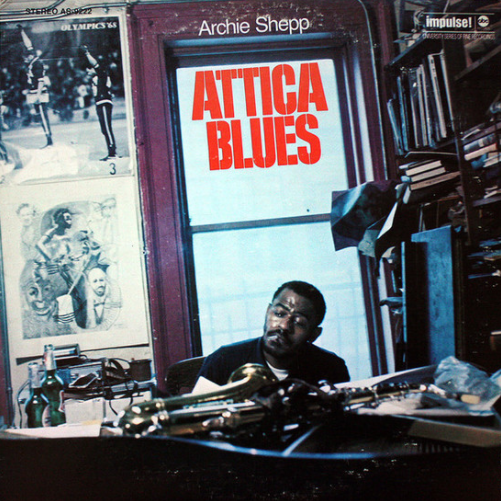
Let me first wish everyone, new and old readers/followers alike, a happy new year. And thanks for all your continued support in what are the most tumultuous and anxious of times. For my part, with what little comfort I can give, I’ll still bring you all the best, experimental, and diverse sounds during 2022: through reviews, columns, playlists and the like.
The Monolith Cocktail Social is one of two long-running playlist series on the blog. Running in tandem with the Monthly Revue, which represents all the new music both I and the MC team have been listening to and writing about during the month, the Social is a cross-generational, eclectic imaginary radio show, where anything goes: featuring tracks from the last 50 or more years.
It’s also my chance to show off my own tastes, records from my collection, and to both celebrate those albums reaching anniversary milestones and pay tribute to recent artists and figures we’ve lost during that month.
The first playlist, volume #62, of the year features 50th anniversary treats from Archie Shepp (the title-track from his 1972 album Attica Blues), Cymande (the much sampled ‘The Message’ from their self-titled ‘72 special), Paul Simon (‘Armistice Day’ from the self-titled ‘72 album), Aretha Franklin (a beautified cover of ‘The Long And Winding Road’ from the soul deity’s Young, Gifted And Black album), Cluster (‘Für Die Katz’ from the Kosmische travellers ’72 album Cluster II), Neu! (‘Hero’ from the self-titled ’72 album), Popol Vuh (the venerable ‘Kyrie’ taken from the divine stylers ’72 album Hosianna Mantra), and Annette Peacock (a idiosyncratic version of ‘Love Me Tender’ from her ’72 I’m The One album).
There’s also recent(ish) tracks from Fake Fruit, Large Plants, Jeff Parker, Family Portrait dotted amongst goodies from Kaleidoscope, The Gods, Caetano Veloso, Eddie Hodges and Biff Rose: 35 tracks in all.
Listen how you like, but when compiling these playlists I do work out a particular order: a journey for the listener.
Those tracks are full are:
Archie Shepp ‘Attica Blues’
Kaleidoscope ‘Chocolate Whale’
Quella Vecchia Locanda ‘Dialogo’
Muito Kaballa Power Ensemble ‘Don’t Go Too Far’
100 Proof Aged In Soul ‘Backtrack’
Fake Fruit ‘No Mutuals’
Large Plants ‘La Isla Bonita’
Cymande ‘The Message’
Innovations ‘Put A Little Away’
Los Dangers ‘No Te Quiero Más’
Sophie Knapp & Dungen ‘Desert Moon’
The Gods ‘Eight O’clock In The Morning’
Jeff Parker & The New Breed Ft. Ruby Parker ‘Soul Love’
Paul Simon ‘Armistice Day’
Hamilton Leithauser & Kevin Morby ‘Virginia Beach’
Family Portrait Ft. Julian Lynch ‘What Does It Take’
Aretha Franklin ‘The Long And Winding Road’
Annette Peacock ‘Love Me Tender’
Caetano Veloso ‘Lost In The Paradise’
Parasites Of The Western World ‘You Must Be Joe King’
Between ‘Tape’
Steauna De Mare ‘Ork Style’
Cluster ‘Für Die Katz’
The Holydrug Couple ‘Arcatina’
Tibetan Miracle Seeds ‘Nectarine Dreams’
Gianfranco Plenizio ‘Afyon’
Slag Boom Van Loon ‘Poppy Seed’
Neu! ‘Hero’
Phantom Payn Days ‘Screen Idol From France’
Branko Mataja ‘Tamo Daleko’
Popol Vuh ‘Kyrie’ Eddie Hodges ‘Shadows And Reflections’
Biff Rose ‘Take Care of My Brother’
Marina Allen ‘Sleeper Train’
Female Species ‘Tale Of My Lost Love’
Hi, my name is Dominic Valvona and I’m the Founder of the music/culture blog monolithcocktail.com For the last ten years I’ve featured and supported music, musicians and labels we love across genres from around the world that we think you’ll want to know about. No content on the site is paid for or sponsored and we only feature artists we have genuine respect for /love. If you enjoy our reviews (and we often write long, thoughtful ones), found a new artist you admire or if we have featured you or artists you represent and would like to buy us a coffee at https://ko-fi.com/monolithcocktail to say cheers for spreading the word, then that would be much appreciated.
Our Daily Bread 485: Omega Institute ‘Panic Mount’
January 4, 2022
ALBUM REVIEW/Graham Domain
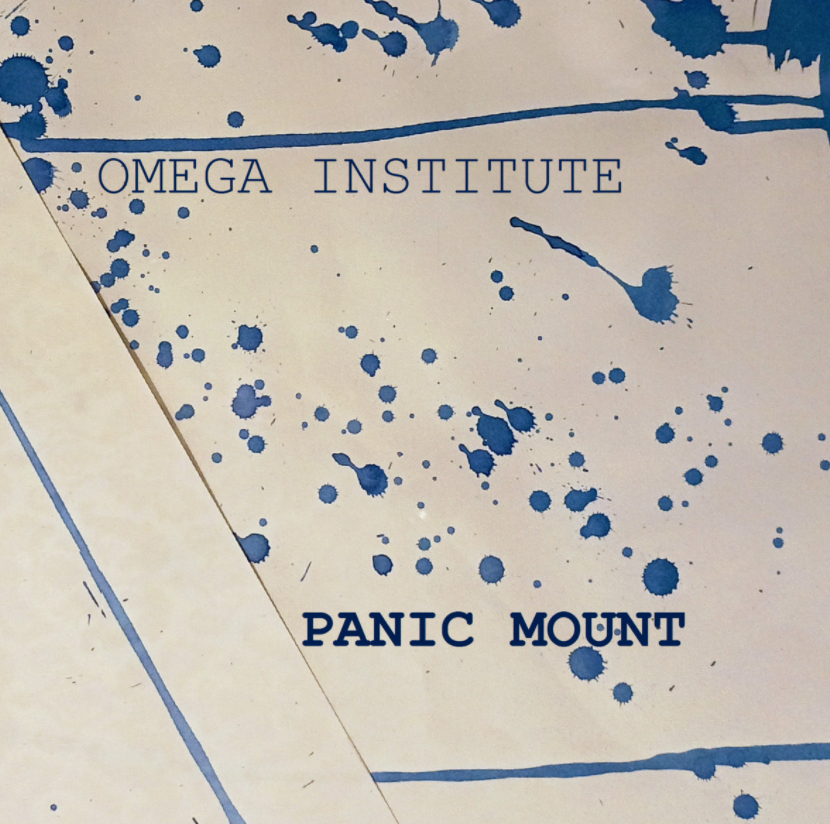
Welcoming the newest contributor to the Monolith Cocktail fold, musician and artist Graham Domain joins our team in 2022. The offspring of Scott Walker and David Slyvian, Graham has charmed us with his plaintive adroit music for years, and so we’re happy to have him on board. Here then is Graham’s inaugural review to kick off the New Year.
Omega Institute ‘Panic Mount’
(Liquid Library) Available Now
Panic Mount is the debut tape release by Omega Institute via Liquid Library. The Bristol Experimental Four Piece provide 6 tracks of Night Terror Jazz and Plastic Faced Clown Fear Hauntology to soundtrack those lonely winter nights where you find yourself all dressed up with nowhere to go – alien abduction an attractive option.
Reminiscent in parts of early Factory releases where the atrocities of a severe Industrial past seem to lurk in the walls of the music (think Winter Hill by ACR). ‘Spine Ellipsis’ provides a good example, the improvised music soon succumbing to a drop in temperature as a cold spectral sound bleeds into the mix as though played back from the fabric of the old building itself.
‘Pulse Ritual’, meanwhile, starts off like a sci-fi space theme by the Barry Gray Orchestra before it slowly becomes engulfed by a flock of squawking space birds and forced to crash-land on a dead planet. This one is my favourite tracks on the album.
‘Power Imbalance’ features psychedelic drones and hypnotic drums as the landscape into which a lone cornet wanders lost and forlorn while cold synth oscillations compete for centre stage.
The final track, ‘Jupiter Square Ascendant’ finds Louis Armstrong taken on board a UFO and questioned by mind probe where he is only able to scream out his answers in the language of jazz cornet.
A challenging but rewarding album. The music sounds great on headphones and would undoubtedly sound fantastic played through a large PA system perhaps as a precursor to the entrance of any decent band.
The Kalporz Album Awards 2021
December 17, 2021
Monolith Cocktail X Kalporz/Words: Editorial Team

The last piece of synergy between the Monolith Cocktail and our partners at Kalporz in 2021 relays the Italian site’s recent top twenty placed albums of the year feature. Look out for future collaborations in 2022.
We can discuss the musical quality of a year, but there is little to say about the quantity of 2021: all the artists who had perhaps hesitated to release their works in 2020, due to clashes with the novelty of the pandemic that made it evident that it would not have been possible to go on tour, they published what they had to, understanding that – unfortunately – the ‘newnormal’ was not only the motto of the Primavera Sound a few years ago but also the slogan of a new normal made up of fragmented, contingent, postponed live dates , made for the broken cap while escaping the next looming wave. So we found ourselves faced with a gargantuan production, which, is the law of large numbers, for some albums has also materialised into truly beautiful works.
As always since the streaming era has existed there cannot be a single star, but this time there was an award-winning album: the artist who made almost everyone agree was Little Simz , first for Popmatters , Albumism , BBC Radio 6 Music , NBHAP , Exclaim! , Dutch OOR , The Skinny and second for NME . And if according to “social sensations” Black Country should have depopulated , New Road , in reality only first for Loud And Quiet even if present in more than one list in places of honour, a disc not as simple as that of Floating Points, Pharoah Sanders & The London Symphony Orchestra instead “won” for Mojo , Paste Magazine , TIME and The Vinyl Factory , while less generalised choices were those of Pitchfork ( Jazmine Sullivan , shared by Entertainment Weekly and NPR Music ), of Consequence of Sound ( Tyler, the Creator ) and Crack Magazine ( John Glacier ).
All these discs, however (ALERT SPOILER), are also contained in our list, while choices that you will not find here on Kalporz are those of The Quietus The Bug (to which we have dedicated the cover of September), of Uncut with The Weather Station , Far Out Magazine with Dry Cleaning and NME which instead awarded Sam Fender .
And for us at Kalporz? We let you “shake” below, telling you that for the second time in our more than twenty years of life a band wins after having already won the Kalporz Awards in the past: it had already happened for Radiohead, reached this year by a special band.
But we have already talked too much: off to the rankings.
20. DAMON ALBARN, “The Nearer The Mountain, More Pure The Stream Flows”
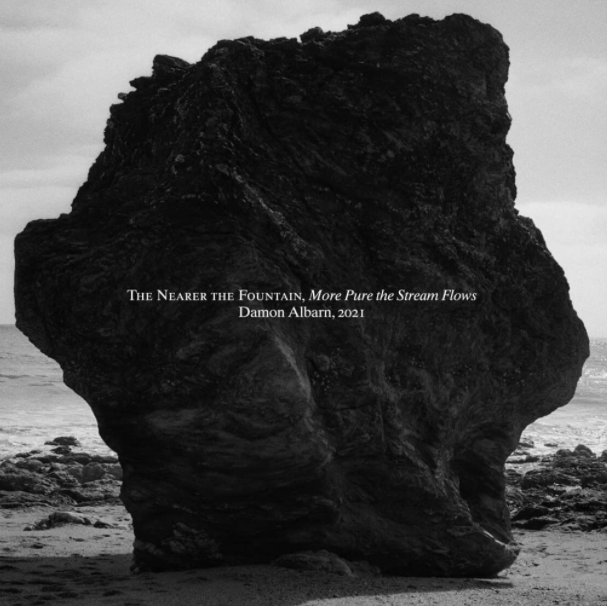
Maybe we should all do like Albarn, especially in these times: go to Iceland and look at the snow and volcanoes from a window in our house. But we are here, and at least we can listen to this second solo album of his that got inspired in that intimate way with nature.
19. FLOATING POINTS, PHAROAH SANDERS & THE LONDON SYMPHONY ORCHESTRA, “Promises”
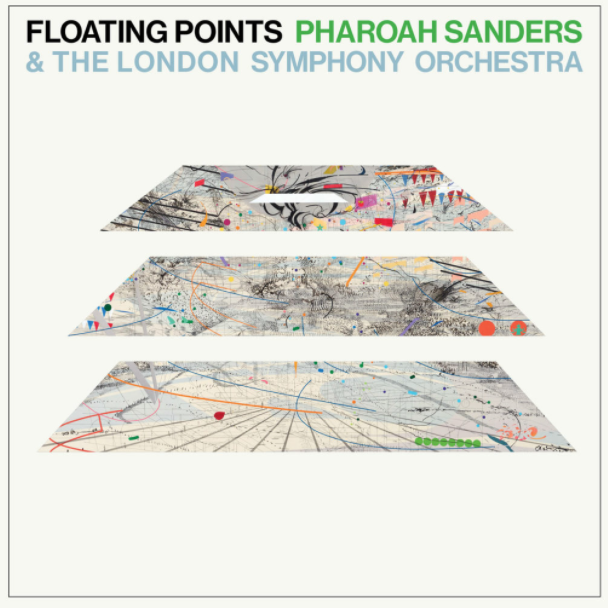
The electronic jazz path of Floating Points has been going on for years now, managing to churn out interesting results such as the excellent debut Aelenia in 2015. On this release he manages to collaborate with a music giant like Pharoah Sanders, and without distorting himself they give an LP which will probably continue to play in our systems for some time yet.
18. TIRZAH, “Colourgrade”
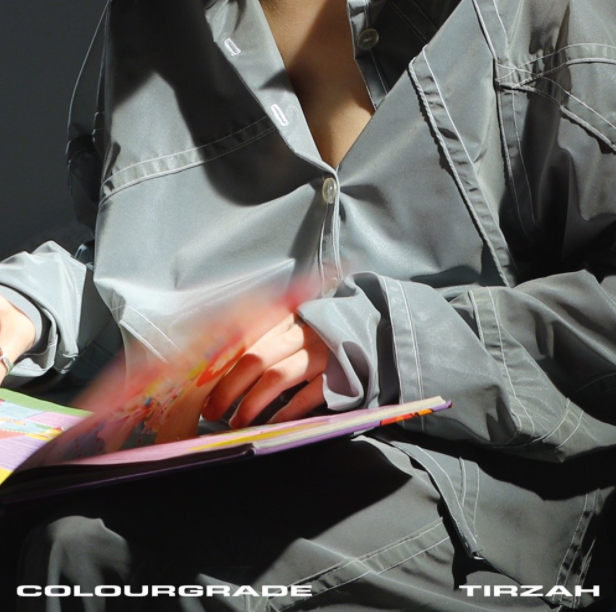
Since her debut, this English author has been one of the Kalporz editorial team’s favourite voices. If Devotion had already raised various eyebrows for the maturity and the goodness of the compositions present, then with Colourgrade the artist has surpassed themselves. Applause for Tirzah’s class.
17. SNAIL MAIL, “Valentine”
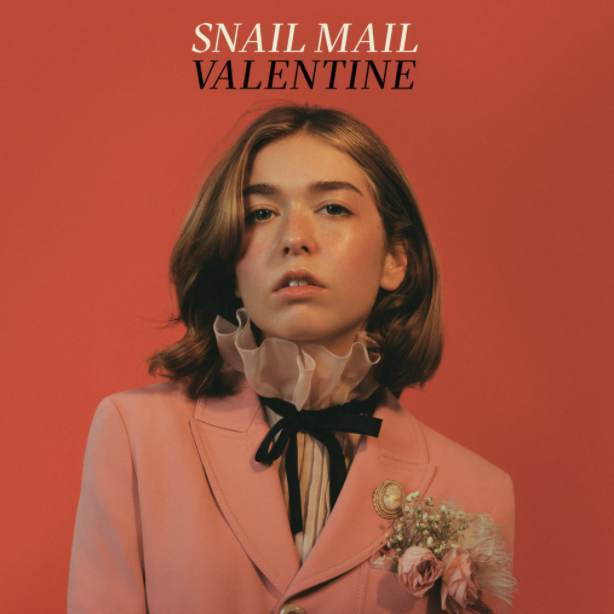
With Valentine, the sophomore album by Snail Mail, Lindsey Jordan‘s maturation is total: her talent as a composer is evident everywhere, from the lacerating electric shocks of the song that gives the title to the album to the stealthy ‘Ben Franklin’, From the poetic romanticism of ‘Light Blue’ and ‘Mia’ to the liberating rock of ‘Madonna’ and ‘Automate‘. It is a record that talks about broken hearts and does it with determination and anger.
16. GENESIS OWUSU, “Smiling with No Teeth”

The debut album, among the funniest LPs of the year, for the twenty-three-year-old Ghanaian based in Canberra bewildered Kofi Owusu-Ansah (aka Genesis Owusu), Smiling With No Teeth entered without awe into the immortal funk / R & B trend that it took far too long to have a name of his own even in the ineffable Australia of the new century.
15. SUFJAN STEVENS & ANGELO DE AUGUSTINE, “A Beginner’s Mind”
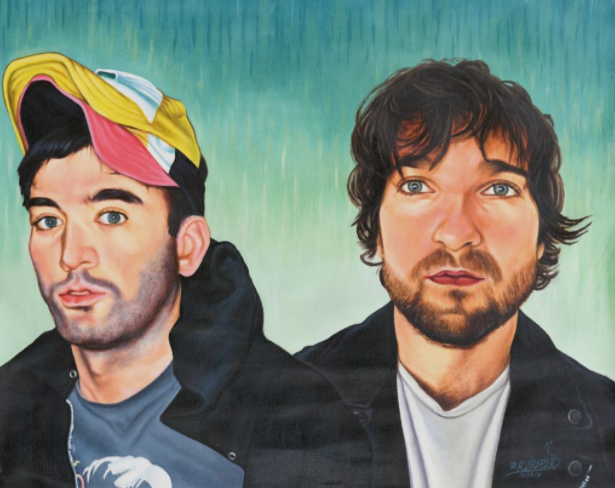
Sufjan‘s delicacy is able to recreate itself in all its crystalline beauty with this Angelo De Augustine collaboration; becoming even lighter : not difficult personal themes but the musical representation of filmic snapshots. A conscious escape.
14. FOR THOSE I LOVE, “For Those I Love”
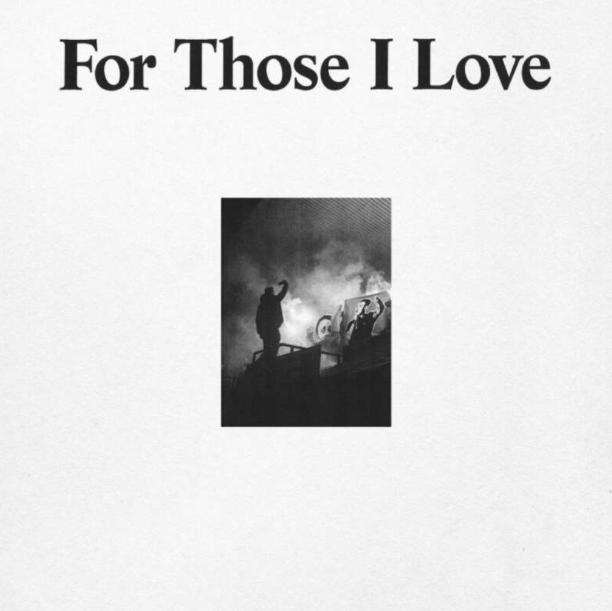
For Those I Love is the project of the Dubliner David Balfe, who on the debut of the same name deals with themes of love and loss (that of Paul Curran of Burnt Out, his best friend and poet like him, already honoured by Murder Capital) on an electronic and hip-hop basis, with samples of Smokey Robinson, Barbara Mason and Sampha. Deep like Automatic For The People, danceable like Original Pirate Material by The Streets.
13. ALTIN GÜN, “Yol”
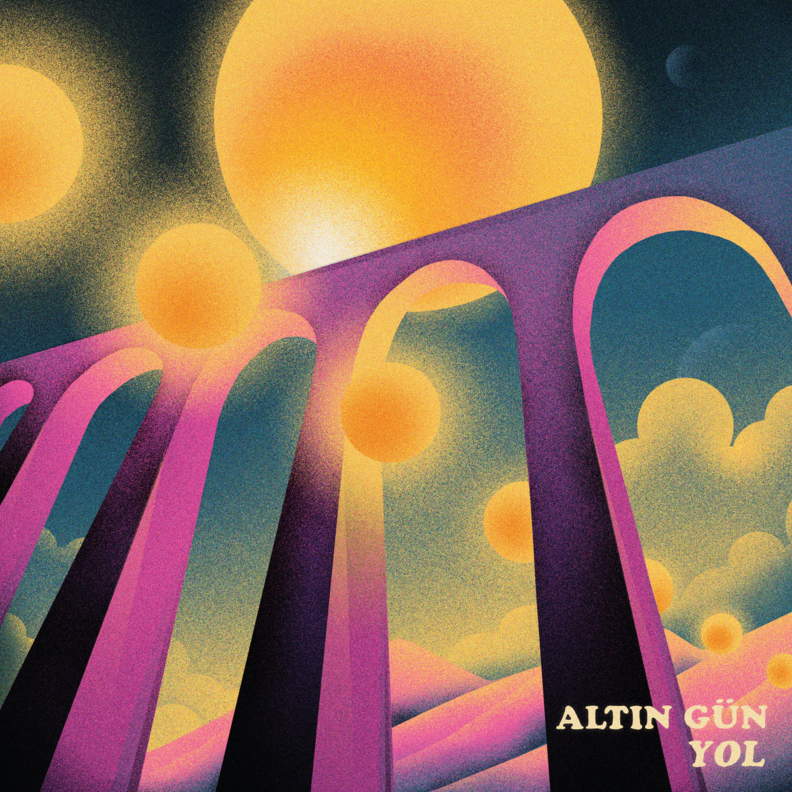
At the time of the first album (On from 2018) the formula still had some very slight forcing. Moreover, already with the second album, the surprise effect – although not exhausted – was certainly reduced. But the new album travels surprisingly well. It pushes even further down the road of the Turkish wedding between a gleaming disco lady and a rather rough folkish gentleman. Yol is made up of coherence, emotional tension and the enhancement of a priceless heritage – the Turkish and Mediterranean one – which never seems to end.
12. JAZMINE SULLIVAN, “Heaux Tales”
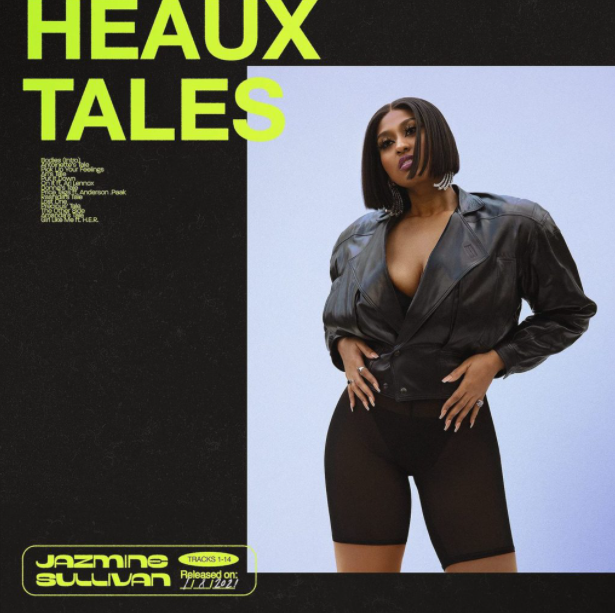
In a genre like R&B it seems really impossible to come up with something new. But when there is the voice, texts that do not leave indifference and a quality of compositions then it can still be amazing. The Heaux Tales marks the great and surprising return of Jazmine Sullivan. Hit after hit and that’ not hyperbole.
11. JOHN GLACIER, “Shiloh. Lost for Words”
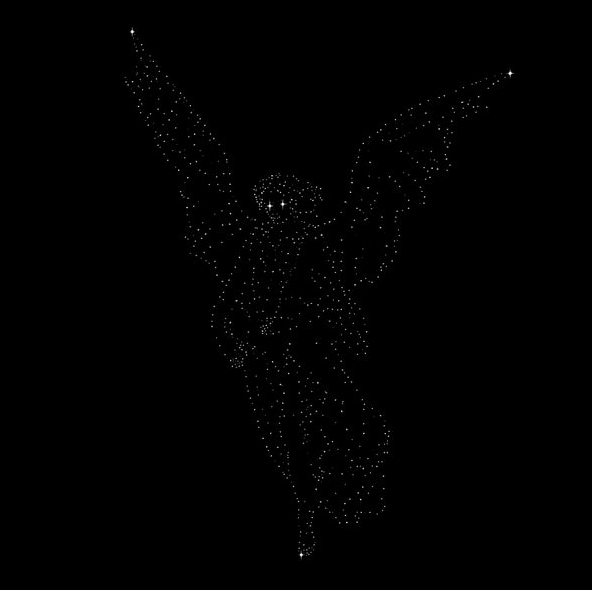
The twenty-six year old London rapper of Jamaican origins but raised in one of the “places to be” of artists and creatives – Hackney – on Shiloh. Lost For Words manages to condense the best sounds of the English underground into foggy tracks: between grime and R&B.
10. TURNSTILE, “GLOW ON”

It almost seems to be back to the crossover epic of the late 80s / early 90s, if it weren’t for the fact that GLOW ON has a contemporary language, the son of a melodic hardcore but which is highlighted in a lightning-fast pop, at the same time devastating and aesthetically flawless.
9. SEGA BODEGA, “Romeo”
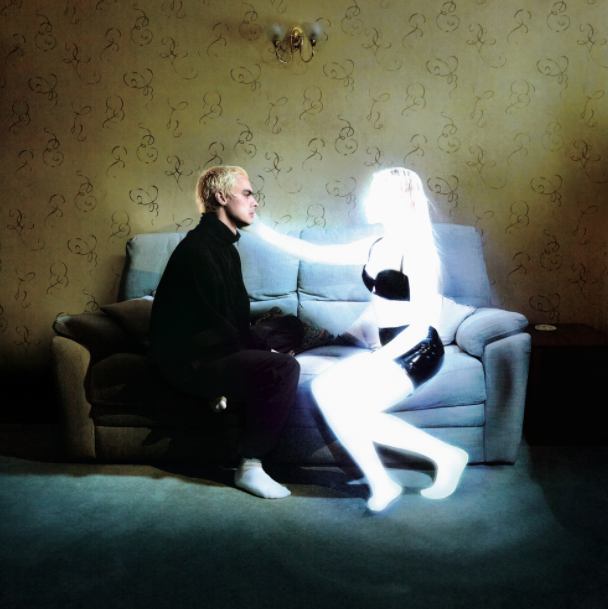
With his work for Shygirl, the house producer NUXXE has defined one of the most powerful sounds heard in recent years, while his solo project presented a hybrid of songwriting, constantly evolving and convincing. Romeo, for this very reason, is a decisive step in the career of one of the most talented musicians of these times.
8. TYLER, THE CREATOR, “CALL ME IF YOU GET LOST”

Tyler offers a compendium of sounds and suggestions that differ more than ever, from gangsta-rap to trap, from contemporary R&B to nu-jazz in a sequence of at least ten potential singles that make CALL ME IF YOU GET LOST a mature work cohesive in its innumerable sound angles. Ideas, flows, compositions at the service of an innate talent that never ceases to amaze ten years on.
7. HELADO NEGRO, “Far In”
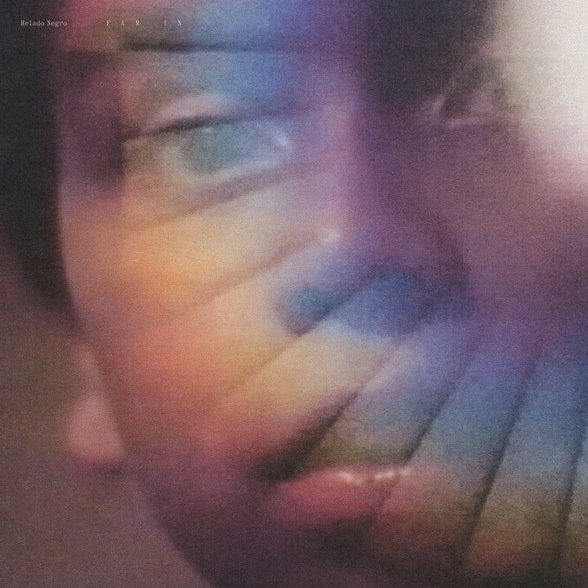
It was not easy to follow up on the excellent This Is How You Smile, released in 2019, but Far In is a victory. Roberto Carlos Lange packs a record that, taking up the themes and sounds of his predecessor, makes his own creative experience like a collective ritual. Through warm, familiar sounds and prominent collaborations, Lange invites us to look within ourselves to try to understand more of the world around us.
6. THE NOTWIST, “Vertigo Days”
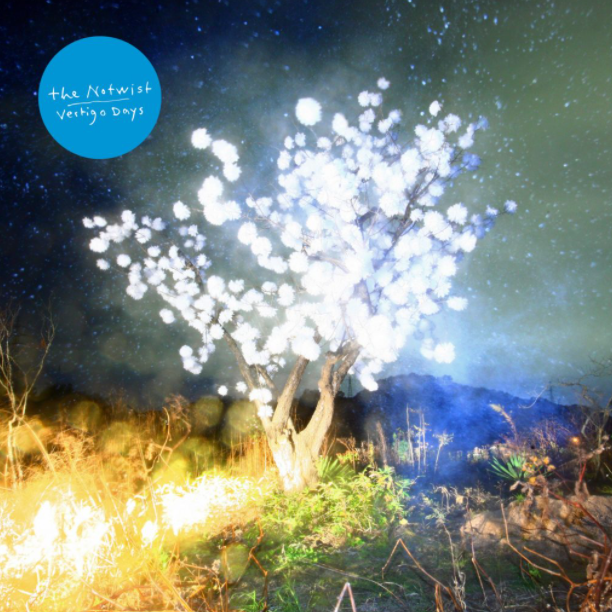
As evidence of its intrinsic strength, Vertigo Days compiles a set of songs that follow one another as a single entity, and the lyrics, like poems on the problems of the world, our daily struggles and the cancellation of distance. Seven years of waiting have not been in vain.
5. L’RAIN, “Fatigue”
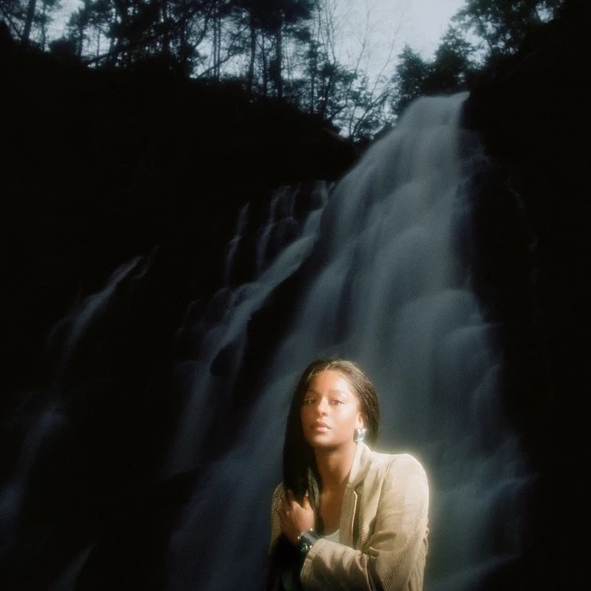
There was a time when all the most original and hard to label releases were Made in Brooklyn. We didn’t realize it, but a decade has already passed and thanks to artists like Taja Cheek that golden age seems to us a less remote past: psychedelic pop, soul, jazzy incursions and a very contemporary taste.
4. SHAME, “Drunk Tank Pink”

The second work of the London quintet, produced by James Ford (Arctic Monkeys), photographs youth alienation and depression at the time of the pandemic with greater ardor and angularity than on “Songs Of Praise”: highlights ‘Born In Luton’, punk-funk at the service nightmare, and ‘Snow Day’ with a vocal interpretation of Charlie Steen amidst jarring guitars to take your breath away.
3. BLACK COUNTRY, NEW ROAD, “For The First Time”

Before the album they won the title of “best band in the world” with little more than one song according to the English web-magazine The Quietus. With For The First Time Black Country, New Road prove to be a band that still has a lot to play, but which, for the first time, is capable of giving life to a new sound worthy of its influences. 2021 belongs to them.
2. LITTLE SIMZ, “Sometimes I Might Be Introvert”
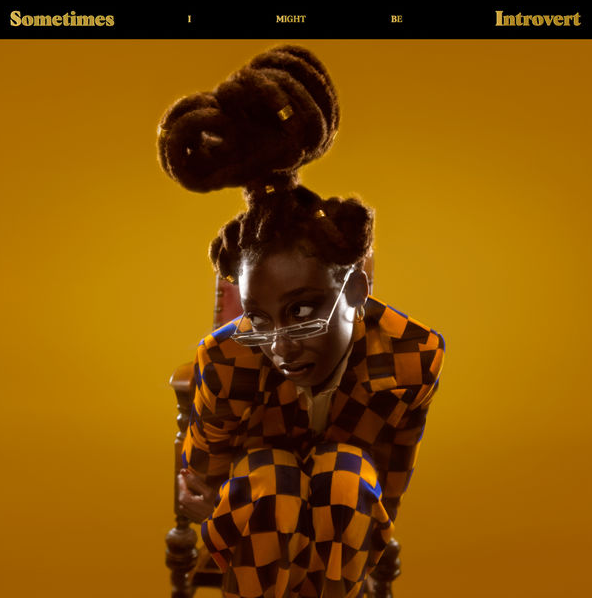
It is a variegated and engaging disc, whose long duration allows, to those who do not yet know Little Simz, to fathom with a careful eye the art of the young rapper in almost every aspect: from the sources of inspiration to the virtuosity of the lyrics, from his magnetic voice to engaging and hypnotic rhythms.
1. LOW, “HEY WHAT”

An ambitious and sparkling work: with barely hinted guitar whispers, sudden roars, uncertain rhythms and lunar landscapes Low have always tried to give a shape to the void. An album aware of the fact that what is created can only be fragile, fragmented and limping.
KALPORZ AWARDS HISTORY (ex Musikàl Awards) :
Kalporz Awards 2020 (Yves Tumor)
Kalporz Awards 2019 (Tyler, The Creator)
Kalporz Awards 2018 (Idles)
Kalporz Awards 2017 (Kendrick Lamar)
Kalporz Awards 2016 (David Bowie)
Kalporz Awards 2015 (Sufjan Stevens)
Kalporz Awards 2014 (The War On Drugs)
Kalporz Awards 2013 (Kurt Vile)
Kalporz Awards 2012 (Tame Impala)
Kalporz Awards 2011 (Fleet Foxes)
Kalporz Awards 2010 (Arcade Fire)
Kalporz Awards 2009 (The Flaming Lips)
Kalporz Awards 2008 (Portishead)
Kalporz Awards 2007 (Radiohead)
Kalporz Awards 2006 (The Lemonheads)
Kalporz Awards 2005 (Low)
Kalporz Awards 2004 (Blonde Redhead, Divine Comedy, Franz Ferdinand, Wilco)
Kalporz Awards 2003 (Radiohead)
Kalporz Awards 2002 (Oneida)
Kalporz Awards 2001 ( Ed Harcourt)
You can catch the Monolith Cocktail’s choice albums of 2021 lists here:
Choice Albums Of 2021: Part Two: L’Orange to Your Old Droog
December 13, 2021
The Monolith Cocktail Team’s Favourite Albums (and some EPs) Of 2021/Dominic Valvona, Brian ‘Bordello’ Shea/Matt Oliver

So we’ve delivered a behemoth of a list so far in part one, now comes the concluding second instalment of choice albums from 2021. A quick reminder for those new to the site and our yearly albums roundups, because we’ve never seen the point in arguing the toss over numerical orders the Monolith Cocktail’s lighter, less competitive and hierarchical ‘choice albums’ features have always listed all entrants in alphabetical order. We also hate separating genres and so everybody in these features, regardless of genre, location, age shares the same space.
Void of points systems and voting, the Monolith Cocktail team selection is pretty transparent: just favourites and albums we all feel you, our audience, should check out. Alongside my good self, Matt Oliver and Brian ‘Bordello’ Shea have made the selections this year. We’ve also compiled a two part playlist, with tracks from (where possible) every album (and the occasional EP).
Part Two covers L to Y (no Zs this around).
L.

L’Orange ‘The World Is Still Chaos But I Feel Better’ (Mello Music Group)
(MO)
Byard Lancaster ‘My Pure Joy’ (Black Fire)
(DV)
Timo Lassy ‘Trio’ (We Jazz)
(DV) Review
Timo Lassy & Teppo Mäkynen ‘Live Recordings 2019-2020’ (We Jazz)
(DV) Review
The Legless Crabs ‘The Sweet Sweet Dreams Of Reno Bliss’
(BBS) Review
Legless Trials ‘What We Did During The Fall’ (Metal Postcard Records)
(BBS) Review
Meggie Lennon ‘Sounds From Your Lips’ (Mothland)
(DV)
Lexagon ‘Feminine Care’ (Ratskin Records)
(DV) Review
Lion’s Drum ‘Kagabas’ (Lion’s Drum)
(DV) Review
Lunar Bird ‘S/T’ (Self-Release)
(DV) Review
M..
Mazeppa ‘S/T’ (Self-Release)
(DV) Review
Simon McCorry ‘Flow’ (See Blue Audio)
(DV) Review
Simon McCorry ‘The Illusions Of Beginnings and Endings’
(White Label Records)
(DV) Review
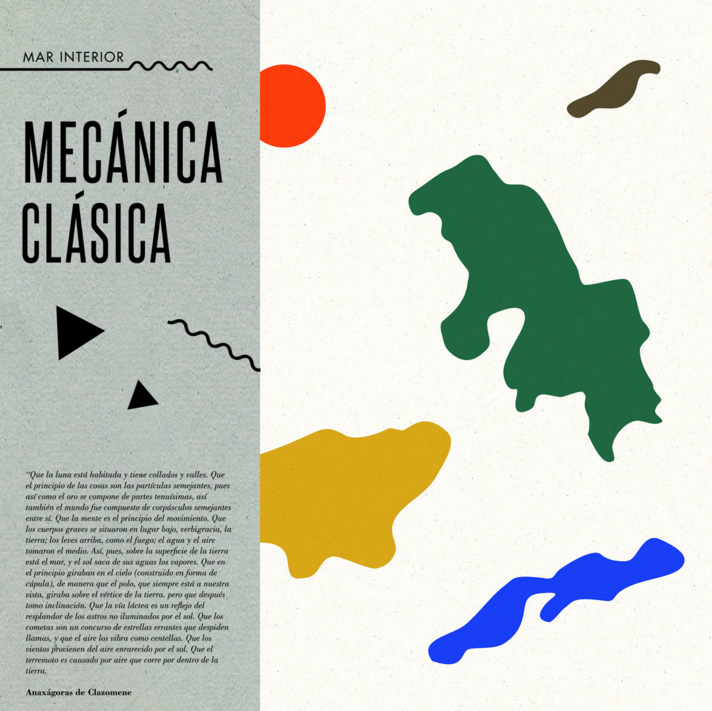
Mecánica Clásica ‘Mars Interior’ (Abstrakce Records)
(DV) Review
Meskerem Mees ‘Julius’ (MayWay Records)
(DV) Review
The Mining Co. ‘Phenomenolgy’ (PinDrop Records)
(DV) Review
Mdou Moctar ‘Afrique Victime’ (Matador Records)
(DV)
Monocled Man ‘Ex Voto’ (Whirlwind Recordings)
(DV)
Mustard Tiger ‘Botchulism’ (Broke Records)
(MO)
N…
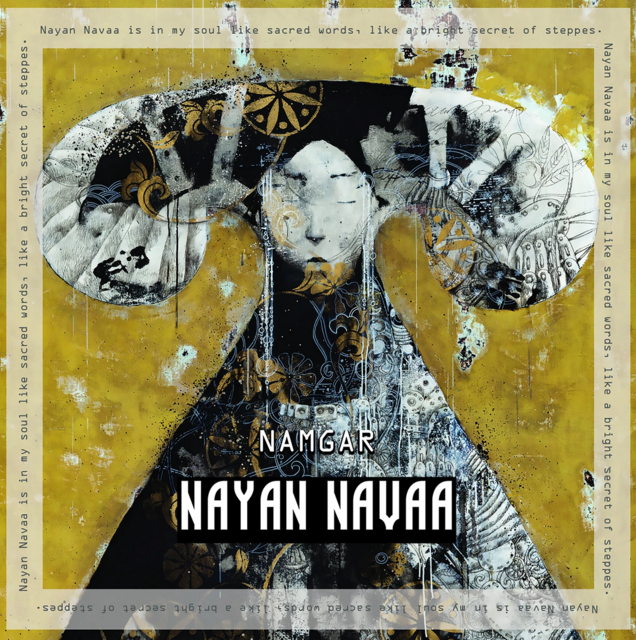
Namgar ‘Nayan Navaa’ (ARC Music)
(DV) Review
Jason Nazary ‘Spring Collection’ (We Jazz)
(DV) Review
David Newlyn ‘Tapes And Ghosts’ (Somewherecold)
(DV) Review
O….
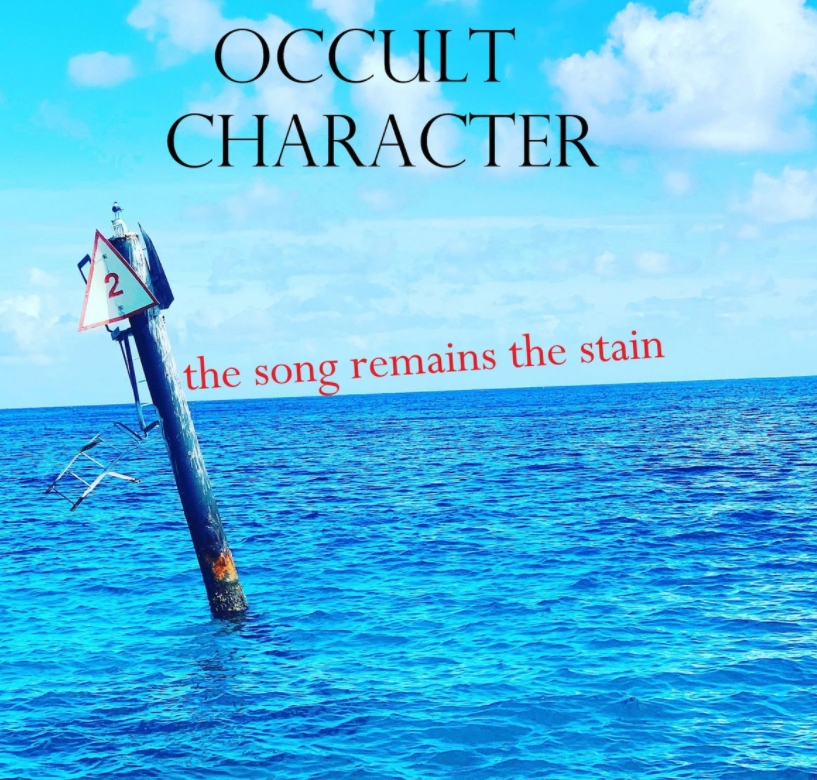
Occult Character ‘The Song Remains The Stain’ (Metal Postcard Records)
(BBS) Reviews
P…..
P5S ‘Unconscious Collective’ (Hyperjazz)
(DV)
Antonello Perfetto & Gary Nieuwsma ‘Aquarium’
(Submarine Broadcasting Co.)
(DV) Review
James PM Phillips ‘Bones’ (Link2Wales)
(BBS) Review
Pons ‘The Pons Estate’ (Self-Release)
(DV) Review
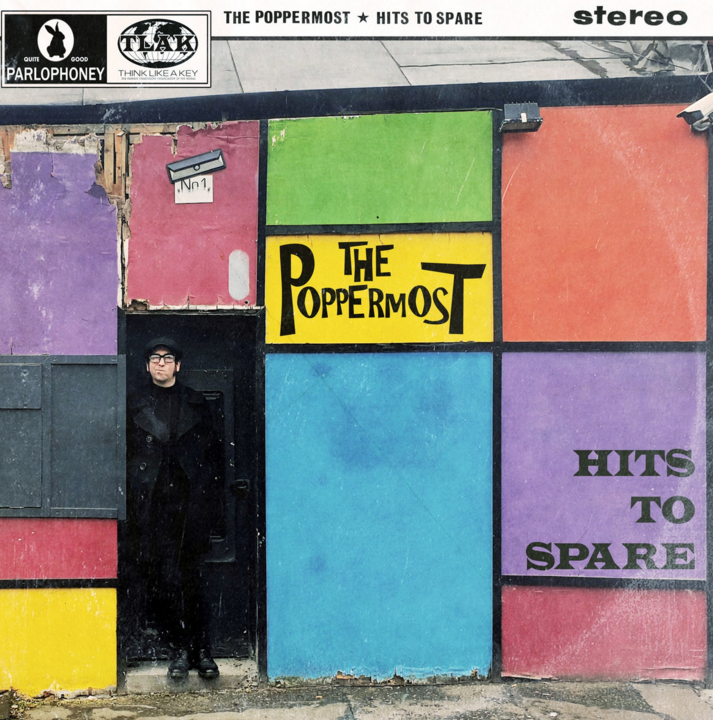
The Poppermost ‘Hits To Spare’ (Think Like A Key)
(BBS) Review
Psycho & Plastic ‘Soundtrack 2: Poppel’ (GiveUsYourGOLD)
(DV) Review
PTČ ‘Neki Tko Vsak Dan’ (Self-Release)
(DV)
R……
Rezo ‘Travalog’ (Self-Release)
(DV) Review
Aesop Rock & Blockhead ‘Garbology’ (Rhymesayers)
(MO)
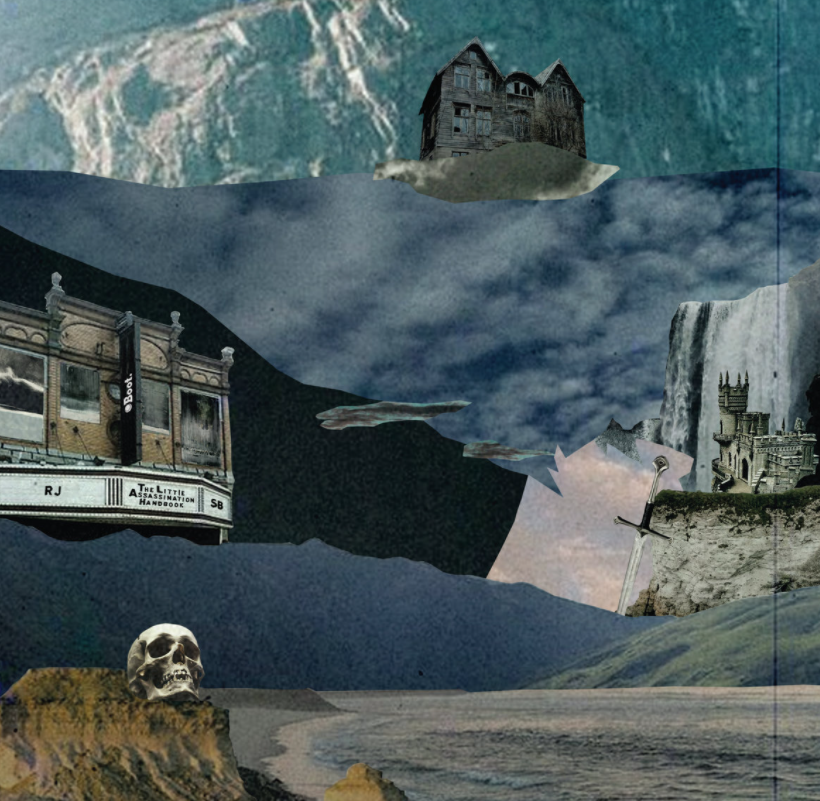
Roughneck Jihad ‘The Little Assassination Handbook’ (Boot Records)
(MO)
Xenia Rubinos ‘Una Rosa’ (ANTI-)
(DV) Review
S…….
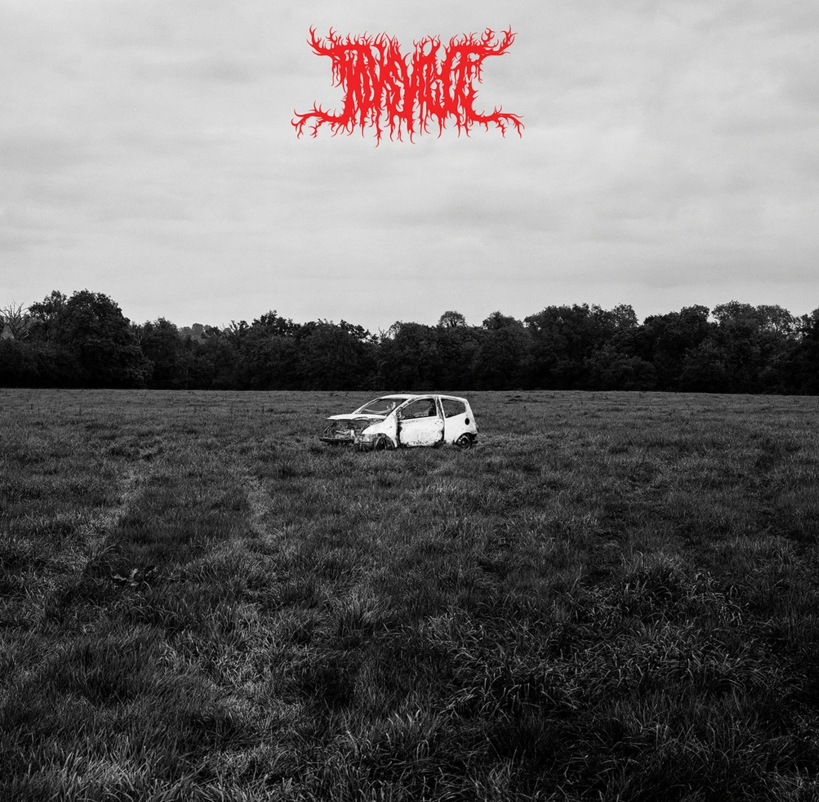
Sad Man ‘Music Of Dreams And Panic’ (Wormhole World)
(DV) Review
Salem Trials ‘Something Beginning With’ (Metal Postcard Records)
(BBS) Review
Santa Sprees ‘Fanfare For Tonsils’
(BBS) Review
Ed Scissor & Lamplighter ‘Joysville’ (High Focus)
(DV) Review
Skyzoo ‘All the Brilliant Things’ (Mello Music Group)
(MO)
SLONK ‘Where Do You See Yourself In Five Years? (Breakfast Records)
(DV)
Snowcrushed ‘A Frightened Man’ (Self-Release)
(BBS) Review
Sone Institute ‘After The Glitter Before The Decay’ (Mystery Bridge)
(DV) Review
Spacelab ‘Dead Dimension’ (Hream Recordings)
(DV) Review
Spindle Ensemble ‘Inkling’ (Hidden Notes Records)
(DV) Review
Spring ’68 ‘Sightseeing Through Music’ (Gare du Nord)
(BBS) Review
Squid ‘Bright Green Field’ (Warp)
(DV)
Stalley & Apollo Brown ‘Blacklight’ (Mello Music Group)
(MO)
Stimulator Jones ‘Low Budget Environments Striving for Perfection’
(Stones Throw)
(MO)
Sun Atoms ‘Let There Be Light’ (Little Cloud/The Acid Test)
(DV) Review
Astrid Swan ‘D/Other’ (Soliti)
(DV)
Matthew Sweet ‘Catspaw’ (Omnivore Recordings)
(DV)
T……..

Taraka ‘Welcome To Paradise Lost’ (Rage Peace)
(DV)
Rosie Tee ‘Earth, Embrace Me In’ (Self-Release)
(DV)
The Telescopes ‘Songs Of Love And Revolution’ (Tapete)
(DV) Review
Theoreme ‘Les Artisans’ (Maple Death Records)
(DV) Review
Th1rt3en ‘A Magnificent Day for an Exorcism’ (Fat Beats)
(MO)
Toumastine ‘Assouf’ (Self-Release)
(DV) Review
Samba Touré ‘Binga’ (Glitterbeat)
(DV) Review
TrueMendous ‘The Misdiagnosis of Chyvonne Johnson’ (High Focus)
(MO)
U………

Uncommon Nasa ‘Only Child’ (Uncommon Records)
(MO) Review
University Challenged ‘Oh Temple’ (Hive Mind Records)
(DV) Review
V……….
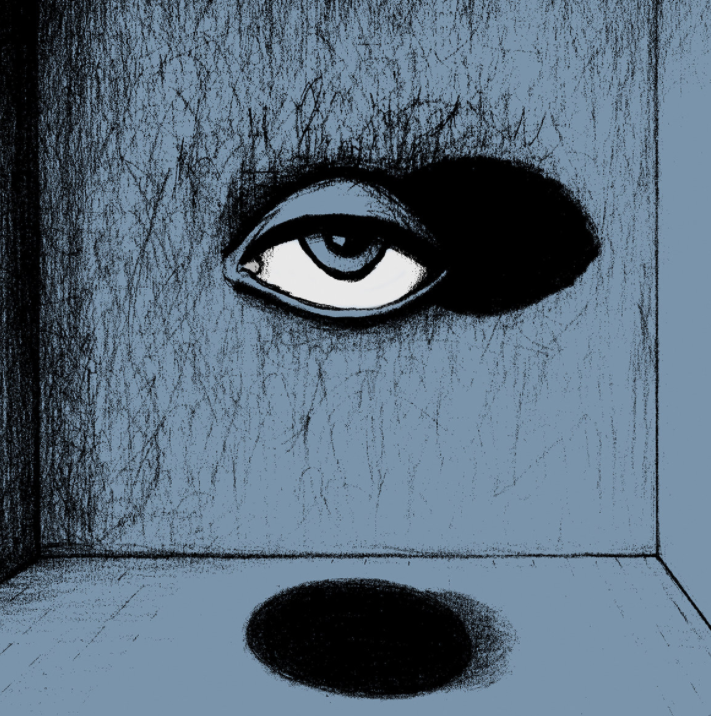
Vapour Trails ‘Underneath Tomorrow’ (Futureman Records)
(BBS) Review
Variát ‘I Can See Everything From Here’ (Prostir)
(DV) Review
Various ‘Artetetra Label: Exotica Ésotérique Vol.3’ (Artetetra)
(DV)
Various ‘Edo Funk Explosion Vol.1’ (Analog Africa)
(DV) Review
Various ‘Essiebons Special 1973-1984/Ghana Music Power House’
(Analog Africa)
(DV) Review
Various ‘La Ola Interior: Spanish Ambient & Acid Exoticism 1983-1990’
(Bongo Joe)
(DV) Review
Various ‘Nahma: A Gulf Polyphony’ (FLEE)
(DV) Review
Vilmmer ‘Nebenkörper’ (Blackjack Illuminist Records)
(DV)
Violet Nox ‘Whispering Galaxy EP’ (Infinity Vine)
(DV) Review
Vukovar ‘The Great Immurement’ (Other Voices Records)
(BBS/DV) Review
W……….

Simon Waldram ‘So It Goes’ (Self-Release)
(BBS) Review
Dean Wareham ‘I Have Nothing To Say To The Mayor Of L.A.’
(DV)
White Ring ‘Show Me Heaven’ (Rocket Girl)
(DV) Review
Amanda Whiting ‘After Dark’ (Jazzman Records)
(DV) Review
Leslie Winer ‘When I Hit You – You’ll Feel It (Anthology)’
(Light In The Attic)
(DV)
Witch Camp (Ghana) ‘I’ve Forgotten Now Who I Used To Be’ (Six Degrees)
(DV) Review
Y…………
Yol ‘Viral Dogs and Cats’ (Crow Versus Crow)
(BBS) Review
Your Old Droog ‘TIME’ (Nature Sounds)
(MO)
CLASS OF 2021 PLAYLIST PART TWO:
How You Can Help Us Continue In 2022:
Hi, my name is Dominic Valvona and I’m the Founder of the music/culture blog monolithcocktail.com For the last ten years I’ve featured and supported music, musicians and labels we love across genres from around the world that we think you’ll want to know about. No content on the site is paid for or sponsored and we only feature artists we have genuine respect for /love. If you enjoy our reviews (and we often write long, thoughtful ones), found a new artist you admire or if we have featured you or artists you represent and would like to buy us a coffee at https://ko-fi.com/monolithcocktail to say cheers for spreading the word, then that would be much appreciated.
Choice Albums Of 2021: Part One: A Journey Of Giraffes to Kuunatic
December 8, 2021
The Monolith Cocktail Team’s Favourite Albums (and some EPs) Of 2021/Dominic Valvona, Brian ‘Bordello’ Shea/Matt Oliver
Despite the nerve of the powers that be, the plague, climate change, the emergence once more of the death cult phenomenon, the full-out from the Brexit vote, inflation and the brave new worlds dystopia of a Meta universe to look forward to, there’s always been the music to fall back on. And during 2021 nothing could stop our beloved artists and bands from producing and releasing it: The only relief in yet another depressing annus horribilis.
It must be repeated, as it holds true this year as it did last, that this was yet another divisive turd of a year with hyperbolic indignities and the childish naïve persecution of nearly everything and everyone outside the virtue-card carrying trends of “black square” signalling. Whilst many of my peers were casting the aspirations, collecting bracken for the ritual burnings of the faithless, and delivering the most hypercritical of grandstanding statements on diversity, we were continuing as ever as the outsiders to carry on with a normal service of sharing the most eclectic music from artists across the globe: just getting on with the task of sharing great borderless music.
The obligatory end of year lists is now upon us. And so it is time to deliver the first part of our own ‘choice albums of the year’ list. Because we’ve never seen the point in arguing the toss over numerical orders the Monolith Cocktail’s lighter, less competitive and hierarchical ‘choice albums’ features have always listed all entrants in alphabetical order. We also hate separating genres and so everybody in these features, regardless of genre, location, age shares the same space.
Void of points systems and voting, the Monolith Cocktail team selection is pretty transparent: just favourites and albums we all feel you, our audience, should check out. Alongside my good self, Matt Oliver and Brian ‘Bordello’ Shea have made the selections this year. We’ve also compiled a two part playlist, with tracks from (where possible) every album (and the occasional EP).
Before I go, the Monolith Cocktail is always open to new collaborators – just email me at monolithcocktail@gmail.com
And so without further ado, we bring you part one (From A to K):
A
A Journey Of Giraffes ‘Spool’ (Somewherecold Records)
(Chosen by Dominic Valvona) Review
Adult Books ‘Grecian Urn’ (Self-Release)
(DV)
Saba Alizadeh ‘I May Never See You Again’ (30M Records)
(DV)
Obay Alsharani ‘Sandbox’ (Hive Mind Records)
(DV) Review
Anaximander Fragment ‘Wagon Drawn Horse’ (Shimmy Disc)
(DV) Review
Antonis Antoniou ‘Kkismettin’ (Ajabu! Records)
(DV) Review
Tamar Aphek ‘All Bets Are Off’ (Self-Release)
(DV)
The Armories ‘Incognito’ (Big Stir Records)
(Chosen By Brian ‘Bordello’ Shea) Review
The August List ‘Wax Cat’ (All Will Be Well Records)
(DV) Review
B..
Bagaski ‘Final’ (See Blue Audio)
(DV) Review
Beach Boys ‘Feel Flows Box Set’ (Capitol/UME)
(DV)
Belcirque ‘La Grand Fête’ (ARC Music)
(DV)
Big Lukah ‘Why Look Up, God’s In The Mirror’ (FXCK RXP)
(Matt Oliver)
Black Temple Pyrämid ‘The Hierophant’ (Submarine Broadcasting Co.)
(DV) Review
BLK/JKS ‘Abantu/Before Humans’ (Glitterbeat Records)
(DV) Review
Boom.Diwan Ft. Nduduzo Makhathini ‘Minarets EP’
(DV) Review
Bordello and Clark ‘Atlantic Crossing’ (Think Like A Key)
(BBS/DV) Review
Luke Brennan ‘The Rush To The Sky’ (Submarine Broadcasting Co.)
(DV) Review
C…
Cadence Weapon ‘Parallel World’ (eOne Music)
(MO)
Camera ‘Prosthuman’ (Bureau B)
(DV) Review
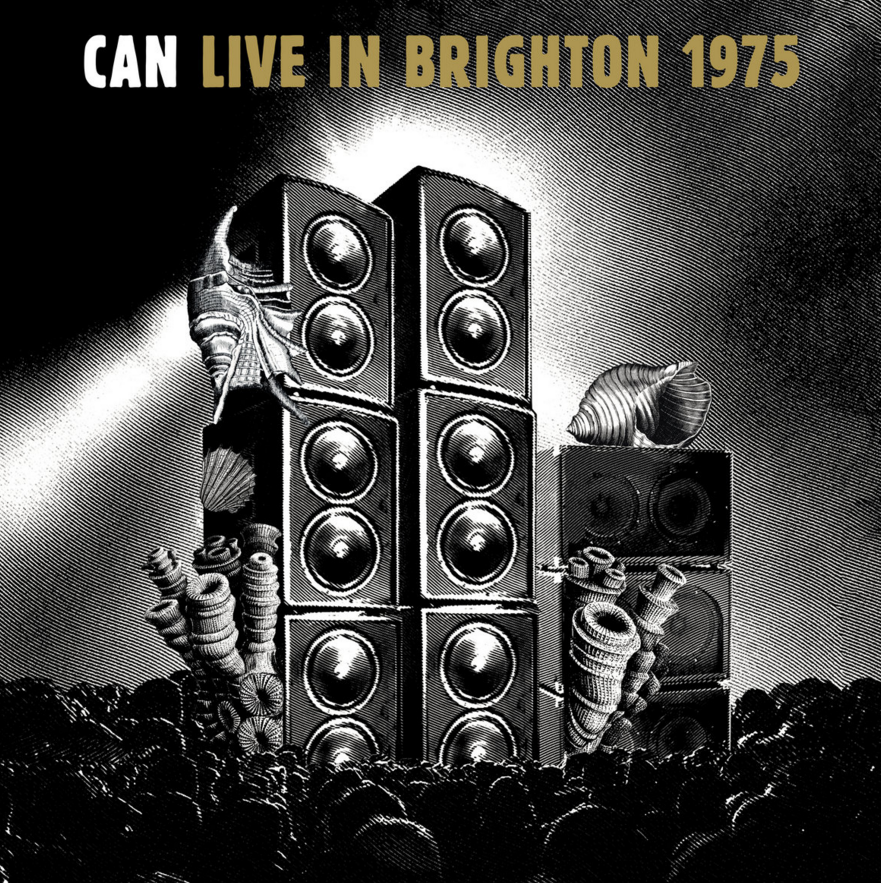
Can ‘Live In Brighton’ (Spoon/Mute)
(DV) Review
Tom Caruana & Dr Syntax ‘Crumbs’ (Tea Sea Records)
(MO)
Liliane Chlela ‘Safala’ (Amygdala Records)
(DV)
David Ornette Cherry’s Organic Nation Listening Club ‘The Continual’
(Spirtmuse Records)
(DV) Review
Anansy Cissé ‘Anoura’ (Riverboat Records)
(DV) Review
Alice Coltrane ‘Kirtan: Turiya Sings’ (Impulse!)
(DV)
Liz Cooper ‘Hot Sass’ (Sleepyhead Records)
(DV)
Corduroy Institute ‘Eight/Chance/Meetings’ (Self-Release)
(BBS) Review
Graham Costello’s Strata ‘Second Lives’ (Gearbox)
(DV)
D….

Datkid & Illinformed ‘WAKMO’ (High Focus)
(MO)
Jamael Dean ‘Primordial Soup’ (Stones Throw)
(DV) Review
Dear Liaka ‘Pluperfect Mind’ (Memorials Of Distinction)
(DV) Review
Graham Domain ‘Without The Darkness The Stars Could Not Shine’
(Metal Postcard Records)
(BBS) Review
Matthew Donovan ‘Underwater Swimming’ (Self-Release)
(DV) Review
Dwi ‘Mild Fantasy Violence’ (Light Organ Records)
(DV)
E…..

Eboni Band ‘S/T’ (We Are Busy Bodies)
(DV)
Electric Jalaba ‘El Hal/The Feeling’ (Strut)
(DV)
Kahil El’Zabar ‘A Time For Healing’ (Spiritmuse)
(DV)
Ensemble De Cadavres Exquis ‘The Warlock Tapes’ (SBC)
(DV) Review
Evidence ‘Unlearning’ (Rhymesayers)
(MO)
Ex Norwegian and Friends ‘Sing Jimmy Campbell’
(Think Like A Key Records)
(BBS) Review
F……
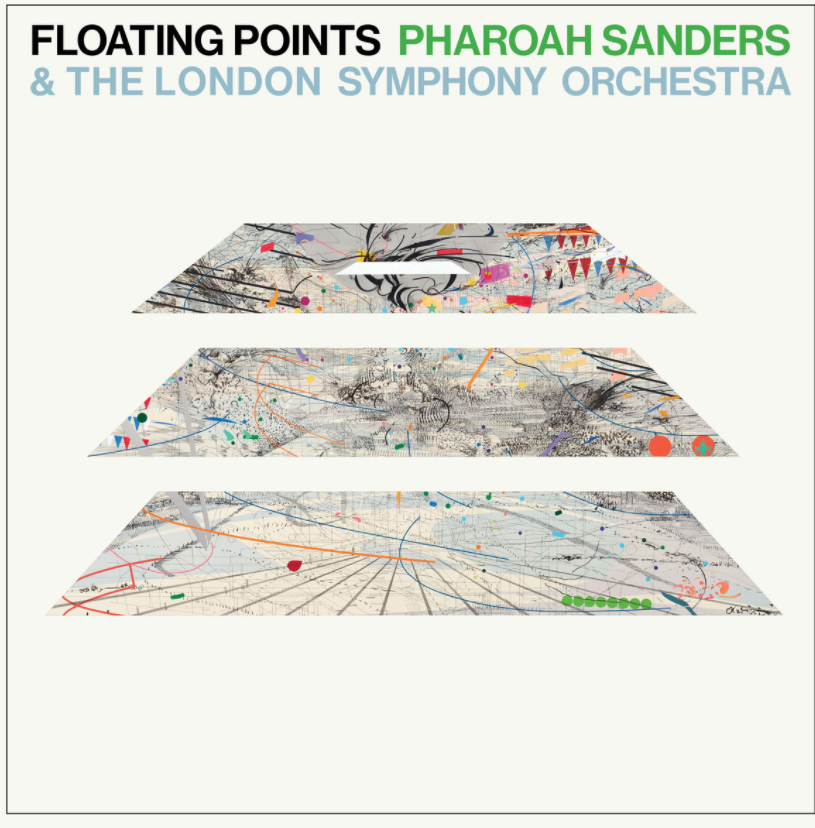
Marianne Faithful w/Warren Ellis ‘She Walks in Beauty’
(Panta Rei/BMG)
Fat Francis ‘Breakfasts For Losers’ (Self-Release)
(BBS) Review
Floating Points And Pharaoh Sanders ‘Promises’ (Luka Bop)
(DV)
Flowertown ‘Flowertown’ (Paisley Shirt Records)
(BBS) Review
Forest Robots ‘Amongst A landscape Of Spiritual Reckoning’
(Wormhole World)
(DV) Review
DJ Format ‘The Devil’s Workshop’ (Project Blue Book)
(MO)
Nick Frater ‘Earworms’ (Big Stir Records)
(BBS) Review
Fresh Daily ‘The Quiet Life 2’ (High Water Music)
(MO)
Conny Frischauf ‘Die Drift’ (Bureau B)
(DV) Review
G…….
Giacomeli ‘Interplanetary Thoughts’ (Somewherecold Records)
(DV) Review
Gift of Gab ‘Finding Inspiration Somehow’ (Nature Sounds)
(MO)
Catherine Graindorge ‘Eldorado’ (Glitterbeat Records)
(DV) Review
Charlotte Greve w/Wood River & Cantus Domus ‘Sediments We Move’
(New Amsterdam)
(DV) Review
H……..

Hackedepicciotto ‘The Silver Threshold’ (Mute)
(DV) Review
The Hawks ‘Obviously Five Believers’ (Seventeen Records)
(BBS) Review
Andrew Heath ‘New Eden’ (Disco Gecko)
(DV) Review
Hellenica ‘Blood Meridian: An Imagined Soundtrack’ (Somewherecold)
(DV) Review
Heyme ‘Moving On’ (Jezus Factory)
(DV) Review
Hiatus Kaiyote ‘Mood Valiant’ (Brainfeeder)
(DV)
Hits ‘Cielo Nublado’ (Paisley Shirt Records)
(BBS) Review
Holiday Ghosts ‘North Street Air’ (FatCat Records)
(BBS) Review
Andrew Hung ‘Devastations’ (LEX Records)
(DV) Review
J……….

Brian Jackson ‘JID008’ (Jazz Is Dead)
(DV)
Jane Inc. ‘Number One’ (Telephone Explosion)
(DV) Review
Jazzmeia Horn And Her Noble Force ‘Dear Love’ (Empress Legacy)
(DV)
Racquel Jones ‘IgnoRANT’ (Magnetic Moon Records)
(DV)
Juga-Naut & Giallo Point ‘Smoke Filled Room’ (Tuff Kong)
(MO)
K………..
Kaukolampi ‘We Jazz Reworks Vol.1’ (We Jazz)
(DV) Review
Khalab & M’ Berra Ensemble ‘M’ Berra’ (Real World Records)
(DV) Review
King Champion Sounds ‘Between Two Worlds’ (Hive Mind Records)
(DV) Review
Koma Saxo ‘Live’ (We Jazz)
(DV) Review
Kuunatic ‘Gate Of Klüna’ (Glitterbeat)
(DV) Review
Hi, my name is Dominic Valvona and I’m the Founder of the music/culture blog monolithcocktail.com For the last ten years I’ve featured and supported music, musicians and labels we love across genres from around the world that we think you’ll want to know about. No content on the site is paid for or sponsored and we only feature artists we have genuine respect for /love. If you enjoy our reviews (and we often write long, thoughtful ones), found a new artist you admire or if we have featured you or artists you represent and would like to buy us a coffee at https://ko-fi.com/monolithcocktail to say cheers for spreading the word, then that would be much appreciated.
COMPILATION REVIEW

Various ‘Essiebons Special 1973-1984//Ghana Music Power House’ (Analog Africa) 3rd December 2021
“Highlife”, a name that stuck, was first used to reference the class divide of colonial Ghana. For many of the bands synonymous with this loose tag originally began playing to Europe’s upper echelons and civil servants, diplomatic classes at the stiffened ballrooms and tea dances. Many would also start out plying their trade as members of the various police and army marching bands. As trends, new musical styles emerged – from jazz to swing and eventually rock – these same groups began to shake off the prissy foxtrots for something altogether sunnier and dynamic.
Once Ghana (the first Sub-Saharan country to do so) gained independence in 1957 from Britain, the doors were truly flung open. This meant not only embracing the contemporary but the past too, as traditional beats, sounds and rhythms were merged with the new sounds hitting the airwaves from outside Africa. Highlife grabbed it all and much more. But if you really need a snappier summary of the phenomenon, it’s a merger of indigenous African sounds played with Western instruments. But then that leaves out the horns: a vital part of the overall sound originally brought in to replace the violin and strings. In that mostly lilted mix you’ll hear everything from calypso to Stax; funk to garage fuzz howlers. Of course cats like Fela Kuti, over on Nigeria, would turn-up it up, inject more political clout, rock and jazz to create Highlife’s offspring for a new age, Afrobeat – I’m well aware there will be arguments over that glib summary.
One of Highlife’s great impresarios is celebrated on this final Analog Africa compilation of 2021; a project prompted by the postponed (due to Covid) 90th birthday of the collection’s subject Dick Essilfire-Bondzie, who sadly passed away in August last year.
Though Ghana has found the spotlight before, with for example the brilliant Ghana Special box set from Soundway, no one’s put the emphasis on one of its chief instigators, movers and shakers, and the iconic label they set up: Essiebons. In a relatively thriving music scene, yet to be picked up by more than a couple of Western labels, in the 1960s Essilfire-Bondzie negotiated a deal with Philips which would change the scene forever with an enviable roster of acts and artists. Ghana could already boast of The Sweet Talks, Vis a Vis, The Cutlass Dance Band, T.O. Jazz and Hedzollah Soundz, but through the studio doors of Essiebons and its small offshoot Dix came the likes of legends like Rob, C.K. Mann, Gyedu Blay Ambolley and Ebo Taylor: many of which now appear in some form on this sixteen-track survey.
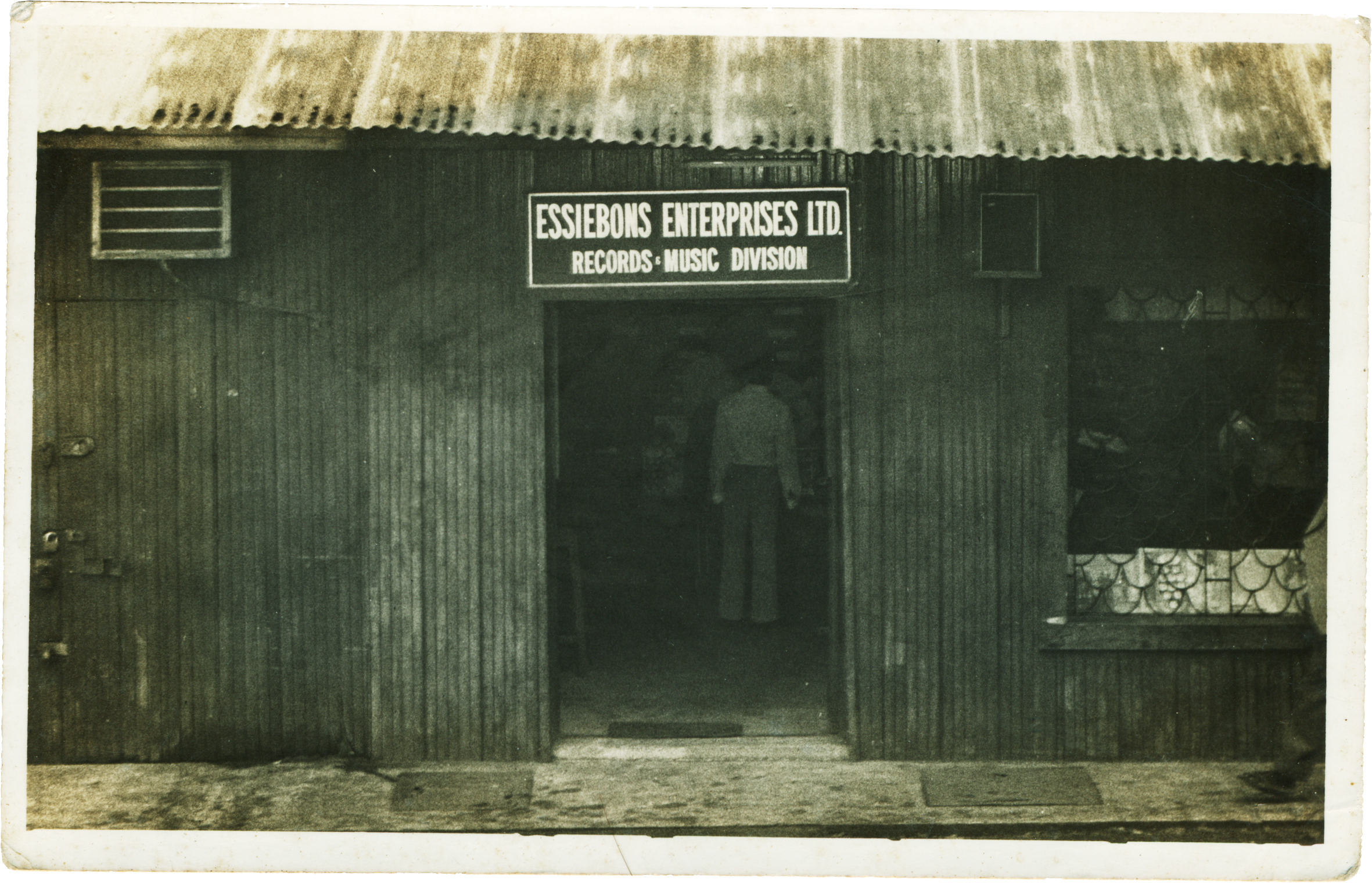
It was probably harder for Anlog’s label chief honcho and crate-digger Samy Ben Redjeb to decide what to leave out; although he’s actually unearthed six previously unreleased tracks from the archives alongside those that were released and made a splash. It’s not clear why this sextet was left in the vaults; it’s certainly not an issue of quality. Left dormant, funky little shufflers, saunters and gospel slumbers from Ernest Honny and Joe Meah get to excite the audience they never had.
It soon becomes apparent exactly what instrument the session player and band leader Honny excelled at, the organ being the focal point of all four of his turns screams, darts, stabs and flourishes. Honny had already put out the popular ‘Psychedelic Woman’ single with his Bees and appeared on various key and cult albums before going out alone on this quartet of performances. ‘Kofi Psych (Interlude I)’ the first of these is an organ showpiece that peppers, slams and dots notes and scales across an almost gospel-soul, bordering on the Bayou, backing. Herbie Hancock’s “wiggles” and squeeze box emitted buzzer meet on the sermon-like ‘Say The Truth’.
For his part, the relatively unknown Meah lays down an infectious Kuti-like funk groove on the smooth horn blasted and tooted ‘Dee Mmaa Pee’, and adopts synthesized effects on the relaxed tribal beat ‘Ahwene Pa Nkasa’.
Other fruits from the Essiebons tree include Santrofi-Ansa’s mid-tempo horn rasping and Curtis Mayfield crosses paths with The Meters and Issac Hayes crosstown jive talk ‘Shakabula’, and Seaboy’s familiar shuffled and lilted anthem prayer ‘Africa’. The alias of one Joseph Nwjozah Ebroni, who started out as a vocalist in the Bekyere Guitar Band (whose Across The Sea album classic featured Honny on organ duties), Seaboy also gets to side up once more with Nyame Bekyere for the soul-funk, telephone dial tone fluttered organ spot ‘Tinitini’.
It’s all good mind, with various adoptions of the Highlife gene, and some examples of technological advances as the label went into the late 70s and early 80s. And to think, if the late Essilfire-Bondzie had decided to stick with a career in business or the civil service (the whole background is laid out in the ever-brilliant, informative scene-setting liner notes), then Highlife would be without one of its greatest promoters and platforms. The label though was a great success; even venturing into film in the 70s with Roots To Fruits, a documentary exploring and featuring the titans of Ghanaian Highlife.
A golden period in the development of a sound that kept changing, adopting contemporary styles as it went on with a boom in recent years of modern Highlife, this compilation pays homage to one of its greatest champions. Analog Africa once more serves up a hot platter as the nights draw in closer and cold starts to bite. They finish the year on a high.

