Our Monthly Playlist selection of choice music and Choice Releases list from the last month.
We decided at the start of the year to change things a little with a reminder of not only our favourite tracks from the last month, but also a list of choice albums too. This list includes both those releases we managed to feature and review on the site and those we just didn’t get the time or room for – time restraints and the sheer volume of submissions each month mean there are always those releases that miss out on receiving a full review, and so we have added a number to both our playlist and list.
All entries in the Choice Releases list are displayed alphabetically. Meanwhile, our Monthly Playlist continues as normal with all the choice tracks from July taken either from reviews and pieces written by me – that’s Dominic Valvona – , Brian ‘Bordello’ Shea, and this month, Kalporz writer Samuel Conficoni. Our resident Hip-Hop expert Matt Oliver has also put forward a smattering of crucial and highlighted tracks from the rap arena.
CHOICE RELEASES FROM THE LAST MONTH OR SO:
Blanco Teta ‘‘La Debacle las Divas’
(Bongo Joe) Review
Lukas Cresswell-Rost ‘Weight Away’
(Wayside & Woodland Recordings) Review
Theon Cross ‘Affirmations: Live at Blue Note New York’
(New Soil) Review
Cumsleg Borenail ‘10mg Citalopram’
(Cruel Nature Recordings) Review
Exploding Star Orchestra ‘Holy Mountains’
Fortunato Durutti Marinetti ‘Bitter Sweet, Sweet Bitter’
(Quindi Records/We Are Time) Review
Tony Jay ‘Faithless’
Review
Freh Khodja ‘Ken Andi Habib’
(WEWANTSOUNDS) Review
The Lancashire Hustlers ‘Here But Not Here’
(Steep Hill) Review
Kevin Robertson ‘Yellow Painted Moon’
Review
Maria Elena Silva ‘Wise Men Never Try’
Review
Sol Messiah ‘War of the Gods’
THE PLAYLIST::
Blanco Teta ‘Subiduki’
Scotch Funeral ‘Weak at the Knees’
Freh Khodja ‘Aich Sar Bina Koulili’
Brickwork Lizards ‘All the We Are – Reworked by Sebastian Reynolds’
Natural Information Society ‘Sound Talisman’
Sol Messiah Ft. Sa-Roc ‘Auset’
Raekwon Ft. Ghostface Killah & Method Man ‘600 School’
Mr. Muthafuckin’ eXquire ‘Y.O.Utopia’
Open Mike Eagle ‘ok but I’m the phone screen’
Nicholas Craven & Boldy James Ft. C Dell & Nick Bruno ‘At&T’
Clipse, Pusha T & Malice Ft. Ab Liva ‘Inglorious Bastards’
Estee Nack & V Don Ft. Al-Doe ‘EZBRED’
Rachel Eckroth ‘Yin Yang’
Theon Cross Ft. Isaiah Collier, Nikos Ziarkas & James Russel Sims ‘We Go Again – Live at the Blue Note, NYC’
Peter Evans (Being & Becoming) ‘Malibu’
Homeboy Sandman & Sonnyjim ‘Can’t Stop Me’
Apollo Brown & Bronze Nazareth ‘Wheel Of Misfortune’
Ramson Badbonez & Leaf Dog ‘Celestial Bodies’
Max Schreiber ‘Layla Mistakel’
The Conspiracy ‘Salisbury Road’
SUO ‘Big Star’
Fortunato Durutti Marinetti ‘Beware’
Jeff Tweedy ‘Out in the Dark’
Kevin Robertson ‘Yellow Painted Moon’
Soft Hearted Scientists ‘Hello Hello’
Whitney ‘Dandelions’
The Lancashire Hustlers ‘Perhaps’
Ali Murray ‘ Toby’
Alex G ‘June Guitar’
Spotless Souls ‘In the Heart’
The Noisy ‘Twos’
Wolfgang Perez ‘So Ouco’
Eve Goodman & SERA ‘Blodyn Gwylly’
Joe Harvey-Whyte & Paul Cousins ‘lift’
Sirom ‘For You, This Eve, the Wolves Will Be Enchantingly Forsaken’
Austistici & Jacek Doroszenko ‘After Water Formed A Shape’
Cumsleg Borenail ‘You Mean Something To Me’
Cecil Taylor & Tony Oxley ‘Encore 1’
Exploding Star Orchestra ‘Afterburn (Parable 400)’.
If you’ve enjoyed this selection, the writing, or been led down a rabbit hole into new musical terrains of aural pleasure, and if you can, then you can now show your appreciation by keeping the Monolith Cocktail afloat by donating via Ko-Fi.
For the last 15 years both me and the MC team have featured and supported music, musicians and labels we love across genres from around the world: ones that we think you’ll want to know about. No content on the site is paid for or sponsored, and we only feature artists we have genuine respect for /love or interest in. If you enjoy our reviews (and we often write long, thoughtful ones), found a new artist you admire or if we have featured you or artists you represent and would like to say thanks or show support, than you can now buy us a coffee or donate via https://ko-fi.com/monolithcocktail
THE MONTHLY DIGEST INCLUDES A CLUTCH OF ACCUMULATED NEW MUSIC REVIEWS; THE SOCIAL INTER-GENERATIONAL/ECLECTIC AND ANNIVERSARY ALBUMS CELEBRATING PLAYLIST; AND CHOICE PIECES FROM THE ARCHIVES.
___THE NEW___
Autistici ‘Familiarity Enfolded’
(Audiobulb) 2nd August 2025
The middle sequence in a series of transformations by the Sheffield-based electronic composer, Familiarity Enfolded follows on from the first link in a chain of collaborative immersions, Familiarity Folded – released in just the last week. In what could also be a collaborative showcase for the Audiobulb label too, a smattering of artists who’ve previously released material on the platform now bond and work with Autistici in redeveloping or evolving and remixing his compositions and ideas for a three-part project.
Finding common ambient space and minimalist approaches to visioning new soundscapes and movements, part two includes contributions from Tomo-Nakaguchi (an artist we’ve raved about on the site in the last few years, and made our choice albums of the year lists), A Dancing Beggar (who hasn’t appeared for a very long time on this site, but has made our choice albums lists in the past), Russ Young and OdNu (another artist who has appeared in our reviews sections in the last couple of years). The prospects look good already, with this quartet’s sphere of influences within the ambient and electronic realms both adroit and always worthy of attention.
First up both Autistici and Tomo-Nakaguchi match-up for an incipient majestic awe of both the natural and synthetic on the opening ‘Twilight Glow Of The Sky’. What could be the sound of filaments falling like pattering rain on a drum skin or piece of Tupperware can be heard amongst the moving glimmering light captured at such an inspiring moment in time and place.
The cove atmospheric ‘Caiplie’s Hermitage’ references the atavistic caves of the title, found between the Scottish towns of Anstruther and Crail on the coastal pathways of Fife. A Dancing Beggar is the foil this time around, playing on the hallowed ghosts and history of that mysterious cavern, which is believed to have been used as a place or sanctuary of worship for Christians in the 9th century AD. There’s constant wash or downpour of rain and presence of water elements that continue throughout this piece, and it could be that the artists are perhaps sheltering from it as they build up an abstract picture that’s one part natural and the other near sci-fi. The brassy resonating strings of a guitar are plucked, pulled and sprung as heavenly machines move around in the background. A Dancing Beggar joins both Autistici and OdNu on the finale; a twenty minute plus long form illusion inspired by the track title’s Arthurian referenced enchantress, sibling, shapeshifter and seducer Morgan Le Fay mirage, the ‘Fata Morgana’. A “superior mirage” in other words, this optical phenomenon and complex mirage creates distorted and sometimes fantastical images of distantly observed objects. You must have seen this when looking at to sea in particular conditions and seeing tankers or ships appearing to float above the waves. Sonic wise, this reminded me of Jeff Bird with its essence of piped or pumped pastoral sounds. But there’s also something hallucinogenic about it too. There’s a Mark Hollis solo style piano bit, something that sounds almost like a concertinaed ghostly echo of some shipwreck shanty plus the shimmers and shivers of magic.
That leaves the final track of the quartet, the ‘Dissolved in Light’ collaboration with Russ Young, who I must admit I’m unfamiliar with. It begins with the itchy rubbing chorus of crickets and sundown atmospherics. A veil of mist dissipates to reveal a most minimalist timelessness before Laraaji-like bowls are struck softly and the sound of tines and melodious ambient waves entwine. Andrew Heath evocative piano notes and falls meet an amorphous staccato engine as the track moves along its placeable journey to the sacred.
‘Relinquishing’ control, the concept behind this series has worked rather well; resulting in some magical, stirring and illusionary pieces of sophisticated and highly immersive ambient and lowkey electronica. A Dancing Beggar seems to be adding something of the bucolic and pastoral to the mix to give it a connection to the human and greenery, the nature and history. But all four collaborators prove congruous partners on this project. Part three, Familiarity Unfolded, will follow in due course, and it will be interesting to hear the results of another set of sonic and musical partners.
The Lancashire Hustlers ‘Here But Not Here’
(Steep Hill) 4th July 2025
Rolling with the punches meted out by life; tumbling forward into a new songbook; The Lancashire Hustlers seventh album rings true with disillusion, detachment, bewilderment and isolation. It’s a feeling that’s hard to articulate or relate, but that unease at the tides of time and the disenchanted shrugs of malady sound pretty warm, gentle and sellable.
With a MOR breeze of soul in their sails once more, the long-standing duo of guitarist and vocalist Brent Thorley and drummer and backing vocalist Ian Pakes take beat group, Baroque, psych and troubadour influences for a both funky and yearned trip across the Northern countryside and towns of their home. Transporting a hint of Muscle Shoals to Lancashire for an idiosyncratic English take on the music of the Isley Brothers, Stevie Wonder, Curtis Mayfield, the duo (with an extended apparatus of instruments, which they both share) have a slight saunter and roll to their signature to their songwriting and playing. It’s the sound of The Beatles, of individual Lennon and McCartney on their solo work, of the Stones, of Ollie Halsall and John Compton with an undulation of gospel-light and country-soul electric piano and organ. Talking of the country reference, the most lovely ‘Just Because’ has what could be either a melodica or clarinet sounding like a forlorn but romantically sighed harmonica – there’s also the use of a lap steel guitar.
There are some heartfelt, sad plaints, and rural country swamp pop ditties that wouldn’t sound out of place on McCartney’s eponymous solo album and RAM; some songs that err towards the haunted, albeit with instrumental aping scurrying mouse effects – see the confessional, asking for forgiveness, pest and rodents quirky phobia, and Byzantine Stones flavoured ‘I Killed A Mouse’ -; and some that beat themselves up over guilt, frustration and heartache. Most out there, must be the dejected lament of feeling ignored, ‘Like A Ghost’, which sounds like a detour to some mysterious Hispaniola Les Baxter hideaway island of the occult. And yet, they never feel so down or in the blues funk that each song isn’t rich in playfulness lyrics wise, or ever dour.
Another enchanting as it is sorrowful and disenchanted songbook from a duo that continues to make its own luck, releasing a consistent catalogue of instantly likeable, melodious and breezily catchy albums. It’s always a pleasure to review and hear them.
Maria Elena Silva ‘Wise Men Never Try’
4th July 2025
Recently stripping back Bob Dylan’s courtly enigmatic dames to their most essential essences with interpretations of ‘Queen Jane’ and a summoned bell rung ‘Sad-Eyed Lady of the Lowlands’, Maria Elena Silva now turns to the pages of the Great American Songbook with a first volume of revisited and transposed standards made anew: that is, made emotively ethereal, near evanescence yet connected and with a real sense of depth and something approaching the tactile.
Under the ‘umbrella title’ of Wise Men Never Try, the inaugural volume features a small intimate accompaniment of players to accentuate and punctuate Silva’s carefully placed and near blown words, or, to wind along to a minimalist performance of the artful, the solo play, the quietened and sullen lament, the show tune stripped of artifice, and the enigmatic, near impregnable shell of a smoky cabaret tortured soulstress. Step forward Erez Dessel, who’s piano both articulates the feel and plays with a freer hand of spine-tinkles, ached suspense, distorts and slightly jars the nerves; especially on the opening version of Carolyn Leigh and Cy Coleman’s late 1950’s standard, ‘I Walk A Little Faster’ (the singular “I” has been dropped I assume to reframe the angle for a new interpretation), which was a hit for Blossom Desire in 1958. The original’s slight lilt of 50s swing and jazz is replaced with a jilt of dissonance on the piano; made more so because of the near silence that opens the song. In a bluesy-jazzy fashion that also recalls the theatre, Silva amorphously places the words with lulled and delicate breathless ease. As a theme of heartache and denial, this distillation is as beautiful as it is almost troubling and disconsolate. The album’s finale, ‘Some Enchanted Evening’, is the closet interpretation on the whole album, featuring a lovely melodious piano that wouldn’t sound out of place on the original; all very tender and dreamy. The Rodgers and Hammerstein number, composed for the South Pacific musical, is normally sung by male protagonist Emile as he captures the essence of love at first sight. Out of the female gaze, with a female perspective that theme is not so much lost but redefined.
We also have Tyler Wagner popping up on the double-bass, taking a tactile, textural jazzy approach, offering flexed stretches of the body, sensitive little crawls and climbs, and more physical thwacks of the bass strings. The filmic pining ‘I Should Care’, written by Alex Stordahl, Paul Weston and Sammy Cahn for the 1944 MGM matinee Thrill of a Romance – covered by all the notable greats over the decades, from Sinatra to Peggy Lee, Dizzy Gillespie and Amy Winehouse -, features a bass that quietly thumbs away a jazz rhythm in the style of early Blue Note, as Silva sympathetically oozes soulful pursed heartache.
Completing the accompanying trio – who it must be stated, don’t always play together or on every song – is Ben McDonald on electric guitar. Subtle for the most part, ‘I’m In Love Again’ has McDonald pinging harmonics, brushing up and down the fretboard and playing a nice Reinhardt-esque delicate languid sensitive form of haunted sympathy.
It must be pointed out that Silva also plays acoustic guitar on these numbers. ‘You Don’t Know How Glad I Am’, written by Jimmy Williams and Larry Harrison, and made her own by Nancy Wilson on the 1964 single, is an intimate entwined match of Silva’s climbing vocals and a guitar with a pinch of Spanish flair: albeit kept quite subtle. Silva’s version of that recognisable tune sounds somewhere between Judee Sill and Roberta Flack. It’s there again on the next song, ‘Close To You’, a sort of jazzy-gypsy guitar melancholy.
Silva’s voice is labyrinthine and enigmatic yet can’t quite hide the various emotional toils of disconsolate and sacrificial, torturous and resigned heartbreak. Despite the intimacy of the setting, every song has a stage-like atmosphere about it that croons and soothingly oozes sophisticated, elegant jazzy-blues performance from the stillness and blank space. But that voice is hard to define, to pin down; amorphously pitched between the great jazz singers, the voices of perhaps Julie London and Peggy Lee, and something approaching the folk doyens of the 60s. A beautiful, somewhat pining and plaint start to a series of such interpreted songbooks, volume one is a very personal take and perspective on a songbook we have come to take for granted and heard a thousand or more times. In this moment, this setting, those just recognisable songs have taken on a different quality and encouraged a new reading.
If that grabbed you, Silva will be back next month with a second volume, this time concentrated on songs of a certain vintage, and a prescient history, the American Civil War. Expect to read a review of that album at a later date.
Leo Wolf ‘I Saw Your Shadow On The Wall’
1st August 2025
The flicker of Richter’s candle appearing at the end of the labyrinth; the half-dreamt, half-seen M.R. James’ apparitions; the presence of the supernatural and mysterious prompted by sleep hallucinations; these are all in the essence and conjuring of imagery that is crafted from the North Carolina artist Leo Wolf’s ambient, atmospheric and filmic granular synthesis of processed sampled material from classical records and field recordings. With weight and texture these asynchronously breathed, and space filled recordings exist in a semi dream state, simultaneously paranormal and yet tethered to the search for light and gravitas in a world of synthesized melodic wave forms, tones, passes, undulations and bass-y padded throbs.
Building up a moving, simulating and often dramatic sensory experience from hidden sources, machinery and the recognisable captured moments of the artist’s surroundings – from the rain hitting a metal apparatus in the garden, to the clatter of cutlery and plates, the conversations caught between people in a restaurant or café setting -, this album’s building blocks act together and independently of each other to set in motion a feeling both hypnagogic and hypnotic – the former even features in the title of one track. Are we indeed awake or not? Who can tell, as Leo constructs a surprisingly beautiful work of ambient reflection, soundtracks and filtered brilliance.
A brilliance of light (metaphorical and real) can be found on each and every track more or less, as the mists, haze, the unsure fogs of the musty and gauzy are parted to reveal itself.
It sounds to me like 1980s paranormal VHS merged with His Name Is Alive, synthesized monastic and gothic voices, hollowed beams, overhead craft of an alien nature and generators. Nightmare and the sublime through the grainy lens, I Saw Your Shadow On The Wall envelops the listener in Leo’s personal searches and emotional pulls to create a most moving soundtrack.
___/The Monolith Cocktail Social Playlist Vol. 99___
For the 99th time, the Social Playlist is an accumulation of music I love and want to share; with tracks from my various DJ sets and residencies over the years and both selected cuts from those artists and luminaries we’ve lost on the way and from those albums celebrating anniversaries each month.
Running for nearly 12 years now, Volume 99 is the latest eclectic and generational spanning playlist come radio show from me – the perfect radio show in fact: devoid of chatter, interruptions and inane self-promotion.
Let us pay homage firstly to the late Argentine pianist and composer Lalo Schifrin, who passed away earlier this month. Arguably it took a South American to encapsulate and bottle through blazed horns, funky grooves, a chorus of dramatic near reverent voices, and thriller punches the sound of the streets of San Francisco and New York in the 60s and 70s; when Dirty Harry served Judge Dredd style justice and Steve McQueen handbrake turned and screeched recklessly as a getaway driver. Kung-Fu to Spies, Bossa, Samba, the orchestral, swing, jazz, the cultish and horror, Schifrin’s signature is legendary; his influence so wide and extensive as to have entered the musical lexicon. Arguably amongst the most sampled composers of all time too. So where do you start? How the hell do you represent such a legacy? Well, I’ve chosen a few personal favourites and a couple of more obscure tracks from a cannon that spans over seven decades: the theme from ‘Magnum Force’, ‘Kyrie’, ‘Once A Thief’, ‘Vaccinated Mushrooms’, ‘The Shadow’ and ‘Introit’. And literally as I’m writing this, news arrives of Ozzy Osbourne‘s sad departure from these realms. The Anti-christ, lord of heavy metal (or “heavy mental” as my old man always called it), arguably at least one of the founding fathers of that sound through Black Sabbath of course (or at least one of the earliest adopters), finally succumbed to his plague of illnesses and conditions. Near on breaking his neck on the unseemly naff chariot of a quad bike ages ago, but battling Parkinson’s, a ridiculous amount of addictions, it seemed Ozzy was always on the cusp of death; defying the odds not just to put one foot in front of the other, but to continue his career as dark magi, ring master to metal and its offspring. What seems like an age ago, the TV show that did much to revive his career, one of Brum’s most famous and celebrated sons managed to become relevant again to a whole new generation despite seeing a ramshackle, ailing former rock star on his downers, and unintentionally making a name for himself through various comedic episodes: even entering that lexicon on catch phrases, the metal equivalent of Fred Flintstone’s hollering “Wilma!”, more in desperation, of “Sharon!”. It always seemed a joke, or not to be taken too seriously, all that dark brooding, Satanic rites, devil’s spawn and howling metamorphous werewolf mooning: and it worked very well. And despite the hilarity, the idol status of motel, hotel, holiday inn wrecking, pissing on the Alamo, the Motley Crue pool side incident of snorting a row of ants, wife/partner/enabler/manager Sharon can tell a dark tale or two hundred about Ozzy’s drug-crazed manic violent outbursts. Still, he was a character; a motherfucker as Brian Bordello would say; a true individual; the like of which we won’t ever see again. Many wished Ozzy on, even those who weren’t fans. His final curtain call was only a matter of a few weeks ago, back on home soil. Like the trooper he was, Ozzy gave back to the city that panel-beat and moulded him. I’ve chosen a couple of tunes to see him off (please no jokes about double-checking the coffin on the day), one from the Sabbath days, the other, from Ozzy’s debut 80’s album Dairy Of A Madman.
Moving on now to the anniversary celebrating albums, there’s select tracks from Wayne Shorter’s most (arguably) influential and most covered LP, JuJu (60 this month), The Rolling Stones’ Out Of Our Heads (60 this month), The Fugs’ debut LP (60 this month), Milton Nascimento’s Minas (50 this year), Larry Jon Wilson’s New Beginnings (50 this year), The Verve’s A Northern Soul (unbelievably 30 years old in 2025) and Banco De Gaia’s Last Trian To Lhasa (30 this month).
Each month a smattering of newish tracks that didn’t make the Monthly Playlist of new music manage to creep into the set list. For July, there’s tracks from Nowaah The Flood, Rarelyalways with Nia J,Lunch Money Life, and DJ Haram with Moor Mother and 700 Bliss.
That leaves space for an intergenerational, cross-polygenesis mix of tunes from the triumvirate gathering of Chick Corea, Dave Holland and Barry Altschul (aka A.R.C.), Grass Widow, Julie Coker, Federico Balducci, Johhny Yen Bang, Chakk, MC 900 FT Jesus…
Tracks in full are::::
Lalo Schifrin ‘Theme From Magnum Force’
Banco De Gaia ‘Kincajou’
The Fugs ‘Slum Goddess’
Grass Widow ‘Tattoo’
Mighty Mighty ‘Yours Truly’
Batsumi ‘Mamshanyana’
Federico Balducci ‘Abode’
Black Sabbath ‘Who Are You?’
Lalo Schifrin ‘Kyrie’
Lalo Schifrin ‘Once A Thief’
Wayne Shorter ‘Deluge’
Nowaah the Flood ‘Protocol’
DJ Haram w/ Moor Mother and 700 Bliss ‘Lifelike’
MC 900 Ft. Jesus ‘Dancing Barefoot’
Lunch Money Life ‘The Garden’
Rarelyalways w/ Mia J ‘Paid’
Milton Nascimento w/ Beto Guedes ‘Caso Voce Queira Saber’
El Polen ‘A las Orillas del Vilcanota’
Joe King Kologbo ‘All Fingers Are Not Equal’
Julie Coker ‘Elelemi’
Lalo Schifrin ‘‘Vaccinated Mushrooms’
Chick Corea, Dave Holland & Barry Altschul ‘Games’
Lalo Schifrin ‘The Shadow’
Johnny Yen Bang ‘Kill The Disco’
Harte 10 ‘Some Ronnie – Live’
Ozzy Osbourne ‘Flying High Again’
Chakk ‘Caught in Your Face’
Co-Pilot ‘Cornerhouse’
The Rolling Stones ‘That’s How Strong My Love Is’
Lalo Schifrin ‘Introit’
The Verve ‘On Your Own’
Larry Jon Wilson ‘Broomstraw Philosophers And Scuppernong Wine’
___/Archives___
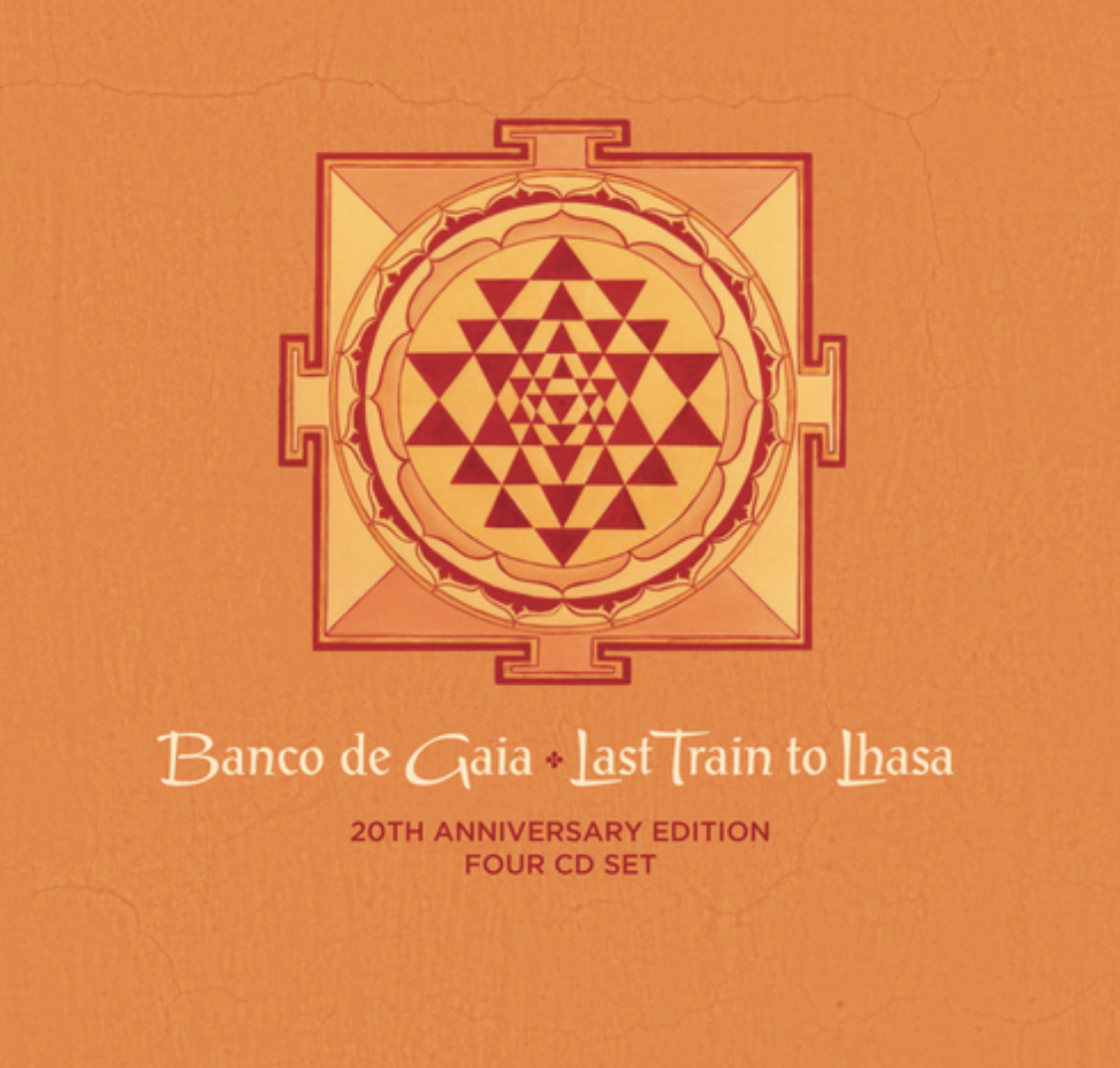
Already represented in volume 99 of the Social Playlist above, another chance to repost my piece on new age techno pioneer Banco De Gaia’s influential 1995 world peregrination Last Trian To Lhasa. Originally appearing as a twentieth anniversary special, with a repackaged version of the album plus extras.
Banco De Gaia ‘Last Train To Lhasa (20th Anniversary 4xCD Set)’
Despite, what on the surface, seems a plausible misconception, one of the UK’s chief progenitors of global trance peregrinations, Banco De Gaia, has become synonymous with all things Tibetan. Re-released on the occasion of its twentieth anniversary, the Banco’s Last Train To Lhasa album may have borrowed the title and evoked a transcendent spirit of the country’s mystical Himalayan landscapes, yet the group’s founder and guiding force Toby Marks never meant to confine his world sounds to one particular place: In truth, more a pan-global sound palette with echoes and traces of the Middle East, Asia and the Orient.
Going as far as to refute suggestions in every subsequent interview since its original release, the LP only actually features a solitary sample from the region and only gained its title from Marks wife on completion. However, Marks lent space on the album’s sleeve to publicising Tibet’s struggle against its overlord Chinese masters and would become a vocal advocate of the Free Tibet campaign – that now seems such a long time ago, and all but forgotten, with China since more or less swallowing Hong Kong and threatening an invasion of Taiwan, which if it does come, might just be the big one: the WWIII event we always dreaded.
Base camp on the enlightened journey to the ethereal, Tibet’s meditative disposition was no match for the authoritarian steamroller of the Communist party machine. And so, an ill-at-ease occupation and stalemate persists a generation later. Its international vessel of protest, the Dalai Lama in his own affable and gentle way backed by the Free Tibet campaign continues to be a big draw yet has decidedly been upstaged by events elsewhere. Clarifying his commitment to the cause, Marks was recently interviewed by the Free Tibet organisation in the run up to his trio of performances at this year’s Glastonbury and the anniversary Last Train To Lhasa release – perhaps a timely reminder.
Musically speaking, as I’ve already mentioned, the twentieth anniversary appraisal of Banco De Gaia’s blueprint reaches far beyond any Tibetan influence, imbued by cultures both imaginary and real from both terra firma and the stratosphere.
Highly praised for merging trance and nuanced electronic four-to-the-floor beats with atavistic echoes from mystically envisioned landscapes, Banco De Gaia’s Last Train To Lhasa was released in the dying ambers of the second rave and house music waves in 1995. On the cusp of Britpop, hung-over from grunge, guitars were about to once again dominate whilst house and techno music in all its many guises had reached superclub status; the underground movements fractured and broken up into a myriad of smaller tribes. Ambient and trance, usually the preserve of afterhours clubbing or allocated space in the “chill out” zones had already blossomed into its own industry. That unfairly and often fatuous “chill out” idiom used to sell everything from nirvana relaxation and transience to any ‘new age” missive. Never new in itself, until progress and technology made it easier and offered more options, the core ambient ingredient had already been in existence for decades. And despite what you may have read, Eno may have given it a name, but he certainly didn’t invent it. In this evolving stage of dance music, Banco De Gaia went to town, sitting on a fluffy cloud, hovering between trance and techno.
LTTL’s suffused panoramic station-to-station soundtrack was different. Sharing some of the peaceable beautiful nephology of The Orb and Air Liquid but with the satellite guided twinkle and kinetic rhythms of Orbital, the album sounded every bit as organic as it did electronic. The original album is boosted by a further three CDs worth of alternative takes, mixes, remixes and the missing until now, Apollo moon landing inspired space-voyage, ‘Eagle’ – recorded at the time but left off the final version of the LP. A box set only available as a limited-edition physical release – though now also available to hear on Bandcamp -, fans and admirers alike can really indulge, with 24 tracks of transcendent aural bliss.
Even if you are far from familiar with the source material, the general method applied is one of respectful tinkering and expansion, with Marks own alternatives plus a line-up of contemporary artists/producer remixes congruously immersive. A ‘Duck Asteroid Extended’ mix of the original ‘Kincajou’ for example, takes the steam driven new age suite on an epic, stripped and even more ambient, 44-minute journey: it takes the mix thirty-minutes to bring in the beats and reach a higher plain. Elsewhere, various tinkering’s of the holy misty mountain proverb ‘China (Clouds Not Mountains)’ takes the languid drifter into ever more esoteric territories, or in the case of Roedelius and Felix Jay collaborator Andrew Heath, adding a diaphanous piano to the meditative calligraphy-brushed valley narrative.
The reverberations of dub, bhangra, and the Orient are sometimes stretched into indolent escapism or given more power and lift on the varied versions of ‘Amber’. Sometimes as with the Carl Craig imbued Bluetech remix of ‘Kuos’, they are taken apart and rebuilt. Though nothing quite matches the rolling timpani introduction and celestial beauty of the original ‘White Paint’, ‘Where’s The Runway Dub’ and alucidnations ‘Dream Remix’ offer interesting interpretations; one a hymn in dub the other a suffused with kosmiche rays romance in the sky.
A carefully considered expansion of the Banco De Gaia panoramic worlds of the mid-90s, the 20th anniversary edition certainly offers the listener an immersive experience. And you can’t complain about getting your money’s worth, with over four hours of music over the four discs to peruse.
If you’ve enjoyed this selection, the writing, or been led down a rabbit hole into new musical terrains of aural pleasure, and if you can, then you can now show your appreciation by keeping the Monolith Cocktail afloat by donating via Ko-Fi.
For the last 15 years both me and the MC team have featured and supported music, musicians and labels we love across genres from around the world: ones that we think you’ll want to know about. No content on the site is paid for or sponsored, and we only feature artists we have genuine respect for /love or interest in. If you enjoy our reviews (and we often write long, thoughtful ones), found a new artist you admire or if we have featured you or artists you represent and would like to say thanks or show support, than you can now buy us a coffee or donate via https://ko-fi.com/monolithcocktail
Tickling Our Fancy 088: Thiago Nassif, Mansur, The Lancashire Hustlers, JAF Trio, Otis Sandsjö…
July 2, 2020
REVIEWS SPECIAL/Dominic Valvona
From the very start of the Covid-19 epidemic I’ve emphasized the importance of supporting artists and bands. More than ever in an industry with ever diminishing returns for the majority, and with the ever increasingly domination of streaming taking over from sales, they need our financial help.
With that in mind, there are more than enough new and upcoming releases to get you salivating at the prospect of spending those dwindling funds in my July roundup. Travelling to and beyond both Earthly and Heavenly realms from the comfort of you own sofa, I take a look at the upcoming debut suite from Jason Kohnen’s newest adventure (in collaboration with Dimitry El-Demerdashi and Martina Hórvath), Mansur; a wanderers traverse of burnished ruins and temenos set to a cinematic, warping trip-hop soundtrack called Temples. Fresh out of Rio, Brazilian wonderkid Thiago Nassif releases another vibrant and sophisticated pop album of samba and bossa no wave. Melbourne artist Wu Cloud returns from his off-the-beaten-track Indonesian getaway with an atmospheric exotic ambient electronica suite of jungle sonics. Out of Helsinki, two Nordic jazz albums from the We Jazz label; the first, the Danish-Finn JAF Trio lay down their dynamic live sound on wax for the first time, and the experimental Gothenburg tenor saxophonist/clarinetist Otis Sandsjö produces another volume of deconstructive electronic-hip-hop-trip-hop-jazz. From the relatively untouched musical atoll of São Tomé & Principe, Bongo Joe reissue Pedro Lima’s 80s classic Maguidala. Closer to home, The Lancashire Hustlers offer another nostalgic songbook of quality psych pop and troubadour pastoral soul with their fifth album, Four Hands, Two Voices.
Thiago Nassif ‘Mente’
(Gearbox Records) Album/3rd July 2020
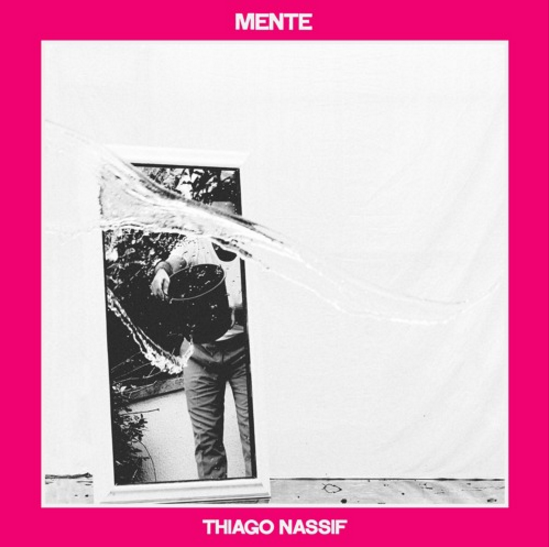
Feted no less by “no wave” off-kilter maverick and former Lounge Lizard Arto Lindsay, the Brazilian multi-instrumentalist and producer Thiago Nassif has made a name for himself over the last decade for producing the most idiosyncratic tropical-flavoured pop music. Drawn to Nassif’s transformed visions of bossa nova and samba, Lindsay, who has a reputation for refreshing those genres and working with many of the forms star turns, has co-produced a number of albums for the Rio-based artist; including this latest neon afterglow, Mente.
Channeling some of the American all-rounder’s past productions, most notably his work with the legend Caetano Veloso and more contemporary Tom Zé, Nassif balances those balmy softened open-toed sandal sauntering rhythms with harder edged experimental no wave and synthesized tubular metallics. It’s a juxtaposition of atmospherics, of light and shade, of the organic and plastic, and even languages: Portuguese and English. In practice this sounds pretty brilliant; a liquid (a blancmange even) of often slinking, bubbling, uptown/downtown Beck, Eno & Cale, Prince, Ariel Pink and St. Vincent, picked up and flown to a retro-futuristic Brazilian beachfront nightclub. The opening no wave soul mirage ‘Soar Estranho’ (one of my tracks of the year) shows off this cultural mix; reimagining Lodger era Bowie flanked by James Chance and Lou Reed’s doo wop chorus of female backing singers perusing in a discotheque. In short: cool as fuck. But just as you get comfortable, a lurch and shriek of tumbled drums enters the fray: less a harsh jerk, more a delightful off-kilter excursion.
Yet despite those interesting excursions, jolts and hooks and the contemporary feel, the melodies prove often nostalgic: a dreamy electro-fashioned sheen envelopes those bossa and samba grooves and tango washes that headily send the listener back to the 70s and early 80s. Still, it’s a fascinating world that escapes Nassif’s mind; a place where vague Robert Fripp guitar traces wane against a sunbaked percussion of bottle rattling; off-center piano and elliptical grooves merge with Herbie Hancock funk; fanned phaser guitar comes of against skulking seedy Gauloise-puffing French sophisticated cool aloof; an alternative reality in which Eno remixes Caetano’s more showy popular samba romantics.
Very imaginative and experimental, Nassif pushes South American music into exciting directions with an album that oozes a coolness of liquid tropical no and new wave. Mente surfs a delicious ebb and flowing tide of quirky “plastique” pop: A leopard skin upholstered, neon lit sumptuous groove of the fuzzy, fizzling and sauntering.
Mansur ‘Temple’
(Denovali Records) Album/10th July
Venturing once more into amorphous mysterious musical territories, Jason Kohnen finds another outlet for his traversing invocations with the Arabic named Mansur. Worn by infamous caliphs, this popular Middle Eastern name translates as “the one who is victorious”. The caliphate ruled by those who wore it was as vast and multicultural as the array of evocations and geography found on Kohen’s latest mini-album, Temple.
Previous esoteric and panoramic soundtracks by Kohen, from The Mount Fuji Doomjazz Corporation to The Kilimanjaro Darkjazz Ensemble, roamed a borderless realm of influences. With even less jazz on offer (though those previous two jazz affixed outfits always had a vague interpretation of the genre), the cinematic atmospherics of this newest incarnation, the Temple drifts, sweeps and swoons across a gauzy veiled expanse of ancient Persia, India, Arabia, South Eastern Europe and the Aegean. Much of this is down to the array of international instruments that both Kohnen and his collaborating foil Dimitry El-Demerdashi (ex-Phurpa fame) use to stirrup this mirage state of Dionysus acropolises and atavistic Sufi mysticism. Various two-string and more bowed instruments (such as the Chinese “erhu”, Iranian, Armenian and beyond “kemenche”, and Indian “dilruba”) rub up against reedy flutes (the Persian “ney” and Indian “bansuri”) and both staggered and slurred trip-hop beats, slithered synthesized effects.
Floating in and out of the album’s titular spell, vocalist Martina Hórvath appears like an ancestral spirit or forgotten deity dreamily cooing sweet evocations; part Hellenic, part Celtic. This and its “revisited” companion piece both reminded me of the experimental Greek duo Xaos; though the second ‘Temple’ altarpiece offers up crunchier giant’s footsteps like thuds, and casts supernatural shadows on the pillars.
Elsewhere on this well-travelled five-track adventure, the esoteric Balearic chill in the sun ‘Disciples’ takes the listener to Muslim Spain via the toiled troubles and lament of the East, and the five notes per octave scale ‘Pentatonic Ruins’ travels in slow-releases across both the Arabian deserts and foothills of Tibet. The album’s final magical escape ‘Leyenda’ (or “legend”) brings in a piano, bowls and the kemenche flute to evoke a kind of semblance of 1930s Cairo: A soundscape of intrigue, suspense, bazaars and Arabian music halls converge.
Wandering a proscenium of afflatus burnished ruins and temenos to a cinematic, warping trip-hop soundtrack, Kohnen finds another fruitful creative release for his mesmerizing mythology of mystical and spiritual sounds.
JAF Trio ‘S/T’ (3rd July 2020)
Otis Sandsjö ‘ Y-OTIS 2’ (24th July 2020)
(We Jazz) Albums

Constantly delivering some of the best in contemporary jazz over the years, the Helsinki label and festival platform We Jazz has regularly popped up on the site with its quality catalogue of, mostly, European talent. This month sees the Nordic facilitators release two albums of opposing styled experimentation.
Dropping just this week, the first of these deft workouts sees the lauded Danish-Finn live act JAF Trio of saxophonist Adele Sauros (of Superposition renown), bassist Joonas Tuuri (Bowman Trio) and drummer Emil Bülow lay down their dynamic buzz on wax for the first time. Formerly awarded the We Jazz “rising star” award in 2017 for their “loft style” conjunction of cool but busy American and European jazz frills, tumbles and stretches, the trio now capture that live spark in a studio setting.
With a faint air of nostalgia, or at least the influence of those hip cats Mingus and Wayne Shorter, and a lift of Be-Bop, the trio proves to be one classy act. Sauros blows and honks both a mean and snozzling (even clarinet like at times) sax over Tuuri’s double-bass bodywork tapping runs and bowed sloping and Bülow’s quickened drum spills and accentuated concentrations. Signature loftcore, the opening account of ‘Ninth Row Of The Fifth Floor’ is a showcase for clicked walking basslines, skipping breaks and schmoozing sax spontaneity.
Each track seems to start in one place but end up in another; liberally handing out solos and more stripped spots, both busy and more methodically studied, as they go. Whatever the mood, whether that’s more humming and whistled saxophone contemplation or counter d’n’b like rhythm erratics, the chemistry is playful but always probing. Loft space meets Pierrick Pédron on a contemporary breakbeat, the JAF Trio bounce ideas around in the studio to produce some top-drawer jazz.
Making good on his previous free-fall in motion Y-OTIS LP (which made our albums of the year), the second of We Jazz Records’ July releases finds the Berlin-based Swedish tenor sax and clarinet bandleader Otis Sandsjö once more pushing the boundaries of electronic jazz. Volume Two of this simultaneously flowing and fractured, stumbled jazz breakdown sees Otis deconstruct his group’s performances in real time. Like a remix before the originals even been finished, Otis enacts his ennui like wonder for changing the rhythm, groove and direction.
Backed by fellow label mates Petter Eldh (bass and synth) and Jonas Kullhammar (flute) of Koma Saxo fame, plus Dan Nicholls (keys and synth duties), Tilo Weber (drums), and with featured spots from Per “Texas” Johansson (flute), Lucy Railton (cello) and Ruhi Erdogan (trumpet), the native Gothenburg sonic explorer elliptically skips and trips through hints of J Dilla, Flying Lotus, Four Tet, John Wizard, Takashi Kokubo, 808 State and Bobbi Humphrey.
The jazz elements, which sound like a transmogrified electric Byrd, drift and waft in starts and stops. Otis sax hoots like a magical owl on the woodland fairytale turn Eddie Gale spiritual joint ‘Tremendoce’.
With two flute players in the ranks and Otis also on clarinet, there’s obviously a lot of wind being blown around; and again it’s mostly quite dreamy, organic and floating as it wraps around the constant breaks and lurch or dragging drum parts.
From the cosmic and celestial to earthy, the familiar is turned inside out on an album that mixes soul, hip-hop, d’n’b, trance, electronica and jazz together. Every bit as extraordinary and inventive as the previous volume, part two is a unique, re contextualized, pinball flipper driven rush that takes jazz forward. This is a really great trip of an album, as blissful as it is intense. Definitely in my choice picks of 2020; one of the best jazz albums you’ll hear all year.
The Lancashire Hustlers ‘Four Hands, Two Voices’
(Steep Hill) Album/12th June 2020
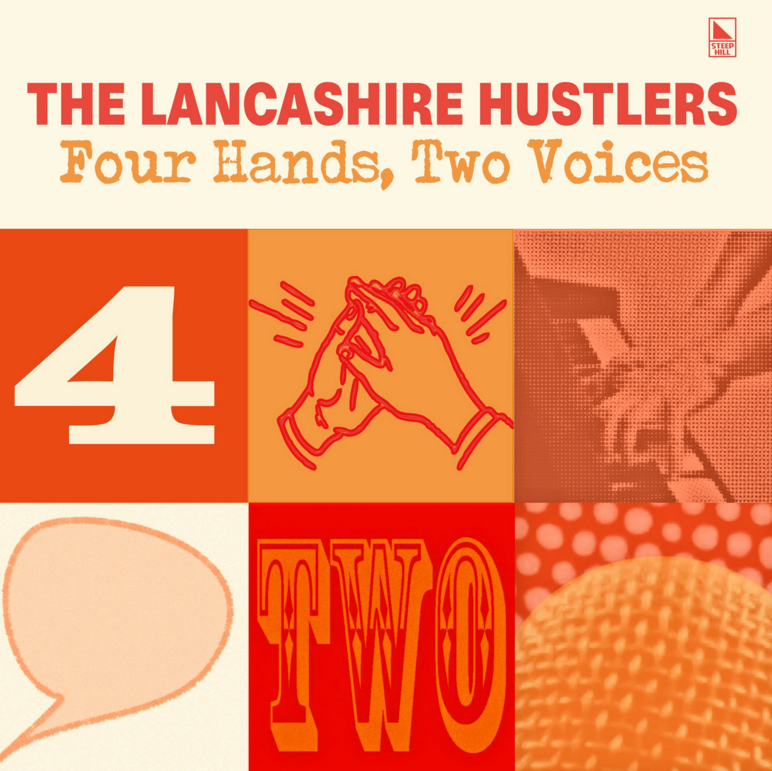
There’s nothing more reassuring and cozy than a new Lancashire Hustlers album. Bathed in a nostalgic glow of peaceable 60s and 70s harmonies and a lilted haze of the familiar, Brent Thorley and Ian Pakes always turn-out a disarming songbook of psychedelic and troubadour melodies worth savoring.
Following previous mini pop operas and a collection of songs based on the poems of Walter de la Mare, the Stockport duo reconvene for an album of self-discovery, raincloud love-lost misery, the philosophical and regretted: Not strictly a thematic album, more a concept of age-old tropes that continue to trouble the soul.
Musically combining the shared harmony of Turn Breaks with the idiosyncratic romantic psych pop of bands such as The Left Banke, they often stirrup a smorgasbord of congruous bands and artists. Four Hands, Two Voices is no exception, with surprise shades of Marvin Gaye and Curtis Mayfield on the pastoral soul opener ‘Top Gun (In Retirement)’, and a kind of Anthony Newly starring musical meets XTC on the more theatrical ‘Stuck In The Middle Of A Week’. Elsewhere amongst a repeating musical leitmotif of quasi-swami atmospheres (brassy resonating faux-sitar and finger-cymbal trinket charms), you will find dalliances with Bacharach (sharing a stage with George Harrison) on the lilting romantic waltz whimsy ‘It’s Too Early’, the voice of Glenn Tilbrook on the beautifully pining rained-off ‘The Flowers And The Reservoirs’, and Badfinger harmonizing with Dylan on the quivery, dreamy malady ‘Letters I Should’ve Written’.
Disarming what is a touching but poignant selection of both melancholy and lamentable reflection, the duo’s loving and comfortable, even smooth musical sheen makes the sadness and yearning parts more palatable.
Whether venturing into the mind to connect with an object of desire or sailing across the subconscious on an adventurous voyage into psychoanalysis, these northern hustlers are guaranteed to make the journey a most harmonious one. The duo’s fifth album is another lovely songbook of maverick encounters, pastoral soul and soft bulletins.
Wu Cloud ‘Pulsa Rimba’
(The Slow Music Movement) Album/18th June 2020
Under the sticking heat of a lush Indonesian jungle canopy and on the edge of golden idyllic Sumatran beaches, the free-rolling Melbourne artist Wu Cloud places the listener in a sumptuous soundtrack of resonating, delayed field recordings and subtle, distant lo fi rhythms on his debut longplayer for the Lisbon label The Slow Music Movement. An immersive sound experience, produced from a “rucksack studio”, Pulsa Rimba –which literally translates as the “pulse of the jungle” – is a insect chattering, monkey (or in this case, to use the old world appellation of the species, a “Monyet”) calling, bird hooting menagerie of local Indonesian wildlife and fauna; augmented by the most accentuating and intuitive of effects and enervated tricking and chiming of beats.
Almost carefree and meandering, Wu’s backpacker recordings take-in the exotics and dense jungle throbs of ‘Weh Island’ (an island off the northwest of Sumatra, often known by its biggest city and capital, Sabang) and the cross-traffic sounds of both nature and human encroachment in the Sumatran city of ‘Jambi’ (a busy port metropolis and greater province that lies close to the ruins of the ancient Srivijaya kingdom city of Muaro Jambi) on a gentle, unfolding ambient suite of the organic and synthesized.
From the hammock to bumpy bus rides, Wu captures in an ad hoc fashion a living moistened terrain. And those field recordings are left to drift and waft as a fine gossamer layer of undulated gamelan-esque rhythms, hand bell like softened chimes from the local bamboo tube apparatus known as a “angklung”, sloping refractions and water pouring percussion is added. Sometimes so hypnotic as to be somnolent, at other times mysterious and exotic enough to evoke some extraterrestrial activity (the lunar bound ‘Flying Lizard’), the jungle pulse is a mirage of kinetics, Eno and Cluster ambience and spacey-echoed remembrance of geography experienced.
Enchanting escapism, Wu Cloud’s atmospheric Indonesian jaunt is a conservation of sound; a contemplative wildlife sonic survey of what’s left of an untamed landscape.
Reissue
Pedro Lima ‘Maguidala’
(Bongo Joe) Album/17th July 2020

Seldom in the spotlight or given much attention, the African island nation of São Tomé & Principe remains relatively obscure: especially music wise.
A former Portuguese colony, whose African population were mostly enslaved souls shipped in from the continent’s interior and coastlines, this fertile island became famous for growing cocoa, sugar and coffee. Most heinously though, it soon became a transit post for the slave trade itself; its location off the coast of Gabon in the mid Atlantic offering an ideal cove for the transporting human cargo.
It would take over four hundred years but independence finally came in 1975. Though revolts against the colonial masters were a constant throughout its history, even as late as the 1950s when long-suffering Angolan contract workers rioted, enforced labour continued right up until political revolutionary groups such as the Movement For The Liberation of São Tomé & Principe overthrew the Caetano dictatorship. Democratic reforms would be slow but peacefully introduced in the 90s, and the island is now considered one of the most stable free nations in Africa.
An outspoken advocate of change, and star of this welcoming reissue, Pedro Lima was an activist and lauded recording artist who for his political stance was anointed by the islanders as “A voz de povo de São Tomé”: “the people’s voice of the island”. Not that you detect that revolutionary zeal in his most joyous, sun-scorched island life harmonies. Those sweetened but dynamic tones disarm any kind of anger or rage.
Remarkably, until recently, and through those discerning people at the Bongo Joe label/store, there hadn’t really been any musical survey of the São Tomé & Principe. Their Léve Léve compilation, which takes its title from the locals carefree “take it easy” attitude, was the first. Bongo Joe now hones in one of that compilation’s star turns with this reissue of what is considered as Lima’s best album, Maguidala – if nothing else, this reissue could save you a hefty sum, as the original is going for anywhere up to £350 on discogs.
Originally recorded in ’85 with his trusted band Os Leonenses, this both sauntering and scuffled four track highlight from the catalogue showcases an artist at his peak. Relaxed but also driven at times, Maguidala is a conjunction, as fertile as the soil, of influences from across not only the island but also African continent. Perhaps picked up when recording on the mainland in Angola for a number of labels, and further afield in Lisbon during the 80s for the IEFE imprint, Lima’s sound took in the famous Congolese rumba style of Soukous, the Dominican Merengue and local “Puxa” rhythms. The results are a most buoyant, harmonious dancing groove of scuttling percussion, beautifully lulled sweet voices, trickling, picked and streaked guitar and peaceable goodwill. The title-track and finale (‘Lionensi Sá Tindadji’) are both busy, more constantly, if softly, driven performances that skiffle and rattle along. Lima for the most part serenading, attempts to add a few shrills and “whompahs” on the latter.
‘Sãma Nanzalé’ seems more drifting; almost a beachcomber lullaby. Whilst ‘Cxi Compa Sã Cã Batéla’ skips, saunters and shuffles towards that Congolese rumba influence.
The laissez faire sound of an island hideaway, Lima’s Maguidala showcase is a perfect summer album; a piece of escapism we could all do with right now. Prompted in part by Lima’s death last year, Bongo Joe has revived a warranted classic and shone a light on a musical legacy. Stick it on and let the good time rumba and Créole harmonies wash over you.
Special word from me, founder and basically one-man operator behind the Monolith Cocktail.
Hi, my name is Dominic Valvona and I’m the Founder of the music/culture blog monolithcocktail.com For the last ten years I’ve featured and supported music, musicians and labels we love across genres from around the world that we think you’ll want to know about. No content on the site is paid for or sponsored and we only feature artists we have genuine respect for /love. If you enjoy our reviews (and we often write long, thoughtful ones), found a new artist you admire or if we have featured you or artists you represent and would like to buy us a coffee at https://ko-fi.com/monolithcocktail to say cheers for spreading the word, then that would be much appreciated.
Tickling Our Fancy 063: Tony Njoku, Yonatan Gat, Black Light White Light, The Lancashire Hustlers…
April 20, 2018
REVIEWS

Interesting releases from across the world and music spectrums; Tickling Our Fancy is the, Monolith Cocktail founder, Dominic Valvona’s most eclectic of reviews roundups. With no themes, demarcations of any kind, or reasoning other than providing a balanced platform for the intriguing, the great and at times, most odd releases, I bring you this month’s latest selection.
A packed installment this week with the Ennio Morricone suffused debut album from The Magic City Trio, Amerikana Arkana; Black Light White Light’s Martin Ejlertsen takes the band on a Lynchian’ inspired psychedelic journey to new horizons; Op Art meets free-rock, jazz and Krautrock in Geneva 1972 on the latest obscure reissue from the Mental Experience label, Mouvements; Andrew Spackman is back as the spasmodic ennui conjuring electronic music wiz Sad Man, with his latest collection of garden shed productions, Slow Bird; British-Nigerian producer Tony Njoku shares his distinct and stunning soulful avant-garde electronica on his new album, H.P.A.C.; and the Israeli maelstrom guitarist Yonatan Gat records his first album, an expansive entangle of shared history and sounds, for Glitterbeat Records imprint tak:til. There’s also the lush dreamy soulful psychedelic debut track from Evil Bone; the third album from the mysterious Edinburgh electronic and rock guitar welding maverick Bunny & The Invalid Singers; and the upcoming psychedelic pop nostalgic afterglow brilliance of The Lancashire Hustlers.
Tony Njoku ‘H.P.A.C’ Silent Kid Records, 27th April 2018
Bringing a very different perspective and life experience to the London avant-garde art and electronic music scene, the British-Nigerian producer with the earthy falsetto, Tony Njoku, articulates a most unique form of magical soul music.
Though undulated with an ethereal to malady suffused backing of sophisticated synthesized travails, Njoku’s vocals always seem to bobble and float above the choppy breaks and ebbing tides.
Feeling an outsider, transferring at the age of fourteen to London from a life spent hiding his true personality in the toxic macho boarding schools of Lagos, the sensitive Njoku found at least one kind of solace; able to show a vulnerability and pursue the music career he really wanted having previously recorded a number of hip-hop albums (the first when he was only twelve) that proved entirely counterintuitive, but were completely in tune with Nigerian environment he grew up in. Yet in the arts community he joined in his new home of London, he found few Afrocentric voices or people he could identify with or relate to. The arts and, especially avant-garde, music scenes are dominated by what Njoku calls the ‘affluent bourgeoisie’. Though to be fair anything that falls outside the most commercial perimeters is patronized and subsidized in one form or another. And this is obviously reflected in what is a majority European culture: resulting in a lack of voices from Africa. It means that Njoku stands out, but in a positive sense; his music amorphously blending both cultures successfully to create something familiar yet somehow fresh and untethered.
Inspired by the ‘high art sonic’ forms of Arca and Anhoni, and by the metamorphosis nature of Bjork, Njoku’s own compositions feature a beautiful synthetic shuffle of Afrofuturism soul and more searing discordant synth waves that clash and distort on arrival but gradually sync and become part of the motion. From beauty to pain and release, and often back again, each track (and not in a bad way) seems open-ended; a constant flowing cycle of emotions, which can be healed during that moment, in that space and time, but will inevitably return: A calm followed by turbulence and hopefully the light.
Remain Calm, a song in two parts, starting with a romantically plaintive half of bobbing tablas floating on an increasingly choppy mental exerted ocean of troubles before being overpowered and capsized by more stressed and sharper sonic invasions, exemplifies Njoku’s shifting emotional turmoil. It’s also one of the album’s standout tracks; recently featured in our first choice songs of 2018 playlist last month.
The rest of H.P.A.C. is as equally diaphanous, despite the longing, hurt and frailty on display. Remaining buoyant in the face of an increasing voluminous distress on My Dear The Light Has Come; aching on the moonbeam blues All Its Glory; plunging from a cosmic enveloped precipice by the end of the sea of reverb consuming Surely This Is As Good As It Gets; and left “twisted out if shape” like an “origami swan” on the whistle R&B lilted As We Danced, Njoku shares his vulnerabilities like an open book. And doesn’t it sound just wonderful: eloquently in a hymn like fashion between pained malady and the venerable, heavenly but also melancholic and turbulent, a futuristic soul album of delicate intellect. Anguish has seldom sounded sweeter.
Yonatan Gat ‘Universalists’ tak:til/Glitterbeat Records, 4th May 2018

Photo credit: Caio Ferreira.
Banned from performing in his native homeland of Israel for taking his former band Monotonix’s confrontational style of rock’n’roll live and, literally, direct to the audience, Yonatan Gat has channeled the buzz and maelstrom of his entangled guitar work into a productive and creatively eclectic solo career since relocating to New York a number of years ago.
Toning down the shock of Monotonix for something more expansive and ambitious, as the title and imagery of his latest album for Glitterbeat’s more experimentally traversing and meditational imprint tak:til suggests, the Universalists of Gat and his drum and bass wingmen, Gal Lazer and Sergio Sayeg, expand their tumultuous galloping desert transcendence style of echo-y tremolo and fuzz beyond the sand dunes towards the imaginary psychogeography of atavistic Europe, Southeast Asia and Northwest America.
Holding up his guitar like some sort of offering, or a transmitter to the sky, Gat stands as a vessel for a cerebral multilayering of musical influences. Nothing is quite what it seems; ghostly visages of Alan Lomax’s 1950s recording of the Trallalero monosyllabic derived polyphonic style of choral folk song, practiced in the mountain villages and port of Genoa, appear on the opening eloquently shambling (the drums majestically in time rolling down a hill) Cue The Machines, and excerpts from the traditional work songs of Mallorca culture romantically waft over drifting guitar and ambient mirages on Post World. Further on, Gat fuses the Algonquin Eastern Medicine Singers pow wow drum group with his trio’s sinewy trance and scratch work to stomp out a shamanistic post-punk ritual on the Native Indian inspired Medicine.
Gat counterbalances his own group’s mystical maelstroms of pummeling, unblinking rapid rambunctiousness and more dream world jazzy shuffling with passages, memories and textures from socially and geopolitically important traditions. Chronology for example, a peregrination of many segments, features not only a scuzzed-up throw down version of Middle Eastern guitar and a vocal sample (sounding a lot like it was pulled from the ether) of a Spanish harvest song, but also entwines a passage from the famous Czech composer Antonín Dvořak’s String Quartet in F Major: better known as the chamber piece standard, The American Quartet. Written during the composer’s time spent both teaching at the N.Y.C. National Conservatory and living amongst the Czech exiles in the desired haven state of Iowa, this New World Symphony as he called it, is included for its own embrace of Native Indian culture, the Irish immigrants folk songs and the music of the misfortunate African slaves.
Of course you don’t have to pick up on all these deeper references as the music speaks for itself; the ‘universalists’ message of borderless, timeless exploration and shared need for a release from these hostile dangerous times is clear.
Black Light White Light ‘Horizons’ Forwards Backwards Recordings, 20th April 2018
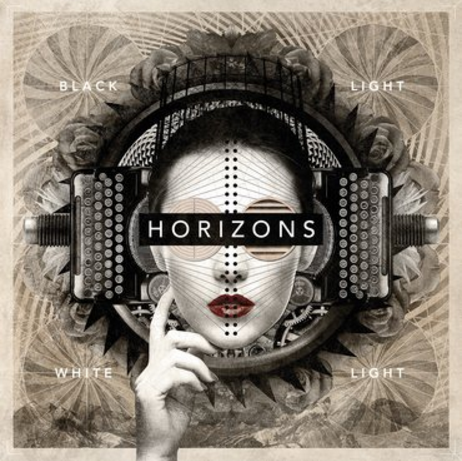
Created out of a desire in 2015 to take stock of the band’s short but impressive back catalogue, the Danish and Swedish exchange Black Light White Light, or more importantly the group’s central focus, singer/songwriter and guitarist Martin Ejlertsen, plow forward with their third vaporwave psychedelic rock hadron collider LP, Horizons.
Obviously as the title would suggest, horizons new and expanding are key; the group in co-operation with new drummer Viktor Höber and producer/engineer and fellow musician Christian Ki, putting into practice, during there basement sessions deep underground in Copenhagen, a vaporous often Gothic pop rock vision of cinematic influenced charter duality and darkly lit escapism.
Though never quite as surreal and twisted, or as violently indifferent as Ejlertsen’s key inspirations, David Lynch and Nicolas Winding Refn, there’s still plenty of cryptic lyricism – usually sung under the smog of megaphone effects and resonating trembled fuzz – and sinister mystery. Take the progressive The Fool, which begins with hints of The Cult, Moody Blues and The Beatles but gradually creeps towards the choral and eastern esotericism of Wolf City period Amon Düül II.
Tailoring each track slightly to throb or hazily permeate with a myriad of musical styles and influences, the group attune themselves to The Painted Palms psychedelic pop on the opening King Kong; transduce the Madchester golden age on the halcyon Teenage Drum; evoke Yeti Lane on the more relaxed space rock pulse of Illusions/Emotions; and pass through the lobbies of both DFA Records, and Factory Records, and pick up melodies and inspiration from Jacco Gardner, Pink Floyd, The Stone Roses and Broadcast on the remainder of the album’s eleven tracks.
Floating between harder, barracking drums led psych rock and a shoegaze dreamy portal, Horizons is no matter how serious and mysterious the intentions (and I’m sure, after catching the odd line amongst the veiled effects, there is some dark and prescient themes being alluded to), filled with nuanced melodies and glimmers of pop. Billed as a very different kind of Black Light White Light album, Ejlersten going as far as strongly considering releasing it under an entirely separate project moniker, the horizons explored and discovered on this record prove very fruitful indeed.
The Magic City Trio ‘Amerikana Arkana’ Kailua Recording, 20th April 2018

It’s as if Ennio Morricone had skulked into town himself, as they very first tremolo resonating notes strike and the lush orchestration sweeps in to announce the arrival of this cinematic Americana imbued suite. A Western adventure of melancholic beauty, the debut album from The Magic City Trio treads familiar ground as it pays homage to a century and more of the frontier spirit and tragedy.
Covering everything from pre-war country music to modern hillbilly noir, this gathering of musicians and artists, which includes The June Brides’ Frank Sweeney and Annie And The Aeroplanes’ Annie Holder serenading and out front, mosey, ponder and lamentably create their own visionary cinematic songbook. Liltingly duets in the manner of an imagined partnership between Lee Hazlewood and Emmylou Harris feature throughout, whilst hints are made to The Flying Burrito Brothers one minute and a lonesome pinning Richard Hawley on the ranch, the next. Sweeney and Holder certainly set the mood when embracing references as varied as Steinbeck’s depression era novels and the murder ballads of the old west borderlands.
Missing out on scoring the golden age of Westerns then, The Magic City Trio (which expands to accommodate a number of guests) walk the walk, talk the talk, but update the old tropes for a post-modernist take. The opening, beautifully crooned, Black Dog Following Me even tackles depression; a subject hardly congruous to the stoic ‘man’s gotta do what a man’s gotta do’ machismo of cowboy yore. It sounds like an unforgiving vision as re-imagined by a 70s period Scott Walker, earmarked for a revisionist Tarantino Western.
You can’t fault the careful and lightly applied musicianship, nor the deliberately pronounced and richly swooned vocal partnership; whether it’s in the mode of a mariachi soundtrack quilted murder scene (22), or a lilting pedal steel, Sweetheart Of The Rodeo, eulogy to a dear departed friend (Goodbye My Friend).
Far more than a pastiche or mere homage, Amerikana Arkana is a subtly attuned to modern sensibilities version of a lost classical Western soundtrack: a most diaphanous and sweetly lamentable one at that.
Mouvements ‘Mouvements’ Mental Experience, March 22nd 2018

How they find them is not our concern, but those fine excavators of miscellaneous avant-garde and leftfield treasures, Mental Experience, don’t half unearth some obscure artifacts. One of their latest reissues is the amorphous experiment between extemporized music and op art Mouvements. This Geneva underground scene missive was originally released as a private box set, limited to only 150 copies and sold at art galleries.
Instigated by the guitar player (though free and easy across a whole instrument spectrum) Christian Oestreicher after meeting the artist and painter Richard Reimann at the Aurora art gallery in Geneva, the Mouvements project emulated what was an already flourishing scene of cross-pollinated arts.
Oestreicher on his part, attempted a process of reification through a mix of free-jazz, musique-concrete, psych rock, tape effects manipulation and Krautrock; Reimann would provide the reference point metallic and shimmered geometric artwork.
Sessions for the eventual album began in 1972; recorded at an ad hoc studio in an occupied mansion using a trio of Revox machines. Joining Oestreicher with his improvisations were friends Jean-Fançois Boillat (of Boillat-Thérace obscurity), Blaise Catalá and Jerry Chardonnens – names which probably mean more to the ‘head’ community, but we can take as granted were probably notable in their fields. Allowing his influences to permeate and flow through each gesture, riff and applied layering, Oestreicher’s troupe – gathered round in a circle to perform – sound like a hazy mixture, a primordial soup and veiled ramble of Zappa, early Can, Ornette Coleman, Chuck Berry, Soft Machine, Amon Düül II and the neo-classical.
Conceived as a concept album, there’s a constant, if interrupted, ebb and flow to proceedings; one that moves between minimal garblings and full-on psychedelic jazzy rock’n’roll. A number of recurring instruments, such as the violin and guitar, return us to some sort of thematic semblance, something to follow and recognize. Oestreicher’s guitar (as you might expect) has a prominent role to play; riffing and contorting rock’n’roll licks with snatches of Manuel Göttsching and jazz.
Often sounding as though they’d been recorded from outside or from the other side of a partitioning wall, these ‘mouvements’ vary in their intensity: the opening Largo Pour Piano Et Océan starts the album off on an isolated beach vista; the serialism piano plucking away therapeutically as the waves hit the shore and lonely breeze blows through. But the next track, Goutte De Sang En Feu takes off into a jamming freestyle of barnyard fiddle folk, Mothers Of Invention and Floh De Cologne. There’s even an attempt at a sort of Afro-funk on the vignette Ailleurs, and Le Voyage Sperber has a concoction of West Coast lounge and Lalo Schifrin soundtrack funky jazz running through it.
The main album’s eight tracks pretty much say it all, but included with this reissue bundle is a smattering of bonus tracks; all of which generally riff on or are cut from the same clothe: The Playwriter’s Drift for example, another variation on the Zappa transmogrified rock groove, and the eighteen minute opus, My Guitar Is Driving Me Mad (Take 2), is a strange attempt by Oestreicher to exorcise his instrument over a creepy psychedelic jam.
A spark of interest for those unfamiliar with the Swiss branch of the art-rock crossover in the early 70s, this most intriguing artifact from the period focuses on a hitherto forgotten, or at least passed over, development in the story of European avant-garde; a time when Op Art and free-music experimentation collided. Not to everyone’s tastes, and covering a lot of familiar ground – the sound quality on my CD was very quiet -, Mouvements is nonetheless a curious suite.
https://soundcloud.com/mental-experience-594217473/sets/mouvements-mouvements-snippets
Sad Man ‘Slow Bird’ 16th April 2018

Featured regularly over the years, the contorted machinations and transmogrified electronic music experiments of artist/composer Andrew Spackman have kept us both entertained and dumbfounded. Building his own shortened, elongated and mashed-up versions of turntables and various plucked, rung or clanged instrumentation in his garden shed, his process methods would seem almost impossible to replicate let alone repeat. And so this often ennui shifting and dislocation of the avant-garde, techno, breakbeat and Kosmische sounds often unique.
Previously causing mayhem under the – Duchampian chess move favorite – Nimzo-Indian moniker, Spackman has now adopted a new nom de plume; a home for what he intends to be, like the name suggests, the most saddest music. Yet with a few releases already under his tool belt, the latest epic, Slow Bird, is more an exploration in confusion and ghostly visages of the cosmos than a melancholic display of plaintive moping. There are by all means some moody, even ominous, leviathans lurking and the odd daemonic vocal effect, but as with most of the tracks on this LP they constantly evolve from one idea into the next: anything from a panic attack to the kooky.
With a menagerie theme running throughout the many song titles, it’s difficult to tell if the source of any of them began with the bird in question or not. The title track itself certainly features flighty and rapid wing flapping motions, yet rubs against more coarse machinery, knife sharpening percussive elements and Forbidden Planet eeriness. Parrot by comparison, sounds like an inverted PiL, languidly reversed to the undulations of bongos, whilst Sparrow pairs Cecil Taylor piano serialism with, what sounds like, a wooden ball rolling across a tabletop. It’s not only the feathered variety being used as bait for spasmodic and galactic manipulation. There’s a Bear Reprise (another repeating theme; ‘reprises’ of one sort or another popping up a lot) of all things, which consists of 808 claps, broken electro and particle dispersing glassy sprinkles, and a very weird tuba like theme tune, dedicated to the Slug.
A cacophony of clever layering and ever-changing focus takes tubular metallics, UNCLE drum break barrages, Ippu Mitsui, Add N To (X), giddy oscillations, haywire computer and staccato phonetic languages, Vader mask style breathing, glints of light beams, the Aphex Twin on xylophone and produces his own, whatever that is, niche of electronic composition. It can feel a slog and overwhelming at times, but Slow Bird is one of his most progressive and well-produced releases yet; mayhem at its best.
Evil Bone ‘In Vain’ 13th April 2018
Battling to overcome the mentally and physical debilitations of anxiety disorder, the artist (who I only know as John) behind this new solo project, Evil Bone, seeks a reification of its enervated effects on the soporific, halcyon In Vain. The title, a quite resigned one, refers to his attempts to beat it: all to no effect. Though, as John candidly muses, it is now a part of his make up, and in many ways impacts on the music he creates.
Despite often stifling creativity, the first track from Evil Bone is a haze of languid shoegaze and soulful dream pop that recalls Slowdive and The Cocteau Twins cloud bursting in vaporous anguish. Influenced by more modern psychedelic vaporwave bands such as the Unknown Mortal Orchestra and Tame Impala (both can be detected here), John is also quite taken with hip-hop, R&B and soul music; especially Anderson Paak and Kendrick Lamar – music with a more colourful sound and soulful vibe. And this can be heard on In Vain’s lush soul-tinged wafted undulations; taking it away from simple lingering dreamwave production towards something with a little more depth and lilt.
Promising an extended release later in the year, In Vain sets the marker for beautifully layered anxious psychedelic pop.
Bunny & The Invalid Singers ‘Fear Of The Horizon’ Bearsuit Records, 20th April 2018
Quite the enigma, the music of Edinburgh solo musician/artist Dave Hillary seems to be adrift of reference, familiarity and classification (an easy one anyway). Though his image is plastered (or is it!) indiscriminately amongst a collage of collected imagery, from holiday postcards to family moments and music paraphernalia, on the inlay of his latest album, his identity has been largely guarded.
Mysterious then, unsettled, the experimental electronic music with textured industrial and squalling rock guitar style of sonic noodling Hillary produces is more akin to an amorphous collection of soundtracks than identifiable song material. Evocations, moods, setting the scene for some futuristic heart of darkness, Hillary fashions a gunship waltz of tetchy synthesized percussion, fairground noises, whistling satellites and rocket attacks on the fantastical entitled Eamon The Destroyer, whilst on the title track, he plays around, almost plaintively, with folksy acoustic plucked notation, sighing strings, twinkly xylophone and arched electric guitar. Hints of the Orient (I’m imagining Hong Kong for some reason) linger on both the weird cut-up The Positive Approach To Talkative Ron and the marooned, twanged and bowed Cast Adrift. Yet, even with title prompts, you could be anywhere on these unique vistas and musings. The closest you’ll find to this meandering is the Leaf label, or the experimental Jezus Lizard sanctioned experiments of Craig Ward.
Fear Of The Horizon is the third such album from the interchangeable Bunny & moniker – Hillary’s debut, Fall Apart In My Backyard, released under the Bunny & The Electric Horsemen title. However, the Bearsuit Records stalwart, constantly popping up on the label’s maverick compilations, and one-time member of Idiot Half Brother and Whizz Kid, is at his most mysterious and serious as Bunny & The Invalid Singers. Truly plowing his very own furrow, Hillary’s warped evolving, sometimes clandestine, electronic and steely guitar evocations once more wander into unusual territory.
The Lancashire Hustlers ‘Stuck In A Daydream’ Steep Hill, 11th May 2018
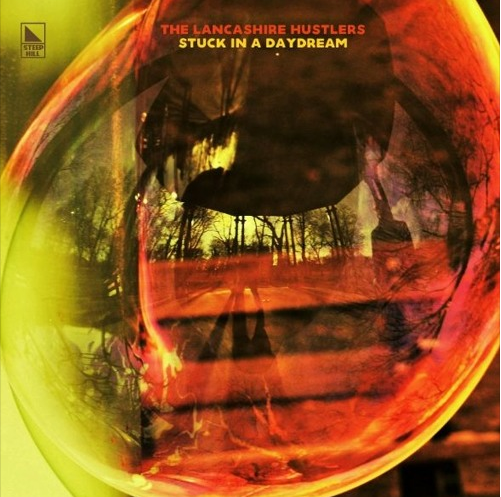
Following on from the warm afterglow of their last outbound journey, Adventure, the London-based (though originally hailing from Southport) duo of lilted psychedelic pop once more dip liberally into the 60s (and early 70s) songbook on their fourth album, Stuck In A Daydream. It’s never quite clear, nostalgia being their bag and signature, if The Lancashire Hustlers are seeking sanctuary in that halcyon age, or commenting wryly on those who seek to turn back the tide of change and return to a preconceived ideal that never quite existed. It is of course what every generation does; fondly celebrating a time they never lived through, and ‘Generation X’ is no different; though the evidence is pretty overwhelming and convincing, the ‘Baby Boomers’ possibly living through an extraordinary golden age, never to be repeated. The duo of Brent Thorley and Ian Pakes sing fondly of that era, relishing in nostalgia on the Celesta dappled and cabassa percussive pining Valley Of The Dinosaurs. Reaching a falsetto pitch at one point, Thorley pays homage to that, not so, lost world; a sort of quasi I Just Wasn’t Made For These Times sentiment.
Suffused with their hazy recondite influences throughout, they channel Jimmy Campbell, Badfinger, Bread and Let It Be era Beatles alone on the first yearning and rolling piano glorious pop song, Consider Me. With a troubadour glow of bouncing lovelorn abandon, the harmonious and ‘considered’ lightness of touch on this perfectly crafted opener is instantly cozy and familiar to the ear. It’s a brilliant breezy start to the album, and exemplifies the duo’s move towards more direct, simpler songwriting.
Later on we hear lullaby twinkled mobiles that hang over daydreamers in the style of Fairfield Parlour; the sea shanty whimsy lament of a lovesick merman as fashioned by The Kinks; troubled relationships as re-imagined by an art philistine metaphorical Rubber Soul era George Harrison; and a sad eulogy to an absent friend as plaintively sung by Gram Parsons.
Let loose in the music box, expanding their repertoire and softened harmonious bulletins, they not only add a wealth of interestingly plucked and dabbed instrumentation (kalimba, taishogoto, metallophone and mellotron) but bring in Rob Milne of the jazzy Afrobeat Nebula Son to play both lingering accentuate flute and bass clarinet and more intense saxophone on a number of the duo’s exotic adventures.
Finding solace in the never-ending 60s revival, The Lancashire Hustlers’ timeless songbook can feel like a nostalgia trip. However, its age old themes speak volumes about the here and now, offering shelter and an antidote to these tumultuous times; those gilded metaphors speaking volumes about the here and now.
Quarterly Playlist: Part Four: Wolf People, Dungen, Magna…
December 12, 2016
The most eclectic of playlists
Reflecting the eclectic scope of the music featured and critiqued on the Monolith Cocktail the Quarterly Playlist is a three monthly showcase of both our favorite tracks and of those that may have dipped below the radar and we recommend you dig out. Our last hurrah of 2016, the final collection and final post of the year, opens with the fiery psychic drone rock of Wolf People and the motorik speedball shoegaze of Teksti-TV 666, moving on through the petulant skulk of the grunge-rockers PABST and the New York troubadour pop of Eleanor Friedberger, before gently slipping into a ambient traversing section that features the Cosmic Range, BE project and The Orb. Matt Oliver‘s Rapture & Verse Hip-Hop picks are next, with a medley of the Wheelchair Sports Camp, The Mongrels and A Tribe Called Quest, followed by the comedown and the final ethereal curtain call of Bob Lind.
A full tracklist with links to reviews is included below. We’ve also added the previous three playlists.
Wolf People ‘Ninth Night’
Teksti-TV 666 ‘Metsarosvo’
PABST ‘Bias’
Deep Heat ‘Pick Up The Pieces’
Eleanor Friedberger ‘Cathy With The Curly Hair’
Scandinavia ‘SexLife’
Magna ‘Get It Right’
MTG ‘Scrap It’
Soft Hearted Bastards ‘The Creeps’
The Bordellos ‘Did The Bastards At The BBC Kill John Peel’
Dungen ‘Trollkarlen och Fageldrakten’
The Cosmic Range ‘Kowboy’
BE ‘Into’
The Orb ‘First – Consider The Limits’
Wheelchair Sports Camp ‘Teeth’
The Mongrels ‘Duppy Conqueror’
Mickey Factz, Nottz, Showtyme ‘Some People’
A Tribe Called Quest ‘Dis Generation’
Elzhi ‘Introverted’
Midaz The Beast, Planet Asia, Murdoc ‘Cunning Lyricists’
Zion I, Ariano ‘Not Ur Fault’
Aesop Rock ‘My Belly’
CZARFACE ‘Two In The Chest’
Danny Brown ‘Ain’t It Funny’
L’Orange, Mr. Lif, Akrobatik, DJ Qbert ‘The Scribe’
Trance Farmers ‘The Veil’
Ben Reed ‘Station Masters’
The Lancashire Hustlers ‘June Wedding’
Robert Rotifer ‘Keep It Together’
Bob Lind ‘A Break In The Rain’
Part Three
 Monolith Cocktail Blog