The End of the Month Playlist For July 2026
July 30, 2026
Our Monthly Playlist selection of choice music from the last month. Curated by Dominic Valvona & Matt Oliver.
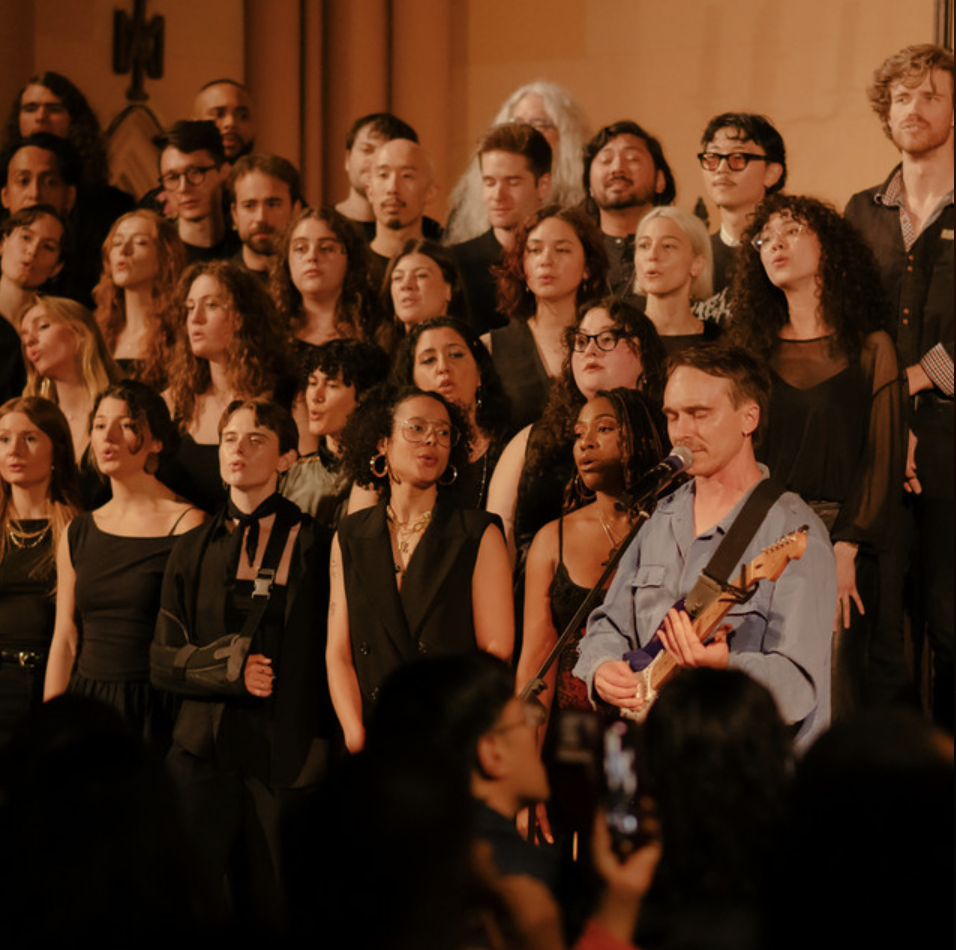
Choice music and sonics from the last month (or so) picked from our reviews, but also featuring the tunes we missed out on or didn’t get the room to feature at the time. Curated by Dominic Valvona with choice hip-hop cuts selected by Matt Oliver.
The Track List:
THAO & The Get Down Stay Down w/ Tune-Yards ‘Sick of the Times’
A Certain Ratio ‘Knife Slits Water (EM) 12” Version’
foamboy ‘FAR AWAY’
Homeboy Sandman & Jack Splash & CeeLo Green ‘World On Fire’
ECID ‘Break Up Insurance’
Space Afrika & Tony Njoku ‘MLN’
Skyzoo ‘Short Money’
Peter Evans ‘Genesis/Schismogenesis – Stage 4’
A-F-R-O & MotionPlus ‘Labor of Fruit’
Brian Ennals & Blockhead & Defcee & Mikie Mayo ‘Yellow School Buses’
King Kashmere & Genesis Elijah & Killa P & Dabbla ‘Big[Bad]’
Chuck Strangers ‘L2LL2C’
Post Elvis ‘Luna (Evil’s Ballad)’
Simon Klein ‘Don’t Leave Me Alone’
Robyn Hitchcock ‘My Dead Astronaut’
Babe Rainbow ‘Acid and Honey’
John Howard ‘Abbey Road, April 1974’
Skyjack ‘Shozi’
Richard Spaven & Wildchild ‘Finders’
The God Fahim ‘GFY’
Distant Fires Burning & Autistici ‘Scalar (Reverend Basstorius Remix)’
hackedepicciotto ‘Zeitwende’
Aisha Vaughan ‘Frozen’
August Cooke ‘On The Line’
Biita Houdei ‘The Ground Here’
Tristan Da Cunha ‘Preludio’
Feverdreamt ‘Shadow Catching Up’
Sir Richard Bishop ‘They Shall Take Up Serpents’
Park Jiha ‘Summer Illusion’
Los Orientales de Paramonga ‘Viajando Con Un Loco’
EYE WITH AN EYE (Bloom de Wilde & Nick Trepka) ‘flow.’
Tōth ‘Easy – Live With the Brooklyn Choir Project’
A world of sonic/musical discoveries reviewed by Dominic Valvona. All entries in alphabetical order.

Photo Credit: Mara von Kumme
AD Ozium ‘In The Style Of Dead Sparrows’
(Saccharine Underground) Released 9th June 2026
Through a storm, a blizzard, and heavy reverberation the Washington D.C. based musician Jeremy Moore (of Zabus, Zero Swann and Bell Barrow note) creates both a mirage and world of paranormal and hallucinatory built-up environments; that and evocations prompted by the various deciphered titles that allude to mysterious enquires into faith and death.
A unique world of transmogrified guitar drifts and twangs and tape manipulations, In The Style Of Dead Sparrows is as esoteric as it is dreamy, with sounds that could only be described as a mutated helicopter-like chop of insects or Captain Beefheart guitars meets a stained-glass-polygon-window version of the Aphex Twin with one foot in dissonance and another in a blanched-out desert. From fear to distortions and white noise you can feel the presence of the unearthly, or at least transformed and made more worrying; unidentified propellers and rotors, the tunnelling scrolls of blanketing winds and the clawed and scratched offer something alien, an inter-dimensional being, or the abstract but sonorous weight of heavy meta.
A coarse atmosphere fizzles and hisses all the while as both enervated and more amped up guitar distortions, pliable twinges and twangs, resonance, and untuned improvs drift in and out of the Fortean surfaces of the spooked and ominous. It parts it reminded me of both of Blake Edward Conley’s Droneroom project and of Steve Gunn – the guitar often sounding like some very removed but evocative indolent glimpse of Hawaiian and a nightmarish Ry Coder -, but then this almost industrial and clanged punctuated blast through imaginative distortions of Death Valley and references to the Nazarene, the throne and terminal, is unique. Projected somewhere between the crumbled and the surreal, the supernatural and engineered, everything is engulfed in a production of magnified magnetics, tape malarky and derangement.
Once in, you become fully absorbed and caught up in the halcyon redial, the layered mechanics and more lo fi experimentation.
Audio Obscura ‘Dream States’
Released 12th June 2028
Drifting between dreamy somnolence and jet-lagged like misperceptions of space and time, Neil Stringfellow’s explorative Audio Obscura project finds a liminal plane of the half-remembered, half-reminisced and a track list of prompting mementos.
Creeping downstairs to unlock the imagination, to freely take to the piano, after restless nights spent fighting off the insomnia of a heatwave, Neil found solace and both inspiration from Duke Ellington’s perceptive and visceral line that “No this is not piano, this is dreaming” – the original extract, along with a little more expansion on dreams, is used on the opening piece, and appears again later, mouthed this time by what sounds like a manipulated and Orb-like child’s voice.
Running untethered from experience, study and the like, this central Ellington description is used like a soft mantra to create various mirages, surrealist dream states, contemplations, thought processes, balladry and the more mysterious. But unconnected to jazz, Neil seems to weave together two different musical or sonic ideas at once; for example, there’s neo-classical fragments of piano that suddenly get overridden by μ-Ziq and Aphex Twin-like dashes of electronica or d ‘n’ b (actually this album did remind me in part of the drukqs album).
Throughout the trickles, tinkles, the diaphanous flows and more plinky-plonky gated reactions of piano you can perhaps be reminded of Keith Jarrett, Cage, of La Monte Young, Sabine Liebner, Margaret Leng Tan and the prepared piano work of Nam June Paik, but compromised or jolted by break beats, ambient passages, satellite beeps, fizzles and phasers and vapours. Those electronic effects, the beats and overrides brought up echoes of Tomat, Apparat and Roni Size.
Surrealist pillows float on heavenly clouds, caressed by the harp, and metallic reverberations chime against a soundscape of breaths, soft choral voices and slow hallucinations to somehow clutch at the abstract; to sound a particular experience, a date and day of great empirical importance. If a piano could in fact dream, then this album does much to convince us of its sentinel being, separated from its author, as if playing and recollecting passages, phrases and ideas itself.
Distant Fires Burning & Autistici ‘Scalar’
(Audiobulb Records) 18th July 2026
The experimental electronic label and hardware hub is known for its unconventional approaches to remix projects. Those familiar with this site may recall one such release by the latter of this team up, the Sheffield-based electronic composer Autistici, whoreleased acollaborative chain of such repurposed, resourced explorations through the Familiarity series. In that series fellow peers and label mates went to work on transducing or expanding upon the original material: or sounds and code adjacent to it anyway. Sharing the spotlight this time around with Belgium bass-player and “knob twiddler” Gert De Meester and his Distant Fires Burning alias (a moniker that leans towards the bass guitar), their Scaler track is given free reign and transported via various electronical fields of inquiry and exploration by a clutch of similar artists.
Opening with an “E-xtended Mix”, the foundation is hollowed tubular bounce and fizzle bed of static-charged kinetic techno track. Partly organic in its makeup but a synthesis of padded beats, squiggles, broadcast interferences and a transformed trebly bass guitar track, it reminded me of Kriedler, Orbital and Cabaret Voltaire. Meester does his own homework later on under the Reverend Basstorius alias, keeping (like most of the crew involved on this seven-track remix special) the static charges, the crispiness but adding a cosmic soundscape of Banco de Giai and early Warp label trance.
UK “sound experimenter” Kingbastard (as he known) continues to play with the crackled atoms of the original, but goes for an electrical charge of techno and filtered passes and switchery zips, whilst the Hungarian producer, sound-designer and instrumentalist Ficture (the solo project appellation of Gábor Tokár) deepens the bass, adds a circulating spin of cyber wind and a Land Observations-style set of guitar loops to the vaporized mood – there’s what can only be described as a sort of Indian-trance-jig at the very end.
Erik Schoster, appearing under the active alias of He Can Jog, seems to be heading towards a similar current as the Bureau B label in Germany; some echoes of Harmonious Thelonious amongst the zippy and farty bass lines, the wizzes and generally slowed down playfulness. Appearing on the site a few times before, northern Connecticut countryside dweller Jeff Düngfelder (who uses the Ümlaut guise) brings the mystique, plus a spring woody ruler-like repeated sound and wispy cosmic dust to the kinetic original.
The final remix is by the rather anonymous Pulse Mandala, who settles the source material into a signature relaxation (though pining and almost electronically bluesy) of space-bound reflection, breaths and drifted neo-classical piano spells.
Combined, this is an interesting, entrancing and kinetic bouncing metallic EP or mini-album or extended 12” release of both subtle and cerebral techno music and genre offshoots; the quality is obvious and the ideas not just intelligent but visceral too.
Hackedepicciotto ‘Lichtung’
(Mute) 10th July 2026
From the metallic synthesised undulations and suffusions of the German hinterlands, the coupling of Alexander Hacke and Danielle de Picciotto once more entwine themselves as they conjure up yet another Gothic romanticism of surrealism, the near theatrical, the magical, and the elegiac.
Proving the most prolific of duos over the last five or six years, with a number of enigmatic and powerful symbiotic albums of the sulfuric and dreamy, they once more draw upon an enviable experience of projects as they return to the wilds and nature of their now rooted German home on the rural outskirts of Berlin. For the nomadic lifestyle and creative process of most of their work (for example, the album Menetekel was recorded in a medieval church in Krems on the Danube, whilst The Current was recorded in Blackpool and Keepsakes was recorded at the famous Auditorium Novecento in Naples) has found a home amongst the “clearings”, the fields, and fauna of that inspired home; one that is just distant enough from the urban pull of the city, but close enough for creative engagements.
Both partners in this marriage share a singular vision to evoke and somehow put into their own language and sonic soundscape their fears, loves, longing appeals, and processes of rumination and more essentially, escapism.
As Covid proved a “weird euphoria” of inspiration for the duo, the alarming discourse and divisive political and societal climate providers suitable fodder, with Alexander and Danielle returning to the land and environments that offer solace and reflection without the noise and rage of the Tiktok generation’s confrontational activism.
Almost looping all the way back to his formative years as a teenager in Germany, experimenting at a young age with electronica, and his membership just a little while later of the iconic and most influential Einstürzende Neubauten, Alexander once more sets to the controls of this synthesized and electro biomorphic concocted pastoral soundtrack – a combination actually of Teutonic kosmische music, a light touch of techno, and smattering of Kreidler, Der Plan, NIN and Thomas Dinger. His wife and musical foil Danielle (a co-founder of Berlin’s most famous techno Mardi Gras, the Love Parade, and collaborator in a number of projects, but also an oft member of Crime & The City Solution) is American, but found herself drawn to Berlin For the first time ever I believe, she has chosen to wholly adopt the German language of romanticism, fantasy and poetry for this latest album Lichtung.
Duetting at every turn, the cadence, syntax and accent is as German as you can get; from the harsher fully announced and pronounced to the softer joys of embodying a life well lived and enjoyed amongst the greenery of their retreat, away from the madness. It’s almost like a return or full embrace of a Germanic culture rescued from nationalism and put to better use amongst the cosmic tubular auras and peaceable longing intentions of their sonic soul partners. For it shares more in common with the land sound artistic experiments and innovations and feels of Cluster, Ariel Kalma and Syrinx, but thrust forward into the 1980s, and augmented by passages of drama, seriousness and elegy: there’s a moment on the haunting funeral procession closer, ‘Der Marschall’ (which isn’t difficult to translate as “the marshal”) when the bell that tolls could equally be taken from the ominous elegiac scene of a Western as it could be from Joachim Patnir’s Charon Crossing The Styx painting.
There’s even more of this Western hint on the warping Gothic and hard German accented ‘Vogelfrei’ (“outlawed”), which reminded me both of Mick Harvey’s more broody bass lines and of Crime & The City Solution. A maverick swell and spindled yarn of tin star weight that evokes something altogether beautifully enigmatic and sombre.
Organic whilst absorbed in a metal and kinetic electro field, machines, drum pads and transmission bleeps and blips interact with weeping and sorrowful lamented strings: often recalling the work of neo-classicism and the score work of Nicolas Britell. Enchantment follows the substance of emotional plaint and recall, as the music takes on a near Kraftwerkian vibe on the most kosmische and German electronic springy bounced plastique and tube-paddled magnetic ‘Zeitenwende’ (“turning point”). And yet strangely, sounding melodically and vocally familiar, it feels like one of those near timeless tributes to the landscape, not so much joyful in abundance but romantically finding a gleam of light in the density of these most troubled times amongst the pastures and wilds of the countryside.
I hope this coupling always continue to make music. They’ve brought a seriousness but also near Dadaist and Surrealist legacy, plus a kind of industrial fairy tale sound, to soundscaping and capturing a most uniquely artful encapsulation of their woes, worries, loves and dreams. Back home, happy – even if this album is filled with an elegiac theme – in their skins and surroundings, rather than draw away into isolation and a cooling balm of therapeutic deliverance from the hostility of the age they’ve continued to explore and magic up a magnetic and beautifully delivered, charismatic soundtrack. Long may it continue.
Skjack ‘Let The Sky Open Under Your Feet’
(Kujua) Released 3rd July 2026
Hardly a recent turn in fortunes or a resurgence of exposure for the melodiously, politically and consciously aware South African jazz scene, the country can however boast of such noughties talents as Nduduzo Makhathini (recording for and anointed no less than by Blue Note), Thandi Ntuli and the alto-saxophonist Mthunzi Mvubu. Those are just a smattering of a worthy and exciting pool of players and artists in a celebrated scene that’s broken internationally. You can also throw in the mixed Swiss and South African, Cape Town formed, quintet of Skyjack to that burgeoning list.
Skyjack are imbued by a most incredible landscape (despite the painful history, the Apartheid system and its barriers to the Black African majority’s access to it; shunted and enclosed into the shanty towns that grew up around the diamond and coal mines) and an equally incredible musical legacy that includes the likes of both Abdullah Ibrahim and his Dollar Bill alias, Hugh Masekela, the Jazz Epistles, Bheki Mseleku, and the Blue Notes. You can hear the influence of those luminaries on the latest, and fourth, album by the quintet of pianist Kyle Shephard, bassist Shane Cooper, drummer Jonno Sweetman, and the dual horns section of trombonist Andreas Tschopp and saxophonist Marc Stucki. And although it’s very much an equally shared recording, you can’t help but be drawn to Shephard’s prowess and, should I dare to suggest, leadership on the piano; one part Ibrahim, another part Oscar Peterson and Thelonious Monk, a mixture of the neo-classical concert hall, the township, the South African vista and a timeless vibe of America’s pioneering and counter experimental leaders of the 50s and 60s. Beautifully melodic with notes and phrases and runs that sometimes softy jar or rise up toward the plateaus and heights, his piano expertise (the CV is indeed wide, with projects that include scores) and ability to cross hands is exemplary and always interesting without losing a sense of touch, feeling and melody. During the course of one track the style can take in the stage, the lounge, the serenaded, and the improvised.
Before drawing in the rest of the group and that inspirational geography, the references that spring to mind whilst taking in this album include Archie Shepp’s union with Jason Moran, Billy Higgins’ Quartet (“Soweto”) and Idris Mohammad’s “Sudan”, but also the very European jazz label ACT and its enviable catalogue of collaborative albums.
Back to that stunning (as you can tell, I’m still going with the superlatives to describe that landscape) topography and the Western Cape province town of Stellenbosch, renowned for its abundance of oak trees, its sheltered valley and hilly terrain, and of course beauty. An eternal reminder of its Dutch settlers founding, Stellenbosch is, I believe, one of the earliest such towns to be imposed on the South African landscape by Europeans. Having never been, the pictures online testify to its outstanding surroundings. In a studio, I presume, within that idyllic spot, Skyjack inspired by that oft quoted 13th century Persian poet, Rumi (a line of which is used as the album title), turn on a deeply interconnective performance of descriptive peregrinations and moods, of the near romantic and philosophical, and a sound that recalls the almost joyful union and resistance of township jazz, and of the tribal – coming off like Ndikho Xabu when escaping dreamily into the bush or conjuring up a dialogue with the ancestors.
Each player has a lot to offer both in the semi soloist encounters and when all playing together at once across a panorama and near flowing abundance of solid great jazz tunes and expressions. Shane Cooper gets to flex, but never so bended or pulled as to lose shape; there’s a solo vignette with his instrument’s name on it, a break, but short spotlight on his spring grooves and bobbled and reverberated improvisations. Meanwhile, Jonno Sweetman changes with the mood music, offering sympathy and the cuddled with passages of splashing and shimmy shimmering cymbals, dynamic swells and upturns in action and rolls. Andreas Tschopp does a cracking job on trombone (a touch of Phil Ranelin perhaps), making that instrument cover a diverse range of tunes, more wild spirals and heralds and blasting when the occasion calls. Keeping on the horns, Marc Stucki’s saxophone parts can be as soulful and serenading as they can be more in keeping with the untethered work of the Pharoah, Wayne Shorter and Grachan Moncur III – there’s a nice fluttery, near buzzed, Cage-like free form expressive study on the moth that lets the sax hog the spotlight nicely against strange ethereal arias.
Creating their very own expansive universe, but somehow describing and paying some kind of homage to the environment itself, Skyjack make a thoroughly impressive melodious album of contemporary and past South African jazz themes. A befitting tribute but also an album to get lost in poetically, spiritually and imaginatively.
Aisha Vaughan ‘Water World’
(Leaving Records) 17th July 2026
Through the studio window and out until the glades, the lush valleys and hills, the meadows and fields and pastures of remote Wales, diaphanous expressions are left to freely roam and hang in the air.
Sharing much with another Celtic siren of the form, Celestial North (the Scottish artist lives over the border these days in the Lake District), Aisha Vaughan embraces a similar New Age vibe of fusing nature with a subtle use of electronica to conjure up misty voiced myths, fantasies and cosmic transcendence. But whilst softly veiled in a both atavistic stripped time – before humans had made their mark or converted the land to the new religions – and something more attuned to the 80s and 90s eras of Trance and the already mentioned New Age musical genre, Vaughan demonstrates the processes and acts of overcoming past traumas and restrictions under the replenishing rains and waters of the Welsh landscape, or under the moon beams of the lunar cycle.
And yet, you could be mistaken in part, especially when the fluty panpipes reveal themselves, for wandering amorphously from the ancient shepherded Bannau Brycheiniog to Breton or the Andes. Such is the near seamless drift and suffusion of ethereal qualities and near wordless beautifully longed and channelled vocals that the Wales backdrop is not so obviously reflected musically You could perhaps find it referenced through the wooded canopies and riverbanks of bird song, the allure and draw of Celtic invoked mysticism from another age and the entrancing undulations of this appropriately entitled Water World.
Electronically placing arpeggiators both beneath and over ambient breaths and a bed of lush if gauzy melodious waves of fairytale, the celestial and twinkled, each piece on this mini album invites you into a carefully constructed cascade of healing and therapeutic deliverance.
Julee Cruise meets Clannad and Amethystium as Moroder and Vangelis build up their synthesis of early electronica; or the Chromatics visit the Celtic psychogeography, invited by Alison Goldfrapp. These are just two descriptions that spring to mind whilst absorbing and laying back in my study of this dreamy, sometimes haunting (but not really in a paranormal or especially supernatural way) shrouded soundscape and vocally expressive peregrination and inviting magical plane.
Colin Webster/ Balázs Pándi/ Matt Cargill ‘Chewed Up And Spat Out’
(Raw Tonk Records) Released 15th May 2026
In sporadic bursts, popping up from time to time over the years on the Monolith Cocktail, agitator sonic noise diviner and hazardous dissonance unloader Matt Cargill is back this early summer with two releases: firstly, as a collaborator on this tumultuous union, and once more with the oft-day-job of Sly & The Family Drone (see this month’s review).
Rolling into London town for a few days, Hungarian drummer extraordinaire Balázs Pándi decided to call upon The Spasm Band, Sex Swing and Dead Neanderthals saxophonist Colin Webster, who in turn pulled Cargill into a death match/death roll of free form jazzcore, noiseniks, doom, alien and hysterical experimentation. Our Hungarian drumming friend has a CV that takes in everything from the Venetian Snares to various collaborative formations with Merzbow, To Live And Shave In L.A., The Kilimanjaro Darkjazz Ensemble and Zu. And that’s keeping it brief by the way.
We can only imagine the scene and set up, but the sound that was produced was both squawked and screwy, frightening and primal; a crazed distressing free jam of the strained (no more so than with the one long strained dump that’s squeezed out in alarming pain and hysterics on the ‘The Money Shitter’), the bestial, and the strangulated (like squeezing the last pips out of a dry reed, or standing on the Webster’s intestines).
Whilst there’s splashes and rolls, breaks on the drums to latch onto, the free spirited if caustic concentrations of interplay are in the avant-garde meets fucked-jazz zone. It reminded me in places of Andy Haas and his various projects, but also of John Zorn, Roscoe Mitchell, a little of such jazzcore noise and histrionics as UIUIUI, and the AEOC. Between and underneath the lattice work of percussion, the rollicking and bashed, beaten, sieved and sifted and spidery drums and the saxophone howls, distress, konks, doom spirals and rasps, Cargill keeps up a communication and undulation/oscillation of rippled effects, ariel-tunings, squiggles, and radio menace. It makes for a strange, sometimes captivating, but always challenging reading of the present confusion of the world; a spontaneous outpouring of aggressions, frequencies, vibrations, expressions and invocations from three always interesting and inventive musicians.
If you’ve enjoyed this selection, the writing, or been led down a rabbit hole into new musical terrains of aural pleasure, and if you able, then you can now show your appreciation by keeping the Monolith Cocktail afloat through the Ko-Fi donation site.
THE MONTHLY DIGEST INCLUDES A CLUTCH OF ACCUMULATED NEW MUSIC REVIEWS; THE SOCIAL INTER-GENERATIONAL/ECLECTIC AND ANNIVERSARY ALBUMS CELEBRATING PLAYLIST; AND CHOICE PIECES FROM THE ARCHIVES.
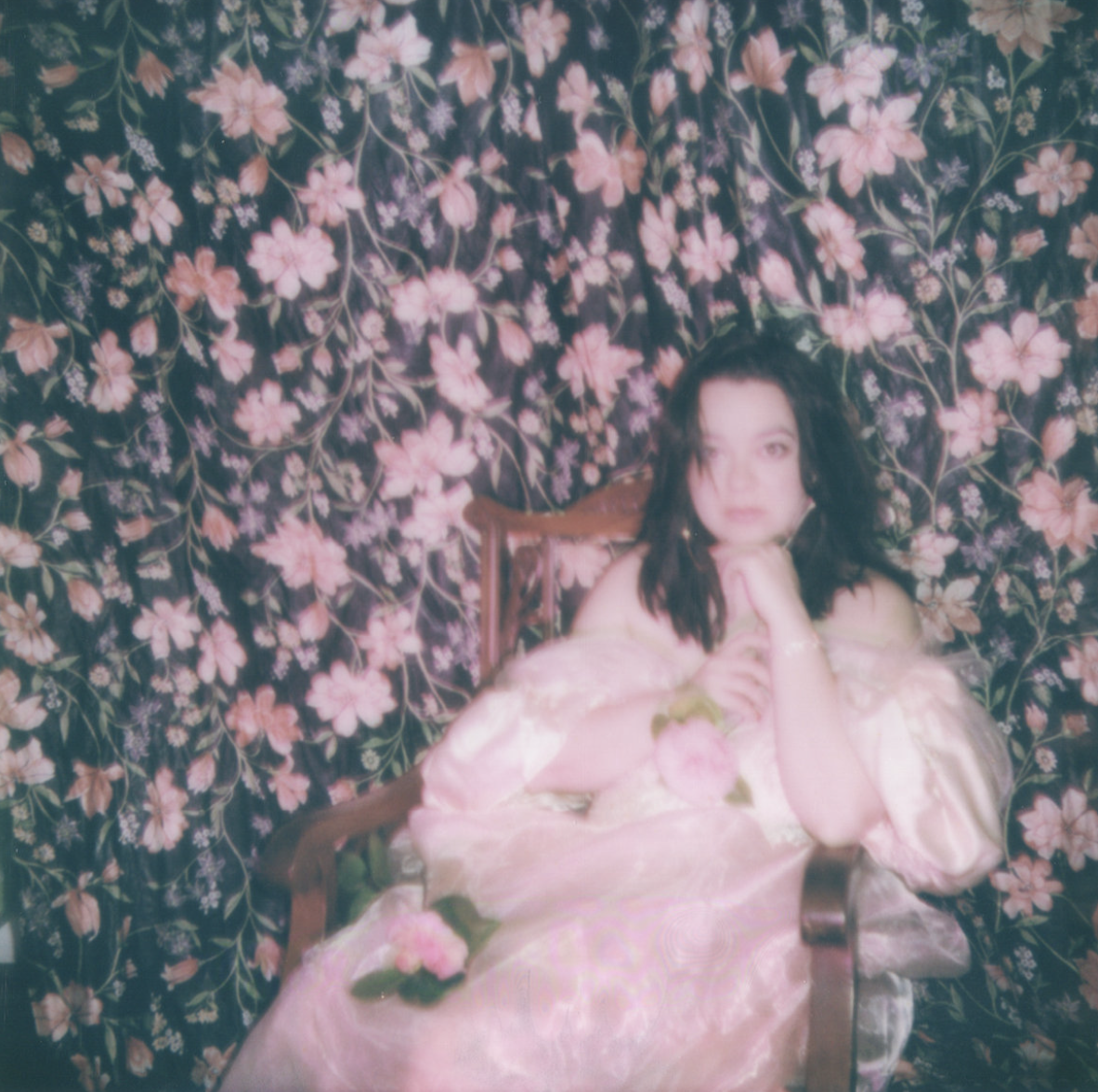
___THE NEW___
Autistici ‘Familiarity Enfolded’
(Audiobulb) 2nd August 2025
The middle sequence in a series of transformations by the Sheffield-based electronic composer, Familiarity Enfolded follows on from the first link in a chain of collaborative immersions, Familiarity Folded – released in just the last week. In what could also be a collaborative showcase for the Audiobulb label too, a smattering of artists who’ve previously released material on the platform now bond and work with Autistici in redeveloping or evolving and remixing his compositions and ideas for a three-part project.
Finding common ambient space and minimalist approaches to visioning new soundscapes and movements, part two includes contributions from Tomo-Nakaguchi (an artist we’ve raved about on the site in the last few years, and made our choice albums of the year lists), A Dancing Beggar (who hasn’t appeared for a very long time on this site, but has made our choice albums lists in the past), Russ Young and OdNu (another artist who has appeared in our reviews sections in the last couple of years). The prospects look good already, with this quartet’s sphere of influences within the ambient and electronic realms both adroit and always worthy of attention.
First up both Autistici and Tomo-Nakaguchi match-up for an incipient majestic awe of both the natural and synthetic on the opening ‘Twilight Glow Of The Sky’. What could be the sound of filaments falling like pattering rain on a drum skin or piece of Tupperware can be heard amongst the moving glimmering light captured at such an inspiring moment in time and place.
The cove atmospheric ‘Caiplie’s Hermitage’ references the atavistic caves of the title, found between the Scottish towns of Anstruther and Crail on the coastal pathways of Fife. A Dancing Beggar is the foil this time around, playing on the hallowed ghosts and history of that mysterious cavern, which is believed to have been used as a place or sanctuary of worship for Christians in the 9th century AD. There’s constant wash or downpour of rain and presence of water elements that continue throughout this piece, and it could be that the artists are perhaps sheltering from it as they build up an abstract picture that’s one part natural and the other near sci-fi. The brassy resonating strings of a guitar are plucked, pulled and sprung as heavenly machines move around in the background. A Dancing Beggar joins both Autistici and OdNu on the finale; a twenty minute plus long form illusion inspired by the track title’s Arthurian referenced enchantress, sibling, shapeshifter and seducer Morgan Le Fay mirage, the ‘Fata Morgana’. A “superior mirage” in other words, this optical phenomenon and complex mirage creates distorted and sometimes fantastical images of distantly observed objects. You must have seen this when looking at to sea in particular conditions and seeing tankers or ships appearing to float above the waves. Sonic wise, this reminded me of Jeff Bird with its essence of piped or pumped pastoral sounds. But there’s also something hallucinogenic about it too. There’s a Mark Hollis solo style piano bit, something that sounds almost like a concertinaed ghostly echo of some shipwreck shanty plus the shimmers and shivers of magic.
That leaves the final track of the quartet, the ‘Dissolved in Light’ collaboration with Russ Young, who I must admit I’m unfamiliar with. It begins with the itchy rubbing chorus of crickets and sundown atmospherics. A veil of mist dissipates to reveal a most minimalist timelessness before Laraaji-like bowls are struck softly and the sound of tines and melodious ambient waves entwine. Andrew Heath evocative piano notes and falls meet an amorphous staccato engine as the track moves along its placeable journey to the sacred.
‘Relinquishing’ control, the concept behind this series has worked rather well; resulting in some magical, stirring and illusionary pieces of sophisticated and highly immersive ambient and lowkey electronica. A Dancing Beggar seems to be adding something of the bucolic and pastoral to the mix to give it a connection to the human and greenery, the nature and history. But all four collaborators prove congruous partners on this project. Part three, Familiarity Unfolded, will follow in due course, and it will be interesting to hear the results of another set of sonic and musical partners.
The Lancashire Hustlers ‘Here But Not Here’
(Steep Hill) 4th July 2025
Rolling with the punches meted out by life; tumbling forward into a new songbook; The Lancashire Hustlers seventh album rings true with disillusion, detachment, bewilderment and isolation. It’s a feeling that’s hard to articulate or relate, but that unease at the tides of time and the disenchanted shrugs of malady sound pretty warm, gentle and sellable.
With a MOR breeze of soul in their sails once more, the long-standing duo of guitarist and vocalist Brent Thorley and drummer and backing vocalist Ian Pakes take beat group, Baroque, psych and troubadour influences for a both funky and yearned trip across the Northern countryside and towns of their home. Transporting a hint of Muscle Shoals to Lancashire for an idiosyncratic English take on the music of the Isley Brothers, Stevie Wonder, Curtis Mayfield, the duo (with an extended apparatus of instruments, which they both share) have a slight saunter and roll to their signature to their songwriting and playing. It’s the sound of The Beatles, of individual Lennon and McCartney on their solo work, of the Stones, of Ollie Halsall and John Compton with an undulation of gospel-light and country-soul electric piano and organ. Talking of the country reference, the most lovely ‘Just Because’ has what could be either a melodica or clarinet sounding like a forlorn but romantically sighed harmonica – there’s also the use of a lap steel guitar.
There are some heartfelt, sad plaints, and rural country swamp pop ditties that wouldn’t sound out of place on McCartney’s eponymous solo album and RAM; some songs that err towards the haunted, albeit with instrumental aping scurrying mouse effects – see the confessional, asking for forgiveness, pest and rodents quirky phobia, and Byzantine Stones flavoured ‘I Killed A Mouse’ -; and some that beat themselves up over guilt, frustration and heartache. Most out there, must be the dejected lament of feeling ignored, ‘Like A Ghost’, which sounds like a detour to some mysterious Hispaniola Les Baxter hideaway island of the occult. And yet, they never feel so down or in the blues funk that each song isn’t rich in playfulness lyrics wise, or ever dour.
Another enchanting as it is sorrowful and disenchanted songbook from a duo that continues to make its own luck, releasing a consistent catalogue of instantly likeable, melodious and breezily catchy albums. It’s always a pleasure to review and hear them.
Maria Elena Silva ‘Wise Men Never Try’
4th July 2025
Recently stripping back Bob Dylan’s courtly enigmatic dames to their most essential essences with interpretations of ‘Queen Jane’ and a summoned bell rung ‘Sad-Eyed Lady of the Lowlands’, Maria Elena Silva now turns to the pages of the Great American Songbook with a first volume of revisited and transposed standards made anew: that is, made emotively ethereal, near evanescence yet connected and with a real sense of depth and something approaching the tactile.
Under the ‘umbrella title’ of Wise Men Never Try, the inaugural volume features a small intimate accompaniment of players to accentuate and punctuate Silva’s carefully placed and near blown words, or, to wind along to a minimalist performance of the artful, the solo play, the quietened and sullen lament, the show tune stripped of artifice, and the enigmatic, near impregnable shell of a smoky cabaret tortured soulstress. Step forward Erez Dessel, who’s piano both articulates the feel and plays with a freer hand of spine-tinkles, ached suspense, distorts and slightly jars the nerves; especially on the opening version of Carolyn Leigh and Cy Coleman’s late 1950’s standard, ‘I Walk A Little Faster’ (the singular “I” has been dropped I assume to reframe the angle for a new interpretation), which was a hit for Blossom Desire in 1958. The original’s slight lilt of 50s swing and jazz is replaced with a jilt of dissonance on the piano; made more so because of the near silence that opens the song. In a bluesy-jazzy fashion that also recalls the theatre, Silva amorphously places the words with lulled and delicate breathless ease. As a theme of heartache and denial, this distillation is as beautiful as it is almost troubling and disconsolate. The album’s finale, ‘Some Enchanted Evening’, is the closet interpretation on the whole album, featuring a lovely melodious piano that wouldn’t sound out of place on the original; all very tender and dreamy. The Rodgers and Hammerstein number, composed for the South Pacific musical, is normally sung by male protagonist Emile as he captures the essence of love at first sight. Out of the female gaze, with a female perspective that theme is not so much lost but redefined.
We also have Tyler Wagner popping up on the double-bass, taking a tactile, textural jazzy approach, offering flexed stretches of the body, sensitive little crawls and climbs, and more physical thwacks of the bass strings. The filmic pining ‘I Should Care’, written by Alex Stordahl, Paul Weston and Sammy Cahn for the 1944 MGM matinee Thrill of a Romance – covered by all the notable greats over the decades, from Sinatra to Peggy Lee, Dizzy Gillespie and Amy Winehouse -, features a bass that quietly thumbs away a jazz rhythm in the style of early Blue Note, as Silva sympathetically oozes soulful pursed heartache.
Completing the accompanying trio – who it must be stated, don’t always play together or on every song – is Ben McDonald on electric guitar. Subtle for the most part, ‘I’m In Love Again’ has McDonald pinging harmonics, brushing up and down the fretboard and playing a nice Reinhardt-esque delicate languid sensitive form of haunted sympathy.
It must be pointed out that Silva also plays acoustic guitar on these numbers. ‘You Don’t Know How Glad I Am’, written by Jimmy Williams and Larry Harrison, and made her own by Nancy Wilson on the 1964 single, is an intimate entwined match of Silva’s climbing vocals and a guitar with a pinch of Spanish flair: albeit kept quite subtle. Silva’s version of that recognisable tune sounds somewhere between Judee Sill and Roberta Flack. It’s there again on the next song, ‘Close To You’, a sort of jazzy-gypsy guitar melancholy.
Silva’s voice is labyrinthine and enigmatic yet can’t quite hide the various emotional toils of disconsolate and sacrificial, torturous and resigned heartbreak. Despite the intimacy of the setting, every song has a stage-like atmosphere about it that croons and soothingly oozes sophisticated, elegant jazzy-blues performance from the stillness and blank space. But that voice is hard to define, to pin down; amorphously pitched between the great jazz singers, the voices of perhaps Julie London and Peggy Lee, and something approaching the folk doyens of the 60s. A beautiful, somewhat pining and plaint start to a series of such interpreted songbooks, volume one is a very personal take and perspective on a songbook we have come to take for granted and heard a thousand or more times. In this moment, this setting, those just recognisable songs have taken on a different quality and encouraged a new reading.
If that grabbed you, Silva will be back next month with a second volume, this time concentrated on songs of a certain vintage, and a prescient history, the American Civil War. Expect to read a review of that album at a later date.
Leo Wolf ‘I Saw Your Shadow On The Wall’
1st August 2025
The flicker of Richter’s candle appearing at the end of the labyrinth; the half-dreamt, half-seen M.R. James’ apparitions; the presence of the supernatural and mysterious prompted by sleep hallucinations; these are all in the essence and conjuring of imagery that is crafted from the North Carolina artist Leo Wolf’s ambient, atmospheric and filmic granular synthesis of processed sampled material from classical records and field recordings. With weight and texture these asynchronously breathed, and space filled recordings exist in a semi dream state, simultaneously paranormal and yet tethered to the search for light and gravitas in a world of synthesized melodic wave forms, tones, passes, undulations and bass-y padded throbs.
Building up a moving, simulating and often dramatic sensory experience from hidden sources, machinery and the recognisable captured moments of the artist’s surroundings – from the rain hitting a metal apparatus in the garden, to the clatter of cutlery and plates, the conversations caught between people in a restaurant or café setting -, this album’s building blocks act together and independently of each other to set in motion a feeling both hypnagogic and hypnotic – the former even features in the title of one track. Are we indeed awake or not? Who can tell, as Leo constructs a surprisingly beautiful work of ambient reflection, soundtracks and filtered brilliance.
A brilliance of light (metaphorical and real) can be found on each and every track more or less, as the mists, haze, the unsure fogs of the musty and gauzy are parted to reveal itself.
It sounds to me like 1980s paranormal VHS merged with His Name Is Alive, synthesized monastic and gothic voices, hollowed beams, overhead craft of an alien nature and generators. Nightmare and the sublime through the grainy lens, I Saw Your Shadow On The Wall envelops the listener in Leo’s personal searches and emotional pulls to create a most moving soundtrack.
___/The Monolith Cocktail Social Playlist Vol. 99___
For the 99th time, the Social Playlist is an accumulation of music I love and want to share; with tracks from my various DJ sets and residencies over the years and both selected cuts from those artists and luminaries we’ve lost on the way and from those albums celebrating anniversaries each month.
Running for nearly 12 years now, Volume 99 is the latest eclectic and generational spanning playlist come radio show from me – the perfect radio show in fact: devoid of chatter, interruptions and inane self-promotion.
Let us pay homage firstly to the late Argentine pianist and composer Lalo Schifrin, who passed away earlier this month. Arguably it took a South American to encapsulate and bottle through blazed horns, funky grooves, a chorus of dramatic near reverent voices, and thriller punches the sound of the streets of San Francisco and New York in the 60s and 70s; when Dirty Harry served Judge Dredd style justice and Steve McQueen handbrake turned and screeched recklessly as a getaway driver. Kung-Fu to Spies, Bossa, Samba, the orchestral, swing, jazz, the cultish and horror, Schifrin’s signature is legendary; his influence so wide and extensive as to have entered the musical lexicon. Arguably amongst the most sampled composers of all time too. So where do you start? How the hell do you represent such a legacy? Well, I’ve chosen a few personal favourites and a couple of more obscure tracks from a cannon that spans over seven decades: the theme from ‘Magnum Force’, ‘Kyrie’, ‘Once A Thief’, ‘Vaccinated Mushrooms’, ‘The Shadow’ and ‘Introit’. And literally as I’m writing this, news arrives of Ozzy Osbourne‘s sad departure from these realms. The Anti-christ, lord of heavy metal (or “heavy mental” as my old man always called it), arguably at least one of the founding fathers of that sound through Black Sabbath of course (or at least one of the earliest adopters), finally succumbed to his plague of illnesses and conditions. Near on breaking his neck on the unseemly naff chariot of a quad bike ages ago, but battling Parkinson’s, a ridiculous amount of addictions, it seemed Ozzy was always on the cusp of death; defying the odds not just to put one foot in front of the other, but to continue his career as dark magi, ring master to metal and its offspring. What seems like an age ago, the TV show that did much to revive his career, one of Brum’s most famous and celebrated sons managed to become relevant again to a whole new generation despite seeing a ramshackle, ailing former rock star on his downers, and unintentionally making a name for himself through various comedic episodes: even entering that lexicon on catch phrases, the metal equivalent of Fred Flintstone’s hollering “Wilma!”, more in desperation, of “Sharon!”. It always seemed a joke, or not to be taken too seriously, all that dark brooding, Satanic rites, devil’s spawn and howling metamorphous werewolf mooning: and it worked very well. And despite the hilarity, the idol status of motel, hotel, holiday inn wrecking, pissing on the Alamo, the Motley Crue pool side incident of snorting a row of ants, wife/partner/enabler/manager Sharon can tell a dark tale or two hundred about Ozzy’s drug-crazed manic violent outbursts. Still, he was a character; a motherfucker as Brian Bordello would say; a true individual; the like of which we won’t ever see again. Many wished Ozzy on, even those who weren’t fans. His final curtain call was only a matter of a few weeks ago, back on home soil. Like the trooper he was, Ozzy gave back to the city that panel-beat and moulded him. I’ve chosen a couple of tunes to see him off (please no jokes about double-checking the coffin on the day), one from the Sabbath days, the other, from Ozzy’s debut 80’s album Dairy Of A Madman.
Moving on now to the anniversary celebrating albums, there’s select tracks from Wayne Shorter’s most (arguably) influential and most covered LP, JuJu (60 this month), The Rolling Stones’ Out Of Our Heads (60 this month), The Fugs’ debut LP (60 this month), Milton Nascimento’s Minas (50 this year), Larry Jon Wilson’s New Beginnings (50 this year), The Verve’s A Northern Soul (unbelievably 30 years old in 2025) and Banco De Gaia’s Last Trian To Lhasa (30 this month).
Each month a smattering of newish tracks that didn’t make the Monthly Playlist of new music manage to creep into the set list. For July, there’s tracks from Nowaah The Flood, Rarelyalways with Nia J,Lunch Money Life, and DJ Haram with Moor Mother and 700 Bliss.
That leaves space for an intergenerational, cross-polygenesis mix of tunes from the triumvirate gathering of Chick Corea, Dave Holland and Barry Altschul (aka A.R.C.), Grass Widow, Julie Coker, Federico Balducci, Johhny Yen Bang, Chakk, MC 900 FT Jesus…
Tracks in full are::::
Lalo Schifrin ‘Theme From Magnum Force’
Banco De Gaia ‘Kincajou’
The Fugs ‘Slum Goddess’
Grass Widow ‘Tattoo’
Mighty Mighty ‘Yours Truly’
Batsumi ‘Mamshanyana’
Federico Balducci ‘Abode’
Black Sabbath ‘Who Are You?’
Lalo Schifrin ‘Kyrie’
Lalo Schifrin ‘Once A Thief’
Wayne Shorter ‘Deluge’
Nowaah the Flood ‘Protocol’
DJ Haram w/ Moor Mother and 700 Bliss ‘Lifelike’
MC 900 Ft. Jesus ‘Dancing Barefoot’
Lunch Money Life ‘The Garden’
Rarelyalways w/ Mia J ‘Paid’
Milton Nascimento w/ Beto Guedes ‘Caso Voce Queira Saber’
El Polen ‘A las Orillas del Vilcanota’
Joe King Kologbo ‘All Fingers Are Not Equal’
Julie Coker ‘Elelemi’
Lalo Schifrin ‘‘Vaccinated Mushrooms’
Chick Corea, Dave Holland & Barry Altschul ‘Games’
Lalo Schifrin ‘The Shadow’
Johnny Yen Bang ‘Kill The Disco’
Harte 10 ‘Some Ronnie – Live’
Ozzy Osbourne ‘Flying High Again’
Chakk ‘Caught in Your Face’
Co-Pilot ‘Cornerhouse’
The Rolling Stones ‘That’s How Strong My Love Is’
Lalo Schifrin ‘Introit’
The Verve ‘On Your Own’
Larry Jon Wilson ‘Broomstraw Philosophers And Scuppernong Wine’
___/Archives___
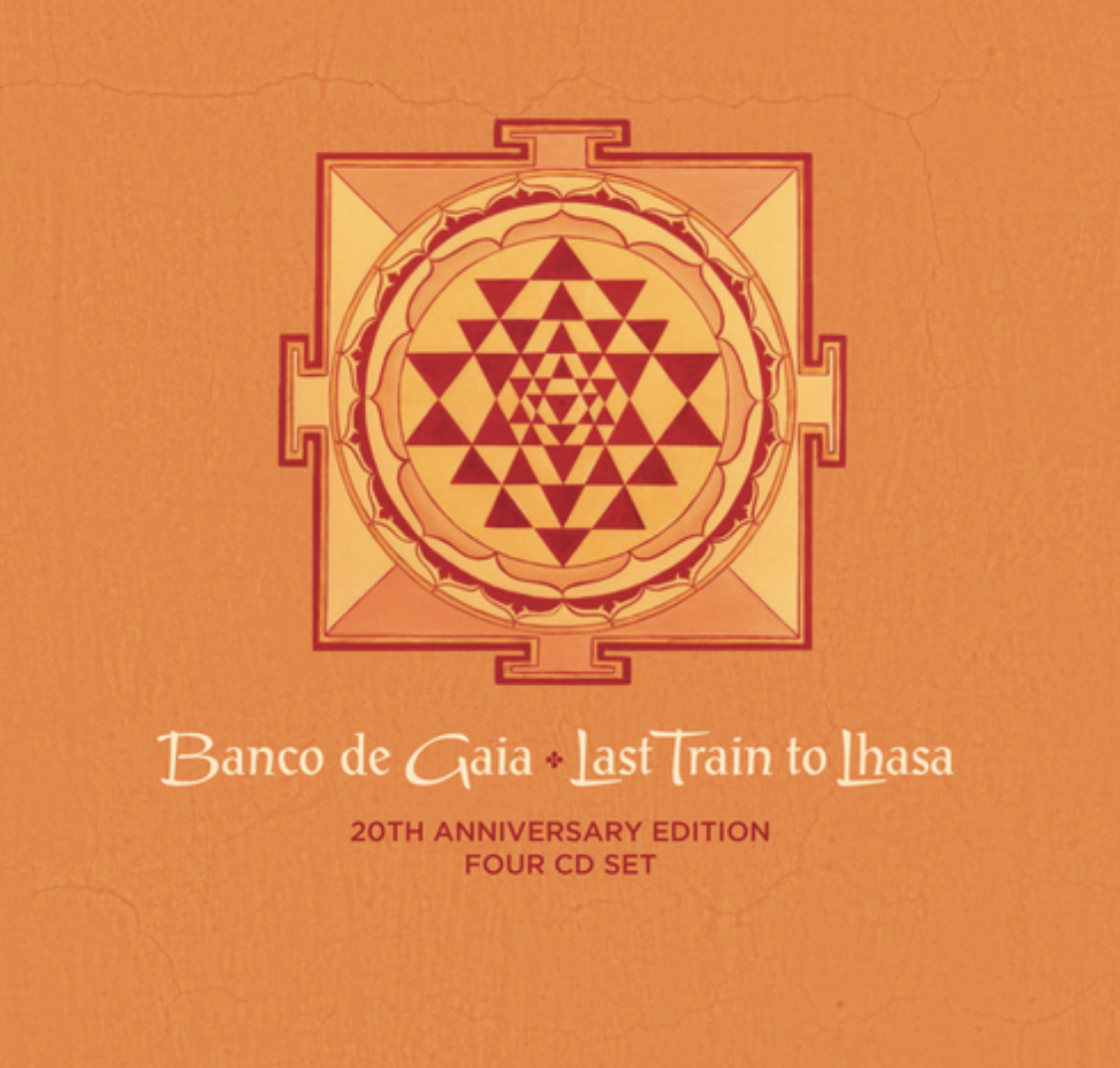
Already represented in volume 99 of the Social Playlist above, another chance to repost my piece on new age techno pioneer Banco De Gaia’s influential 1995 world peregrination Last Trian To Lhasa. Originally appearing as a twentieth anniversary special, with a repackaged version of the album plus extras.
Banco De Gaia ‘Last Train To Lhasa (20th Anniversary 4xCD Set)’
Despite, what on the surface, seems a plausible misconception, one of the UK’s chief progenitors of global trance peregrinations, Banco De Gaia, has become synonymous with all things Tibetan. Re-released on the occasion of its twentieth anniversary, the Banco’s Last Train To Lhasa album may have borrowed the title and evoked a transcendent spirit of the country’s mystical Himalayan landscapes, yet the group’s founder and guiding force Toby Marks never meant to confine his world sounds to one particular place: In truth, more a pan-global sound palette with echoes and traces of the Middle East, Asia and the Orient.
Going as far as to refute suggestions in every subsequent interview since its original release, the LP only actually features a solitary sample from the region and only gained its title from Marks wife on completion. However, Marks lent space on the album’s sleeve to publicising Tibet’s struggle against its overlord Chinese masters and would become a vocal advocate of the Free Tibet campaign – that now seems such a long time ago, and all but forgotten, with China since more or less swallowing Hong Kong and threatening an invasion of Taiwan, which if it does come, might just be the big one: the WWIII event we always dreaded.
Base camp on the enlightened journey to the ethereal, Tibet’s meditative disposition was no match for the authoritarian steamroller of the Communist party machine. And so, an ill-at-ease occupation and stalemate persists a generation later. Its international vessel of protest, the Dalai Lama in his own affable and gentle way backed by the Free Tibet campaign continues to be a big draw yet has decidedly been upstaged by events elsewhere. Clarifying his commitment to the cause, Marks was recently interviewed by the Free Tibet organisation in the run up to his trio of performances at this year’s Glastonbury and the anniversary Last Train To Lhasa release – perhaps a timely reminder.
Musically speaking, as I’ve already mentioned, the twentieth anniversary appraisal of Banco De Gaia’s blueprint reaches far beyond any Tibetan influence, imbued by cultures both imaginary and real from both terra firma and the stratosphere.
Highly praised for merging trance and nuanced electronic four-to-the-floor beats with atavistic echoes from mystically envisioned landscapes, Banco De Gaia’s Last Train To Lhasa was released in the dying ambers of the second rave and house music waves in 1995. On the cusp of Britpop, hung-over from grunge, guitars were about to once again dominate whilst house and techno music in all its many guises had reached superclub status; the underground movements fractured and broken up into a myriad of smaller tribes. Ambient and trance, usually the preserve of afterhours clubbing or allocated space in the “chill out” zones had already blossomed into its own industry. That unfairly and often fatuous “chill out” idiom used to sell everything from nirvana relaxation and transience to any ‘new age” missive. Never new in itself, until progress and technology made it easier and offered more options, the core ambient ingredient had already been in existence for decades. And despite what you may have read, Eno may have given it a name, but he certainly didn’t invent it. In this evolving stage of dance music, Banco De Gaia went to town, sitting on a fluffy cloud, hovering between trance and techno.
LTTL’s suffused panoramic station-to-station soundtrack was different. Sharing some of the peaceable beautiful nephology of The Orb and Air Liquid but with the satellite guided twinkle and kinetic rhythms of Orbital, the album sounded every bit as organic as it did electronic. The original album is boosted by a further three CDs worth of alternative takes, mixes, remixes and the missing until now, Apollo moon landing inspired space-voyage, ‘Eagle’ – recorded at the time but left off the final version of the LP. A box set only available as a limited-edition physical release – though now also available to hear on Bandcamp -, fans and admirers alike can really indulge, with 24 tracks of transcendent aural bliss.
Even if you are far from familiar with the source material, the general method applied is one of respectful tinkering and expansion, with Marks own alternatives plus a line-up of contemporary artists/producer remixes congruously immersive. A ‘Duck Asteroid Extended’ mix of the original ‘Kincajou’ for example, takes the steam driven new age suite on an epic, stripped and even more ambient, 44-minute journey: it takes the mix thirty-minutes to bring in the beats and reach a higher plain. Elsewhere, various tinkering’s of the holy misty mountain proverb ‘China (Clouds Not Mountains)’ takes the languid drifter into ever more esoteric territories, or in the case of Roedelius and Felix Jay collaborator Andrew Heath, adding a diaphanous piano to the meditative calligraphy-brushed valley narrative.
The reverberations of dub, bhangra, and the Orient are sometimes stretched into indolent escapism or given more power and lift on the varied versions of ‘Amber’. Sometimes as with the Carl Craig imbued Bluetech remix of ‘Kuos’, they are taken apart and rebuilt. Though nothing quite matches the rolling timpani introduction and celestial beauty of the original ‘White Paint’, ‘Where’s The Runway Dub’ and alucidnations ‘Dream Remix’ offer interesting interpretations; one a hymn in dub the other a suffused with kosmiche rays romance in the sky.
A carefully considered expansion of the Banco De Gaia panoramic worlds of the mid-90s, the 20th anniversary edition certainly offers the listener an immersive experience. And you can’t complain about getting your money’s worth, with over four hours of music over the four discs to peruse.
If you’ve enjoyed this selection, the writing, or been led down a rabbit hole into new musical terrains of aural pleasure, and if you can, then you can now show your appreciation by keeping the Monolith Cocktail afloat by donating via Ko-Fi.
For the last 15 years both me and the MC team have featured and supported music, musicians and labels we love across genres from around the world: ones that we think you’ll want to know about. No content on the site is paid for or sponsored, and we only feature artists we have genuine respect for /love or interest in. If you enjoy our reviews (and we often write long, thoughtful ones), found a new artist you admire or if we have featured you or artists you represent and would like to say thanks or show support, than you can now buy us a coffee or donate via https://ko-fi.com/monolithcocktail

