Premiere (Single): David Åhlén ‘If I Have You’
April 16, 2020
Single Premiere/Dominic Valvona
Press photo/Ola Elmquist

David Åhlén ‘If I Have You’
(Jivvär) Single/17th April 2020
A beatific longing of hymnal beauty, the brand new whispery veiled single from the hushed falsetto Swede David Åhlén is a most reverent ethereal plaint from the spiritual soul. Released ahead of the upcoming If I Have You EP on the 17th May, the title track angelically ushers in the Island of Gotland based singer, songwriter and multi-instrumentalist’s communicative passion for the Christian liturgy.
Retreating to that island community of Gotland and with the space and skies of island existence Åhlén took time to start studying mystical Christian texts, and to take on board the space and peace of the work of musical mystics such as the Estonian composer Arvo Pärt. He was particularly moved by the Biblical Psalms, lyrics such as “deep calls to deep in the roar of your waters” are directly inspired by Psalm 42, as David explains “many of the lyrics for the EP are about the mystery of our soul speaking to God and the longing that follows”. Musically steeped in this traditional influence and spiritual yearning, ‘If I Have You’ is elevated further towards the heavenly by the inclusion of the diaphanous holy tones of The Boy’s Choir Of Gotland and a sympathetic chamber ensemble.
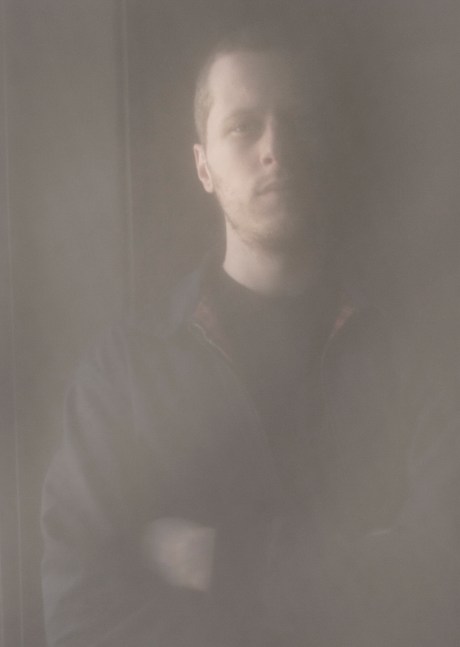
Åhlén’s previous releases have found international acclaim, with glowing reviews and radio play all over the world – especially for his similarly holy inspired 2016 LP, Hidden Light. Previous to that his 1921 duo toured extensively, supporting such luminaries as Peter Broderick, SOHN and Loney Dear.
The If I Have You EP is production collaboration between Åhlén and Swedish producer Manne von Ahn Öberg, who is known for his work with artists such as Stina Nordenstam and Nicolai Dunger, and features a host of congruous musicians and voices. The Monolith Cocktail is delighted to be able to premiere, in the UK, the showcase title-track ahead of its official release on Friday 17th April.
Hi, my name is Dominic Valvona and I’m the Founder of the music/culture blog monolithcocktail.com For the last ten years I’ve featured and supported music, musicians and labels we love across genres from around the world that we think you’ll want to know about. No content on the site is paid for or sponsored and we only feature artists we have genuine respect for /love. If you enjoy our reviews (and we often write long, thoughtful ones), found a new artist you admire or if we have featured you or artists you represent and would like to buy us a coffee at https://ko-fi.com/monolithcocktail to say cheers for spreading the word, then that would be much appreciated.
Our Daily Bread 375: Geese, Pabst, So Beats, Yakima…
April 14, 2020
REVIEWS/Brian ‘Shea’ Bordello
Brian ‘Bordello’ Shea joined the Monolith Cocktail team in January 2019. The cult leader of the infamous lo fi gods, The Bordellos, has released countless recordings over the decades with his family band of hapless unfortunates, and is the owner of a most self-deprecating sound-off style blog. His most releases include The Bordellos beautifully despondent pains-of-the-heart and mockery of clique “hipsters” ode to Liverpool, and, under the guises of the Idiot Blur Fanboy moniker, a stripped down classic of resignation and Gallagher brothers’ polemics.
Each week we send a mountain of new releases to the self-depreciating maverick to see what sticks. In his own idiosyncratic style and turn-of-phrase, pontificating aloud and reviewing with scrutiny an eclectic deluge of releases, here Brian’s latest batch of recommendations.
With all live gigs and events more or less quashed for the foreseeable future, buying music (whether it’s physical or through digital platforms such as Bandcamp) has never been more important for the survival of the bands/artists/collectives that create it. We urge you all to keeping supporting; to keep listening.
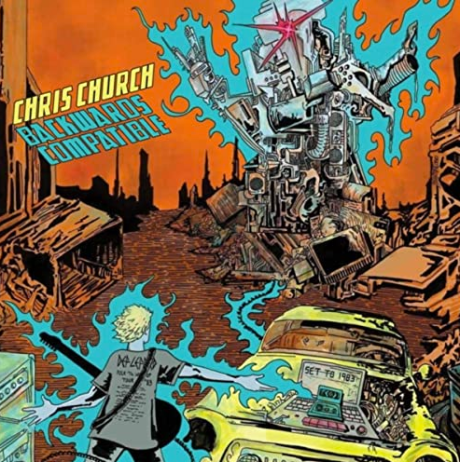
Chris Church ‘Backwards Compatible’
Album/Now
Power pop is an art form that not many critics takes seriously; quite often frowned upon and belittled. Why is it such a bad thing for songs to have catchy melodies and harmonies and a feel good factor. Is it wrong to be influenced by McCartney led Beatles and Big Star; to love the crunchy guitars of Cheap Trick; to have melodies so sharp that they could shave off your eyebrows if you got too close. Of course not all critics are arseholes who eat what they are fed, who will accept anything as long as it’s wrapped in the latest hip design [me using the phrase hip design proves I’m no critic and certainly not a fashion led one]. I’m a music lover. I love pop music. I love harmonies. I love songs with a feel good factor, and yes McCartney is my favourite Beatle.
If you are like myself a pop music lover this LP is certainly for you as it has all the above mentioned and more. If you love Matthew Sweet and Brendan Benson, or even quite like them, you really need to hear this LP. If you’ve never heard of either I would advise you do, but first give this fine album a blast. I’m pretty sure it will not get the attention or the radio play it deserves and that is a bit of a sin as this album was born to be played on the radio.
Yakima ‘Go Virtually’
EP/20th March 2020

Scottish bands like Big Star and Bad Finger it seems. That’s what we have here: another band soaking up the melodies of the past and releasing them forth to hopefully inspire more bands to like Big Star, which in itself is a worthy cause, because you cannot really have too many bands releasing warm catchy pop music, and this EP’s six tracks of warm catchy guitar pop is just that. It’s like the aural equivalent of your cat nesting in your favorite old jumper, in a cardboard box; no matter how many times you see it, it still makes you smile and warm inside.
So Beast ‘Super Black’
EP/27th April 2020

If I remember correctly (Editor: yes you did) I reviewed an EP (Fit Unformal) by So Beast last year and was very impressed. Well nothing has changed, as this is equally as impressive.
Once again bringing a dark sultry post punk sound that reminds me of a semi electro Bow Wow Wow; chanted, whispered talked vocals backed by backward drum machines, the bleeps and chimes of the electronic kind twanging guitars and a warm dark hush of their art causing expectant ripples in the part of your mind where you fold away stars and memories of unkempt kisses and elicit sexual acts you performed, or, wished you had. An EP of sultry dark wonders.
Geese ‘Bottle’
Single/Available Now
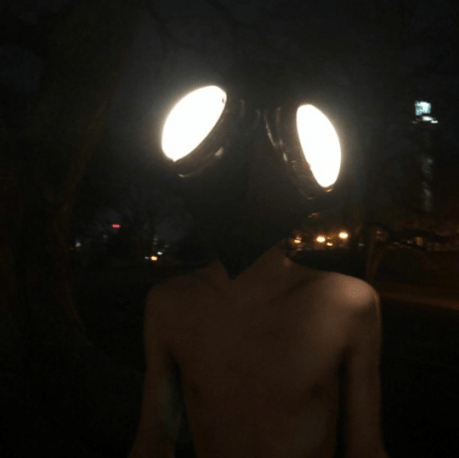
Geese are a band or a group [as I’m old fashioned] or, a flock even, from New York and this is their second single to date [I think it is anyway; I could be wrong, and not for the first time]. And what we have here is a fine slice of indie rock; chiming, almost a prog like guitar matched with dark melodic harmonies that bathe in the nostalgia that has me spinning back to the days when people with guitars mattered. Well worth lending your ears to.
https://soundcloud.com/user-793266278/bottle
Tangled Headphones ‘Death By Misadventure’
Single/1st April 2020

I really love this. Tangled Headphones describe themselves as anti pop, which I have to disagree with, as this is a fine pop single. It’s certainly lo-fi, which you should know by now is something I adore. It also has a great psych eastern feeling to it – again something I love. Imagine if you will, a Psych Beat Happening; maybe one of my personal favorite tracks of the year so far. Great stuff indeed.
Aimée Steven ‘Hell Is A Teenage Girl’
(Jacaranda Records) Single/6th March 2020

I think I may just stop reading press releases because on the whole they make me not want to actually listen to the song, as it nearly did with this delight of a pop single by Aimée Steven. And I’m glad I overlooked the bad hype “ripping up rule books ” and such nonsense, because what we have here is a fine PJ Harvey like song injected with the pop fun of The Monkees: guitars that jangle and fizz and a melody that would easily pass the old grey whistle test. One to watch yet again.
Pabst ‘Skyline’
(Ketchup Tracks / The Orchard) Single/Now

I was, once again, not expecting to like this as I always look on the bright side, as you know. But I actually did! I like the post grunge with a touch of old fashioned Glam rock feel to it: imagine Suede with beards and holes in their jeans. It’s once again a well written song with decent lyrics a fine melody and with a head-banging inducing chorus, which those with youth on their side I would advise, as it is good exercise [I am led to believe].
ALBUM REVIEWS/Dominic Valvona

Easing the boredom of coronavirus lockdown, join me from the safety of your own home once more on a global journey of discovery. Let me do all the footwork for you, as I recommend a batch of interesting and essential new releases from a myriad of genres. All of which I hope you will support in these anxious and trying times. With all live gigs and events more or less quashed for the foreseeable future, buying music (whether it’s physical or through digital platforms) has never been more important for the survival of the bands/artists/collectives that create it.
This month’s spread of featured bands and artists dreams of more exotic and mysterious places, but hail from Europe. From Germany with the new impressive filmic chthonian Techno suite there’s Die Wilde Jagd, from Sweden the collective noise welders, Orchestra Of Constant Distress, and from Finland the debut LP from renowned jazz bassist and now bandleader, Antti Lötjönen.
Back in the UK there’s a new ambitious classical experimental suite from iyatra Quartet and ambient and electronic music releases from Ryan Bissett’s – under the Halftribe title –and ennui composer Sad Man.
I do however leave the borders of Europe with a short stopover in Ghana, with Santrofi’s debut revamped Highlife special, and Madagascar, with a compilation of early cuts from Damily.
Santrofi ‘Alewa’
(Outhere Records) 24th April 2020

A love letter to Ghana’s golden age status as an incubator for some of the Africa’s greatest performers and bands in the 1960s and 70s; home of the, arguably, most influential music style to emerge from the continent in the 20th century, Highlife; Accra-based fusion Santrofi enthusiastically bridge past glories with a contemporary generation who’ve all but forgotten their roots. A reintroduction to Ghana at a time when its reputation as a hothouse for talent was at its nadir – when luminaries like Fela Kuti, Hugh Masekela and Orlando Julius came looking for a new sound, eager to sup liberally from the explosive scene – the band’s debut album Alewa champions the sunny-disposition Highlife style whilst adding some modern licks and on-trend dances – the Nigerian hip-hop dance Shaku Shaku and South African street dance Gwara Gwara, created by DJ Bonge – to the mix.
A result of a merger of show and marching bands, dancehall jazz and homegrown influences Highlife evolved to absorb all manner of styles and instruments over time, including soul and funk, but maintained it’s sunshine bleached heralded horns, thinly spindled polyrhythm guitars and lilted but infectious grooves. Kuti would merge it most famously with the blazing R&B, soul and funk sound from across the Atlantic to invent Afrobeat, others would ‘up’ the jazz elements or inject it with some psychedelic rock.
Santrofi bandleader and bassist Emmanuel Ofori knows more than most how important this legacy is having rose up the ranks performing with legends like Ebo Taylor and Pat Thomas and the Kwashibu Area Band. Yet his eight-piece collective – who’ve toured with Gyedu Blay Ambolley, the mighty Osibisa, and George Darko – have a reputation for backing the pop sensation Sarkodie and the Nigerian “superstar” 2Face Idibia in recent years. Now though they return to the roots, channeling the heritage not just musically but the etymology and myth. The band name Santrofi itself derives from the mythology of the Akan – a meta-ethnicity of people living in the southern parts of Ghana, but also found in the Ivory Coast -, and refers to the rare, precious bird that brings bad luck to those that hunt or entrap it: a caged bird style analogy. The debut album title refers to the popular black and white striped sweet; used in this case as a symbolic metaphor for racial unity and cohesion.
Ebo Taylor and his peers can be heard throughout this swimmingly soulful and gorgeous sounding showcase. It’s unmistakable when listening to the sweetened swinging lullaby-like title-track, and golden, softly blown horn blasting funky ‘Kwaa Kwaa’. The opening ‘Kokroko’ however kicks off the album with an earthy tribal rhythm and live party feel that includes whistles and call-and-response. It also features fellow Ghanaian, the poet/author/MC Fapempong setting the mood; holding court on a groove that’s part gabbled dance, partly hymn. The re-tuned radio “United States Of Africa” speech – first propounded by Marcus Garvey in his 1924 poem – ‘Africa’ has a more bluesy rock feel, whilst its an imaginary Stax revue backed by Al Green that’s evoked on the organ humming sultry R&B ‘Mobo’.
A refreshing homage to the Highlife phenomenon (unfairly overshadowed by its Afrobeat scion), Alewa may channel past triumphs, yet this isn’t just a straight-up tribute act, but a modern fusion that proves its relevance and enduring soul-power. Let the sunshine in: Highlife is here to stay.
Die Wilde Jagd ‘Haut’
(Bureau B) 17th April 2020

Birthed into another chthonian landscape of incipient stirrings, Sebastian Lee Philipp’s third such ambitious experimental suite continues where the previous eerie 2018 LP, Uhrwald Orange, left off: Lurking, stalking and disappearing into a recondite mystery of esoteric electronica and Techno. Earthy then, with evocations of a wild, veiled terrain populated by the whispering bewitched, strange rituals and metaphysical forces, Haut is a brilliantly realized slow-burning expansive supernatural soundtrack imbued with elements of Krautrock, Kosmische, the psychedelic, avant-garde, industrial and atavistic.
Once more joined by co-producer foil Ralf Beck – absent on Phillipp’s more or less solo outing, Uhrwald Orange – and live performance drummer Ran Levari, Die Wilde Jagd’s instigator songwriter/producer channels notions of memory, premonition and birth into a filmic quartet of drawn-out chapters. The opening minor-opus ‘Empfang’, which translates as “reception”, takes its time to emerge from the undergrowth; four minutes of ambient throbs, finger cymbal chimes and daemonic slithers before the first signs of Levari’s drum kit kicks in and takes off like a communion of Daniel Lanois and the Chemical Brothers. All the while sounds from the wilderness – like a crow’s croak and a regular occurring cold wind – encroach on the live instrumentation and sonic bed of synthesized pulses and motions. By the end of this thirteen-minute offering the magical Germanic-folk song of special guest vocalist Nina Siegler pricks the ominous chills to bleed over into the album’s, and project’s, only duet, ‘Himmelfahrten’.
Not so much a change in scenery as a mantra Whicker Man maypole entanglement between the Maid of Orleans and Philipp, the ‘ascent’ – as it translates into English – is part ritual, part ceremonial procession. Owl totems hoot on a hypnotic sweet chorus conjunction that invokes the Velvet Underground, GOAT, Acid Mothers Temple and Perpetuum Mobile period Einsturzende Neubauten.
‘Gondel’ – which doesn’t the lexicon to work out means “gondola” -, with its toiled, less rhythmic drumming reminded me of Jean-Hervé Perron and Zappi Diermaier’s more modern Faust partnership. A percussive rich mystery, echoes of operatic voices linger in what sounds like a very windy passage way.
There’s a pendulous motion to the album’s abstracted finale, ‘Sankt Damin’ – which I think is St. Damian, one half of the canonized Arab twin physicians who plied their trade for free on the Syrian coastline; two of the earliest Christian martyrs. Somewhere between courtly Medieval and the more ancient, there’s a whiff of the Dead Skeletons and the Velvets Byzantium vapours on this wispy blown stark wandering.
It’s certainly an imaginative world that awaits the listener on the Die Wilde Jagd’s third grandiose experiment. One that takes a breather, holding back on the beats and kicks for a more expansive and creeping sound production; those anticipated reveals kept on a tight rein. A sign of real quality and patience, Haut marks both a continuation but slight change in the dynamics as Philipp and Beck further erode and stretch the perimeters of Techno and electronic music.
Orchestra Of Constant Distress ‘Live At Roadburn 2019’
(Riot Season Records) 10th April 2020

An unholy alliance of Scandinavian extreme dissonance, the caustic noisy Orchestra of Constant Distress unleashes another solid wall of sonic experimentalism on an already anxious public in lockdown. Well not entirely on solid lump, because despite the squalling feedback, heavy, heavy sustain, grinding wanes and monolithic density the collective sound is not always so daemonic and unwieldy that snatches of rhythm and even splinters of lightness can’t be found in the seething menace.
Pulling together fuzz freaks and industrial welders from miscreant scenesters The Skull Defekts and Brain Bombs, the Orchestra’s latest live release – taken from a performance at the Roadburn Festival in Holland, in 2019 – is a near tumult of black magik, space rock, propulsive post-punk, chthonian drones and heavy metal. Sawing through pylons, squealing towards the primal, the repetitive distress of this mortuary malady reimagines a heftier, drum snapping Sunn O))), or, Boris with a rhythm, or, a Mogadon induced Death From Above. At times, despite the discordant violence, they sound positively psychedelic.
A pulsating, ghoulish and stirring noise, the Orchestra bends the squall and noise to their will on a warped oscillation generator of uncomfortable energy.
Halftribe ‘Archipelago’
(Sound In Silence) 16th March 2020
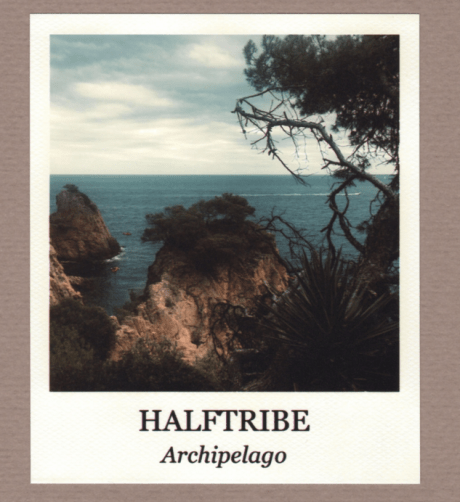
Another understated ambient suite from the purveyors of unobtrusive experimental soundscapes, Sound In Silence, the latest deep cut on the label’s roster is a lightly touched pulsation of geographical and mysterious soundtracks by the Manchester-based producer/DJ Ryan Bissett.
Under the Halftribe title, Bissett’s fifth long-player Archipelago subtly layers resonated hums, drones, throbs, glimmers and metallic tubular sounds with refracted suggestions of light and various imagined atmospheres. Though most of the titles allude to descriptive actions and contemplative thoughts of the enormity of it all, there’s always a sense of movement and environment to be found. The opening long fade ‘Exposed’, with its gleams and submerged washes, evokes a tropical location, and the angelic and monastery-like ghostly choral drifting title-track goes beyond the earthly towards the celestial.
Whilst transportive, what sounds like swells of new age gamelan can be heard on both the veiled wafting ‘Fader’ and lost transmission from the tropics ‘Drops’. Avant-classical elements, such as a low bowed cello sound and floated piano, quiver and plonk amongst Kosmische entrancing improvised instruments and pond-like ripples and hollowed-out bass-y wooden reverb on an ambiguous album of the haunting and serene; the masked and spacious.
Bissett reminds us that we’re all ‘Just Dust’. Which may be, yet what a contemplative musical conjuring we humans can produce in light of that lamentable certainty. This Archipelago is a small testament to that.
Sad Man ‘Indigenous Mix 3’
1st April 2020
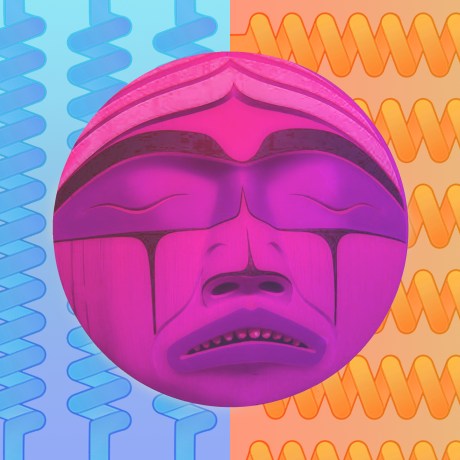
I think it’s pretty safe to say that Coventry’s avant-garde garden shed boffin Andrew Spackman has produced his best electronic music indulgences under the resigned Sad Man moniker. His most prolific incarnation, the former Duchamp favoured Nimzo Indian defense chess move sonic explorer has balanced an ennui for chaos with a passion for Techno rhythms and beats: even if all semblances of anything musically consistent are bombarded with constantly warped manipulations and curveballs.
Following in the wake of this year’s fully realized The King Of Beasts album is the third in the Sad Man series of radical reworks, Indigenous Mix 3. Essentially a transmogrified remix of that same LP; the original Beast tracks shimmer, burble, twist, shift and flex to a new ever-changing treatment.
Often these new mixes prove more flowing, even grooving: some could even be described as spasmodic dance music. ‘Teleprompter’ gets the party off to a twisted start; Tibetan reverberations meet woody mechanics, acid licks, Aphex girders of polygon light and dreamy iterations. The following tetchy beat generator ‘Trespass’ has some nice touches, and even reminded me of Wagon Christ at his most fucked-up. As the title suggests, and keeping at least a lingering trace of that city’s exotic atmosphere, ‘Marrakesh’ channels Orbital and LFO into a industrial spindled mooning otherworldly enigma. It’s the late and much-missed Andrew Weatherall that pops up on the mirror-y dub, Mogadon time-lapse ‘Carbonated’.
Elsewhere Chicago House rubs up against air-y wonked weirdness on ‘Kalafornia’, and A Guy Called Gerald goes into meltdown on the broken-up ‘The Physician’.
An unconscious stream of ideas and tinkering’s; remodeling hints of Warp, Ninja Tunes, Leaf, acid and breakbeat, Spackman let’s loose once more with another cracking volume of mixes. This series is proving to be amongst some of his best work yet.
iyatraQuartet ‘Break The Dawn’
24th April 2020
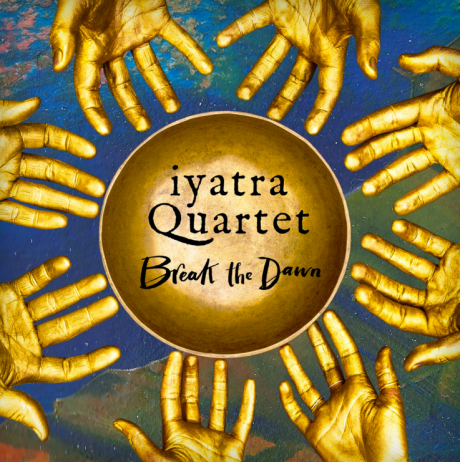
A veritable escapist odyssey that connects past with the contemporary, the latest timeless concerto from the multifaceted instrumental UK quartet transports the listener to both poetically stirring histories and landscapes.
Imbibed by individually strong and impressive classical CVs and a shared experience of study at the Royal Academy Of Music, the iyatraQuartet merge a penchant for India and Arabia with closer-to-home influences. The latest album’s opening bowed, sustained tremulous theater sea-shanty, ‘Black Sea’, for example is inspired by the former poet laureate (1930-1967) John Masefield’s tumultuous Sea Fever poem. Encouraging many classical homages before them, iyatraQuartet’s take on this classic travels on the mud banks of a hardy landscape with an attentive score of earthy sawing violin and cello, and skimmed and pattered frame drum; yet as with many of the tracks on this LP, they somehow manage to also evoke Eastern European folk music too. ‘Dompe’ goes much further back historically, to the Tudor epoch of Henry VIII, taking one of the earliest surviving “renaissance” keyboard manuscripts – the author composer of which remains unknown – ‘My Lady Carey’s Dompe’ as a foundation, they at first spindly and daintily walk through a dewy pastoral tapestry of float-y clarinet, glistened cobwebbed percussion and quill-etched mournful violin before evoking a hint of the Balkans. This is also the first suite to include a leitmotif of mantra like chants; a unison of choral voices emerging from the veils. ‘Alpine Flowers’ meanwhile, takes its inspiration from memorial plaques displayed at Oxford’s Somerville College Chapel, commemorating ‘significant’ women from the turn of the 19th/20th centuries. Almost jazzy and smoky in feel, there’s a hint of a mysterious geography that errs towards the Native Indian.
Gravitating towards India, both musically and religiously, the rebirth celebratory rejoice themed title-track weaves countless personal connections into a number of tunes. The group’s name, pronounced “ey-at-ra”, is even taken from the Hindu expression for travel, “yatra”. Mostly obvious the morning Raga transformation ‘Bhairav’, refers to the many contrasting aspects of Bhairava (a manifestation of Shiva), who created and then dissolved the three stages of life. That trio of universality is mirrored by a quiet incipient moody bowed, droning and strummed section, followed by quivered wails, clarinet honks and scrapes and busy tablas. It helps that the quartet’s co-founder and violinist maestro (to name just one instrument among her repertoire) Alice Barron studied South Indian violin techniques with the country’s star turn duo, the Mysore Brothers.
Continuing that thread, the joyful classical meets Swami ‘Chandra’ was originally written for the Indian sire of the title, Chandra Chakraborty, in 2017. The swayed, swan-like melody is based on, of all things, a medieval plainchant, woven into a Raga Yaman. It’s a dusky beauty of a fusion, with ascendant violin and airy clarinet: gracious in fact.
Sweeping across musical panoramas, the quartet reach out towards the Middle East with the sand dune contoured ‘Lama Bada’. Born out of a fruitful meeting with Basel and Mohammed ‘Taim’ Saleh of the Orchestra Of Syrian Musicians that turned into the 2018 touring The Songs Of Syria project, this atmospheric romantic piece utilizes Arabian love stories for a reverent camel ride.
Impressive in scope with instruments from folksy Ireland, rootsy Africa, mystical Tibet and of course pan-Europe, Break The Dawn is an ambitious reading of experimental classical music that doesn’t easily take to defining. Reminding me of the escapist Balkan trio Širom, but with chamber strings, the iyatraQuartet conjure up an imaginative time-spanning sound; performed with assured skill and an open mind.
Antti Lötjönen ‘Quintet East’
(We Jazz) 17th April 2020
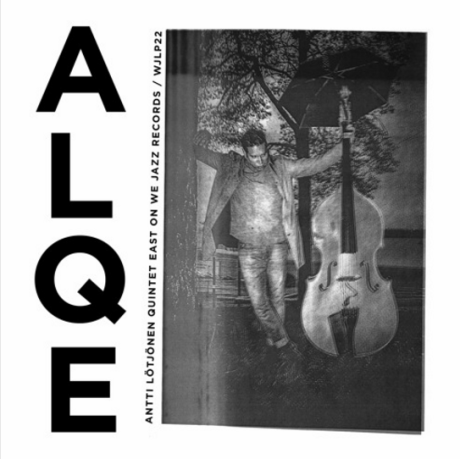
Highly active as a bassist on the flourishing Finnish jazz scene with such notable groups as The Five Corners Quintet, 3TM and the Aki Rissanen Trio, Antti Lötjönen now steps out as bandleader on his debut longplayer, Quintet East. Bringing with him a whole host of “hard hitters” Antti leads 3TM band mate and saxophonist Jussi Kannaste, trumpeter Verneri Pohjola, drummer Joonas Rippa and Koma Saxo supergroup saxophonist Mikko Innanen on a free-jazz, hard bop and serenaded jazz exploration.
Released just a day before his 40th birthday milestone, this debut offering is a culmination of all that experience and learning. And so you’re just as likely to hear echoes of Sonny Clark and Wayne Shorter as you are the Arild Andersen Quartet and the avant-garde.
The bassist’s signature instrument however, though always present, is never overbearing, and seldom brought to the front. Whilst highly articulate, sometimes physical, the double bass in this instance offers a constant bowed rhythm and sense of depth. Occasional elasticated noodling and skips are always great to hear when the rhythm picks up, but soloist style showcases are kept to a couple of ‘Monograph’ series vignettes: The introductory ‘Monograph I’ features a quietly plucked and flexing bass, spring and meandering; ‘Monograph II’, a sort of tuning exercise in which the bass takes on the characteristics of a cello.
There’s plenty of nicely untethered, if never too loose, performances from Antti’s ensemble. ‘Erzeben Strasse’ has a European title but finds the quintet traversing Bernstein, Be Bop and Lalo Schifrin on a journey that sets out with a breezy rhythm, swaddling sax, spiraling Miles Davis style trumpet and a laid back bounce but ends on a much busier dampened drumming off-kilter skip. Alluding to the mid to late 70s satirical soap opera of the same name, ‘Mary Hartman, Mary Hartman’ is another evolving instrumental piece; starting out with snuggled romantic sax, fluting trumpet and a flitting meander, the track then gets going with some big band theme tune vigor. ‘Pocket Yoga’ (is that a euphuism?) has some nice runs and nozzled horns and drums that just keep on moving, and the spiritual jazz leaning, increasingly erratic honked ‘Oblique’ evokes Electric Byrd. ‘La Petit Lactaire’, as the title may suggest, is a wholly Euro-jazz serenade; the mood set to a snuggly scene on the Left Bank.
Swaddled between the experimental and familiar warmth of American jazz in the late 50s and 60s, Antti has bridged the decades to produce a musical showcase as meandrous as it is intense and busy; as traditional as it is modern. A great start as a bandleader, but Quintet East also extolls the talents of an extraordinary proficient and prolific Finnish jazz scene.
Damily ‘Early Years: Madagascar Cassette Archives’
(Bongo Joe) 24th April 2020

As worldly as I am, I have to level with you. Until this attest discovery from the crate-digging folks at Bongo Joe arrived, the frenzied, ceremonial and ritual rooted sound of Madagascan ‘Tsapiky’ had completely passed me by. This handy little collection however proves an inviting introduction to not only this unusual busy music but also one of its most celebrated proponents, Damily.
Hailing from the southwestern region of the Island, where tsapiky is prevalent, Damily has molded the foundations laid down in the 1970s to create a idiosyncratic fusion of blistering bluesy rock guitar, innocent sounding high-pitched vocals, lo fi tech and galloping, on the move, percussive rhythms. This compilation hones in on the early years, picking through the tape archives to highlight Damily’s burgeoning beginnings: This is the Madagascar star unfiltered if you like.
Originally, as so many of his peers and forbearers did, learning to play as a poor kid on the most rudimentary of knocked-together, nylon-stringed guitars, and despite lacking the length in his small fingers to reach the low strings, Damily flourished. Giving the music a unique characteristic initially, he developed a technique of releasing the two bass strings as his other fingers were hitting the higher strings – other guitarist with similar disadvantages, or because they just preferred it, just moved the lowest string completely. The results gave a more aggressive attacking sound that was soon adopted by a host of artists; so many in fact that it has become a signature of this electrified genre ever since.
Sung in the Island’s Malagasy dialect, the racing fusion of lilted sweetened gospel soul, spindly and flicked electric guitar, jostling and skiffle like percussion has echoes of South Africa township polyrhythm rock and Afropop. Almost childlike vocals joyfully skit across patted, skipping padded drums – the sticks made from the pelts of the humped Zebu cattle – and what sounds like a pan-pipped melody on the opener ‘Zaho Va’; and you can hear, what sounds like, Casio presets and splashes of cymbal on the delightfully scrappy ‘Mangebakbake’.
Threatening to collapse or trip over itself throughout, the diy produced trotting rhythms somehow keep going. And Damily’s reedy guitar runs, phrases and trills nearly overload the system at one point, staying just the right side of discord, and staying just about in tune.
Back to the foundations, with a smattering of tracks from ’95 to 2020, the Early Years is a refreshing collection of an artist in development: finding his style. You don’t need all the baggage or investigation to appreciate it, better still enjoy the distinctive sound. Just open your ears, sit back and be taken to new thrilling musical escapes: Yeah, that’s the sound of a recommendation.
You can now support the Monolith Cocktail via the micro-funding platform Ko-Fi:
Hi, my name is Dominic Valvona and I’m the Founder of the music/culture blog monolithcocktail.com For the last ten years I’ve featured and supported music, musicians and labels we love across genres from around the world that we think you’ll want to know about. No content on the site is paid for or sponsored and we only feature artists we have genuine respect for /love. If you enjoy our reviews (and we often write long, thoughtful ones), found a new artist you admire or if we have featured you or artists you represent and would like to buy us a coffee at https://ko-fi.com/monolithcocktail to say cheers for spreading the word, then that would be much appreciated.
PREMIERE/Dominic Valvona

Alex Stolze ft. Ben Osborn and Anne Müller ‘Babylon’
(Nonostar) Single/10th April 2020
A Nonostar imprint communion, chamber-electronic star Alex Stolze once again teams up with his label’s roster of congruous artists to poetically lament about an ever-fracturing Europe on the new biblical augur entitled single ‘Babylon’. Receiving its UK premiere on the Monolith Cocktail ahead of its official release on the 10th April, this sparse, stark but gorgeously arranged neoclassical elegy brings together the talents of violinist, composer, label boss Stolze, lyricist, pianist, award-winning sound designer and deft soundtrack composer of acclaimed “libretti” Ben Osborn, and renowned experimental-cellist and solo artist Anne Müller.
Repeated foils, both Osborn and Müller have collaborated with the Berlin-based Stolze on number of occasions in the last few years: Müller joining Stolze and the UK polymath Sebastian Reynolds on two volumes of the Anglo-German Solo Collective project, and Osborn, finding common ground through his shared Jewish ancestry with the former Bodi Bill, Unmap, and the experimental avant-garde Dictaphone star, releasing his debut LP Letters From The Border on Stolze’s burgeoning label in 2019.
Channeling that Jewish musical heritage once more on this fragile suite, Osborn’s perceptive and haunting Tarot liturgy-rich lyrics, sung by Stolze, echo over a classical bowed Eastern European toiled arrangement of despair and protest at the state of a continent on its downers. A plaintive chamber-pop requiem simultaneously timeless and chiming with the political lurch towards populism, nationalism and a rejection of neo-liberalism and institutions in general, ‘Babylon’ is a foreboding travail through an imagined vivid European wasteland.
As Alex explains: “Babylon is a tribute to community and the dreadful consequences that can occur when societies lose a sense of communal cooperation, with this in mind it made sense to develop Babylon in this highly collaborative way”.
Alex adds: ‘“Ben’s lyrics talk about what’s happening in Europe at the moment, and all over the world. My favourite phrase is ‘I was walking home through the streets unknown when a fist struck out of the silence, and a voice called ‘yours is to walk alone’. It’s an image our time, when nationalist and far right fear coincide with stock market crashes and it feels like we’ve gone back to 1929.”
But then came Coronavirus, and now all hell has been unleashed at a time of great fragility, not only Europe, but around the entire world. It remains to be seen how we all pull together, especially when the message is one of self-isolation and distancing.
You may very well detect it, but among the lofty inspirations for ‘Babylon’ are the later protest themed works of Leonard Cohen – specifically the albums You Want it Darker, The Future and I’m Your Man – and the legendary 1736 arrangement of the liturgical song ‘Stabat Mater’, by Italian composer Pergolesi. You can add just a hint of Anthony And The Johnsons too to that rich cerebral mix.
Stolze’s latest beatific if pining single follows on from a brilliant electronic chamber pop EP, Mankind Animal, and the 2018 fully realized album suite Outermost Edge. Highly political, yet preferring to romantically allude to the instability and rise of authoritarianism and the ongoing migrant crisis with both poetic sonnets and metaphors, Stolze provides neo-classical pop maladies and aching heart music that comments without division and rage. That last LP weaved sophisticated undulations of effects and synthesized waves with amped-up trip-hop like live drums brilliantly. ‘Babylon’ however returns to a more stripped, less synthesized augmented production. A song of unity in turbulent times, at a moment in history where minds have never been more concentrated, let’s hope the message of this song leaves an indelible impression, and sets in motion a change.
Premiere: Album: 3 South & Banana’s Debut LP
April 7, 2020
UK PREMIERE/Dominic Valvona

3 South & Banana ‘S/T’
(Some Other Planet) 10th April 2020
Bouncing and lolloping onto the psychedelic pop and indie scene like a Francophone Shintaro Sakamoto, Aurélien Bernard follows up a lightly-touched but infectious kaleidoscope jangle of singles with his self-titled debut album, which the Monolith Cocktail is thrilled to be premiering in the UK today.
Swapping the drum stool and tenure with the sunny-disposition Vadoinmessico – leaving as the band transitioned into Cairobi – for a polymath solo career, the French born, Berlin-based, Bernard has an idiosyncratic musical style; weaving a cantaloupe gait and a lyrical mix of French and English vocals together in a colourful, often fun, way. The odd moniker, 3 South & Banana, is itself the result of a comedic misunderstanding: a mistranslation if you will. Though Bernard has a most excellent annunciation, if accented.
Lilted but wasting no time, the new album opens with a kind of show time introduction to the Frenchman’s world of breezy backbeat new wave, and a sound that can only be described as psychedelic grunge pop. In a similar vein, there’s the jangly, quick tightened drum rolls surfy-wavy Clor-esque ‘BlaBlaBla’; a former single that carries a Theremin aria leitmotif that can be found suffused throughout the entire album, and the bubbly, crosstown interchange merger of The Rapture and 80s Jonathan Richman ‘Rush Hour’.
But there’s also a lot of even gentler dreamy tunes to enjoy; like the Les Baxter thumbs a lift aboard The Beach Boys inflatable lilo as it drifts towards Polynesian waters ‘Bâtons Mêlés’, and the yacht rock with shades of Air vaporous kissing game ‘KittyKat Happy BadSad’.
Radiant, oceanic, translucent and even cosmic with a Gallic shrug of wistful fatalism, the 3 South & Banana cosmos of rooftop fauna wonderment is a swell place to be in these dark, uncertain times. And so behold this psychedelic pop light.
I absolutely love this album, and so should you.
The Monolith Cocktail can be supported via the micro-donation site, Ko-Fi:
Hi, my name is Dominic Valvona and I’m the Founder of the music/culture blog monolithcocktail.com For the last ten years I’ve featured and supported music, musicians and labels we love across genres from around the world that we think you’ll want to know about. No content on the site is paid for or sponsored and we only feature artists we have genuine respect for /love. If you enjoy our reviews (and we often write long, thoughtful ones), found a new artist you admire or if we have featured you or artists you represent and would like to buy us a coffee at https://ko-fi.com/monolithcocktail to say cheers for spreading the word, then that would be much appreciated.
Monolith Cocktail Social Playlist: #XLIV: Clothilde, Keef Hartley Band, Finis Africae, Eno & Cale, Haruomi Hosono…
April 6, 2020
PLAYLIST/Dominic Valvona
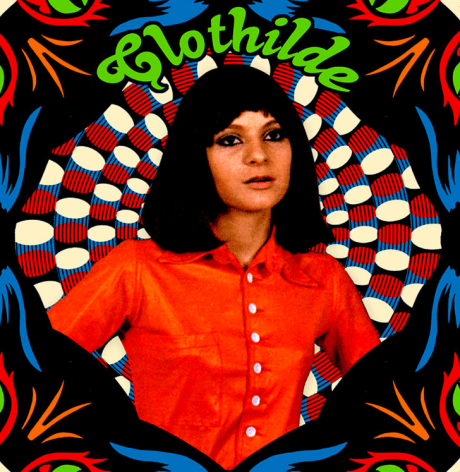
Cool shit that the Monolith Cocktail founder and instigator Dominic Valvona has pulled together, the Social playlist is a themeless selection of eclectic tracks from across the globe and ages. Representing not only his tastes but the blogs, these regular playlists can be viewed as an imaginary radio show, a taste of Dominic’s DJ sets over 25 plus years. Placed in a way as to ape a listening journey, though feel free to listen to it as you wish, each playlist bridges a myriad of musical treasures to enjoy and also explore – and of course, to dance away the hours to.
For those of you without access to Spotify, we’ve chosen a random smattering of tracks from Youtube.
Tracks
The Lovin’ Spoonful ‘Revelation: Revolution ’69’
Dyke & The Blazers ‘Swamp Walk’
Keef Hartley Band ‘You Can Choose’
Steamhammer ‘Supposed To Be’
Klaus Doldinger’s Passport ‘Schirokko’
Som Tres ‘Eu Já Tenho Você’
Freda Payne ‘Let It Be Me’
Emitt Rhodes ‘Let’s All Sing’
Keyboard ‘I Wish You know’
Clothilde ‘Saperlipopette’
N’Goma Jazz ‘Kupassiala Kuawaba’
Tabou Combo ‘Haiti’
Dick Khoza ‘Zumbwe (Baby Tiger)’
Def Jef ‘Get Up 4 The Get Down’
Souls Of Mischief ‘A Name I Call Myself’
Honey Cone ‘Deaf, Blind, Paralysed’
The Last Electro-Acoustic Space Jazz & Percussion Ensemble ‘One For The monica Lingas Band’
Sum Pear ‘Bring Me Home America’
J Scienide & Kev Brown ‘100 Grand’
Paper Garden ‘Lady’s Man’
Brian Eno & John Cale ‘Lay My Love’
Mick Ronson ‘Growing Up And i’m Fine’
David Johansen ‘Here Comes The Night’
Ben Von Wildenhaus ‘The Limping Axeman’
Marconi Notaro ‘Ah Vida Avida’
Alessandro Alessandroni ‘Babylon City’
Between ‘Scatter’
Finis Africae ‘Zoo Zulu’
Gescom ‘C2’
Luke Vibert ‘Funky Acid Stuff’
Cos ‘Video Boma’
Haruomi Hosono ‘Sports Men’
Blurt ‘Let Them Be (Live)’
Essential Logic ‘The Order Form’
Parasites Of The Western World ‘Mo’
Rob Jo star Band ‘Stone Away’
Semi-Colon ‘Ebenebe’
Sam Rivers ‘Crux’
N’Ghare Hi Power Band ‘Campus Rock’
Dr. Alimantado ‘NO Gwaan SOH’
VIDEOS
ODB 374: Roedelius ‘Selbstporträt Wahre Liebe’
April 2, 2020
ALBUM REVIEW
Words: Dominic Valvona

Roedelius ‘Selbstporträt Wahre Liebe’
(Bureau B) LP/10th April 2020
Losing none of that zest for creating and wonderment, the eight-five year old progenitor of ambient, new age and neo-classical music Hans-Joachim Roedelius is still exploring and still producing experimental compositions at a prolific rate. There is, four decades on from his richest period of self-discovery and defining the perimeters of what electronic music could be, no let up in the Roedelius schedule. As famous for his collaborative partnership with the late Dieter Moebius in the Kluster/Cluster/Qluster arc, the Berlin born masseur and physiotherapist turned self-taught composer, has also laid down a breadcrumb trail of impressive and highly influential solo releases, numbering somewhere in the 100s.
Just one part of that extensive catalogue of solo work, the introspective Selbstporträt series is being revisited by the aging doyen for the Bureau B label. Originally made during various sessions for Cluster, between 1973 to 1979, these intimate contemplative and ruminating self-portraits were released in the late 70s and early 80s – later volumes appear sporadically in the 90s and 2000s too. Though always going forward, Roedelius has been nudged into a challenge as Bureau B founder Gunther Buskies proposes the octogenarian return to the processes and methodology of that period to create another ‘Selbstporträt’. Cheekily as the PR spill has it, seeing if he, ‘was capable of “beaming back” to his youthful years, reaching into the sonic past of the Self-Portrait series to deliver similarly persuasive results.’ The short answer to that is: Yes. But before we divine the results of Selbstporträt Wahre Liebe, a little background colour first.

A founding pillar of the Kosmische sound in the late 1960s and early 70s, originally taking shape from experimental performances at the legendary Berlin club they helped found, the Zodiak Free Arts Lab, the first incarnation of this amorphous partnership that made Roedelius’ name, Cluster, featured Joseph Beuys disciple and electronic music progenitor Conrad Schnitzler; the music, almost dark, Lutheran and hymn like, an early modulation of piano, organ and guitar, fed through an array of homemade effects, that made its debut on a label sonorous for its stoic church organ music. This was the first incarnation, Kluster.
Many ‘head music’ fans will be enamored or at least familiar with the second phase, as Kluster interchanged its capital letter to a ‘C’ and Schnitzler left (for the first time). Releasing some of the most sublime peregrinations and odd candy coated pop electronica under the Cluster banner, their most formative period during the early to mid 70s remains their most famous and influential. This brought plenty of admirers and fellow sonic travelers to the Forst located woodland glade studio retreat. Most famously Brian Eno and Michael Rothar of Neu! Both of whom would join Roedelius and Moebius to form the (a)side project supergroup Harmonia.
Apart from a dormant period during the 80s, as Roedelius and Moebius pursued both solo and collaborative careers (many of which would overlap), Cluster survived well into the next century. Finally calling it a day in 2010: For this version of the partnership anyway. Dropping the C for a ‘Q’ this time around, Roedelius found a new collaborative partner in the sound installation artist and like-minded sonic explorer keyboardist Onnen Bock. After a number of albums together the duo expanded to a trio when bass player virtuoso and (another) keyboardist Armin Metz joined the ranks. In the last few years the Qluster trio have been drawn to Roedelius’ neo-classical piano compositional improvisations and sketches; the previous suite Tasten was built around a trio of them, and the more electronic offering Echtzeit, though far less so, also seemed informed by it.
In many ways following on from the last album together, making a return to the warmth and traversing heavenly space sounds we have come to associate with all things Kosmische, the golden epoch of that genre filled our ears once more on Qluster’s seventh (and so far last) album, Elemente; a feat that is repeated on this solo portrait.
Leaving Qluster aside for the moment, Onnen Bock, together with Wolf Bock, shadows Roedelius on this vintage warm-up. Intimately (re)acquainted with himself, the fascinations and interests that originally sparked the previous series of visceral sketches may have changed but the soundboard tools remain the same, with Roedelius once more making use of the Farfisa organ, Fender Rhodes, drum machine and tape-delay to fashion a new empirical suite of Kosmische neo-classical moods and dreamgazing.
Though it’s been over four decades since those iconic peaceable recordings, the old apparatus from that period is just as warm and receptive to the ambient progenitor’s touch and imagination. If you’re familiar with those composition then you’ll bound to recognize the recurring Baroque fairground piped merry-go-rounds and serene glide motifs that appear on this wonderful erudite album. Especially the playful but calmed trans-alpine gliding ‘Geruhsam’, which – in my imagination anyway – conjured up an image of either a bossa signature steamboat sailing across a Swiss lake, or, a enervated chuffing steam engine travelling across a tranquil mindscape.
Elsewhere the bright diaphanous notes of the Rhodes lightly hang in the air as they did before; lingering with an echo of glassy Kosmische reverent soul on compositions such as the romantic resonate ‘Wahre Liebe’ – that’s ‘true love’ – and dreamily fanned on the comforting cloud breathing ‘Nahwärme’ – which translates as, depending on your fancy, either ‘local heating’ or ‘convenient heat’; an aloof soundtrack for a German boiler installation company perhaps? Sometimes that organ glistens and at other times almost drifts into the ecclesiastical. The complimentary Farfisa is equally as gorgeous; deftly played and perfectly attuned. A real warmth is created (there’s that word again), but also an overlapping cascade of bulb-like notation and subtle refractions of light play.
Reverent, beautiful, encapsulating, with even a touch of giddy uncertainty – I’m referring to the ‘roundabout’ motion of ‘Im Kreisel’ – Roedelius has lost none of his sparkle, or for that matter his romanticism and hope. A fine balance between past triumphs and the new, Selbstporträt Wahre Liebe is unhurried and playfully understated; a timeless album simultaneously made with a sagacious touch and young curiosity. At the stately age of 85, Roedelius proves to still be on form as he looks back once more before easing forward.
Related posts from the Archives:
Hans-Joachim Roedelius Interview
Qluster ‘Elemente’ Review
Hans-Joachim Roedelius ‘Kollektion 2: Roedelius – Electronic Music Compiled By Lloyd Cole’ & ‘Tape Archive 1973-1978’ Review
Cluster ‘1971 – 1981’ Boxset Review
And Now, A Word From Our Founder
Hi, my name is Dominic Valvona and I’m the Founder of the music/culture blog monolithcocktail.com For the last ten years I’ve featured and supported music, musicians and labels we love across genres from around the world that we think you’ll want to know about. No content on the site is paid for or sponsored and we only feature artists we have genuine respect for /love. If you enjoy our reviews (and we often write long, thoughtful ones), found a new artist you admire or if we have featured you or artists you represent and would like to buy us a coffee at https://ko-fi.com/monolithcocktail to say cheers for spreading the word, then that would be much appreciated.
The Monolith Cocktail Revue Playlist: March 2020: Pozi, Run The Jewels, Cult Of The Damned, Tamikrest…
March 31, 2020
PLAYLIST
Dominic Valvona/Matt Oliver/Brian ‘Bordello’ Shea’

By now we’ll probably all aware and getting jaded by the constant newsroll of Covid-19 horror stories, and the ominous stench of pandemic armageddon. To return to some sort of normality, the Monolith Cocktail promises to keep finding all the best new music for you to enjoy and mull over. No cheap epidemic cash-ins and no tenuous links to self-promotional lockdowns here. Just great music, which we hope you will all keep supporting during these anxious uncertain times.
For those of you that have only just joined us as new followers and readers, our former behemoth Quarterly Playlist Revue is now no more! With a massive increase in submissions month-on-month, we’ve decided to go monthly instead, in 2020. The March playlist carries on from where the popular quarterly left off; picking out the choice tracks that represent the Monolith Cocktail’s eclectic output – from all the most essential new Hip-Hop cuts to the most dynamic music from across the globe. New releases and the best of reissues have been chosen by me, Dominic Valvona, Brian ‘Bordello’ Shea and Matt Oliver.
THE TRACKS IN FULL ARE:
Lunar Bird ‘A Walk’
TrueMendous ‘Hmmm’
Awale Jant Band ‘Just Be Free’
Mdou Moctar ‘Ibitlan’
Collocutor ‘The Angry One’
Superposition ‘Antiplace’
The Stroppies ‘Holes In Everything’
Pozi ‘Whitewashing’
Loose Fit ‘PULL THE LEVER’
The National Honor Society ‘First Among The Last’
Jacqueline Tucci ‘Fear’
Jaga Jazzist ‘Spiral Era (EDit)’
Jennifer Touch ‘Attic’
Bedd ‘Auto Harp’
The Saxophones ‘Flower Spirit’
Schizo Fun Addict ‘Whiskey’
Ploom ‘Swish’
Tamikrest ‘Amidnin Tad Adouniya’
Hifiklub & Roddy Bottum ‘David Says’
Rowland S Howard ‘Pop Crimes’
The Hannah Barbeas ‘No Majesty’
The Proper Ornaments ‘Broken Insect’
Irreversible Entanglements ‘No Mas’
Nduduzo Makhathini ‘Indawu’
Masta Ace ‘GMO’
Riz Ahmed ‘Fast Lava’
Voodoo Black ‘Fizzy’
dug & Hassan el HoBo ‘Electric Sheep’
Harold Nano ‘Menton Train Jump’
Slitty Wrists ‘Su-Mi-Ma-Sen’
Shortwave Research Group ‘Perpetual Midnight’
Cult Of The Damned (Lee Scott, Mikavelli, BeTheGun, Bill Shakes, Sly Moon & Saler) ‘OFFIE’
Run The Jewels Ft. Greg Nice & DJ Premier ‘Ooh LA LA’
Super Inuit ‘Mothering Tongue’
Sebastian Reynolds ‘The Universe Remembers’
Chouk Bwa & The Angstromers ‘Move Ten’
Tom Caruana ‘Dennis The Space Hopper’
Clear Soul Forces ‘Chinese Funk’
Ghostwood Development Project Ft. Kool Keith ‘Gulley’
Bishop Nehru ‘Too Last’
Nomad, Chester P ‘Athens In Mordor (Secondson Remix)’
Cut Beetlez. Nice Guys ‘Cut Ya Ass Up’
Jehst ‘Wild Herb’
Mr Key ‘Kids Story 2’
Pwaz One, DJ Dister, Akrobatik ‘No Contest’
Estee Nack, Superior ft. Daniel Son ‘POPROCKCLASSICS’
And Now, A Word From Our Founder
Hi, my name is Dominic Valvona and I’m the Founder of the music/culture blog monolithcocktail.com For the last ten years I’ve featured and supported music, musicians and labels we love across genres from around the world that we think you’ll want to know about. No content on the site is paid for or sponsored and we only feature artists we have genuine respect for /love. If you enjoy our reviews (and we often write long, thoughtful ones), found a new artist you admire or if we have featured you or artists you represent and would like to buy us a coffee at https://ko-fi.com/monolithcocktail to say cheers for spreading the word, then that would be much appreciated.
Perusal 008: The Singles, Previews & Oddities Roundup: Bedd, Super Inuit, Nduduzo Makhathini…
March 30, 2020
PREVIEW/REVIEW
Words: Dominic Valvona
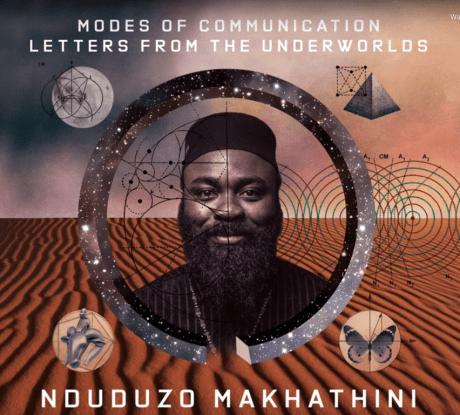
The Perusal is a chance to catch up, taking a quick shifty at the mounting pile of singles, EPs, mini-LPs, tracks, videos and oddities that threaten to overload the Monolith Cocktail’s inboxes each month. Chosen by Dominic Valvona, this week’s roundup includes Bedd, Nduduzo Makhathini, Super Inuit, Senji Niban and Jacqueline Tucci.
Nduduzo Makhathini ‘Indawu’
(Blue Note Records) Single/Now
Ahead of the impressive South African pianist and composer Nduduzo Makhathini’s traversing roots debut album, Modes of Communication: Letters From The Underworlds, for the iconic Blue Note label next month the spiritually ancestral homage ‘Indawu’. Communing with the water spirits of the Nguni people of (predominantly) South Africa, Makhathini creates a splashed and rippled, choral celestial jazz offering to these mystical influences, who are known for their fondness towards music and dance; occupying as they do the riverbank, which has become a central ritual space visited to appease the ancestors. And this is the enchantment with which to use.
The third such suite to precede that debut long-player, Indawu follows on from ‘Beneath the Earth’, which featured the lead vocals of Msaki, and ‘Yehlisan uMoya’ (Spirit Come Down) which featured the vocals of Omagugu. The roll call of guests on this watery swell features the American alto saxophonist Logan Richardson along with a South African band that includes Linda Sikhakhane on tenor saxophone, Ndabo Zulu on trumpet, Zwelakhe-Duma Bell Le Pere on bass, Ayanda Sikade on drums, and Makhathini’s wife Omagugu and daughter Nailah on background vocals.
Nduduzo Makhathini grew up in the lush and rugged hillscapes of umGungundlovu in South Africa, a peri-urban landscape in which music and ritual practices were symbiotically linked. The area is significant historically as the site of the Zulu king Dingane’s kingdom between 1828 and 1840. It’s important to note that the Zulu is deeply reliant on music for motivation and healing. This embedded symbiosis is key to understanding Makhathini’s vision.
The church also played a role in Makhathini’s musical understanding, as he hopped from church to church in his younger days in search of only the music. The legends of South African jazz have always heavily influenced Makhathini, including Bheki Mseleku, Moses Molelekwa and Abdullah Ibrahim. “The earlier musicians put a lot of emotions in the music they played,” he says. “I think it may also be linked to the political climate of those days. I also feel there is a uniqueness about South African jazz that created an interest all around the world and we are slowly losing that too in our music today. I personally feel that our generation has to be very conscious about retaining these nuances in the music we play today.”
Through his mentor Bheki Mseleku, Makhathini was also introduced to the music of John Coltrane’s classic quartet with McCoy Tyner. “I came to understand my voice as a pianist through John Coltrane’s A Love Supreme,” he says. “As someone who started playing jazz very late, I had always been looking for a kind of playing that could mirror or evoke the way my people danced, sung, and spoke. Tyner provided that and still does in meaningful ways.” Makhathini also cites American jazz pianists including Andrew Hill, Randy Weston, and Don Pullen as significant influences.
Makhathini has released eight albums of his own since 2014 when he founded the label Gundu Entertainment in partnership with his wife and vocalist Omagugu Makhathini. His 2017 album Ikhambi was the first to be released on Universal Music South Africa and won Best Jazz Album at the South African Music Awards (SAMA) in 2018.
On the strength of this single alone, Modes of Communication: Letters From The Underworlds sounds certain to make headway internationally, and maybe win that award again.
Jacqueline Tucci ‘Fear’
Single/Available Now
Jacqueline Tucci was probably looking for more than just a glib, off-the-cuff review from me, but with some records, less is more. And with that in mind, and unintentionally arriving at probably the most anxious and uncertain of times, the gorgeous new single ‘Fear’ is a melodious controlled tumult of indie pop, grunge, C86, punk and a grinding jangle of the Throwing Muses.
In Tucci’s own words: ‘“Fear” is about a time in my life when I felt like I was really searching for something but I didn’t know what it was. The song was born out of those feelings of restlessness and frustration.
Sometimes we search for ourselves in various places, people, and things and end up ignoring what’s right in front of us.
I hope you enjoy this song and if you’ve ever shared these feelings, maybe you’ll find some comfort in it.’
The Toronto artist worked with producer Nops Whileway, who, ‘allowed the song to take shape organically, resulting in what I feel is its most honest realization.’
Pure brilliance; guitar anxiety for our times.
Bedd ‘Auto Harp’
Single/20th March 2020
Like an understated breath of fresh air from cosmic suburbia, the diaphanous slow anthem from the newly conceived Oxford band Bedd reimagines a small English town Mercury Rev in aria ascendance. Like a lost celestial Britpop anthem, ‘Auto Harp’ tenderly rises from its subtly spindly music box mechanisms and hushed deadpan vocal delivery to reach the saw-quivered heights of the celestial heavens.
You could suggest this touching sentiment of majestic indie had a certain cinematic, expansive quality, and you’d be right, as Auto Harp was originally composed by the band’s de facto leader, songwriter, singer and producer Jamie Hyatt for a film project that never came to fruition. Jamie: “I wanted to compose a track that leaves the listener feeling simultaneously melancholy and up-lifted. Auto Harp is both intimate and expansive at the same time and is perhaps a perfect encapsulation of our band’s intent, to both draw the listener into a quiet conversation and then take them out into the splendor of the universe”.
The band moniker of Bedd is an interesting one, as Jamie explains: “the word bedd is Welsh for grave and I liked the idea of drawing a connection between the bed and the grave as the grave is the ultimate resting place”.
Jamie is an Oxford music scene stalwart, known for his previous bands The Family Machine, The Daisies and Medal as well as his score for the film Elstree 1976. The single Auto Harp is accompanied by a beautifully atmospheric video by filmmaker Liam Martin, shot on location at Port Talbot beach in South Wales.
Jamie as main songwriter and vocalist he is ably supported by a range of fellow local Oxford musical talents. These talented individuals include bandmates from his previous project The Family Machine, in the shape of bass player Darren Fellerdale and guitarist Neil Durbridge. Also, in the mix are guitarist Tom Sharp, electronic musician and producer Tim Midlen, also known as The Manacles of Acid, and drummer Sam Spacsman. Auto Harp was recorded and produced by Jamie with the band at Glasshouse studios in rural Oxfordshire and mixed and mastered by Robert Stevenson. Auto Harp follows the debut Bedd single ‘I Whoo Yeah’, which was released on a compilation via local Oxford tape label Beanie Tapes.
This latest slow-burning dreamy anthem look sets to propel the band from their Oxford base to a more universal audience.
Senji Niban ‘Where The Birds Fly Now?’
(Pure Spark Records) Single/3rd April 2020
The last time the Monolith Cocktail featured the Tokyo electronica composer and remixer Koichiro Shigeno, he was sharing a Bearsuit Records split EP showcase with The Moths Poets, back in 2016. Recording under his Senji Niban appellation, the experimental wiz produces the kind of busy accompaniment you might find sound tracking a speeded-up film collage of Russian constructivism; melding the Yellow Magic Orchestra with Sky Records’ Dadaist fringe. Other explorations take in the strange aural fragrance of liquid bossa nova and a neo-classical Roedelius, and the minimal kinetic techno kookiness of early Kreidler.
It’s no wonder that Shigeno’s sound and style is so open and eclectic; growing up, as he did, introduced to Classical and Modern Jazz by his music lover parents, but shocked by listening to Haruomi Hosono/Tadanori Yokoo‘s ‘Cochin Moon’ – borrowed from a junior high school friend. It changed his life.
Those influences were gradually expanded over the years to include Krautrock, Mondo Music, Ambient and Acid. Shigeno has released music on a number of imprints, including his very own private label, Yorozu: a long-established Japanese Techno-Pop label.
Shigeno joined fellow Tokyo traveler Ippu Mitsui’s burgeoning Pure Spark Records label rooster in 2019, joining the label boss on the limbering tropical electronic co-production ‘Melting Pot’. His inaugural solo release for the label, is the trance-y chorus of bird calls, barracking drum rolls, metallic whiplashes and cybernetic nature, Where The Birds Fly Now? This eight-minute odyssey is a minor opus of avant-garde electro, deep bass and evolving tropical atmospherics. Enjoy the preview ahead of its release on Friday 3rd April.
Super Inuit ‘Mothering Tongue’
Single/13th March 2020
Electronic fused wanton suffering has seldom floated on such a suffused pulse of shoegaze and the leftfield. Yet the Edinburgh duo of Fern Morris and Brian Pokora have managed to simultaneously evoke both The Cocteau Twins and Four Tet on their melodious air-y new single ‘Mothering Tongue’ (great title by the way).
More effortlessly cooed than plaintively sorrowful, Morris makes it all sound so peaceable and entrancing as she subtly wafts over a bed of enervated glitch-y and raspy deep and downbeat cast electronica – even when singing the lamentable anguished line, “You’re not the only one suffering”.
It’s nothing short of a gorgeously understated electronic pop mini opus for our times.
Hi, my name is Dominic Valvona and I’m the Founder of the music/culture blog monolithcocktail.com For the last ten years I’ve featured and supported music, musicians and labels we love across genres from around the world that we think you’ll want to know about. No content on the site is paid for or sponsored and we only feature artists we have genuine respect for /love. If you enjoy our reviews (and we often write long, thoughtful ones), found a new artist you admire or if we have featured you or artists you represent and would like to buy us a coffee at https://ko-fi.com/monolithcocktail to say cheers for spreading the word, then that would be much appreciated.
Premiere
Dominic Valona
Photo Credit: Miles Hart
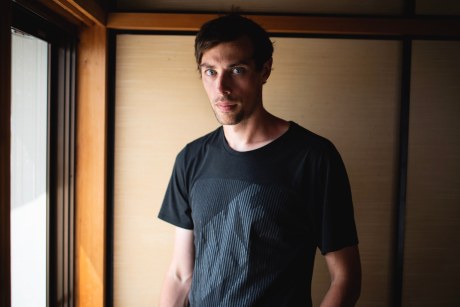
Sebastian Reynolds ‘The Universe Remembers’
(Faith & Industry) Single/27th March 2020
Oxford-based polymath Sebastian Reynolds has finally found the time in his prolific schedule of collaborations, remixes, session work and productions to create his very own solo soundtrack of various inspired peregrinations. The Universe Remembers quintet drifts and wafts across an ambiguous, often vaporous soundscape of neo-classical composition, retro futurist production, swanned Tibetan mystical jazz, both languid and accelerated running breakbeats, and ghostly visitations – haunted narrated extracts from T.S. Eliot’s all-encompassing philosophical, religious and metaphysical Holy Grail purview The Wasteland, can be heard in fuzzy echo on the featured title-track single.
A cosmological junction of dystopian literature and Buddhist Eschatology, The Universe Remembers is, as you might expect from a composer, multi-instrumentalist and producer who’s created music as varied as the transcendent Southeast Asian Manīmekhalā score that accompanied the multimedia Mahajanaka Dance Drama and the visceral chamber pieces of his collaboration with the pan-European Solo Collective trio, the evocations are simultaneously as dreamy as they are ominous and mysterious.
A guest producer on the premiere track we’re hosting today, Capitol K has lent his skills before to Seb’s work as a remixer. His Faith & Industry label, the platform for Capitol K’s output as well as luminaries such as previous Monolith Cocktail albums of the year entrant John Johanna and Champagne Dub, is facilitating the release of this EP. Ahead of the 22nd May 2020 release date, Seb has kindly agreed to share that twinkled trembled cascaded piano and slow beat vaporous turn tumultuous reversal title-track. Featuring the ambiguous mystical fluttering, spiraling and drifting clarinet of Rachel Coombes, and a penchant for the glitch-y piano resonance of Susumu Yokota, this traverse wafts between the snake charmer bazaars of Egypt and Calcutta, the Hitchcockian, and avant-garde.
Expect to be enticed into a wonderfully amorphous soundscape of trance, esoteric mysticism, trip-hop, new age, satellite jazz and the poetic.
Background:
Following his formative years leading premier UK cult musical ensembles the Keyboard Choir and Braindead Collective, Sebastian has more latterly made a name for himself with the modern classical trio Solo Collective in which he performs with German chamber musicians Alex Stolze and Anne Müller (Erased Tapes) and the Thai/Anglo dance and music show Mahajanaka Dance Drama that he scored and produced. The Universe Remembers is a distillation of these various musical inclinations, from the distorted crescendos of tracks such as the elegiac, otherworldly ‘Everest’, evoking the digital climaxes of the Keyboard Choir, to the deft use of clarinet on the title track and the swooning saxophone melodies of ‘You Are Forgotten’ evoking the retro futurism of the Blade Runner score and nodding to the post-jazz interests of the Braindead Collective. The vocal samples on the title track are from T.S. Elliot’s epic poem The Waste Land and they represent Sebastian’s ongoing interest in dystopian contemporary literature, as previously heard on the Catch 22 based piece ‘Ripeness Is All’ (featured on Solo Collective Part 2). EP opener ‘Amoniker’ calls to mind Boards of Canada’s use of tape-warped samples and stuttering rhythms. The Universe Remembers is Sebastian’s first solo release aside from the dance score commissions and it certainly serves as a further glimpse into the inner workings of a prolific, wide ranging and unpredictable music creator.
Previous releases include the two Solo Collective albums, Part 1 (November 2017) and Part 2 (June 2019), both released through Alex Stolze’s imprint Nonostar, and two EPs from the Mahajanaka Dance Drama Thai project, Mahajanaka (April 2017) via Nonostar again, and Maṇīmekhalā (October 2019) via his own PinDrop label and PR company. Sebastian’s projects have had glowing critical acclaim from across the media, and received airtime across the BBC and far beyond.
The Monolith Cocktail is now on the micro-donation payment hub Ko-Fi:
Hi, my name is Dominic Valvona and I’m the Founder of the music/culture blog monolithcocktail.com For the last ten years I’ve featured and supported music, musicians and labels we love across genres from around the world that we think you’ll want to know about. No content on the site is paid for or sponsored and we only feature artists we have genuine respect or love for. If you enjoy our reviews (and we often write long, thoughtful ones), found a new artist you admire or if we have featured you or artists you represent and would like to buy us a coffee at https://ko-fi.com/monolithcocktail to say cheers for spreading the word, then that would be much appreciated: especially in these most uncertain and anxious times.
 Monolith Cocktail Blog