REVIEWS ROUNDUP
Words: Brian ‘Bordello’ Shea
Brian ‘Bordello’ Shea joined the Monolith Cocktail team in January 2019. The cult leader of the infamous lo fi gods, The Bordellos, has released countless recordings over the decades with his family band of hapless unfortunates, and is the owner of a most self-deprecating sound-off style blog. Each month we end him a deluge of new releases on his virtual desk to see what sticks.
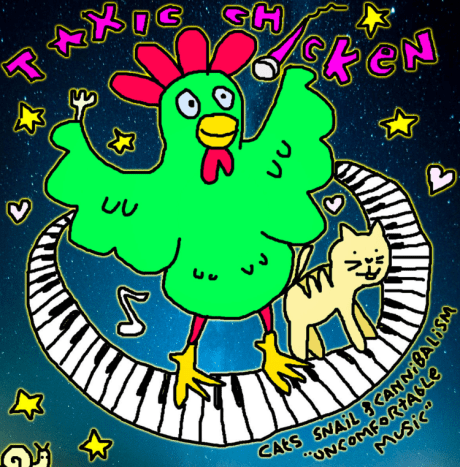
Toxic Chicken ‘Uncomfortable Music’
21st July 2019
I don’t apologise for writing another review of Toxic Chicken, as this is his 3rd LP in as many months, and this like the other two is a work of pure maverick pop genius: and not just because there is a four second track called ‘Brian From The Bordellos’ on it!
This LP has everything that I love about the magic and joy of music. It has humour and a madness that at times reminds me of the great Syd Barrett and the wonderful White Noise Electrical Storm LP. It is eccentric pushed to the extreme. Songs with the subject matter of eating politicians and love songs for cats and for Mother Nature and what is bad about England, but that track only being under two minutes long does not quite manage to list everything.
Uncomfortable Music is certainly an enjoyable and rewarding listening experience, and at times, the subject matter does live up to its title. But this album is a pay-what-you-want to download, so is well worth a listen. Another great album from a great artist: And I mean artist. And the track ‘Little Snail’ is the best dance track I have heard all year.
Snapped Ankles ‘Stunning Luxury’
1st March 2019
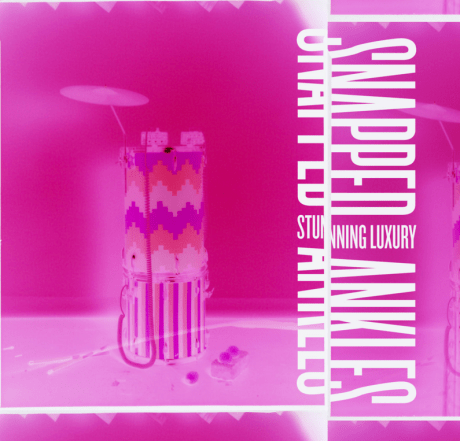
The whirring and exciting sounds of post punk circa 2019 coming at you like a extravagant wholemeal piece of chiffon scarred alternative disco meat; the sound of Devo fucking the brains and beats out of the B52s whilst the horny ghost of Mark E Smith watches on making cutting asides whilst stomping on the hopes and dreams of the not yet born love child of David Byrne and Lena Lovich.
This LP is one big extravagance of dark dance and post punk joy, the sort of album to soundtrack your wildest night out ever: sordid clubs, cheap drinks, hanging out with girls and boys who really should know better, the best musical electro porn one could ever hope to gorge oneself on.
Stunning Luxury is dirty, it is funky, it is experimental, it is blistering rock ‘n’ roll. A luxury indeed. One that should be enjoyed by all.
Anton Barbeau ‘Berliner Grotesk’
(Beehive Records / Pink Hedgehog Records) 19th July 2019

There is a dark playful melancholy I love about this LP, not the weeping into your hanky kind, or, the “oh I feel so sorry for myself kind”, but the, “I am middle aged and looking back at my life through the good and bad the happy and bad” kind. There is hope in the future kind, the kind of melancholy that Martin Newell thrives at writing. Even the cover of the Beatles ‘Love Me Do’ is enriched with a sadness the original misses; this version overcomes the familiarity by transforming it into a slightly electro reggae beauty.
But not all is sadness and tears there is also fine pop of the power variety: the sort Jellyfish so excelled at releasing. The Bowie Mott and the Fabs influences of course shine bright bringing a lovely old time Englishness that is so often ignored in modern music of today. This LP is a finely crafted pop album, with enough quirks and twists to make it a very enjoyable listen.
Simon Waldram ‘Into The Blue’
27th July 2019
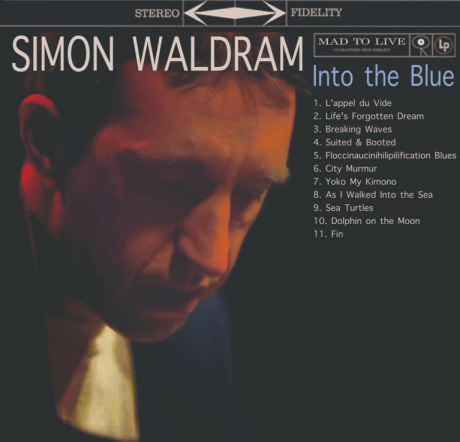
Simon Waldram made one of my favourite LPs from 2016, the wonderful self released Insolation, an LP that dipped and swayed, taking in JAMC one minute and the next, beautiful swathes of psych folk. This, his new album, Into The Blue, takes off where that album left off, but is a slightly more subdued affair: Songs of darkness, love, depression and hope merge into a quite beautiful collection.
In these days when the acoustic guitar has taken over the electric, sales wise, there is certainly a market for LPs of softly strummed melancholia, and Simon does it far better than most; bringing to mind at times, the beautiful slowcore shimmer of Low (especially on ‘Breaking Waves’), at other times, recalling the magic of the Go Betweens and The Smiths.
The highlight for me though is the beautiful psych folk instrumental ‘Sea Turtles’: a few moments of total bliss.
Into The Blue is a fine LP and with the right backing and a bit of luck could well fight its way to the top of the overcrowded melancholic brigade, and could find favor on many late night radio shows. An album of real beauty and sadness and hope.
Moody Mae ‘Throwing Rocks at John E. Road’
2nd July 2019
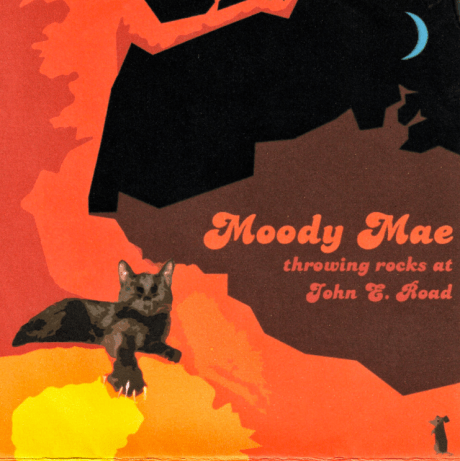
Indie pop from Sweden is on the whole a wonderful thing indeed, and this EP/mini LP from Moody Mae keeps within that wonderful remit. Beatles like ‘Martha My Dear’ piano, lovingly could not give a toss female vocals, ba ba bas and lofi psychedelia join forces to force music lovers to nod their heads and grin like grinning idiots. And to think that this was recorded in 2005 and has taken 14 years to see the light of day. I think it may be time for Moody Mae to reform and record a full length waxing. For when a band has the gift of pure pop wonderment it is a shame not to share that wonderment with the less fortunate. A treasure of a release.
Radio Europa ‘Community Is Revolution’
(Wormhole) 19th July 2019
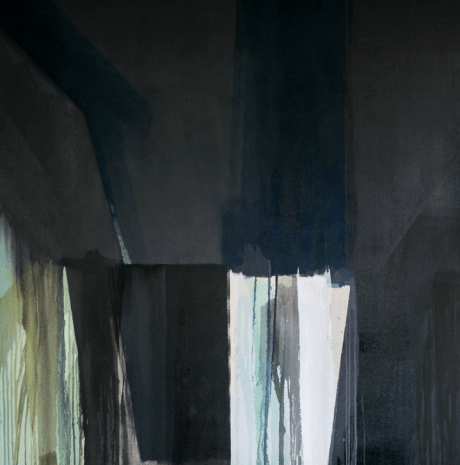
It seems like a weekly event that Wormhole Records release a new underground LP of chilled out darkness. This weeks release is by Radio Europa and is an LP of chilled out darkness with the odd offering of a glimpse of light appearing through the cracks of the drawn heavy curtains called life: The beam of light showing the particles of dust exploding and hovering around the thoughts of insolvent tomorrows and the broken promises of yesterday.
Gentle soft spoken vocals lilt into the wave of dark synth and drum beats that blanket you in the warmth of the cold that whispers sweet nothings whilst grinding a worn down stiletto heel into your vacant soul.
Community Is Revolution is an album to soundtrack these uncertain times; an album to close your eyes and let the music sweep over you and take you to the dark recess of your mind where devils and angels juggle with the happy/sad of your life.
bigflower ‘Night And Day’
13th July 2019
Another week another fine free to download single from bigflower. An explosion of post punk guitars do battle with horns and a bass riff so mighty it would make Jean Jacques Burnel want to call it a day and to take up flower arranging. When oh when are this mighty band going to be picked up by some label. For this is far to a fine a track to slip under the radar yet again. Blogs, djs of the alternative variety should be ramming this down people’s throats instead of some acoustic guitar charlatan whining on about how twee their girlfriend’s vagina is [like they have saw their girlfriend’s vagina! They saw an egg box and let their imagination take hold]
Bigflower are one of the most exciting underground bands around at the moment and we at the Monolith Cocktail will keep ranting on about their majestic take on modern life until the less with-it blogs catch on. Blogs, djs, record labels for God sake get your fingers out.
Why Sun ‘Frugte’
14th June 2019

Softly strummed guitars and deeply crooned vocals kick start this beautiful five track EP of softly strummed guitars and deeply crooned vocals; songs that bring the joys of Galaxie 500 and the Wild Swans oozing into my mind, and lovers of those bands and the many bands of that ilk should enjoy this. So give it a listen especially if you are hung-over or on the verge of doing fuck all.
Our Daily Bread 340: Park Jiha ‘Philos’
July 23, 2019
ALBUM REVIEW
Words: Andrew C. Kidd
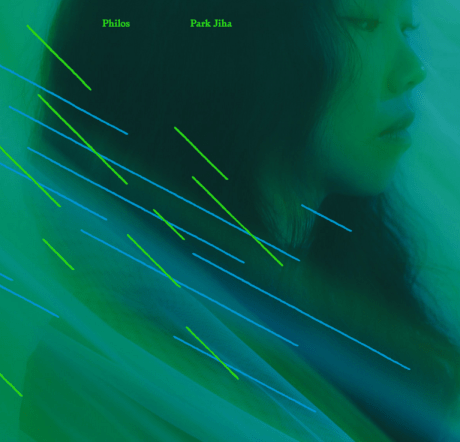
Park Jiha ‘Philos’
(tak:til) 14th June 2019
Following her universally applauded debut album, Communion, Park Jiha has chosen Philos – from Greek, plural: loving, fond of, tending to – as the title for her latest release on Glitterbeat‘s sub-label, tak:til.
It has been described as an “evocation of her love for time, space and sound”. This is certainly evidenced in the multi-instrumental and baleful opener, ‘Arrival’, which consists of simple, metronomic strums and reedy high notes that lace around each other in ominous prismaticism. The piri, a double-reed bamboo flute played by Park, features heavily in this piece, as it does later during the album’s title track.
‘Thunder Shower’ is counterpoint and pacey. It also polyrhythmically balanced: an illusionary allargando (illusionary because the time-signature remains the same) offsets the urgency of the first third and peters out to the sounds of gentle rain before the original yanggeum-played motif resurfaces. It is a clever and rather effective musical metaphor.
The metallic yanggeum, a hammered dulcimer, reappears on ‘Walker’: In Seoul’. This track is played at a strolling pace and blends Park’s steely and melodic instrumentation with more abstract field recordings. I listened to this whilst reading a Hwang Sok-yong novel and it served as the perfect musical accompaniment to the piercing realism of his Seoul-dwelling protagonist. Similarly with the tuneful ‘When I Think Of Her’, where the yanggeum and saenghwang (mouth organ) elegantly dovetail, I am taken to a greeny, open space in a city flanked by buildings that arrow up towards the light blue.
The album departs from the instrumental during the track, ‘Easy’, which features the breezy and philosophical (or, rather, extrajudicial) spoken word of the Lebanese poet, Dima El Sayed. The upper notes intensify and push the vocals to a dizzying and distorting conclusion. ‘Pause’ follows and offers the listener a momentary armistice after the rallying call of ‘El Sayed’; the familiar but distant sounds of static and microphonic noise are point’s d’appui in an otherwise transcendental world of intangible sounds. This hypnotism is also evident on the final track, ‘On Water’, as the piri melody and xylophonic bells glint gently in the eventide.
There is an eloquent passage in the album notes which describes Philos as “[looking] to the future whilst continuing to converse with a rich instrumental language from the past”. This admixture of traditional Korean and Western instrumentation, coupled with compositions that lean towards the ambient and neoclassical, transmute Park’s experiences of a world awash with changing tides, transitory weather and ever-expanding cities into something that is indefinably atemporal.
Our Daily Bread 339: Thom Yorke Live In Rome
July 22, 2019
Live Revue
Words: Gianluigi Marsibilio
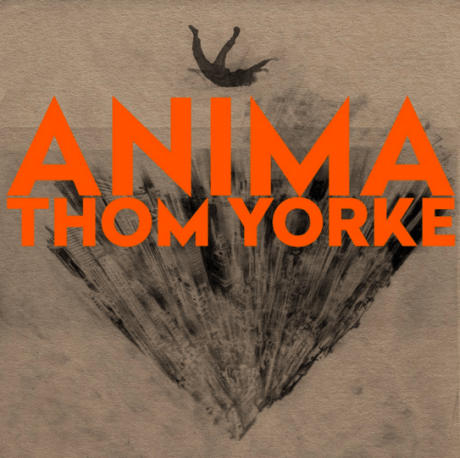
Thom Yorke Live
Rome 21st July 2019
The stage is an icon, Thom Yorke a mirror.
Here’s the consideration that a metaphysical set like this leads you to do, but there’s more and then I tried to make a small setlist of short and ramshackle thoughts about Thom Yorke live in Rome.
Thom Yorke is a genre in itself
Yorke moves with a cinematic attitude, and the movement on stage is an ode to the dance of Suspiria. This is a meeting of the many elements, developments and musical paths undertaken over the years. Thom Yorke’s live performance in Rome is the closing of a cycle and, at the same time, the opening of another. Thom is, finally, a multidimensional being, who can musically make genre by himself, expressing at best a crisis of many ideas and visions: some, even very different from each other.
The concert is an iconographic tale
You could follow the concert from an artistic point of view, and tell how the digital painting that moves on video walls is a condensation of an artistic research that also includes graphics and visual art.
We could play to tell the live in three paintings, I choose, in doubt, “Number 11” Pollock. The idea of graphic contamination has served.
Anima is a pure germ
The new solo album Anima is a real art-attack. A light and structured breath on a homogeneous and not confusing storytelling, Anima is a solo peak in Yorke’s career, because it has a whole series of elements that are perfectly connected with the idea of drawing songs in an extremely scenic, told and cinematographic way.
Suspiria was a blessing for Thom
So let’s close the film, consistent with the live set. The clear element is that: Suspiria has done well to Thom’s work and creativity. Being under creative and artistic pressure is a test that every artist has to undergo, the cinema is a machine that eats and incorporates but Thom has been stronger than on any other destructive push, and has pulled out a genuine music score. Calmness is the virtue of the dead, creativity needs chaos and the work with Luca Guadagnino, also built on the strong common vision, has helped Thom to build and solidify even better.
ALBUM REVIEW
Words: Dominic Valvona
Photo Credit: Tadej Čauševič
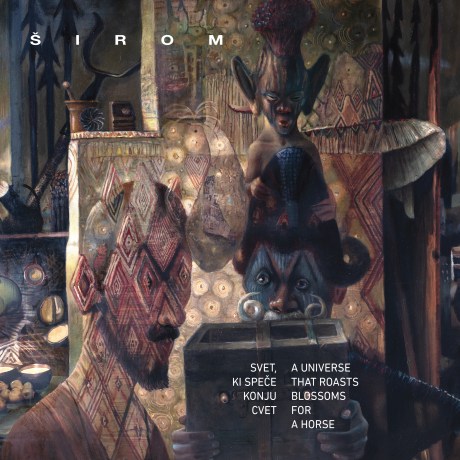
Širom ‘A Universe That Roasts Blossoms For A Horse’
(tak:til/Glitterbeat)
30th August 2019
Channeling the varied topography of their respective parts of the Slovenian landscape via a kitchen table of both recognizable instrumentation and found assemblage (everything including the kitchen sink and water tank), the Širom trio of Iztok Koren, Ana Kravanja and Samo Kutin create a kind of dream realism. Inspired by this environment yet ambiguous, they float across the borders to evoke a certain mystery and yearn to create something new. In so doing, they’ve coined the term ‘imaginary folk’ to describe their amorphous blending of geographical evocations and echoed fables.
However, the roots of this music is tethered to the cartography of Slovenia, a country that the empirical travel writer Simon Winder summarizes in his Danubia purview as a state “[…] stuck together from the rubble of the [Habsburg] Empire’s end, with its core made up from the Duchy of Carniola with bits of Styria, Gorizia, Istria and a small piece of the old Hungarian country of Vas.” Despite being pulled this way and that over a millennia; despite countless displacements and border changes/reductions – mostly enforced by a succession of conquering empires and invaders – Slovenia’s people remained stoic with a distinct identity. Yet rather than nationalistic pride, the trio in this instance use their native environment’s history and sense of belonging and its apparatus to traverse new sonic terrains. And so with vague undulations and floating echoes of an atavistic Balkans remaining a constant they venture into the Orient, North Africa, Middle East and Americas; never quite settling anywhere, in place or time.
Whilst improvisation is part of the initial creative process for Širom, all these drifting and free moving sounding peregrinations are planned and crafted with precision: the end results very considered and articulated and not left to chance.
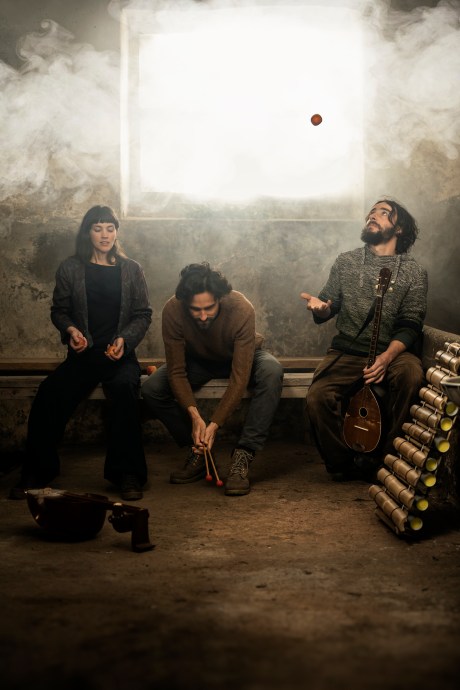
A concomitant extension of their last musical journey, I Can Be A Clay Snapper (which made our albums of 2017 features), the propound folkloric entitled A Universe That Roasts Blossoms For A Horse features many of the lingering, visionary magical astral planning themes of that previous unique album. Humdrum items from the trio’s rural retreat studio rub against a myriad of instrumentation from every continent: ribab, balafon, gamelan, banjo and lyre. In their hands a rack of kitchen utensils can suddenly be transformed into something cosmic and mystical, even ominous. And on this five-track suite, there’s plenty of that. Even the voice takes on a veiled new form, as both Kravanja and Kutin bewail, lull and warble melodically like sirens and ghosts: Kravanja, on the opening magik soundtrack ‘Spran Fantič Iz Vreče Žabje Vzema Fosile’ (A Washed Out Boy Taking Fossils From A Frog Sack), simultaneously evokes, with her vivid longing wails, images of India, Kathmandu, Marrakesh and Greek tragedy.
From the Mongolian Steppes to sorrows of East Europe and the hints of the Appalachians and Sumatra, Širom draw inspiration – whether intentional or not – from a fecund of sources; the Slovenian backdrop melting into a polygenesis mirage. With this spiritual, ritual, dreamy longing for a kaleidoscope of real and imaginary cultures the trio’s second album for the Glitterbeat label’s instrumental imprint tak:til is as poetically wondrous as it is (sometimes) supernatural and otherworldly. An alternative folk fantasy imbued in part by the hard won geography, Širom once more wander unafraid across an ever-ambiguous musical cartography that (almost) fulfills their wish to produce something unique: A soundtrack of infinite possibilities.
If you were in love with, or found a connection with the last album than this latest expansive query will not disappoint. There are really few musical excursions and explorations quite like it.
Photo Credit: Tadej Čauševič
Monolith Cocktail Social Playlist: #XXXVII:
July 15, 2019
PLAYLIST
Dominic Valvona
Cool shit that the Monolith Cocktail founder and instigator Dominic Valvona has pulled together, the Social playlist is a themeless selection of eclectic tracks from across the globe and ages. Representing not only his tastes but the blogs, these regular playlists can be viewed as an imaginary radio show, a taste of Dominic’s DJ sets over 25 plus years. Placed in a way as to ape a listening journey, though feel free to listen to it as you wish, each playlist bridges a myriad of musical treasures to enjoy and also explore – and of course, to dance away the hours to.
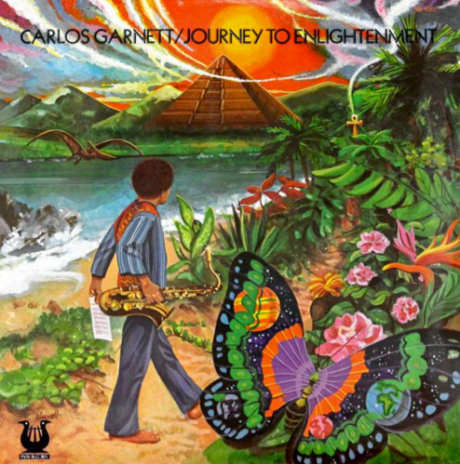
Volume XXXVII pays a small homage to two recent lost brothers, the Prince of ‘Orleans, the ragtime-mardi-gras-R&B-soul-funk-cajun-swamp-boogie titan Dr. John, and 13th Floor Elevator operator of the third-eye, Roky Erickson. Not intentional, but this latest volume also seems to have taken on an afflatus mood, with many paeans to this and that lord, a plateau of gods and that deities. For your aural pleasure, music from as diverse a collection as Carlos Garnet, Compost, Tuff Crew, OWLS, Zuhura & Party, The Electric Chairs and Moonkyte: 36 tunes, over two and halfs.
Tracklist:::
Carlos Garnet ‘Chana’
Purple/Image ‘What You Do To Me’
Compost ‘Take Off Your Body’
The Braen’s Machine ‘Fall Out’
I Marc 4 ‘Dirottamento’
Black Sheep ‘The Choice is Yours’
The 7A3 ‘Coolin’ In Cali’
Tuff Crew ‘Drugthang’
Boss (Ft. Papa Juggy) ‘Deeper’
Brand Nubian ‘Claimin’ I’m A Criminal’
The Avengers ‘The American In Me’
OWLS ‘Ancient Stars Seed’
The Electric Chairs ‘So Many Ways’
Sam Flax ‘Another Day’
New Paradise ‘Danse Ta Vie – Flashdance’
Rick Cuevas ‘The Birds’
Roger Bunn ‘Old Maid Prudence’
Verckys & L’Orchestre Veve ‘Bassala Hot’
Extra Golden ‘Jakolando’
Zuhura & Party ‘Singetema’
Brian Bennett ‘You Only Live Twice’
Roky Erickson ‘I Walked With A Zombie’
Jim Spencer ‘She Can See’
Sapphire Thinkers ‘Melancholy Baby’
Roundtable ‘Eli’s Coming’
Madden And Harris ‘Fools Paradise Part 2’
NGC-4594 ‘Going Home’
Ruth Copeland ‘The Music Box’
Chairman Of The Board ‘Men Are Getting Scarce’
Bill Jerpe ‘You’ll Get To Heaven’
The Apostles ‘Trust In God’
Johnnie Frierson ‘Out Here On Your Word’
The Brazda Brothers ‘Walking In The Sun’
Moonkyte ‘Search’
Dr. John ‘When The Saints Go Marching In’
The Move ‘Feel Too Good’
Tickling Our Fancy 076: Abdullah Ibrahim, Föhn, Nicolas Gaunin, Julia Meijer, The Untied Knot, Qujaku…
July 12, 2019
REVIEWS
Words: Dominic Valvona
The 76th edition of Dominic Valvona’s ever-eclectic spread of recommendations and reviews includes new albums from the improvisation-heavy Krautrock-Kosmische-Post Punk duo The Untied Knot; the newly formed Gare du Nord label trio of haunted surf, rock ‘n’ roll and avant-garde Föhn, a group made up of the iconic Italian underground artist and poet Napo Camassa, label boss polymath Ian Button and Liverpool psychedelic stalwart Joss Cope; the first ever vinyl format release of Nicolas Gaunin’s exotic amorphous Noa Noa Noa LP; a new epic two-track EP of theatre of ritualistic doom psychedelia from the Japanese band Qujaku; a masterful lesson in compositional balance and experiment from the South African jazz icon Abdullah Ibrahim; and the debut album from the emerging Swedish songwriting talent Julia Meijer.
There’s also the recent EP from the balladry classical meets Trip-Hop and winding troubadour Munich-based artist Elizabeth Everts; another limited edition cassette of experimental abrasive soundscapes from the Crow Versus Crow label, in the form of a cathartic album of dissonance from Chlorine; and news and review of the upcoming flight of jazz fantasy single from the newly formed We Jazz label ensemble, Koma Saxo.
The Untied Knot ‘Falling Off The Evolutionary Ladder’
(Sonic Imperfections) Out Now
Imbued with a sense of scientific methodology and monocular dissection, the experimental United Knot duo of Nigel Bryant and Matt Donovan attempt once more to sonically convey the wonders and enormity and chaos of the universe on Falling Off The Evolutionary Ladder.
Possibly, in this form anyway, the duo’s last album the follow-up to the previous science paper laid out Descriptions Of A Flame (highly recommended at the time by us, an album of the year in 2015) continues to sear, wrangle and grind through an imprint of Krautrock, Kosmische, Shoegaze, Post-Punk (imagine a Lyndon free PiL) and Rock, and drone-like ambience.
With both band members serving a variation of roles in the improvisational and electronic music fields, Bryant and Donovan have all the experience and skills needed to create something that is refreshingly dynamic as it is ponderous. Playing hard and loose with a myriad of influences, Donovan’s constantly progressive drum rolls, tribal patters, cymbal burnishes and more skipping jazzy fills recall Faust’s Weiner ‘Zappi’ Diermaier and Guru Guru’s Mani Neumeier, whilst surprisingly, on the late 60s West Coast rock experiment ‘Rhythm From Three Intervals’ a touch of Mick Fleetwood. Meanwhile, Bryant, on both bass and atonal guitar duties (both also share the synth), channels Ax Genrich, Jah Wobble and Youth.
Though gleaming the geological, anthropological and chemical, they can’t help but be affected by the most concentrated themes of climate change and, especially in the duo’s hometown of London, knife crime. The echoes of an early Popol Vuh permeate the chthonian Anthropocene reference to a proposed dating title of a modern epoch: one that would mark an era that had seen the most significant human impact on the climate. ‘Span Of A Knife Fight’ is an untethered slasher; a sonic nervous breakdown of fretboard rock and the avant-garde, riled in fact. Though I’m not sure what the ‘Tattooed Brain’ is all about, it does have an air of 80s baggy, mixed with The Telescopes drone-wrangling: imagine The Pixies and Stone Roses sharing a spliff.
Far from weary and burnt-out, the Untied Knot go out on a high; stretching their influences with improvised skill and depth, a buzz saw, scrawling caustic but investigative soundtrack for the times.
Nicolas Gaunin ‘Noa Noa Noa’
(Hive Mind Records) 10th July 2019
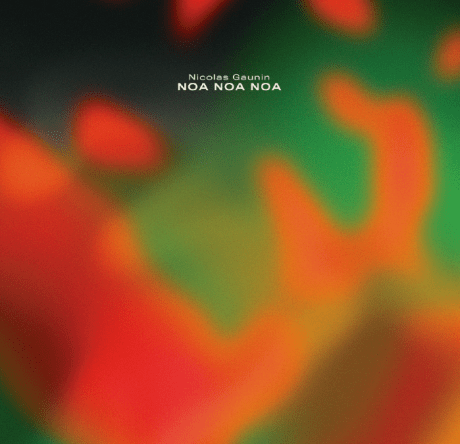
Vinyl (and the odd cassette tape) specialists with a considered taste for something different, the Hive Mind’s burgeoning roster of international discoveries once more gives a platform to the unusual and difficult to define.
Already, through a quartet of re-releases, bringing to a wider audience a range of established and emerging global practitioners, such as the late Gnawa maestro Maalem Mahmoud Gani and rising South American jazzy-traversing star Rodrigo Tavares, the Brighton-based imprint is now inviting us to immerse ourselves in the strange exotic minimalism of Italian electronic artists Nicola Sanguin, who’s original ambiguous mash-up of world music influences and surreal sound experiments Noa Noa was released by Artetetra Records in 2018. Now with an additional extra “noa” to the title this odd curiosity of atavistic African percussive rhythms and stripped radiophonics is getting another pass with its first ever vinyl release.
Using the barely interchangeable anagrammed Nicolas Gaunin name for his solo projects, Sanguin builds a both recognizable but exotically amorphous soundscape that at times recalls the Krautrock legends Embryo’s more percussive experiments in Africa, the dreamy mysterious invocations of Le Mystere Jazz de Tumbautau, Radio Tarifa, Ethno-jazz at its most untethered and Analogue Bubblebath era Richard James. And yet still, it doesn’t really sound like any of these, or, anything else for that matter.
Definitely in the sunnier light-hearted, more diaphanous and optimistic camp of electronic music – a scene that all things considered is duly reflecting the anxiety and uncertainty of the times, moving towards the dystopian – there’s still less than a bubbly, even euphoric radiance to these tropical heat intensive recordings: Many of which, we’re told, were recorded in one take. Abstract to say the least, vague sounds of thumb-piano, Serengeti and jungle wildlife, bamboo glockenspiel, clacking wooden and bass-heavy hand drums ride over, merge with or undulate under a minimalistic Techno workshop accompaniment. Noa Noa Noa is indeed a thing of curious evocation; a searing balmy transduced soundtrack worth investigating.
Abdullah Ibrahim ‘The Balance’
(Gearbox Records) 28th June 2019

Rightly occupying the same lauded heights of veneration as his late South African compatriot and good friend Hugh Masekela, the sagacious adroit Abdullah Ibrahim enthuses nothing but respect and praise for his activism and music; with even Nelson Mandela no less, anointing him as “South Africa’s Mozart”.
Embodying the many travails of that country, giving voice to the townships with, what many consider the unofficial national anthem of the anti-apartheid movement, ‘Manneberg’, Ibrahim (who converted to Islam in the late 60s, changing his artistic name from Dollar Brand in the process) spent decades fighting the system through his music: mostly jazz. In a former epoch, when merely performing that form in South Africa was seen as an act of resistance, the pianist-composer was mixing it up with his legendary jazz counterparts across the Atlantic, playing with a staggeringly impressive cast of doyens including Duke Ellington, Max Roach, John Coltrane and Ornette Coleman.
Now in his 84th year and four years since his last album, Ibrahim has returned to the studio, recording a counterpoint album of both full band arrangements and solo piano improvisations. The Balance, as the title suggests, does just that; balancing purposeful ruminating evocations with gentle pushes (outside the comfort zone) into more experimental skittish, sometimes, lively performances.
Recorded over the course of one day in the RAK studios in London last November, with his Ekaya troupe in full swing, this accentuate attuned album of sophisticated jazzery and the classical is rich with the musical language of those lauded greats he once played with: a early touch of 50s New York skyline Coltrane via Gershwin and Bernard Herrmann on the gracious balancing act between subtle gliding blues and more thriller heightened discordant notation ‘Dreamtime’, and Ellington on the flighty ascendant with chorus of saxophone and trumpet ‘Nisa’. There’s even a certain air of bouncing-on-the-balls-of-your-feet Broadway jazz on the lively ‘Skippy’.
Elsewhere the inspiration is more homegrown; the almost cartoonish scurrying score ‘Tuana Guru’ alludes to a mystical East but features an African soundscape of the wild and trumpeting. The fast skimming drum and busy bandy double-bass partnership opening ‘Jabula’ even features a joyful embrace of Highlife on a what is a celebratory-like composition of timeless quality.
Nuanced and masterfully performed, both on the bounce and when more agitated, and whether it’s in brushed burnished contemplation, or solo devotional élan, Ibrahim and his accomplished band of players do indeed find a nuanced balance between the classical and contemporary: a balance between those timeless qualities and the need for reinvention. A most dreamy, thoughtful way to pass away an hour or two with.
Koma Saxo ‘Port Koma/Fanfare For Komarum’
(We Jazz) 2nd August 2019
Fast becoming one of my favourite labels, the Helsinki-based We Jazz (as the moniker makes pretty clear) imprint ‘does jazz’: an innovative, progressive and thoroughly modern kind of jazz at that. Only last month I included a track from the blowout peregrination baritone sax and wired-up Jonah Parzen-Johnson, and last year, We Jazz label mate, Otis Sandsjö made my albums of the year features with his reconstructive, remix-in-motion, Y-OTIS – think Madlib deconstructing 3TM. Sandsjö, as it happens, is just one of a frontline triumvirate of saxophonists to appear in the exciting newly formed Koma Saxo quintet.
Assembled by the Berlin-based Swedish bassist/producer Petter Eldh, the horn heavy ensemble includes a veritable feast of European players, with Jonas Kullhammar and Mikko Innanen flanking Sandsjö, and Christian Lillinger on the drums. Though they made a performance debut at the label’s own festival last year, this double A side single, the exotic flight of fantasy entitled ‘Part Koma/Fanfare For Komarum’, is the troupe’s inaugural recorded release.
Cut from the same cloth but atmospherically and rhythmically different, ‘Port Koma’ is an ennui psychosis of breakbeats, prowling, jostling conscious jazz with Scandinavian thriller noir aspirations (Bernard Herrmann lifted and dropped in the cold ominous landscape of a Stig Larsson novel), whilst ‘Fanfare For Komarum’ is a spiritual carnival tooting parade of Sun Ra, Pharoah Sanders, Lloyd Miller, Leon Thomas and Spiritual Unity era Albert Ayler; a bustled procession through the Valley Of The Kings, a veneration to Ra.
Kept in check somehow, the forces at play on both tracks threaten to veer and spin off into separate directions, with the heightened Port sounding like three individual signatures simultaneously riding and sliding in and out of focus.
This is an exciting, traversing jazz odyssey; and so an essential purchase. We Jazz keep on delivering.
Föhn ‘Ballpark Music’
(Gare du Nord) 4th July 2019
Ever expanding the remit of his Kentish Estuary satellite label, Gare du Nord, Ian Button’s latest project provides a melodious if experimental base for the avant-garde sonic work and poetry of Italian artist Napo Camassa III. A stalwart of the late 1960s and 1970s Italian underground scene, a smattering of tapes from that period were due a mini-revival through Button’s highly prolific label. As fate would dictate, those tape recordings proved far too brittle to transfer, falling apart in the process. Taking this as an opportunity to instead create something new but in keeping with the spirit of Camassa’s experimental soliloquy and ad-libbed one line poetics, and quivered ghostly channeling seedy rock ’n’ roll vocals, the outsider music framed Ballpark Music merges the lingering, almost supernatural, presence of its influences with deconstructive homages and vague elements of jazz, surf and art-rock to produce something recognizable yet chaotic and skewered.
Balancing on the edge of this chaos the Button/Camassa dynamic, widened to bring in label mate and stalwart of the psychedelic/art-rock and Liverpool scenes Joss Cope (sibling to arch druid Julian, and just as active an instigator of countless bands in his own right over the decades), uses the well-chosen descriptive weather name of Föhn to articulate the relationship between the random, improvised and more structured, Föhn being a warm summer wind that blows in from the Alpine uplands; strong enough at times to blow tiles off a roof, at others, an enervated breeze, barely felt. Musically representing this windy phenomenon, the trio at their most blowy and heavy reaches for an abstraction of post-punk, no-wave, garage, shambling blues and Krautrock; at their most subtle and drift the surf noir dreaminess and mystery of The Beach Boys and evangelical spiritualism, gospel ye-ye and rock ‘n’ roll of Charlie Megira, Alan Vega and The Legendary Stardust Cowboy.
Tributes of a strange kind are paid to the latter in the form of a reference heavy trio of Beach Boys mirages. ‘Shiny Seeburg’, ‘The Scenenaut’ and ‘Wilson Mitt’ namecheck Pet Sounds and SMiLE as they weave nostalgia for a more giddy carefree, surface age – when the “deck chair” patterned shirt attired legends were chronicling the “fun, fun, fun” and teenage romance of the Boomers – with a certain lamentable weariness at what mental anguishes would soon befall the group’s genius, Brian Wilson: The first of these three tracks actually sounds like a deconstructed ‘Do It Again’.
The surf synonymous twang of that same era is celebrated on the Trashman-meets Sigue Sigue Sputnik meets Adam And The Ants ‘Surfin’ Dan Electro’, a quivery, rattle ‘n’ roll bandy homage to the iconic guitar.
Elsewhere there are hints of Alexandro Jodorowsky’s Holy Mountain soundtrack, Spiritualized and a vision of Wah! Heat as fronted by Malcolm Mooney.
Though the central tenant of nearly everything that Ian Button does musically is nostalgia (Button and his unofficial label house band, Papernut Cambridge, have also released more or less at the same time another volume of Nutflakes inspired cover versions), Föhn is one of the more interesting and progressive projects he’s been involved with of late; heeding the past certainly, but pushing the original concept for this enterprise to produce something anew, the wilder poetic assemblages of Camassa tethered, in part, to an amorphous melodious soundtrack.
Hopefully this is one area that Button will continue to pursue with his foils Camassa and Cope.
Julia Meijer ‘Always Awake’
(PinDrop Records) 12th July 2019
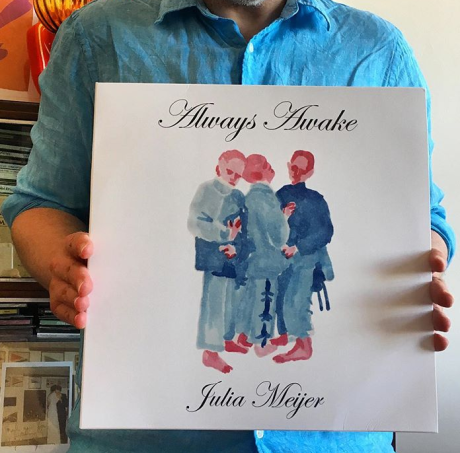
Making good on a trio of singles that promised a tactile skewed and angulated vision of Scandinavian pop; Julia Meijer’s debut album expands the musical horizons even further.
Subtle throughout, Always Awake showcases the Swedish-born (now Oxford-based) singer-songwriter’s naturalistic ability to switch between tightened new wave and the hymnal, and mix the glacial enormity of the Icelandic tundra, as so beautifully conveyed in prose by the frozen Island’s own late national hero poet Steinn Steinarr, with the vaporous veils of an English Avalon: Inspiration for the album (the first on the new label venture from the music management firm PinDrop) opener ‘Ocean’ flows from that first half of the 20th century poet’s very own ‘Hav’ peregrination, fashioned into a dreamy mirage that evokes Lykke Li drifting out of Mondrian’s abstracted Pier And Ocean series. Originally accompanying that stripped diaphanous plaint, the more eerie Gothic folksy ‘England’ errs towards Florence And The Machine, whilst the love-longed, synth-glistened ‘I’m Not The One’ has a hint of a fey Debbie Harry.
Featured recently on the Monolith Cocktail, the page turning metaphorical single ‘Train Ticket’, with its two-speed verse and chorus change, even imagines the New Young Pony Club channeling the Tom Tom Club.
Backed in this enterprise by a couple of Guillemots and their offspring (band members Greig Stewart on drums and Fyfe Dangerfield on Hammond duties, whilst Grieg’s daughter, Effie, adds a spell of saxophone) plus guitarist Andrew Warne and label honcho and all-round prolific polymath Sebastian Reynolds offering various synthesized parts, the sound palette is widened: as is for that matter Meijer’s vocals, which once more are deceptively subtle in filling the space, fluctuating gently between lulls, lyrical trill and partly Kate Nash narrated ‘whatevs’.
An electric debut of nuanced indie brilliance and melodious songwriting, far outgrowing the Scandi-pop tag, Always Awake is a fantastic eclectic record, and the ideal launch for a new label.
Elizabeth Everts ‘Contraband EP’
25th May 2019

An EP of contrasts, pianist-troubadour Elizabeth Everts fluctuates vocally between balladry pop and crystalline aria, and musically between the cheaper ticking metronome of a Casio preset and the more lofty rich swells of classical instrumentation. Her latest release, a beautifully off-kilter articulated EP called Contraband is a case in point: a mini-requiem of both lo fi and expensive.
Everts, ever the true confessional, lays herself open to various degrees of success over the EP’s controlled tumult of romantic brooding and lament. With Californian roots but living for the past decade or more in Munich, the melodious voiced Evert has a fairly unique sound that ebbs and flows continuously, weaving echoes of Tori Amos, Raf Mantelli and Fiona Apple with touches of lounge-jazz, trip-hop, the classical, and on the closing, almost played straight, attuned weepy ‘Black Is The Colour’ the elegiac folk of Christy Moore.
From the diaphanous rolling aria sowing of the opening ‘Harvest Time’ to the ethereal vibraphone flitting prowl of ‘I Just’ the Contraband EP is an experiment both in vulnerability and musicality: a subtle one at that. Everts is pushed gently to expand her horizons, which can only be a good thing.
Qujaku ‘In Neutral’
(So I Buried Records) 26th July 2019

Invoking an almost operatic daemonic theatre of an album last year (making our choice albums of 2018 features in the process) the Hamamatsu, Japan doom-weavers Qujaku return with a sprawling but intense new two-track EP, ahead of a mini European tour. Reflecting two sides of the psychedelic band’s ritualistic sound, title-track (dare I suggest) shows a more delicate, subtle visage (at least at the start anyway), whilst ‘Gloria’ pursues more of a gnashing and bestial course.
Building slowly towards its goal, ‘In Neutral’ turns a wafting wash of guitar noodling and wooing saxophone into a menacing Gothic-jazz incantation. ‘Gloria’ has more heft, bigger ritual drumming, slaying guitar and dark arts psychedelics – imagine the Acid Mothers on a bad trip.
Communing with ghosts, inhabiting an underworld, Qujaku once again conjure up an ambitious dissonance of doom, stoner, operatic, dark and witchery rock.
Be sure but be quick to pick up one of these EPs, as stocks are limited to only 200 copies.
Chlorine ‘Gallooner’
(Crow Versus Crow) 12th July 2019

Somehow managing to convey a cathartic tumult of anxieties and distress from a (mostly) high-voltage abstract soundscape, Gateshead-based multi-instrumentalist and visual artist Graeme Hopper creates a sort of autobiographical profile on his new LP for Crow Versus Crow.
Under the oxidizing halogen Chlorine moniker, Hopper’s latest set of recordings (limited in physical form to a run of 50 copies on cassette tape, but available as a digital download) traverse a caustic buzz of abrasive music-concrete and sentinel pylon metallic at its most ominous, yet offers a glimmer of light, even the barest of serial notation and tuning-up, at its most serene.
A reification of feelings you could say, the dissonance-frazzled, static and electrical steel-dragon whiplash licks of the daemonic goes scrap metal fairground gallop ‘Song For Silhouette’ could be read as an unsettling concentration of the mind. Craning leviathans and industrial machinery-in-motion meet obfuscated strings to fashion a strange rhapsody of esoteric frayed emotion on ‘My Trying Hands’, Lost And Tired’, whilst a more naturalistic ambience of distant dog barks and bird song offer a short release on ‘Confessions Of A Broken Temperament’.
Post-this and post-that, Gallooner subverts a myriad of genres from the experimental fields of exploration, be it industrial, Techno, ambient or noise, yet remains somehow removed from any of them. There’s even a sporadic breakout of veiled spontaneous free form drumming amongst the polygon-ambient electronics of the album’s track, ‘Perfect Lust’, and hints of either a ghostly fiddle or string instrument on a few others.
A conductor-charged pulse to the membrane; sculpting something that bears a resonance of both depression and alienation from the caustic wall of noise, Hopper has produced a most unlikely empirical soundscape.
Our Daily Bread 337: Babybird, Duncan Lloyd, The Martial Arts, Palavas, Paper Hats, Quimper and The Top Boost
July 10, 2019
REVIEWS
Words: Brian ‘Bordello’ Shea

Brian ‘Bordello’ Shea joined the Monolith Cocktail team in January 2019. The cult leader of the infamous lo fi gods, The Bordellos, has released countless recordings over the decades with his family band of hapless unfortunates, and is the owner of a most self-deprecating sound-off style blog. Each month we pile a deluge of new releases on his virtual desk to see what sticks.
Duncan Lloyd ‘Outside Notion’
(Afternoon In Bed Records) 7th June 2019
Duncan Lloyd is of course from Maximo Park, a band I really paid little attention to although my son was rather fond of them in his early teenage years. And so this came as a bit of a surprise as I wasn’t expecting the melancholy shifting breeze of the opening track ‘Historic Elements’, or the dark soft mellowness and beauty of the tracks that followed – bringing both Beck in his Sea Change days and the Beta Band to mind and even Chris Rea on ‘Planetarium’ -, but this shows that the LP is no cut and thrust of indie rock but a more mature and sedate affair; an album of well crafted songs filled with love and tenderness that comes with the passing of summers. There is also a wonderful Nick Drake like instrumental that would not have sounded out of place on Bryter Layter in the track ‘Journey B’.
Duncan is not quite ready for the retirement home yet, though the Neil Young come Dinosaur Jr guitar merriment that explodes on the excellent ‘Young Dreams’, and the lovely male/female duet ‘Outside Notion’ are the two poppiest and most commercial songs on the LP.
Outside Notion is a delight of an album, and one that will hopefully get the attention this well written collection of songs deserves.
The Martial Arts ‘I Used To Be The Martial Arts EP’
(Last Night From Glasgow) 5th July 2019
An EP of pop splendor, four songs of enriched sunshine to melt your ice cream and to ruffle your tail feather, songs that bring back memories of the halcyon days of 70s pop and the indie sounds of the early 80s, songs that would not look or sound out of place on Shang-a-Lang or one of those other beautiful works of TV pop art from the 70s.
What is quite strange about this EP is that the weakest track, ‘New Performance’, is actually the first. I’m not saying that the track is weak – it’s actually a very good pop romp – but that it just shows the strength of the other three tracks, especially the glam of track two, ‘I Used To Be’, which is a wave your tartan scarf in the air wonder.
A must have EP for all lovers of that crazy magical thing called pop.
Palavas ‘Played’
(Wormhole) 5th July 2019

Another fine release from the excellently weird Wormhole Records, a LP they describe as dream folk and a might fine description it is as songs melt and purr and drift through a sea of tranquility, whispered vocals, softly strummed guitars and synth strings evoke images of a better place, a place where God exists, a place where there is not only beauty but a place of sadness, for sadness is not sadness at all without the image of beauty to watch over and to wipe the tears away.
This is a LP to load up onto your listening device and go for a long walk through the countryside, or, along a desolate beach holding hands with the ghost from your yesterdays and finding solace in the dying embers of the sun. This LP is simply heartbreakingly beautiful.
The Top Boost ‘Dreaming EP’
(You Are Cosmos) 24th June 2019

Chiming guitars and harmonies flow into this summer strum of a three-track single that recalls the beauty of the Byrds, Big Star and Teenage Fanclub. If you like your pop with ba ba ba’s this EP is almost certainly for you.
The A side, ‘Dreaming’, has me thinking what it might have sounded like if a young David Cassidy had replaced Gene Clark in the Byrds; a joy filled three minutes of a pop song: a Dream indeed. I can almost feel the sand between my toes and the annoying kid with a Frisbee getting on my tits. But this single is worth it; only a melted ice cream away from being pop perfection.
Armstrong ‘Under Blue Skies’
(Country Mile Records) 12th July 2019
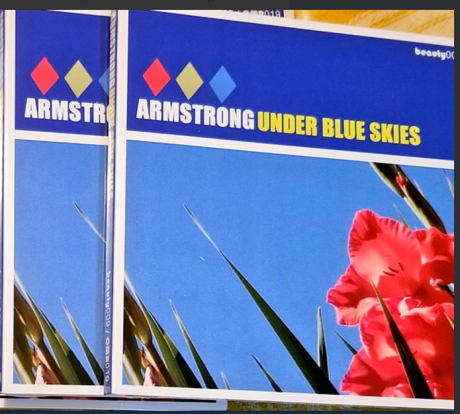
Julian Pitt, aka Armstrong, is one of the finest songwriters to emerge from Wales in recent years; a man who has been blessed with the gift of melody that can be comparable to McCartney, Wilson and Jimmy Webb. Yes, he really is that good.
This is an expanded reissue of his first LP, which was originally released as a limited edition cdr, one that I played constantly. Thankfully it’s getting a much-deserved official re-release from The Beautiful Music label.
Julian has the gift to write melodies that should be gracing the nations radio, songs that explode the myth that pop music is dead. ‘Crazy World’ and ‘Baby You Just Don’t Care’ for example are both upbeat and summery, in a Aztec Camera kind of way, but he comes into his own with a ballad, ‘Sorry About Lately’, a drop dead beaut. The real killer on the LP though is the wonderful ‘The Things That Pass You By’, one of those rare songs that can bring both goosebumps and tears to your eyes, a song most songwriters would sell their soul to have the talent to write, and the thing is this album is filled with them.
I am so happy this great lost LP has finally got the release it deserves; it is no longer lost just simply Great, one of the finest pastoral pop LPs you will ever hear.
Quimper ‘I Am An Italian Souvenir’
27th June 2019
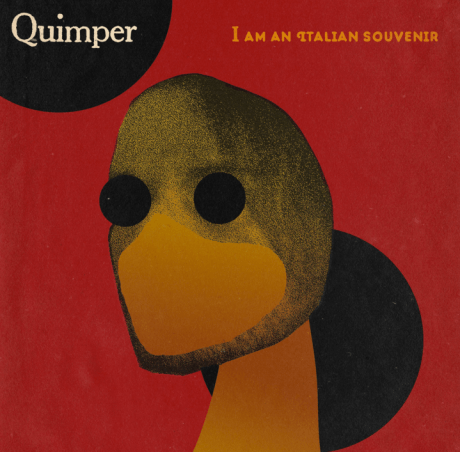
Wonky pop and the flow of a sea dive melody erupt beautifully from this four track instrumental dream of an EP. The kind of thing 4AD might have released in the days when the label meant something, and not just Beggars Banquet in an artier form.
Batman bass beats and 60’s sci fi imagery weave like a speed injected butterfly soundtracking Kraftwerk getting their ends away; a baroque stab at sexual solvency, a master class on how to make music interesting original and fun to listen to. A pay what you want to download, I would advise you download and let it be a part of your summer.
Paper Hats ‘Tearing’
(No Funeral) 21st June 2019
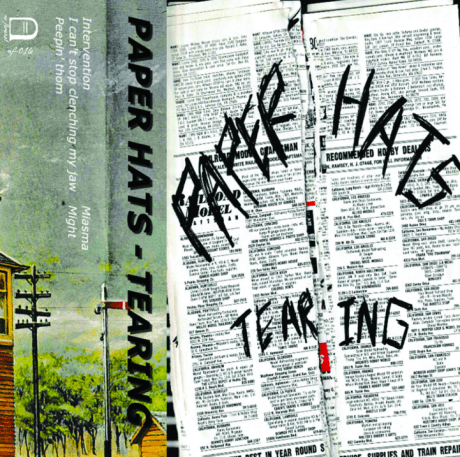
I love small indie labels the are the lifeblood of the music industry, without them the industry would be one big rotting corpse of mediocre wannabees all perfectly in tune and smelling like roses, but beneath the sheen, be boring as hell, and who wants to be in a industry like that? So thank the lord for labels like No Funeral for releasing such fine music as this. Music they describe as math rock but myself being English I have no idea what math rock is. If it is this wonderful angular experimental pop art that The Fall thrived at, I want to spend my middle-aged years submerged in the glorious off kilter whimsy.
This five-track gem of an EP by the Paper Hats is all that I wanted it to be. It is fun, it has discordant guitars, it has mumbley vocals alternating with shouts -anyone out there who remembers John Peel faves Mazey Fade will love this -; it brings up so many memories of my youth when venues let such wonderful disarray perform their outpourings to the kids who soaked up every wonderful discordant note.
This is available on a limited edition cassette. I would advise you to check it out and snap one up as it is a fine release indeed.
Babybird ‘Photosynthesis’
19th July 2019
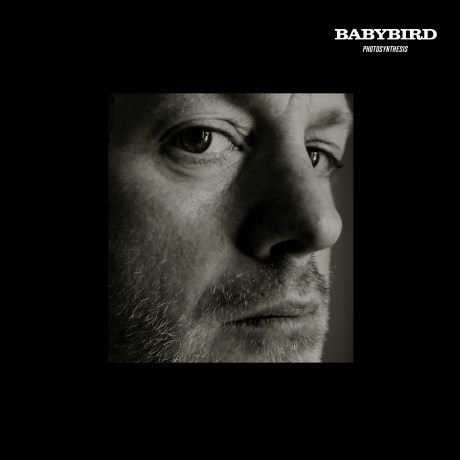
How pleased was I to see that I’d received the new LP by Stephen Jones, aka Babybird, to review: a man much after my own heart; a man who has been following the same path as myself and my merry band of Bordellos, though obviously with much more critical and commercial success than myself.
What I love about Stephen Jones, aka Babybird, apart from his wonderful songwriting talent and his dark humor and his obvious love of music and its many genres, is that he has so much soul. He has so much love for music in fact that he makes music not just because he may make a decent living from it but because he has no choice, he has to make it like he has to breath to stay alive. He has to create music, create art, he has to experiment with the magic of melody and write such beautiful songs, and Photosynthesis is an LP full of dark beauty and such bloody good songs.
Drum machine beats and synth strings cradle the twisted musings of the anti escapism of real life songs that make you want to get up in the morning just to remind you how shit life is, and this soundtracks it so, so, beautifully: heartbreakingly beautifully.
A small dark masterpiece, a masterclass in songwriting.
HIP-HOP REVUE
Words: Matt Oliver
Welcome to the latest Rapture & Verse – if you don’t like some of the opinions expressed, don’t worry, VAR has probably got your back. Financial management and futures planning from the eloquently frank Charles Edison breaks it down to ‘Bricks’, striking a chord for those trying to keep their head above water and a roof over it. The guru-like linkage of Chong Wizard summons a mix of voices and beatsmiths to ‘The Soul Stone’, six tracks worth of soulful bumps with criminal connections, ground down by headliners Vic Spencer, El Ay, Juga-Naut, Vandal Savage and Stack Skrilla. ‘Cypher Sore Eyes’ is boom-bap balm for the ears from the game face of Nottingham’s Louis Cypher, getting stuck in and hounding the supplies of DJ Severe, Kastanza and Pete 1st Blood. A six-track EP that’s got soul and a will to win.
An EP of energy spikes and crashes, either frantically running for its life or staggering back so what’ll be will be, ‘Defo Not Normal’ is the badge of honour worn by the twitchy Bang On when prompted and prodded by Reklewz. Will put your speakers in a cobra clutch, whatever direction it’s moving in. “Outlook = miserable, forecast = kill ‘em all” – so say the Delusionists, keeping grounded from their position in the ‘Clouds’. Warnings of caution, carefully, smartly conveyed, make them the responsible choice. A classic sunup-to-sundown beat from Ded Tebiase – slightly stoned, but bassy enough to ring around the borough – allows Ash the Author the maximum means to ‘Transmit’ loud and clear.
Albums
Gawd Status is not a crown that lies heavy with Joker Starr and King Kashmere, ‘Firmamentum’ a rolling thunder of articulate rage and a fiercely tribal shakedown rewriting the Blaxploitation manifesto. The Iguana Man, an absolute banshee on the boards, appears in a more advisory, all-seeing role on the mic, while Joker Starr is at the front, warring so that no man is safe, allowing for occasional leave of reality. Militant pride that’ll uproot those sitting on the fence, including a silky smooth soul intermission playing its position, at a scandalously slim eight tracks long it’s a saga that must run and run. Absolutely boomin’.
Ronnie Bosh has both the no-nonsense name and gameplan of the glory days of East End hard cases, taking great disdainful chunks out of this debut ‘All People Expect’. Setting rhymes in stone with no right of reply, Bosh is perfectly aware that there’s no need to overthink matters or get too technical, yet is never economical with the truth, squeezing the mic in a considered accumulation of pressure. Jazzy head shots and drowsier dips care of Dirty Dike, complete the definition of raw and uncut.
Announcing his album arrival with the pretty outrageous ‘FCK Boy!’, Mr Muthaf*ckin’ eXquire delivers on his promises of a wild ride, armed with a bunch of spanners to hurl work-wards. Just as disruptive is his shrewd taste for narrative, hitting home without promising happy endings. Satisfying your ignorant itch and also reducing dancefloors to bloody smithereens, it’s a surprisingly, satisfyingly well-rounded album where the bite backs up the bark.
Reconvening with Madlib on Etch-a-Sketch (well, not quite) and Freddie Gibbs toting his usual gangsta trappings, the much hyped ‘Bandana’ exploits the sweet spot of Lord Quas’ soul raids and loop manoeuvres as peacekeeper/mostly silent partner in the face of Gibbs’ tirades – not that he needs too much direction to vent anyway. Open to discussion, and that’s before appearances from Anderson Paak, Pusha T, Killer Mike, Yasiin Bey and Black Thought, ‘Bandana’ kind of wings it, mostly cementing their inexplicable chemistry made bespoke.
Tread carefully should you receive directions to and from the Delivery Room, whose eponymous album rolls out the red carpet to a house of horrors and takes uncomplicated swings like a headhunter test-driving a new axe. Sometimes funky in amongst perpetual pulverisation, the Scottish crew reach a rowdy peak as ‘Break Loose’ chucks Flat Eric and The Prodigy into the moshpit. Hocking rhymes like kerb-ready lung butter but always staying one step ahead of the naysayers, Frani P never sweats as ‘Mr Small Stuff’, ducking and diving with the goods to convince you of his chatty flow, particularly when ‘Golden’ shows he’s no Jonny-come-lately. Production from Turkish Dcypha and Marley D perfectly allows him to go wide, notably and aptly wielding Ian Dury’s rhythm stick as they go.
Look no further for beats and rhymes practised until perfect than Ill Effect’s advancement as ‘Loop Junkies. Never taking their position for granted as they take on the world, no doubt the trio have got skills and sonics for days, but half an hour is exhibition enough of what they’re about, making them a heavy tapedeck presence. Also a champion for the good old days without being a golden era bore, Dyzzi’s ‘Kids Back Then’ has got the taste and skill for coming-of-age nostalgia; of course, the soulful snaps that help paint the picture don’t hurt either, and the same goes for the DivSel emcee’s ability to go from dewy-eyed to dervish. One for the summer.
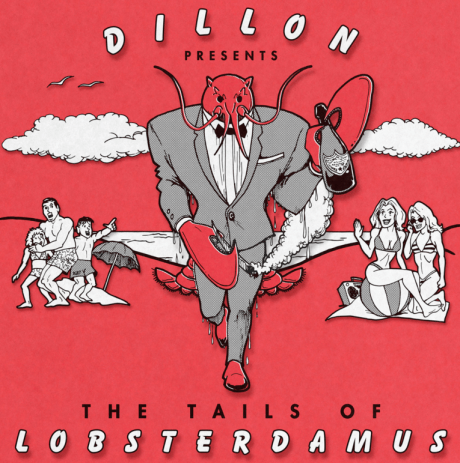
Literally five minutes after dropping end-of-year cert ‘It Wasn’t Even Close’, Your Old Droog has the temerity to drop another end of year chart troubler. His means of ‘Transportation’ – “rather be a dope failure than a wack success” – takes the form of actual…er…modes of transport (‘My Plane’, ‘Train Love’ allowing himself to get a lil’ bit sentimental, ‘Taxi’ with Quelle Chris), remaining the smoothest source of scornful, so-what couplets and eyewitness accounts. “Half man, half crustacean, 100% asshole” – that’s how Dillon be selling ‘The Tails of Lobsterdamus’, the new face about town where men wanna shell out like him, women wanna peel him off. Doing straight-faced anthropomorphism going beyond the sea, slick rhymes dictate understatedly pimped out beats, entertaining you until he’s cashed out and squids in.
‘Plugs I Met’, restoring the argument of whether seven tracks is album length (etc etc), is Benny the Butcher starting off fairly fluidly, and then getting progressively heavier until bones start splintering. In a world of wiretaps, silencers, balaclavas and dry as a bone extortion knocking down your front door, no quarter is given from Black Thought, Pusha T, Jadakiss, 38 Spesh and Conway the Machine, making this a very dangerous gang-up to ignore.
The ‘Mobb Deep Remixes’ from DJ Duce shows respect to the classics (staples from ‘The Infamous’ and ‘Hell on Earth’) while sticking his own death rattle to the Prodigy & Havoc back catalogue, and ensuring the drama he brings is no small thing with a dozen alternatives meeting the reaper at the gates of Queensbridge.
Premiere: The new Junkboy single ‘Waiting Room’
July 5, 2019
PREMIERE
Words: Dominic Valvona

Junkboy ‘Waiting Room’
(Fretsore Records) 5th July 2019
As Rich Hanscomb, one half of this sibling duo of refined placeable folksy-psych and Beach Boys imbued dreamy 1960s pop, puts it Junkboy are “more a way of life as opposed to a career.” And yet life has a habit of derailing, if at best, delaying things. Highly anticipated, the Hanscomb brothers’ upcoming, and sixth, album Trains Trees Topophilia (released 2nd August) is their first since the well-received (especially by us) 2014 dreamy Sovereign Sky.
Thankfully then, once more beachcombing the East Sussex coastline and South Downs versant, Rich and his brother Mik are back making music together after an unofficial pause. And what a halcyon if gentle return to the fold it is too.
Inspired by the brothers move, years ago, from the Essex coastal town of Southend-On-Sea to the Brighton And Hove area in East Sussex, and the famous post WWI abstract pastoral artists that captured that idyllic topography (messrs Paul Nash, John Piper and Graham Sutherland), the new peaceable album is made up of empirical instrumental evocations imbued partly by a more idealized vision of gracious, contemplative scenery-dreaming rail travel: Not the less frustrating cancelled and late crammed Southern Rail commuter journey version many of us have made in torment, including me; where the thought of stealing away a minute to meditate and ruminate is spoiled when you’re forced to balance a laptop or notebook whilst you stand for your entire journey in heaving train carriages.
This idyllic vision could even be said to have a Zen like quality, as interrupted in the beautifully thematic greenery palette album artwork by Yumi Okuda.

Further artistic inspiration comes in the form of the duo’s photographer and pal Christopher Harrup’s decade-old self-published photo album Essex Topography, the landscape psychogeography of which is a personal one for the brothers as they transduce memory and feeling into both a psychedelic love letter and more mindful soft bulletin.
The boys are accompanied on this woozy evocative journey by Will Calderbank (Mumford & Sons) on cello, Becka Wright (Buffo’s Wake) on violin, Owen Gilham (Jeannie Barry) on banjo plucking duties, “frailing” e-bow and dappled Fender Rhodes and Dave Woodhead (Billy Bragg) on flugelhorn, whilst the prolific polymath Oliver Cherer (no stranger to this blog) has contributed the Paul Nash inspired ‘A Chance Encounter’. Adding to that rich woozy sound of psychedelic folk, baroque chamber and surf pop is a penchant for 90s Chicago post-rock and the green-and-pleasant poetic jazz of the late British pianist/composer Michael Garrick.
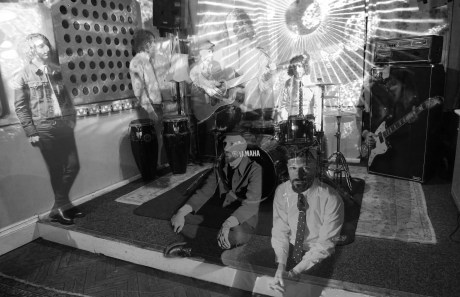
Taken from that album and premiered today on the Monolith Cocktail, the precursor ‘Waiting Room’ single is a swimmingly melodious, fanned vibrato pinged psychedelic delight that brings a piece of California’s Hawthorne and Laurel Canyon to the splendor of the commuter satellite towns of the British South Coast. Bathed in a certain glow both lilting yet tinged with rumination, the 12 and 6-string symmetry and rolling drums of this piece of Pet Sounds driftwood proves a bucolic introduction to what sounds like a promising album suite. Without further ado…. go and enjoy this thoughtfully etched part of the local South Coast topography.
Credits:
All the photography in this post was taken by Junkboy photographer Christopher Harrup.
Album artwork by Yumi Okuda.
Further Reading:
Sovereign Sky Review
Junkboy Special Playlist
ALBUM REVIEW
Words: Dominic Valvona
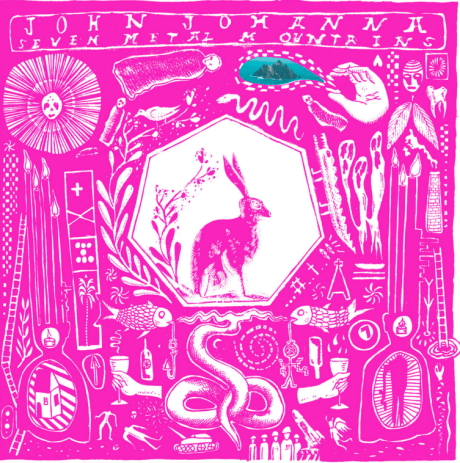
John Johanna ‘Seven Metal Mountains’
(Faith & Industry) 19th July 2019
‘And the mountains which thine eyes have seen,
The mountain of iron, and the mountain of copper, and the mountain of silver,
And the mountain of gold, and the mountain of soft metal, and the mountain of lead,
All these shall be in the presence of the Elect One.
As wax: before the fire.’
With afflatus fervor Norfolk-based artist John Johanna transduces the mountain allegories and metaphors as laid down by Noah’s grandfather in the vision-dream-revelatory Book Of Enoch into a gospel-raga-blues and Radio Clash prescient Biblical cosmology. Interrupted from Enoch’s visits to the heavenly realms – where, as Johanna’s Strummer fronts Wah! Heat, Gothic redemption goer ‘Standing At The Gates Of Love’ takes its title from, you will find a no-nonsense angel guarding the Pearly Gates with a flaming sword in hand – the Seven Metal Mountains metallurgy passage is as much an augur as observed proclamation. Used here as a frame for Johanna’s second visionary album of spiritual nutrition in a Godless age for the always brilliant Faith & Industry label, the dour liturgy of Judaic tradition and law inspires a message of forewarning and yearns for less materialistic avarice: The actual verset golden anointed title-track that closes this album fashions a pastoral English church vision of the more angelic communal Popol Vuh, and has a certain ray of optimism musically as Johanna croons “when love sets us free.”
In the same mode are the faux-reggae gait, loose but driving anthemic recent single (as featured on the Monolith Cocktail last month) ‘Children Of Zion’, the regal tabla meets Matmos producing Wendy Carlos going Elizabethan processional psychedelic ‘In The Court Of King David’, and the sashaying Malian esoteric trip ‘The New Jerusalem’: Hebrew history and mysticism, and those good ol’ “Babylon is falling” and Tower Of Babel tropes, as overcooked so often in the Dub and Reggae realms, used to great effect as a prescient reminders of our own impending doom.
Even that Babylon titan, scourge of the Judean people, King Nebuchadnezzar gets a seat at the table of rich Biblical imagery and song; the antagonist of the propulsive Sensations Fix fronted by Robyn Hitchcock raga ode to the Coptic triumvirate of passages ‘Songs Of Three’. The longest reigning, all-conquering King of lore, plays a most pivotal part of the history of the Jews of course, having laid siege to the Judah seat of power in Jerusalem, carrying off much of the population into Babylonian captivity – though in kind, the aggrandized Persian King, Cyrus The Great, would take Nebuchadnezzar’s lavish and impressive capital in the sixth century BC, freeing the Jewish population, and allowing them to return back home.
But this is an album that also explores those atavistic Holy Land offerings as translated by various cultures: from Ethiopia to the American Deep South. For example, the George Harrison deft guitar peddling, reed bank gospel soul ‘Deep River’ is an interpretation of the African-American spiritual lament of the same name; Johanna keeping the original yearning for escape from bondage (as inspired by the Jews own enslavements in Babylon and Egypt) lyrics – made famous in the 1929 film Show Boat, and given an even greater gravitas by the booming baritone of Paul Robeson – but honing a congruous new accompaniment. Johanna also sets the Elizabethan-age “idiomatic” psalms of Archbishop Matthew Parker, as put to music by the courtly composer Thomas Tallis, on the bathed in glory Western soundtrack rhapsody ‘Parker Tallis Version’: Imagine Richard Hawley crooning over a Jack Nitzsche does a Ennio Morricone score.
The gospels according to John Johanna (and friends of course, with the prolific and in-demand Capitol K once more on production, and The Comet Is Coming drummer Betamax and Seafoxes’ Karina Zakri both making guest appearances) offer love and caution, not fire-and-brimstone: As the PR spill mentioned, a congruous bedfellow would be PJ Harvey’s Let England Shake. Johanna’s Seven Metal Mountains translates Biblical prophecy marvelously into a vivid eclectic songbook of protestation post-punk, indie, folk, psych and lilting Krautrock.
 Monolith Cocktail Blog