Tickling Our Fancy 045: Bargou 08, Dr Chan, Delicate Steve…
January 26, 2017
NEW MUSIC REVIEW ROUNDUP
Words: Dominic Valvona
Tickling Our Fancy 045: A Journey Of Giraffes, Bargou 08, Delicate Steve, Dr Chan, Emptyset, The Food Of Love Project, Le Petit Diable and Julian & Roman Wasserfuhr.
In this edition of Tickling Our Fancy, the great and good of experimental and atavistic folk interpret sonnets and songs referenced in the works of Shakespeare, on The Food Of Love Project; John Lane produces his most experimental, esoteric, collection of field recordings yet, under his A Journey Of Giraffes alter ego; Delicate Steve marks his return with his first solo LP in four years, a collection of personable “songs without words”, entitled This Is Steve; Dr. Chan make their most “mature” howling skate punk meets primal garage row yet, $outh$ide $uicide; there’s mesmerizing Tunisian desert funk and atavistic vibes from Glitterbeat’s latest signing, the Bargou 08 project; the latest reification sonic suite from Emptyset; the accomplished jazz siblings, Julian & Roman Wasserfuhr’s recruit David Bowie’s Blackstar line-up for their Landed In Brooklyn suite; and finally, a welcome new solo direction from Jinko Vilova’s Ander López.
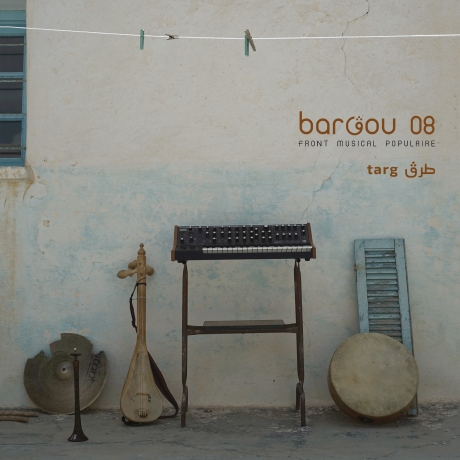
Bargou 08 ‘Targ’
Released by Glitterbeat Records, 17th February 2017
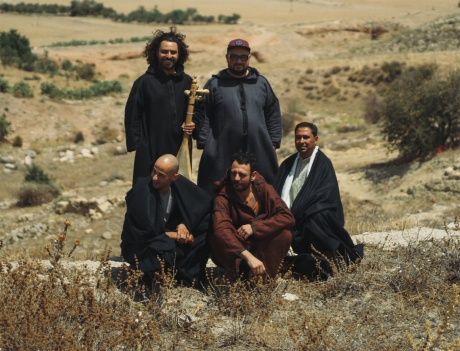
Ahh…the sounds of a dusky reedy gasba flute; the tactile patted and burnished bendir drum; the rustic, earthy strung loutar, and the flowing, scaling vocals of the Bargou 08 project’s chief instigator, Nidhal Yahyaoui, set an impressive atmosphere in the first couple of minutes of the album’s opening, Chechel Khater.
The source of this sound derives from a relatively uncharted region that lies obscured between the mountains of northwest Tunisia and the Algerian border, called the Bargou Valley, which despite its barren isolation, has cultured a unique musical fusion, stretching back hundreds of years. Captivating and magical enough in its ancestral unchanged form, the songs of the valley, sung in the local Targ dialect (a language that is one part Berber, the other Arabic), are given a contemporary jolt that transforms the atavistic paeans, odes and poetry of yore into an intoxicating swirling rapture of electronic North African funk.
In the same way that Noura Mint Seymali’s griot traditions of Mauritania were boosted by an infusion of psych and a polyrhythmic, bordering on breakbeat jazz, drums the Bargou valley’s heritage is given a fattened keyboard bassline, warping Moog oscillations and a modern production. The results are exciting and often lively. The dynamics, especially Yahyaoui’s emotionally powerful vocals, are an especially imaginative giddy thumping mix of desert rock, Arabian dance music and snake-charming mysticism. Suffused with this cocktail of sounds, each passionate evocation, learned and passed on by the village elders, begins with a signature introduction of searching, plaintive or mysterious flute before a pulsing backbeat kicks in; suddenly jump-starting and placing those songs in a modern context. Modulating between the nocturnal desert soundclash of Dek Biya and the Barbary coastal tidal motion candor of Le Min Ijina, different eras are magnificently bridged.
Honed on the road, the Bargou 08 project, conceived by Yahyaoui and steered by his musical partner and friend, keyboard player and producer Sofyann Ben Youssef, was recorded in an ad hoc manner: Youssef juggling both the recording equipment whilst playing the Moog. Yet despite its often loose and hypnotic nature, devoid of tension, this album is a highly sophisticated, joyful, groovy and tight; the musicianship first rate.
Filled with a legacy of turmoil and tension that goes back an aeon the song’s many themes, from describing a lover’s vital attributes on Mamchout to laments of alienation, resonate strongly with the growing unease of events, initiated six years ago by the Arab Spring. Tunisia itself is facing a struggle and teetering on the edge, with no guarantee that certain cultures won’t just disappear or be fragmented in the ensuing melee. Originally setting out to document his Bargou Valley home’s musical heritage before it disappeared, Yahyaoui has successfully and thankfully, with Youssef, captured this rich mesmeric culture for posterity. And in doing so, produced a masterpiece that will endure. 2017 will have to be an exceptional year if Targ doesn’t make this year’s “best of lists”; it’s certainly earmarked for ours.
Various Artists ‘The Food Of Love’
Released by Autolycus Records, via PinDrop and TMD Media, 20th February 2017

Despite being one the most laid back people I know, though judging by the multiple projects, schemes, events and albums he’s working on at any one time he may just be tired out, Oxford polymath Sebastian Reynolds is in a constant state of ennui. He made the TOF column four times in a row last year with various remixes and productions including the multimedia Thai meets West production Mahajanaka – a collaboration fusion of both traditional Thai forms and Western contemporary dance and music, which reinterprets the ancient stories of Buddha on his multiple incarnations journey of perfection towards becoming fully enlightened. In between his roles as a promoter and head honcho at PinDrop, Seb’s set to release a pair of solo albums, Remembrance and Epiphany, later in the year. It is once again in his role as both a performer and instigator that sees him, alongside Tom McDonnell of TMD Media, commission and curate a celebration of the great bard Shakespeare.
Originally part of the wider Oxford Shakespeare Jubilee festival programme in 2016, the adroitly conceived compilation has had some trouble with its official release date, being put back and now hovering over January ready to drop at anytime. But the wait has been worthwhile. The twelve-strong track list features an inspired choice of both Oxford locals and carefully plucked international artists interpreting, transmogrifying and playing around with both the most fleeting and integral songs performed or merely referenced in Shakespeare great cannon of work. In what is now an obligatory requisite, Seb performs with both the electronic-indie outfit he’s been a member for years, Flights Of Helios, and as one half of a unique collaboration with Food Of Love project partner McDonnell, under The Children Of The Midnight Chimes appellation. The first of these is a constantly evolving alternative indie and trip-hop dance peregrination of I Loathe That I Did Love from Hamlet, the latter, is a heavy, thick supernatural vortex drone representation of O Death, Rock Me Asleep from Henry IV Part 2. Considering its source is “allegedly” from a poem written by the tragic fateful Anne Boleyn on the eve of her execution, this abstract soundscape, which features shrouded in the ether vocals from McDonnell, is like a haunting: the unrested spectre of Ann caught in perpetual anguish.
Equally good at removing the original material from any sort of familiarity, taking it over the threshold into alien realms, steam-punk maverick and musical contraption inventor Thomas Truax transforms the Tudor court stalwart Greensleeves into a ethereal cosmic trip abroad Gene Roddenberry’s Starship Enterprise; landing on The Tempest inspired Forbidden Planet. David Thomas Broughton meanwhile closes the album with a ten-minute experimental finale, reinterpreting Lawn As White As Driven Snow from A Winter’s Tale. Sounding like multiple takes of the same song, set into motion at different times and played all at once, Broughton impressively weaves all the discord, overlaps and amorphous bleeds together to create a drifting, sometimes anemic panoply.
In a more congruous manner, closer to the times they were written in, the Scottish troubadour Alasdair Roberts, with only the minimal though attentively atmospheric “historically accurate” lute of Gordon Ferries to back him up, steps straight off a Tudor tapestry to coo in an atavistic lulling timbre the “oblique” referenced Caleno Custure Me from Henry IV Part 2. Elsewhere the tone is of a folksy twee yet often stark and ominous droning beauty. A Highland imbued version of Strength In A Whisper, from Much Ado About Nothing, by, another Scott, the folk songstress Kirsty Law, and a stirring quivered Celtic orchestral treatment of Bonnie Sweet Robin Is To The Greenwood Gone, from Hamlet, by the Dead Rat Orchestra both share hints of Jed Kurzel’s mesmerizing score for the 2015 movie version of Macbeth.
Missing unfortunately from the line-up, the classical folk legend John Renbourn sadly passed away before recording his contribution. The Food Of Love is as a result dedicated to his memory. And it is a touching tribute but most importantly a successful exercise in bringing vitality to Shakespeare’s yellowed parchment; lifting what were in many ways just fleetingly touched upon songs to life.
Delicate Steve ‘This Is Steve’
Released by ANTI-, 27th January 2017
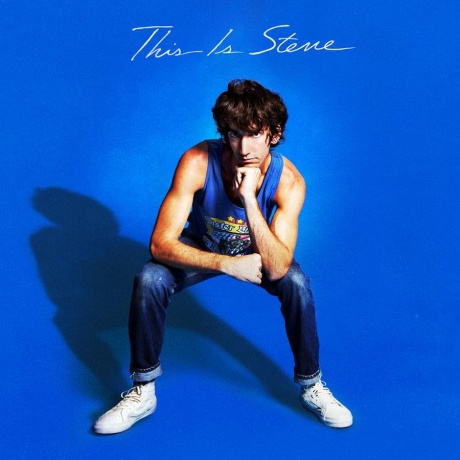
I must confess. Delicate Steve (as he’s known) has until now escaped my detection. The accompanying bio however offers an impressive resume, listing David Byrne, The Dirty Projectors, Lee Ranaldo and tUnE-yArDs as admirers and collaborators. As a testament to Steve’s range, the erudite guitarist and songwriter has “cut records” with both Sondre Lerche and Death Grip’s Zach Hill; and recently appeared playing guitar on the new Paul Simon record.
His first solo album in four years, and the first for the Anti- label, This Is Steve is billed as an “introduction” from the artist to you, the audience. A one-man band, producing and playing everything himself, Steve’s peaceable, often acid-country and surf twanged jaunty and ruminative, guitar themes run through an eclectic array of genres without settling on any specific. The signature cosmic swirling phaser guitar effect and intricate but relaxed perusal technique apes a number of other instruments, including the sitar on the opening glam-psych wilderness of Animals, the zither on the George Harrison exotic bluegrass walk along a California boardwalk Winners, and a Theremin on the nocturnal slouchy candor Nightlife.
Untethered as such; meandering mostly, but at times more forcefully careering through expressions and moods, Steve is scuzzing down ZZ Top’s highway towards a Todd Rundgren drive-through one minute (Cartoon Rock) and yearningly picking out a poignant personal Woodstock gospel anthem the next (This Is Steve).
Despite it being an entirely instrumental affair, you may find yourself singing along. And that’s due to each song’s uncanny familiarity, but also down to Steve’s personable touch, unguarded, channeling a lifetime of both conscious and unconscious melodies and articulating them in his own unique manner.
Emptyset ‘Borders’
Released by Thrill Jockey, January 27th 2017
Transmogrifying, compressing and distorting their chosen “tactile” instruments (which include a six-stringed zither-like contraption and a drum) through vintage analogue equipment, the Emptyset duo perform a live contortion of fuzzy and frazzling trepidation on this latest conceptual offering, Borders.
Commissioned in the past to articulate musically and sonically the abstract; Emptyset have produced successful reification suits, with a number of self-imposed rules, from a number of architectural spaces, including the decommissioned Trawsfynydd nuclear power station and the neo-gothic Woodchester Mansion. This time around, sat in a Faraday cage as towering metal leviathans communicate with each other overhead, James Ginzburg and Paul Purgas set themselves another series of prompting parameters to work within. On this particular score the duo focus on subtly adjusting the timbral qualities of their performance, for an often ominous concatenate series of sonorous and abrasive evocations.
Though Borders doesn’t seem to offer a specific architectural environment; it evokes instead an electrified industrial-scarred force field of dread. Sounding not too dissimilar to Sunn O))) making a cerebral techno album on Basic Channel, the eleven-track soundtrack is suffused with long drawn-out pylon throbbing rhythms, seething and flexing with various fluctuated menace. Descent for instance opens the furnace door of a machine-age fire-breathing Moloch, whilst Speak brays with a monstrous didgeridoo-like rasp.
The album is a heavy dose of bestial sizzled magnetic crackling and giant rumblings; an electrified fence of static doom, both highly atmospheric but also teasing with anticipation.
A Journey Of Giraffes ‘F²’
Self-released, January 11th 2017
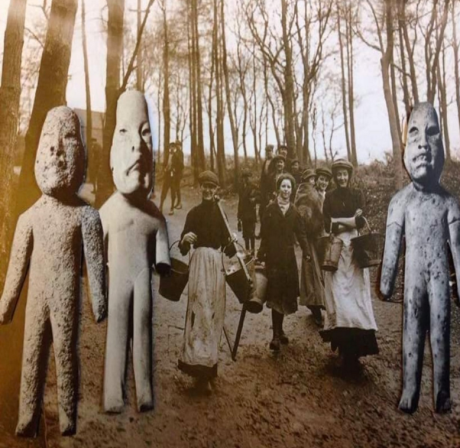
A Journey Of Giraffes’ John Lane has come a long way since his chirpier and languorous lo fi Beach Boys (circa Pet Sounds and SMiLE) inspired renderings and washes. Now almost fully immersed in the esoteric; exploring strange new soundscapes, Lane takes “a long walk into the deep forest” of his Maryland, USA home for something approaching the supernatural. Those California vapours of old do still linger, though removed even further, lost on a swell of reverb, Foley sounds and a heavy miasma of abstracted experimentation. A leitmotif of field recordings from the Hampton’s Cromwell Valley Park underpin this latest journey: the trampling underfoot of the valley floor and, threatening to blow us off-course, gusts of wind create an environment that sounds like an ominous meander into the Blair Witch Project.
Best described as Coil picking apart Panda Bear on the way to Alejandro Jodorowsky’s Holy Mountain, F² (an element which you won’t find on the periodic table; a symbol instead that Lane uses to represent a sentiment of “family first”) features venerable monk-like chants and wordplay, subterranean echoes, Tibetan chimes and paranormal doo-wop. Hermitages, caves, atavistic idols to old gods the ghosts of previous generations that once hewed a living from the landscape and the sainted Father Damien De Veuster of the 19th century leprosy colony of Hawaii’s Molokai Island, all haunt Lane’s imagination.
Self-released via Bandcamp, almost happenstance style, this avant-garde soundtrack opus benefits from the kind of freedom that the internet can offer. However, with no restrictions and a methodology of total exploration, the album is perhaps overly long in places and can stretch the listener’s patience. Still, Lane works out his ideas and expands his sound further on every release; taking that original Beach Boys influence into seldom charted waters.
Dr Chan ‘Southside Suicide’
Released by Stolen Body Records, 24th February 2017

Like some obscure French exchange garage band of students – the kind you’d find, if it existed, on a European version of the Teenage Shutdown! compilations – hanging out in the 80s L.A. of plaid shirt and paisley bandana fatigue wearing skater-punks, Dr Chan are an abrasive and coarse mix of renegade petulant inspirations.
Essentially powered by garage rock and all its various manifestations, the group from the south of France hurtle through an up tempo and raging backbeat of The Chocolate Watch Band, Standells, Rationals, Black Lips and Detroit Cobras. The difference here is that they also throw in a miscreant Molotov of thrash punk, courtesy of Fidlar, and “death rap”, cue Florida’s $uicideboy$, into the riot. It gives the Chan’s brand of garage band mania a different intensity and drive: more screaming in a ball of flames spikiness than tripping psych.
The opening title track is a lively introduction to this controlled chaos; the distorted scrawling spunk-rockers rumbling and attacking surf, bluegrass and rock n roll in adolescent fury. It isn’t always this fast and noisy. I Can’t Change for example takes a, dare I say, poignant respite; sounding like a yearning Roky Erikson dodging the whistling drop of bombs from above.
Despite the increasingly distressed cartoon screamed resigned sentiment of the swansong, Life Is Not Fun – Southside Suicide is a blast. Riled and obviously pissed about the current state of affairs both at home and overseas, Dr Chan’s protests are in keeping with the primal spirit of rock’n’roll: fun, fun, fun! It’s a blast.
Julian & Roman Wasserfuhr ‘Landed In Brooklyn’
Released by ACT, 24th February 2017
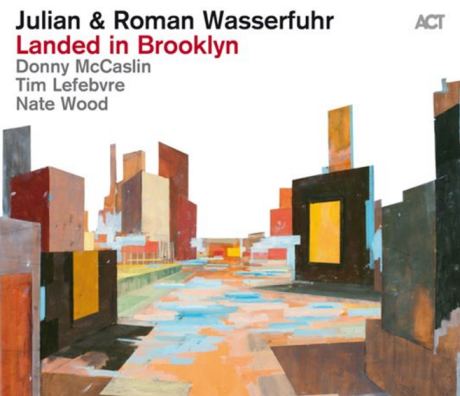
It can hardly be denied that New York always has and always will be an epicenter of musical innovation and fusion. Sure, there’s a growing unease at not just New York but mega beacons of creativity everywhere in the West. That the artists are pushed out and forced into the outlier regions because of gentrification, high rents and a general enervation of culture. Manhattan still has the jazz legacy and sports the venues (from the Lincoln Centre to The Village), but we’re increasingly told the “action” is happening elsewhere: in the borough of Brooklyn to be exact. A sprawling region of the New York panoply, Brooklyn has become a cheaper, more viable alternative; though in the last decade this hotspot has seen a massive influx of millennials, students and creatives flood the area, and so changed the very nature of the neighborhoods and inevitably made it more expensive.
Lured to this hotspot, the exceptionally talented trumpet (though on the latest album also partial to the flugelhorn) and piano sibling partnership of Julian and Roman Wasserfuhr “land” in Brooklyn for their 5th LP together. Prompted by the German jazz label ACT, and producer Siggi Loch (one of the first to foster the brothers talent, Loch produced their debut 2006 album Remember Chet, as part of that label’s “Young German Jazz” series) the duo initially hadn’t given much thought to the project. Spurred on however by the mounting reputation of New York’s largest borough, the brothers relocated. Imbuing themselves with Brooklyn’s history and present “where the action is” status, they recruited members of David Bowie’s Blackstar backline; man-of-the-moment tenor saxophonist and bandleader Donny McCaslin and the equally in-demand, former New York native, electric and double-bass player, Tim Lefebvre. Both have, in great part due to the attention Bowie inevitably drew, helped shape the city’s persona and rep for pushing the boundaries of jazz. And here they do what they do best; lifting and taking ideas and melodies into ever more inventive directions. Consummate enough to boost the foundations, yet also erudite enough to know when to blow or noodle away ten-to-the-dozen, they prove a congruous fit. Finishing the lineup, another link to McCaslin, is supremo drummer Nate Wood, who gets the chance to showboat with a salvo of never-ending rolls and crescendos on the cover of Tokio Hotel’s power-rock ballad, Durch den Monsun – a vast improvement upon the original.
Making a final connection to the city’s wider jazz legacy; the brothers chose to record at Joe & Nancy Marciano’s legendary System Two Recording Studio; using the venerated studio’s classic ribbon mic, once owned by John Coltrane no less, and a piano previously used for concerts at Carnegie Hall. Utilizing the environment, which has seen its fair share of legendary names from the jazz lexicon record there, the quintet produced an extemporized performance. Far from rehearsed and contrived – other than the choice of covers and the odd bit of sheet music – there’s little prompting on Landed In Brooklyn. Instead we get a flowing, loose semi-improvised interplay between all involved. This method is demonstrated on the opening “ensemble sound”, Bernie’s Tune. Relaxed, springy even, Julian Wasserfuhr and McCaslin’s interweaving horn section flews impressively over a quickened backbeat to create an update on the New York siren wailed TV detective theme tune. Roman Wasserfuhr, who leads on most of the album, is deft and supple on the ivories; caressing warming with a rippling effect even though you can tell he’s working hard on some complex countermelodies.
Whether it’s been planned, or unintentionally just floated into the quintet’s melting pot sound, there are traces and nods to a number of key jazz doyens throughout. There’s purposeful, and noted in the album’s accompanying booklet, hints of the horn geniuses Freddie Hubbard and Stanley Turrentine for instance on a couple of tracks, most notably however on the nestled trumpet and swaddling saxophone – Gershwin on Blue Note – Tinderly.
Elsewhere there’s Marimba-lilted waltzes; a 5/4 timing transformation of a moribund Sting song; and a cluttering railway-track travail style meditation on America’s past segregation woes to take in. And marvelous they all sound too. There can be no denying that this is a quality line-up; musically speaking, even if the covers are hardly inspiring, this is an accomplished recording. The Wasserfuhr brothers do creative things with the scenery and mood of a hub currently in the spotlight; producing an album that arguably bridges the old with the new guard.
Le Petit Diable ‘Seeds’
Self-released through Bandcamp, available now
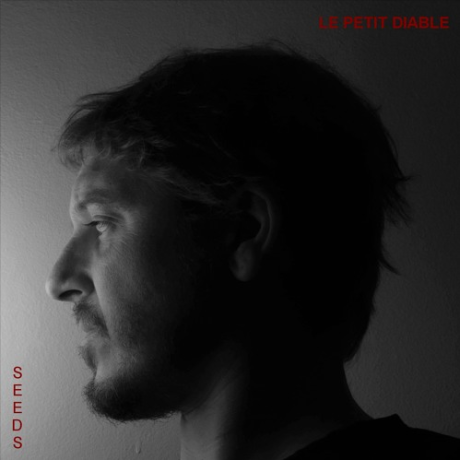
An important force for good on the underground Spanish music scene, predominantly in the last five years with the Krautrock and “Motor City” inspired Jinko Vilova, songwriter/musician and full-on space-rocker Ander López has taken on a new role as a troubadour for his solo album.
As demonstrated on his new collection, under the Le Petit Diable guise, López removes all but a brassy-stringed resonating acoustic guitar from the Jinko Vilova blueprint sound. Taken from the group’s previous LP, Líquid, the opening gambit, You’re Standing, is reduced from its original cosmic thickset Detroit bombast to a far more intimate acoustic affair, which sounds at times like a missing track from Can’s Unlimited Edition. It serves as a transitional introduction to ease the listener into the new raw, stripped direction. The album, Seeds (a metaphor for the ideas he’s evidently planting), has a real live quality about it, recorded in an atmospherically favourable space that lends itself to the echoing chimes and rings of his “lived-in” guitar playing.
Countering a gentler picking and plucking articulation with a mixture of attacking and ringing reverberation style rhythm guitar, López works up a fair old pace at times; filling the space when he needs to: The rebellious folk gallop, Purple Sphere, could be considered even spiky!
Vocally he channels a litany of hard-worn melancholic wayfarers; including Blixa Bargeld (Who Cast The First Stone), Nico (Snake’s Dance, Follow The Leader) and Roy Harper (My Eyes). There’s even a hint of the languid Damo Suzuki about López on the opener.
Le Petit Diable is a welcome move towards a parallel solo career; a surprise exploration and change from the music he’s become synonymous with. There is a lot of promise on this album, and the future looks bright.
Tickling our Fancy 044: Baba Zula, Piano Magic, Dearly Beloved…
January 12, 2017
New Music Reviews Roundup
Words: Dominic Valvona
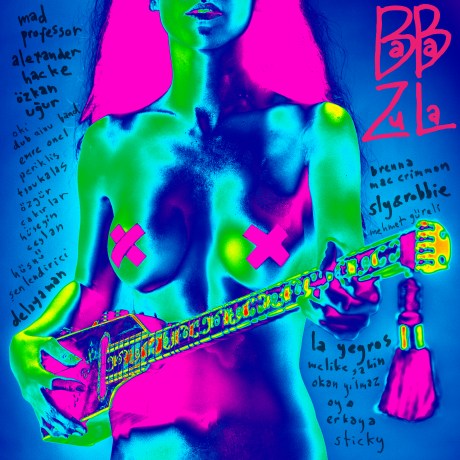
Welcome back to the first review roundup of 2017, which gets off to a grand start with this dazzling cornucopia of new releases from Baba Zula, Dearly Beloved, Hanitra, Mikko Joensuu, Piano Magic, James McArthur and Pawlowski, Trouvé & Ward.
In this edition of my regular review roundup we have the grand sweeping gestures of Mikko Joensuu’s second album in the Amen cycle; the second idiosyncratic folk and country idyllic songbook from James McArthur; some tender sounds “from the heart of Madagascar” in the shape of the Island’s talented songstress Hanitra; plus a bit of hardcore from the Dearly Beloved. There’s also a trio of special anniversary releases, the first, a triumvirate of solo work from Pawlowski, Trouvé & Ward, celebrating the tenth birthday of Jezus Factory Records, the second and third mark the twentieth anniversaries of both the chamber pop dreamers Piano Magic, who have chosen to have one last fling before disbanding this year, and the polygenesis dub Istanbul outfit Baba Zula.
Baba Zula ‘XX’
Released by Glitterbeat Records, 27th January 2017

BABA ZULA. (FOTOGRAF: CAN EROK – 20.09.2016)
Bastions of a psychedelic Istanbul scene, they’ve arguably made their very own, the omnivorous Anatolian Acid Mother Temple of dub-styled Baba Zula have been melding all their many musical inspirations together for twenty years now. Co-founded by Osman Muret Ertel and Levent Akman in 1996, the kaleidoscopic group originally sprung from Ertel’s previous ZeN Outfit as a one-off soundtrack project for a film director friend. Two decades later and we can surely assume that Baba Zula won out.
Inspired by the first wave of Turkish bands, that grew out of a previous generations atavistic folk scene, in the 1960s, notably the psych pioneers Moğollar, Ertel and Akman helped revitalize an age of experimentation, lost during the tumultuous upheavals of Turkey’s coups in the 70s and 80s. Politically acute, challenging the authorities with trance-like joyous expression, Baba Zula are once again finding themselves overshadowed by developments in their own backyard. And so just when we and their comrades need them that discerning label of new musical discoveries from the African continent and beyond, Glitterbeat Records, have decided to celebrate the band’s legacy with a generous double helping of reimagined material and a whole host of transmogrified dub treatments from congruous bedfellows and admirers alike – including the Mad Professor, Dr. Das and Glitterbeat’s quasi in-house band Dirtmusic.
Choosing a unique method of documenting that twenty-year career (and counting), Ertel explains: “None of the pieces here are in their original forms. Instead, we picked remixes, re-recordings, collaborations, live tracks, all the possibilities, but none of these have been released before.”
Transformed but not enough to completely obscure the source, the first of these two CDs (or albums) travels back and forth across the decades, with the earliest example being the feverish female protagonist orgasm over a DJ Shadow backbeat Erotika Hop from 1997, and one of the latest, a nine-minute Tamikrest-on-an-exchange-trip-to Byzantine Aşiklarin Sözu Kalir (otherwise known as “External Is The Word Of Poets”). Elsewhere you’ll find the group’s biggest hit to date, Bir Sana Bir De Bana (“One For You And One For Me”) playfully re-styled as a Gainsbourg-on-the-Bosphorus duet between a French woman and an Armenian man.
Opening this meandering journey, Ozgür Ruh showcases the group’s signature languid dub sound; a free-spirited melting of ascending, whirling electric saz (a long-necked lute-like instrument), accentuated brushed bendir hand drums, longing male and female vocals and a cosmic Jamaica blown off course towards the Adriatic, vibe. However, there’s no mistaking the band’s roots on Biz Size Asik Olduk; a curious dervish romance with the candor and atmosphere of a desert blues serenaded camel caravan trail. The final two tracks are live. There’s, what sounds at first like a tuning-up session, kosmische freestyle Çöl Aslanlari performance from the Bada Bing in Berlin (handed over to Einstürzende Neubauten’s Alexander Hacke to mix) and a nineteen-minute experimental reverb-heavy dub odyssey version of Abdülcanbaz from the Piraeus Resistance Festival In Greece to lose oneself in. Both are great examples of their untethered abandon and float-y transcendental mesmerism.
The accompanying (mis)adventures in dub companion is a veritable feast of the most somnolent drifting mixes. It helps that Baba Zulu’s exotic vapours lend themselves so well to dub, imbued as they are by it. But with no limits set and with a litany of dub explorers allowed a free-reign to remodel, the band’s material is swathed in so much echo that it almost disappears into the ether.
The first few tracks are by the group themselves and someone known as “arastaman”. Reshaping their own catalogue and sound they use the lingering traces of a song and submerge beneath a smog of warbled theremin and phaser effects on Alem and cut up the vocals on a mind-bending Ufak. Guest mixes include the radical Asian Dub Foundations’ Dr Das and his Uncle style heavy shake-up of Iki Alem; Dirtmusic’s mysterious lunar sandscaped ‘Hopche’; and The Mad Professor’s quartet of polygenesis traverses: merging a South American tropical groove to the Istanbul guitar cycles of ‘Baso’ and playing with the convulsing vocals and howling calls of ‘Erotik Adab’.
To a backdrop of continued violence (at the time of going to press there’s been both the shootings at Istanbul’s Reina nightclub and the car bomb/gun attack on the courthouse in Izmir, in just the last two weeks alone) and heightened turmoil, caught in the midst of suppressive regime currently removing dissenting and alternative voices from the street with the most tenuous of reasons it’s hardly surprising that many wish to escape the realities of daily life. Baba Zula know more than most how dire the situation is; Ertel’s own late uncle, a journalist, was tortured and imprisoned for his troubles. Though highly entrancing and mostly destined for psychedelic shindigs this eclectic voyage is every bit the rallying call of protestation; just existing amounts to a form of dissention in the face of increasing nationalism. Here’s to another twenty years of stirring the omnivorous musical stew.
Dearly Beloved ‘Admission’
Released by Aporia Records, January 27th 2017
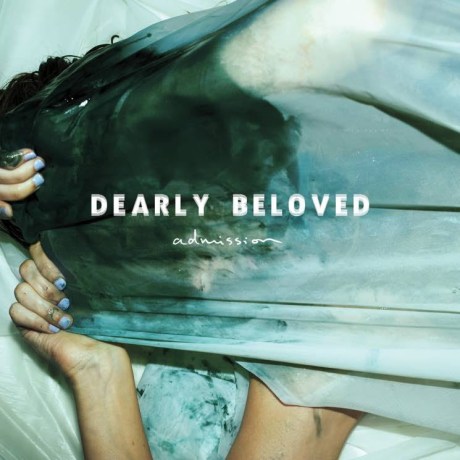
Recorded through Dave Grohl’s acquired custom-built 70s Neve 8028 analogue console, at his famous Studio 606, the desk that that facilitated Nirvana’s Nevermind has imbued the latest steely hardcore row from the Dearly Beloved duo. Still thundering along at a furious velocity, thrash-powering their way through a scowling mix of Black Flag, Black Sabbath and The Pixies, the dynamic Niva Chow/Rob Higgins gut-thumping and bewailing partnership have acquired an extra, controlled, ingredient of grunge.
More suffused, the light and shade of Admission rages in a thoughtful depth between dystopian drones and full-on esoteric rock’n’roll, ala a Mogadon induced Royal Trux in a switchblade scuffle with The Black Keys – the opening RIP track showing a flair even for southern boogie blues, albeit a very noisy one. For a band that fluidly absorbs a litany of hardcore, punk and doom influences, Admission is surprisingly melodic and nuanced. And so you’re are just as likely to hear echoes of Placebo and the Moon Duo as you are Death From Above 1979, and run through not just broody miasma moods but also fun-thrilled frolics.
Whipped into shape (not literally of course!) by Ramones and Misfits producer Daniel Rey who laid out a relentless schedule that had the duo rehearse in a East L.A. sweatbox for eight hours a day for a week, the Dearly Beloved for the first time entrusted an outsider to sit behind the controls. As it turns out, the road-tested and solid work out sessions have captured the duo’s live energy perfectly, delivering a lean, sinewy, heavy-as-fuck rage with all the indulgences and chaff taken out. That tumultuous, controlled but far from caged performance matches the turbulence of the times we’re living in.
Pawlowski, Trouvé & Ward ‘Volume 2’
Released via Jezus Factory Records, January 20th 2017
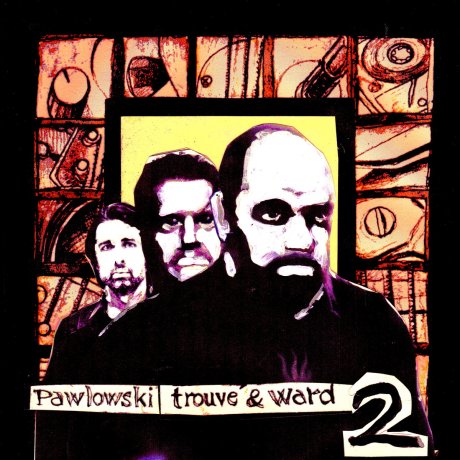
A decade on from the last Mauro Pawlowski, Rudy Trouvé and Craig Ward triumvirate compilation of solo work and to celebrate the tenure of the label vassal of so many Belgium borne alternative rock projects, Jezus Factory Records have now released a long-awaited follow up; named simply Volume 2. All at one point or another members of Belgium’s, arguably, most famous export dEUS, all three musicians have also shared a highly complex interlocking relationship; each serving together in a rambunctious myriad of side projects, team-ups and explorations, most notably The Love Substitutes, iH8 Camera and Kiss My Jazz: if anyone could ever be bothered, it would make a convoluted but interesting rock family tree diagram. Crossing over and extending beyond the dEUS hub it feels like the common bond of releasing their material on Jezus Factory could see the trio join forces at any moment.
Showcasing their individual flights of fantasy, this second volume of solo work is sometimes bizarre, often curious and occasionally silly; traversing the more serious glacial suffused drones of Ward’s four-track travail; the guitar and post-punk synth of Trouvé; and the killer-ziller-driller lunacy of Pawlowski’s imaginary 80s movie soundtrack, complete with commercial breaks!
A familiar face on the Monolith Cocktail, the erudite Scottish guitarist/composer Craig Ward was originally invited many moons ago to holiday in the Belgium city of Antwerp by dEUS and Zita Swoon stalwart Stef Kamil Carlens. Somehow instead of returning home, he stayed and signed-up for in a stint in a local band, Kiss My Jazz, before inevitably joining the dEUS fraternity; playing guitar and delivering vocals on the In A Bar Under The Sea and The Ideal Crash albums. Ward subsequently left to form both The Love Substitutes and A Clean Kitchen Is A Happy Kitchen. More recently he’s carved out a solo niche for himself with the suitably evocative ambient suite New Third Lanark whilst also running a guesthouse in his native Scotland. Earlier in 2016 he was awarded a Scottish Arts Council grant to complete his ambitious solo opus Leave Everything Move Out, which was actually recorded in France with the Grammy Award winner David Odlum. Sticking to the same tone of moody strangeness and drawn-out drones, his environmentally descriptive quartet of soundscapes cover the territory of Ash Ra Tempel and Tangerine Dream. Ward circumnavigates with a touch of subtle gravitas the mysterious veiled landmarks, circling the behemoth omnipresence of Mount Betsy; hovering In The Wet Maze; dreamily rowing the topographic ocean from Island To Any Islands; and lurking in the claustrophobic atmosphere of a Sunless compression of resonating guitar notes and heavy-leaden synth modulations. It’s classic Ward at his deepest.
Still holding down the day job as a member of dEUS, Pawlowski has really gone for broke on this compilation with his 80s pastiche soundtrack. A quick run-through of the CV is needed first before we go into the details. Pawlowski originally rose to fame in the Evil Superstars, until they called it quits at the peak of their career. He went on however to release the Dave Sardy produced album Songs From A Bad Hat and launch a string of experimental groups and collaborations, including a Dutch language folk LP under the Maurits Pauwels appellation, and the Hitsville Drunks and Gruppo Di Pawlowski (recorded incidentally by Steve Albini) projects.
Throwing a tongue-in-cheek (I assume) curveball at 80s cinema, his eleven-track mix of Casio demo display crescendos, yapping seal noises, and Carpenter meets John Hughes is pure bonkers. There’s bad acid telly binges and garbled industrial menace aplenty, but the best is saved until last with the finale firework exploding retro tribute to AM college radio rock, Starught: a mix-up of Strangers When We Meet era Bowie, The Cars, Queen and Boston, it is an unashamed punch-in-the-air love song anthem. Pawlowski’s contribution is certainly the most varied and odd, detached from the more serious and dour tones of his album mates.
The final leg, the baton handed over to Trouvé, fluctuates between the stripped guitar sounds of The Durutti Column and a 80s homage of despondent Visage and Soft Cell synth maladies. Originally a founder member of dEUS but tiring of the group’s major label success and all the bullshit that comes with it (the band’s debut was released on Island Records), Trouvé left to form the Heavenhotel Presents label and play in the Ornette Coleman inspired experimental project Tape Cuts Tape, the The Mechanics (with Pawlowski) and the “all star” improvising iH8 Camera.
With a wealth of experience and enough of an eclectic swag of influences behind him, from post-punk to avant-garde jazz, ready to surface at anytime, his twelve-strong contribution of meditative and considered explorations reflects an omnivorous craving. And so one minute you’ll hear a hint of Spiritualized or DAF, the next minute, John Cale, yet the underlying sound remains signature Trouvé.
A decade in, weary and beleaguered with the current Brexit woes (just wait until it’s actually been triggered and unraveled), Andrew Bennett’s showcase label for music from the nation that unfortunately symbolizes both the best and worst excesses of the EU, has a challenging future ahead of it. There’s no signs however of fatigue nor a dip in quality or originality; Pawlowski, Trouvé & Ward still producing the goods no matter what the augurs foretell.
James McArthur and the Head Gardeners ‘Burnt Moth’
Released via Moorland Records, 20th January 2017

Conjuring up an idyllic image of sipping Cider with Rosie on the back of Constable’s Hay Wain, Welsh-born troubadour James McArthur and his Head Gardeners troupe return with another lilting album of bucolic folk and country songs on Burnt Moth.
Following up on the Strange Readings From The Weather Station debut, which announced McArthur’s move from backing Paul Weller on drums to fronting his very own songbook, this second peaceable collection continues to wander a perpetual end of summer into early autumn seasonal landscape. Picking away and plucking attentively in the style of Bert Jansch or Mike Cooper, the serenade-style poetic musicianship on display is effortlessly timeless, yet the often meandering lyrics chime with the contemporary themes of an ever-changing society moving unabated towards a digital, even virtual, immersion: encroaching on the tranquility and earnest pastoral ideals of a slower-paced more personal interactive world, which to all intents and purposes is proving a sanctuary from the fully-connected hum of the internet.
Mostly acoustic, McArthur is also accompanied throughout by an accentuated backing of burnished and dampened drums, slowly released from its quivered tension strings (all co-written and arranged with Jim Willis, who also plays mandolin on the album), rustic pining pedal steel guitar and on the classically leaning yearned To Do the lulling coos of guest vocalist Samantha Whates. Not only assisting McArthur in the making of this album but also chipping in with backing vocals and bass on the roulette wheel of lovelorn fortune, Evens On Green, is Joel Magill of the psychedelic Canterbury band Syd Arthur.
Burnt Moth is a charming sun-dappled tapestry of McCartney-esque, and on the title track finale, Harry Nilsson (fronting a dreamy Morricone romance) idiosyncratic storytelling and musings. McArthur is in no hurry to reveal and unfurl the album’s many nuances and beauty; toiling away gently to create a most enjoyable and thoughtful songbook.
Mikko Joensuu ‘Amen 2’
Released by Svart Records, end of 2016.

The middle of an ambitious all-expansive soul-searching trilogy, the second Amen chapter finds a vulnerable Mikko Joensuu rising from the porch of his cabin retreat to step forth into the radiant majesty of the Finnish landscape. Finding an obvious awe-inspiring beauty in the stunning vistas yet equally overwhelmed, Joensuu attempts to cope with his troubled past. An epiphany if you like, the Finnish troubadour “lost his religion” a while back and has since been attempting to draw back from a mental abyss. Imbued with the candid soul and gospel of Jason Pierce’s Spiritualized and the melodious drone of My Bloody Valentine, Joensuu’s second album in this triumvirate cycle balances the ethereal with a tumultuous chorus of peaks and lows; the opening Drop Me Down opus for example gently builds from the diaphanous to a nosier cacophony of horns. Even when the fuzz, distortion and tribal backbeat dynamics are let loose the dappled light pours in.
An alternative questioning and sincere hymn supported by the North Finnish veranda, Amen 2 is a grandiose stunning visceral work of art.
Hanitra ‘Lasa’
Released by ARC Music, 6th January 2017

An unofficial cultural ambassador for her homeland of Madagascar, the sagacious and much-celebrated talented songstress Hanitra sheds light on both the personal and environmental plights of the unique Indian Ocean Island and the universal suffrage of women in the wider world on her latest album Lasa.
For many, Madagascar continues to be an enigma: Famous unfortunately as the title of a DreamWorks animation franchise, but apart from its reputation as a colourful menagerie for all kinds of exotic wildlife and fauna, it remains a mystery to many. Musically speaking it has attracted a host of composers and musicians, including the recently revived French ethno jazz maestro Jef Gilson with his Et Malagasy masterpiece.
Almost as an anthropological experiment and survey Madagascar’s isolation and history has fascinated many. Lying off the southeastern coast of Africa, it’s strategic position has made it a popular port-of-call for traders and explorers, though many literally bumped into it unaware it existed. Despite a litany of famed travellers, from the Arabs to Marco Polo, recording its discovery over the centuries, it would be France that colonized it. However, whether warranted or not, conquerors and traders alike left traces, resulting in a cross-pollination of influences including music. On Lasa you can hear this legacy well with elements of jazz, the Balearics, Arabia and even the reverberations of an old Afghanistan – resonating from the evocative sound of that country’s lute-like rubab instrument; used to plaintive dreamy effect throughout on this album – entwined with a distinct foundation of Madagascar folk and gentle African rhythms. But it’s the award-winning siren’s vocals, flexing with élan, which encompass this imbued richness. Inherently timeless, fluidly moving between cooing, almost lullaby, and effortless soaring tension, Hanitra’s voice subtly matches the themes of her album without showboating. The double-meaning title song for instance, translated from the Malagasy dialect as to “go past”, is an elegy of a sort to the French-Canadian singer Lhasa de Sela, who passed away in 2010 from breast cancer. Yet this touching tribute to a singer is far from sentimental; its Middle Eastern permutations and tenderness sweet and reflective rather than downcast and lamentable.
Soothingly in an array of colourful hues and tones, Hanitra addresses the themes of maltreatment, meted out both physically and psychologically towards women, on Eka and Avia, deforestation, in particular the devastating environmental costs of cutting down and selling Madagascar’s rosewood, on Mivalo, and another of those tributes, this time to the Vezo fishermens wives on the Island’s southeastern coastlines, eking out a hard living, on the oceanic motion Ampela. There’s celebration, paeans even, with the relaxed, lilting defense of same-sex marriage on Myriam and an invitation to dance in joyful abandon on Lalao. Whatever the emotion, Hanitra articulates her concerns and protestations with a soulful sincerity.
Lasa’s extended title is “from the heart of Madagascar”, and this is very true, yet the Island’s melting pot of musical influences and Hanitra’s own global travels mean this album is in fact universal.
Piano Magic ‘Closure’
Released by Second Language Music, 20th January 2017

Calling time on a twenty-year career with one last swansong, the Anglo-French Baroque indie dreamers Piano Magic echo the sentiments and themes of their 2000 song No Closure on their final majestic and profound album, Closure.
The self-proclaimed purveyors of “ghost rock”, formed at the height of the Britpop, have traversed and mapped out a moody romantic pathway for themselves over the years. Originally starting out as a lo-fi electronica trio in 1996, soon finding favour with John Peel, Piano Magic gradually grew into a full-on tour de force alternative rock band as the millennium drew near; recording amongst their notable cannon both a soundtrack for the Spanish director Bigas Luna’s Son De Mar and the Writers Without Homes album, which famously featured the folk legend Vashti Bunyan – who emerged from a 30-year musical silence to dust off the quelled vocal chords for the band. Still far off his critical-applauded born again renaissance as a “torch singer”, that same album also featured the dour talents of John Grant; just one of many collaborations over the years, the band also working at one time or another with Alan Sparhawk of Low, Brendan Perry of Dead Can Dance, Cornershop and Tarwater. Closure is no different in featuring a suitably congruous number of guest spots, with Peter Milton Walsh, singer of the fellow chamber pop, Australian band, The Apartments channeling Mick Harvey, and Oliver Cheer (aka Dollboy) providing a south of the Rio Grande style swooning brass accompaniment on the Choir Boys-travail-a-literary-rich-Outback Attention To Life. Offering harmonic and atmospheric support on backing vocals, Josh Hight of Irons can be heard wafting about on the album’s opening grandiose and subtle opus title track and the stripped-down electro pop, in a quasi New Order style, Exile.
Drawn to a despondent melancholy, a most diaphanous one at that, the sagacious founder member and songwriter Glen Johnson is aided in this enterprise by Franck Alba (guitars), Jerome Tcherneyan (drums, percussion), Alasdair Steer (bass) and the band’s original drummer from their debut gig at the infamous Wag Club, Paul Tornbohm, now providing keyboards. Wounded and troubled as ever by the lingering traces and ghosts of past relationships and liaisons, Johnson’s resigned poetics attempt to meet head-on those feelings he just can’t seem to lay to rest: as Johnson calls it, the “mythical formal conclusion”, the need to “move on” from broken relationships is not so easy. And so he croons, “Let’s get this thing sewn up” on the Morricone meets Ry Cooder cinematic title track, knowing full well that “…you never get closure.” The supernatural echoes of a lost love, channeled through a dusty answering machine message séance, on Landline leave the singer’s voice paled and weakened; lamenting loss form the far side of the ether. Marooned as a passive onlooker to the goings-on in the backstreets of his southeast London neighbourhood, a voyeuristic, removed Johnson (in Talk Talk mode) vanishes almost completely before our very ears. The song’s sad lyrics it must be said are a most beautiful kind of misery.
Magnificent in their despair, the musicianship poised, purposeful and subtly stirring, Piano Magic’s last ever fling is one of the band’s most accomplished, and definitely one to savour. As near perfect as any Piano Magic suite can be, Closure proves that you can perhaps after all find a satisfactory ending.
Quarterly Playlist: Part Four: Wolf People, Dungen, Magna…
December 12, 2016
The most eclectic of playlists
Reflecting the eclectic scope of the music featured and critiqued on the Monolith Cocktail the Quarterly Playlist is a three monthly showcase of both our favorite tracks and of those that may have dipped below the radar and we recommend you dig out. Our last hurrah of 2016, the final collection and final post of the year, opens with the fiery psychic drone rock of Wolf People and the motorik speedball shoegaze of Teksti-TV 666, moving on through the petulant skulk of the grunge-rockers PABST and the New York troubadour pop of Eleanor Friedberger, before gently slipping into a ambient traversing section that features the Cosmic Range, BE project and The Orb. Matt Oliver‘s Rapture & Verse Hip-Hop picks are next, with a medley of the Wheelchair Sports Camp, The Mongrels and A Tribe Called Quest, followed by the comedown and the final ethereal curtain call of Bob Lind.
A full tracklist with links to reviews is included below. We’ve also added the previous three playlists.
Wolf People ‘Ninth Night’
Teksti-TV 666 ‘Metsarosvo’
PABST ‘Bias’
Deep Heat ‘Pick Up The Pieces’
Eleanor Friedberger ‘Cathy With The Curly Hair’
Scandinavia ‘SexLife’
Magna ‘Get It Right’
MTG ‘Scrap It’
Soft Hearted Bastards ‘The Creeps’
The Bordellos ‘Did The Bastards At The BBC Kill John Peel’
Dungen ‘Trollkarlen och Fageldrakten’
The Cosmic Range ‘Kowboy’
BE ‘Into’
The Orb ‘First – Consider The Limits’
Wheelchair Sports Camp ‘Teeth’
The Mongrels ‘Duppy Conqueror’
Mickey Factz, Nottz, Showtyme ‘Some People’
A Tribe Called Quest ‘Dis Generation’
Elzhi ‘Introverted’
Midaz The Beast, Planet Asia, Murdoc ‘Cunning Lyricists’
Zion I, Ariano ‘Not Ur Fault’
Aesop Rock ‘My Belly’
CZARFACE ‘Two In The Chest’
Danny Brown ‘Ain’t It Funny’
L’Orange, Mr. Lif, Akrobatik, DJ Qbert ‘The Scribe’
Trance Farmers ‘The Veil’
Ben Reed ‘Station Masters’
The Lancashire Hustlers ‘June Wedding’
Robert Rotifer ‘Keep It Together’
Bob Lind ‘A Break In The Rain’
Part Three
Choice Albums Of 2016 (Part Two): M – Z
December 6, 2016
Melt Yourself Down to Sam Zircon
Welcome to part two of our eclectic ‘choice albums of 2016’ feature, which starts with Melt Yourself Down‘s seething trans-Egypt-Nubia-London jazz funk and post-punk fusion Last Evenings On Earth and ends on Sam Zircon‘s psychosis-induced Anxiety Skits hip-hop peregrinations.
Lined up in alphabetical order then, our favourite new and reissued albums from 2016 are of course considered to be the most interesting, vibrant and dynamic of the year’s releases. But the best? Granted, to make this list you have to make some sort of impact, but we’d never suggest these entries were categorically the best albums of 2016, even if that might be true. Instead our list is an indicator of our amorphous tastes, rounding up a year in the life of the Monolith Cocktail, and we hope, introducing you to titles and artists/bands that may have dropped below the radar.
Choice picks from Dominic Valvona, Matt Oliver and Ayfer Simms.
Melt Yourself Down ‘Last Evenings On Earth’ (Leaf Label)
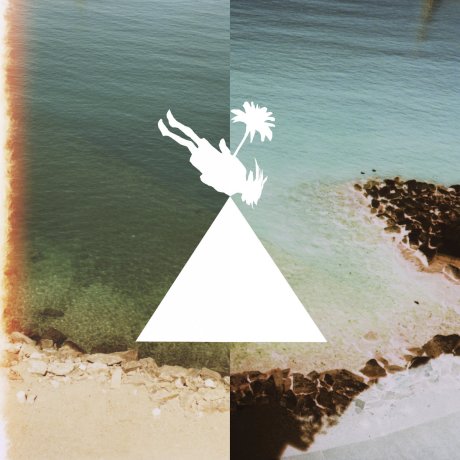
Unbelievable that we never had room to review this withering polygenesis explosion of jazz, funk, no wave, dub, electro and post-punk on its release; it is after all what the Monolith Cocktail was started for. A trans-North African travail of sounds and mysticism channeled via the Blurt/Konk/ESG scene of 80s melting pot New York and PiL hangout London of the late 70s Last Evenings On Earth is a seething tension and prowling doomsday soundtrack for our times. Pulled together from a cornucopia of Afrobeat, spiritual and conscious jazz bands – including Sons Of Kemet, The Heliocentrics, Mulatu Astatke, Zun Zun Egui and Transglobal Underground – and headed by former Acoustic Ladyland saxophonist Pete Wareham, Melt Yourself Down straddle esoteric Egyptian funk, Roman galley paursarius drumming, a coherent James Chance and the clarion calling horns of Jericho. It’s nothing short of exhilarating.
Mongrels ‘Attack the Monolith’ (Invisible Spies)
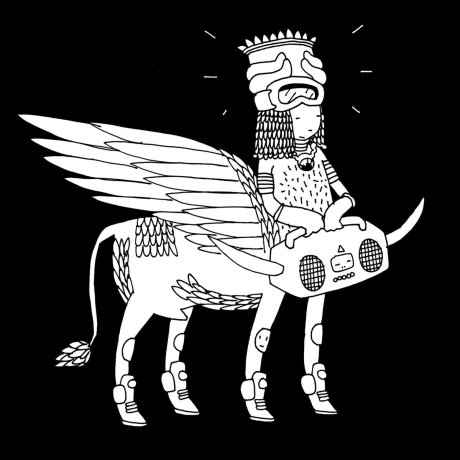
“A couldn’t-give-a-monkeys classic…their focus on the basics is undiluted, making the mundane darkly humorous”. MO
Resurrected by Sheffield hip-hop superheroes Benjamin Hatton and Kid Acne (remember, don’t fuck with Eddy Fresh), the Mongrels respawn was a very British affair cataloguing mind boggling artefacts like a mad scientist emptying an Argos book and TV Times from a time capsule, but was never found minding its Ps and Qs. The arid wit and on-point delivery billowing from a beaten up mic, went glove-like with old skool boom bap frayed around the edges and pushing the reds. New Kingdom’s Sebash revelled in his role as honorary third member – a collaboration whose relevance wasn’t lost on the lyricism – by rabidly spoiling any remaining British primness. Topped off by being released as a painstakingly put together vinyl package, and you have a labour of love that bangs from South Yorks to New York.
Read original review here…
Melody Parker ‘Archipelago’

‘The musicians behind Melody Parker form an orchestra unique for each track; kindling the day with its bright and dense aura. The early morning sun burns the dusty tarmac; the city, the village, the town, the burg wakes up in style. Festivity and pleasure exude from the album.’ Ayfer Simms
Bounding between imaginary locations and timeframes, from WWII boogie-woogie to Otterman tango, the idiosyncratic Melody Parker sings her magical songs from the belfry and the minaret. A chamber pop version of the Dirty Projectors and Bjork, dreamily fluttering and fluctuating all the way, Parker embraces the atavistic romance of the accordion one minute and liltingly sways to the echoes of the Hawaiian slide guitar the next.
Read the full review here…
L’Orange & Mr Lif ‘The Life & Death of Scenery’ (Mello Music Group)
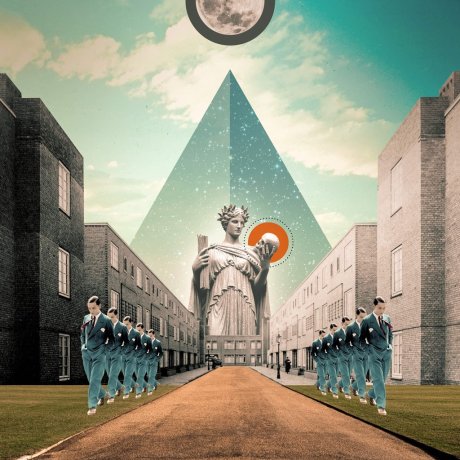
“Classily, caustically executed…as the national anthem bangs drums of death, it’s worth sneaking a listen to come blackout.” MO
Just pipping Mr Lif’s other release this year by a hair’s breadth – Don’t Look Down, a very fine album that walked a thin line between introspection, life coaching and role playing – The Life and Death of Scenery showed that the concept album isn’t dead, that skits can still work if they’re done correctly, that sometimes truth is stranger than fiction, and that such opuses don’t have to be 80 minute-plus rambles. With producer L’Orange quietly but quickly assembling a top drawer back catalogue of collaborative LPs (Jeremiah Jae, Kool Keith), his artistry paired with the Boston emcee’s distinctive flow hitting a nimble apex explored a “light-hearted dystopia” – words deserving of instant exploring while igniting a minor fear factor. Pure theatre that doesn’t hang around in taking you to strange new places, without resorting to cliché.
Read the original review here…
Edward Penfold ‘Caulkhead’ (Stolen Body Records)

‘Gargling with the electric kool aid, swimming in a soft gauze of vaguely familiar Syd Barrett, Kevin Ayers, Pete Dello and Idle Race-isms, Penfold joins the best of England’s bygone eccentric songwriters. Like some profound demos recorded for posterity, dusted off for future generations, his heavily compressed single-track tape machine obscurities sound simultaneously nostalgic and modern; evocating both the louche shimmer of The Beatles LSD experiments in swaddled hallucinogenic sounds and the lo fi enervated personifications of Greg Boring and Ty Segall.’ DV
Isle of Wight émigré in Bristol Edward Penfold wistfully hones his native homeland’s outsider spirit of maverick, if languid, poetics and hazy, blurry psychedelia on his debut solo effort Caulkhead – the nickname given to anyone who wasn’t born there. Capturing perfectly the sense of isolation, strung-out and detached from reality, the despondent themes tune into the literary and musical psychedelic mavericks that made the Island home during the last couple of hundred years and of course the orginal festival legacy, Ed weaves a unique lo fi typestry of the bucolic and Victorinia. Almost soporific in parts, untethered and close to slowly drifting away off into the ether, Ed manages to convey the mood effortlessly.
Read the full review here…
Raf And O ‘Portal’
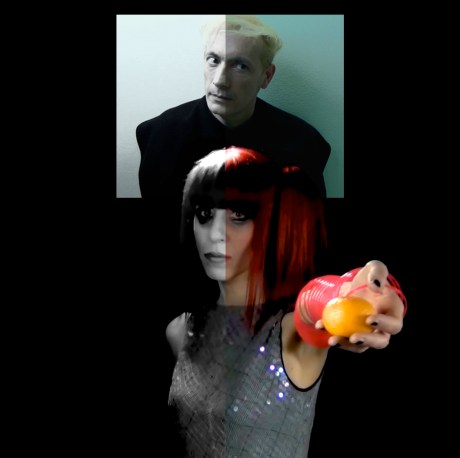
‘Sucked through a Portal into a parallel musical universe, the idiosyncratic London duo of Raf Mantelli and Richard Smith submerge the listener once again into their beguiling futuristic panorama. Re-imagining a world in which a Memory of a Free Festival arts lab and Gemini Spacecraft Bowie enmeshed with Portishead, Raf and O’s gothic and magical references are twisted to conjure up ominous visions, to a backing track of free-spirited avant-jazz drumming, trip-hop and contorted machine music.’ DV
And so whilst a multitude of bewailing and lamentable artists outpoured their grieve over Bowie’s death this year, and ignored just why the creative force was so lauded in the first place, at least the amorphous London duo of Raf And O could be depended upon to pay homage by continuing to orbit around the pheripherials of the avant garde. With the most strung-out and tactile cosmic lulled space age version of the crooning soul incarnated Bowie’s ‘Win’ ever recorded, the maverick double act blessed his passing. However, what their most impressive release to date showcased best was the duo’s challenging cybernetic baroque and progressive trip-hop sound, of which no one else on the radar can come close. Through the imaginary interdimensional Portal we go!
Read the full review here…
RAM ‘6: Manman M Se Ginen’

‘Constantly moving, transforming often-complex interplay with transcontinental imbued high energy and the local carnival spirit, RAM combine their activism and messages of hope and struggle with a strong evocative and infectious groove. Manman M Se Ginen is a beguiling and infectious album, full of tradition but electrified for a contemporary audience.’ DV
Although still playing their residency gigs at the Hotel Oloffson, jamming with the likes of Arcade Fire, in Port-au-Prince and playing live throughout the world, Richard A. Morse‘s mizik-rasin (a style that combines traditional Haitian Vodou with folkloric and rock and roll music) powerhouse ensemble RAM have remained absent from the recording studio for the past decade. Until now. Returning to take up the peoples struggle on wax with a record whose feverish and yearning rhythms fall congruously into two spheres of influence; both the Haitian and African rich fusion of the atavistic and modern have never sounded better together. The group hurl themselves headfirst into the tumultuous chaos with a frenzy of blurting saxophone punctuated stonks and barricade storming freefalling Ethno-jazz and Ska frenzies; reflecting the recent tumultuous upheavals and trauma of both the political and natural disasters that have rocked the Island. Elsewhere the album is stripped off its ferocity, replaced by gentler island breezes and ambling sweet West African highlife. ‘Koulou Koulou’ is a perfect example of this; the hymn like soothing Kreyol vocals of Lunise wafting over a sauntering highlife backing. Or on the disarming plaintive ballad ‘Ogou Oh’, which begins with a Popol Vuh like soothing but venerable piano and later breaks out into a tribal drumming ritual. Magical and rambunctious in equal measure.
Read the full review here…
Xenia Rubinos ‘Black Terry Cat’ (ANTI-)
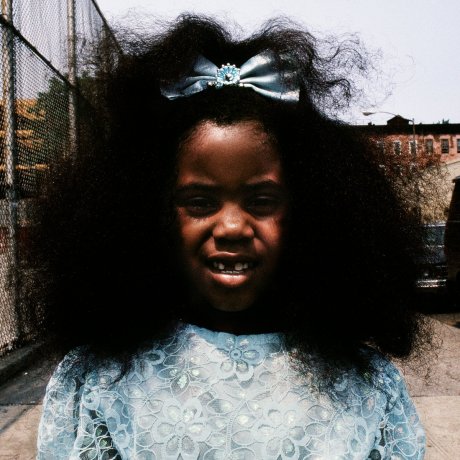
‘Xenia Rubinos wants to bite, deep. She sings like an intimidating snake in the outback, her venom appears thick and long, like a spitted chewing gum from the mouth of another, yet she is like candy. She must understand the coarse skin of the enemy, perhaps teach a few lessons, she must not fear but simply face it, sing with it, groove with it, with tunes that make our tendons tremble. Disguised in an urban daredevil, there’s no real grudge here, style and subjects are up to date, the banter is mutual, the succeeding embrace even stronger. Her battle of the raised fist is to boost consciousness, for the better and worse but really for the better.’ AS
With far more roots, soul, jazz and sazz than anything her more celebrated counterparts could ever produce, Xenia Rubinos flamboyant rage is delivered with a salacious wit and sensibility sadly lacking elsewhere in the mainstream. Whilst plaudits are given to Beyonce and her camarilla of uber-protesters – which failed spectacularly in the face of “Trumpism” -, Rubinos subtle but no less enraged cornucopia of influences (from R&B to rock) are the true voice of authenticity. And what a voice! Once heard never forgotten, a distinctive mix that both soothes and jolts but always remains soulful and warm. And the somewhat controversial ‘Mexican Chef’ is one of the year’s best tracks by far. This is just a great album by a great talent: simple as.
Read the full review here…
Noura Mint Seymali ‘Arbina’ (Glitterbeat Records)

‘Continuing to in-trance, constantly moving in a rotating spell, Noura’s follow-up Arbina, we’re told, ‘delves deeper into the wellspring’ of her Moorish roots. And with recent tumultuous events, not only in West Africa but also throughout an increasingly insecure world, Noura reaches for the divine: the album title of Arbina being an appellation for God.’ DV
Emerging from the shifting sand-dune landscape of Mauritania in 2014 with one of the year’s most captivating, and at times almost uniquely otherworldly, albums, Tzenni, the griot chanteuse Noura Mint Seymali returned with an equally heady intoxicating embodiment of the ‘trans-Saharan’ culture and spiritual sounds of worship. With a familiar signature of drowsy slinking low-end bass lines, propulsive swirling breakbeat drums and tremolo quivering spindly alien guitar (provided by Noura’s husband, the adroit masterful Jeiche Ould Chighaly), there’s a certain confidence and refinement on this, the second of Noura’s international releases. Closer in momentum and candour to the previous album’s ‘El Barm’ and ‘El Mougelmen’ tracks, Arbina widens its scope; stretching the desert blues and psych funk template to accommodate twangs and inspirations from further afield. Always at one with the textures and contours of her homeland, the time signatures also continue to breezily, almost surreptitiously, change at will, with many of the songs on this album changing from one rhythm to the next halfway through. Meanwhile Noura’s amplified vocals resonate strongly, lingering loudly; the poetic and lyrical storytelling griot tradition thrust into a new century with renewed energy and musicality. Passionate throughout yet attentive and controlled, that melodious voice is even richer and soulful than before. Working in a circular movement, Noura’s vocals are both celestial and earthly, as the songs of veneration and guidance flow in waves or, repeat in an impressive breathless mantra. It is another magical peregrination from the Mauritanian soulstress.
Read the full review here…
Sidestepper ‘Supernatural Love’ (Real World Records)
‘Supernatural Love is a bright, flowing encapsulation of the current Colombian music scene, with sonic feelers reaching out across the continent and towards Africa. Unrushed and organic, with exceptional musicianship throughout the collective return with one of their best albums yet, merging gospel, soul, cumbia, salsa, Afro-Colombian, folk, psych and dub seamlessly together to produce something infectiously fresh.’ DV
Sharing a couple of commonalities and passions with another choice album and group, RAM and and their Manman M Se Ginen album, the electro-cumbia doyans Sidestepper have also made a comeback after a recording sabbatical, returning with sauntering diaphanous embodiment of their Bogota barrio, La Candelaria, on Supernatural Love. Joyous, an evocation of that city and the Colombian music scene both atavistic and contemporary, they weave the most free-spirited and soulful becalming soundtrack; repeating leitmotifs and letting the energy and music just carry itself to where it needs to go. Co-founded in 1996 by former Real World Records studio engineer and producer/DJ Richard Blair, who originally travelled to Colombia in the mid 90s to work with Afro-Colombian folk star Toto La Momposina, but decided he loved the culture and music so much he’d stay for good, and local singer/songwriter/producer Iván Benavides, Sidestepper were renowned instigators of the electro-cumbia fusion that swept its way across the clubs of Medellin, London and New York. However, bored with hearing the same old “kick, snare and hi-hat”, Blair and a reinvigorated Sidestepper line up that features virtuoso percussionist Juan Carlos ‘Chongo’ Puello and “soulboy/vocalist” Edgardo ‘Guajiro’ Garcés joining the band’s lead singer Erika ‘Eka’ Muñoz and guitarist Ernesto ‘Teto’ Ocampo, has changed direction with this adventurous and ‘supernatural love’ for Colombian music’s roots.
Read the full review here…
Si-Phili ‘The 11th Hour’ (Phoenix Recordings)
“Simply unstoppable. A mic crusher with a touch of class, the heart of a lion and machine gun lungs”. MO
Go hard or go home. All or nothing. Never give less than 100%. Ready to battle, whatever the time of day. Show-n-prove, call-n-response, leading to crowd surfs. Introspection to give the hurricane an angle of humanity, without dousing the flames. Stacking up punchlines that are then sent cartwheeling over non believers like giant Jenga bricks. A kickstart to your day, and a gee up to get you out of a fix. The right way to do things, both in UK hip-hop and life in general. All over a premium selection of boom bap and soulful stoking of the fire, provided by Richy Spitz, Urban Click, Leaf Dog and Pete Cannon. The sheer focus, belief and single-minded consistency of Si Phili, a standard bred from his Phi-Life Cypher days, is a rampage that can only be admired. ‘The 11th Hour’ has the mic veteran approaching national institution status.
Read the full review here…
Soundsci ‘Walk the Earth’ (World Expo)

“Big funk, no front; ‘Walk the Earth’ is up there with hip-hop’s best for the year.” MO
So good in fact that we forgot to review first time round. Amateurs. Anyway, enriched funky beats and liquid mic swaps from the Soundsci crew, who proved their reliability with ‘Walk the Earth’ maximising the performance bests of Solesides and Jurassic 5. Giving a knowing look to show promoters everywhere, in no small part due to the involvement of the Herbaliser‘s Ollie Teeba, the crew’s third album has a precision at its core liable to explode into the front rows of the crowd. And while not bragging about how versatile they most definitely are, there’s a lot here for everyone to grab a piece and go home happy with.
Teksti-TV 666 ‘1,2,3’ (SVART Records)

‘Probably as influential as it’s ever been, one of the most over-used, misunderstood and clichéd influences, Krautrock – a missive if ever there was one – occasionally acts as a springboard to more interesting and unique places. Teksti-TV 666 takes it towards a gothic CBGBs, as motorik goes “hey, ho”.’ DV
Despite the USP boast of featuring six guitarists in their lineup, Finland’s Teksti-TV 666 manage to quell the egos and rein-in the resulting maelstrom with a driven but attentive light and shade style Krautrock/Punk fusion. More a showcase than an album proper, SVART have pieced together the group’s previous three EPs for an attack on the senses.
Though a million others have tried to bend and hone Krautrock to deliver something fresh, Teksti-TV have injected a speedball cocktail into the motorik pulse of Neu!, merging it with spiky monotone fun of The Ramones and the gothic shoegaze and drones of umpteen 80s bands. Every song is an epic in itself, building up gradually with finesse; running through the full gamut of emotions before a final release. Edgy and moody enough to suggest the ominous and despondent, and hard enough to shake the rafters, the miasma that threatens to engulf is always eased up on for something calmer and celestial. Finland’s multi-limbed guitar cacophony is quite unique; transforming their influences with as much humour as fury.
Read the full review here…
Various Artists ‘Khmer Rouge Survivors – They Will Kill You, If You Cry’ (Glitterbeat Records)

Growing in stature and reputation Glitterbeat Records continue to release many of the best, most influential contemporary albums and collections from around the world. Expanding on their original West African remit under the adroit stewardship of musician/producer Chris Eckman, they have also brought us various evocative and profound records from some of the least represented locations including South East Asia. Sending Grammy-award winning producer and celebrated author Ian Brennan to capture the dying art and memories of Vietnam veterans for the startling Hanoi Masters testament last year, they’ve followed up in 2016 with an equally vivid and harrowing account from Cambodia’s Khmer Rouge survivors.
Proving that the roots and primal howl of the blues is every bit as entrenched in the Cambodian delta as the African and the Americas, those who suffered at the hands of Pol Pot’s genocide recall and lament on their own experiences: both as a therapy and to remind a new generation brought up in a completely different age, almost ignorant of the country’s recent past, of the trauma and turmoils that for many still run deep. As raw and captivating as you’d imagine, Brennan’s hands-off, in-the-moment, approach to production allows these battle-scarred victims an ad-hoc platform to share their sad but diaphanous songs globally.
Read the Ian Brennan interview here…
Various Artists ‘Hidden Musics Vol 2. Every Song Has Its End: Sonic Dispatches From Traditional Mali’ (Glitterbeat Records)

‘Though no less an achievement, the second volume in Glitterbeat Records “Hidden Musics” series offers the full gamut not just musically but visually too, and is a far more ambitious documentation of a troubled country’s lost tradition than last years Hanoi Masters survey. Expanding to include 11 concatenate videos, Every Song Has Its End is the most complete purview of Mali’s musical roots yet. This is due to the project’s mastermind Paul Chandler, who has documented Mali’s music scene for more than a decade. With an enviable archive of recordings and interviews, Chandler has at last found the perfect testament to Mali’s past.’ DV
Glitterbeat Records once again feature heavily in our ‘choice albums features’ with a quartet of releases making the grade this year, including Paul Chandler‘s compilation and accompanying film panoply, Sonic Dispatches From Traditional Mali. Recording, before it disappears forever, the fragile Mali atavistic roots, which prove far more polygenesis than you’d ever imagine, a diverse range of cultures have left their indelible mark upon the landscape and population. Forgotten in some extreme cases, ignored or considered as Mali’s past by new generations, maestros of the 6-string Danh, such as Boukader Coulibaly, and the Balafon, Kassoun Bagayoko, are celebrated and interviewed for this collection. Whether it’s traversing the Gao region in the northwest to record the earthy desert pants of the female vocal ensemble, Group Ekanzam, or capturing a Sokou and N’goni love paean performance by Bina Koumaré & Madou Diabate in the heart of the country, this chronicle of the pains, virtues, trauma and spirit of the country’s musical heritage is an extraordinary love letter and testament to Mali.
Read the full review here…
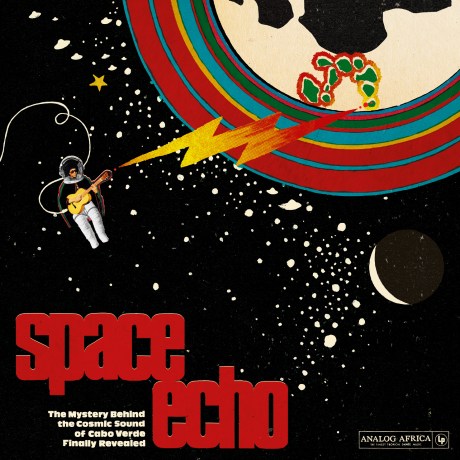
Various Artists ‘Space Echo – The Mystery Behind The Cosmic Sound Of Cabo Verde Finally Revealed’ (Analog Africa)
‘Selected for our enjoyment by the Celeste/Mariposa crew, a sound system based in Lisbon, Mexico-based producer Deni Shain, and Analog Africa’s founder Samy Ben Redjeb, this compilation offers an undeniably infectious dance soundtrack for the summer.’ DV
350 miles adrift of the West African coast Cape Verde lies almost isolated out in the Atlantic Ocean. But this former overseas ‘department’ of Portugal fatefully, so the local legend goes, happened to be stuck in the exact right place when a shipment of the latest Rhodes, Moog, Farfisa, Hammond and Korg synthesizers and keyboards bound for the Exposição Mundial Do Son Eletrônico Exhibition in Rio De Janeiro ended up marooned on one of the archipelago’s ten volcanic islands in 1968. The real story grows ever more mysterious, as the cargo, destined to reach a promising market in South America, disappeared off the radar on a calm morning the same day it set sail from Baltimore and ended up 8km away from the Cape Verde coastline in a field near the village of Cachaço. And so a new era in the Island’s musical development was borne as the melting pot of Mornas, Coladeras, carnival and previously prohibited – deemed far too risqué and sensual by the Portuguese overseers- Funaná styles of music were given a new lease of life and modern twist by the booty of futuristic sounding synthesizers. However, despite the emphasis on the strange space like emulations and modulations of the keyboard technology and its impact on the Cape Verde music scene, this compilation is really about a former suppressed colony finding its own independence; revitalising once banned traditions and giving them, for the time, a unique twist.
Read the full review here…
Verbal Kent & !llmind ‘Weight of Your World’ (Mello Music Group)

“Sarcastic punchlines wired to a big-assed boom-bap plunger…dominant, imposing music to lay warpaths by”. MO
Mello Music Group reeled off killer album after killer album in 2016, boasting a roster of underground burners plentiful in their potent variety. Within something of an internal Venn diagram, Apollo Brown gave soul a kickstart/kick up the jacksie so that Ugly Heroes comrades Red Pill and Verbal Kent (‘Everything in Between’) and Skyzoo ‘(‘The Easy Truth’) could demonstrate parallels in muscular grace, heaviness done with heart. Verbal Kent and !llmind’s ‘Weight of Your World’ warned that “beggars who are choosers are heading for bruises”, and while all three are worthy picks, we’ll plump for the latter. With the added advantage of being absolutely free, it’s cocksure enough to seemingly look at clubs with disdain before slyly leading with its elbows, laying down battle humour with the jib of vintage Canibus and Jadakiss that would reduce ciphers to smithereens, and packing a mean strut at all times. All hail the power of being pissed off.
Read the original here…
Wovenhand ‘Star Treatment’ (Sargent House/Glitterhouse Records)
‘Inspired in a wondrous and metaphysical sense by humanities navigational dependence, worship and cultural fascination with the stars, David Eugene Edwards sets out on another esoteric Americana adventure on his latest opus, Star Treatment. The former 16 Horsepower front man saddles up and unfurls the Wovenhand banner, traversing the great western plains of historical reality and literature to produce a gothic Bury My Heart At Wounded Knee meets the Egyptian Book Of The Dead.’ DV
Spiritual interdimensional peregrinations abound on David Eugene Edwards‘ Wovenhand epic. Linking parallels between atavistic tropes of loss, wisdom, a sense of wonder and nature with the original holy lands and the new world promised land of America’s west. Working on many levels with this star-guided concept, Edwards meta panorama may look towards the night skies yet it also digs beneath sacred ground to conjure up the ancestral; mixing America’s indigenous culture, ritual and ceremony with those of the most ancient mariners and travellers from the ‘fertile crescent’. This is an ambitious piece of work, taking as it does Americana to another more ambitious and afflatus level, as expansive and full of gravitas as the landscapes he searches.
Read the full review here…
Sam Zircon ‘Anxiety Skits’ (Blah)
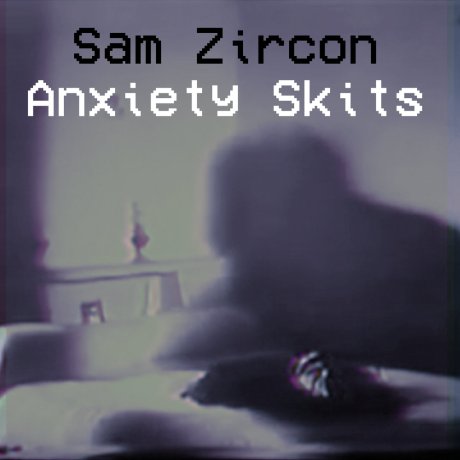
“The ultimate instrumental downer on eggshells…an excellent, tantalisingly poised headswim against the tide.” MO
On the impressively individual Blah Records, another UK imprint to have a blinder of a year with releases from Morriarchi, Bisk, Blak Josh and Sleazy F Baby, typically it was one of the labels silent assassins who wore a ruling crown of thorns for the last 12 months. In a year when instrumental sets were pleasingly still doing a brisk trade, Sam Zircon forwent the usual rub downs of funk and soul loops and picked off opposition by pricking goosebumps with a harrowing virus. Anxiety Skits plays like the recovered footage of an explorer long lost to the wilderness, but whose demise you can only assume was grisly and/or involving hypothermia. Catching some of the implied psychoses of Company Flow’s ‘Little Johnny from the Hospitul’, you know Zircon is doing his job when disorientating frostbite starts developing around your headphones.
Read the original here…
Choice Albums of 2016 (Part One): A – L
December 1, 2016
Aesop Rock to Bob Lind.

Continuing to shy away from fatuous rating systems and ‘best of lists’, the Monolith Cocktail endeavours to offer a more eclectic spread of worthy ‘choice’ picks, with no album dominating or holding any particular numbered position – unlike most of our contemporaries lists; stuck with the ridiculous task, for example, of explaining why one album doesn’t deserve the number 32 spot and has been placed at number 33 instead.
Lined up in alphabetical order then, our favourite new and reissued albums from 2016 are of course considered to be the most interesting, vibrant and dynamic of the year’s releases. But the best? Granted, to make this list you have to make some sort of impact, but we’d never suggest these entries were categorically the best albums of 2016, even if that might be true. Instead our list is an indicator of our amorphous tastes, rounding up a year in the life of the Monolith Cocktail, and we hope, introducing you to titles and artists/bands that may have dropped below the radar.
Split into two parts, the first installment begins with Aesop Rock’s‘s hip-hop masterpiece The Impossible Kid and ends with the latest adroit songbook from the legendary troubadour Bob Lind. In between those two sagacious bookends are albums from David Bowie, David Broughton, Danny Brown, Cluster, Eleanor Friedberger and John Howard (plus many others).
Aesop Rock ‘The Impossible Kid’ (Rhymesayers)
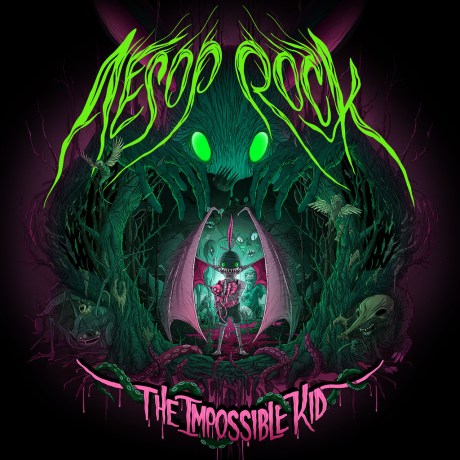
“The waterfall of words, snide quips and intricate stories recalled from both close to home and far away worlds, are as good as he’s ever done”. Matt Oliver
Seeming to get better rather than older (and don’t you dare mention the ageing process as per ‘Lotta Years’), the original ‘Bazooka Tooth’ is still ablaze out of somewhere to the left, but now giving lesser mortals more of a chance of accessing him than ever before. Entirely self-produced and applying funkiness to the bulkiness of alien-scanned beats he’s always rocked his way, AR’s extra superpower as the self-deprecating hero of syllaballistics (“the impossible kid , everything that he touch turns probably to shit”), is to humanise the fantastical and still make the everyday sound like a comic book lead, even when soul is bared for all to analyse. Rock also added more great cover art, and the visuals for ‘Rings’ and ‘Kirby’ are bound to feature in hip-hop video of the year lists.
Read original review here…
Afro-Haitian Experimental Orchestra ‘A.H.E.O’ (Glitterbeat Records)
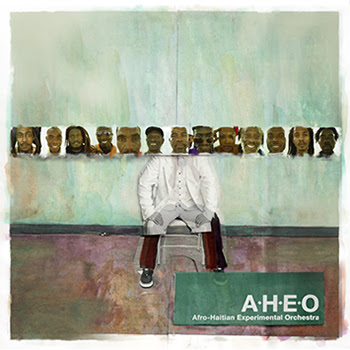
‘Elevating beyond the borders it was created behind, the Afro-Haitian Experimental Orchestra’s root foundations shuffle and shake free of their stereotypes to move freely in an increasingly amorphous musical landscape. You’re just as likely to hear vibrations and traces of Dub, native Indian plaintive ghostly echoes, Sun Ra’s otherworldly jazz and funk as to hear the indigenous Haiti sounds and Afrobeat pulse. Tony Allen is once more at the heart of another bustling, dynamic explosion in rhythm.’ Dominic Valvona
Progenitor and embodiment of the Afrobeat drum sound, still in high demand four decades after his explosive partnership with Fela Kuti, the much-venerated Tony Allen once more extends his infectious percussion style beyond the African homeland. Sharing an obvious entwined history with Africa, the shared Hispaniola Island of Haiti proves both an esoterically mysterious and congruous collaborative foil to Allen’s distinct drumming patois.
Invited to perform in 2014 by the French Institute Of Haiti’s director Corinne Micaelli, Allen’s visit would end with a public broadcasted concert in the main square of the capital, Port-au-Prince. Collaborating with Allen would be a cross-section of local percussionists and singers recruited by vocalist, dancer, ‘voodoo priest’ and director of the Haitian National Bureau Of Ethnology, Erol Josué; Josué would himself lend his sweet yearning and reflective tones to two of the tracks on this album.
The call went out and the great and good of the Haitian music scene came. Racine Mapou de Azor, the Yizra’El Band, Lakou Mizik and, featured on the Monolith Cocktail at the start of the year and one of the choice albums of 2016 with their highly-rated Manman M Se Ginen LP, RAM. Another Monolith regular and one-time Port-au-Prince resident, Mark Mulholland was drafted in as the experimental orchestra’s guitarist, and as it would turn out, eventual legacy overseer. Swelling the ranks still further were Olaf Hund, recruited on keyboards and ‘electronics’, and an old friend of Allen’s, the bassist Philippe Dary, who became the de facto musical director. With only five days of studio rehearsal time to gel and work out their performance, the sessions proved both, as Mulholland observed, ‘chaotic’ and overwhelming’. Based upon various sparks of inspiration and rhythmic workouts the eventual structured compositions took shape from organically flowing jams. At the heart of each, Allen’s signature Afrobeat drums and Dary’s liquid, and often funky sumptuous basslines.
Read the full review here…
Bitori ‘Legend of Funaná – The Forbidden Music Of The Cape Verde Islands’
(Analog Africa)
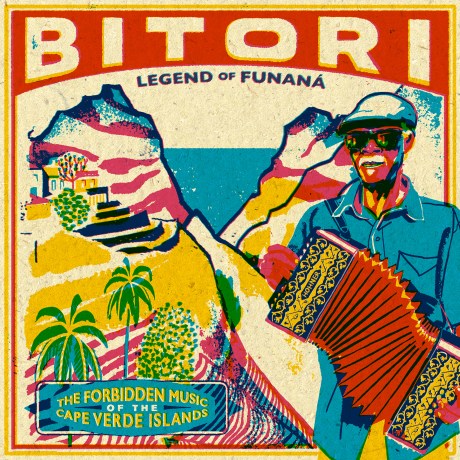
‘Following the summertime thrills aplenty Space Echo – The Mystery Behind The Cosmic Sound Of Cabo Verde Finally Revealed compilation, with the emphasis on the Funaná; Analog Africa continues to pay homage to the previously suppressed music genre with a reissue of, what many consider, the best Funaná album ever recorded, Bitori Nha Bibinha.’ DV
Helping to ignite a full-on Funaná revival, the quintessential and legendary anthem of Cape Verde’s once banned – considered too salacious and unruly by the Portuguese authorities who ran this archipelago of islands until the mid 1970s – infectious music style was given a reprise by Analog Africa this year. A master class from the inter-generational duo of singer Chando Graciosa and renowned gaïta maestro Victor Tavares (better known as Bitori), who’d both grown up with the blazing and often raucous Funaná, Bitori Nha Bibinha captures the passion and spirit of the people and the times it survived.
Read the full review here…
The Bordellos ‘How To Lose Friends And Influence No-One’
(Small Bear Records)

‘Despite the caustic bravado and world-weary bitterness channeled into the antagonistic song titles on this new album, The Bordellos lo fi edicts are always surprisingly melodic. Think of them as a tuneful The Fall; resigned and swiping at society but hopeful enough to challenge it despite banging their collective heads on the doors of the music industry for years.’
Gaining this coveted spot (sic) in our ‘choice albums’ feature for perseverance in the face of despair, the St. Helens trio once more man the barricades with another despondent protest. Feeling, like many of us (I know we do), out of synch with the digital epoch, they rally against the Internet’s most depressing byproducts, and the loss of real ‘motherfuckers’ from the music world – who they duly list on a song of the same name; a cry for a new leader or at least more individuals and rebels. Wearily antagonistic, righting slights and a lifetime of rejection, The Bordellos go for broke on How To Lose Friends And Influence No-One with titles such as ‘Did The Bastards At The BBC Kill John Peel?’, ‘Gary Glitter’ and ‘Piss On Spotify’. Uneasy truths to a lo fi backing of The Velvet Underground, Julian Cope and The Fall abound, yet this could be the group’s best and most complete songbook to date.
Read the full review here…
David Bowie ‘Blackstar’ (ISO/RCA)

‘…this could be the most pure, at least concerned, version of Bowie yet. Resurrected free of his characterisations, the gilded “Blackstar” is just as uneasy and scared at the anxieties, stresses and daunting prospects of the future as the rest of us. Fame, celebratory is mere smoke after all and offers little in the way of comfort and safety in the face of the impending end times. Yet despite being easily his best album since Earthling, Blackstar is still underwhelming and falls short of being a classic.’ DV
The swansong of an irreplaceable polymath proved to be one of the year’s most sad moments, as the man who fell to Earth, Aladdin Sane, the Young American, the thin white duke, the absolute beginner, whichever version you fell in love with, departed for the ether. We lost a great many unique and inimitable artists in 2016 but though ever death is tragic none left quite the pit of despair that David Bowie‘s did. Don’t even try to crown a successor; he was a force unto himself, the “Blackstar”, the supernova of pop. Reams have been written – a great many by myself – yet no one will ever truly reflect his importance and legacy.
Though released just before his death the augur that is ★ was a curtain call. Just as oblivious to Bowie’s fatal cancer as everyone else, I did remark at the time that this album seemed to be a poignant goodbye, an elegy even. Returning to a first love, jazz, Bowie who proved an eager saxophonist in the burgeoning years of his career worked with a N.Y. West Village jazz troupe to produce one of his best albums in decades. Old faces, including a decomposing Major Tom, themes and sounds returned, with traces of Diamond Dogs, Scary Monsters, Black Tie White Noise and Outside. Despite the often cryptic and veiled words, this was an anxious, weary and reflective Bowie; looking back before a rebirth. A pity time ran out for him.
Read the full review here…
David Thomas Broughton ‘Crippling Lack Vol. 1 – 3’ (Song, By Toad Records)
‘An ambitious undertaking, David Thomas Broughton’s sprawling opus Crippling Lack is both musically and geographically expansive. Recorded trans-continental style with a host of collaborators over the last few years, Broughton, who’s based himself more recently in the capitals of, unbelievably, North and South Korea, has laid down various parts and vocals in France, the UK and the US. Logistically impressive, Crippling Lack is a testament to the DIY ethic and remote collaborative experimentation.’ DV
A magnificent and masterful undertaking by Broughton, the Crippling Lack trio of recordings is demarcated into three parts, the entire song collection, if you decide to experience in one sitting, stretching to 1 hour 40 minutes. It features twelve songs in all of varying meticulously and slowly unfurled beauty, with some, epics in their own right. The press release separates the album out into a musical journey, beginning with what it calls ‘deceptively approachable pop songs’, moving through a more testing ‘unraveling and disintegrating and barely-stretched fragments’ segment, before ending with a final section that ‘slowly weaves’ all the loose and previous sections together.
It is nothing short of a magnum opus; cohesive and flowing along to a sophisticated backing, sonorous with the artist’s venerable travailed voice, and his acerbic foils wit. The album’s scope is immense even though it meanders to a, mostly, folk signature and gentle accompaniment. It is outstanding even by Broughton’s standards.
Read the full review here…
Danny Brown ‘Atrocity Exhibition’ (Warp)
“Juggling the mic like a grenade missing a pin…one of 2016’s most individual threats.” MO
‘Atrocity Exhibition’ throws up so many positive talking points. #1 – the transatlantic odd couple of Danny Brown and Paul White, a relationship rooted in 2011’s ‘Rapping With Paul White’ album, fears nothing and no-one. #2 – Brown continues to show he has one of the maniacal mic grips in the game that you can’t ignore, here with added malleability. #3 – White’s reputation has really hit its stride on an upward curve; though other producers contribute (Black Milk, Alchemist and Evian Christ are not to be sniffed at), it’s essentially the Englishman’s show on the boards. #4 – a show stopping hook from Kendrick Lamar on ‘Really Doe’ doesn’t hurt one bit. #5 – despite Brown’s mile-a-minute persona shearing safety bars off rollercoasters, and White and co by default becoming the straight man sidekick, you really have no idea what’s around the next corner, from soaring superhero soundtracks to proper hip-hop dope to something suspiciously shuffling through the undergrowth. “This is not regular rap”, Brown offers. Amen.
Read the original review here…
Cappo ‘Dramatic Change of Fortune’ (YNR)
“When autumn becomes winter, here’s your listening.” MO
You should always bet on the flow of Nottingham’s finest that has evolved into a complex work of art. On past albums and years gone by Cappo would’ve destroyed opposition with crosshairs locked and ammo loaded; here his own brand of introspection, still packing uniquely orbital rhyme schemes but now more than ever full of coded messages and open ended verses awaiting interpretation, kills the noise and heighten the mysteries surrounding the emcee’s inner thoughts and circles. It packs two absolutely heaters of singles as well – ‘OOB’ and ‘Ether’ are both unassuming phantoms of the opera, but white hot in a pretty slimline session – another contributing factor to the building of the suspenseful and mournful, chilling on a razor’s edge. YNR took the weight off their plates in 2016, but this was easily the jewel in their calendar year crown.
Read original review here…
CHUCK ‘My Band Is A Computer’ (Old Money Records)

‘CHUCK’s kooky collage-rock and lo fi wonky electronic pop, which congruously flows between The Magnetic Fields, Mercury Rev, Weezer, Apples In Stereo and even The Pixies, absorbs its influences to create a gorgeous, quietly optimistic, kind of melancholy and pathos.’ DV
From the inimitable label of hopeless optimism and resigned despair another lo fi songbook of obscure modern idiosyncratic pathos. Released via Audio Antihero’s new imprint Old Money Records this marvelous kooky collection from Massachusetts’s songwriter and multi- instrumentalist CHUCK is a congruous bedfellow of the label’s previous releases from Benjamin Shaw, Frog and Cloud.
Bringing an upstate, more pastoral, lilt to the New York metropolis where he now resides, CHUCK’s quasi-Tropicana Casio preset bed of quirky wounded observations are both funny and profoundly sad; lo fi but ambitious. An outsider in some sense; an observer of the foibles and peculiarities of the Brooklyn boroughs, the maverick artist paints a reflective, wry and often ironic picture of our modern times.
Far too good to be hidden away his collection of songs, penned over the last decade, have thankfully been given the platform to reach a wider audience.
Read the full review here…
Clipping ‘Splendor & Misery’ (Sub Pop)

“Provocative electronics and sermons from the LA leftfielders will clamp you to the edge of your seat.” MO
For the record, ‘Splendor & Misery’ is a 20/80 split in favour of the latter. Comprehensively proving that the end of the days is still compelling material when done as well as this, particularly in this year of all years, Clipping were another to give themselves a veneer of accessibility with their zero gravity screams. Futility set adrift to a perfectly captured fear found frozen behind the visor, had rhymes dealing with the pending shitstorm with West Coast fearlessness usually reserved for low-rider rollin’. Interspersed with choral episodes praying for the album’s lead, the intelligent stage management demands your full attention; that’s to say, it’s a struggle to dip in and out or pick a favourite track by itself – do so and you’ll risk detracting from the whole performance pushing hip-hop’s outersphere. What odysseys are made of and reputations are built on.
Read the original review here…
Cluster ‘1971 – 1981’ (Bureau B)
‘Patriarchs of the German music scene, Cluster, are quite rightly celebrated for their contribution to the last forty-odd years of experimental electronic and ambient music with this latest grandiose gesture of adulation. Though attempts have been sporadic, past collections have gathered together, more or less, all the standard Cluster recordings, leaving out live and more obscure albums, until now. German label Bureau B, concentrating on the group’s output from 1971 to 1981, chronologically compile a full discography from that decade, which for the first time ever includes the previously unreleased Konzerte 1972/1977 album.’ DV
All attentively remastered, rather impressively I might add, by Willem Makkee, the nine-album box set offers the die-hards another excuse to own the back catalogue, with the added bonus of requiring that former live LP that got away, Konzerte, and for those not familiar or with a passing fancy, the best complete picture and evolution yet of the much revered group. 1971- 1981 will serve as a worthy testament and reawakening of the Cluster back catalogue and legacy: now sounding better than ever, the remastering for once very much welcomed.
Read the full review here…
Ian William Craig ‘Centres’
Passing us by on release Ian William Craig‘s unassuming but nevertheless epic sweeping ambient opus Centres arrived without much fanfare on its release. However, these cerebral peregrinations, songs of hope, soulful expansive hymns and sonic journeys into space were given rave reviews by those who did pay attention. And so initially missing coverage on the Monolith Cocktail, we’ve made up for it since by featuring tracks from the album in our ‘quarterly playlists’ and now, in our ‘choice albums of 2016’ feature. It is one of the year’s most beautiful, inspiring and often just meditative concatenate suites; offering glimmers of awe. DV
Dillon & Paton Locke ‘Food Chain’ (Full Plate)

“Gourmet underground platters rooted in the South but giving you seven courses of funk and back.” MO
It might only be found as small print on some menus, but who are we to ignore prime indie cuts encouraging you to “pour a bucket of gravy over yourself and just feel that”. When they’re not rewriting the rules of the Ice Bucket Challenge, Dillon & Paton Locke are always gnawing on something, rhyming as they chew it. Funky, crate-rifling beats are laced with an overzealous streak, cogently able to stop the album dead from 60 to 0 and then re-energise it the other way, and a press-record-and-just-go appetite never misses a trick on the mic, with a hint of political soap-boxing and getting down to some grown man, take a look around biz. Their guest chef specials aren’t too salty either – R&V favourites Homeboy Sandman and J-Live, Dres from Black Sheep and people’s president Lobsterdamus, help flavour a certified belly-buster for 2016.
Read the original review here…
Ed Scissor & Lamplighter ‘Tell Them It’s Winter’ (High Focus)
“An intriguingly created world of wisdom, paranoia, numbness and finding peace in its own mind”. MO
High Focus have had the mother of all years, the consistency of everything they’ve dropped dominating the last 12 months of homegrown hip-hop. Ocean Wisdom (‘Chaos 93’) boasted youthfully infinite ammunition. Dabbla (‘Year of the Monkey’) got up to a whole load of japery reaching across the bar. Fliptrix (‘Patterns of Escapism’) executed label ideals to the fullest. Yet in the spirit of thinking differently, Ed Scissor and Lamplighter, the absolute antithesis of those mentioned, take the honours by a short head. Blair Witch hip-hop with its nose to the wall, barely keeping its head above water while barely raising an eyebrow, pulls off the Houdini-like stunt of subverting hip-hop norms while sticking close to them like a second skin. A slow and deliberate bittersweet bloom of triumph, creating the ultimate flip script of offering easy solace and comfort when all looks lost.
Read the original review here…
Elzhi ‘Lead Poison’ (Glow365)
“Ear-catching narratives covering the everyday grind…not far off being a complete LP”. MO
Coming out the other side of mental health issues has Elzhi using ‘Lead Poison’ as catharsis, resulting in some of the year’s most vividly delivered rhymes and storytelling in the process. Done so in near enough bite sized chapters, proves that if the story’s interesting enough, it’s long enough. Never buckling under pressure, even when the likes of ‘Cloud’ feel like everything is conspiring against him (not to mention the potential of his health showing overall weakness), heart is worn on sleeve and self-examinations are set to a forceful soul soundtrack pushing its protagonist. With softer neo-soul going back to Elzhi’s Slum Village heritage, there’s also room for a little light heartedness, with ‘She Sucks’ doing forbidden love by garlic and wooden stakes, and ‘MisRight’ bending the thesaurus. An album that goes from strength to strength, listen on listen.
Read the full review here…
Eleanor Friedberger ‘New Views’ (Frenchkiss Records)
Another album we missed on its release, Eleanor Friedberger‘s third solo spot New View is another impressive songbook of idiosyncratic pop. Streamlining the signature intelligent reference-heavy prose of her sibling act The Fiery Furnaces, Eleanor continues the clever turns of phrase but in a more attentive, breezier and lightened but less cluttered manner. With elan she sets out on a dry-witted but emotionally philosophical picnic through the East Village with Patti Smith and Harry Nilsson in tow.
Paul Hawkins and the Awkward Silences ‘Outsider Pop’ (Blang Records)

‘Lethargically executed and quintessentially an antifolk statement of protest, Outsider Pop is a highly infectious album of pop parodies that penetrate the bland veneer of the contemporary irksome vacuum known as the mainstream. Shambling discontent at its finest.’ DV
The disgruntled savant of disco funk pop and antifolk Paul Hawkins completely in the dark, oblivious to the dreadful proclamation of David Bowie’s impending death paid an augur homage to his white-suited and booted pop incarnation of the 1980s by transmogrifying ‘China Girl’ into an Outsider Pop anthem. Produced by that nutflake nostalgist, and one of the busiest men in the industry right now Ian Button (of the mighty Papernut Cambridge, Gare du Nord label and umpteen other projects), Hawkins’ third album also finds foibles of inspiration from REM, The Fall, Toto and The Art Of Noise; reflecting a much broader sound than before. The no wave, white funk, pop melodies act as a Trojan Horse, the themes far from advocating a hedonistic lust for life or suggesting the listener suppress the doldrums of modern life, are filled with malcontent at the state of the world.
Read the full review here…
John Howard ‘Across The Door Sill’ (Occultation Recordings)
‘Not so adrift and experimental as to have cut all ties to his signature profound sincerity and sad romanticism, John Howard’s Across The Door Sill dares to go further with an even more immersive experience. Expanding his poetic lyricism and piano performances, stark and stripped-back, his vocals multiplied to fill the space and build the atmosphere; Howard has room and time to create some stirring music. It is a most sagacious reflection from the artist, still finding the inspiration to develop and take risks. In doing so he’s reached what could be one of the creative pinnacles of his career.’ DV
Imbued with the 13th century poet Rumis ‘Quatrains’ poem, which encourages us to broaden our horizons and to not just accept what we’ve done in the past, the adroit songwriter and pianist John Howard experiments with a stripped back sound of multilayered vocals and the melodious gravitas on his latest songbook Across The Door Sill. Attentive and epic the album’s sagacious stream of consciousness is a deeply reflective observance on where we are now. In no hurry to get to a hook or chorus, his source material, a collection of unhindered, unhurried and floating poems, was developed overtime, set to music in an organic fashion. Hence why three of the five songs on this LP are nine-minutes long. On a successful run of collaborations and solo projects Howard is enjoying his most productive period yet in a career that’s spanned five decades.
Read the full review here…
Illogic ‘A Man Who Thinks With His Own Mind’ (Weightless)

“Streams of quotable IQ create a fever dream. Snooze, you lose.” MO
Ohio rhyme scientist Illogic provided his own version of a hip-hop out of body experience, a canon of verbosity when bedding down for the night and setting free streams of consciousness while looking through a telescope. This in itself created its own contradiction of being an album expressly trained to set you afloat (The Sound Cultivator’s star-shaped soul powered by plasma rays > strictly no cloud rap), which still kept you wide awake with naturally intricate rhymes, both book and street smart, about life, the universe and everything else. Anyone who starts an album with the observation that “the tofu was not as firm as I’m used to” deserves nothing but praise and respect. The modern equivalent of becoming engrossed in a good book that tells your imagination to run.
Read the original review here…
J-Zone ‘Fish n Grits’ (Old Maid Entertainment)
“Dripping in home truths from his funk soapbox, disillusionment with hip-hop and its cultural hangers-on has never been more entertaining”. MO
Better placed than most to justify a love-hate relationship with hip-hop, J-Zone proclaimed “there’s only two types of music – good and bad. Make good music, or shut the fuck up.” Paired with helium alter-ego/juvenile imaginary friend Chief Chinchilla as hilarious equal opportunity offender, and showing the strain of ‘Peter Pan Syndrome’ remains strong, ‘Fish n Grits’ goes in with scathingly relatable accuracy about the state of the game, misty-eyed nostalgia replaced by a nose-bloodying team of goons busting a whole load of myths. Additionally, whereas Zone’s production used to pop off all over the place in a skilfully spring-loaded criss-cross, he’s honed his own funk skills into a true mastery to compliment his industry disses. Hallelujah that he can’t leave the game alone.
Read the full review here…
Fela Ransome-Kuti And His Koola Lobitos ‘Highlife-Jazz And Afro-Soul 1963-1969’ (Knitting Factory Records)

‘Hot stepping and sure footing through Savoy label like jazz and Stax/Volt revue soul, Fela and his first ever professional band Koola Lobitos were the missing link on the eventual road to the Afrobeat phenomenon. An evolving Fela, only a few shuffles short of cultivating his signature, already shows a raw energy on this compilation’s studio and live recordings.’ DV
In the midst of another celebration and anniversary appraisal the Afrobeat pioneer and political protagonist Fela Kuti has seen the back catalogue legacy re-released and repackaged countless times. There’s been a stage production of his life, and a documentary film in the last couple of years alone. But one of the most revealing and raw tributes is this burgeoning showman showcase; a labour of love that collates together a number of previously scattered, thought lost, rare early recordings – both in the studio and on stage – from the stax/funk/soul years. A “labour of love”, stemming from Toshiya Endo’s African Music Home Page website, launched in the late 90s, the Fela Kuti and His Koola Lobitos material were collected from around the world, from the collections of various fans. By day a professor of Chemistry at Ngoya University, Endo’s passion and hobby of cataloguing West African music attracted the author of the Fela: The Life & Times Of An African Musical Icon bio Michael E. Veal. Lucky for us the dynamic duo produced this lavish and arduous compilation of explosive early Fela beauties; one of the best and revelatory introductions to the great polymaths work yet.
Read the full review here…
Bob Lind ‘Magellan Was Wrong’ (Ace Records)
Another masterclass from the sagacious Bob Lind, his latest album is a majestical and often jazzy lilting lesson in songwriting. With decades of elan and adroit performance behind him Lind isn’t ready just yet to rest on past melodic triumphs and spoils, showing himself ready to adopt and try out new ideas on Magellan Was Wrong – a reference to the Portuguese explorer who first circumnavigated the world, proving it was of course a globe and not flat, though Lind’s song of the same name and homage metaphor questions that wisdom in the face of despondency and disappointment. The characteristic voice and style is of course signature Lind, the songs and themes timeless. With a host of producers, including progressive jazz pianist and composer Greg Foat, on board this strongly nautical feel and reference strong songbook, both the entertainer and troubadour are lent a new lease of life.
 Monolith Cocktail Blog