The Perusal #55: Liraz, Ibelisse Guardia Ferragutti & Frank Rosaly, Ghana Special 2, Bab L’ Bluz…
May 7, 2024
A WORLD OF SONIC/MUSICAL DISCOVERIES REVIEWED BY DOMINIC VALVONA
(Unless stated otherwise, all releases are available now)

Various ‘Ghana Special 2: Electronic Highlife & Afro Sounds In The Diaspora 1980-93’ (Soundway Records) 10th May 2024
The first decade of the new millennium proved a fruitful period for (re) discovering Africa’s rich dynamic and explosive music heritage, with both (through their various Afro-funk and Afro-psych compilations) Soundway Records and Analog Africa (in particular their influential African Scream Contests) spoiling connoisseurs and those with just a curiosity alike to sounds rarely heard outside the continent. The former’s original five album Ghana Special spread was one such indispensable collection from that time; a perfectly encased box set survey of one of Africa’s most important musical junctions.
Now, unbelievably, a full twenty years later Soundway have followed up that “highlife” triumph with a second volume; moving the action on into a new decade. Crossing over, just, from the inaugural edition’s 1968 to 1981 span, Ghana Special 2: Electronic Highlife & Afro Sounds In The Diaspora picks up in the 80s as Ghana’s signature highlife phenomenon went through yet another evolution, incorporating the tech of the time: from drum machines to synths. From marching big bands and tea dances in colonial times to the explosive embrace of wailing R&B and funk, highlife kept on moving through the decades. And as that helpful title makes clear, this eighteen-track survey hones in on the electronic enhanced, augmented phase of that genre’s development during a period in which many of Ghana’s most promising music stars had been forced to leave for Europe and further afield.
The diaspora in this case a result of a particular authoritarian period in Ghana’s post-colonial history. Following Ghana’s promising independence from Britain in the late 50s the political landscape tossed around between the rule of military coups and civil governments: the only constant, Ghana’s impressive musical pedigree and its influence across the continent. In light of particularly damaging and disastrous economic policies in the late 70s, and with the quelling and censorship of musicians – previously so popular that their support or protestations could prove vital in a political leader’s survival – there was a mass exodus of talent.
As the new decade beckoned Ghana became a hostile environment for its artists, many of whom would join the migratory caravan of workers leaving to find jobs in an increasingly welcoming West Germany (a booming economy and desperate need for workers resulted in a relaxation of the immigration laws and work permits). The cities of Berlin, Hamburg and Dusseldorf were havens for this influx of Ghanaians; proving a fruitful network for a new musical fusion between the locals and their new arrivals called “Bürger life”, named after the German word for “citizen”. A hybrid of German new wave, post krautrock loosened dance sounds and modern tech, Bürger life transformed the original Afro-musical trends through such progenitors of the scene as George Darko and Charles Amoah. Both artists feature here, Darko with his sun-hazed fusion of Masekela, Sunny Adé, the Phantom Band and Lounge Lizards ‘Kaakyrie Nva’, and Amoah with the 80s modern R&B pop steal and whistled and tingled starry ‘Fre Me (Call Me)’. Of a similar ilk, Starlife’s cosmic suffused ‘Amoma Koro’ sounds like a tropical soca infused Flow Motion (and Out Of Reach) era CAN at times.
Speaking of soca (the “soul of calypso” shorthand), that Afro-Caribbean style can be found on the funky disco sauntering, “wahoo”, opener ‘Ebe Ye Yie Ni’ by The Godfathers, and on Pat Thomas’s swayed plea ‘Gye Wani’ – the highlife horns all still in attendance, blazed but subdued and more relaxed. The Gold Coast vocalist and songwriter (Ebo Taylor foil to boot) Thomas had previously worked with the iconic Marijata trio back in Ghana, but emigrated to Berlin in 1979, like so many artists on this compilation.
A standout tune (of many) and extensive workout (like many tracks on this compilation, more like a 12” dance mix in duration), the Pepper, Onion, Ginger & Salt ingredients named obscurities turn out a smooth crossover of downtown NYC (think Don Cherry produced by Ramuntcho Matta), Osibisa and the Lijado Sisters – there’s even a sort of quasi-loose rap vocal at one point. Another standout name (as it were), the revitalized in recent years Ghanian icon Gyedu Blay Ambolley is famous for his breakout hit ‘Simigwa-Do’ and early adoption of hip-hop – fusing it with highlife to form the highly influential and inventive “hiplife” genre. Ambolley appeared on the original Ghana Special by the way. But on this occasion, in a new decade and phase, he picks up hints of Grace Jones and Herbie Hancock on the Island life funky ‘Apple’.
At this point I can’t not mention Dadadi’s fun ‘Jigi Jigi’ track, a soca-light flight from Accra to Havana in the mode of a carnival celebrating Kid Creole.
Synthesized and programmed, the old highlife rhythms/percussion is just about audible as the smother 80s technology rounds out much of the rougher signatures, replacing some traditional instruments and sounds with keys and keytar, slap bass and wobbly effects. But the sleekness can’t hide those vibrant roots, even when embracing reggae, boogie and the new wave. Ghana Special part two is a refreshing map of the diaspora fusions and hybrids that spread across Europe during a time of movement and turmoil from Ghana’s hotbed of influential stars and musicians. In highlighting the stories and journeys of Ghana’s émigrés, and in introducing us to those sounds, movements that remain either forgotten or just not as celebrated, Volume 2 will become as indispensable as the first. If you were fortunate enough (and without rubbing it in, I was lucky enough to purchase the original on its release) in acquiring that first box set then this latest compilation will sit beside it very nicely. And that is my way of saying that you should buy a copy.
Bab L’ Bluz ‘Swaken’
(Real World)
An embodiment of the Moroccan “Nayda” (“up”) youth movement for change in the Arab World, the fuzz-toned electrified Bab L’ Bluz launched their debut album in a tumultuous political climate; just as COVID gripped the global newsfeeds and moved the focus away from the fallout from the Arab Spring.
Fronted and built around the playing energy and voice of Yousra Mansour, this female-led troupe embraces the influences of rock-blues gods Led Zeppelin and Morocco’s very own version of The Rolling Stones, Nass El Ghiwane, matching it with a myriad of Arabian sounds and traditions from North and Western Africa; all of which are transformed from their conservative and male dominating roots into a feminist-strong message of empowerment.
Mansour’s protestations for equality – in everything from inheritance laws to the gender wage gap and roles in society – rung out in the wake of civil unrest, governmental crackdowns and censorship to the buzz and clattering/rustled rhythms of acid-garage-blues-psych-rock and Morocco’s age-old Gnawa tradition of spiritualist invocation and trance. Previously the sole (more or less) preserve of the patriarch, and against the odds, Mansour learnt to play many native Moroccan styles: standing out especially for studying the “guembri”, a three-stringed bass-like lute that is then electrified.
That debut album set a blaze, evoking Arabia’s own experiments in the 1970s with rock music fusions, the psychedelic and prog-rock whilst, like a tornado or whirling dervish, spinning through the region and absorbing everything on offer, from Mauritania Griot and Hassani to Chabbi and the Islamic dances, poetry and exalted music of Morocco itself. This same hybrid of sounds continues on the group’s newest album, Swaken, a title that when translated from the region’s Darija dialect (the main language of the Nayda movement) encompasses the transcendent rituals of Morocco’s spiritual possession ceremonies.
Invoking visitations and a dialogue with the past, Bab L’ Bluz (made up of Mansour and band mates Brice Bottin, Ibrahim Terkemani and Jérôme Bartolome) open up their signature edge and buzz to even more influences than usual. After honing their performances on an extensive tour schedule, they’ve taken on a far rockier, even heavier sound. Led Zeppelin at both their loudest and also most acoustic permeate this album’s eleven tracks spread – that and early 70s The Who, especially on the closing roused and riled ‘Mouja’. And with the whistled and airy peul flute making an appearance, there’s even a hint of progressive folk too.
The scope then is wide, taking in echoes of Liraz-style pop, the Sahara and North African desert song of Aziz Brahim, the blowing piped Sufi music of Bargou 08, the evolved Gnawa music of Houssam Gania, trills of Griot, Modern R&B and evocations of Nahawa Doumbia, Dimi Mint Abba, Baba Zulu and Noura Mint Seymali. The lyrical messages sung across the Berber trails, in the cities and in the shadow of the sand dunes are just as varied: anger at inaction and lament for the growing number of suicides and cases of depression in Morocco being just two such subjects.
Bab L’ Bluz scale new heights whilst also reflecting with passages of more acoustic downtime as they once again amplify and kick into touch conformity and restraint. New vices twist and transport Arab traditions and the spiritual communions for a both rock-heavy and electrifying new wave album of polemic, the mystical, cosmic and the blues. Nothing less than an essential album from an essential band built for our times.
Liraz ‘Enerjy’
(Batov Records) 17th May 2024
It’s hardly surprising that with the ongoing conflict between the nefarious Iranian regime and its neighbours, and with the continued oppression of its own population, that attempting to show the Middle Eastern titan in a good light is frustratingly difficult (an understatement in itself). Especially when you’re Jewish and part of that atavistic empire’s age-old Jewish community that stretches right back to Persia’s Biblical entry in the Old Testament: A community originally bound in chains, the spoils of conquest marched into slavery in 727BC, but eventually granted citizenship and even given the right of return to build a new temple in Jerusalem by the more enlightened Cyrus in the 6th century BC. Or that one of your most famous roles on screen is playing a clandestine Mossad agent on a mission to infiltrate the Iranian air defenses so that Israel can disable a nuclear reactor (the Apple+ series Tehran). But the actress, dancer, and electronic pop siren Liraz Charhi was willing to give it a good go, covertly recording several cinematic lensed Middle Eastern fantasies with a myriad of Iranian musicians under the radar of the ayatollah hardliners, over the internet.
In a climate in-which tolerance is scarce, and with most creative forms and freedoms of expression attracting, at the very least, suspicion, and at the worse, imprisonment, even death, trying to make a record with a strong feminine message seems an almost impossibly dangerous task: Liraz’s collaborators on the album’s Zan and Roya remain anonymous indefinitely for their own safety.
Liraz’s family were forced to escape during the tumultuous upheavals of Iran’s revolution in the 70s; setting up home in Israel’s capital, Tel Aviv, a safe haven for those escaping an ever-authoritarian Islamic regime. That city has grown to become an artistic community of foreigners, living cheek-in-jowl with both an older Israeli population and diaspora of Jews from around the globe. Liraz however, still feels bound to that Iranian heritage. And it seems when listening to her evocative soothed and lush bright vocals, she is the latest in a long line of strong outspoken women from that community. A baton has been handed down you could say.
Feeling adrift, Liraz upped sticks to become an actress in L.A. Little did she know that the city would open her eyes to another concentration of Iranian émigrés, including many from the Iranian-Jewish community. Whilst starring in major productions such as Fair Game and A Late Quartet, Liraz would find comfort and a sense of belonging in that diaspora. She’d learn much absorbing both the ancient musical traditions and the pop and disco that filled the clubs in a pre-revolutionary, pro-miniskirt Tehran, including such famed Iranian acts as Googoosh and Mahasty.
It was much in part down to the courage of the women in this astoundingly large community (so large that L.A. is nicknamed “Tehrangeles”) that emboldened Liraz to take up singing. She would record her debut Persian imbued album Naz in 2018, inspired by those whose only outlet and determination of self-identity and freedom was through music. Two years later and once more ingrained in that atavistic land’s richly woven musical history, she enacted a clandestine connectivity between cultures on the “second chapter”, Zan.
Prompted by the death of Mahsa Jina Amini in the custody of the authorities in 2022, an ensuing battle of ideals and freedoms from the women and a new generation in Iran threatened to topple the tyranny. However, the regime has pushed back harder than ever and with an almost unprecedented violence started executing (mainly men so far, with the rapper Toomaj Salehi only just in the last week or so sentenced to death for criticising the regime) supporters and activists on trumped up, tortured confessional charges of treason. Women are routinely taken off the streets by the so-called morality police and raped, whilst only in the last year school age girls from all over the country were poisoned. But even in the face of this bloody repression history is on the side of Iran’s younger more liberal generations. However, with the barbaric, evil attack on Israel by Hamas on October 7th 2023, Iran has weighed in with various proxy attacks. In the last month – after Israel attacked their consulate in Syria – Iran has escalated its campaign, launching, in one night, a 300-plus missile/drone attack on Israel itself. In a less dramatic tit-for-tat, Israel launched a retaliatory missile at the Isfahan region inside Iran.
The unfolding horror in the wake of Hamas’s emboldened sickening attack last year, has seen the IDF level Gaza to near rubble and dust; the casualty and deaths, whether you believe Hamas’s figures or not, are impossible to justify. Battle lines have been drawn across the world; protest marches have now become part of the daily routine.
One of the most scary and depressing consequences of this conflict has been with the record-breaking growth of anti-Semitism across Europe and North America. Division has been sown down political lines of grievance: you either stand with Palestine or Israel it seems, with no room for nuance, the complexities let alone balance. The sheer mindlessness and oblivious lack of decency by many is staggering; with opinions cast, placards held, and slogans shouted by people without the faintest clue or knowledge of what they pontificate. You can quite rightly rile against or denounce both parties in this escalating conflict, but to only take one side is disingenuous at best, at worst, deplorable. Yes, the catalyst argument is trotted out every time, but if we want history lessons and context, we should go back not just 70-odd years but a thousand, two thousand.
It’s with this in mind that Liraz has become just one of the voices behind the #MeTooUnlessYouAreAJew campaign that grew in the face of complete silence and inaction from the world community when Hamas murdered and eviscerated and raped its Israeli victims on that fateful day – they continue to use sexual violence as a weapon against the female hostages that were taken on that same day, a number of which remain in and around Gaza, yet to be handed back. Those hostages that have been freed, made it out alive and been rescued by the IDF, testify to such heinous crimes. Feeling betrayed and abandoned at the lack of any outcry or even a recognition of these events at the UN, in international circles, and on International Women’s Day, a movement was born. Liraz was recently invited to represent that movement at the UK’s House Of Lords, where she read out a poignant, personal (as with so many citizens of Israel, Liraz lost members of her own extended family and friends that day) statement.
“I suffer terribly from all the human pain in this war on both sides. I wish for the abducted to return to their families in Israel. I want the suffering of the innocent Palestinian people to end. I am praying for peace and justice for all.”
And so, her latest EP of dazzling Middle Eastern and Arabian disco and fuzz toned psychedelia arrives with a message of hope, reconciliation. The message: “Now is the time to change the energy (or “Enerjy”) frequency”.
After releasing a couple of albums for Glitterbeat Records, the Persian-Israeli star takes up residence at the Middle Eastern grooves promoting Batov label – perhaps Liraz’s natural home. Working with the highly prolific Israeli singer-songwriter, guitarist & musical producer, Uri Brauner Kinrot, who’s groups include Ouzo Bazooka and Boom Pam – both of which can be picked up across all four tracks on this fantastical dynamic empowered EP – Liraz probably reaches her zenith as a feminist siren of The Levant, balancing pure Egyptian-Moroccan-Lebanese-Israeli glitterball zappy nostalgic exotic disco and pop with Anatolian psych and feminine strength.
Once more in the Farsi language, she sings equally from a position of power and yearning; like an Iranian chanteuse swooning and swirling, mystical and soulful. Liraz bangs the tambourine to Arabian-futuristic grooves, cosmic rays, vapour swirls, wisps of mirages and some of the most danceable music to have left the region in years. Within that framework I’m hearing shades of Altın Gün, Elektro Hafiz, and a host of equally charismatic singers from the Arab world.
You really can’t fault the quality and production, the songs and delivery. The emotional charge, the anguish and lament are unmistakable, even at its most lush and upbeat. Liraz disarms a powerful statement with elan and skill to produce an incredible lively and danceable record of pop excellence.
Ibelisse Guardia Ferragutti & Frank Rosaly ‘MESTIZX’
(International Anthem X Nonesuch)
Transformed and remoulded for a more progressive age the “MESTIZX” title of this partnership’s debut album takes the Spanish term for “mixed person” (namely, a union between those indigenous people in the Latin conquered territories of South America and the Spanish) away from its colonial roots and repurposes it on an album of dream realism duality.
With the multimedia performer and singer Ibelisse Guardia Ferragutti’s Bolivian and the jazz drummer Frank Rosaly’s Puerto Rican heritages, the pre-colonial history of South America is woven into a contemporary revision of magic, organic forms and ritual rhythms mixed with elements and a suffusion of Chicago post-rock, post-jazz and alternative Latin leftfield pop.
Without repeating the storytelling liner notes and various quotes, the duo explore their “outsider”, “other”, status as the ancestors of that mixed ethnicity: neither wholly a part of the atavistic nor Spanish (and to a point, as they crossover into Brazil, Portuguese) lineages they both feel detached, and to some degrees, uprooted from their legacy, and yet take advantage of it to weave such worldly creative perspectives. In a state of certain flux, between worlds, the music and song on this imaginative and explorative album balances the mystical with invocations and the calls of nature. They do this, enabled by an extended cast of friends from both within and outside the International Anthem label community; merging congruously the skills and voices of Matt Lux, Ben LaMar Guy and Bitchin Bajas’ Rob Frye (to name just a few of the many contributors) to expand the remit beyond the Amazon, the Bolivian tin-mined mountains and landscapes to take in mirage evocations of the alien, the sci-fi and naturalistic.
This is music that draws you in; unfurls its depths over time. The vocals are simultaneously beautiful yet split on occasions into a spirit shadow form; a near apparitional invocation that’s separated from its sister, a guide that takes us back to the old phantasmagoria of pre-colonial conquest, when Bolivia was yet to be demarcated, owned and named after its European conquistador’s ancestor and was still separated between the Incas and various independent tribes in the country’s northern and southern lowlands. That voice carries and yet seems at times almost lulled and translucent beside the water carrier percussion, the attentive and descriptive drums (only occasionally breaking out into, well…a sort of jazz breakbeat of a kind) and rainforest canopy of either mimicked or real bird life and exotica. This is a world in which the Afro-rhythms of Höröya, the psychedelic nature of Caetano Veloso and Paebiru find room next to the Sao Paulo Underground, Ale Hop, Cucina Povera, Jaimie Branch, Art Ensemble Of Chicago, Don Cherry’s Organic Music Society and Tortoise. And from that reference pool, you can tell that the lineage goes back far: all the way to the original rituals and folk music of the people that first trod on those sacred grounds.
There’s much to admire in this world of the untamed and wild, with new perspectives, mixed histories and the largely melodious reverberations of the lost exercising a new language of ownership. Ibelisse Guardia Ferragutti and Frank Rosaly perfect and expand their organic explorations, bewitching messages and oracles on an intriguing, moving and dreamily trippy debut album.
Goran Kajfeš Tropiques ‘Tell Us’
(We Jazz)
Through various developments drawn together over the last decade and more, the Croatian heritage Swede trumpeter, composer, producer and bandleader Goran Kajfeš once more sets in motion another “hypno-jazz” opus under his Tropiques exotic moniker.
Those who know, who might recall, the name will have perhaps already heard this branch of his expanded guided ensemble: going since 2011. But there’s also his equally praiseworthy absorption of jazz ideas troupe, the Subtropic Arkestra, and a myriad of other set-ups, including both the Fire! Orchestra and Angles 9.
Goran has an impressive CV as a session player to boot, playing with such luminaries of the form as Lester Bowie, who’s influence rings out on the latest Tropiques’ odyssey.
The first of those groups (and indeed the second) acts as a crossover, a recruiting ground for the Swedish-based make up of Goran’s ensemble; his pianist and keys foil Alexander Zethson, acoustic bassist Johan Berthling and violinist Josefin Runsten all served in the Fire! Orchestra. Runsten was brought in with fellow adroit strings maestro and cellist Leo Svensson Sander to expand the sound and bring a feel of uplift to the dynamics, in so doing, expanding the ranks from a core quartet to a sextet. Each band mate brings with them a convoluted family tree of intersected and separate gigs in other groups, from Trondheim Jazz to Dungen, Oddjob and Sven Wunder. And between them, this sextet covers everything from award-winning jazz recordings to composing for film and the stage.
With a sense of movement and openness that seems to organically unfold, and to unfurl and grow like winter buds opening in the first weeks of spring, the Tropiques’ latest album together is a thing of synthesis and nature balanced with the messages, hopes and celebration of conscious spiritual jazz from another age.
It all begins with the incipient classical feels of Riley and Nyman and an air of sympathetic bowed and “possible musics” Širom-esque Galicia and the Balkans before flowering into those spiritual Alice Coltrane vibes. Goran’s almost drowsy trumpet awakens on this deep dived scene of Afro-spiritualism; it’s sound evoking hints of the already mentioned Lester but early Don Cherry and Jaimie Branch. Meanwhile, Zethson’s tinkled sensations, runs and liquid scales flow reminded me of Nduduzo Makhathini and the keys found on Bobby Jackson recordings. Runsteen and Sander’s violin/cello partnership slowly grows and blloms into a lush light orchestral spell.
But it’s the influence, as stated in the accompanying PR notes, of John Coltrane’s Crescent LP – the incredible luminary’s quartet on that iconic recording including such notable icons as McCoy Tyner, Jimmy Garrison and Elvin Jones – that stands out; a spot-on absorption of that mid 60s record vital, the building blocks of which can be heard being riffed on and off of.
The middle movement, ‘Magmatique’, seems to perhaps take its inspiration from the kosmische instead, starting as it does with the piano ambience of Popol Vuh’s Florian Fricke. The trumpet sounds almost cupped as the bass quietly stretches and mumbles away. That is until the drums take on a more breakbeat style that stirs up the influence of hip-hop. The strings, however, go from muted Skies Of America Ornette to the more drawn and flighty influence of Michael Ubriank. There’s also a certain progressive or sort of post-rock feel; like Radiohead making a jazz album under the tutorage of Ill Considered and the Chicago Underground duo.
On a slow boat to China, or perhaps sailing across the east China seas to land somewhere on blossom canopy Japanese shores, ‘Prije I Posle’ (translated from the Croatian, “before and after”) dreamily embraces Far Eastern signatures; at times, on the wind, replicating near zither-like strokes and brushes, and the bulb-shaped notes of some kind of Oriental glockenspiel. The drums though take on an almost d’n’b rhythm, whilst the kabuki theatre unfolds, and Goran’s trumpet exhales Chat’s woes and sad romantic illusions of yielding yearns. As summer takes hold, this odyssey fades out with the vague caresses of Alice Coltrane and Dorothy Ashby; and a cycle is completed.
Amorphously travelling on an eclectic pathway that includes all kinds of jazz styles, the transcendental, kosmische, lush, classical and the ensemble’s own Swedish homeland’s adoption of prog and pysch, the Goran-led Tropiques prove their mettle with a deep “slow music” rich journey in three movements. Environment counterbalanced by open-ended developments and the inner cerebral make for an impressive opus that proves so easy to take in and enjoy.
Jake Long ‘City Swamp’
(New Soil) 17th May 2024
Stepping out on his own but once more backed by the same who’s who of contemporary UK jazz musicians that formed the eclectic lineup on previous recordings under the Maisha title, the drummer, composer and producer Jake Long conjures up a Bitches Brew of funk, soul, spiritual, Afro and fusion jazz on his debut as a solo artist.
From a pool of talent that includes Nubya Garcia, Binker Golding, Tamar Osborn, Shirley Tetteh, Artie Zaite, Amané Suganami, Al Macsween, Twm Dylan and Tim Doyle – many of whom have crossed paths with each other on projects outside the sphere of the Long led Maisha ensemble – a both cosmic and despairing suffused odyssey of the intuitive and electrifying is formed. In the ruins of societal decay and riled-up division, looking out across an increasingly soulless gentrified London (where all these artists and musicians reside) lost to corporate greed and a breakdown in community relations, Long and his troupe tread the uncertain pathways of the primal city swamp and sift through the “ideological rubble” of dystopian collapse – a term absorbed and borrowed from the political theorist and lecturer in digital media and society Alex Williams, echoed in Mark Fisher’s Capitalist Realism: Is There No Alternative.
Reassembled at a later date from a series of extended recordings at the Lightship 95 studios in the capital, made during 2019, that landscape and decay has only got worse with the further loss of public spaces and supportive networks, arts spaces and music venues. And yet this album is not so much a raging polemic nor untamed and unruly cry from the soul – well, it has its moments of course but nothing so abstract and tortured as to sound angry. In fact, for most of the time golden percussive threads, floated bulb-like organ notes, a mantra trickle and shimmer of Alice Coltrane and spiritual jazz vibrations indicate escapism for the lunar and astral: the spiritual balance much needed in such dire times of avarice, social media validation and the pursuit of fame. But then, as the action picks up, we’re into the territory of Maggot Brain phase Funkadelic, Owen Marshall, Herbie Hancock, Bernie Worrell and Miles Davis’ Lost Septet. An extra thread, or layer, arrives in the form of King Tubby, African Head Charge and the On-U Sound label reverberated and echoed dub; often taking the jazz elements into the hallucinatory and dreamy.
Within those spheres of influence you can also pick up hints of Byard Lancaster, Joe Henderson, Marion Brown, Last Exit, (very specific) Slow Foot era Norman Conners, the Pharoah, and Bobby Hutcherson and Harold Land’s simmered down partnership as the music moves between the strange JuJu vodun Orleans spell of ‘Swamp’ to the more melodious, almost romantically, played horns evoked soul-jazz-on-the-streets-of-70s-NYC vibes ‘Silhouette’ – I’m also hearing signs of The John Betsch Society on this one. With time on their side, movements, passages and direction of travel is performed and assembled without distraction and limits; with some tracks breaking the ten-minute barrier to move through various fluctuations of light and shade, squalling and smashing crescendo and more near ambient vapours and mists of mysticism and reflective soul-bearing.
It’s impossible to pick out any one contribution, any one performer, as the entire ensemble interweave and act as parts in a much greater expansive world of metaphorical expressions, descriptions and atmospheres; all feeding into a haunted magical entwined statement on the symptoms of urban decay and the nightmare of a post-capitalist society with little to offer, little to give and little in the way of answers to all our ills. A Bitches Brew for our end times.
Morgan Garrett ‘Purity’
(Orange Milk Records) 17th May 2024
Daemonic wrenches, caustic slabs of derangement and Fortean paranormal invocations grind against chemically poisoned alternative grunge-country indolence and the unraveling clusterfuck morose mind of Morgan Garrett on his latest collection of both menacing and playfully disturbing experiments.
A “culmination of over a decade’s worth of collaborative and relentless” discombobulations and harrowed heavy-set-to-lo-fi-and-no-fi resignations, torn dispersions and traumatic-drawn cries for help, the Purity album is a troubled trip across a morbidly hallucinated inner and outer landscape, with the age of anxiety, COVID, war, record level cancers, environmental catastrophe, cost of living crisis, societal and generational division, governmental incompetence, lawlessness, drug dependency and technological/AI capitulation being just some of the topics, grievances and stresses to unpick.
Garrett’s status in the American experimental scene is in no doubt as he mines a lifetime of pain and transmogrifies both his own work and that of Scott Walker’s, the Sun City Girls, Swans, Daevid Allen, the Boredoms, Dean Blunt, Fugazi, the Putan Club and others. Within that scope of references expect to hear Garrett speaking in slithery tongues, transmitting from Mina Crandon’s spiritualist parlour whilst twanging away like some scarred deeply troubled and vicious figure from Blood Meridian on LSD, and somehow twinning a fucked-up Pavement with a paranormal screamed Skip Spence. Hell’s fires lap away as nu-metal, the industrial and heavy mental/heavy meta crush all resistance and resolve and those country/American leanings. There’s sure enough a soul in that there slumbered and more beaten-up hallucination; a pained maverick clawing their way out of a opioid languish, stripped of dignity and resilience, across a battlefield they once called home. Then again, I could be reading too much into it all.
Malini Sridharan ‘Tombuex’
(Birdwatcher Records) 10th May 2024
Death is a fairytale, a fantasy, a mythological poetry that’s navigated with almost diaphanous and playful devotional curiosity by the Brooklyn-based composer and multi-instrumentalist Malini Sridharan on her new album Tombeux.
With a title that derives from the French plural for “tomb” or “tombstone” but also refers to a musical commemoration style of composition that was all the vogue back in the 16th century – originally in poet form but later musically transposed with the accompaniment of lute and plucked instruments -, Sridharan assails Ursula K Le Guin’s Earthsea cycle of fantasy novels, the Greek-Roman ideas of Hades, the venerated devotions of the celebrated Indian Hindu mystic poet Mirabai, and the loss of those nearer to home. For this chamber/classical set of vocalized suites deals with that unavoidable fate: death. But with such a lucidity and magic, and candidness that it never seem too elegiac of morbid. Only skirting the chthonian, the suites and song on this album turn more towards yearns of the pastoral, bucolic and courtly: Closer to the fairy-like tapestry weaved folk of Joanna Newsome and the brass-y more sweetened trunk-like low bass-y tones of the euphonium and woodland and bird-like flutiness of Prokofiev, of Elgier and Vaughn Williams.
The mini stories that make up Tombuex are almost shorn of melancholy and mournful dirge. This is both down to Sridharan’s shared entwined influences of both India and Michigan roots, and her diverse range of literary, historical sources – the Indian classical strains that you hear are in some part from her father, and the curiosity for history, archeology and Medieval music that permeates this album, from her mother. And so the brassy resonance of the sitar, twinkles of vibraphone, duck-billed sound of the bassoon and shake of bells (all played by Sridharan) merge perfectly with a full Western-sounding classical woodwind and brass ensemble to elicit the tearful and dramatic, the fantastical and regal, whilst weaving a tale of bereavement in its many forms.
The lasting resting places of both Greek-Roman myth (Hades) and the speculative-fiction writer Le Guin’s Earthsea afterworld (The Dry Land) are invoked by a filmic-like score and Sridharan’s modern day Bhajans and Medieval-style rounds. And through it all, she creates a soft wellspring of personal connections, longings and a sense of loss: A remembrance that exudes lovely dreaminess and certain majesty in the face of pain.
Tombeux is an ambitious work of the classical that bridges both time and worlds to address in its literary, literal and poetic forms the spectre and history of death and how to face it without spiralling into the void. Nothing less than a very impressive work that expands Sridharan’s ambitions further.
Hi, my name is Dominic Valvona and I’m the Founder of the music/culture blog monolithcocktail.com For the last ten years I’ve featured and supported music, musicians and labels we love across genres from around the world that we think you’ll want to know about. No content on the site is paid for or sponsored and we only feature artists we have genuine respect for or love. If you enjoy our reviews (and we often write long, researched and thoughtful ones), found a new artist you admire or if we have featured you or artists you represent and would like to buy us a coffee at https://ko-fi.com/monolithcocktail to say cheers for spreading the word, then that would be much appreciated.
CHOICE TRACKS FORM THE LAST MONTH
CHOSEN BY DOMINIC VALVONA/MATT OLIVER/BRIAN ‘BORDELLO’ SHEA

Representing the last 30 days’ worth of reviews and recommendations on the Monolith Cocktail, the Monthly Playlist is our chance to take stock and pause as we remind our readers and flowers of all the great music we’ve shared – with some choice tracks we didn’t get room or time to feature but added anyway.
Without delay, here’s that eclectic track list in full:::
Liraz ‘Haarf’
Lolo et L’Orchestre O.K. Jazz ‘Lolo Soulfire’
Benjamin Samuels ‘Crazy DNA’
Dirty Harry, Nat Lover & Shuteyes ‘Tons Of Drums’
Valentina Magaletti ‘Drum Jump’
The Alchemist, Oh No & Gangrene ‘Watch Out’
Junior Disprol, Roughneck Jihad & Stepchild ‘Doomsday Clock’ – this month’s cover art
Talib Kweli, Madlib, Wildchild, Q-Tip ‘One For Biz’
The Alchemist, Oh No, Gangrene ‘Oxnard Water Torture’
Sebastian Reynolds ‘Final Push (the darqwud remix)’
Distropical ‘Jagauarundi’
Cyril Cyril ‘Chat Gepetto’
HOUSE OF ALL ‘For This Be Glory’
The Bordellos ‘Poet Or Liar’
Picturebox ‘(The World Of) Autumn Feelings’
Nights Templer ‘Perversion’
Legless Trials ‘Huffin’
Leah Callahan ‘No One’
Sarah/Shaun ‘Dust Tears’
NAHreally & The Expert ‘Smarter Than I Am’
Vincent, The Owl, Nick Catchdubs ‘Bruv My Luv’
Midnight Sons, Midaz The Beast, Curly Castro ‘Marathon Man’
Sahra Halgan ‘Lamahuran’
Arab Strap ‘Strawberry Moon’
Nicolas Cueille ‘Grand Finale’
George Demure ‘One More Story’
Blu, Shafiq Husayn, Chuuwee, Born Allah ‘I’m G (OMG)’
DJ D Sharp, St Spittin ‘Profile Pics’
NxWorries, Anderson .Paak, Knowledge ‘86Sentra’
Marv Won, Fatt Father, Elzhi ‘Measuring Stick’
Room Of Wires, Station Zero ‘Sand Eater’
Herandu ‘The Ocher Red’
Violet Nox ‘Varda (J. Bagist Remix)’
Audio Obscura ‘Babyloniacid’
Morriarchi, AJ Sude ‘Rapid Eye Movement’
Apathy ‘Vaction’
Your Old Droog, Method Man, Denzel Curry, Madlib ‘DBZ’
Read Bad Man, Lukah ‘The Facilitator’
A Lily ‘Thallinx’
Micah Pick ‘Chiastic Crux’
Fran & Flora ‘Nudity’
Khora ‘Rigpa’
Rohingya Refugees ‘We Are Stuck Here In The Camps’
Kira McSpice ‘Get You Out’
Esbe ‘Little Echo’
Martha Skye Murphy, Roy Montgomery ‘Need’
Mike Gale ‘Unsteady’
Soop Dread, Morriarchi ‘Silver Surfer’
Sonnyjim, Statik Selektah ‘Chun King’
J-Live ‘Lose No Time’
Bless Picasso, Kool G Rap, Conway The Machine ‘Paper Spiders’
The Monthly Playlist Revue: February 2024
February 29, 2024
ALL THE CHOICE MUSIC FROM THE LAST MONTH

Let’s keep this short and get straight to the action, with the musical journey we’ve created for you. From the Monolith Cocktail TEAM (that’s me, Dominic Valvona, plus Matt Oliver and Brian Bordello Shea) all the choice music from February on one exceptional, eclectic playlist.
:::TRACKLIST:::
Bab L’ Bluz ‘Imazighen’
Liraz ‘Bia Bia – Reeperbahn Festival Collide Session’
Trio Rosario ‘Cuande Me Muera’
Masta Ace & Marco Polo ‘Certified’
Your Old Droog w/ Roman Streetz ‘Northface With The ACGs’
clipping. ‘Tipsy’
Bostjan Simon ‘Bebey’
Vatannar & G.A.M.S. ‘Aminat Pt. 4’
Will C. ‘Colossal Pound Cake Break’
Yamin Semali ‘Boo Boo The Fool’
Juga-Naut ‘Shampain’
Revival Season ‘Chop’
Willie Evans Jr. ‘Bargaining’
Nowaah The Flood & Giallo Point ‘No Speculation’
Black Milk ‘In The Sky’
mui zyu ‘The Mould’
Ariel Kalma, Jeremiah Chiu and Marta Sofia Honer ‘Stay Centered’
OdNu + Umlaut ‘Kaizen’
Louis Carnell & Wu-Lu ‘Eight’
Madeleine Cocolas ‘Bodies II’
Otis Sandsjo ‘OOMY’
David Liebe Hart & Jason The Cat ‘I Believe In The Unknown’
Kahil El’Zabar’s Ethnic Heritage Ensemble ‘Open Me’
Confucius MC, Pitch 92 & Jehst ‘Days Hours Minutes’
Dr. Syntax & Gotcha ‘The Urge’
Sly Moon ‘Aces Baby’
Reef The Lost Cauze ‘Umar’s Revenge’
Renelle 893 & Bay29 ‘Art Thief’
Kingmakers Of Oakland ‘Too Long’
Kemastry, Jazz T & Ramson Badbonez ‘Apocalyptic Flows’
Dyr Faser ‘Bronze’
Ryann Gonsalves ‘Lost & Found’
Oliver Birch ‘On Our Hill’
BMX Bandits ‘Time To Get Away’
DAAY ‘Follower’
Maria Arnqvist ‘Rubies And Gold’
The Children’s Hour ‘Dance With Me’
The Pheromoans ‘Faith In The Future’
Boeckner ‘Euphoria’
epic45 ‘Be Nowwhere’
James jonathan Clancy ‘Black & White’
Flowertown ‘The Ring’
twin coast ‘Forget To Know’
The Legless Crabs ‘Stuckist Manifestos In The Western World’
The Deli, Moka Only & Baptiste Hayden ‘Fivefourthreetwoone’
Ol’ Burger Beats ‘For The Family FT. Awon’
Da Flyy Hooligan, D-Styles ‘Gallery Oasis’
Spectacular Diagnostics ‘1000 Heartbeats’
The Monthly Playlist: Choice Music From August 2023: GOAT, Ramson Badbonez, Jaimie Branch, Part Bat, Dave Meder ..
August 30, 2023
PLAYLIST/TEAM EFFORT
A summary of the last month on the Monolith Cocktail site

Each month Dominic Valvona curates an eclectic musical journey from all the choice releases featured on the Monolith Cocktail, with records selected from reviews by Dominic, Brian ‘Bordello’ Shea and Andrew C. Kidd. Plus Matt Oliver’s essential hip-hop revue and a smattering of tracks we didn’t get the chance to write about for a lack of time and space.
_____TRACKLIST_____
Ramson Badbonez ‘Weight’
FRSHRZ X Tom Caruna Ft. Essa, Phill Most Chill, Clencha, Frisco Boogie, YU, Jehst, Homeboy Sandman, Willie Evans Jr., Dr Syntax, Doc Brown, Wizdom (Green Jade), Chill aka Greenzilla, Jaz Kahina, Mas Law, Koba Kane, Blade, Pavan, Seanie T, Michie One, Graziella, Watusi87, K9, Si Philli, Apex Zero, Genesis Elijah, Longusto, Nutty P, Tubby Boy, LeeN, Skillit, F-Dot-1, SKANDOUZ, Dray, Artcha, Georgious Lazakis, Dekay, Dee Lush, Briti$h, Anyway tha God, Quartz Crystallius, Lemzi, BREIS, Leo Coltrane, Jugg GTB, Slippy Skillz, Scorzayzee, Obi Joe, El Da Sensei, Whirlwind D, Dillon, Cuts From Jazz T ‘BARS 50MC – Remix’
Azalu ‘Fleshbite’
Lunch Money Life ‘Love Won’t Hide Your Fears (The Bishop And The Bunsen Burner)’
GOAT ‘Unemployment Office’
Flat Worms ‘Suburban Swans’
Part Bat ‘Okay’
Group O ‘The Answer Machine’
Black Milk ‘Downs Get Up’
Apollo Brown ‘Three Piece’
Open Mike Eagle ‘We Should Have Made Otherground A Thing’
Raw Poetic, Damu The Fudgemunk ‘The Speed Of Power’
Stik Figa, Blu ‘Uknowhut? (The Expert Remix)’
Jaimie Branch ‘Bolinko Bass’
Trademarc, Mopes, SUBSTANCE810 ‘No Huddle’
Joell Ortiz, L’ Orange ‘In My Feelings’
Kut One, Jamal Gasol ‘Stay Sucker Free’
Belbury Poly ‘The Path’
Hydroplane ‘Stars (Twilight Mix)’
Slow Pulp ‘Broadview’
Yann Tiersen ‘Nivlenn’
Rojin Sharafi ‘dbkkk’
Andrew Hung ‘Find Out’
Misya Sinista, ILL BILL, Vinnie Paz, DJ Eclipse ‘Verbal Assualt’
Verbz, Nelson Dialect, Mr. Slipz ‘Edge Of Oblivion’
Koralle, Kid Abstrakt ‘Mission’
Rhinoceros Funk, Rico James ‘Pump This’
Sa-Roc ‘Talk To Me Nice’
Elisapie ‘Isumagijunnaitaungituq (The Unforgiven)’
MacArthur Maze, DJ D Sharp, Blvck Achilles, Champ Green, D. Bledsoe ‘Switching Lanes’
Bixiga 70 ‘Malungu’
Gibralter Drakus ‘Exode Ritual’
Dave Meder ‘Modern Gothic’
Knoel Scott, Marshall Allen ‘Les Funambules’
Vitamin G, Illinformed ‘Big Spender’
NC Lives ‘Cycle’ Candid Faces ‘Coming Home’
The Legless Crabs ‘Unstoppable’
Neon Kittens ‘Sunburn On My Legs’
En Fer ‘Mon Travail, Mon Honneur Et Ma Perseverance’
Craig Fortnam ‘All Dogs Are Robots’
Liraz ‘Bia Bia – JM Version’
Galun ‘Mirror’
Exit Rituals ‘A Fluid Portrait’
Dot Allison ‘220Hz’
Hi, my name is Dominic Valvona and I’m the Founder of the music/culture blog monolithcocktail.com For the last ten years I’ve featured and supported music, musicians and labels we love across genres from around the world that we think you’ll want to know about. No content on the site is paid for or sponsored and we only feature artists we have genuine respect for /love. If you enjoy our reviews (and we often write long, thoughtful ones), found a new artist you admire or if we have featured you or artists you represent and would like to buy us a coffee at https://ko-fi.com/monolithcocktail to say cheers for spreading the word, then that would be much appreciated.
A (near) 150 albums survey of the year, with choice eclectic albums chosen by the Monolith Cocktail Team.

Well was I wrong last year when I called 2021 the annus horribilis of all years. It has been soundly beaten by the shit-show that is 2022. The invasion of the Ukraine, cost of living crisis, another hideous wave of Covid – which even if the jabs are being rolled out, and the deaths rate, hospitalisations is nothing like the first wave back in 2020, is still causing major illness, absences and disruptions to a society already facing a heap of doomsday scenarios -, strikes, activism, fuel poverty, Iranian protests, and the continuing horror show of a zombie government being just some examples. Yes 2022 qualifies as one of the most incomprehensible years on record of any epoch; an ungovernable country in the grip of austerity point 2.0, and greater world untethered and at the mercy of the harridans on either side of the extreme political divide, the billionaire corporates and narcissist puritans.
And yet, it has been another great year for music. Despite the myriad of problems that face artists and bands in the industry, from a lack of general interest to the increasingly punitive costs of touring and playing live, and the ever encroaching problems of streaming against physical sales and exposure, people just can’t quit making music. And for that we, as critics – though most of us have either been musicians or still are – really appreciate what you guys do. In fact, as we have always tried to convey, we celebrate you all. And so, instead of those silly, factious and plain dumb numerical charts that our peers and rivals insist on continuing to print – how can you really suggest one album deserves their place above or below another (why does one entry get the 23rd spot and another the 22nd; unless it is a vote count) –, the Monolith Cocktail has always chosen a much more diplomatic, democratic alphabetical order – something we more or less started in the first place. We also throw every genre, nationality together in a serious of eclectic lists: no demarcation involved.
The lists include those albums we reviewed, featured on the site in some capacity, and those we just didn’t get the time to include. All entries are displayed thus: Artist in alphabetical order, then the album title, label, who chose it, a review link where applicable, and finally a link to the album itself.
Because of the sheer number of entries, we’ve split that list in to two parts: Part One (A – L) starts with Anthéne & Simon McCorry and finishes with Lyrics Born; Part Two (M-Z) begins with Machine Girl and finishes with The Zew.
This year’s picks have been chosen by (Dominic Valvona), Brian ‘Bordello’ Shea, Matt Oliver, Andrew C. Kidd and Graham Domain.
A.
Anthéne & Simon McCorry ‘Mind Of Winter’ (Hidden Vibes) Dominic Valvona
Review
Seigo Aoyama ‘Prelude For The Spring’ (Audiobulb) DV
Review
Armstrong ‘Happy Graffiti’ Brian ‘Bordello’ Shea
Review
Yara Asmar ‘Home Recordings 2018-2021’ (Hive Mind) DV
Review
Avalanche Kaito ‘S-T’ (Glitterbeat) DV
Review
Avantdale Bowling Club ‘TREES’ Andrew C. Kidd
B.
Caterina Barbieri ‘Spirit Exit’ (Warp Records) ACK
Review
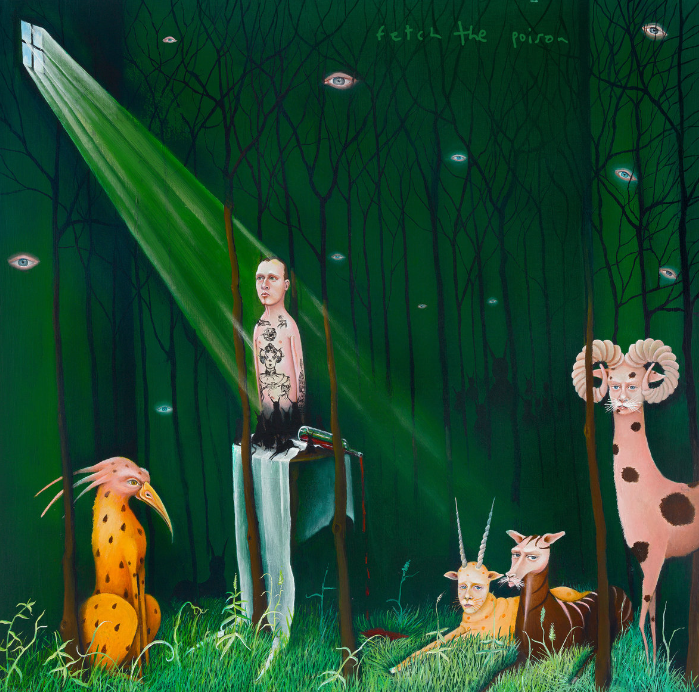
Jam Baxter ‘Fetch the Poison’ (Blah) Matt Oliver
Oliver Birch ‘Burning Daylight’ BBS
Review
Black Mesa ‘Research Facility’ (猫 シ Corp. ‘Selected Works’) ACK
Brigitte Beraha ‘Blink’ DV
Review
Brian Bordello ‘Cardboard Box Beatles’ (Metal Postcard Records) DV
Review
The Bordellos ‘Ronco Revival Sound’ (Metal Postcard Records) Graham Domain
Review
Boycalledcrow ‘Wizards Castle’ (Waxing Crescent Records) BBS
Review
Broadcast ‘The Maida Vale Sessions’ (Warp Records) GD
Apollo Brown & Philmore Greene ‘Cost of Living’ (Mello Music Group) MO
Brown Calvin ‘dimension//perspective’ (AKP Recordings) DV
Review
C.
Loyle Carner ‘Hugo’ (EMI) MO
Tom Caruana ‘Strange Planet’ (Tea Sea Records) MO
Cities Aviv ‘Man Plays The Horn’ (D.O.T.) DV
Claude ‘A Lot’s Gonna Change’ (American Dreams) DV
Review
Clouds in a Headlock ‘Breakfast in Phantasia’ (Offkiltr/Fat Beats) MO
Julian Cope ‘England Expectorates’ BBS
Link
D.
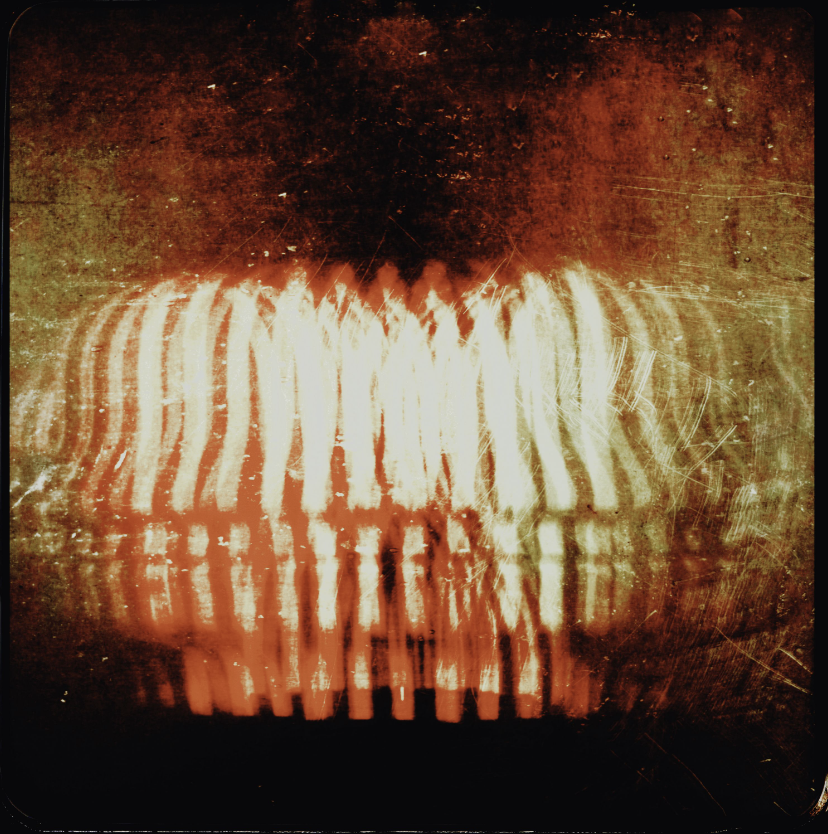
The Dark Jazz Project ‘S-T’ (Irregular Frequencies) DV
Review
Aftab Darvishi ‘A Thousand Butterflies’ ACK
Review
The Difference Machine ‘Unmasking the Spirit Fakers’ (Full Plate) MO
Review
Ferry Djimmy ‘Rhythm Revolution’ (Acid Jazz) DV
Matt Donovan ‘Habit Formation’ DV
Review
The Doomed Bird Of Providence ‘A Flight Across Arnham Land’ DV/BBS
Review
Dubbledge ‘Ten Toes Down’ (Potent Funk) MO
Review
E.
Eamon The Destroyer ‘A Small Blue Car – Re-made/Re-modelled’ (Bearsuit Records) BBS
Review
El Khat ‘Albat Alawi Op.99’ (Glitterbeat) DV
Review
Kahil El’Zabar Quartet ‘A Time For Healing’ (Spiritmuse) DV
Roger Eno ‘The Turning Year’ (Deutsche Grammophon) GD
Review
Eerie Wanda ‘Internal Radio’ (Joyful Noise Recordings) DV
Exociety ‘Deception Falls’ (Exociety) MO
F.
Fera ‘Corpo Senza Carne’ (Maple Death Records) DV
Catrin Finch & Seckou Keita ‘Echo’ (bendigedig) DV
Review
Flat Worms ‘Live In Los Angeles’ (Frontier Records) DV
Review
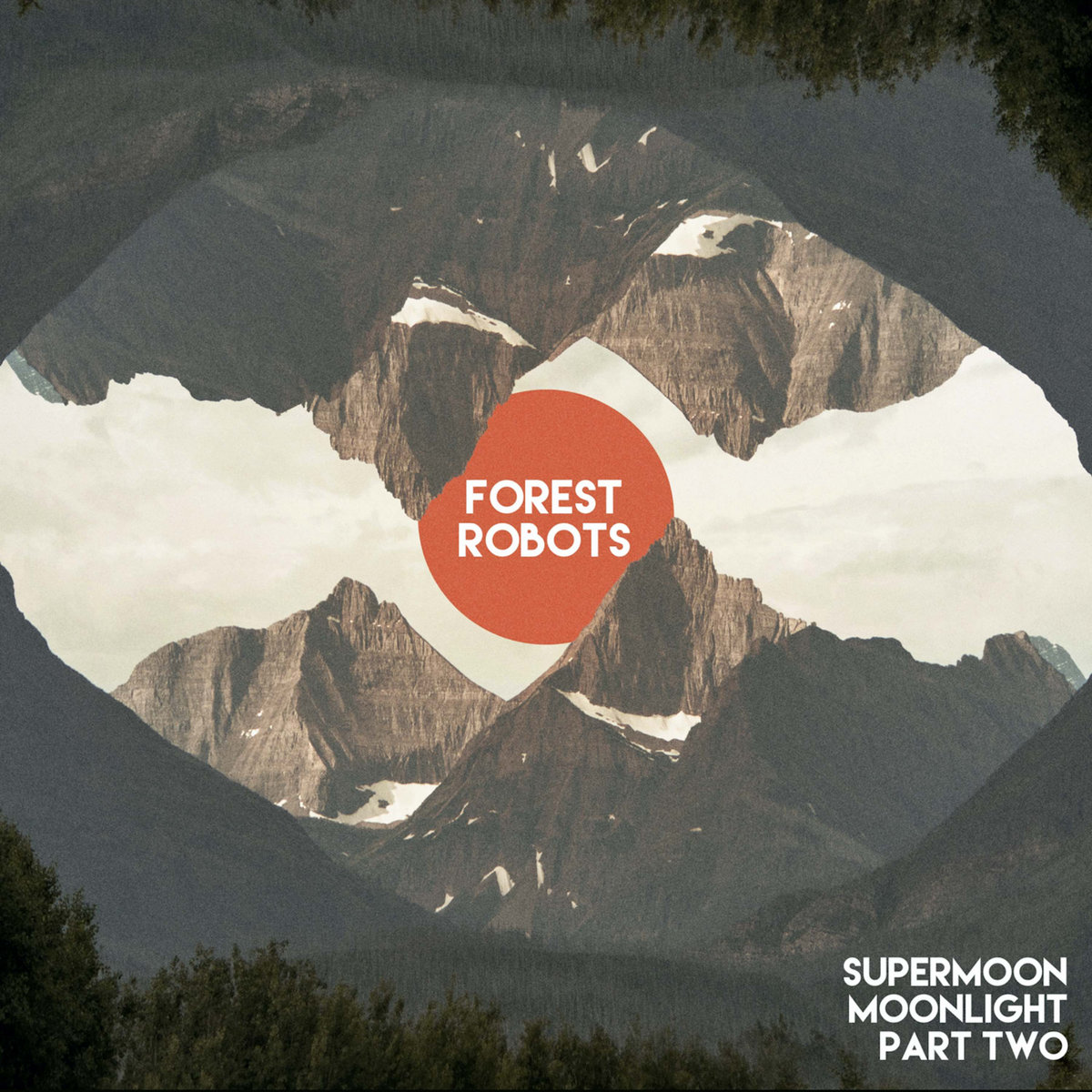
Forest Robots ‘Supermoon Moonlight Part Two’ (Subexotic) DV
Review
Nick Frater ‘Aerodrome Motel’ (Big Stir Records) BBS
Review
Future Kult ‘S-T’ (Action Wolf/AWAL) DV
Review
G.
Mike Gale ‘Mañana Man’ DV
Premiere
Dana Gavanski ‘When it Comes’ (Full Time Hobby / Flemish Eye) GD
Review
Gold Panda ‘The Work’ (City Slang) ACK
The Good Ones ‘Rwanda…You See Ghosts I See Sky’ (Six Degrees) DV
Review
Goon ‘Hour of Green Evening’ (Demode Recordings) Graham Domain
Review
Guillotine Crowns ‘Hills to Die On’ (Uncommon Records) MO
Review
Gwenno ‘Tresor’ (Heavenly Recordings) GD
H.
Aldous Harding ‘Warm Chris’ (4AD) GD
Healing Force Project ‘Drifted Entities Vol. 1’ (Beat Machine Records) DV
Review
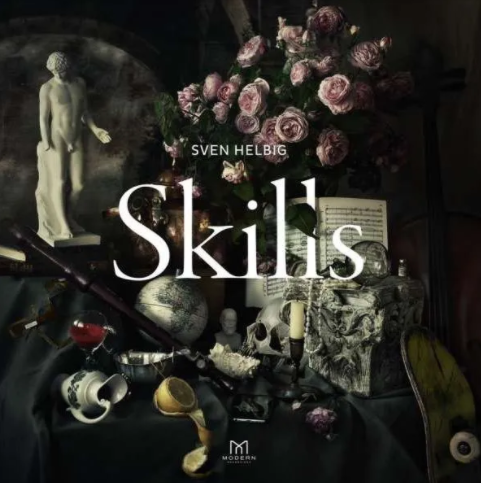
Sven Helbig ‘Skills’ (Modern Recordings) DV
Review
Bruno Hibombo ‘Parting Words’ DV
Houseplants ‘II’ (Win Big Records) DV
Review
John Howard ‘From The Far Side Of A Miss’ (Kool Kat) DV
Review
I.
IBERI ‘Supra’ (Naxos World Music) DV
J.

Juga-Naut ‘Time & Place’ (Juga-Naut) MO
JPEGMAFIA ‘OFFLINE!’ ACK
K.
Kamikaze Palm Tree ‘Mint Chip’ (Drag City) BBS
Review
Kick ‘Light Figures’ (Anomic Records/Dischi Sottoernnei/Sour Grapes) DV
Review
King Kashmere ‘Woof’ (High Focus) MO
Evan Kertman ‘Rancho Shalom’ (Perpetual Doom) BBS
Review
KMRU ‘Temporary Stored’ ACK
L.
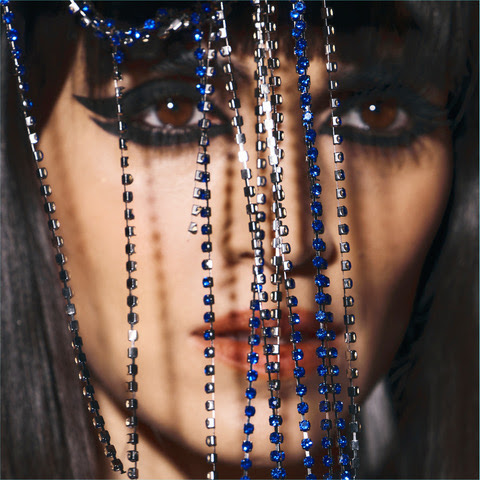
Labelle ‘Éclat’ (Infiné) DV
Review
The Legless Crabs ‘Always Your Boy’ (Metal Postcard Records) BBS
Review
The Legless Trials ‘Cheese Sandwich’ (Metal Postcard Records) BBS
Kristine Leschper ‘The Opening Or Closing Of A Door’ (Anti-) DV
Review
Liraz ‘Roya’ (Glitterbeat) DV
Review
Francesco Lurgo ‘Sleep Together Folded Like Origami’ (Bosco Records) DV
Review
Lyrics Born ‘Mobile Homies’ (Mobile Home Recordings) MO
Review
Keep an eye out later this week for Part Two.
Hi, my name is Dominic Valvona and I’m the Founder of the music/culture blog monolithcocktail.com For the last ten years I’ve featured and supported music, musicians and labels we love across genres from around the world that we think you’ll want to know about. No content on the site is paid for or sponsored and we only feature artists we have genuine respect for /love. If you enjoy our reviews (and we often write long, thoughtful ones), found a new artist you admire or if we have featured you or artists you represent and would like to buy us a coffee at https://ko-fi.com/monolithcocktail to say cheers for spreading the word, then that would be much appreciated.
The Perusal #36: Liraz, Tau & The Drones Of Praise, Can, Montparnasse Musique, Carl Stone…
October 6, 2022
Dominic Valvona’s Reviews Roundup

A Glitterbeat Records Double-Bill:-
Liraz ‘Roya’
(Glitterbeat Records) 7th October 2022
With one foot on the nostalgic dance floors of, a pre-revolutionary, Tehran, Cairo, Beirut and Tel Aviv, and another, sweeping a fantastical Persian landscape, pop princess Liraz oozes passionate yearns and diaphanous delivered protestations on her third album, Roya. In the adopted Farsi-tongue that title translates as ‘fantasy’. And this latest harmonious Israeli-Iranian traverse has plenty of it; swirled in vaporous whispers, veils and the airy across matinée romantic swoons and the yearning.
It’s a fantasy in the fact that Liraz has once more recorded an album in a clandestine manner, with musicians from Iran in Istanbul – a flavor of that city’s age-old cultural wellspring is evident in the music. Out of the shadows of Tehran’s secret police and having to remain anonymous, this form of fantasy imagines peace throughout the Middle East and good relations specifically between Liraz’s ancestral Iranian and adopted Israeli homes. The daughter of Sephardic Jews who left Iran at a time of cordial relations with Israel, in the time since, both countries have locked horns in a both cold and hot war. Although being Jewish in what was once the heartlands of the atavistic Persian Empire has never been exactly easy, with persecutions going back generations and a millennia or three. And so the ensemble cast of ‘tar’ lute, wasp-waisted wooden Iranian flute, viola and violin players and voices have taken a big risk in fraternizing and making an album with an Israeli citizen; especially one of Jewish heritage. It probably doesn’t help that Liraz also starred as a Farsi-speaking Mossad operative in the semi-successful Apple TV espionage series Tehran. And in light of the tragic death of Mahsa Amini, demonstrations and civil unrest is being met with extreme violence and subjugation by the state. We could even being seeing the catalyst of regime change, with talk of what comes next, power and administration wise, daring to be aired and seriously challenged by a more liberal generation of young Iranians: such has been the outcry.
As an actor, now in the role of her life, Liraz builds bridges across those barriers as she imagines and retells in song the stories and yearnings of women silenced in Iran, banned from singing. A union is formed between a life and ancestry she can only be a part of in the Iranian diaspora.
Musically this translates into exotic sweeps, bouncy and retro disco zapped pop with a Middle Eastern suffusion of familiar panovison framed fantasies. With a swell and weeping of moving strings it could even be a musical reference to the classical strained beauty and lament of the Eastern European Jewish community – although Liraz’s ancestry is connected to the Iberian Sephardic Jews.
The album’s bookended by two versions of the title-track. The first is a lifting of veils Arabian Kate Bush, galloping up that hill of sand, the second, a tearful, stripped of electronics traditional and classical-bowed farewell. Between those points there’s an incredibly voiced stirring of disco, pop, psychedelic and Middle Eastern fusions; the near-halcyon against retro throwbacks to more liberated freer times in the region. Yet all thoroughly invigorated, refreshed and given a suitably contemporary electric feel.
Contouring the piques and lows there’s a dance of disco-funk (with even the fuzz whacker-whacker buzz of Fred Wesley & The J.B.s) and kitsch Franco-Arabian pop, soulful longing and Moroder-esque synth-electro pop. Liraz is all the while the perfect enchantress or moving vocalist, with a beautiful voice, cadence and articulation.
By far Liraz’s greatest adventure and sound, this is a fantasy with an all too real, alarming undercurrent of suppressed voices, forced to go underground in the act of creating some magical pop music. Please venture further than the myopic pop cliques and commercial output of the UK, America and Europe, as Roya is a stunning, sublime electro-charged album imbued with a myriad of forbearers from the Iranian, Egyptian, Turkish disco, psych, funk and balladry scenes of better times.
Tau & The Drones Of Praise ‘Misneach’
(Glitterbeat Records) 21st October 2022
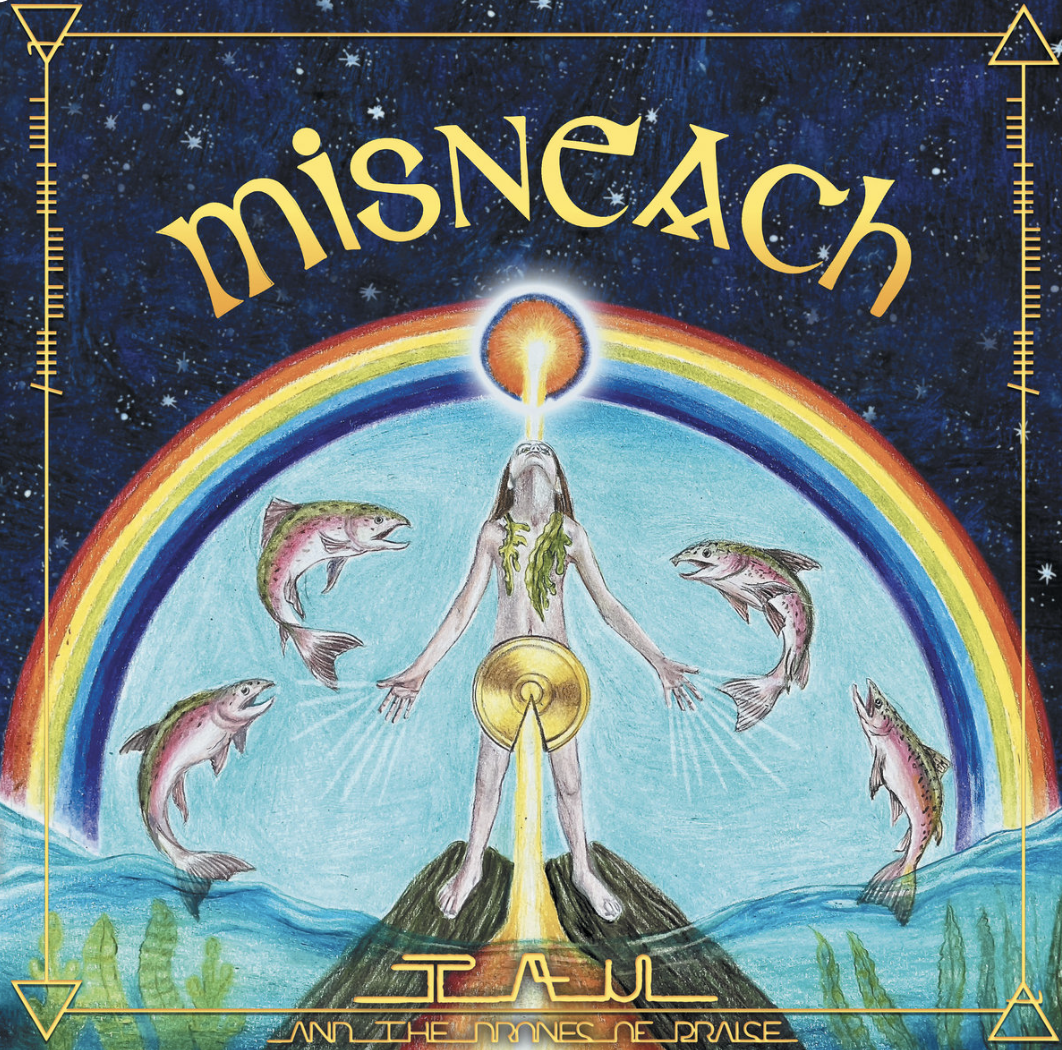
The second in a Glitterbeat Records double-bill and another fantasy-inspired spell of ancestry and magic, Seán Mulrooney’s led Tau & The Drones Of Praise band reconnect with their Celtic roots.
A return to an Ireland of myth, fables, enchantment and allurement, Mulrooney and his core of foils Robbie Moore (who also recorded this, the band’s third album, at the Impression Studios in Berlin), the Tindersticks’ Earl Harvin and Iain Faulkner (who ‘helmed additional recording at the Sonic Studios in Dublin’) are bolstered further by a large cast of musicians and voices. None more congruous and influential to the overall Celtic feel as the new age misty Irish veiled Clannad, who lend Damien Dempsey and Pól Brennan to this ensemble piece of folk and beyond theatre and reconnection.
Like a Mummers troupe, a merry procession, this harmonious bunch pay reverence to the tree spirits; homage to the ancestors; and fall at the feet of enchantress muses. With a concertinaed air of Breton, a Men Without Hats vibe and a singer who sounds like an Irish Michael Stipe or Alasdair Roberts, they invoke nature’s children making amends with the evergreen sprites on the opening, and brilliant, chorus call of alms, ‘It Is Right To Give Drones And Praise’.
From then on in we’re pulled into a world and across timelines: from atavistic Ireland to the Medieval, Georgian and Present. Old traditions via the folk-psych of The Incredible String Band, Pentangle and Sproutly Smith merge with the already mentioned misty-mystique of Clannad – but also their former ethereal siren Enya too –, The Polyphonic Spree, Flaming Lips and Octopus. Although the group’s lasting message and finale, ‘Hope’, reminded me of both Echo And The Bunnymen and The Mission. An atmosphere of bucolic wistfulness and idyllic idling prevail as the rhythm and soft marches change between the dreamy and courtly, the folksy and anguished. Always melodious in whatever realm, there is however a moment on ‘The Sixth Sun’ when the beautiful if longed female choral voices swim against a more wild, dissonance of noise. But that is the exception. Yet despite the challenges, the history Misneach (from the Old Irish lexicon, it translates as ‘courage’ and ‘spirit’) is a fantastical wilding, droning mélange of Celtic influences, the psychedelic, ancient and folk. And at its heart is a story of reconnection and an environmental yearn.
And A We Jazz Double-Bill:
Carl Stone ‘We Jazz Reworks Vol.2’
(We Jazz) 21st October 2022

Three years on and out the other side of the pandemic, my favourite contemporary jazz label is releasing a second volume of “reworks”.
The Helsinki label, festival and magazine has once more opened up its back catalogue to reinvention/transformation, inviting in the reputable and noted American artist/electronic composer Carl Stone to work his magic on another chronologically ordered stack of ten albums from their growing discography. Inaugural guest Timo Kaukolampi of K-X-P fame conjured up an ambiguous cosmic mix of We Jazz’s first ten albums on Volume 1 of course. And now Stone likewise takes familiar phrases, riffs, rhythms and performances somewhere entirely new and out there. Although both exciting and equally daunting, overwhelmed by a sizeable chunk of material at his disposal, Stone favoured intuition and feel over everything else. That process (re)works wonders as the already experimental and brilliant music of acts and collaborations like Terkel Nørgaard (his album with Ralph Alessi), OK:KO (Syrtti), Jonah Parzen-Johnson (Helsinki 8.12.18) and traces of 3TM, Ilmiliekki Quartet, Peter Eldh and Timo Lassy & Tappo Mäkynen are sent out towards the stars, expanse or morphed into gauzy states of untethered freeform hallucinations.
The opening circular-wafted peregrination ‘Umi’ is more like a mirage of snozzled and snored saxophone cycles, undulated piano and space vapours: Pharaoh Sanders, Donny McCaslin transmogrified by Brown Calvin on the edge of the Milky Way.
A suffusion of drifted, woozy and more hysterical horns, submerged double-bass runs and noodling sporadic and more rhythmic rolling, crescendo drums and ghostly tinkled, hazed piano is handled differently on each track. On the quickened to slow counterbalance timed skiffle and stuttered ‘Sasagin’ Zorn and Haas skit-scat and dream with Tortoise on the NYC underground jazz scene of the 80s, whereas the strange ‘Hippo’ sounds like some kind of Baroque holy ritual piece as reimagined by some kosmische act on Sky Records.
The action is often chaotic and in freeform discourse: like Chat Baker on speed or Oscar Peterson running out of notes. Yet somehow these transformations keep moving in the right direction; finding a rhythm and even a touch of melody on occasions. Avant-garde, free jazz, the cosmic and electronic converge on another alternative vision of the We Jazz catalogue. Stone creates some incredible, even beautiful, experiments; probing the ether, void and hyper-stellar realms of his imagination.
Say What ‘S-T’
(We Jazz) 7th October 2022
Shrouded with a certain mystery, the second We Jazz label release this month is tight-lipped in the information department. There’s very little to go on other than that this was a never to be repeated, existing just at that specific time in that arena (Austin, Texas’ Sonic Transmissions festival), performance, the trio’s defacto leader and saxophonist luckily names his bassist and drummer partners on this wild, contorted free jazz with a punk and no wave attitude recording. The Black Myths partnership of Luke Stewart and Warren ‘Trae” Grudup III join forces with our unnamed saxophonist across riled, spiritual funking, post-rock and avant-garde frenzy growled, swinging and dynamic performances. Taking no breaks, but sorted into seven Roman numeral marked tracks, the obviously versatile/talented trio turn our idea of jazz music inside out.
With the welcoming pleasantries out of the way we’re straight out smacked-up with a badass merger of Miles’ The Last Septet whomp, the sinewy rage of a wrangled Fugazi and the whelp, wail and manic expressive experiments of Roscoe Mitchell doing ‘Ornate’ doing Ornate Coleman, Sam Rivers and The Chicago Underground. That’s only the opening number. It gets even more free range and hysterical with Stewart’s blurred bass slides, crazy frictions and thick-stringed scuttles and slippery entanglements up against Grudup’s splashes, crescendos, tight rolls, slips and smashes all growing ever more experimental and probing.
Track ‘III’ finds a sort of strut and attitude with sax toots, trills and stresses over a busy drums and gnarly bass. It changes from a warped Red Hot Chilli Peppers and Zappa to something approaching the spiritual. That spiritual, almost oboe-like sax carries over into track ‘IV’, like some kind of Pharaoh Sanders Egyptian odyssey. But then Stewart descends his instrument like a scratching spider, sliding in tandem with Grudup’s quickened drumming until both synchronize in a quivered blur before imploding.
With some of these parts running to well over thirteen minutes in length, it’s an incredible energy that keeps the gig continuously moving and bursting into the purely psychical. Say What enters and exits on a high; an energetic, moody and powerfully adroit expression of riled-up tensions, rage and the explorative. One of the best slices of jazz you’ll hear all this year.
Aucoin ‘Synthetic: A Synth Odyssey Season 1’
19th October 2022

Given an enviable access to The National Music Centre in Calgary’s extensive archive of rare and historically iconic synthesizers, Rich Aucoin as artist-in-residence models the first chapter in an ambitious seasonal project.
A Synth Odyssey Season 1is the maverick composer’s latest magnum opus; a four-part work released in six month intervals over the next two years.
Such ventures have been tried before, although a decade ago with his debut album proper, the orchestral rocking We’re All Dying To Live, which included untold collaborators. Ten years on with a grand project interrupted by the Covid pandemic, the first fruits of his synth palace residency are about to be released.
Originally conceived and let loose in 2020 on a synth collection that features such prized and cult apparatus as the Supertramp-owned Elka Rhapsody 610 String Machine, the ARP 2600, Selmar Clavioline CM 8 and Oxford Synthesizer Company Oscar (analogue boffins’ wet dreams), the pandemic restrictions, lockdowns and such put the project on hold. In the meantime, Aucoin carried on producing film scores, most notably for the No Ordinary Man documentary about the trans-masculine jazz musician Billy Tipton. Picking up again in 2021, he was finally able to finish this wonderful synth cosmology.
No doubt enthusiasts will know every waveform, arpeggiator, knob-tweaking signature but as a handy guide of a sort, some of the tracks on this inaugural seasoned album are named after the synths used in the process. It all starts with the multitimbral polyphonic analogue synth, the TONTO (or ‘The Original New Timbral Orchestra’). On the opening suite it turns from a moody kosmische shimmer into a more upbeat Orbital acid dance track. During that transformation you can pick up the German New Wave, early Warp and R&S Records.
A bit later on and it’s the turn of a Buchla Electronic Musical Instruments company synth – named after its Californian innovator Don Buchla. In this capacity it sounds suitably retro-futuristic, crossing towards a cosmic void on fanned rays, orbiting bit-crush handclaps and bobbing synth tom rolls.
Elsewhere Aucoin slips into, or surges towards moments of EDM euphoria, Vangelis peregrinations of gravitas, simmered techno, electro and House music – especially on the female vocal N-R-G club track ‘456’. However, the vapourous, prowled and cinematic ‘Space Western’ theme teleports a Moroder vision of the Blood Meridian to a venerated chorus Arrakis.
Sophisticated and well crafted throughout, these aren’t so much experiments or synth showcases as hopeful and more moody traverses and cerebral dance tracks. Iconic synths are given a contemporary feel both playful and adroit, a balance of both serious knowledgeable musicianship and welcoming levity. I look forward to next season’s accomplishments in the field synth escapism.
Montparnasse Musique ‘Archeology’
(Real World Records) 7th October 2022

What was a chance encounter on the busy Montparnasse-Bienvenüe subway interchange has led to a far wider Pan-African sonic adventure. From Paris to mother Africa, the sophisticated dance music production of South African House DJ Aero Manyelo and his foil, the French-Algerian producer Nadjib Ben Bella, transforms the street cultural electronic and more traditional sounds of the continent for a congruous fusion of collaborative polygenesis energy and warmth.
Wiring into the various electrifying movements of the D.R.C. and South Africa, the burgeoning duo met and worked with the leading lights of Kinshasa and Johannesburg. Members from such trailblazing combos and collectives as the Kasai Allstars, Konono No. 1, Mbongwa Star, Bantou Mentale and Kokoko weave, bob and express themselves over and to the attuned but deeply felt synthesized House beats, Acid burbles and squelches, polygon Techno evocative vapours, and pulsating dance music.
The familiar sounds of Congolese rock-blues-soul guitar, voices both earthy and pure, the lilt of sunny joy and a constantly moving assemblage of African percussion meet synthesised, sub-bass throbbing and zapping electronica in a almost perfect synchronicity.
At times it reminded me of Khalab’s similar African productions, at others, like a remixed Francis Bebay, some Clap! Clap! and Four Tet. The Menga Waku featured ‘Makonda’ evoked the early Detroit House and Techno scenes of a toned-down Kevin Saunderson, whilst the following, more moody, piped and experimental ‘Plowman’ (featuring the voice of Cubain Kaleya) had me thinking of Black Mango. However, all things change on the sand dune Arabian fantasy score ‘Chibinda Ilunga’, which moves to Northern African and a romanticised, mysterious Bedouin court; the music more like a film score, or Finis Africae traversing a trinket-percussive and synthesised Arabia.
Whatever the methodology the results are as welcoming as they are entrancing, with a pathway formed towards the dance floor. Archeology is neither an ethnography-type dig or revived language of sonic forms, but a lively and inviting great fusion of Congotronics, more traditional sounds and the European club scenes. Definitely an album for the end of year lists.
CAN ‘Live In Cuxhaven, 1976’
(Mute/Spoon) 14th October 2022
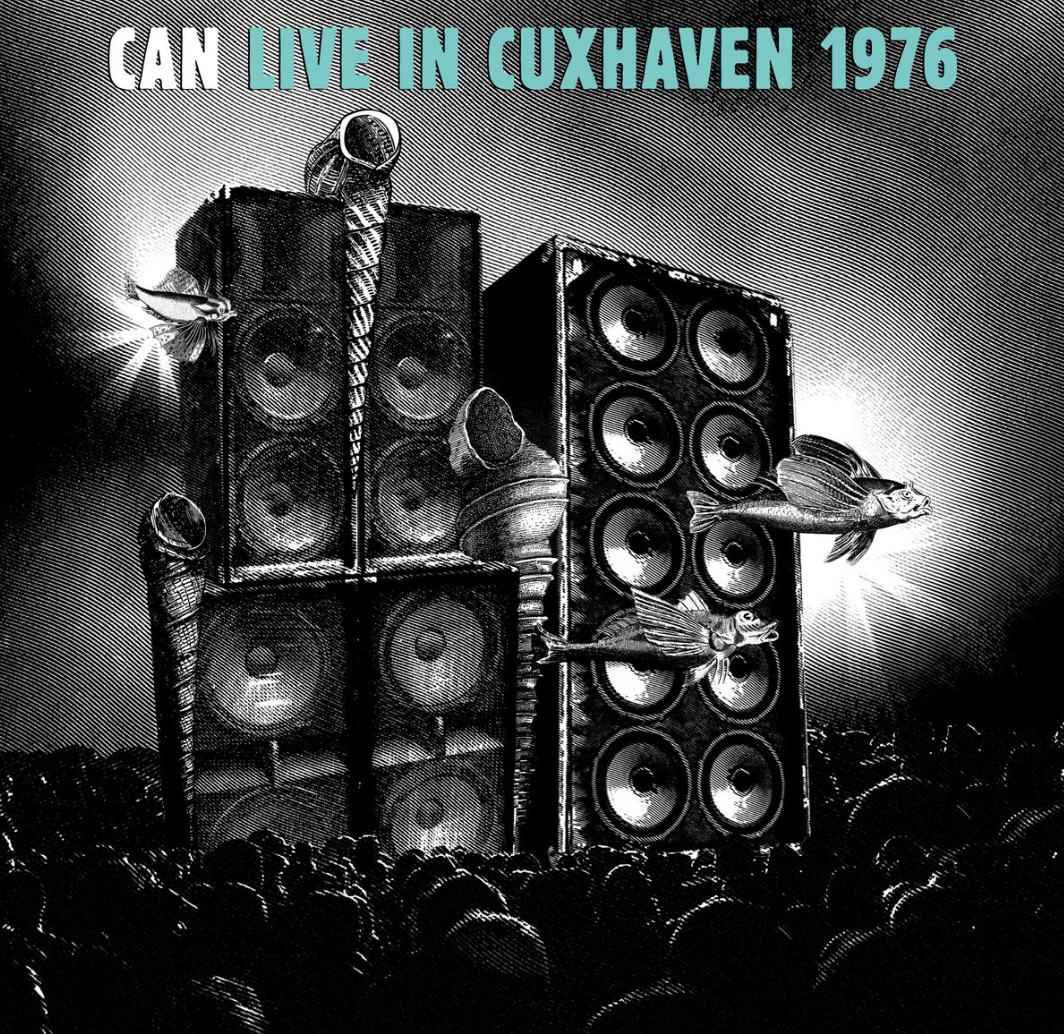
1976 the year of the bandy reggae waltzing, discothèque probing Flow Motion album, and CAN’s only bonafide hit, ‘I Want More’. It’s also a treasure trove year of bootleg material if Youtubes anything to go by, with countless live dates across Europe and the UK.
Almost two albums into their 1975 contract with Virgin, recording wise, the Cologne band were loosening up with a sound that moved ever closer to world music fusions and even the commercial: well, of a kind. Not universally a welcoming move with diehards and the head community however, the results were mixed at best. Performance wise, in concert, CAN still riffed off an admirable, innovative and experimental legacy, right up until the end of that year.
Although no gig is the same, you can find transformed, explorative version jams of material that stretches right back to the Galactus sported Monster Movie debut. Popping up like a signature anthem, ‘Dizzy Dizzy’ from the 1974 space-programmed trip Soon Over Babluma appears as a staple groove and prompt on the latest, and third, CAN Live album. Officially sanctioned by the band’s Spoon and Mute label custodians, this previous sneaky bootlegged recording captures them on stage in the German (Lower Saxony to be exact) seaside town of Cuxhaven, on the North Sea coastline – as a bit of useless trivia, its twinned with, amongst others, the English port town of Penzance.
I don’t think this time, like previous bootlegs, it was recorded by the sadly, recently, departed Andrew Hall, who’s handed over a bounty of such material to CAN’s sole survivor Irmin Schmidt and producer/engineer René Tinne to be brushed-up and mastered to acceptable aural pleasures. But why the need for this bootleg series? Well, as I lay out in previous CAN Live reviews, the band were always victims of bad luck when attempting to record any sort of official, legitimate “live” album performance. Gremlins in the works – once failing to record someone’s entire part – the technical glitches meant that there was never a proper live CAN record as such. Mind you, this was a band that more or less played live in the studio setting, making albums out of countless hours of extemporised or improvised sessions. And, as I’ve already said, CAN never quite played the same thing twice, let alone an entire set.
Here on the ’76 special you will hear a once more transformed, in-the-moment vision of tracks from Future Days (‘Bel Air’), Soon Over Babluma (‘Dizzy Dizzy’, ‘Splash’, ‘Chain Reaction’) and Landed (‘Full Moon On The Highway’). There may very well be even traces of Tago Mago, and the yet to be released, Flow Motion albums too in that heady mix.
Across four Germanic-numerical sections it’s the lunar, wailed, bendy, squalling whacker-whacker guitar contours, licks, chops and phrases of Michael Karoli that win out. Ten Years After blues meets the whomp-whomp of Miles Davis’ Bitches Brew live band and the psychedelic, Karoli transforms familiar album cut riffs into fuzz-scorched, garbbled, loose and seared cosmic acid rock magic.
Other live performances from the same year include far more vocals, with Karoli having to take over after the departure of the mushroom haiku incanting Damo Suzuki after Future Days. Here his barely audible enervated whispers can just about be detectable during one bout of locked-in grooving.
Keyboards chopping aviator Schmidt offers up another suitable chemistry of the celestial, tubular and avant-garde, going as far as to start laying down something approaching gospel, or Southern Blues on the first track, ‘Eins’. As always, Jaki Liebezeit keeps that human metronome ticking, holding flights of fantasy, tangents and spacey ascendance all together with his impeccable sense of rhythm and time. Dare I say, he ventures into funk at times, and during part of track ‘Drei’ bobs and rattles out a tin and bottle percussive Latin-soul passage: the sort Santana would happily embrace.
Unfortunately I couldn’t hear all that much of the designated bassist Holger Czukay; it’s there but very much lost against a louder Karoli, Schmidt and Liebezeit, the frequencies a bit foggy.
Still, this is yet another example of a band in total synchronicity, no matter how wild or off the beaten tracks the direction taken. Though to be honest, this is nowhere near CAN at their wildest or avant-garde, nor most dynamic and interesting. In fact the performances are a little more composed and tight. Not disappointing, just not so amazing.
A different time, a different version of CAN, Live In Cuxhaven offers yet another side to the feted band; a bridge towards Flow Motion for a start. It will be interesting to see what follows: my own particular interest being their expansion of the lineup and the Saw Delight album period.
Puppies In The Sun ‘Light Became Light’
(Buh Records)

A slow release of maximalist energy and cosmic explosions the Puppies In The Sun duo conjure up a big sound on their debut album, Light Became Light.
Buddies since childhood back in Peru, but serendipitously crossing paths a longtime later in Barcelona, Alberto Cendra and Cristóbal Pereira made base camp together in Rotterdam. But despite the European-wide travelling it’s the great universal void and expanses of space that they’ve chosen to sonically navigate and transcend, with just the use of a drum kit, apparatus of synths and open mind.
The notes, quotes however mention the duo’s noise rock credentials, which despite a lack of any guitar or bass is nevertheless present on these peregrinations, vortex hyper-drives and odysseys.
Locked in to each track of starry wonder and languorous crescendo, the pace of direction is often in slow motion. Dissipated crashes and rolls, slow dives and frazzled oscillations head towards the explored and unexplored realms of Mythos, Embryo, Adam’s Castle, LNZNDRF, Angels Die Hard and the Secret Machines. Although the N-R-G pumped ‘Raging’, They Came To Dance’ sounds more like Cabaret Voltaire and FSOL at a space cowboy hoedown.
Space is deep, as Hawkwind once aggrandised. And so it is too on this light travelling discover of a big-sounding kosmische. Krautrock, prog and controlled noise rock score.
Spelterini ‘Paréidolie’
(Kythibong) 4th October 2022

Named in honour of the 19th century Italian tightrope walker, Maria Spelterini, who’s death-defying stunts included numerous handicapped (blindfolded, manacled or with weighted peach baskets strapped to her feet) walks across the Niagara Falls, the quartet Spelterini pairing of Papier Tigre and Chasusse Trappe members do a bit of their own tightrope walk on this new peregrination and driving motorik long form performance. Keeping balanced whilst straddling modes, chapters and movements, Pierre-Antoine Parois, Arthur de la Grandière, Meriadeg Orgebin and Nicolas Joubaud embrace kosmische. Krautrock, psych and the esoteric on a continuous, thirty-five minute opus.
After the phenomenon in which the brain creates optical illusions of familiar faces or shapes where there is only abstraction, “Paréidolie” progresses from hymnal drones and rays to something far more haunted, uneasy and razored – the notes reference the Lynchian (think the most recent Twin peaks series return mixed with The Land Of Ukko & Rauni era live documented Faust). And so, incipient and building from the kosmische and reverent ambient the direction begins to drive towards rhythmic and totem ritualistic evocations of both Embryo and ‘Rainy Day’ and later Just Us/Is Last Faust (them again). This in turn sees a real physical weight start to embody the hypnotising knocks, hi-hat scuffs and beat.
Elements of The Velvets, avant-garde, France and Neu! all get drawn into the pummeled march before the portal opens up a far more ominous world of shadows, metallic abrasions and bestial industrial squalls. It’s Bernard Szajner holding a cosmic séance with Emptyset and Jóhann Jóhannsson if you like.
That alien leviathan suite passes as a reverberated cacophony of percussion shimmers and splashes away until a final crescendo-like beat of a thousand butterfly wings.
Spelterini mystify and invoke a locked-in rhythm across a half hour of probed illusion, disillusion and inter-dimensional abstraction. Imbued with krautrock they magic up an impressive drum and drone journey.
No Base Trio ‘II’
(Setola di Maiale) 14th October 2022
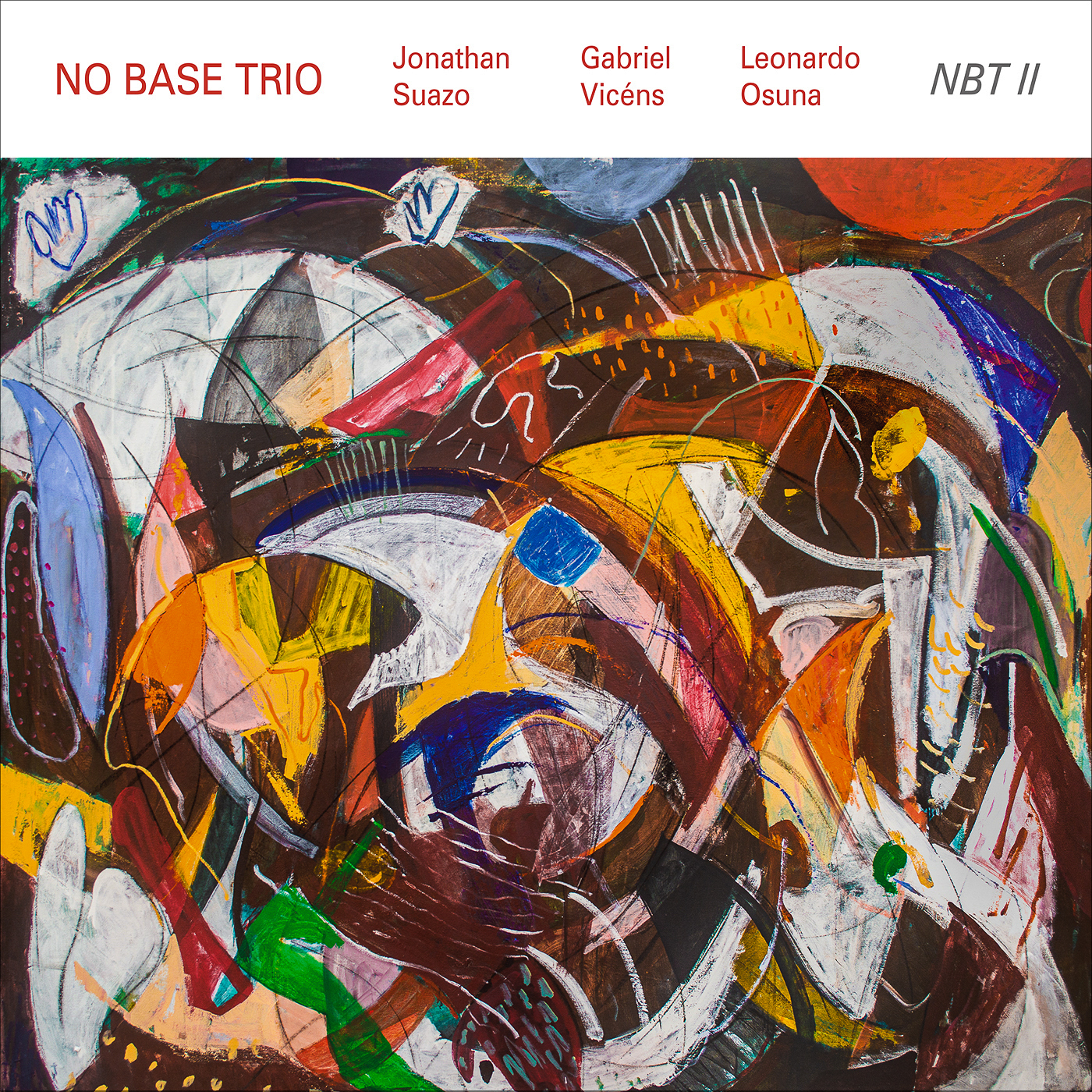
It’s a port we at the Monolith Cocktail have seldom sailed to, but Puerto Rico boasts an impressive contemporary jazz scene; one that the adroit and accomplished No Base Trio endeavor to export to the global community.
In the field for twelve years as a unit, horns and EWI practitioner Jonathan Suazo is flanked by the versatile guitarist Gabriel Vicéns and drummer Leonardo Osuna on another intuitive, fully improvised work of free jazz, jazz rock, fusion and beyond.
A grandiose, nigh two hour extemporized septet of performances – recorded the day after a highly successful concert at the El Bastión in Old San Juan – work II finds the trio in perfect synchronicity ready to probe and venture forth with atonal, tactile and juddered rhythmic explorations.
Across passages that last over twenty minutes in length, the recognisable jazz elements are stretched, repurposed and entangled in various bendy mirages and naturalistic atmospheres as ascending and descending patterns and more serialism type abstract musicality takes shape.
Suazo moves between flighty flute and windy spiraled alto/tenor saxophones like some sort of expressive natural force, caught up in mysterious soundscapes that evoke both fertile environments and more arid landscapes. Vicéns guitar accents, twangs and nimble finer work reminded me a little of the South American jazz guitarist Rodrigo Tavares, and on ‘ST 4’, a little bit of Ry Cooder articulating a mysterious psychedelic desert setting. Osuna’s drums meanwhile, sound out the tribal, spiritual and freeform, often sophisticated, quiet and spindled, or, taking time to find a rhythm. In action, all together, the trio varies the mood from the more abstract and avant-garde to built-up dynamic tumultuous climaxes: that translates as croaked and plectrum scratched guitar and industrial detuned sounds on ‘ST 2’, and a Hobby Horse meets head-on with Irreversible Entanglements in a rock-jazz crescendo squall on ‘ST 5’.
Each track is like a score in itself, cast adrift of a subject, theme or visual inspiration; a mix of jazz with various percussive influences and sources that swings between Buh label outsiders to the ACT label, Donny McCaslin, an avant-garde Americas and Ornate Coleman. It’s an impressive album of synergy that manages to probe the wilds without bombast and total dissonance; kept together at all times with the most intuitive of unsaid musicianship and deft foresight.
Our Daily Bread 408: Liraz ‘Zan’
October 26, 2020
ALBUM REVIEW
Dominic Valvona

Liraz ‘Zan’
(Glitterbeat Records) 13th November 2020
It’s hardly surprising that with all the ongoing tensions between the nefarious Iranian regime and its neighbours, and with the continued oppression of its own population that attempting to show the Middle Eastern titan in a good light is frustratingly difficult (an understatement in itself). Especially when you’re Jewish, and part of that atavistic empire’s age-old Jewish community that stretches right back to Persia’s Biblical entry in the Old Testament: A community originally bound in chains, the spoils of conquest marched into slavery in 727BC, but eventually granted citizenship and even given the right of return to build a new temple in Jerusalem by the more enlightened Cyrus in the 6th century BC. Or that one of your most recent roles on screen is in a clandestine Mossad agent mission to infiltrate the Iranian air defences so that Israel can disable a nuclear reactor drama (the Apple+ series Tehran). But the actress, dancer and electronic pop siren Liraz Charhi is willing to give it a good go, covertly recording her second cinematic lensed Middle Eastern fantasy with a myriad of Iranian musicians under the radar of the ayatollah hardliners, over the internet.
In a climate in which tolerance is scarce and with most creative forms and freedoms of expression attracting, at the very least, suspicion, and at the worse, imprisonment, even death, trying to make a record with a strong feminine message seems an almost impossible, dangerous task: Liraz’s collaborators will probably have to remain anonymous indefinitely for their own safety.
The Iranian state’s secret police would have a field day with this project; mainly in its citizens daring to work with a émigré living in the Israel. For Liraz’s family were forced to escape during the tumultuous upheavals of Iran’s revolution in the 70s; setting up home in Israel’s capital, Tel Aviv, a safe haven for those escaping an ever-authoritarian Islamic regime. That city has grown to become an artistic community of foreigners, living cheek-in-jowl with both an older Israeli population and diaspora of Jews from around the globe. Liraz however, still feels bound to that Iranian heritage. And it seems when listening to her evocative soothed and lush bright vocals, she is the latest in a long line of strong outspoken women from that community. A baton has been handed down you could say.
Feeling adrift, Liraz upped sticks to become an actress in L.A. Little did she know that the city would open her eyes to another concentration of Iranian émigrés, including many from the Iranian-Jewish community. Whilst starring in major productions such as Fair Game and A Late Quartet, Liraz would find comfort and a sense of belonging in that diaspora. She’d learn much absorbing both the ancient musical traditions and the pop and disco that filled the clubs in a pre-revolutionary, pro-miniskirt Tehran, including such famed Iranian acts as Googoosh and Mahasty – both of which you can hear premating this both sorrowful and vibrant new album Zan.
It was much in part down to the courage of the women in this astoundingly large community (so large that L.A. is nicknamed “Tehrangeles”) that emboldened Liraz to take up singing. She would record her debut Persian imbued album Naz in 2018, inspired by those whose only outlet and determination of self-identity and freedom was through music. Two years later and once more ingrained in that atavistic land’s richly woven musical history, she enacts a clandestine connectivity between cultures on the “second chapter”.
In a similar cinematic imagining of a twanged and vibrato Persian Western, the Zan panorama is full of atmospheric sweeps, sand dune contouring, swirling dervish and Sufi enchantments alongside bouncing electronic-toms, zaps and melodious pop anthems. Synthesized effects converge and melt with a rich tableau of Persian instrumentation; from the “daf” frame drum and “tonbak” hand drum to the spindled lute played “oud”. Fanned, spindly sounds of that region and Liraz’s diaphanous wooed, swooned and deeply felt voice add an extra spell to the electro and disco pop elements. This can sound as varying as an Arabian version of Air, on the aching ballad ‘Sheb Gerye’, or like M.I.A. on the fizzled tapping stripped dance track ‘Nafas’.
Sung beautifully and passionately in the Farsi dialect of that heritage, titles and poetry take on deeper meanings when translated. “Zan” means “women, sing”, and points to a celebration of the female spirit in such trying times, and under such oppression. From the cross-generational lullaby ‘LaLai’, sung by each matriarch in Liraz’s family to their daughters, to the courtly pop of ‘Zan Bezan’, an evocation of that strength and sense of the stoic Iranian heroine is made clear.
Electronic music with a message, an interesting backstory and methodology, but more than this Zan is a brilliant dreamy Persian disco and billowing pop album that continues a tradition of strong female voices in the face of extreme intolerance. Those nameless Iranian collaborators should be both happy and proud with the results, which do indeed shed a positive light on the country’s rich musical tapestry.
Hi, my name is Dominic Valvona and I’m the Founder of the music/culture blog monolithcocktail.com For the last ten years I’ve featured and supported music, musicians and labels we love across genres from around the world that we think you’ll want to know about. No content on the site is paid for or sponsored and we only feature artists we have genuine respect for /love. If you enjoy our reviews (and we often write long, thoughtful ones), found a new artist you admire or if we have featured you or artists you represent and would like to buy us a coffee at https://ko-fi.com/monolithcocktail to say cheers for spreading the word, then that would be much appreciated.
Monolith Cocktail Monthly Playlist: September 2020:
September 28, 2020
PLAYLIST REVUE/Dominic Valvona/Matt Oliver/Brain ‘Bordello’ Shea

Join us for the most eclectic of musical journeys as the Monolith Cocktail compiles another monthly playlist of new releases and recent reissues we’ve featured on the site, and tracks we’ve not had time to write about but have been on our radar.
Expect to hear everything and anything; from Azerbaijan guitar heroes (very perceptive at the moment considering the geopolitical border shooting in the news), jazz peregrinations, lopsided psychedelic pop, stop-start funk, abstract deconstructions, Beach Boys imbued ebb and flow ruminating, sketches from a doyen of Krautrock, a cross pollination of 808 Maghreb and India, poignant personal ambient laments, plus a load of choice Hip-Hop cuts. 50 tracks in all.
Those Tracks In Full Are:
Songhoy Blues ‘Barre’
Leron Thomas ‘Endicott’
Nubya Garcia ‘The Message Continues’
Dele Sosimi, Medlar ‘Gudu Gudu Kan’
Sidi Toure ‘Farra Woba’
Floodlights ‘Matter Of Time’
Lou Terry ‘The View’
Lizzy Young ‘Obvious’
Sampa The Great, Junglepussy ‘Time’s Up (Remix)’
Marques Martin ‘Hailey’
Nicky William ‘Pathetic Fuck’
Gibberish ‘I Dreamed U’
La China de La Gasolina ‘El Camino’
The Green Child ‘Fashion Light’
Ludwig Dreistern ‘New Oddity’
Namir Blade ‘Stay’
This Is The Kit ‘Coming To Get You Nowhere’
Esbe ‘My Love Knows No Bounds’
Stella Sommer ‘The Eyes Of The Summer’
Brona McVittie ft. Isan & Myles Cochran ‘Falling For Icarus’
Badge Epoque Ensemble ft. U.S. Girls & Dorothea Pass ‘Sing A Silent Gospel’
Liraz ‘Injah’
Junkboy ‘Belo Horizonte’
Rustem Quilyev ‘Ay Dili Dili’
Phew ‘All That Vertigo’
Krononaut ‘Leaving Alhambra’
The Strange Neighbour ‘Stuntman’
dedw8, Conway The Machine, 0079 ‘Clean The Whole Room Out’
Syrup, Twit One, Turt, C.Tappin, Summers Sons ‘Burn Out’
Verb T, Illinformed ‘New Paths’
Good Doom ‘Zig Zag’
Sheltered Workshop Singers ‘Dan I Am’
Staraya Derevnya ‘Hogweed Is Done With Buckwheat’
Sheltered Workshop Singers ‘My Life’
Violent Vickie ‘Serotonin’
Julia Meijer ft. Fyfe Dangerfield ‘The Place Where You Are’
Mike Gale ‘Pastel Coloured Warm’
Michael Rother ‘Bitter Tang’
Extradition Order ‘Let’s Touch Again’
Schlammpeitziger ‘Huftgoldpolka’
Ammar 808 ft. Kali Dass ‘Ey Paavi’
Edrix Puzzle ‘Jonny Buck Buck’
SOMA, Shumba Maasai, Hermes ‘Rudeboi’
Babylon Dead ‘Nineteen84’
The Jux, Turkish Dcypha, Wavy Boy Smith ‘Lost In Powers’
Verbz, Mr. Slipz ‘2202 Fm’
Tune-Yards ‘Nowhere, Man’
Chiminyo ‘I Am Panda’
Sebastian Reynolds ‘Heartbeat’
Tamar Collocutor, Tenesha The Wordsmith, Rebecca Vasmant ‘Yemaya (Vasmant Mixmaster)’
Hi, my name is Dominic Valvona and I’m the Founder of the music/culture blog monolithcocktail.com For the last ten years I’ve featured and supported music, musicians and labels we love across genres from around the world that we think you’ll want to know about. No content on the site is paid for or sponsored and we only feature artists we have genuine respect for /love. If you enjoy our reviews (and we often write long, thoughtful ones), found a new artist you admire or if we have featured you or artists you represent and would like to buy us a coffee at https://ko-fi.com/monolithcocktail to say cheers for spreading the word, then that would be much appreciated.
 Monolith Cocktail Blog