Monolith Cocktail Monthly: October 2021: David Ornette Cherry, Atmosphere, Dean Blunt, Xenia Rubinos, U.S. Girls…
October 29, 2021
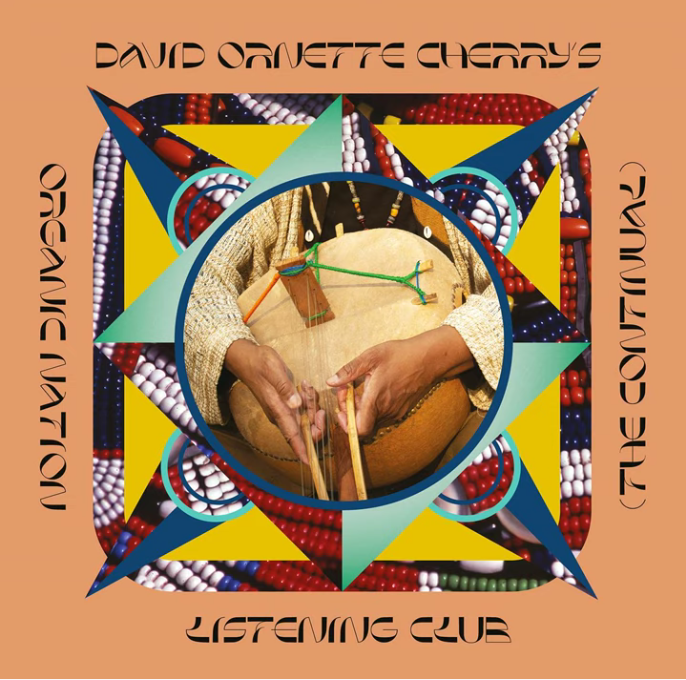
Autumn leaves might be flying past your window, the rain hacking it down. But worry not; here to warm the cockles is the Monolith Cocktail team (that’s me, Dominic Valvona, Matt Oliver and Brian ‘Bordello’ Shea) with another eclectic fanfare of choice music from the last month.
In case you’ve been living in a cave all this time without a Wi-Fi connection, they’ve just released The Beatles fabled locked away Let It Be sessions – and enough candid film to make a documentary (step forward Peter Jackson). And so old gits that we are, there’s a flurry of alternatives and studio chat in this month’s playlist. Back into the present, the rest of this phenomenal selection includes David Ornette Cherry, Atmosphere, Dean Blunt, Xenia Rubinos, U.S. Girls X Glenn Gould, Benny Diction, Lexagon, Deserta, Let Your Hair Down, Oslo Twins, Rosie Tee, Phew, Embryo and tons more.
Those Tracks In Full Are:-
The Beatles ‘Like Making An Album? – Speech’
David Ornette Cherry ‘Parallel Experience’
BlackLiq & Mopes ‘Don’t Ask Me’
Atmosphere ‘Something’
Jamael Dean Ft. Jasik, Jira ‘On Inu’
Dr. Junkenstein ‘Addictive TV’
Bunny & The Invalids ‘A Sniper’s Heart’
Hiatus Kaiyote ‘Canopic Jar’
Late ‘HORROR SEASON 3 THE TRILOGY’
Dean Blunt ‘SEMTEX’
Xenia Rubinos ‘Did My Best’
The mining Co. ‘Astral Investigation’
U.S. Girls X Glenn Gould ‘Good Kinda High’ The Beatles ‘I’ve Got A Feeling (1969 Glyn Jones Mix)’
Magon ‘The Willow’
Ghost Woman ‘Do You’
Dean Wareham ‘The Corridors Of Power’
This Heel ‘Head/Tail’
Das Lunsentrio ‘Der Mann Am Siegestor’
SAD MAN ‘The Green Opal (SOS Mix0’
Legless Trials ‘Faceless Heathen’
S. Kalibre Ft. Slap Up Mill, Genesis Elijah, Verbs Of Iron Bridge & Jabba The Kut ‘Warriors’
Benny Diction ‘Archives’
Guilty Simpson & Gensu Dean ‘Deep Breath’
Lewis Parker Ft. Enny Integrity ‘Keep It on The Low’
Mustard Tiger ‘Aglumni’
King Kashmere/Alecs DeLarge/Maddy ‘North Star’
Dillon & J57 ‘83 Kids’
Lexagon ‘Values’
Ben Osborn ‘The Fire’
Catherine Griandorge ‘Eno’
Roedelius & Dallas Acid ‘Lovely Morning’
Deserta ‘I’m So Tired’
Bamdicoot ‘Life Death And Other Things’
Good Morning ‘Depends On What I Know’
Let Your Hair Down ‘BF Holiday’
Wiki ‘New Truths’
Upfront MC ‘Let’s Go’
Ramson Badbonez & Frost Gamble Ft. Phoenix Da Icefire & Cyclonious ‘Wolves’
Jester Jacobs & Formz ‘Fishing Rod’
Gabriels ‘Blame’
Monocled Man ‘Przhevalsky’
Vapors Of Morphine ‘Phantasos & Phobetor’
La Luz & Adrian Younge ‘Watching Cartoons’
Oslo Twins ‘Circe’
Violet Nox ‘Super Fan (The J. Bagist Remix)’
Rosie Tee ‘Anchors’
Josephine Phillip ‘The Clue’
David Lance Callahan ‘Born Of The Welfare State’
Kuunatic ‘Lava Naksh’
Monoswezi ‘Kuwonererwa’
Phew ‘Days Nights’
Mario Batkovic ‘CHOREA DUPLEX’
Pepe Deluxe Ft. Demon Fuzz ‘Girl From Satanville’
Taraka ‘Welcome To Paradise Lost’
Astrid Swan ‘Drift’
Embryo ‘Baran’
Portico Quartet ‘Ultraviolet’
The Beatles ‘Don’t Let Me Down – First Rooftop Performance’
Halloween Special Part II: Itchy-O ‘Sypherlot/Hallowmass’
October 27, 2021
ALBUM PREVIEW/REVIEW: Dominic Valvona
PHOTO CREDITS: Memorandum Media and Michael Rehdish
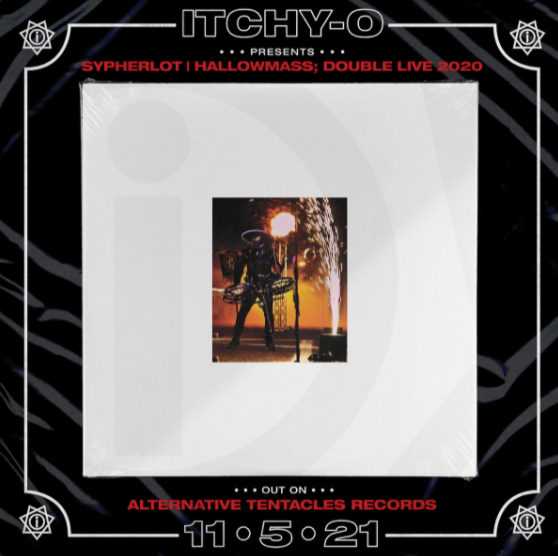
Itchy-O ‘Sypherlot/Hallowmass: Double Live 2020’
(Alternative Tentacles) 5th November 2021
At their satanic majesty’s pleasure the Denver invocation, and 57-strong collective, Itchy-O decided last year to record for posterity two of their esoteric-industrial-drive-in shows. If you’ve never set eyes on this immersive spectacle for all the senses, the Itch both resemble and sound like a LED light show and workshop sparked carnival of Holy Mountain Alejandro Jodorowsky, Mad Max, Ministry and a drum rattling regiment from the Mexican day of the dead.
With morbid curiosity this behemoth of a performance ritual have mostly kept recordings to a minimum, with captured live activities popping up either on Youtube or exclusively streamed via a chosen platform. Across an epic scale double-album format, two such chthonian and daemonic concerts appear on wax; the first, Sypherlot, captured an August performance in the “expansive” parking lot of Denver’s Mission Ballroom, the second, Hallowmass, captured a Halloween communal cleansing at the Colorado city’s now demolished New Tech Machinery building. Both occasions took off despite the miasma and restrictions of the pandemic, and both signaled a cathartic and provocative gesture in the last year of Trump’s presidency. Above all, Itchy-O seek to “eviscerate” both old and new ideas of entertainment and live music.

Like a macabre theatre in which various belief systems and deities are called forth, the masked, almost anonymous costumed cast provide a real dark arts sanctuary, which they haven’t always limited to their own pentangle spread arena, but gatecrashed various events, festivals and even appeared onstage with David Byrne and St. Vincent.
Last August’s Sypherlot show (if the recordings are anything to go by) conjured up occult forces from across the globe and time: The MGM back lot sword and sandal meets krautrock doom rumbled march of ‘Saptaloka’ even referenced both Buddhist and Hindu cosmological realms of existence. Growled distorted and fuzzed up metal wielding guitar riffs and scowls, a carnival of lost souls vision of Brazilian samba drum chaos, slithered metallic tentacles and gestured bestial menace prove the order of the day. Under a ‘Blood Moon’ atavistic rituals and mantras receive a regimental rhythmic rattle and deeper thudding bass accompaniment and a vague scent of Haiti, Africa, Arabia. ‘Gallow’s Disco’ shows some…well, gallows humour of a kind as the dead man walking swings and dances to a strange transmogrification of samba drums and whistles – a bit more of that Brazilian carnival of the dammed vibe. By the time we’ve made it through the creeps, ghouls and Biblical scale heavy metal doom rocking drama, we’re led into a primordial soup of ectoplasm grief, wails and ghostly visitations.

Originally a three-night run last Halloween, the second half of this double-album, Hallowmass, is every bit as supernaturally menacing and esoteric in scope, with its communions with the old gods. In fact, ‘Dance Of The Anunnaki’ makes reference to deities from the ancient world, from the Babylon and Sumerian to the Assyrian. The atmosphere is mystical Tibet, chariots of the gods Maya, Byzantium and alien. Mind you the opening ‘Mystrabia, Under The Lake’ sounds like Jah Wobble meets Sunn O))). With a signature chorus of taiko drummers and devilish sonics the acolytes beat and clatter away whilst tuning into spook radio.
Monolithic sized Sabbath riffs and flamed tequila shots permeate an often surprisingly rhythmic black mass bonfire night; the meeting point for a ritual burning of the stresses, agonies of such end times. Hallowmass was an opportunity for attendees to hand over artifacts, mementos and representations to be burned and sacrificed, a ceremony to “honour impermanence” and “the loss felt so heavily” during the Covid pandemic.
The car seat audience certainly felt connected, part of these theatrical rites and magick entertainment: You can hear that with through the ad hoc applause of car horns after each mammoth track. Without the visuals, live spark it could all seem flat, disconnected, but sonically this wild double-album is as atmospheric as it gets; a bombastic esoteric circus of doom, torment but also spooked levity – put it this way, I get the impression Itchy-O don’t take themselves too seriously. Released oddly on what will be our Bonfire night celebrations, the album obviously screams Halloween – admittedly the album will be on sale at the collective’s three-night Hallowmass performance this year. Anyway, it’s a great piece of occult, and cult for that matter, musical performance to both enflame and raise the spirits.
Hi, my name is Dominic Valvona and I’m the Founder of the music/culture blog monolithcocktail.com For the last ten years I’ve featured and supported music, musicians and labels we love across genres from around the world that we think you’ll want to know about. No content on the site is paid for or sponsored and we only feature artists we have genuine respect for /love. If you enjoy our reviews (and we often write long, thoughtful ones), found a new artist you admire or if we have featured you or artists you represent and would like to buy us a coffee at https://ko-fi.com/monolithcocktail to say cheers for spreading the word, then that would be much appreciated.
Halloween Part One: The Horrorscope Playlist
October 25, 2021
PLAYLIST SPECIAL: Dominic Valvona
Caught by the ghoulies (that must have hurt), creeping through the haunted vestiges of a civilization: a rotting corpse of despair, yet filled with mischievous howlers. Contacted through séance; invoked by demonic numbskulls. It can only mean one thing: it’s time for the annual Monolith Cocktail Halloween playlist.
Soft souls and those with a nervous disposition look away now; cover thy ears. For 2021 was a most frightening year of plague, war, pestilence and all together real crisis. The Four Horsemen looked to me to be circling, if not resting on the hard shoulder, preparing for a swift Armageddon, whilst those with the zillions fucked off into space to escape this wretched, cursed world– I’m only jealous.
There’s a whole lotta witch-burning going on this year, with all things bewitching from Troyka, Pointed Sticks, Sam Gopal. The Devil in his many guises appears courtesy of The Halo Benders, Drab City, Peace And Love, Raw Material, El Ritual and Last Exit. And we have macabre jazz from Leon Thomas, a funky fresh Dracula from soul force Don; and black magick invocation from Al Lover.
But don’t despair as the Gloria angels have come prepared with ‘Holy Water’ and th1rt3en and Pharoahe Monch have brought along ‘The Exorcist’.
Check out in a few days time our review of the upcoming Itchy-O double album.
Track List:
The Halo Benders ‘Devil City Destiny’
Billy Changer ‘Black Angel’
Walter Daniels, Oblivians & Monsieur Jeffery Evans ‘Rockin’ In The Graveyard’
Pointed Sticks ‘The Witch’
Sam Gopal ‘Season Of The Witch’
Gloria ‘Holy Water’
True West ‘Lucifer Sam’
Al Lover ‘Black Magick Starter Jacket’
th1rt3en & Pharoahe Monch ‘The Exorcist’
Drab City ‘Devil Doll’
Don ‘Soul Dracula’
Peace And Love ‘Against The Devil’
Univeria Zekt ‘Something’s Cast A Spell’
Zior ‘Vampire Night’
El Ritual ‘Satanas’
Maria Monti ‘Il Serpente Innamorato’
Last Exit ‘Devil’s Rain’
The Terminals ‘Psycho Lives’
Mister Modo ‘Dark Ambient Theme 4’
Peter Schickele ‘The Priest Of The Raven Of Dawn’
Sunforest ‘Magician In The Mountain’
Raw Material ‘Race With The Devil’
Xqui X Sound Effects Of Death & Horror ‘Timete’
Between ‘Katakomben’
Leon Thomas ‘Shape Your Mind To Die’
Stefano Torossi ‘Fearing Much’
Dogfeet ‘Armageddon’
Also may like to tackle these grim playlists:
Our Daily Bread 476: Violet Nox ‘Super Fan’ Remix Video
October 22, 2021
VIDEO SPECIAL/Dominic Valvona
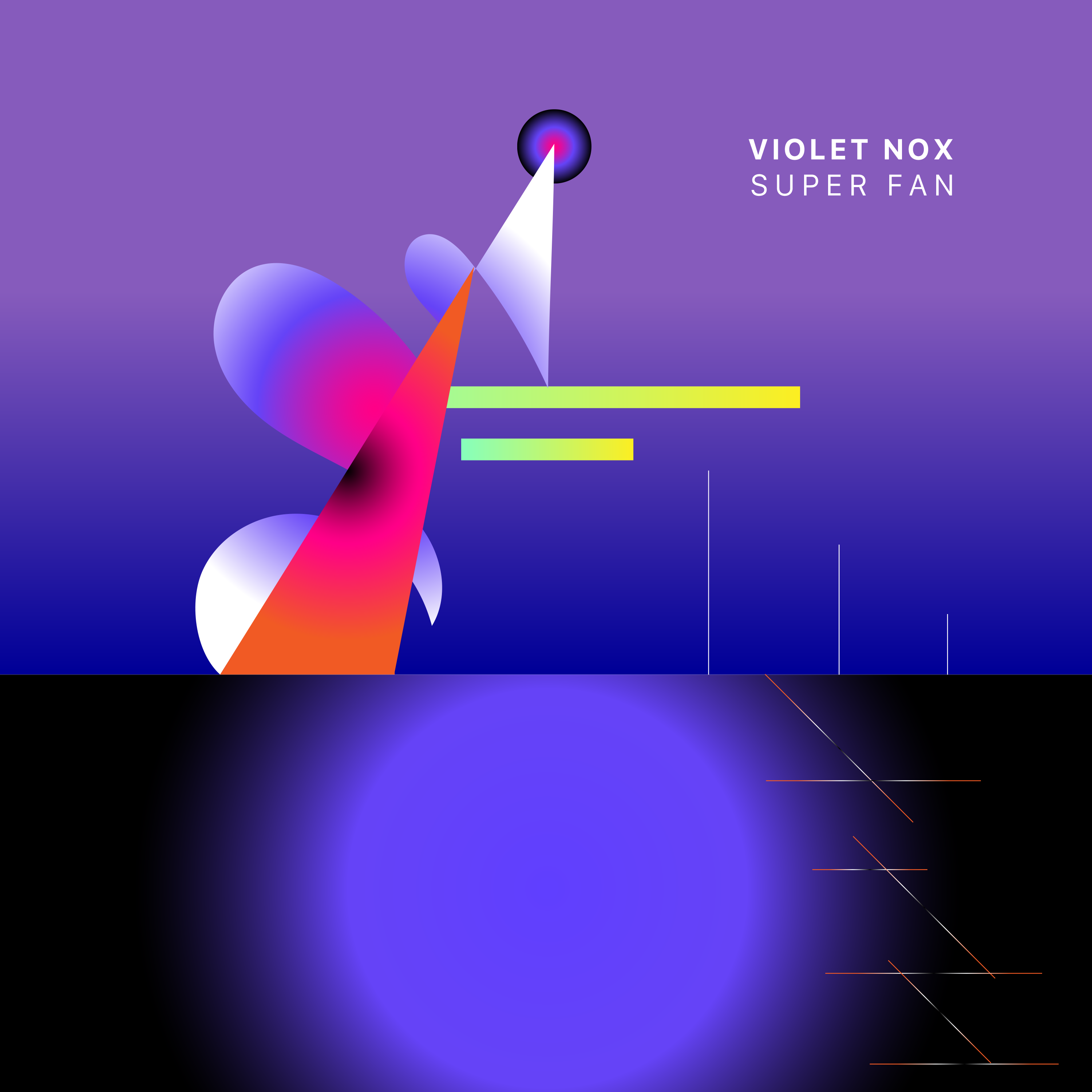
Violet Nox ‘Super Fan Remix Bu J. Bagist’
(Infinity Vine Records) Single 20th October/Video 22nd October 2021
Currently revitalising cosmic spells and futuristic travels from the back catalogue, Boston synth-heavy collective Violet Nox have once more called upon the transformative remix skills of J. Bagist and the video skills of Deb Step to create a new colourful vision. Both disciplines, along with the Peter Halley neo geo version of Kandinsky and 50s abstract futurism artwork by Jeff Bartell, come together to refresh the troupe’s cybernetic and vaporous voiced ‘Super Fan’ track.
Originally gracing last year’s navigation of brave new worlds Future Fast EP (which I reviewed here), the dub-like oscillating ‘Super Fan’ offered sulphur atmospherics, utterances of “sacrifices” and a strange kind of post-punk electronic grinding warp feel that grew coarser and more fearful as it went on. That original recording featured the shifting balance of Dez DeCarlo (on guitars, vocals, sonic effects and synth), Andrew Abrahamson (who not only mastered it but played synths and clocked devices), Alexis Desjardins (synth) and Fen Rotstein (vocals and digital turntables).
J. Bagist tones down the noise and makes the voices more ethereal, whilst introducing a dreamy atmospheric feel of flickers and cosmic slithers and a deep fuzzy depth charge bass. There’s hints of Speedy J and Seefeel now to this synthetic trance traverse. Deb Step’s electronic body movement like video of geometric waves and both overlapping black and white and more colourful TV screen filtered images, is one hell of a trip too. Together, it’s dance music (with a cerebral mind) perfection.
You can catch that video, which launched this afternoon below. You can also visit the futurist troupe’s Bandcamp to order the single and the back catalogue.
Our Daily Bread 475: Kuunatic ‘Gate Of Klüna’.
October 21, 2021
ALBUM REVIEW/Dominic Valvona
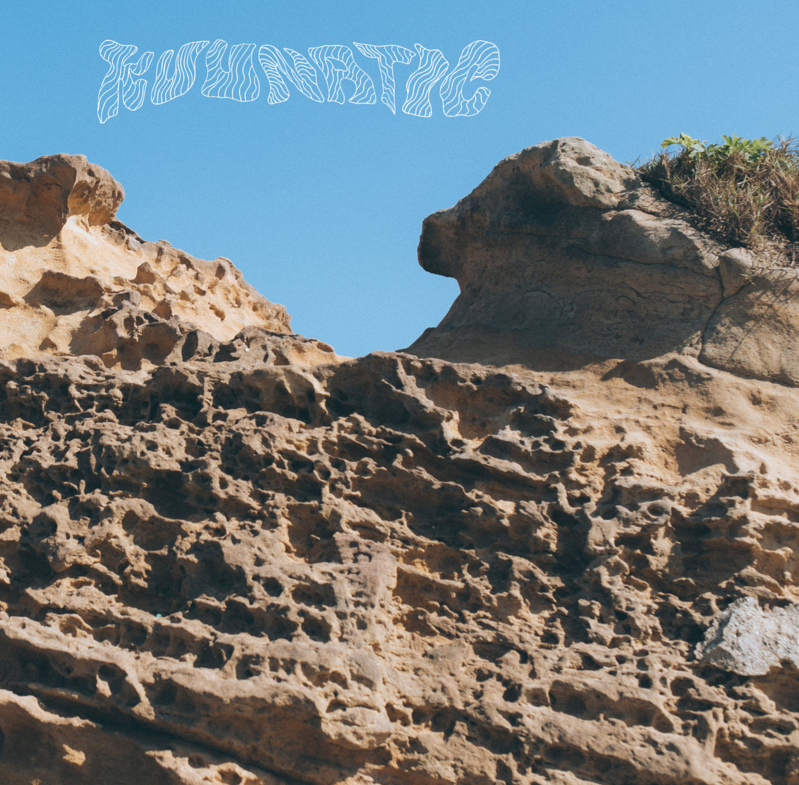
Kuunatic ‘Gate Of Klüna’
(Glitterbeat Records) 29th October 2021
Laying down the foundations of an imaginative world of esoteric moon child and harvest adulation, pondered creeps around Shinto shrines and magical Japanese island fantasies on their 2017 EP Kuurandia, the between worlds and realms Kuunatic trio now unleash an even more encompassing conceptual narrative with their debut album, Gate Of Klüna.
In a way more in tune with their new label mates Lucidvox, the Tokyo-borne siren deities transform and then propel their homeland’s traditional ceremonies, rituals, exotic dances into a post-punk vision of the supernatural and progressive.
It’s said (in the PR notes and band quotes) that Kuunatic can’t be easily categorised or contained, fluctuating as they do on this mini odyssey that takes in Samurai Macbeth atmospheres and rollicking drum barrages and hallucinatory psychedelia. It’s both a traversing and driving musical and voiced journey, which evokes snatches of The Raincoats, Slits, Itchy-O, Au Pairs, Black Angels and Acid Mothers Temple, whilst also paying respect to atavistic Japanese traditions. Because amongst the edgy doom, chaos, beaten drums and spikier punk moments you’ll hear the band’s keyboardist and vocalist Fumie Kikuchi playing a lighter, bird-like swirled Kagura flute, which sounds like a spirit lifting itself out of the heavier brooding maelstroms of ritualistic and ghostly ancestor invocations. The Japanese sound is unmistakable despite where it is taken – sometimes drifting into the Rus and Southeast Asia -, but the scope is large, inter-dimensional even. That moniker itself (or at least the “Kuu” part) derives from the Finnish for “moon” – inspired by the band’s original Finnish guitarist Sanni.
The album comes with (well in the notes for critics) a descriptive narrative; each track representing a chapter in a metaphorical, allegorical and plain fantastic story of pre-Christian venerated paeans, tolled bells for a new epoch and battles with cataclysmic volcanic erupted invaders. It’s their planet, and anything can happen to it; from pastoral celebratory mantra declarations that a Queen Harvest will surely come, to shuttered percussive psych-punk dances and magic mushroom visions.
Japanese music as you’ve seldom heard it – unless you were an avid reader of Julian Cope’s Japrock Sampler guide book -, Kuunatic offer a both unnerving and spectacular vision of the exotic, esoteric and ancient; moving between spiritual realms to conjure up a magical fantasy of doom, post-punk and experimental chanted brilliance.
Hi, my name is Dominic Valvona and I’m the Founder of the music/culture blog monolithcocktail.com For the last ten years I’ve featured and supported music, musicians and labels we love across genres from around the world that we think you’ll want to know about. No content on the site is paid for or sponsored and we only feature artists we have genuine respect for /love. If you enjoy our reviews (and we often write long, thoughtful ones), found a new artist you admire or if we have featured you or artists you represent and would like to buy us a coffee at https://ko-fi.com/monolithcocktail to say cheers for spreading the word, then that would be much appreciated.
Premiere: (Track) Antonio Raia & Renato Fiorito ‘Too Many Reasons’
October 19, 2021
PREMIERE SPECIAL/Dominic Valvona

In partnership with our Italian pen pals at Kalporz, both our sites have been chosen to simultaneously premiere the opening peregrination from the new collaboration between Antonio Raia & Renato Fiorito: the Thin Reactions album.
Eighteen minutes long, and taking up the entire A-side of that upcoming album ‘Too Many Reasons’ sees the amorphous saxophonist improviser and sound artist join together to capture the abstract atmospheres of cerebral reconnection; a sonic field in which to escape the stresses and weight of the pandemic.
Produced in lockdown, in the partnership’s native Napoli, this imagined space, in which a faded, fuzzy pining and wandering saxophone wafts around a rotated motorised humming and propeller purred windy and airy isolated soundtrack, brings together two experimental composers looking to create an ‘intimate and visceral experience’.
Although crossing paths years ago on site-specific performances and movie soundtracks, this traverse in tonal soundscapes marks the duo’s first fully released album together. They’ve chosen to deliver it on the new Italian label Non Sempre nuoce; the focus of which is on the burgeoning Neapolitan underground scene, covering, as the PR notes state, the city’s ‘post-clubbing music’, ‘Mediterranean retro sonorities’ and everything in-between.
Almost haunting in places, with field recordings that sound like a mysterious cyclonic desert, hinged fuzzes, vapours, fluted ambiguous regional sax and subtle little bursts of fizzled sonics are the only interruptions in this secluded landscape.
This is how the duo themselves describe this album venture: ‘Thin Reactions is an album consisting of sounds coming from invisible cities and intimate landscapes. It is a sonic trip you can take through a sensory experience. It is music that allows you to take a deep breath.’
You can now experience that immersive soundtrack below.
The Thin Reactions album will be released on the 29th October via the Non Sempre nuove imprint.
Our Daily Bread 474: Aliens, This Heel, Japan Review, They Might Be Giants, The Swansea Sound…
October 18, 2021
REVIEWS ROUNDUP/Dominic Valvona

Singles.
Japan Review ‘Kvetch Sound’
I like this single. It is tuneful with an undercurrent of melancholy and soft noise, which is always a winner; the sort of song you would play to soundtrack yourself watching your lover knowing that as beautiful as they are it is all going to come to an end soon and you will be awash with guilt heartbreak and only half your record collection. A lovely song.
Aliens ‘Liberation Road’
(Metal Postcard Records) 1st October 2021
The debut single from Aliens and they have the good taste to release it on Metal Postcard Records, a label that has currently three of the five best bands on the planet on its roster: The Bordellos, Salem Trials and The Legless Crabs. It only needs The Santa Sprees and Schizo Fun Addict and it would have a clean sweep. The Aliens single is a fine well-crafted guitar pop song; the kind of thing a major record label would release in the 80s when it was pretending to be an indie label. This song could do very well radio wise as it is very radio friendly, and even has a “na na na” refrain: so how could it fail. I look forward to the album.
They Might Be Giants ‘Part Of You Want To Believe Me’
They Might Be Giants are back with a fine catchy song that is both annoying and equally sublime in a way They Might Be Giants singles normally are; part a day trip out to the local Pre-School trampoline championship, part lets go to the asylum but let’s call for some ice cream and chocolate fingers first. There is only one They Might be Giants and for that we should be eternally grateful for both good and bad reasons.
bigflower ‘It Won’t Be Alright’
16th October 2021
Ivor Perry is back under the guise of his bigflower with another three minutes of mighty guitar shenanigans, once again proving why the man is a guitar legend with a Tom Verlane slice of pop wizardry. I have said many times life would be much more bearable if I tuned into BBC 6 music and heard this emitting from the speakers instead of some Generic Johnny and his indie guitar [normally a Fender Jaguar or Jazzmaster], fine guitars but not when placed into the hands of placid wallpaper people, singling songs about how they are broken-hearted over some girl/boy. Why not just have a wank and get over them? Probably too clean cut. Anyway, off track again…all I can say bigflower is a national treasure and deserve’s a statue in the centre of Manchester or a least a gold plaque on a park bench where people can go and sit and think about the days when guitar music meant something.
Albums/EPs..
Good Morning ‘Barn Yard’
(Polyvinyl) 22nd October 2021
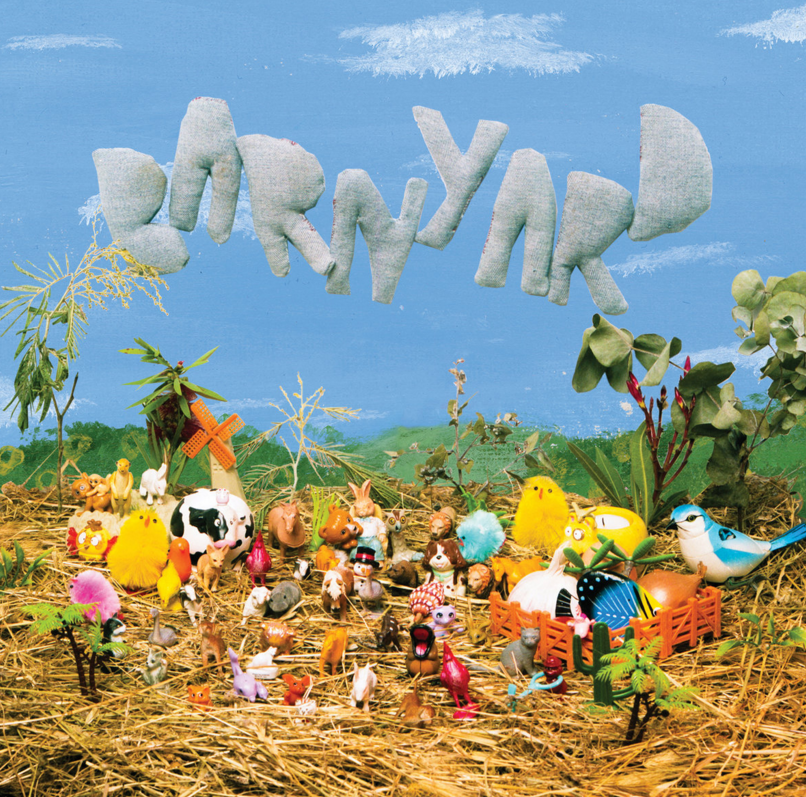
Sometimes music can sooth you, can make you turn off and let life’s worries slowly drift away from you and leave you in a state of pure blissful melancholy. That is the effect Good Morning have on me. Barnyard is an album of sweetly written songs that pull and pluck at your heartstrings; melodies dip and swoon skywriting sweet nothings to everyone and nobody in particular. It’s an album of country indie and pure slacker jawed brilliance. Any fans of Wilco and Pavement should go and snap up a copy of this album as Wilco have not made an album as good as this in years.
The Swansea Sound ‘Live At The Rum Puncheon’
19th November 2021
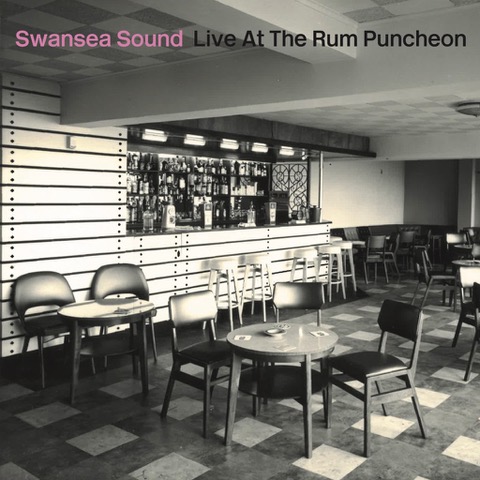
I love the Swansea Sound. I love that they sing about music. They’re obviously in love with the power of rock ‘n’ roll and all the complexities that this love has on one’s life and life in the present when music doesn’t have the same effect on people that it once did, but long to revisit the past and the sadness of never quite getting the acclaim they deserved.
The band by the way is made up of members of The Pooh Sticks (one of my fave indie bands), Heavenly and Death In Vegas, so obviously know a bit about this subject. All three bands deserved much better.
There are songs that both remember the effect of falling in love with music, and this album in itself is an album that could toss a salad and set fire to a flaming tomato without a blink of an eye. Yes this is the kind of album John Peel and Dandelion Radio play would play incessantly as it’s indie guitar pop that is all three of those things; it’s indie in heart and in spirit; guitar in the lovingly jangled fuzzed and away-with-the-Fairies way; and pop in its purest nature, full of sublime hooks and melodies. A lovingly made album reminding us old folks just how joyous music can be; an album that could open a tin of sardines through pure melody alone.
This Heel ‘Invisible Space’ EP
The Kings of lo-fi sci-fi space surf rock are back with a splendid six track of guitar adventures. Yes, six tracks of mischievous indie rockdom that will have people from a certain age nodding their heads nostalgically to the days when guitar bands mattered; those days when Nirvana and the Pixies through to the Dandy Warhols were all visiting the charts on a regular basis and people still cared what the NME had to say.
This Heel brings those days flooding back better and with more style and verve than most; even evoking the magic of Elliot Smith on my favourite track of the EP, the beautiful ‘Gutted Angel’. Yes a six tracker that is certainly recommended; and its nice to hear a guitar EP not spoilt by generic indie production. This one has soul and space to breath and dance.
Various ‘V4Velindre’ Compilation
1st October 2021

What we have here is a 50 song download compilation with all the proceeds going to help the much-unfunded NHS. A worthy cause I’m sure all would agree, and also a very fine compilation album, there being 50 tracks and all. I have not the writing space to mention all 50 but it includes tracks by the likes of the Wedding Present, who offer a stripped-down version of their indie classic ‘Brassneck’, and a new track by one of Britain’s finest pop songwriters Armstrong, with a song that is worthy of the Lovin’ Spoonful and well worth the £7 pound download price in itself: ‘Yesterdays Over’, you just do not hear pop excellence like this everyday. Also there’s Simon Love and his simply charming sweet ‘Broken Love’, and a track by the legendary Nightingales. So what more could you ask for. Dig deep and help out the NHS and get hour’s worth of fine music in return.
Bunny & The Invalid Singers ‘Flight Of The Certainty Kids’
(Bearsuit Records) 15th October 2021

More musical tomfoolery from the genius that is the Bearsuit Record label; the place that electronica and 60s spy movie soundtracks collide; a place where rock ‘n’ roll seeks sci-fi wizardry, where glitter band drumbeats generate memories of the greatest hits and misses of Dr Who – which the track entitled ‘A Snipers Heart’ achieves.
Once again Bearsuit Records with this Bunny &The Invalid Singers album skips through the mystical years of rock ‘n’ roll pop culture’s past to supply us with what the musical future could hold, snatching pieces of Nirvana like grunge to the burning turning wheels of the tragic death glow of Marc Bolan, not in sound but in otherworldly saintly hood. Yes this is the bar that Barberella would slowly pole dance for a shaken but not stirred James Bond. When people yearn for the lost art of cool seduction they should just check into the sexual art of Bearsuit Records, sit back, close their eyes and imagine life is as exciting and interesting as this Bunny & The Invalid Singers album.
Legless Crabs/Salem Trials ‘Legless Trials EP’
(Metal Postcard Records) 16th October 2021

Members of the Legless Crabs and The Salem Trials have joined forces to record this fine five track EP, and it actually sounds like what you would imagine an EP would sound like if the two aforementioned bands got together to record. Chiming, squalling post-punk guitars that jive and dive in New York late 80s no-wave funk, slightly distorted vocals, part Lou Reed/part Rocky Erickson, and lyrics that swarm over, that both amuse and abuse the sensibilities of the art nouveau that lies hidden in all of us.
This fiver tracker is a must have and shows just how special and important the two bands are to the current musical underground: splendid stuff indeed.
Our Daily Bread 473: Xenia Rubinos ‘Una Rosa’
October 14, 2021
ALBUM REVIEW/Dominic Valvona

Xenia Rubinos ‘Una Rosa’
(ANTI-) 15th October 2021
Plagued perhaps by self-doubt, it has taken the extraordinary voiced Xenia Rubinos five years to follow up the both salacious and flamboyant sensibilities, wit and societal commentaries of Black Terry Cat (one of our ‘choice’ albums of 2016). That album’s sassy provocative ‘Mexican Chef’ highlight was exhaustive enough on its own, without the rest of the songbook’s highly sophisticated, emotive with some very clever if unique forms of composition that played, dipped and accentuated Rubinos’ idiosyncratic deliverance – somewhere between jazz, Carmen, R&B, soul and hip-hop. Let’s say it merited a good sit down and rest.
But Rubinos went as far as to consult the advice of a ‘curandero’ (a traditional healer/shaman found in Latin America and beyond), who diagnosed the artist as suffering from a “loss of spirit”. Whatever the true reasons the singer-songwriter-composer-musician was given a further shove back into the studio by longtime creative foil Marco Buccelli. The exceptional drummer, producer and, it seems, encouraging force for good in Rubinos’ life, helped drag her back to the creative studio process.
In that period of transference from Obama to Trump, and now Biden, a whole lot of anger simmered to the boil: Enough material, crisis and anxiety to extrapolate for an album anyway. Though so much of the vitriol, slogan(ism) launched at Trump from the Left, and the rhetoric of various disenfranchised groups, now seems to have moved on.
With another change in direction, Una Rosa more than ever channels Rubinos’ Latin American heritage and upbringing across a split album of RED rage and BLUE introspection. Going back to before even Black Terry Cat, the voice is once more tonal and some of the time obscured, hidden under cybernetic vocoder, pitch shifter and that annoying effect of gargling that sounds like the vocalist is under water, manipulation. That’s not to say Rubinos hasn’t much to say, as she expresses it in both Spanish and English, whether it’s more wooed, in the style of Bolero, or poignantly heart breaking. Despite the cyber staccato effects she still delivers raw heartfelt plaint on the Kavinsky Drive into futurism ‘Did My Best’ – a song about coming to terms with the sudden loss of someone close.
A transformation of those already mentioned Latin American roots, the album’s title alludes to Rubinos “abuelita’s” (grandmother) wind-up music lamp; its fiber optic lights drawing the young artist in with its ‘swirling colours’. An entrancing object of fascination and nostalgic emotions of belonging, Una Rosa stands in for an array of feelings (from the dreamy to melancholy and futuristic; perhaps even comforting, a sense of security). Triggering a fervour for seeking deeper connections to that ancestry, Rubinos pays homage whilst propelling her grandmother’s favourite ‘cortate las venas’ singers into the present with a twist of futuristic pop on the yearned ‘Ay Hombre’.
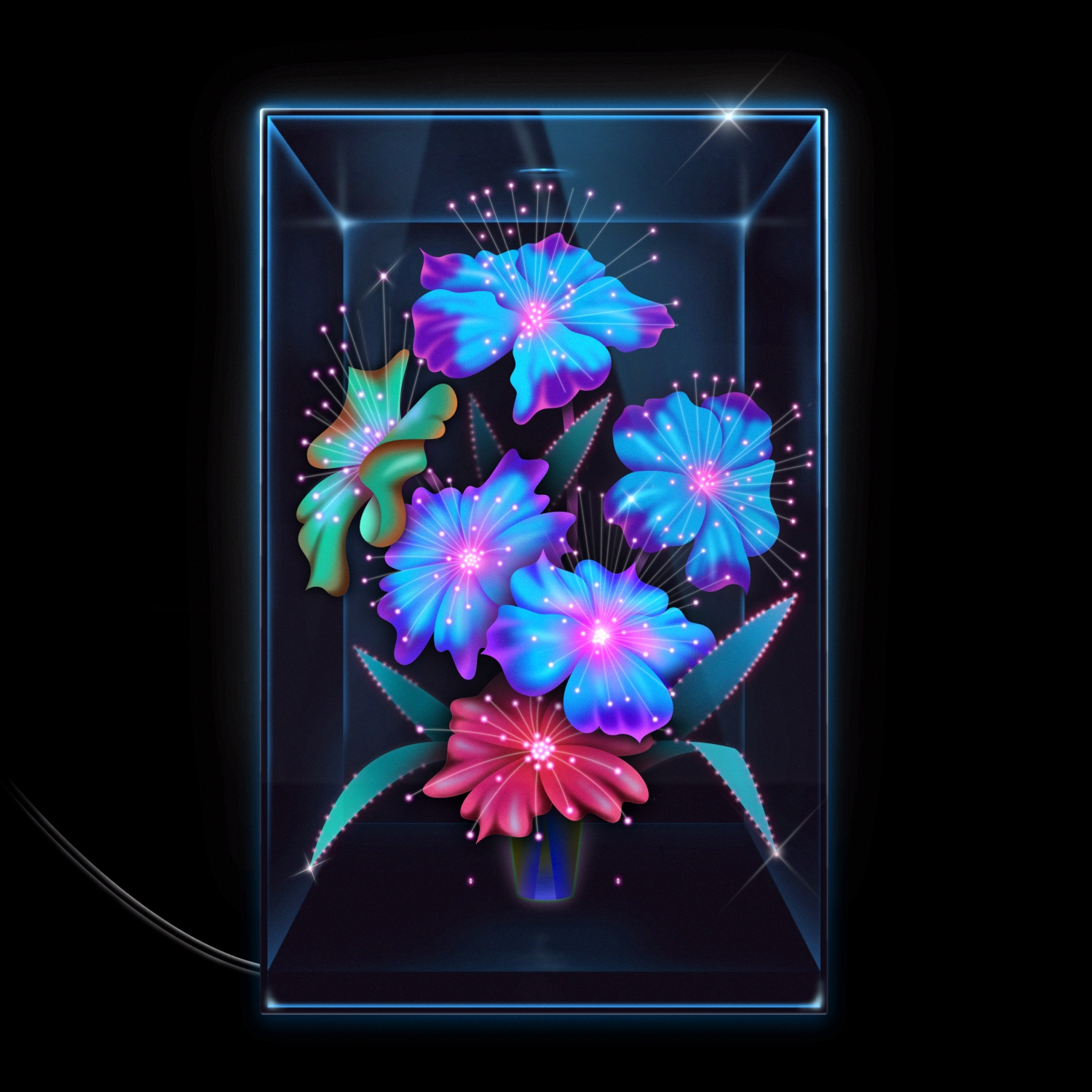
Rewired Fado with touches of the rumba, and clav- style rhythms permeate this conceptual (of a sort) album. Each single, at least, is meant to reflect the portrait of a different character in the diorama. The venerable organ with revved up bursts of R&B pop and breaks ‘Who Shot Ya?’ represents (we’re told) a ‘grill-wearing woman and caged little child’: caged like so many young kids caught up in the immigration crisis, held in limbo (a practice that has actually been in place since and before Trump). In fact the visual aspect, character descriptions, were completed before the music, which as the notes suggest has a cinematic quality: no arguments there. Talking of the celluloid, the trebly stubbed bass and deep ‘Darkest Hour’ even features touches of Bernard Herrmann’s heightened stabbing strings: ala the Psycho soundtrack.
On the traditional B-side vinyl flip (the BLUE period as it’s called) Rubinos riles in almost balladry form on the self-explanatory ‘Don’t Put Me In Red’ song against the lighting engineers who insist on spotlighting her in red on stage: what Rubinos calls “Latino lighting”. It’s something I’d never even considered or come across before, but makes sense, the stereotyped fiery Latino spirit and cliché moody tempest effect: a kink of the exotic and sultry too. And that’s the point. Taking for granted the slights and ways we all condemn ethnicity into convenient boxes. The song is actually quite lovely; a mix of Moroder futurism and wallowing pleaded drama.
Rubinos and her foil Buccelli have really immersed themselves in this concept. They take familiar melodies, rhythms and tunes and transform them through a contemporary lexicon of protestation, jazz, electronica, soul and pop.
Una Rosa is a magical album that softly delivers hard-hitting on-messages and the experiences of the Latin American diaspora (“we were here before the West was won”) in a rigged version of the capitalist ideal. A different record to Black Terry Cat, Rubinos plays up her rich ancestry for a change and produces a more spontaneous tapestry of future pop music: an ancestry, musical style that has so often been adopted and worn by artist’s with only the most fleeting or tenuous (if any) of connections to Latin America. Expect to find Rubinos once more, featured in our choice albums of the year.
Premiere: (EP) Abir Patwary ‘Atmosphere’
October 13, 2021
Premiere/Dominic Valvona
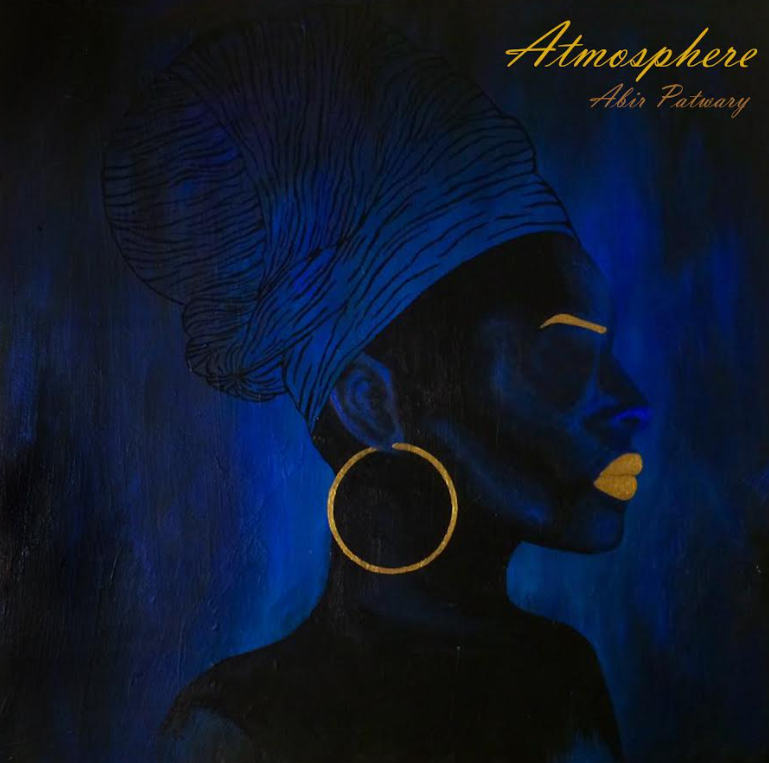
Abir Patwary ‘Atmosphere’
15th October 2021
Regular readers and followers alike will know that the Monolith Cocktail takes pride in showcasing burgeoning new artists. And so with today’s premiere/track-by-track preview we’re delighted to exclusively present the new EP by the Oxford-based Spanish/Bangladeshi singer Abir Patwary, who combines his South Asian and European roots with modern electronic R&B, soul and emotive swelled pop.
With production shared (almost) between the L.A. producer/songwriter Nick Nittoli and the ever reliable Oxford producer/musician Mike Bannard, Patwary’s five-track Atmosphere EP crisscrosses the Atlantic with a sound that’s further expanded by the talents of viola player Joshua Piero, vocalist Mel Austin and rapper André Jahnoi.
Driven by themes of isolation, belonging and connection, Patwary lyrically fluctuates between storytelling and an expressive pull of emotions: “music has been a way for me to express the truest version of myself. I have a deep connection with storytelling, and stories have always made me feel like I belonged and that I wasn’t alone.”
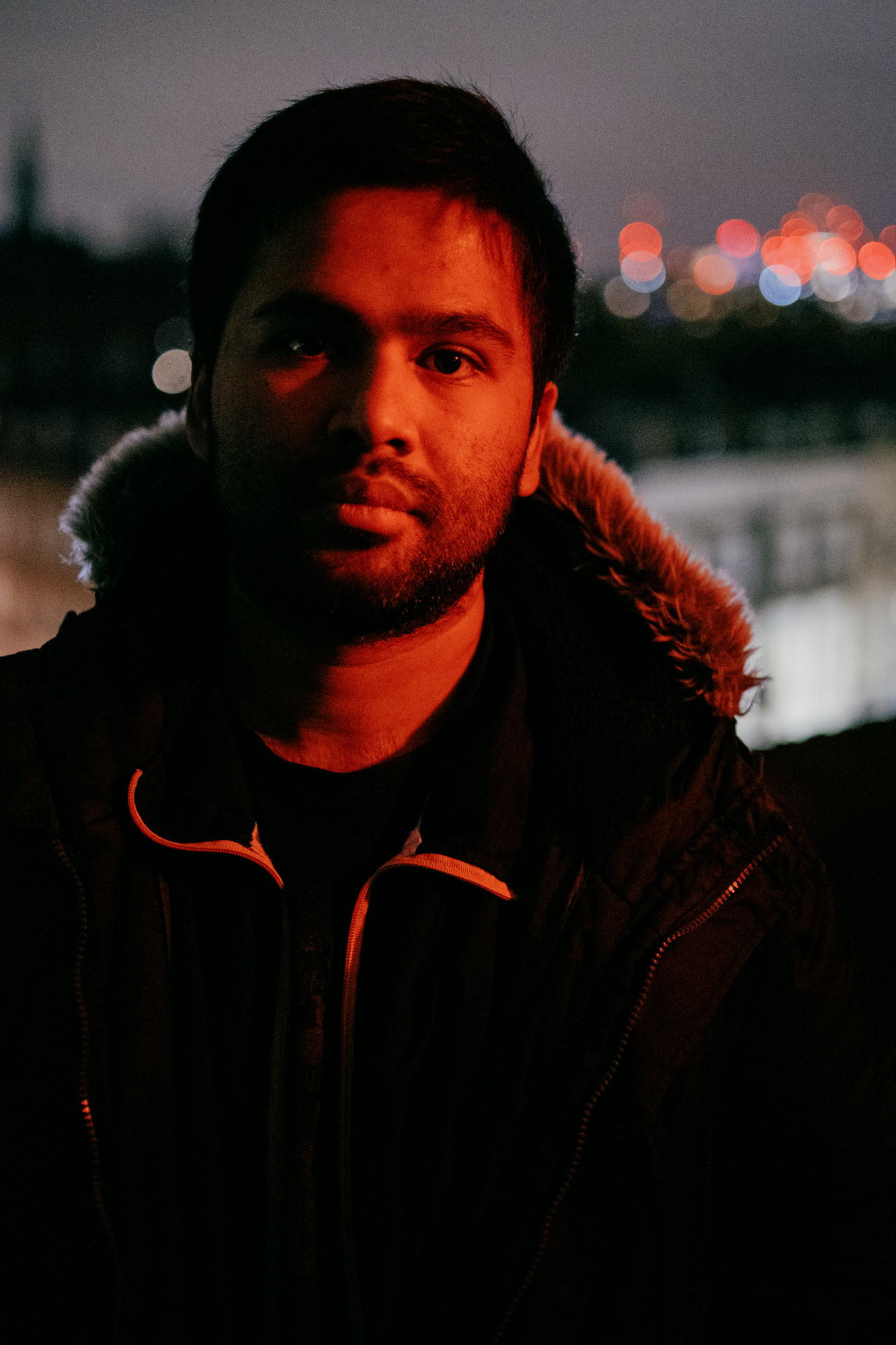
Here’s a track-by-track breakdown of that EP:
‘Never Do’ – Opening with this summer’s single, the slow-paced and purposeful, tune features the soft harmonies of Mel Austin, who shadows Patwary’s “laconic”, slightly warble effected lead. Inspired by the war themed, and revisionist fantasies, of The Man In The High Castle and Broken Sky trilogy, Patwary yearns whilst the music dips and sways.
And exclusive ‘extended’ version, with added Ghost Poet via toasting raga lines from the British/Jamaican artist André Jahnoi, is also included on the EP.
‘Avalon’ – No not a cover of Brian Ferry’s slow dance but a slice of “crisp” brooding R&B with South Asian melodies style single, produced by L.A. producer of note, Nick Nittoli. Lyrically longing for that magical destiny, ‘Avalon’ feature’s the artist’s recurring theme of belonging: finding one’s tribe. It’s also another song that includes Patwary’s storytelling mix of the mythical and earthy.
‘Heir’ showcases Patwary’s love for cinematic and orchestral music, featuring, as it does, the light but emotive chamber pop viola tones of Joshua Piero. Once more imbued with the lyrics of mythology and also referencing the “tribe”, he soulfully aches with a certain defiance over subtle, but deeply felt, electronic beats and a romantic(ish) filmic soundtrack.
‘Mun’: An “arresting song of redemption” that features a zombified metaphor, aimed at all our most cruel, mindless failings, ‘Mun’ incorporates both that cool L.A. vibe of giddy sped up effects, bump and thud bass, and the march of more militaristic drummed snare.
You can now hear the full Atmosphere EP for a limited time before its official release on Friday 15th October below:
The Perusal #21: Lexagon, SAD MAN, David Lance Callahan, King Champion Sounds, Vapors Of Morphine…
October 11, 2021
A LOOK AT WHAT’S OUT THERE THIS MONTH/ALBUM & EP Reviews by Dominic Valvona
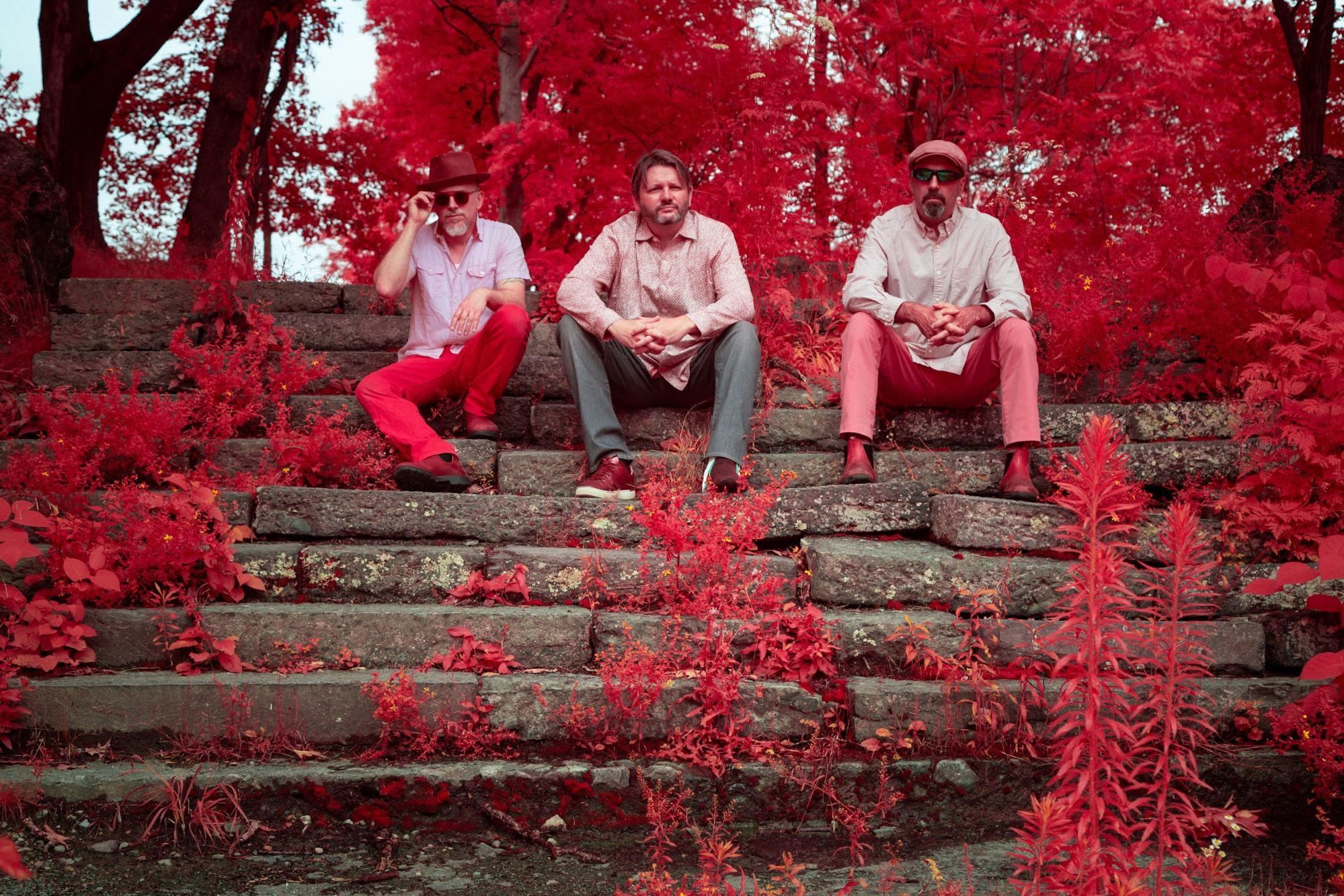
Lexagon ‘Feminine Care’
(Ratskin Records) Available Now

A most hypnotic, haunting release of built-up pressures, the release valve for the protestations and stresses of life under the Trump administration, the multidisciplinary artist Lexagon exhales a whole mini-epoch of frustrations on the incredibly atmospheric new album Feminine Care.
Through many ‘incarnations’ Lexagon roams, meanders and drifts across an amorphous soundscape, imbued by the spiritual longing of the black diaspora, the bayou and Deep South. Traces of trip-hop, new soul, the blues, gospel, early U.S. Girls lo fi, Francine Thirteen, Moor Mother, Tricky and, on the heavy breathing confrontation turn internalised soliloquy ‘Sugawata’, the Aphex Twin can be picked out amongst the environmental field recordings of wading through grasslands, bird song and more mysterious spheres.
With a title that both plays with and confronts the sanitized, compartmentalized named American drugstore aisle put aside for tampons and sanitary products, there’s nothing less at stake then the full gamut of feminine identity and language in an age in which held beliefs and constructs seem to be challenged to the point of destruction. Yet Lexagon’s themes grow even wider, taking in a panoply of events, from climate change to displacement.
Of the air and earth this most sensual, softly heaved gauzy and esoteric communal of veiled self-discovery draws you further and further into Lexagon’s vocalized, narrated and lulled sonic world. Serious when it needs to be, yet before you know it, the apparitional whispers and coos suddenly pay an almost sultry kink-poetic “lovesick ode” to female ejaculation on the finger clicking, sonorous bowl circling ‘Hurricane’: though this ghostly visitation exudes a slightly creepy vibe.
Lexagon’s voice guides us with scraps of journal entries, quiet diaphanous arias, woes, confessionals and transcendental “om” like spiritualism; winding, or embodying, the floated and wafted musical accompaniment of drifted Omni chord, train track rhythms, pattered and scrunched beats, warped curves and pumped hallucinations. The manifestation concerns of how it feels to be both literally and psychologically poor and without a stake in society; the tidal shifts of emotional insecurity and yearns for comfort; and the mental fatigue, exhaustion of a hostile environment are all channeled in the bewitching magic of this artist’s sensory rites of passage. Soul music from the ether, spiritual jazz vibrations from beyond this realm, Feminine Care is a woozy affair of true evocative brilliance: blues for the 21st century.
SAD MAN ‘5 Years Of Being SAD’
16th October 2021
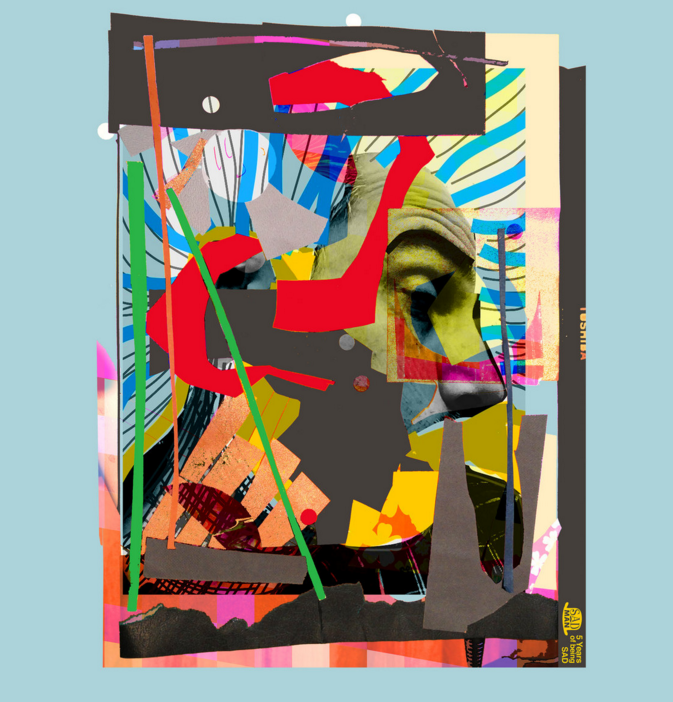
The mind boggles at what motivates the humanoid behind the plaintive, despondent SAD MAN moniker. Whatever uppers, downers and madcap tomfoolery fuels Andrew Spackman’s electronic lunacy will remain an enigma.
Initially under the Duchampian chess move appellation of Nimzo Indian, Spackman has maintained various secret identities over the years, though the longest running alter ego, and most prolific, so far remains that SAD MAN guise. After 5 years, 18 albums and nearly 200 original pieces of music, the potting shed boffin-artist, composer and producer rounds up this “epic productive period” with a compilation of highlights and unconscious, untethered, streams of sonic confusion and madness (though Spackman has also celebrated his third anniversary with a similar compilation too).
To make it even more complicated in keeping track of his numerous outputs, Spackman has remixed his own original tracks across a trio of Indigenous Mix albums – some of his best work to date, and the reason that he’s selected four tracks from the most recent volume for this compilation. He’s also started moving into the soundtrack arena, recently collaborating with the Irish storyteller Francis Lowe on the narrative stream ‘Stories From An Island’ album for Cue Dot Records. Talking of soundtracks, a trio of oscillating, reverberating and more obscured breathing looped suites created to soundtrack Dimitri Kirsanoff’s lamented 1920s Menilmontant are featured on this anniversary showcase; proving if anything that it’s hard to pin this electronic and art school maverick down.
There are also selections from this year’s Music Of Dreams And Panic (the polygon space flight of ‘Tonefluffer’, spasmodic Sakamoto vs Autcehre turn Felix da Housecat dancer ‘The Piano Player Rises’, and a “revisited” version of the radiant exotic space birds and alien wildlife quirk, ‘Fra Fra’), The Man From SAD (the techno rotor bladed and magical Aphex Twin-esque ‘The Vulcan’ and moist, fanned phaser effect post-punk electronic dreamy and squiggled chimed ‘Finny Foot’), SOS (the bending mirage and gabbled techy ‘The Green Opal’, off-world Samba rhythmic tetchy break beat fantasy ‘Shark’, and the knocking beat glide inside the head of House Of Tapes ‘Neptune’), and Demo(n)s (the gargled acid burbled ‘The Split’, mechanical circular softened pneumatic prodded ‘Banished’, and floating apparitional percussive old movie ‘Swimming’) albums.
Featured on the Monolith Cocktail last year, both the trick noise making Daddy Biscuits and, warped vision of d’n’b, techno and more avant-garde, King Of Beasts albums are also well represented on this wild collection. From the former there’s the anything but somnolent ‘Sleeper’, which runs instead through a bastardize version of Herbie Hancock’s ‘Rockit’, 16-bit computer game coin-up prizes and hints of M-Plant Rob Hood and a crystalline dream magic. The rest is a mix of jolted Djax Techno, warped and bashed with shocks hints of Mike Dred, galloping 808s and mischievous Ed Banger electro funk. The latter, sees Spackman going for kicks, eyeing up the grooves on a album of both panel-beater workshop beats and modulated weirdness; an album for lovers of Warp, Leaf, early Jeff Mills.
Overall it’s a both madcap and revelatory tour-de-force of unhinged, madcap and purpose built apparatus electronica, unburdened and creatively free of any particular description (though I’ve tried!). Hopefully the moniker isn’t as sorrowful and depressed as it makes out, as we’d like to know there would be another five years of this extraordinary maverick’s experiments to come. With that in mind, here’s a raised glass to the fifth anniversary celebrations.
Further Reading…
SAD MAN and Francis Lowe ‘Stories From An Island’ (2021)
SAD MAN ‘Daddy Biscuits’ (2020)
SAD MAN ‘King Of Beasts’ (2020)
SAD MAN ‘S/T’, ‘CTRL’ (2017)
Nimzo-Indian ‘Nimzo-Indian’ (2014)
Dan Haywood ‘Country Dustbin’
(TakuRoku Records) Was Released on the 1st October 2021
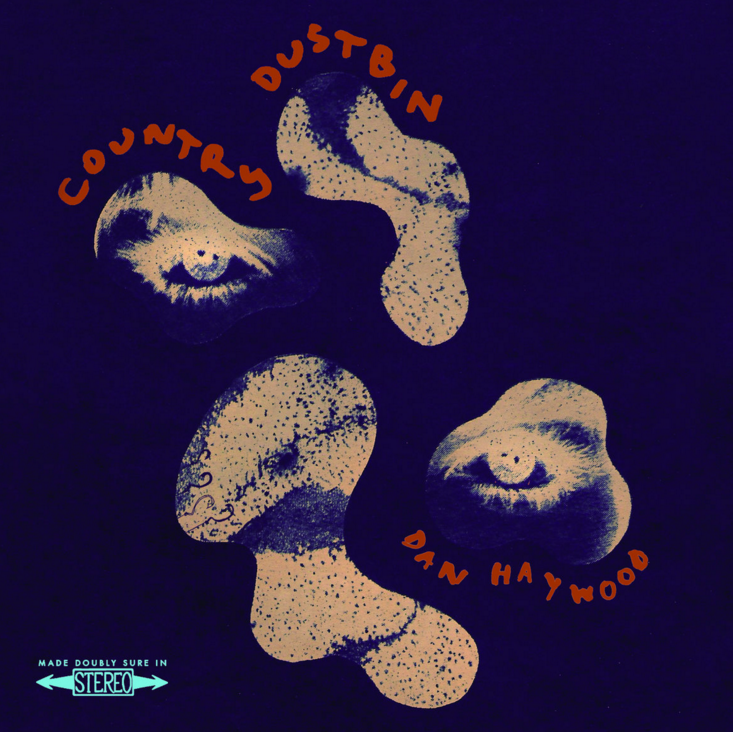
Dan Haywood’s continuous one track rambled album Country Dustbin holds a torch up to illuminate the idiosyncrasies and misery of life at both the fag end of the 20th century and at the dawn of another miserable one. Generation X to Z are invited to throw all that crap and clutter baggage into the contemporary troubadour’s “bottomless pit”, “confessions booth”, and alchemist vessels.
Over a constantly loose jam of roving storyteller rock ‘n’ roll and enervated Leon Russell New Orleans style blues Haywood distils a lifetime and beyond of British poetry (from Ted Hughes to Robert Burton) and despondent prose for over fifty minutes of outsider pub-rollicking lovesick resignation, scoffed observational lyrics, iteration and warmer words of desire. The couplets and one-liners (far too many good ’ns to mention) continually flow over a forward (if slightly laidback) momentum. Those disheveled sulked encapsulation of life’s foibles, broken promises and dreams style lyrics, when they hit on something worth repeating, sometimes reoccur like some kind of reminder chorus: a rousing point of return.
Imagine Bob Dylan grew up in millennial Dalston, backed by the Alabama dappled organ sounds of Muscle Shoals supping up “California Chardonnay”, or, an Estuary twang Warren Zevon fronted 70s pub rock band, or, Anthony Moore gave Ian Dury a night-off from the Blockheads, and you still won’t come close to getting a handle on this unloaded conscious reckoning. A brave move that won’t be to everyone’s tastes, but this dustbin is a brilliant long jam of social and lovelorn splurging.
King Champion Sounds ‘Between Two Worlds’
(Hive Mind Records) 22nd October 2021
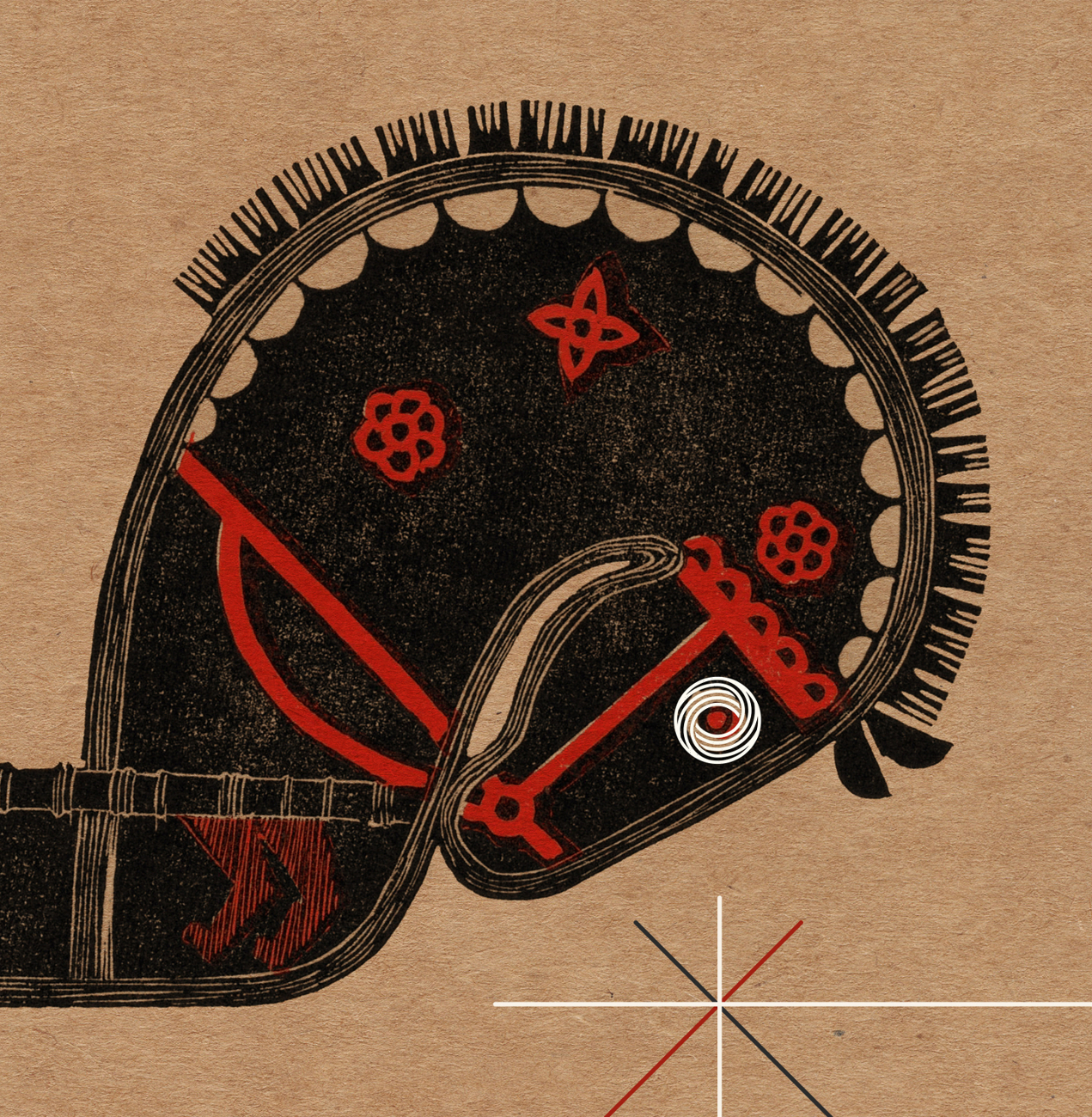
In danger of becoming difficult to keep tabs on, both the astral traveller Ajay Saggar and repeat collaborative offender Oli Heffernan have between them separately instigated the Deutsche Ashram, Bhajan Bhoy, Ivan The Tolerable and Heffernan projects. This year both longtime foils formed a cosmic courier bond with Kohhei Matsuda called University Challenged (reviewed by myself back in January this year). But it is in the guise of that partnership’s longest running venture, the Anglo-Dutch King Champion Sounds, which has now sprung up again: eight years after the loose confederation’s debut in 2013.
Once more with wafted and psychedelic oboe and no wave saxophonist Ditmer Weertman in tow, the KCS branch out with a myriad of guest appearances and an extended cast of voices, musicians to bemoan societal ills, and a lack of gnostic faith whilst unloading a lifetime of baggage.
Between Two Worlds indeed, flights of amorphous astral fantasies drift about with vague reverberations of post-punk, shoegaze, kosmische, krautrock, indie, baggy and the new age.
Throughout this grand expansive work the lingering mysticism of Deutsch Nepal meets with more earthy down ‘n’ dirty denunciations of city life and inequality.
Esoteric, mysterious with leanings of spiritual hanker come up against Tarot like augurs. On the motorik Klaus Dinger pummeled, with a transmogrified take of The Beatles ‘I Feel Fine’ riff, ‘Thou Hurricane’ sees the Mekons’ Sally Timms and Jon Longford with Eleventh Dream Day-trippers Janet Beveridge Bean delivering the “killers invade the citadel” omens in this case. Talking of guest spots, Mia Dai Todd cast a supernatural, almost chilled hint of the Dead Can Dance’s Lisa Gerrard, on the crept vapour and windswept ether ‘Remembering Easby Abby’, whilst the Super Fury Animals talk to bone shaker shaman as Augustus Pablo plays hallucinating melodcia album title-track features the former Teenage Fanclub(er) Gerry Love adding dreamy vocals.
Highlighting just how despondently real is the gap between those whose wealth is measured in the assets they hold and the enviable if soulless lifestyles they lead and the rest of us forsaken, put-upon proles, Glasgow poet Marieke McKenna narrates an episode of “stark contrasts” on the Ash Ra Tempel with acid burbles and bubbles ‘Seasick’. From the outside looking in McKenna experiences life aboard a super yacht as she fathoms how such extreme wealth flourishes in an age of apparent austerity; meeting a similar aged figure with “25 times my mandatory wealth to her name”. The rest of the album takes excursions to a psychedelic Tex-Mex dreamed border, as reimagined by The Coral (‘I Am A Horse’), an Amon Düül II and Floydian Indian bellowed and wind chime Tibet (‘Libra, Libra, Libra’), and features a young Shaun Ryder fronted no wave, no way, Fall like ramble about a “dirty, shitty, bitty city” (‘City In Wait’).
The resonance of screamed, trilled rituals (Haiti, Africa, who knows?) and amorphous cultures coalesce on an expansive grand astral mini-opus. Climb aboard a most eclectic flight across the gaps between worlds and let this sonic, wrangled protest melt your brain.
Connecting Posts:
University Challenged ‘Oh Temple!’ (2021)
Bhajan Bhoy ‘Bless Bless’ (2020)
Deutsche Ashram ‘Whisper Om’ (2020)
David Lance Callahan ‘English Primitive I’
(Ting Global Productions) 15th October 2021
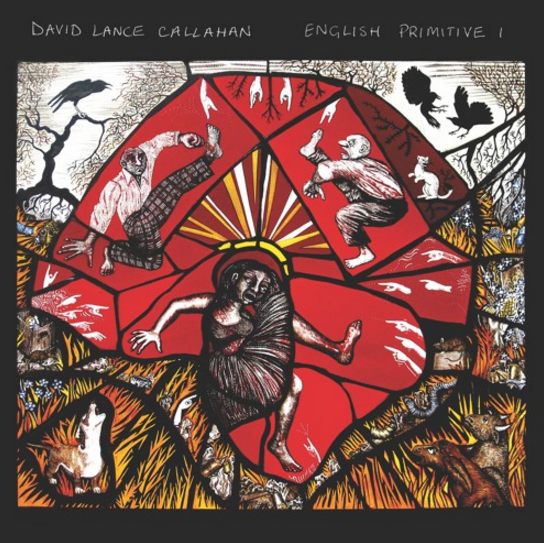
From the heady malcontent days of the C86 Wolfhounds to the idiosyncratic 90s Moonshake, David Lance Callahan has always trodden a fairly unique proactive musical pathway. His latest album is no different.
The first of his two English Primitive declared works is a clever suffusion of buzzing and scuzzed West African (especially Mali) electronic guitar, Eastern, Arabesque and Indian delights and esoteric folk music. A “gumbo” in fact of worldly influences are poured into a somehow distinctly British pastoral hell that’s both weirdly timeless and yet very much of the times: If you did get lost the foibles, descriptions of self-obsession and politics soon drag you back into the present.
We start with a sort of plaintive gritted anthem to the Welfare State. A proud but nonetheless worried male and female dual vocal runs through the positives of growing up with free access to a number of institutions – now on the precipice and in the sights of privatization – to a sort of fluty union between The Beautiful South and David Cronenberg’s Wife. Moving on, the more mysterious commune, multicultural scene ‘Goatman’ sounds vocally like Simon Bonney accompanied by Samba Touré on guitar. It also reminded me of a very removed CSN&Y: even a strange corrupted 70s Fleetwood Mac.
A door is opened up to musical fantasies on the gnarled lyrical ‘Foxboy’, with its sloping tablas and resonated drones from India and scuzz guitar from psychedelic Anatolia. On this cross-border funnel there’s hints of Dirt Music and Warren Ellis’ harassed and heightened tsunami of elbowed violin.
Less honeyed odes are made to Callahan’s muse on the shaking and twine ‘She’s The King Of My Life’, but we’re back to “not seeing the signs” romantic inadequacy on the Mdou Moctar joins Bad seeds ‘She Passes Through The Night’.
Callahan really gets to the despondent crux of a relationship chasm on the epic kitchen sink lament ‘One Rainy September’. To an 18th century like classical and folky malady, two perspectives, one the returning soldier with a challenging return to civvy street, and the other, his put-upon unloved and isolated partner, play out on a dislocated tale of modernity: mobile phones and all.
Primitive in name only, beneath the dirt music and stripped pastoral backing this is a very clever, sophisticated album of weird and beguiling Britain; a snapshot trudge of a kingdom sliding into the abyss.
Angelo Bignamini ‘8 Doublings’
Miguel A. García ‘Aritie’
(both on the Kirigirisu Recordings label) Available Now

I have a double-bill of abstracted sonic experiments from the Japan-based label Kirigirisu this month. Out on the peripheral of sound art and conceptual methodology/process, Angelo Bignamini and Miguel A. García both obscure concrete objects and apparatus to produce something outside the usual description of ambient soundtrack, filed recordings or atmospheric exploration.
Italian musician, sound artist and label founder (of the “personal” Nausea imprint) Bignamini records various objects, whistles and percussion onto tape on a digital random sequencer. Interested in the relationship between music and failure, especially between sound and deterioration, his 8 Doublings of untitled (just numbered) tracks lead the listener into a minimalistic woodland of scratched and scored tape squiggles, amorphous pattered and tapped wooden quasi-beats and gamelan style garbled runs along skeleton bones. Bleeding in to this alien but just about identifiable world is an environment of hooted birds, insect chatter and foliage. #2 sounds like a looped staccato recording of someone clearing their way through the undergrowth, whilst banging sticks into the ground. Flinches of static, scrunched noises, distant drilled pulsations and mulch appear on a very peculiar, almost primal album of the strange.
Bilbao resident and artist García, who also performs under the Xedh guise (part of numerous group efforts too), brings us one long continuous track that changes over a span of 35 minutes through different built up sections. Based on certain complex textures of an analog origin (namely mixer feedback), which are then digitally manipulated, Aritie is based on insistence and repetition. Or as the accompanying PR notes put it: ‘superimposing sounds that are variations of those already proposed’. The accumulation of which leads to a climatic cyclonic swirl of noise and dissonance: it actually finishes with a long almost horror like high-pitched square wave like whine. Transformed scrapes of concrete and jangled sounds in the first section are replaced to a degree by rattled metal chimes and pans (which sort of beat out some kind of obscure rhythm) and tubular space signals. Chinks of long bell like percussion layer up with charged particles and a squelchy swamp of burbled and bubbling grayness. Another most strange recording that defies any sort of easy categorisation; out on its own in the abstract. Something out of nothing, nothing out of something: you decide.
Vapors Of Morphine ‘Fear & Fantasy’
(Schnitzel Records) 15th October 2021
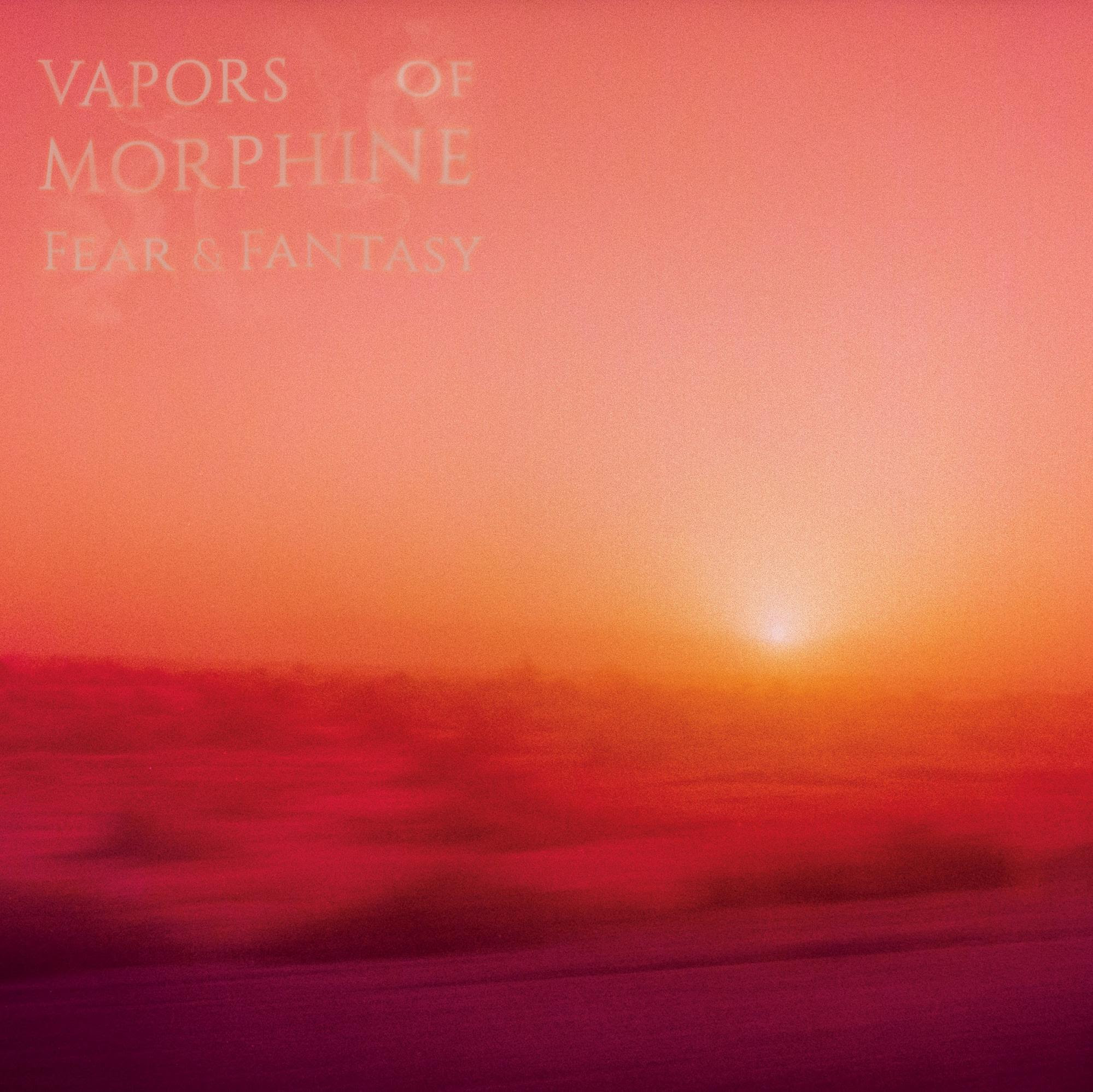
It’s hard to keep up with the extensions and offshoots that materialized in the wake of Morphine’s retirement, coming as it did after the band’s front man Mark Sandman’s untimely death in 1999 (suffering a fatal heart attack live on stage). Carrying the torch, though for a longtime leaving past Morphine tunes and unfinished ideas alone, the surviving members in the noughties formed Vapors Of Morphine.
Now though, more than a decade on from conception, the VOM has seen a number of changes with only original Morphine founder and saxophonist Dana Colley remaining. Both Jerome Depruee and Billy Conway’s spirit permeates the new album, with one-side of it named after the former, who decided to drop out of the project. In their places comes the singer and multi-instrumentalist Jeremy Lyons and drummer Tom Arrey.
Knowingly reconnecting with Morphine’s final album, The Night, the Vapour’s Fear & Fantasy builds upon the cosmic swamp and psychedelic country vibes of that album whilst branching out with cover versions of Malian blues and dreamy despondency. The southern music influences remain, with echoes of Big Joe Turner, New Orleans blues, boogie and skiffle. ‘Ostrich’ blends all the above with wallowed moonshine and touches of Muscle Shoals Stones and Delaney & Bonnie.
Yet despite the bayou, front porch and Appalachian geography, Colley’s often wafted, drifted and honked baritone sax and the more progressive, psychedelic drums suggest hallucinatory and languorous visions of lunar terrain: like on the meandrous, reverberated knocking dub-country opener ‘Blue Dream’ and curved air bending sci-fi instrumental ‘Phantasos & Probetor’. The band also spread their wings into West Africa with cover versions of songs by Malian legends Ali Farke Touré and Baubacar Traoré. The first takes Touré’s spindled ‘Lasidon’ original along the Mediterranean coastline (could be ancient Anatolia, Greece or modern Turkey) with wheel spokes like guitar and what sounds like a mandolin; the second gives Traoré’s ‘Baba Drame’ a similar excursion swerve but also turns it into a strange country hoedown.
Those who were fond of the late Sandman’s burr will find the vocals in keeping with that low voiced trajectory. On the very 90s sounding and Eno serenaded ‘Irene’ the vocals sound like a mix of Crime & The City Solution’s Simon Bonney and Mark Lanegan, but like an experimental Michael Hutchence’s on the jazzy-country-blues trip ‘Special Rider’ and like some odd throwback to Steinbeck’s depression era on the Orleans’, via the Cotton Club, ‘Drop Out Mambo’.
Going full circle, the band pays homage to Sandman’s pre-Morphine incarnation, Treat Her Right, on the slinking and slide guitar double-entendre cheeky camping trip ‘Doreen’. It’s a comical moment of levity, much in keeping with the overall tone and mood of this album. The lyrics can be a tad resigned, moody, and fateful (delivered from a middle-aged perspective), but the music plays around with its key roots whilst floating off into the universe on an acid moonbeam. Fans of that Morphine legacy will be happy with the results; the connection still there yet moving into new creative streams.
Hi, my name is Dominic Valvona and I’m the Founder of the music/culture blog the Monolith Cocktail. For the last ten years I’ve featured and supported music, musicians and labels we love across genres from around the world that we think you’ll want to know about. No content on the site is paid for or sponsored and we only feature artists we have genuine respect for /love. If you enjoy our reviews (and we often write long, thoughtful ones), found a new artist you admire or if we have featured you or artists you represent and would like to buy us a coffee at https://ko-fi.com/monolithcocktail to say cheers for spreading the word, then that would be much appreciated.

