Choice albums of 2019 Part One: A Journey Of Giraffes to Adam Green
December 3, 2019
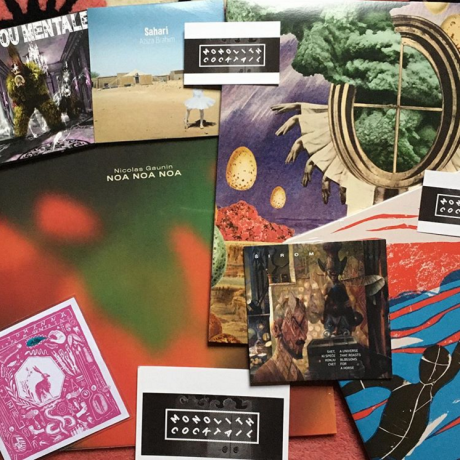
Choice Albums of 2019 Part One: A Journey Of Giraffes to Adam Green
Because we’ve never seen the point in arguing the toss over numerical orders, or even compiling a list of the best of albums of the year, the Monolith Cocktail’s lighter, less competitive and hierarchical ‘choice albums’ features have always listed all entrants in alphabetical order. We also hate separating genres and so everybody in these features, regardless of genre, location, shares the same space.
Void of points systems and voting, the Monolith Cocktail team selection is pretty transparent: just favourites and albums we all feel you, our audience, should check out. Dominic Valvona, Matt Oliver, Brian ‘Bordello’ Shea, Gianluigi Marsibilio and Andrew C. Kidd made all of 2019’s selections.
Spread over three parts, the inaugural selection here runs from A to G, from A Journey Of Giraffes to the Adam Green. Part Two will run from H to P and Part Three from Q to Z.
A.
A Journey Of Giraffes ‘Hour Club’ & ‘Kona’
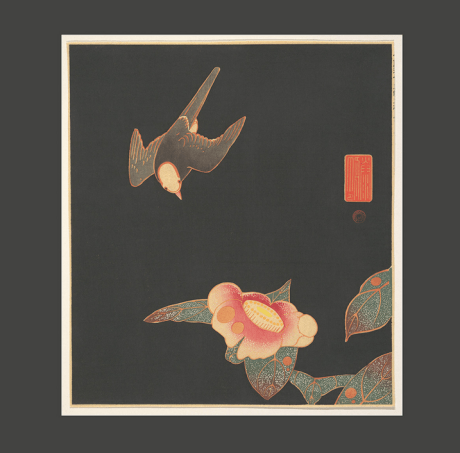
Two atmospherically evocative peaceable ambient suites from the brilliant lo fi maverick A Journey Of Giraffes (nom de plume for many years of the Baltimore composer John Lane) make this year’s ‘choice’ list. Released earlier in 2019, the Hour Club pushes Lane further than ever away from his previous Beach Boys homage experiments into both deeper, darker recesses and sweeping traverses. From Terry Riley to Sky Records, Hour Club is an often-magical soundtrack, with every track sharing a 7 minutes and 1 second rule.
The second album, Kona, an unassuming love letter to the iconic late Japanese composer Susumu Yokota, was premiered back on the Monolith Cocktail in August. Magically ruminating, offering both the beatific and uncertain, this pagoda dreamt fantasy is an exotic, sometimes ceremonial, Zen like album that evokes the Fourth World Possible Musics of Jon Hassell, Popol Vuh and the higher plain communal glistened zither transcendence of Laraaji. Quite possibly, Lane’s most realized, complete album yet. (Dominic Valvona)
Full review feature…
Aesop Rock & TOBACCO ‘Malibu Ken’
(Rhymesayers)
“Both happen upon a sharp splinter of hip-hop pitching to the left, but not way out left” – RnV Jan 19
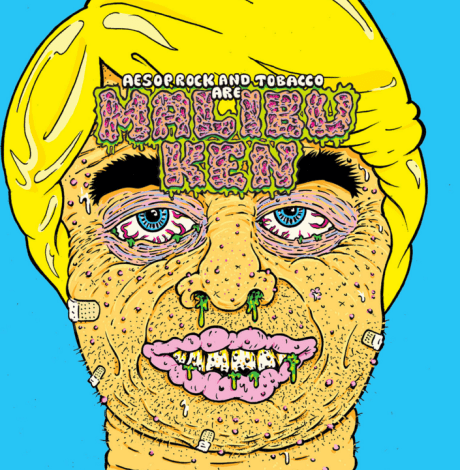
Straight off the bat the gaudily sleeved Malibu Ken foresees a tough slog in store, given the respective running through brick walls of these decidedly non-plastic conspirators. Aesop Rock rhymes like a rebooted Max Headroom, TOBACCO activates at the moment where Rock starts glitching as synths home in on your VHS tracking button. Obviously it’s a jerky leftfield match made in heaven, primitive videogame set pieces overridden by one of the underground’s most enduring, levelling out bad trips but still very much needing these cracked, skeletal neon runways to assure his own navigation and empowerment. Take it as post-modern, post-Armageddon, welcome respite from the mainstream etc etc, or the faultless engineering of the technical and the broken, backwater flights of fancy and stranger than fiction truths jamming in a keyboard repair shop. (Matt Oliver)
Armstrong ‘Under Blue Skies’
(Country Mile Records)
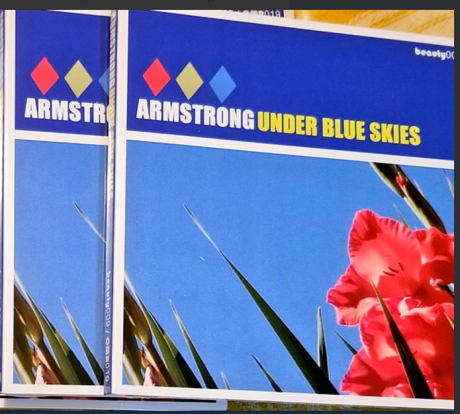
Julian Pitt, aka Armstrong, is one of the finest songwriters to emerge from Wales in recent years: a man who has been blessed with the gift of melody that can be comparable to McCartney, Wilson and Jimmy Webb – Yes, he really is that good.
This is an expanded reissue of his first LP, which was originally released as a limited edition cdr, one that I played constantly. Thankfully it’s getting a much-deserved official re-release from The Beautiful Music label. I am so happy this great lost LP has finally got the release it deserves; it is no longer lost just simply Great, one of the finest pastoral pop LPs you will ever hear. (Brian ‘Bordello’ Shea)
Full review…
B..
Babybird ‘Photosynthesis’
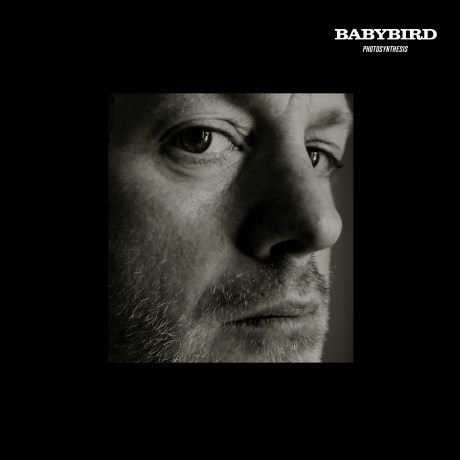
What I love about Stephen Jones, aka Babybird, apart from his wonderful songwriting talent and his dark humor and his obvious love of music and its many genres, is that he has so much soul. He has so much love for music in fact that he makes music not just because he may make a decent living from it but because he has no choice, he has to make it like he has to breath to stay alive. He has to create music, create art, he has to experiment with the magic of melody and write such beautiful songs, and Photosynthesis is an LP full of dark beauty and such bloody good songs. A small dark masterpiece, a master class in songwriting. (BBS)
Full review…
Baileys Brown ‘Still Fresh’
(Potent Funk)
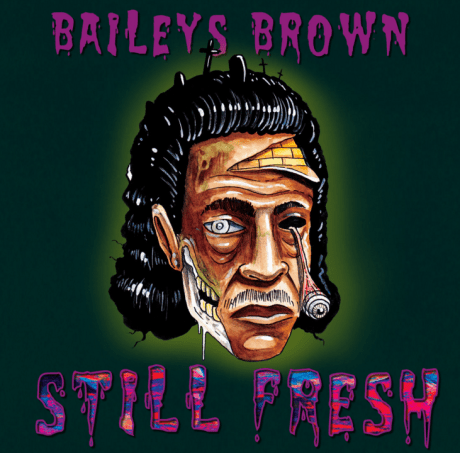
“Skimming the scummy but with buckets of fizz and a little soul stardust answering the title’s call, BB keeps the hottest point of the club within striking distance of a couch and headphones combo” – RnV Aug 19
Investing in a gang of absolute mic-snatching hoodlums, bringing the sort of posse cuts where you dial the first two nines in anticipation, just to be on the safe side, Baileys Brown swings the wrecking ball club-wards before looming as a quiet storm presence fuelling dark alley unease. His best work where you can’t see in front of your face – add damp air or a biting breeze for maximum effect – the raw basics of Still Fresh are more than enough for emcees to chow down on (Axel Holy, Datkid, Dabbla), while a certain juju drifts in and out as if it’s not just testosterone at work. Animal instinct floods from a group who have the trousers to go with the mouth (“yeah I’m talking shit, but you’re doing it without flow”); however, a soulful section towards the back end shows Brown can rise above the rough stuff, reaching out towards a bigger stage for something that shouldn’t be skipped on account of what’s gone before. (MO)
Bantou Mentale ‘ST’
(Glitterbeat Records)

A sizzle. A static shock, a charge that most importantly signals something is changing in the musical fabric; a signal of something dynamic but also something dangerous, a mirror image of the real world, the real refugee and migrant experience and chaos. Vivid and fresh being the optimum words as the Bantou Mentale vehicle shakes up the melting pot convergence of Paris’ infamous Chateau Rouge; addressing assumptions/presumptions about their native Democratic Republic of Congo home in the process. Not so much explosive, the electric quartet seem relaxed, even drifting as they channel the soul and spirit of cooperation; opening up aspects of the DRC culture and humility often lost or obscured in the noise of negativity – and the Congo has had more than its fair share of violence and tumult both pre and post Colonialism.
Kinshasa reloaded; Bantou Mentale is a thoroughly modern sonic vision of peaceful cross-border fraternization. Lingering traces of Jon Hassell & Eno, Radio Tarifa, UNCLE, TV On The Radio and even label mates Dirtmusic are absorbed into an electrified subterranean of frizzles, pylon-scratches and hustle-bustle. Above all, despite the subject matter, despite the polygenesis sonic hubbub this is a soulful soundtrack: cooperation ahead of fractious division and hostility. A more positive collaboration for a 21st century chaos. (DV)
Full review…
Bathtub Gin Band ‘From The Old Navy Club’

The Bathtub Gin Band are a duo from my hometown of St Helens, and this there debut LP. A mini LP in fact, recorded live in a local studio, just acoustic guitar and drums and fine songwriting; the sound of two talented musicians enjoying themselves; an LP that recalls the sound of the Liverpool bandwagon club of the early noughties; quickly strummed guitar ragtime blues telling tales of drunken nights out and failed romantic adventures, an album to listen to as you are getting ready for a wild night out or after you have staggered in after one.
Beautifully written and crafted with well-arranged songs performed with verve and vigor, From The Old Navy Club is another little gem for 2019… (BBS)
Full review…
Blu & Oh No ‘A Long Red Hot Los Angeles Summer Night’
(Nature Sounds)

“A mosey across the West Coast to capture the hustles and bustle as a frontline tour guide mapping out all the no-go areas and places to tap into local electricity” – RnV Mar 19
Drawing on both the energy of the locale and when that red mist begins its descent (‘Pop Shots’ feeling the heat to the point of delusion), there’s Blu, unafraid of foregoing any sort of word association for the sake of putting a brick on the accelerator out of Thunderdome – sometimes straight talking will only do when the stakes are high. Then there’s Oh No, performing funky wheelspins between cruising and hot pursuit, capturing all the glamour, glitz, hustle and insanity the City of Angels calls everyday. The pair switch career mode from local big timers to chancers seeing how far their luck will stretch, and A Long Red Hot… is one of the year’s coolest releases; find somewhere where it’s 96 degrees in the shade before throwing on loud, sequenced to directorial perfection so the highs, lows and inbetweens form a logical thread, and where the action-packed comes with composure remaining everything. (MO)
Blue House ‘Gobstopper’
(Faith And Industry)
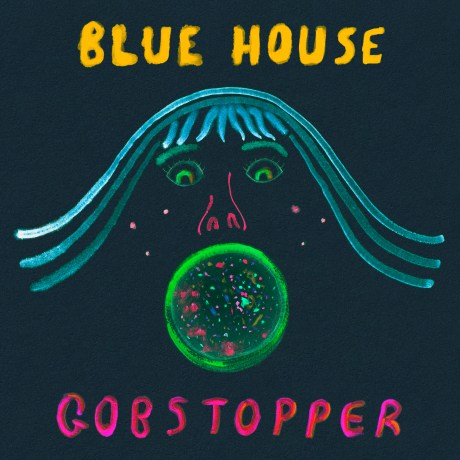
The fruits of two-years labour, James Howard’s (aka Thomas Nation) latest appearance as principle writer is with the Blue House collaboration; a group that boosts the talents of Ursula Russell (drumming for the brilliant Snapped Ankle, and soon to release music under the Ursa Major Moving Group), Dimitrios Ntontis (film composer and member of a host of bands including Pre Goblin) and Capitol K (the nom de plume of the ever-in-demand star producer Kristian Craig Robinson). Following up on the group’s 2016 acclaimed Suppose LP with another rich mellow empirical state-of-the-nation address, the Blue House’s Gobstopper is suffused with a languid disdain, as they drift through the archetypal bleak waiting rooms of nostalgia and the limbo of benefit Britain.
Gently stunning throughout with hues of a gauze-y Kinks, a less nasal Lennon, a more wistful Bowie and woozy Stereolab, Howard and friends perform a disarming mini opus that soaks up the forlorn stench of an out-of-season postcard seaside pub, air-conditioned gyms and quaint English motorways – ‘Accelerate’ in name only, the speed and candour of a hitched-up caravan that’s more ambling (with the radio dial set to Fleetwood Mac bounce) than autobahn motorik futurism. (DV)
Full review…
Boa Morte ‘Before There Was Air’
(Gare du Nord)
The understated majestic swells of the Irish band Boa Morte don’t come easy, or arrive regularly. Only the band’s third album proper in twenty years, the misty expansive mini-opuses found on the long awaited Before There Was Air are like gentle but deeply resonating ripples from a distant shore. Slow, methodical, every second of these air-y hushed suites moves at a stately pace: in no hurry to arrive, with many of the beautifully purposeful songs disappearing into the ether, out of earshot but forever lingering.
A finely crafted sweeping album Before There Was Air exudes a timeless quality; one that by all accounts has been well worth the wait. (DV)
Full review…
Simon Bonney ‘Past, Present, Future’
(Mute)
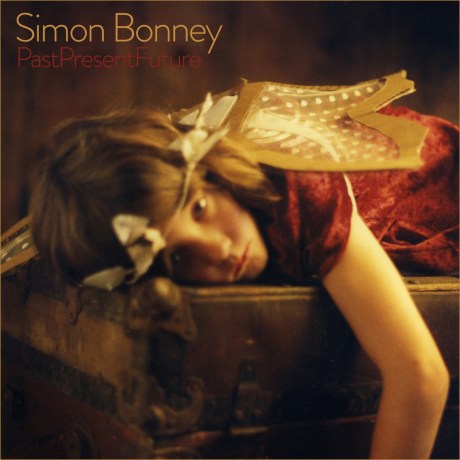
Arguably one of the great voices of Australian music over the last four decades, Simon Bonney is nothing if not proficient in taking hiatuses. Emerging from just the most recent one, five years after the release of the last Crime And The City Solution opus American Twilight – itself, the first album by the iconic alienated nihilists turn beatific augurs of country-doom in twenty years -, and twenty-odd years since the shelving of his third solo LP Eyes Of Blue, Bonney has made a welcome return to the musical fold.
Prompted by the decision of Mute Records to facilitate the release of that fabled last solo songbook, the Past, Present, Future collection is both a reminder, featuring as it does tracks from both the 1992 Forever and 1994 Everyman albums, and showcase for six previously unreleased tracks from Eyes Of Blue.
Not new material but a catalyst for projects going forward, this solo collection proves as prescient today as it did back then. Especially the beguiling cover turns homage (in light of Scott Walker’s passing) of the brooding maestro’s stately majestic lament to fading beauty and decadence, ‘Duchess’. Much of the Bonney songbook, delivered with earnest, deep timeless country-imbued veneration, aches, even worships, for a string of muses; an undying, unwavering love to both the unattainable and lost. One such elegiac object of such pathos-inspired yearning is Edgar Allan Poe’s famous ‘Annabelle Lee’ –the metaphorical lamentable figure of the Gothic polymath’s last poem -, who appears on both the eponymous and title tracks from Eyes OF Blue. Lovingly conveyed, even if it marks the death of that lady, it proves symmetry to the album’s profound poetic loss of influence, desire and alluring surface beauty of ‘Duchess’. Eyes Of Blue, which makes up half of this collection, follows on from the previous solo works perfectly. A touch deeper, even reverent perhaps, but every bit as bathed in country suffrage. Salvaged at long last, that lost album offers a closure of a kind. Proving however, to chime with the present, far from dated, this collection is a perfect finish to a great run of epic, though highly intimate, solo opuses; the songwriting as encapsulating and grandiose, earthy as you would expect. (DV)
Full review…
Aziza Brahim ‘Sahari’
(Glitterbeat Records)
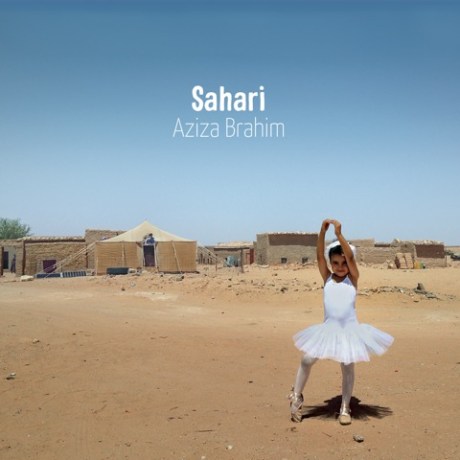
Bringing the message of the displaced Saharawi people to the world stage, Western Saharan musician/activist Aziza Brahim follows up both her critically rewarded 2014 album Soutak, and the no less brilliant 2016 serene protest of poetic defiance Abbar el Hamada album with her third for Glitterbeat Records, Sahari.
Imbued as ever with the desert soul of that disputed region, the latest record, with its visual metaphor of optimism in even the most desperate of backdrops and times – dreams of growing up to be a ballerina proving universal – attempts to marry the beautifully longing and heartache yearns of Brahim’s voice to a number of different styles and rhythms: A subtle change towards the experimental. Imbued as ever with the desert soul of that disputed region, the latest record, with its visual metaphor of optimism in even the most desperate of backdrops and times – dreams of growing up to be a ballerina proving universal – attempts to marry the beautifully longing and heartache yearns of Brahim’s voice to a number of different styles and rhythms: A subtle change towards the experimental. Previous encounters have channeled the poetic roots of that heritage and merged it with both Arabian Spain and the lilted buoyancy of the Balearics. Working with the Spanish artist Amparo Sánchez of the band Amparanoia, Brahim has chosen to add a congruous subtle bed of synthesized effects to the recording process: before performing live in the studio, but now recording in various places, the results collected together and pieced together in post-production. This methodology and sound furnishes Brahim’s longing traditional voice with certain freshness and, sometimes, shuffled energy.
A most fantastic, poetic songbook that will further cement Brahim’s deserved reputation as one of the deserts most serene artists. (DV)
Full review…
Bronx Slang ‘Bronx Slang’
(Fabyl)

“Jerry Beeks and Miggs are more sages than saviours, proving you don’t have to settle for what’s supposedly trending. Proper hip-hop citizenship” – RnV Feb 19
Golden era restoration, true school appreciation…so many attempt to recreate/pay respects to hip-hop’s glory days but often overcook it to the point of self-neutering. Nothing of the sort applies here: Bronx Slang press home the pervading advantage (if you can call it that) of volatile politics, loud and clear messaging deriding the powers that be without resorting to playground tactics. Miggs and Jerry Beeks also know they’re in the entertainment business (‘Well Well Well’ > 50 Cent’s ‘21 Questions’/How to Rob’, Jadakiss’ ‘Why?’), and the baritone-midrange contrast frames the all-important dynamic duo telepathy, catching last breaths should anyone step to them. A box fresh success…and this is before the dirty little secret of the downtown funk hustles being hatched by two UK ringers: one-time big beat ne’er-do-well Jadell, assisted by fellow frat partier and bass house dabbler Fake Blood. Proof therefore of 90s boom bap as international language slash Holy Grail. (MO)
Danny Brown ‘uknowwhatimsayin”
(Warp)
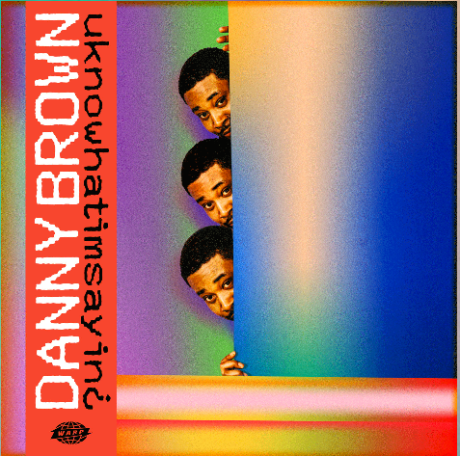
“Still coming through loud, clear and uncouth” – RnV Oct 19
A slight tweak to the Danny Brown experience doesn’t make him any less of a livewire. Q-Tip as executive producer is not an invitation to keep his new, freshly coiffured muse in check, and despite a slightly exploratory start sonically, it’s the same old Danny boy keeping the spirit of ODB alive, quickly into his shit-chatting rhythm and proving that emperor’s new clothes do not make the man. Whether he’d enjoy being tagged as more well-rounded (rather than versatile – Brown’s mind remains pretty much one track in its own strain of ADHD that never misses a beat), the likes of ‘Belly of the Beast’ and the title track pull him in different directions but have that up-to-no-good personality keeping the peace, though he’s a smoother operator than you’d probably give credit for. Short but sweet, like a high sugar soda hit, and still highly strung, but hey – that’s entertainment. (MO)
C…
Nick Cave & The Bad Seeds ‘Ghosteen’
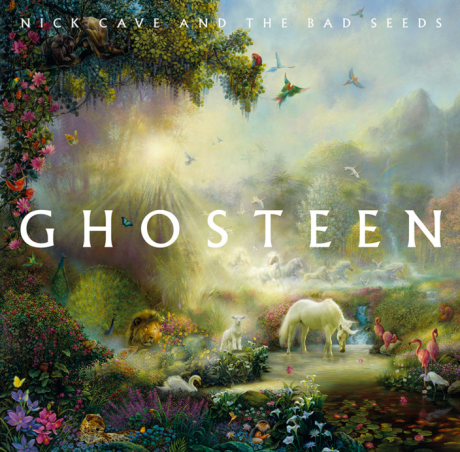
We knew it would come but not when; Nick Cave’s moving concept elegy Ghosteen articulates both the grief and coming-to-terms of the loss of his son Arthur in 2015. And so this often striking, if lamenting, and beautifully poised opus arrives four years later with grandiose expectations.
Often conflicted, Cave articulates despair to a bared atmospheric led Bad Seeds soundtrack of vivid and poetic images and feelings. With a tonal backing of choirs, the afflatus Kosmische of Roedelius and touches of The Boatman’s Call, Ghosteen is a mournful work of pulchritude and grief. It’s also perhaps one of Cave’s best albums in decades. (DV)
Choosey & Exile ‘Black Beans’
(Dirty Science)
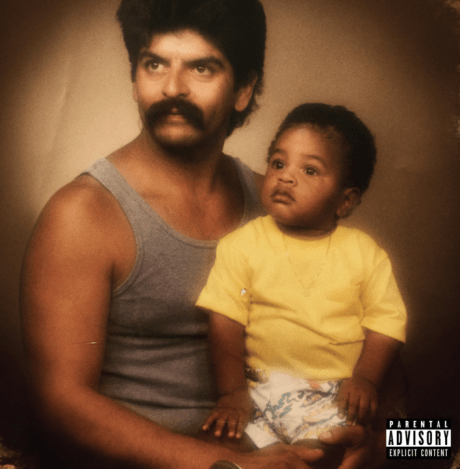
“The comforts of soulful Cali ear butter, and rhymes of a valued familiarity, eye a top 10 spot come the end of the year” – RnV Mar 19
“Come and get your soul food”, a wise band once said. Treating Black Beans as an album that brings the family together around the record player, though it’s just as strong as an edutainment pursuit with headphones and your own private enclave, Choosey and Exile are the master cross-section of warm, good-old-days idealism and a voice providing revisions to nostalgia, telling the fuzzy feelings to sit up straight and tucking you in without forgetting that in love and life there’s always a moral to the story. Aloe Blacc’s deployment to send spines shivering on the all-seasons champ ‘Low Low’ is a masterstroke, the blues and soul source material carefully sifted and restored so that heads are set to thinking that maybe, everything is gonna be alright, pausing today’s mile-a-minute trends and attitudes. Grooves and truths set to soothe and move you. (MO)
Clipping ‘There Existed an Addiction to Blood’
(Sub Pop)
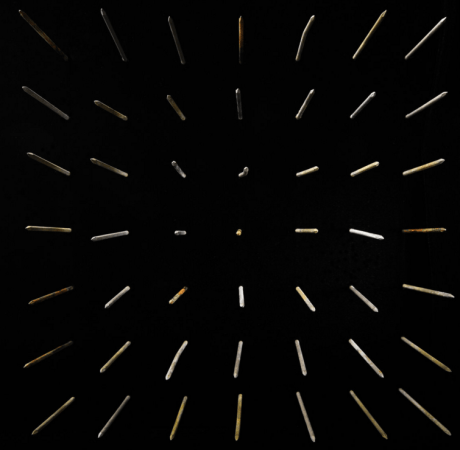
“Where no-one can hear you scream in space until its engine room sucks you in and spits you out” – RnV Oct 19
‘Nothing is Safe’, ‘He Dead’, ‘Run for Your Life’, ‘All in Your Head’…there’s nothing like a cult Clipping cakewalk leaving you gasping for breath. Holographic rhymes and reedy synth beats programmed like a doomed ignition sequence, whose sometimes beatlessness is replaced by wailing walls of surround sound hell and empty, nervous atmospherics, it’s the perfect deployment of the textbook pincer movement, peering stealthily around corners before letting the autofire get open until one great ball of fire engulfs everything. Crew commander Daveed Diggs plays on the edge of rogue Andre3000 operative with ambitions of hero decoration, and as blood both pumps and runs cold, the LA crew still manage to get street lifers Elcamino, Benny the Butcher and La Chat to buy into the mission of a burnt out future – game recognise game. Forget West Coast low-riders, these are the men who fell to earth: you’re pleased they just about survived to tell the tale, and something tells you they’d do it all over again, for club and country. (MO)
Cosmic Range ‘The Gratitude Principle’
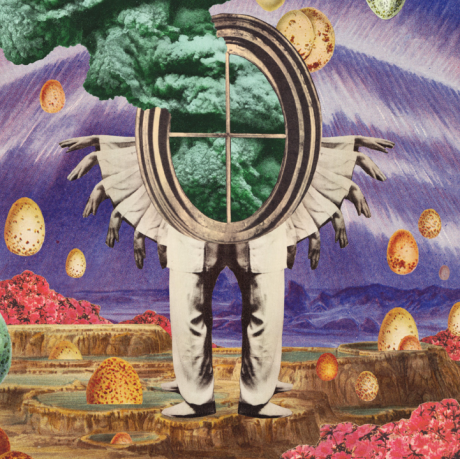
Guided by Toronto based everyman Matthew “Doc” Dunn the multi-limbed super-group collective of faces from the city’s most recent creative rise to prominence follow up their 2016 polygenesis New Latitudes debut with more of the same: Spotted dabbed slinking sexy spiritual jazz, flute-y Orientalism, snuggling air-y saxophone, wallowing subterranean funk and primal scream therapy peregrinations.
The Gratitude Principle gathers together the Slim Twig’s raging, wild wah-wah licks, the experimental snozzles and spiraling wildly saxophone of Andy Haas, Isla Craig’s ethereal siren vocal and flute duties, Kieran Adams’ drums and tinkerings with electronics, Brandon Valdivia’s congas and percussion, and the keys of Mike “Muskox” Smith and Jonathan Adjemian in a sub-aquatic yearning union of free and Afro jazz and Krautrock. Another trip into the cerebral: a jam session of epic mapping. (DV)
D….
Jack Danz ‘TMIB’
(Blah)
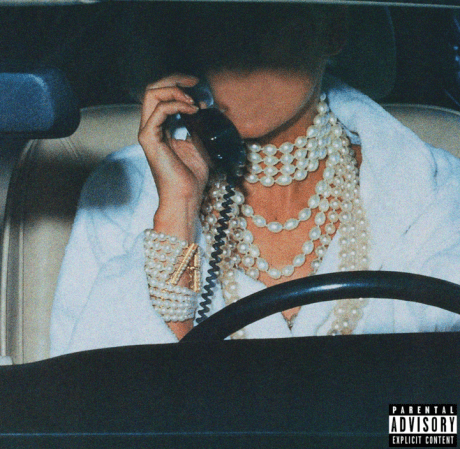
“Entwining the concepts of lo-fi and low life and guaranteed to get under your skin…the voice of someone who’s seen too much but knows exactly what’s going on” – RnV May 19
With rhymes offered as a grunt through what sounds like a prison intercom, Leeds’ Jack Danz is an on-point example of making something cutting edge out of a squalid image – aka, the Blah battalions. Sawn off trap bass, rinky-dink riffs taking on a spectral/lost perspective, and Danz succumbing/thriving while up to his eyeballs, TMIB is the cold light of day after a dive of debauchery: ideal listening for a trashed hotel room or freshly decorated squat riddled with wrongdoing. Danz’ numbness to what are undeniably a set of head nodders (where everything else appears dead from the neck down), makes his flow both out-of-body and trudgingly destructive. If he happens to be in character, it’s a natural role, giving him an impenetrability that means few can answer back to him. Including the engineered ambiguity of the sleeve, this is high power stuff out of sobering surroundings, particularly as there’s definite vulnerability being shown by the album’s end. (MO)
Datkid ‘Confessions of a Crud Lord’
(High Focus)

“On his worst behaviour when ‘Confessions of a Crud Lord’ writes red-top headlines, Datkid bullies the beats of Leaf Dog until he’s administering toilet swirlies” – RnV Apr 19
Goaded by 16 South Westerly beats that’ll have you nodding your way into an MRI scan – your neighbours will love being trolled by the bottom ends – from the moment the word ‘Crud’ stinks the title out, Datkid has it all his own way. An ambassador for UK hip-hop’s rise of the footsoldier, this Bristol blitzkrieg bop is detailed with the confidence of someone thinking they can take on the whole pub and exit with barely a scratch. Suffice to say it’s a relentless baseball bat swing of not giving a monkeys, loving to pounce on out-of-towner weakness in a heartbeat, and whose purity of show and prove, go hard or go home, is enough for guests Westside Gunn, Conway the Machine and Roc Marciano to show support. Once upon a time this would’ve been slapped with an ASBO, but the Crud is strong with this one: “what’s the point of living if you’re just surviving” shows that Datkid really knows where it’s at. (MO)
Graham Domain ‘Fragments Of Light’
(Metal Postcard Records)
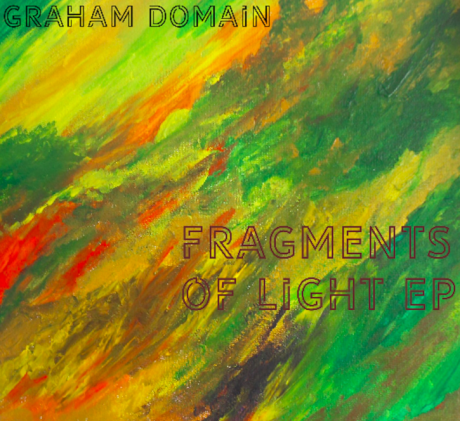
Graham Domain is an acquired taste I suppose. Why, I do not know as everyone needs some dark weird music in their drab lives, an ideal cross taste cannon submerge of Tom Waits, Bela Lugosi and Brian Cant naked massaging the tears out of a neglected and abused cabbage patch doll. Stray keyboard drifts beautifully over simple drum beats whilst duetting with the memory of a long lost lover’s memories of tasting your alcohol on her lips and tongue, the ghost of her naked form haunting the side of the bed that once belonged to her.
This mini album, as has been the other two Graham Domain releases this year, is a really must be heard LP that sadly are not being heard. Why, I really do not know. Maybe they are just too strange or just too emotional or simply people are not getting to know or hear about them. So if you are reading this review give it a listen and tell your friends. (BBS)
E…..
Callum Easter ‘Here Or Nowhere’
(Lost Map Records)

One of those dreamy disarming albums that creeps up on you, the Edinburgh-based Callum Easter’s poised and indolently profound debut, Here Or Nowhere, is a sparse affair of the heart. Often lyrically succinct, saying a lot with few words, Easter shifts tonally between the heavenly and more moody. Songs such as the South Seas charmed and swimmingly ‘Fall In Love’ offers the dreamy, whilst the enervated industrial strikes and gritty Scottish bur narration of ‘Fall Down’ offers something grittier.
After a late conversion to music, the self-taught afflatus voiced troubadour leaving a career in professional football behind him at the age of 21, Easter adopts a number of well-travil(ed) and dragged over musical influences. Somehow he makes them sound new, especially on the wonderful Southern echo-y bar room piano rock’n’roll blues hymnal ‘Only Sun’. There’s also a channeling of Charlie Megira, Alan Vega and The Legendary Stardust Cowboy on a range of beautifully poignant songs, and hints of a lot of 2000s Canadian and American indie.
Despite some of the wry mistrust and resigned despondency, Here Or Nowhere is a spiritual pop album suffused – for the main part – by choral angelics, reverent glissandos and a touch of the afflatus. It’s also an album of singles, with every track standing alone and separate in its own right away from the album as a whole: Nothing short of a marvelous alternative pop and gospel triumph. (DV)
Eerie Wanda ‘Pet Town’
(Joyful Noise Recordings)

The lost sounds of childhood summers, the finger clicking bliss of a Joe Meek hit, the beauty of the lost rainbow in an angels wish, this LP by Eerie Wanda makes me recall all this. Pet Town is a fine album indeed, at times it gives me the same feelings of joy I have when playing The Beach Boys much-underrated classic Friends; songs wrapped up in the power of the pureness in being alone.
This is simple in its beauty and the beauty is its simpleness, the vinyl etchings of acoustic nights wrapped in your ex’s arms soundtracked by a lovingly compiled mixtape of the Marine Girls and Holly Golightly’s softer moments.
Summing up, this is an LP to wrap around you to keep you warm in the coming winter months and the LP to play as you walk in the summer sun remembering how happy sad life can be. A stunner. (BBS)
Full review…
Ethnic Heritage Ensemble ‘Be Known Ancient/Future/Music’
(Spiritmuse Records)
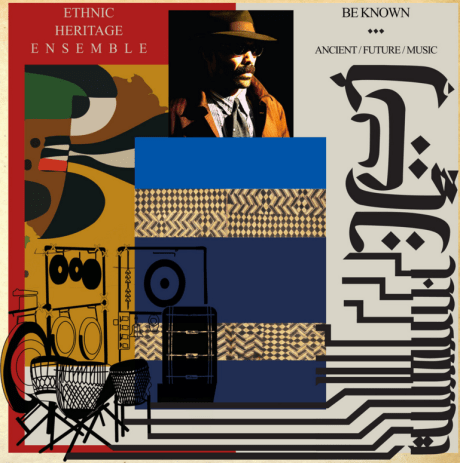
From the doyen of the Chicago scene and alumni of that city’s famous hothouse of talent, the School of the Association for the Advancement of Creative Musicians, drummer/percussionist and bandleader Kahil El’Zabar is still exploring, still connecting five decades on from forming the spiritual jazz troupe Ethnic Heritage Ensemble.
Kahil and the current troupe of Corey Wilkes (trumpet), Alex Harding (baritone saxophone) and Ian Maksin (cello) together celebrate a prestigious 45-year career whilst also, and always, looking forward on the latest collection Be Known Ancient/Future/Music. Spanning live performances, recordings and even a track from the 2015 documentary that forms part of the title of this LP, Dwayne Johnson-Cochran’s exploration Be Known, the ensemble once more channel the ever-developing Chicago rhythm that has marked this city out for its unique, often raw, take on R&B, Soul, Dance Music and of course jazz.
Less cosmic than Sun Ra, and less out-of-the-park than the Art Ensemble Of Chicago, Kahil and the EHE tread a different path towards enlightenment; spreading the gospel of positive Afrocentric jazz to ever more dizzying and entrancing heights. Spiritual music with a message doesn’t come much better than this, the EHE showing no signs of waning after 45 years in the business. I’m off to hunt down and digest that lengthy cannon now and suggest you do too. (DV)
Full review…
F……
Frog ‘Count Bateman’
(Audio Antihero/Tape Wormies)

Frog are a kiosk by the sea, on a suburban beach. The essence of their work is gathered in a search for intimacy that is expressed in DIY and lo-fi passages; a very successful sound universe touched by Bon Iver, Daniel Johnston and other such sacred monsters. Their flame is lit on Count Bateman.
The new album in fact captures the peak of a clear path and placed lo-fi sound. The interweaving of stories on this record are a safe place that puts us at peace and in dialogue with the idea of Frog’s music.
Frog are like Matisse, painters of windows and fixtures that open in an expanse of neighborhoods, cities and stories. Count Bateman is an open window from which air enters and often there is also a hurricane breeze; in fact the second part of the record is full of unusual sounds and more driven, electronically, for the duo. (Gianluigi Marsibilio)
Full review…
G…….
Mike Gale ‘Summer Deluxe’
Escaping the short days and dreary dampness of an English winter, the Hampshire-based polymath Mike Gale (notable for his work with the Americana imbued Co-Pilgrim) suns himself in the dappled rays of lilted surf pop on his new solo album, Summer Deluxe.
Liberally splashing about in the efflux surf of The Beach Boys the much-prolific Gale (this is his fifth album alone in just five years) hides a certain sorrow, longing and yearn under the most colorful and dreamy of melodious harmonies.
Dazed and hazy, a hushed mirage of summer, the leaf-turning breeze of autumn is never far away, its arrival denoting all the connotations and metaphors you’d expect, that fleeting optimism of the summer masks and makes all our woes seem far less burdening. Summer Deluxe is swimmingly brilliant in its indie slacker charm with hints of Sparklehorse, Animal Collective and McCartney; a scion indeed of that Beach Boys spirit. (DV)
Full review…
Nicolas Gaunin ‘Noa Noa Noa’
(Hive Mind Records)
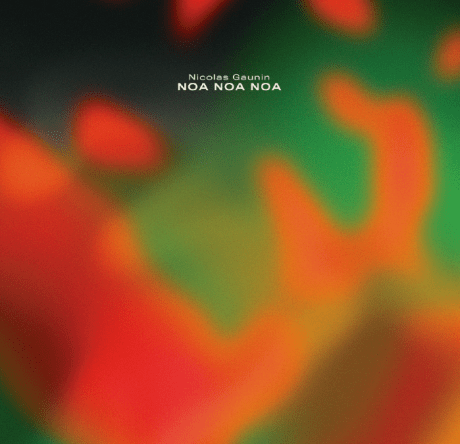
This is included because it sounds unlike anything else I’ve listened to in 2019. Originally put out in 2018 on the obscure Artetetra Records label, Nicola Sanguin, under his barely concealed appellation alter ego Nicolas Gaunin, strange exotic minimalist Noa Noa Noa LP has found a new home on the Brighton-based imprint Hive Mind.
With vague hints of Krautrock legends Embryo’s more percussive experiments in Africa, the dreamy mysterious invocations of Le Mystere Jazz de Tumbautau, Radio Tarifa, Ethno-jazz at its most untethered and Analogue Bubblebath era Richard James, Sanguin’s fantastical experiments mix vague sounds of thumb-piano, Serengeti and jungle wildlife, bamboo glockenspiel, clacking wooden and bass-heavy hand drums and nuanced workshop Techno.
Noa Noa Noa is indeed a thing of curious evocation; a searing balmy transduced soundtrack worth investigating.
Full review…
Gawd Status ‘Firmamentum’
(Tru Thoughts)

“Militant pride that’ll uproot those sitting on the fence, it’s a saga that must run and run. Absolutely boomin’” – RnV May 19
When the Big Bang wiped everything out first time around, Gawd Status saw it as an opportunity, in which Kashmere’s Strange U spaceship nosedives into the jungle, moondust dementia still sputtering from its exhaust, and Joker Starr swaps the battle arena for the cannibalistic, kill or be killed lawlessness of the Firmamentum outback. The Gawd Status is a complicated one, seriously heavy at a skinflint eight tracks long (even in the current age of artists finally getting album length right, 28 minutes is a bit of a choker), fiercely standing up for itself in articulation of black rage and examination of conspiracy theories, and revelling in The Iguana Man’s thick doomsday fog. The event completed by some utterly bumping soul sisterhood from Fae Simon, its arrival at Tru Thoughts is a slight surprise. Nonetheless it’s a work of art that burns bright like a brilliant, tumultuous dream. (MO)
The Good Ones ‘Rwanda, You Should Be Loved’
(Anti-Records)
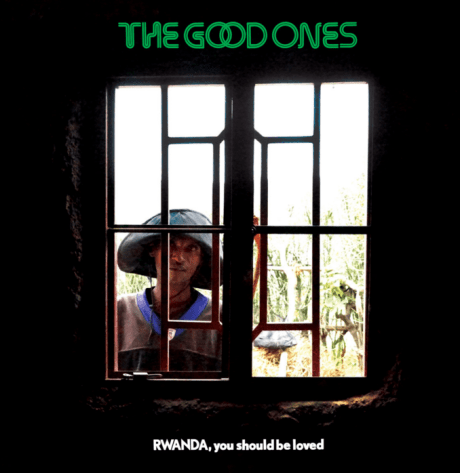
Finding the most earthy of uncluttered soul in the most inhospitable and traumatized of environments, global renowned producer/facilitator Ian Brennan once more sets up the most minimalist and unobtrusive of recording sessions; capturing the raw, natural magic of Rwanda’s The Good Ones for posterity before it dies out.
Though moving slowly past the scars of the country’s genocide, the glorious encapsulating and whistling voices that make up this collective live a bare sustenance, eking out a meager life as farmers in the remotest of landscapes.
Recorded at guitarist and vocalist Adrien Kazigira’s hillside farm, Rwanda, You Should Be Loved Place is as poignant as it is hearty; a songbook of lilting lullaby’s, forewarnings and lament. Not that there presence is needed, but a cast of Western artists – Kevin Shields, Corin Tucker, Tunde Adebimpe and Nels Cline – lend support on a number of these beautiful songs. (DV)
Adam Green ‘Engine Of Paradise’
(30th Century)

Meandering through the modern world of incessant tech-babble and validation cult, the former Moldy Peach turn left banke troubadour Adam Green once more traverses the boulevards and Greenwich Village hangouts of a more simpler, connected time on his wonderful folksy songbook, Engine Of Paradise.
Channeling a homage of Lee Hazlewood, Burt Bacharach, Harry Nilsson, Ian McCulloch, Jim Sullivan and Father John Misty our romantic and candid swooner delivers Midnight Cowboy like cocktail ruminations on love in the context of a society in the grip of an ever intrusive and alienating social media. Nostalgic certainly…but all the better for it. (DV)
Monolith Cocktail Social Playlist: #XLI: Atomic Forest, The Exploding Budgies, Hardnoise, Ibo Combo…
November 26, 2019
PLAYLIST
DOMINIC VALVONA
GRAPHICS: GIANLUIGI MARSIBILIO

Cool shit that the Monolith Cocktail founder and instigator Dominic Valvona has pulled together, the Social playlist is a themeless selection of eclectic tracks from across the globe and ages. Representing not only his tastes but the blogs, these regular playlists can be viewed as an imaginary radio show, a taste of Dominic’s DJ sets over 25 plus years. Placed in a way as to ape a listening journey, though feel free to listen to it as you wish, each playlist bridges a myriad of musical treasures to enjoy and also explore – and of course, to dance away the hours to.
As you can see, volume XLI of this regular playlist selection is accompanied by Gianluigi Marsibilio‘s new snazzy graphics. As diverse in scope as ever, we start of this jamboree with some rough and ready post punk and spunk rock (The Exploding Budgies, The Real Kids, Iceage) before sliding into some sweet soul music (Wilson Pickett, Jimmy Castor) and a short boogie down Bronx stopover (D-Nice). Later on there’s Krautrock royalty (Kraan), maverick Italian soundtracks (Piero Umiliani), psychedelic flights of fantasy (The Tangerine Zoo, J.K & Co.) and a sauntered funked out vision of 2001: A Space Odyssey (Atomic Forest).
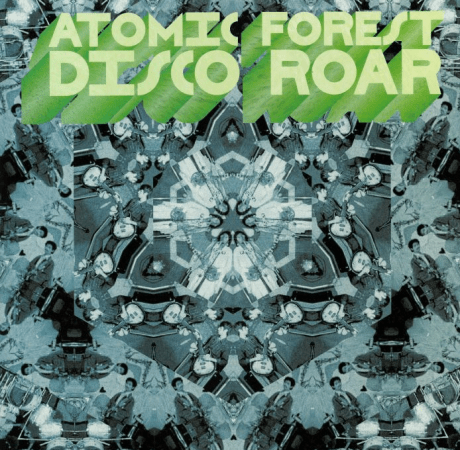
Starring in selection XLI:
The Exploding Budgies ‘Kenneth Anger’
The Pale Fountains ‘Shelter’
The Real Kids ‘I’d Rather Go To Jail’
Iceage ‘Everything Drifts’
The Blue Magoos ‘I Can Hear The Grass Grow’
Paul Revere & The Raiders ‘Him Or Me – What’s It Gonna Be?’
Wilson Pickett ‘Born To Be Wild’
Jimmy Castor ‘Rattle Snake’
D-Nice ‘Straight From The Bronx’
Souls Of Mischief ‘Make Your Mind Up – Rock On Mix’
Hardnoise ‘Bongo Attack’
Ernesto Djedje ‘Dogbohone’
Ersen ve Dadaşlar ‘Garip Gönlüm’
Ibo Combo ‘Pour Elle’
Pasteur Lappe ‘Sanaga Calypso’
Sir Victor Uwaifo ‘Ebos De Gaiza (Ekassa)’
Matata ‘I Need Somebody’
Letta Mbulu ‘Gumba Gumba’
Ema Franklin ‘You’ve Been Cancelled’
Koushik ‘Roller Combat’
Piero Umiliani ‘Produzione’
Black Randy & The Metrosquad ‘I Wanna Be A Nark’
The Aurora Pushups ‘Victims Of Terrorism’
Bush Tetras ‘Cowboys In Africa’
Kraan ‘Silver Wings’
Marc Benno ‘Welcome To Hollywood’
The Tangerine Zoo ‘Trip To The Zoo’
Jean-Claude Vannier ‘L’Ours Paresseux’
Gary McFarland & Gabor Szabo ‘Cool Water’
Dzyan ‘Khali’
J.K. & Co. ‘Fly’
Atomic Forest ‘2001: A Space Odyssey’
Our Daily Bread 354: Right Hand Left Hand ‘Zone Rouge’
November 18, 2019
ALBUM REVIEW
Dominic Valvona
Our Daily Bread 354: Right Hand Left Hand ‘Zone Rouge’
(Bubblewrap Collective) LP/ 15th November 2019
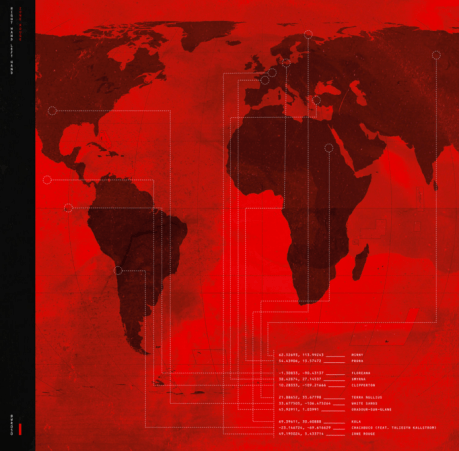
A truly global traversing album in which all the compass points referenced could be considered the ideal dark tourist package, the Welsh band Right Hand Left Hand rev-up for a tour de force of environmental trauma on their second LP, Zone Rouge. Bordering deep into the psychogeography, the tainted soil of a number of both well-known and more mysterious cities, towns, islands and plains provide the backdrop for eleven, mostly instrumental, post-punk, math, prog and alt-rock soundtracks. Bad vibes permeate, whether it’s environmental damage or acts of barbarism each stopover shares the common themes of human malevolence, intrusion and ego.
The scars run deep as the band tunnel into the hell’s gate open pit of the Russian diamond mining town of ‘Mirny’ or, beating out a sinister unwieldy industrial reification of the French village tragedy of ‘Oradour-sur-glane’ – scene of a Nazi-meted atrocity in 1944. A second French scene lends its name to the album itself, Zone Rouge being a legacy of WWI, a stretch of battleground contaminated with unexploded munitions, parts of which are still off-limits to this day. Battles style toms and corrosive guitar meet classical mournful melodies on a plaintive survey of this spoiled ground.
The Hands lend a growled, gnarling, cell-door banging abstracted slammed version of the QOTSA and Nine Inch Nails to the idealized Brutalism of the Nazi holiday resort, ‘Prora’; lend an Aegean flavor clandestine menace to the atavistic pawn in a history of warfare and conquer between Turkey and Greece on ‘Smyrna’; and offer a chilling heart of darkness lament to the former Chilean nitrate mine workers town turn Pinochet concentration camp, ‘Chacabuco’. The latter is also one of the only tracks to feature vocals, with former Estrons front-woman Taliesyn Kallstrom not only singing but exhaling, huffing and shouting on the most ghostly of evocations.
Each track on this album is accompanied with various notes in case many of these map references prove too obscure, but they also prompt further investigation. The stories behind the broken-down quasi-Buzzcocks riff with Mexican tremolo ‘Clipperton’ and menacing turn utopia cloud-breaking ‘Florenna’ are really fucked-up: the former, the both tragic and miraculous survivors tale of guano-extracting workers families escaping starvation and a tyrannical murderous rapist lighthouse keeper, the latter, a Galapagos Islands misadventure of abuse.
The Hands snarl and rile, wane and speed through a tumult of influences, from Battles to Holy Fuck, Adam’s Castle to Die Wilde Jagd, on what is an ambitious album in scale and dynamics; one that counterbalances breaks of light with the miasma of greed and trauma; delving deep into the earth as a metaphor for the recesses of humanity’s darkest intentions. (DV)
Tickling Our Fancy 080: Shanghai Restoration Project, Lucifer Was, Origami Repetika, Mogadisco, Boa Morte, Elizabeth Joan Kelly…
November 11, 2019
Reviews
Dominic Valvona
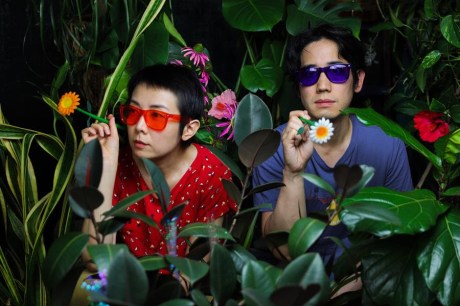
Reaching a grand eightieth edition of my eclectic roundup, the Tickling My Fancy column continues to highlight the curious and recommended from across the globe. With no agenda, no demarcation of any kind, you can expect to find spiritual jazz alongside dream pop, space rock doom alongside desert blues.
My latest edition includes the long awaited new LP of timeless hushed reverence from Boa Morte, phobia-themed withering contorted progressive industrial jazz from the Russian band Rootea, the latest tactile album of dance music from the Shanghai Restoration Project, a new EP from the maverick lo fi dreamer Origami Repetika, the new aria space apocalypse augur of beauty and supernatural doom from Elizabeth Joan Kelly, and a double bill of cult excavations, the heavy metal prog Lucifer Was and more genteel short-lived soul-psych-folk-beat-group The Fox, from the Guerssen label hub.
Leading the charge though is the upcoming compilation of Somali funk, disco and Afro-Caribbean nuggets, Mogadisco, from Analog Africa.
Various ‘Mogadisco – Dancing Mogadishu (Somali 1972-1991)’
(Analog Africa) LP/ 13th December 2019
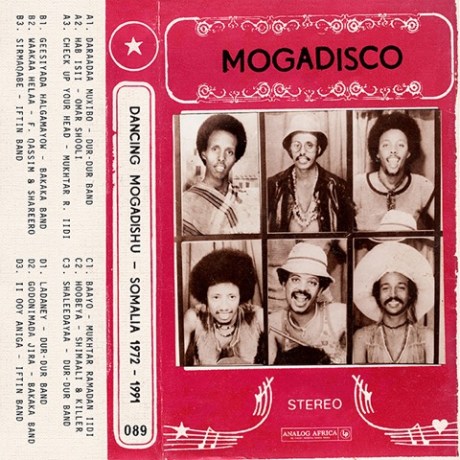
In the making since a security nightmare of a trip in 2016, Analog Africa’s chief instigator, Samy Ben Redjeb, finally releases a treasure trove of previously unreleased and passed-over nuggets from the vaults of Radio Mogadishu.
Researched and compiled on that same crate and archive-digging excursion, Analog Africa put out a celebratory compilation of the first two albums by Mogadishu’s legends-in-exile the Dur-Dur Band in 2018; the first bonafide release of the group’s tape cassette ‘volume’ albums. The infectious loose-limbed funk and fuzz pop group provide a trio of sweetly laced movers and serenades for this showcase of Somali wonders. All recorded in 1991, the last year this compilation covers, whilst exiled abroad, the Dur-Dur Band offer a stick-rattling feverish Indian summer love paean (‘Daradara Muxibo’), slicker dabbing mid-tempo funk workout (‘Shaleedayaa’) and oriental dappled-organ swoon (‘Ladaa’).
Covering a generational period arc, from the burgeoning optimistic dawn of Somali under the dictatorial leadership of Siad Barre to that same leader’s fateful swan song in 1991, as a once more liberal regime in just twenty years lurched towards the repressive, Mogadisco reflects the changes in a fractious state. Barre of course took power in a coup (though with an emphasis on the peaceful), yet the arts and music scenes flourished, with an explosion in both state-sanctioned and private bands. Many of the acts on this collection were hot-housed in the various ministerial department affiliated show bands or in the theatre (notably the Dur-Durs), and were open to outside influences, from Flea Kuti’s Afrobeat sensation – brought back, we’re told, to Somalia by the Mogadishu featured Iftin Band, after representing the country at the Festac Festival in Lagos in 1977 – to Bob Marley’s global-conquering brand of reggae, and later on, a moonwalking Michael Jackson. One of the most obvious of these, and continuing to influence Somalia’s finest in the second half of the 80s, Omar Shooli’s spiritually voiced ‘Hob Isii’ languorously sways to a proto-Wailers rock steady beat. Equally the influence of Motown, Stax, and as the compilation’s title makes apparent, disco can be heard ringing loudly throughout this mixed bag that Samy himself describes as music that “swam against the tide”.
Before Somalia imploded in the 90s and descended into a near anarchic state, the capital enjoyed a tourist boom; the Mogadishu boulevards loaded with ever-luxurious hotels, all playing host to the country’s best and most popular groups. Mogadisco however, selects previously dormant and forgotten recordings from the city’s top broadcaster, Radio Mogadishu. Filed away under ‘mainly instrumental and strange music’, an assortment of discarded jingles, background music, interludes, TV show tunes and theatre numbers now finally see daylight on an eye-opening collection of exotic funk-fried shufflers and sashaying Afro-Caribbean swoons.
Notable mentions should go to the Iftin Band for their Ethno-jazz dreamy shimmer ‘Ii Ouy Aniga’, both the Bakaka Band’s uptown rankin’ slinky ‘Gobonimada Jira’ – think the Lijadu Sisters meet Althea & Donna – and their swimmingly spy-thriller like transformation of a warrior’s song, the tropical Highlife tingle ‘Geesiyada Halgamayow’, and the southern ‘Orleans flavoured raunchy disco turn, ‘Baayo’, by Mukhtar Ramadan Iidi – a slicker 80s Arthur Conley if you will.
As always, the usual due diligence and insights into each and every artist/band and label on this latest brilliant compilation are chronicled in the accompanying booklet; a purview of Somalia’s musical legacy set within a tumultuous historical setting. Analog Africa are the first label to actually set foot in the country in years; the capital especially immortalized for a generation or more as one of the most dangerous places on Earth, synonymous for fractions-at-war and pirates. Progress has been made in recent years, hence Samy gaining permission to visit, albeit under heavy protection. For once though, here’s a celebration of the country’s music; a fit and proper essential joyful showcase of disco and funk inspired dynamism.
Shanghai Restoration Project ‘Flashbacks In A Crystal Ball’
(Undercover Culture Music) LP/ 8th November 2019
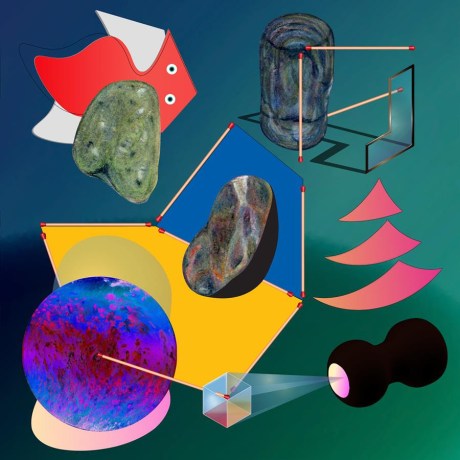
If brooding synth poets Japan had taken more stimulating drugs and been dragged onto the dancefloor they may very well have sounded a little like this colourful arpeggiator-cascading duo, the Shanghai Restoration Project. Though based in Brooklyn, the electro-symphonic duo transport the listener to an exotic Orient and beyond on a magical, ruminating flight of fantasy.
As the name suggests, on previous recordings the former Bad Boy label songwriter and producer Dave Laing and his foil Sun Yunfan have transduced the jazz and showtime music of a pre-WWII Shanghai; aligning it with, and filtering it through, nuanced electro pop, techno and hip-hop. The results of which have furnished a myriad of adverts, soundtracks, and even the Beijing Olympics.
SRP’s latest neon-lit dreamy dance album is framed as a reaction to “the increasingly fragmented and mindless soundbite culture we live in”. Softening the edges and lightening the tensions, the crystal ball flashbacks on this serene trip err towards elegance and the sophisticated rippling tactile.
This is a landscape of chopstick percussion, pagoda shaded water gardens, undulating marimba vibes, vocoder chanson, mirage-y waveforms, classical Chinese instrumentation and biplane rotor drones. Futuristically motoring and bobbing along, there are shades of Air, Moroder, Mark Ronson, Cuushe and Cornelius on a cosmic soundtrack of avant-garde Tango dalliances, retro-fit rapping R&B, 2-Step jazz, super-charged Tron video arcades and sweetened elegies.
Flashbacks In A Crystal Ball is a pliable dance album full of bright and magical lilted brilliance and fun; slow building dance music of the highest and smartest caliber.
Boa Morte ‘Before There Was Air’
(Gare du Nord) LP/ 29th November 2019
The understated majestic swells of the Irish band Boa Morte don’t come easy, or arrive regularly. Only the band’s third album proper in twenty years, the misty expansive mini-opuses found on the long awaited Before There Was Air are like gentle but deeply resonating ripples from a distant timeless shore.
Slow, methodical, every second of these air-y hushed suites moves at a stately pace: in no hurry to arrive, with many of the beautifully purposeful songs disappearing into the ether, out of earshot but somewhere carrying on forever.
Signing to Ian button’s one-man cottage industry Gare du Nord label this year, the Cork dreamers’ first complete work in nigh on a decade is worth the wait. Maturing in all that time, the peaceable sagacious results are augmented with subtle synthesized tones and stirring ambient atmospherics; building vague landscapes of longing; a constant ebbing tide lapping on the cerebral.
This is a classy magical music that doesn’t make allowances: the equivalent of slow food culture.
Elegantly unfurled, the burnished and brushed soundtrack moves between entrancing folk and the classical, between the choral and yearned. Songs such as the tenderly rendered ‘Cans’ evoke a more soulful Mogwai and, musically, Robert Wyatt, whilst the pastoral dainty ‘The Garden’ transports the listener to an Elizabethan Hampden Court. The pinning guitar-voiced ‘Sea Creatures’ has an air of Angelo Badalamenti’s Twin Peaks score.
Lonely pianos, romantic prose, shimmered cymbals and sighed strings reverberate on metaphorical nautical terms of lovelorn detachment and the dangers of an emotional landslide. A finely crafted sweeping album Before There Was Air exudes a timeless quality; one that by all accounts has been well worth the wait.
The Fox ‘For Fox Sake’
Lucifer Was ‘Underground And Beyond’
(Sommer/ Guerssen) LP/ 13th November 2019
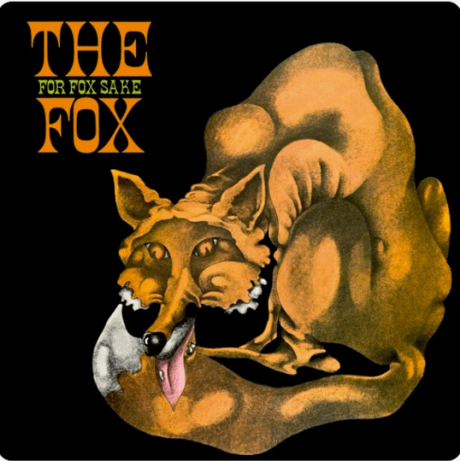
Churning out untold forgotten and cult missives and classics alike, the Guerssen umbrella of reissue imprints knocks out albums and compilations at a fair old rate. It’s often easy to miss the odd trio of same date releases from this hub of specialist labels: such is the turnover. One strand of this operation in digging up everything from 80s Spanish political underground cassette tape culture to 70s Turkish kitsch pop, is the 60s/70s garage band, psych, prog and heavy rock leaning Sommor, who retrieve and facilitate first-time vinyl reissues of albums by the blue-eyed soulful psych outfit The Fox and proto-metal theatrical troupe Lucifer Was.
The former of these has been a much sought-after album from a band of also-rans who’s sound harks back to the fag-end of the Mod boom; when beat group combos graduated to more psychedelic and progressive, heavier heights. Recorded a couple years after inception in the Mod haven of Brighton, The Fox released their debut and only LP proper, For Fox Sake, on the cusp of a new and changing decade. Though not entirely past-the-sell-by-date and removed from those shifts, the able-enough group could have been contenders (to a point).
With a dazzle of classical psych-baroque and faux-gospel church organ ala Procol Harum, softened fuzz guitar and swooning soulful vocals this fleeting South Coast combo recorded some glorious, if redolent, halcyon pop paeans and psychedelic shakers. Trouble is, Love Sculpture, Spooky Tooth, The Moody Blues, The Gods, Marmalade, Bread and Chris Farlowe had pretty much already covered this ground already rather well. Outside of those influences The Fox played with a Get Back/White Album honky-tonk McCartney (‘Goodtime Music’), Bacharach (‘As She Walks By’) and the Jimi Hendrix Experience (in fairground waltzing mode on ‘Madame Magical’).
Notable for supporting the Orpheus imbued Herd and opening for a burgeoning Bowie, The Fox’s brief fandango came to an end a year later; the only fruits of their labour being this album and a single. Still, in certain collectors’ circles this is a cult classic. For Fox Sake has its endearing charms and a couple of fuzz-thrilled love potion hits to make it worth the entry price.
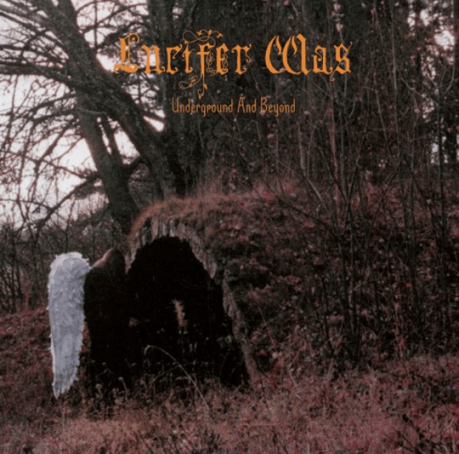
A far heavier, and just as rare, prospect is the album-that-never-was from the Nordic psych-metal marauders Lucifer Was. Despite that satanic moniker (the group wore a number of macabre cloaks, such as Empty Coffin/Autumn Serenade and Erza West, before sticking with the daemonic Lucifer Was) the group’s debut dramatic opus is influenced as much by the flighty flute-playing prog of Jethro Tull as by the scuzzed leaden menace of Black Sabbath.
The first incarnation formed in Oslo in 1969 and lasted until ’75. Though they built a reputation and fanbase on the strength of their performances, this bewitched coven never actually recorded an album in that entire period. Songs were written and played live, yet lay dormant until more than two decades later, when a middle-aged version of the band picked-up from where they left off, entering a studio and finally recording that debut showcase. And so with music from another age now propelled into the late 90s, Underground And Beyond is a strange missive of fighting fantasy Tolkienism and River Styx schlock dark arts preening – all brooding romantic warrior troubadour, yearning for his muse whilst skulking by mythological waterways.
If you dig your Edgar Allen Poe, baroque metal, fairytale tangos and doomed tormented love lost suites then get a load of this. Josefus, Steppenwolf, Deep Purple and Ipsissimus hatched by proto-metal Vikings: what’s not to love?!
An album no one asked for, but buy it anyway.
Origami Repetika ‘Night Of The Jaguar’
EP
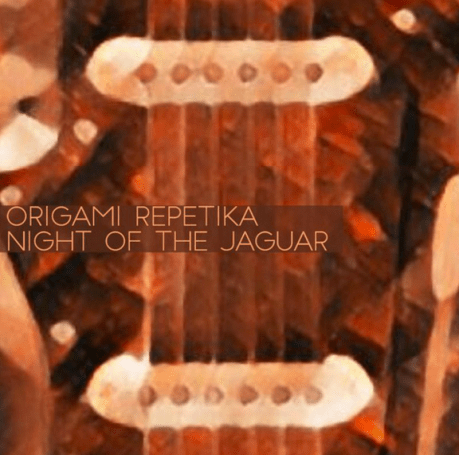
None the wiser after receiving the second CD of maverick chiming psychedelic pop from Adam Sigmund (otherwise known as Origami Repetika), I’m going blind with this recommendation. With scant information at hand, Sigmund’s drifty hallucinating-like music can be summed up as a stained glass lo fi union of Brian Wilson and Gary Wilson.
Following on from a recent radiant and glorious album, Singing Gulls, the four-track Night Of The Jaguar EP offers something slightly more dreamy and moody. Named not in homage to any literary title, the Jaguar of the title refers to the iconic electric guitar; a birthday present that’s put to good experimental use over a quartet of mellow vibrato and gauze-y alternative melodramas.
Romantic driftwood at its most idiosyncratic; a diy Beach Boys if they signed to Anticon; there’s a certain oddness lyrically. The naivety of the melting candy maudlin ‘Meet Me At The Peppermint’ belies a slight whimsical jar in its finale wafts: “It’s the way you smile, before you lost your teeth”.
This is cozy surf-psych pop and lo fi ambition at its finest. Disarming yet attuned to the ways of the world. Seek out this maverick pop excellence immediately.
Rootea ‘Phobias’
LP

I’m not sure if there’s such a thing as a collective noun for phobias but the strung-out Russian prog-jazz and industrial post-punk band Rootea attempts a reification of thirteen such debilitating fears on this untethered freeform therapy session. An often caustic, sometimes haunted travail, Phobias moves in an unshapely form. The vaporous soundtrack even threatens to drift off and escape from its performers: both riled and wafting into the ether, or down ambiguous passages and the dark recesses of the mind.
Emanating from east of the Urals, from Russia’s “third” city of Yekaterinburg (or Ekaterinburg), Rootea might very well be tapping into not only this Tsarina-christened (named in honour of the first Catherine, Tsar Peter The Great’s wife) city’s historical vantage but its more troubled psychodramas too. This is after all the fatal site of the Romanovs’ horrific, and botched, execution.
Anguish, paranoia, fear but also dream-like slumbers are triggered across a spectrum of air-y pondered phobias; from ‘Autophobia’ (that’s a fear of being alone or lonely) to the oddest, ‘Hellophobia’ (fear of Greeks; perhaps a hangover of that old adage, beware of Greeks bearing gifts). Thirteen tracks long, with a finale of post-industrial withering in its name, sufferers of ‘Triskaidekaphobia’ may want to avoid this album. But for the rest of us, this record (if over long) is a wrangling, caustic hallucinating avant-garde therapy session of apparitional narrators, strangulated guitars, sonorous trickles, Gothic throbs, gangly buzzing resonance and hi-pitched pecked saxophone. Permutations of dank lo-fi, Einstürzende Neubauten, A Happy Kitchen Is A Clean Kitchen, Faust, Cabaret Voltaire and 39 Clocks revolve like a languid carousel.
Untied to a particular location or time, Rootea amorphously linger in both the cerebral and visceral as they transcribe the untranscribable on an ambitious work. A difficult, often overlong, experience Phobias should be prescribed in small doses.
Elizabeth Joan Kelly ‘Farwell, Doomed Planet!’
LP/ 25th October 2019
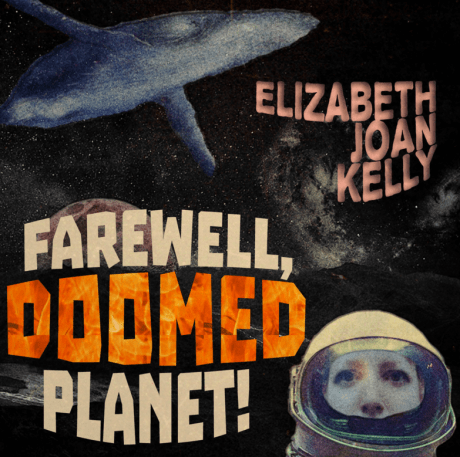
Into the great expanse of a universe as ominous as it is magically mysterious, New Orleans-based composer Elizabeth Joan Kelly ventures far on her latest electronic suite. From the enormity of space the Cassandra of imperiled doom gazes back at Earth from advantageous lofty heights: a siren voice of lyrically cryptic lament and woe, strung-out aboard some sort of Kubrickian mission to gather research.
Equally deft at composing contemporary symphonies as she is Warp label imbued kinetic and industrial electronica, Kelly coos and soundscapes a lamentable vision of the apocalypse that combines aria-like space operatics with tubular metallic breakdowns, stirring ambient swells and darker twists of contorting nuanced sonics. Kelly even transduces the afflatus classical hymnal music of Bach on the swooned and serene ‘Trinity Quadrant Cantata’.
From pollution on land and in the seas to inner existential angst, the protagonist cosmonaut at the centre of this bleak analysis mourns amongst heavenly bodies in the celestial.
An album of both impending doom, yet filled with wondrous pulchritude, Farwell is a haunting enough score with evident supernatural atmospherics on tracks such as the reversal ethereal elegy ‘Harm’ – echoes of a spooked Broadcast and Quimper – and the ghostly nuclear landscape desolation ‘Exclusion Zone Earth (Or, All Hail Chernobyl Wolves)’.
Present vocally on a majority of the album’s tracks, Kelly’s voice is often veiled and gauze-y: so much so that you can barely hear a trace of it. Even in full song that voice is obscured; sounding like either a spirit from beyond the ether or, a distant broadcast from deepest space and time.
Cinematic in places, setting an astral mirage of dreamy and bestial proportions, Farewell is a beautifully scary drama that evokes touches of Bowie, Tangerine Dream, Bernard Szajner, Diva Dompe, Moroder and Vangelis. Kelly does wonderful things amongst the stars; the apocalypse has seldom sounded so celestially operatic and electronically choral.
Our Daily Bread 353: The Provincials ‘The Dark Ages’
November 7, 2019
LP REVIEW
Dominic Valvona
The Provincials ‘The Dark Ages’
(Itchen Recordings) LP/ 15th November 2019
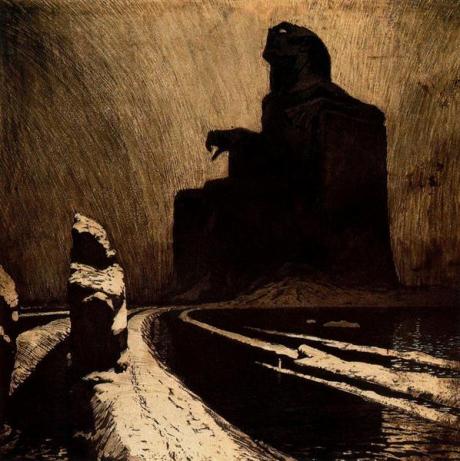
In full Panavision, The Provincials duo of vocalist Polly Perry and guitarist and author Seb Hunter articulate a mesmerizing and spellbinding miasma of a domesday on their long awaited second LP, The Dark Ages. The original dark ages epoch was named so for a lack of documentary and archeological evidence from as, we now know, a rich if tumultuous period in the history of these Isles and beyond: A time that roughly marks the decline of the Roman Empire to the beginning of the next millennium. It’s used here of course to weave a lyrical, sometimes Shakespearean, vision of our contemporary times: Brexit especially (I presume). Even if they portray it with a diaphanous lulled and beautifully administered deft touch, The Provincials paint a bleakly poetic diorama of being swept under a despairing riptide. Depending on which side of that divide you feel comfortable pontificating or barracking from, Brexit and by association (though far more complex to all tie-in) so-called “populism” in politics, you either believe that this is all an exciting, tide-turning, opportunity or, the end times!
And so reminders of past imperial ventures overseas (an empirical vague gesture to the infamous ‘Inkerman’; a decisive score draw monumental battle in the Crimean War saga) and the slaughter and PTSD anguish legacy of WWI (the Shell-shocked Medieval waltz ‘We Lost Our Minds’) are woven into a musical hallucination of dour romanticism and melancholy. However, the pains and woes are handled deftly; especially from the aria like performances of Perry, who’s range longingly flows between the ethereal and dramatic. Counterbalancing nimbly-picked Pentangle folk with more rousing swamp boogie and flange-dreamy Britpop, Hunter’s acoustic and electrified guitar playing rings out, offering both stripped-back accentuate caresses and moods, and more punctuating punches. The only additional instrumentation (the barest of stirring ambience, with trickled and sonorous bass note piano parts and drums courtesy of producer Dan Parkinson) is used most sparingly, with the most full-on songs being the breakout rocking ‘Inkerman’, which sounds like a crescendo stomping combo of The White Stripes, Anna Calvi, The Classical and Yeah Yeah Yeahs. More winding and suffused with mysterious ambient tones tough, the sonnet-like trickling ‘The Western Shore’ bears the atmospherics of Popol Vuh’s Affenstunde.
Meandering along a path that stretches from the Norman church dotted shingly shoreline of the southeast coast of Romney to a revenge-soaked Iberia, The Provincials conjure up a lamentable present. Perhaps we are indeed doomed. Perhaps these are the end days or the darkness before the light. Whatever the truth, this diaphanous duo has articulated such augurs with a gauze-y, beautiful veneer worth savoring and improved no end since their last album.
Monolith Cocktail Social Playlist #XL: Gene Clark, Game Theory, Gift Horse, Le Rita Mitsouko….
November 1, 2019
Playlist
Dominic Valvona

Where else are you going to find as many idiots as enlightened saviours of glorious sounds in one place? Or, find as many mismatched genres somehow gelling and making such sense on one inspired musical journey. Nowhere that’s where.
Dominic Valvona‘s Social is the playlist from the Monolith Cocktail’s imaginary radio show. A collection of finds, favourites and oddities from across all time and from across the globe. Volume 40 is no different in scope; gathering together Fall-like wry asides on the idiosyncrasies of gentrified cosmopolitian living (Gift Horse), sun wilted and lilted African lazer soul (Gyedu-Blay Ambolley), space rock homages (The Warlocks), gospel consciousness jazz (Ray Harris), fucked-up futurist Hip-Hop (The Analog Brothers) and sulking garage blues (The Caravelles).
Tracks:
The Lightmen, Bubbha Thomas ‘Herbs (Of Life)’
Master Plan Inc. ‘Something To Be Done’
Gyedu-Blay Ambolley ‘Control’
Ray Harris, The Fusion Experience ‘Freedom’
Pat Thomas, Marijata ‘My Love Will Shine’
Grand Puba ‘Check The Resume’
Double XX Posse ‘The Headcracker’
Analog Brothers, Odd Oberheim ‘2005’
Steady B ‘Let The Hustlers Play’
Fire ‘Flight To Cuba’
Bonnie & Sheila ‘You Keep Me Hanging On’
Earl English, The Apaches ‘Trying To Make Ends Meet’
The Preachers ‘Moanin”
The Caravelles ‘Lovin’ Just My Style’
The Electric Prunes ‘Try Me On For Size’
The Blue Magoos ‘I Can Hear The Grass Grow’
Bobby Williams ‘Lost My Job’
Alice Dona ‘Je N’sais Pas’
Delta 5 ‘Triangle’
The Screamers ‘The Beat Goes On’
Gift Horse ‘Custard Tart (Live)’
The Exploding Budgies ‘Kenneth Anger’
Adult Books ‘Casual Wrecks’
Les Rita Mitsouko ‘Reinforcements’
The Watzloves ‘Girl Called Trouble’
Gene Clark ‘Silver Raven’
Don & Stevie ‘American Lullaby’
England’s Glory ‘The Wide Waterway’
Dr. Strangely Strange ‘Ballad Of The Wasps’
Wolfgang Dauner ‘Kabul’
Etran Finatawa ‘Kel Tamascheck’
Manu Dibango ‘Ceddo’
Derrick Morgan ‘Seven Letters’
Bobby Jackson ‘Kika’s Delight’
The Warlocks ‘Tribute To Hawkwind’
Game Theory ‘Drive-In Saturday (Radio Session)’
Monolith Cocktail Social: Playlist XXXIX: Sarolta Zalatnay, YZ, The Cry, Popera Cosmic, Richard Pinhas…
October 3, 2019
Playlist
Dominic Valvona
Graphics: Gianluigi Marsibilio
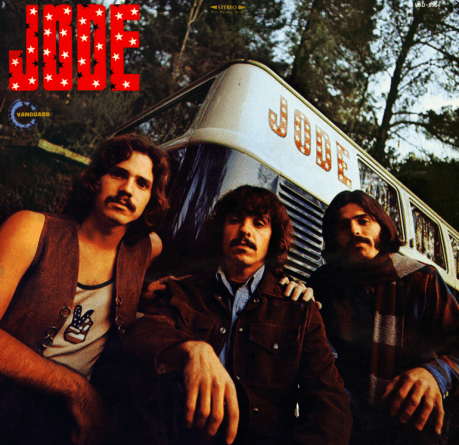
Cool shit that the Monolith Cocktail founder and instigator Dominic Valvona has pulled together, the Social playlist is a themeless selection of eclectic tracks from across the globe and ages. Representing not only his tastes but the blogs, these regular playlists can be viewed as an imaginary radio show, a taste of Dominic’s DJ sets over 25 plus years. Placed in a way as to ape a listening journey, though feel free to listen to it as you wish, each playlist bridges a myriad of musical treasures to enjoy and also explore – and of course, to dance away the hours to.
Starting off on a romantic note (via the Hungarian siren Sarolta Zalatnay and Kentucky troubadour Jim Ford)Volume XXXIX in this fine series traverses mechanical new wave (Populare Mechanik), experimental mambo (Ry Cooder & Manuel Galban), space age chanson (Popera Cosmic), bouncy jazz (Mouse Bonati Sextet) and hip-hop (YZ, WC And The Maad Circle, Kanck Free Media). You can expect to also hear various peregrinations, the odd, the diaphanous and energetic dotted in between.
Our Daily Bread 348: Owen Tromans ‘Between Stones’
October 1, 2019
Album Review
Dominic Valvona
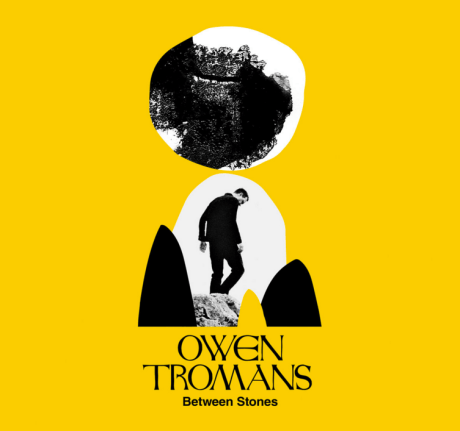
Owen Tromans ‘Between Stones’
(Sacred Geometry) 11th October 2019
In the spirit of maverick adventure, Hampshire-based singer-songwriter Owen Tromans walks a similar path to the arch druid of counterculture and psychogeography traversing, Julian Cope. The co-founder of the most informative sonic accompanied rambling fanzine guide, Weird Walks, Tromans (and his co-authors) circumnavigates the hidden British landscape of run-down flat roof pubs whilst waxing lyrical about the fantasy role-play meets Black Metal flowering of the Dungeon synth scene, and the more well-known traipsed chalk pits and megalith landmarks.
The soundtrack is important, both as an enriching experience and communicative tool. And on Between Stones the soundtrack could be said to be a surprising one. Ambling certainly; wandering this sceptered Isle imbued typography with all the ancient lore it entails, yet far from held-down to the British sound, Tromans actually channels a English pen pal version of R.E.M. and the great expansive outdoor epic trudge of Simon Bonney on the album’s hard-won stirring opus ‘Grimcross’: Imagine an 80s American college radio John Barleycorn. There’s even a touch of a mellower Pixies and early Dinosaur Jnr. on the grunge-y ‘Vague Summer’, and hints of Mick Harvey throughout the rest of the album.
It’s not just musically, but also the album’s mythology and fantastical themes that reach beyond these shores. Between The Stones entwines both episodes (real and imaginary) from Greek and German history into a rich green tableau. The protagonist in the former, a lamentable questioning soldier on the shores of Troy, attempts to make sense of the woes of that infamous war whilst communing with Zeus on the subtle organ-bathed ‘A Dialogue’, the latter, explores the fact and fiction behind the Disney castle eccentric Bavarian King, Ludwig II, on the plaintive Neil Young-esque ‘Burying The Moon King’. Perhaps only ever immortalized before by the Munich acid-rock gods Amon Düül II in a suite of songs from their Germanic conceptual epic, Made In Germany, the “mad” fantastical Ludwig may or may not have met his demise on Lake Starnberg at the hands of nebulas intrigue and the encroaching behavior of a unified German authority – Ludwig’s own ministers conspired to have him sanctioned at one point. Troy of course plays well in the lyrical alternative history of Britain; through a convoluted suspension of belief historiography, via the pen of many atavistic chroniclers (including Geoffrey of Monmouth), the fleeing survivors of that legendary city and war have been linked to the founding of both Rome, through their champion Aeneas, and Britain, through his descendant Brutus.
Beautifully conveyed throughout with subtle Baroque-psych chamber strings and a country falsetto, Tromans follows the desire lines, hill forts and undulating well-travail(ed) pathways on a most ruminating magical songbook; a thoughtful and poetic accompaniment that goes hand-in-hand with those “weird” and wonderful walks.
Quarterly Playlist 2019: Part Three: Snapped Ankles, Danny Brown, Trupa Trupa, Matana Roberts, Repo-Man…
September 26, 2019
Playlist
Compiled by Dominic Valvona with contributions from Matt Oliver, Brian ‘Bordello’ Shea, Andrew C. Kidd and Gianluigi Marsibilio.
Graphics by Gianluigi Marsibilio.


Reflecting the Monolith Cocktail’s tastes and favourite choice tracks from the last few months, the Quarterly Revue is a diverse musical journey; an eclectic international playlist of discoveries. This is a space in which you are as likely to find the skewered Gary Wilson meets Brian Wilson stained-glass psychedelic songwriting of the Origami Repetika creative hub as you are the conscious transportive jazz of Horace Tapscott. Brand new tracks appear alongside reissues and recently uncovered nuggets as we move through funk, jazz, hip-hop, post-punk, shoegaze, desert blues, techno, psychedelic, acid rock, space rock, and the most experimental of musical genres.
Behold…part three…
Tracklist::
Snapped Ankles ‘Three Steps To A Development’
DJ Shadow ‘Rosie’
Kid Acne/Nosaj/Spectacular Diagnostics ‘Crest Of A Wave’
Gang Starr/J. Cole ‘Family and Loyalty’
Danny Brown ‘Best Life’
Bronx Slang ‘More Grief’
SAULT ‘Let Me Go’
clipping. ‘Nothing Is Safe’
Bloke Music ‘Everything On’
Seaside Witch Coven ‘Splutter’
Trupa Trupa ‘Remainder’
Stereo Total ‘Einfach’
Los Piranas ‘Palermo’s Grunch’
Baba Zula ‘Salincak In’
Abdallah Oumbadougou ‘Thingalene’
Grup Dogus ‘Namus Belasi’
Taichmania ‘See Ya at Six or Seven’
Kota Motomura ‘Cry Baby’
Baby Taylah ‘Reclaim’
House Of Tapes ‘Melted Ice’
Camino Willow ‘Hollywood’
Callum Easter ‘Only Sun’
Junkboy ‘Waiting Room’
Elizabeth Everts ‘Contraband’
Bloom de Wilde ‘Soul Siren’
Badge Epoque Ensemble ‘Milk Split on Eternity’
Chrissie Hynde/The Valve Bone Woe Ensemble ‘Meditation on a Pair of Wire Cutters’
Swan/Koistinen ‘Diagnosis’
Sirom ‘Low Probability of a Hug’
Koma Saxo ‘Fanfarum for Komarun’
Matana Roberts ‘Raise Yourself Up/Backbone Once More/How Bright They Shine’
Die Achse/Ghostface Killah/Agent Sasco ‘Baby Osamas’
U-Bahn ‘Beta Boyz’
Occult Character ‘Half-Wits and Cultists’
Asbestos Lead Asbestos ‘Shrimp Asmr’
Repo-Man ‘Evan The Runt’
Issac Birituro & The Rail Abandon ‘Kalba’
Nicolas Gaunin ‘Vava’u’
Mazouni ‘Daag Dagui’
Mdou Moctar ‘Wiwasharnine’
Aziza Brahim ‘Leil’
Resavoir ‘Resavoir’
Purple Mountains ‘All My Happiness is Gone’
Babybird ‘Cave In’
Adam Green ‘Freeze My Love’
Catgod ‘Blood’
Frog ‘RIP to the Empire State Flea Market’
Pozi ‘Engaged’
Roi ‘Dormouse Records’
Origami Repetika ‘Winged Creatures’
Horace Tapscott ‘Future Sally’s Time’
A Journey Of Giraffes ‘September 11 1977’
Jodie Lowther ‘The Cat Collects’
Equinox/Vukovar ‘Lament’
Kandodo 3 ‘King Vulture’
Tickling Our Fancy 078: Bantou Mentale, The Cosmic Dead, Catgod, Chief Stephen Osita Osadebe, The Cold Spells, Los Pirañas, Max Andrzejewski’s Hütte…
September 18, 2019
Album Reviews
Words: Dominic Valvona
After a short but knackering break from the site – moving house if you must know -, and with a waiting period nearly as long as the proroguing of parliament, as my broadband was activated – surely in this day and age it can’t seriously take over two weeks to be connected – I’m back with another eclectic roundup of the curious and recommended.
An international affair as ever, flying the flag for Colombia, the Bogotá union of Los Pirañas provides a cultish, kitsch and cosmic psychedelic cosmology on their third album, Historia Natural. Back across the Atlantic, and to Nigeria, I take a look at the seminal 80s Highlife-meets-Caribbean Osondi Owendi LP from the legendary Chief Stephen Osita Osadebe, whilst in Europe, the Chateau Rouge borne project Bantou Mentale rewires the sounds and energy of the Democratic Republic Of Congo to create a dynamic and soulful new sound for the 21st century chaos. I also find much to enjoy about the Flemish language rewiring of Calypso and Savoy era jazz classics and obscurities from one-time dEUS guitarist Mauro Pawlowski – going under just one many of his alter egos, Maurits Pauwels.
Closer to home, a couple of UK releases, the first, Feel It Go Round, from the folksy psychedelic Oxford-based sibling led Catgod, and the second, Scottish Space Race, from the Glasgow ‘head music’ group The Cosmic Dead.
Finally, I take a look at a duo of albums that rewire and channel the influence of Robert Wyatt; the first, by Max Andrzejewski and his Hütte troupe of friends, pays a special homage to the maverick’s back catalogue, whilst the second, from the alternative pastoral Cold Spells, resonates with his more vulnerable fragile qualities.
Bantou Mentale ‘Bantou Mentale’
(Glitterbeat Records) 25th October 2019
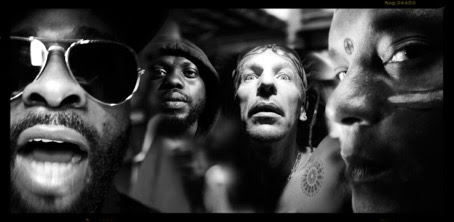
A sizzle. A static shock, a charge that most importantly signals something is changing in the musical fabric; a signal of something dynamic but also something dangerous, a mirror image of the real world, the real refugee and migrant experience and chaos. Vivid and fresh being the optimum words as the Bantou Mentale vehicle shakes up the melting pot convergence of Paris’ infamous Chateau Rouge; addressing assumptions/presumptions about their native Democratic Republic of Congo home in the process. Not so much explosive, the electric quartet seem relaxed, even drifting as they channel the soul and spirit of co-operation; opening up aspects of the DRC culture and humility often lost or obscured in the noise of negativity – and the Congo has had more than its fair share of violence and tumult both pre and post Colonialism.
More light (enlightenment even) than darkness, the rim-shot echo-y untethered sonics chime as much with dub and Afro-psychedelic soul traverses as they do post-punk and a contemporary hybrid of various dance trends. But before we go any deeper, a little background information, some providence is needed.
Drawn from a rich selection of Kinshasa (and beyond) sonic propulsive outfits and artists, including Staff Benda Bilili, Konono No.1, Koffi Olomide, Jupiter & Okwess and Mbongwana Star, concept guy (for this is a project, a statement, that moves beyond music to encompass performance and visuals), drummer and singer/songwriter Cubain Kabeya, guitarist Chicco Katembo and singer Apocalypse have all been around the block, fronting or backing every fresh new development on the Paris scene. Closing the circle, the Irish born and Parisian raised all-rounder and producer Liam Farrell (professionally known as Doctor L) brings an equally impressive resume to the dynamic venture; working with such luminaries as Tony Allen and Babani Koné. Cubain and Katembo both previously worked with Damon Albarn back in 2010 as part of the Kinshasa One Two album, whilst Farrell has collaborated with Cubain on a number of electro-fried African dance projects: Black Cowboys and Negro-P.
Here and now they combine forces with scenester Apocalypse to push the envelope further still, merging the industrial with 2-step, d-n-b, electro, hip-hop, soukous, ndombolo, grime, funk and rock. Everything except the DRC’s rumba; far too smooth for the raw energy and prescient turmoil that the Mentale are articulating.
Borne in the furnace of a riotous, equally hostile city, this latest album follows the migrant’s plight like a pilgrimage, commentating sorrowfully on a pitiful existence traversing deserts on the way to escape – as documented on the reimagined PiL trip-toeing with a dub-transformed Ben Zabo in the wilderness ‘Zanzibar’. Though they also celebrate the fellowship and “wild uncertainty” of the migrant’s progress on the album’s scatter-like ratcheting and kinetic beat homage to the African village diaspora where it all started, ‘Chateau Rouge’: for the band but also the destination for so many migrants too. There’s also cautionary advice on this adventure in the form of the wanton mirage-flange prayer style ‘stay out of jail’, ‘Boloko’.
But for the most part this album is suffused with reverb-relaxed intentions of peace; underscored with a subject close to the quartet’s heart, the travail and inhumanity that has been inflicted on the peaceable Batswa (or Batshua) people by their own community, the ‘Bantou’ of the band name. These atavistic people, guardians of the environment – if not forced out or persecuted -, the Batswa are known by the more derogatory term of “pygmy”. Though once respected for their deep knowledge of nature and close connection with the land, they have been colonized, enslaved and derided by not only the Bantou but also various forest tribes and colonial powers. In more recent years though their story and culture has been shared. Label mate of a kind, and on-hand producer Ian Brennan has even recorded the Why Did We Stop Growing Tall? of Rwanda “abatwa” for Glitterbeat Records Hidden Musics series , and documentaries, such as Livia Simoka’s Extreme Tribe: The Last Pygmies, have shone a light on these communities. In a chance meeting with a Batswa named Wengy Loponya Bilongi, Cubain traveled into the bush and spent time with the “genies of the forest”, as they’re known in more compassionate, complimentary circles. This journey was captured by the filmmakers Renaud Barret and Florent de la Tullaye for the Pygmy Blues film; a journey that has changed Cubain, and now informs at least some of the underlying messages of respect and peaceful reconciliation that are suffused throughout this album.
Kinshasa reloaded; Bantou Mentale is a thoroughly modern sonic vision of peaceful cross-border fraternization. Lingering traces of Jon Hassell & Eno, Radio Tarifa, UNCLE, TV On The Radio and even label mates Dirtmusic are absorbed into an electrified subterranean of frizzles, pylon-scratches and hustle-bustle. Above all, despite the subject matter, despite the polygenesis sonic hubbub this is a soulful soundtrack: cooperation ahead of fractious division and hostility. A more positive collaboration for a 21st century chaos.
Chief Stephen Osita Osadebe ‘Osondi Owendi’
(Hive Mind) 6th September 2019

Reviving an unassuming Highlife classic from the mid 80s, the Brighton-based vinyl and cassette specialists Hive Mind have chosen to push the laidback balmy saunter delights of the Nigerian legend Chief Stephen Osita Osadebe for their next ‘choice’ release.
First appearing on the Lagos scene in 1958 as a crooning Nat King Cole influenced vocalist with the Steven Amechi led Empire Rhythm Skies Orchestra, the regally entitled Chief Stephen released his debut single, ‘Lagos Life Na So So Enjoyment’, the following year. He’d soon become an important and pivotal figure on the Nigerian scene for decades to come.
Produced at a time when Nigeria’s once popular and dominant Highlife had lost some of its appeal, superseded not only by Fela Kuti’s more explosive Afrobeat marriage of that same style to funk, soul and R&B but a post Biafra War generation cultivated on the music of America and looking for something with a rawer, sometimes hostile, edge, Chief Stephen’s Osondi Owendi LP chimed with the more relaxed, soothing undulations of the 50s and 60s, and the lullaby lilting sounds of South Africa. Sweetly laced with those signature gentle Highlife swinging and singing horns and busy percussion, the two lengthy workouts drift on a raft anchored in the Caribbean, as waves of those Island’s calypso swash are suffused with the sounds of Nigeria.
More or less translated from the old Igbo adage as “what is cherished by some is despised by others”, the album’s title track is a beautifully conceived meander of soothing vocals, rattling and tub-thumping rhythms, scraping percussion and tethered but loose solos: from cupped Afro-Cuban cornet trumpet to thin wah-wah guitar riffs. The searching accompaniment, ‘Nigeria Kanyi Jikota’ is an extension of that relaxed spirit; a downtown canter with a dash more brassy resonance and Spanish Hispaniola frills.
A less intense alternative, more in keeping with the smoother production of 80s soul, the Chief’s quilted shimmy and sway is a tropical fused balance of congruous sweltering sounds; the perfect last dance of the summer season.
Max Andrzejewski’s Hütte ‘Hütte And Guests Play The Music Of Robert Wyatt’
(Why Play Jazz) 4th October 2019

Meandering both playfully and experimentally outside the lucid, often serendipitous, guidelines of their idiosyncratic muse Robert Wyatt, Max Andrzejewski’s Hütte and guests style ensemble pay homage to the fated maverick’s surreal and unpredictable back catalogue.
Originally formed for the 42nd Leipzig Jazztage, bandleader, drummer and vocalist Andrzejewski’s adroit sextet chose to perform the music of the much-cherished icon for a tribute program themed around British jazz artists. Remaining together beyond that inaugural performance they decided to record their unique takes of Wyatt’s original material for posterity.
Counterbalancing the former Soft Machine and Matching Mole alternative-England visionaries’ venerable fragility with his whimsical sense of humour and play, they offer a dreamy tension of free-falling avant-garde jazz and elasticated limbering breaks. Riffing wondrously throughout on their well-chosen track list, picked from across four decades and eight albums, the fluid troupe accentuate the longer, more realised peregrinations and extend some of Wyatt’s shorter mumble-y musings. Fro Wyatt’s interregnum years between the Soft Machine and (albeit with a host of facilitators and collaborators) his solo run there’s a synth-y cosmic soul vision of the 1972 Matching Mole prog and organ heavy (veering towards The Nice) ‘Instant Kitten’ that sounds like a jazzy reworking of Marvin Gaye’s ‘What’s Going On’, and a skippy, gently tumbling soothing take on the Maoist-faux period operatic lament ‘Starting In The Middle Of The Day We Can Drink Our Politics Away’, taken from the Mole’s Little Red Record – marking not only Wyatt’s, far from flirtatious, commitment to Communism (though we won’t hold that against him) but informing his worldly view.
The fantastical Floydian progressive jazz meets Wind In The Willows road trip nursery rhyme moiety of ‘Little Red Riding Hood Hits The Road’ and ‘Little Red Robin Hood Hits The Road’, taken from Wyatt’s 1974 Rock Bottom LP, are faithfully recreated, leaving just enough space and room to be stretched and remodeled into timeless traversing drifts. Band member Cansu Tanrikulu’s high-falutin fluting untethered and Nordic-soul bent vocals on the latter – they’ve chosen to turn the former into a vocal-free instrumental piece – grow increasingly raspy, croaky and almost sulky as she not only sings Wyatt’s original lyrics but Ivor Cutler’s original faux-Scottish Jamaican burr poetics on this whimsical if unsettling piece. Of course, the album that these two choices comes from, Rock Bottom, remains an important turning point for Wyatt, creatively and personally; the almost fatal accident that led to his paraplegic brittle state happened during recording sessions for the album.
Slipping into the oddness of Wyatt’s 80s catalogue, the ensemble transforms the 1982 Eno meets Indian tabla quirk ‘Grass’ by adding an undulation of vibrating, dipping and chirping retro-electronica and tripping vocals. Paying a funny sort of homage to his writing-partner and wife, illustrator/lyricist Alfreda Benge, the bubbled, lax jazzy and vocally mumbled ambling ‘Duchess’, from the 1997 daydreaming LP Shleep, is taken on a particularly meandrous journey. The canter of the old nursery-rhyme riff is further eroded on this tiptoeing version; Tanrikulu applies a cocktail jazz swoon and croon to the original passive/aggressive lyricism.
From this millennium the Jon Hassell breaks bread with Talk Talk venerable ‘You You’, from 2007’s guest-heavy Comicopera, is swerved towards Skip Spence and The Velvet Underground, and the Sparks-esque choral synth elegy to the maligned ‘Cuckoo Madam’, from the 2003 Cuckooland LP, is lent a sympathetic romantic malady.
A seriously good tribute to every facet of the Wyatt sound, with some surprising choices (not all the most obvious jazz-friendly ones neither) Max Andrzejewski’s Hütte and guests fill every nook and twist with something worth listening to. Learning from one of the best, they inhabit but also revive the, unfortunately retired, maverick’s back catalogue with élan and dexterity.
Los Pirañas ‘Historia Natural’
(Glitterbeat Records) 11th October 2019

A proxy “supergroup” of celebrated Colombian musicians, the Los Pirañas features a triumvirate of Bogotá players from such luminary bands as the Meridian Brothers, Chúpame el Dedo, Frente Cumbiero, Ondatropica and Romperayo. Pals and collaborators since High School, the coalesce trio of Eblis Alvarez, Mario Galeano and Pedro Ojeda return to those school daze roots twenty five years later on their new, and third, album together, Historia Natural.
Harking back to more unburdened and carefree times with a sense of idolized unabashed joy, Los Pirañas play loose with their influences; transducing decades worth of Colombian culture into a quivery retro-futurist purview.
Yet, though they saunter and sway to the native rhythms throughout this zippy, tropical album there’s a cross-pollination of source material and references from outside the South American idyll woven into the kooky tapestry: ‘Palermo’s Crunch’ take’s its name from the bustling cornucopia capital port city of Sicily, and its musical direction from Tex-Mex 60s garage bands, The Monkees and California surf music to create a lunar Pradomar surf soundtrack.
From Bogotá to Barranquilla, throwing together everything from Cumbia, Afro-Colombia, Champeta, Salsa and Mambo Loco they reignite a familiar backdrop to gallop and canter across a reimagined cosmology. Most of the time this sounds like a tropical island marooned Joe Meek and Les Baxter, and at other times, a quirky oscillating rave-up of the Julián y Su Combo and a hornless version of Glitterbeat label mates Sonido Gallo Negro. They do all this with a lively, sometimes silly, FX heavy backing of retro-calculating computers, kazoos, bee-trapped-in-a-jar and tremolo guitar and a constantly busy tapping, tinkering, rattling and scraping percussion that flows between the relaxed and erratic.
A fun oddity of the traditional, psychedelic and kitsch, Historia Natural conjures up an imaginative fertile landscape of surfin-bird Caribbean facing Colombian beaches, UFO landing site mountain tops, abandoned mythological temples, volcanoes and piranha-infested rivers on what is one hell of a trippy cultish South American lark.
The Cold Spells ‘Interstitial’
(Gare du Nord) 11th October 2019

Tentatively hoping that the English duo’s 2018 self-titled debut (which made our “choice albums of the year” features) wasn’t just a fluke I’m happy to announce that their 2019 follow-up, Interstitial, is every bit as subtly plaintive and melodically beautiful as that record.
A lucid meander across a divisive, anxious landscape in turmoil, Tim Ward and Michael Farmer’s Cold Spells ruminations ponder on the spaces between both the more incidental and loftier metaphysical. This “interstitial” state is a Kosmische folktronica vision; a pylon-dotted pastoral countryside, where the psychic resonance of history bleeds into the present stasis; a place in which Georgian tavern poesy and lamentable tragedy converge with the Canterbury and 60s psychedelic folk scenes.
Vocally they marry the despondent but beatific fragile lyrical profoundness of Robert Wyatt with the estuary lilt of Damon Albarn, musically, the Incredible String Band, Shirley Collins and Davy Graham with the subtlest of synth-generated undertones, undulations and atmospherics: reminiscent in places of both Arthur Russell and Broadcast. It’s a seemingly familiar soundtrack, yet there’s something quite different going on as the duo squeeze what they can out of their influences. And so just when you might have a handle on the Faustian deal-with-the-devil rustic-psych, ‘For All Us Sorry Travellers’, the Thackeray-etched lyricism suddenly jolts with a well-timed, pushed into the present, use of the word “cunt”: In what seems to be an 18th century English sorry tale, with the protagonist spilling his woes from atop of a perched chair, a noose around his neck, suddenly resonates with suicidal despair in the here and now. This counterpoint between timelines continues, suffused, throughout the album. Songs such as the opening ‘Leviathan’ balance a maudlin balmy charm with a codex of aerials and intermittent broadcast signals, and the instrumental title-track interlude imagines an Eagle Comic’s envisioned spaceport in the idylls of a twill English meadow: though it must be said, the album closer, ‘You Play My Mistakes’, stands out for its plaintive Soho lounge bar feel, more in the mode of Scott Walker.
Understated in execution, this sophisticated album gently unfurls its serious ruminations and forlorn slowly to reveal a melodious pastoral-cosmic treasure every bit as deep and unassuming as their magnum opus debut.
Maurits Pauwels en de Benelux Calypso ‘Tien Toppers Uit Trinidad’
(Jezus Factory) 23rd August 2019
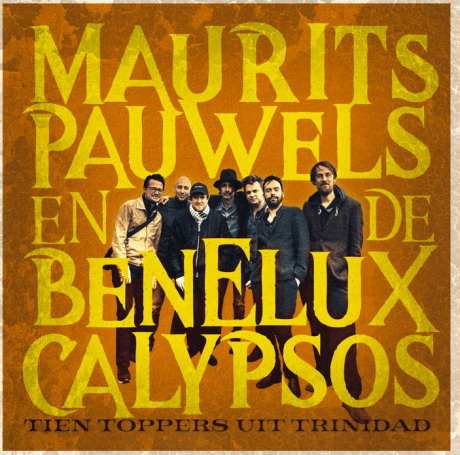
Even for a label that prides itself on pushing beyond the alt-rock cliché to discover and then promote new and interesting finds from the Benelux countries, the latest curiosity and change (again) in direction from one-time dEUS guitar-for-hire Mauro Pawlowski could be considered a surprise even by the standards of Jezus Factory Records output. Used to releasing a multitude of projects and sidebars from a host of Northern Europe’s rockers, a Flemish-style rave-up of Calypso music classics and obscurities raises eyebrows. Happily it works, as the sound of the Caribbean is given a rambunctious Lutheran makeover.
Under the Dutch native tongue alter ego of Maurits Pauwels, Mauro and his troupe take on the Calypso sound and the age in which it was most influential; adding Savoy label, be-bop, New Orleans’ ragtime jazz, dancehall and, on the LP’s most surprising break from the formula remit, ‘Alleen een Dwaas’, a kind of mish-mash of saddened progressive balladry and requiem Procol Harum.
Jostling to a backing track accompaniment of cupped and heralding brass, tumbled toms and saloon bar tonk (no honk) piano Mauro and his band sumptuously roll between vine-swinging Jungle Book, Caribbean cruise ships, be-bop joints and Egyptian art deco gin palaces; atmospheres in which you’re likely to hear the jovial Byron Lee, Lloyd Miller, New York Jazz Ensemble, Mighty Sparrow and Dizzy Gillespie rubbing up against more contemporary wry and serious themes: “dancing whilst thinking” as it’s billed.
It works well, as I said, another string to a crowded bow and one of Mauro’s most brilliantly executed and absorbing vehicles yet. And that’s from someone who’s back catalogue features over 90 projects. Take a punt and a swing whilst this limited edition release is still available.
Catgod ‘Feel It Go Round’
September 2019

Less an adoration style worship of a feline deity and more a peaceable, if deep, gentle collection of modern sonnets, the Oxford based Catgod attempt to make sense of all life’s woes with the subtlest of touches on their debut LP, Feel It Go Round.
Fronted, if that’s the right word, by the dual vocalist siblings Robin Christensen-Marriott and Catherine Marriott this gauze-y, dreamy, on occasion haunted, folksy troupe wind through a contemporary Southeast of England landscape in hushed, diaphanous tones.
Somehow making the daily humdrum trudge of commuting sound like a John Martyn psychedelic mirage of beautifully lulled harmonies and hazy-light dappled wistful heartache, they can turn the most mundane into the magical. The song in question here, ‘New Cross’, almost romanticizes Robin’s commute between East London and his Oxford home; immortalizing familiar locations (obviously the title itself but also Dalston) in ruminating song. Standard tropes appear in the form of mortality anxiety on the wonderfully, if plaintive, Catherine lead ‘Heartbeat In My Hand’, and the tumult of a difficult relationship is dramatized on the drowning-in-the-mire of ‘Cold, Numb And Empty’. A concern of our times however, the unease of privacy erosion and validation in an increasingly infringing social media epoch is mused over on the wistful malady chorus piece ‘What They Think’.
Musically untethered in folk and country, Catgod surprisingly often sound like a pastoral hybrid of Radiohead and Lamb at their most interesting and trip-hoping psychedelic: The flute-y ‘Sleep In’ the most surprising song on the entire LP crosses Joni Mitchell with Pentangle and then adds a faux-reggae gait. Vocally (on occasion narrated and half-spoken) the sibling dynamic is entrancing, softly yearning and brilliantly harmonious. Catherine’s voice especially sounds like a Nordic bent version of Sandy Denny or Christine McVie.
A considered placeable debut of both enchantment and forlorn, Feel It Go Round is gently stirring and quite lovely. Indeed, a “hushed reverie” as the PR spill puts it; a better description than any I can find for this magnificent album.
The Cosmic Dead ‘Scottish Space Race’
(Riot Season Records) 20th September 2019

Letting the kaleidoscopic imagination lift-off, Glasgow’s head music astronauts, The Cosmic Dead, blast off from a Central Belt vision of a futuristic spaceport into the void on their latest interstellar overdrive, scoring the “Scottish space race”.
The recently modified line-up (the group’s first LP to feature the propulsive drumming of Tommy Duffin and quivery evocative lap-steel of Russell Andrew Gray) pierces the stratosphere and astral plane in opiate symmetry over four live-recorded performances from the summer of 2018. Sucked through the ‘Portal’ the Dead begin their ascendance in communion with the Kosmische leviathan sculpting of Tangerine Dream, the eastern esoteric acid-psych of the Acid Mothers, mantra incantations of the Dead Skeletons, Native Indian pow wow and sorcery. By the time they reach the “Great Bear” constellation we’re in space rock and acid country; funneling dawn emergent transcending Ash Ra with Xhol caravan, Guru Guru and Rhyton.
The air is heavier however on the album’s title-track, melding Sabbath with Hawkwind on a stomp punctuated by the doom-rock “can you dig it!” refrain, and the galactic chorus, lap-steel waning and bashed out ‘The Grizzard’ feeds The Dead Meadows, Birth Control and Ten Years After into the Hadron Collider.
The Dead set a course for a stoner-doom ridden Krautrock cosmology of sonic possibilities on a sprawling, pulsing epic. Strap yourselves in tightly, the stars have aligned; the Scottish space race now has its own unofficial ‘head music’ soundtrack.
 Monolith Cocktail Blog